




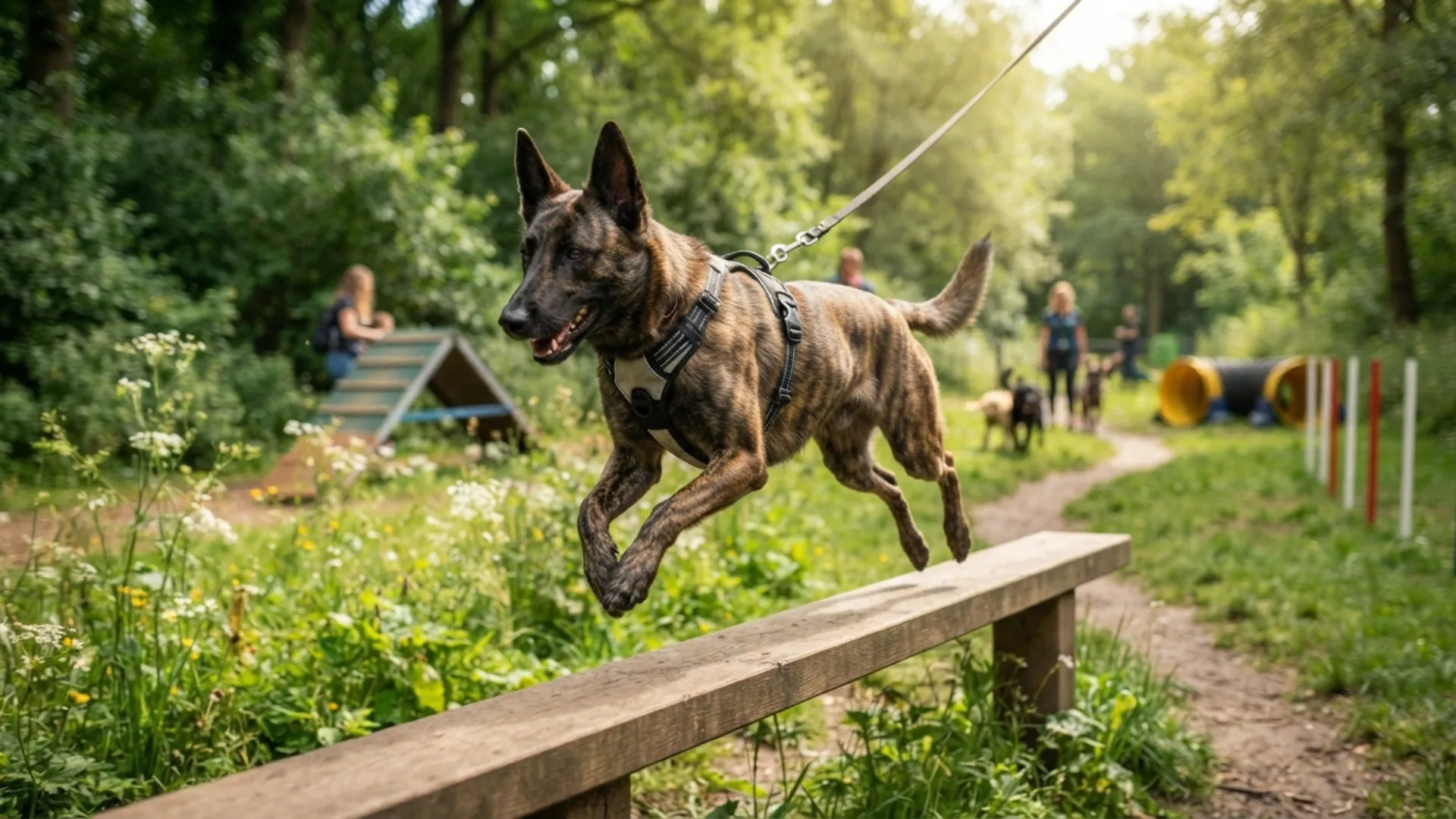
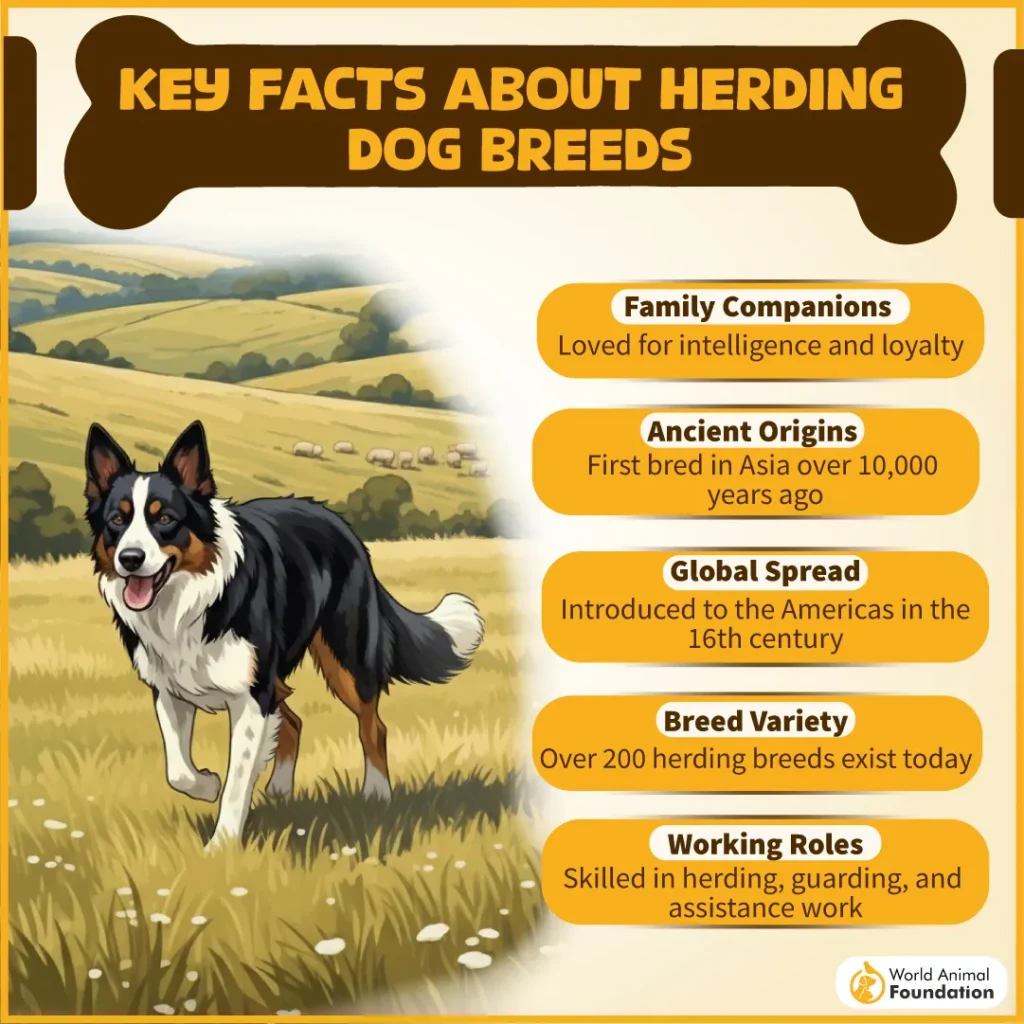
Herding dogs have spent generations working alongside people, guiding animals, watching over flocks, and responding to changing situations across farms and open countryside. Their intelligence, alertness, athleticism, and willingness to work have made them some of the most capable canine partners. Yet each variety brings a different temperament, energy level, and approach to its duties.
For prospective owners, understanding those distinctions can make choosing a suitable companion much easier. A highly driven farm worker may thrive with an outdoorsy household, whereas a more independent guardian could be better suited to someone seeking a watchful property companion.
Exercise, training, grooming, space, and socialization requirements should all be considered before bringing one home.
The following seven breeds represent different sides of the herding world. Some are fast-thinking and intensely responsive, others are rugged guardians with independent instincts, while several occupy a middle ground between athletic worker and devoted household companion. Matching those characteristics with your daily routine can create a more successful relationship.
Top Herder Dog Breeds That Match Your Lifestyle
1. Dutch Shepherd
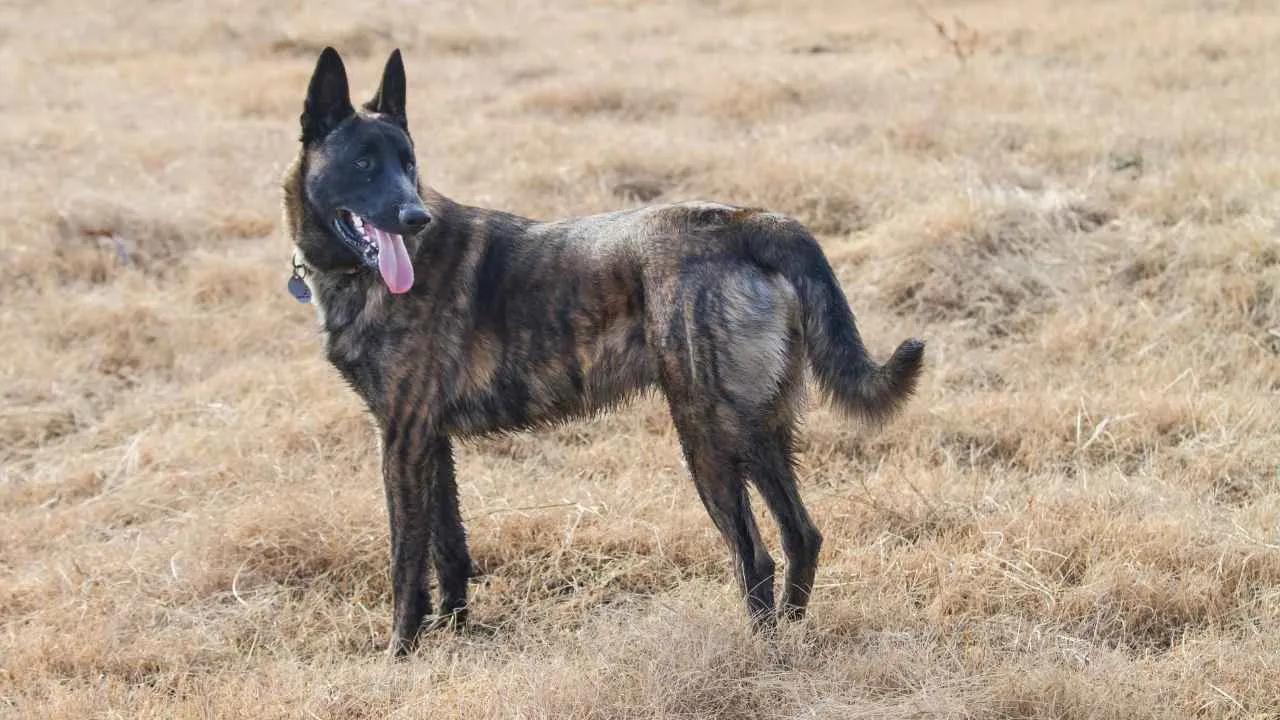
The Dutch Shepherd originated in the Netherlands, where farmers used these versatile dogs to herd livestock and perform numerous tasks around rural properties. Breeders valued adaptability rather than specialization, producing an intelligent, athletic worker capable of switching between assignments.
Grooming and Nutritional Care
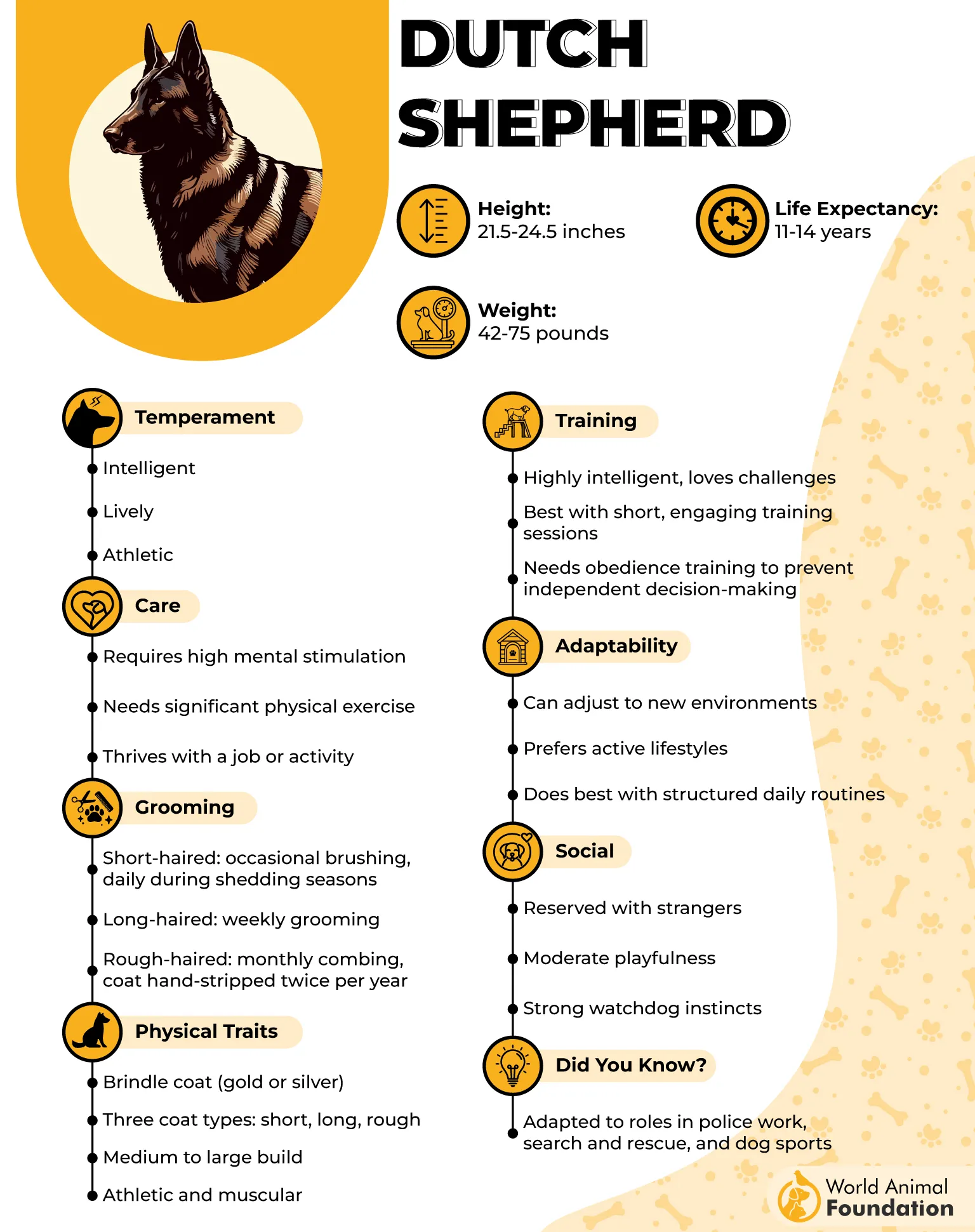
Maintenance varies according to whether the dog has a short, long, or rough coat. Brushing should be adjusted accordingly, while teeth, ears, claws, and skin require routine attention. A complete canine diet should provide enough energy for its workload without promoting excess weight. Portion sizes can change with age, conditioning, and daily activity.
Adaptable Working Companion
This breed suits people who enjoy giving their dog purposeful tasks. Tracking, agility, obedience, scent games, and hiking can satisfy its physical and intellectual requirements. Its quick-learning nature means repetitive routines may become dull. Owners who appreciate variety and active participation are likely to find this Dutch worker especially rewarding.
2. Pyrenean Shepherd
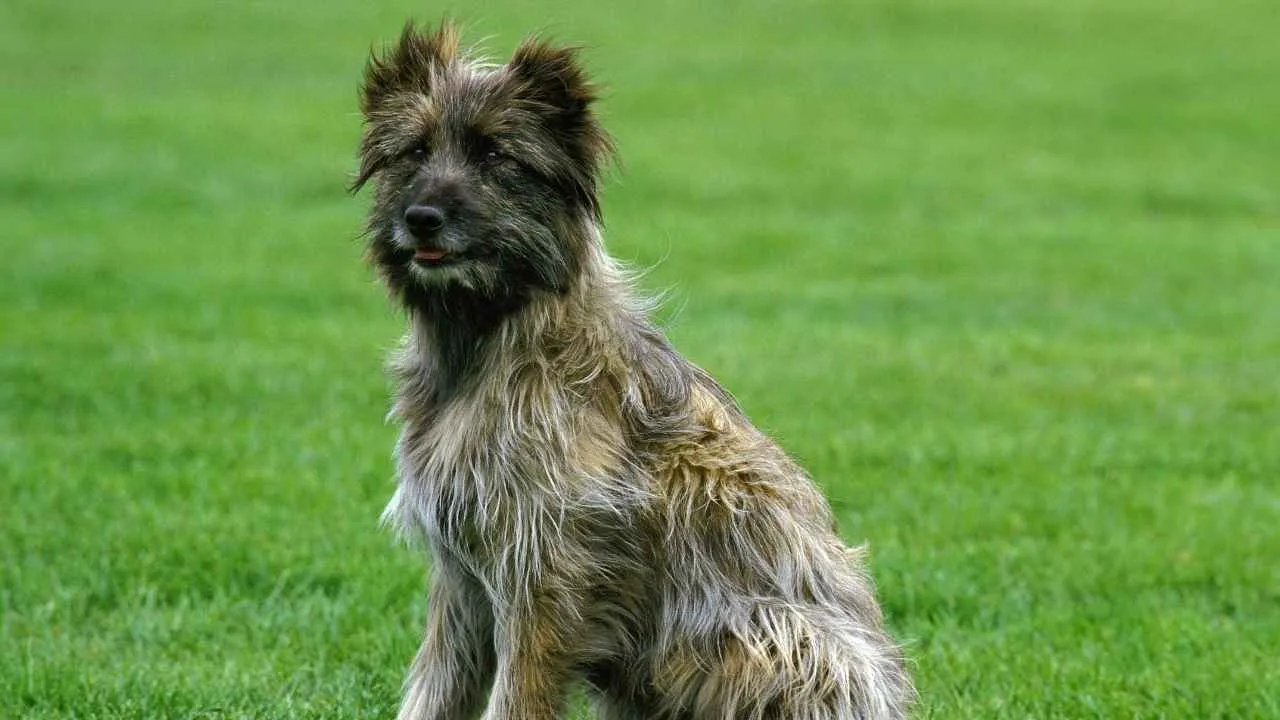
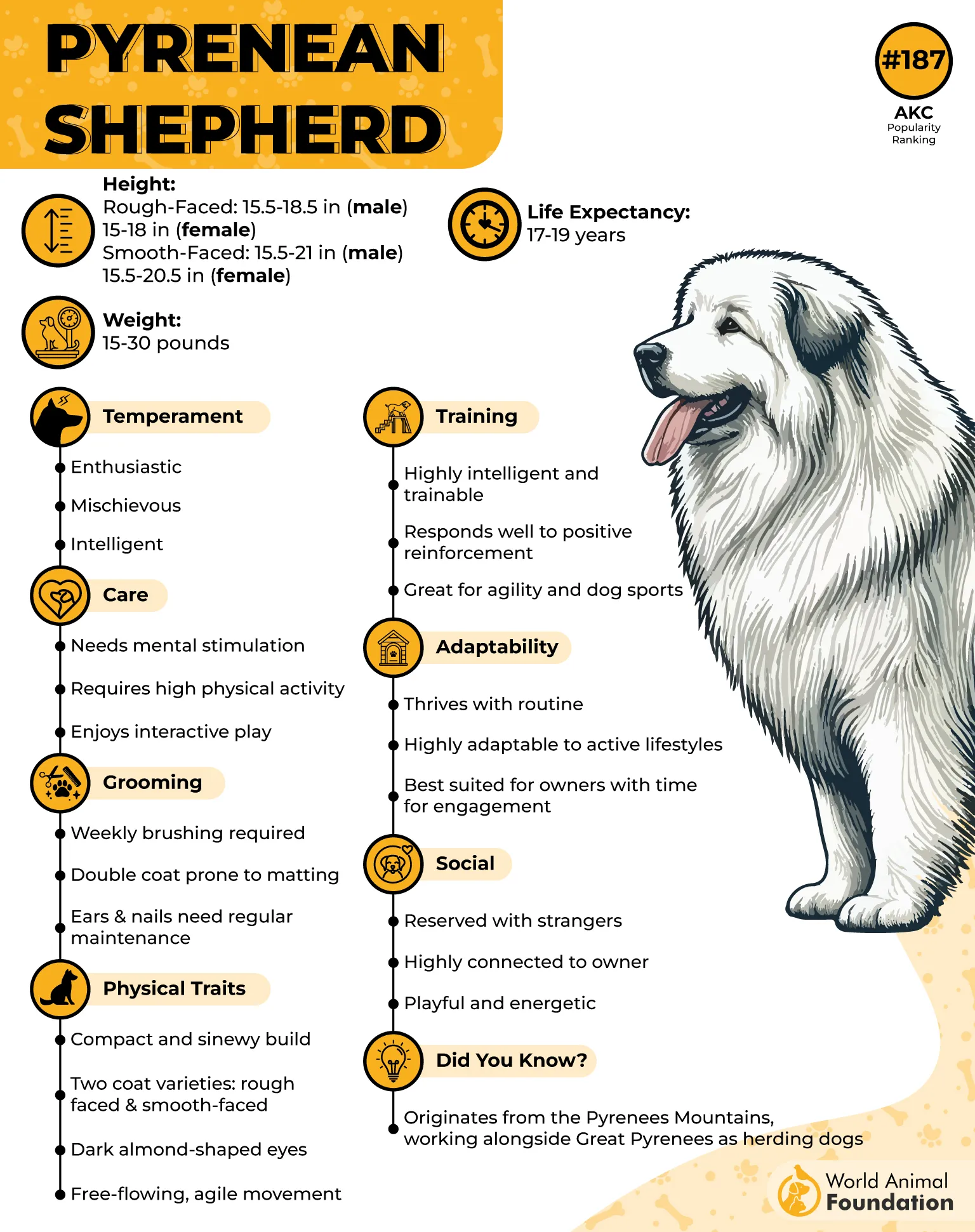
The Pyrenean Shepherd developed in the mountains of southern France, where shepherds relied on nimble dogs to manage flocks across steep, uneven terrain, according to WebMD. The breed’s history is closely connected with the Pyrenees, and its alert disposition reflects generations of practical pastoral work. Both rough-faced and smooth-faced varieties exist.
Coat Maintenance and Feeding
A Pyrenean Shepherd benefits from regular brushing, with grooming frequency depending upon its coat type. After outdoor activity, examine the paws and fur for seeds, mud, or other debris. Meals should contain balanced nutrients suited to its developmental stage and expenditure. Maintaining a lean physique is particularly useful for such an agile animal.
Lively Mountain Worker
This French herder can be an excellent fit for individuals who enjoy agility, hiking, training games, or other energetic pursuits. A quiet household with minimal stimulation may not provide enough engagement. Early socialization can also help this alert little dog become comfortable with unfamiliar situations.
3. Catahoula Leopard Dog
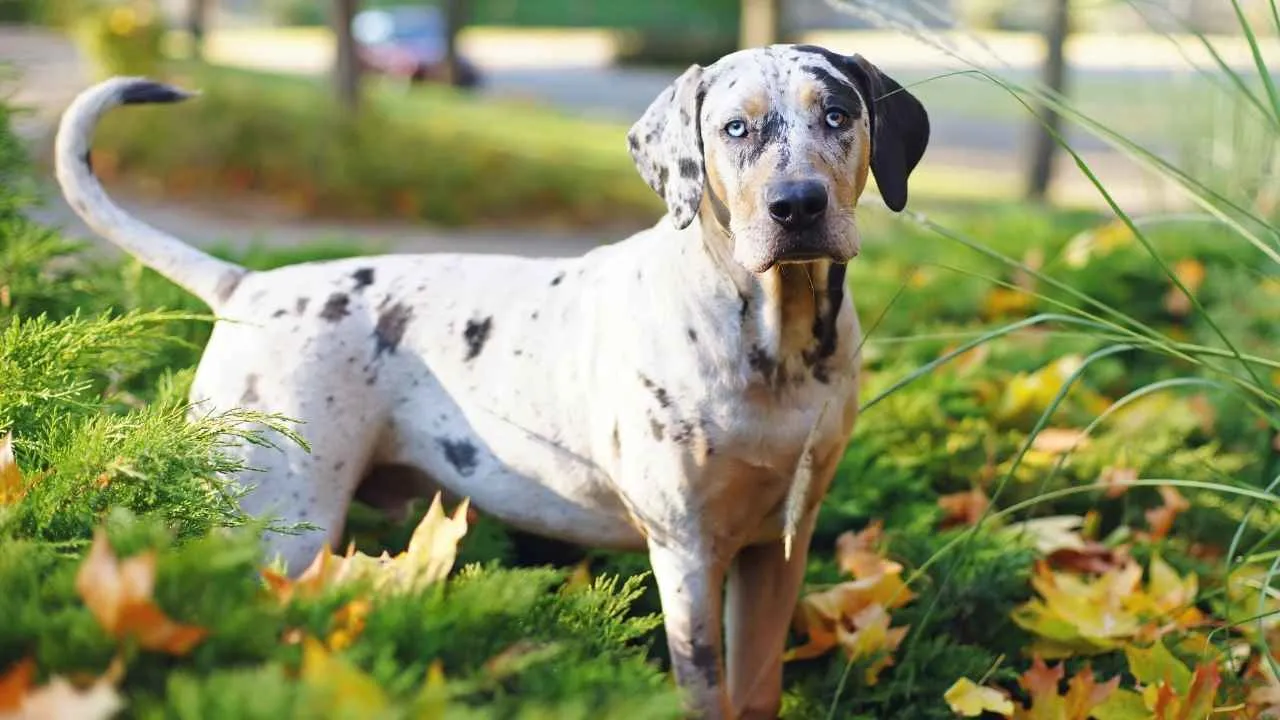
The Catahoula Leopard Dog developed in Louisiana, where settlers and hunters sought a rugged canine capable of handling livestock and pursuing game, as per the UKC. Its ancestry includes regional dogs combined with European influences, creating a distinctive American working breed.
Straightforward Upkeep
This breed’s short coat is generally uncomplicated, requiring occasional brushing to remove loose hair. Ears, teeth, claws, skin, and paw pads still deserve routine inspection, particularly after time outdoors. A nutritious feeding plan should correspond with its age, body condition, and activity level. Overfeeding can place needless strain on an athletic frame.
Independent Farm Dog
Catahoulas often suit experienced owners who appreciate confidence and initiative. Their historical duties required problem-solving rather than constant reliance on human direction. Training therefore works best when expectations remain consistent, and rewards reinforce desirable responses. Secure boundaries are valuable because exploration can be part of their natural behavior.
4. Border Collie
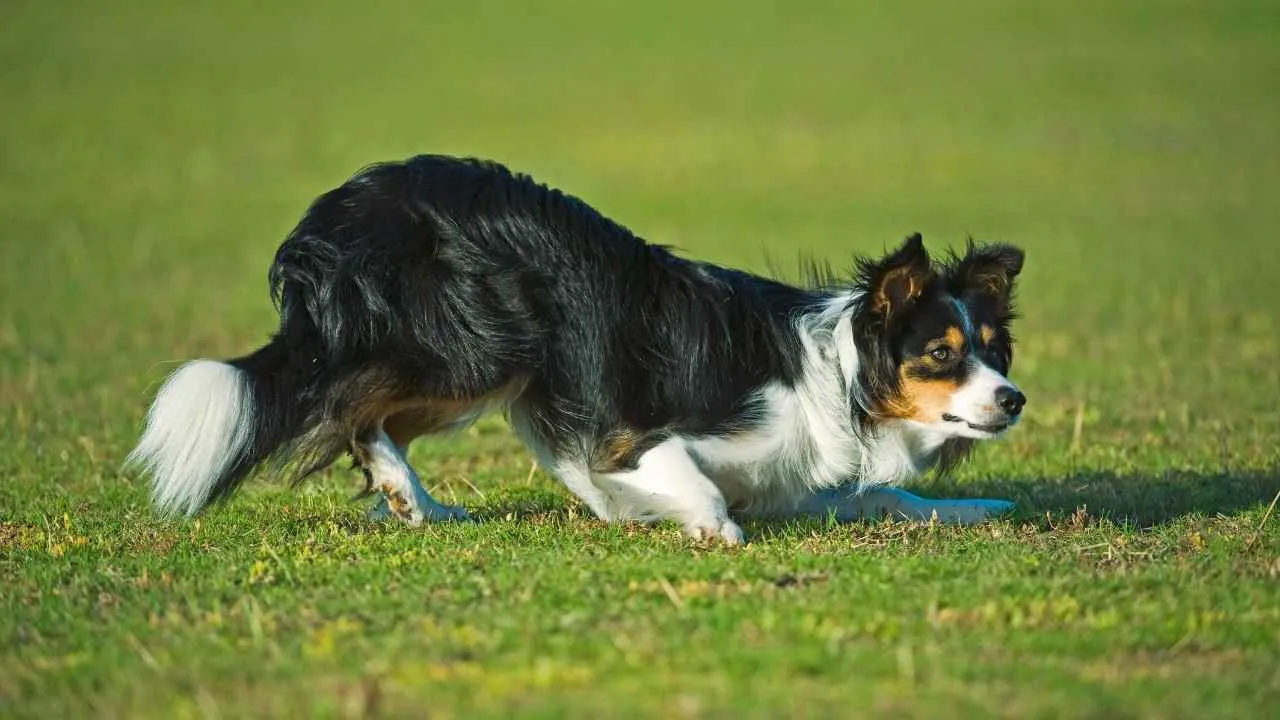
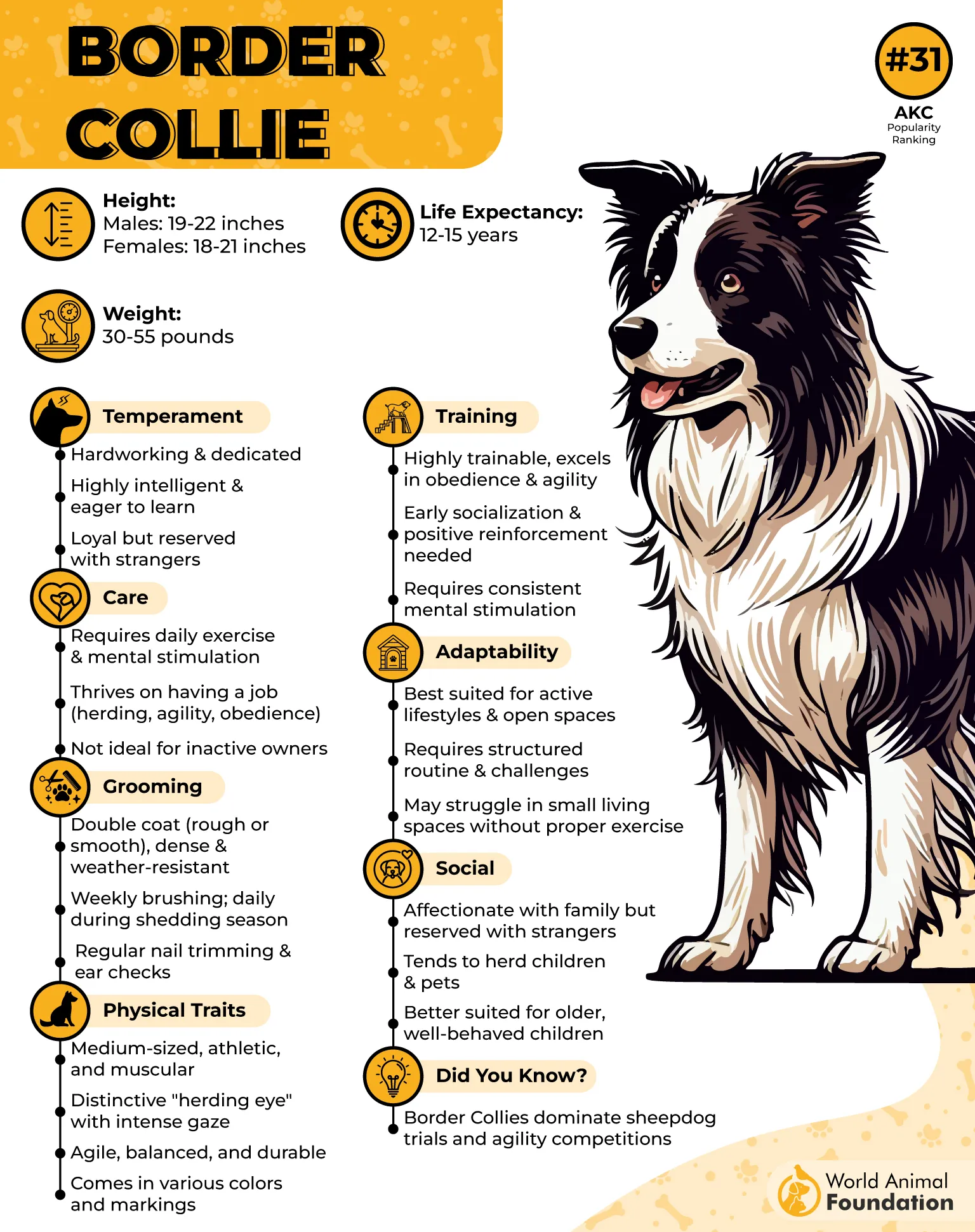
The Border Collie emerged along the border region separating Scotland and England, where shepherds needed highly responsive herding dogs capable of controlling sheep with remarkable precision. Selective breeding emphasized intelligence, endurance, agility, and an instinctive ability to influence livestock through movement and eye contact.
Coat, Meals, and Health
Border Collies may have smooth or rough coats, and either type benefits from regular brushing to remove loose hair. Nail trimming, dental hygiene, ear checks, and parasite prevention should be incorporated into normal care. Food portions need to support an active lifestyle while keeping body weight within a healthy range.
Remarkable Mental Ability
Few dogs compare with the Border Collie when it comes to learning complex instructions. Agility, herding, scent work, advanced obedience, and problem-solving games can provide meaningful stimulation. Owners who enjoy teaching new behaviors and actively participating with their dog may discover an exceptionally rewarding partnership.
5. Maremma Sheepdog
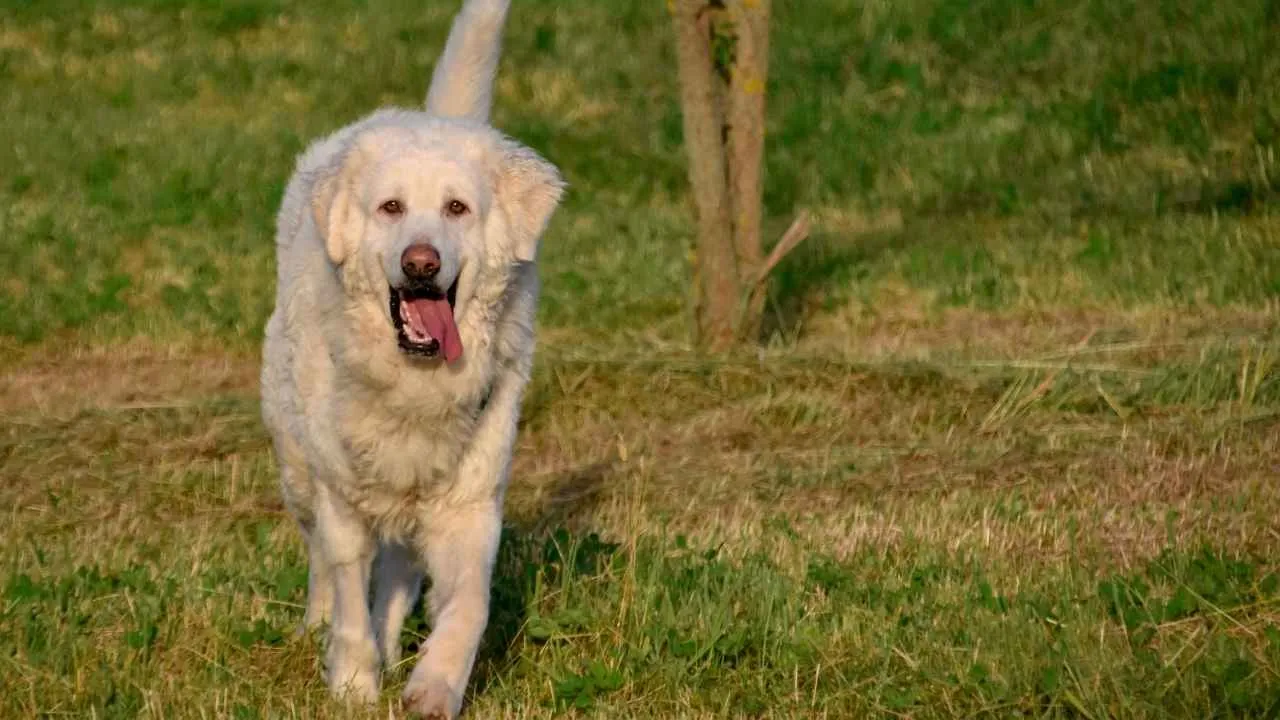
The Maremma Sheepdog comes from central Italy, particularly the Maremma and Abruzzo regions, where it guarded sheep against predators, according to Purina. Unlike directional herders that actively move animals, this large white guardian traditionally stayed close to livestock and independently assessed possible threats.
White Coat and Diet
Its abundant fur needs regular brushing, especially during periods of heavy seasonal shedding. Owners should check the coat for tangles, burrs, and skin problems after countryside excursions. Because this is a large breed, careful nutrition during growth is particularly important. Excess calories can encourage overly rapid development and unnecessary strain.
Protective Rural Presence
A Maremma is better suited to owners who understand independent livestock guardians than those expecting constant obedience. Early socialization, secure property boundaries, and consistent household rules are valuable. Rural settings generally suit its instincts better than tightly confined urban environments.
6. Belgian Tervuren
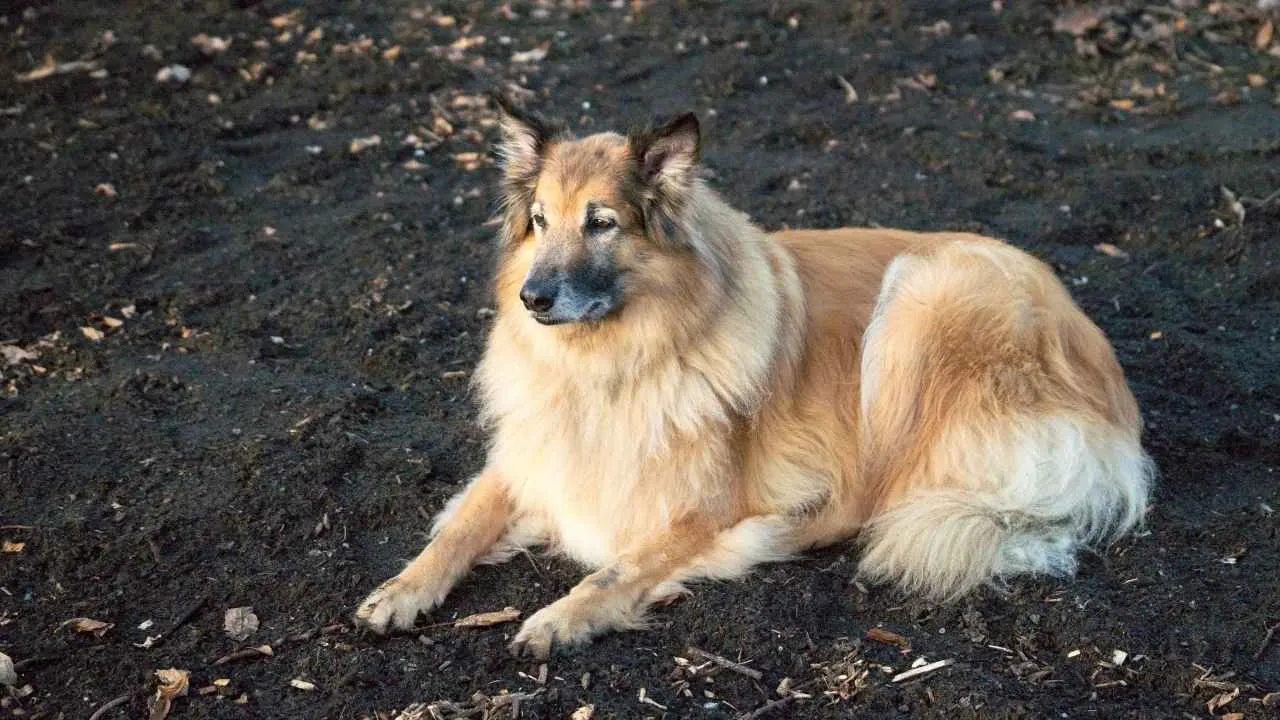
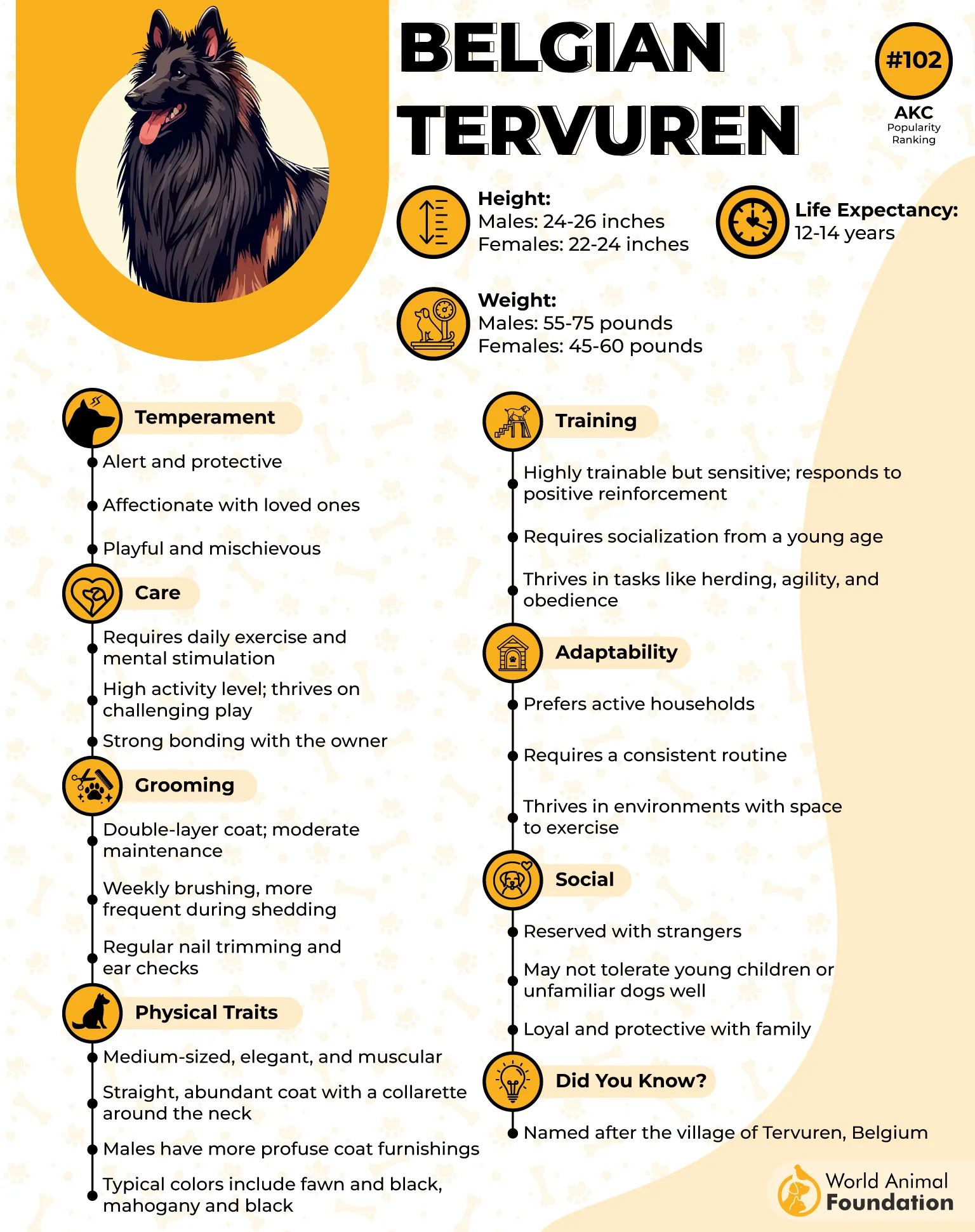
The Belgian Tervuren is one of four recognized Belgian Shepherd varieties and takes its name from the Belgian village of Tervuren. It developed as a farm dog involved in livestock management and property protection, with breeders emphasizing intelligence, athleticism, alertness, and cooperation. Beneath that refined exterior is a serious working temperament.
Long Coat and Feeding Needs
This breed’s flowing double coat requires frequent brushing to control shedding and prevent knots, particularly around feathered areas. Teeth, ears, claws, and paw pads also need regular inspection. Meals should provide complete nutrition appropriate for age, size, and energy expenditure. Treats should remain a small component of total calorie intake.
Energetic Human Partnership
Belgian Tervurens often thrive with owners who enjoy structured activities. Herding exercises, tracking, obedience, agility, and brisk outings can give this intelligent dog productive ways to use its abilities. People prepared to invest time in both exercise and education can develop a remarkably devoted relationship with this Belgian worker.
7. Anatolian Shepherd Dog
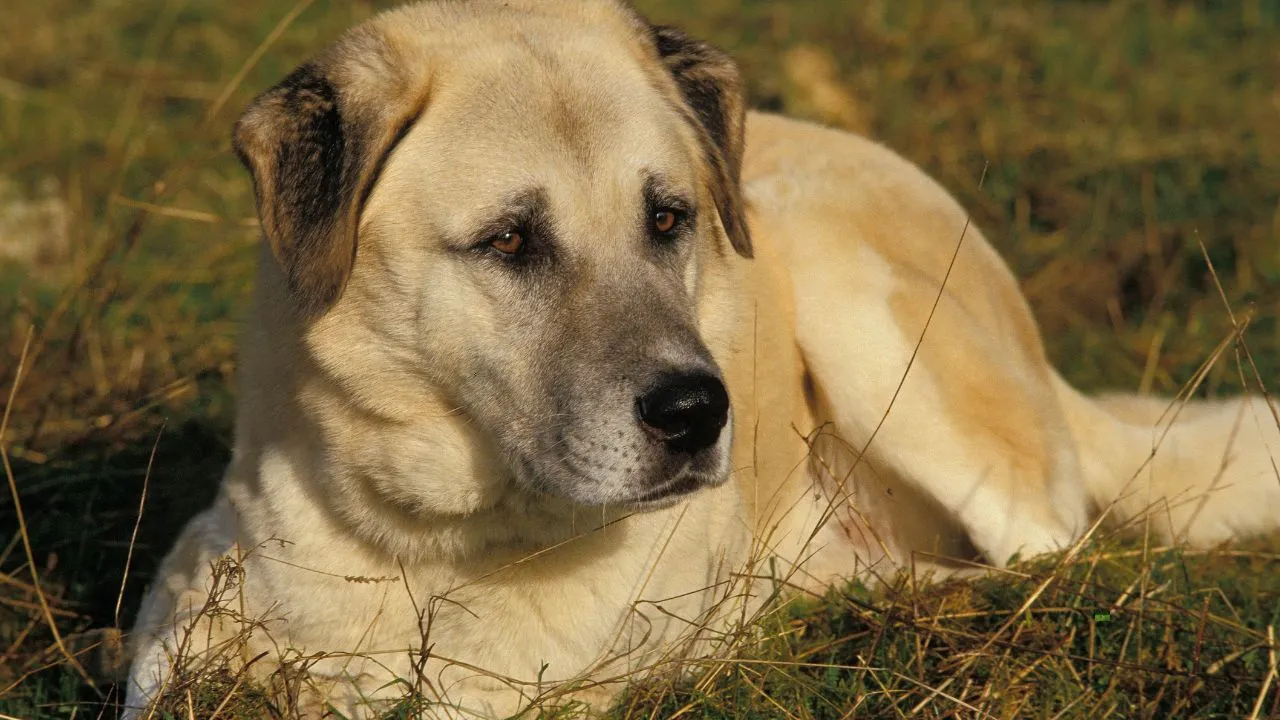
The Anatolian Shepherd Dog has ancient roots in Turkey, where large livestock guardians protected sheep and goats across expansive territories. These powerful dogs needed to withstand severe weather, patrol broad areas, identify potential threats, and make independent decisions without constant human instruction.
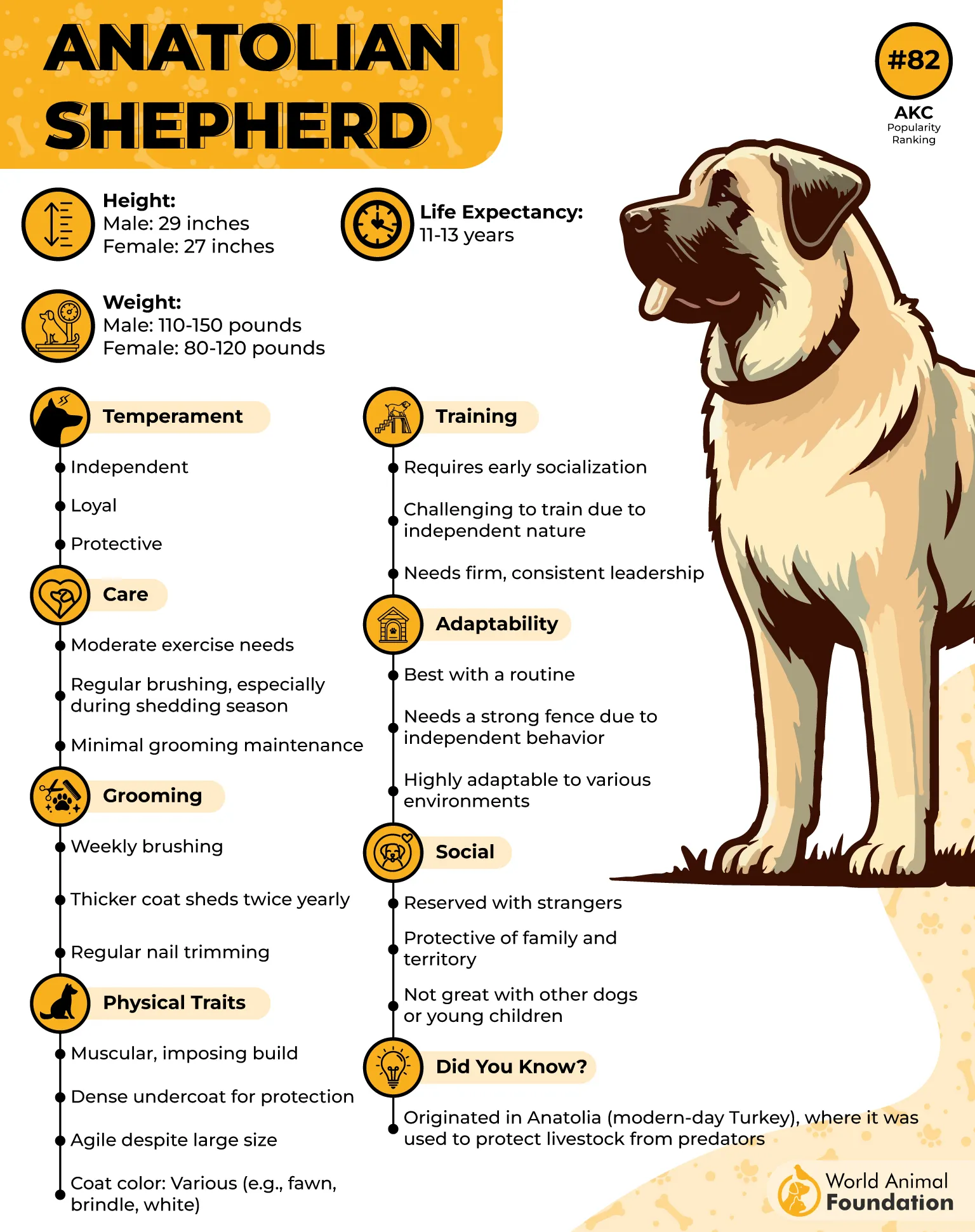
Large-Breed Maintenance
The Anatolian’s double coat generally benefits from regular brushing, with additional grooming during seasonal shedding. Its substantial size makes controlled growth especially important during puppyhood, so feeding should follow appropriate large-breed guidance. Nails need monitoring because excessive length can affect movement. Shade and clean water are essential during hot conditions.
Independent Guardian
This Turkish guardian can suit owners with sufficient space who appreciate a dog capable of thinking independently. It naturally monitors unfamiliar sounds, people, and activity, so early socialization is essential. Reliable fencing and clear household boundaries help manage its protective instincts. Unlike highly biddable herders, it may not respond instantly to every command.
Conclusion
The Dutch Shepherd and Belgian Tervuren offer energetic versatility, while the Pyrenean Shepherd brings nimble enthusiasm to active households. Catahoula Leopard Dogs possess independent farm-working instincts, and Border Collies stand out for extraordinary intelligence.
Maremma Sheepdogs and Anatolian Shepherd Dogs represent the guardian side of pastoral life, relying more heavily on judgment and vigilance.
Lifestyle compatibility should remain the deciding factor. Before choosing a herding breed, consider exercise demands, grooming responsibilities, nutritional needs, living arrangements, training experience, and temperament. Conversely, an independent guardian may not suit someone seeking an eager, highly responsive training partner.
When a breed’s inherited abilities align with an owner’s routine, the relationship can become exceptionally rewarding. Providing appropriate stimulation, responsible care, patient education, and a suitable environment allows those remarkable instincts to become valuable qualities within modern family life.
