




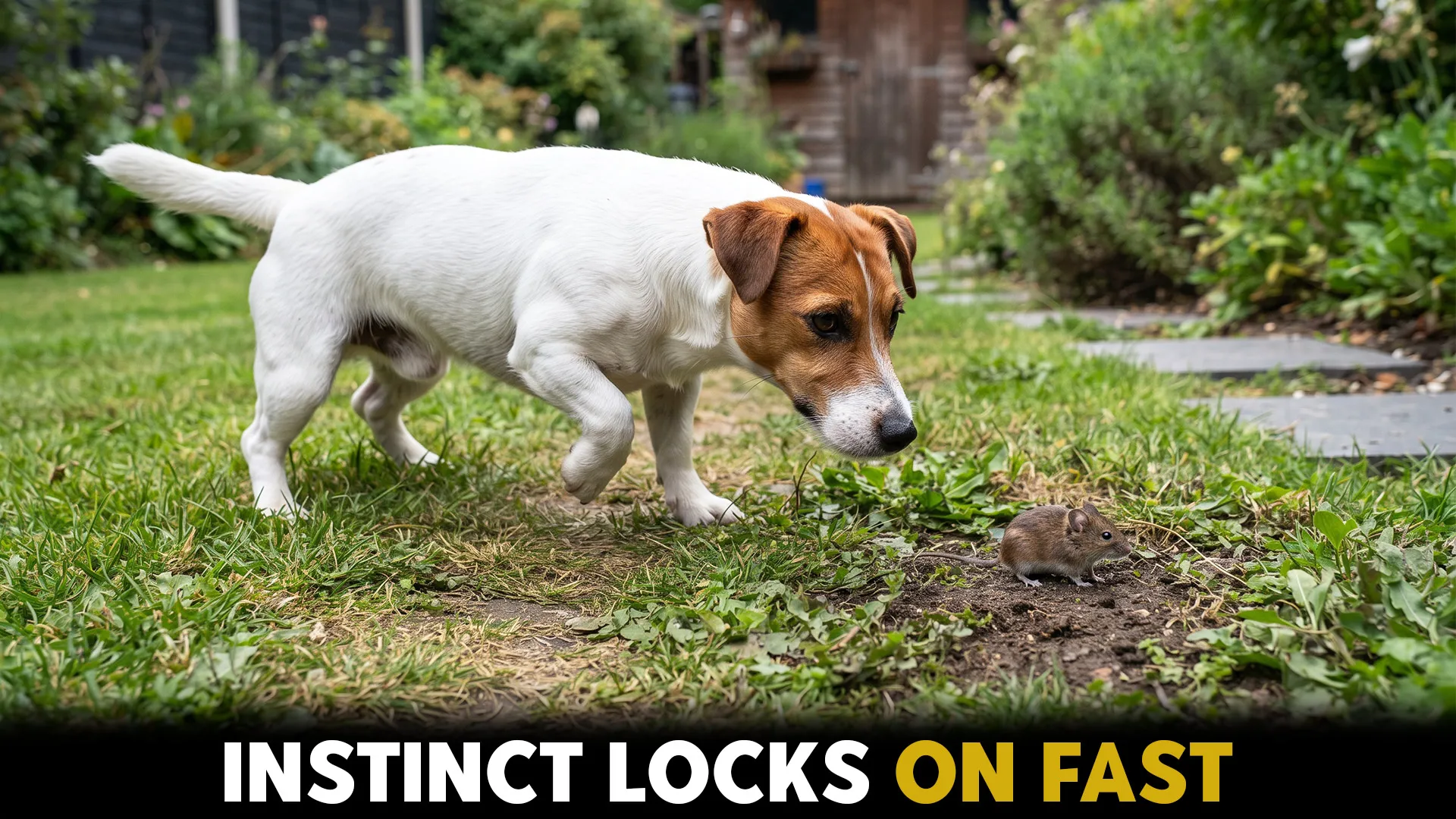
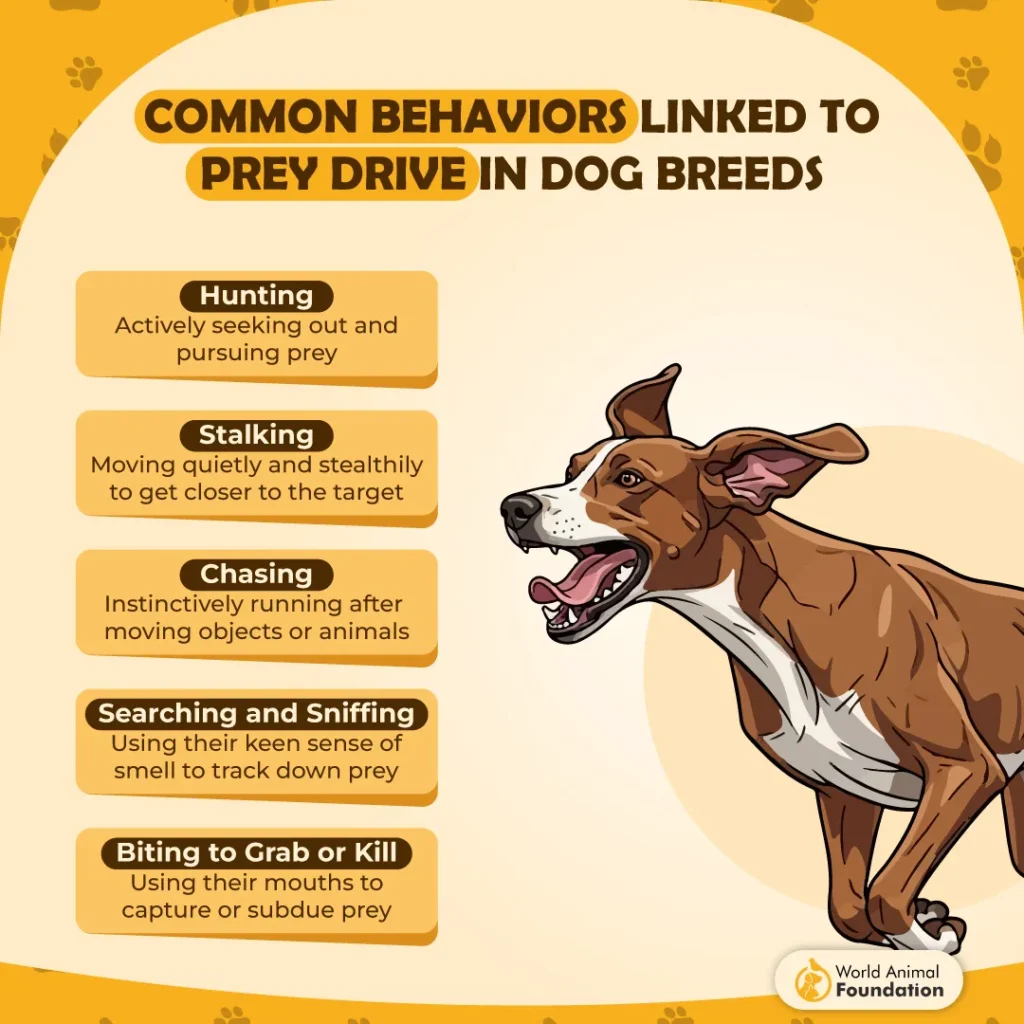
A rustling bush can instantly grab the attention of a dog with a focused prey drive. One moment they may be casually exploring, and the next their ears lift, eyes sharpen, and attention locks onto the movement.
Dogs with a strong prey drive often show more than simple curiosity. They may feel a natural urge to watch, follow, chase, or track animals that trigger their instincts.
Certain breeds developed these traits through generations of selective breeding for hunting, retrieving, and other working roles, making them both fascinating and sometimes challenging in modern homes.
These dogs often need more than basic daily walks to stay mentally satisfied. Training, scent games, and other stimulating activities can give them healthy outlets for their instincts.
For owners who understand and manage these natural behaviors, a focused prey drive can become an impressive strength rather than an everyday challenge. Now, let’s get to know these breeds.
Best Dog Breeds with a Focused Prey-Drive Instinct
1. Greyhound
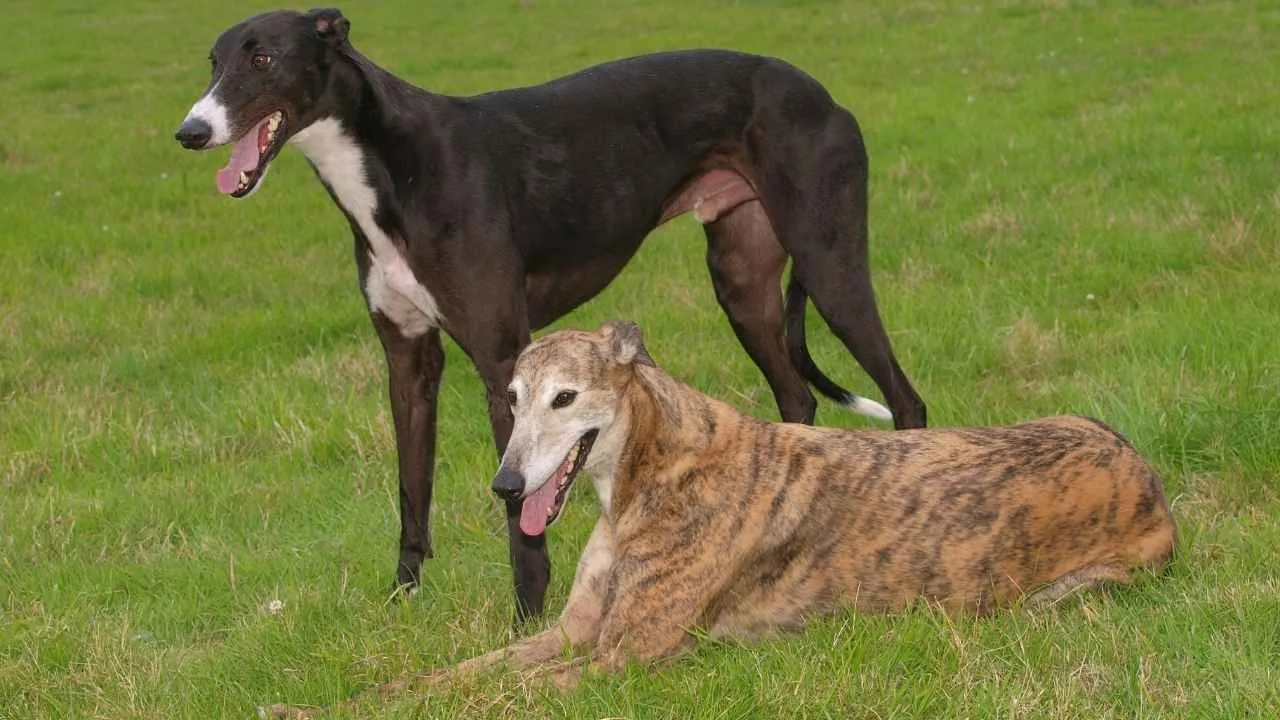
Greyhounds can reach speeds of around 45 miles per hour, making them one of the fastest dog breeds in the world. Their strong hunting instincts also have a long history, as they were bred for coursing game across different types of terrain.
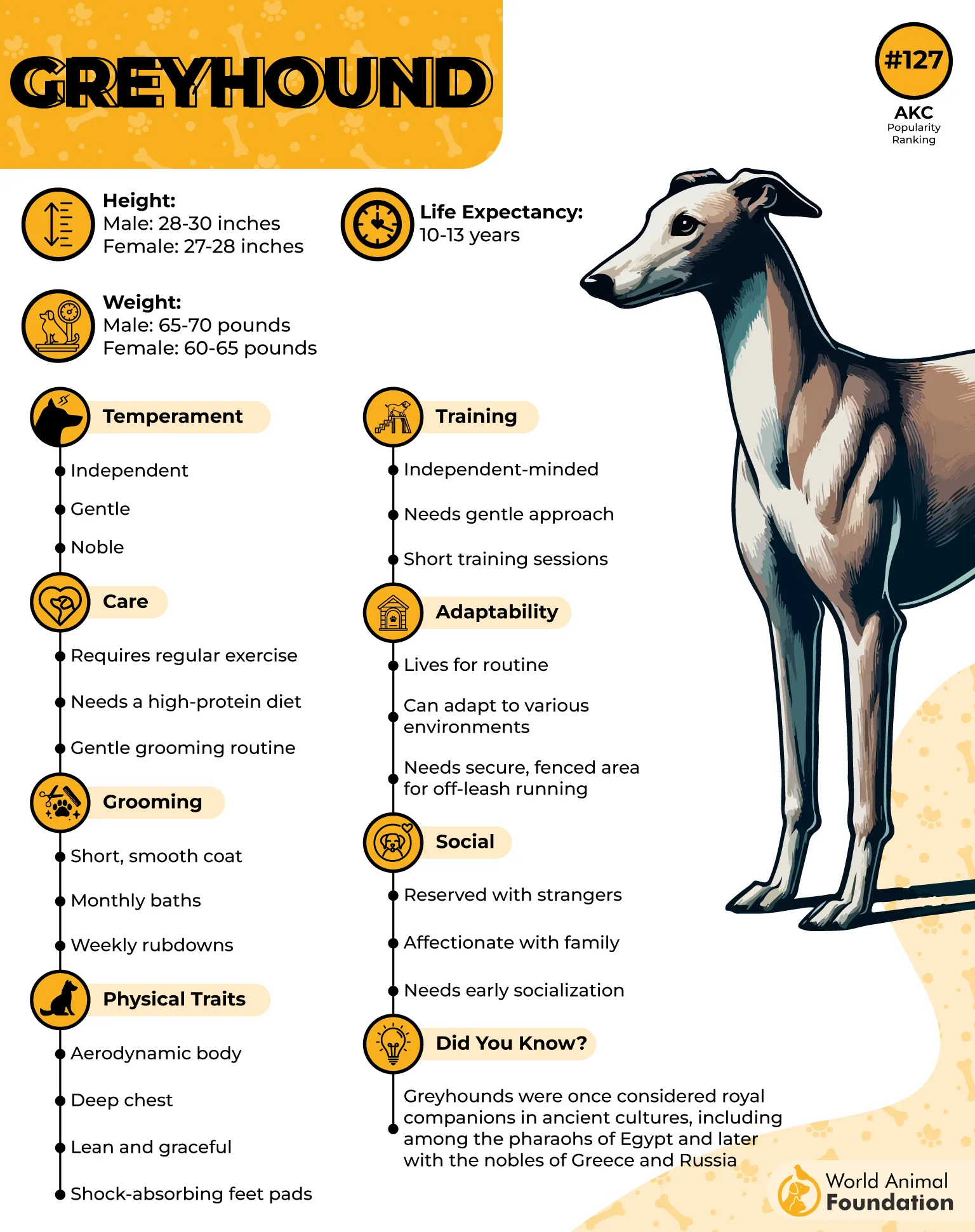
Greyhounds are known as sighthounds because they rely heavily on sharp vision, speed, and agility to spot and chase moving animals. Beyond their hunting background, they are also admired for their gentle and easygoing personalities, which can make them wonderful companions in many homes.
They are generally quiet and peaceful dogs that enjoy plenty of rest after short bursts of activity. Leash training and early socialization are important for helping manage their natural instinct to chase small, fast-moving animals.
2. Siberian Husky
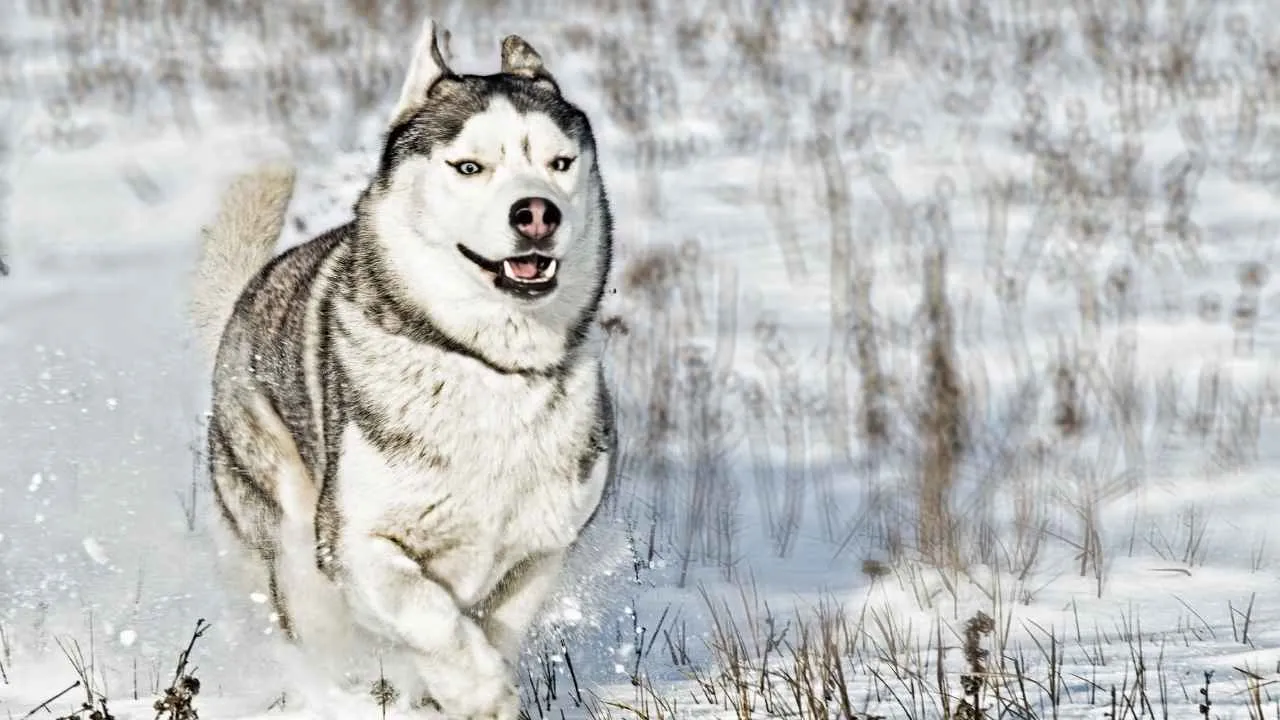
The Chukchi people of northeastern Siberia developed these medium-sized Arctic dogs for endurance, hard work, and survival in harsh conditions. Siberian Huskies can have a strong prey drive, so they may chase small animals such as rabbits, squirrels, and sometimes cats.
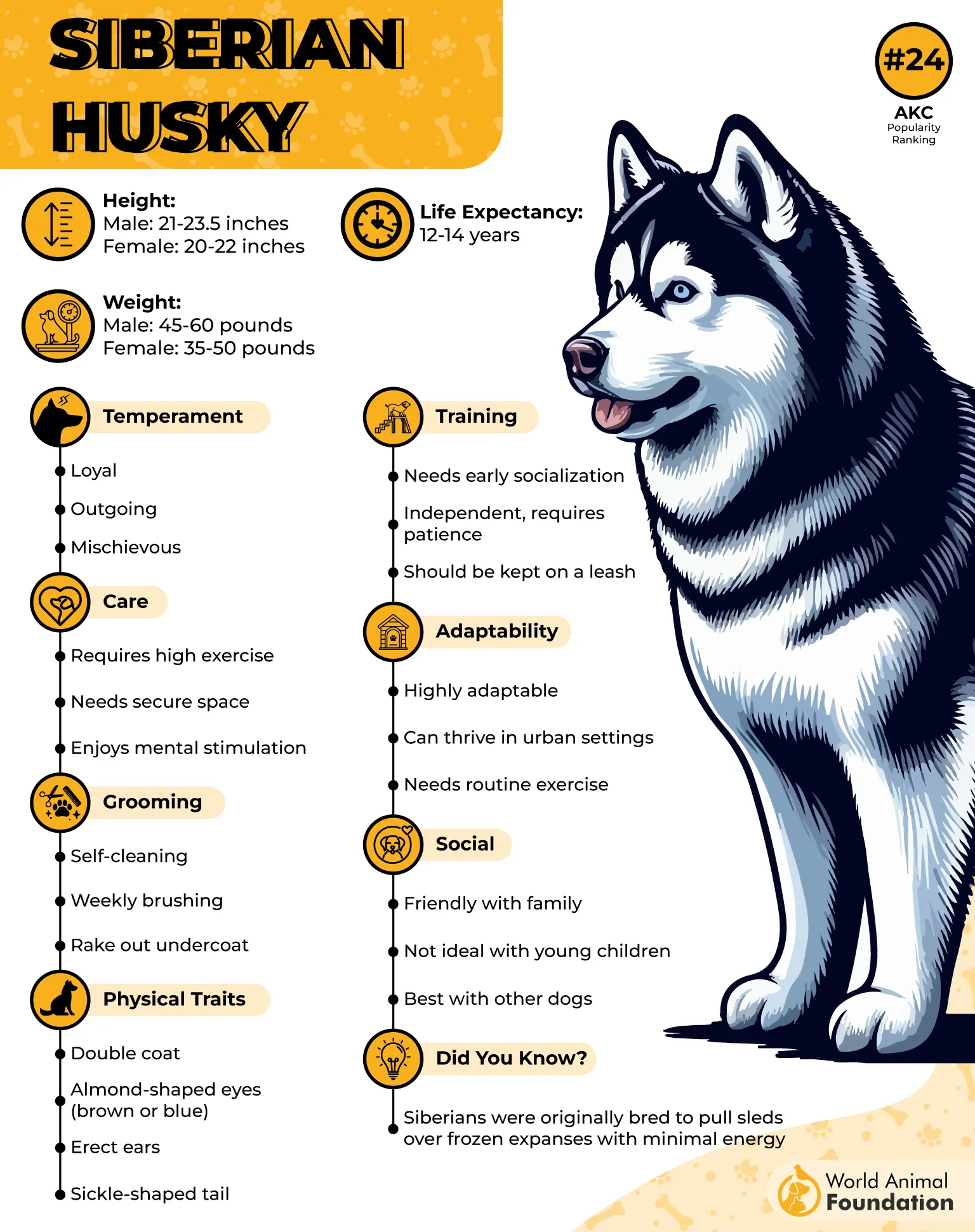
PetMD states that these energetic dogs need plenty of physical exercise and mental stimulation to stay healthy and content. When trained and socialized from a young age, they can adapt well to family life and are often friendly, affectionate, and alert.
Siberian Huskies thrive in active homes with consistent training, clear routines, and plenty of engagement. They can get along well with other dogs, especially when raised together. Because they are highly social, some Huskies may become bored, anxious, or destructive if left alone for long periods.
3. Jack Russell Terrier
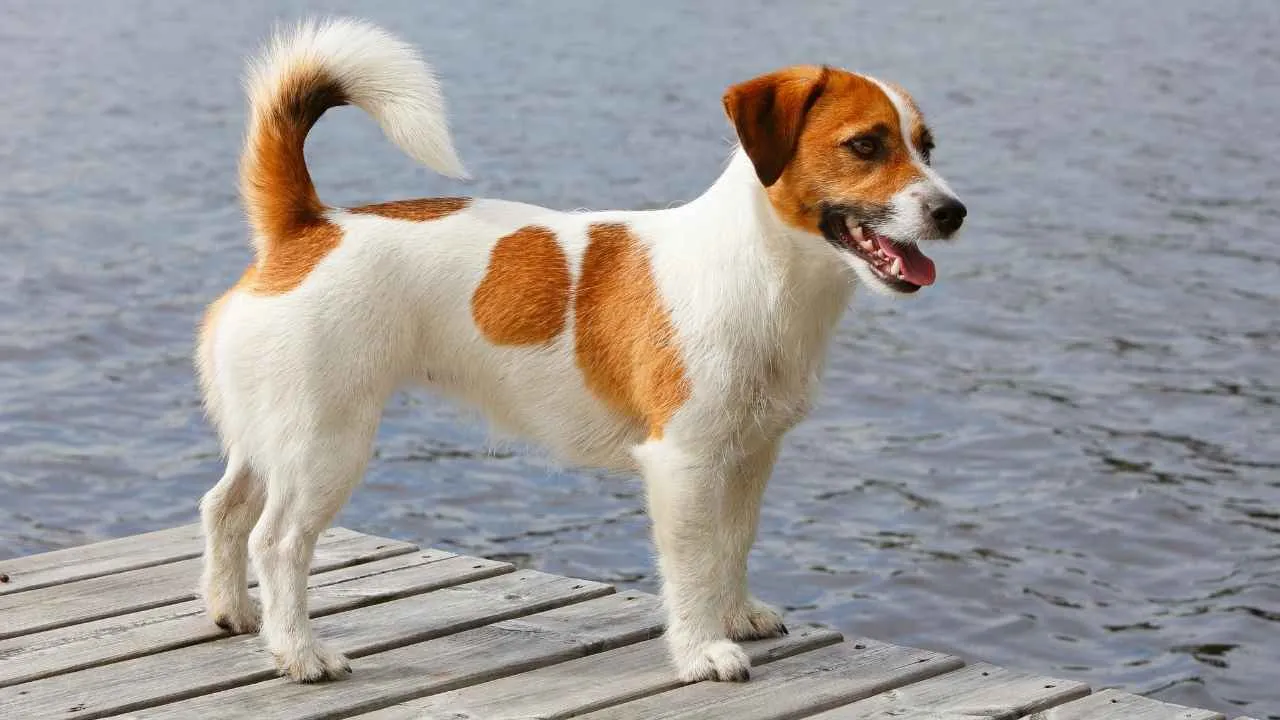
Jack Russell Terriers have a strong prey drive and may quickly chase anything that moves. This instinct comes from their history as working terriers, originally bred to help hunt foxes and other small game.
These dogs are agile, energetic, and loyal companions, but they may not be the best choice for homes with small pets. Without enough exercise, play, and mental stimulation, their high energy and natural hunting instincts can lead to unwanted behaviors.
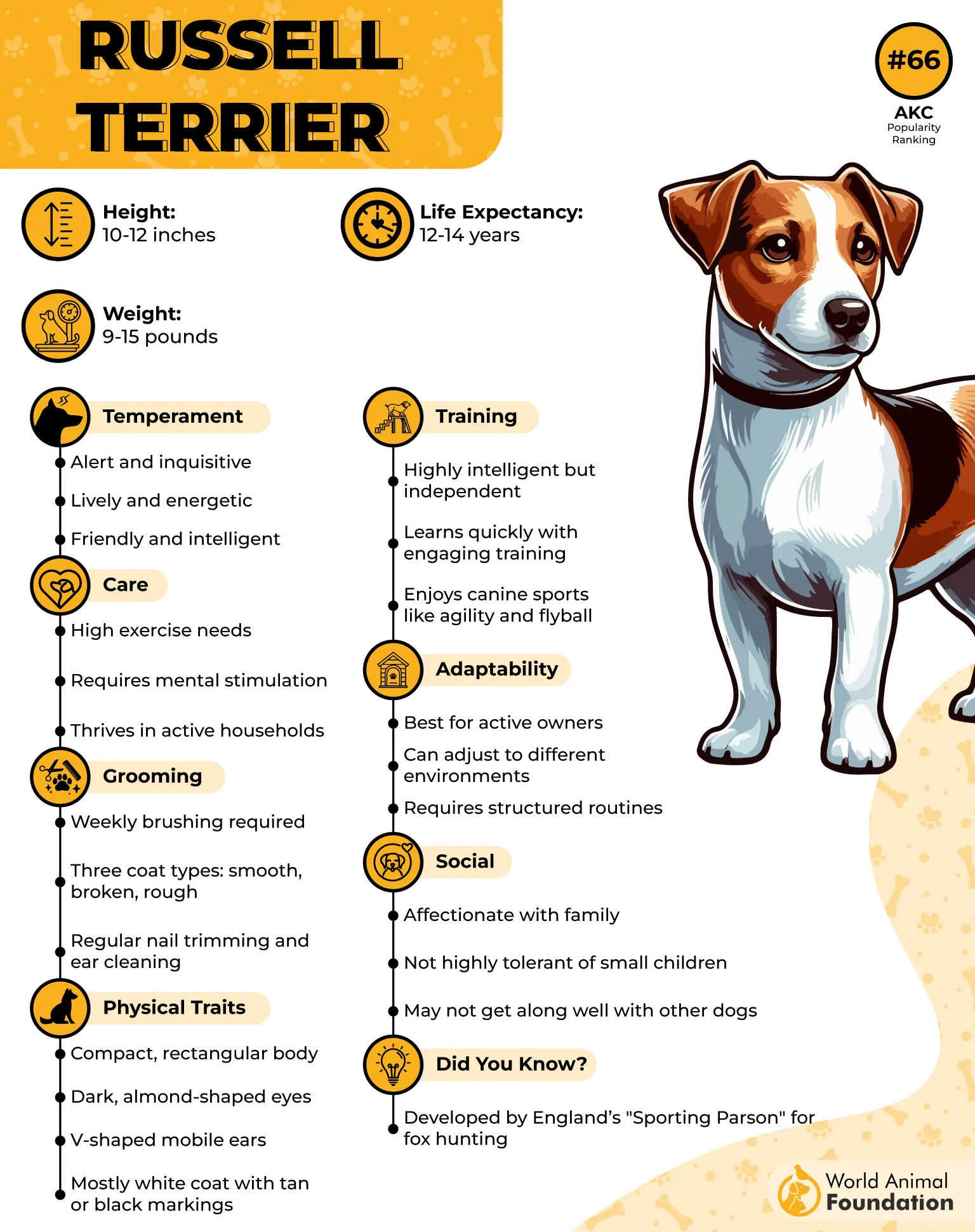
Like many terriers, Jack Russells can be bold, determined, and sometimes reactive, especially when poorly socialized. They are also highly intelligent dogs that respond well to consistent, positive training and can quickly learn new commands, tricks, and challenging tasks.
4. Australian Cattle Dog
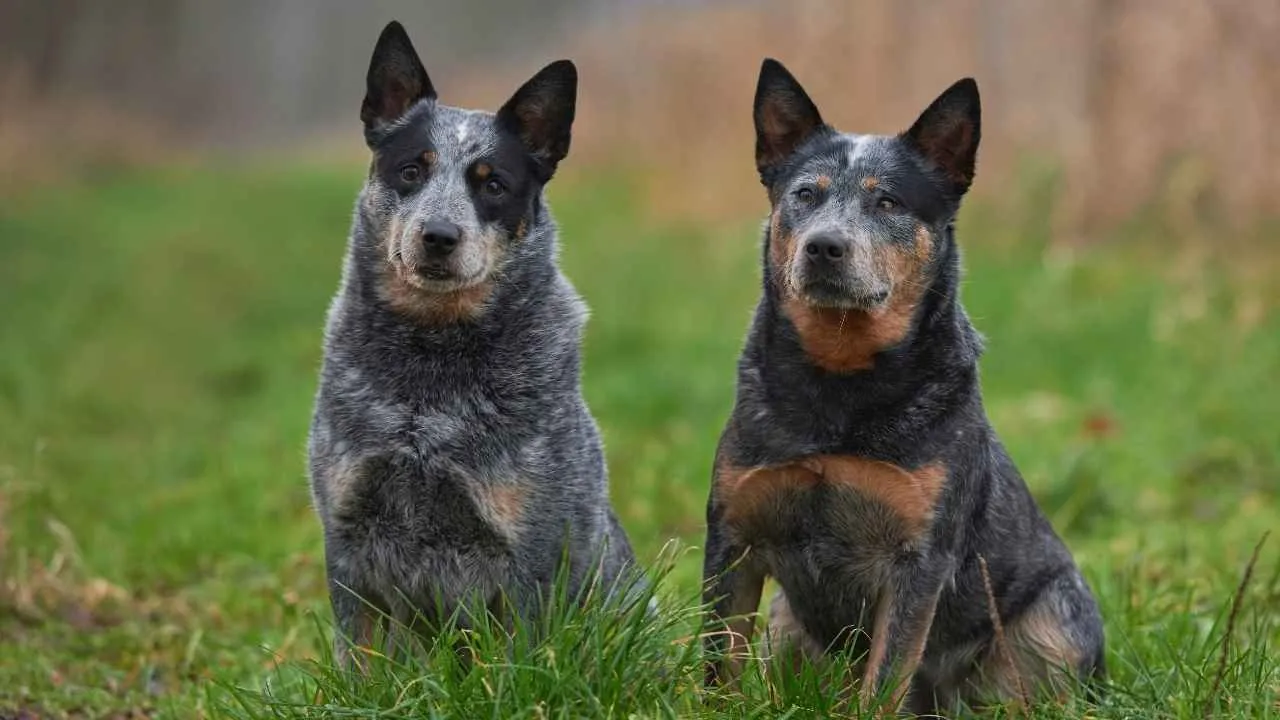
Australian Cattle Dogs are known for their strong herding instincts, impressive stamina, and ability to work for long hours. The AKC notes that they were originally bred to move cattle over difficult terrain, which helped shape their focused, independent, and highly driven nature.
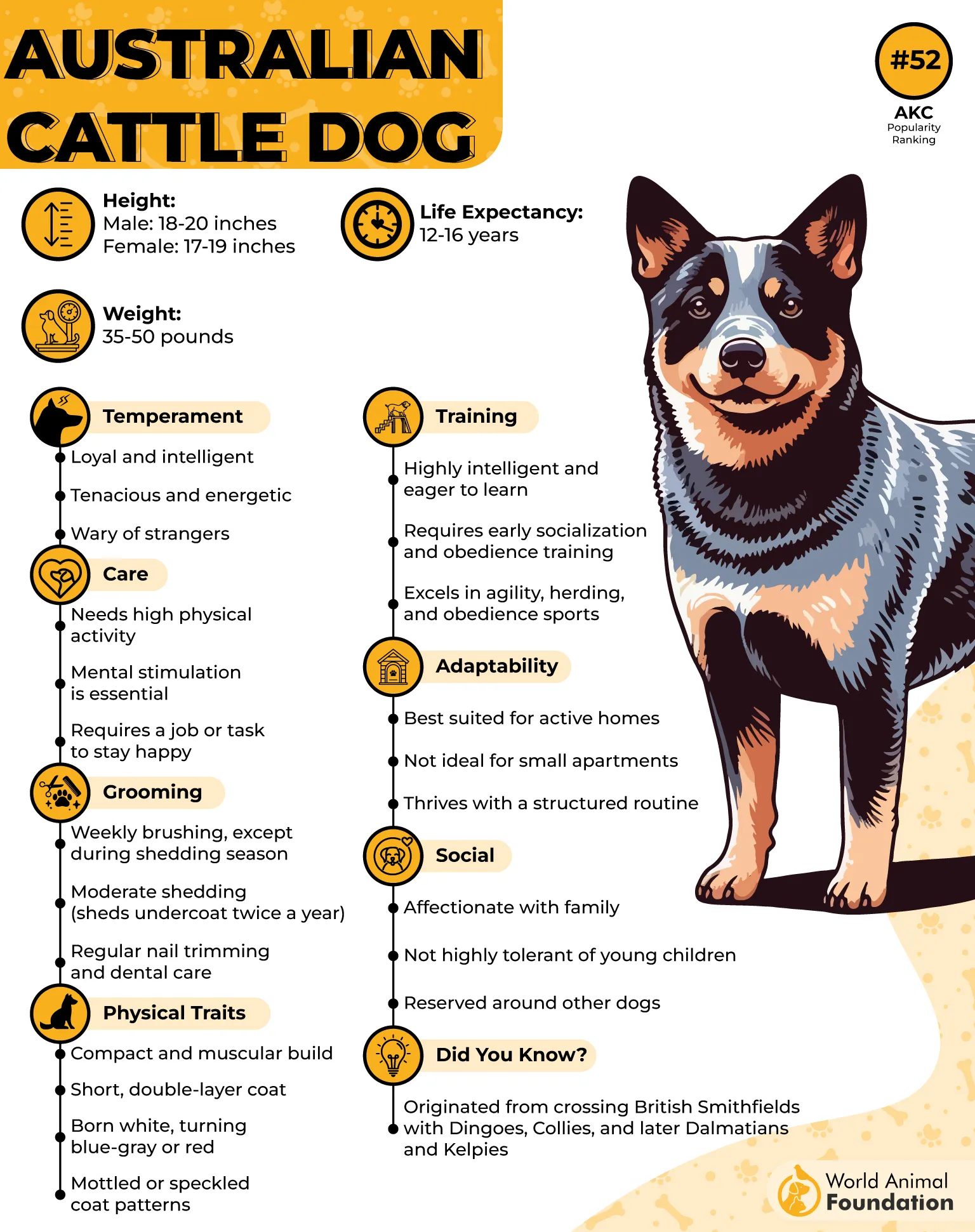
These dogs can be challenging for first-time owners because they are extremely intelligent, energetic, and need plenty of activities that engage both their minds and bodies. Without enough exercise and stimulation, they may become restless or develop unwanted habits.
Their herding instincts can make them want to chase moving animals, bicycles, or even vehicles, so early training and careful management are important. Australian Cattle Dogs can be independent and strong-willed, but with patient, consistent training, they usually learn commands quickly and enjoy having a job to do.
5. Afghan Hound
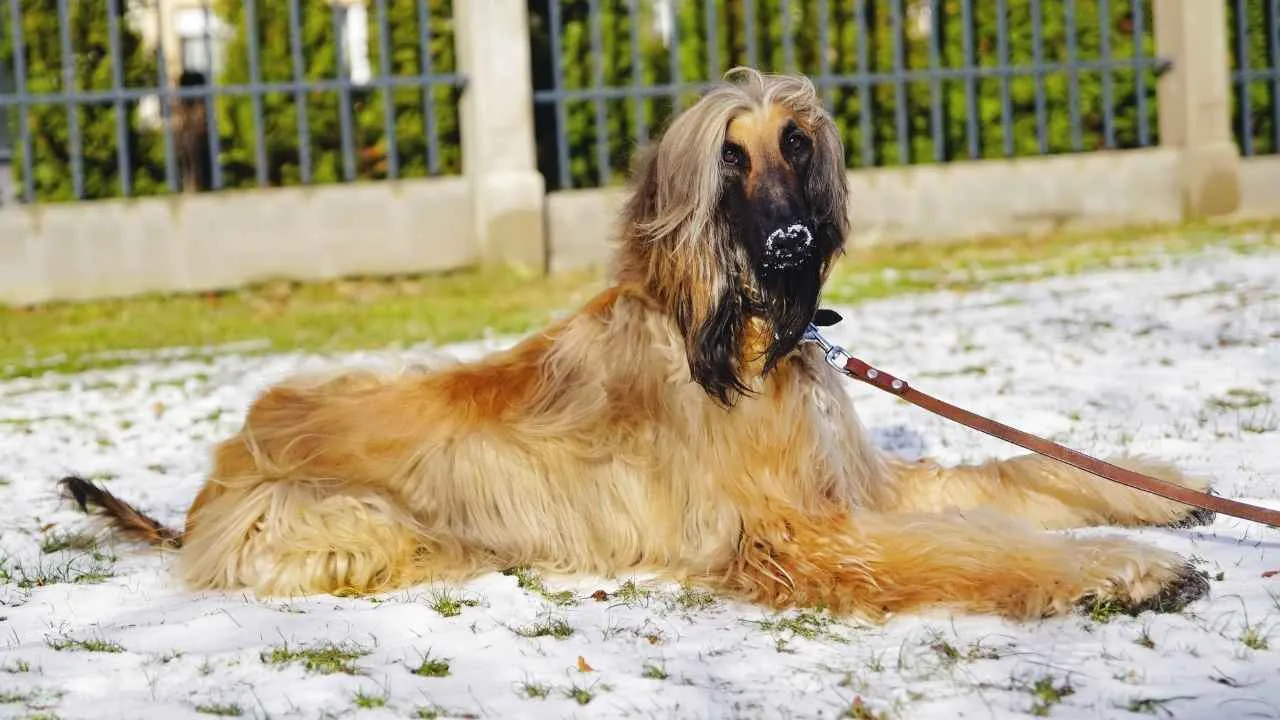
Afghan Hounds are among the most striking dog breeds in the world, but there is much more to them than their elegant appearance. These sighthounds have sharp vision, impressive speed, and strong agility, traits that once helped them hunt across difficult terrain, as per UKC.
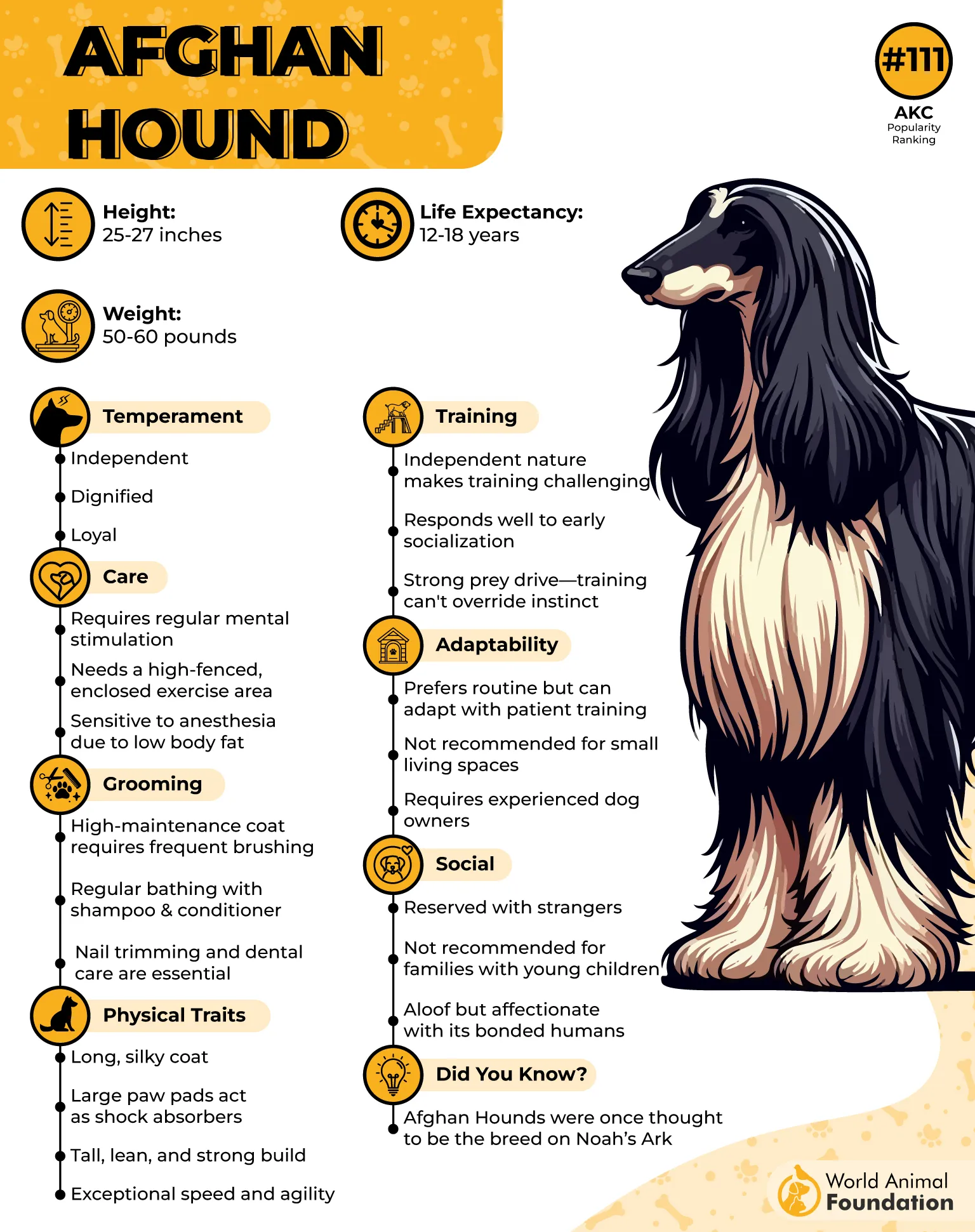
Afghan Hounds may look glamorous, but they also have sensitive, independent personalities. Their reserved nature can make them better suited to owners who understand confident, self-reliant breeds. They are often aloof with strangers but affectionate with people they trust.
Because of their strong prey drive and exercise needs, Afghan Hounds require regular physical activity and mental stimulation. Leash training and a securely fenced yard are also important, as their instinct to chase moving animals can be difficult to control once triggered.
6. Weimaraner
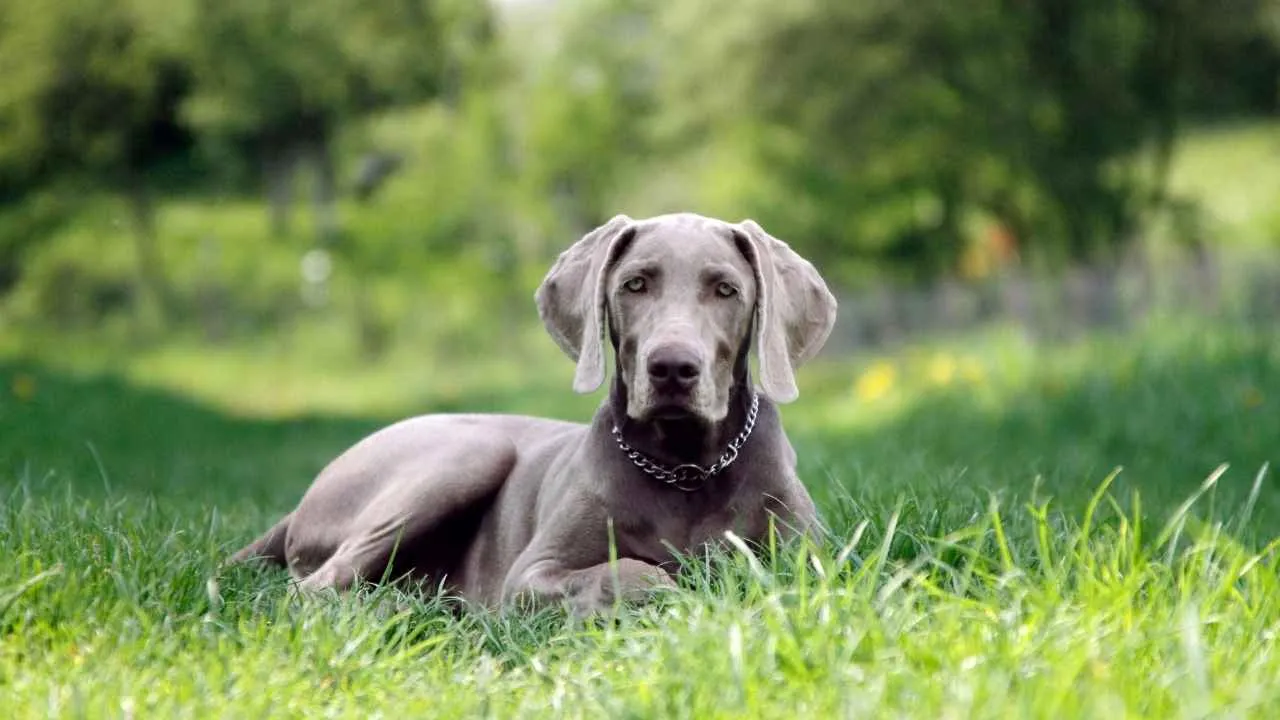
Originating from Germany, the Weimaraner is a versatile hunting breed with a rich and fascinating history. Their strong hunting background has shaped their natural prey drive, making them likely to chase smaller animals such as birds and rodents.
Weimaraners can develop excellent social skills when introduced to different people, animals, and environments from an early age. They thrive in homes where they receive plenty of interaction, exercise, training, and attention.
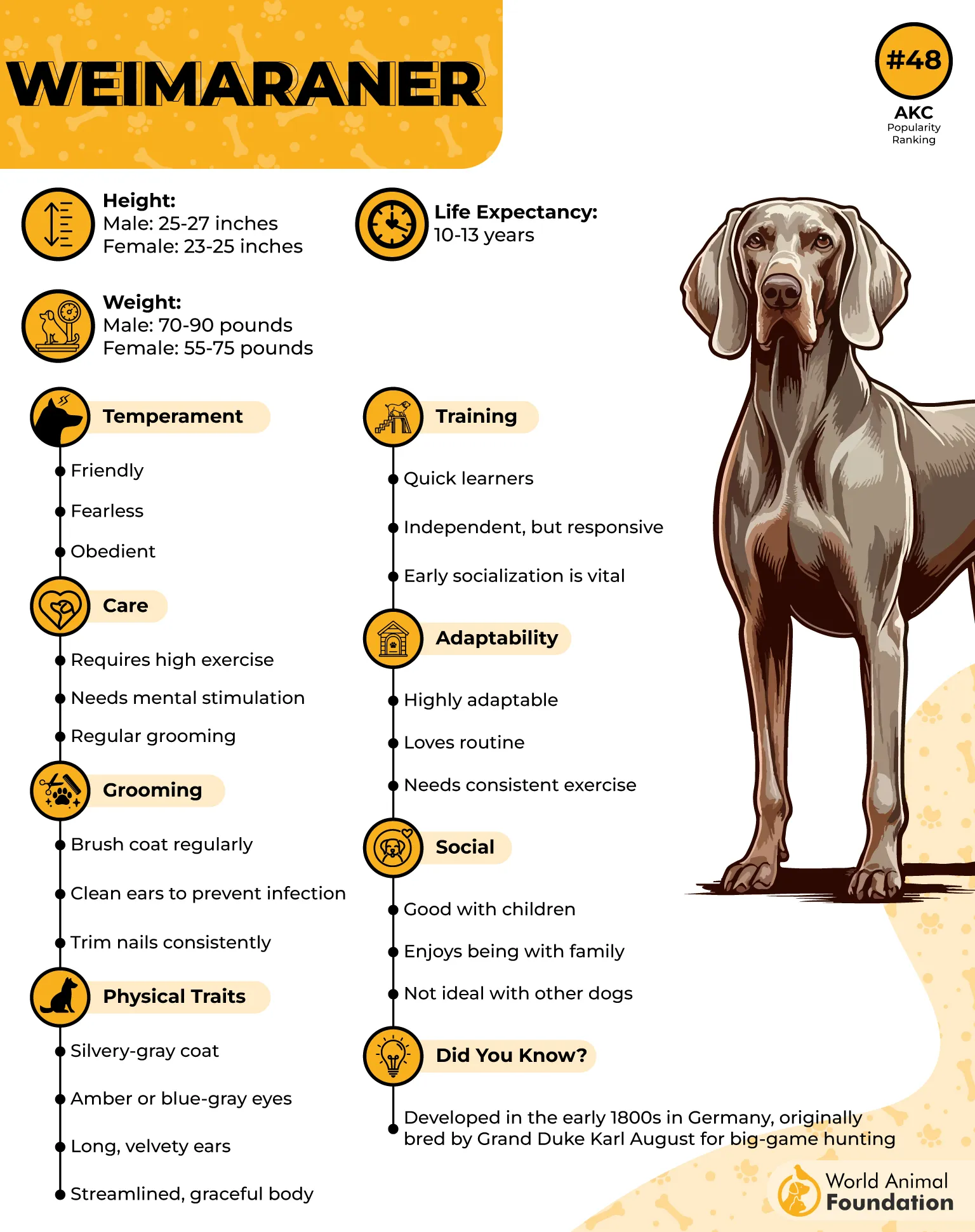
Their stamina and endurance make them great companions for active owners who enjoy outdoor activities. However, Weimaraners can sometimes show an independent side during training. Using positive reinforcement, treats, and consistent guidance can help them stay focused and respond well to commands.
7. Vizsla
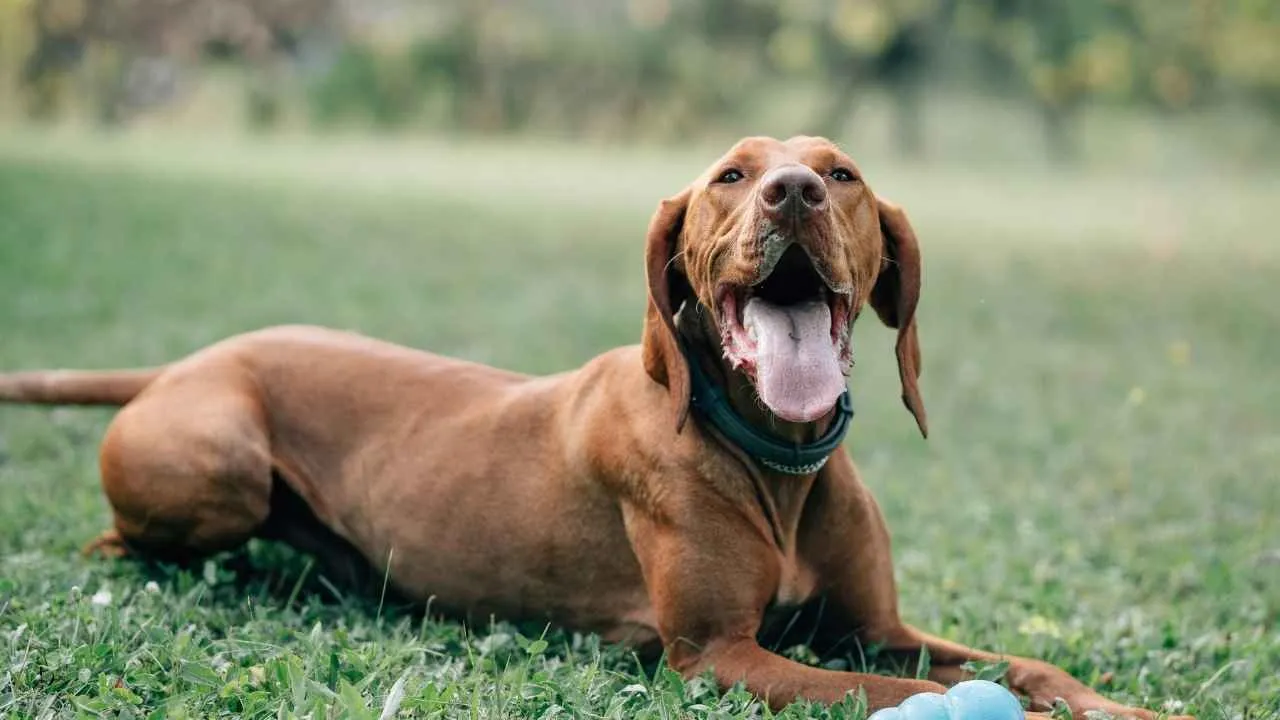
With an excellent nose, strong natural drive, and impressive stamina, Hungarian Vizslas are known for their outstanding hunting abilities. These versatile dogs can work well both on land and in water, and their short, golden-rust coat makes them easily recognizable.
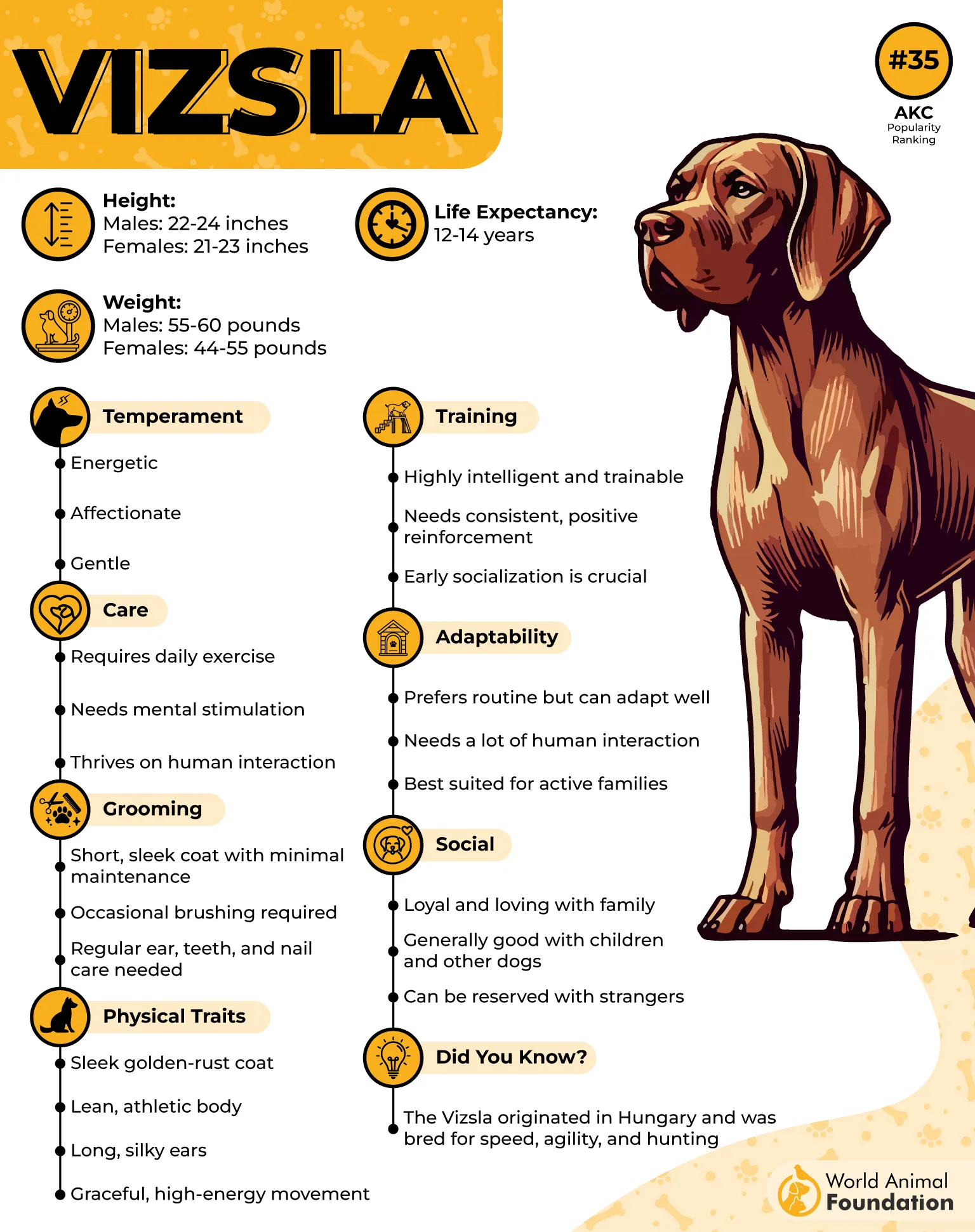
Vizslas make great partners for active families and sporting activities because they enjoy challenging tasks, whether it is playing in the backyard, retrieving, running, or participating in outdoor adventures. Their friendly and affectionate nature also helps them adapt well to family life.
They usually need regular daily exercise and enjoy activities like running, playing, and exploring off-leash in safe areas. Their athletic build and energetic personality also make them excellent companions for jogging and other outdoor activities.
Conclusion
These hunting dogs bring an impressive blend of instincts, energy, and purpose to everyday life. Their natural desire to chase, observe, and follow moving targets makes them excellent working and hunting companions, but it also requires thoughtful handling.
For owners who understand and respect their dog’s natural tendencies, these breeds can become rewarding partners. With the right training, engaging activities, and proper outlets for their instincts, they can build a strong bond while enjoying a fulfilling and active lifestyle.
