




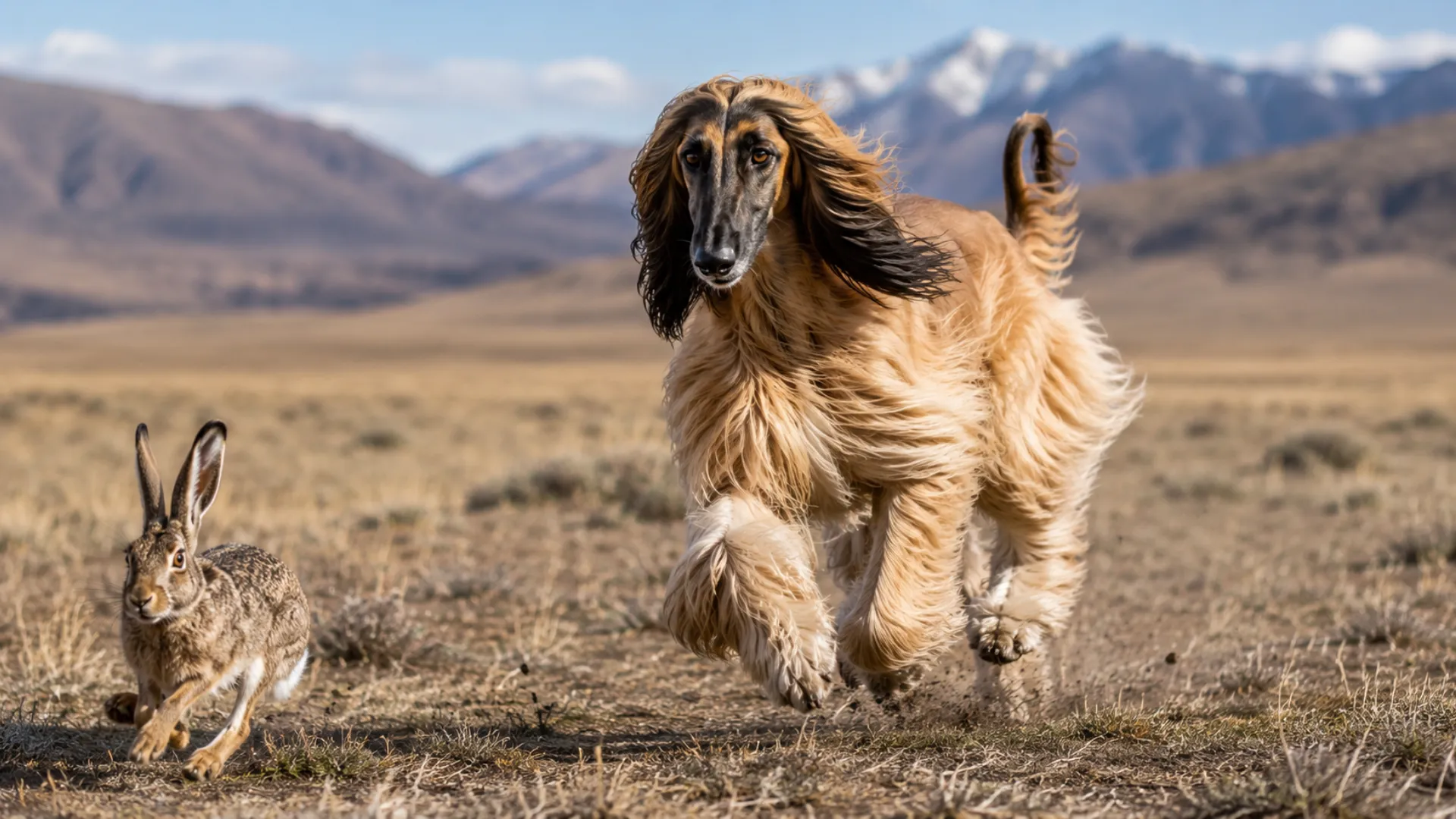
A strong prey drive can be one of the most impressive traits a dog brings to the table. It can produce lightning-fast reactions, intense concentration, and remarkable persistence when something moves within sight.
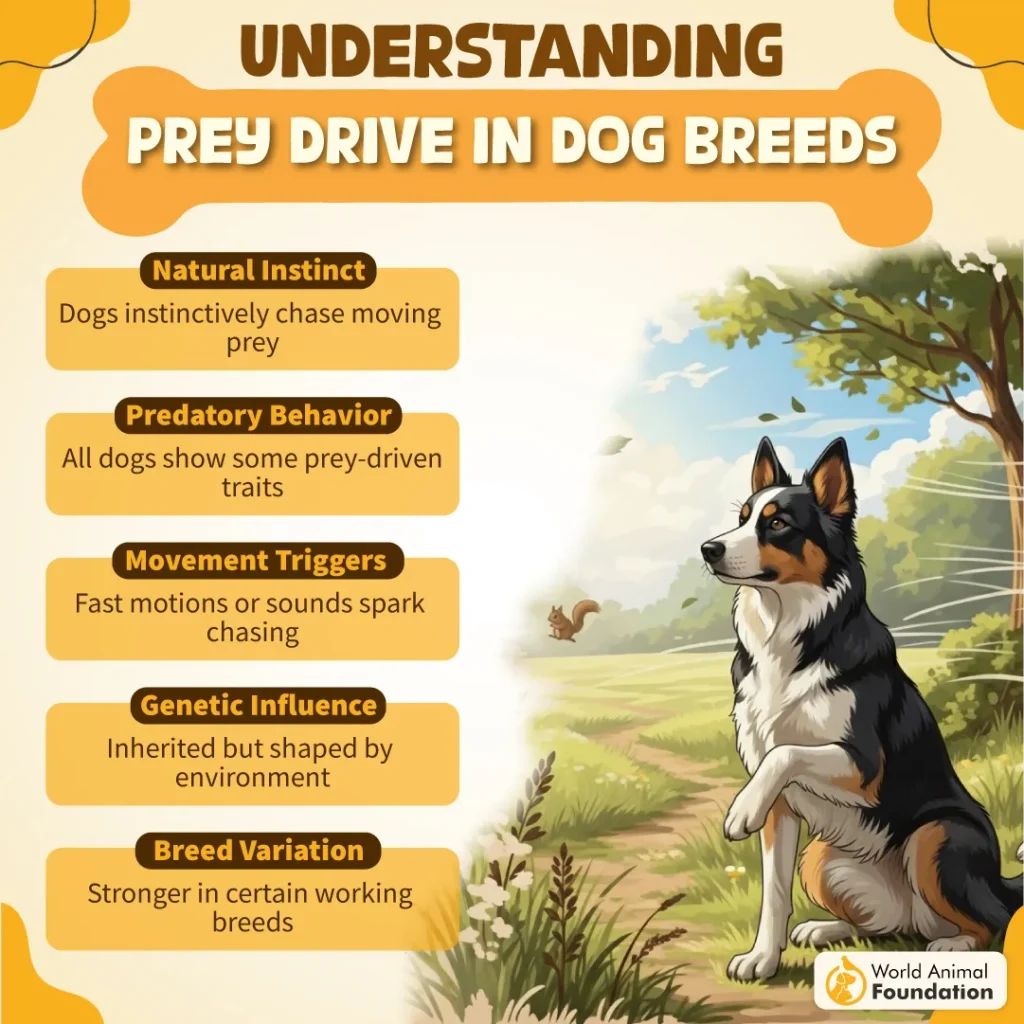
Prey drive is an instinctive sequence that may involve noticing, orienting toward, stalking, chasing, and grabbing a target. Not every dog expresses every part of that sequence, and intensity can vary between individuals. Breeding has a major influence, particularly in dogs selected for hunting, tracking, or other work involving moving targets.
Training can improve impulse control and help channel that energy into more appropriate activities, although it cannot simply erase an instinct that is deeply rooted in behavior. For this reason, prey drive is worth understanding before bringing a dog with strong chase tendencies into your home.
The article ahead looks at what creates exceptional prey drive, how it appears in everyday behavior, and what owners should know before living with it.
Key Takeaways
A rabbit in the distance, a bird taking flight, or even a cyclist passing by can be enough to wake up a dog’s deepest hunting instincts.
The Greyhound can reach speeds of about 43 miles per hour, giving you a good idea of what happens when its eyes lock onto something worth chasing.
Afghan Hounds once hunted animals including deer, wild goats, and snow leopards, while Weimaraners were used for everything from large game to waterfowl.
The rest of the list gets just as interesting, especially when you see what Jack Russells, Beagles, and Salukis can do once their prey drive kicks in.
Dog Breeds With Exceptional Prey Drive
1. Greyhound
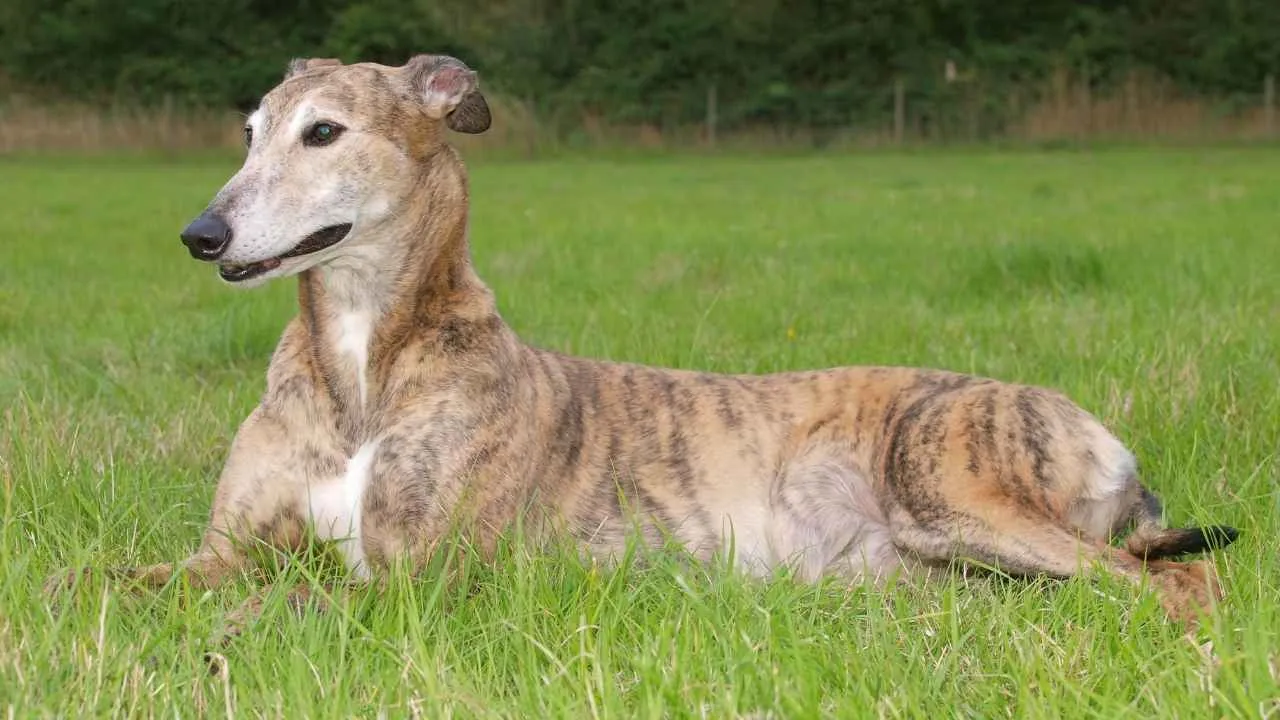
Greyhound belongs to an old line of sighthounds depicted in Ancient Egyptian tombs, where long-legged dogs with streamlined bodies were already associated with hunting. Later, the breed became closely linked with Britain, and medieval law reserved greyhound hunting for royalty and nobility.
A Hunter by Sight
This domestic dog relies on exceptional vision and rapid pursuit rather than scent to chase prey. Its deep chest, large heart and lung capacity, narrow waist, long limbs, and flexible spine form an athletic body built for explosive galloping, as Omlet US reported.
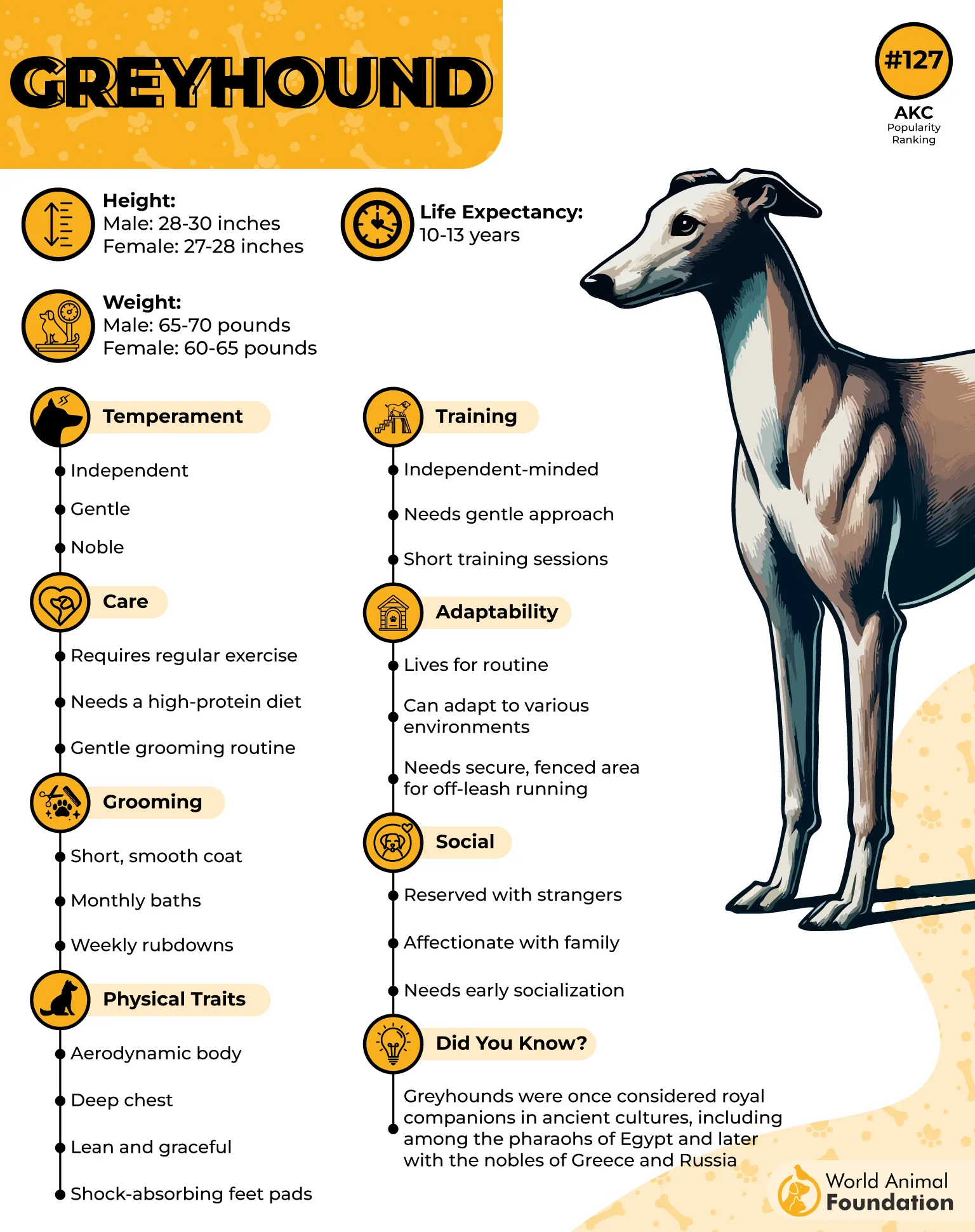
These qualities make its physical design especially distinctive:
Lean “inverted S” body shape
Racing and show types differ in size
Can run at a speed of 43 miles per hour
Prey Can Shift Quickly
Greyhounds may mistake an unfamiliar small dog for prey, particularly when early socialization has been limited. Cats, chickens, and other small animals can also trigger predatory behavior, with careful introductions and a muzzle sometimes needed during early interactions.
Their predatory behavior can include a rigid, rapidly wagging tail, intense staring, stalking, teeth chattering, drooling, or hovering near another small animal. Recall can also become unreliable when prey captures its attention, even with training.
2. Afghan Hound
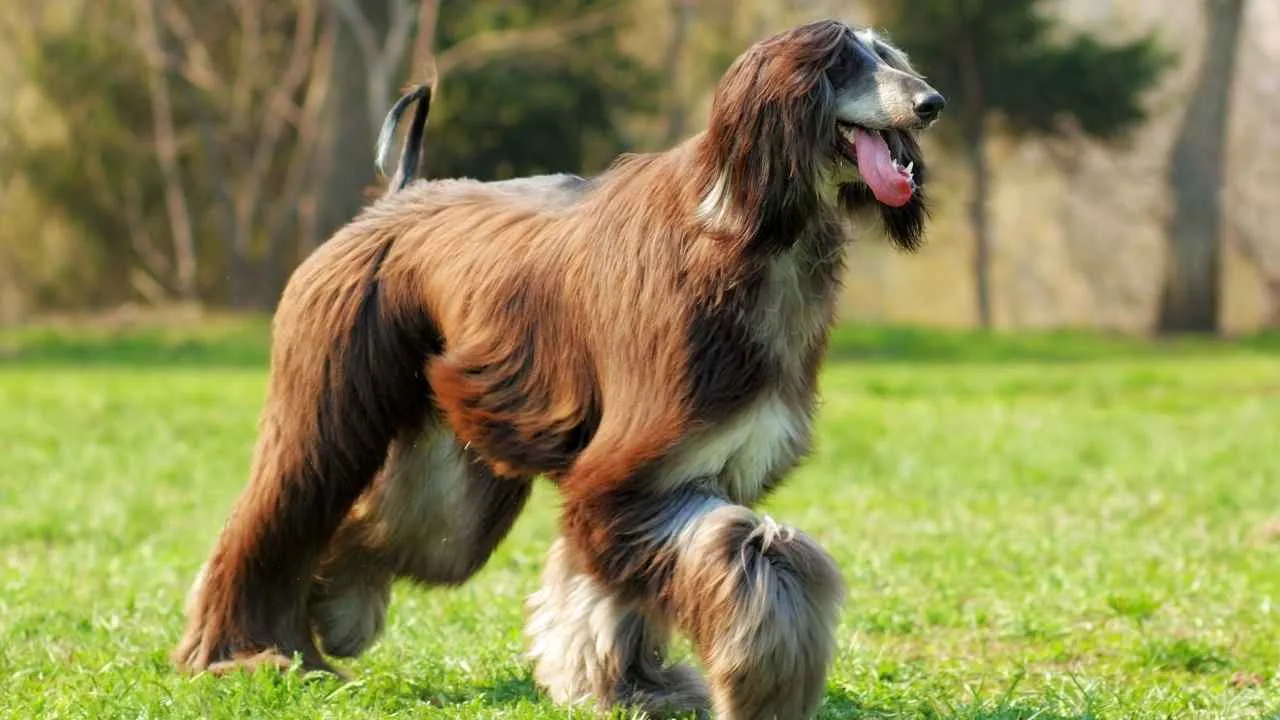
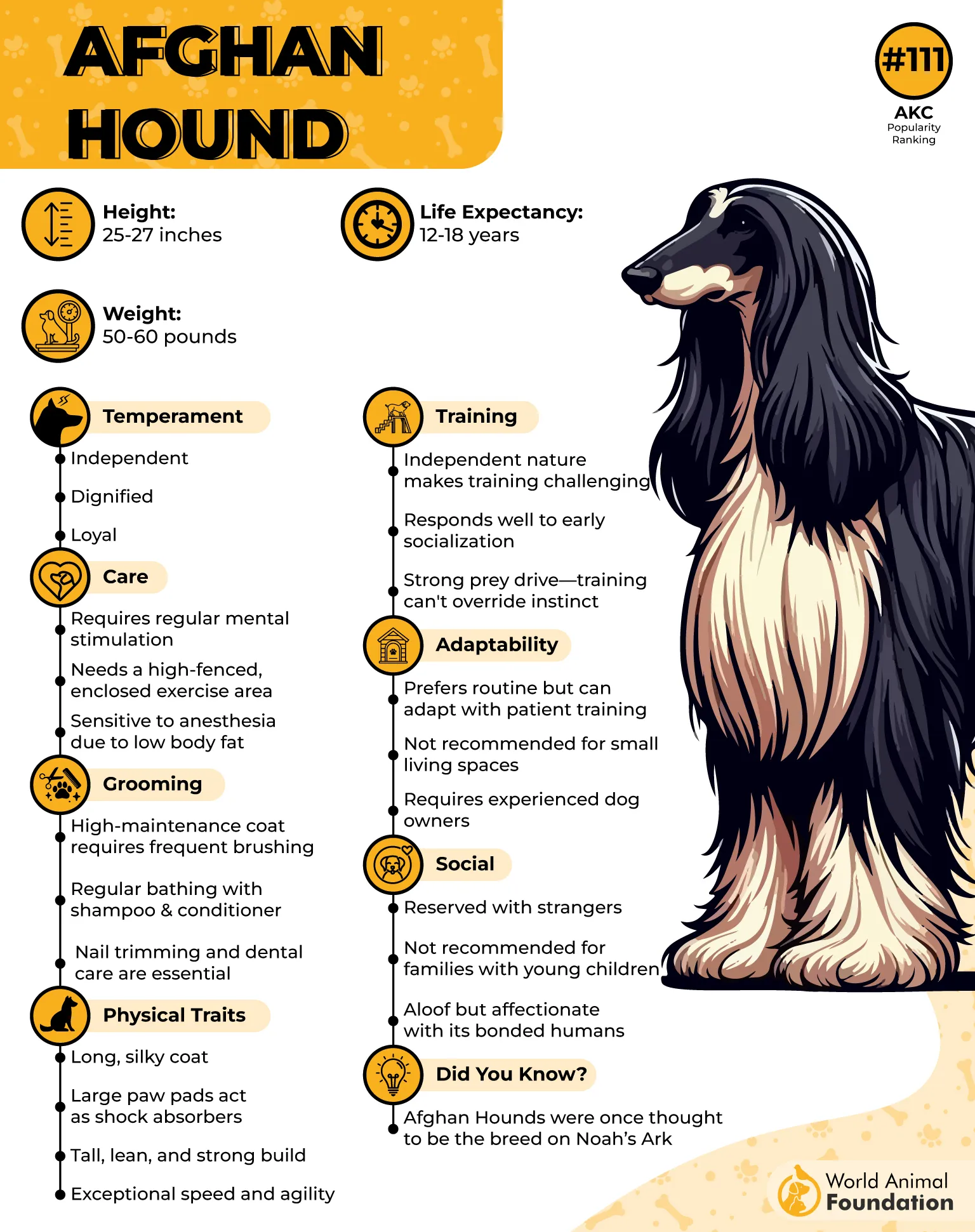
Afghan Hound originated in Afghanistan among nomadic tribes, where it served alongside people in a demanding landscape. The breed became associated with hunting deer, wild goats, and even snow leopards, giving it an unusually deep connection to pursuing fast-moving game.
A Chaser by Instinct
This sighthound breed is built around speed, agility, and stamina, with an instinct to chase anything that runs. Cats, rabbits, guinea pigs, and even running children can trigger that response, making controlled surroundings especially important.
These details matter when managing that instinct:
High fences are essential
Off-leash walks are unsafe
Tendency to wander when boredom sets in
An Independent Mind
Afghan Hounds have a famously self-directed personality and can approach training with considerable stubbornness. Consistent, firm-but-fair instruction is important, while its intelligence often appears through clever choices rather than quick obedience, as WebMD claims.
3. Whippet
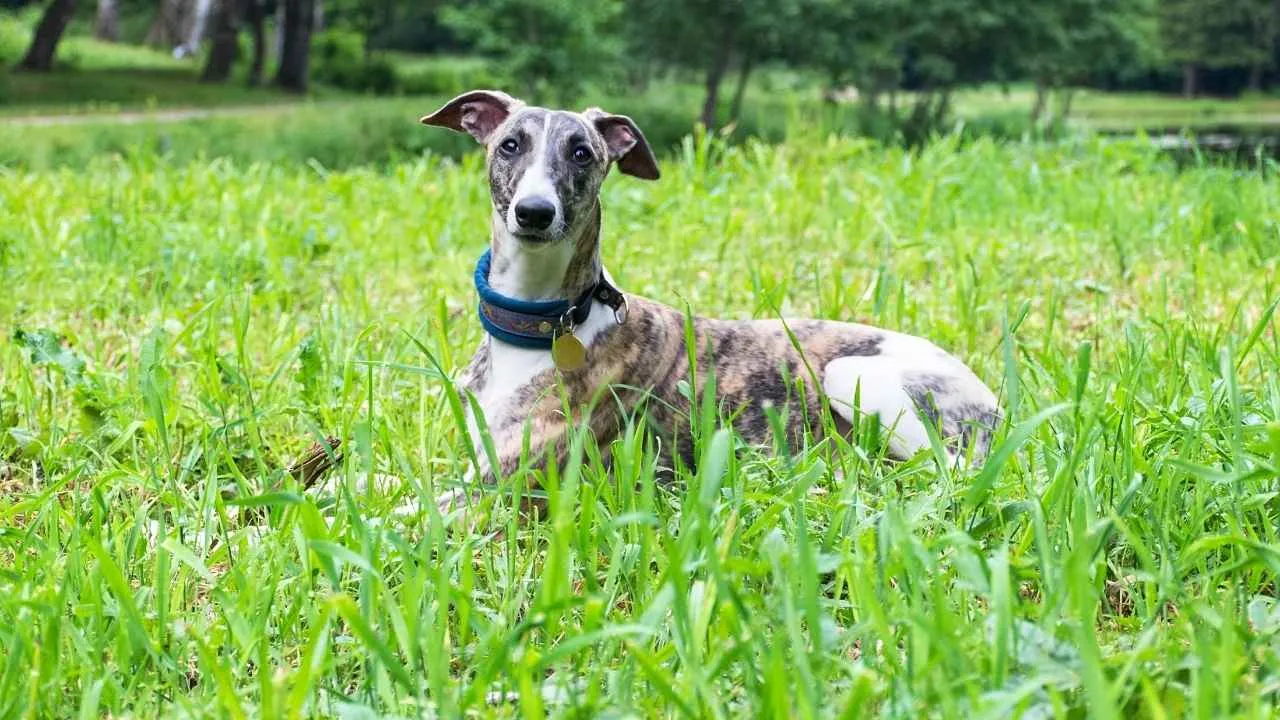
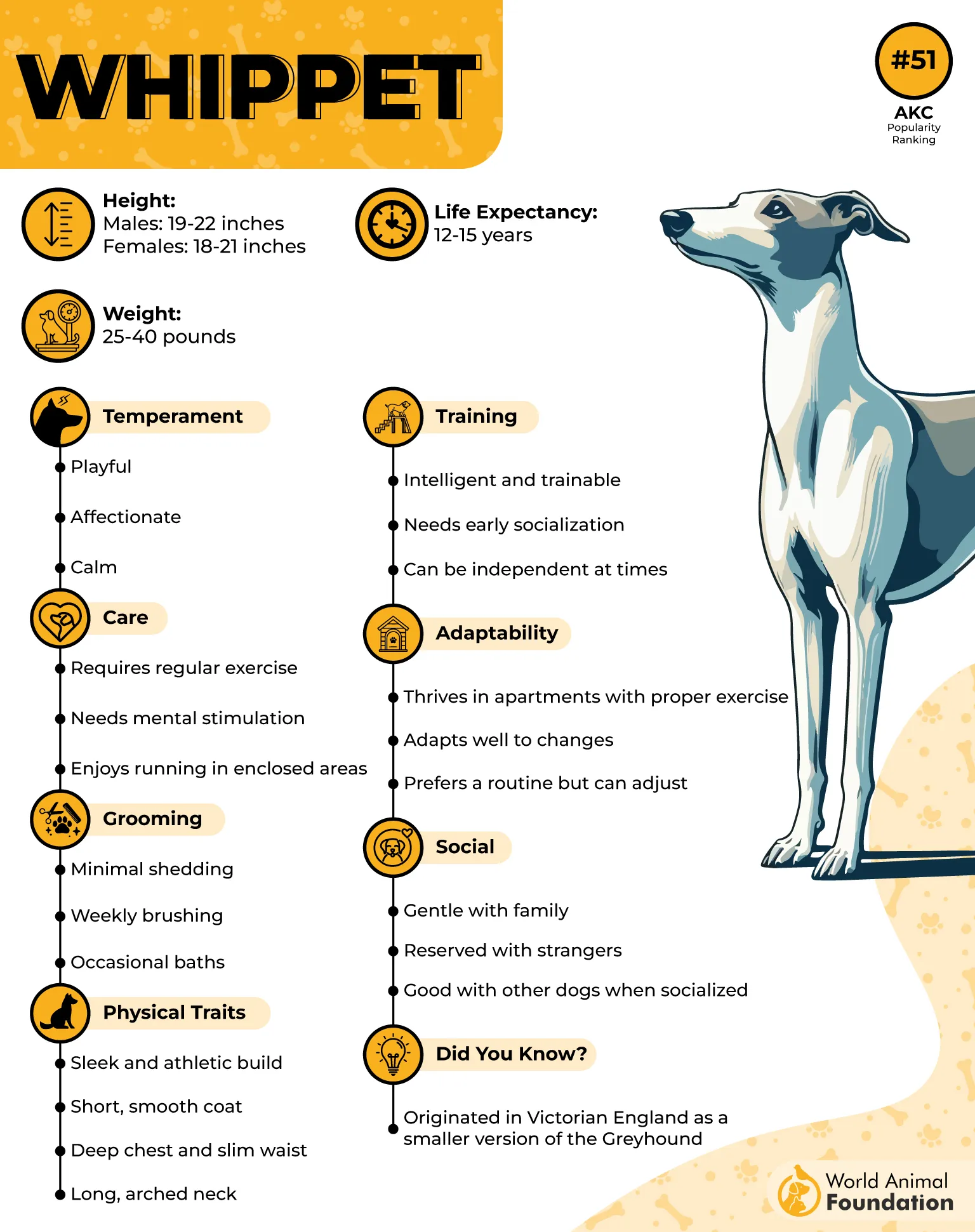
Whippets were originally bred in 19th-century England to chase rabbits in enclosed racing arenas, combining small Greyhound lines with terrier blood. As a sighthound, it locks onto movement with its vision and can reach speeds of roughly 30 to 35 mph during pursuit.
Prey in Sight
They have an exceptionally strong prey drive, so a rabbit, squirrel, or other quick-moving animal can trigger an immediate chase. Reliable recall and patient training take serious commitment, while ordinary short lead walks are unlikely to provide enough activity for this athletic breed.
That intense drive isn’t everything:
Usually gentle with children and dogs
Incredibly loyal to family members
Need a bit of warm-up time with strangers
Life Indoors
Whippets can be gentle, affectionate, and surprisingly calm inside the home, often switching from energetic outdoor bursts to long periods of sleep, as PDSA reports. It is also sensitive to harsh handling, so clear training with patience works better than shouting or intimidation.
4. Rhodesian Ridgeback
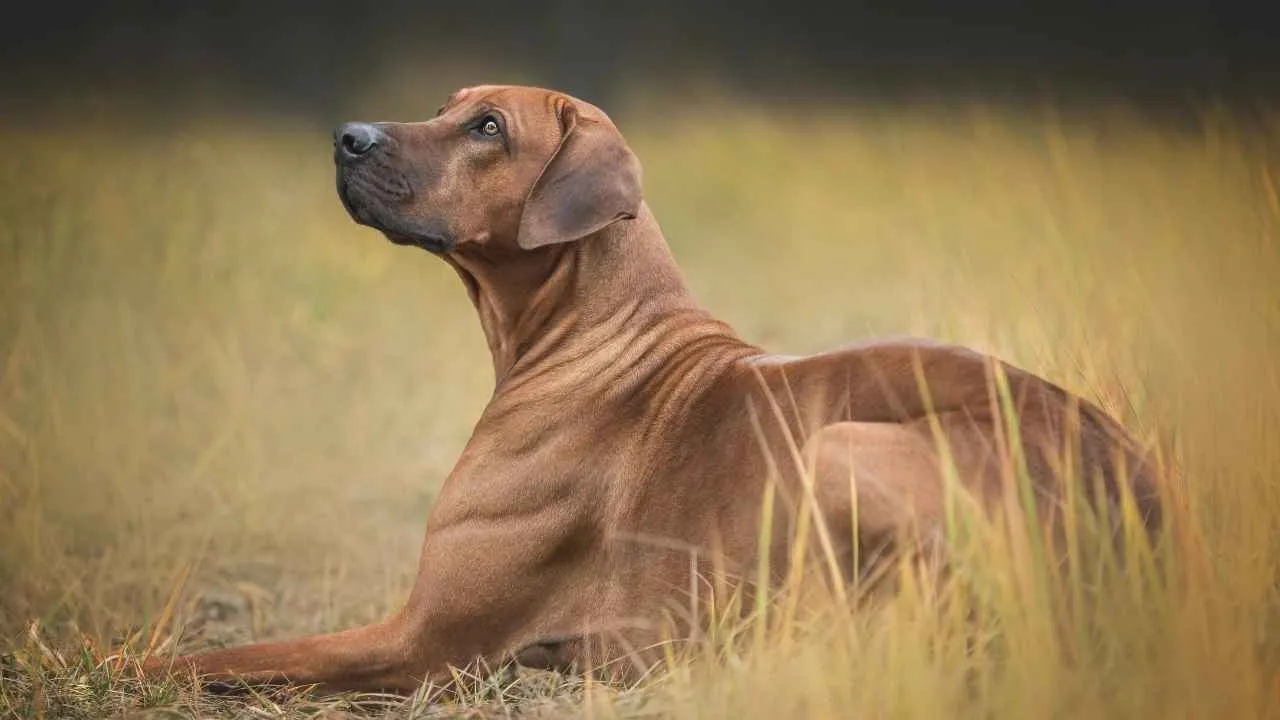
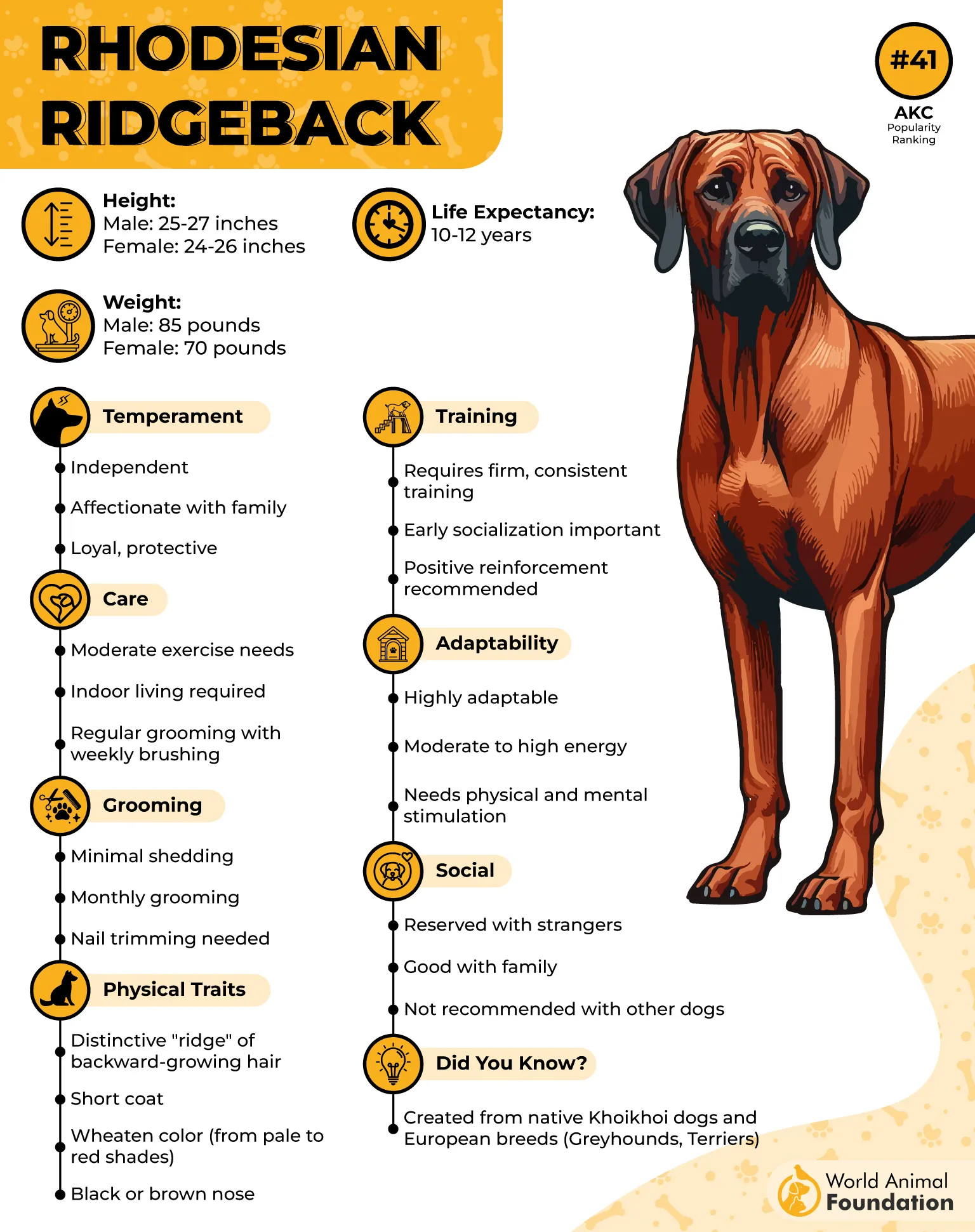
Rhodesian Ridgeback was developed in southern Africa to help hunters track and contain large game, including lions, until the hunters could arrive. Its athletic build and independent working style came from demanding pursuits where a powerful dog had to follow quarry across challenging ground.
A Powerful Chase Instinct
This domesticated dog has an especially intense prey drive, with movement or wildlife scent capable of triggering an immediate pursuit. On trails, that can mean sudden fixation on rabbits, squirrels, birds, or deer, with the dog becoming difficult to redirect once its instincts take over.
These practical points matter when managing that instinct:
Practice “leave it” around distractions
Build reliable recall with a long line
Reward calm reactions to wildlife
Better Timing
Rhodesian Ridgebacks have a moderate energy level and need daily activity such as hiking, jogging, brisk walks, play, or dog sports.
Dawn and dusk can bring more wildlife activity, so mid-morning or early-afternoon outings may offer fewer sudden encounters, while secure fencing matters because some Ridgebacks can clear a five-foot fence or dig beneath one.
5. Weimaraner
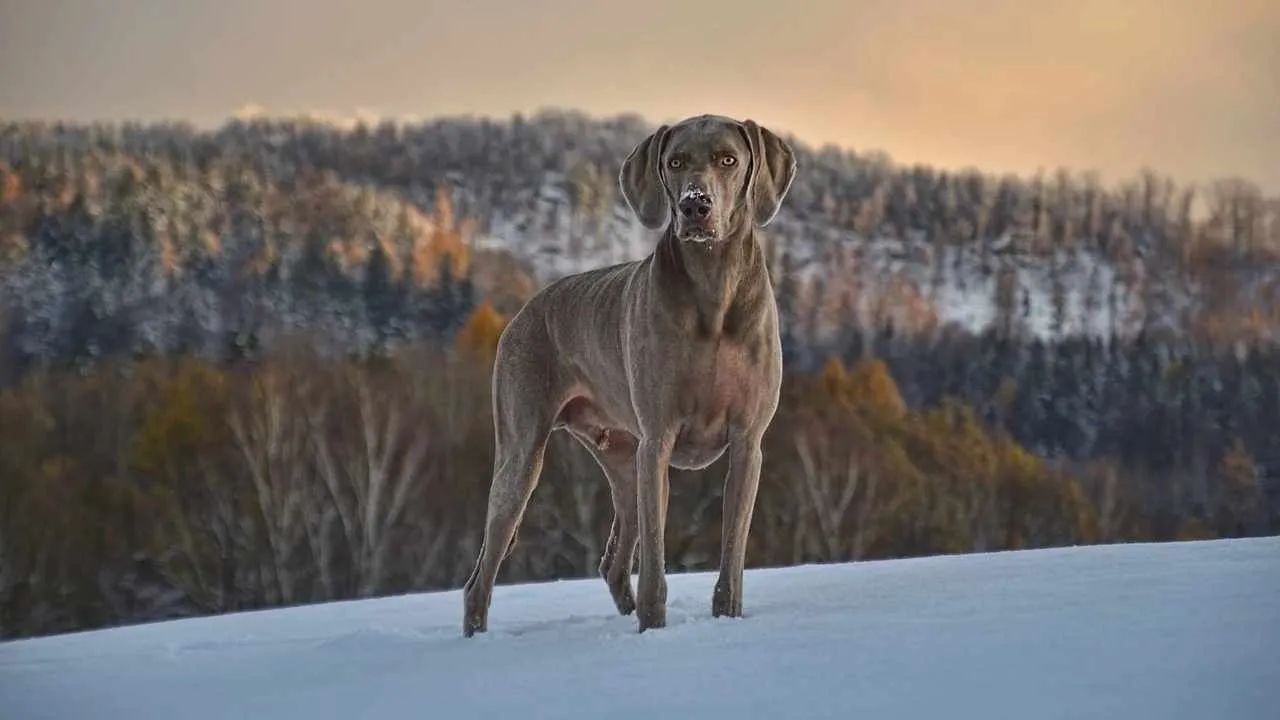
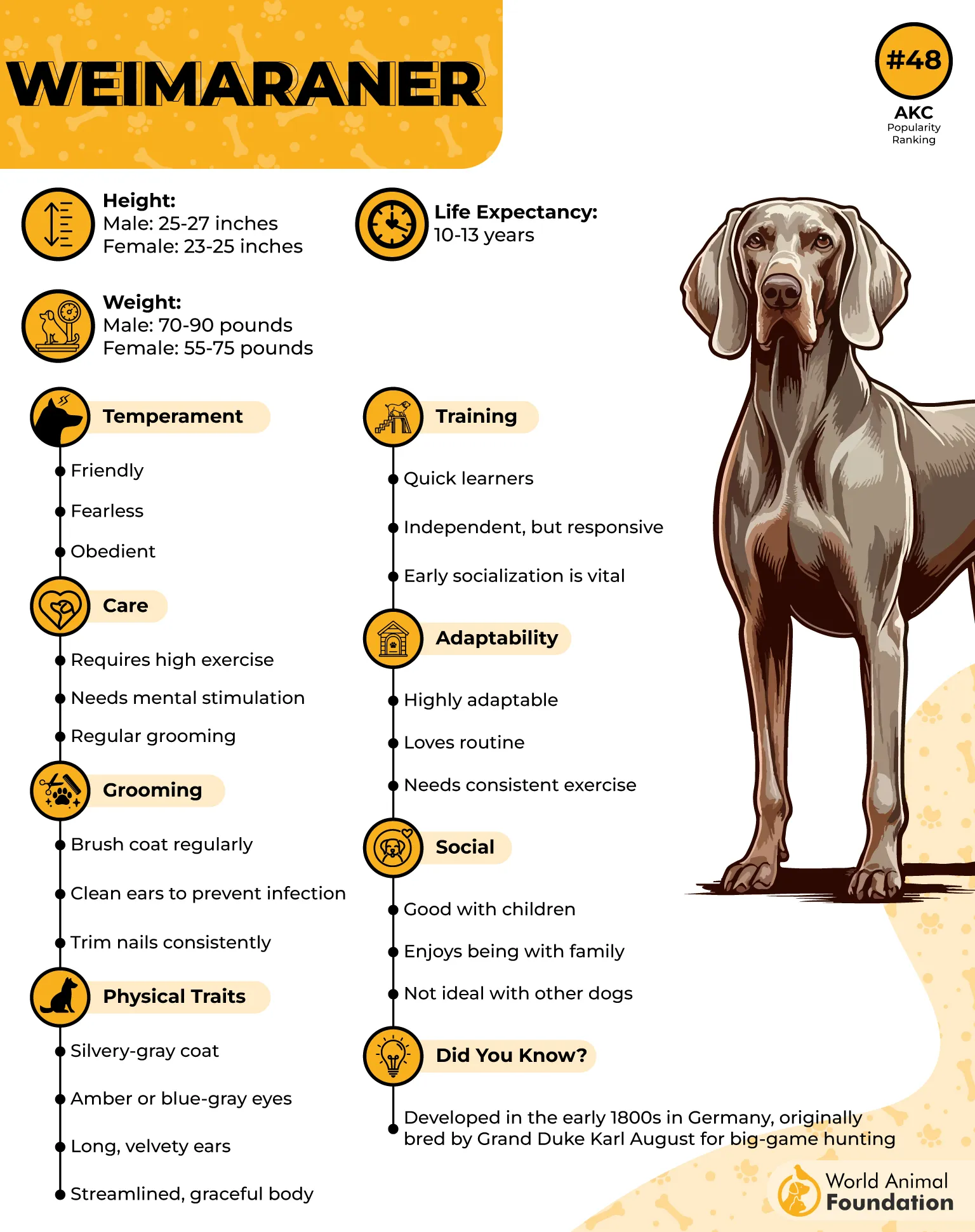
Weimaraner has roots reaching back several centuries and descends from Bloodhounds alongside other carefully selected German hunting dogs. The breed even appears in an Anthony van Dyck painting from the early 1600s and reached the United States in 1929.
A Serious Prey Drive
They were used for tracking and hunting animals ranging from deer and wolves to bears, while also retrieving birds from water. That broad hunting role helps explain the intense chase instinct that can be directed toward rabbits, guinea pigs, birds, cats, and other small animals.
The following characteristics make that instinct especially clear:
Skilled at water retrieval
Trained for large-game hunting
Early socialization can support better interactions with other dogs
Energy Needs an Outlet
Weimaraners need consistent daily activity, with a good run offering one practical way to use its considerable energy. Without enough physical and mental work, unwanted behaviors can emerge, and training can become considerably harder.
6. Pharaoh Hound
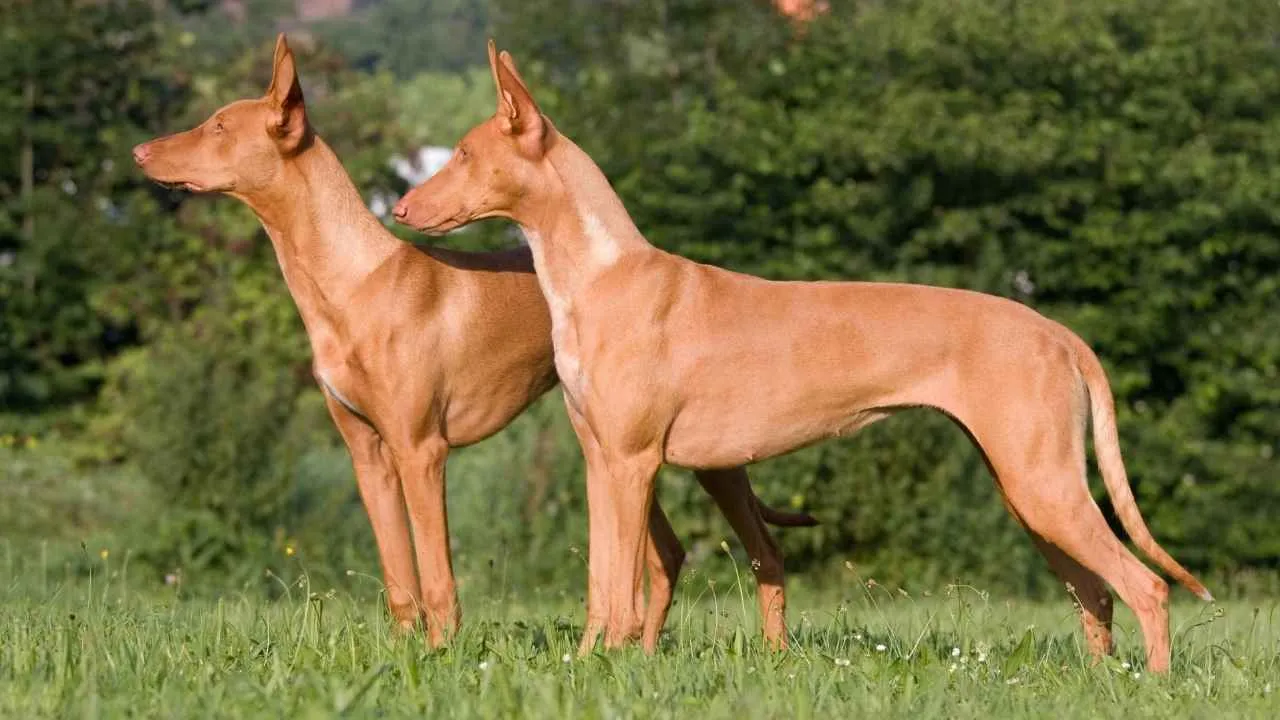
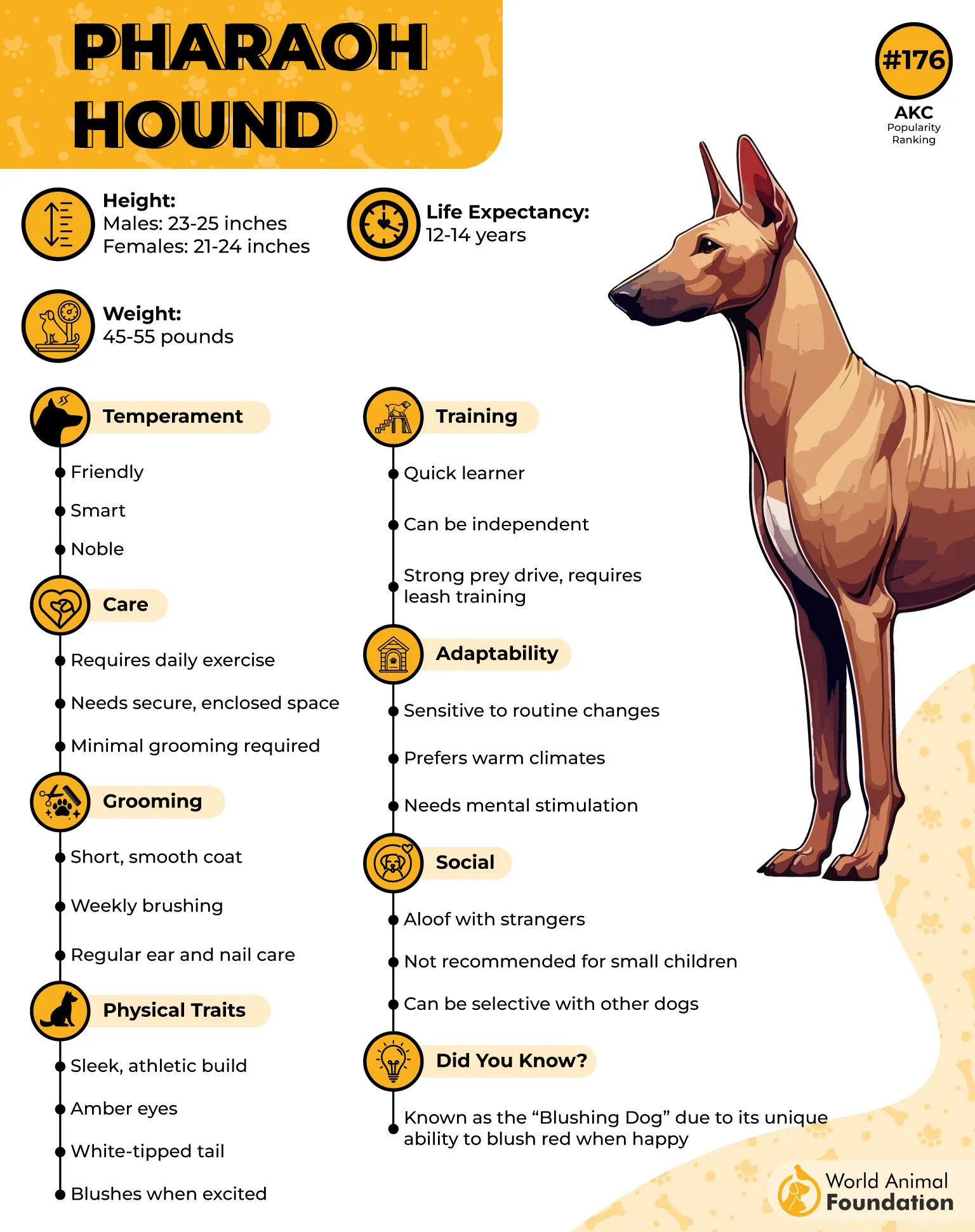
Pharaoh Hound traces its lineage through more than 5,000 years of ancient Egyptian art, where similar dogs appear beside pharaohs and nobles during hunts. The breed was later preserved in Malta as the Kelb tal-Fenek, or “Rabbit Dog,” reflecting its work pursuing rabbits across rocky ground.
Locked on Prey
This hound has an exceptionally strong hunting instinct and can become intensely focused the moment potential prey enters its view. That focus makes secure containment especially important, with a six-foot fence recommended because this agile sighthound can clear surprisingly high barriers.
Characteristics that reveal how their high prey drive shapes everyday life:
Rodents and rabbits can trigger pursuit
Birds and lizards are also risky companions
Positive reinforcement suits independent thinking
Vocal Personality
Pharaoh Hounds can be surprisingly expressive, producing a broad range of sounds during play and barking when something seems unusual. At home, an adult may become quite relaxed and spend hours on a sofa or bed, while younger dogs generally bring more activity into the household.
7. Jack Russell Terrier
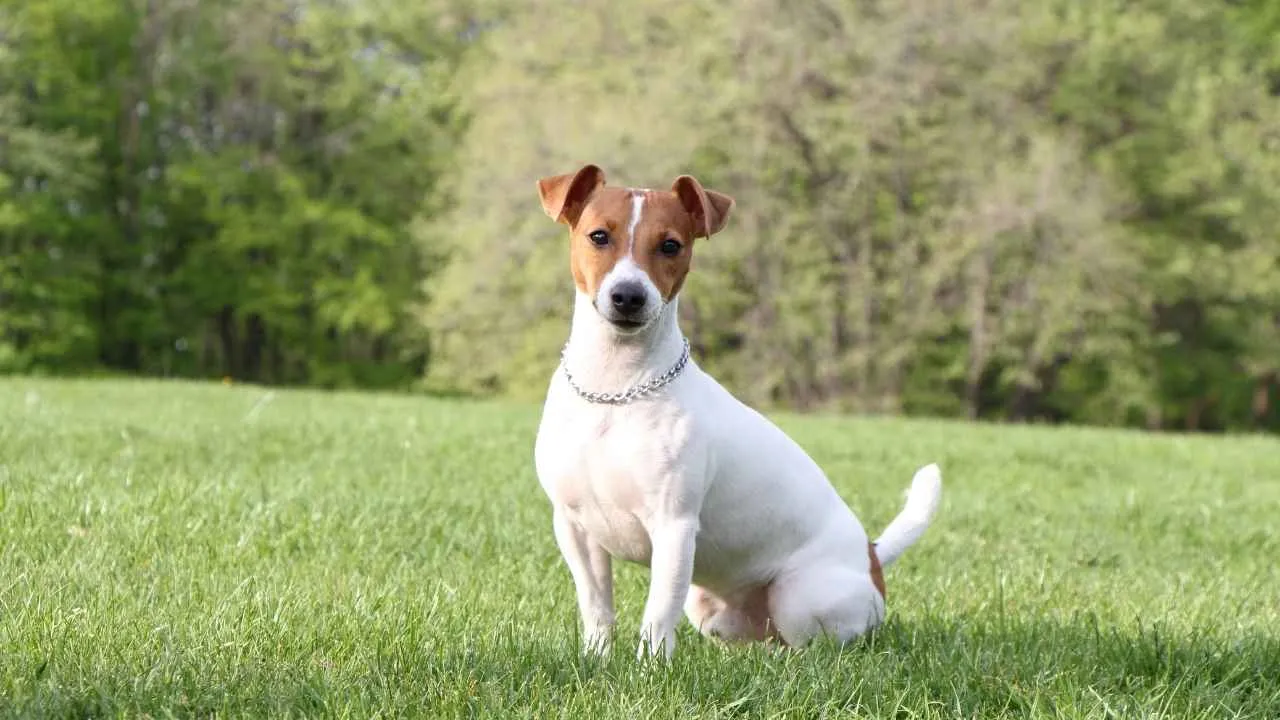
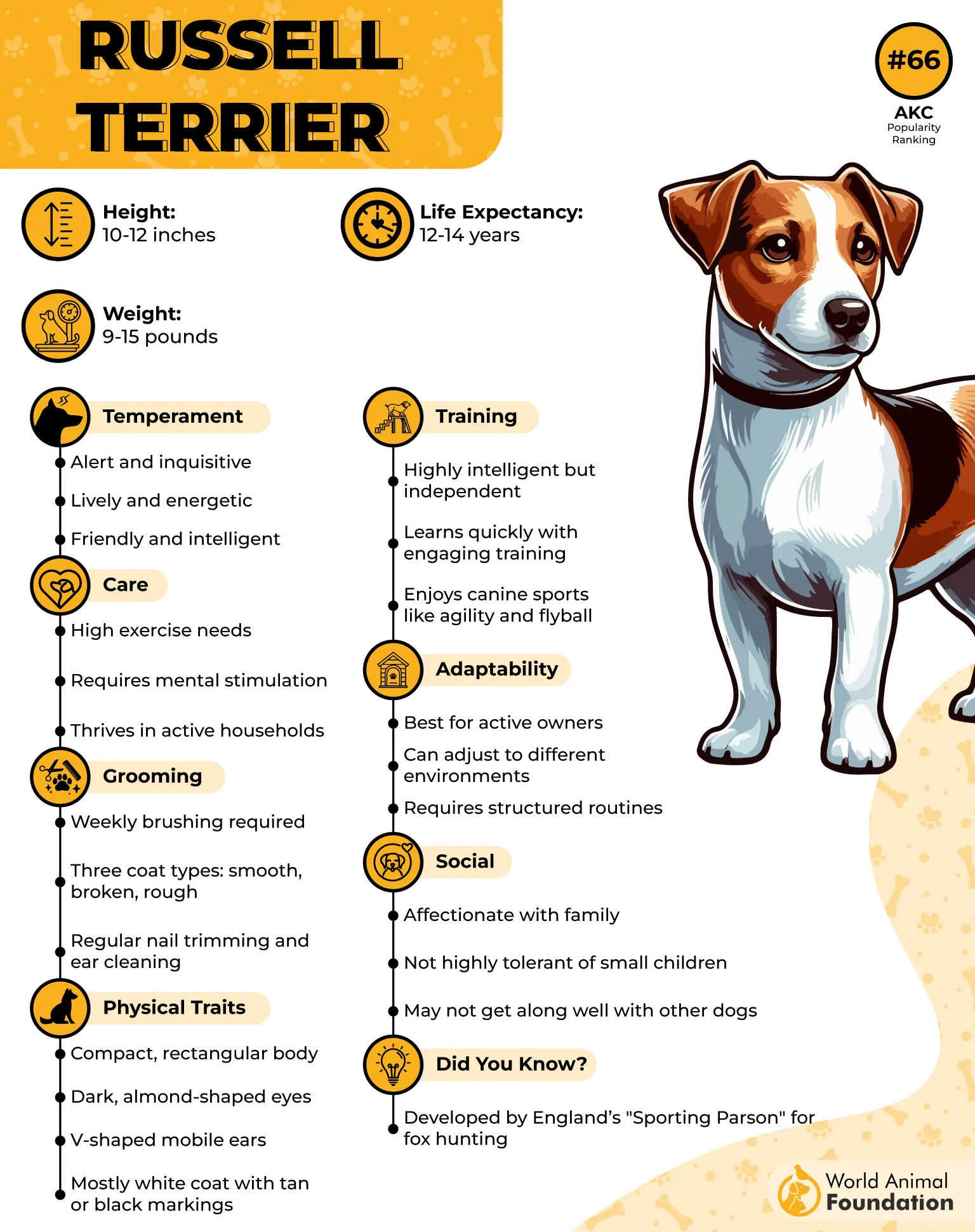
Jack Russell Terrier emerged in 1800s England through Reverend John Russell, a fox-hunting enthusiast seeking a small dog suited to underground work. The breeding focus favored working ability, allowing these terriers to keep pace with horses and hounds while fitting into fox dens.
Prey Drive at Full Volume
JRTs have three major prey triggers: movement, sound, and scent, with individual dogs reacting more strongly to some than others. That can translate into chasing birds, cats, cars, or even reacting intensely to lawn equipment and other fast-moving objects.
The working instincts can appear in several very specific ways:
Digs holes and climbs fences
Can also chase cyclists and skateboarders
Can pursue chickens as well
Recall Needs Practice
Jack Russell Terriers benefit from controlled recall work using a long line, rewards, and gradual distractions rather than relying on verbal commands alone. Positive reinforcement can teach the dog to redirect its attention from a cyclist, cat, or another tempting trigger back toward its handler.
8. Beagle
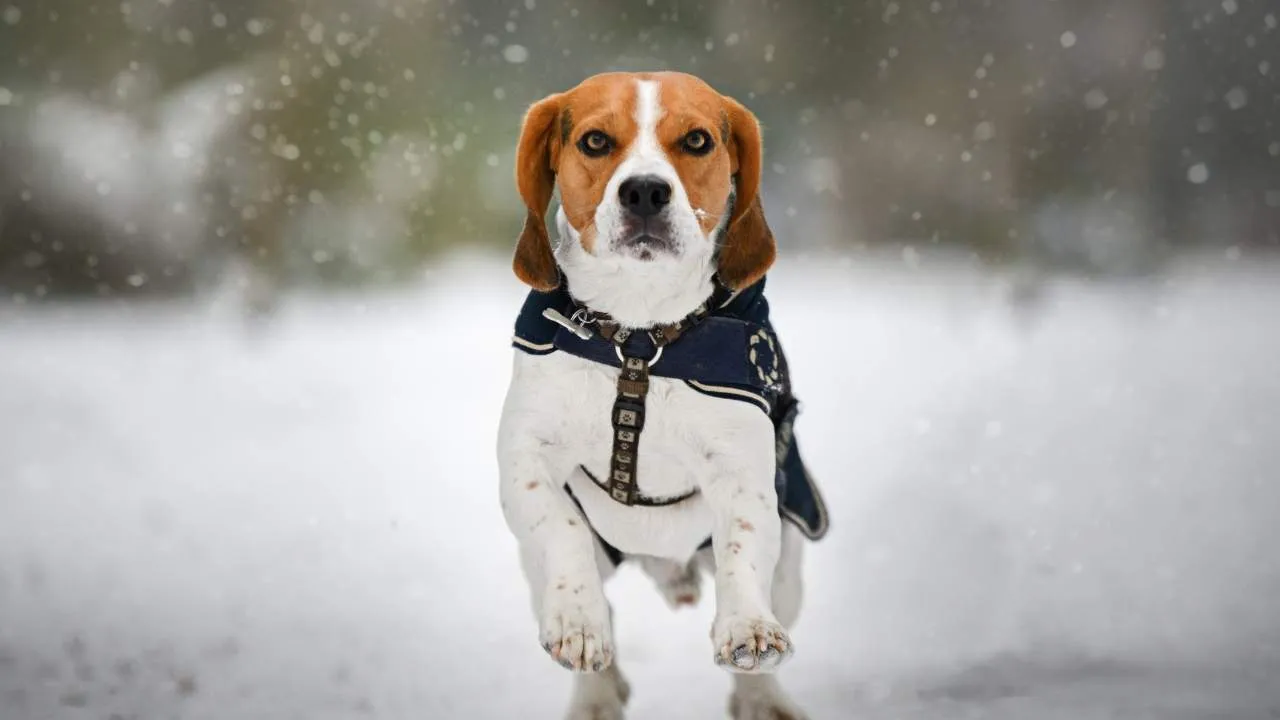
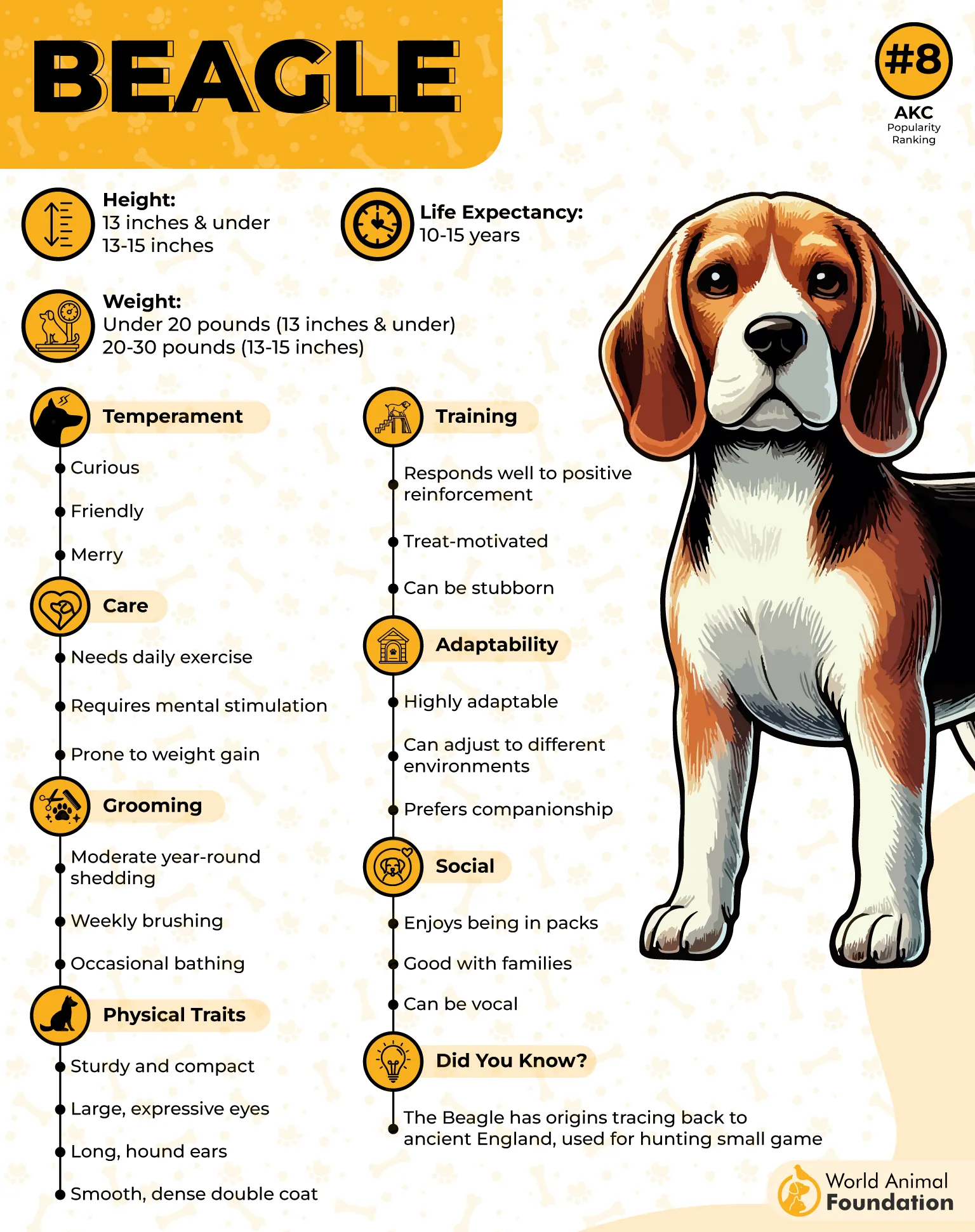
Beagles were valued for chasing rabbits, gophers, and other small game, with their pack instincts helping pet parents keep track of moving prey. Fox hunting became the bigger pursuit in the 1800s, leaving the Beagle less prominent, but breeders still held on to its original hunting qualities.
Nose on the Trail
Beagles have unusually strong scenting instincts and often keeps its nose close to the ground while tracking an interesting trail. Its full nostrils help it pick up scents, while that determination can send it following a discovery far beyond the route its person intended.
These hunting details make its fieldwork especially distinctive:
Uses a deep hunting bay
Can track through difficult conditions
Keeps pace from dawn until dusk
Strong Chase Instincts
Beagles’ prey drive can become especially important around rabbits, hamsters, birds, and other small animals, which may trigger their urge to chase or track. Cats can sometimes live peacefully with a Beagle, though individual instincts vary and careful supervision matters.
9. Saluki
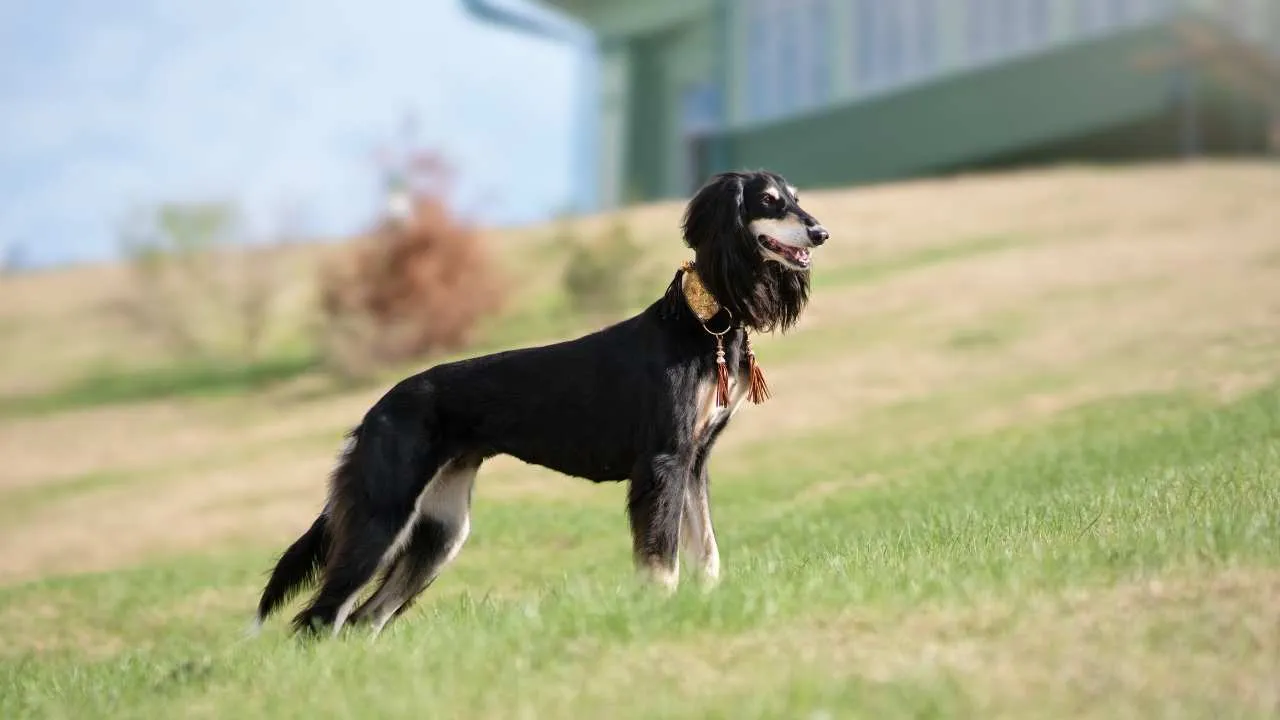
Saluki belongs to one of the oldest known sighthound groups, with roots reaching back thousands of years across the Middle East. Mummified Saluki remains found with Egyptian pharaohs offer one possible clue to its ancient origins, although its exact birthplace remains uncertain.
Built for the Chase
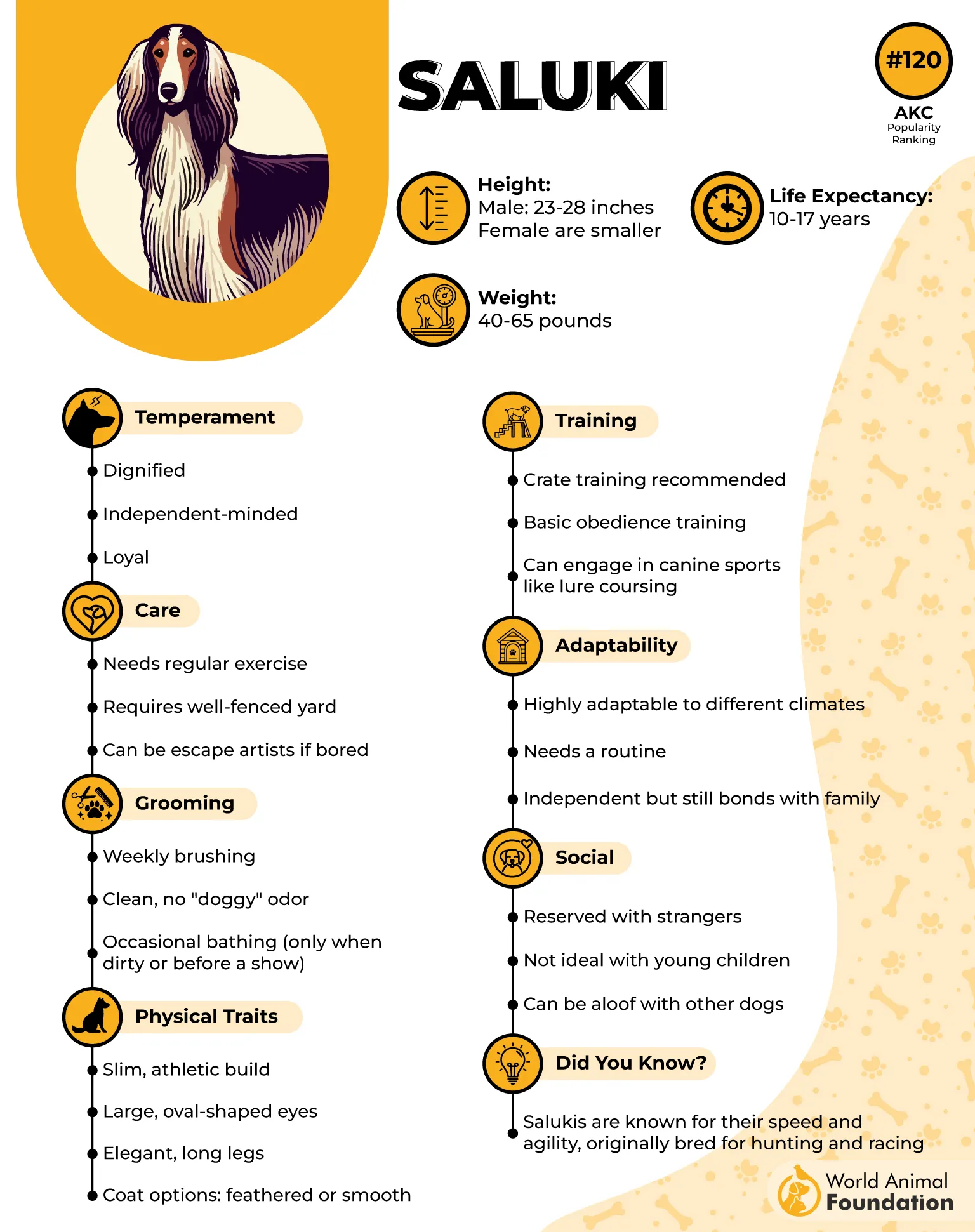
Saluki was bred to spot, pursue, and kill gazelle and hare across vast stretches of land, relying on sharp eyesight and speed rather than scent. That specialized hunting style gives this breed an exceptionally strong instinct to chase small, fast-moving animals.
Its home life can look quite different:
Gentle and closely bonded
Reserved around unfamiliar people
Prefers quiet surroundings
Training on Its Terms
They learn quickly when training involves motivation, short sessions, toys, or treats, although their independent nature can make cooperation inconsistent.
Regular physical activity also matters, as these endurance runners need opportunities to stretch their legs before excess energy turns into sudden zoomies or disruptive behavior.
Conclusion
A strong prey drive can make a dog incredibly focused, fast, and determined, but that instinct also deserves careful management. Unlike scent hounds, some dogs may react strongly to movement, sounds, scents, and wildlife, making small prey especially tempting during an ordinary walk. Secure fencing, reliable recall training, controlled outings, and appropriate enrichment can help keep those instincts manageable.
These dogs often need owners who understand prey drive behaviors and recognize that training is about channeling natural behavior rather than trying to erase it. With the right structure, physical activity, and mental stimulation, their dog’s prey drive can become a useful outlet instead of an everyday problem. Understanding that drive makes life safer and more enjoyable for everyone.
