





Golden-coated dogs are often judged by their color first, even though their personalities can be more interesting than their appearance. A rich golden coat does not automatically mean an easygoing dog, a highly trainable companion, or a low-maintenance pet.
Dogs with this coloring can have very different energy levels, grooming requirements, instincts, and social needs. Some are built for active households and enjoy long walks, games, and outdoor work. Other dogs are better suited to people who want a close companion with a gentler daily rhythm.
Coat care also deserves attention because longer or denser golden coats can collect dirt, shed heavily, and need frequent brushing. That is why choosing one should involve more than picking the prettiest face. The right dog brings together looks, temperament, and lifestyle compatibility.
The dogs featured here bring together eye-catching color and distinctive personalities, with plenty of charming details to make your shortlist easier to narrow down.
Key Takeaways
A golden coat can certainly catch your eye, but what kind of personality comes with it? These dogs bring very different energy levels, grooming needs, and temperaments to the table.
Lhasa Apsos have been around since ancient times and were associated with palaces and Buddhist monasteries in Tibet. Their golden coats only add to their distinctive look.
Then there is the Pomeranian, whose ancestors could weigh around 30 pounds before selective breeding shaped the much smaller dog we know today.
Add the athletic Vizsla, the devoted Golden Retriever, and several other golden beauties, and the list gets even more interesting.
Dog Breeds with Gorgeous Golden Coats and Personality
1. Lhasa Apso
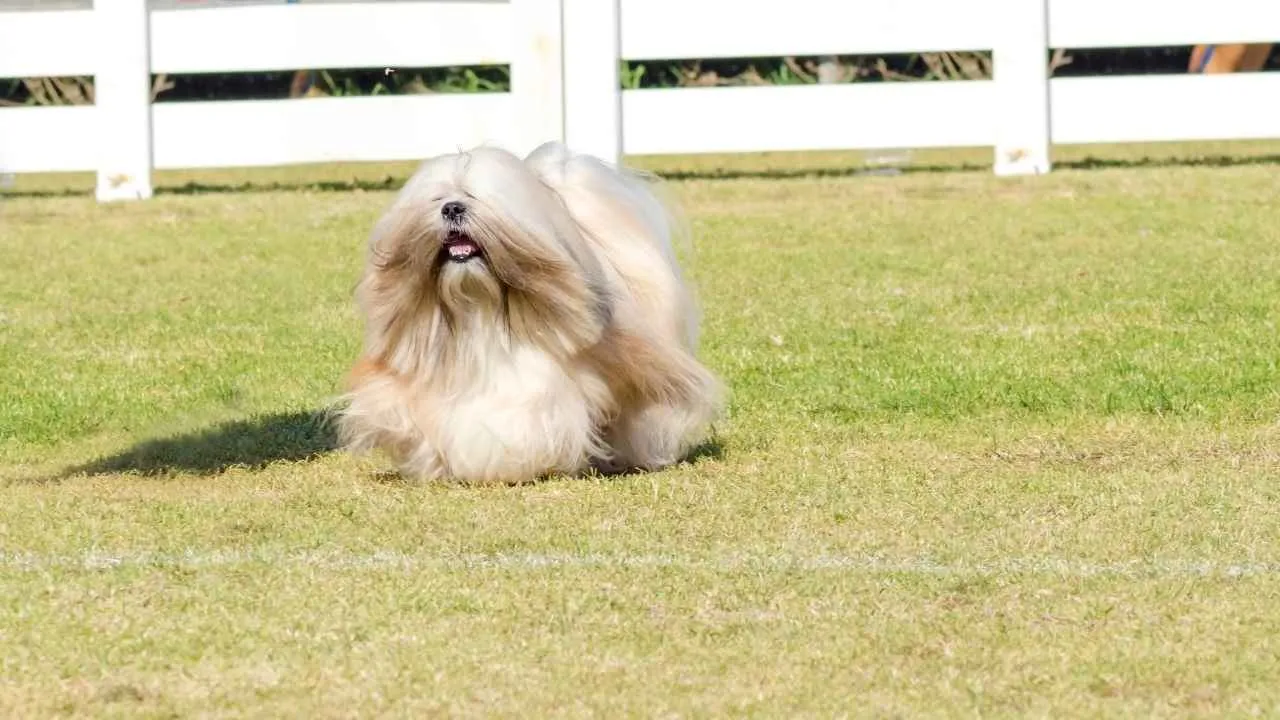
Lhasa Apso is an ancient Tibetan breed believed to date back to around 800 BCE, when it was associated with palaces and Buddhist monasteries in the Himalayas. Its name comes from Lhasa, Tibet’s sacred city, while local folklore linked the breed with the mythical Snow Lion.
Golden Shades
Golden is one of the Lhasa Apso’s recognized coat colors, appearing as an all-over shade or mixed with markings such as white, parti-color, or brindle. Red-gold can look similar but carries a deeper reddish tone, and the red-and-gold combination is accepted under AKC standards.
Characteristics that make its appearance even more distinctive:
Long, flowing hair around the body
Short muzzle with a button nose
Noticeable underbite
A Spirited Little Dog
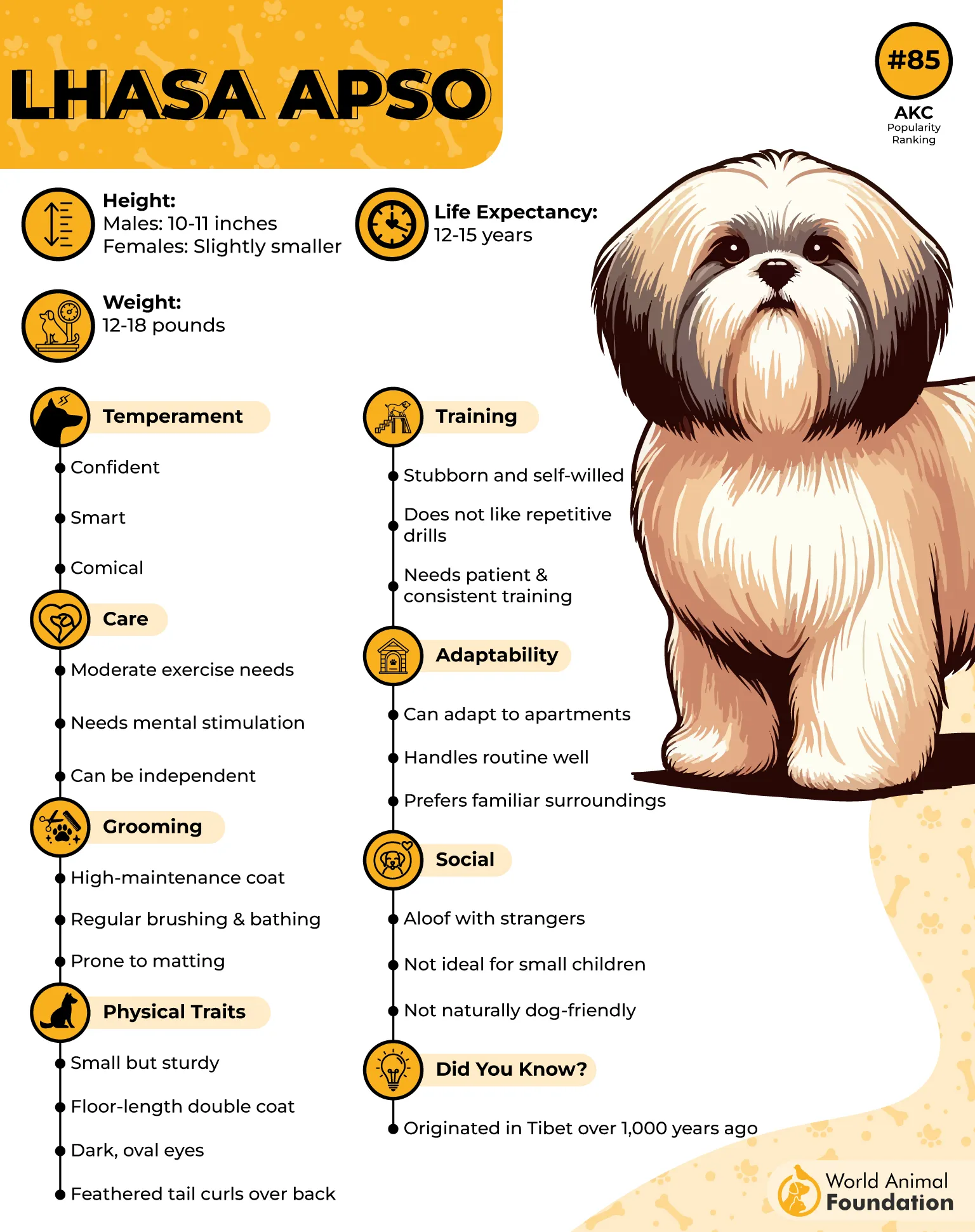
Lhasa Apso has a playful personality that can last well beyond puppyhood, paired with curiosity and an independent streak. Their moderate energy needs make them easier to manage than highly active breeds, while consistent training helps channel their strong opinions into better manners.
2. Golden Retriever
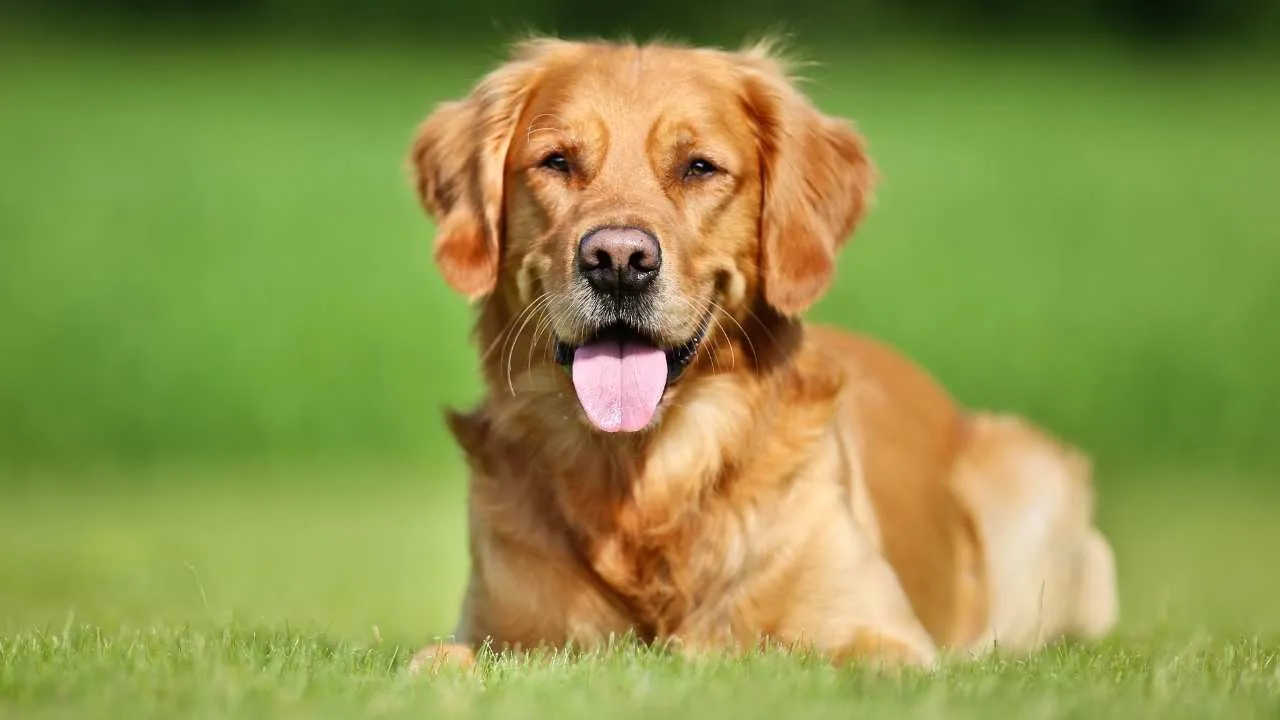
The Golden Retriever began to take shape in the Scottish Highlands under Dudley Marjoribanks, 1st Baron Tweedmouth, who selectively bred dogs for retrieving objects from both land and water. The first three were born in 1868, with a Yellow Retriever and an extinct Tweed Water Spaniel as their parents.
Three Golden Shades
Golden Retrievers have three recognized coat shades: light golden, golden, and dark golden, with the AKC including all three in its breed standard, as stated in My Golden Retriever Puppies. Its double coat pairs a soft undercoat with a water-repellent outer layer that helps regulate body temperature.
The finer color details are worth noting:
Puppies may begin with nearly white fur
Adolescent coats can darken or lighten
Adult coloring usually settles by one year
A Social Personality
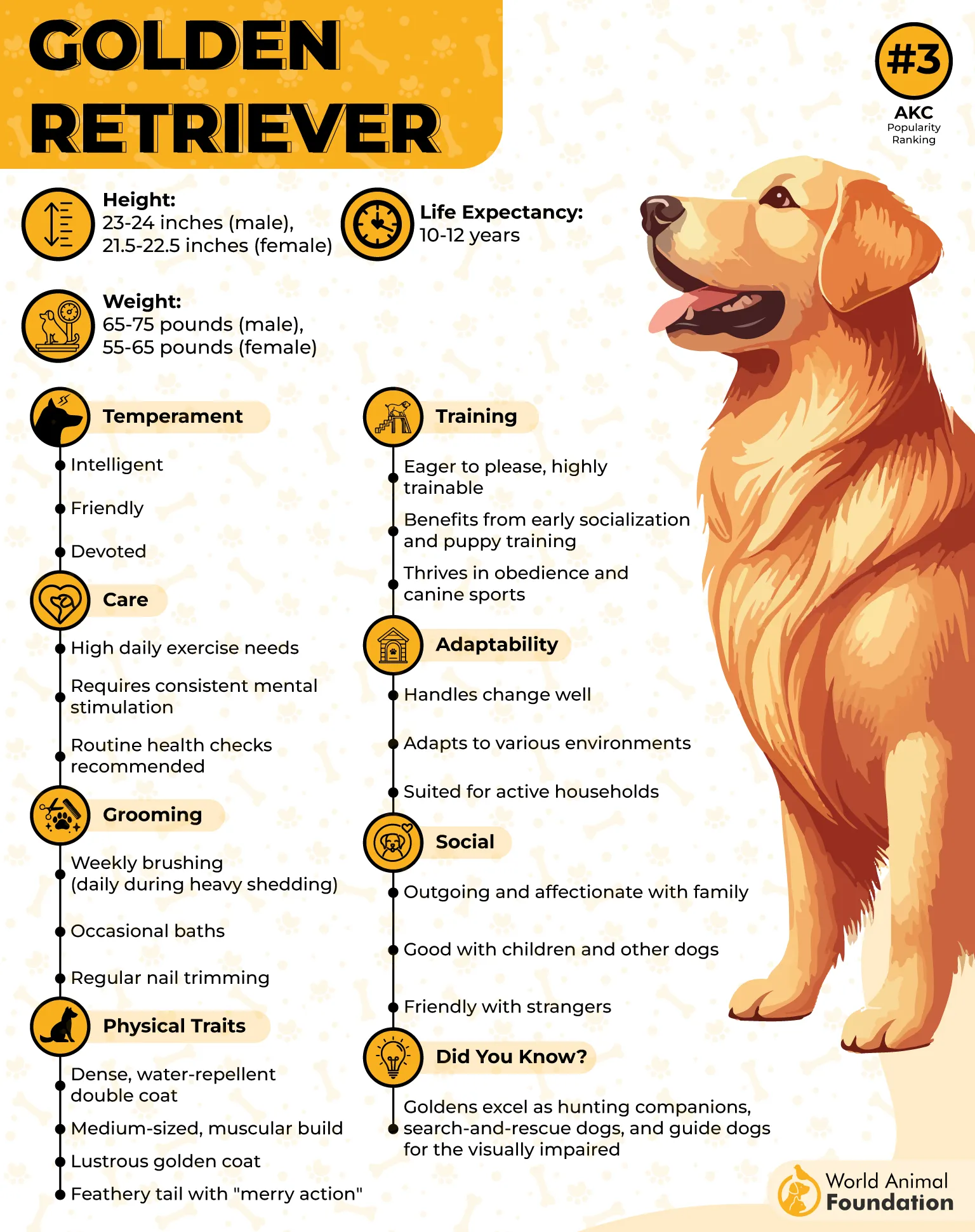
This popular dog breed is naturally outgoing and enjoys busy surroundings filled with people, outings, and interaction. Its affectionate nature also fits family life well, including homes with very young children, when respectful handling and proper introductions are part of the routine.
3. Vizsla
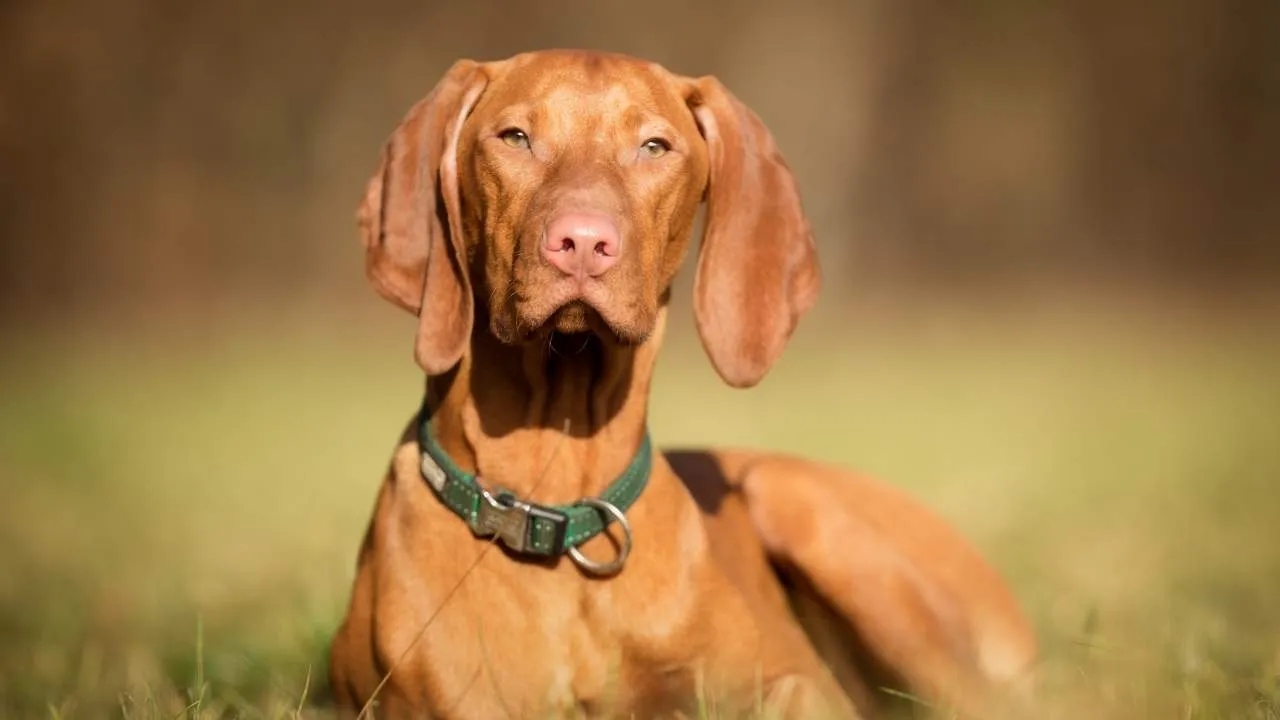
Vizsla descends from ancient hunting dogs associated with the Magyar tribes of Central Europe and Hungary, with artwork from more than 1,000 years ago depicting hunters alongside these dogs. Their skilled fieldwork and agreeable nature later made them favored companions among European aristocrats.
Golden Rust Spectrum
Vizsla’s coat is governed by the Extension gene, which influences the red and yellow pigment responsible for its characteristic coloring. The majority of Vizslas have the classic golden-rust shade, while lighter and darker rust tones also occur within the breed, as Orvis mentioned.
Its warm coloring comes in different forms:
Golden rust is the dominant shade
Light rust may look brighter in sunlight
Dark rust can appear deeper and richer
A Dog With Big Energy
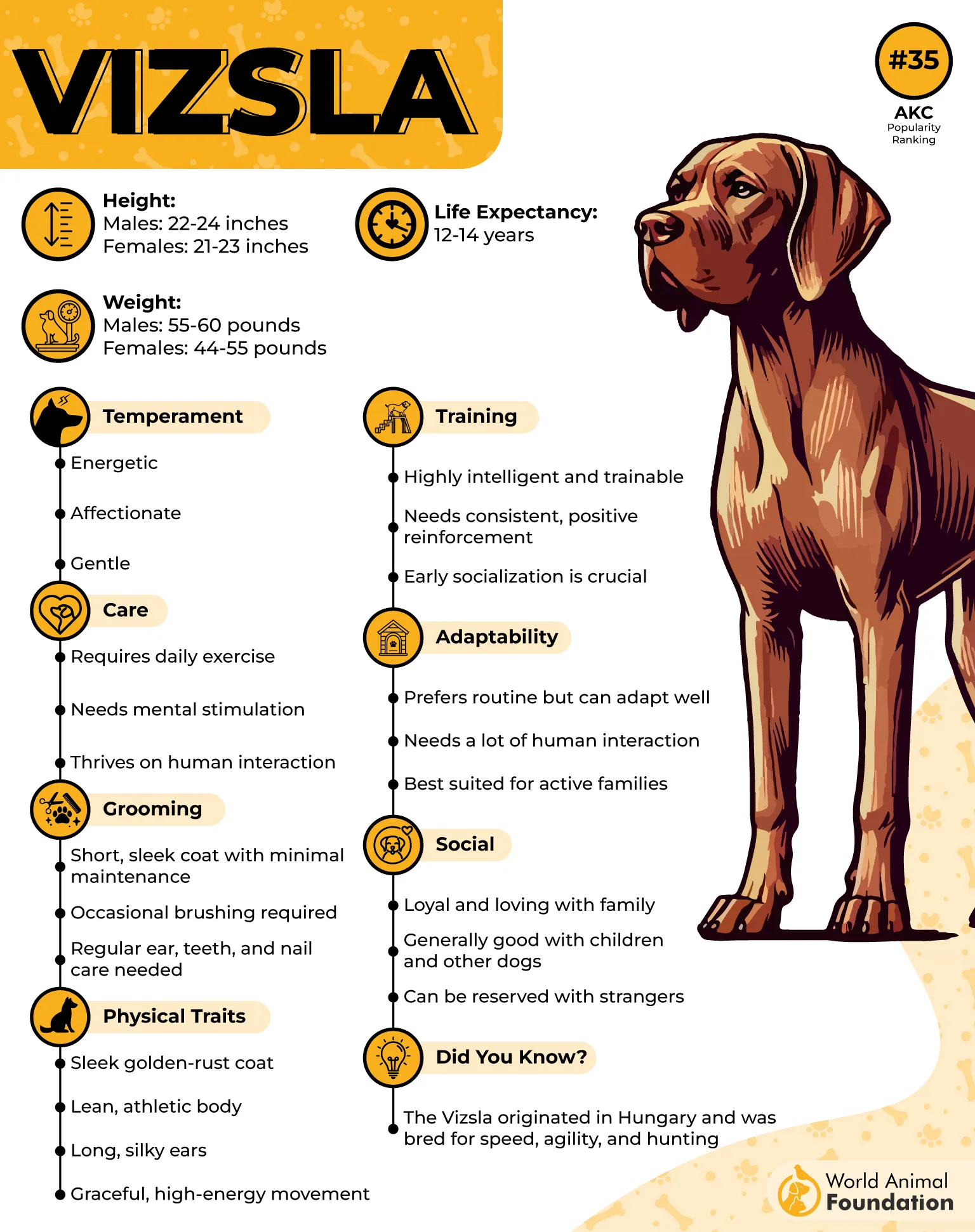
Vizsla is built for an active routine, with enough energy for running, racing, and outdoor adventures throughout the day. Without proper mental stimulation, that intensity can turn into destructive chewing or excessive barking, making daily activity an important part of life with this breed.
4. Tibetan Spaniel
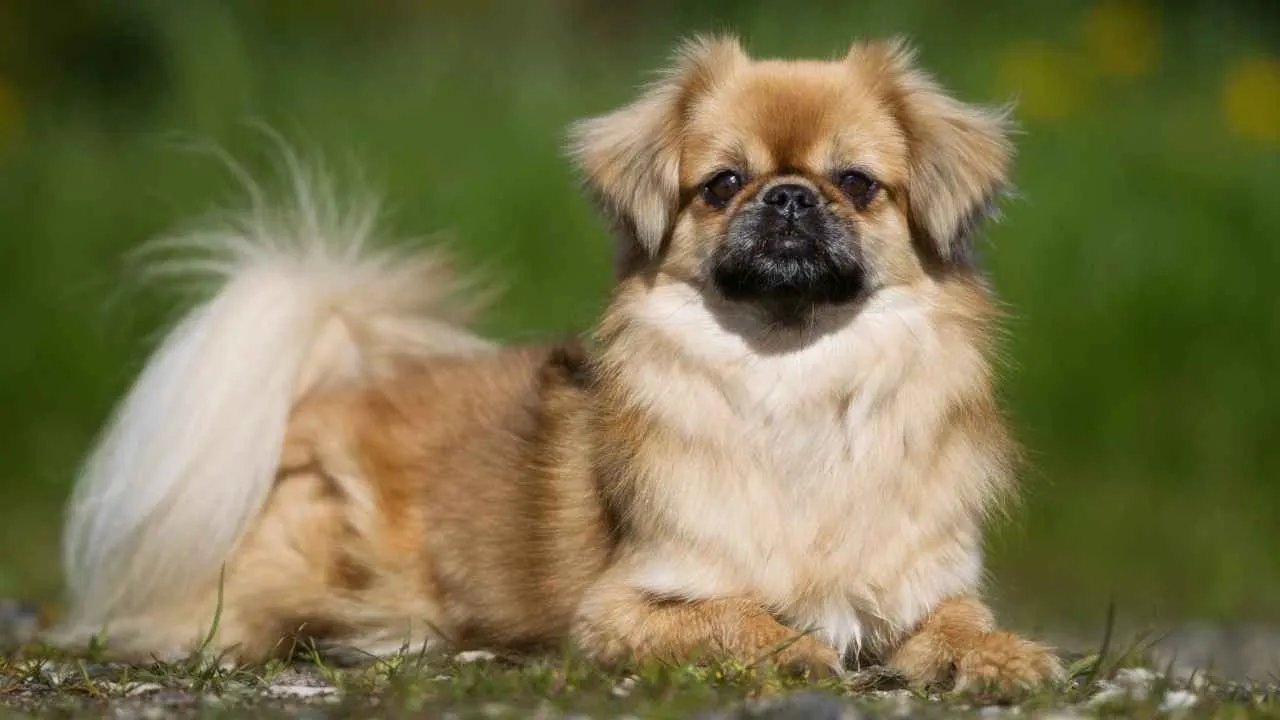
Tibetan Spaniel spent centuries as a companion to monks, lamas, and spiritual leaders in the Himalayan mountains of Tibet. These small dogs also helped guard monasteries, using their sharp senses to notice people approaching the entrance or passing nearby.
A Palette of Gold
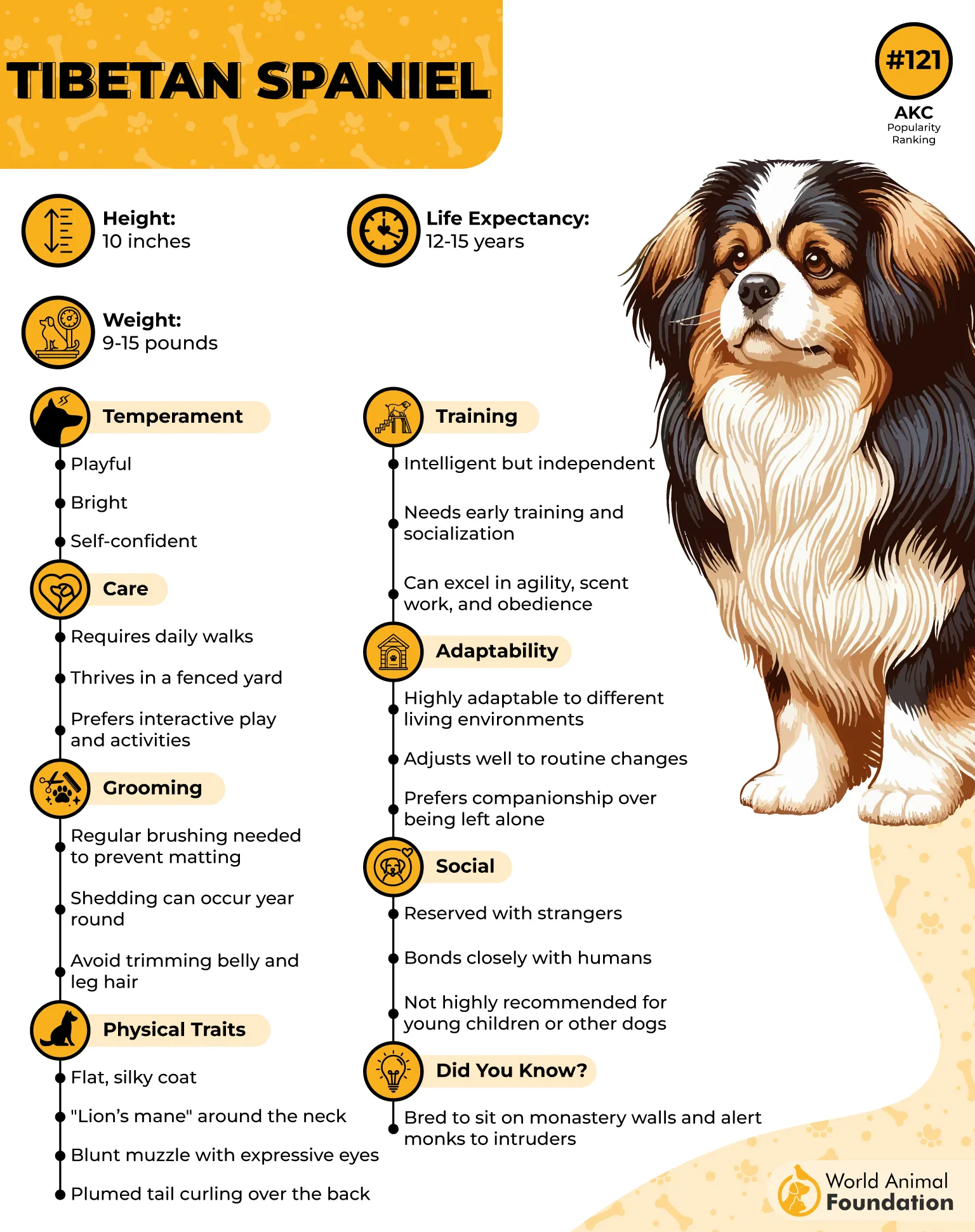
This family dog weighs around 9 to 15 pounds and usually reaches about 10 inches tall, with a silky, medium-length coat. Gold is one of several possible shades, alongside cream, red, sable, black, and silver sable, with some dogs carrying white or parti-color markings.
A few details make the breed especially interesting:
Independent, cat-like behavior
Sensitive to harsh correction
No trimming required
Lively at Home
Tibetan Spaniels bring a cheerful, playful personality into the household and can adapt well to families, retirees, professionals, and first-time dog owners, as mentioned by Chewy. The breed can be reserved around unfamiliar people while generally getting along with other animals.
5. English Cocker Spaniel
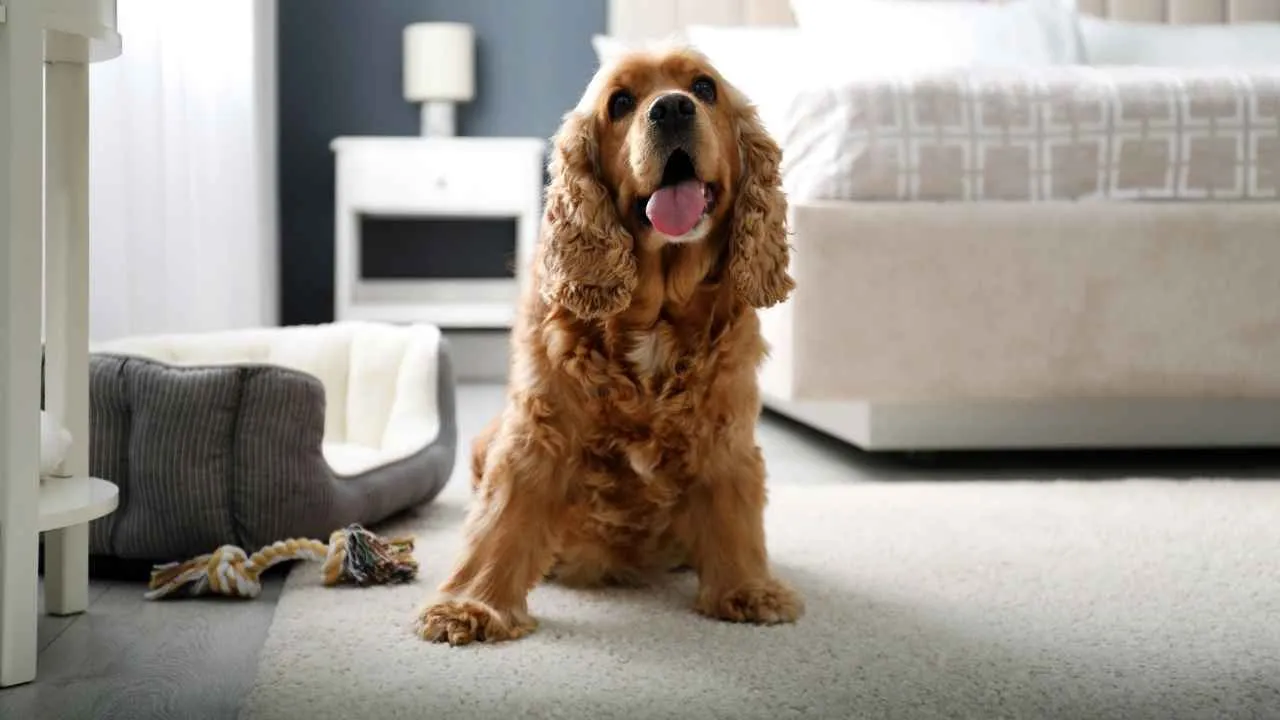
English Cocker Spaniel belongs to one of the oldest land spaniel groups, with the Cocker and Springer once classified together as Land Spaniels. Their size later influenced their work, with smaller dogs used to flush woodcock while larger ones worked as springers.
Golden in the Mix
Golden is one of the English Cocker Spaniel’s recognized solid colors, sitting between the lighter lemon shade and deeper red. Sable coats can also appear in golden tones, along with black, chocolate, or silver-like shades that may change gradually as the dog matures.
Several combinations can appear:
Black and tan solid coloring
Liver and tan combinations
Red and liver solid coats
Bred for Full Days
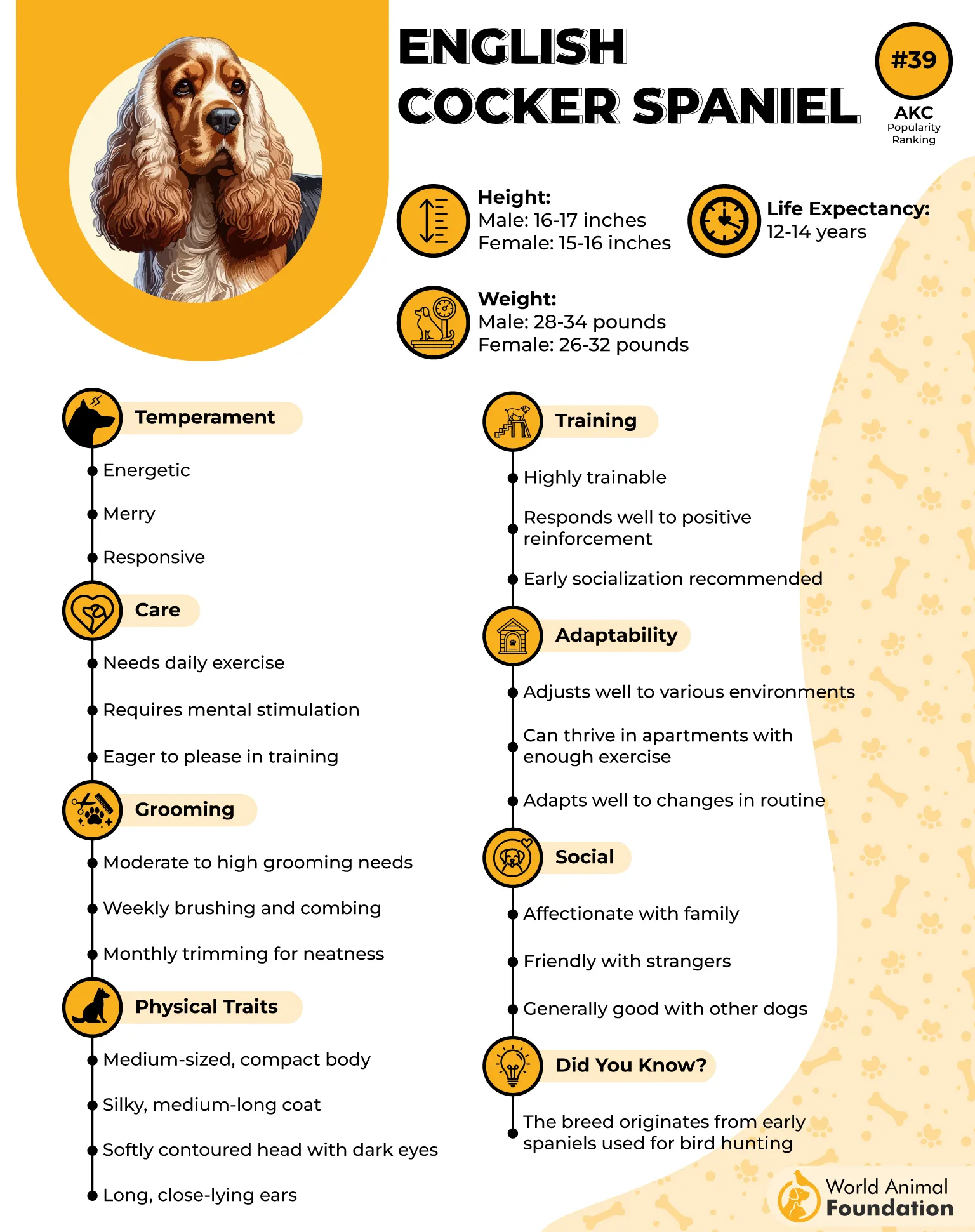
English Cocker Spaniel was bred to search for, flush, and retrieve upland birds throughout an entire hunting day. That working purpose calls for more than a quick neighborhood walk, with a couple of solid, daily exercise periods better suited to its energy level.
6. Pomeranian
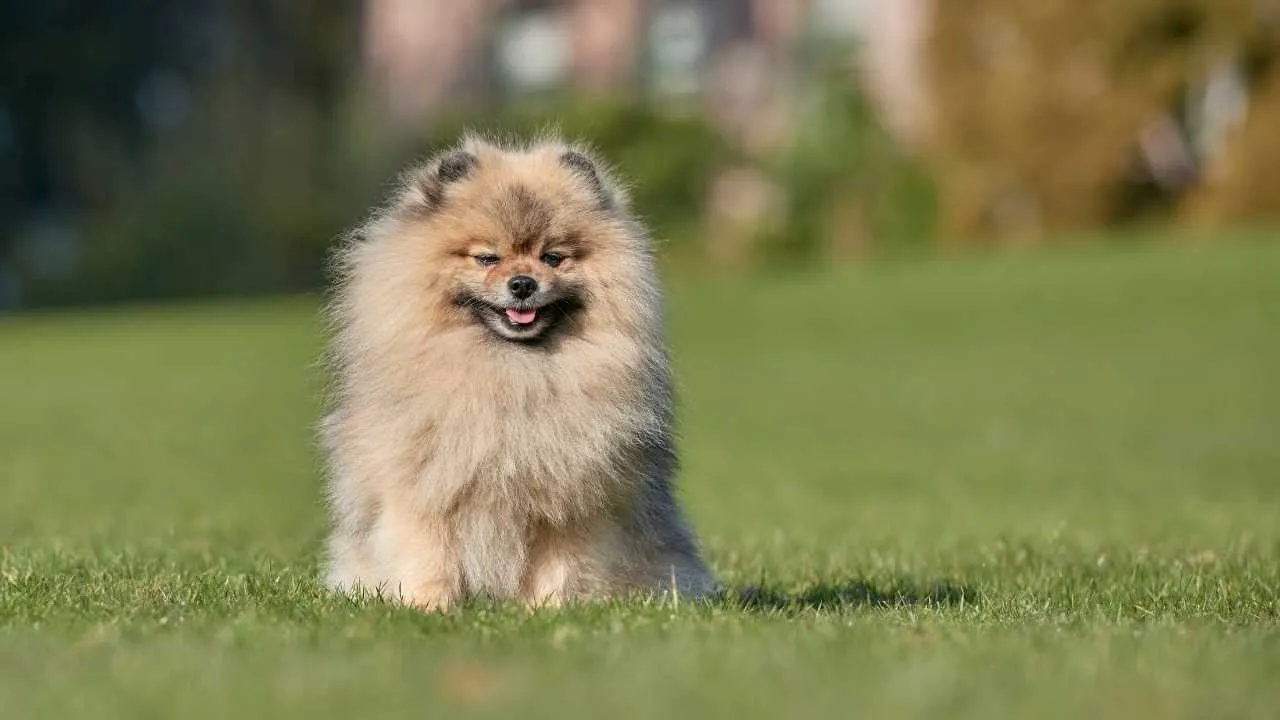
Pomeranian began as a much larger spitz-type working dog in the Pomerania region of Northern Europe, an area now divided between Poland and Germany. Early dogs could weigh around 30 pounds and were used for herding sheep and protecting homes.
A Golden Coat That Changes
Poms can develop several golden shades, with orange, orange-sable, cream, and deep red appearing within their recognized color range. Orange puppies may begin with paler fur before gradually becoming richer in color as the adult coat comes through.
A look at these shades reveals some fascinating details:
Cream flecks can occur within orange fur
Red coats may have lighter cream chests
Adult coloring can differ from puppy fur
Handle With Care
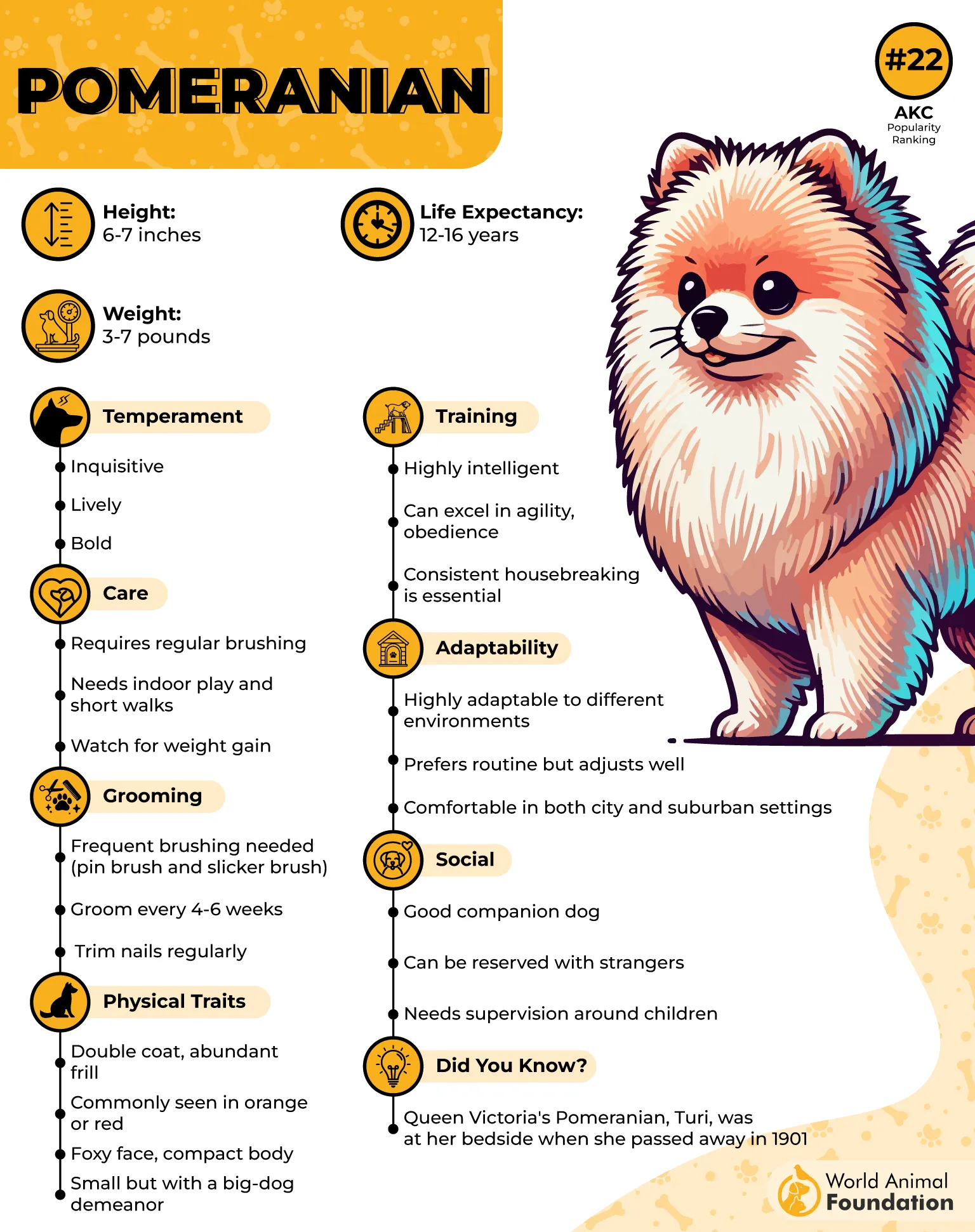
Pomeranians enjoy affection and being handled, though their small frame requires gentle treatment beneath that abundant coat. Giving it opportunities for normal dog activities also matters, especially for a breed with an energetic and surprisingly spirited temperament.
7. Chow Chow
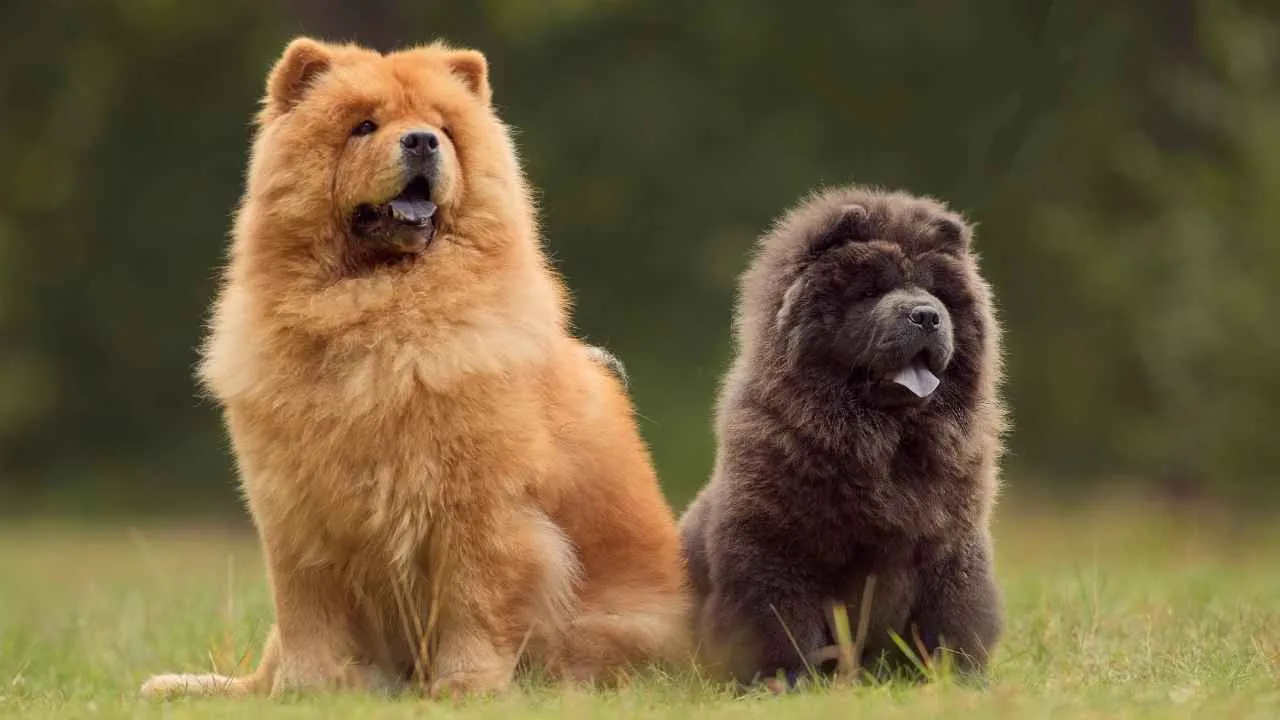
Chow Chow has a long connection with China, where the breed was valued for its distinctive appearance and dignified nature. Its deep roots in Chinese culture help explain the self-contained personality that remains such a recognizable part of the breed today.
Two Golden Looks
They can have either a long, rough coat or a shorter, dense, smooth coat, with both types available in shades that range from light golden tones to deep cinnamon. The smooth variety generally gathers less dirt and is less prone to matting than its longer-coated counterpart.
A closer look at the coat brings out some useful details:
Five recognized colors: red, black, blue, cinnamon, and cream
Lighter shading can appear around the ruff and tail
Rough coats are more common than smooth coats
A Selective Social Side
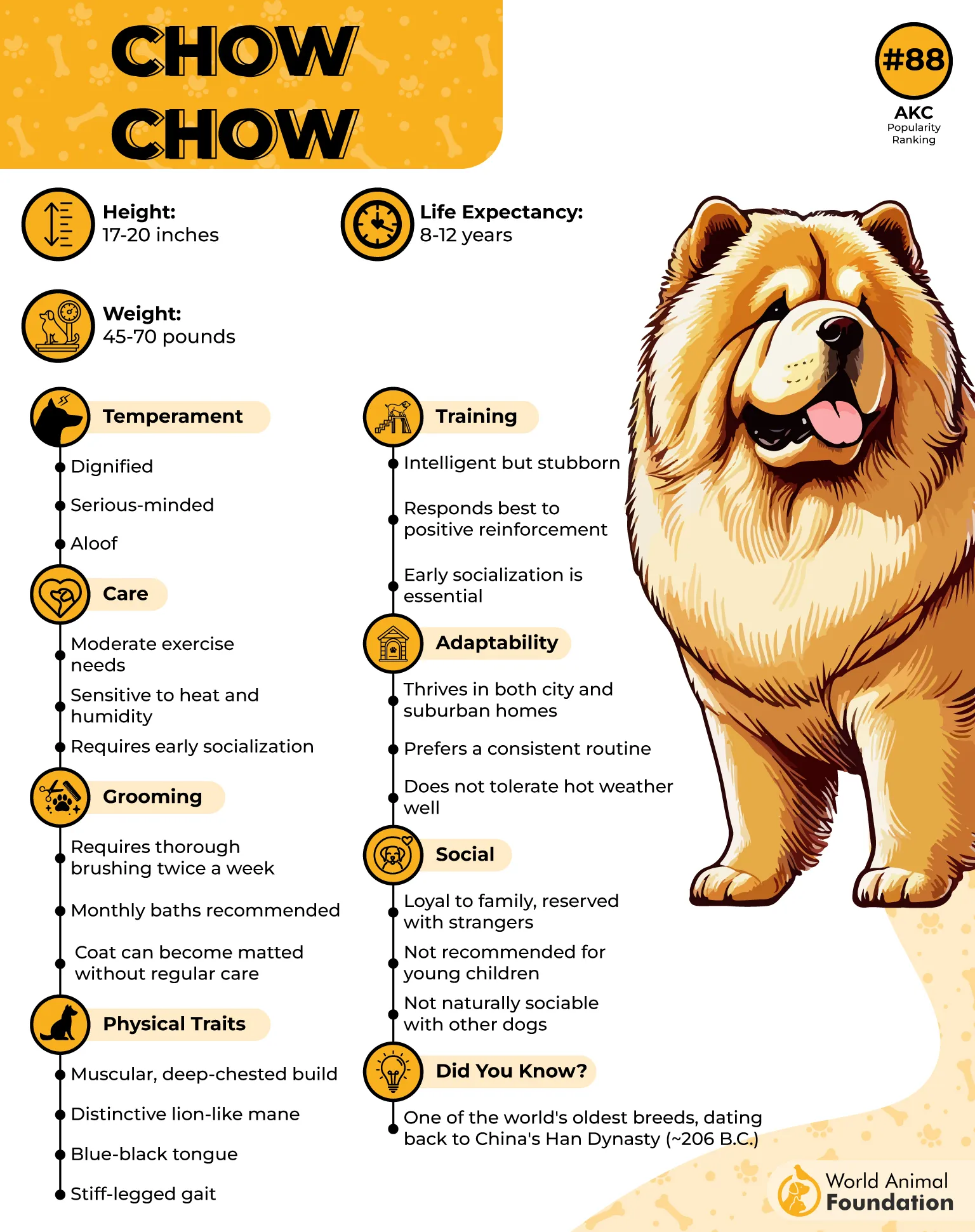
Chow Chows tend to be reserved with unfamiliar people and often prefer the company of a familiar person. Early socialization can help the breed feel more at ease around new faces, while its independent nature calls for patient handling and consistent expectations.
Conclusion
A gorgeous coat can make a dog memorable, but color is only one part of what makes a companion special. Golden shades or yellow dog breeds can range from pale cream to deep rust, with a silky coat appearing in some larger breeds while other breeds may have shorter or denser fur. Personality also matters, since some dogs bring plenty of energy while others prefer a quieter routine.
Training, daily exercise, socialization, and regular coat care all shape the experience of living with one. Whether you prefer a muscular dog or a softer-looking companion, looking beyond appearance can help you find a better match for your home and lifestyle. The right combination of beauty and temperament can make these dogs wonderful companions.
