




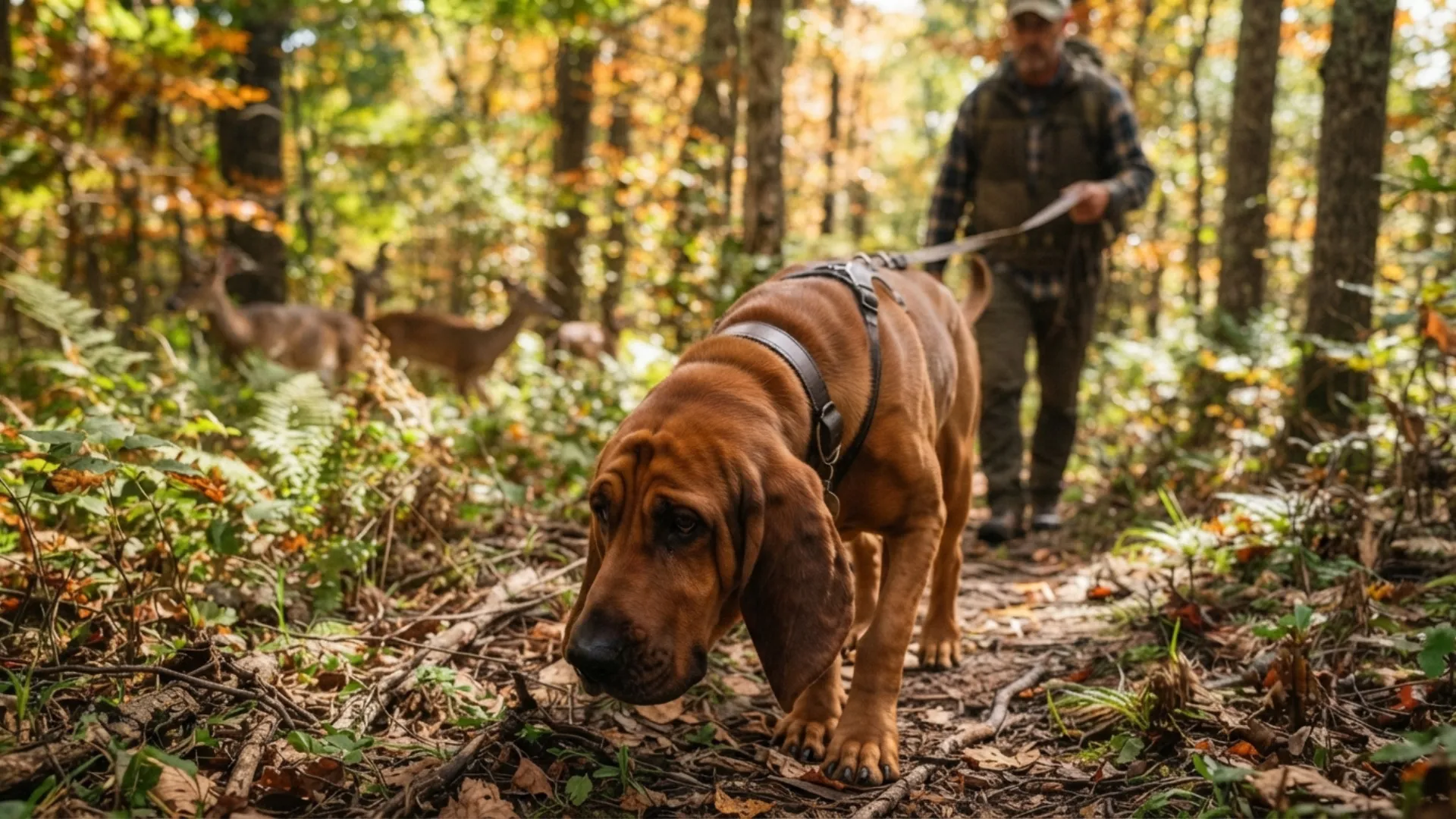
You made the shot. Good shot, actually, felt clean.
But the deer ran. And now it’s getting dark. The blood trail’s thinning out fast. And you are standing there staring at the ground, wondering if you are about to lose this animal for good.
This is exactly where a good tracking dog earns its keep. Not every hunter has one. But the ones who do will tell you it’s changed everything about how they hunt. Plus, how often they recover a wounded deer instead of walking away empty-handed.
Blood tracking dogs work differently than your typical hunting breed. They don’t chase live game through the woods. These dogs follow old, cold, sometimes barely-there blood trail scent, hours after the shot, sometimes well into the next morning. It takes a specific kind of nose and a specific kind of patience.
We have listed the top dog breeds for advanced deer tracking success. Real blood dogs, built for exactly this job.
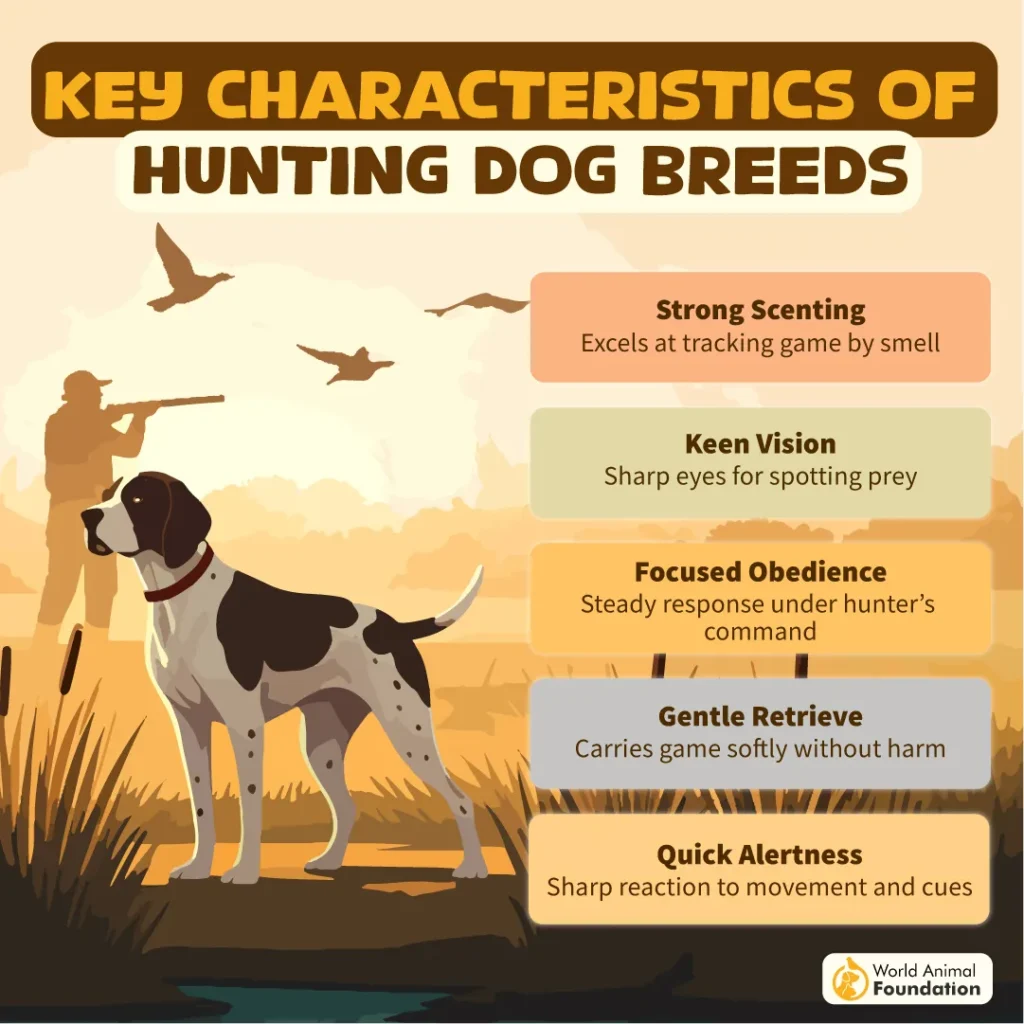
Did You Know?
According to Born-to-Track, John Jeanneney, a respected name in blood tracking dog circles and author of “Tracking Dogs for Finding Wounded Deer,” helped popularize the use of European tracking breeds in the U.S. His research showed that dogs trained for cold trail work could recover deer up to 24 hours or more after the shot. That is way longer than most hunters would ever think to keep searching on their own. Turns out patience and the right nose go a long way.
Top Dog Breeds for Advanced Deer Tracking Success
1. Bloodhound
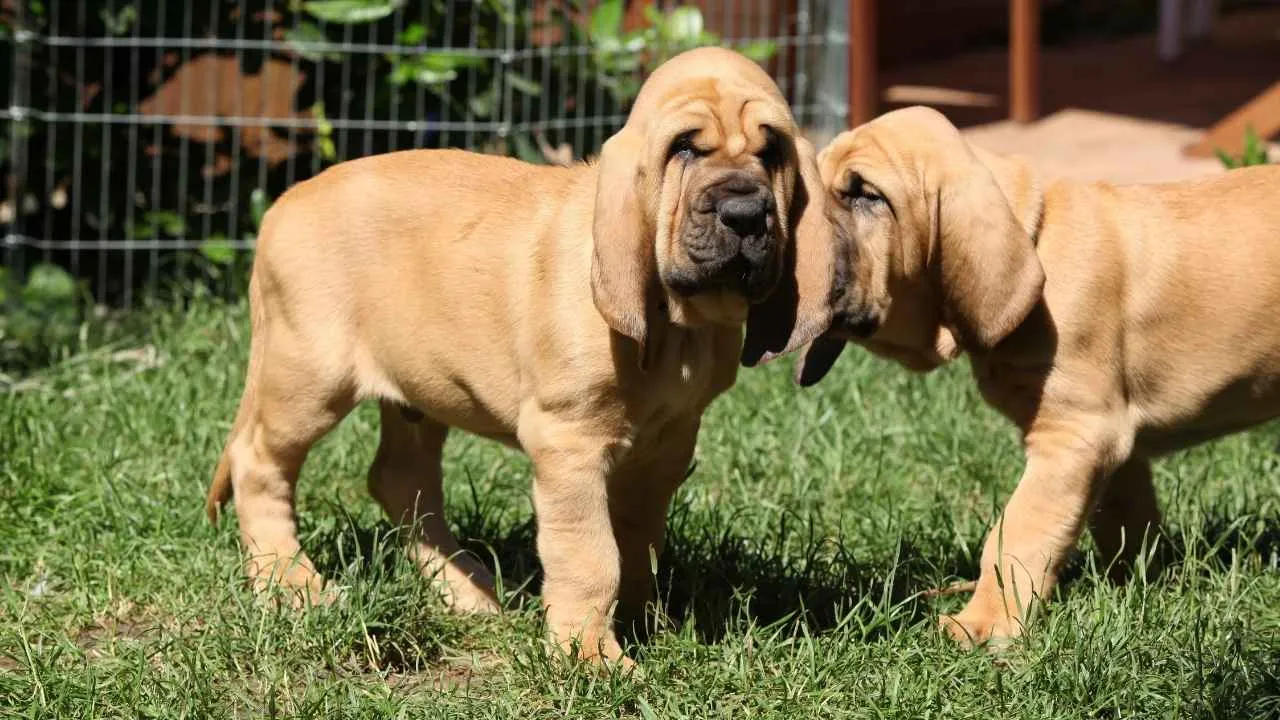
If one breed is synonymous with tracking deer, it is this one. The name says it all, really.
Bloodhounds have arguably the best nose in the dog world. It is capable of following a scent trail that’s hours, sometimes days, old. According to PBS, they can track 300-hour-old scent at the most. Isn’t that EXTRAORDINARY? Their working power and tracking ability are 75% nature and 25% nurture.
Plus, their loose, wrinkled skin helps trap scent particles close to the ground. That makes them exceptionally good at what they do: following blood trails.
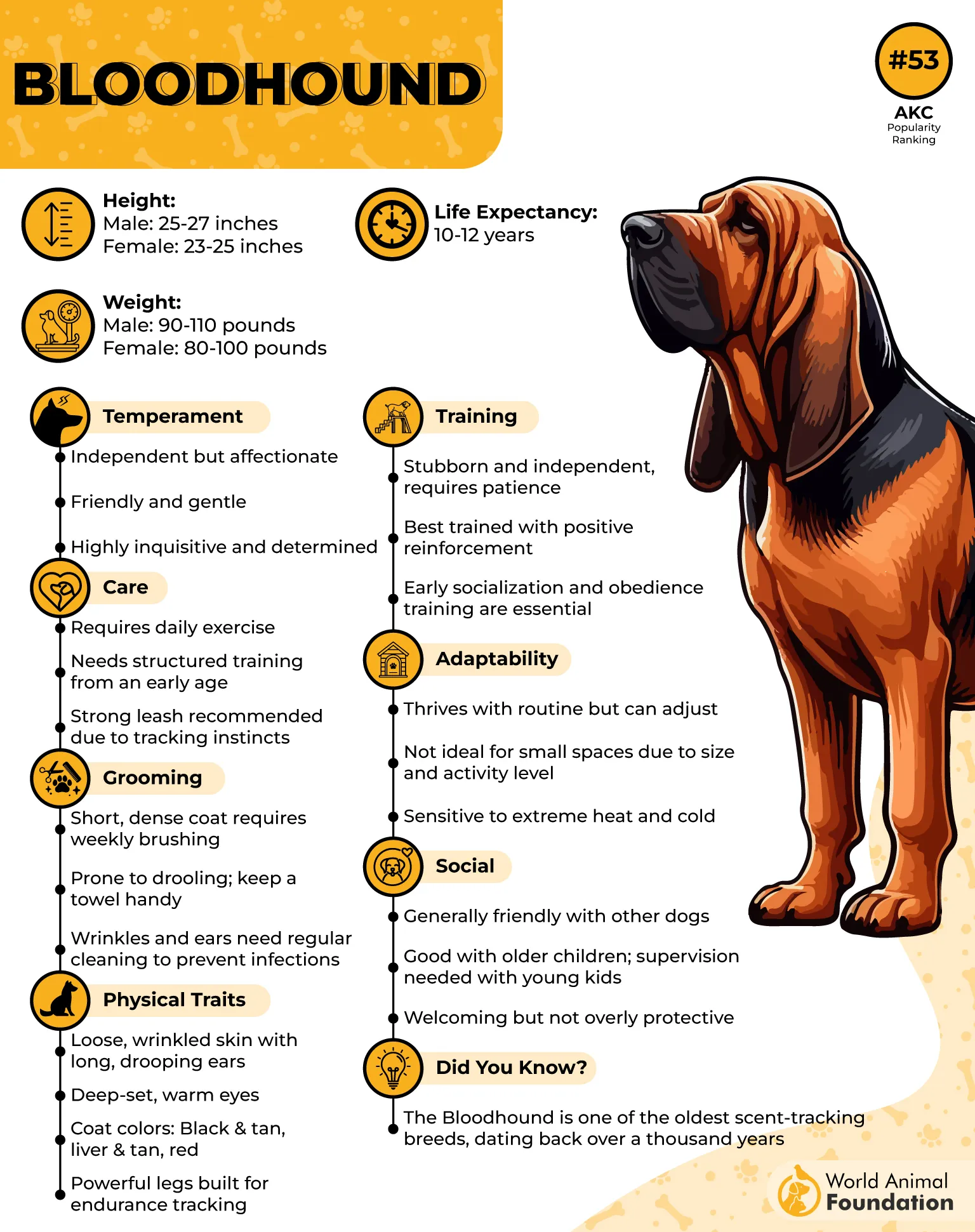
These wrinkly dogs are slow and methodical, not exactly bred for speed, but for accuracy.
A Bloodhound working a blood trail is not in a hurry, but it is 100% committed to the scent, nose down, working every inch of the ground until it finds that deer.
Bloodhounds do need patient training and a handler willing to trust the dog’s nose over their own instincts. But for hunters serious about reliably finding wounded deer, this breed is hard to beat.
2. Bavarian Mountain Scent Hound
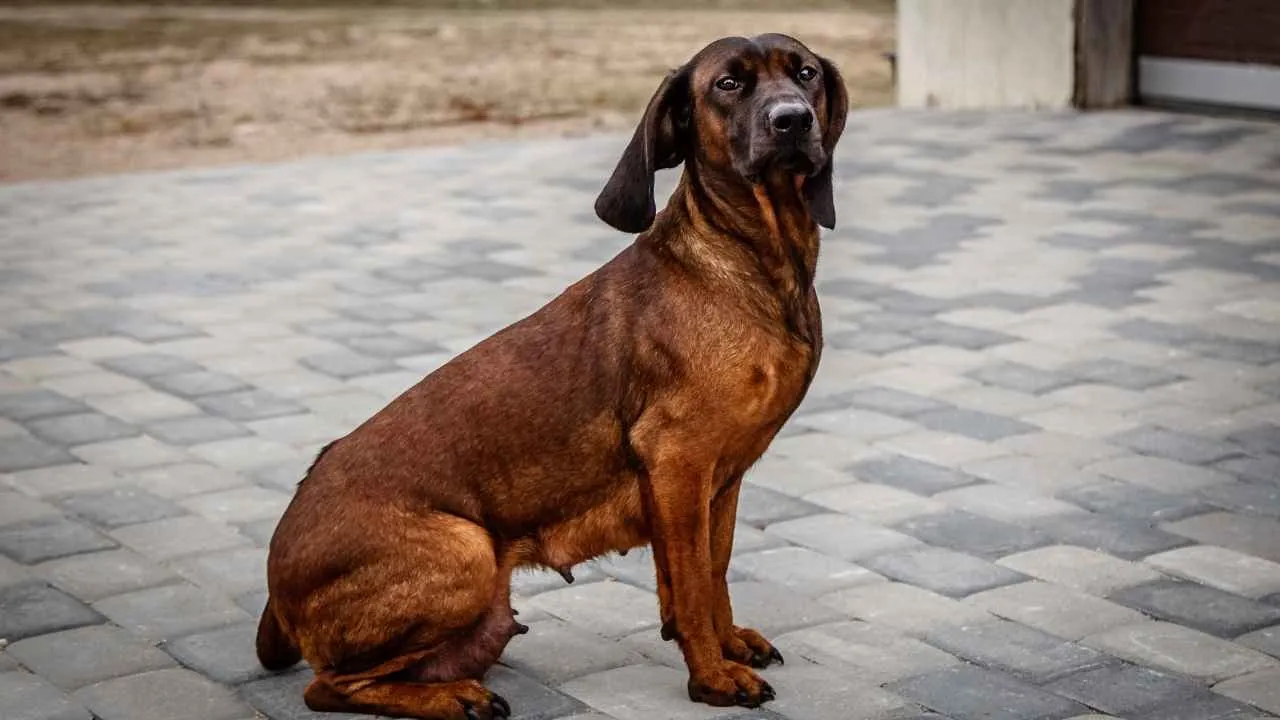
Bred in Germany for blood tracking, the Bavarian Mountain Scent Hound is the most purpose-bred breed.
This Hound dog was developed with one job in mind: following blood trail scent from wounded deer and other game across difficult mountain terrain.
Everything about the Bavarian Mountain Hound, such as nose, temperament, and stamina, was shaped around that specific task.
These dogs work close to the handler, moving slowly and deliberately along a scent trail rather than ranging wide like typical hunting breeds.
According to the American Kennel Club, their most notable trait is “cold nose.” They can easily know the difference between the injured game they are hunting and other deer or animals.
That controlled style makes them incredibly reliable for bow-shot deer where the blood trail might be sparse.
These blood trailing dogs are calm, focused, and good at their job. For hunters who take deer tracking seriously, this breed is often considered the gold standard.
3. Plott Hound
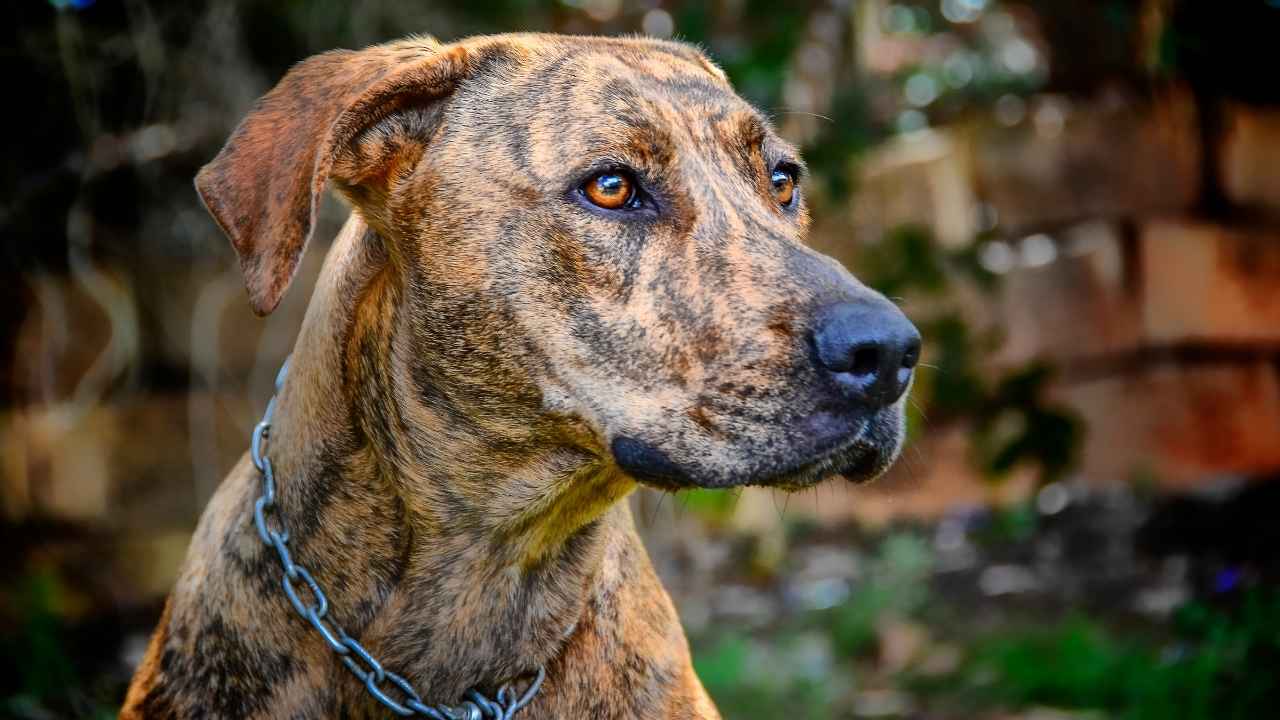
North Carolina’s official state dog brings some serious tracking credentials to the table, even though it is more commonly associated with treeing bear or raccoon.
Plott Hounds have an incredible nose and relentless determination once they are on a trail. They use that same drive for tracking work.
These tracking dogs are very adept at following a wounded deer’s scent across rough terrain without losing focus (even hours after the animal was hit). Yes!
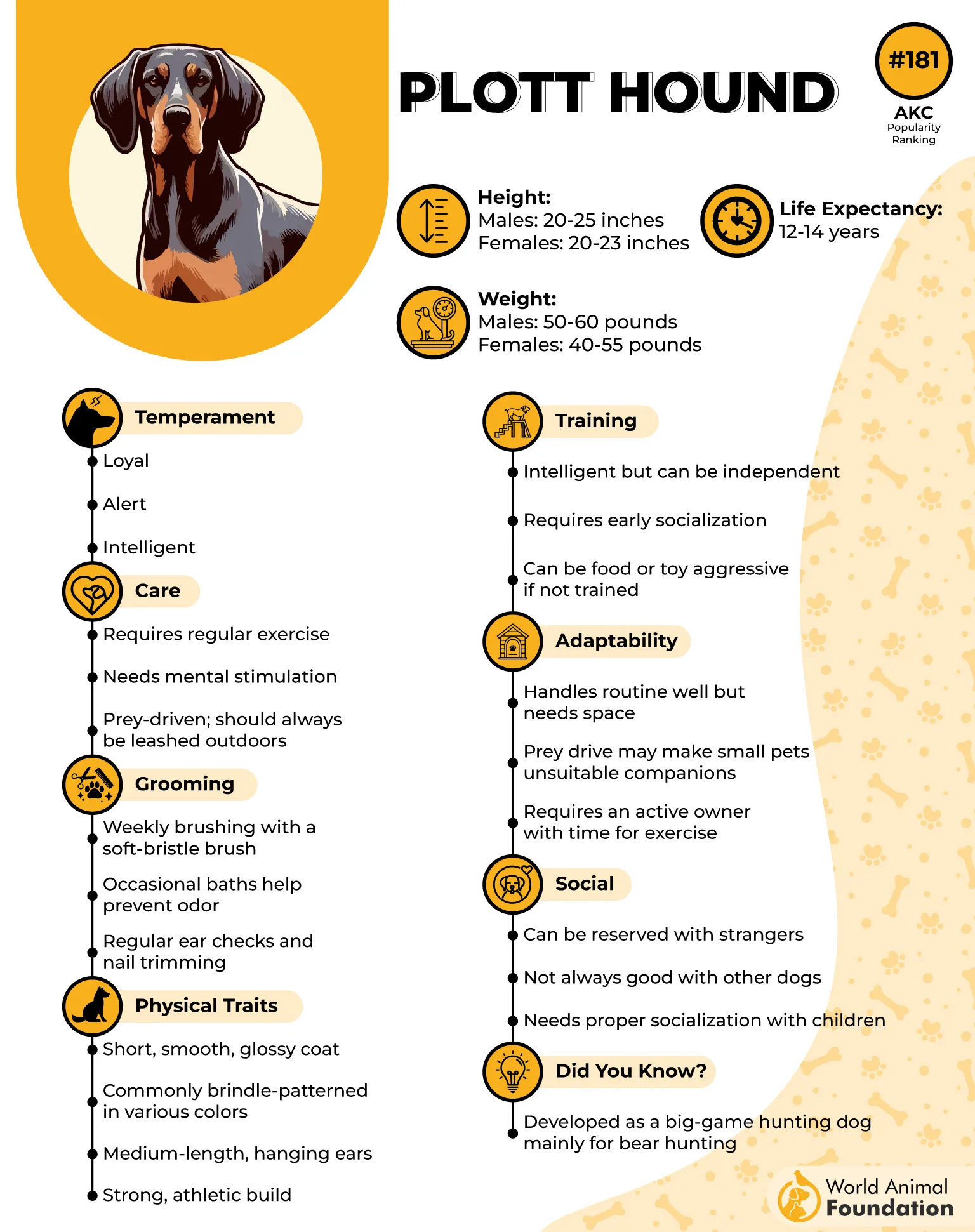
These dogs are strong, athletic, and bred to cover long stretches of ground. A Plott Hound working a cold trail late into the night is never unusual.
This breed has the stamina and nose to stick with a track long after most other dogs would give up.
Plott Hounds make excellent blood-trailing dogs for hunters covering large, wooded properties. That’s what ultimately makes them loyal dogs for their handlers.
PetMD does mention that these are very intelligent, active, and loyal Hounds.
4. Black and Tan Coonhound
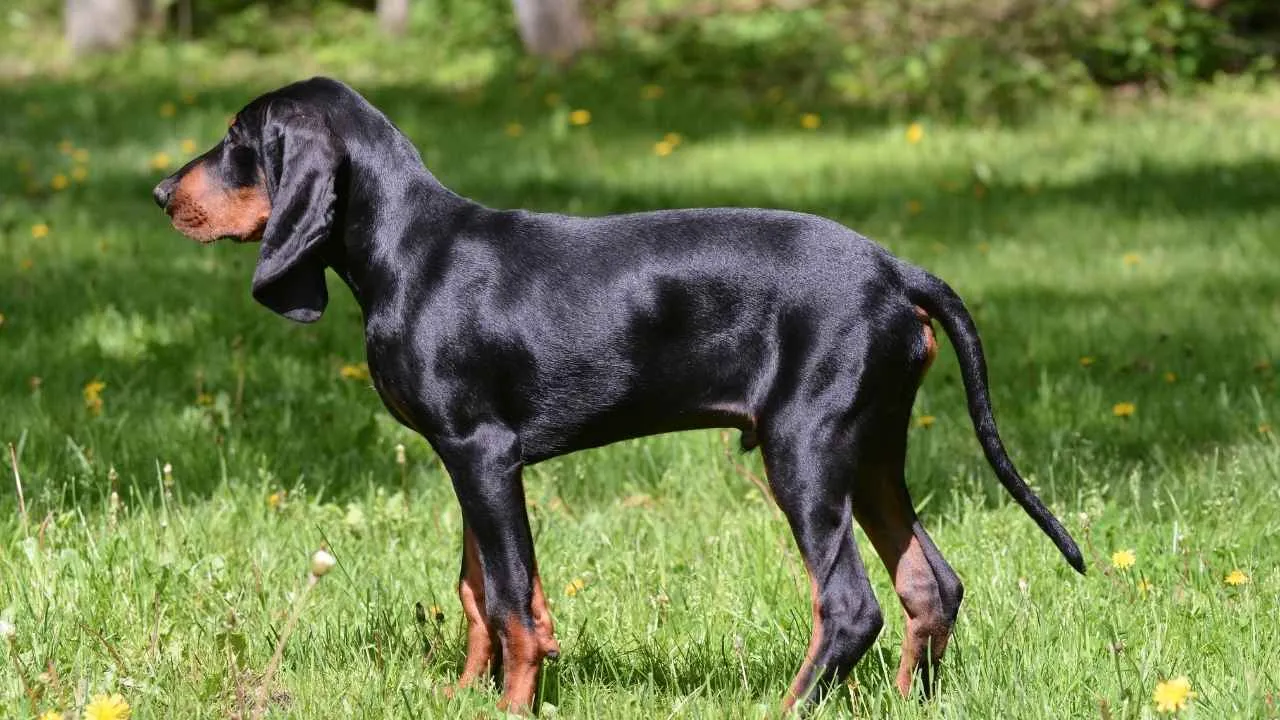
The Black and Tan Coonhound brings that same nighttime scent-tracking ability directly into deer recovery work. They were originally bred for treeing raccoon at night.
This breed has a great nose and a deep, distinctive bay that lets hunters follow along even in thick brush or low visibility.
According to Orvis, Black and Tan Coonhounds are useful for hunters tracking deer after dark, since much of their breeding history involves nighttime scent work.
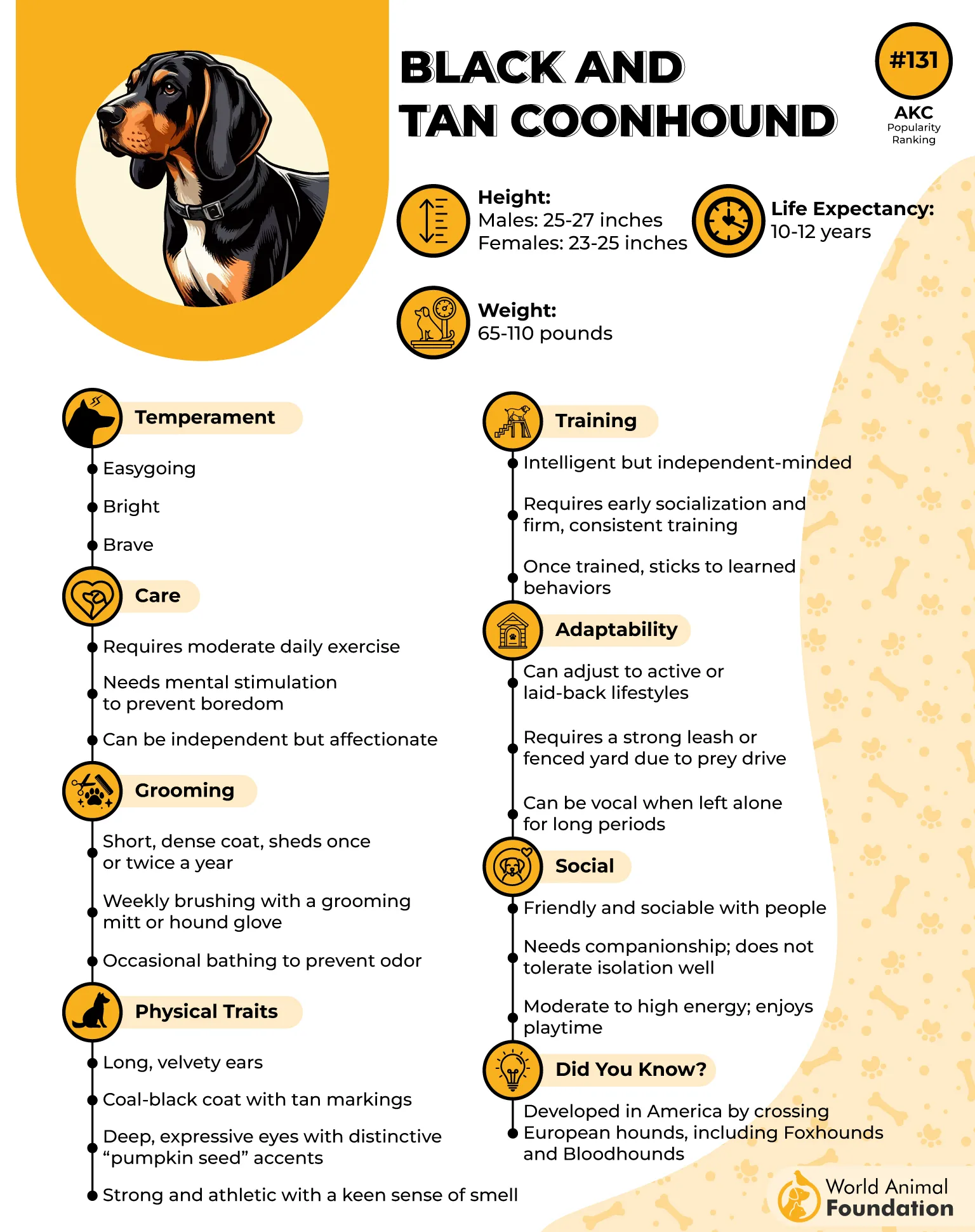
These large dogs are friendly, food-motivated, and easy to train for blood trailing once you introduce them to the scent.
Their persistence on a trail rivals some of the European breeds. But they have just a bit more vocal enthusiasm along the way.
For hunters wanting a hardworking tracking dog with night-hunting roots, the Black and Tan Coonhound is it.
5. Bluetick Coonhound
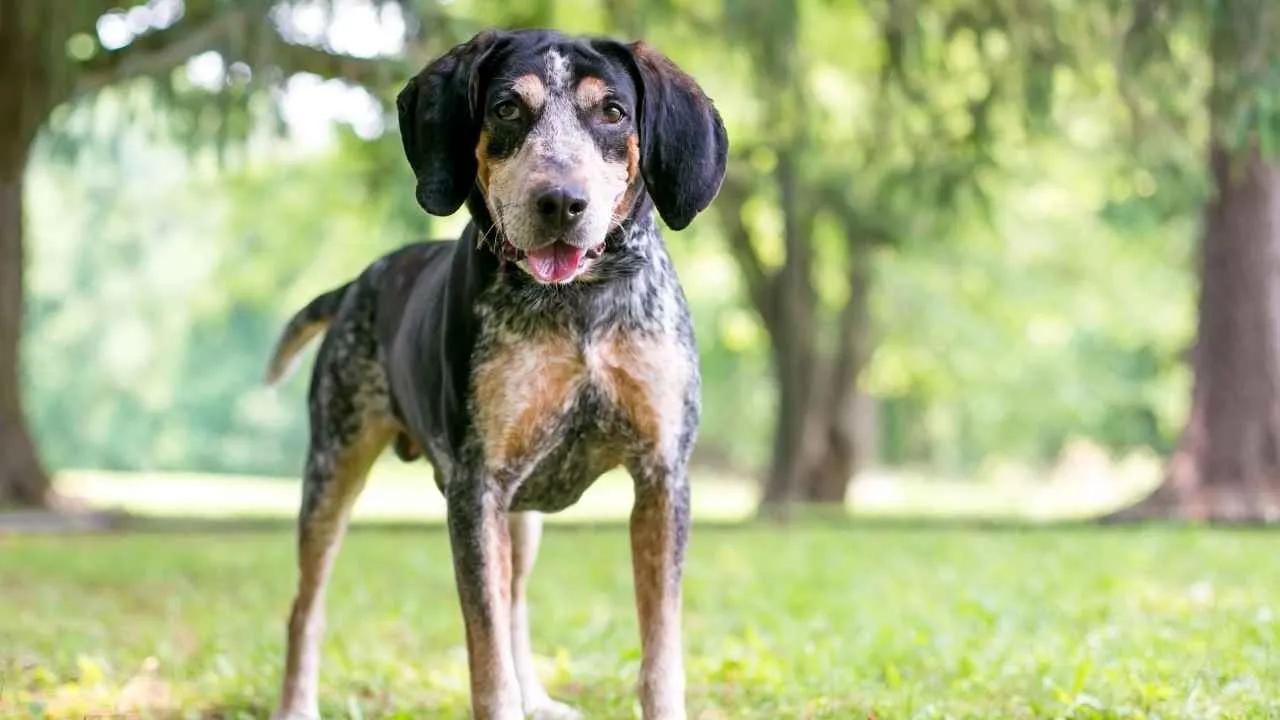
Loud, determined, and impossible to ignore once they lock onto a scent, the Bluetick Coonhound is another Coonhound breed that shows its blood trail work.
This floppy-eared dog has an excellent nose and a strong, steady bay that makes following along on foot easier, even across large tracts of dense woods. Blueticks were originally bred for treeing raccoon, but their scent-tracking instincts work just as well trailing a wounded deer.
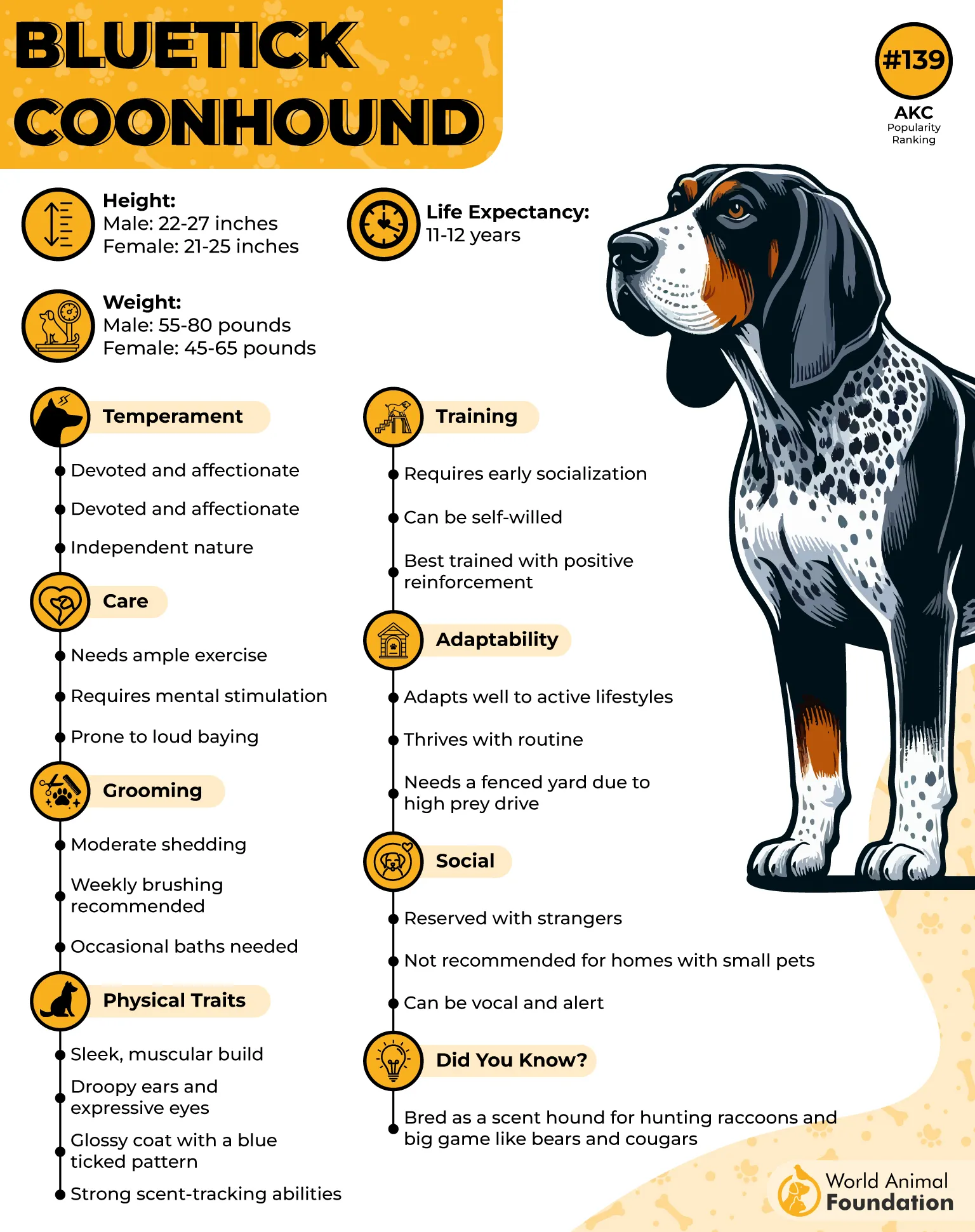
Blueticks are affectionate, loyal, and enjoy the work once trained. Their persistence on a cold trail is impressive. This dog does not quit easily once it commits to a scent.
For hunters in the South, where Coonhound culture runs deep, the Bluetick Coonhound remains a trusted choice for tracking success.
6. Redbone Coonhound
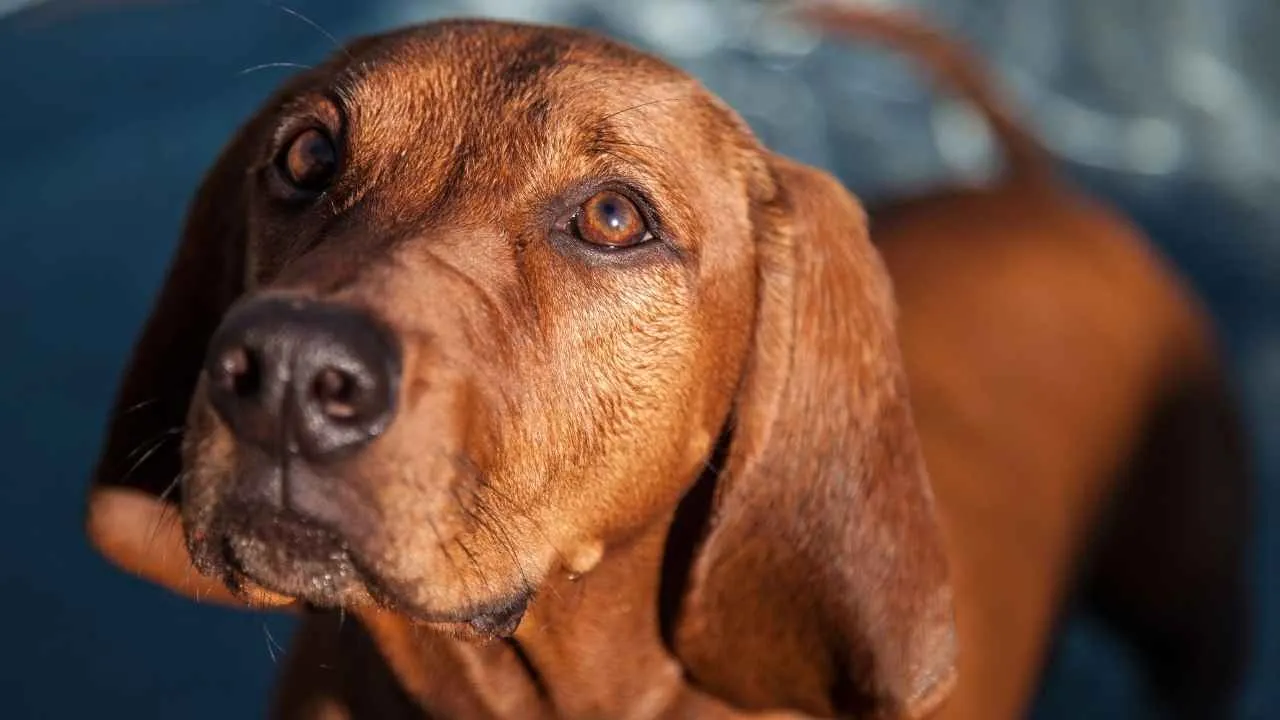
If you have read “Where the Red Fern Grows” in high school, you already know this dog.
The Redbone Coonhound. Yeah, this sleek, athletic dog is famously featured in Wilson Rawls’s book.
And yes, they have a serious tracking heritage in that solid red coat.
This breed has a strong nose and impressive stamina. They can follow a blood trail across rough terrain for extended periods. Redbones were bred for versatility so they can work equally on raccoon and bear and, with the right training, blood-tracking deer, according to WebMD.
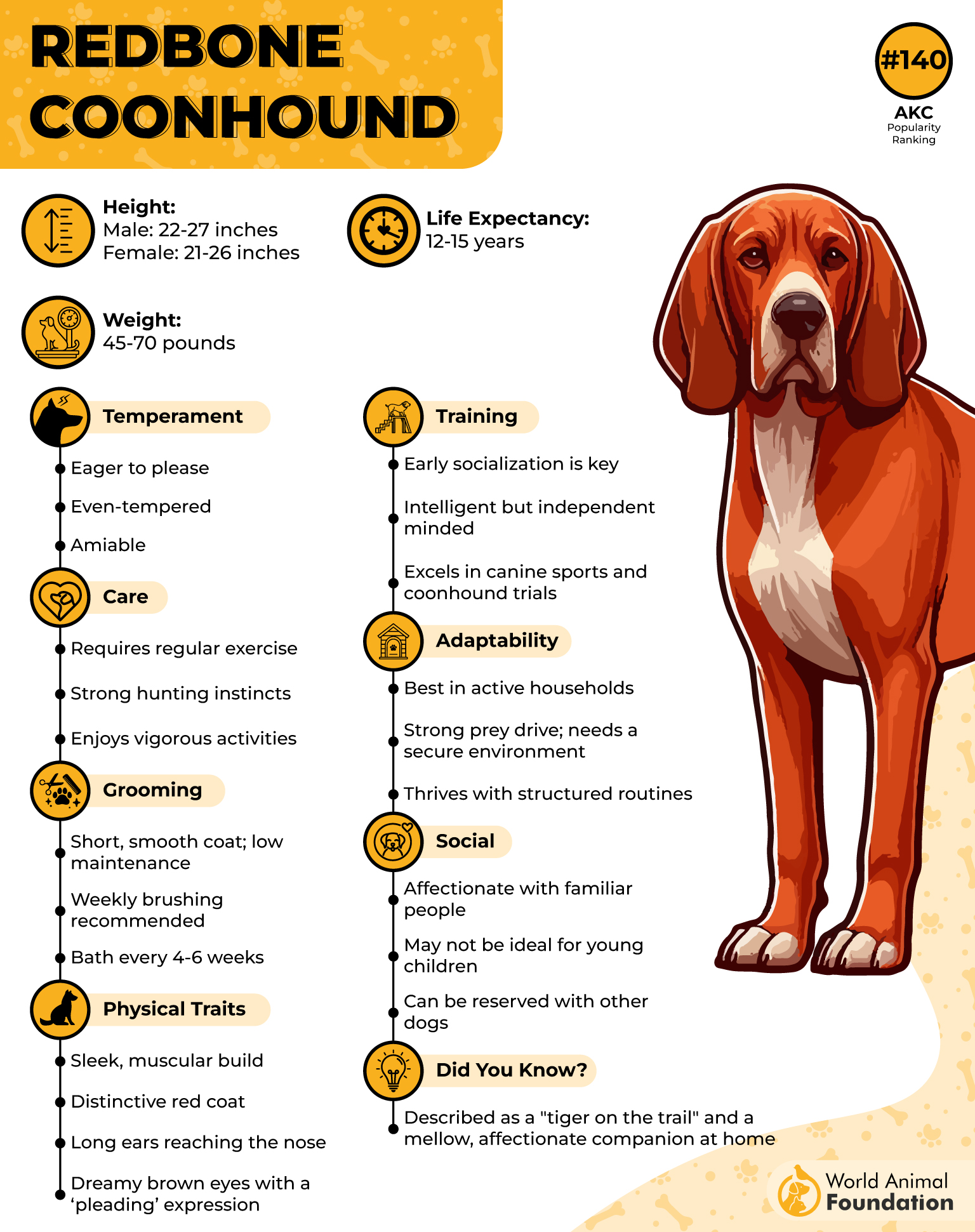
These red dogs are eager, loyal, and good companions both in the field and at home. Their tracking instincts run deep. So all they need is consistent training. They can also become a reliable trailing partner for recovering wounded deer.
Friendly and adaptable, this breed fits well with hunters who want a dog that’s just as happy on the couch as it is working a trail.
7. German Wirehaired Pointer
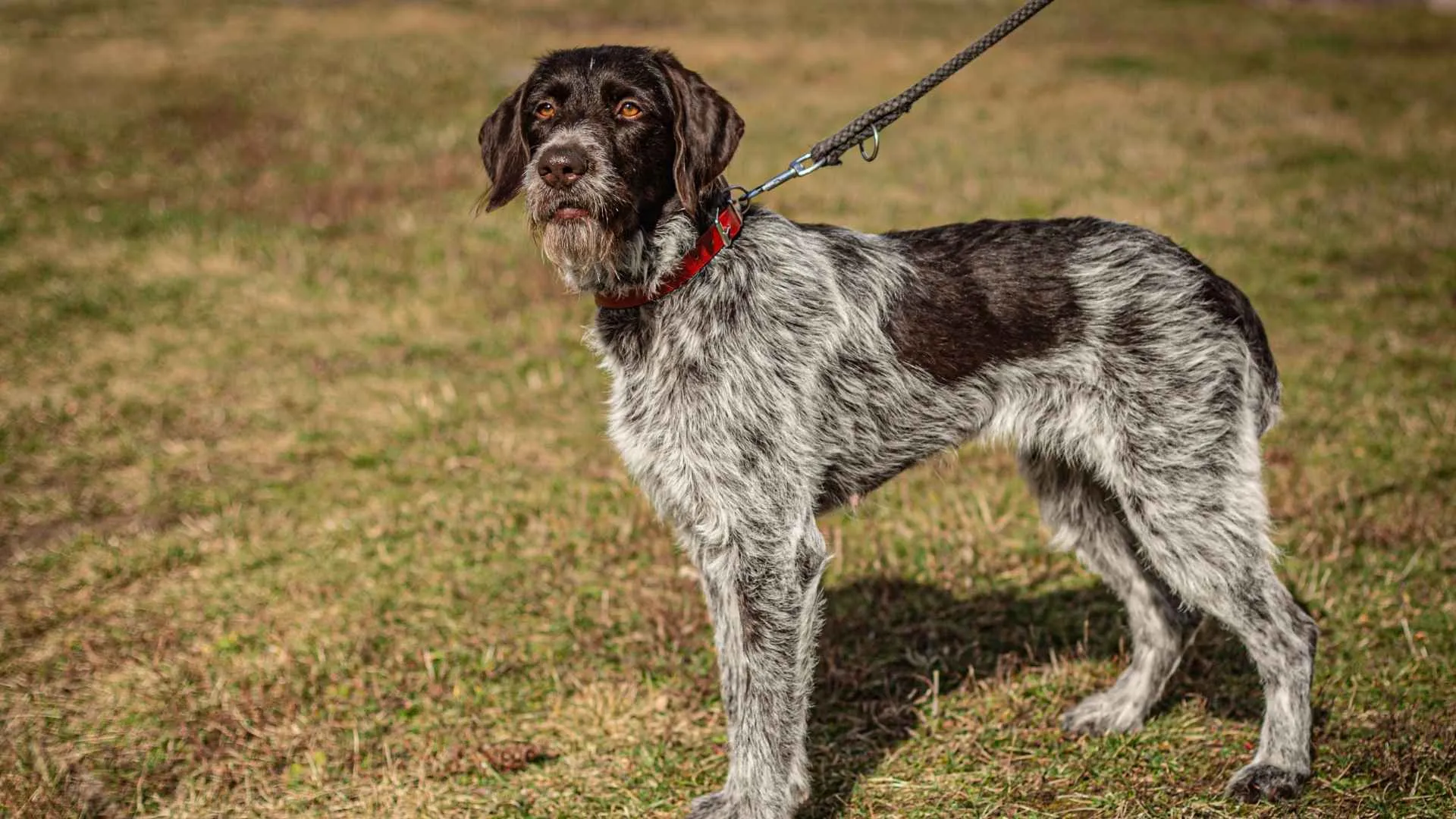
Known primarily as a versatile upland game dog, the German Wirehaired Pointer also brings serious scent-tracking ability to dead deer recovery work.
This Pointer dog breed has a great nose and a natural search style. These traits suit slow, careful blood trailing rather than fast-paced bird hunting.
German Wirehaired Pointers are smart, adaptable, and respond well to socialized training.
These dogs are known for their versatility. They are comfortable retrieving birds one weekend and working a cold blood trail the next. That flexibility makes them a favorite among hunters who want a dog that can handle multiple roles throughout the season.
With proper training, a German Wirehaired Pointer becomes a capable tracking dog. They are patient enough for slow trail work and sharp enough for everything else hunting season demands.
8. Catahoula Leopard Dog
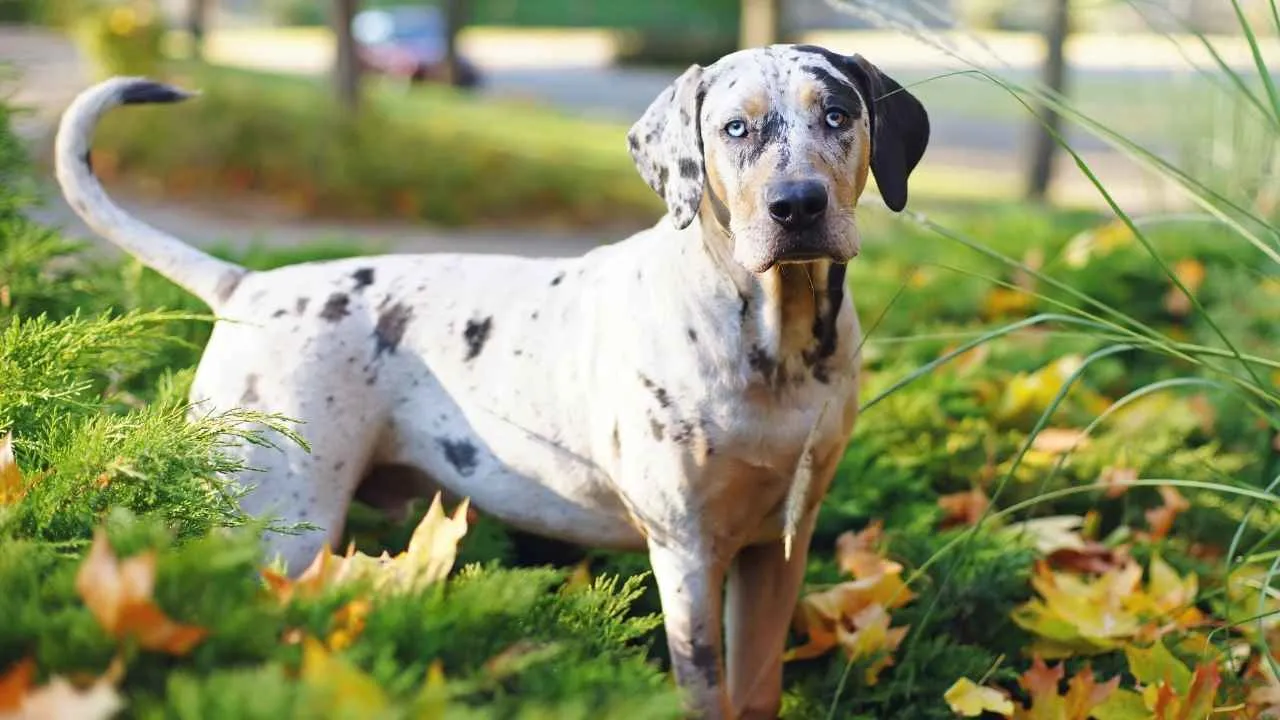
Louisiana’s own working breed brings serious versatility to deer tracking. Plus, they have an established reputation for wild boar and other big-game hunting.
Catahoula Leopard Dogs have a strong nose and an instinctive ability to work a trail. These traits make them ideal for anyone who needs to trail deer across swampy Southern terrain.
Their toughness and adaptability make them well-suited to just about any hunting environment.
These are intelligent working dogs. They are loyal and eager to work once given a job. Catahoulas trained for blood tracking prove remarkably reliable because they stick with a scent even in tough conditions where other breeds struggle.
For Southern hunters, the Catahoula Leopard Dog offers a tough option for finding wounded deer in difficult country.
9. American Foxhound
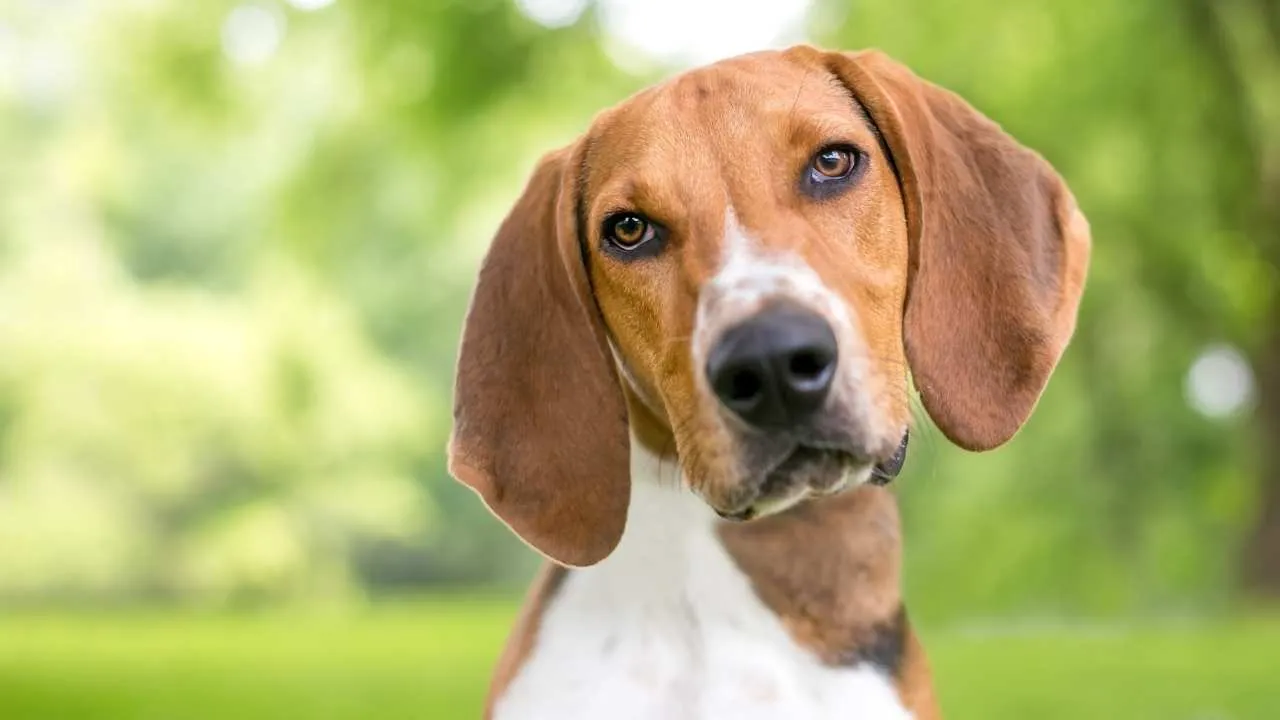
One of America’s oldest hunting breeds, the American Foxhound brings generations of scent-tracking heritage into deer recovery work.
This breed has a strong nose and impressive endurance. They were bred originally for long chases across open countryside. You can see that same stamina in blood-trailing deer work.
Plus, on large properties, this dog finds any game.
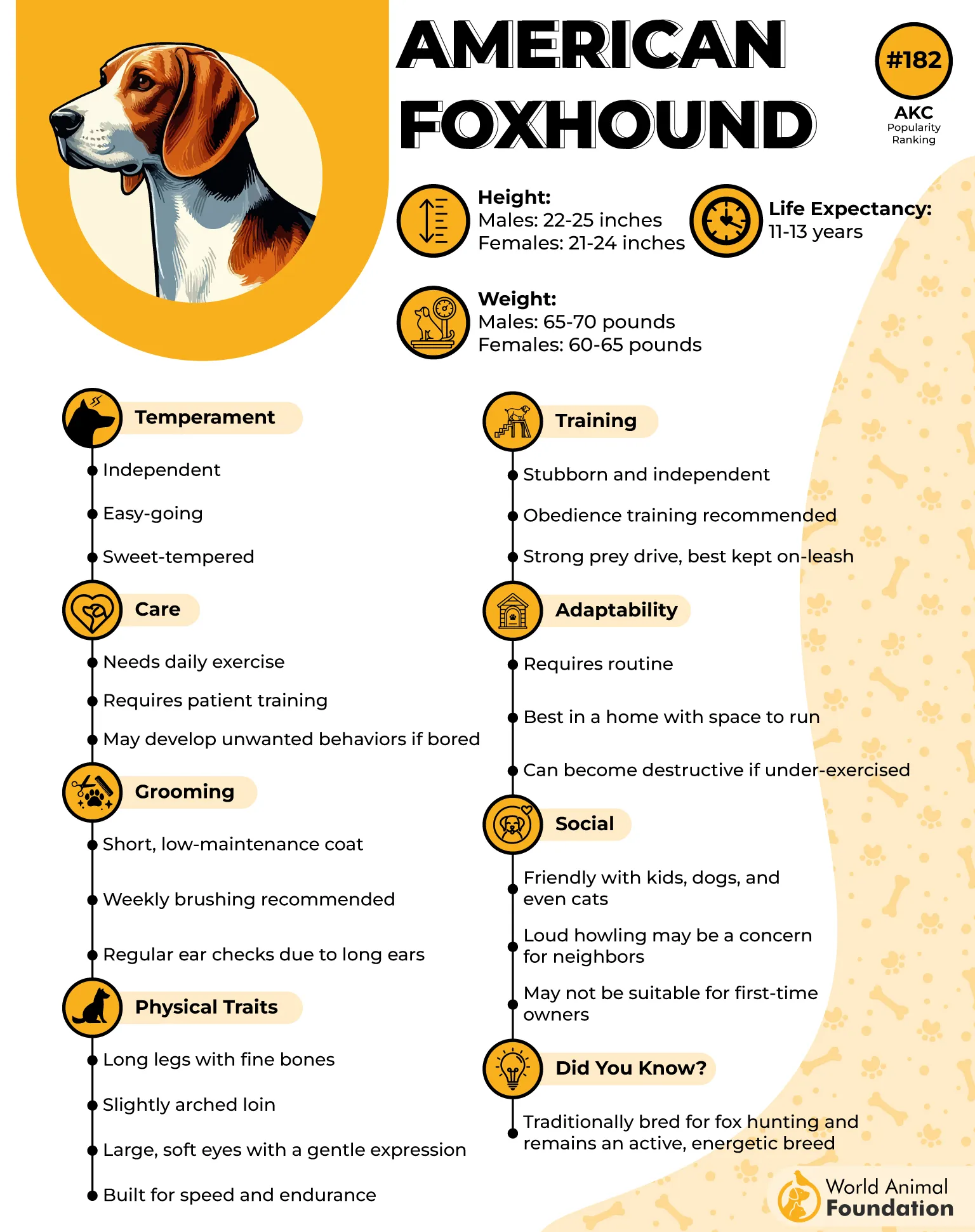
American Foxhounds are friendly dogs who are easy to work with once they get the essential training. According to Omlet, they are pack-oriented, and their steady nature on a trail makes them a dependable option for hunters.
Loyal and good-natured, this breed adapts well to structured hunting work and life as a companion between the seasons. They also make solid family dogs in their free time.
10. Weimaraner
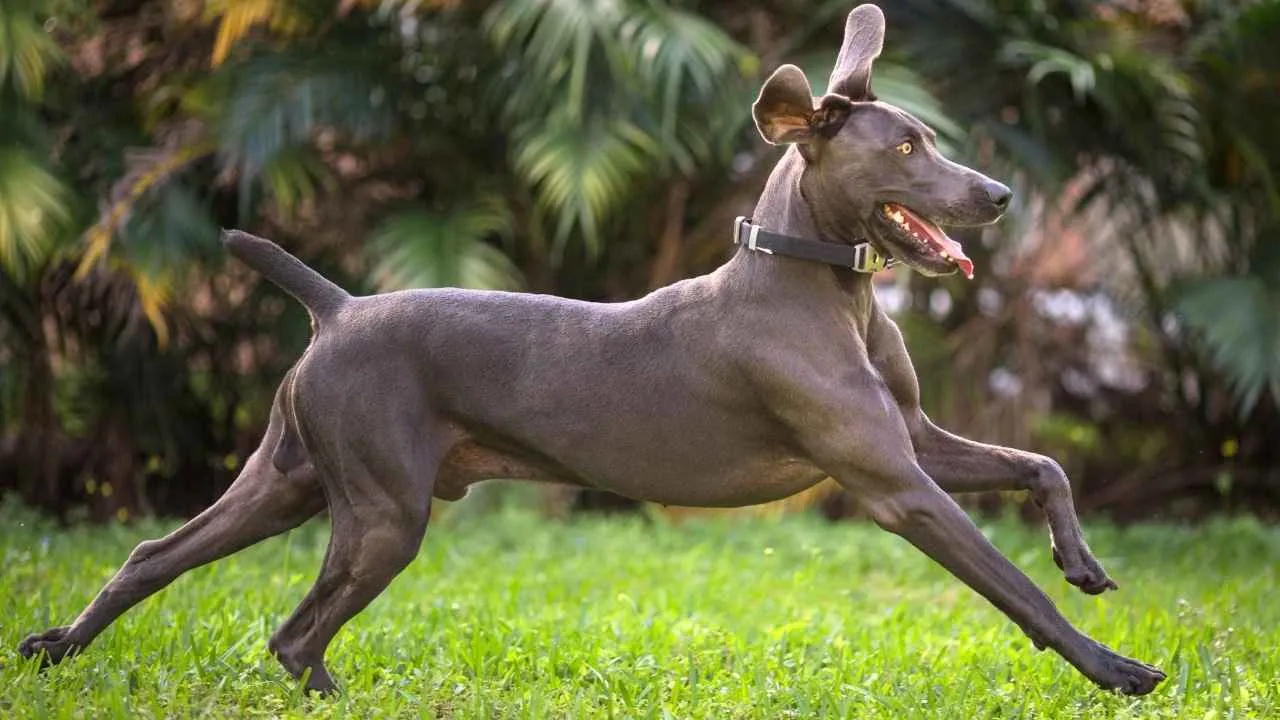
Sleek, silver-coated, and versatile.
The Weimaraner brings a slightly different skill set to deer tracking than other traditional hound breeds.
This hunting dog has a great nose and was originally developed in Germany for big-game hunting, including boar and deer. They were in demand long before it became known as a bird dog. That big-game background makes the Weimaraner a capable tracking dog.
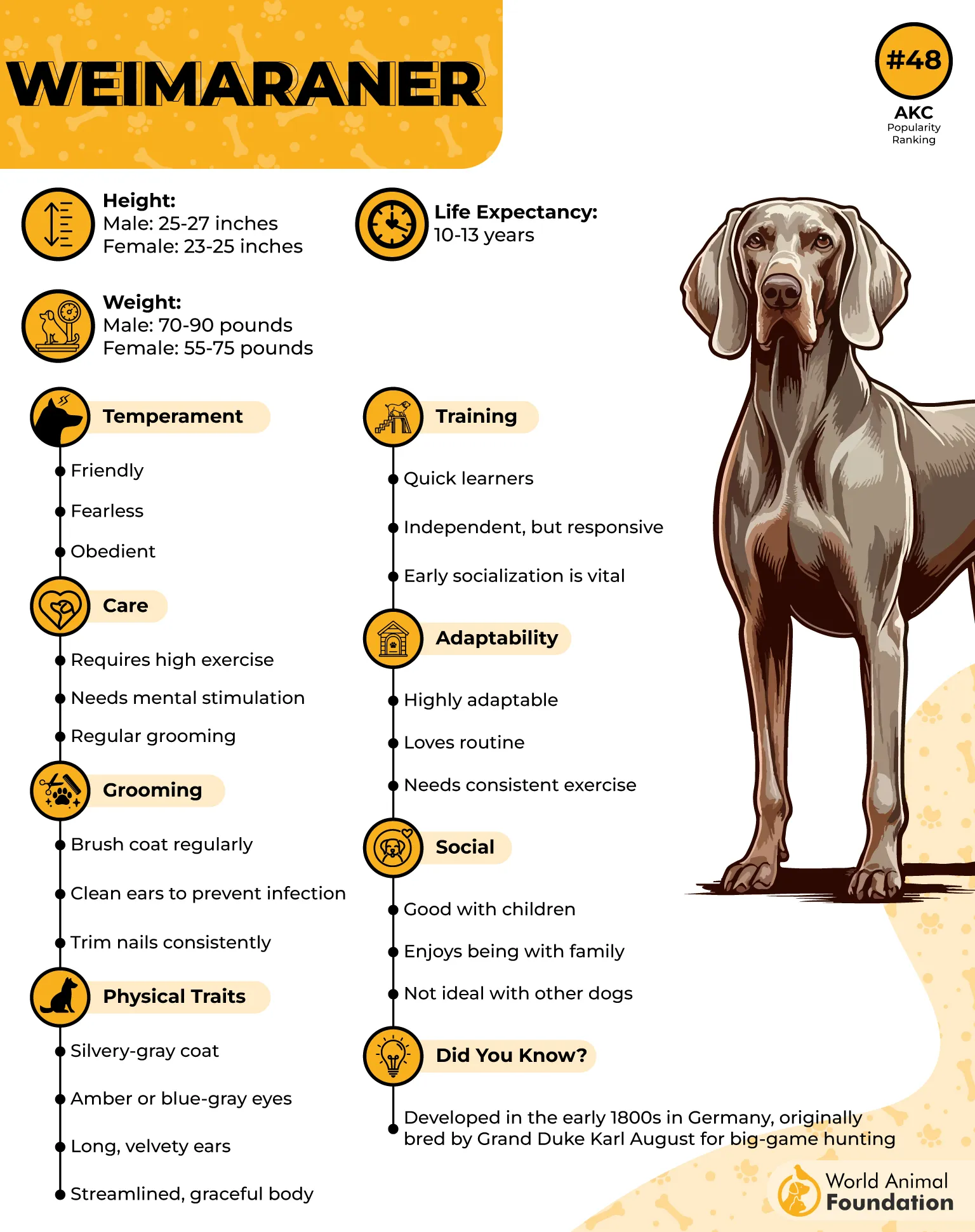
Weimaraners are intelligent, energetic, and eager to please. That will make specialized training sessions smooth once the basics are done.
Their focused search style works well for trailing a wounded deer across mixed terrain.
For hunters who want a dog that can handle upland game, retriever, and blood trailing duties, the Weimaraner offers versatility. This is a true, hardworking, and loyal companion out in the field.
Conclusion
Losing a deer after a good shot is the worst feeling in hunting. A dedicated tracking dog changes that outcome. ALWAYS! These dogs can track deer scent even after three to five days.
These breeds bring their own version of nose, patience, and persistence to the job.
Other breeds worth exploring include Beagles and Black Mouth Curs, both known in parts of the South for trail work.
REMEMBER!! A good tracking dog is not born overnight. It takes training, patience, patience, and trust between hunter and dog before that partnership clicks. And keep in mind that training involves positive reinforcement and hard trials.
But once it does, there is nothing quite like watching a good dog work a trail.
