




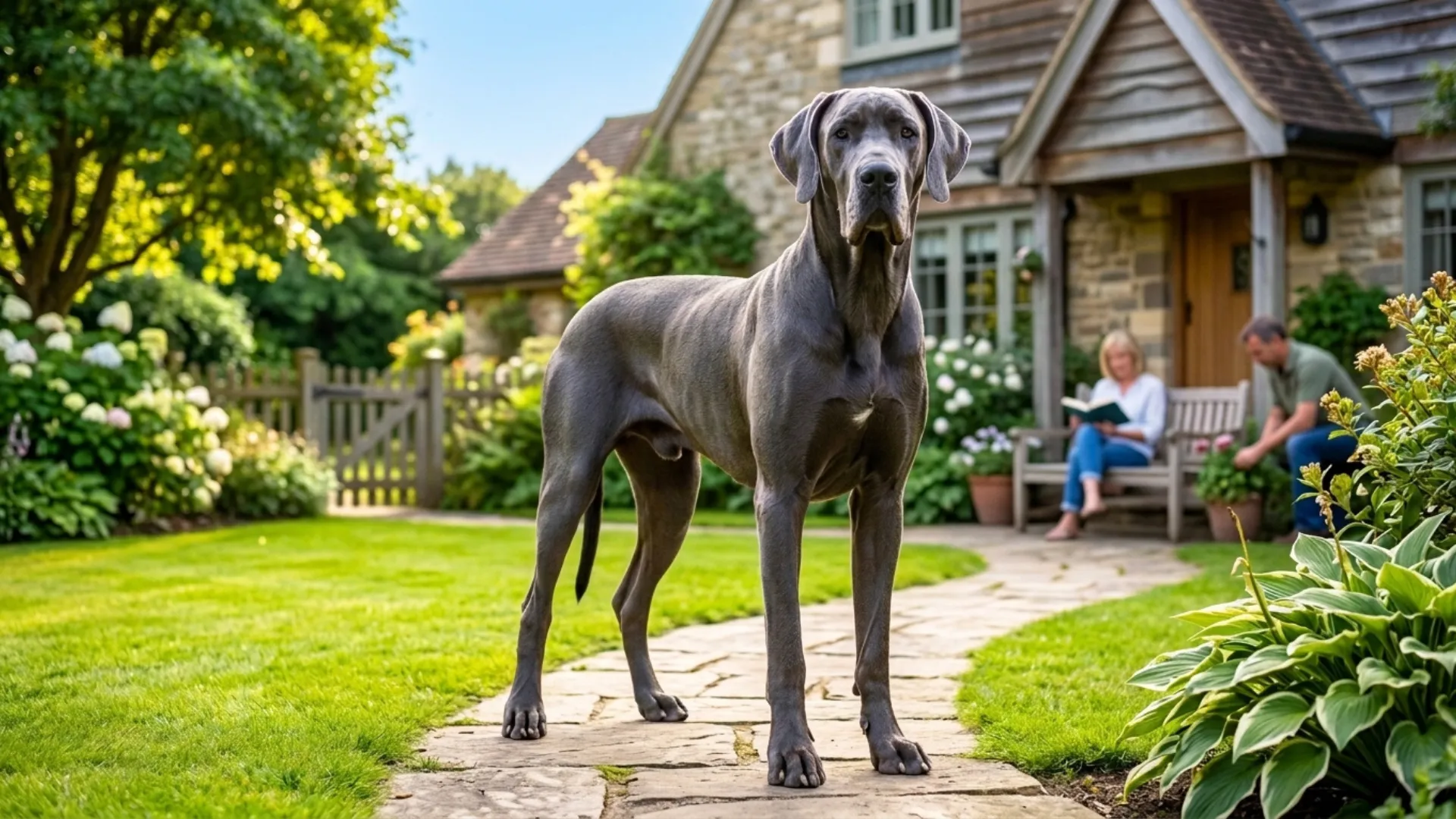
Protection does not always come with loud barking or nonstop energy. Some dogs guard their homes with calm confidence and quiet awareness. For introverted families, that steady nature can fit daily life much better. The right protective family dog can offer security while still enjoying peaceful time at home.
Choosing among protective dog breeds ideal for introverted families takes more than looking at size. A dog’s temperament, energy, independence, and family dynamics all matter.
Early socialization also helps dogs understand normal interactions and possible threats. Consistent training then teaches boundaries, manners, and safe responses.
These protection dogs can suit families who prefer quieter routines and close companionship. However, each breed brings a different personality and level of commitment. Some thrive with structured activity, while others prefer a relaxed home life.
So, the best choice depends on your lifestyle and experience. With that in mind, let’s explore nine breeds that can bring both companionship and protection.
Protective Dog Breeds Ideal for Introverted Families
1. German Shepherd
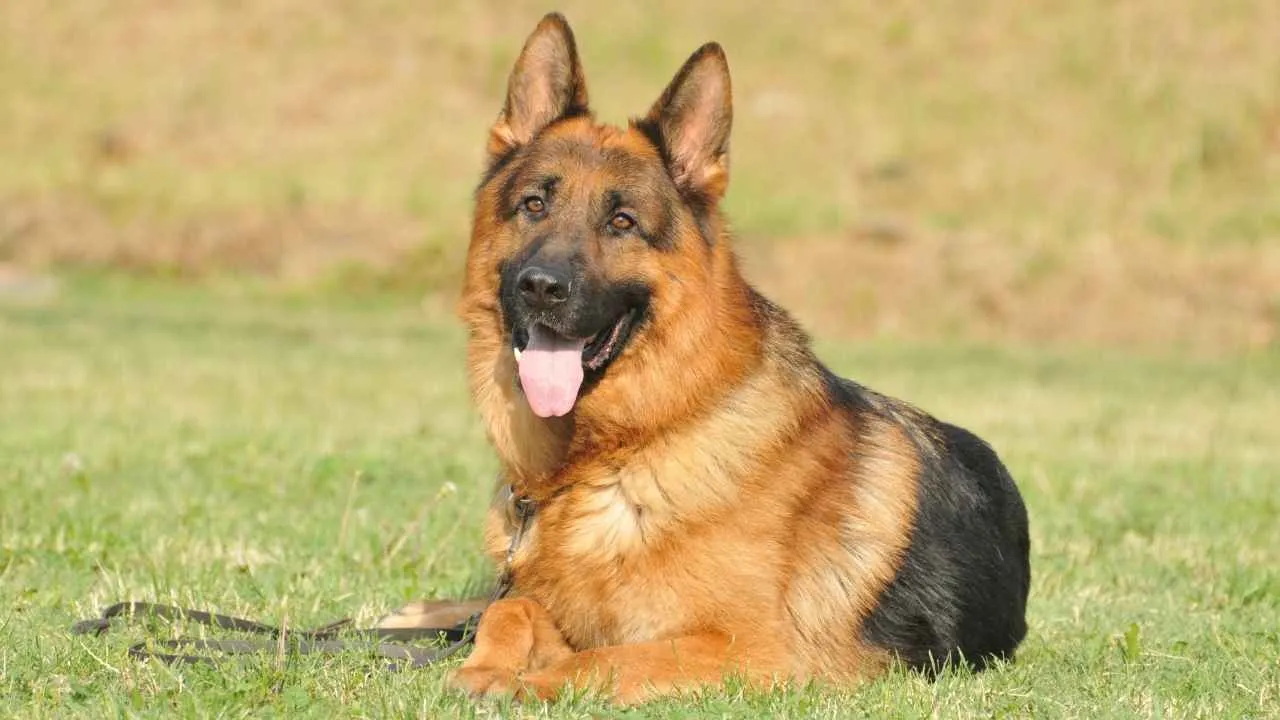
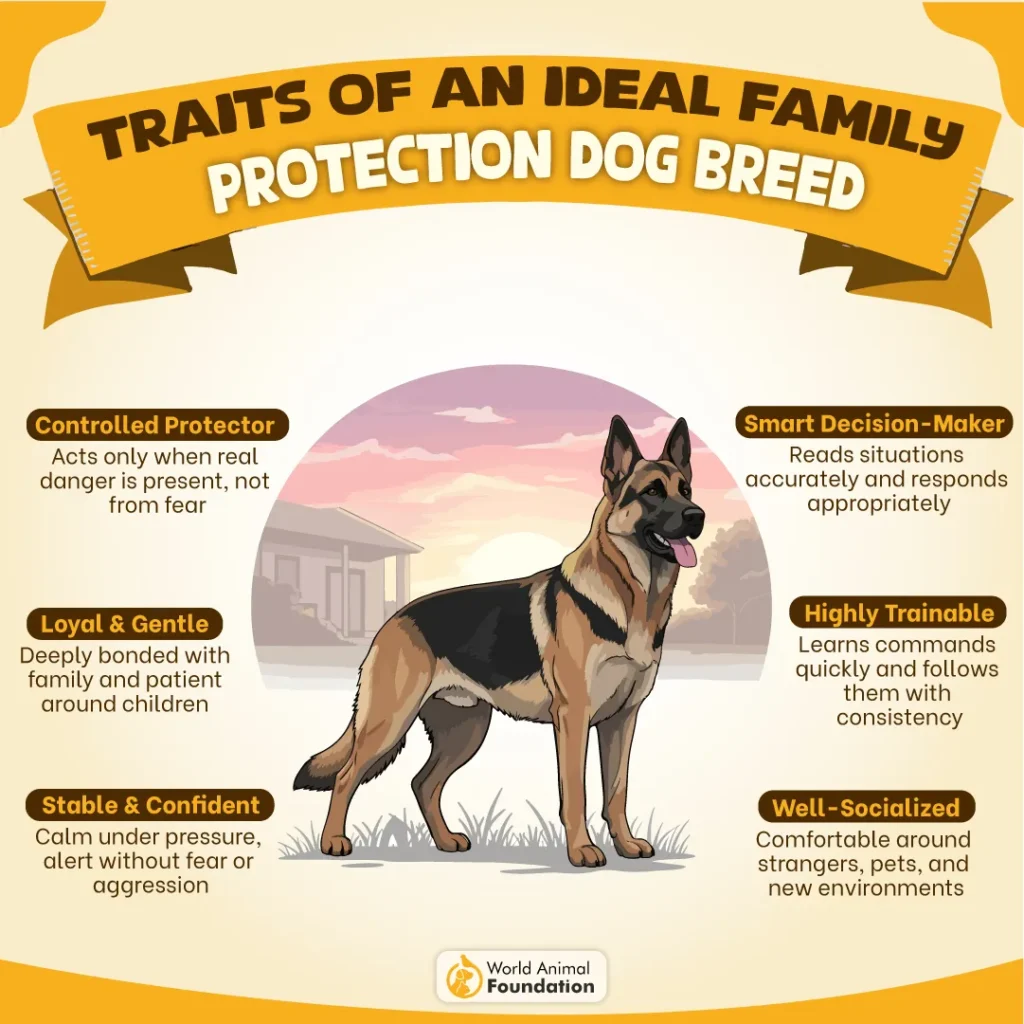
Smart enough to learn the rules, loyal enough to guard them.
The German Shepherd is a standout guard dog breed for families wanting an alert, responsive companion. According to Wikipedia, this German working breed was developed from traditional herding dogs by Max von Stephanitz in 1899.
Its intelligent and obedient nature helped it move far beyond herding into search-and-rescue, police work, and service roles. That same working mindset helps this smartest breed learn commands and respond to household routines.
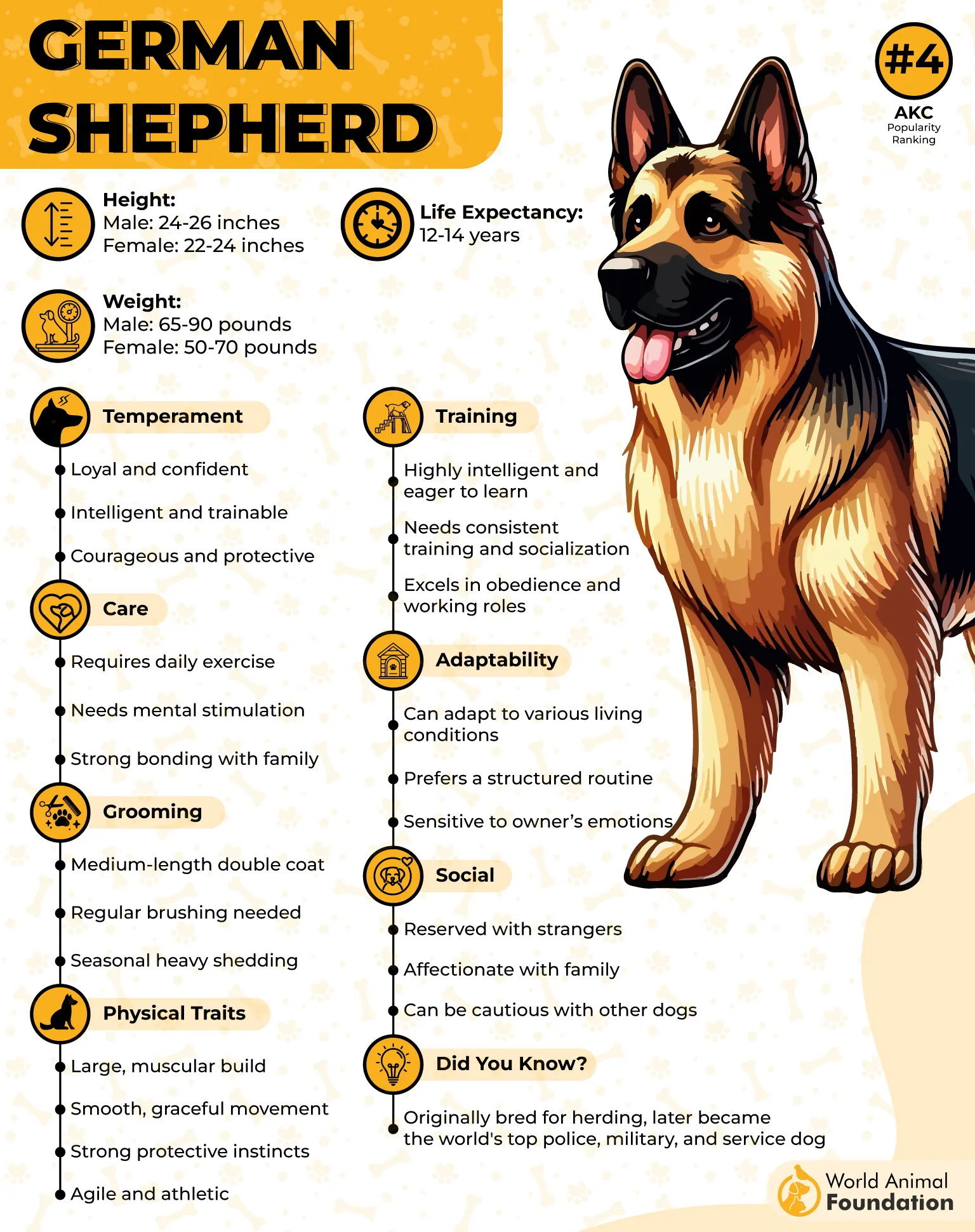
With proper training, its protective nature can become controlled and dependable. These protection dogs also form a deep bond with their families, which can make them affectionate at home.
Clear rules still matter around small children and other pets. With steady guidance, it can adapt well to a stable family environment. For families seeking protection with trainable intelligence, the German Shepherd offers a powerful combination of loyalty, purpose, and reliability.
2. Akita
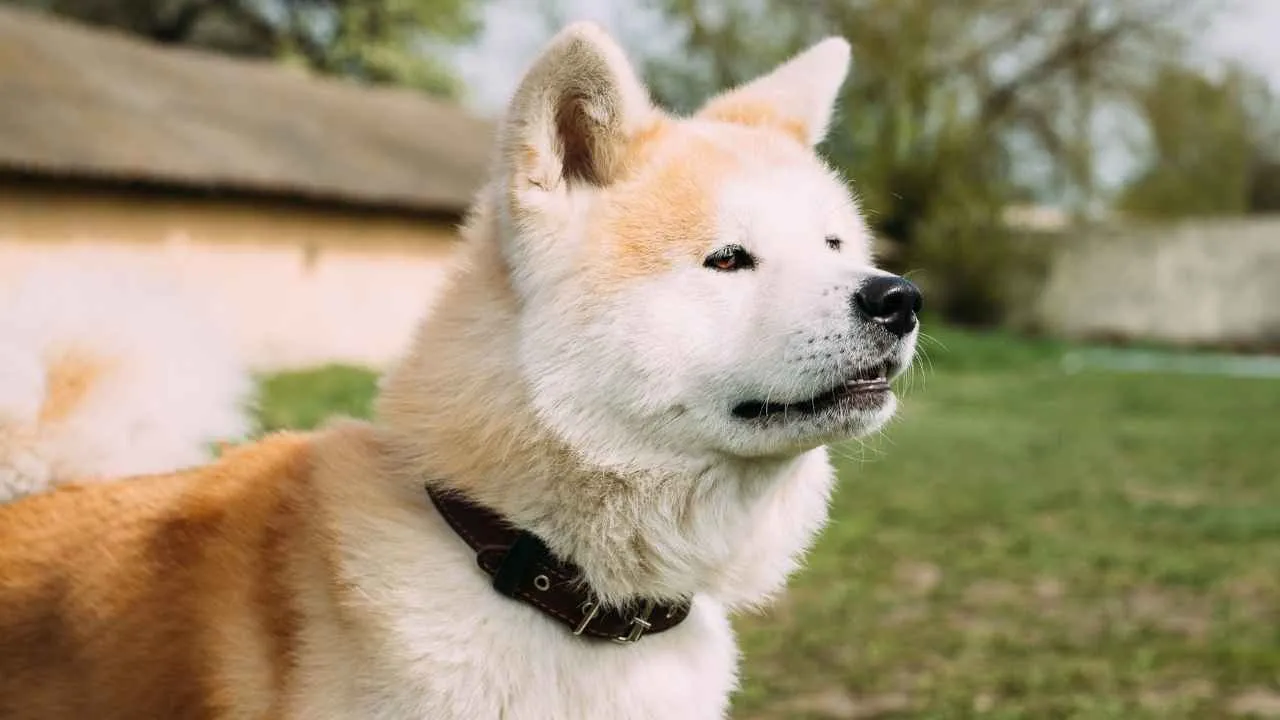
Quiet confidence can make a powerful family protector.
The American Kennel Club describes the Akita as dignified, courageous, and deeply loyal. This large dog carries a strong natural guarding instinct, making it an excellent guard dog for the right household.
Originally developed in Japan as a hunting dog, the Akita later became valued as a family protector and national symbol. Its famous loyalty also shines through the story of Hachiko, who waited years for his late owner.
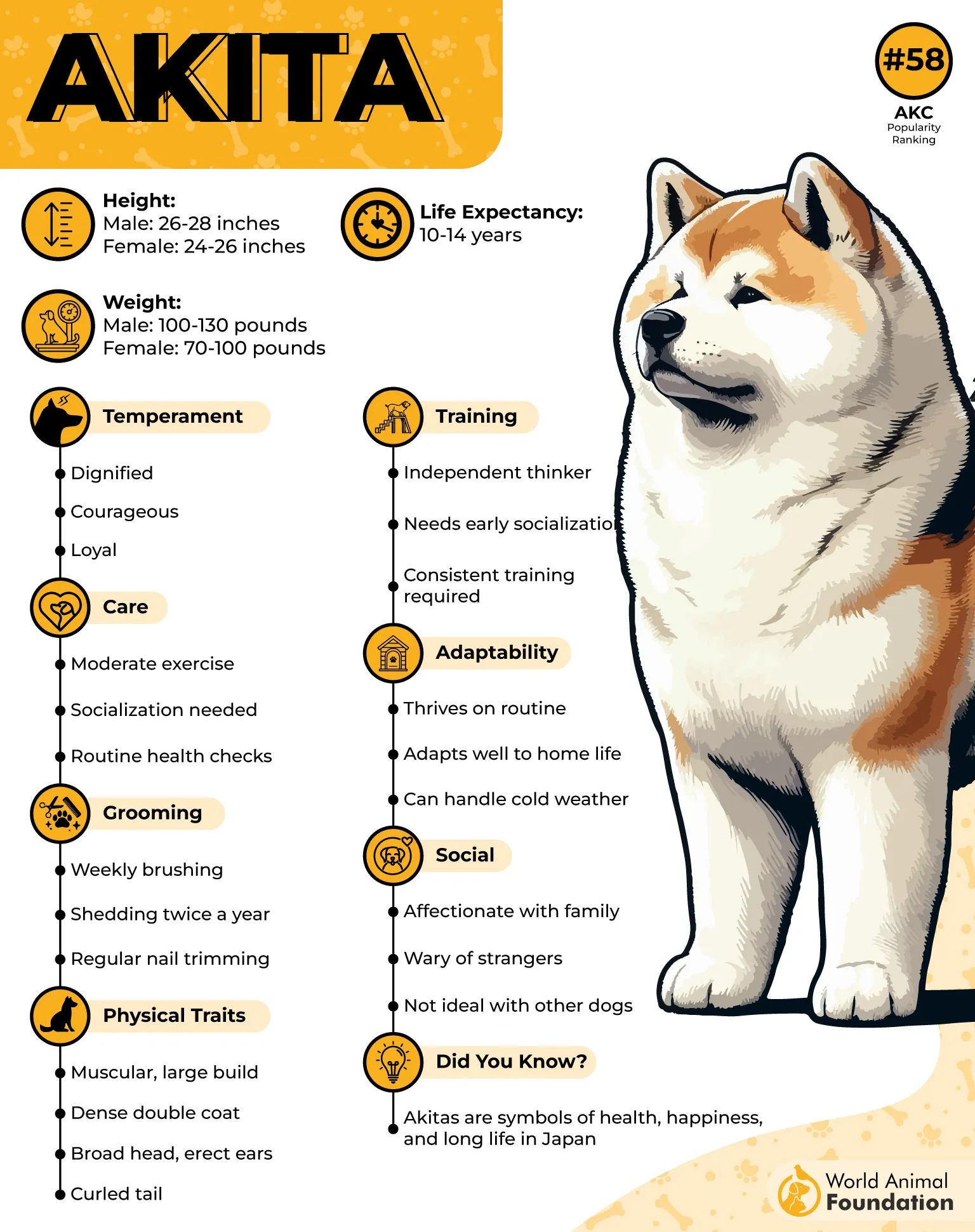
At home, an Akita can form a strong bond with their family while showing a surprisingly gentle nature toward trusted people. Its quiet, self-contained style may suit introverted owners who enjoy peaceful routines. However, this protection dog needs proper socialization from an early age.
Obedience training also helps establish safe boundaries around unfamiliar people and other animals. With thoughtful handling, this incredibly loyal breed can offer steady family protection without demanding constant interaction.
3. Chow Chow
A quiet guardian can make home feel even more peaceful.
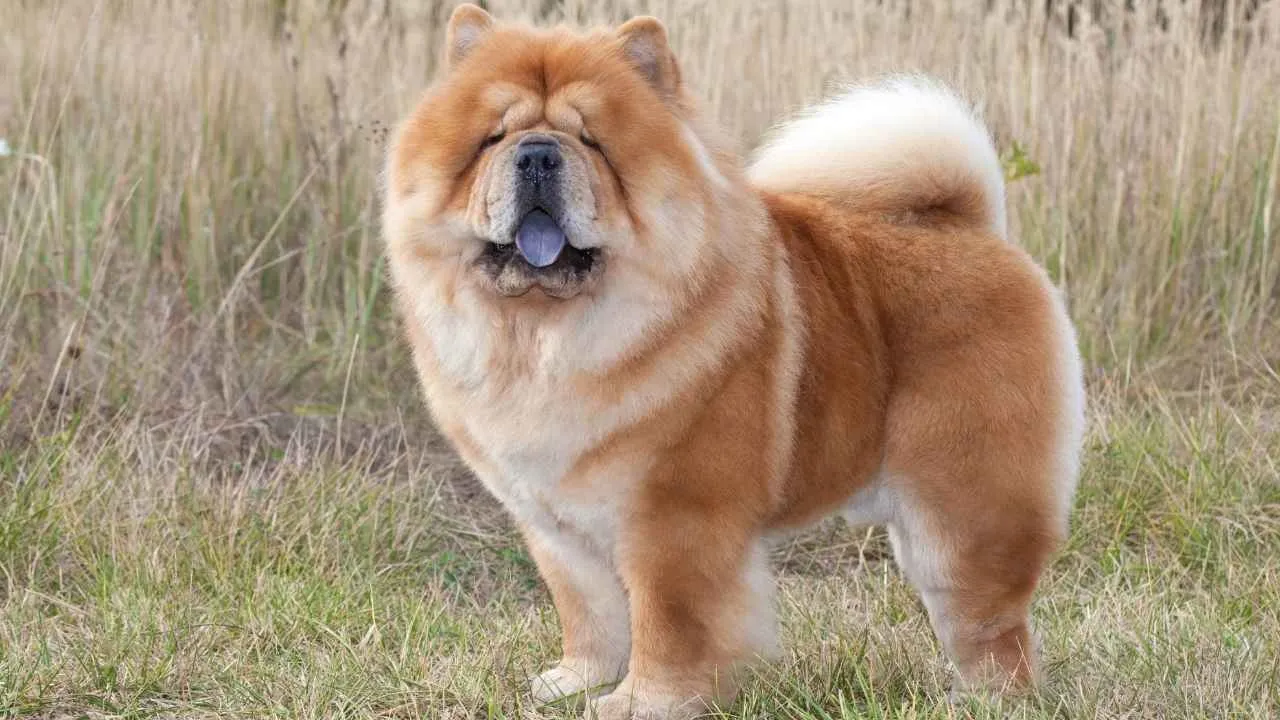
The Chow Chow brings a calm, independent style to family protection. Chow Chows were originally used for guarding, herding, and hunting. They still carry a strong protective instinct today and may watch over their home without being overly vocal.
Their reserved nature can suit introverted owners who value personal space and less demanding companionship. Rather than seeking nonstop attention, they often stay close to familiar people on their own terms.
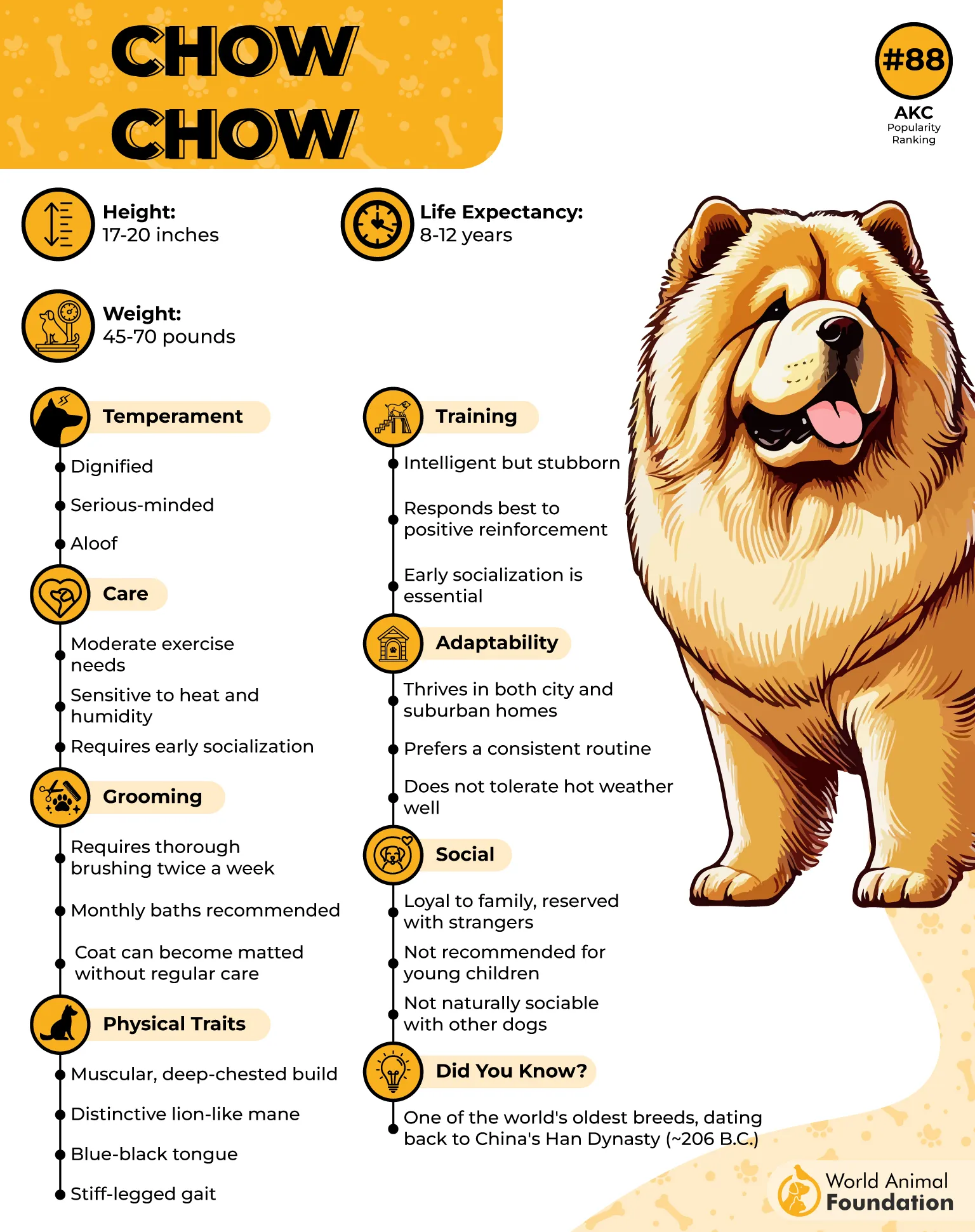
PDSA notes that these dogs are incredibly loyal and may feel unsure around strangers, making proper socialization especially important. Some mental stimulation can also keep this thoughtful breed engaged.
While not always openly affectionate, a Chow Chow can develop deep trust with its family. For quieter households, this protection dog offers a steady presence without requiring constant interaction, making it a distinctive choice among other breeds.
4. Bullmastiff
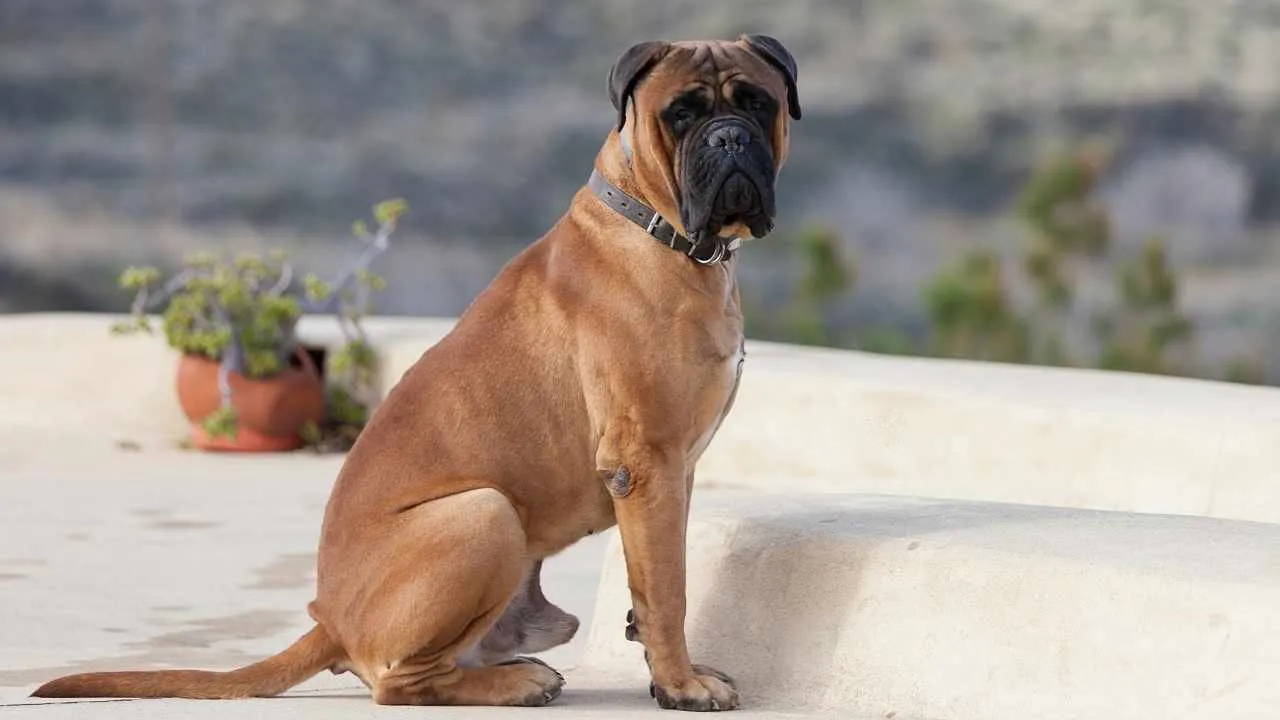
Big enough to deter trouble, gentle enough for home.
The Bullmastiff combines a powerful presence with a surprisingly calm household manner. According to Royal Canin, this breed earned a reputation for being large and imposing while remaining affectionate and docile with its family.
Its history as a guard dog also shaped a natural protective instinct, making it a strong protection dog without relying on constant barking. Its size alone can discourage unwanted attention, while its quieter nature suits families that prefer relaxed routines.
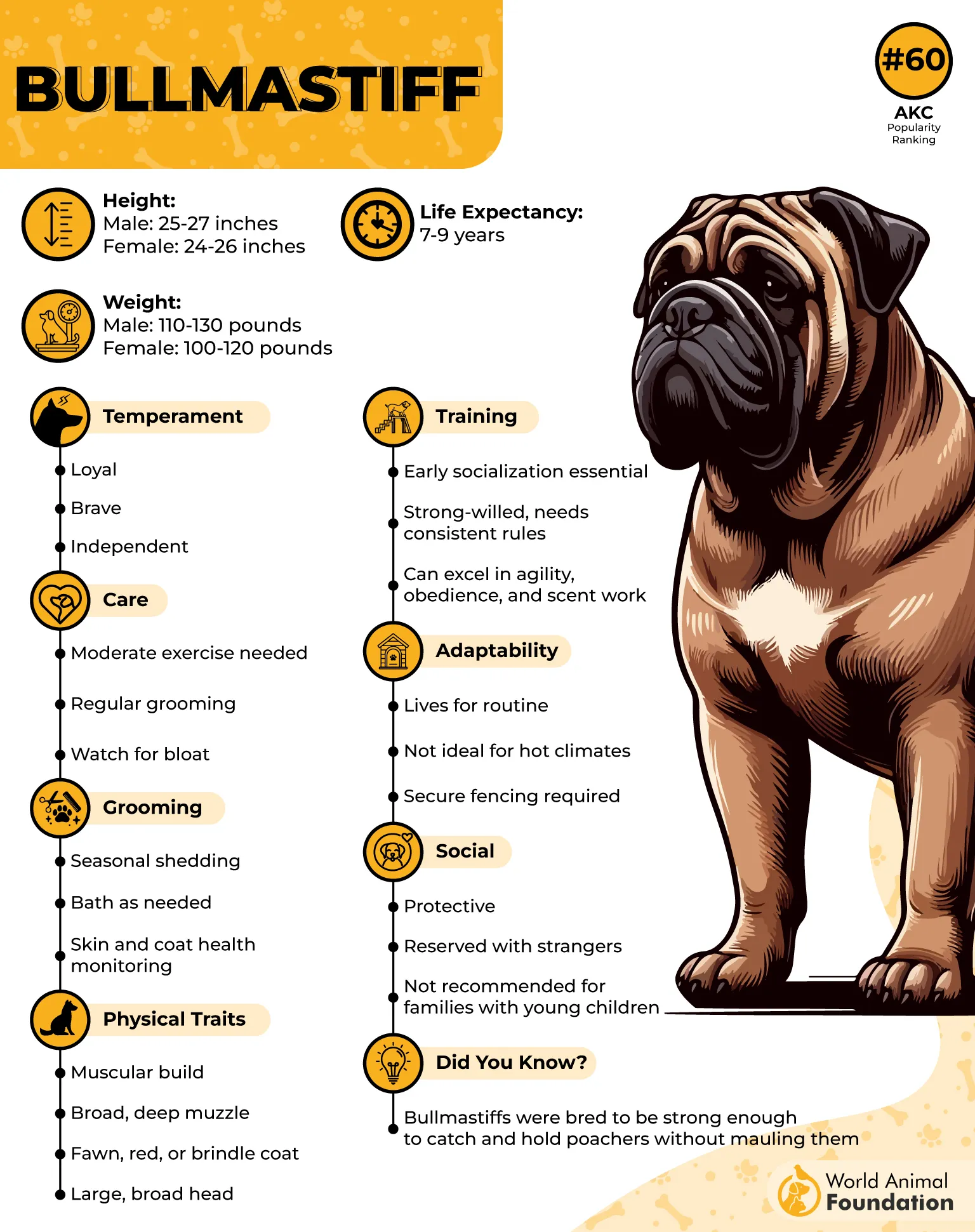
Bullmastiffs can form strong bonds with familiar people and become a deeply devoted, loving companion at home. However, their size makes early socialization and clear boundaries especially important around visitors and children.
Owners should provide consistent training from puppyhood to build reliable manners and control. For introverted families, this best guard dog breed can offer reassurance through calm confidence rather than nonstop activity.
Their ability to remain both gentle companions and naturally protective makes it a reassuring choice for peaceful homes.
5. Belgian Malinois
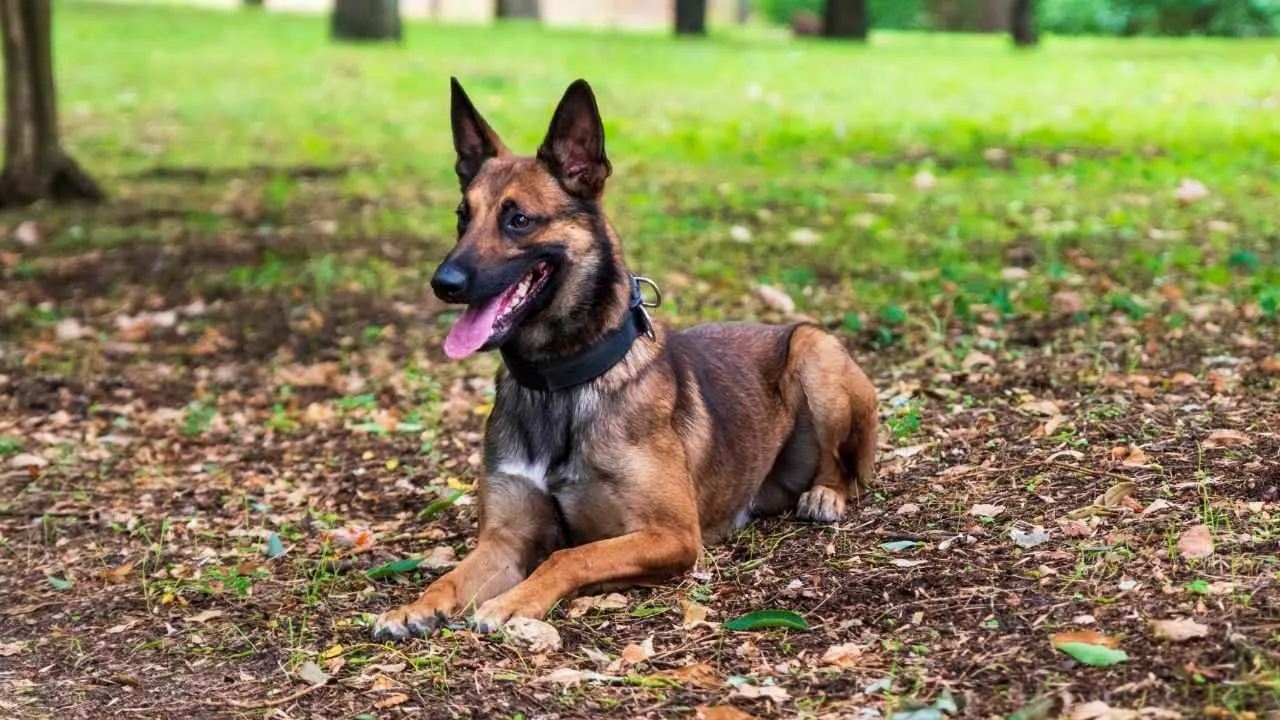
For the right introvert, purposeful work can be peaceful too.
According to PetMD, the Belgian Malinois is a confident, hard-working breed that needs an experienced owner and an active lifestyle. Its history in military service and police work reflects how strongly this dog thrives with purpose.
This energetic breed needs both mental and physical stimulation, so structured activities can help prevent boredom and channel its natural instinct in useful ways. Malinois can excel at tracking, agility, obedience, and detection work while forming a close partnership with their handler.
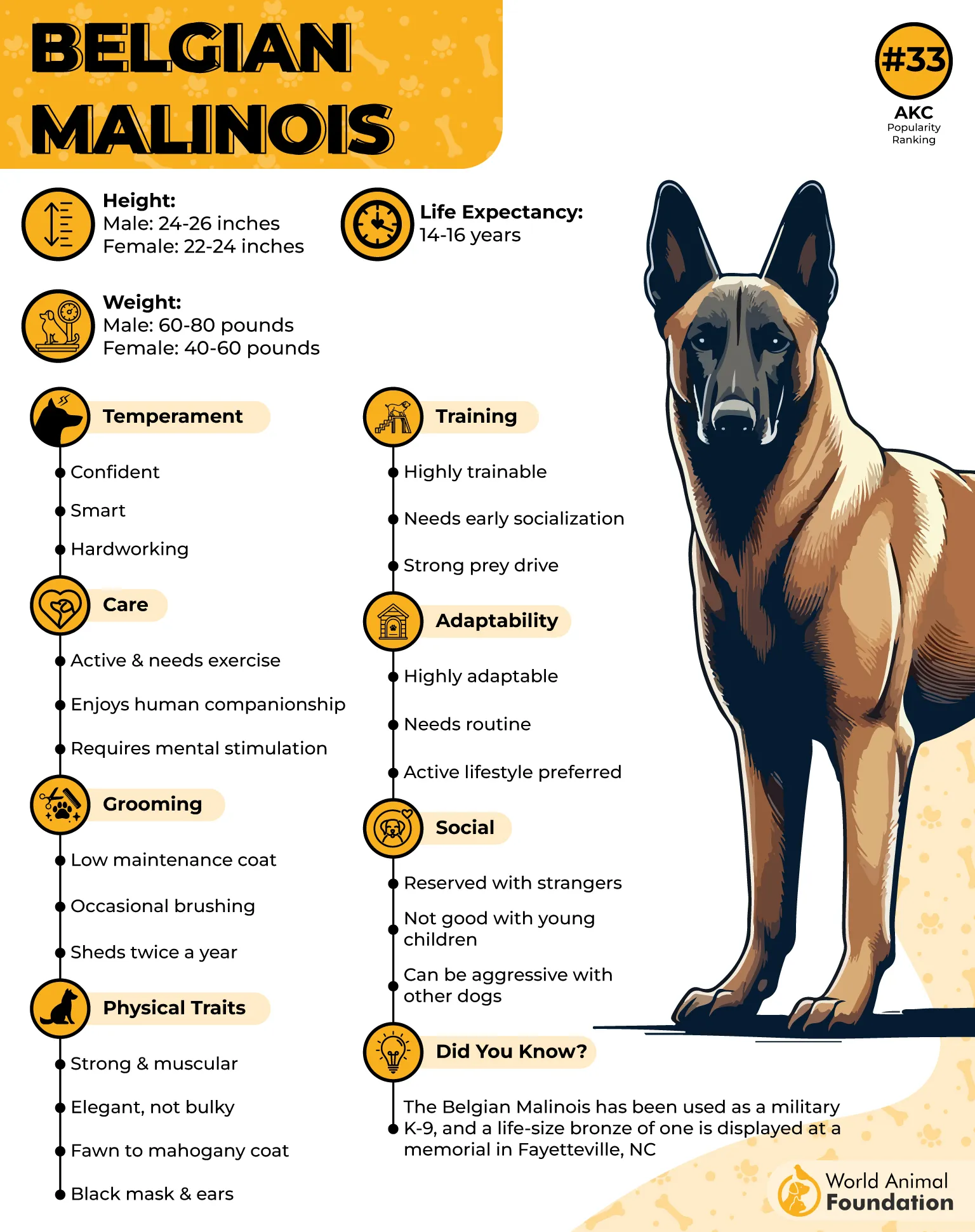
Although often viewed as a serious working dog, it can also show an affectionate nature toward trusted family members. With professional training, its protective abilities can develop into dependable family protection.
This excellent guard dog breed is not suited to a casual, low-effort home. Instead, an active household that enjoys hiking, training, or purposeful outdoor tasks may find an extremely loyal family companion. For dedicated owners, it can provide both meaningful teamwork and reliable protection.
6. Shiba Inu
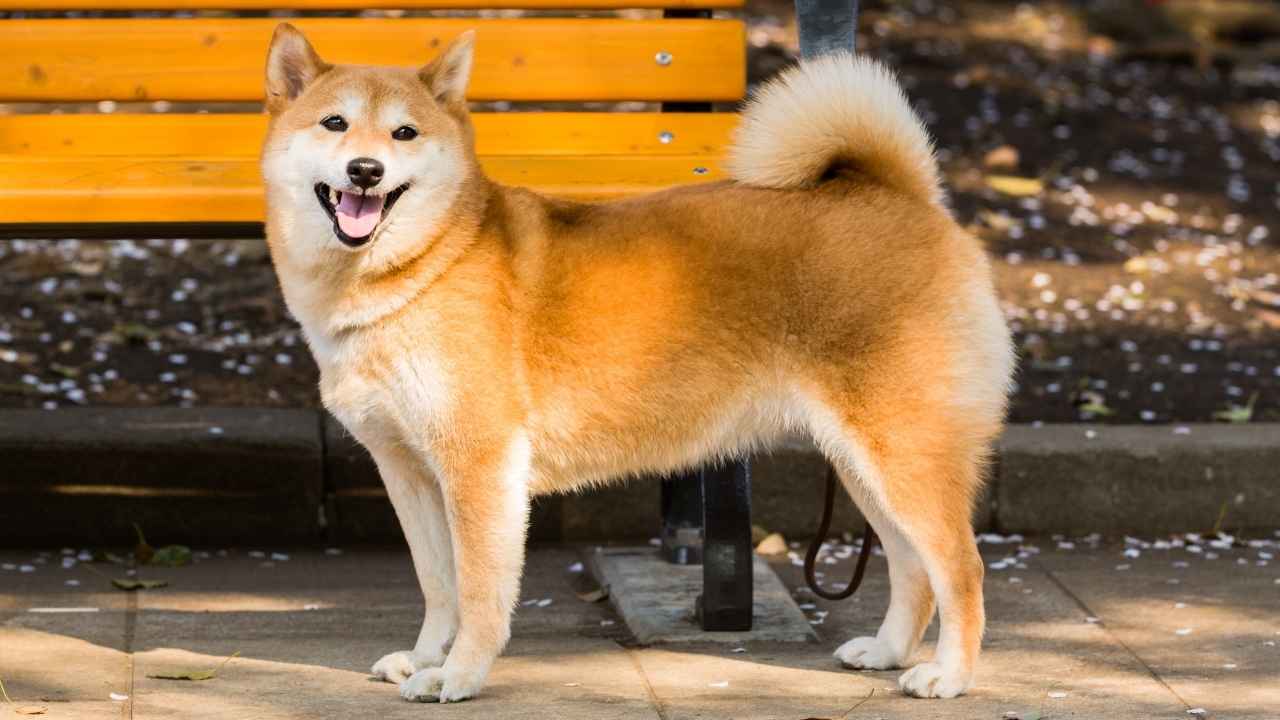
Small in size, yet confident enough to stay alert.
The Shiba Inu offers a different kind of companionship for introverted owners. This ancient Japanese dog breed was originally bred to hunt and flush game, giving it a naturally alert and curious mindset. According to Purina, Shibas are bold, confident dogs that can serve as both watchdogs and companions.
That makes this compact breed a good fit for owners who value personal space without giving up a watchful presence. Its smaller frame can also suit homes with limited room, while its adaptable nature works in city or country settings.
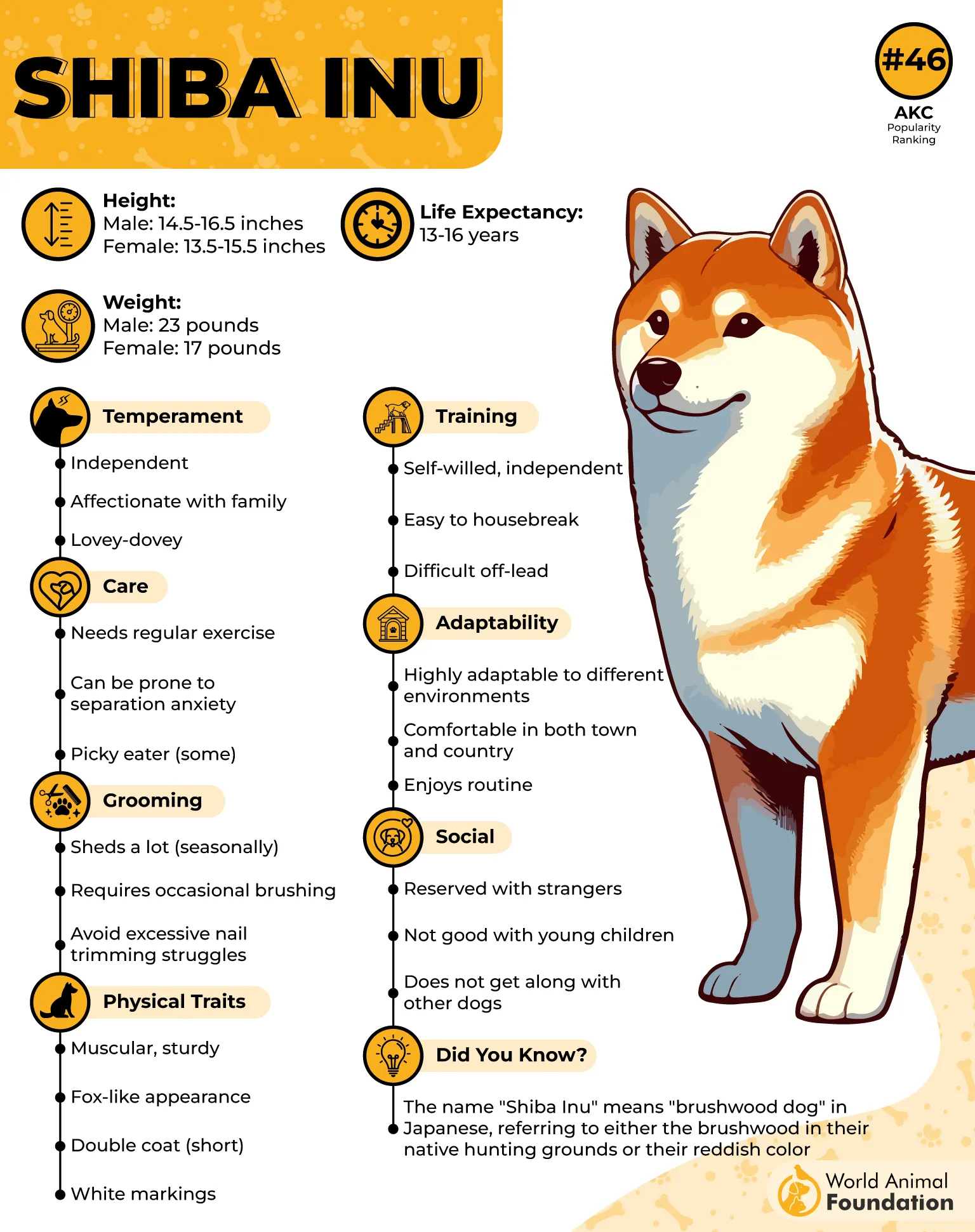
Regular exercise and mental stimulation help channel its energy and curiosity. Although highly trainable, the Shiba’s independent streak means owners still need patience and clear guidance.
Early socialization can help it respond calmly when facing unfamiliar people or a dangerous situation. An active family can enjoy its spirited nature, but it may appeal most to introverts seeking an independent companion without the size of a typical best guard dog breed.
7. Tibetan Mastiff
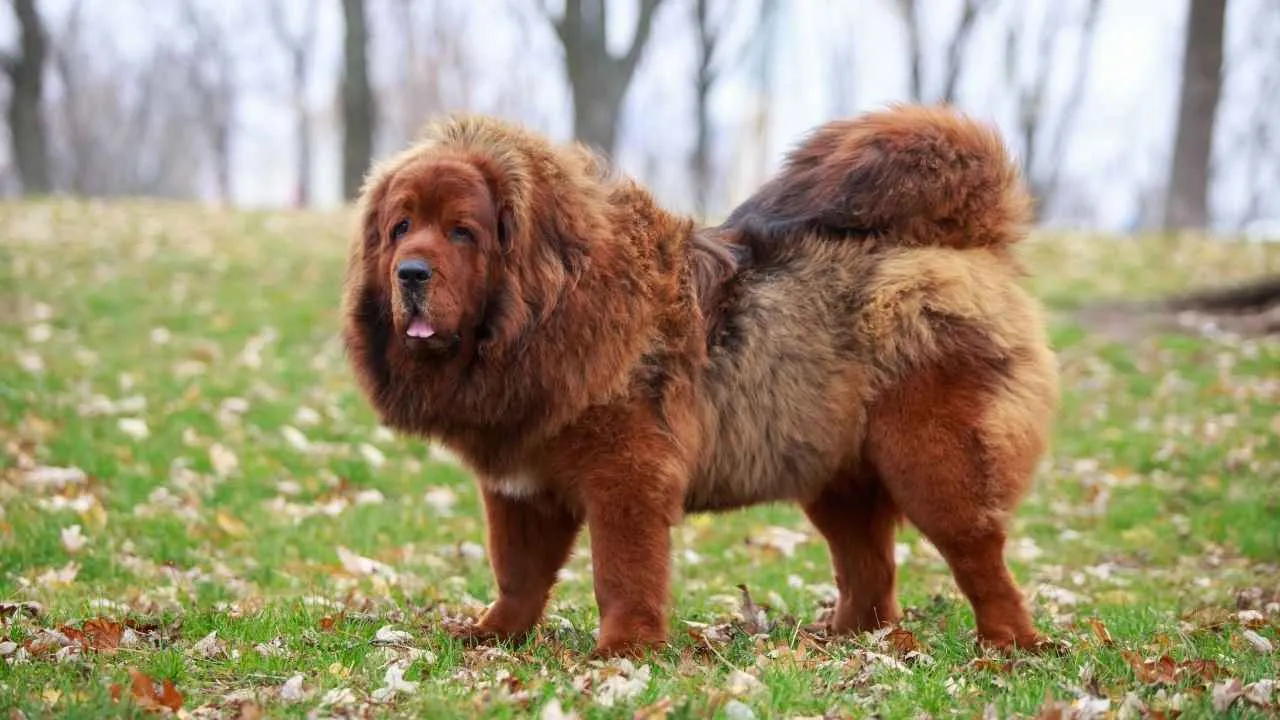
A silent guardian can notice what others overlook.
According to WebMD, Tibetan Mastiffs were domesticated thousands of years ago to guard large areas of land, and they still retain those protective instincts today. This large dog can be an excellent guard dog breed for owners who understand independent working dogs.
Its powerful guarding instinct makes it highly aware of unfamiliar people, strange sounds, and activity around its territory. Unlike an energetic dog that needs constant engagement, it can remain calm indoors while becoming especially alert at night.
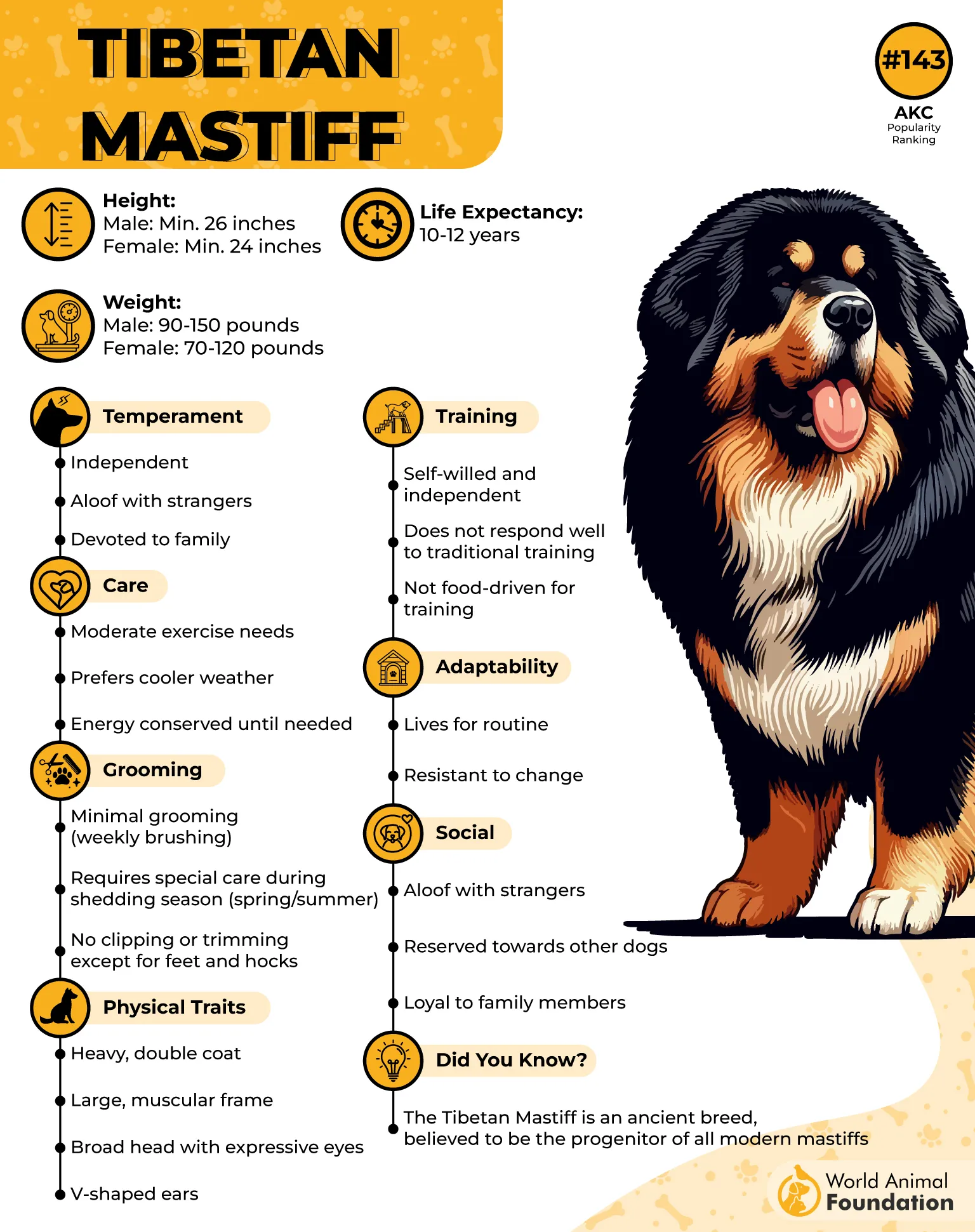
This protection dog may also form strong bonds with its household while remaining reserved around visitors and generally getting along well with other pets. Its thick coat adds to its imposing presence, but secure boundaries and responsible ownership matter greatly.
Early guidance using positive reinforcement can encourage reliable responses without making the dog overly aggressive. For family life, supervision remains important because of its enormous size.
When properly managed, the Tibetan Mastiff offers a perfect balance of calm companionship and serious territorial awareness.
8. Newfoundland
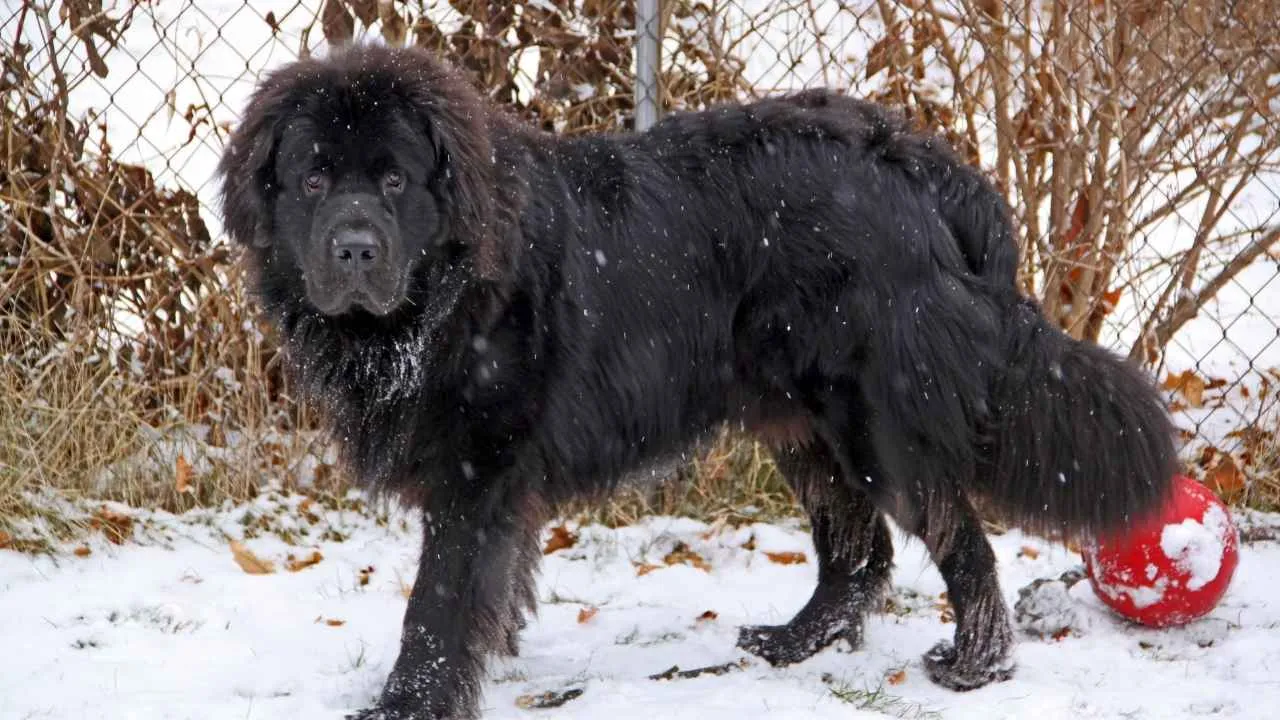
A gentle giant can protect without creating tension at home.
According to Britannica, the Newfoundland is a huge, gentle, and patient working dog known for rescuing people from the sea. Its history as a water worker gives this best guard dog breed a purpose beyond guarding, creating a calmer contrast to more intense protection dogs.
Despite its size, the Newfoundland has a protective nature and can become an incredibly affectionate, loving companion to family members. Its steady temperament can make it a reassuring choice for family protection without an aggressive presence.
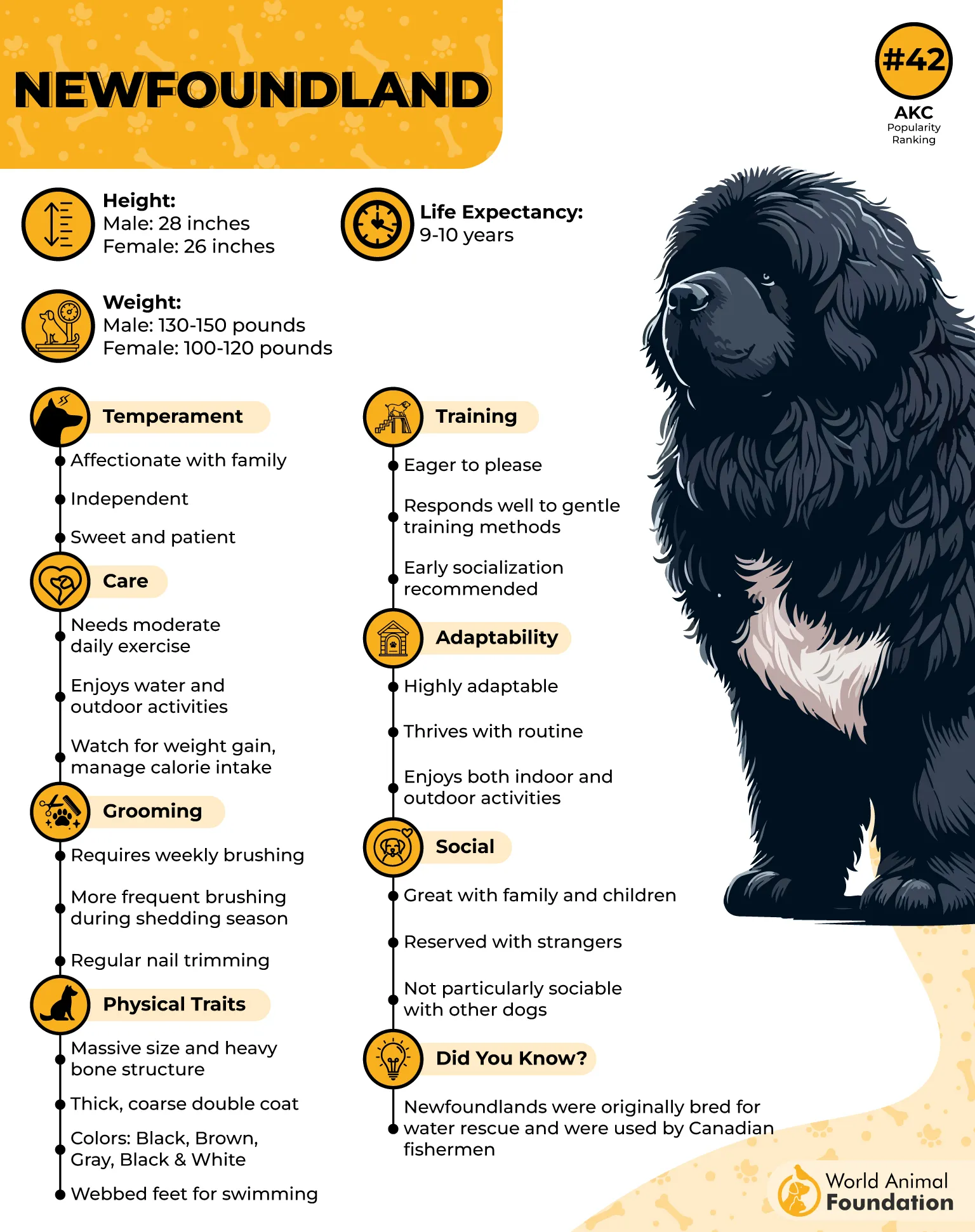
With proper training and early socialization, many dogs of this breed can interact well with children and other dogs. However, an individual dog still requires responsible handling due to its enormous build. The Newfoundland can excel at water rescue and other working tasks while remaining playful at home.
Although its territorial instinct may add another layer of awareness, its gentle character remains its defining quality. For introverted families, this gentle giant offers calm companionship and a comforting sense of security.
9. Great Dane
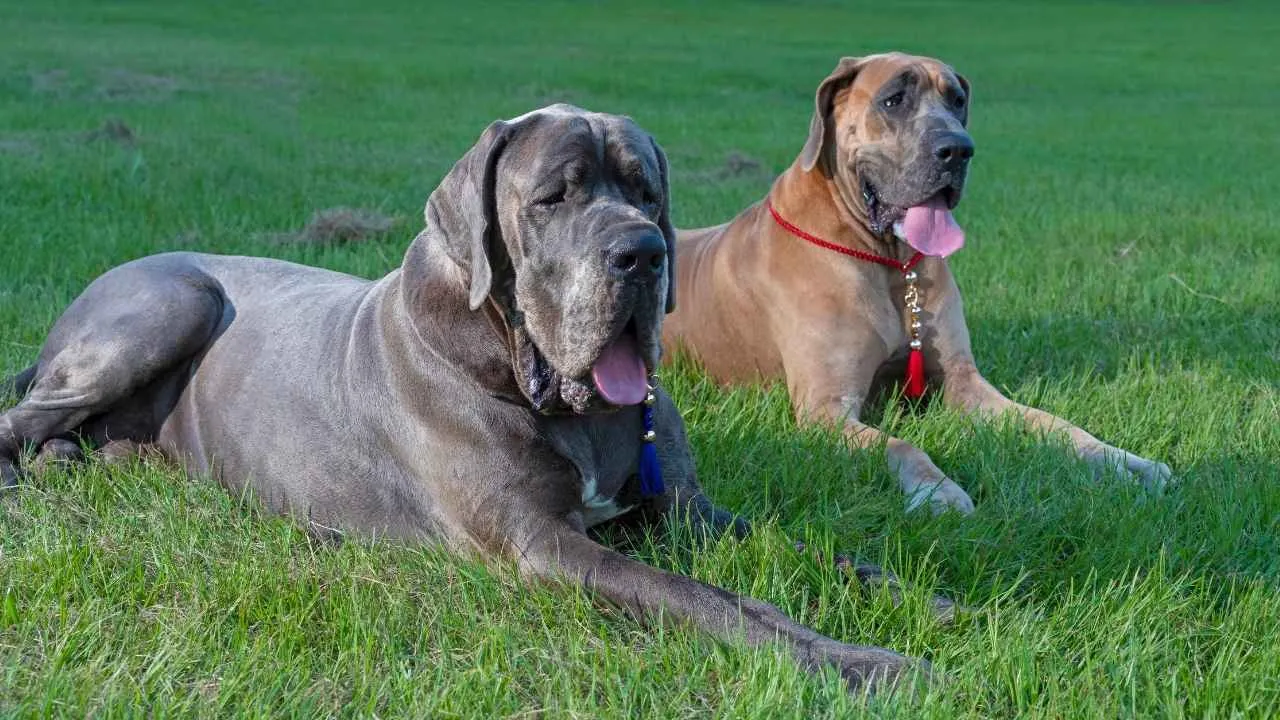
Sometimes, sheer presence is enough to guard a peaceful home.
Great Danes are gentle giants that can guard their homes while remaining affectionate and good with children, according to Hill’s Pet. Their enormous size alone may make a potential intruder think twice, yet their calm behavior makes them comfortable in a quiet home environment.
These dogs often stay close to their people, offering companionship without demanding nonstop attention. Their history also includes work as hunting and livestock guardians, reflecting their natural confidence and courage.
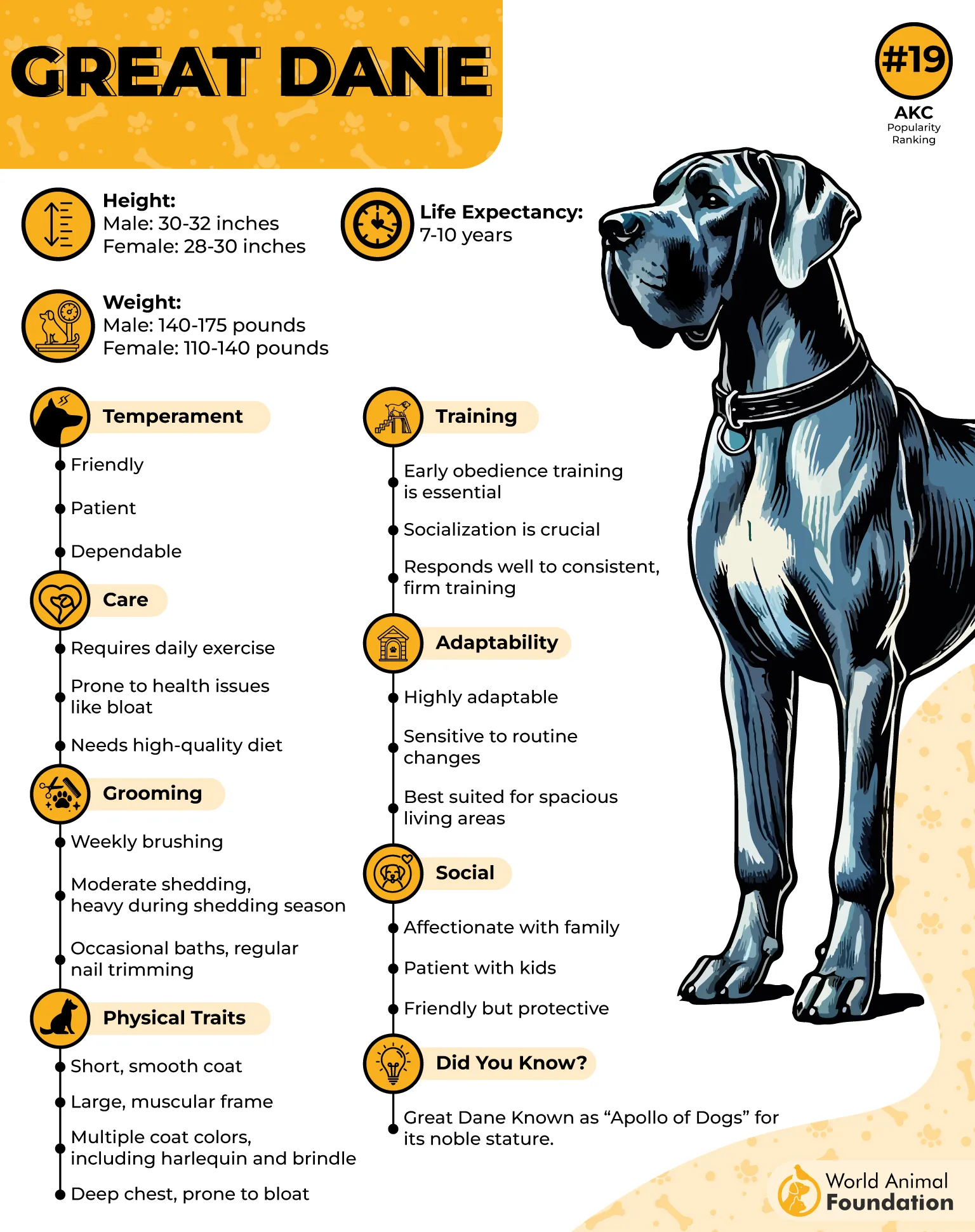
While they are typically easy to train, each dog may learn at a different pace, so early manners remain important. Exercise and mental stimulation still matter, though a Great Dane does not need constant activity to feel content.
Proper supervision is essential because its large frame can turn playful behavior into accidental bumps. Whether relaxing at home or visiting a park, this good dog can provide reassurance through presence alone. Its gentle nature proves that effective protection does not require harshness.
Conclusion
The best guard dog offers far more than physical strength. A reliable protection dog needs balanced behavior, early socialization, and clear guidance. Proper training helps dogs understand boundaries and respond appropriately to people and new situations.
For introverted families, calm loyalty may matter more than nonstop activity. The German Shepherd and Belgian Malinois bring impressive trainability, focus, and military working skills. Akita, Chow Chow, and Shiba Inu offer quieter, independent companionship.
Bullmastiff and Great Dane provide calm physical presence, while the Tibetan Mastiff reflects traditional guarding ability. The Newfoundland adds gentle affection and family warmth. Still, no different breed automatically becomes the right guard dog for every home.
Consider lifestyle, space, experience, grooming needs, socialization, and daily commitment before choosing. Understanding each breed’s versatility and needs can help you make an informed decision. Ultimately, the right breed feels secure, guided, and connected to its family.
