





Dogs may be natural chasers, but not every pup feels compelled to race after every squirrel, bird, or moving object. As calmer, multi-pet-friendly lifestyles continue gaining attention, low-prey-drive breeds are becoming an appealing choice for many households.
A lower prey drive generally means less instinctive interest in chasing animals, though it never guarantees a dog will ignore every temptation. These breeds can still be playful and energetic while often responding well to training and everyday distractions.
For homes with other pets or families seeking more relaxed walks, understanding prey drive can make choosing a companion easier and more reassuring.
FACT: A low prey drive does not mean a dog has no chase instinct; individual temperament, training, and supervision still matter.
Dog Breeds with Low Prey Drive – A Guide
1. Cavalier King Charles Spaniel
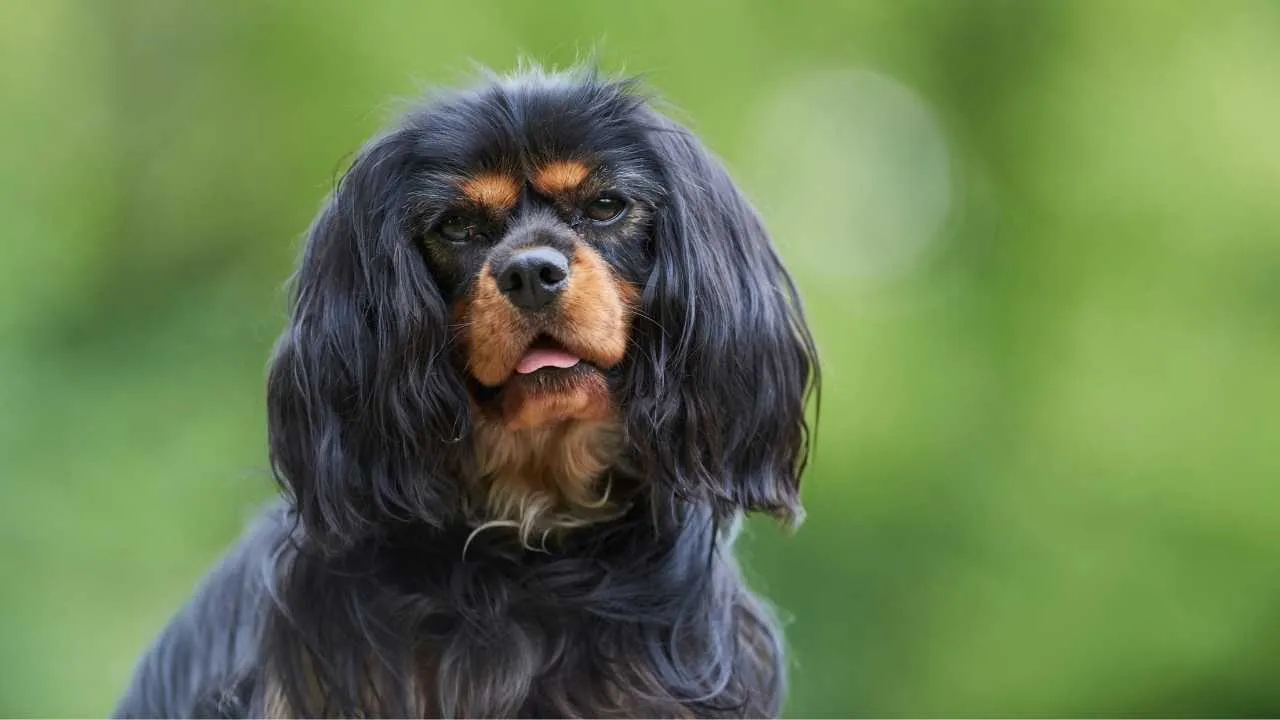
The Cavalier King Charles Spaniel perfectly fits the low-prey-drive lifestyle. Bred primarily for companionship, this sweet-natured dog is usually far more interested in staying close to its favorite people than pursuing other animals.
A comfortable lap, a tasty treat, or time with the family can be much more appealing than a chase. Cavaliers are highly adaptable and eager to please, learning commands well and fitting comfortably into both active and relaxed households.
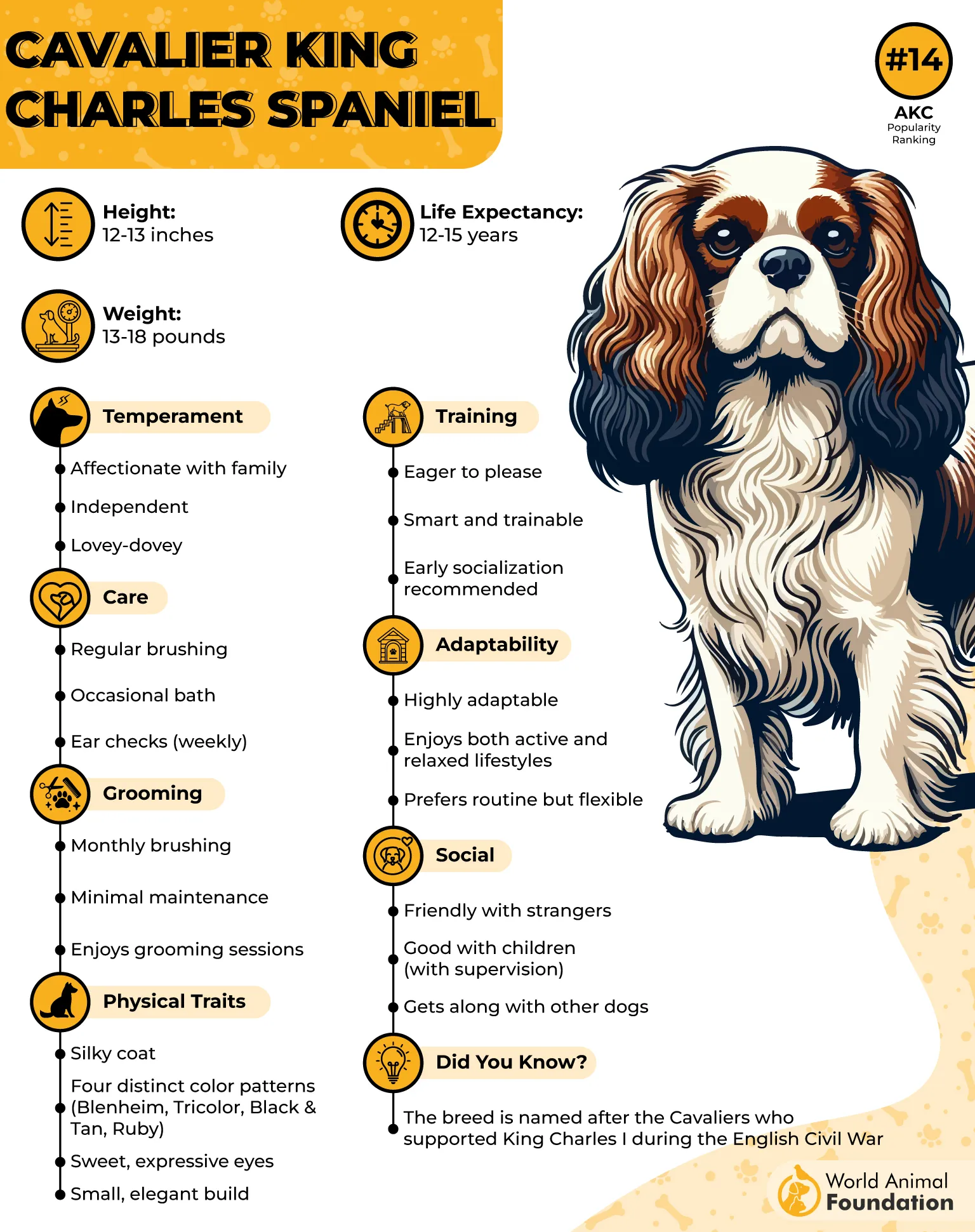
Their gentle, affectionate nature also helps them get along with children, familiar visitors, and other pets. While some individuals may show a mild interest in chasing, most members of the breed have little inclination to make it their main focus.
Playfulness is still part of the Cavalier’s charm, but companionship remains at the heart of its personality. With their silky coats, expressive eyes, and loving devotion, these regal little dogs are happiest simply sharing everyday life with their families.
2. French Bulldog

The French Bulldog is an easygoing little homebody that generally prefers playtime and human company over chasing other animals. With a low prey drive and a balanced temperament, Frenchies are more interested in making friends than pursuing small creatures.
Their adaptable nature suits many lifestyles, from apartments to larger homes, and they tend to enjoy staying close to their owners. They can also get along well with other pets, while their relatively quiet nature may appeal to owners living near neighbors.
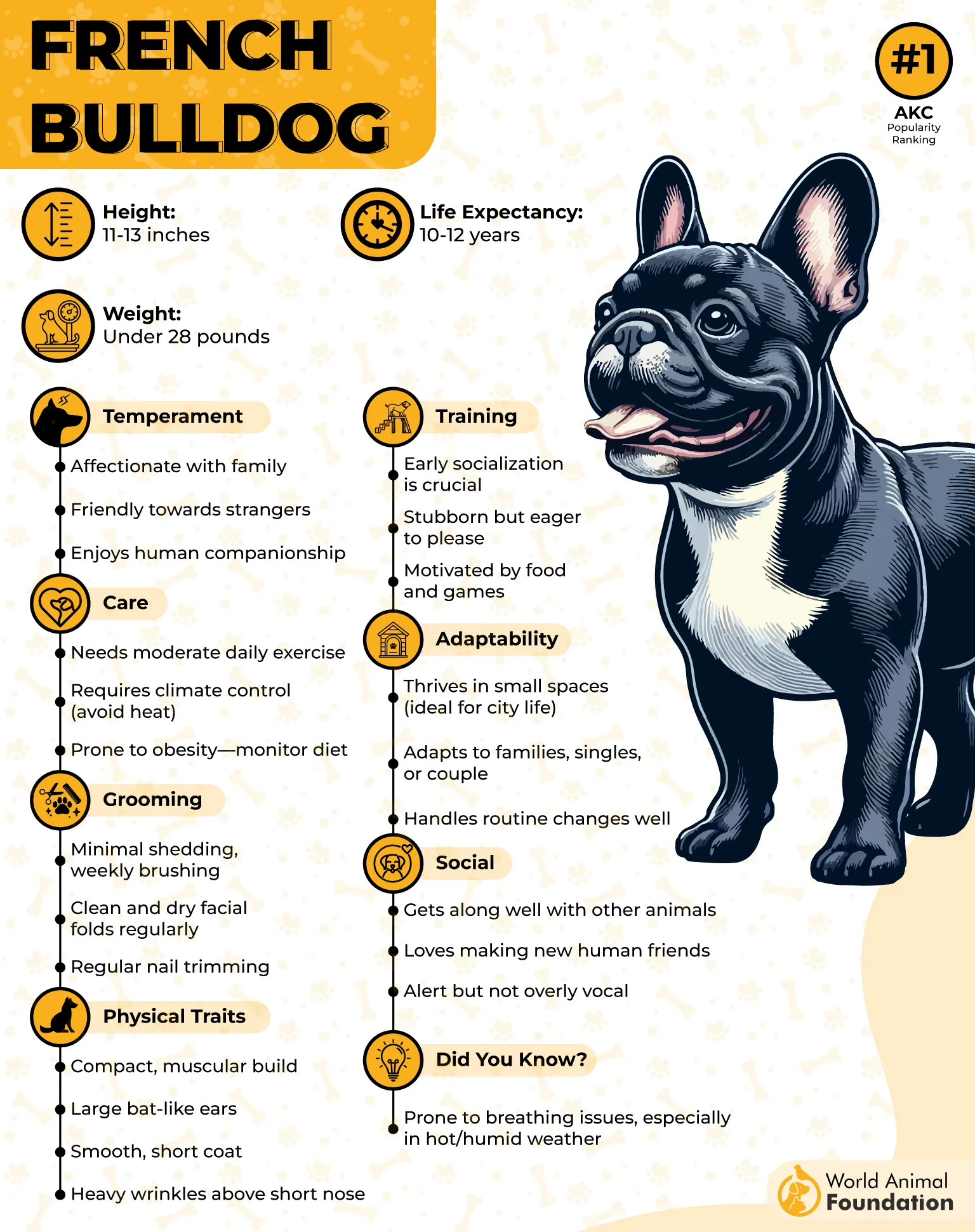
Frenchies have modest exercise needs, so short walks and playful indoor sessions are usually more their speed than intense outdoor pursuits. Their eager, people-focused personalities can also make basic training manageable for first-time owners.
Their short noses can make strenuous activity difficult, particularly in warm weather, as they are prone to breathing problems. This means exercise should remain moderate and carefully suited to their comfort.
3. Shih Tzu
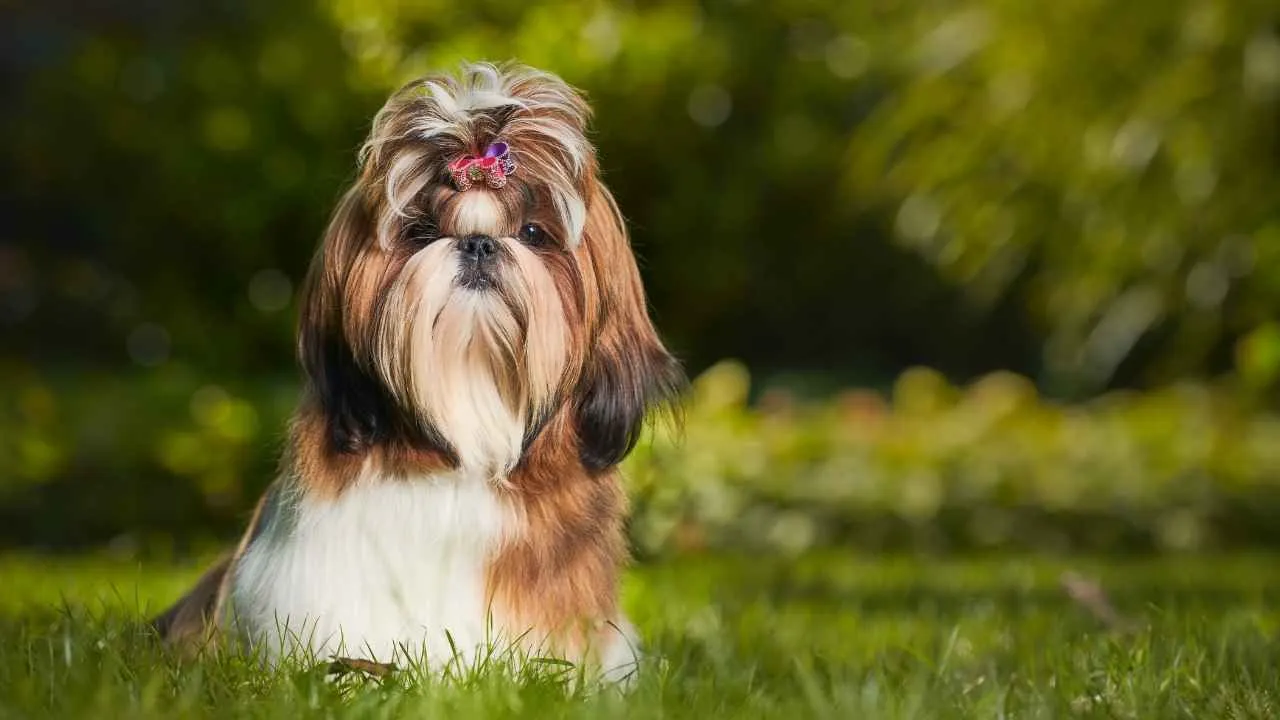
With a history as a treasured palace companion, the Shih Tzu was bred for human company rather than chasing or hunting. This heartwarming little breed generally shows little interest in acting like a hunter, making its gentle, people-focused nature especially appealing.
Instead of spending its day tracking small animals, the Shih Tzu is more likely to seek attention, cuddle beside its favorite person, or enjoy a gentle game. Its low energy needs can usually be met through short walks, indoor play, and interactive activities.
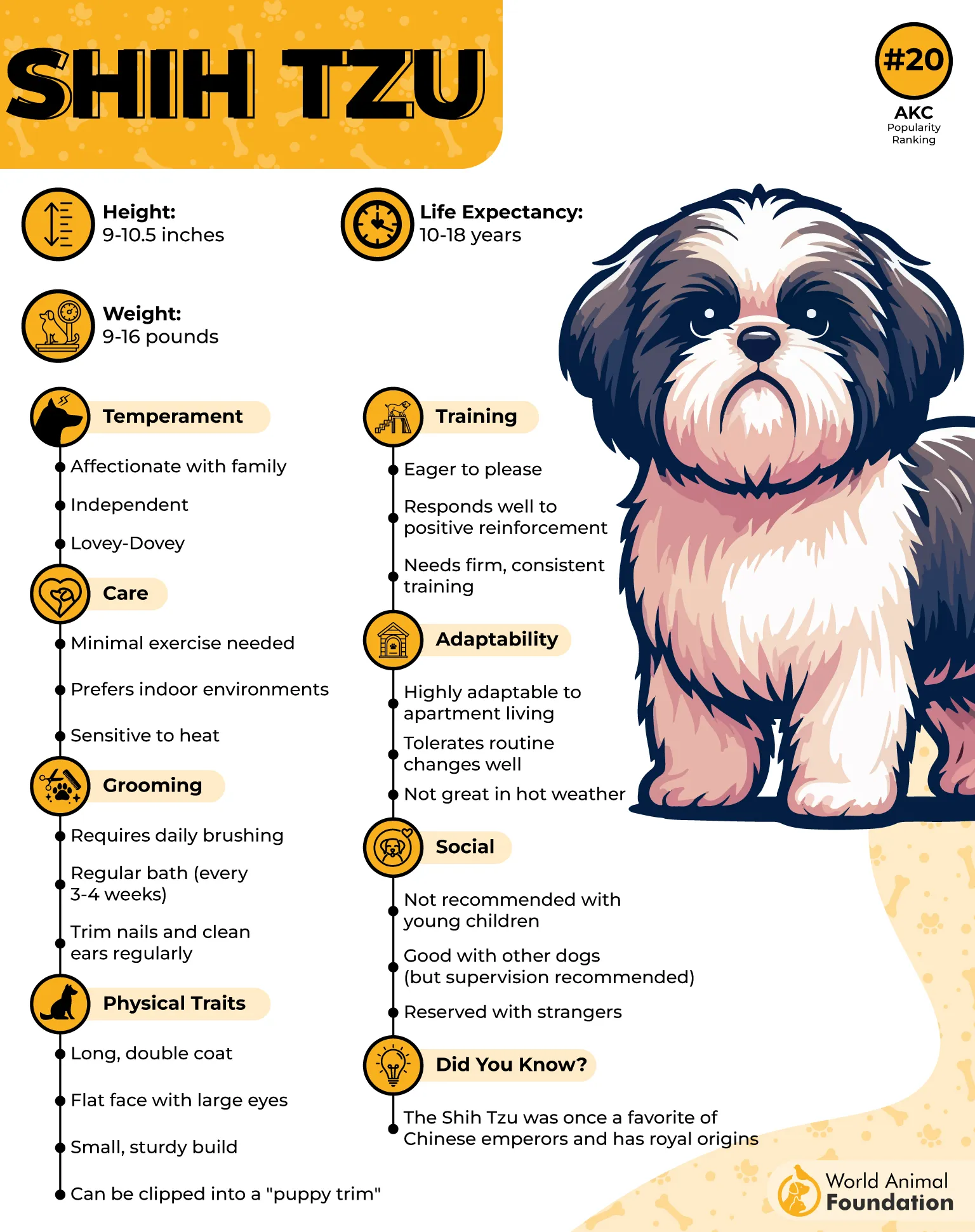
That said, its independent and occasionally stubborn personality means early, reward-based training is helpful. Short, upbeat sessions can keep this moderately intelligent dog engaged while strengthening good manners and responsiveness.
Mental stimulation also matters, as puzzle toys, scent games, and training activities can prevent boredom and attention-seeking behaviors. Regular grooming is another important part of caring for its long, silky coat, especially when kept in its traditional longer style.
4. Havanese

The Havanese is a true social butterfly, often more interested in making friends than chasing small animals. With a very low prey drive, this cheerful companion is more likely to greet other pets and people with excitement, making it well suited to multi-pet households.

Rather than wandering far from its favorite humans, the Havanese prefers staying close and sharing in everyday activities. Its loyal, outgoing nature helps it form strong bonds, although it may become protective if another animal gets too close to its family. According to Orvis, this nature toward their family and territory often makes them good watchdogs.
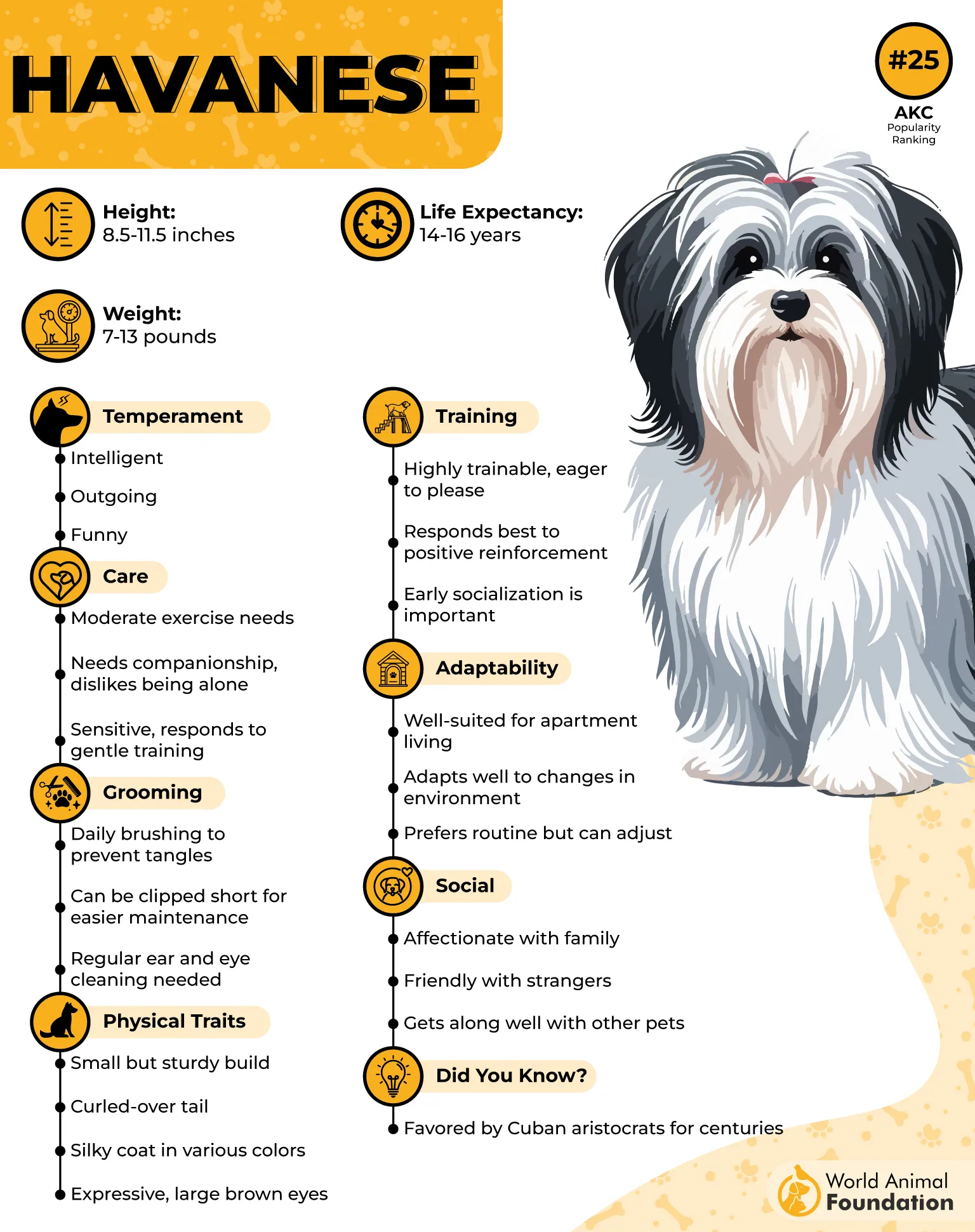
Bright and eager for attention, this breed generally responds well to positive training with treats, praise, and play. Short, engaging sessions can keep its social and intelligent mind focused while strengthening the connection with its owner.
With moderate energy, the Havanese enjoys daily walks, indoor games, and gentle interactive play. Mental activities such as puzzle toys, training, and scent work are equally valuable, helping prevent attention-seeking behaviors when this people-loving dog needs something to do.
5. Bichon Frise
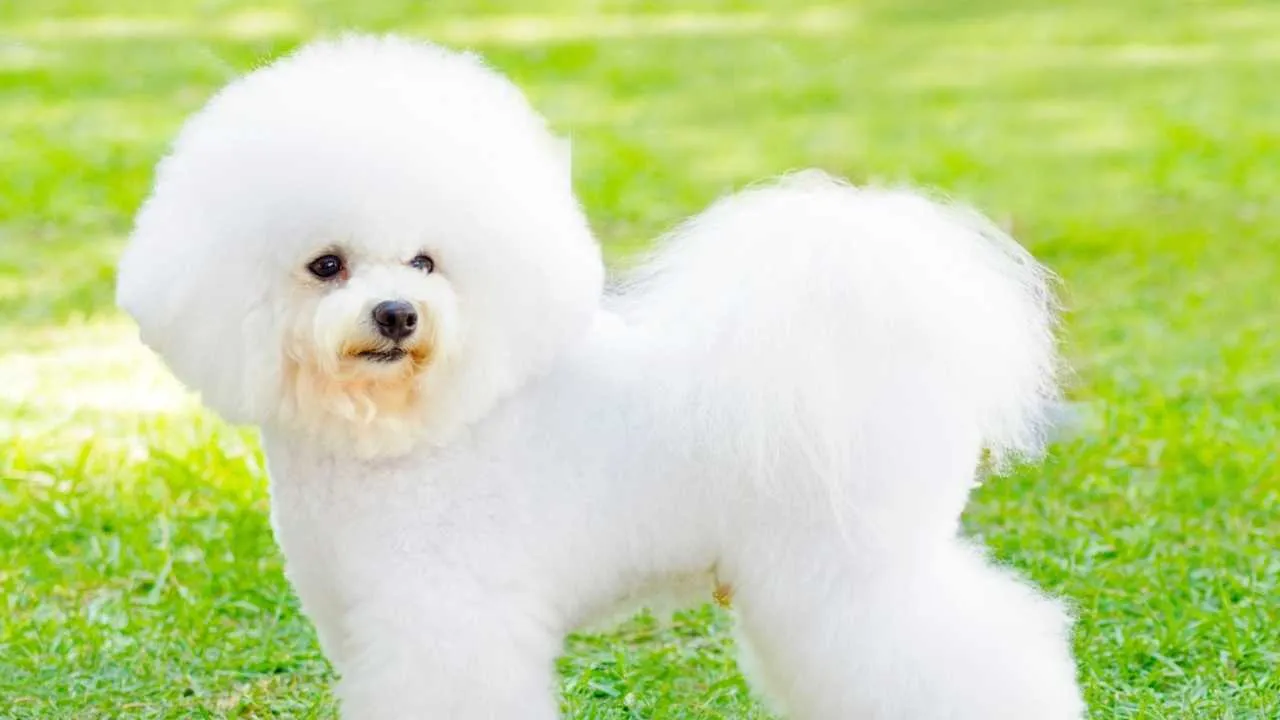
The Bichon Frise is a cheerful little companion whose interests lie far more in people and play than in pursuing prey. Affectionate and social, this sturdy, small dog prefers to stay close to its family and happily alternates between playful moments and relaxing as a lap dog. According to Petplan, this breed may be prone to separation anxiety.
Its low prey drive can make it a suitable choice for families seeking a dog less inclined to chase smaller household pets. Instead, the Bichon’s curious, intelligent nature often shines through games, tricks, and its natural talent for keeping people entertained.
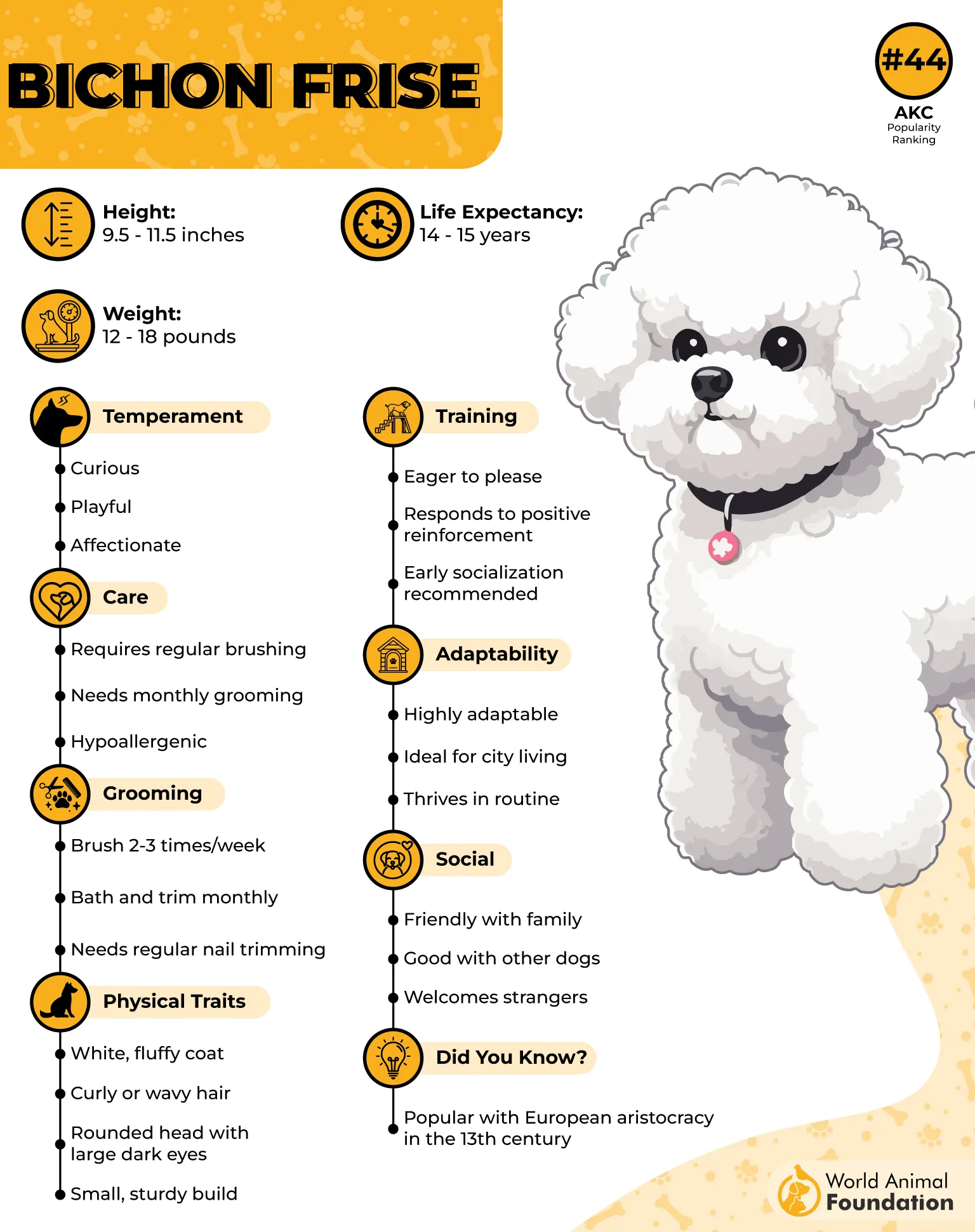
Moderate daily exercise is usually enough to satisfy this lively breed. Walks and play sessions provide an outlet for its energy, while its people-focused personality means it enjoys being involved in family life rather than wandering off on its own.
That fluffy, silky coat needs daily brushing to prevent tangles and mats, although it sheds relatively little. Known for its comic personality and affectionate spirit, the Bichon Frise brings plenty of character without making the chase its main mission.
6. Pug
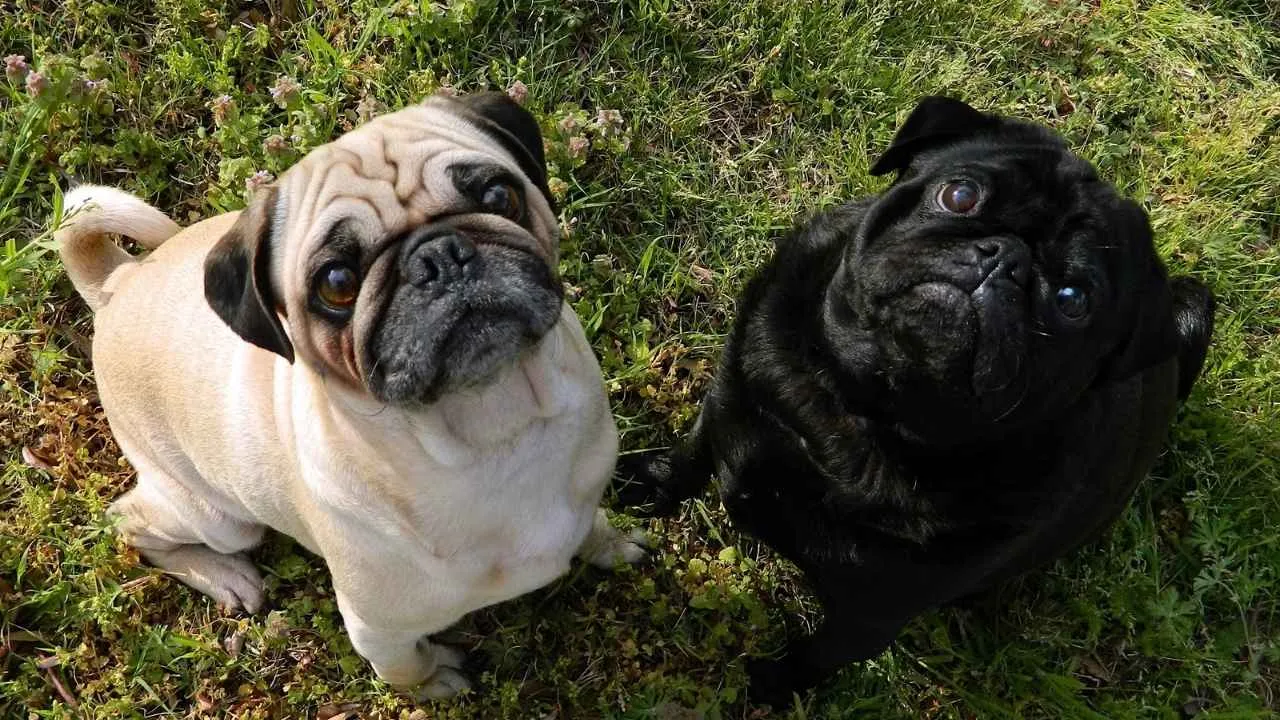
The Pug was bred for companionship rather than chasing, making its naturally low prey drive reassuring for owners seeking a relaxed household companion.
Originally cherished by Chinese Emperors, this affectionate breed has a long history of enjoying human company. Pugs would rather spend time cuddling, receiving attention, or snoozing beside their favorite people than pursuing small animals. According to Purina, despite their small size, Pugs are sturdy enough to handle family life well.
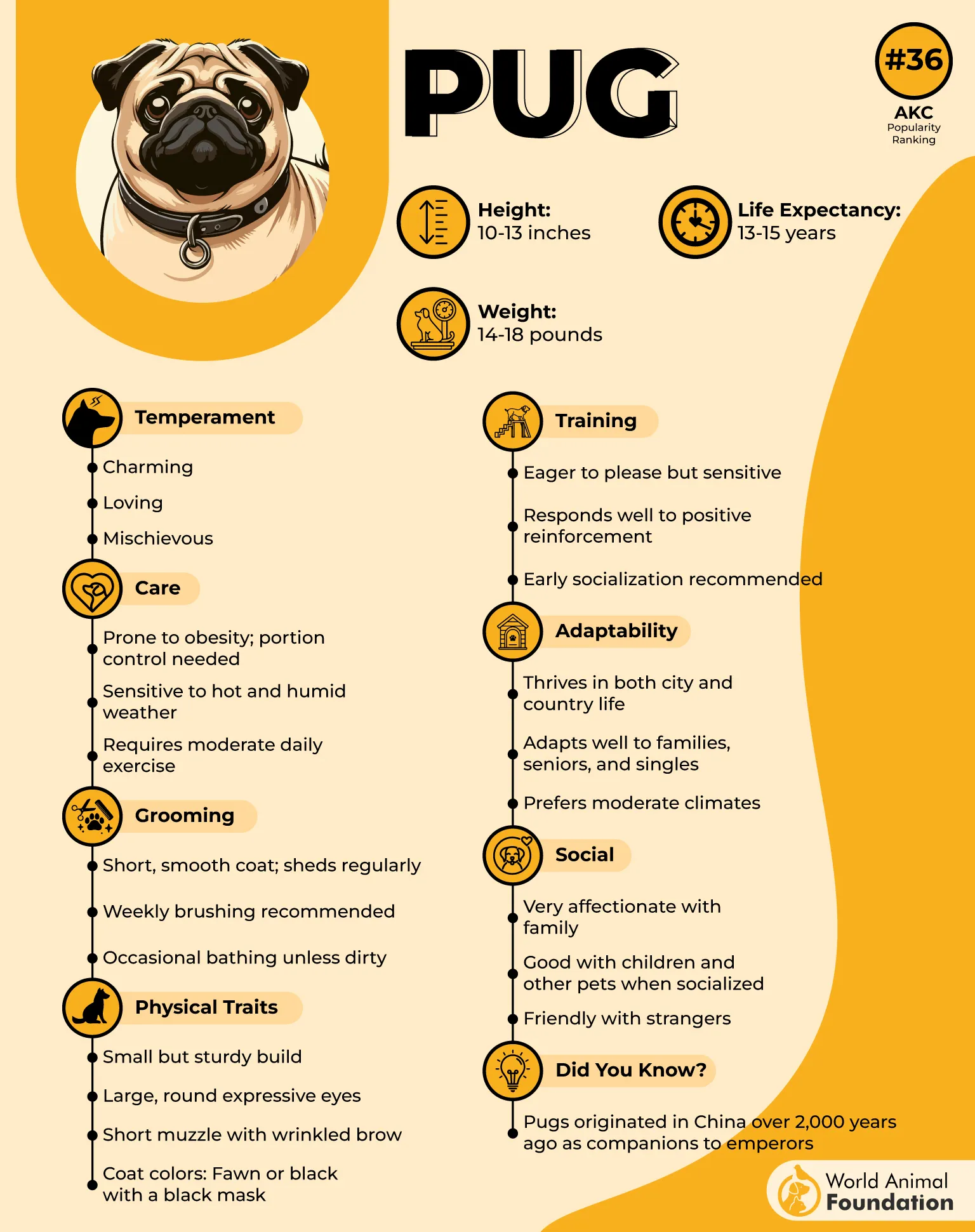
Their low-energy lifestyle also suits laid-back homes. Due to their short muzzle, Pugs do not tolerate intense exercise or hot weather well, so gentle walks and moderate activity are generally more suitable.
These cheerful little dogs often enjoy the company of children, adults, and other animals. However, their tendency to gain weight means a balanced diet and regular walks remain important for keeping them healthy.
7. Maltese
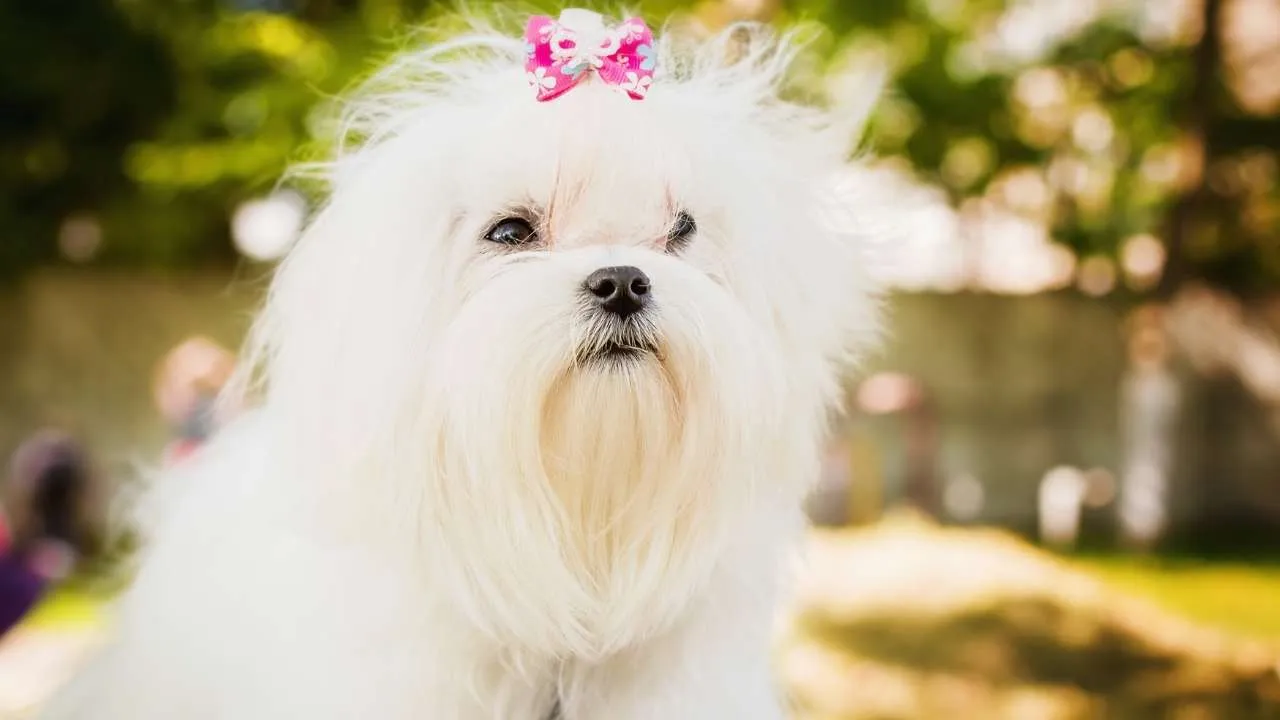
The Maltese may be tiny, but its heart is made for companionship rather than chasing. With a naturally low prey drive, this affectionate dog is generally more interested in curling up beside its favorite person than pursuing cats, rodents, or other small animals.
Friendly and easygoing, the Maltese often gets along well with people, other dogs, and household pets. It can be playful and surprisingly bold, yet its relaxed nature means short walks and indoor play are usually enough to satisfy its exercise needs.
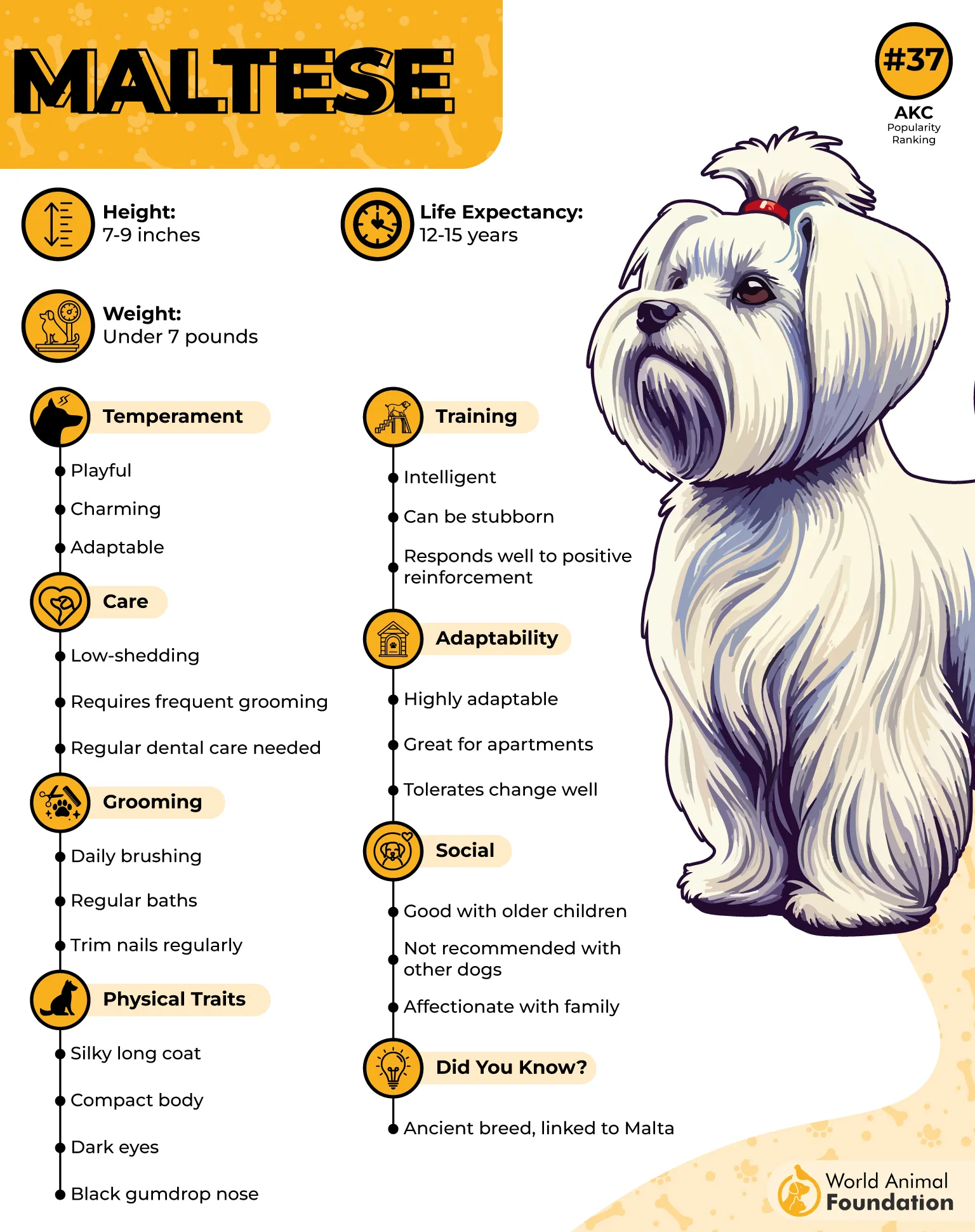
This ancient breed also brings plenty of charm to apartment living. Often weighing under eight pounds, the Maltese fits comfortably into smaller homes and loves receiving affection from its family, whether that means cuddling on the sofa or enjoying a gentle play session.
Its beautiful white coat needs regular brushing and professional care, though a shorter puppy cut can simplify grooming. While generally low-shedding and easy to train with rewards, this little companion can be vocal, so it may not suit owners seeking a particularly quiet dog.
Conclusion
Choosing a dog with a low prey drive can make everyday life feel calmer, especially in homes with other pets or smaller animals. These breeds often prefer companionship, affection, and shared activities over chasing every moving creature.
Temperament still varies from dog to dog, and training remains important. Early socialization, positive guidance, and understanding your dog’s individual personality can help create peaceful interactions with other animals.
Whether you prefer a playful companion, a gentle family dog, or a relaxed friend, there are many breeds whose lower chasing instincts may better suit your family’s lifestyle and daily routine.
The right match depends on more than prey drive alone. Consider exercise needs, grooming, training, and the time you can spend together before welcoming a loyal companion into your home.
