




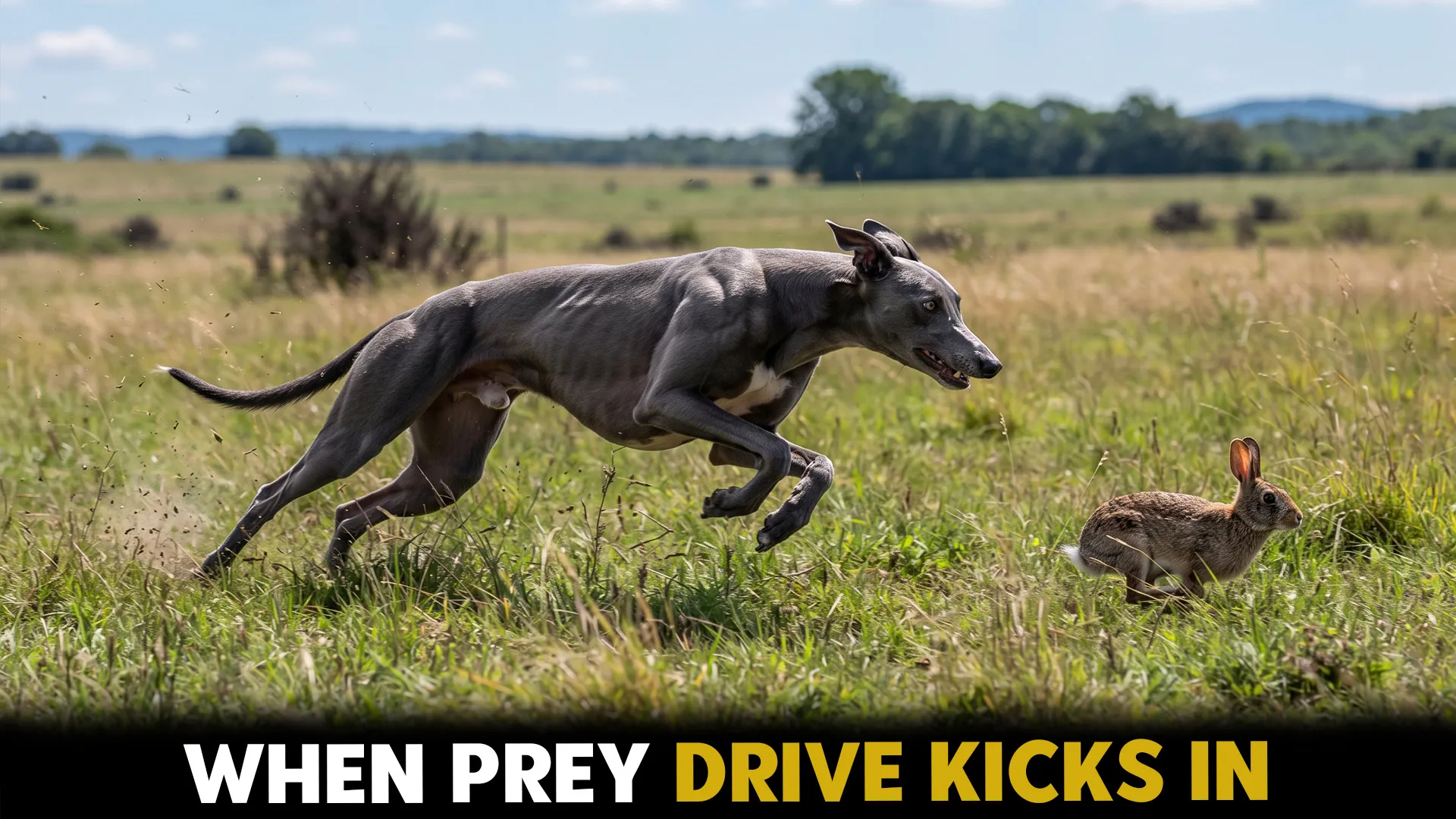
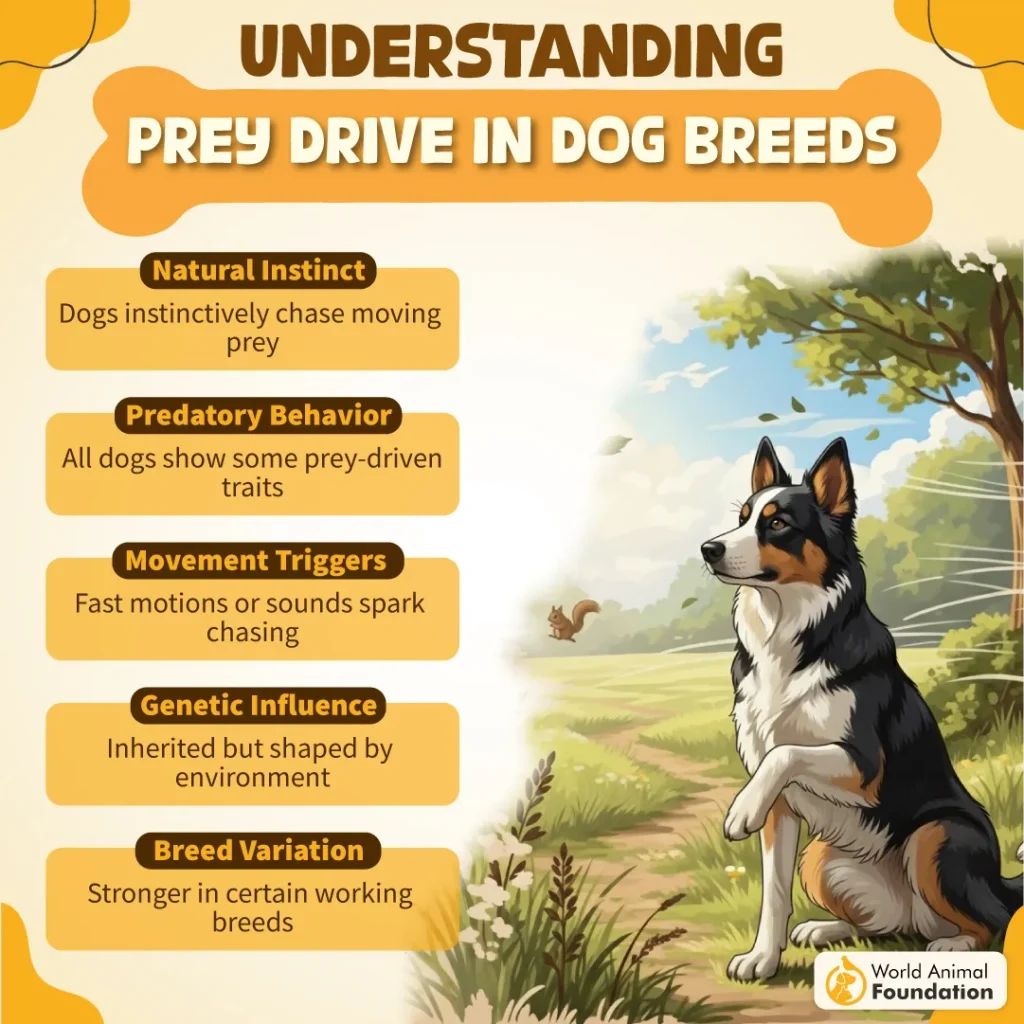
Prey drive is a natural urge that makes dogs chase. All dogs possess some level of prey drive from their wolf ancestors. It is a normal canine behavior shaped by selective breeding. However, prey drive varies greatly between individuals and breeds.
Some dogs may show a stronger response to movement or animals. This instinct can follow a sequence: orient, eye, stalk, chase, grab-bite, and kill-bite. It also involves five behaviors: search, stalk, chase, catch, and kill.
High prey drive can lead dogs to chase small animals or moving objects. Still, high prey drive does not automatically mean aggression. These dogs often show strong interest in animals, movement, and chase-oriented games.
In this guide, we explore the top dog breeds driven by prey, explained in simple terms. You will learn about their instincts and unique traits. We will also cover safe handling, exercise, and management.
Now, let’s explore seven breeds and what drives them.
Top Dog Breeds Driven by Prey Explained
Here we go, one by one.
1. Greyhound
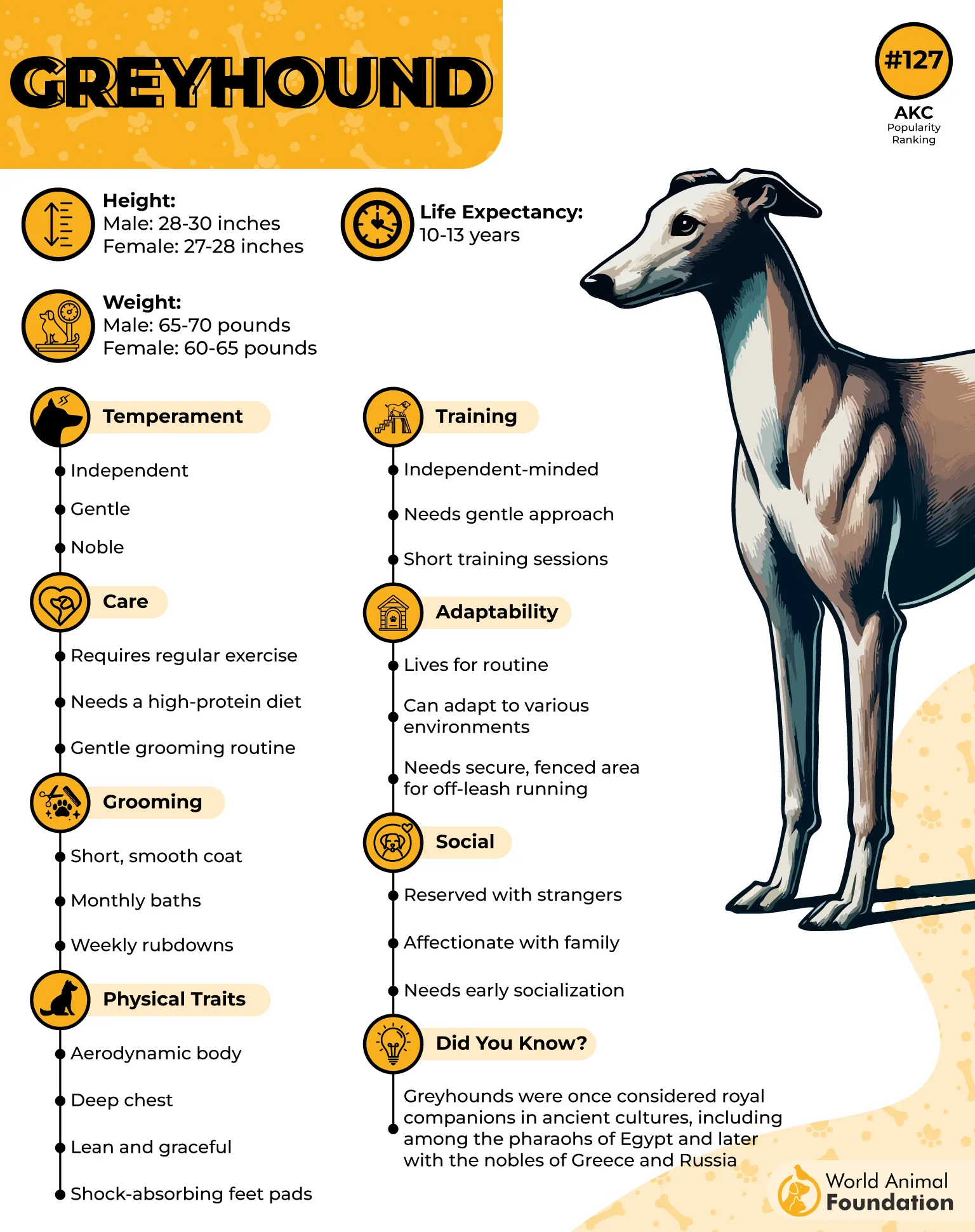
Greyhounds are classic sighthounds with a strong prey drive. Their history as a hunting dog shaped their instinct to notice movement and chase quickly. This makes their dog’s prey drive especially clear outdoors.
Built for the Chase
A moving squirrel, rabbit, or other small animal can quickly catch a Greyhound’s attention. Their sharp vision helps them spot motion from a distance. Unlike many working dogs, they were bred to pursue prey by sight.
According to Hill’s Pet, Greyhounds are one of the oldest dog breeds, tracing back over 8,000 years to early cave drawings. That response can happen in seconds, so open spaces require careful handling.
Managing Their Natural Instinct
Greyhounds can live well with kids, but families should teach children to respect their space. Owners also need secure areas when other animals are nearby.
Daily activity can help meet their needs and provide a safe outlet for their natural chase instinct. With thoughtful management, this instinct can be guided without treating it as aggression.
2. Whippet
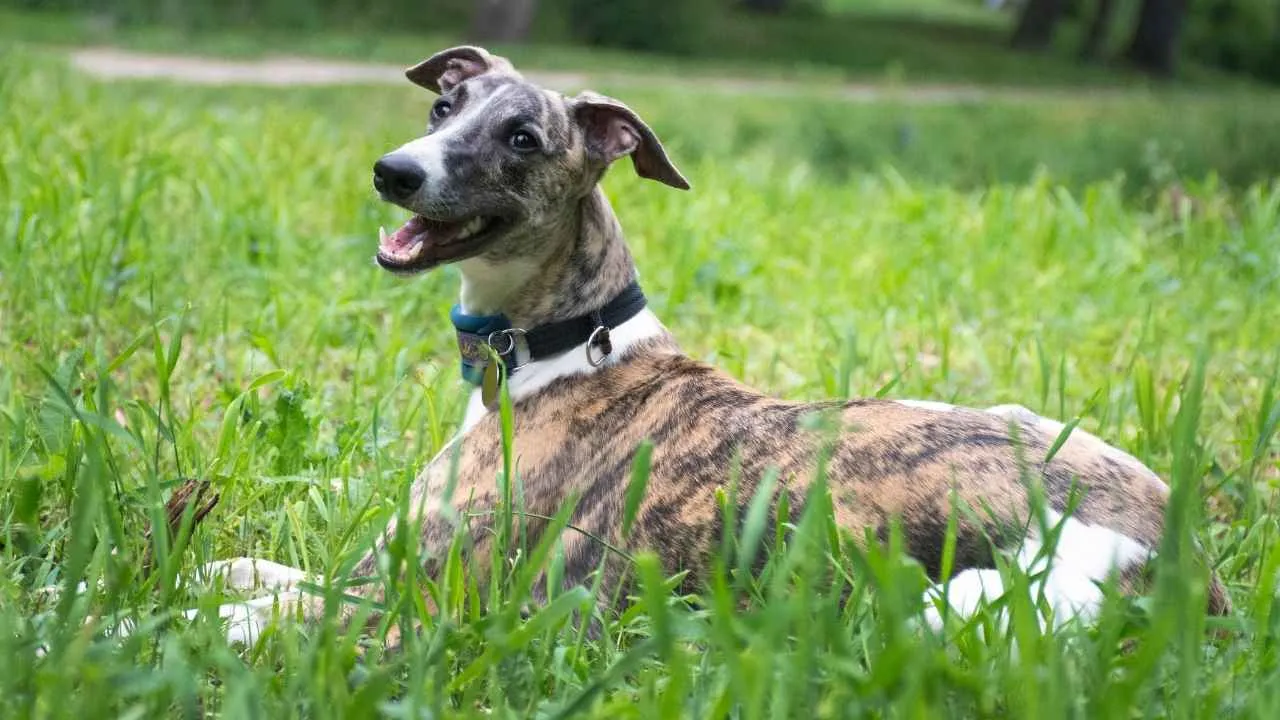
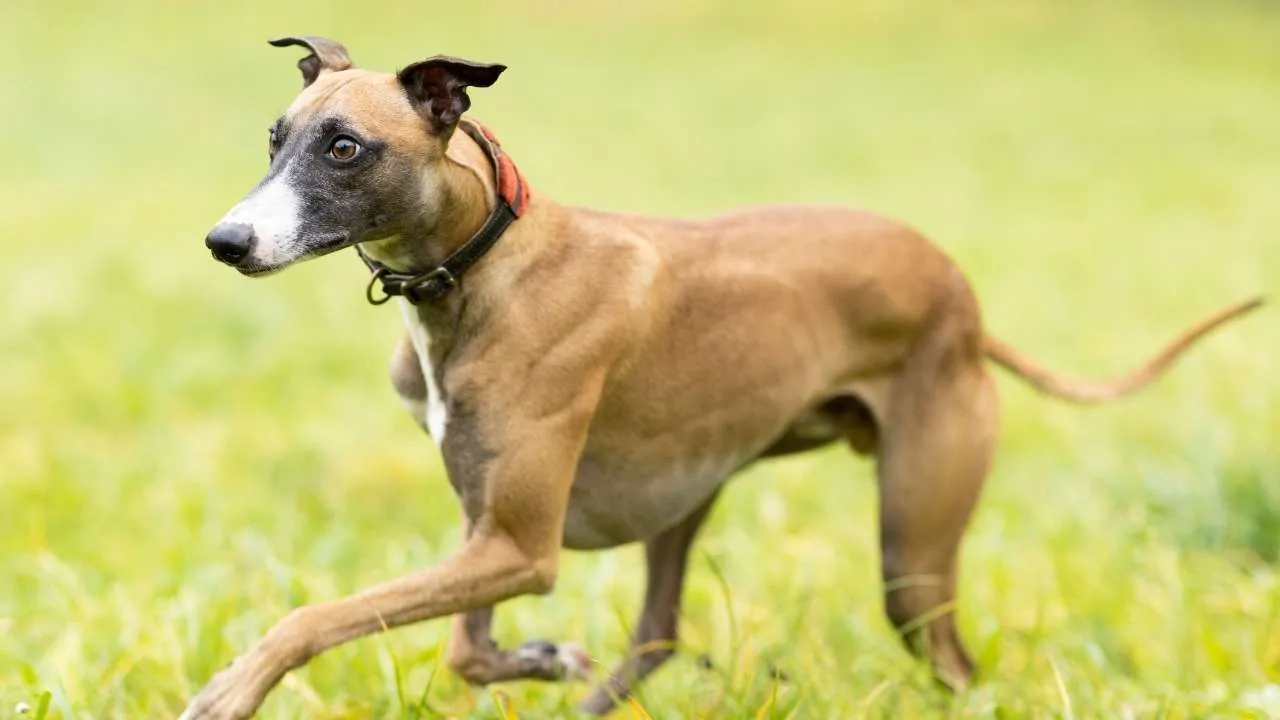
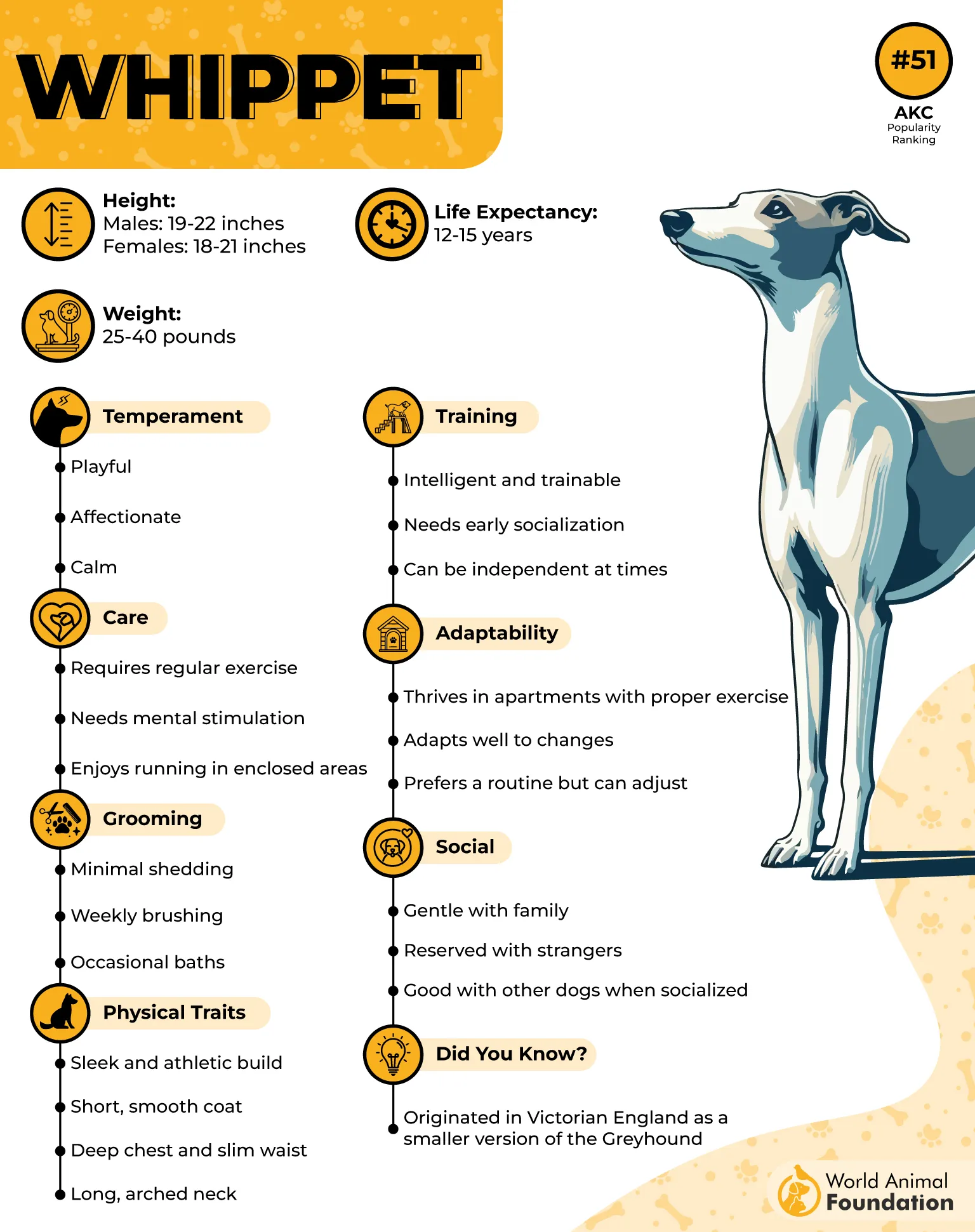
The Whippet is a lean, athletic dog built for speed. Its prey drive is hardwired genetics, but its intensity can vary between individual dogs. So, one Whippet may chase more eagerly than another.
Quick Reactions to Movement
A high prey drive can make a Whippet react fast to moving animals. Cats, birds, and small pets may trigger an intense focus and sudden chase.
The breed is also called the “Poor Man’s Racehorse” by the American Kennel Club because of its incredible speed. Still, this instinct does not mean dangerous behavior toward people or other dogs.
Safe Ways to Channel Their Drive
As a hunting dog breed, Whippets benefit from controlled chase games and regular exercise. Keep your Whippet on a leash during a walk where small animals may appear. A secure yard gives them room to run safely. They can enjoy apartment life too, except when their exercise needs are ignored.
3. Saluki
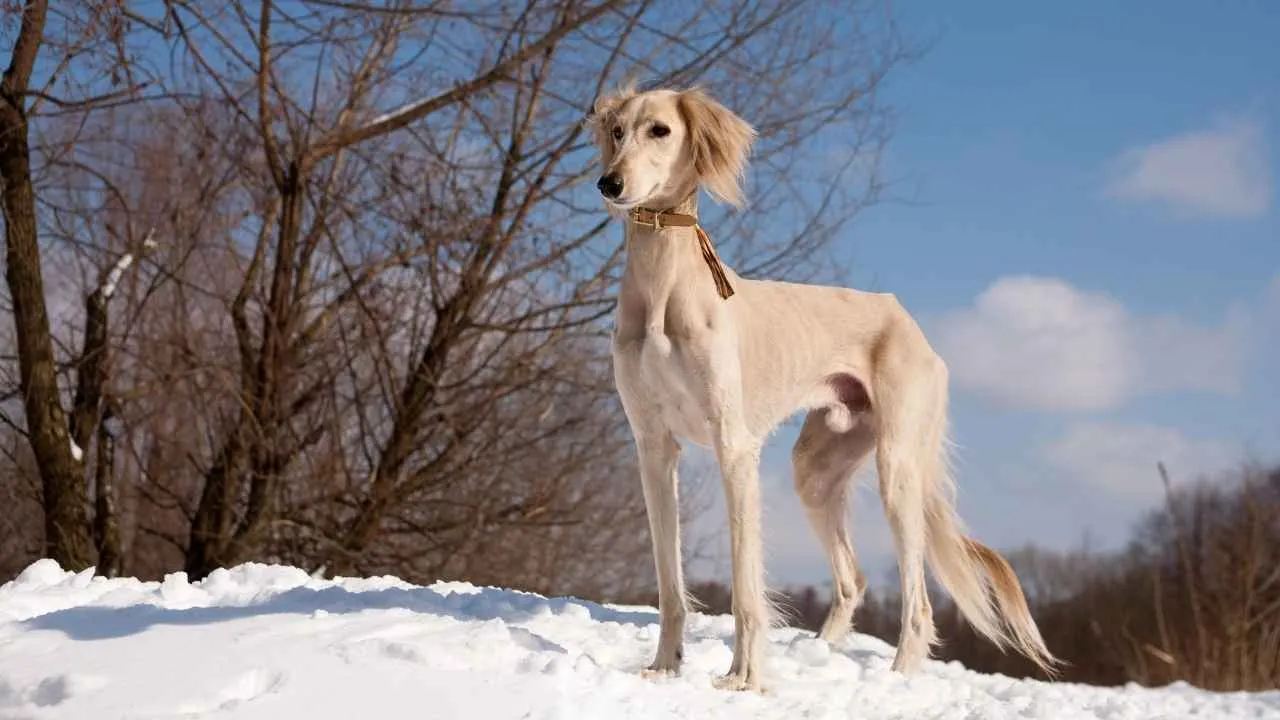
The Saluki is among the world’s oldest hunting breeds. For thousands of years, kings valued these hounds as skilled hunting companions. According to PetMD, the breed dates to 329 BCE and was especially treasured by Egyptian royalty.
A Hunter With Purpose
Salukis were specifically bred to pursue gazelle, hares, and foxes. Their strong prey drive comes from this working past. Once they spot prey, their instinctive response can become difficult to interrupt.
This focus helped nomadic tribes secure food in harsh environments. Today, owners must understand that killing prey was once part of their job.
Life With a Saluki
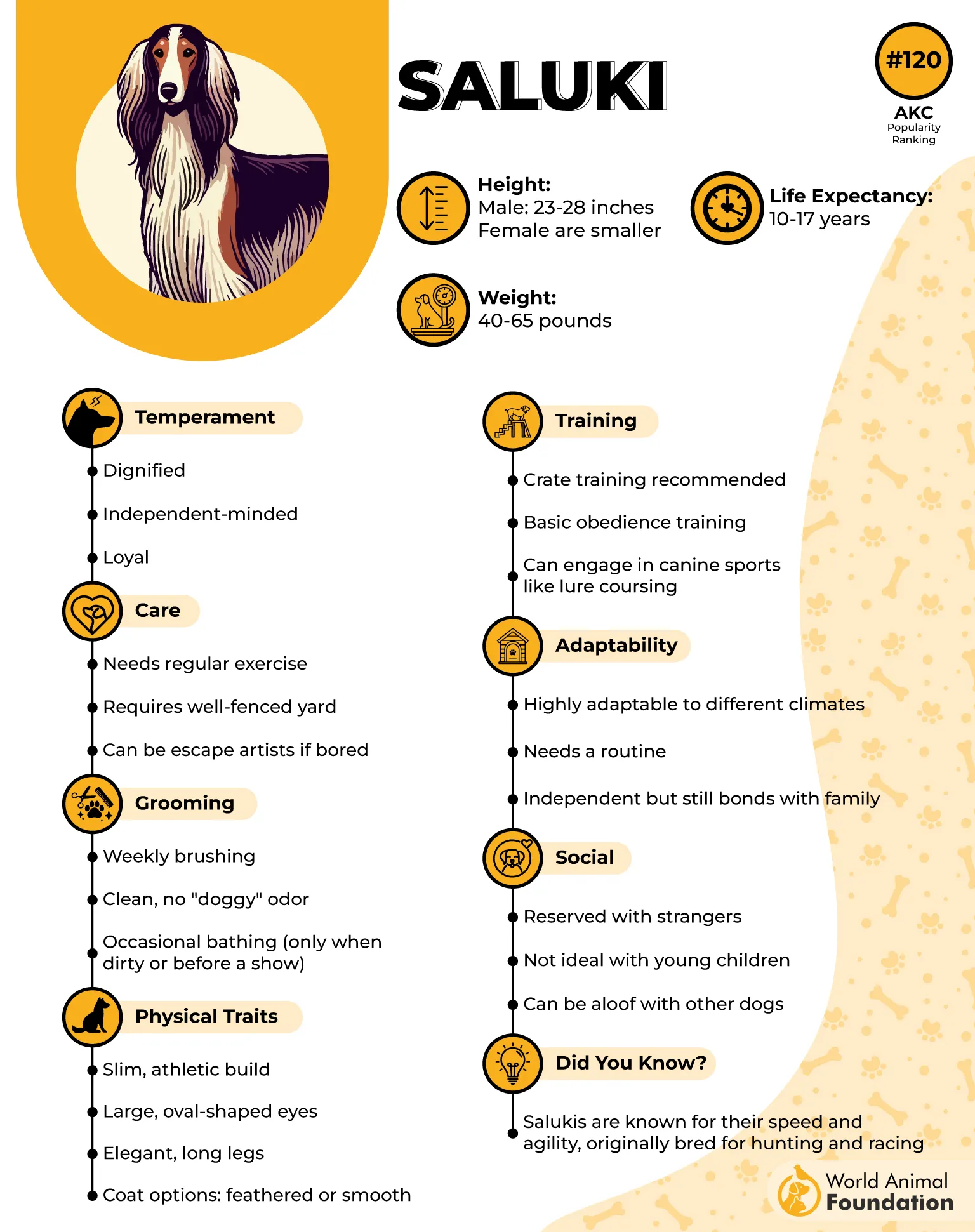
An average pet owner should plan carefully before keeping one with other pets. Small children also need supervision around this independent breed. Secure fencing is important because a determined Saluki may find an escape route when chasing something exciting.
Owners can engage them with safe activities, but should accept that their hunting instincts remain part of who they are.
4. Australian Cattle Dog
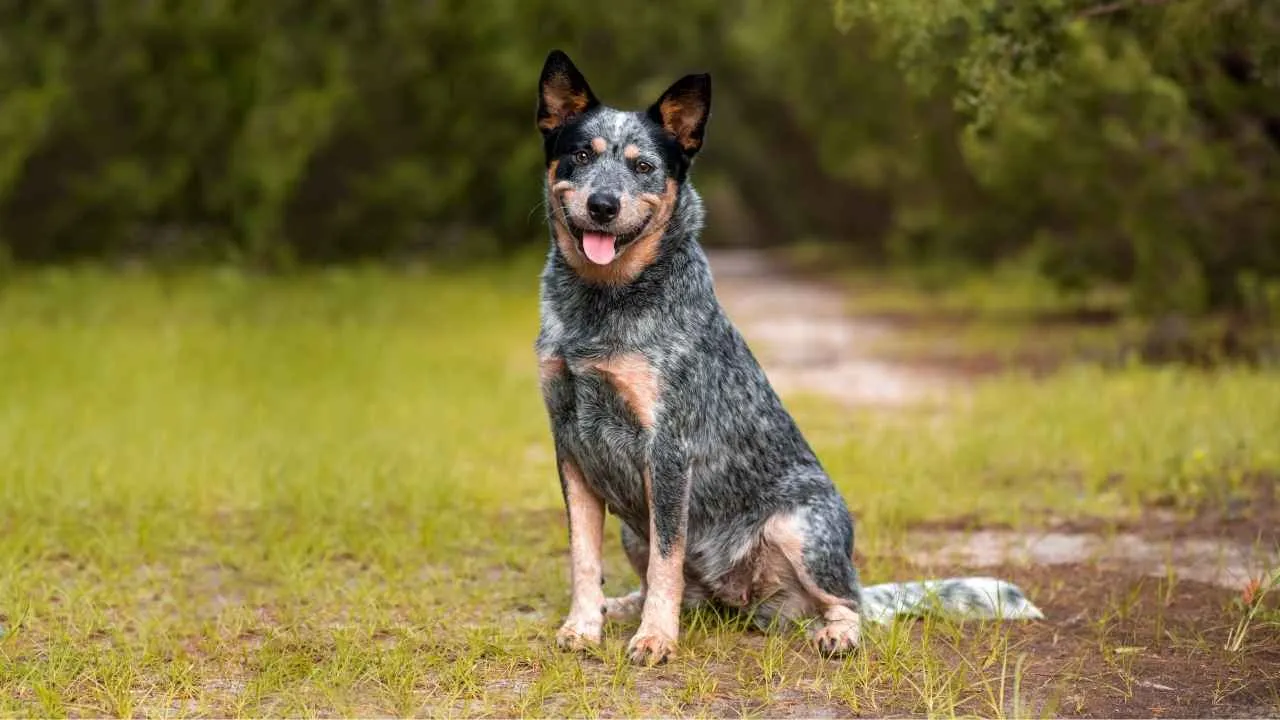
The Australian Cattle Dog is a sturdy medium-sized dog with endless drive. Also called the Blue Heeler, Red Heeler, or Queensland Heeler, it is a smart herding breed built for demanding work. According to Wikipedia, this working dog is energetic, intelligent, and independent.
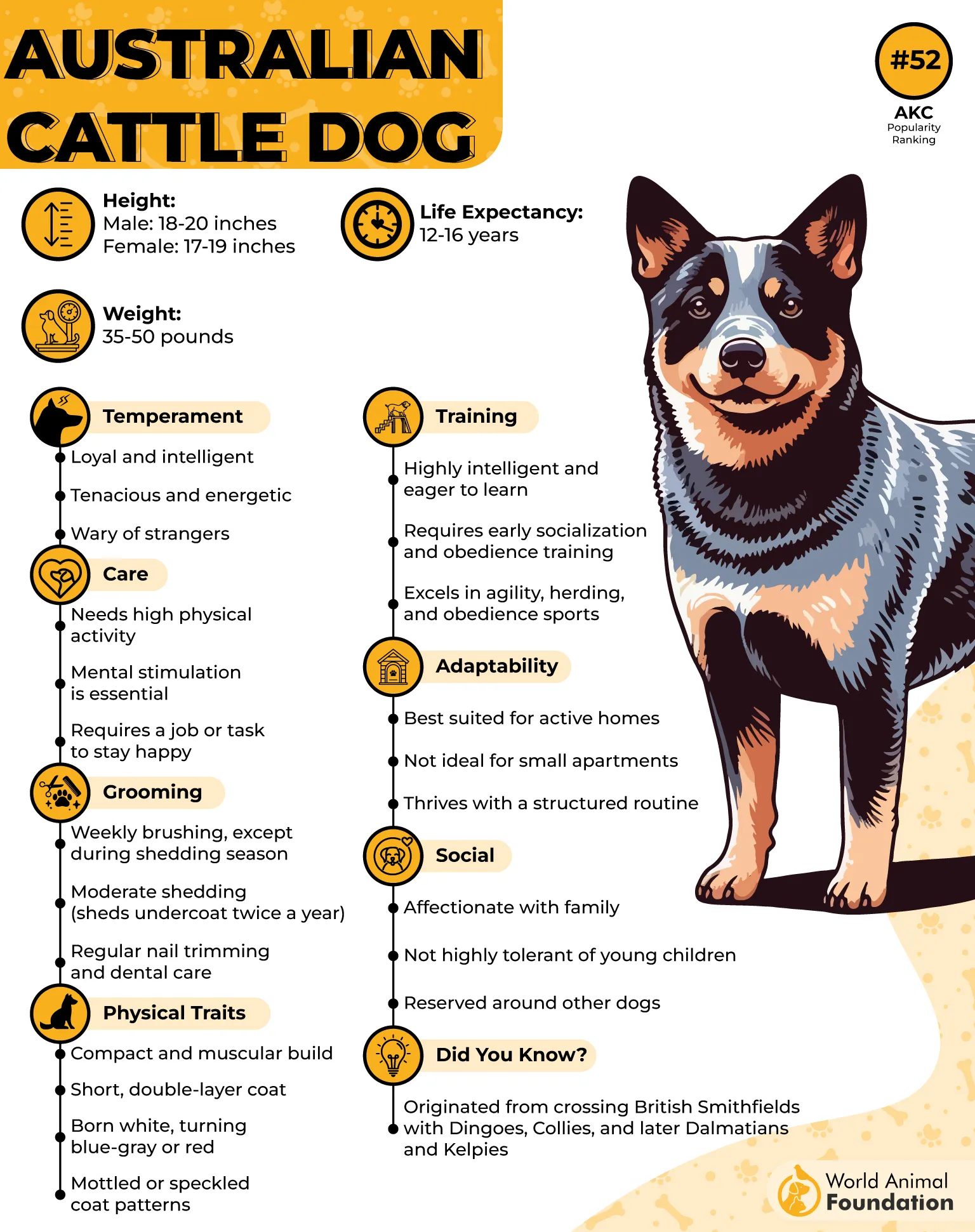
Movement and Herding Instinct
A high prey drive can make this breed highly responsive to movement. Its genetically driven instinct may show when running children, other animals, or toys catch its attention.
Some dogs also use this drive for vermin control. Their strong work ethic lets them control movement while keeping a steady pace. Owners should accept that this natural response may remain strong.
Keeping Their Minds Busy
A strong prey drive needs proper outlets, not constant restriction. Daily exercise, games, and mental stimulation can help manage their energy.
A secure area allows safe activity, while a leash helps during a walk near distractions. Without enough purpose, an Australian Cattle Dog can become bored and inventive.
5. Weimaraner
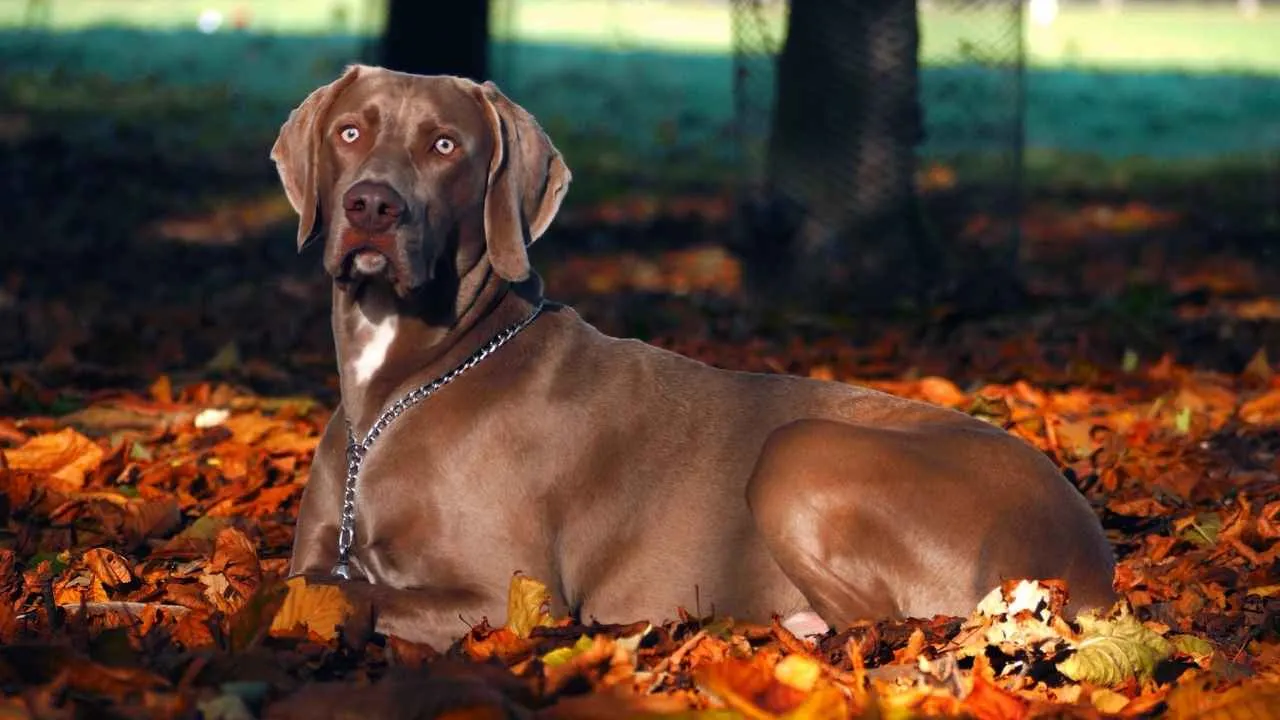
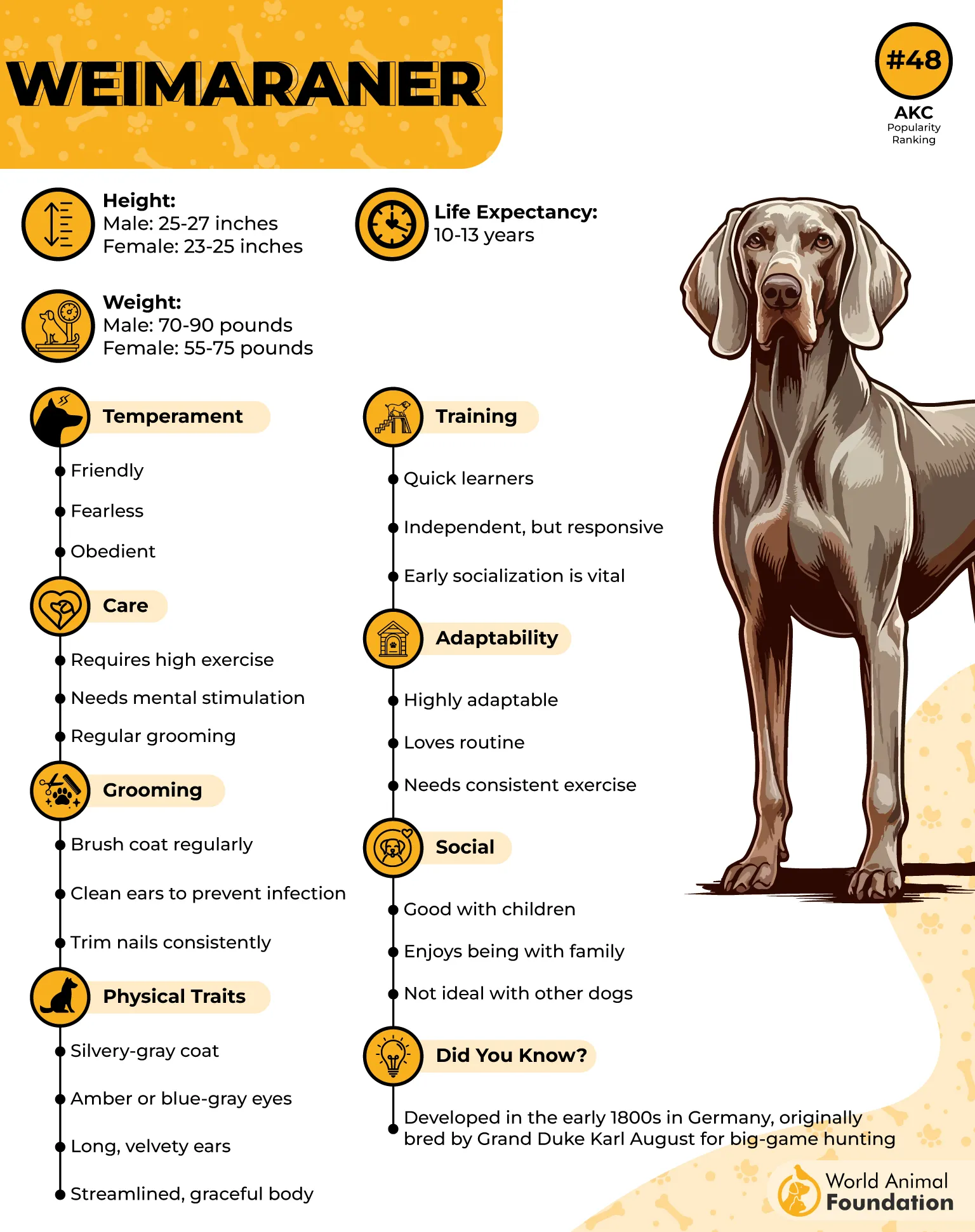
The Weimaraner, also called the Gray Ghost, is a German hunting dog breed. It was selectively bred to work with hunters and use several senses during pursuit. This background gives the breed a strong prey drive and a natural need for purposeful activity.
Scent and Hunting Work
Scent Hounds rely mainly on scent or sound to track prey. Other hunting breeds can combine scent, sight, and other cues. A Weimaraner may follow a scent trail with great focus.
This can activate its prey drive sequence and make stopping difficult. Owners should not expect their dog to quit chasing easily. Wildlife and other pets may trigger this response, so careful supervision matters.
Productive Daily Outlets
According to Purina, Weimaraners are alert, trainable, obedient, and loving. They also need regular exercise for physical and mental health. Playing fetch and retrieving games can provide useful challenges.
A no-pull harness may help owners manage walks. Safe boundaries can prevent destructive behavior, while owners should accept this large dog’s natural strength and active nature.
6. Pharaoh Hound
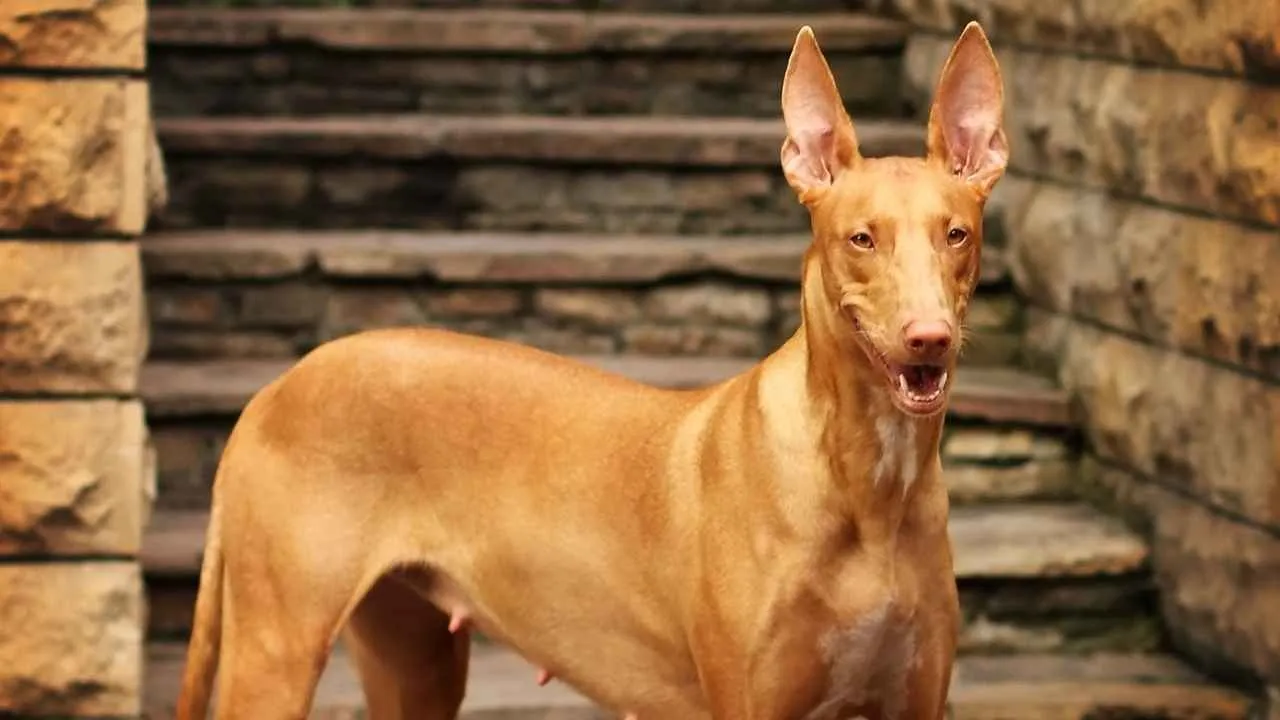
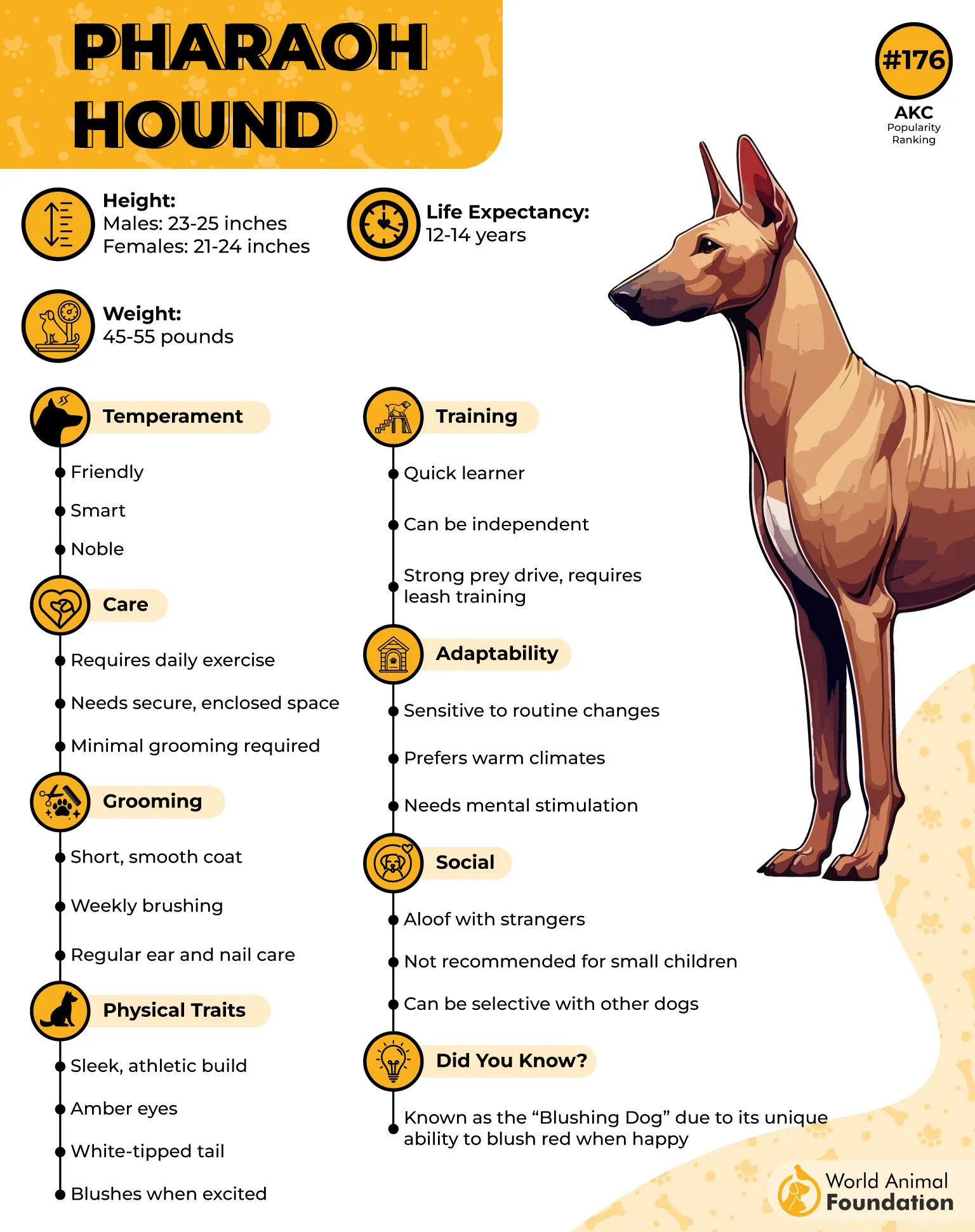
The Pharaoh Hound is an ancient dog with a strong hunting instinct. According to Britannica, it is one of the oldest recorded domesticated dogs. This modern dog still carries traits shaped by generations of hunting work. Like different breeds, individuals can show varying degrees of prey drive.
Everyday Chase Triggers
A fast movement can quickly catch a Pharaoh Hound’s attention. Birds, squirrels, and rabbits may become tempting targets outdoors. These reactions can also appear around small pets at home.
Some dogs have a strong prey drive, while others show less interest in chasing. Owners should accept that instinctive chasing may remain part of the breed.
Safer Modern Living
During daily walks, a leash can help owners manage sudden pursuits. Families with children should also teach calm behavior around exciting movement.
A securely confined yard provides a safer space for controlled games and exercise. With thoughtful routines, owners can respect the Pharaoh Hound’s natural instincts while helping it live safely in a modern home.
7. Rhodesian Ridgeback
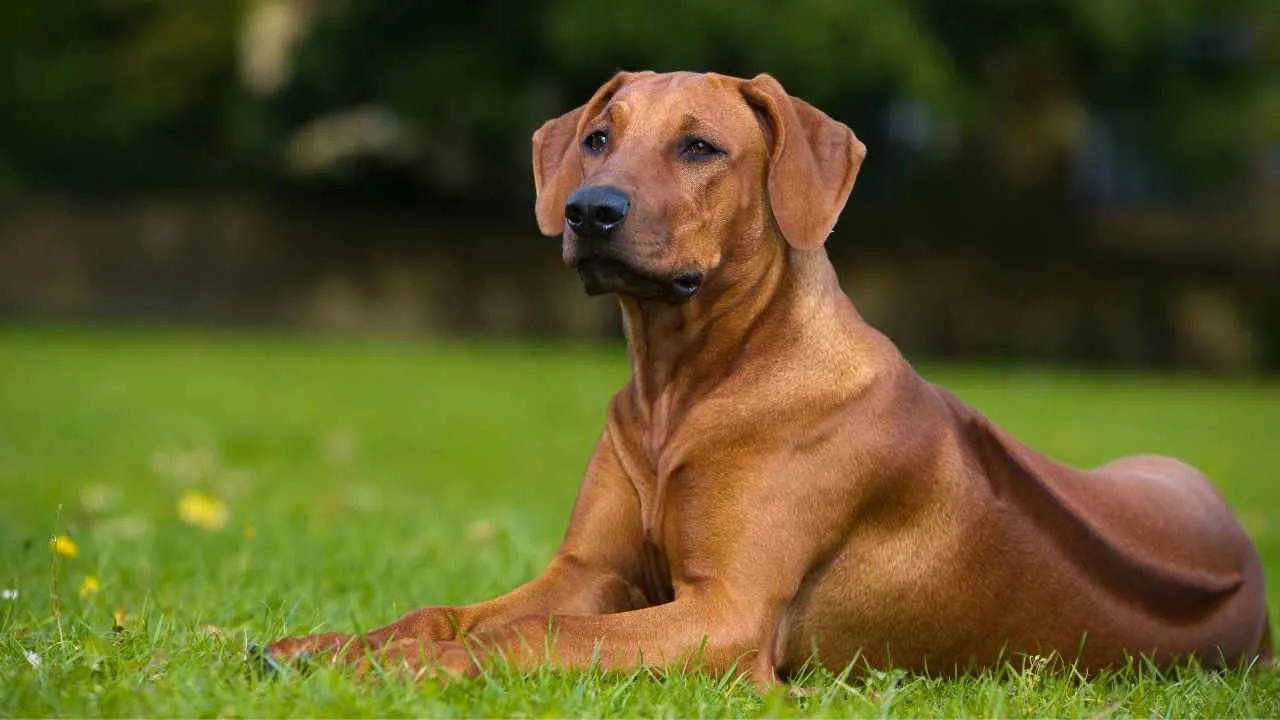
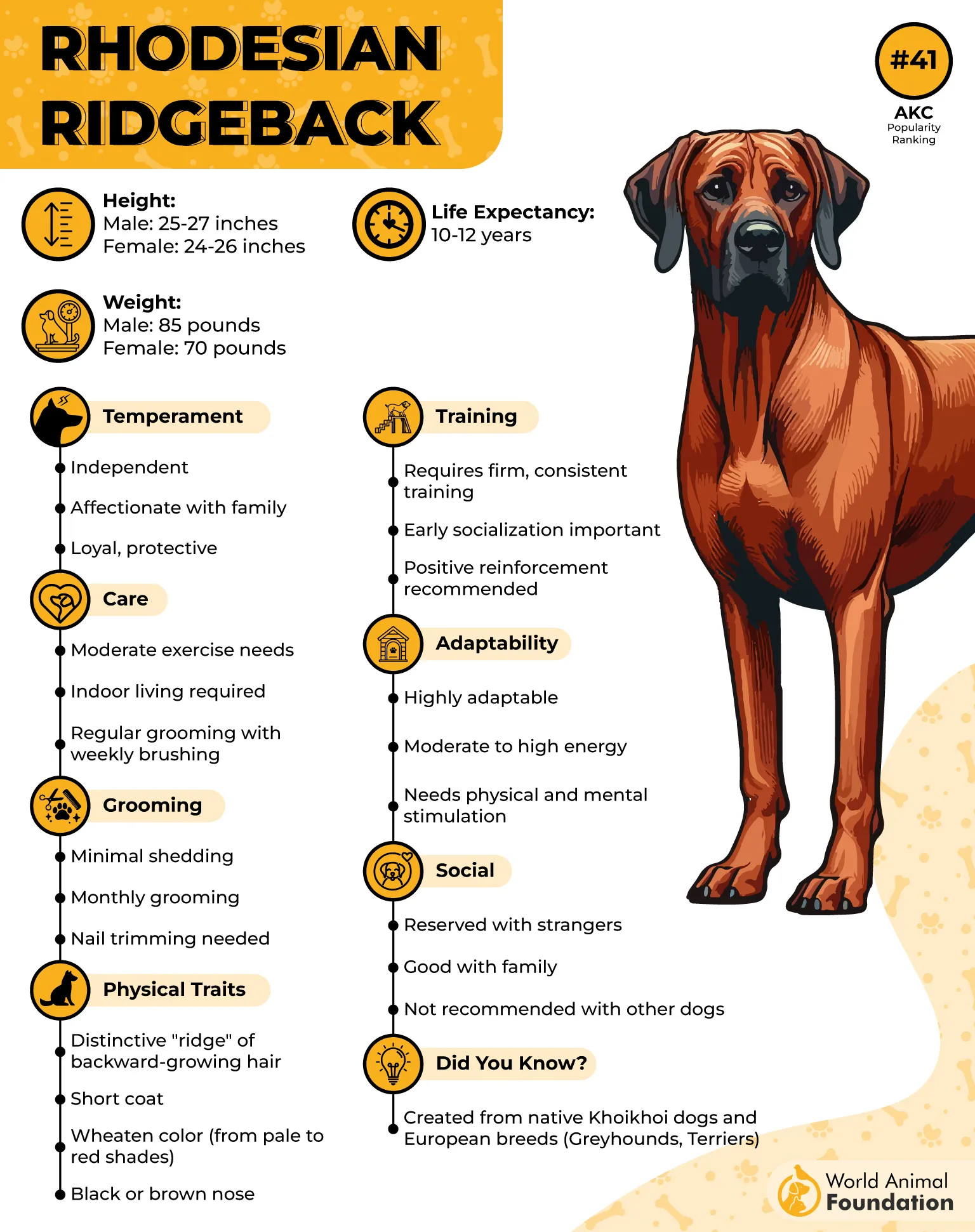
According to WebMD, the Rhodesian Ridgeback is an all-purpose “Renaissance hound.” This large dog breed became famous in Africa for tracking and baying lions without killing them. Its history gives the breed a remarkable ability to work with courage and confidence.
Hunting Heritage
Ridgebacks have a strong prey drive, but that does not make them automatically aggressive. Their predatory instinct may appear around cats, raccoons, or small dogs.
They may also notice pets and other animals with intense interest. Depending on the individual, some Ridgebacks show higher drive than others. Their reactions can change with excitement, too.
Managing Their Independence
Owners of high-prey dogs should use clear boundaries and engage their dogs with useful activities. A dog confined behind secure fencing has fewer chances to chase.
Early impulse control can provide a good release for natural instincts. Ridgebacks may act rough during exciting play, so owners must manage interactions carefully. Their hunting instincts trace to dogs shaped by work with wolves, but responsible handling matters today.
Conclusion
Understanding a dog’s prey drive helps owners work with natural instincts. Many dogs have some prey drive, while most dogs show it in different ways.
This instinct once supported survival, but it does not make a high prey drive dog aggressive. Even an Adult dog can learn better impulse control with patience. Owners should accept that prey drive may manifest with great enthusiasm around movement.
Daily exercise helps dogs stay physically satisfied, while games can provide a healthy outlet. Stuffing treat toys can also add mental challenges. It is crucial to establish recall and safe boundaries early.
Dogs require consistent guidance and positive experiences to build good habits. Understanding these instincts makes life easier for both dogs and families.
