




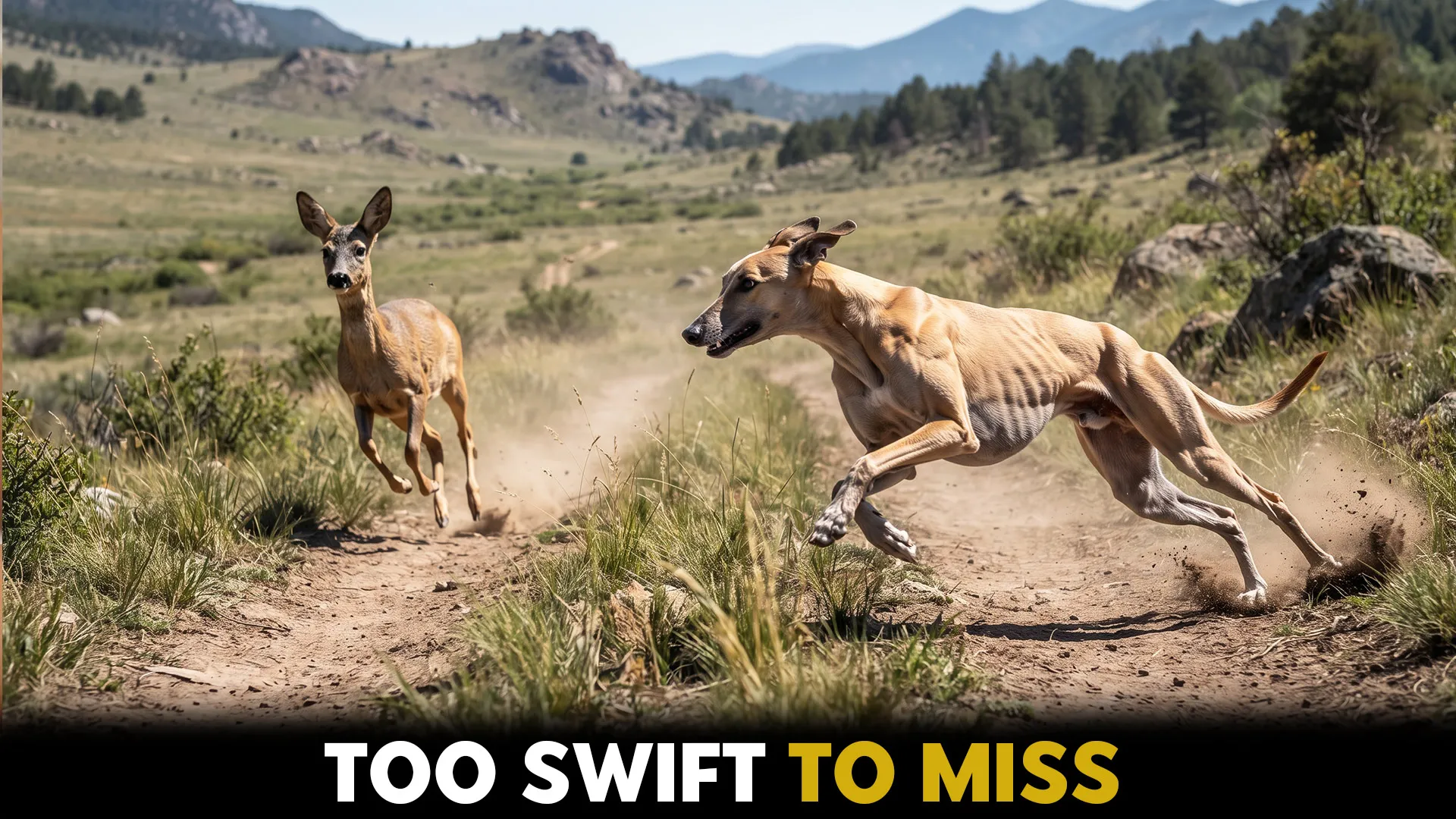
Dogs have helped people hunt for thousands of years, but they do not all work in the same way. Some rely on blazing speed, while others trust their powerful noses and endless stamina to stay on a trail for hours.
Why? The answer lies in how each breed was developed. Sighthounds use sharp vision, lean bodies, deep chests, long legs, and a strong prey drive to chase game across open ground.
In contrast, scenthounds depend on elite noses and endurance to follow fresh tracks through forests and rough terrain. Every breed has a unique hunting style and purpose.
In this guide, you’ll discover the 7 top reasons known for Speedy Deer Pursuits in the Wild and learn what makes these remarkable dogs stand out.
Whether you’re a hunter, a dog lover, or a family curious about active working breeds, this article explains their history, natural abilities, and care needs simply.
Let’s explore the seven remarkable breeds that have earned their place among nature’s fastest deer pursuers.
Dog Breeds Known for Speedy Deer Pursuits in the Wild
1. Scottish Deerhound
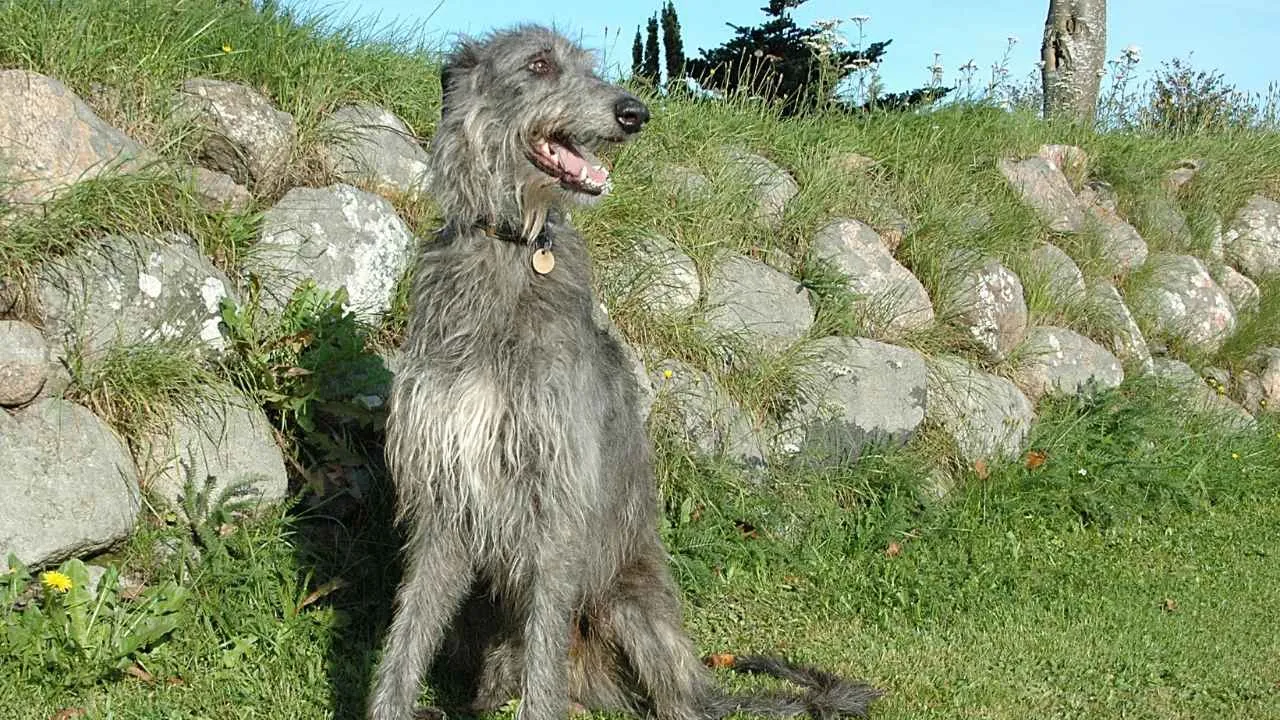
The Scottish Deerhound is one of the clearest examples of a dog bred for deer coursing. Known as the “Royal Dog of Scotland,” this giant sighthound was developed to stalk and pursue wild red deer across rugged Scottish landscapes.
According to WebMD, the breed traces back to the ancient Greyhound type but grew much larger and more powerful. A mature male can reach about 32 inches at the shoulder and weigh around 110 pounds. Its long legs, deep frame, and rough coat helped it handle demanding outdoor pursuits.
Yet this impressive hunter has a remarkably gentle side at home. Scottish Deerhounds often form deep bonds with their human families and respond best to calm, caring owners.
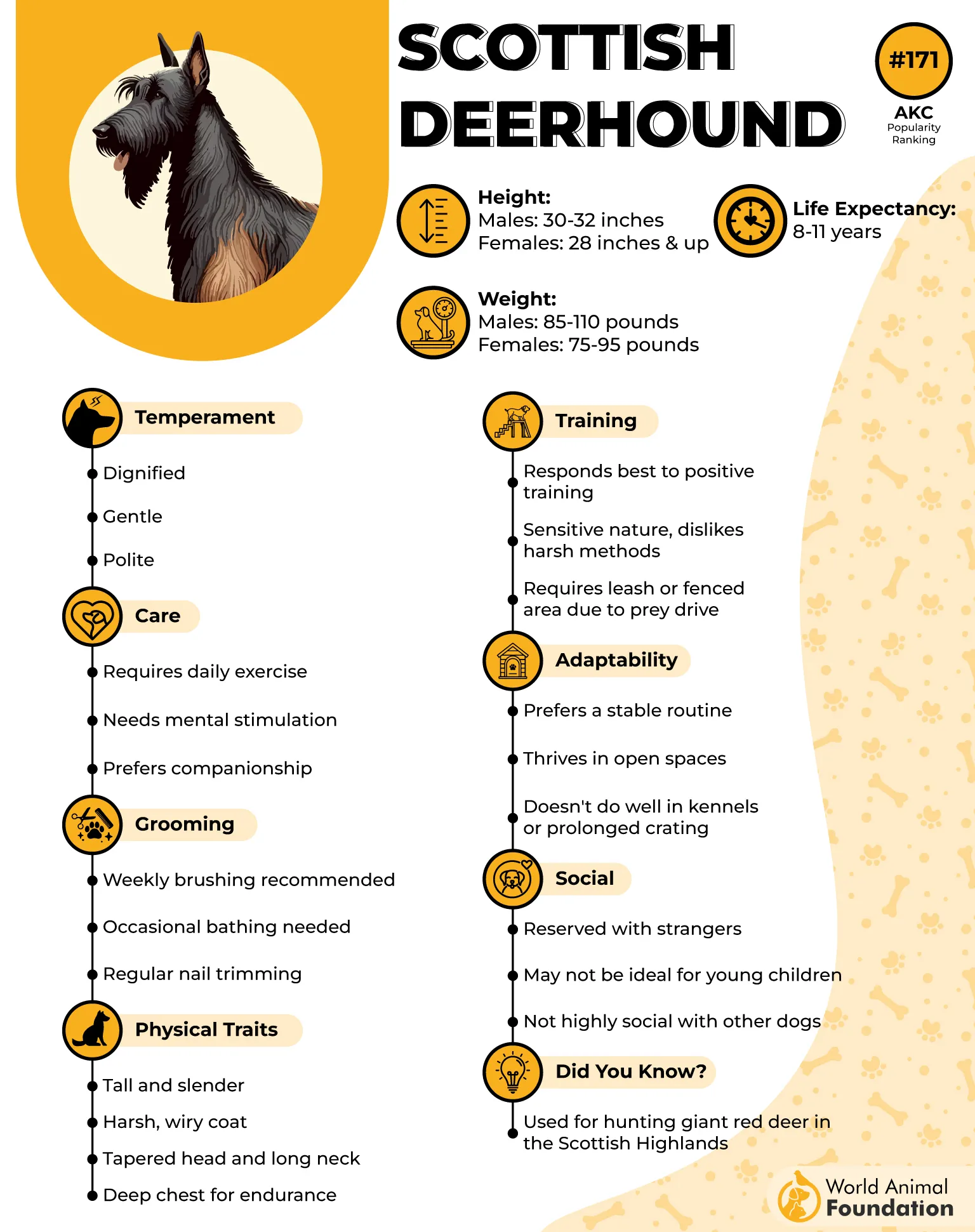
Their history also makes them quite different from a small dog or typical working dog bred for guarding duties. Instead, they relied on vision, speed, and quiet determination to bring down large game.
What Makes the Deerhound Special
Historically valued for pursuing red deer rather than protecting homes.
Known for a soft, affectionate nature despite its enormous size.
Its rough coat comes in several shades, including blue-gray.
Long legs provide the reach needed for powerful strides over open ground.
Gentle social behavior makes it poorly suited to traditional guarding work.
Its ears fold back naturally, adding to the breed’s classic sighthound appearance.
2. Greyhound
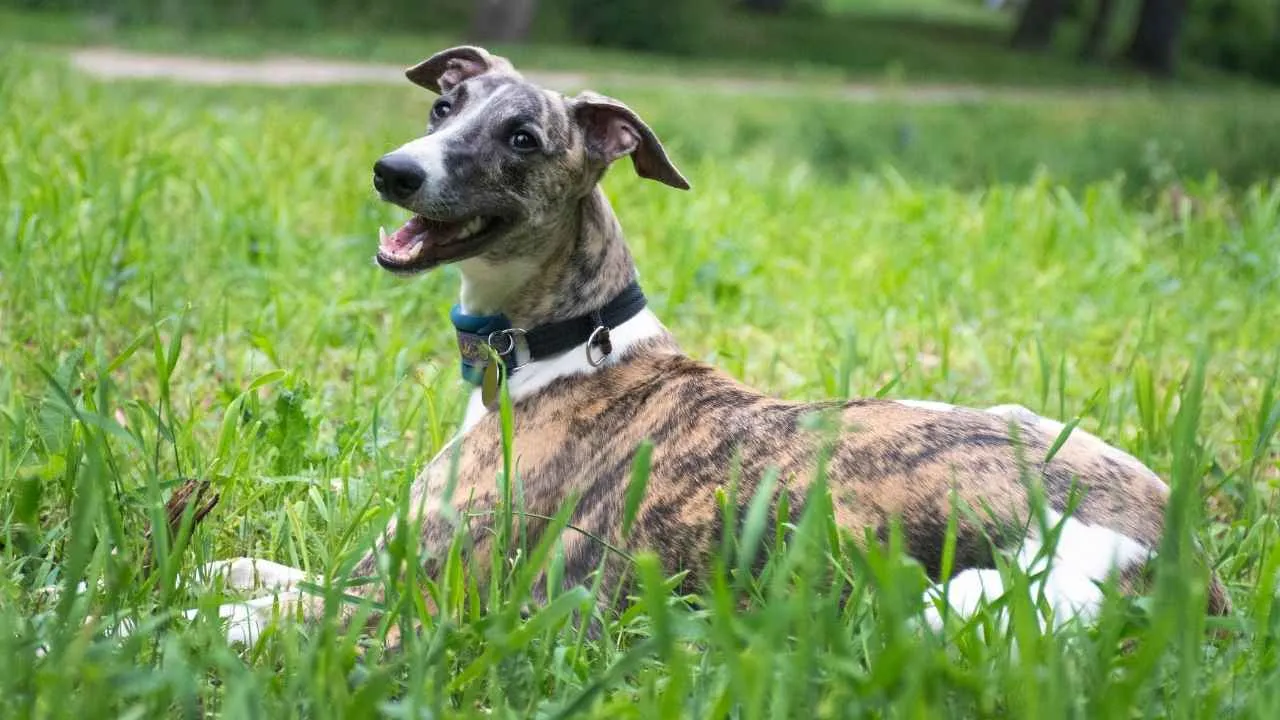
The Greyhound is one of the oldest domestic dog breed types still known today. For centuries, humans valued this graceful animal for its unmatched speed and sharp eyesight. Instead of following scent trails, the Greyhound locks onto moving prey and launches into an explosive chase across open ground.
Its keen eyesight lets it spot a fleeing deer from a distance and quickly adjust its course during the chase. Its slim frame, deep chest, flexible spine, and long legs help it accelerate rapidly and close the gap on fleeing deer. This explosive acceleration makes it widely recognized as the fastest dog breed in the world.
Although built for action, according to Hill’s Pet, the Greyhound has a gentle and quiet nature around people and other dogs. However, its strong prey drive means smaller household pets may not always be the best companions.
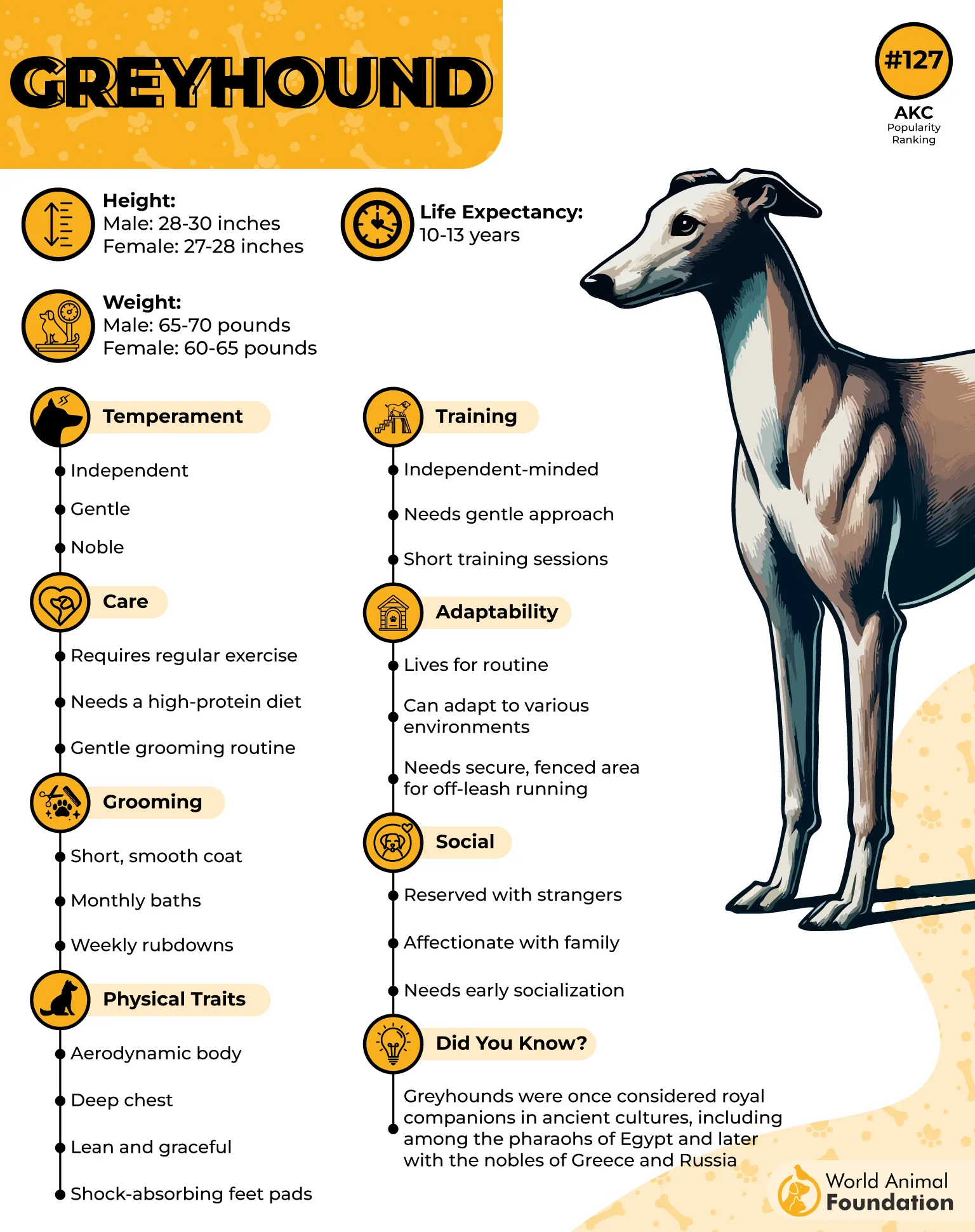
Both male and female dogs share these instincts, though individual personalities can vary. Today, many owners admire the breed not only for athletic talent but also for its calm behavior once the excitement of the chase is over.
Why the Greyhound Still Impresses
One of the oldest coursing breeds, with a history dating back thousands of years.
Uses open terrain to spot moving prey and build speed during pursuit.
Can reach speeds of about 45 miles per hour during a sprint.
Often enjoys activities like lure coursing that safely satisfy natural chasing instincts.
Best suited for owners who understand the needs of athletic working breeds.
Retired racing Greyhounds can adapt well to quiet homes with proper care and patience.
3. Saluki
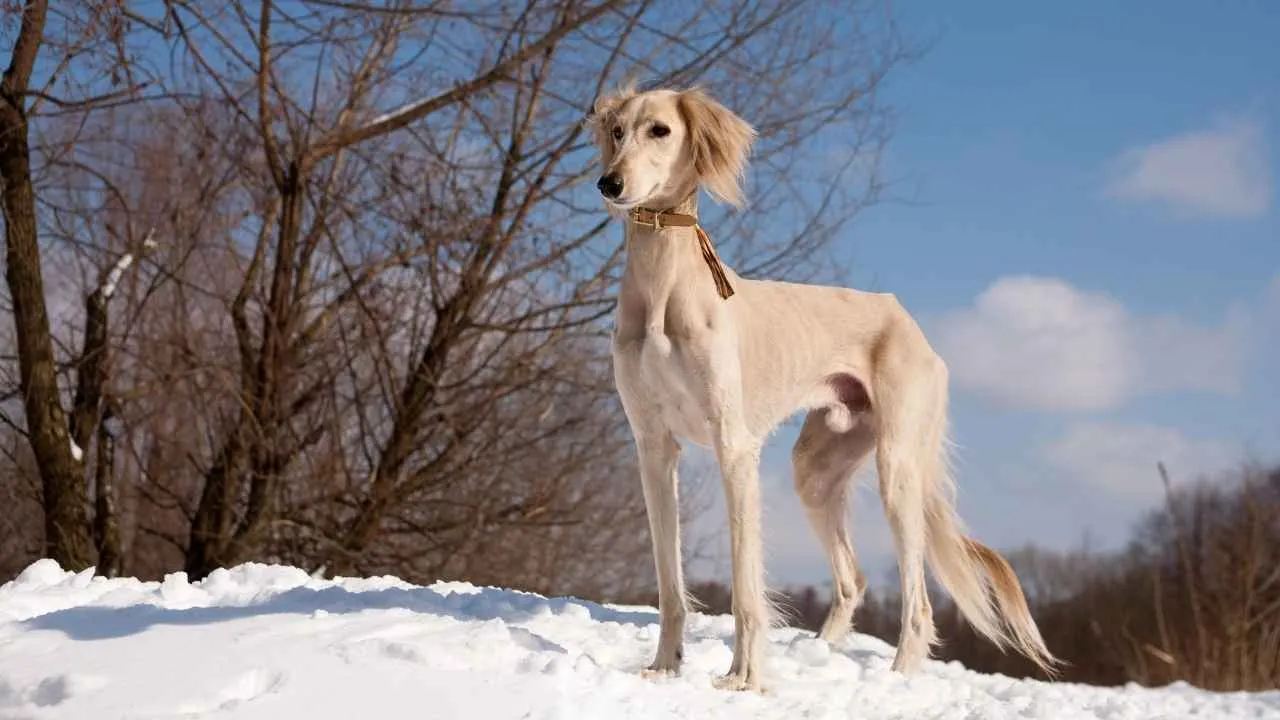
The Saluki is widely recognized as one of the oldest dog breeds in history. According to the American Kennel Club, this elegant hunter served kings for thousands of years and earned admiration for its speed and grace.
Originating in the Middle East, the Saluki was developed as a remarkable hunting dog breed that could chase swift game across deserts and rocky landscapes. Its ability to maintain a fast pace over long distances made it well suited to pursuing fleeing deer across wide, open ground.
Its long hind legs, balanced frame, and efficient stride help it maintain momentum while closing the distance on fast-moving prey.
Unlike many domestic dogs, the Saluki combines endurance with quick acceleration, allowing it to perform well in demanding conditions. This breed also adapts to both warm and cooler climates thanks to its coat varieties.
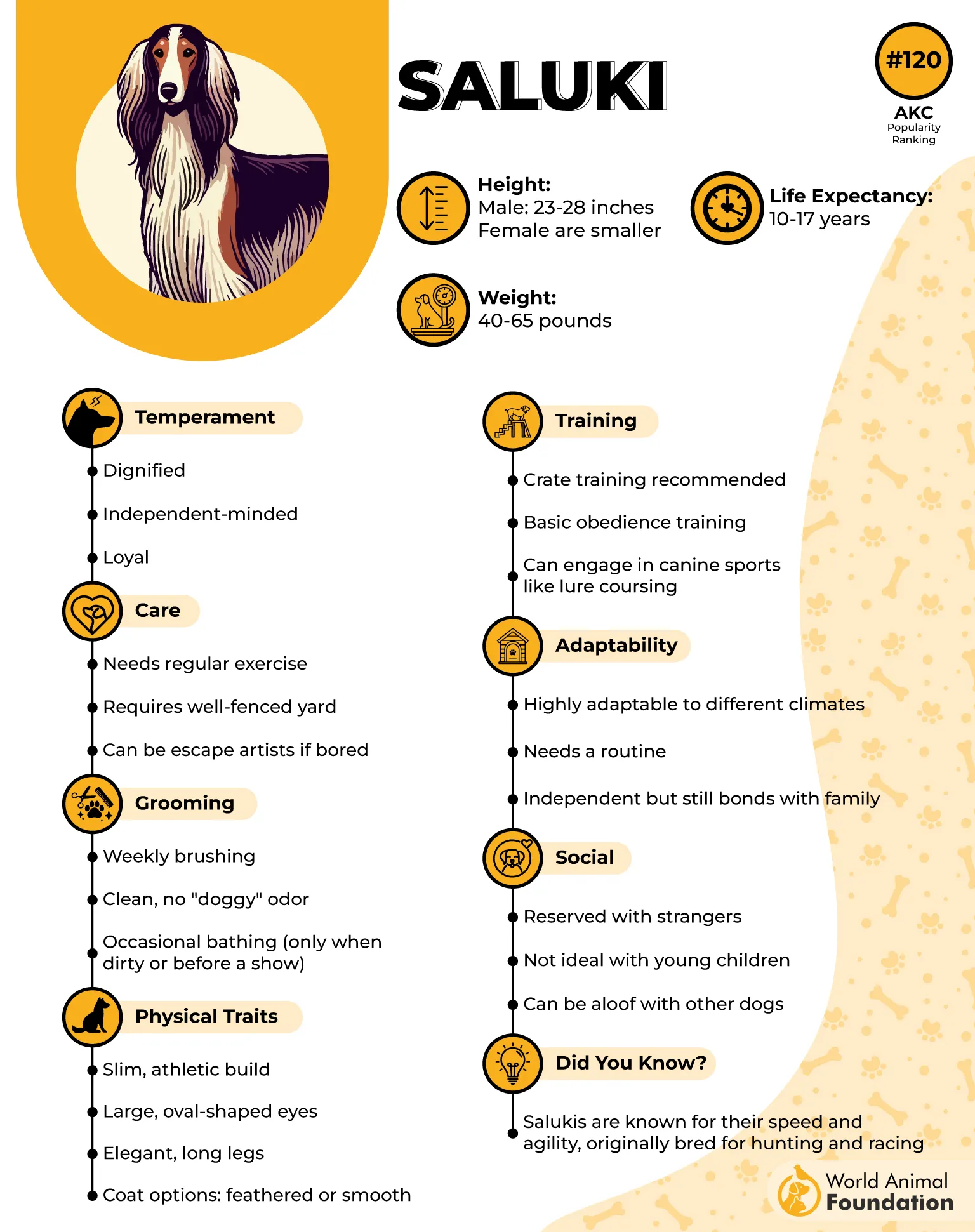
While loyal to its family, it often forms the strongest connection with one human companion. Its calm temperament shines at home, but regular physical exercise remains essential to keep both body and mind satisfied. These timeless traits continue to make the Saluki a respected working breed.
What Makes the Saluki Unique?
Developed to work across harsh desert terrain where stamina mattered as much as speed.
Available in both smooth and feathered coat varieties with many beautiful colors and patterns.
Can maintain a steady pursuit across open terrain when fleeing game keeps moving ahead.
Can live peacefully as a family dog when introduced carefully to kids and other animals.
Enjoys activities like chasing balls, lure coursing, and long runs in secure areas.
Best suited for experienced owners who appreciate its independent nature and athletic abilities.
4. Weimaraner
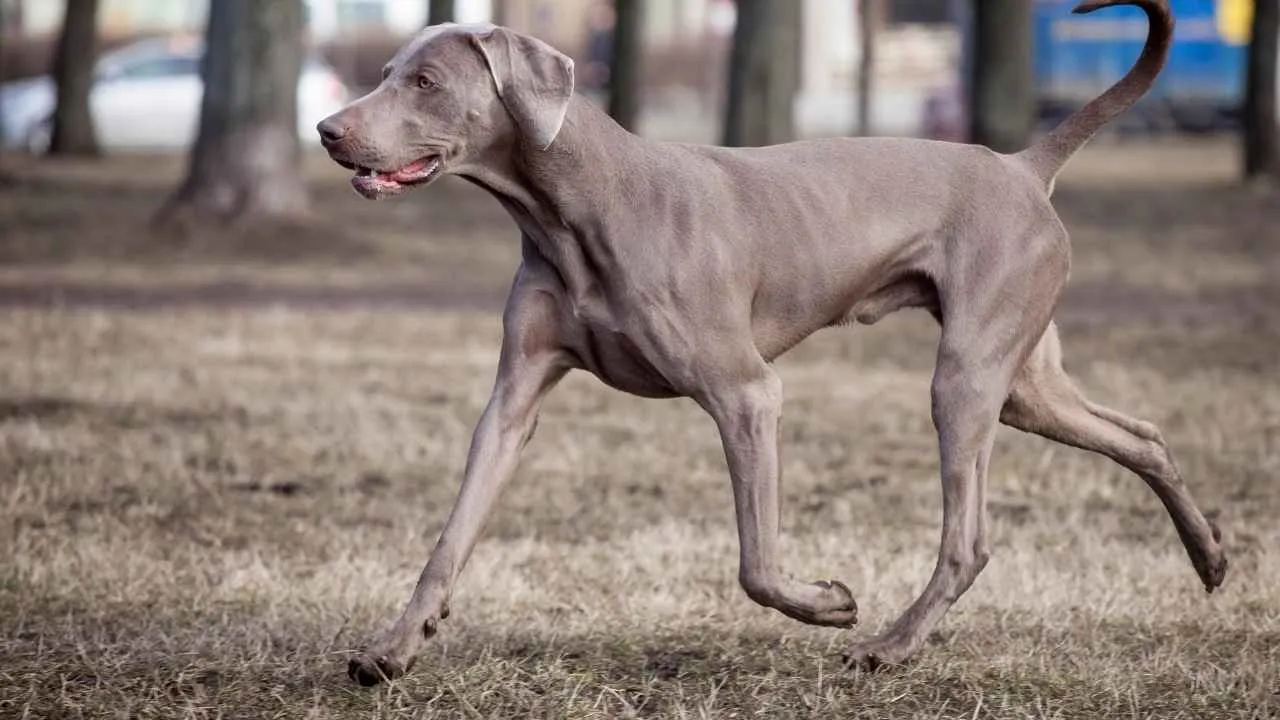
The Weimaraner was developed in Germany to pursue deer, wild boar, and other game with confidence and skill. Unlike pure sighthounds, it can combine speed with tracking and pointing skills, helping hunters locate and follow game before the chase begins.
Its nickname, the “Gray Ghost,” reflects both its sleek silver coat and swift movement through the field. This large breed combines speed, endurance, tracking ability, and sharp intelligence, making it a versatile partner during demanding hunts.
Its endurance helps it stay active through extended pursuits rather than relying only on a short burst of speed. According to Purina, Weimaraners are highly alert, trainable, and obedient, with a loving nature that suits active family life.
Their good-natured personality helps them build strong bonds with every human family member, especially children, when raised with proper guidance. Both male dogs and females are eager to stay involved in daily activities, so they thrive with owners who enjoy an active lifestyle.
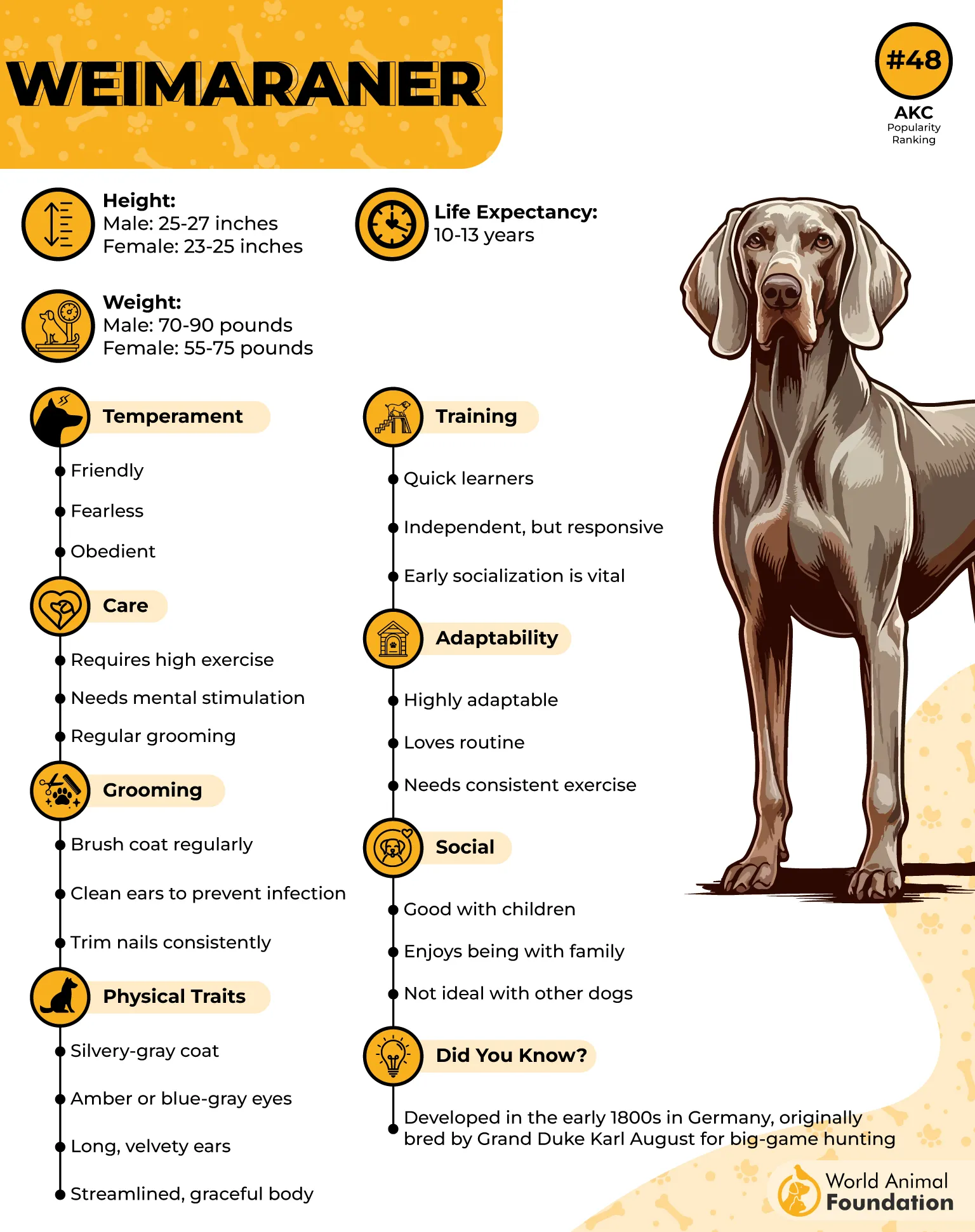
Although modern Weimaraners excel as companions, they still carry the focus and determination that once helped hunters locate and point toward game. Their ancestry traces back through wolves, like all domestic dogs, but selective breeding has shaped the loyal and affectionate companions we know today.
Why the Weimaraner Stands Out
Makes an excellent choice for a dog owner who enjoys hiking, running, or outdoor adventures.
Can use its tracking ability to help locate game before pursuing it across open terrain.
Learns new tasks quickly because of its intelligence and eagerness to work.
Needs daily physical and mental challenges to stay happy and avoid boredom.
Known for desirable traits such as loyalty, confidence, and adaptability.
Often ranks among the best dogs for active families who can match its energy level.
5. Sloughi
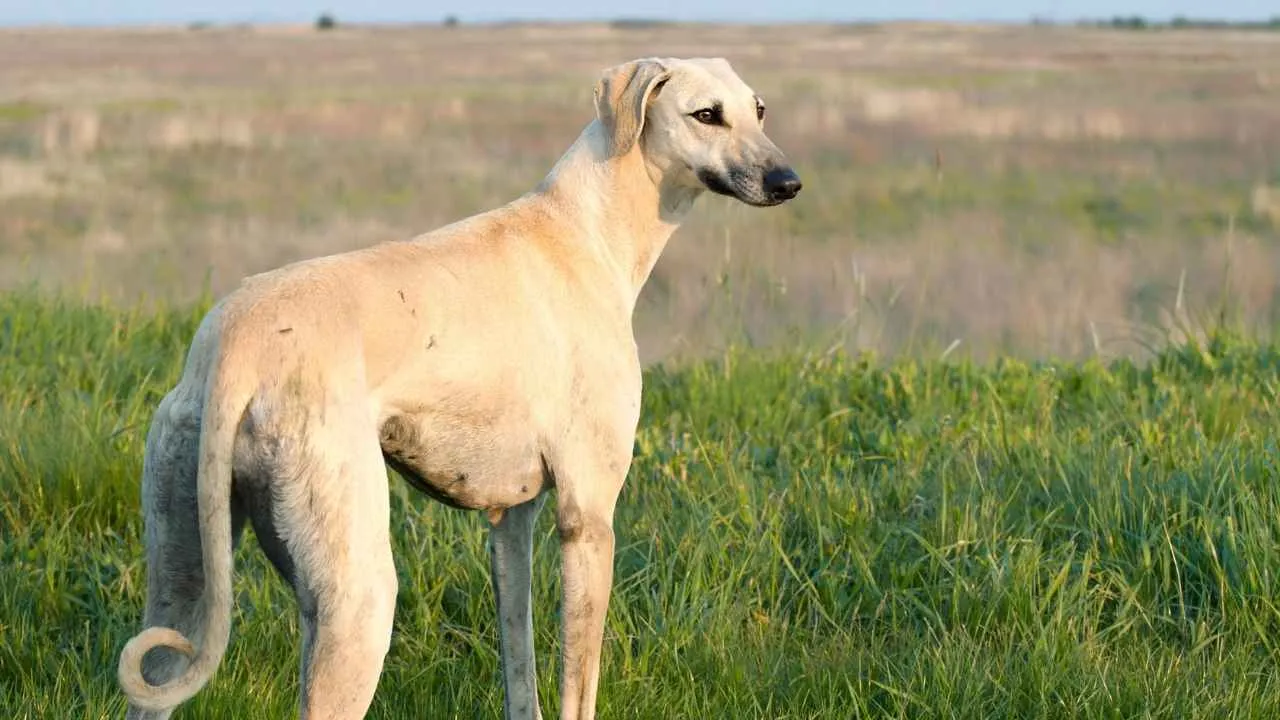
The Sloughi is a graceful hunter that combines quiet confidence with remarkable efficiency in the field. According to PetMD, this ancient breed originated in North Africa and is often compared to a cheetah because of its natural agility and speed.
Its lean build and quick reflexes helped it chase fast-moving game across wide, open desert terrain, where sudden changes in direction demanded precise movement.
Nicknamed the “Arabian Greyhound,” the Sloughi uses its sharp eyesight to pursue game across dry deserts instead of relying on scent. Today, it remains a rare dog breed in the United States, making it a unique choice among dogs, including traditional hunting companions.
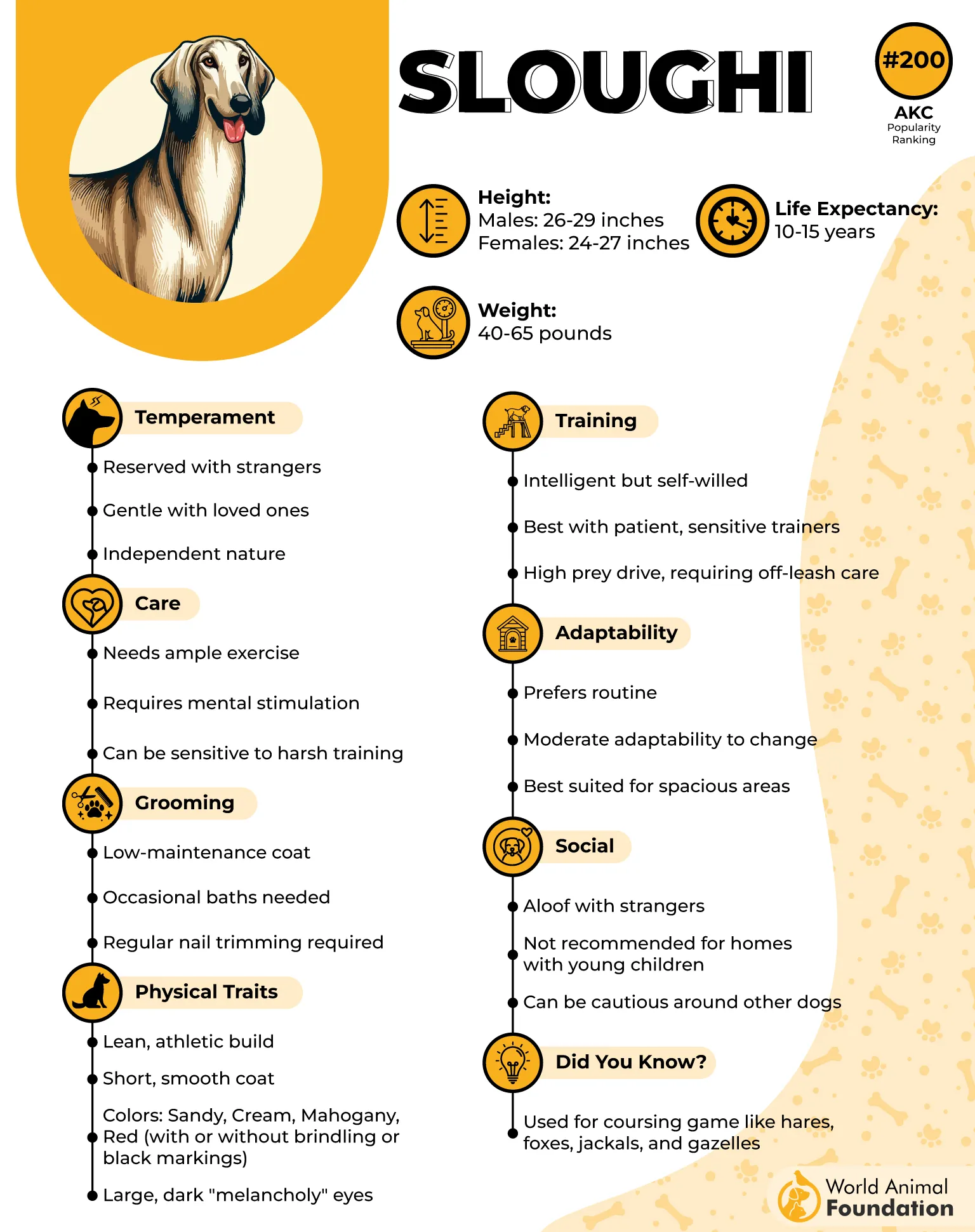
Despite its reserved nature around unfamiliar people, the Sloughi forms deep bonds with each human family member and shows a gentle side with loved ones. This breed has a short coat that needs only simple grooming, making maintenance easy for most owners.
While every puppy needs patient guidance, the Sloughi grows into a loyal companion whose ancestry, like all domestic dogs, traces back to wolves.
Why the Sloughi Is Special
Thrives in warm climates thanks to its history in harsh desert environments.
Naturally calm indoors after receiving enough daily activity.
Can live with pets when introduced carefully from an early age.
Usually does well with respectful kids who understand gentle handling.
Its alert nature provides the added benefit of noticing unfamiliar activity, though it is not primarily bred for guarding.
Enjoys interactive play and secure spaces where it can safely stretch its long stride.
6. Ibizan Hound
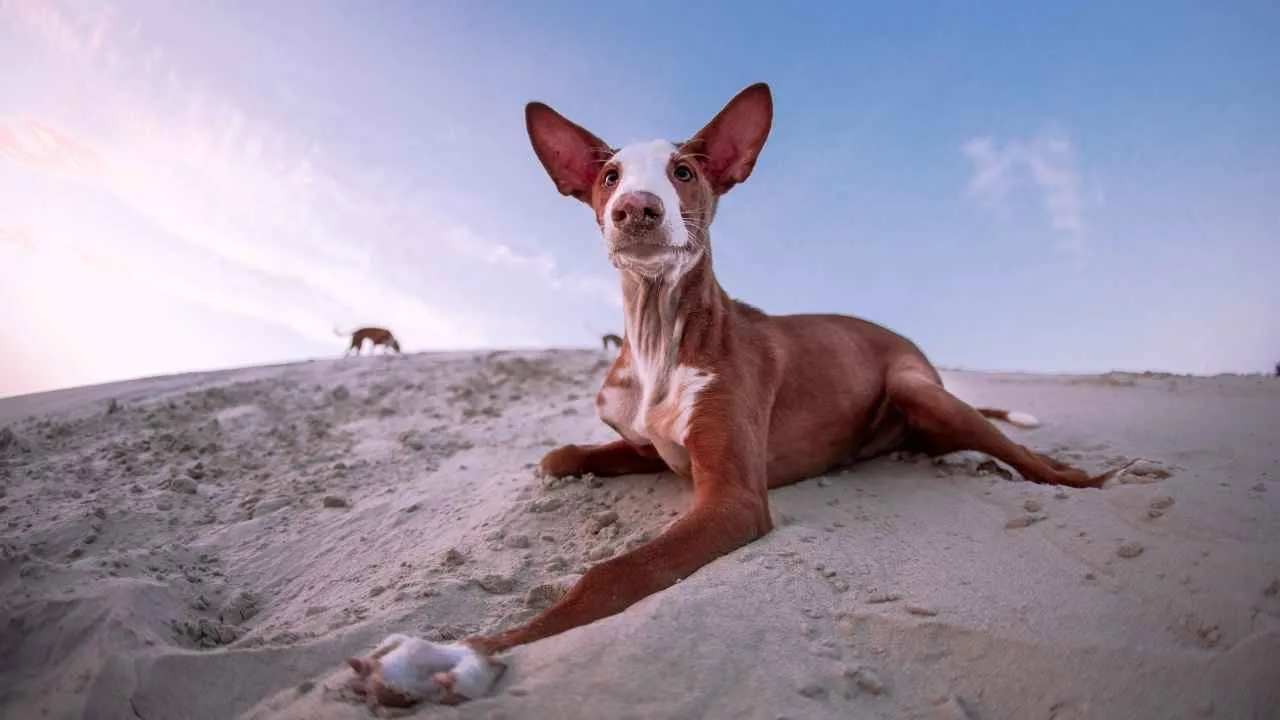
The Ibizan Hound is an elegant hunter known for its remarkable agility and effortless jumping ability. Originating in the Mediterranean region, this domesticated dog was developed to pursue fast-moving game across rocky landscapes where quick reflexes mattered most.
Unlike pack hounds that depend on teamwork, the Ibizan Hound uses excellent eyesight and swift movement to locate and chase prey. Its tall frame, upright ears, and long tail help create the balance needed for sharp turns and powerful leaps.
The breed comes in both smooth and wire coat varieties, each requiring only moderate grooming. According to Wikipedia, Ibizan Hounds are generally quiet but will bark when necessary, making them reliable watchdogs.
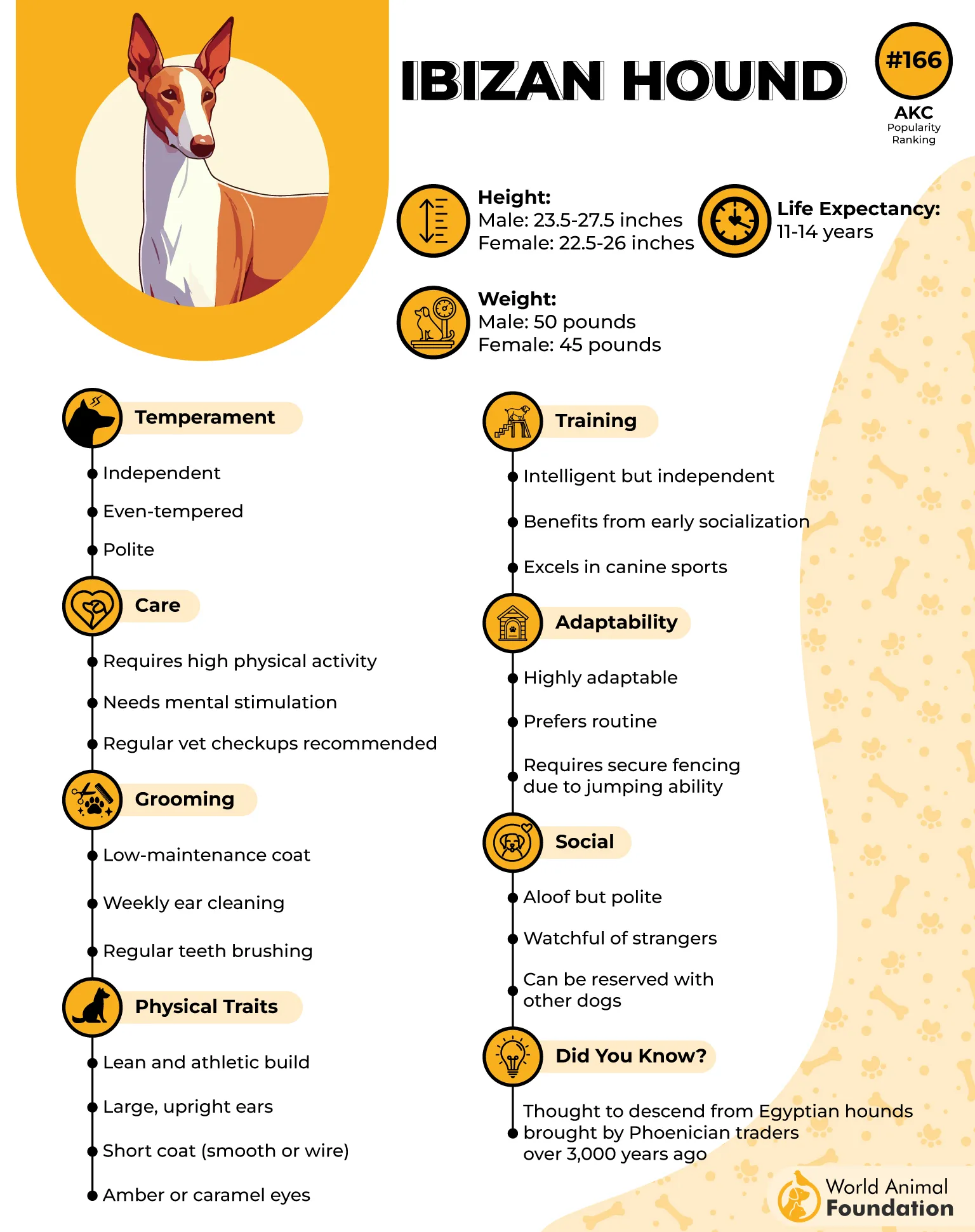
Like all modern dogs, this breed belongs to Canis familiaris and shares ancient ancestry with the gray wolf. Although generally healthy, responsible breeding helps lower the health risk of inherited conditions. Its gentle nature also allows it to build strong bonds with every human family member.
Why the Ibizan Hound Is Worth Considering
Excels at clearing obstacles with impressive jumping skills.
Often becomes a popular pet for active owners who enjoy outdoor adventures.
Usually gets along well with respectful kids through positive interactions.
May learn to live peacefully with cats when introduced from an early age.
Its alert personality can lead to quick responses when something unusual happens.
Combines athletic ability with calm behavior, making it both an active partner and a relaxed companion at home.
7. Borzoi
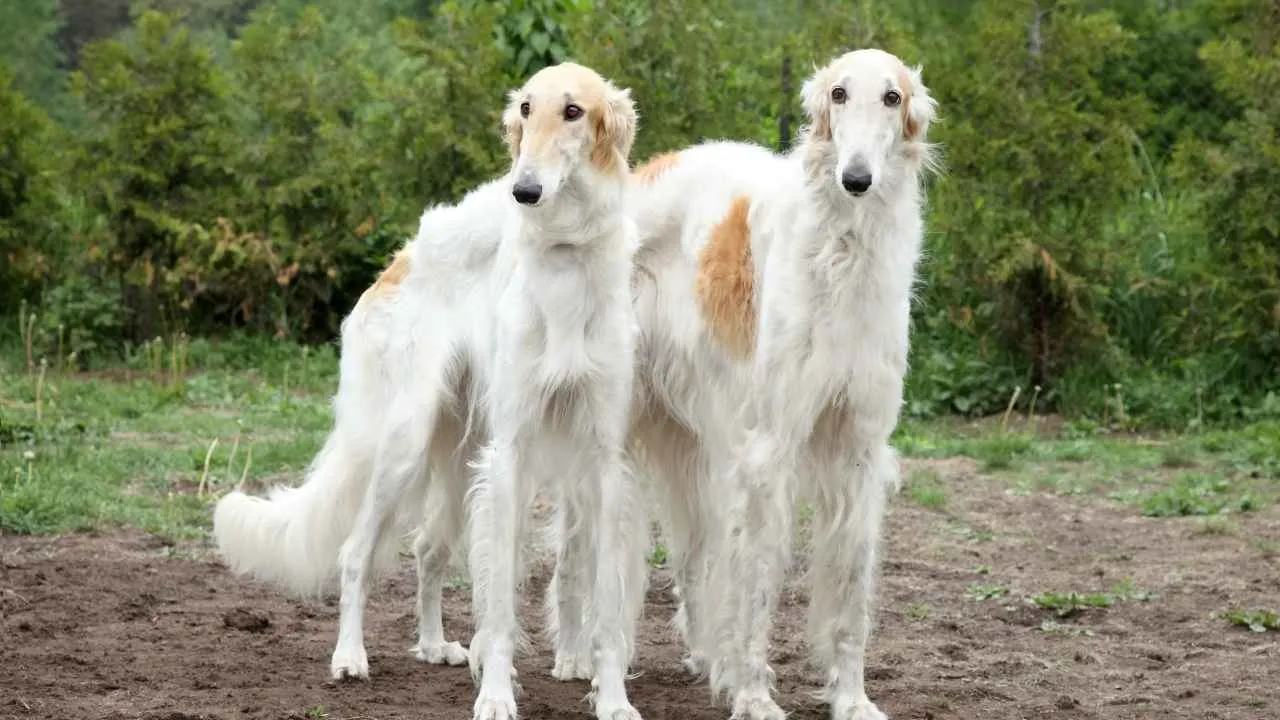
The Borzoi carries a proud Russian heritage that dates back hundreds of years. According to Britannica, this graceful hound was developed in Russia to pursue the wolf across vast open landscapes.
Its ancestry combines the Arabian Greyhound with a Collie-like Russian sheepdog, creating a fast and elegant hunter with a superior stride. Unlike many hunting breeds, the Borzoi relies on its sharp sense of sight to locate moving game before beginning a powerful chase.
Although this impressive animal once accompanied Russian nobility on hunting expeditions, it is now admired as a calm companion. Its gentle temperament allows it to form close relationships with humans, though it still appreciates room to stretch its long legs.
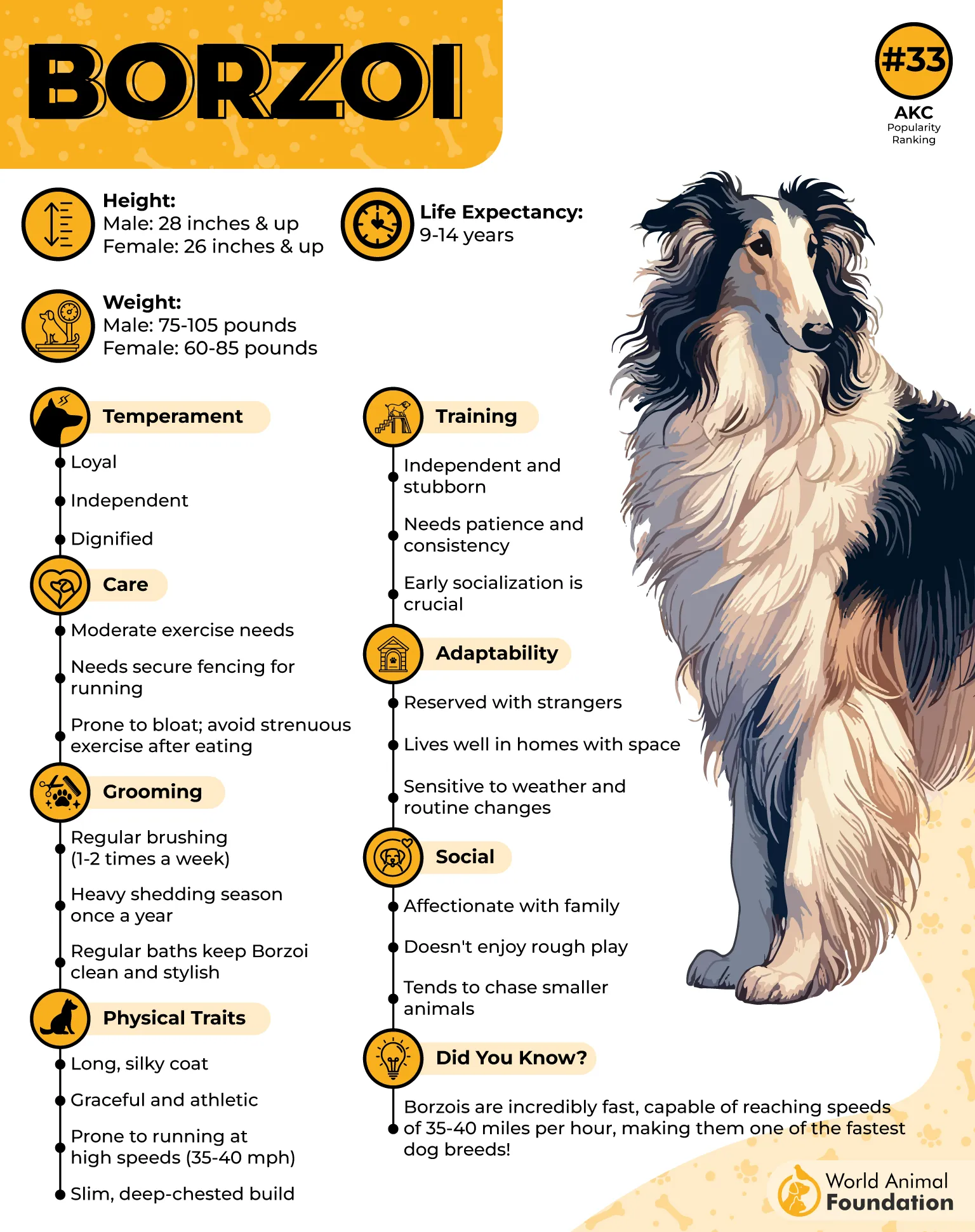
With patient guidance, a Borzoi can become a loyal pet companion for the right person. Like many intelligent breeds, it responds best when trained with consistency and respect, allowing its natural traits to shine.
Why the Borzoi Remains Remarkable
Once worked alongside Russian hunters across wide countryside rather than in herding roles.
Needs secure outdoor space to move comfortably because of its long stride.
Puppies benefit from positive guidance during the first six months of life.
Serves as an excellent example of how selective breeding shaped specialized hunting dogs.
Naturally observant without being overly noisy around visitors.
Blends athletic ability with a relaxed indoor nature when its daily activity needs are met.
Conclusion
In the end, certain dog breeds stand out because each one brings unique strengths to the field. While speed is impressive, it is only one part of what makes a great hunting companion.
Some rely on a superior sense of sight, while others depend on endurance, instinct, or determination. That is why certain breeds fit different owners and lifestyles. Most dogs thrive when they receive proper care, regular exercise, and attention to their health.
If you are comparing two dogs, look beyond appearance and think about energy level, instincts, and daily needs. A hunting breed can become your best friend when its abilities match your expectations and routine.
