




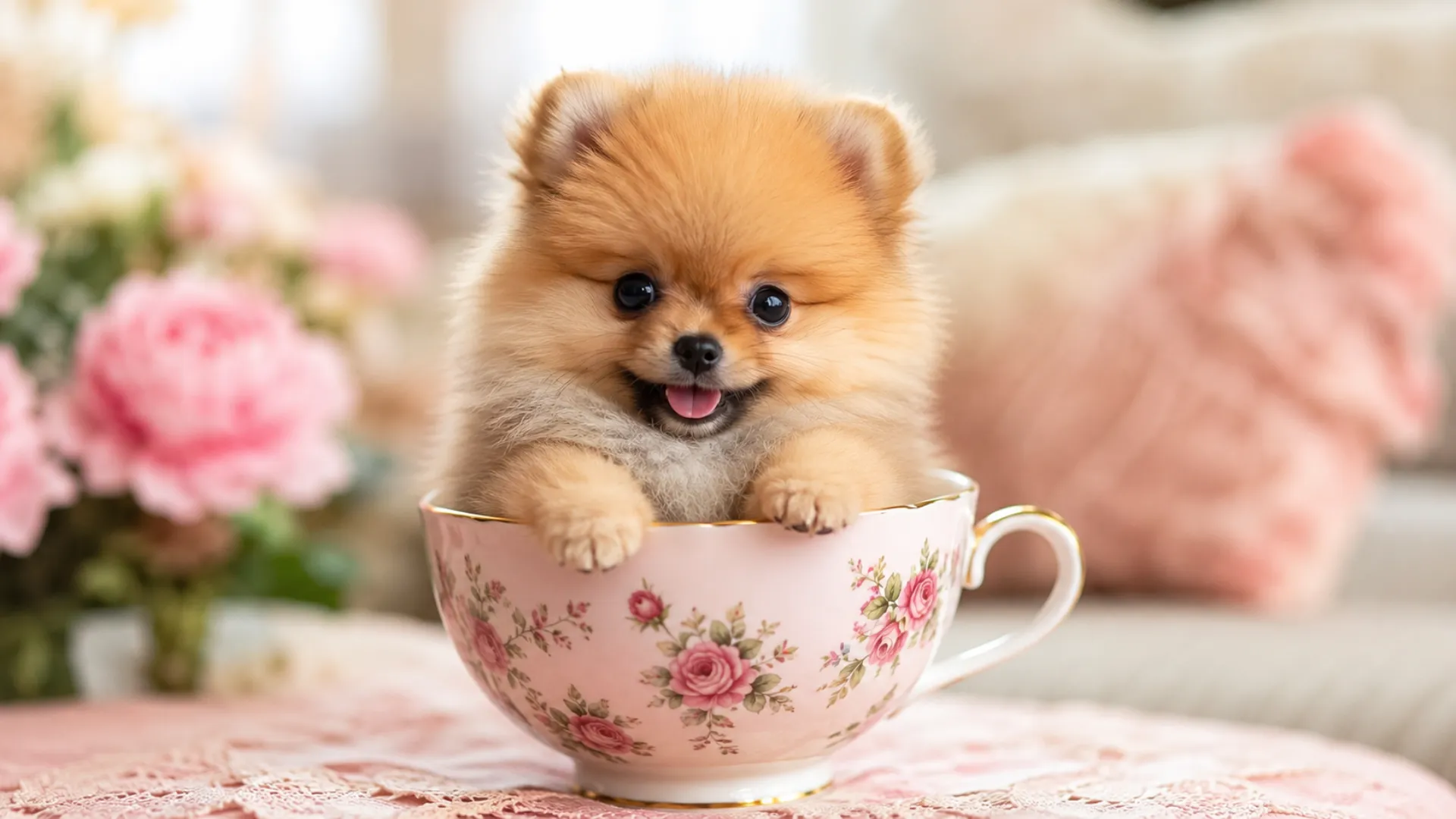
Tiny dogs may occupy about one cushion, half a laundry basket, or the warmest spot on your lap, but their emotional presence can fill an entire home. These portable companions bring affection, comedy, confidence, and occasionally the attitude of a dog five times their size. Basically, somebody compressed a complete canine personality into travel-friendly packaging.
Before we meet the miniature stars, we need to clear up the phrase “teacup dog.” Major kennel organizations do not recognize “teacup” as a separate breed or an official size category, and the term is commonly used to market dogs bred to be smaller than their established breed standards.
Let’s talk about the best teacup puppies loved by pet parents.
Tiny Teacup Dog Breeds: Size Doesn’t Equal Less Love
1. Shih Tzu
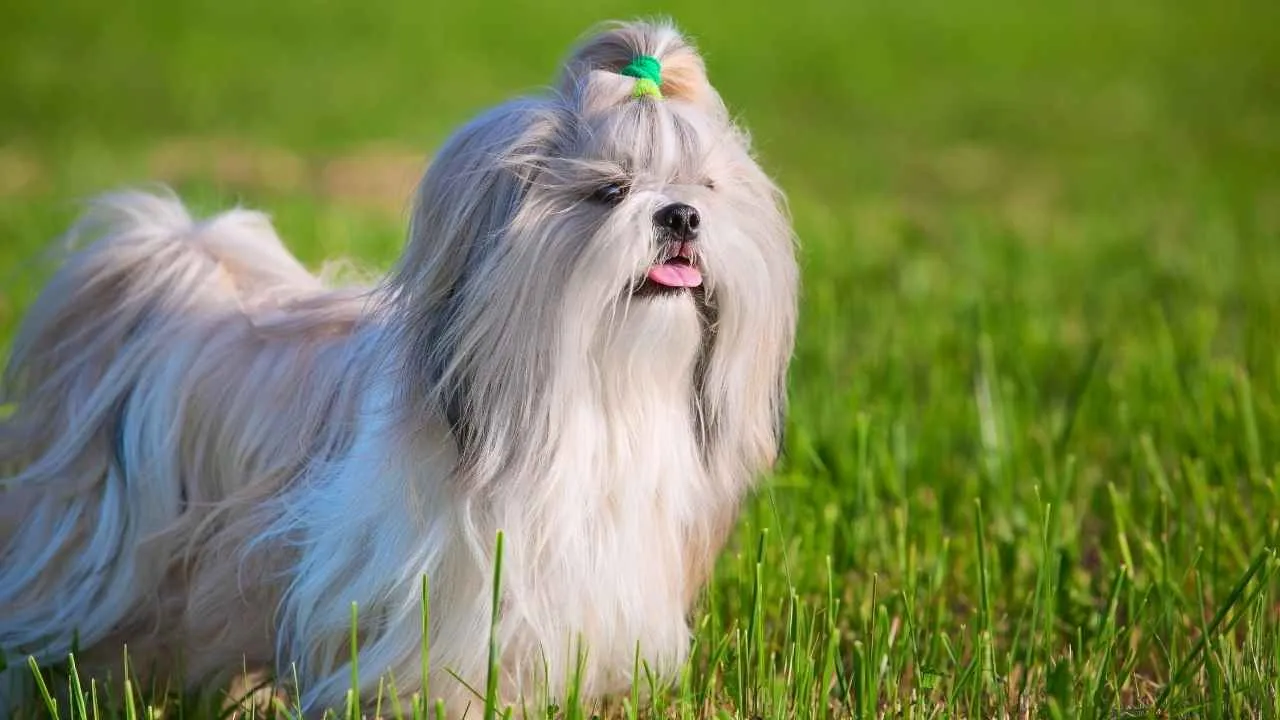
The Shih Tzu is a small companion breed developed around Chinese imperial courts, where these glamorous “lion dogs” served as palace pets and lap warmers. They were bred primarily for companionship, so many are happiest when positioned close enough to monitor your snacks and personal decisions.
They can enjoy short walks, supervised exploration, indoor games, and training sessions without requiring an enormous exercise area. That manageable scale is especially convenient in cities, smaller houses, retirement communities, and homes where every square foot already has a job.
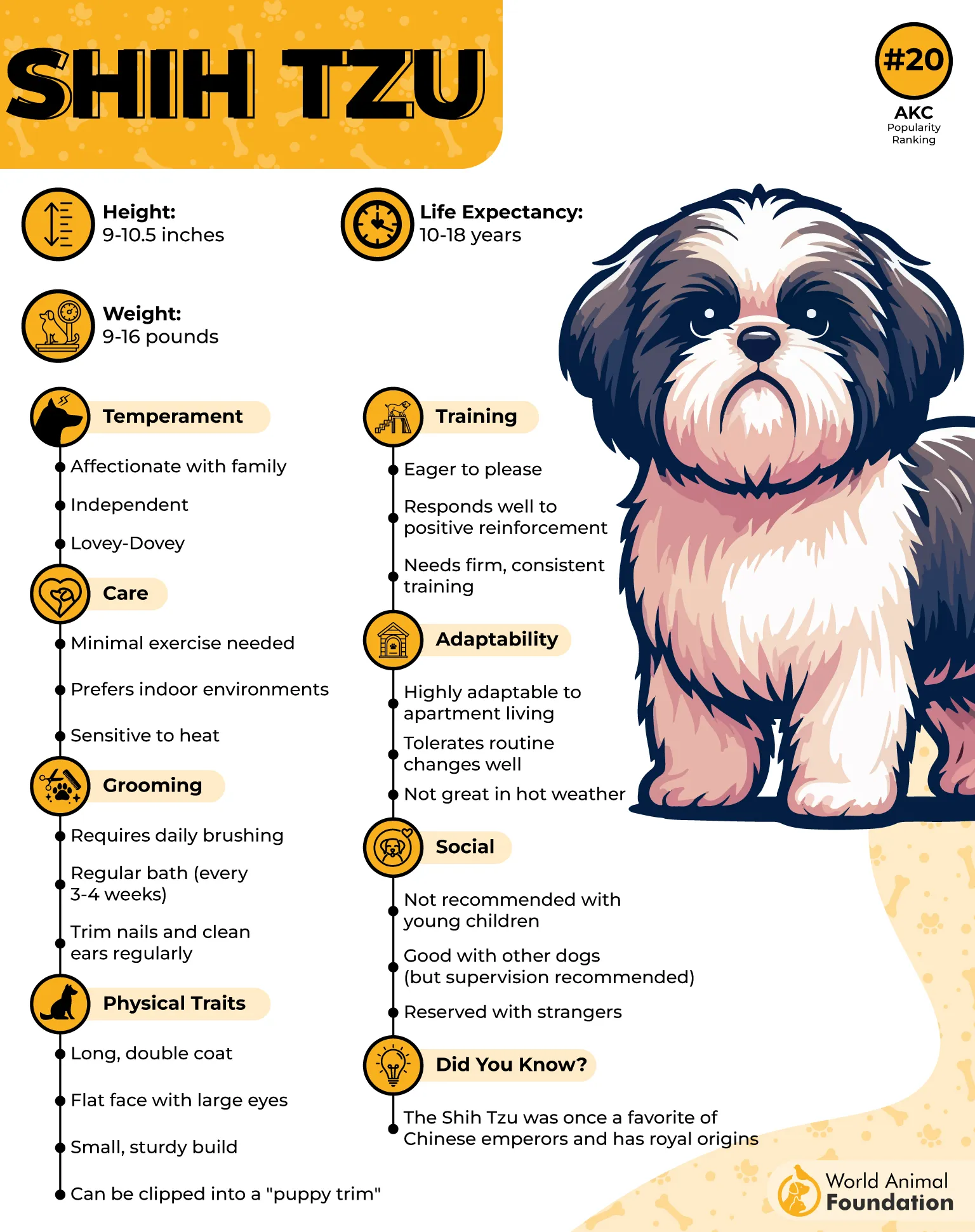
The breed’s modest exercise requirements can suit less athletic owners, but these dogs still benefit from daily movement and mental stimulation. Food puzzles, hide-and-seek, trick training, and several brief walks can deliver plenty of activity without turning the day into an endurance event.
That flowing coat brings undeniable main-character glamour, although it also demands brushing, bathing, trimming, and regular professional attention. Keeping the coat in a practical puppy cut can simplify maintenance while preserving the breed’s signature adorable expression.
2. Pug
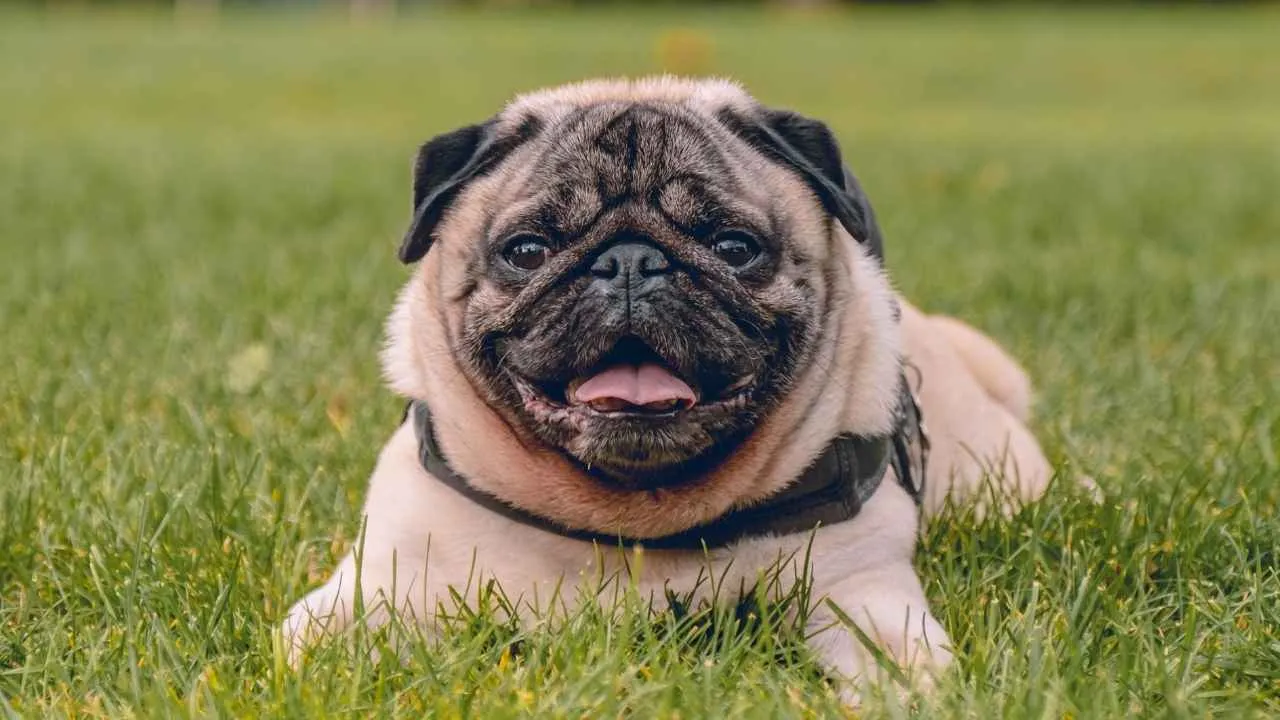
Pugs have been charming humans for roughly 2,000 years, beginning as treasured companions in ancient China and later becoming favorites of European royalty.
Unlike ultra-delicate toy dogs, a healthy Pug usually feels compact, muscular, and surprisingly substantial when picked up. That sturdy smallness offers the convenience of an apartment-sized pet without making every sofa cushion seem like a dangerous mountain range.

A Pug’s greatest benefit may be the amount of companionship delivered per square inch. These sociable comedians usually enjoy participating in household life, whether that means greeting visitors, supervising dinner, or snoring through the most dramatic part of a movie.
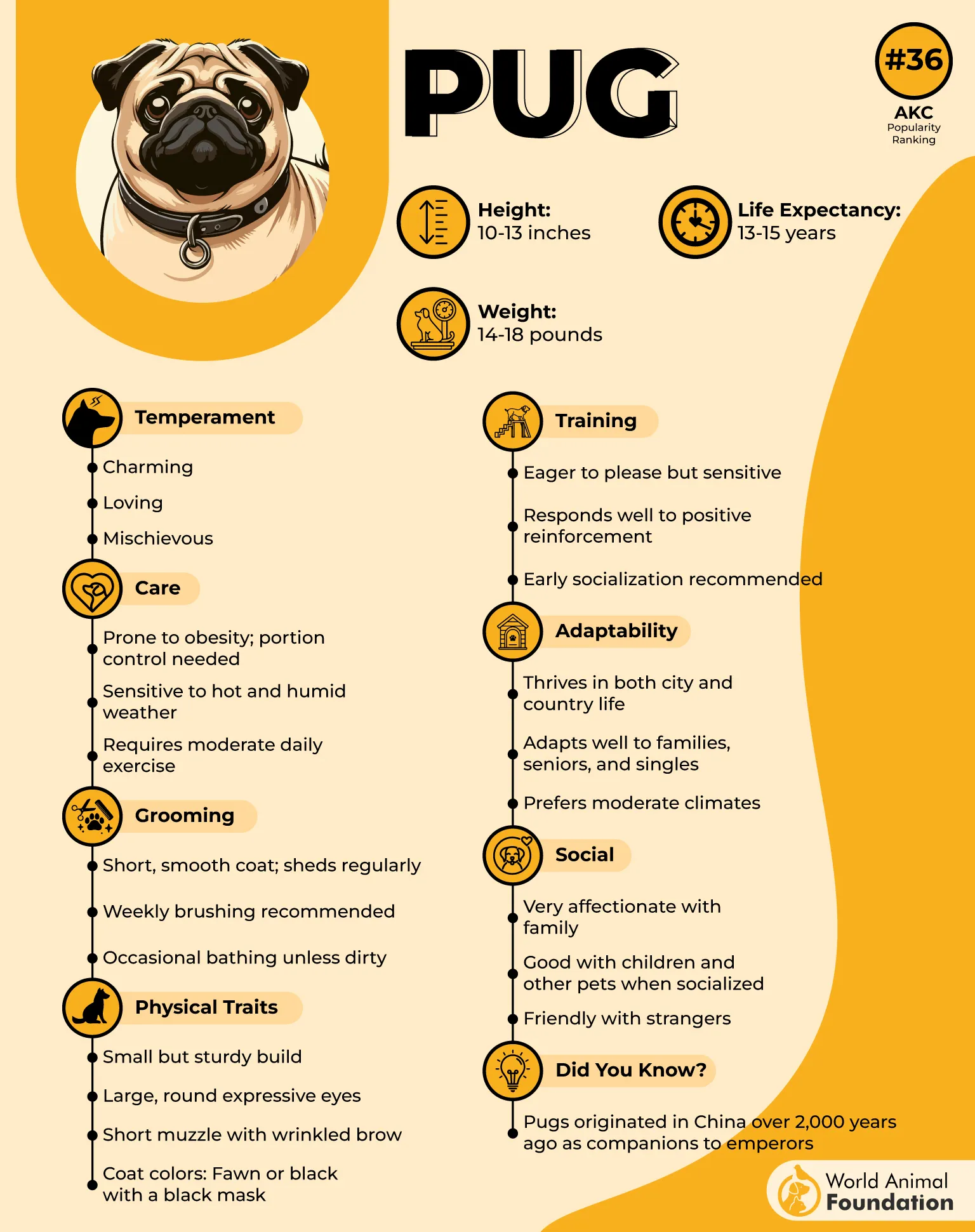
Daily exercise is important because people enjoy food and can gain excess weight when their main activity becomes testing the sofa professionally. Moderate walks and controlled play sessions can help maintain fitness, but intense activity should be avoided in warm or humid weather.
3. Yorkshire Terrier
The Yorkshire Terrier has a silky coat and lives the spirit of a working terrier whose ancestors hunted rats in English mines and textile mills. The modern Yorkie may wear a bow, but mentally it is still clocking in for pest-control duty and requesting access to management.
Yorkies are particularly well-suited to urban living because their exercise and play can be split between outdoor walks and indoor activities. Their tiny footprint leaves more room for human furniture, work-from-home equipment, and the seventeen toys they will somehow scatter across the floor.
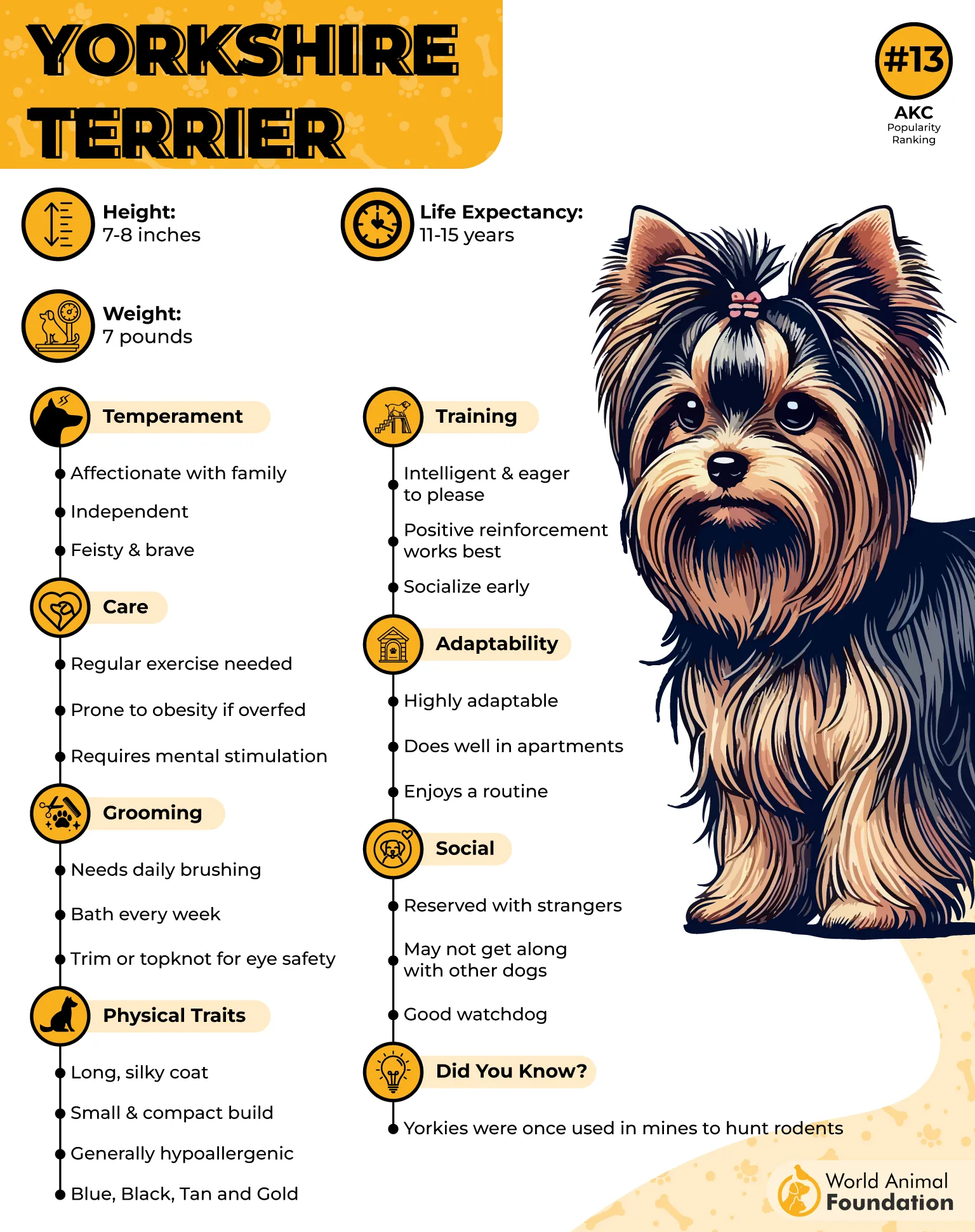
An adult Yorkie is relatively easy to carry through crowded places, lift into a vehicle, or move quickly during an emergency. That portability can also help owners with limited upper-body strength who still want an active, expressive canine companion.
Their fine coat resembles human hair and continues growing, creating a glamorous look with relatively little loose fur compared with many shedding breeds. Royal Kennel Club says that the dog may be miniature, but brushing, bathing, ear care, dental hygiene, and regular trims still need a permanent spot on the calendar.
4. Papillon
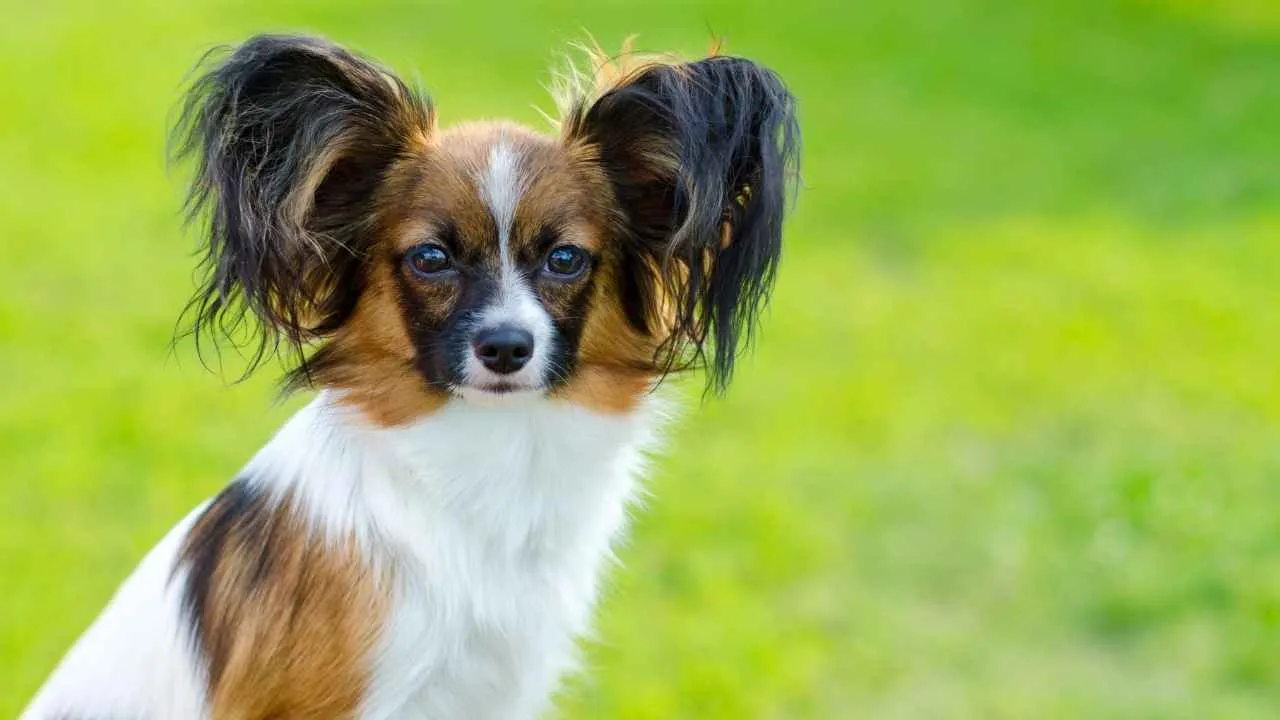
A Papillon offers one of the most exciting benefits of small-dog ownership: serious athletic ability in a highly manageable package. They can participate in obedience, agility, tricks, and other dog sports while remaining light enough for owners to lift and transport comfortably.
Their energetic nature does not necessarily require a large property, as training games and indoor exercises can expend considerable mental energy. A hallway recall game, miniature obstacle course, or search for hidden treats can turn a modest home into Papillon headquarters.
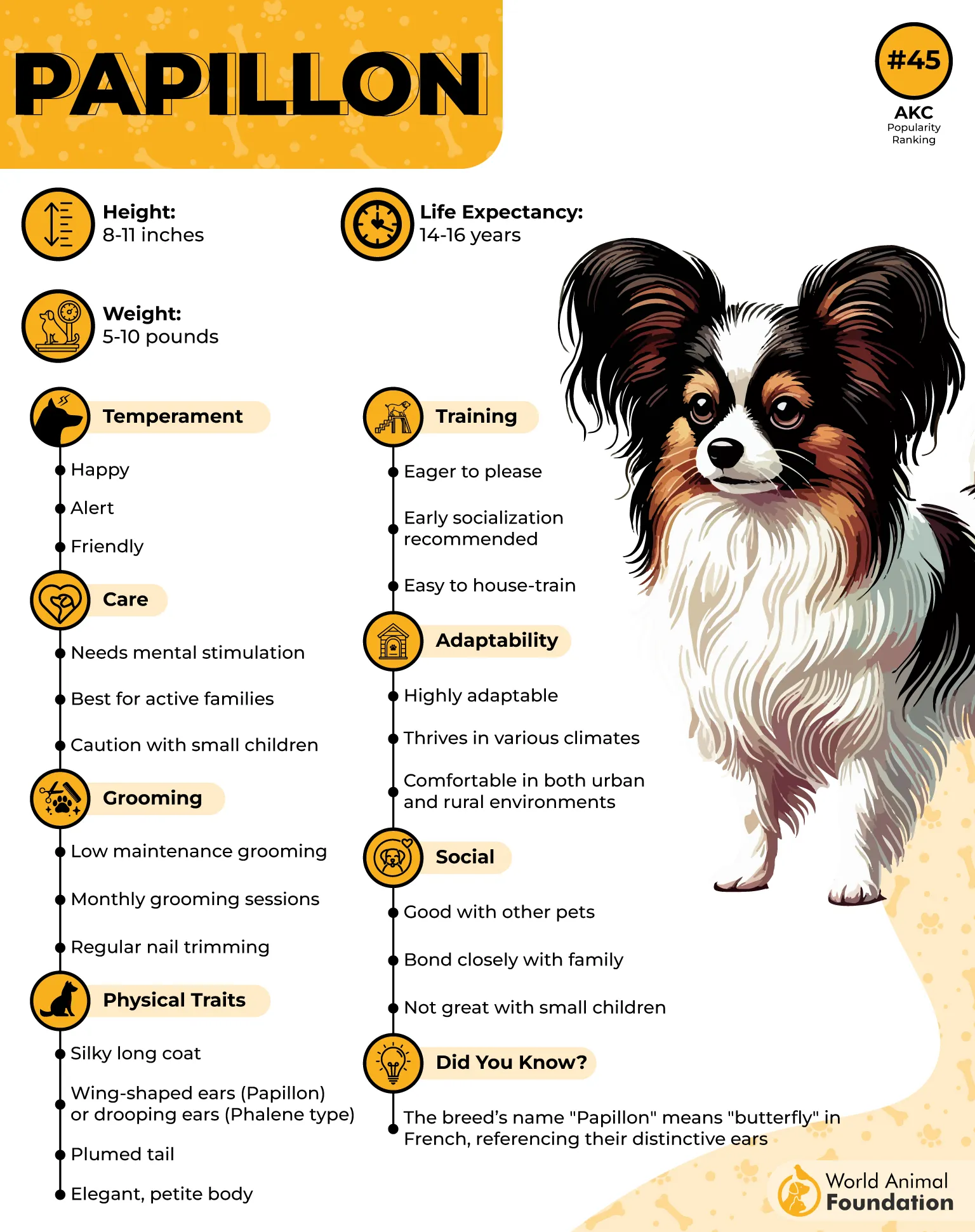
Purina also claims that a flowing coat does not always equal a grooming crisis. Breed enthusiasts describe their appearance as “sensible glamor,” and, when brushed consistently, the coat is generally easier to manage than its elegant fringes suggest.
Socially, Papillons are commonly described as happy, alert, curious, and friendly dogs that enjoy being included in everyday life. Their tiny bodies allow them to accompany owners in more situations, provided the environment is safe and local rules permit dogs.
5. Pomeranian
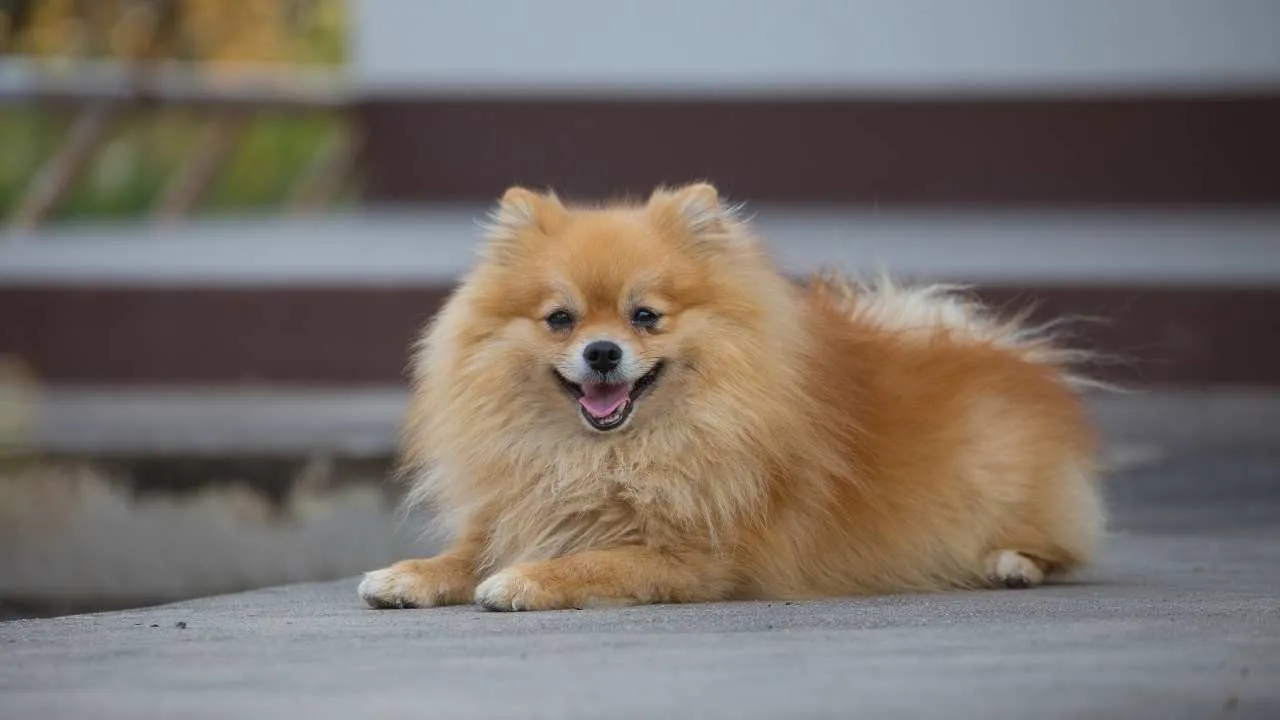
Pomeranians are among the smallest established companion breeds. Despite their dimensions, Poms are known for lively, inquisitive, bold personalities rather than quiet background energy.
That extremely compact body can work beautifully in apartments, condos, and homes where a large dog would overwhelm the available space. Short walks, indoor play, trick sessions, and interactive toys can satisfy much of their daily activity when combined thoughtfully.
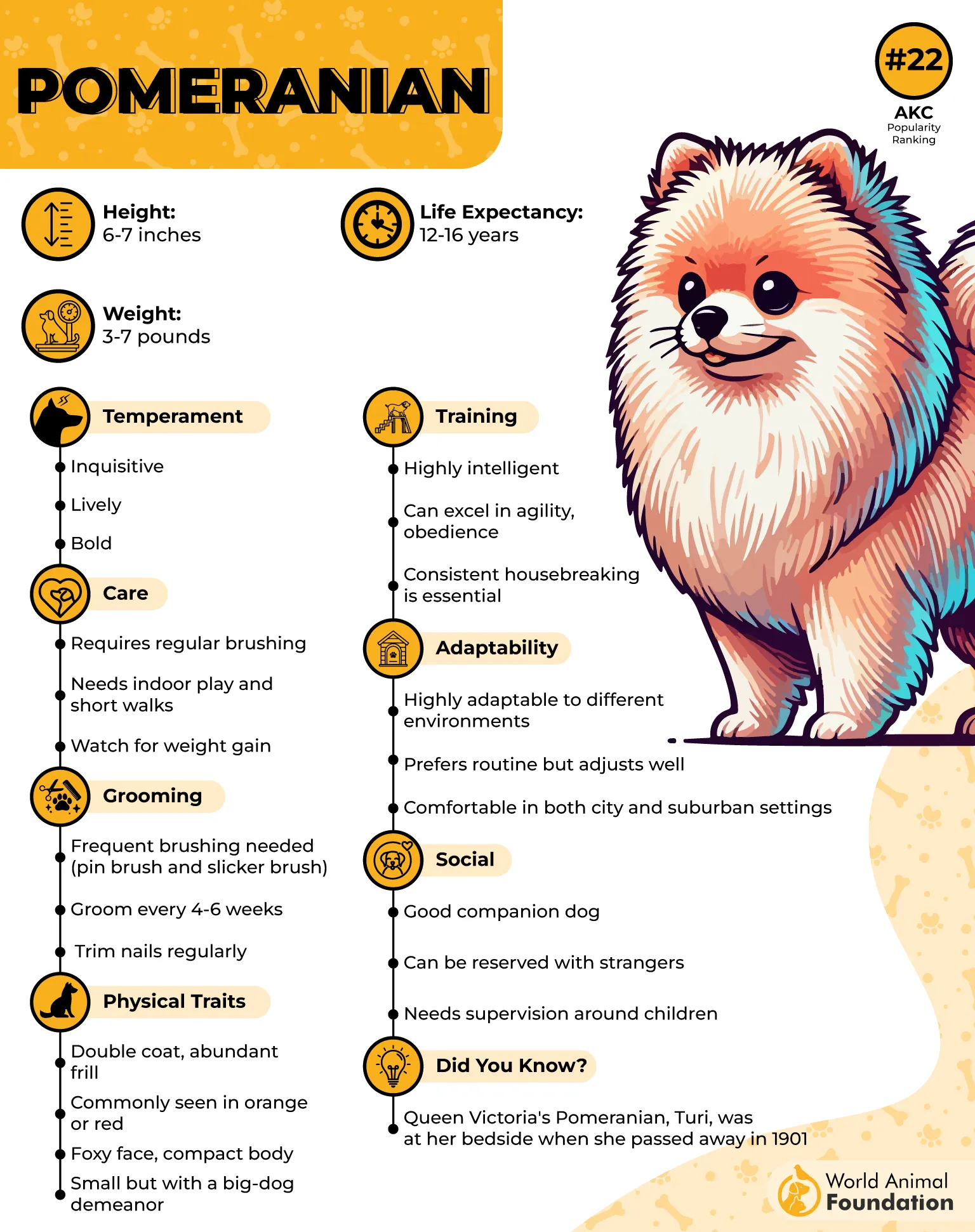
Portability is another major win because most healthy adults can be lifted easily when crowded pavements, stairs, or larger, uncontrolled animals pose a risk. Their size also makes it easier to secure carriers in a vehicle and transport the dog during emergencies.
Poms bring an abundant double coat that needs frequent brushing to prevent tangles and remove the loose undercoat. The breed’s grooming requirements are not tiny, but the amount of dog being brushed certainly is, making a full session easier to conduct on a table or lap.
Hill’s Pet says that their bright minds can handle obedience, tricks, rally, agility, and even therapy work when training stays patient and positive.
6. Toy Poodle
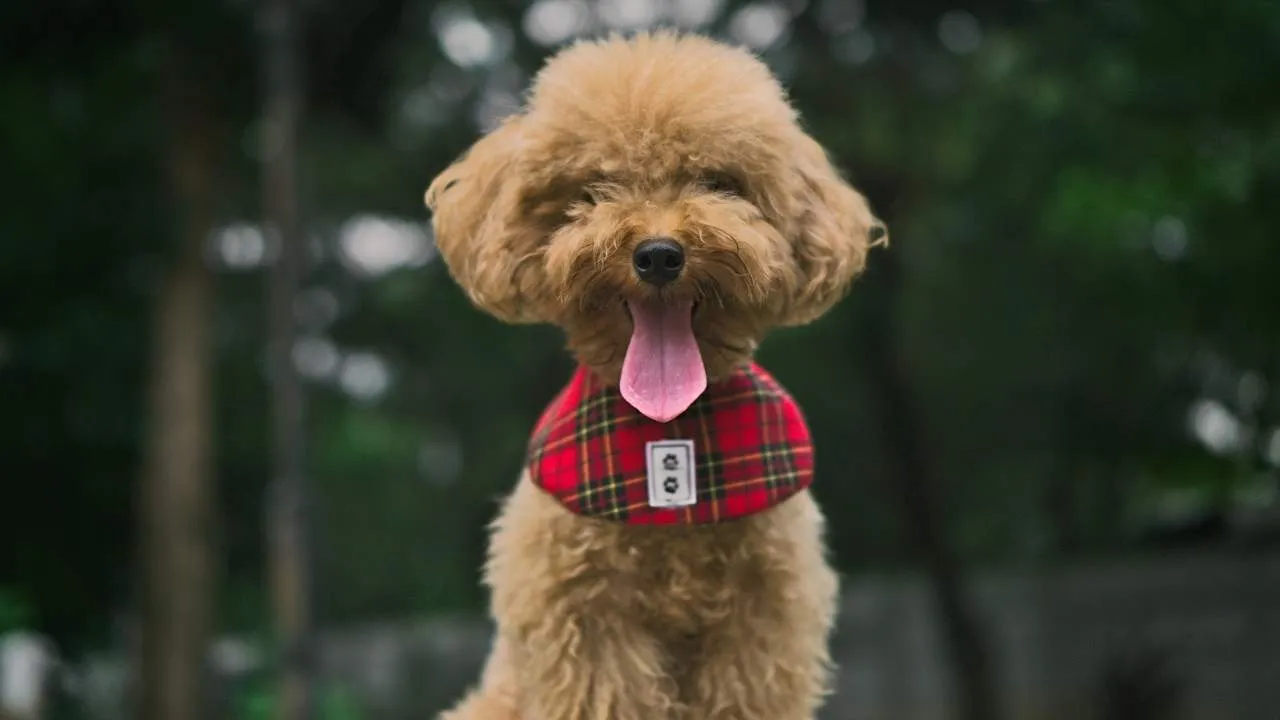
Toy Poodles were developed as compact companions suited to city life, and their size remains a major advantage for modern urban households. They can exercise through brisk walks, retrieving games, trick training, and indoor training without needing a large garden.
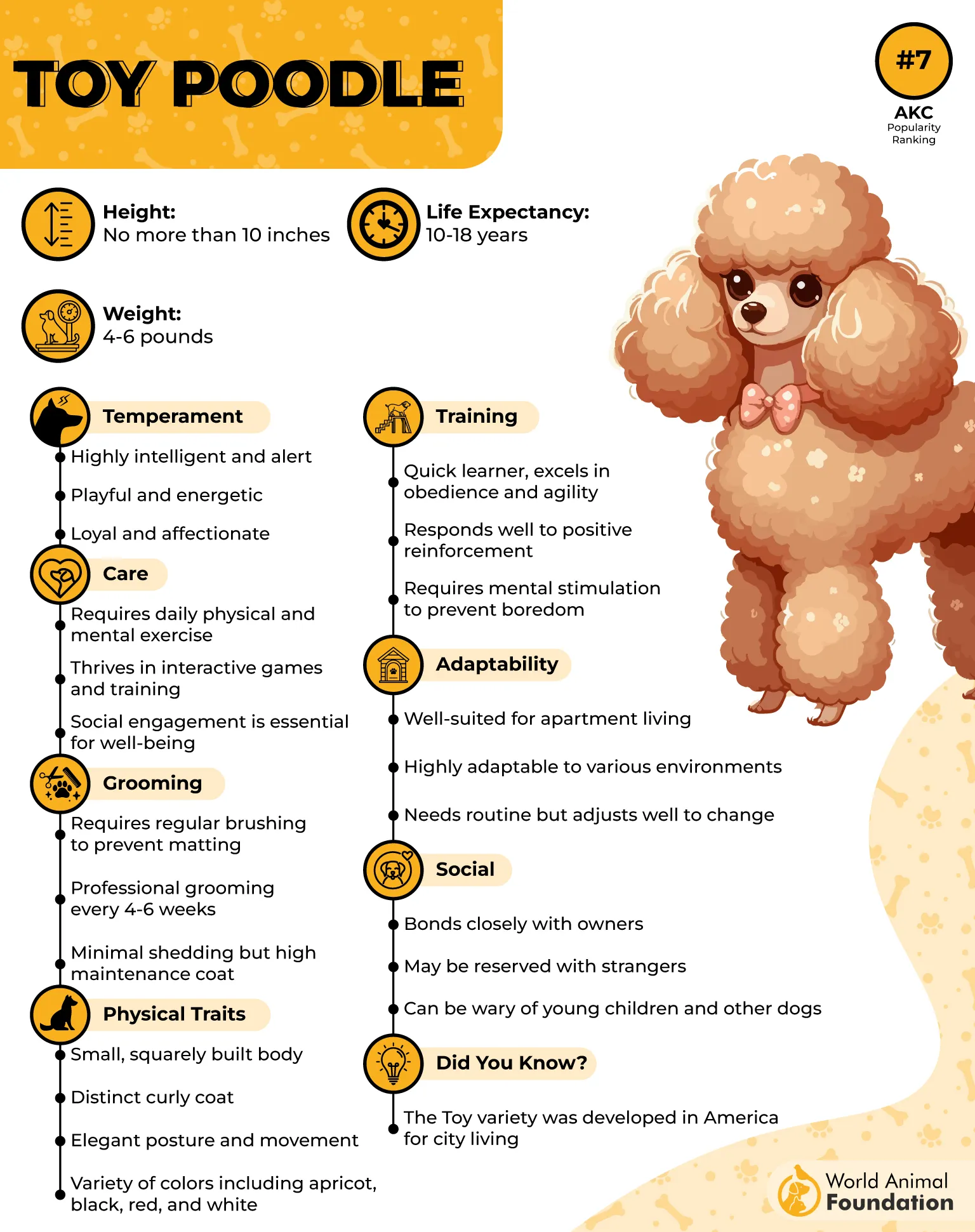
Their trainability makes them especially appealing to people who want a little companion capable of doing more than looking adorable in photographs. Toy Poodles can learn household manners, complex tricks, obedience routines, and modified dog-sport skills with impressive speed.
Their low-shedding coats shed minimally, which can reduce the amount of loose hair left on clothing and furniture, although no dog is guaranteed to be completely allergy-proof. That coat keeps growing and requires brushing, clipping, and professional grooming unless the owner learns to maintain it safely at home.
7. Maltese
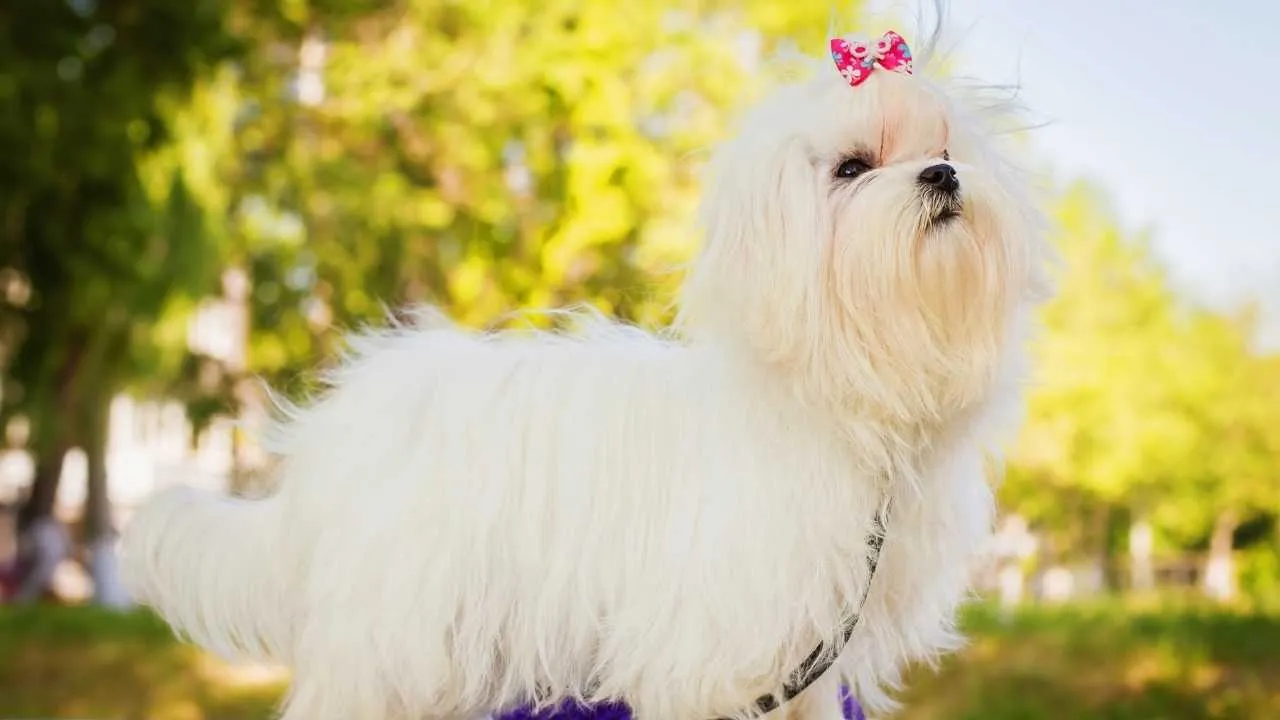
The Maltese is an ancient companion breed whose history is connected with Mediterranean trade, aristocratic households, and centuries of lap-dog luxury.
The compact size makes this small dog breed highly adaptable to apartments, smaller homes, and households without expansive outdoor areas. It still needs walks, play, and training, but a lively indoor game can accomplish far more for the Maltese than it would for a giant working breed.
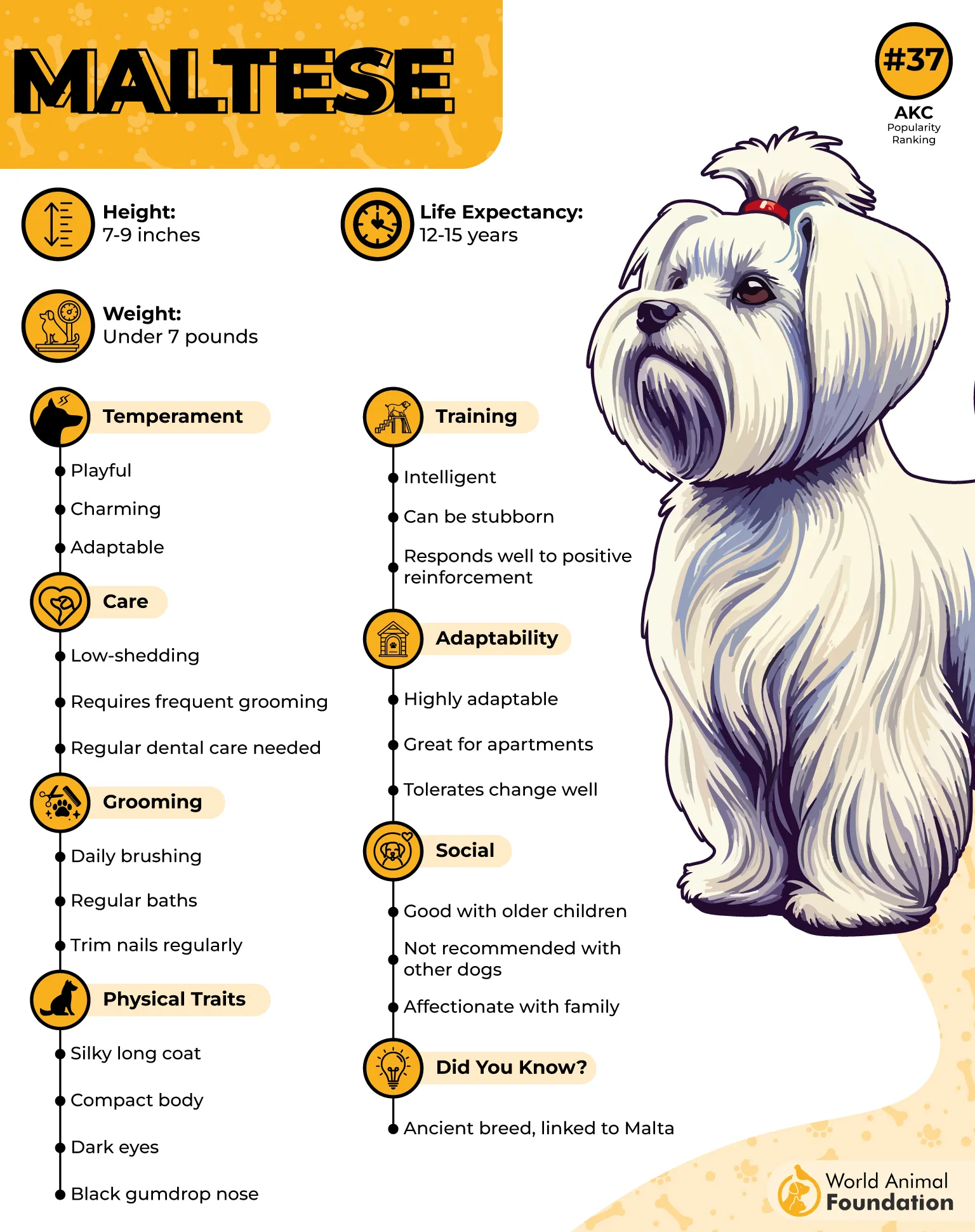
The American Kennel Club (AKC) says that they were developed to live close to people, and that history still appears in their affectionate, socially connected behavior. Their low body weight makes them comfortable lap companions and relatively easy for many adults to carry when circumstances require it.
The famous white coat is long, straight, and silky, creating the illusion that the dog is floating across the floor on a luxury curtain. Maintaining that look requires regular brushing and bathing, although many family pets wear shorter trims for convenience.
Their miniature size makes the physical grooming process easier to manage, but this white-haired dog still has a supernatural ability to find every muddy patch.
Conclusion
Tiny teacup dogs are great for apartment living, transportation, indoor play, grooming setup, and more manageable everyday handling. However, small dogs still need thoughtful exercise, respectful training, careful supervision, and regular veterinary attention. Convenience should improve their quality of life rather than turn them into accessories.
Teacup Chihuahuas and Teacup Yorkies are also great toy breeds that do well in limited space.
Choose an established small breed instead of pursuing an artificially extreme size. Work with an ethical breeder or reputable rescue, prepare the home for fragile little bodies, and teach children how to interact gently. A few extra pounds within a healthy standard are infinitely more valuable than a risky “teacup” label.
