




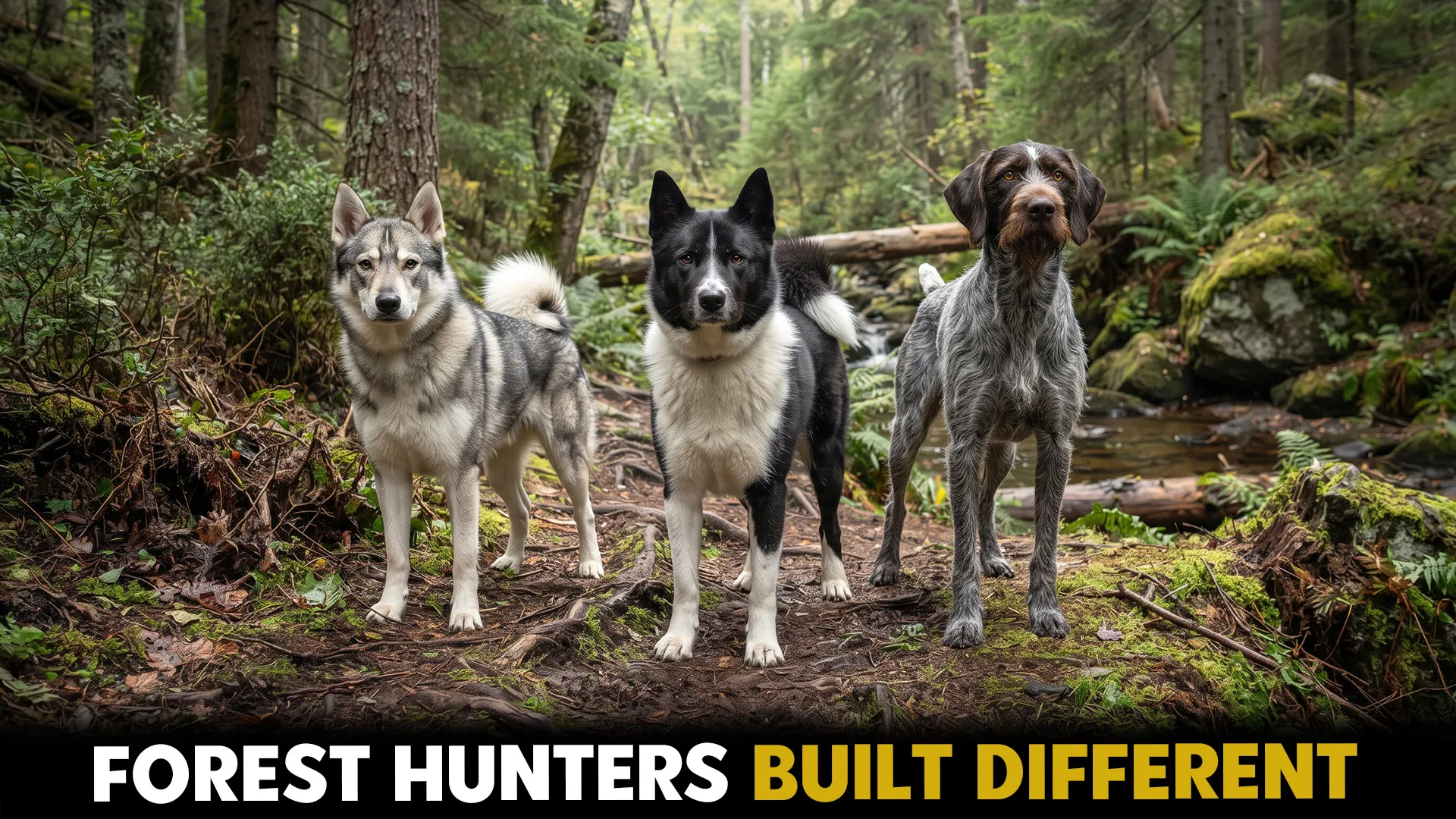
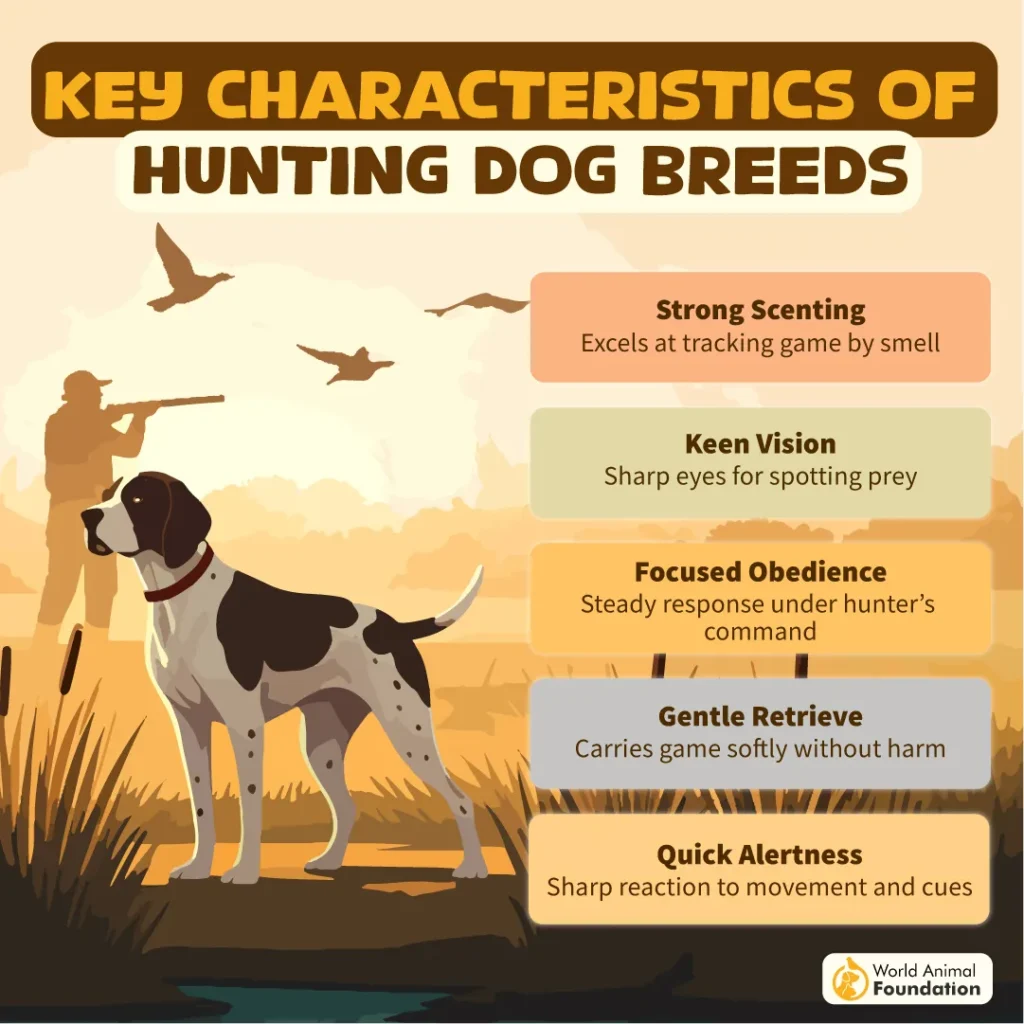
The friendship between hunters and hunting dogs has been there for ages. We all know how dogs have been helping us in small and large game, no matter if it’s in an open field, woods, water, or lakes. They just flush, retrieve, and point at game.
But you probably know that dense woods actually test a dog differently than an open field as a hunter. The sight lines disappear, and heavy brush blocks your path in thick timber.
So relying on a dog that only knows how to run in a wide open plain is NEVER a good idea. You actually need a true wood and forest hunting dog.
A dog that pushes through thick barriers for upland game, tracks big game through heavy timber, and still doesn’t get tired.
In addition, a strong scent drive, tough pads, and thick skin are non-negotiable at this point.
So we have listed 9 such forest hunting dogs that just don’t care what is coming their way and lock their target. We will also discuss what they are good at in terms of hunting along with their stamina, courage, exercise, and training needs.
Unique Dog Breeds That Excel at Forest Hunting Tasks
1. West Siberian Laika
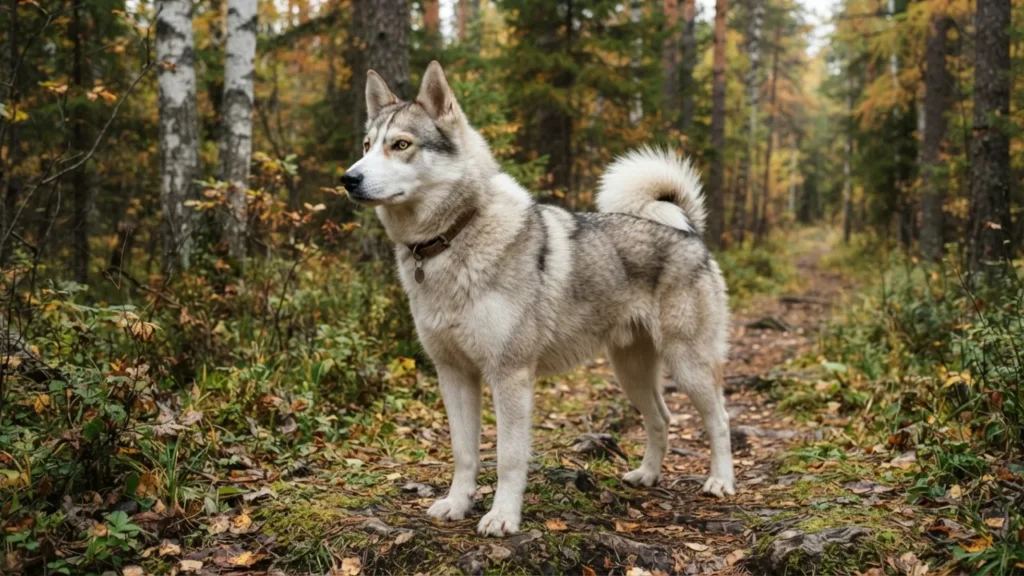
West Siberian Laikas are among the best treeing and baying breeds as they range deep into heavy timber to find game. These dogs are native to Russia and were bred for hunting purposes, so they have innate instincts, and that’s why they are famous there. Royal Canin also mentioned that they are widely spread in all wooded areas of the country (Russia).
Laikas also means ‘barker’ in Russian, and they bay to lock the animal in place until the hunter reaches. Siberian Laikas have a muscular build and incredible strength with tough pads to run through rocky forests. These hunting dogs are hyperactive with intense exercise needs.
That being said, they are independent with high prey drive and require experienced owners to train them. WSLs also have a double coat that sheds low to moderately year-round and require weekly brushing (daily during seasonal sheds).
2. Karelian Bear Dog
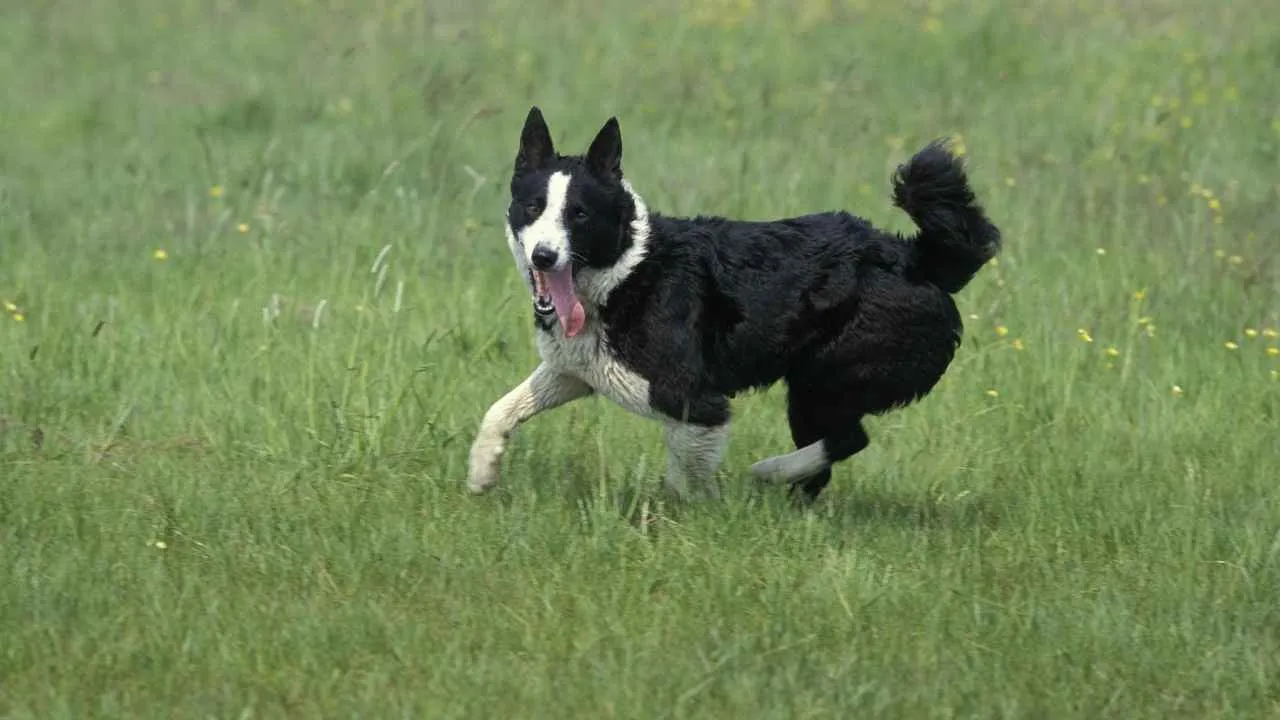
Karelian Bear Dogs are courageous, highly focused, and tenacious medium-sized hunting companions. They were developed in Karelia to deal with big game like bears, and that’s where they got their name. However, KBDs are quite popular in Finland.
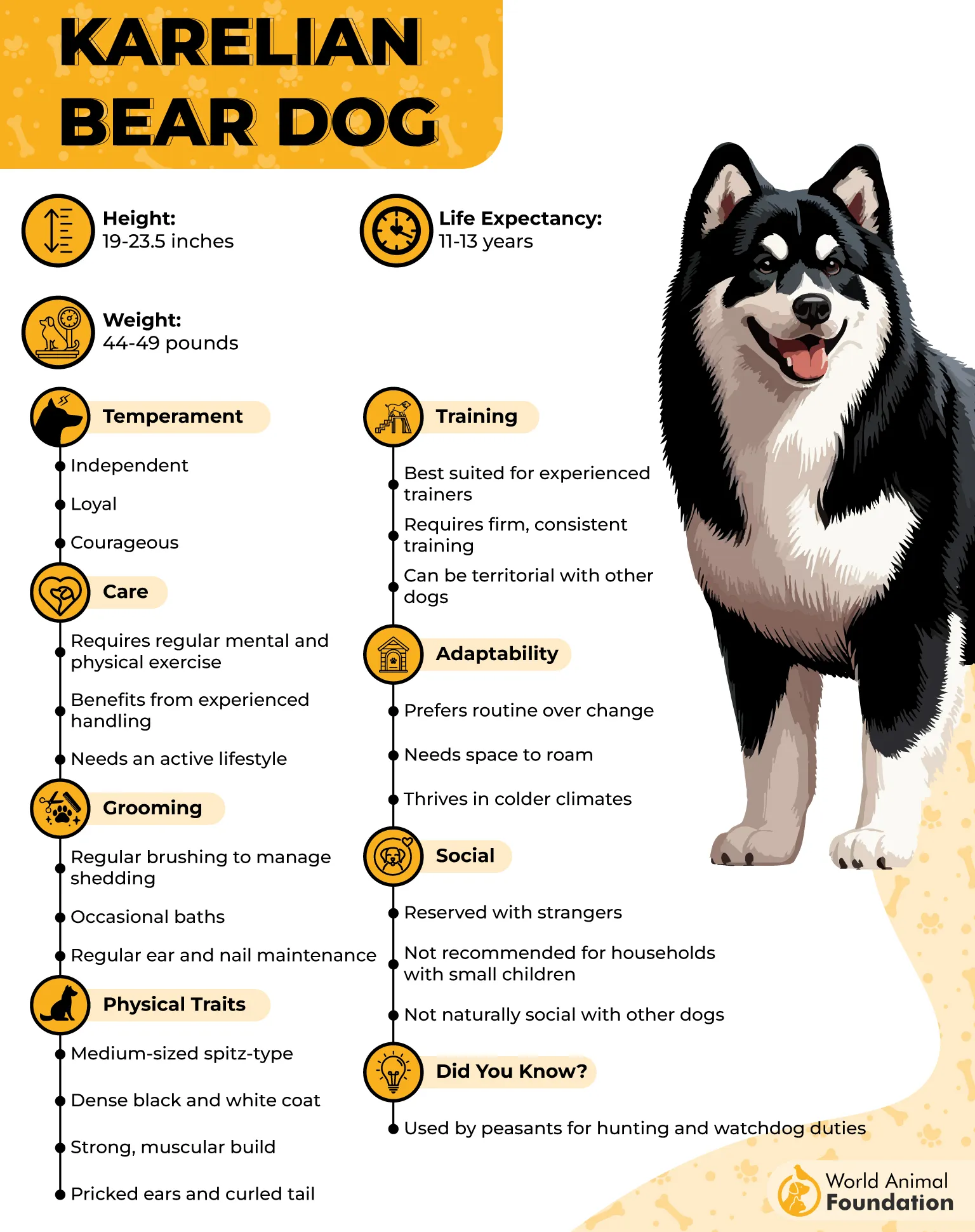
These hunting dogs just love being in forests and tracking game like moose, wild boar, and brown bears silently. Karelian Bear dogs start barking once they corner the animal to keep them distracted and alert the hunters, which is quite smart of them.
That being said, they have very high exercise needs and an independent nature. Karelian Bear dogs prefer to be the only pet at home, require experienced owners, and are not suitable for a family with children at home due to their prey drive.
3. Slovakian Wirehaired Pointer
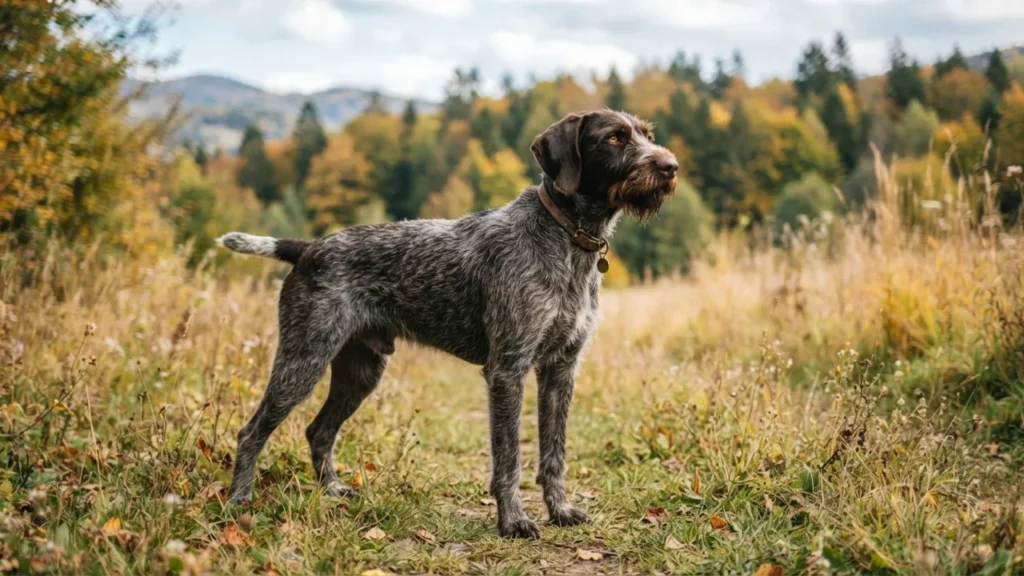
Slovakian Wirehaired Pointers were developed after World War II to build a versatile hunting dog. These dogs are a perfect combination of being gentle at home and energetic in the field, especially in the woods. They are good at pointing, flushing, and retrieving.
Their wire-haired coat protects them from thorns and cold forest while they point upland birds, track game blood trails, and flush game from heavy bushes. SWHPs have very high exercise needs and require around 1-2 hours of daily activity.
However, they are eager to please and highly trainable, so you can train them with positive or reward-based training. But they are good for active households and experienced owners who can give them a clear job. Their main base coat color is gray, and they require minimal grooming, as per the AKC.
4. Bavarian Mountain Scent Hound
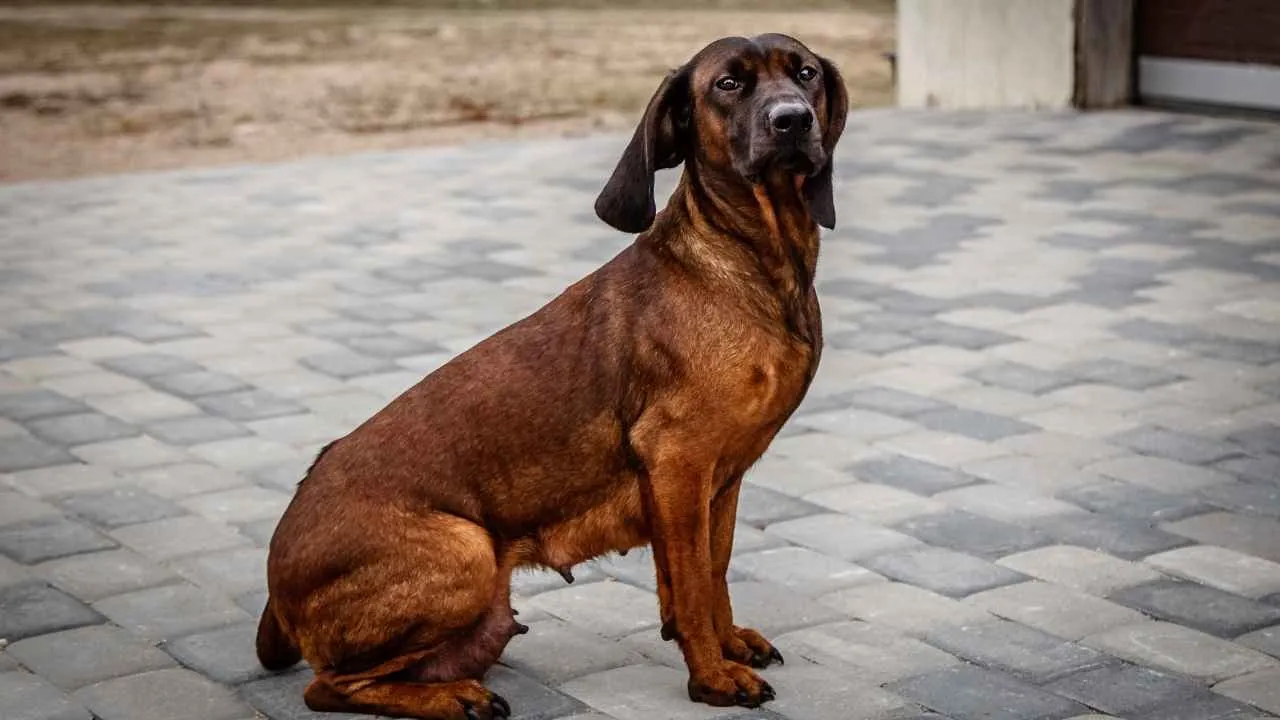
Bavarian Mountain Scent Hounds are highly focused, calm, and deeply devoted dogs that are famous for their ability to track cold trails. These scent hounds are even able to differentiate the trail of the injured game and other animals of the same species.
These medium-sized dogs are the best blood-tracking experts, as they can even walk through dark woods and steep terrain. These hunting dog breeds have an unbelievable sense of smell and don’t get easily distracted.
That being said, these athletic dogs have high exercise needs and enjoy tracking work. These hound dogs are highly intelligent but often get bored or destructive, so use positive reinforcement to keep them engaged. BMSHs have a short coat, which requires weekly brushing.
5. Norwegian Elkhound
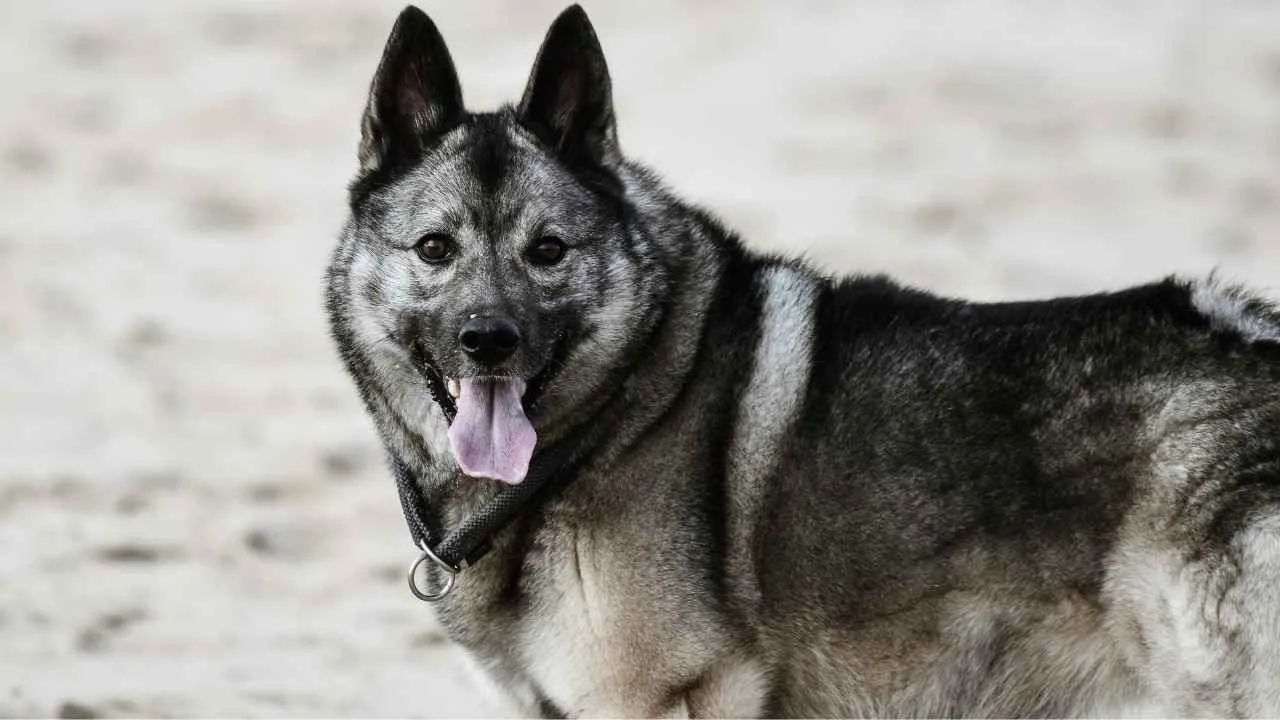
Norwegian Elkhounds are not hounds and were bred to hunt moose, not elk. Moose is translated as ‘Elch’ in German, so that’s the reason probably they got their name. However, they are strong, energetic, fearless, and loyal hunting dogs.
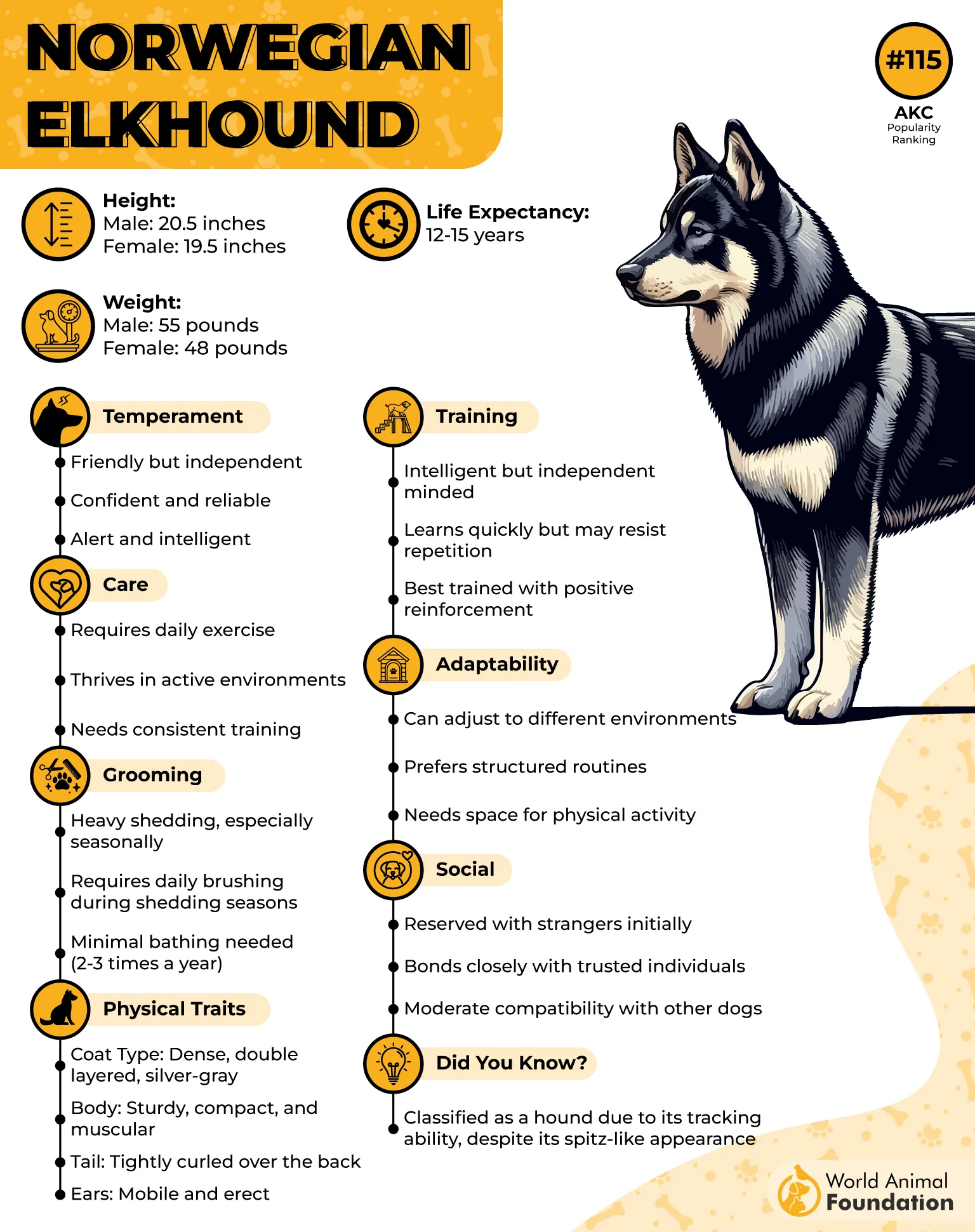
They are good at hunting big game and also bark to alert their hunters. Elkhounds use their agility to track and bark to pin the animal at one spot in thick forests. Their thick double coat also protects them from icy forest winds.
That being said, Elkhounds require intense daily activity including long forest hikes and trail running for mental stimulation. They are smart but also independent and got a 2/5 vet rating for being easy to train by Purina and need experienced owners.
6. Treeing Tennessee Brindle
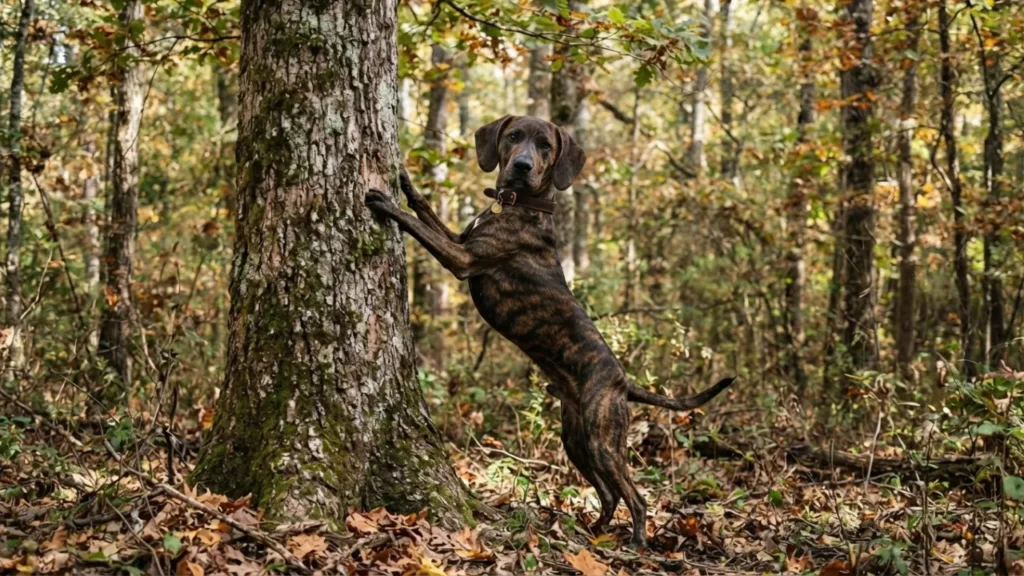
Treeing Tennessee Brindles (TTBs) are native to America and were bred for mountain and forest hunting. They are courageous, brave, friendly, and affectionate with a strong work ethic. This dog breed is specifically bred for tree hunting skills.
So they actually track the game animals and even chase the trees. TTBs bay to let their hunter know their location and wait until the hunter arrives. That said, these medium-sized dogs are strong, flexible, and muscular.
TTBs enjoy long woodland runs and scenting games. They are perfect for active families and experienced owners who can manage their desire to follow their nose. Plus, they have a short coat which is relatively low maintenance.
7. Mountain Cur
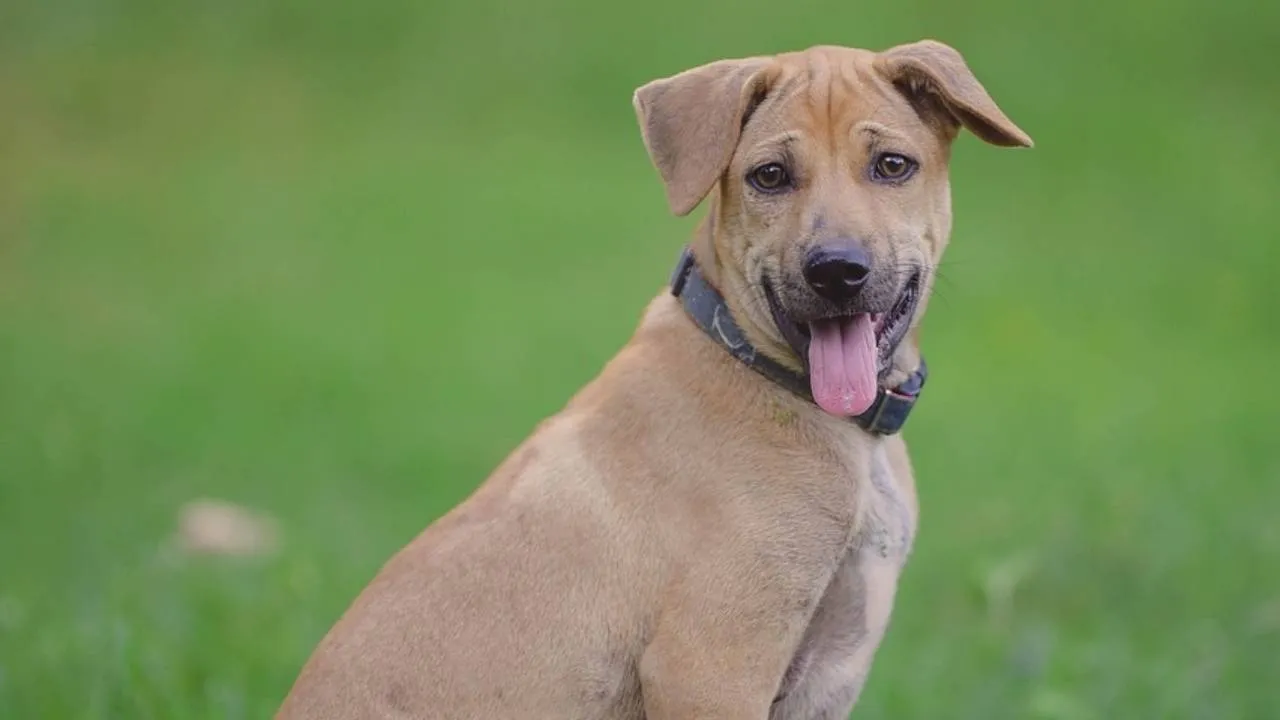
Mountain Curs are all-in-one dogs as they can do everything from treeing to baying and hunting small game and large animals. They use both their sight and scenting abilities to tree or hold the animals at bay until the hunter arrives.
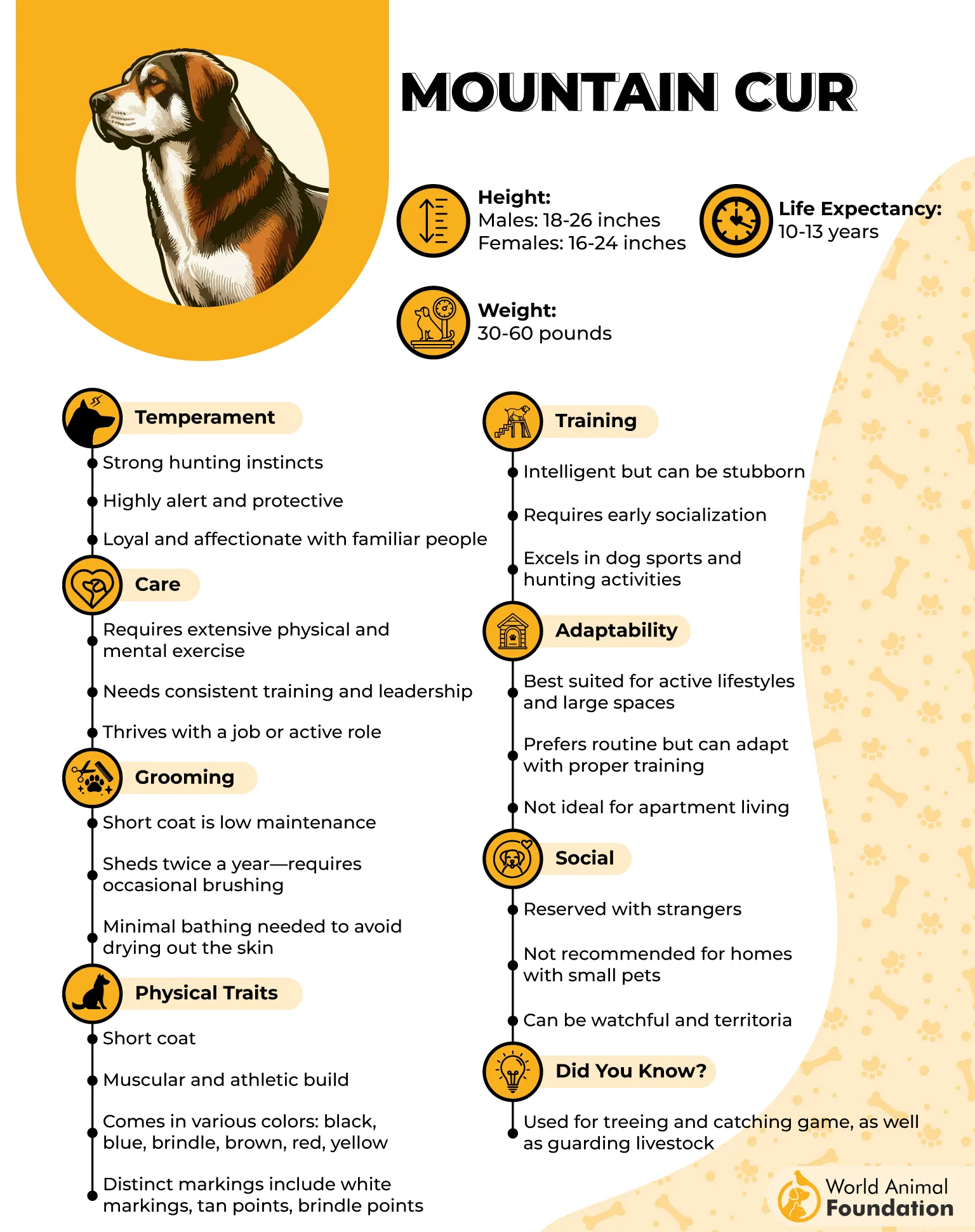
These hunting dogs can track both cold and hot trails in rough terrain and also make the perfect watchdogs. So what else would we expect a hunting dog to be? These medium to large dogs are muscular and have a short outer coat and cat-like feet.
In addition, they require intense daily exercise for mental stimulation. Mountain Curs possess a dominant nature, so you need to set clear boundaries and stay consistent to train them. These hunting breeds are well suited for experienced and active owners.
8. Pudelpointer
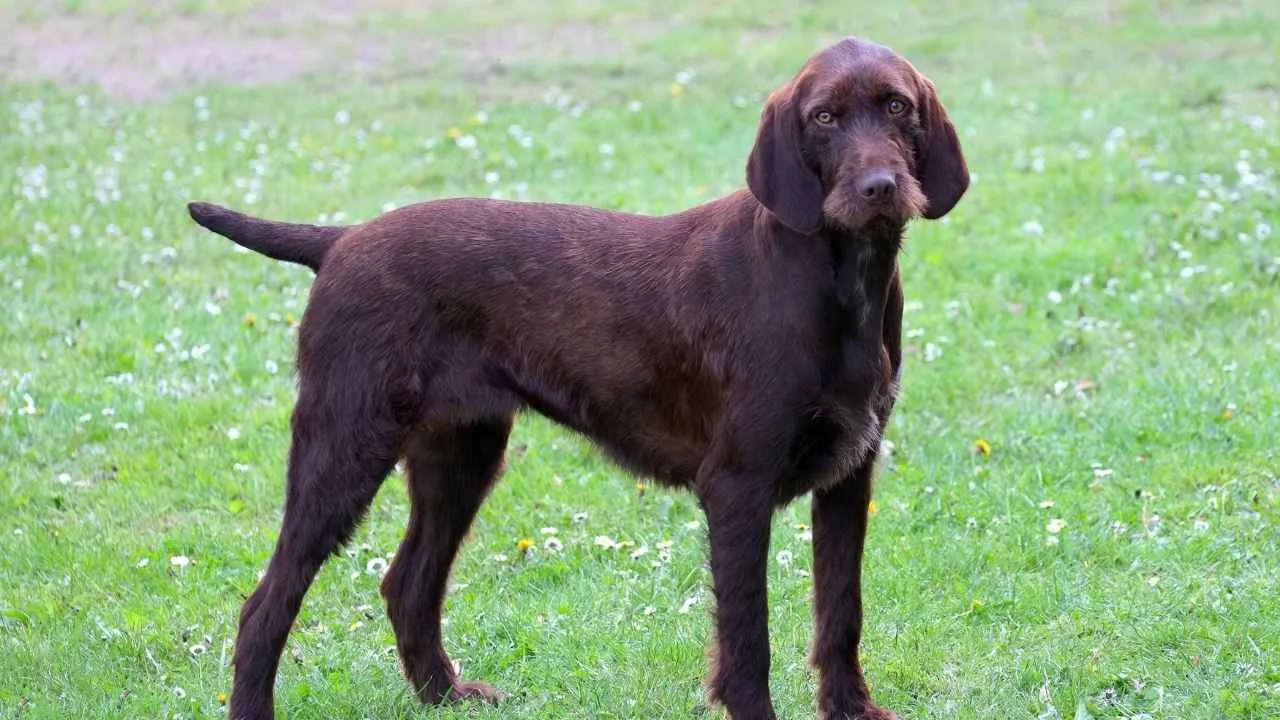
Pudelpointers are intelligent, gentle, quiet, and deeply passionate dogs with a stable demeanor. They are known for their love for water and retrieving game animals from lakes or ponds. These medium-sized dogs are versatile gundogs.
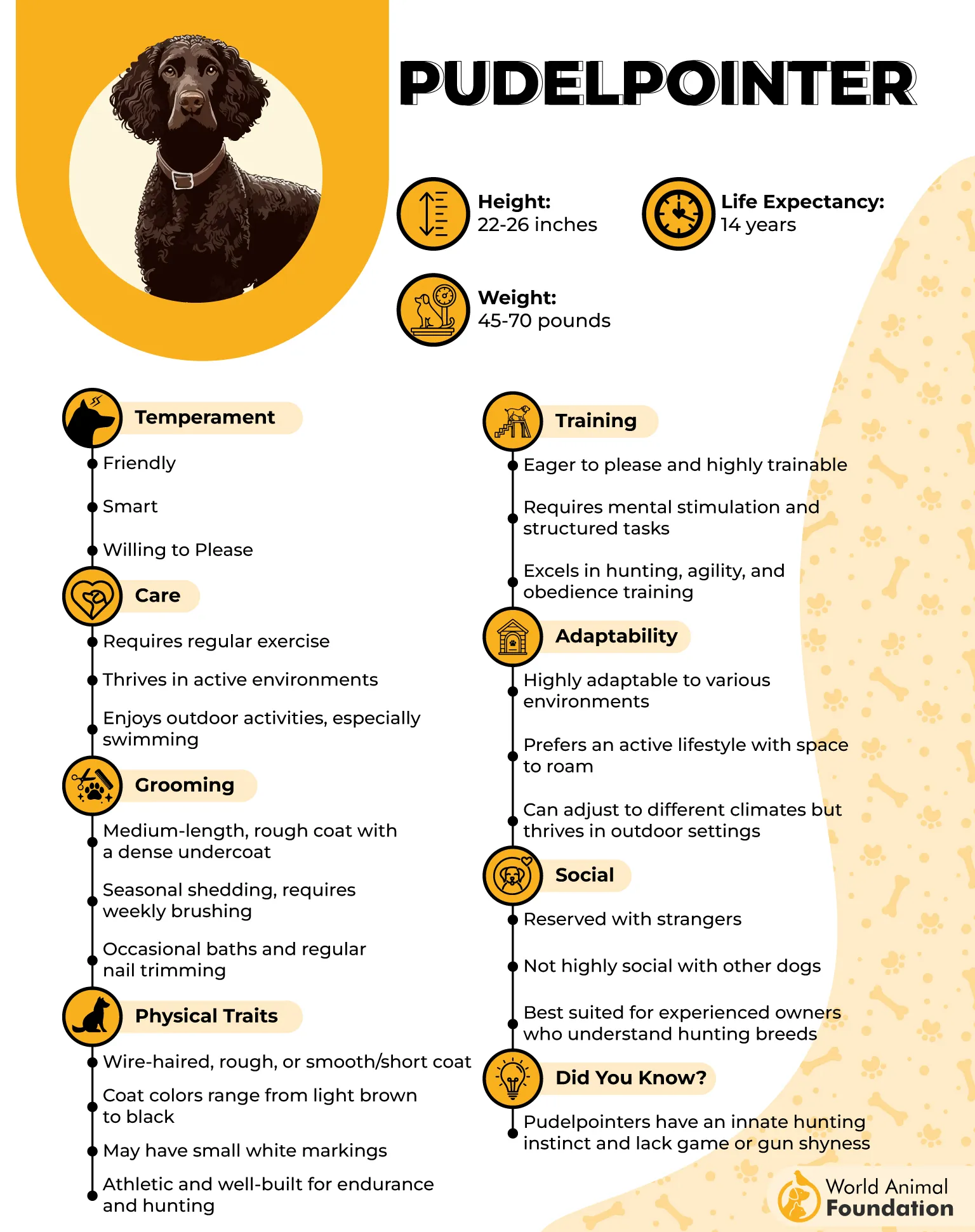
They can point, flush, and even retrieve, so it’s a perfect combination to have. Pudelpointers flush upland game, retrieve waterfowl, and track wounded game in thick forest while staying close to their handlers. These energetic dogs require at least 2 hours of exercise.
They enjoy dock diving, tracking, nose work, and off-leash field runs. That said, these highly trainable dogs require active owners. Pudelpointers also have a weather-resistant, wiry coat and require brushing once a week to prevent matting.
9. Black Mouth Cur
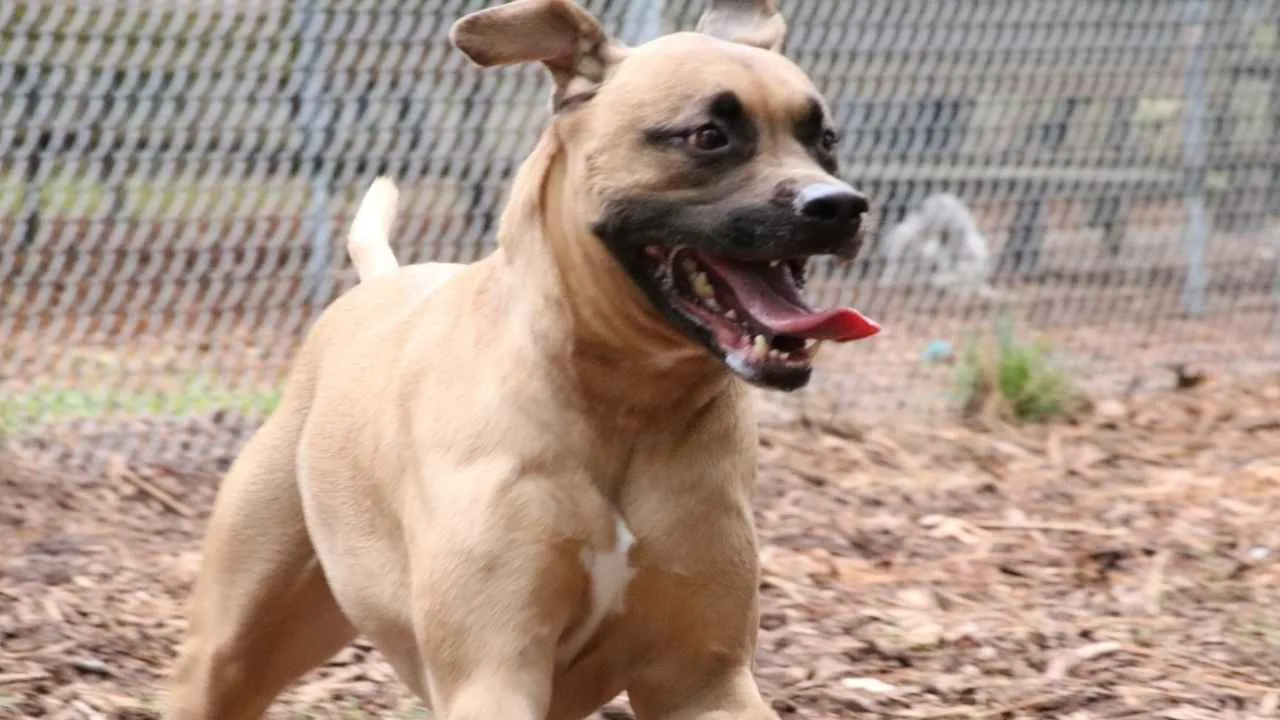
Black Mouth Curs were bred to be all-around homestead dogs so they can guard livestock, protect family, and put meat on the table. These are bold, fearless, and deeply loyal to their handlers. They are calm and protective with their family.
These versatile dogs can track, bay, and even tree small game like squirrels and raccoons up trees. They also have the stamina to hold aggressive big game like wild boar and bear at bay until the hunter arrives in rough terrain.
That being said, these are high-energy dogs and require long walks, runs, hiking, and active hunting trips. BMCs are quick learners but possess strong will and a dominant nature, which makes them best suited for experienced and active hunters. They have a low-maintenance short coat that requires weekly brushing.
Conclusion
Hunting in forests is adventurous but also challenging. Wooden sticks, bushy areas, thorns, and rough surfaces make it difficult for hunters to target the game and for dogs to find them. But having the right hunting dog beside make things easier.
The above-mentioned dogs are perfect hunters. Some of them are good at tracking and pointing, while others are good at baying or treeing. There are also all-around gundogs, so read the details, as most of them require experienced owners.
