




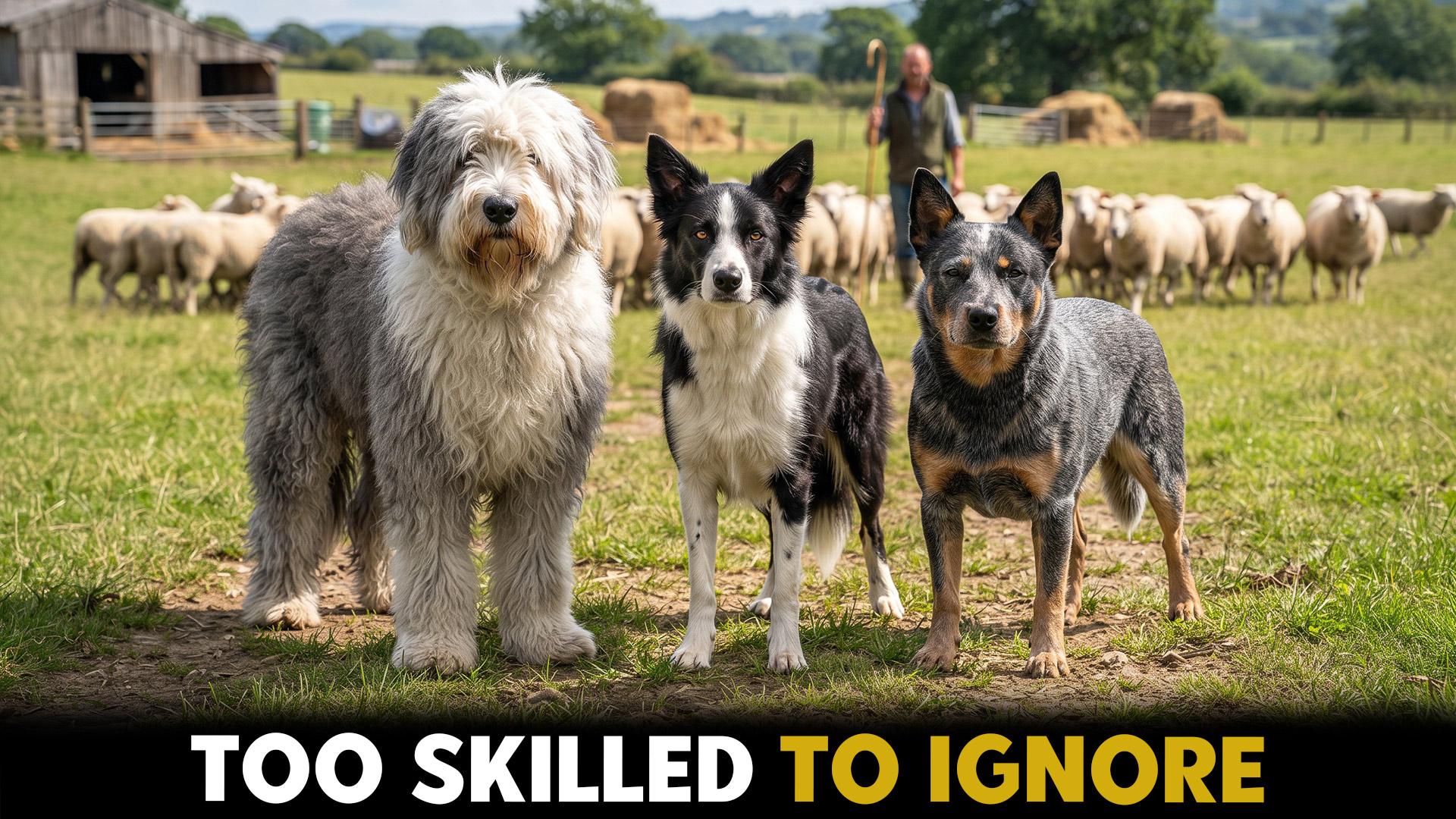
Ever watched a dog move a group of sheep without a single command?
No chasing chaos. No barking mess. Just quiet, calculated movement, like the dog already knows exactly where every single animal needs to go.
That’s herding instinct. And it’s genuinely one of the coolest things to witness in the dog world.
Herding dog breeds weren’t just trained to do this. They were originally bred for it, generation after generation, until the instinct became second nature. Give one of these dogs a job- sheep, cattle, ducks, even kids running around the yard- and instinct just takes over.
Different herding dogs use different ways to move livestock, such as pressure or gentle pushing. Some dogs gather animals, while drovers push them forward. There are 30 recognized breeds in the herding group.
So today, we have gathered herding dog breeds for passionate herders.
Did You Know?
The Border Collie’s herding style is so instinctual that puppies as young as a few weeks old will sometimes start “eyeing” and stalking other animals. Researchers believe this behavior is directly linked to a modified predatory sequence. Herding breeds keep the stalk and chase instincts but have the “kill” part bred almost entirely out.
Must-Know Dog Breeds for Passionate Herders
1. Border Collie
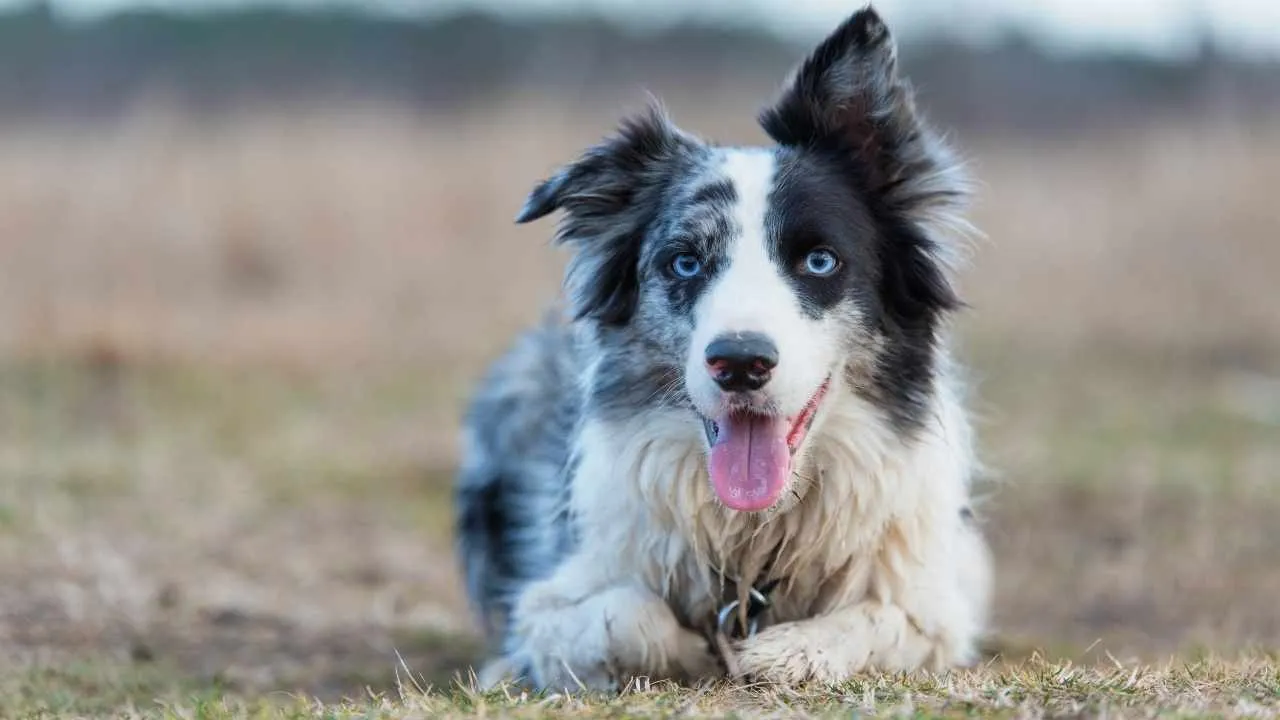
If there is one dog that defines the herding group, it is this one.
A traditional droving dog.
Border Collies are famously known as the smartest dog breeds. Their herding ability is legendary.
Give this dog livestock to gather, and it will get to work almost instantly. You don’t even need to provide an instruction manual.
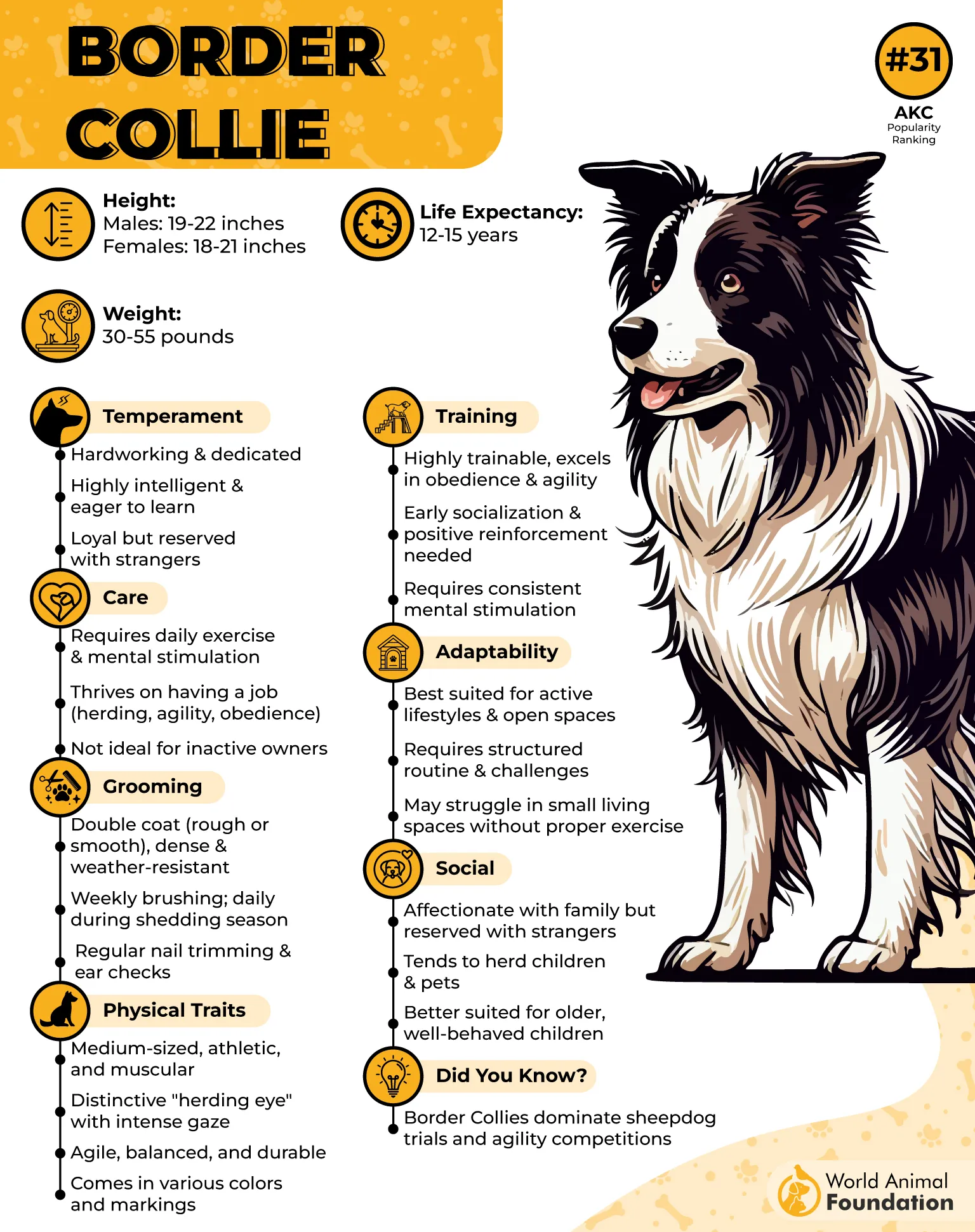
According to Purina, they have an intense, instinctual ability to control movement. They can move 100 sheep just by looking at them. That famous “Border Collie stare” is not for show. It is a genuine herding tool used to freeze and direct sheep or cattle.
This Collie dog breed needs serious mental stimulation and physical exercise. Without a job or plenty of activity, that herding drive can turn into nipping at heels, chasing cars, or obsessively circling kids in the backyard.
They are incredibly loyal companions. But they do best with owners ready to keep up. Agility, herding trials, or just a demanding daily routine keeps this breed balanced and happy.
Honestly, if you are not prepared to give a Border Collie a job, even an invented one, this might not be the right dog for you.
But for the right owner… there is really no more devoted or capable partner out there.
2. Australian Shepherd
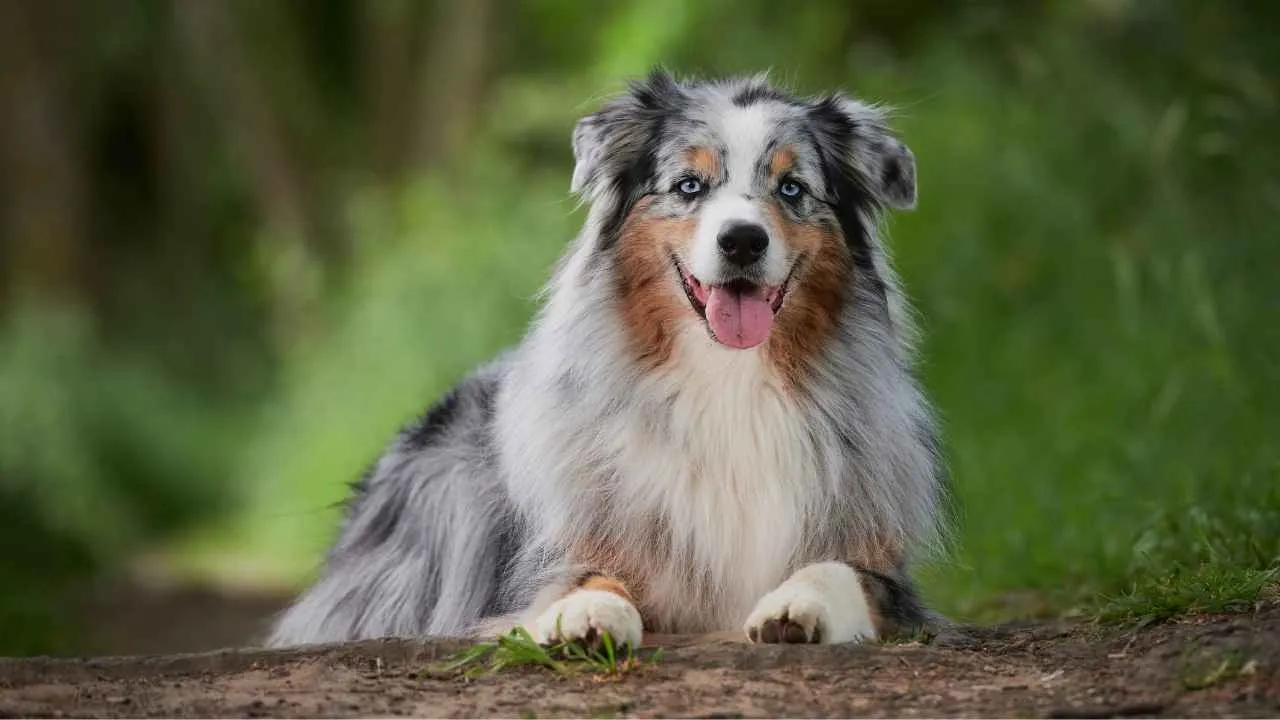
A “tough ranch dog,” says the American Kennel Club (AKC).
Despite the name, Australian Shepherds were actually developed in the United States, working ranches out West with cattle and sheep.
These dogs are athletic, intelligent, and endlessly eager for a task.
And we emphasize “endlessly.”
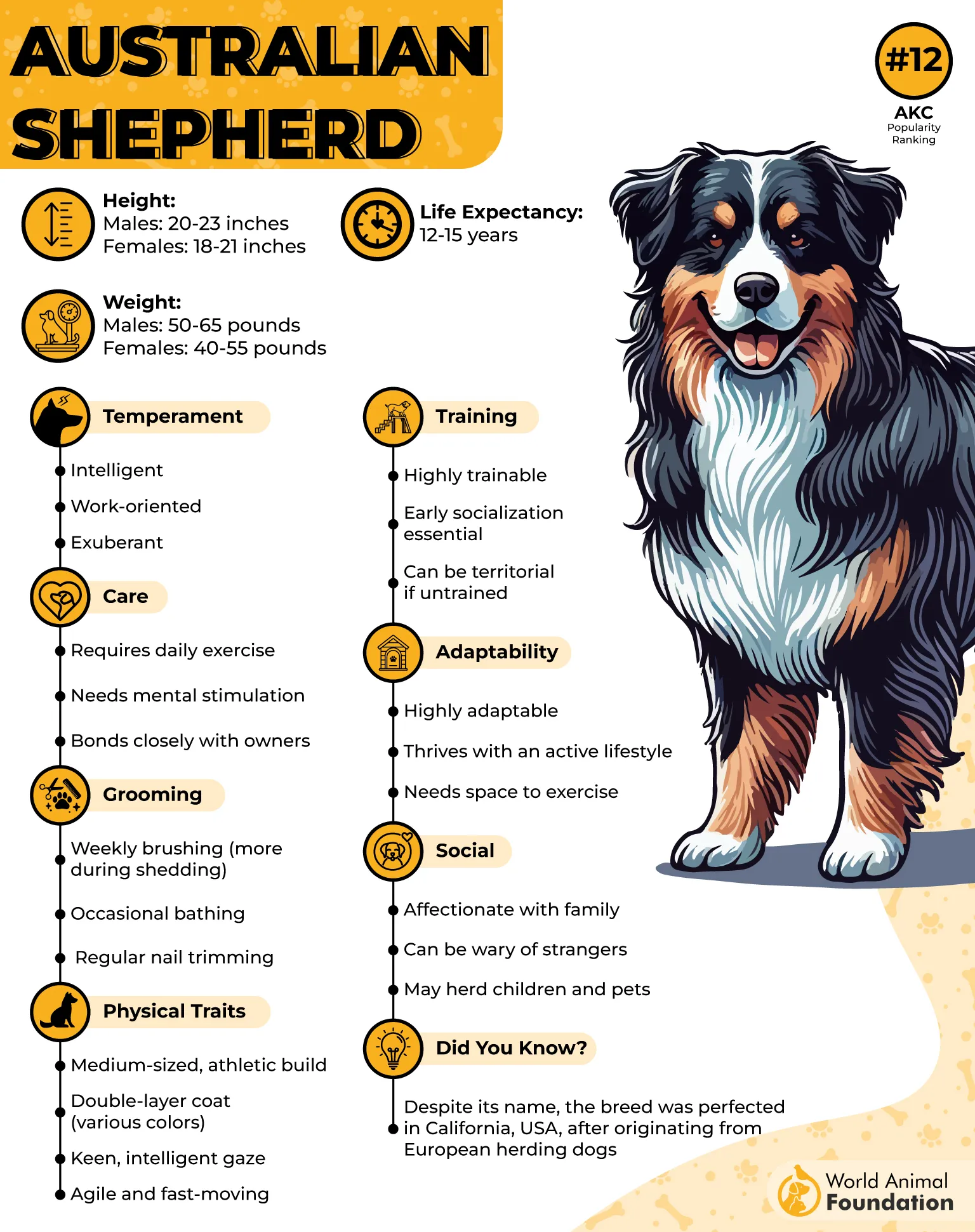
Aussies have strong herding instincts and a natural ability to read the animals they work with: sheep, cattle, sometimes even ducks on smaller farms.
They are high energy and need real exercise. A walk around the block is not enough. Mental stimulation is important, just like puzzle toys, training sessions, and herding-style games.
Australian Shepherds are loyal, protective of their family, and generally great with kids they grow up with.
But without enough outlets, their energy can turn into a whole lot of trouble around the house.
3. Australian Cattle Dog
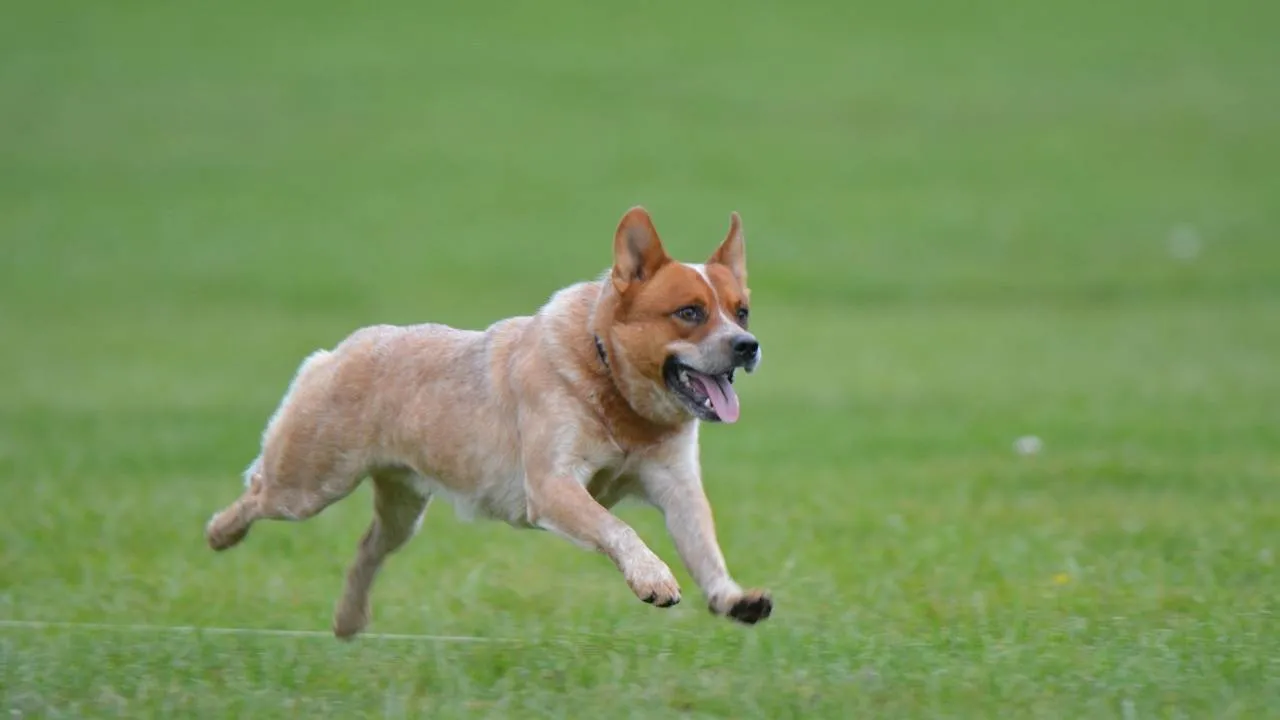
Also known as the Blue Heeler, Australian Cattle Dogs were bred specifically to move cattle across rough, wide-open terrain.
These dogs are tough, smart, and bred for serious work.
These working dogs use a nipping technique to move cattle, described by Greencross Vets. They gently nudge at heels to guide direction. It is an instinctual behavior, and without proper outlets, it can show up at home, too, sometimes aimed at kids or other pets.
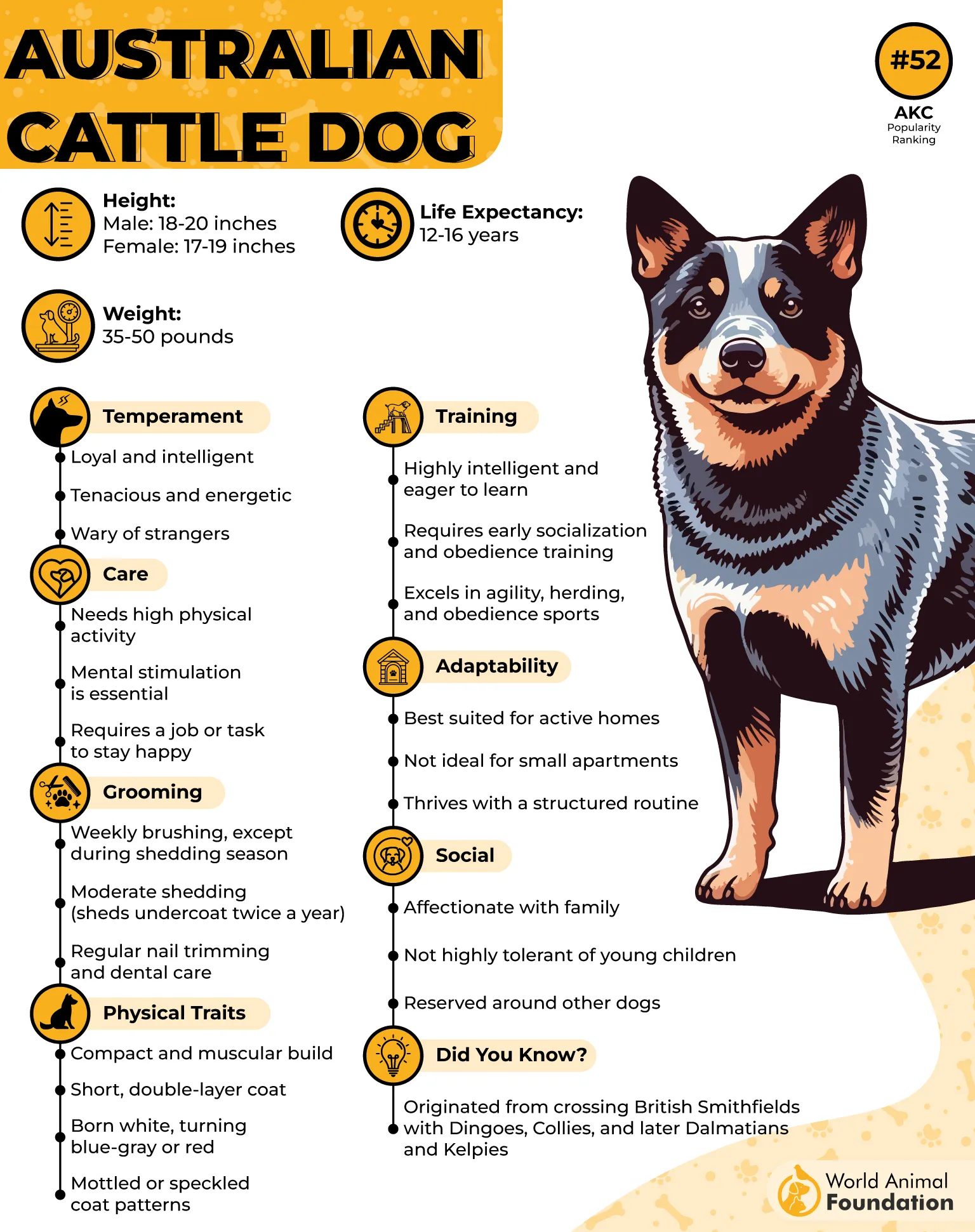
This medium-sized dog breed is athletic, strong-willed, and needs a lot of exercise and mental stimulation to stay balanced. They form an incredibly loyal bond with their person but can be reserved around strangers.
Training should start early.
Australian Cattle Dogs are smart and food-motivated. That makes the process smoother. These dogs also tend to bond intensely with just one or two people. It is not unusual for a Cattle Dog to follow its favorite person from room to room, all day, every day.
4. German Shepherd
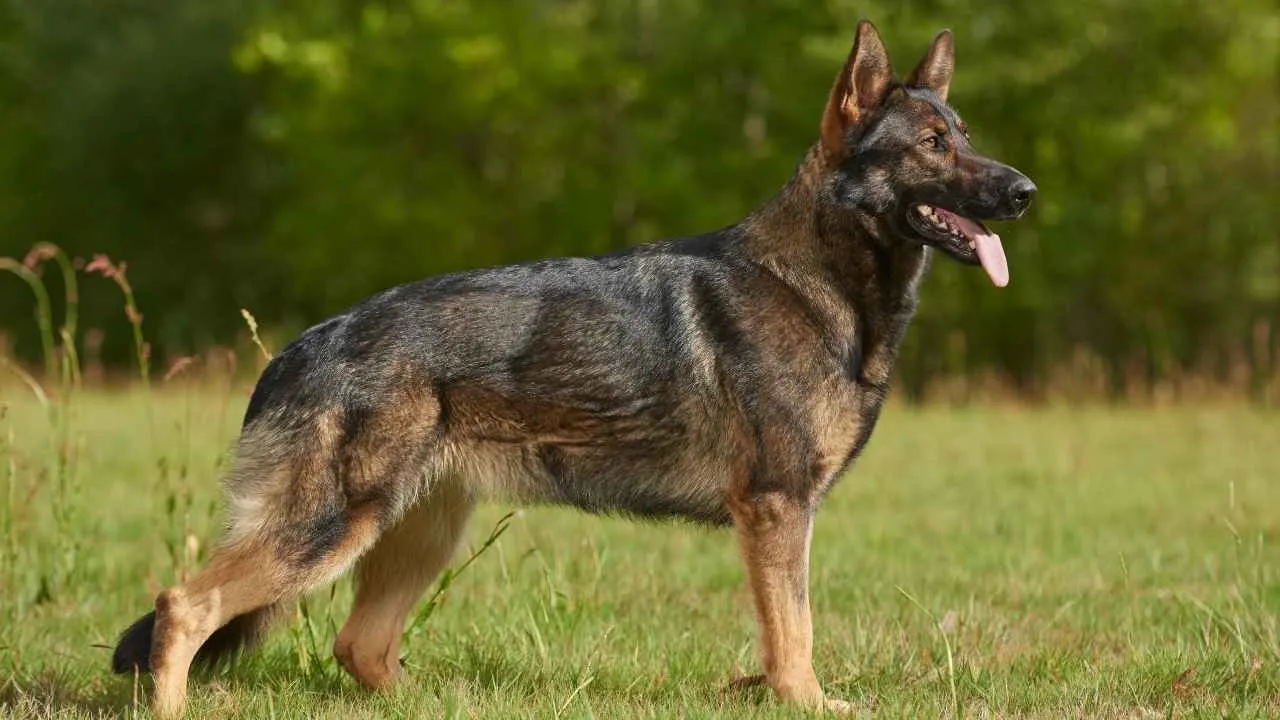
German Shepherds are famous for many jobs.
Police work, service work, family protection.
But their roots trace back to herding.
Originally bred in Germany to herd and guard livestock, these herding dogs still have that versatility. They have strong herding instincts with natural protectiveness. That combo makes them incredibly versatile working dogs. Breeds like German Shepherd and Belgian Malinois were popular as a “living fence” to contain grazing flocks.
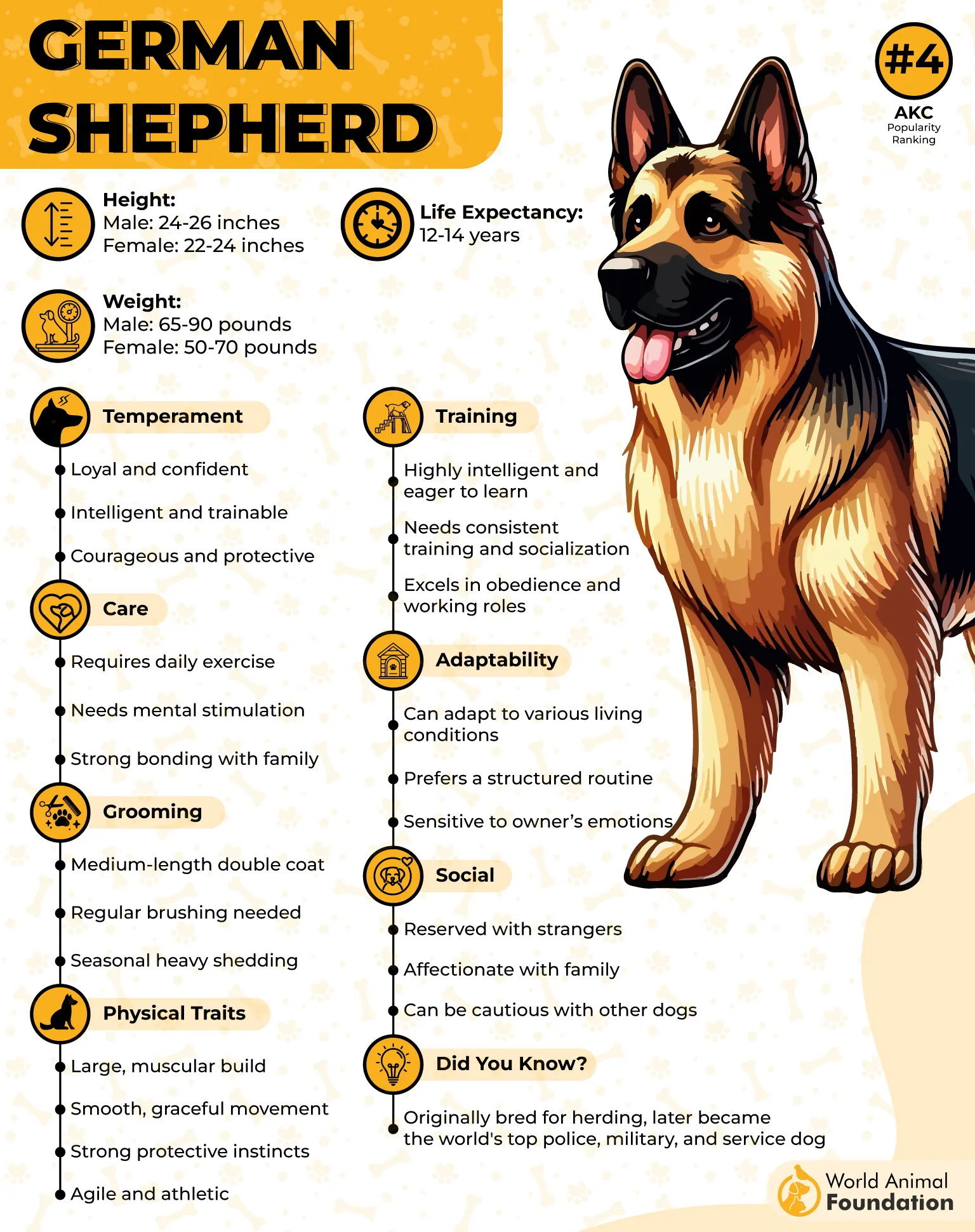
German Shepherds need plenty og physical exercise and mental stimulation. They are highly intelligent and pick up training fast. That makes them a popular choice for families willing to put in effort.
They form deep, loyal bonds with their loved ones and are naturally alert around strangers.
Right training + a job. And these large dogs become steady, capable, and devoted family pooches.
German Shepherds can channel their herding roots in surprising ways at home. They may gently gather kids together in one room, or nudge a wandering toddler back toward the group.
Old instincts, new setting. Eh?
5. Shetland Sheepdog
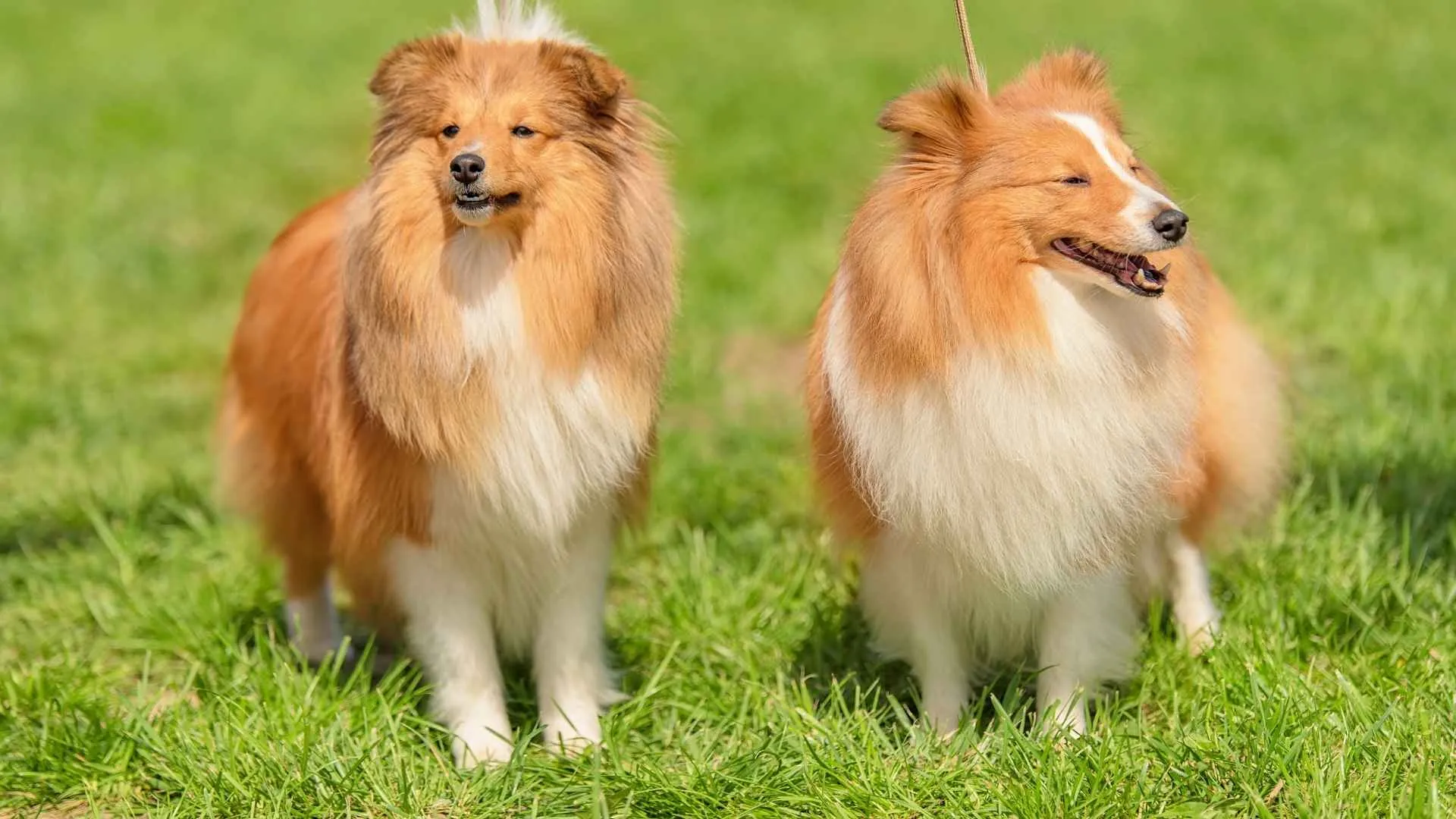
Small in size, BIG on brains.
Shetland Sheepdogs, or Shelties, were bred in the Shetland Islands to herd sheep and ponies, and their compact size made them agile enough to handle the rugged terrain.
Shelties are small, sensitive, and quick to pick up on training. Their herding instincts show up in circling behavior and a tendency to gather family members and kids into one spot.
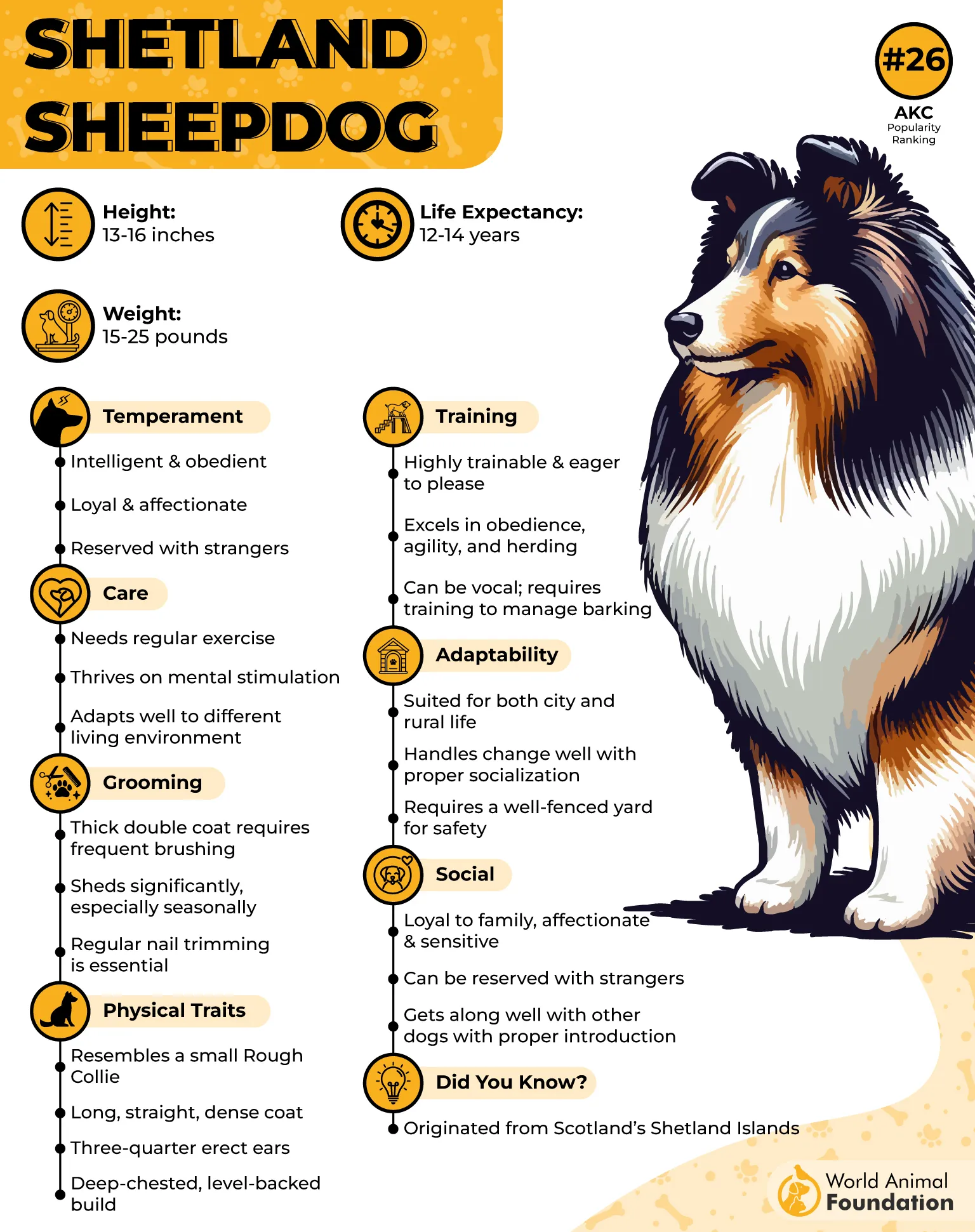
These small dogs need moderate to high exercise and mental stimulation to stay content.
Left unstimulated, that herding drive can turn into excessive barking or restless energy.
That’s their personality.
Shelties are loyal companions. They are affectionate and generally easier to manage than some large herding breeds. And that makes them a great choice for active families wanting a devoted dog.
6. Beauceron
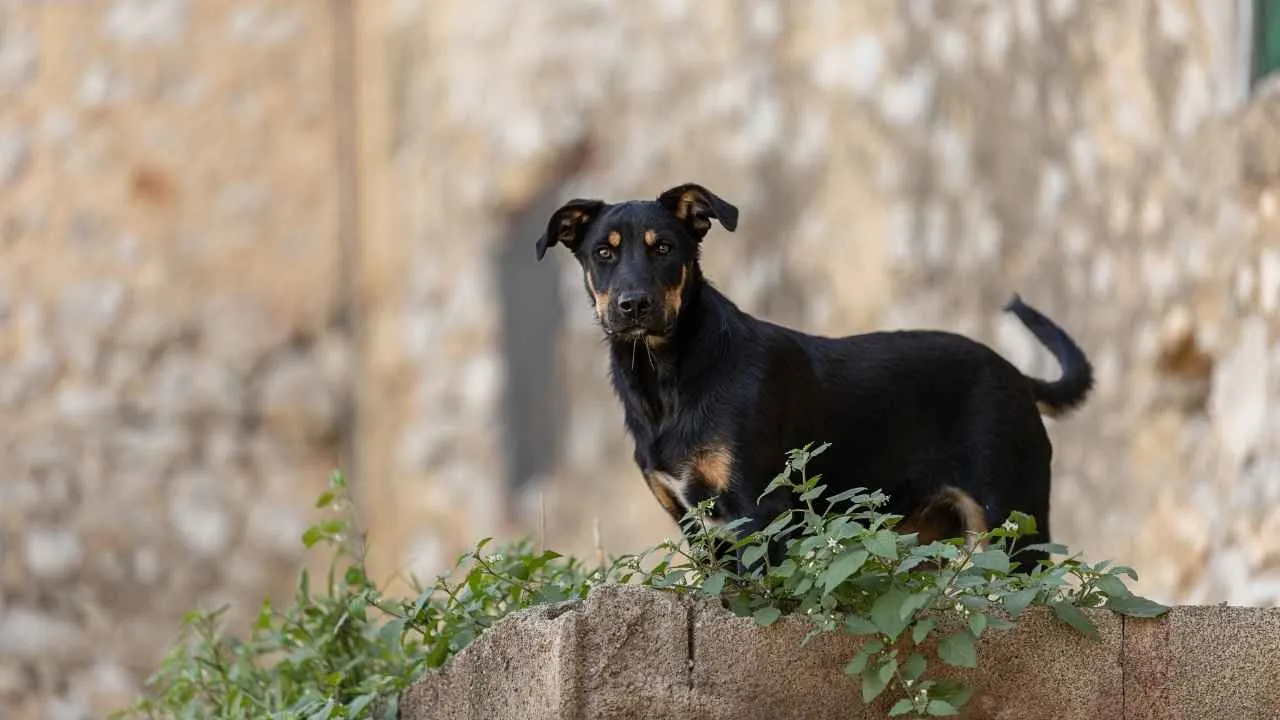
A lesser-known breed in the U.S.
But this is a serious contender for passionate herders looking for something different.
The Beauceron was originally bred in France to herd and guard sheep, and it carries both instincts strongly to this day.
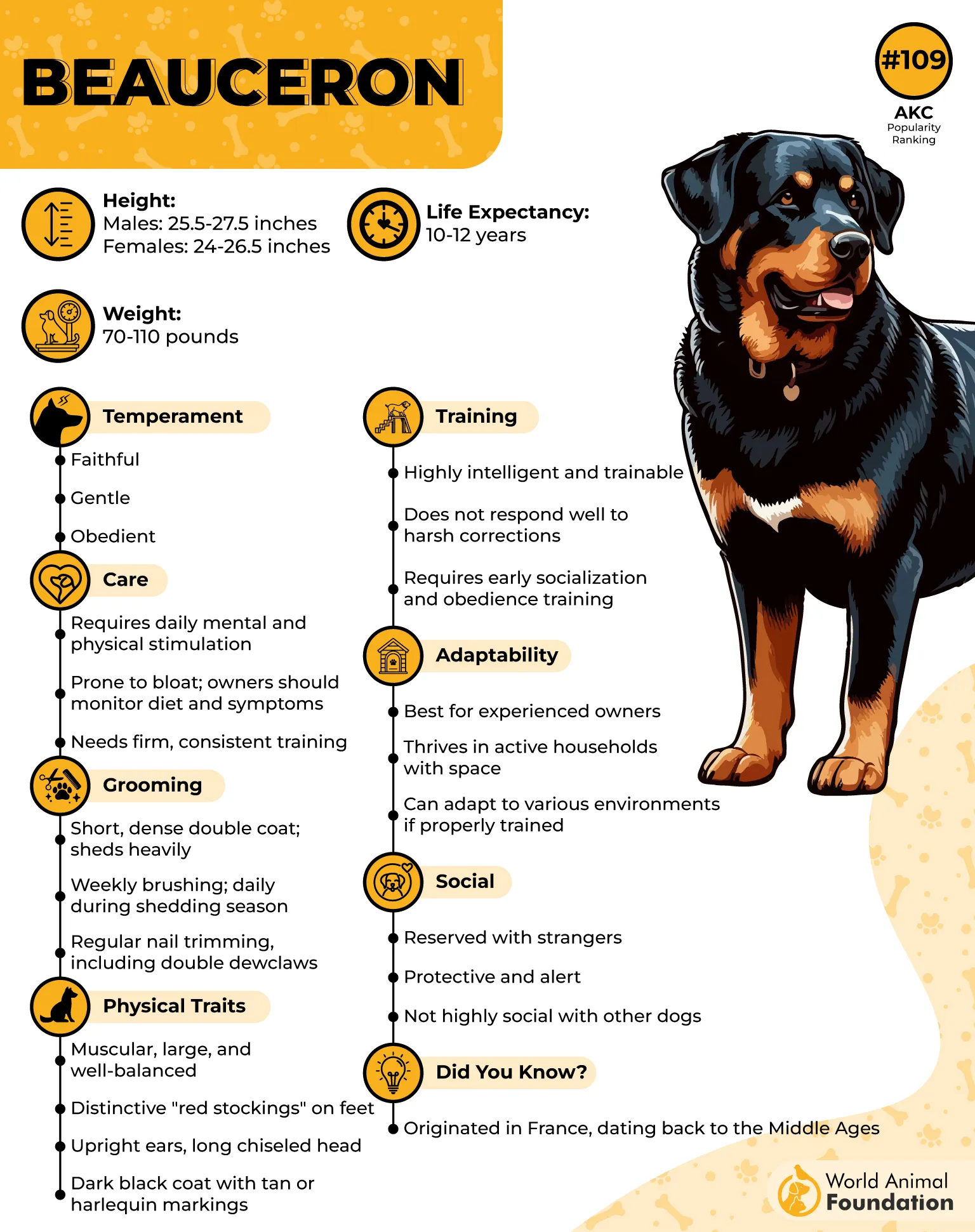
These Shepherd dogs are large, with sharp herding instincts and a protective nature.
They are confident, intelligent, and tend to do best with experienced owners who understand working breeds.
Beauceron needs daily exercise and mental stimulation. This is NOT a breed suited for a sedentary lifestyle. Herding tasks, agility, or structured training sessions help channel their energy in the right direction.
They form a strong, loyal bond with family but can be reserved with strangers. Early socialization is important to help them steer through different situations.
7. Pembroke Welsh Corgi
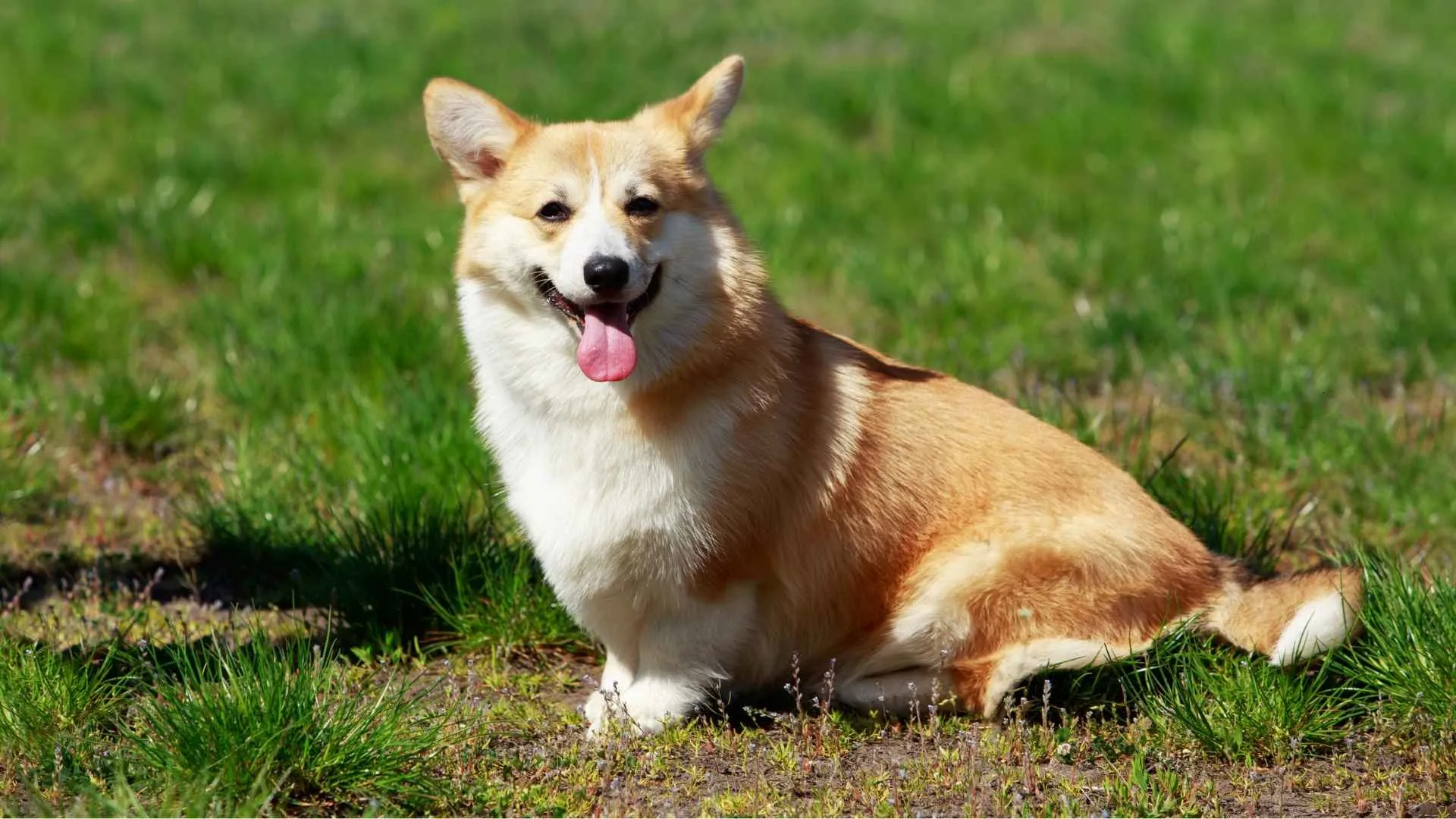
Short legs. Big herding heart.
Pembroke Welsh Corgis were originally bred to herd cattle, using their low stature to duck under kicks while nipping at heels to guide direction.
Yes, really.
Despite their small size, Pembroke Welsh Corgis have a strong herding instinct. That nipping and circling behavior can show up around children or other pets if you don’t introduce them properly.
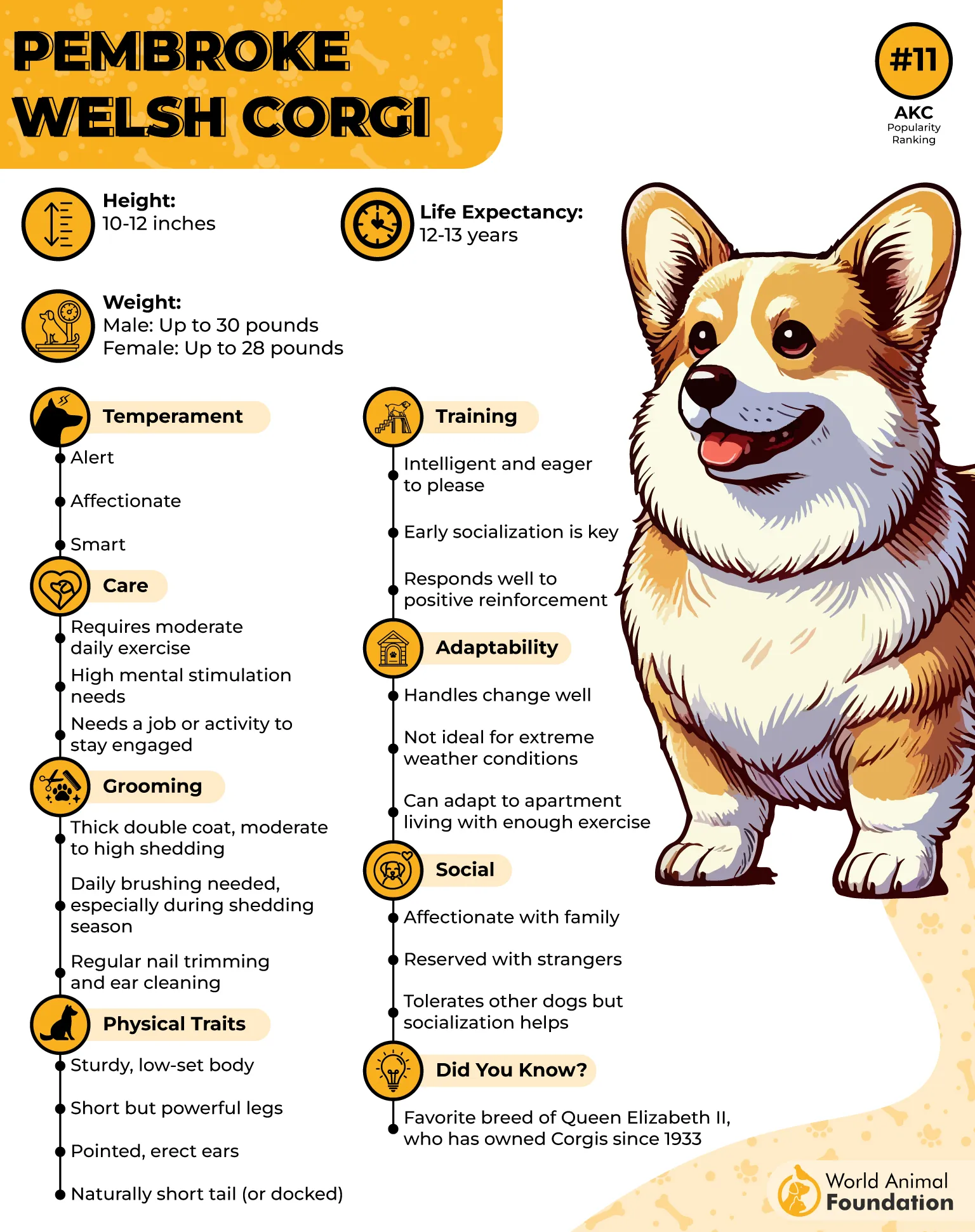
Orvis noted that these dogs are smart and very food-motivated. They are easier to manage and train than some of the large herding breeds on this list.
Corgis need regular exercise and mental stimulation. Short but frequent activity works well. They are loyal, make good friends, and are wonderful family dogs (with enough herding instincts to keep life interesting).
Conclusion
Herding instinct is not something you can fully train out.
And honestly, most passionate herders wouldn’t want to.
Border Collie, Australian Shepherd, and Australian Cattle Dog are the most common herding dogs you can encounter. Other breeds, such as the Belgian Malinois and the Australian Kelpie, are known for their strong work ethic and versatility.
Herding dogs need regular grooming, healthy food, and good joint care to stay active and healthy. Herding dogs can start learning to herd sheep at around six months. More serious training usually starts at about one year old.
At the end of the day, herding breeds need a job.
Allow them to do what they were born for, and you will have a brilliant friend for life.
