




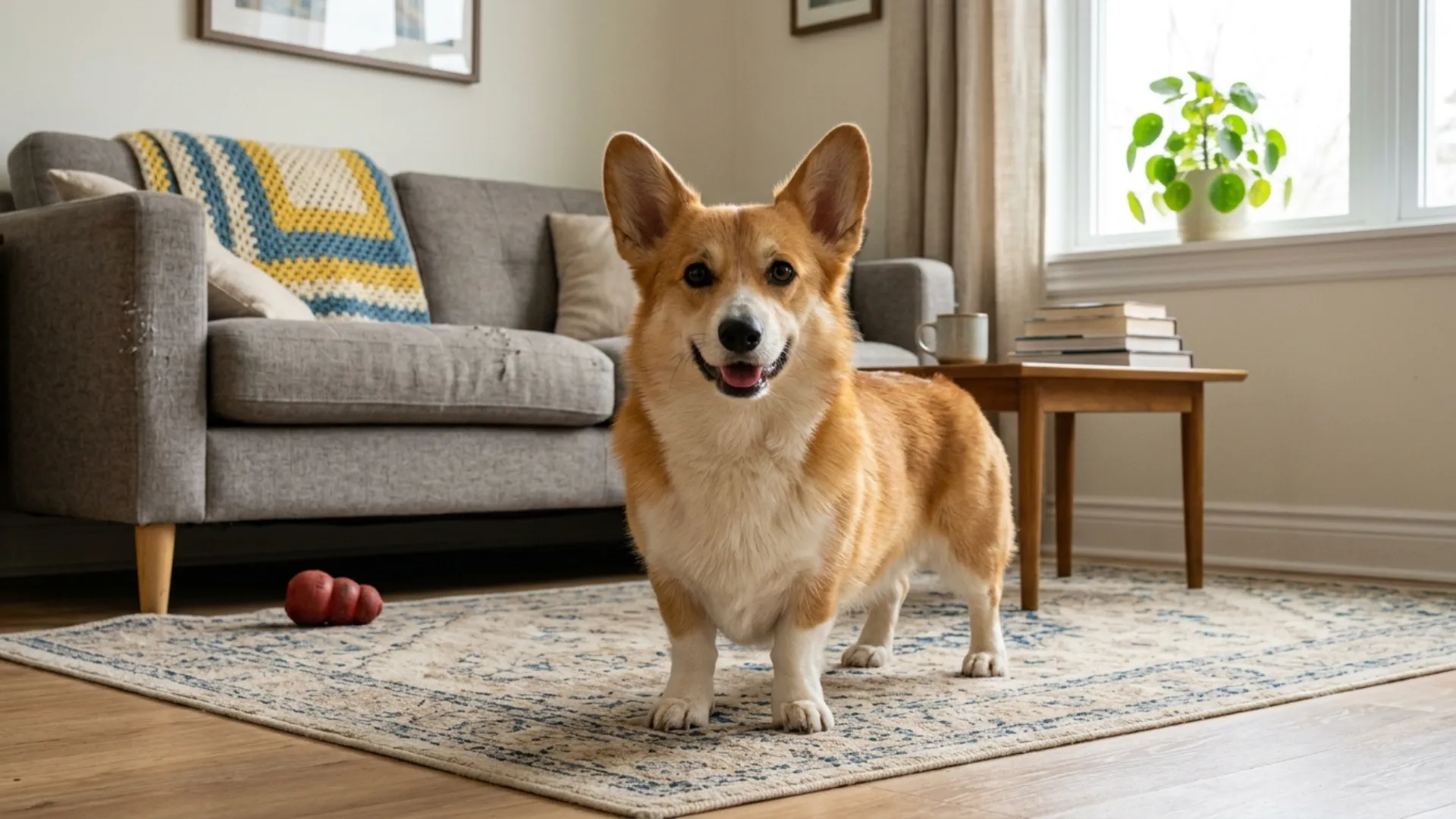
Welcoming a dog into your home can bring companionship, laughter, and countless happy memories. But owning a pet also comes with ongoing expenses, from food and grooming to veterinary care and supplies. Choosing from the top low-cost dog breeds for happy homes can make responsible pet ownership easier without sacrificing the joy of having a canine companion.
The best affordable dog breeds are not necessarily the cheapest to purchase. Instead, they tend to have manageable food requirements, minimal grooming needs, moderate exercise demands, or other traits that can help keep everyday expenses reasonable. Your dog’s health, lifestyle, and individual needs still matter when choosing the right dog breed.
If you’re ready to find a loving companion that fits comfortably within your budget, these ten low-cost dog breeds offer a helpful starting point for building a happy home without unnecessary expenses.
FACT: Adoption can often cost less upfront than purchasing a dog from a breeder, while also giving a deserving dog a new home.
Top Low-Cost Dog Breeds for Happy Homes
1. Chihuahua

Tiny but full of character, the Chihuahua is a practical companion for households looking to keep everyday dog expenses manageable. These small dogs can also suit apartment living and households looking for a low-maintenance dog with minimal grooming needs.
Despite weighing just a few pounds, these dogs are alert, loyal, and surprisingly confident. They adapt well to small homes and are easy to take on walks because of their compact build.
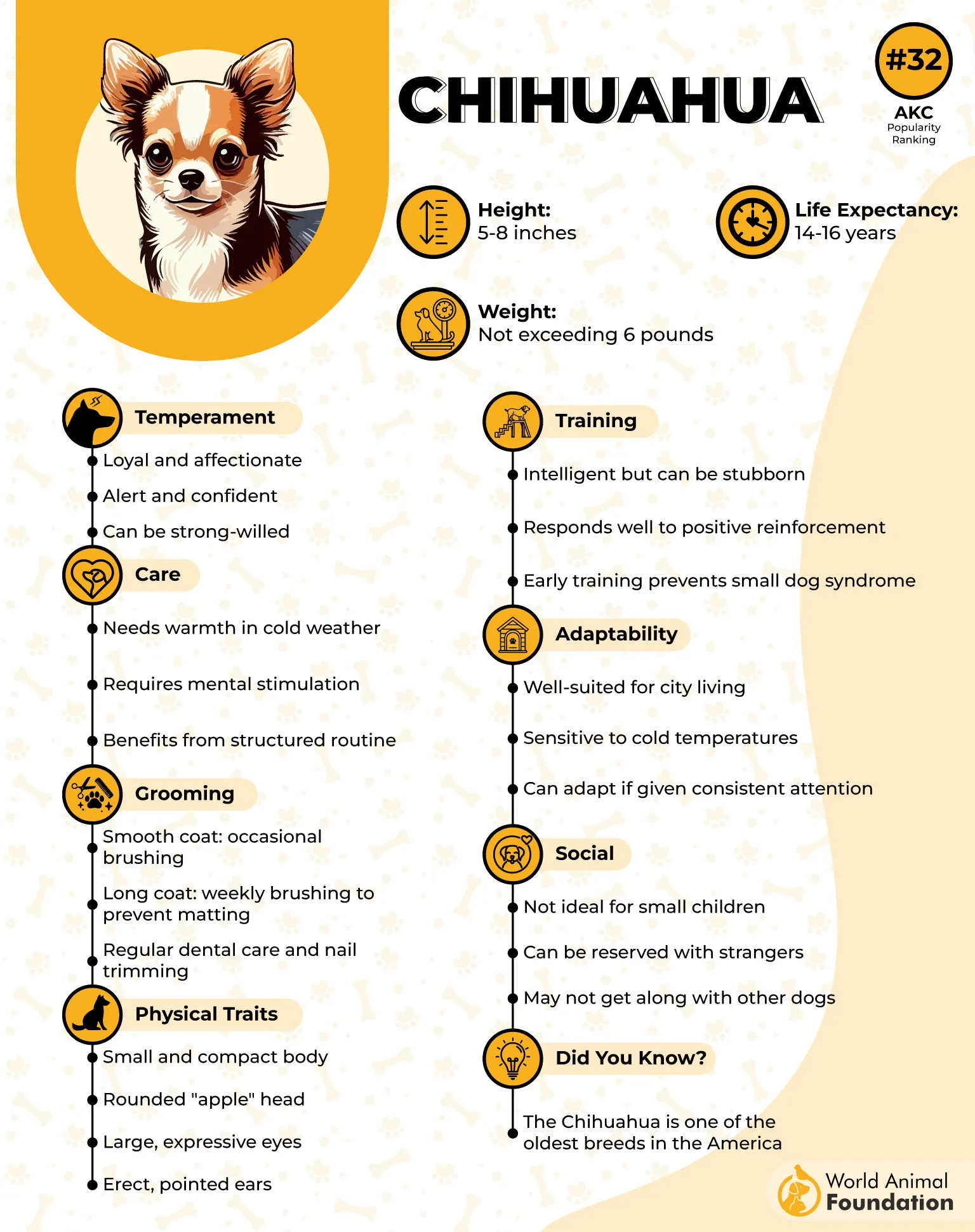
Smooth-coated Chihuahuas need only occasional brushing, while long-haired varieties require more regular coat care. Their petite size means they require relatively little food, which can help keep feeding costs modest.
Chihuahuas are widely available through shelters and rescues, giving budget-conscious adopters another way to reduce the initial cost of bringing one home. Their temperament can be strong-willed, so early training helps establish good habits.
2. Beagle

Beagles bring an easygoing, cheerful energy to family life, making them delightful companions for households looking for an affordable dog. Bred to hunt in packs, they typically enjoy being around people and other pets, especially when they have plenty of opportunities for play and interaction.
Their expressive nature adds to their charm, with barks, howls, and distinctive bays often becoming part of their lively personality. Their playful temperament also makes them enjoyable companions for children and families who appreciate an active, affectionate dog. Their friendly personality and sociable nature can make Beagles great companions for families with children and other pets.
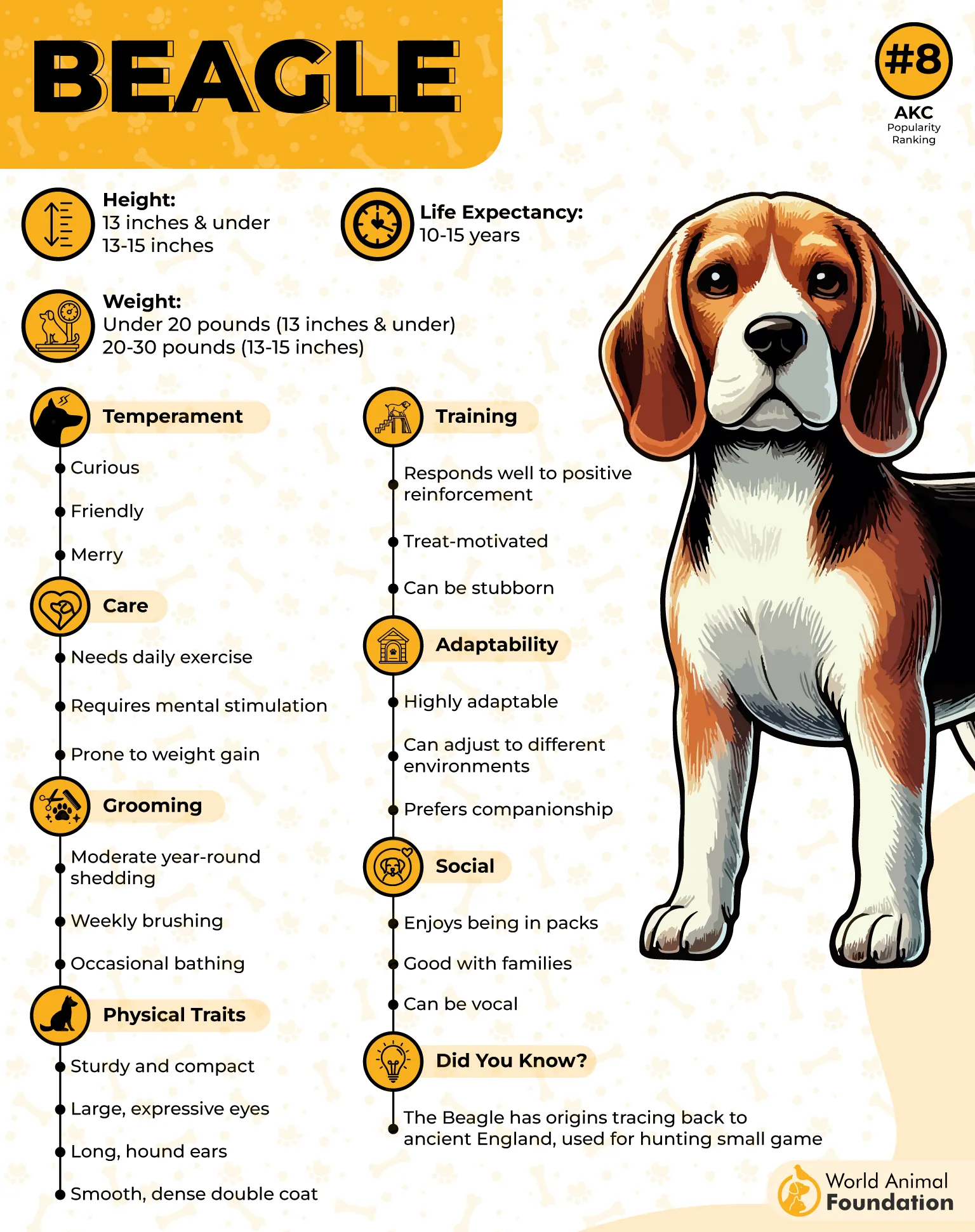
Their short coat keeps grooming relatively manageable. A weekly brushing and occasional bath are generally enough to maintain it, helping reduce routine grooming expenses.
Beagles do need regular exercise, including daily walks and active play, so families should have enough available time to keep them engaged. Their curious noses and strong hunting instincts can lead them toward interesting scents.
3. Dachshund

A Dachshund can turn an ordinary evening into a cozy story, happily curling up beside its owner after a moderate walk. Its small stature makes it well suited to compact homes. For pet parents with limited living space, this small breed can be a practical companion dog.
Its smooth coat requires little grooming compared with longer-coated varieties. Long-haired and wire-haired Dachshunds need somewhat more coat care, giving owners simple options based on their preferred grooming routine.
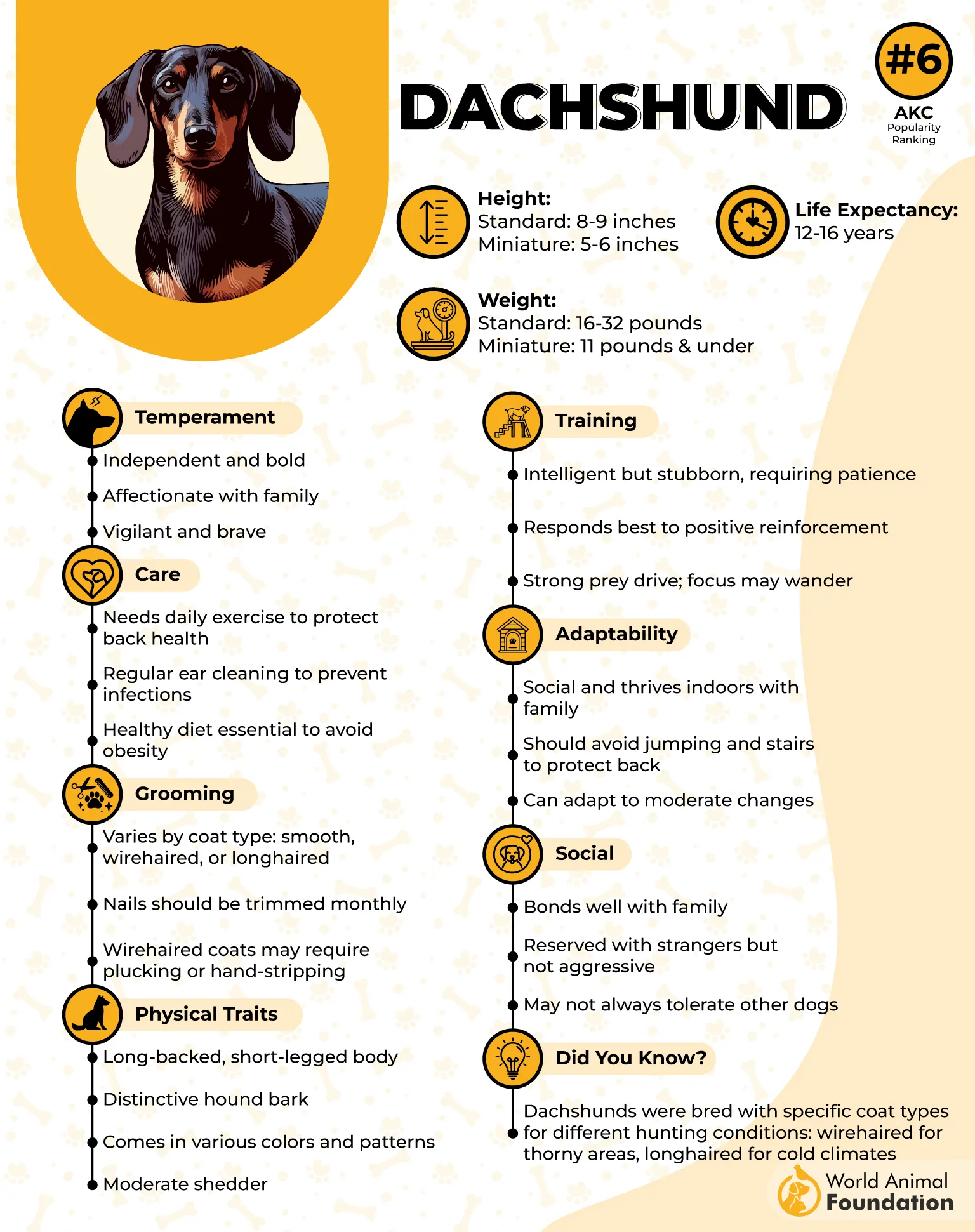
Their food needs are generally modest because of their size, which can make everyday care easier on a budget. These dogs are affectionate and loyal, although their independent streak can make training a little challenging.
Their distinctive long backs can be vulnerable to spinal problems; owners should limit jumping from furniture and activities that could place excessive strain on the spine. Keeping a Dachshund at a healthy weight is also important for protecting its spine.
4. Pug

Small in size but big on personality, the Pug can be a practical companion for households seeking a small dog with modest exercise needs. Pugs are affectionate, adaptable, and generally happy around children and other pets.
Their gentle temperament and affectionate personality can make them loving companion dogs for families and first-time dog owners.
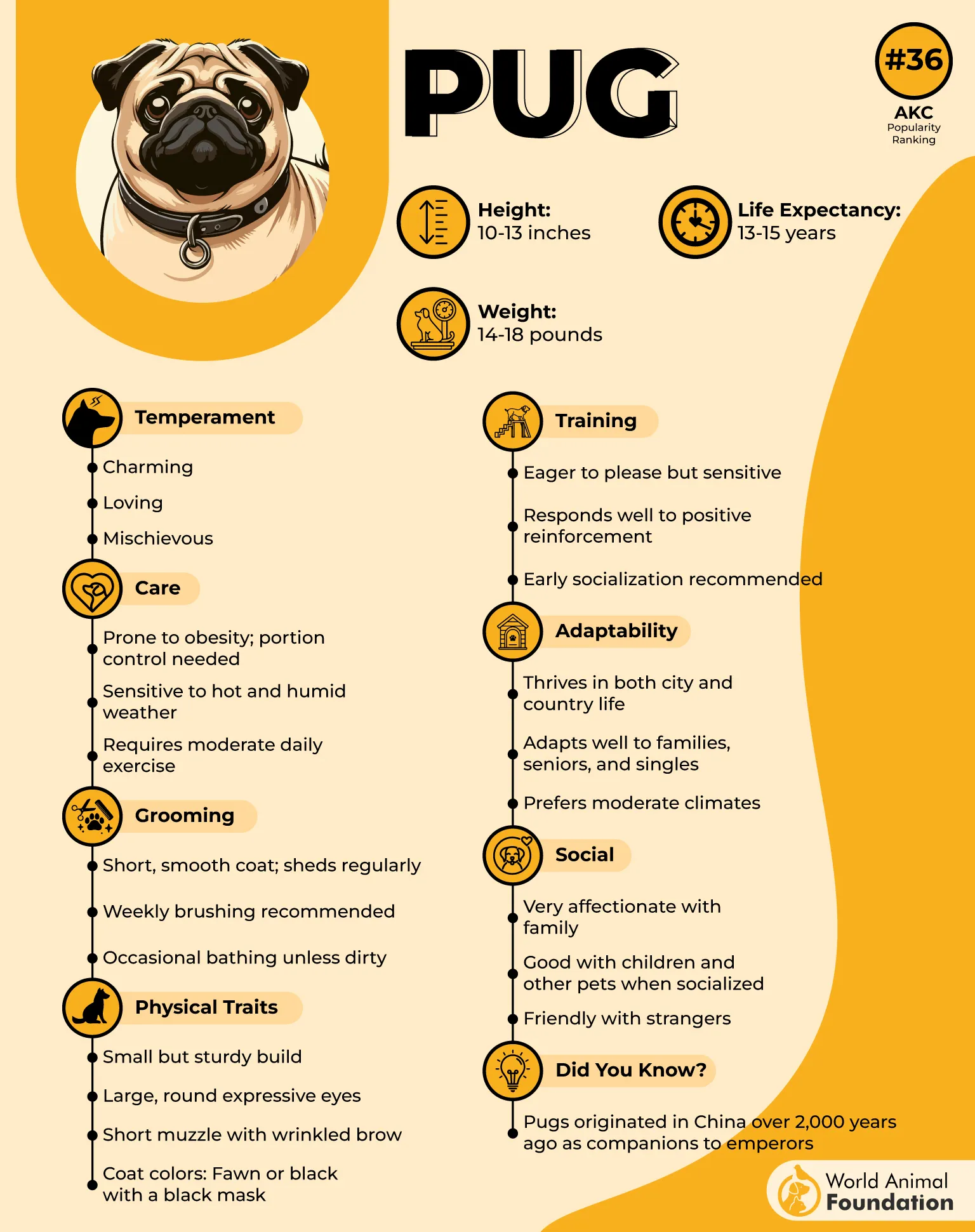
Their grooming routine is manageable, although their facial wrinkles require regular cleaning and thorough drying to help prevent skin problems. Much of this basic wrinkle care can be handled at home with consistent attention. According to AKC, Pugs rarely need bathing unless they get dirty or develop an odor, but their nails should be trimmed regularly to prevent discomfort.
Exercise needs are moderate, and Pugs respond well to positive training methods. Because their short muzzles can make breathing more difficult in hot or humid conditions, keeping them cool indoors is especially important.
5. Pembroke Welsh Corgi
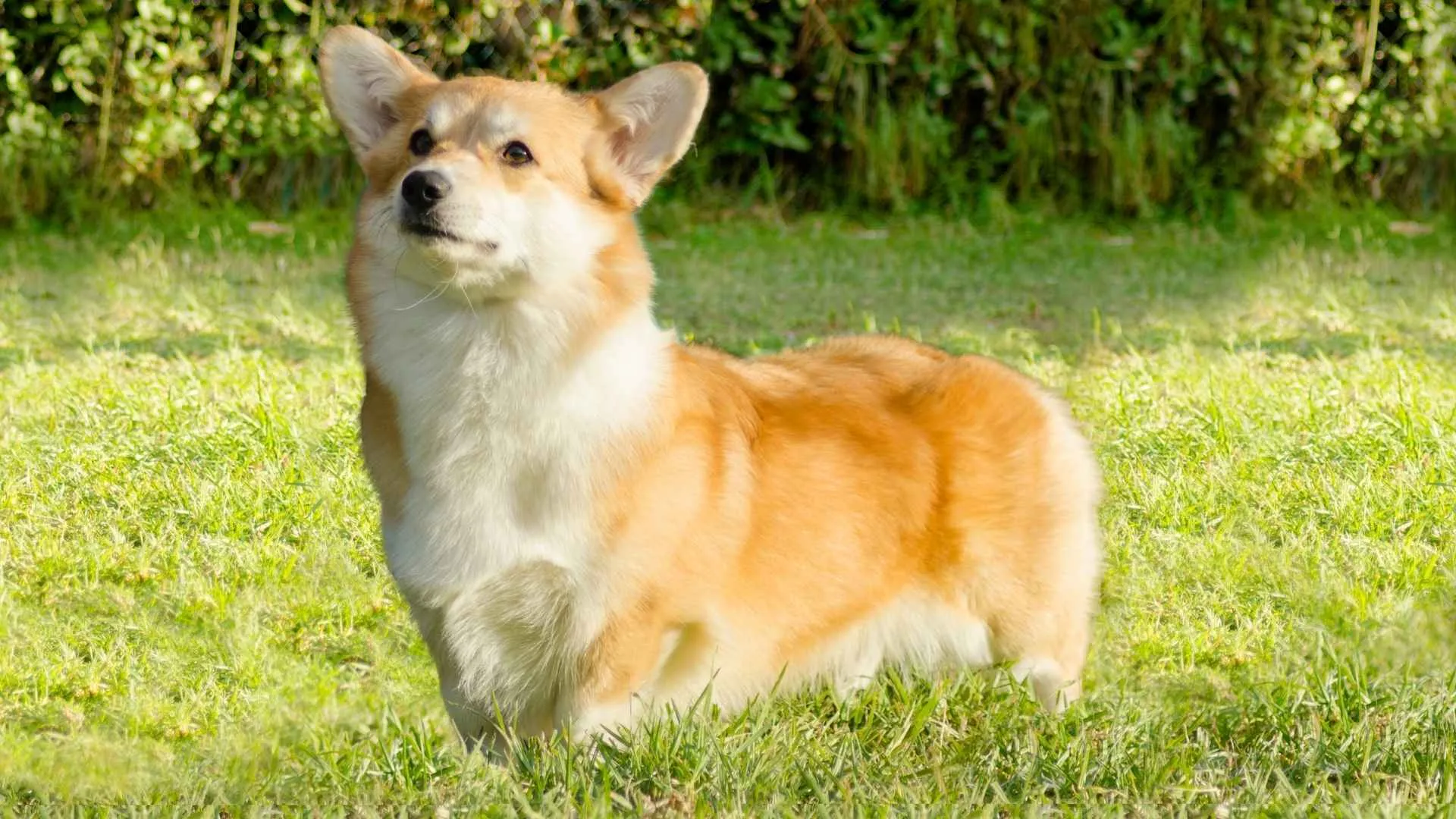
The Pembroke Welsh Corgi brings a lively personality and sturdy build to family life without the grooming demands of many long-coated breeds. Its medium-small size can help keep food portions and everyday supplies more manageable than those of larger dogs.
Their playful personality and trainability can make them a good option for active dog owners who want a charming companion.
Their short double coat is relatively simple to maintain, with regular brushing helping remove loose hair and manage shedding. Corgis do shed, particularly during seasonal changes, so brushing more frequently during heavier shedding periods can help keep loose fur under control.
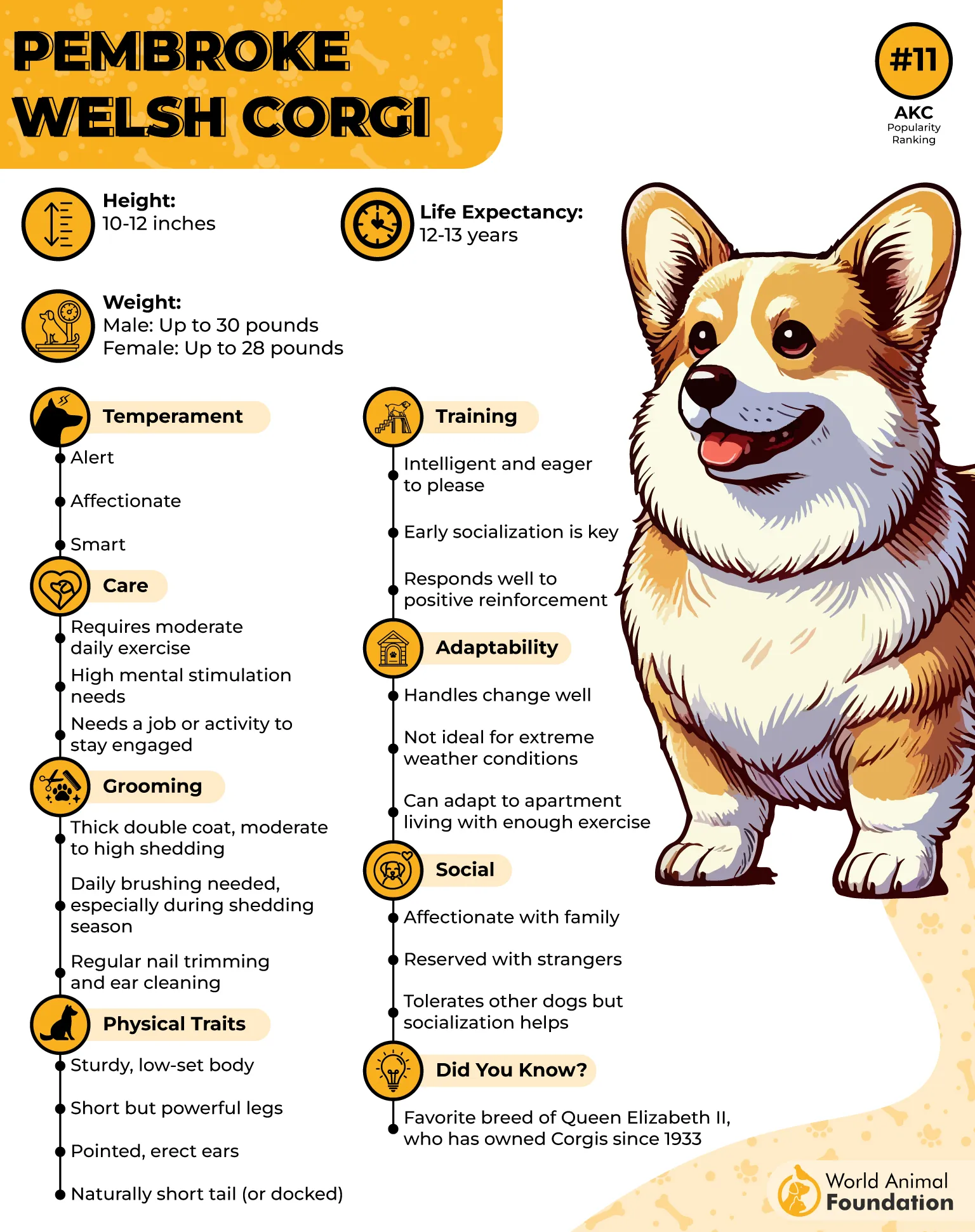
Pembroke Welsh Corgis are energetic and benefit from daily walks, play sessions, and activities that engage their minds. Their intelligence makes them responsive to training, although their independent streak can sometimes require patience and consistency. Keeping them active can also help prevent boredom and unwanted behaviors.
For budget-conscious owners, their manageable size and uncomplicated coat care can help reduce some routine ownership expenses. However, prospective owners should still budget for quality food, preventive veterinary care, training, exercise, and other essentials.
6. Miniature Pinscher
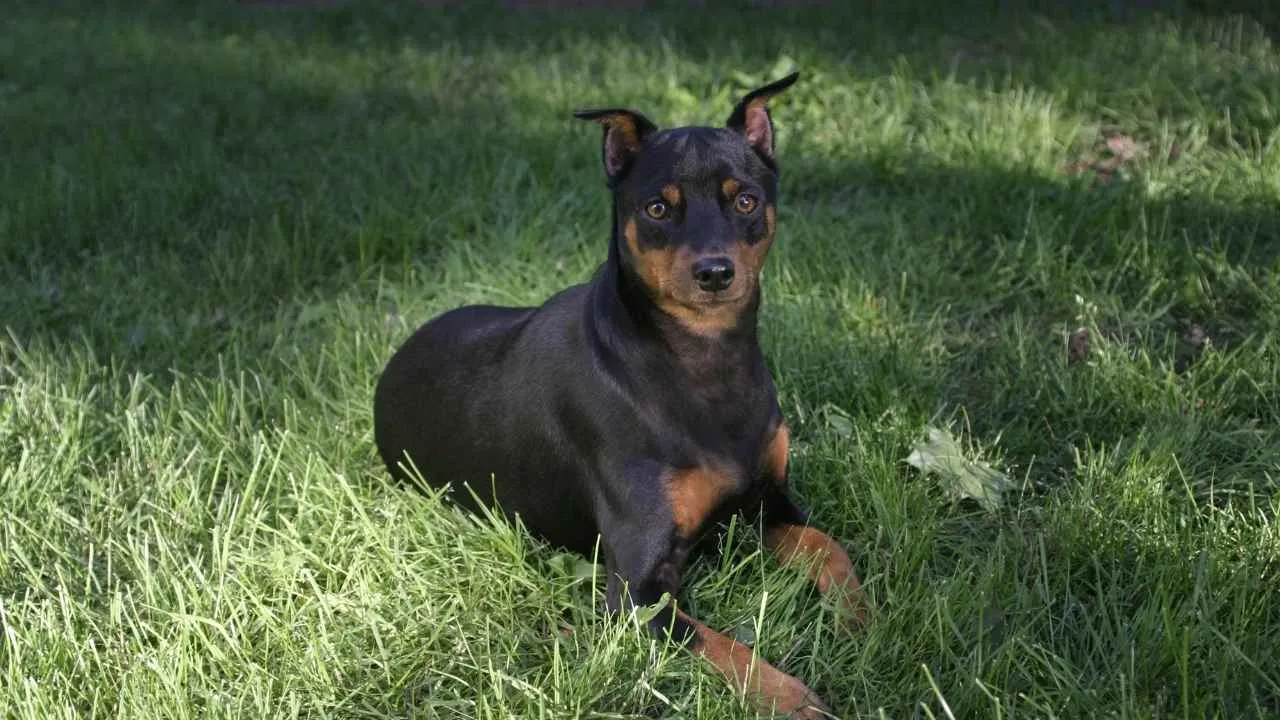
Miniature Pinschers pack a bold personality into a remarkably small frame. These lively, confident dogs are known for their spirited nature and distinctive high-stepping “Hackney” gait, which gives them an almost horse-like stride.
Their compact build makes them practical for households with limited space. They are also relatively economical to feed compared with larger breeds, helping keep everyday ownership costs manageable.
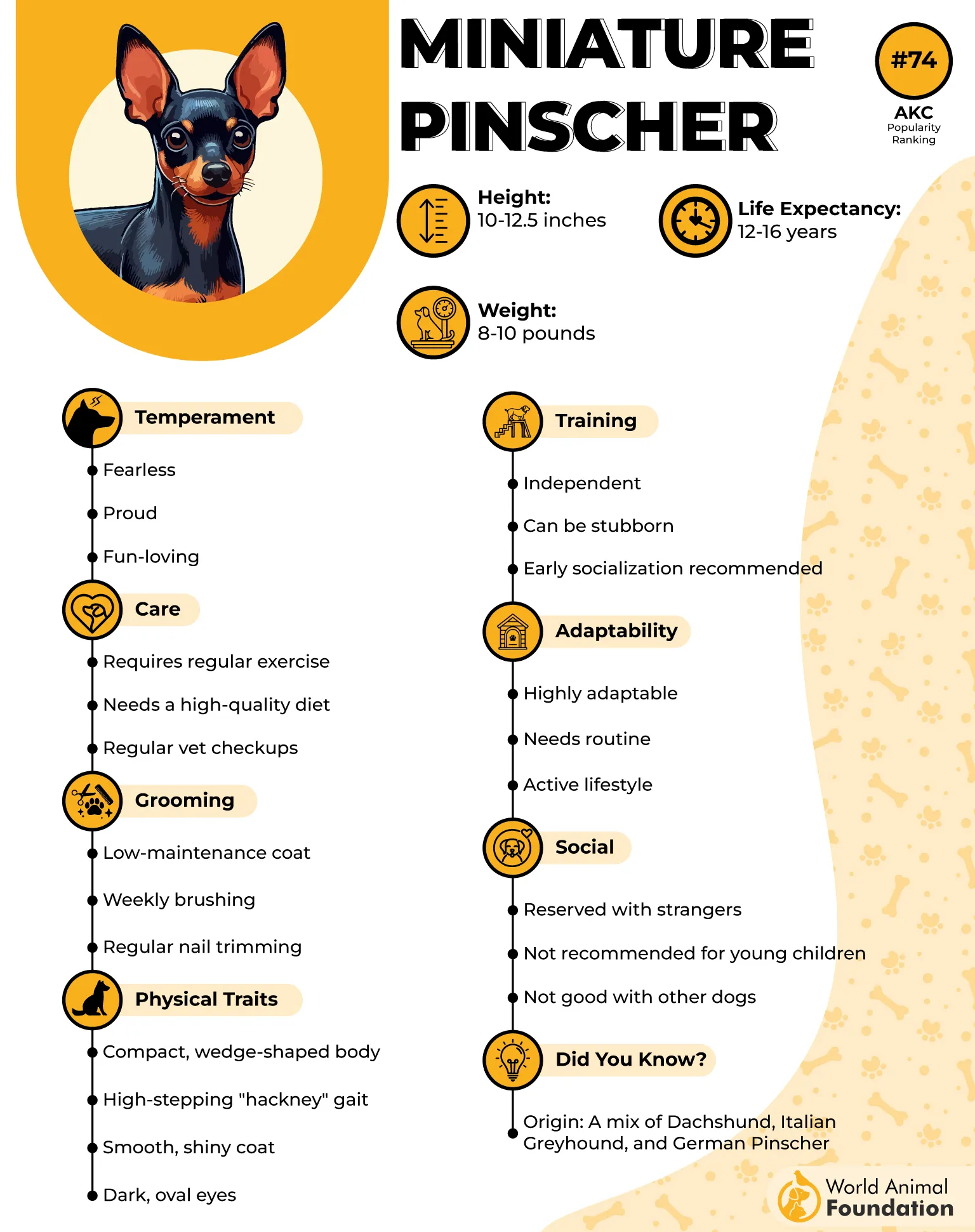
Grooming is another area where this tiny breed keeps things simple. Their short, naturally clean coats require little maintenance, with occasional brushing and bathing enough to keep them looking neat.
Despite their size, Miniature Pinschers are playful, energetic, and assertive. Early training is important because their confident temperament can sometimes make them headstrong, while regular activity helps channel their abundant energy.
7. Jack Russell Terrier

The Jack Russell Terrier brings plenty of energy without requiring an expensive lifestyle. This small breed thrives with an active lifestyle and suits dog owners who have enough available time for regular exercise and training.
Despite its spirited personality, the Jack Russell is generally healthy and has simple grooming needs. A weekly grooming routine is usually enough, while its minimal drooling makes everyday care relatively straightforward.
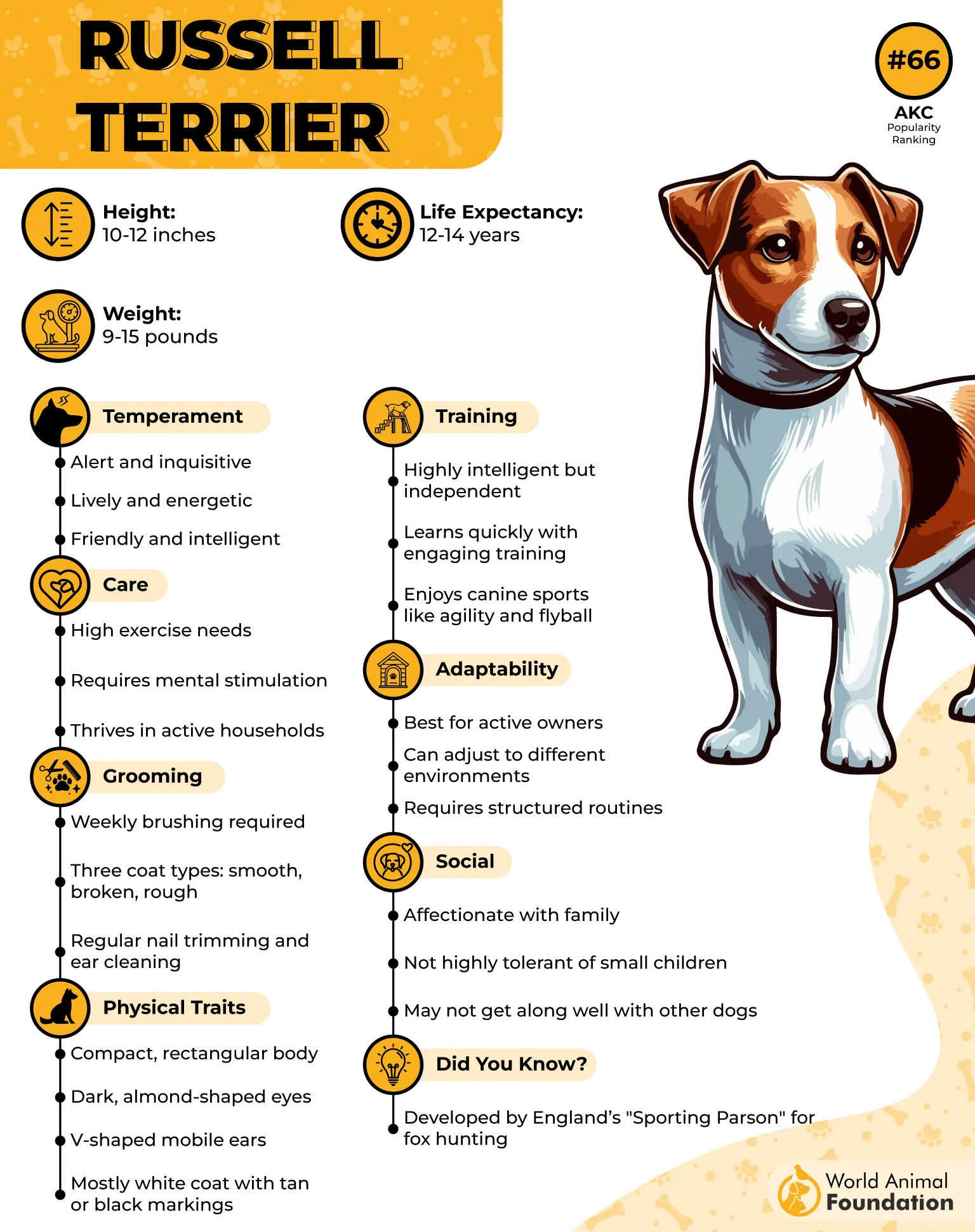
These terriers are vocal and alert, often barking when visitors arrive or when something unusual catches their attention. Early socialization can help them become more comfortable around other dogs and pets.
A secure garden can give this energetic breed additional space to explore and play alongside its regular walks and activities. Jack Russells can suit semi-rural homes and may occasionally stay alone when gradually trained for it, making them practical for owners who can balance activity with routine care.
8. Rat Terrier

Rat Terriers have a hardworking history, once valued for hunting and controlling rat populations. Their sturdy nature and practical working background make them an appealing choice for families seeking a capable companion without excessive upkeep.
These dogs are generally intelligent and healthy, which can make training at home more manageable. Their short coat is also easy to maintain, so regular brushing can be handled without professional grooming expenses.
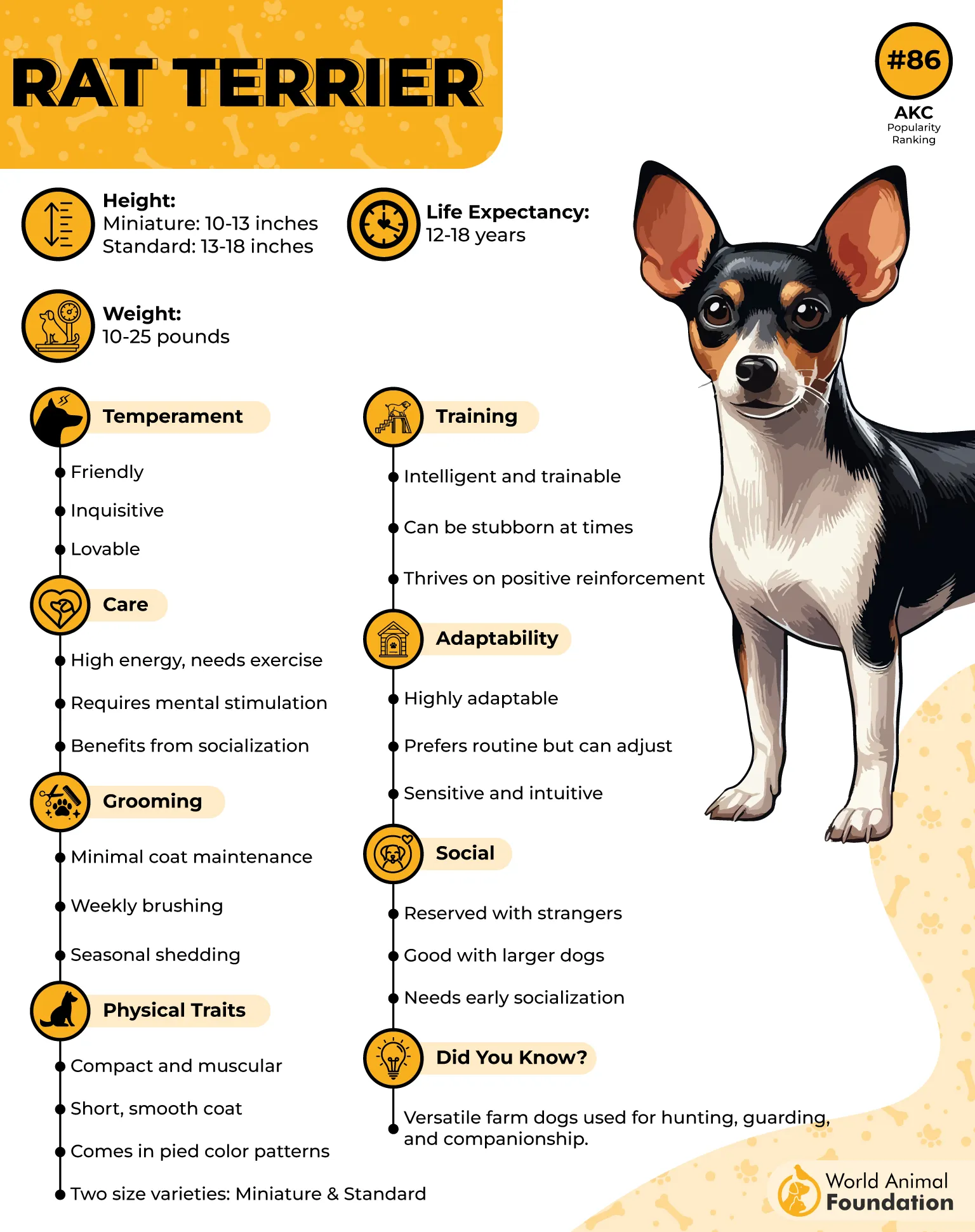
Beyond their working instincts, Rat Terriers are affectionate family dogs. They tend to enjoy being involved in household activities and can be playful companions for children, especially in active homes.
Although routine care can be straightforward, Potential hereditary health conditions should still be considered when planning for veterinary expenses. Planning for possible veterinary costs can help keep ownership more manageable.
9. Greyhound

Despite its towering build and racing reputation, the Greyhound is a surprisingly easy dog to care for. This gentle giant is generally calm indoors and can adapt well to apartment living, provided it gets opportunities to stretch its legs and run.
Its short, smooth coat keeps grooming simple. According to PetMD, when it comes to grooming, Greyhounds are generally easy to maintain. Greyhounds also tend to be relatively quiet, making them suitable for households that prefer a peaceful companion rather than a frequent barker.
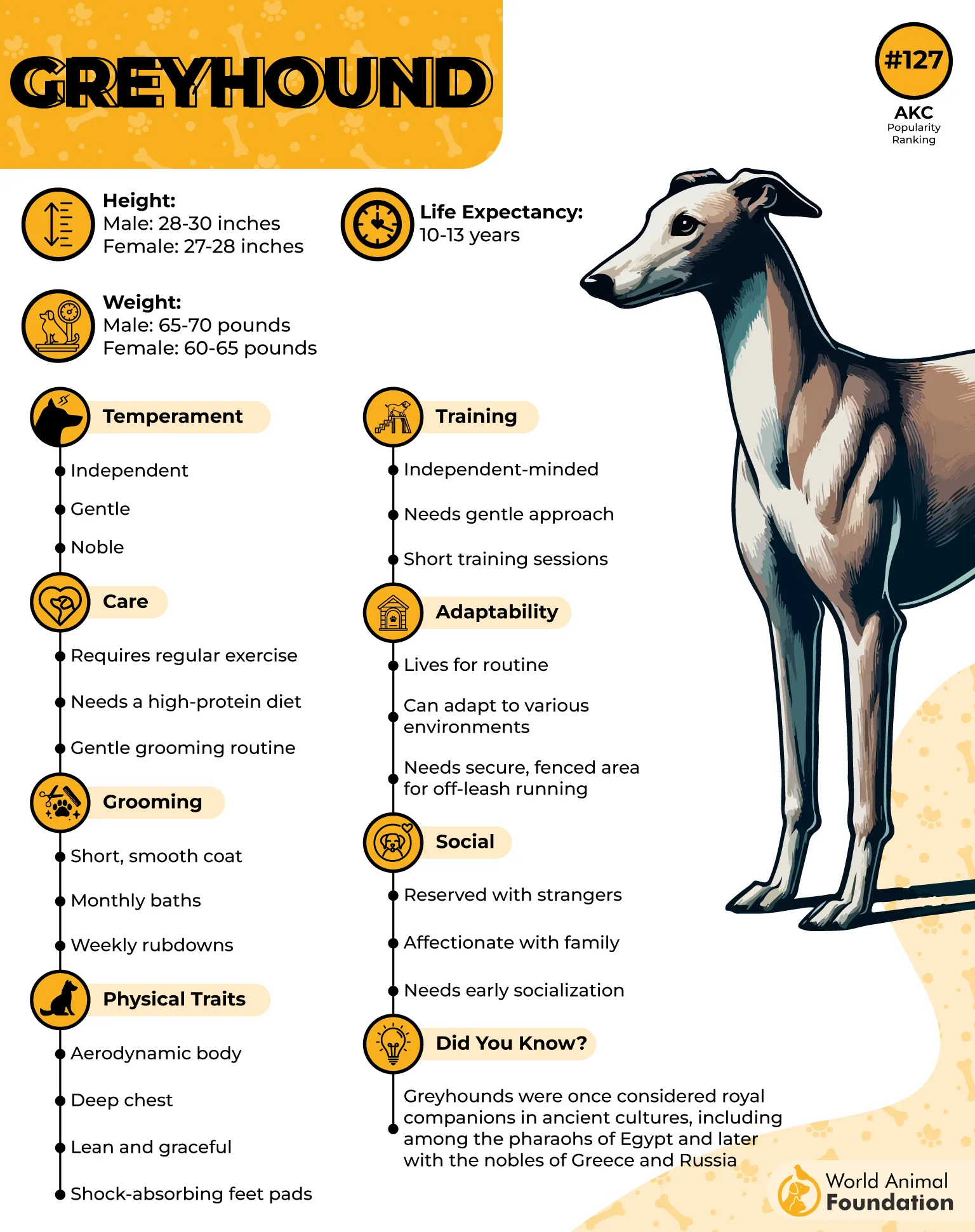
Exercise needs are manageable, too. Instead of prolonged activity, Greyhounds typically enjoy brief bursts of running followed by plenty of downtime. Their affectionate and relaxed temperament can make them a comfortable fit for busy households.
Although generally healthy, Greyhounds can face risks such as bloat, so careful feeding practices are important. Their larger size can increase food, medication, and other ownership expenses, but their uncomplicated coat care can help keep grooming costs manageable.
10. Manchester Terrier

The Manchester Terrier is a sleek little companion that keeps grooming costs refreshingly low. Its short, smooth coat requires little attention, helping owners avoid frequent professional grooming expenses
Small in size, this breed also eats less than larger dogs, which can make everyday feeding expenses easier to manage. Its compact build and uncomplicated coat make it a practical choice for owners seeking a budget-conscious companion. According to Purina, this breed can live in homes of any size if it has a secure yard and safe areas for off-leash activity.
Originally bred in Manchester, England, these lively terriers were developed to hunt rats. Today, they remain alert, curious, and playful, while their friendly personality can make them charming companions for the right household.
Despite their generally healthy reputation, veterinary expenses should still be considered. Manchester Terriers can experience conditions such as patellar luxation and cardiomyopathy, so potential veterinary expenses should still be considered. Recommended health testing can help breeders identify certain inherited conditions.
Conclusion
Choosing a low-cost dog breed can make pet ownership more manageable without taking away from the joy of having a loyal companion. The right breed can fit comfortably into your lifestyle and household budget.
From smaller dogs with modest food needs to breeds requiring less grooming, many options can help reduce everyday expenses. Their care requirements may also be easier for new owners to handle.
However, affordability should never mean overlooking health or quality care. Even budget-friendly breeds can develop medical conditions, making regular veterinary attention and preventive care important.
Ultimately, the best choice is one that balances manageable costs with temperament, care needs, and companionship. With thoughtful planning, you can welcome a happy, healthy dog into your home without making pet ownership unnecessarily expensive.
