




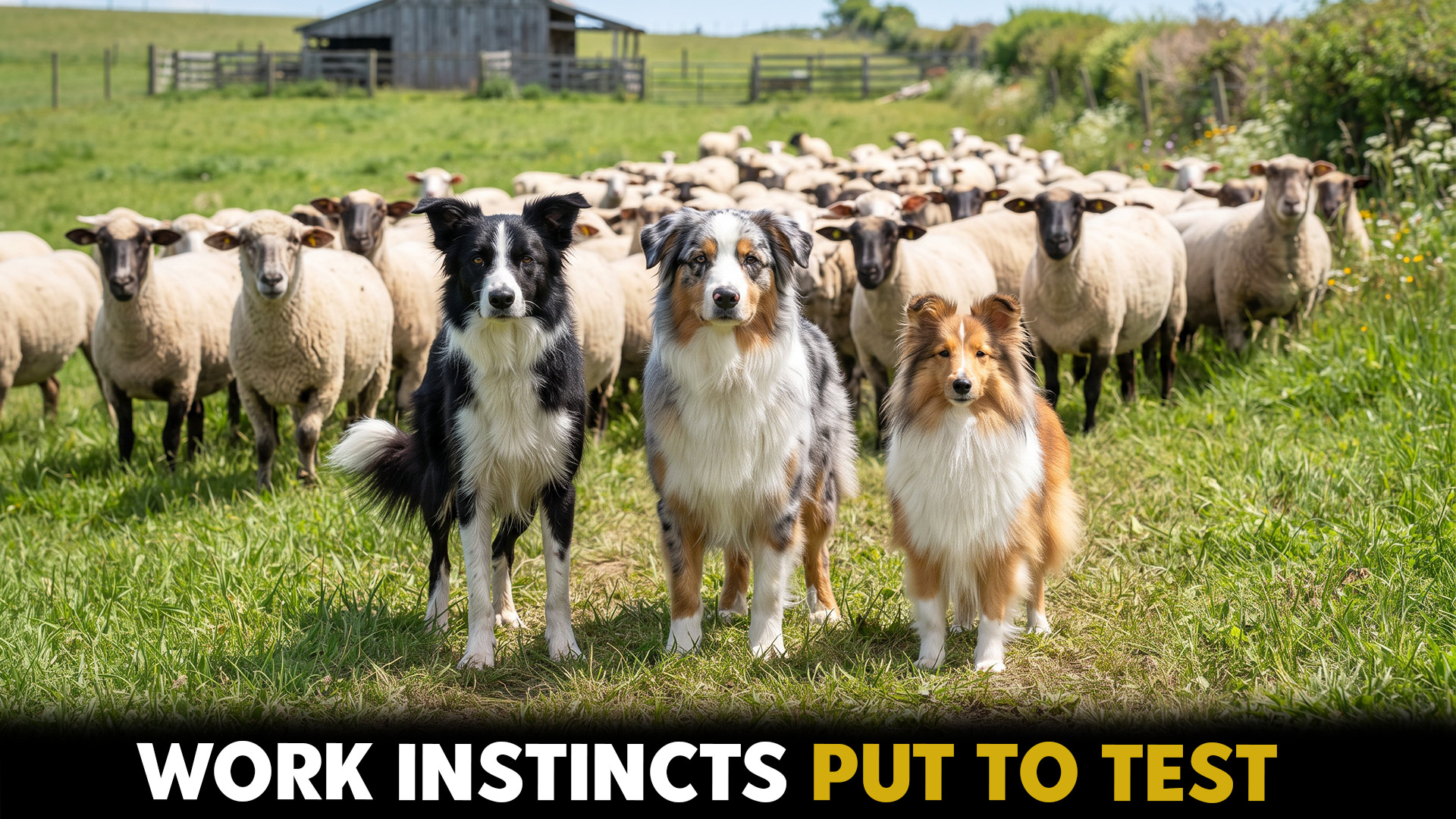
Herding dogs are more than just energetic farm helpers. They’re smart, alert, and always ready for the next task. Bred to control and move livestock, these dogs have a natural talent for watching their surroundings, responding to direction, and keeping things organized.
But there’s a catch: a herding dog usually needs more than a quick walk around the block. These dogs tend to thrive when they have plenty of exercise, training, and mental stimulation.
Without enough to do, their instincts may show up in unexpected ways, such as chasing moving objects, trying to herd children or pets, or becoming restless and destructive. Early training and plenty of structured activity can help turn that natural drive into a positive outlet.
So, which herding dog is the right match for your lifestyle? In this article, we’ll explore seven top herding dog breeds and what makes each one stand out, helping you find a loyal, intelligent companion that fits your home and daily routine.
Top Dog Breeds for Herding: Which One Is Right?
1. Border Collie
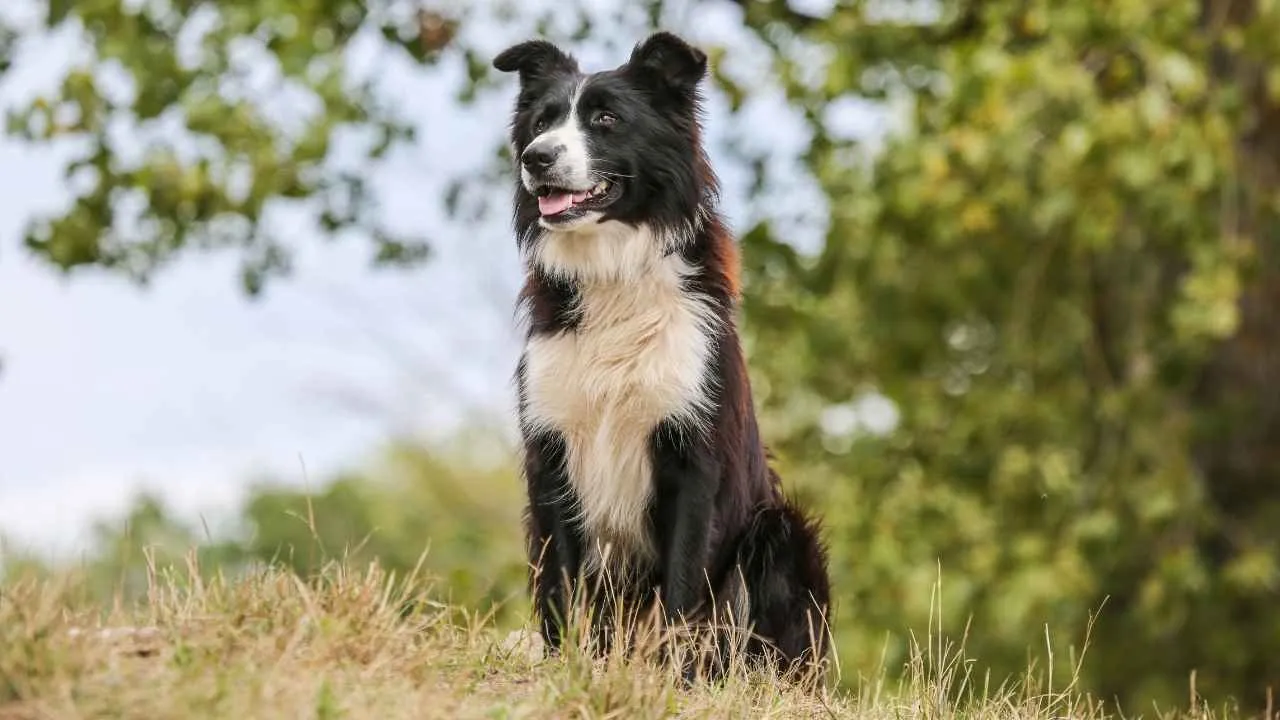
Border Collies are built for action. Originally developed along the England-Scotland border, these intelligent working dogs were bred to manage large flocks and became known for their focused stare and quick, precise movements.
Their strong work ethic has also made them stars in agility, frisbee, flyball, and herding trials. Today, they can be wonderful companions for active families and cattle herders, especially those who enjoy an outdoorsy lifestyle.
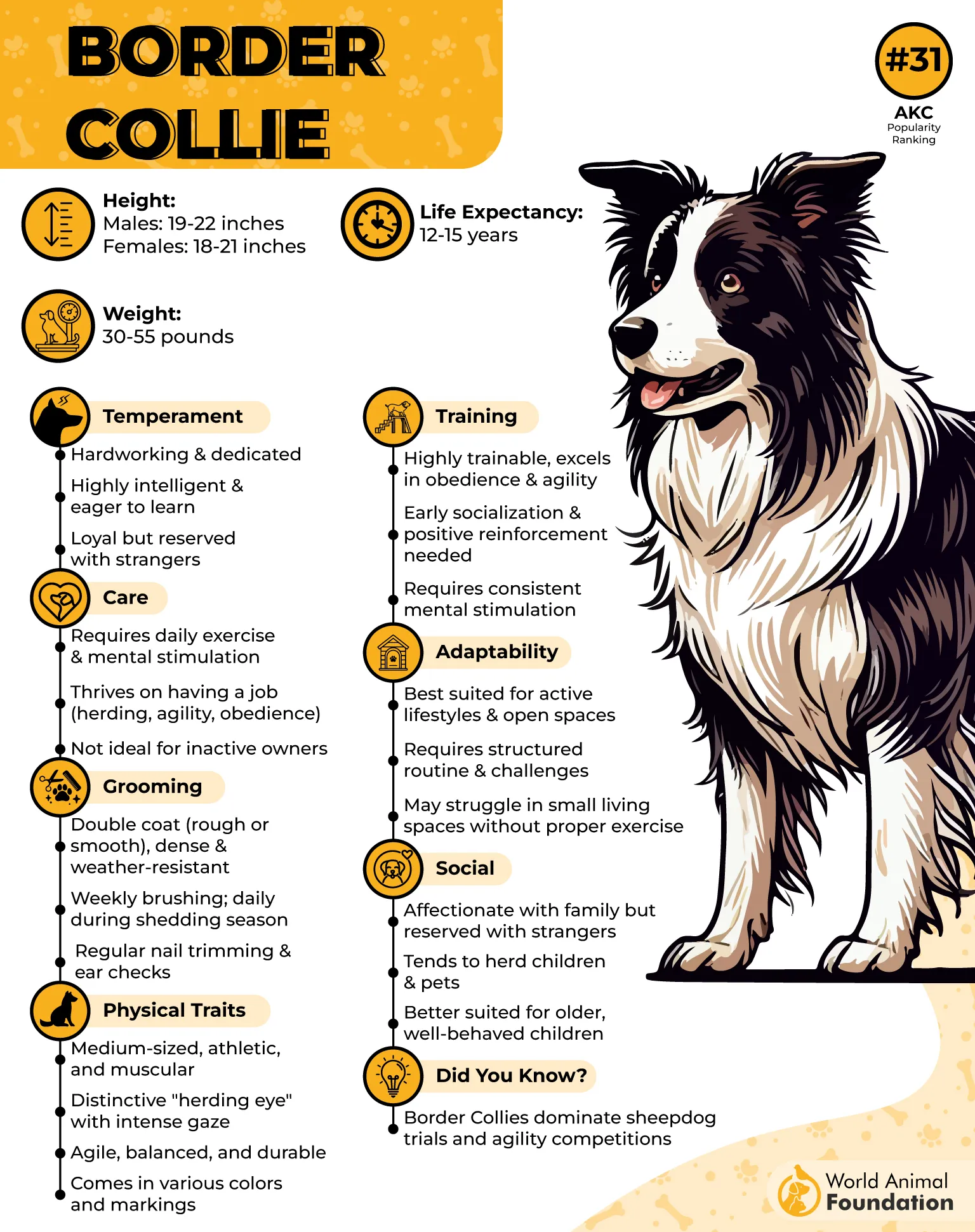
What Makes Border Collies Stand Out?
Border Collies are often considered one of the smartest dog breeds. They learn commands quickly and enjoy having a job to do. They are also loyal, alert, playful, and highly responsive to their people.
Their herding instincts can sometimes lead them to nudge or nip at children and other pets, so early training and socialization are important. They may also be reserved around strangers and can react to sudden loud noises such as fireworks or thunder.
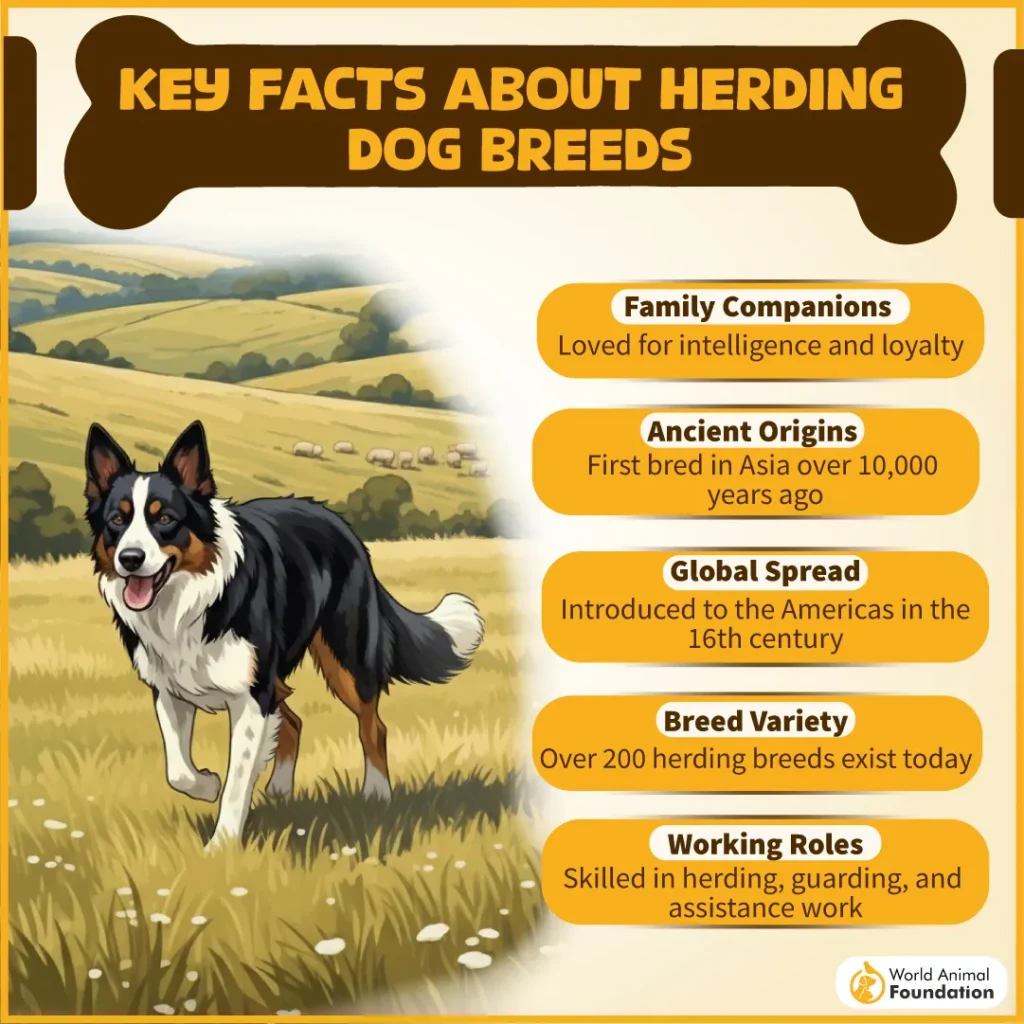
Caring for Border Collies
These sheep-herding dogs need plenty of daily activity and mental challenges. Young Border Collies typically need around one to two hours of exercise each day.
Long walks, hiking, running, fetch, Frisbee, agility, and obedience training can help keep them engaged. Without enough stimulation, they may start digging, chewing, chasing, or barking out of boredom.
2. Australian Shepherd
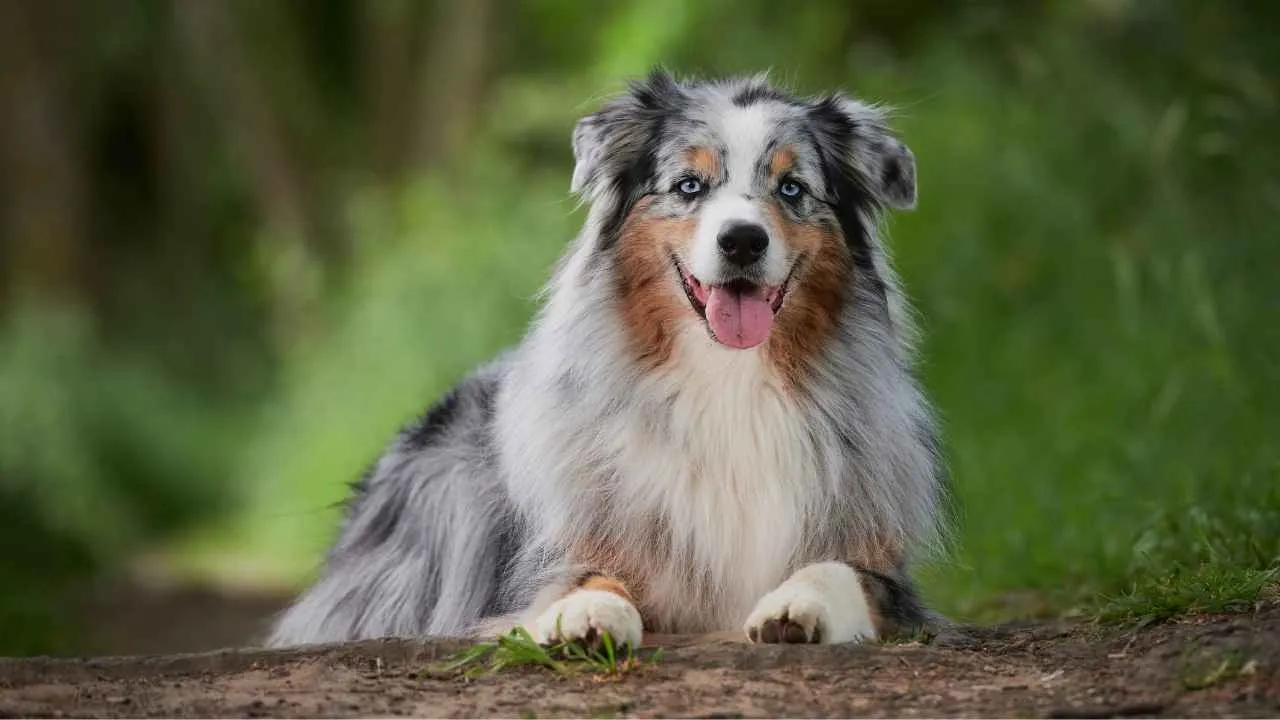
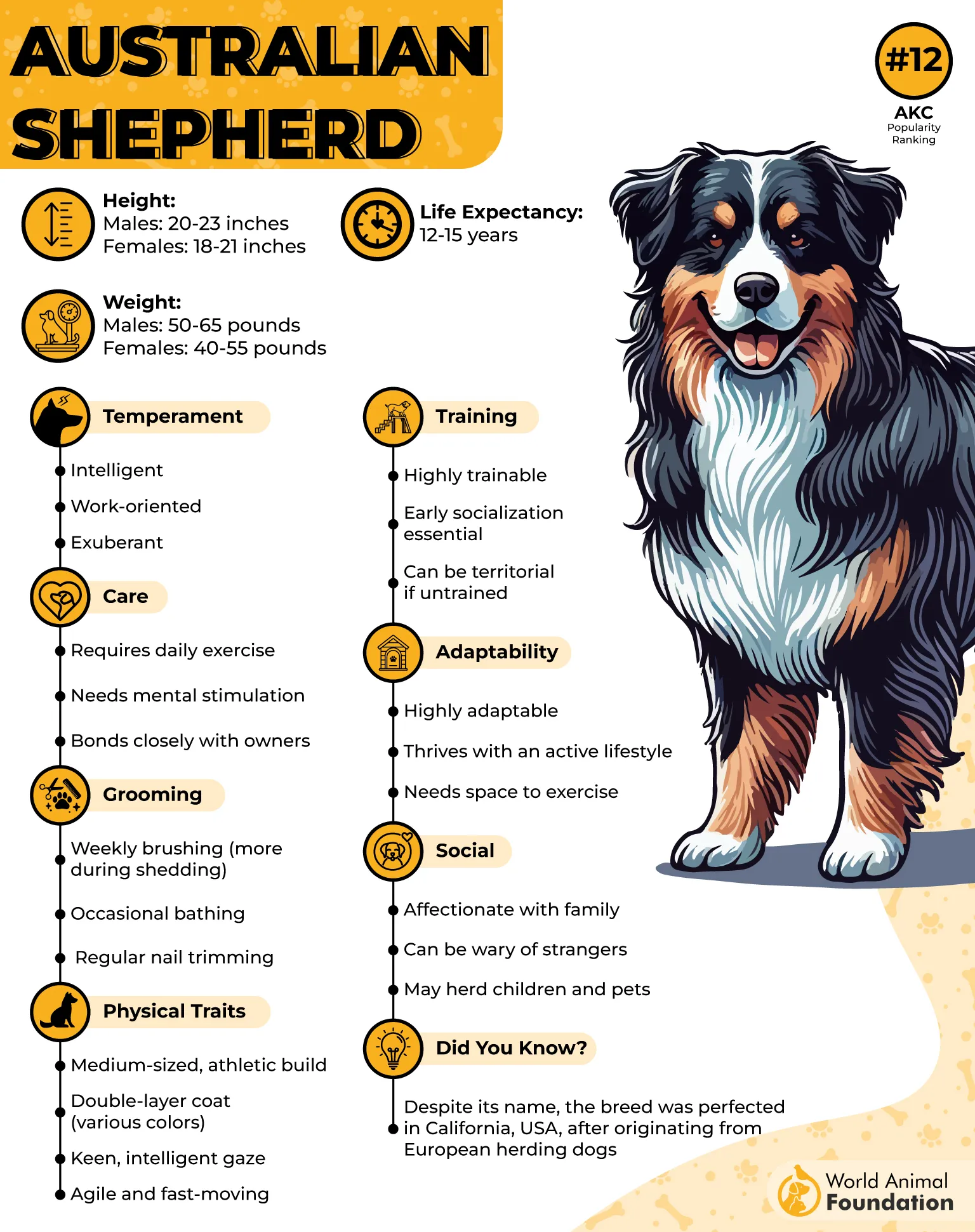
Australian Shepherds are energetic working dogs with a strong instinct to herd. Despite their name, they were developed in the western United States in the late 1800s, mainly from British herding dogs, as mentioned by Britannica.
Aussies became closely linked with ranch and cowboy life because of their ability to work livestock. Today, they are also valued as active family pets and can take part in activities like agility, obedience, and tracking.
What Makes Australian Shepherds Stand Out?
Australian Shepherds are highly intelligent, loyal, playful, and quick to learn. They enjoy having a job and are usually eager to please their people. Their herding instincts can make them chase moving objects, including children, cats, cars, bikes, and scooters.
Early socialization can help them live well with children, cats, and other dogs. They are often friendly with their families but may take time to warm up to strangers. Some can also be reserved around unfamiliar dogs or bark frequently.
Caring for Australian Shepherds
These high-energy dogs need plenty of physical and mental activity each day. At least an hour of vigorous exercise, such as running, swimming, retrieving, tugging, or active play, can help keep them satisfied.
They also enjoy herding, agility, obedience, nose work, tracking, and dock diving. A well-fenced yard is helpful, but simply having space to roam is not enough.
3. Pembroke Welsh Corgi
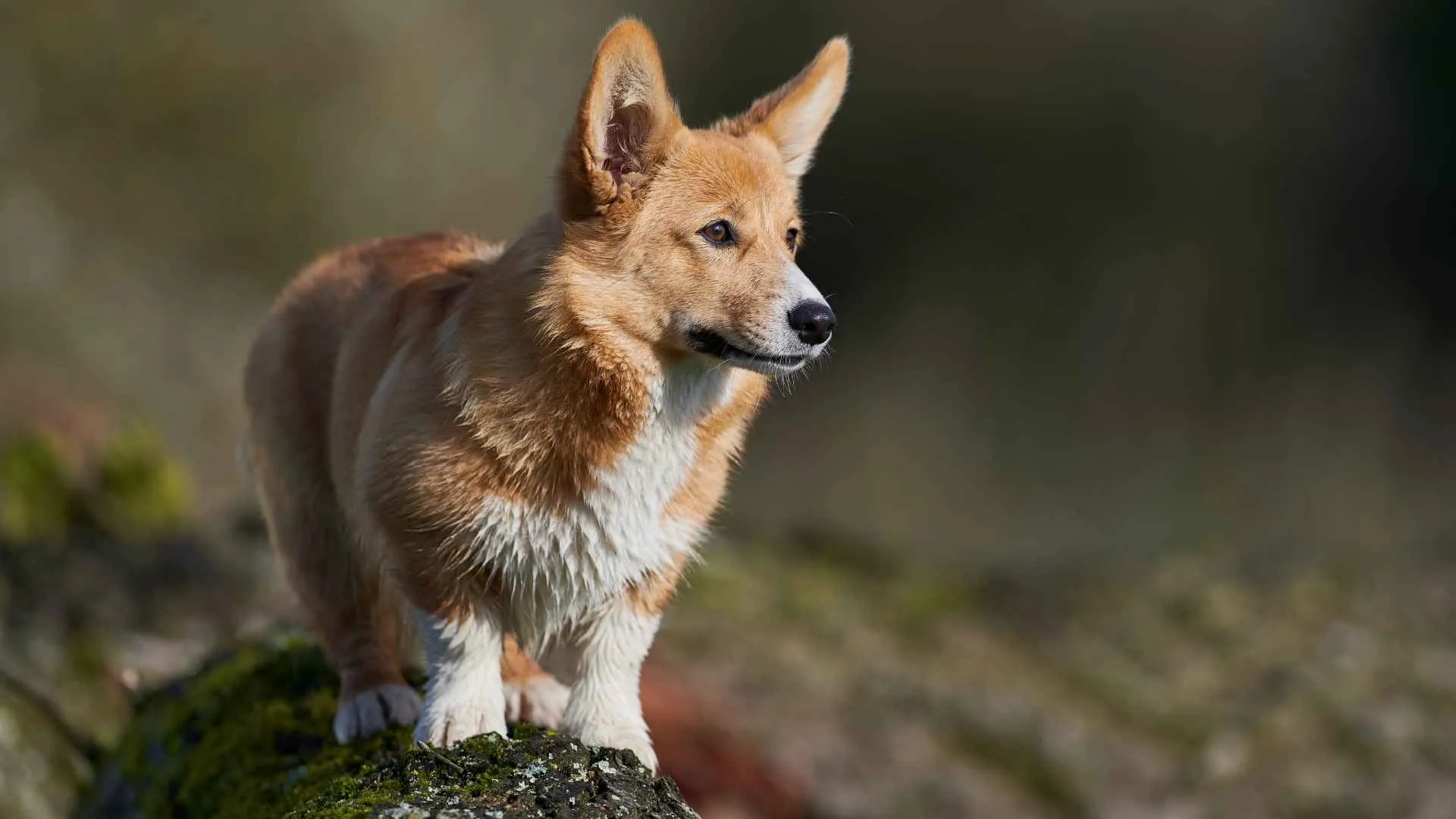
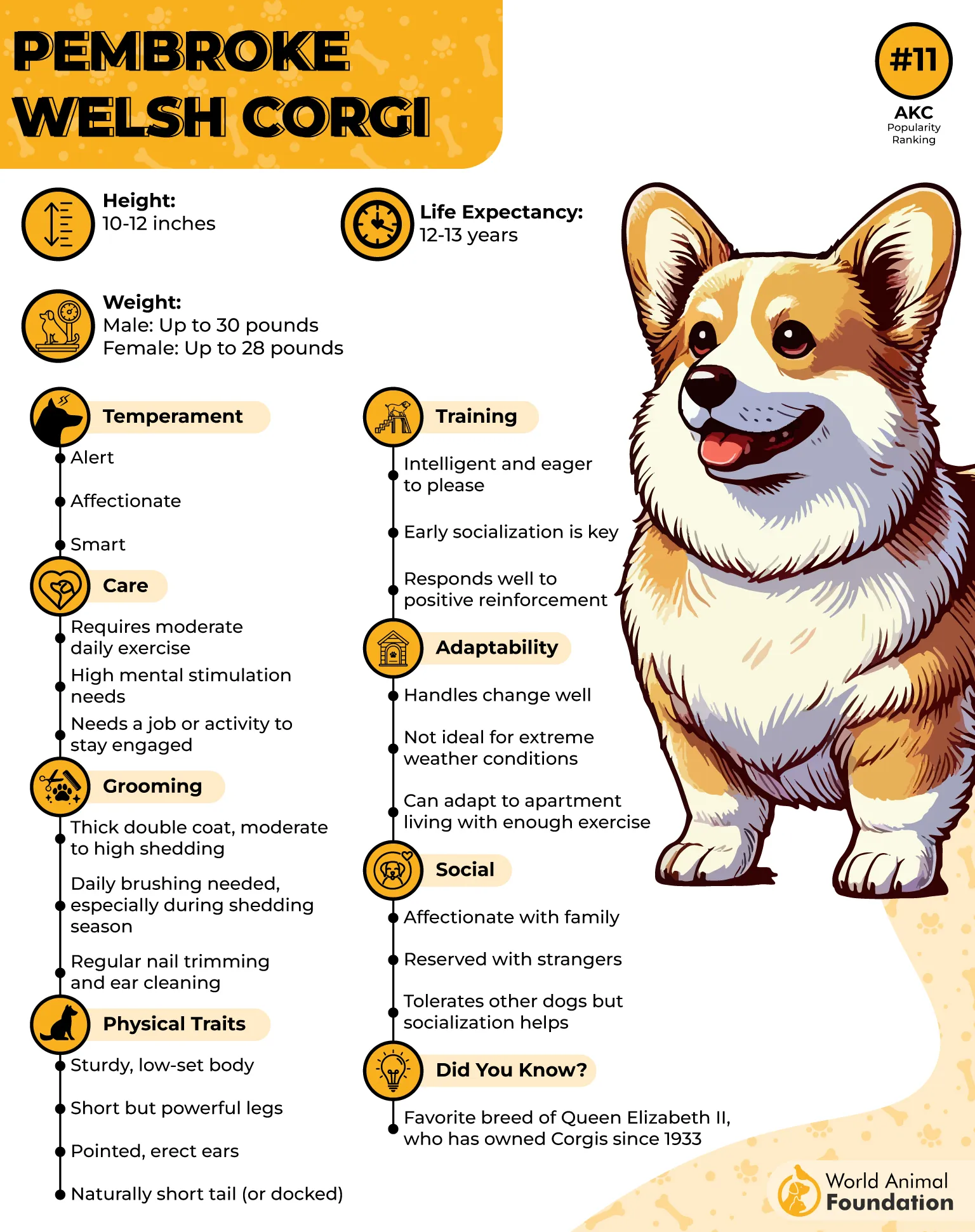
Pembroke Welsh Corgis may be short, but they are hardworking herding dogs with plenty of energy. They were developed in Wales to help herd cattle and sheep and have been part of Welsh life for more than 1,000 years.
Their history is also tied to British royalty, with Queen Elizabeth II famously owning Corgis throughout her life. Today, their playful personalities and loyal nature make them popular family companions.
What Makes Pembroke Welsh Corgis Stand Out?
These pooches are intelligent, affectionate, people-friendly, and eager to please. Their short legs and sturdy bodies can be misleading because these dogs are surprisingly agile and athletic.
They enjoy learning new things and can excel in herding, agility, obedience, and other activities. Their herding instincts may lead them to nip at the heels of children or try to herd other pets, so early training and socialization are important.
They can also be reserved around strangers and may bark when excited or when they sense something unusual.
Caring for Pembroke Welsh Corgis
These dogs need regular exercise and mental stimulation to stay happy. Around an hour of daily activity, including walks, fetch, running, training, or agility, can help burn their energy.
They can adapt to apartments or larger homes as long as they get enough activity, although a fenced area gives them more room to play.
4. Shetland Sheepdog
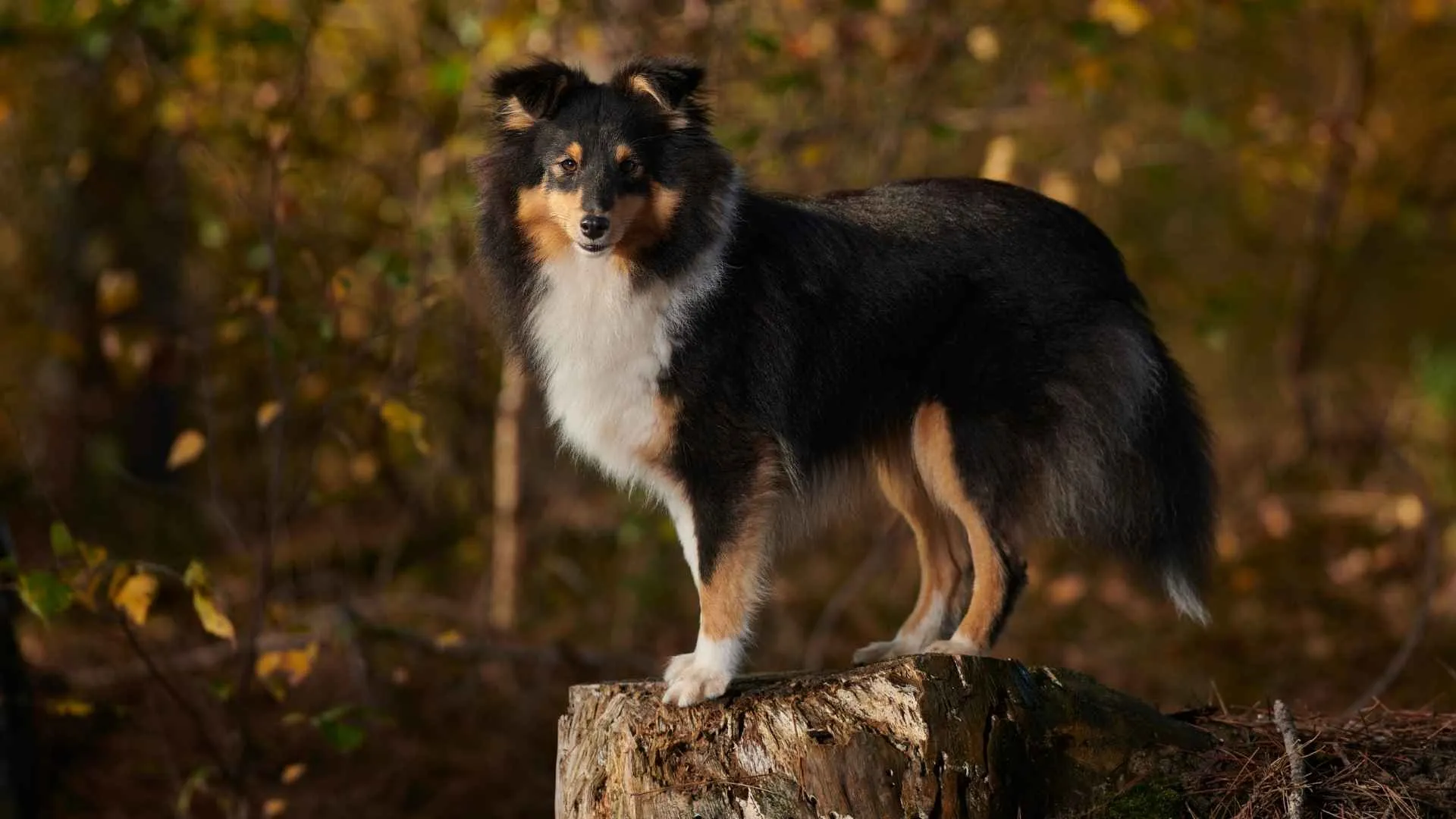
Shetland Sheepdogs, often called Shelties, are small herding dogs that were developed in Scotland’s Shetland Islands. They were bred to control sheep, poultry, and ponies in a rugged area where food and vegetation were limited.
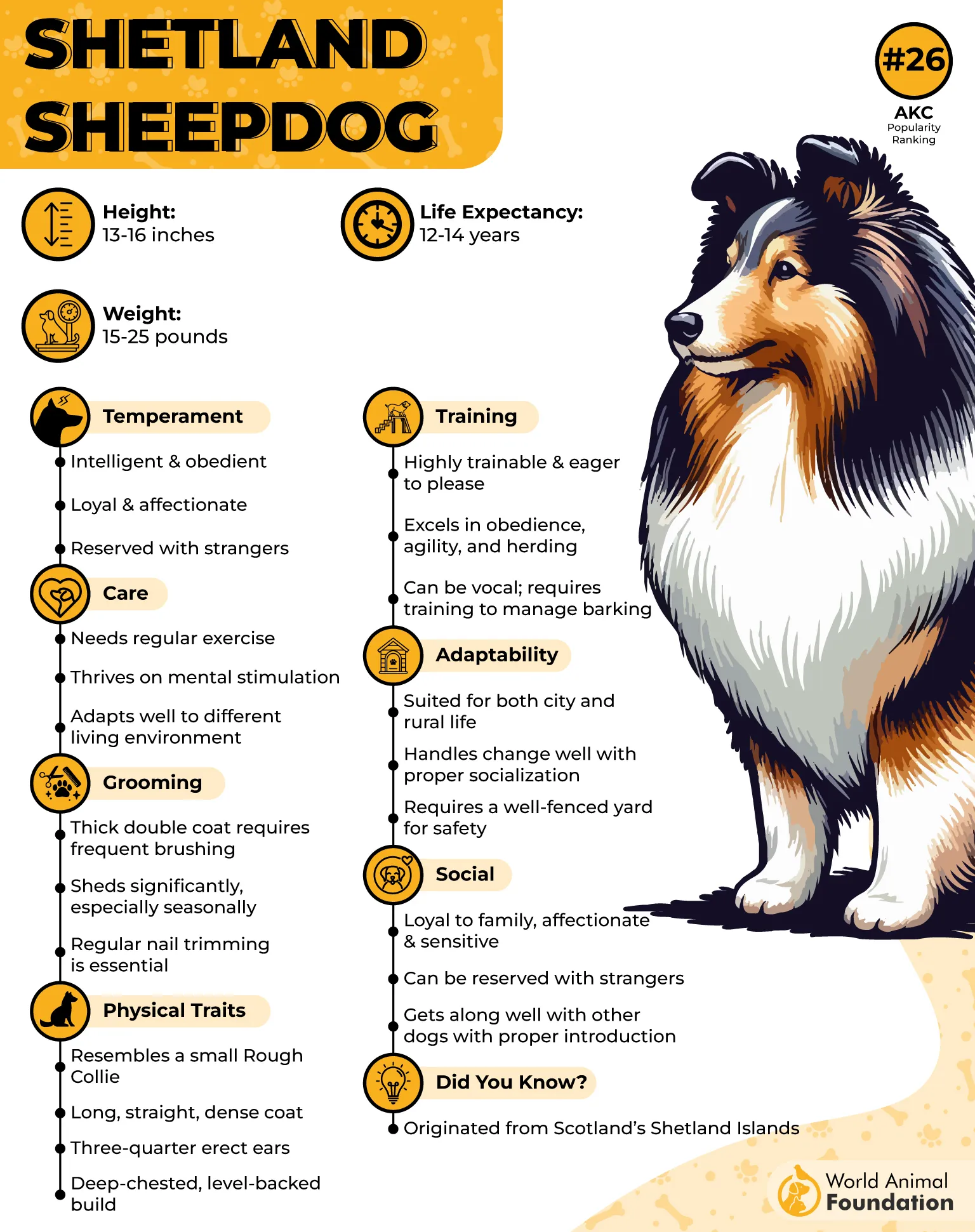
Their smaller size helped them thrive in these conditions. Although they look like miniature Rough Collies, Shelties are a distinct breed with their own history and traits.
What Makes Shetland Sheepdogs Stand Out?
Shelties are intelligent, athletic, playful, and eager to please. They learn quickly and often excel in obedience and agility.
Their gentle and family-focused nature can make them great companions, and they generally get along well with people of different ages and other pets.
However, they can be cautious around strangers and are known for their loud, piercing bark. They may also be sensitive to noise, stress, and being left alone for long periods.
Caring for Shetland Sheepdogs
These active dogs need daily exercise and mental stimulation to stay happy. Walks, play sessions, obedience work, and agility can give them useful outlets for their energy.
They can even adapt to apartments or smaller homes if they receive enough exercise and are walked regularly. Their long, dense double coats require more grooming than many breeds.
5. Australian Cattle Dog
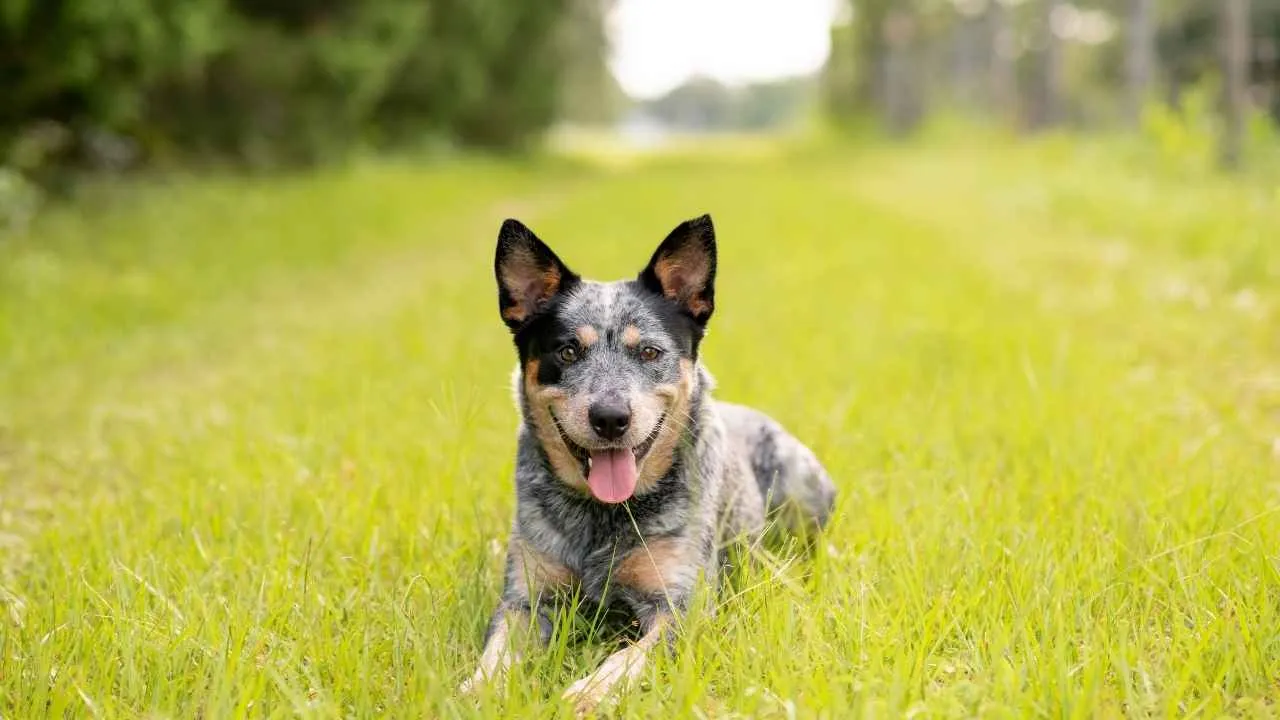
Australian Cattle Dogs, also known as Blue Heelers or Red Heelers, are medium-sized herding dogs developed in Australia to handle cattle across rugged terrain and long distances.
Their history includes crosses between working dogs and the Australian dingo, along with other breeds that helped create their endurance, intelligence, and distinctive speckled coat. Today, they are valued by livestock herders for their loyalty, courage, athleticism, and strong work ethic.
What Makes Australian Cattle Dogs Stand Out?
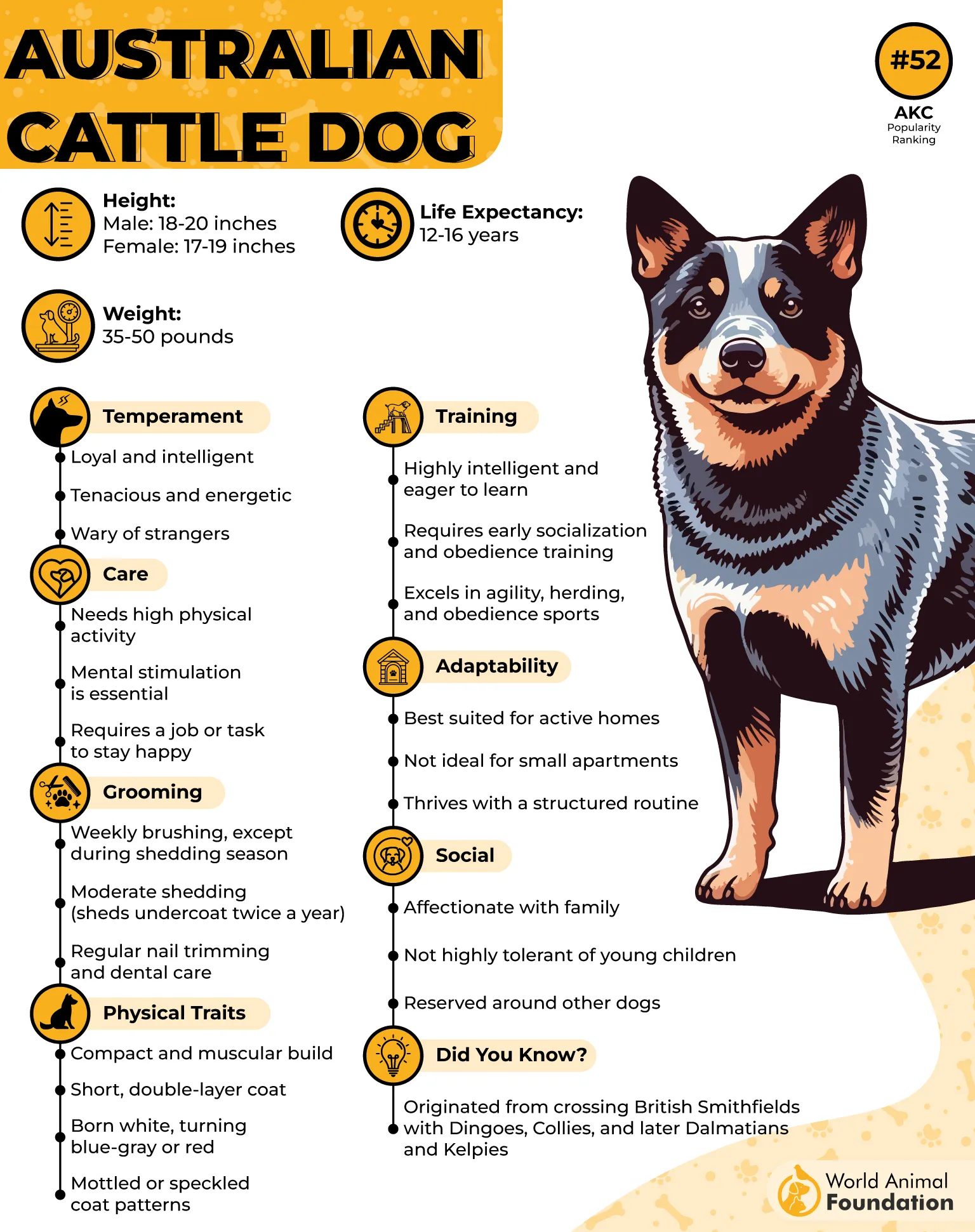
Australian Cattle Dogs are extremely intelligent, alert, courageous, and loyal. They are quick learners and often excel at obedience, agility, fetch, frisbee, running, and other activities that challenge them physically and mentally.
They form strong bonds with their owners but can be reserved or wary around strangers.
Their strong herding ability may also lead them to nip at heels or try to herd children and other pets, so early socialization and consistent, positive training are important.
Caring for Australian Cattle Dogs
These high-energy dogs need plenty of daily exercise and mental stimulation to stay happy and well-behaved. Running, hiking, fetch, agility, farm work, and other active games can give them the outlet they need.
They are generally not suited to sedentary households or small living spaces without sufficient exercise. Their short, dense double coat is relatively easy to maintain, although they shed moderately and can shed heavily during seasonal coat changes.
6. German Shepherd
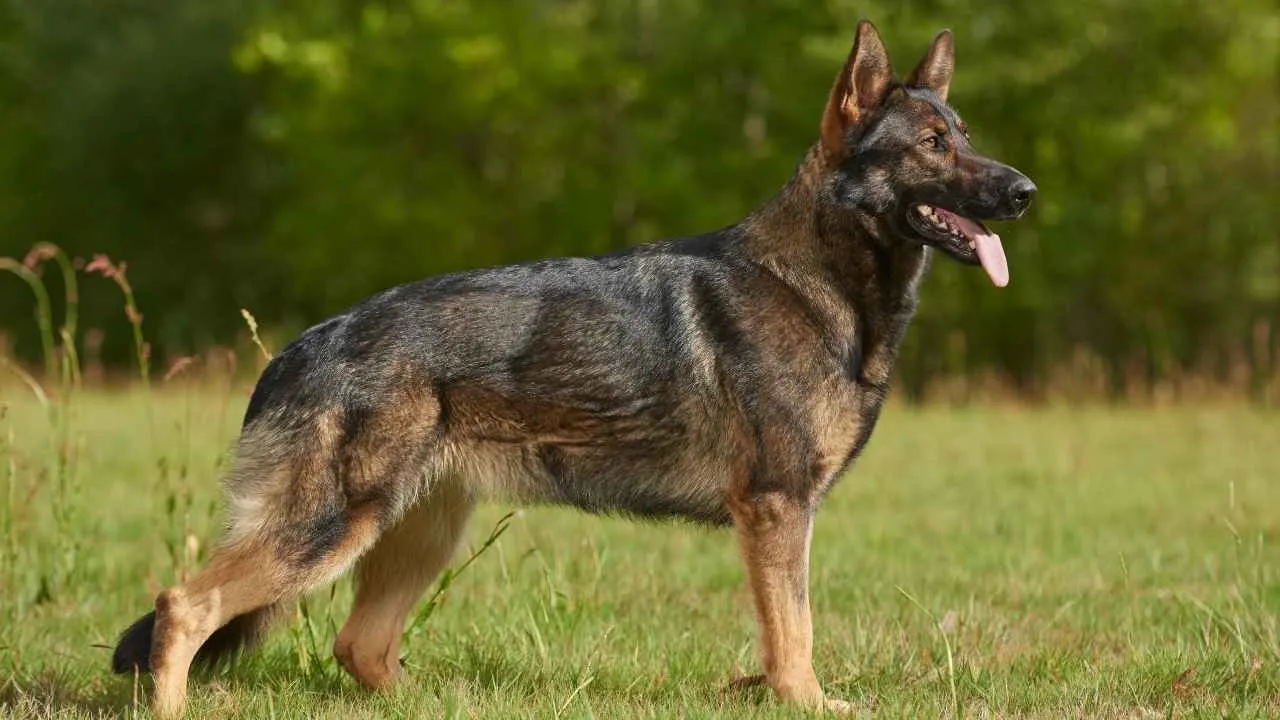
German Shepherds are intelligent working dogs originally developed in Germany to herd and protect livestock, as noted by the AKC.
Over time, their loyalty, courage, trainability, and versatility made them popular as military, service, search-and-rescue, and police dogs. They are strong, athletic dogs that form close bonds with their families and thrive when they have a purpose.

What Makes German Shepherds Stand Out?
German Shepherds are known for being confident, intelligent, alert, and eager to work. They learn commands quickly and often excel in obedience, agility, protection work, and other demanding activities.
They are usually loyal and affectionate with their families, are people-friendly but can be reserved around strangers, making early socialization especially important. Their protective nature can also make them excellent watchdogs.
Caring for German Shepherds
These active dogs need daily physical exercise and plenty of mental stimulation to stay happy and well-behaved.
Long walks, running, fetch, obedience training, hiking, and dog sports can help channel their energy. They do best with owners who can give them regular activity, structure, and companionship rather than leaving them alone for long periods.
7. Old English Sheepdog
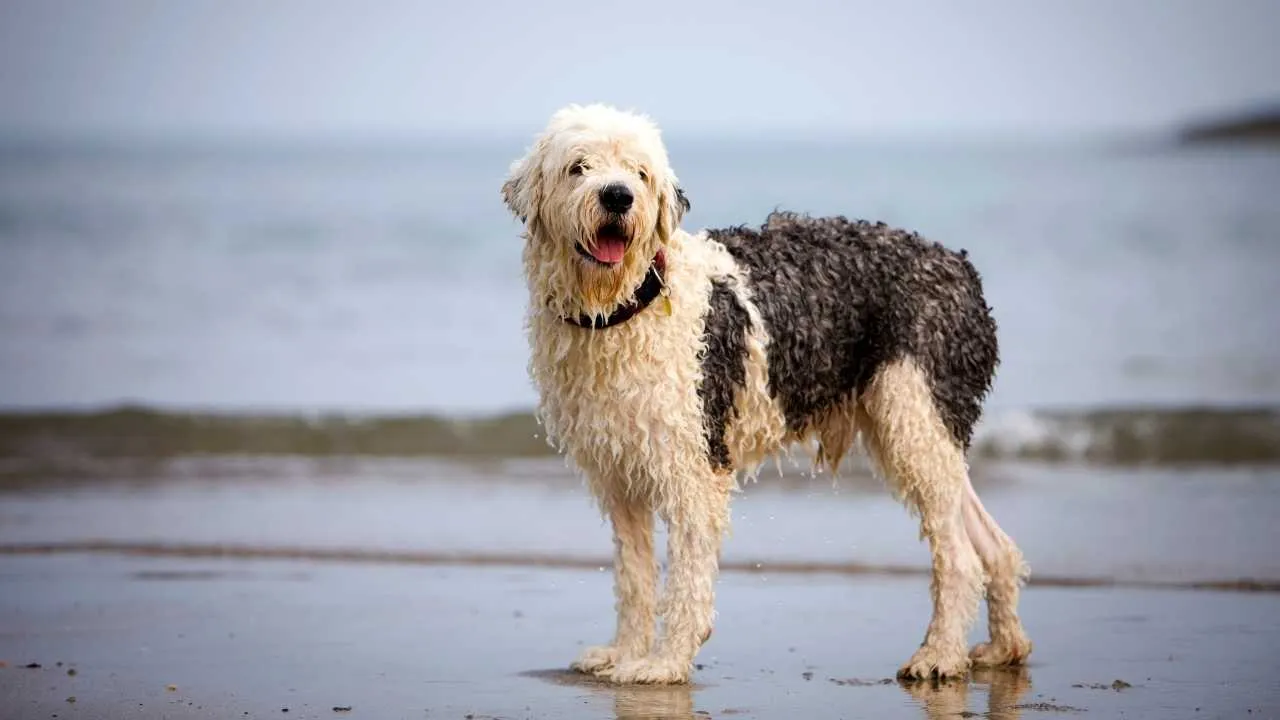
Old English Sheepdogs are large, shaggy herding dogs that originated in western England in the 1700s, according to Omlet. Despite their name, the breed is not particularly ancient, and their ancestry may include dogs from Scotland and Russia.
Originally bred to move sheep and cattle from farms to local markets, these sturdy farm dogs were valued for their strength and endurance.
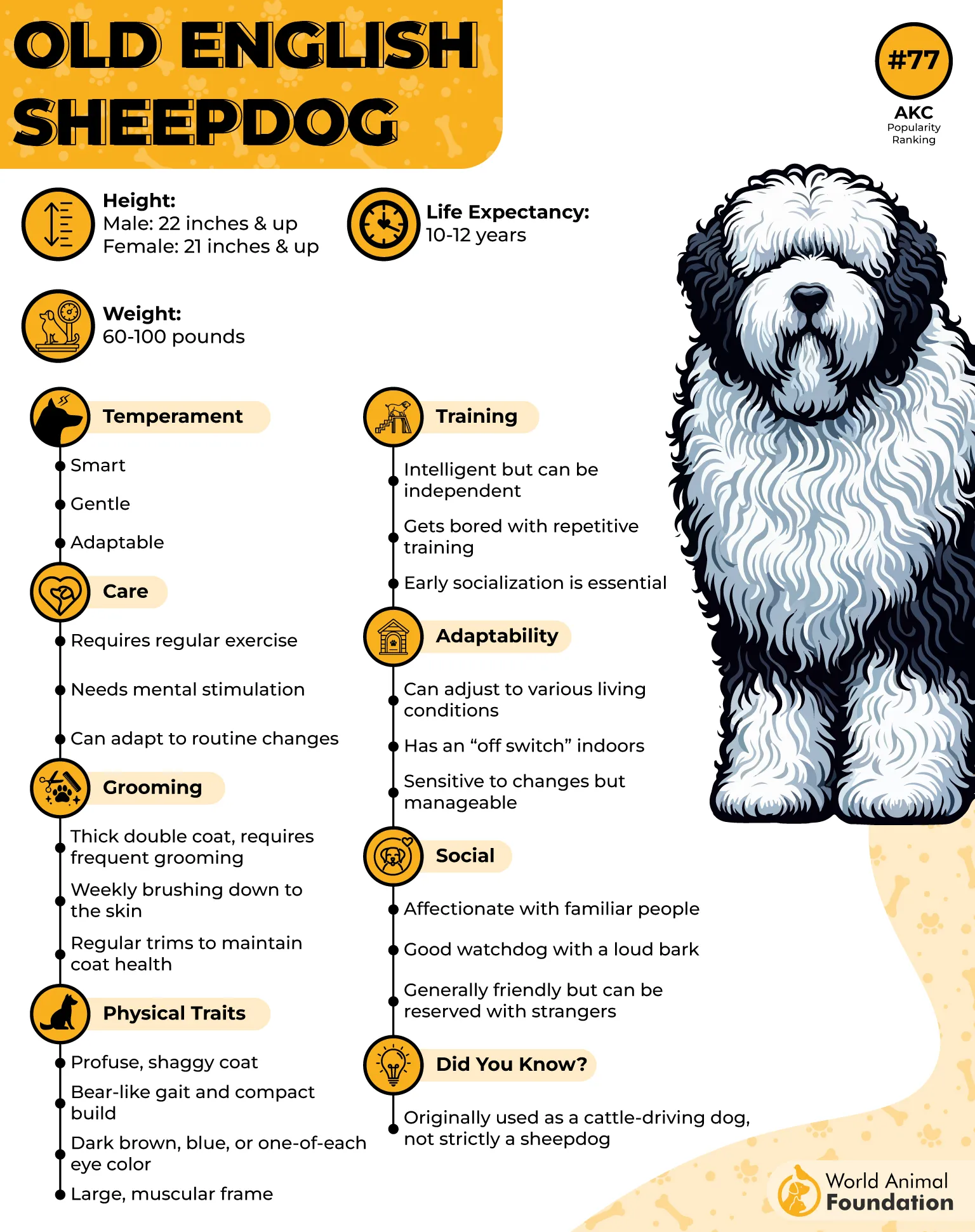
What Makes Old English Sheepdogs Stand Out?
Old English Sheepdogs are intelligent, cheerful, loyal, and naturally protective. They are known for their playful, sometimes clownish personalities and love being around their families.
Although they can be friendly with strangers and other dogs, some may take time to warm up to unfamiliar people and animals. Their large size and boisterous nature make early training and socialization important.
Caring for Old English Sheepdogs
These large dogs need daily walks and regular physical and mental stimulation to stay happy, although they are often content to relax on the sofa once their energy is spent.
Their thick, shaggy coats are one of their most recognizable features but require significant upkeep.
Conclusion
Choosing the right dog breed comes down to more than appearance or size. Each breed has its own personality, exercise needs, grooming requirements, and training style.
Understanding these differences can help you find a dog whose needs match your lifestyle and home. Before bringing a dog home, take time to consider how much exercise, training, grooming, and companionship you can provide.
The right canine companion can make life easier for both you and your dog, creating a bond that grows stronger with every walk, game, and shared adventure.
