




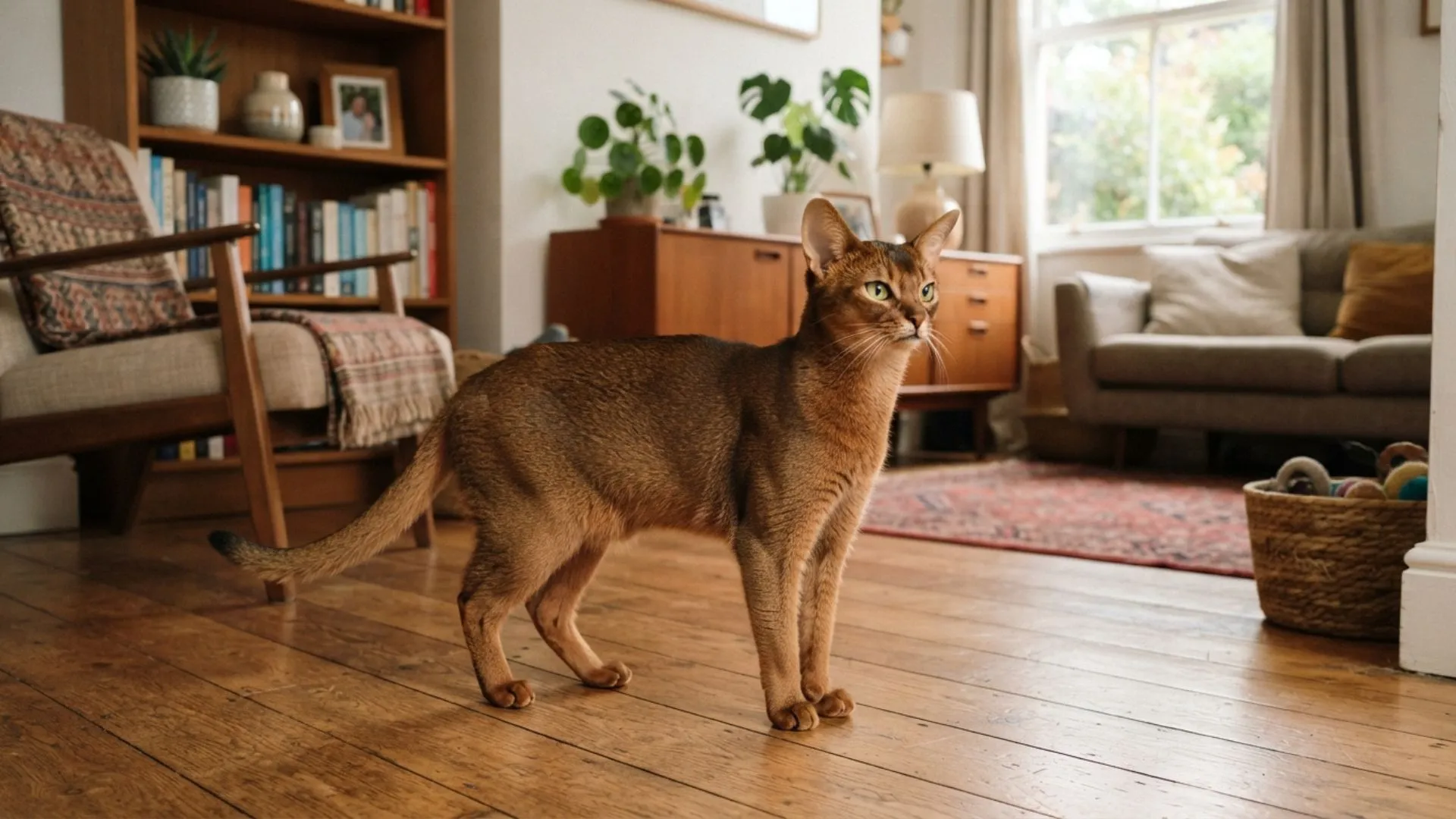
Keeping a cat at a healthy weight can be challenging, especially for indoor pets with limited activity or older cats. While proper nutrition and exercise are essential for weight loss, some breeds naturally maintain lean, athletic bodies and are less likely to become overweight when given appropriate care.
These cats often combine high energy levels, playful personalities, and efficient metabolisms that encourage regular movement throughout the day. Even so, no breed is immune to weight gain if overfed, after neutering, or deprived of physical activity, especially with underlying medical conditions and medical care.
If you’re looking for a naturally active feline companion, these seven cat breeds stand out for their slim physiques, lively temperaments, and ability to stay fit while filling your home with affection.
FACT: A cat’s breed can influence its natural body type and activity level, but maintaining a healthy cat’s weight always depends on balanced nutrition, regular exercise, and routine vet care and monitoring its body condition.
Cat Breeds That Rarely Gain Excess Weight
1. Abyssinian
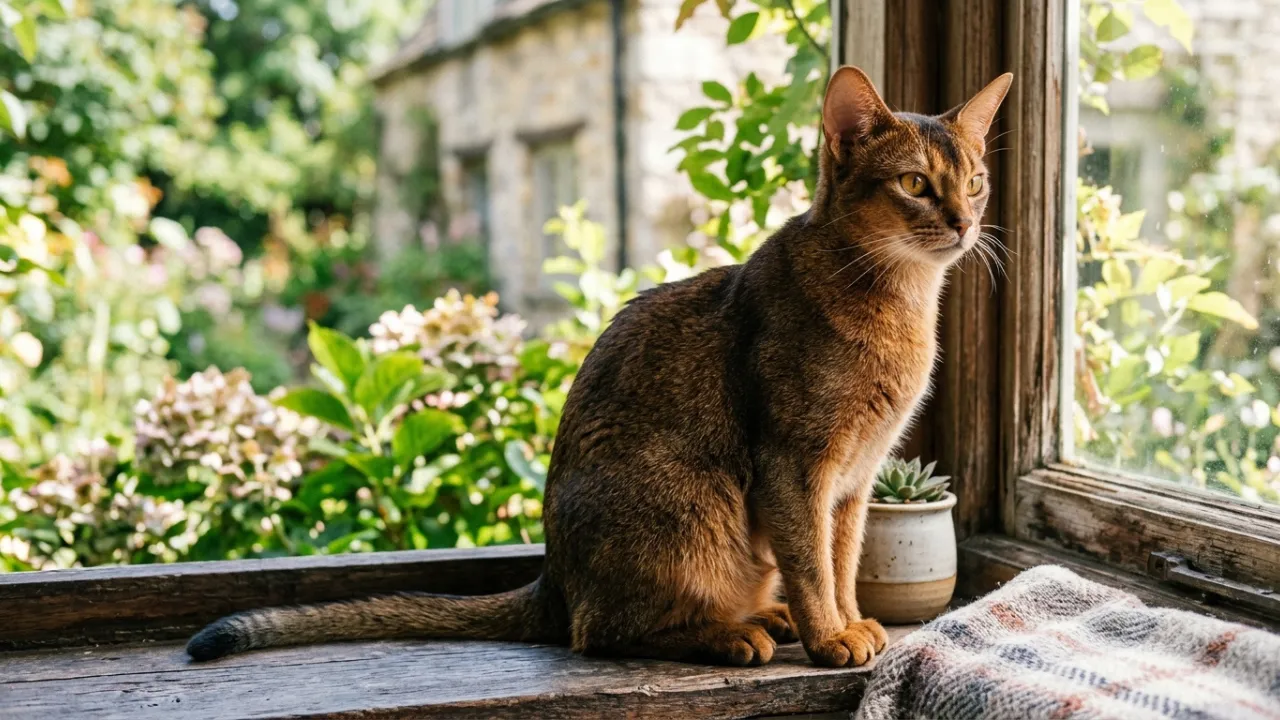
The Abyssinian is a natural athlete whose endless curiosity keeps it constantly on the move. Originally developed in Great Britain, with historical ties to the region near the Egyptian coast, this lively breed rarely stays still for long. Its energetic lifestyle helps it burn calories efficiently, making excess weight uncommon.
Nicknamed the tireless explorer, the Abyssinian enjoys climbing, playing, and even learning tricks. Its exceptional intelligence also makes leash training possible, giving adventurous owners another way to keep this active cat mentally and physically engaged.
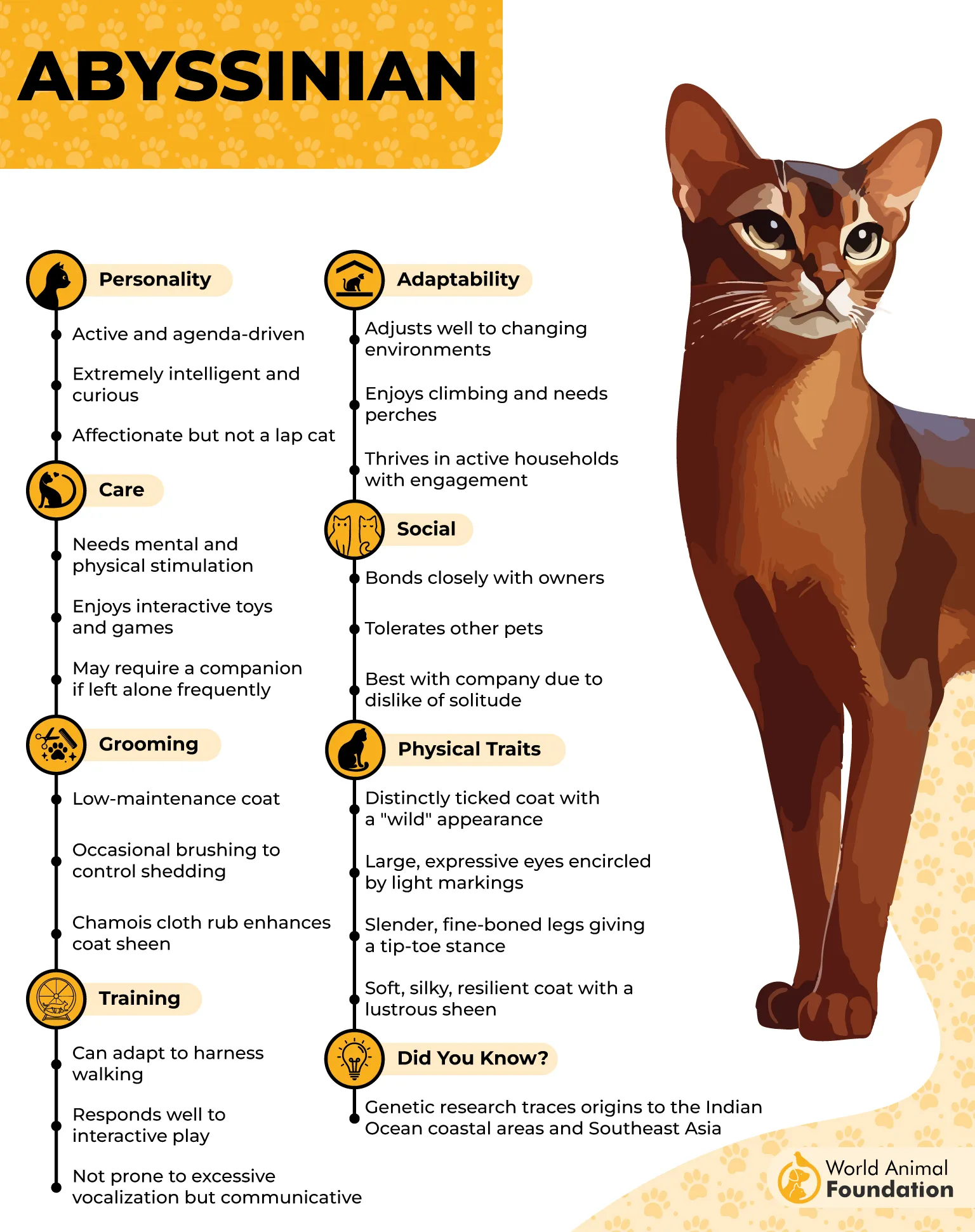
A high-protein diet rich in healthy fatty acids supports the breed’s lean physique while maintaining its sleek, glossy coat. Because these cats stay so active, they can often regulate their food intake naturally without a strong tendency to overeat.
Despite their independent streak, Abyssinians form close bonds with their families and match the energy of children well. Regular dental care, weekly brushing, and routine ear and nail maintenance help keep this spirited companion in excellent condition.
2. Bengal
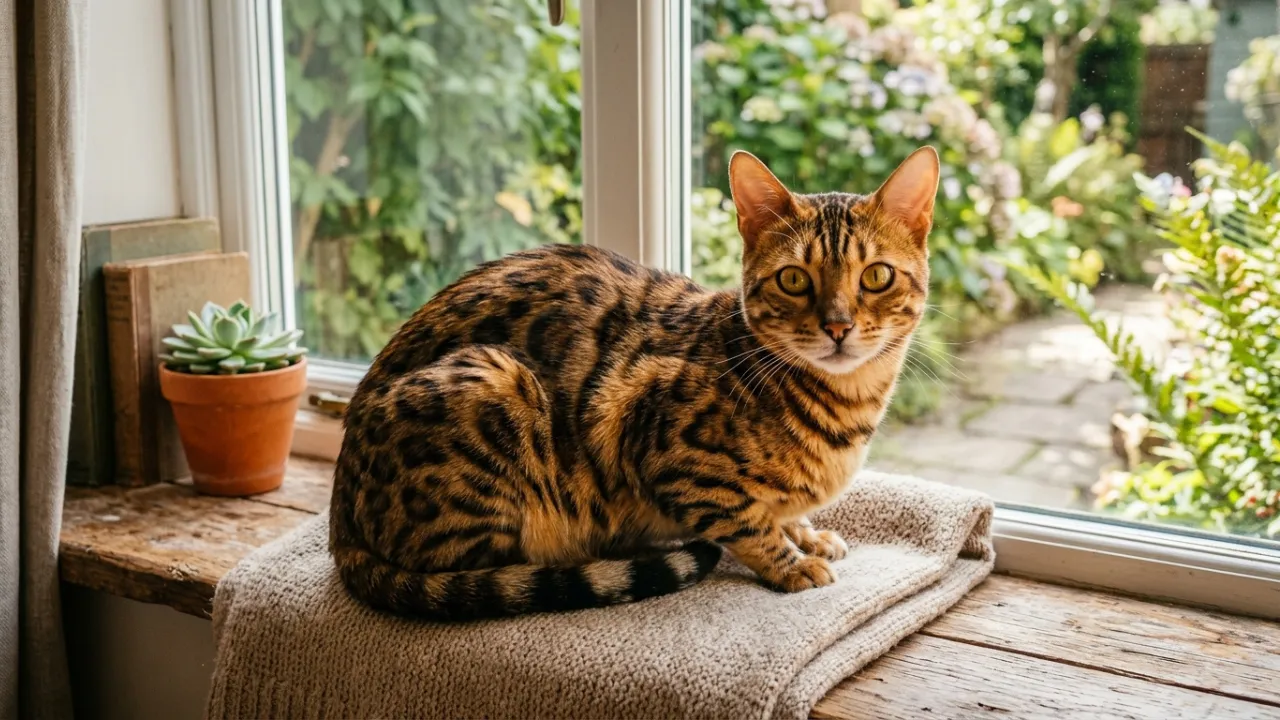
With its striking rosetted coat and wild ancestry, the Bengal looks like it stepped straight out of the jungle. Despite its untamed appearance, this affectionate breed forms close bonds with its family and enjoys being involved in everyday life.
One reason Bengals rarely gain weight is their naturally athletic build and endless energy. Running, climbing, jumping, and exploring are part of their daily routine, helping them stay lean when they have enough space to move and play.
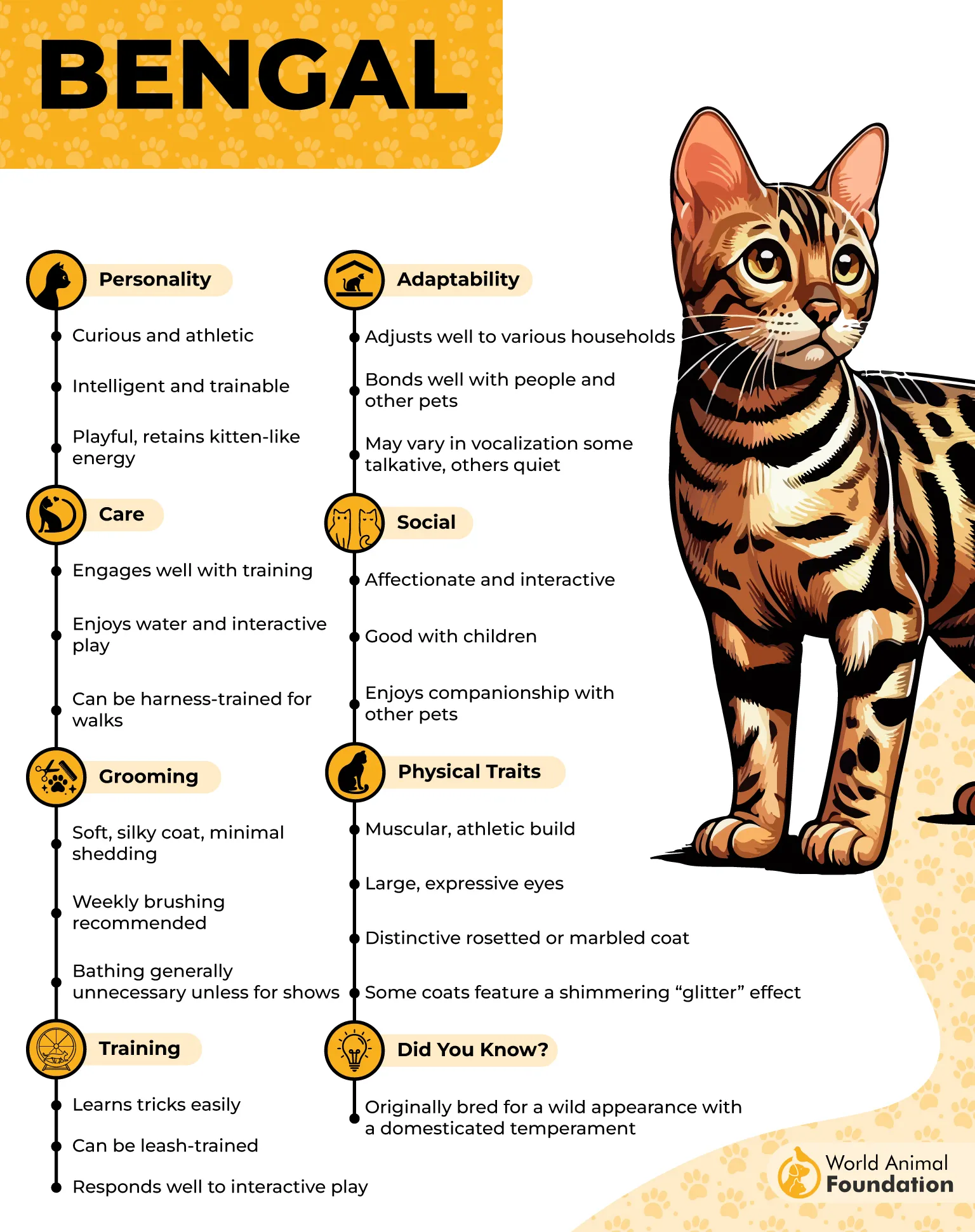
Originally developed by crossing a domestic tabby with the Asian Leopard Cat, the Bengal inherited remarkable agility and curiosity. This intelligent breed thrives on physical activity and mental challenges, making interactive toys and climbing structures excellent additions to its environment.
Its short, low-maintenance coat rarely mats and requires minimal grooming. With regular exercise and plenty of opportunities to stay active, the Bengal naturally maintains a healthy physique while showcasing the graceful strength of a true wild-looking athlete.
3. Siamese
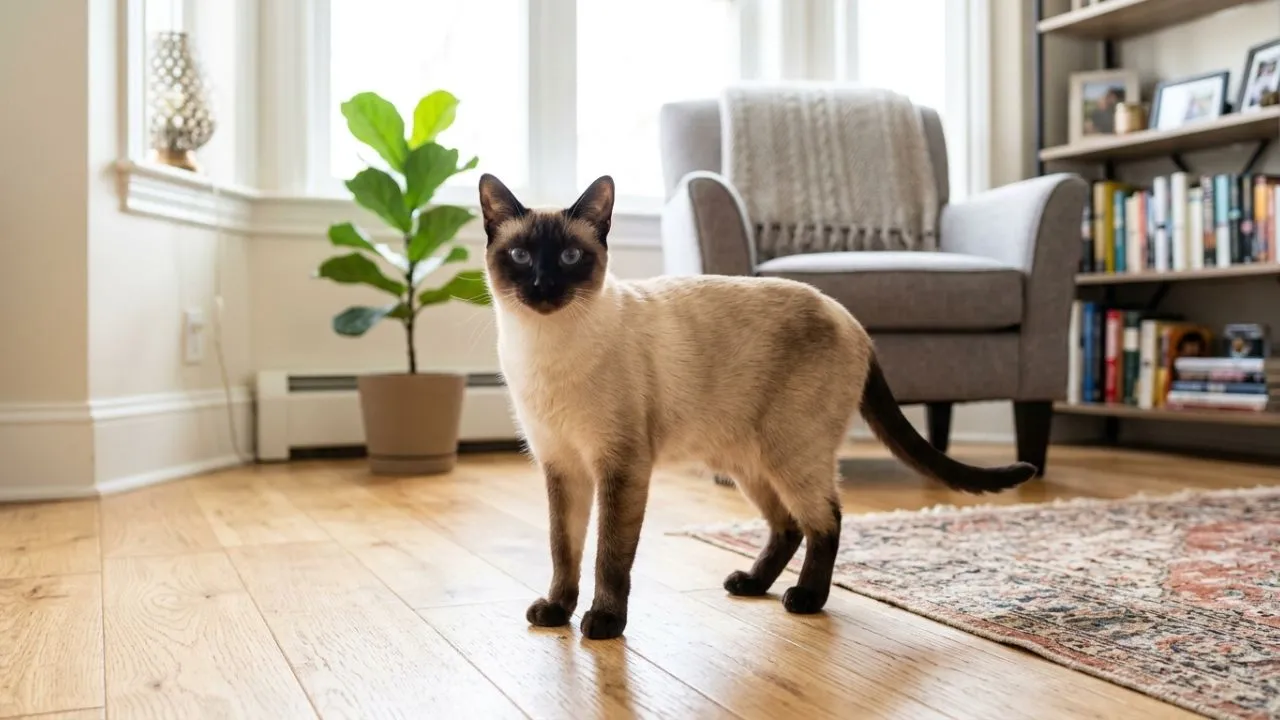
The Siamese is a naturally sleek breed whose graceful frame makes excess weight less common than in many other cats. This ancient breed from Thailand combines a lean, muscular body with impressive agility, allowing it to stay active throughout the day.
Its long, tubular build, large ears, striking blue eyes, and pointed coat create an elegant appearance that quickly reveals even small weight changes.
According to Hill’s Pet, Siamese cats can gain excess body fat if consistently overfed. Because the Siamese is energetic and constantly on the move, maintaining a healthy body condition score is often easier with balanced nutrition and regular play, and helping cats to lose weight when necessary.
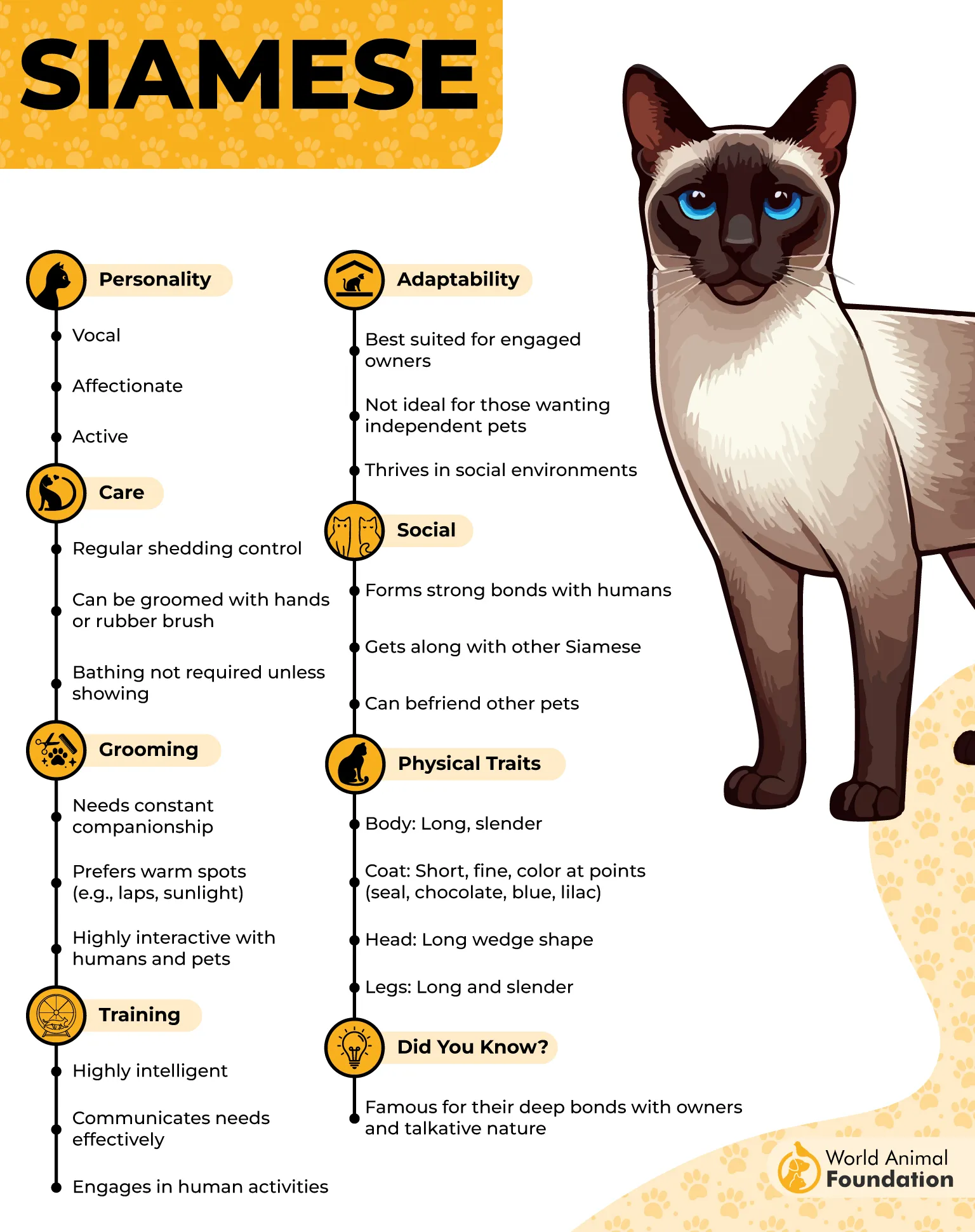
Life with a Siamese is rarely quiet. Exceptionally vocal and deeply devoted to their families, these cats crave attention and companionship. Long periods of isolation can leave them bored, making daily interaction an important part of their overall well-being.
Their active lifestyle, athletic physique, and naturally slender build help them stay fit, provided they get adequate exercise, mental stimulation, and portion-controlled meals.
4. Cornish Rex
The Cornish Rex is often called the Greyhound of the cat world, thanks to its lean frame, long legs, and remarkable agility. Although it appears delicate, with thin, fine fur, this athletic breed is surprisingly sturdy and constantly on the move, making it one of the cat breeds less likely to carry excess weight.
Its boundless energy plays a major role in maintaining a healthy body condition. The Cornish Rex loves climbing, jumping, chasing toys, and turning everyday life into an acrobatic performance. Even as an adult, it keeps its playful, kitten-like personality, encouraging frequent activity throughout the day.
Despite having a hearty appetite, this breed should still weigh an appropriate amount for its size, and its fast-paced lifestyle typically helps balance its calorie intake. Many pet parents can free-feed responsibly, provided the cat remains active and healthy.
Because obesity increases the risk of conditions such as diabetes and arthritis, regular interactive play and proper portion control help keep this energetic indoor companion fit and thriving.
5. Devon Rex
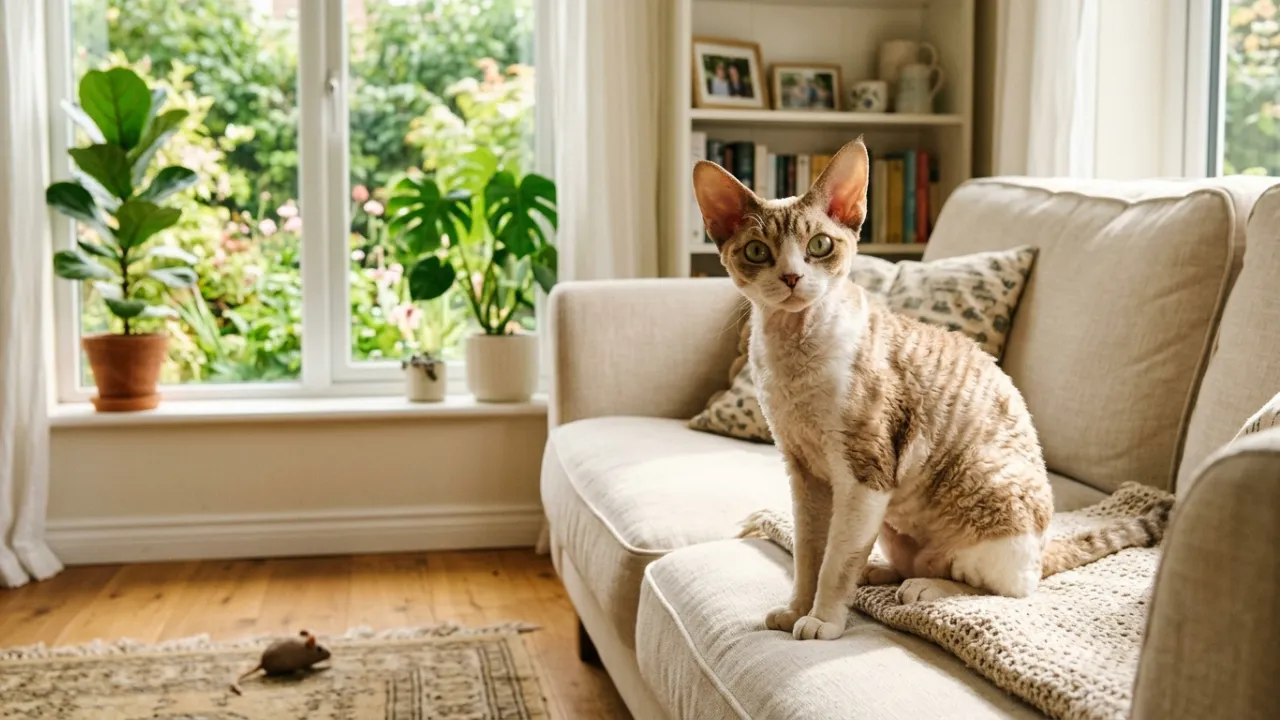
The Devon Rex may stay naturally lean thanks to its fast metabolism and playful personality, but that does not mean it can eat without limits. This curious little foodie eagerly investigates every meal, so portion control and a balanced feeding schedule are essential to help maintain its healthy weight. According to Royal Canin, even when fed just one or two meals a day, they may gain weight more easily.
A protein-rich diet with meat listed as the first ingredient supports this active breed best. Cat food containing taurine and fewer carbohydrate fillers is ideal, while canned wet food can provide extra hydration. Dividing food throughout the day helps satisfy its appetite without encouraging overeating.
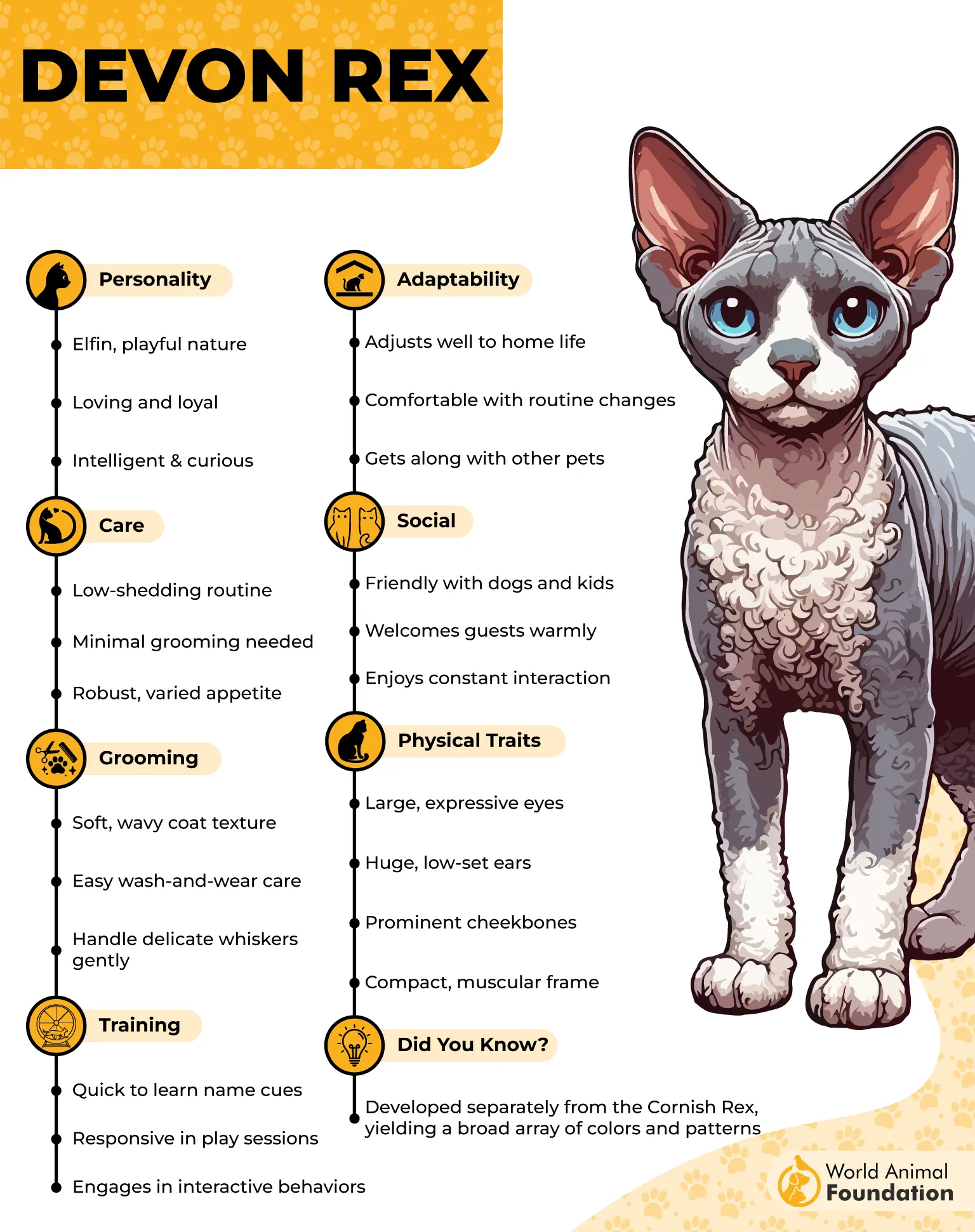
Its signature wavy coat sheds very little and needs only gentle grooming with a rubber brush. Over-grooming can damage the delicate fur, while routine ear care and proper hygiene help reduce the risk of skin and ear problems in this sensitive breed.
Regular play sessions, climbing opportunities, and interactive toys keep this mischievous little jumper active, mentally stimulated, and less likely to gain excess weight or develop boredom-related behaviors.
6. Singapura
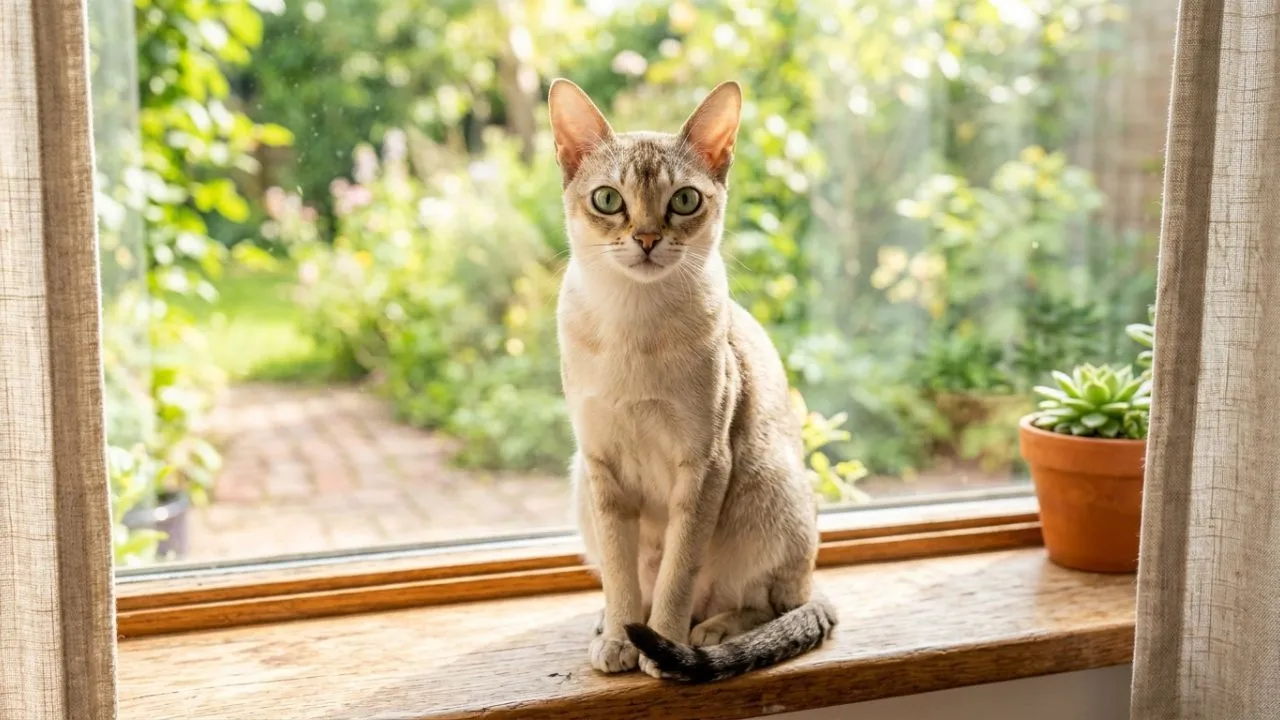
Despite being one of the smallest cat breeds, the Singapura is constantly on the move. Its playful personality, curiosity, and love of climbing keep it active throughout the day, helping it maintain a naturally lean body. Rather than eating large meals, this breed prefers grazing on small portions of high-quality food.
This energetic feline thrives in homes filled with companionship. It gets along well with people, cats, and even dogs, yet also appreciates having a quiet, elevated retreat where it can relax after a busy day of exploring and observing its surroundings.
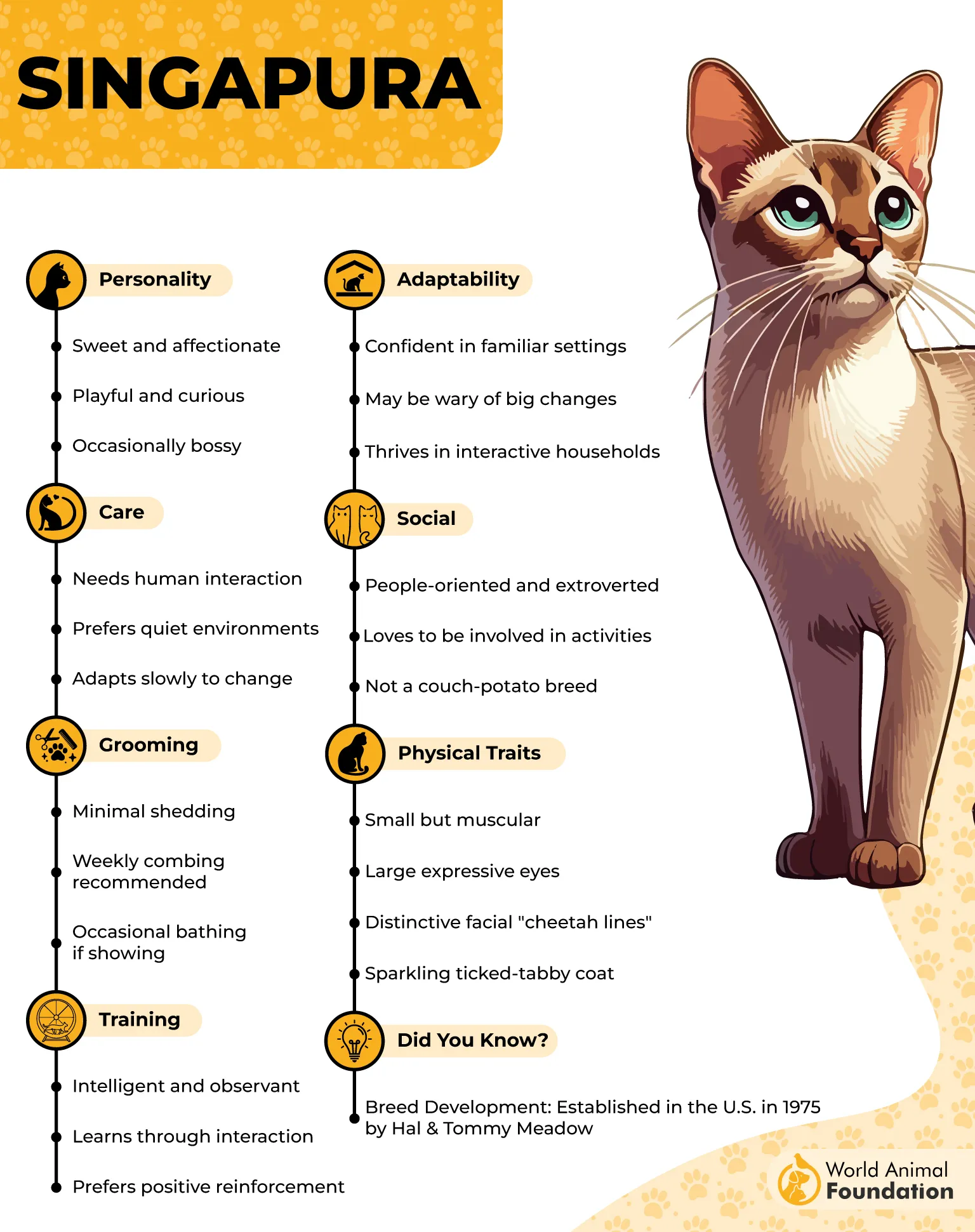
The Singapura balances endless activity with a gentle, affectionate nature. It happily greets strangers, curls up on its owner’s lap, and often follows family members around the house before returning to its favorite toys or climbing spots.
According to PetMD, the Singapura is generally a vigorous breed, although it can be predisposed to a few inherited health issues. Regular veterinary care and proper nutrition help support its lifelong health and vitality.
7. Ocicat
The Ocicat combines the striking appearance of a wild cat with the athleticism of a natural performer. Its sleek, spotted coat gives it a luxurious look, but beneath that elegant exterior is a muscular, energetic breed that loves to stay in motion, helping it maintain a healthy body condition.
Unlike more sedentary cats, the Ocicat thrives on activity. It enjoys climbing, sprinting, high jumps, and interactive games that burn calories throughout the day. Thanks to its active lifestyle, this breed rarely develops excess weight when given regular play opportunities and a balanced diet.
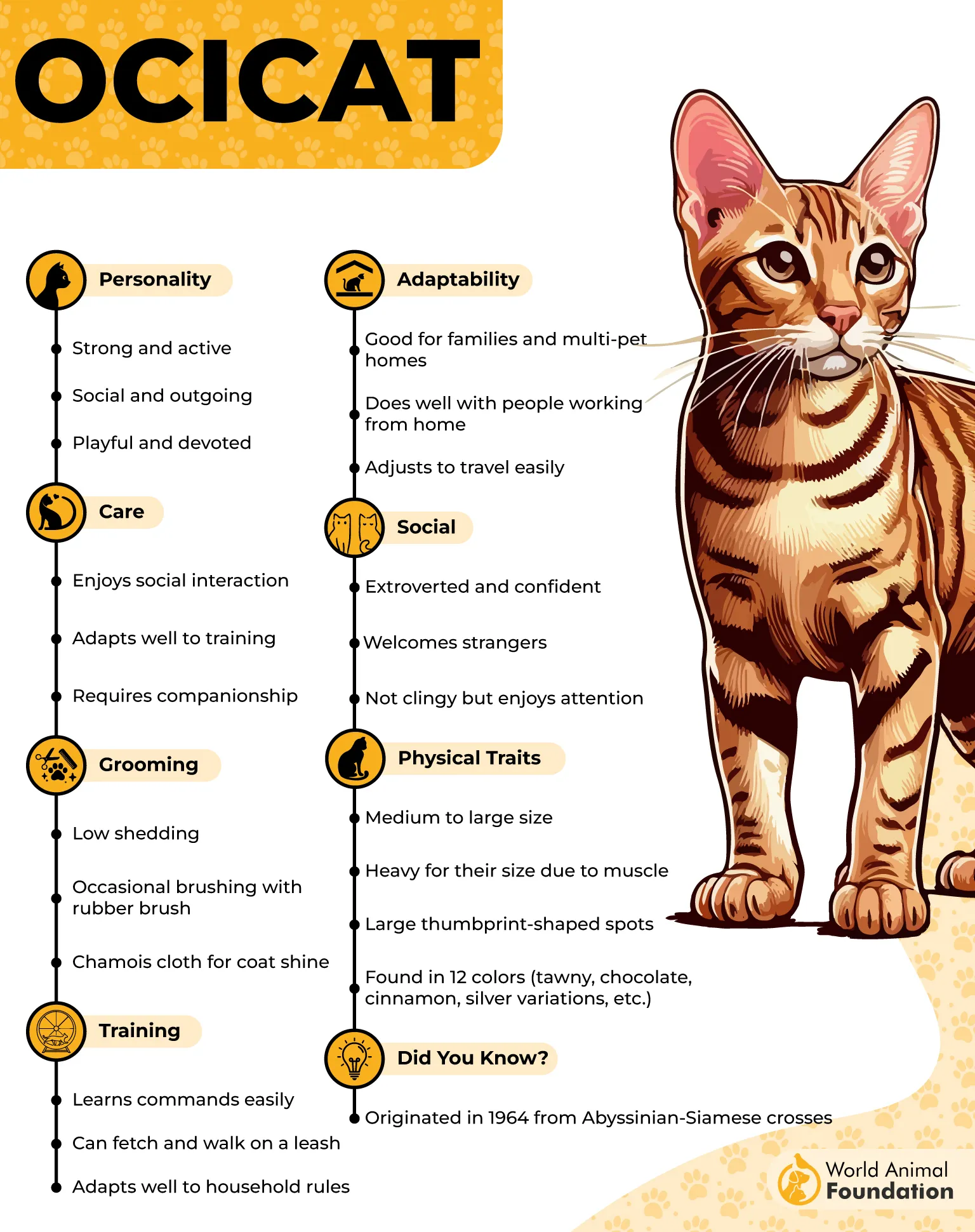
Highly intelligent and curious, Ocicats benefit from mental challenges alongside physical exercise. They can even learn simple commands and tricks, making enrichment toys, puzzle games, and training sessions excellent ways to keep them engaged while supporting their naturally lean physique.
This outgoing breed prefers active households and often enjoys the company of other pets. Its adventurous personality, love of travel, and constant movement contribute to its reputation as a cat that rarely becomes overweight.
Conclusion
Choosing a naturally active cat can make it much easier to maintain a healthy weight, but no breed stays fit without proper care. A balanced cat’s diet, regular play, and daily enrichment remain the foundation of lifelong wellness.
The breeds in this guide stand out for their athletic builds, energetic personalities, and love of movement. Whether they enjoy climbing, chasing toys, exploring, or interactive games, staying active helps them burn calories and remain lean.
Mental stimulation is just as important as physical exercise. Puzzle toys, climbing spaces, training sessions, and engaging playtime encourage natural behaviors while supporting both physical health and emotional well-being.
By matching your lifestyle with a cat that enjoys activity and providing consistent care, you can help your feline companion stay healthy, energetic, and happy for years to come. A well-exercised cat is often a healthier and more content member of the family.
