




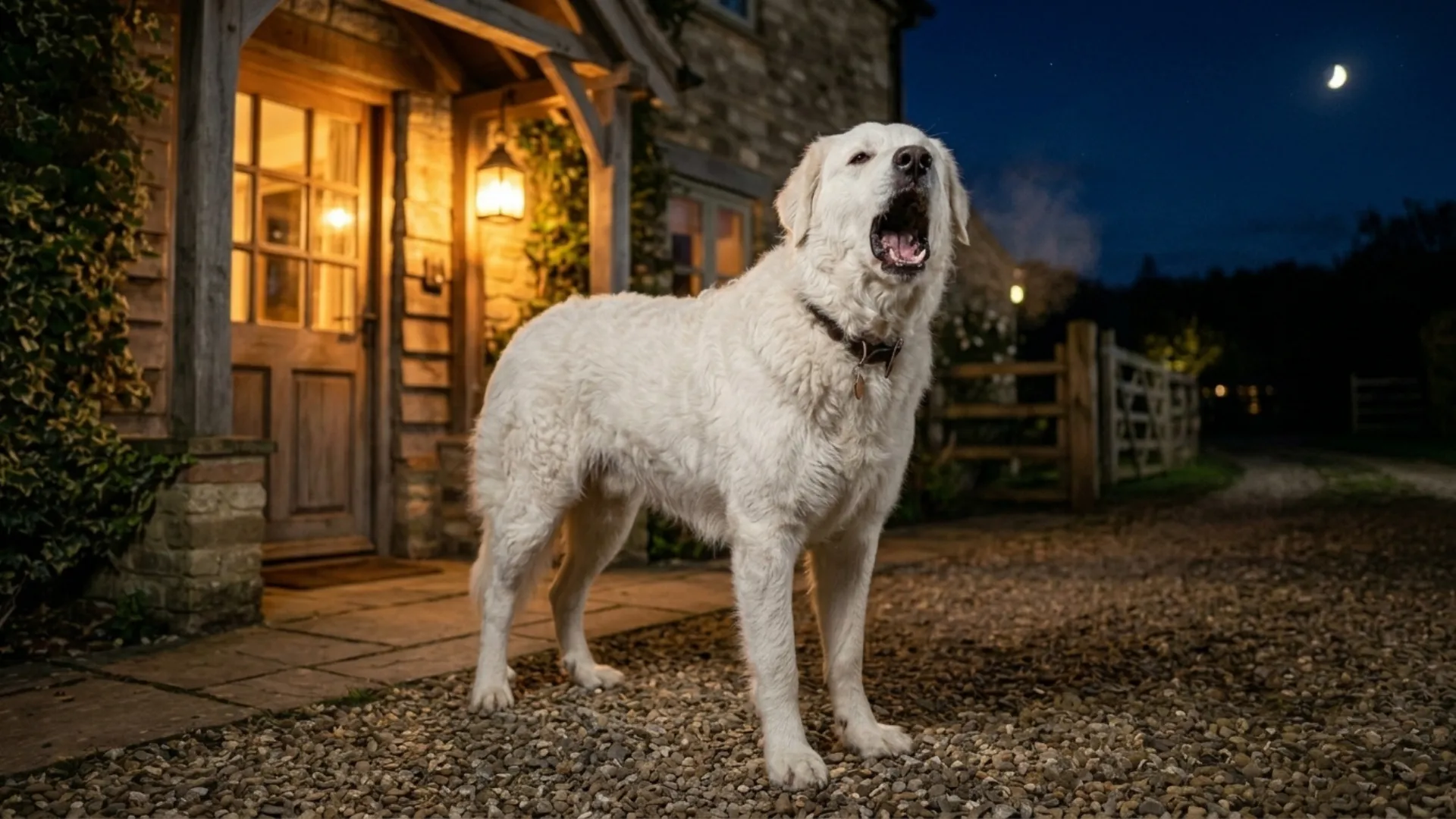
When the house becomes quiet at night, every tiny sound suddenly feels suspicious. A branch taps the window, the gate moves, or someone walks past the property, and your brain instantly starts producing a full true-crime documentary. An alert dog can notice unusual activity and warn the household before humans even leave their beds.
The breeds on this list are not necessarily dogs that bark at absolutely everything. Many are selective watchdogs that let out a deep, serious bark of alarm when they notice unfamiliar movement, sounds, people, or animals near their territory. Basically, they are less “random neighborhood gossip” and more “excuse me, something is happening outside.”
Let’s discuss the top barking dog breeds that keep nighttime safety in check.
Top Barking Dog Breeds That Keep Nighttime Safety in Check
1. German Shepherd
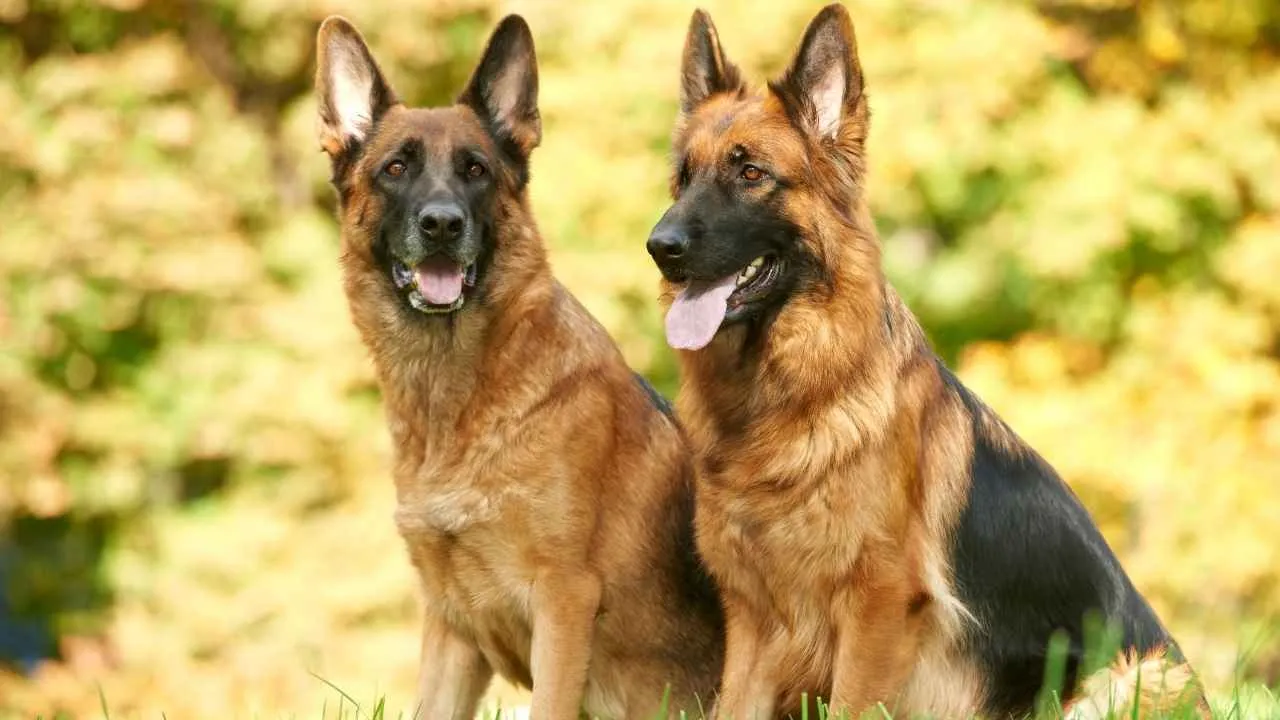
German Shepherds are famous for combining courage, intelligence, confidence, and strong loyalty to their households. They often stay aware of changes around the home and may produce a firm alarm bark when an unfamiliar person approaches after dark.
Their usefulness comes from judgment and training rather than loudness alone. A well-trained German Shepherd can learn to alert briefly, investigate with its handler, and become quiet when given a command such as “enough” or “place.”
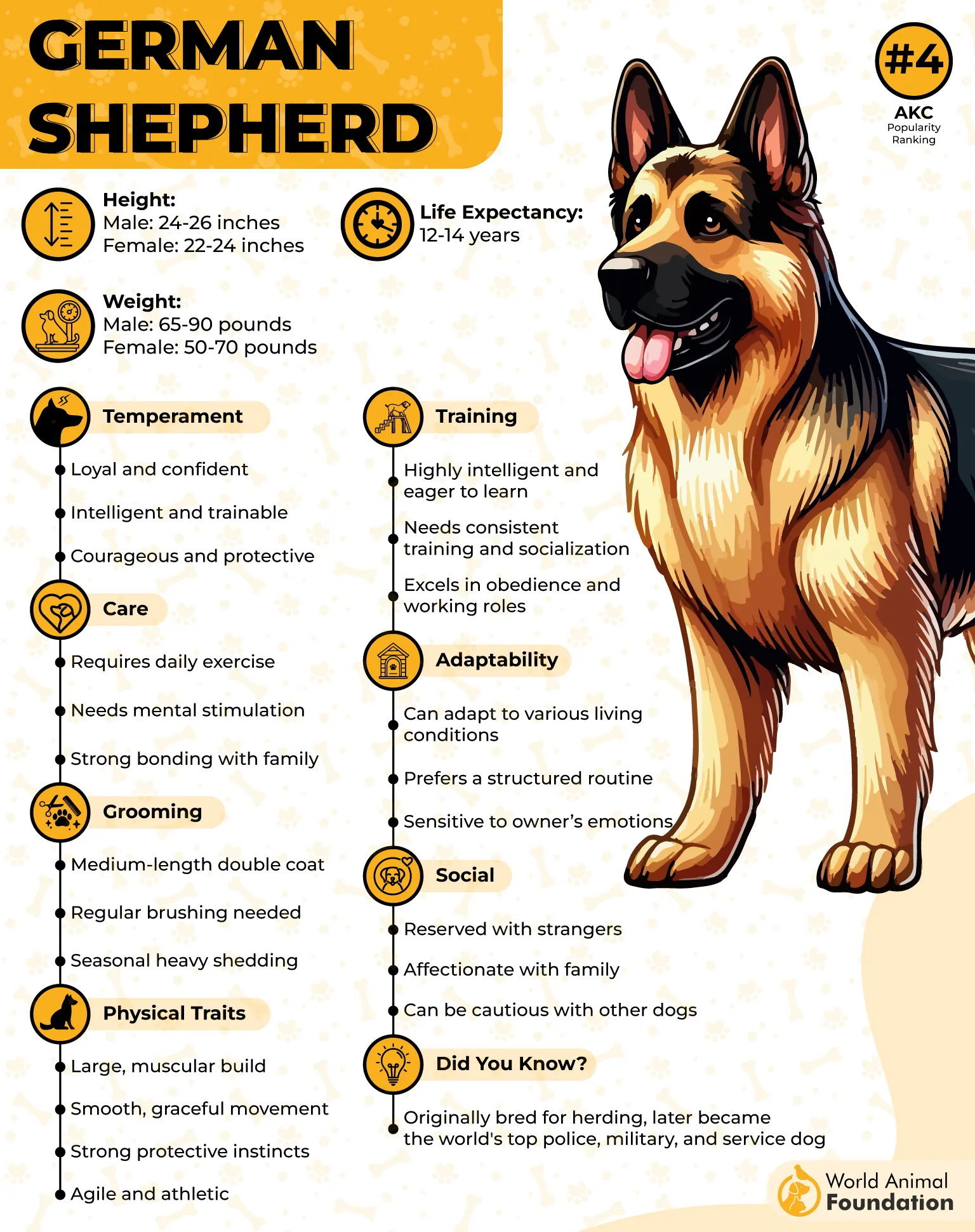
German Shepherds were developed with a strong working drive, so a short walk around the block will not satisfy every individual. They generally need substantial physical exercise, obedience practice, scent-based activities, games, and tasks that require them to think.
This breed suits committed owners who have enough time for structured training and daily engagement. Early exposure to visitors, street noise, children, other animals, and different environments helps them respond more calmly rather than assuming every new thing is suspicious.
2. Akita
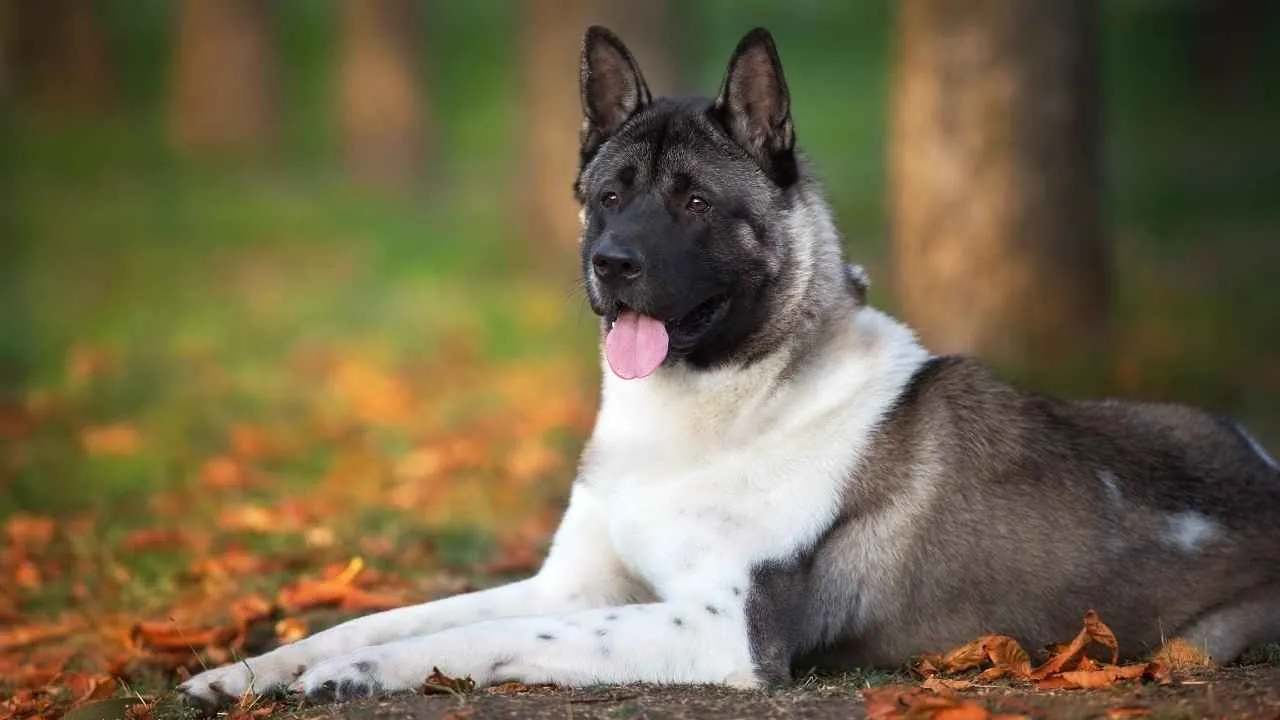
Akitas are usually calm and quiet, but that does not mean they are unaware. This ancient Japanese breed tends to watch its surroundings closely and may bark when it believes something deserves the family’s attention. When an Akita speaks up at 2 a.m., many owners are definitely checking the window.
They were traditionally valued in Japan as family protectors and symbols linked with health, happiness, and long life.
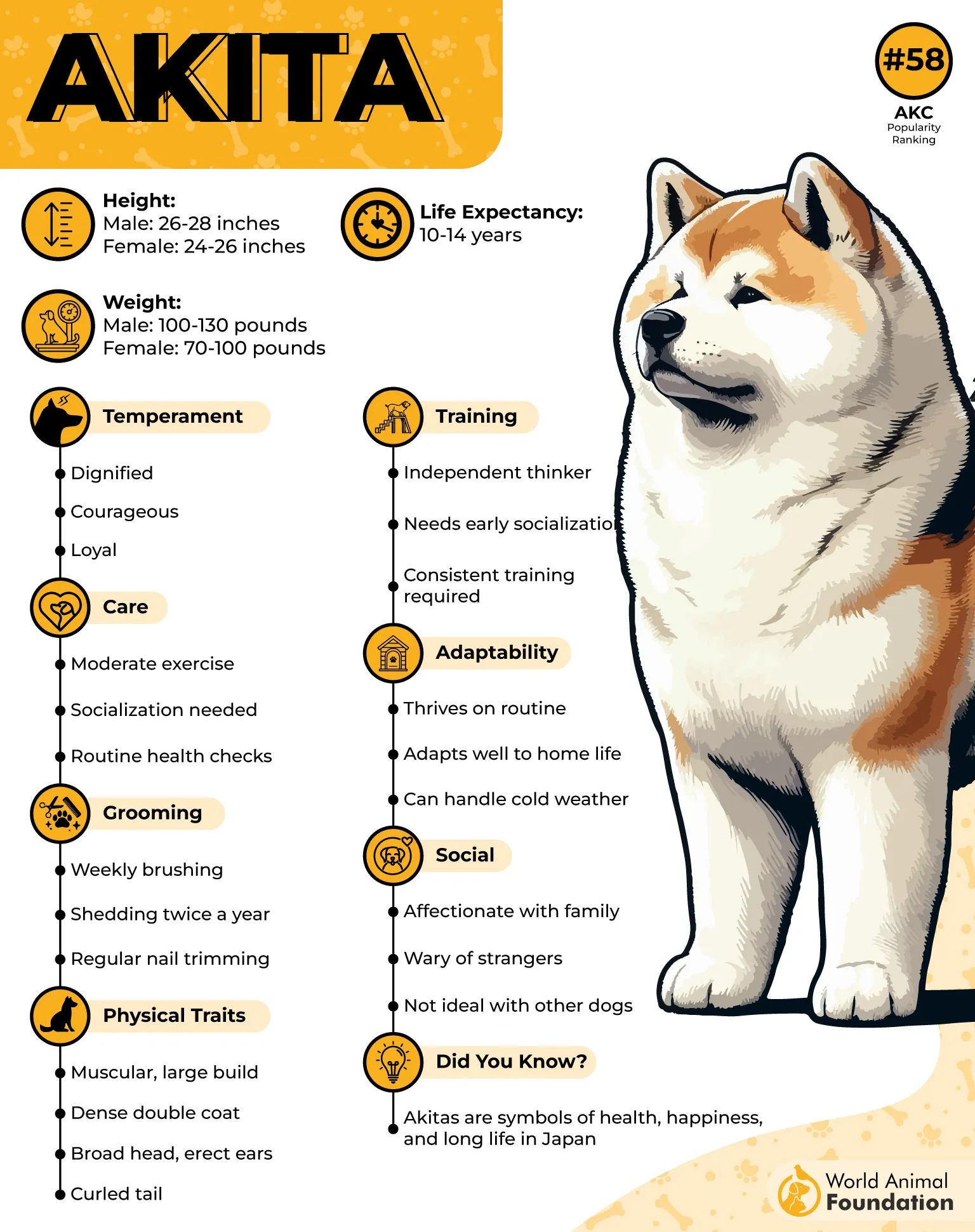
Akitas are deeply loyal to familiar people but often reserved around strangers. They can also be intolerant of other dogs, particularly dogs of the same sex, so thoughtful management is essential in shared neighborhoods and public spaces.
Training an Akita that barks a lot requires patience and lots of positive reinforcement because the breed is intelligent but independent. They may understand a command perfectly and still take a moment to decide whether your suggestion fits their personal schedule.
3. Doberman Pinscher
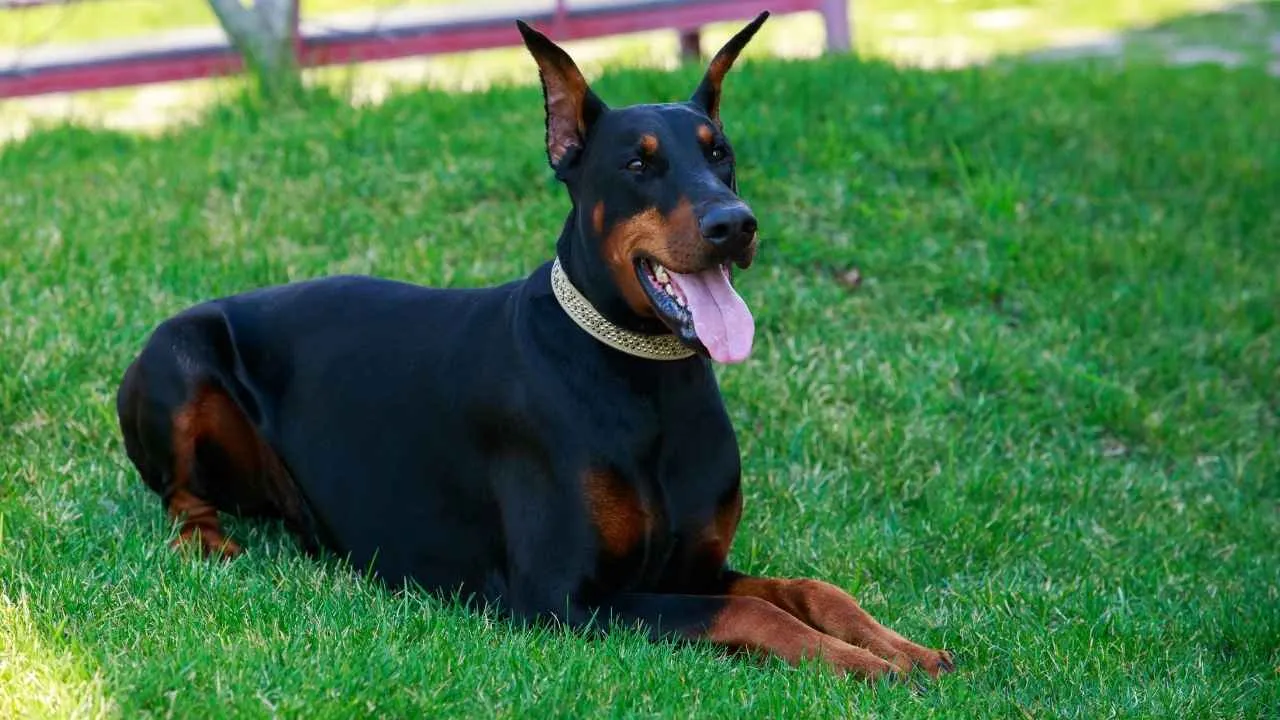
Doberman Pinschers were developed as alert personal companions, and that history still shows in their close attachment to people. They are athletic, fearless, intelligent, and naturally watchful without needing to spend the entire night barking at the moon.
Their alarm bark is commonly deep, direct, and difficult to ignore. Good training teaches the dog that one or two warnings are useful, while ten straight minutes of yelling at an accepted guest are not.
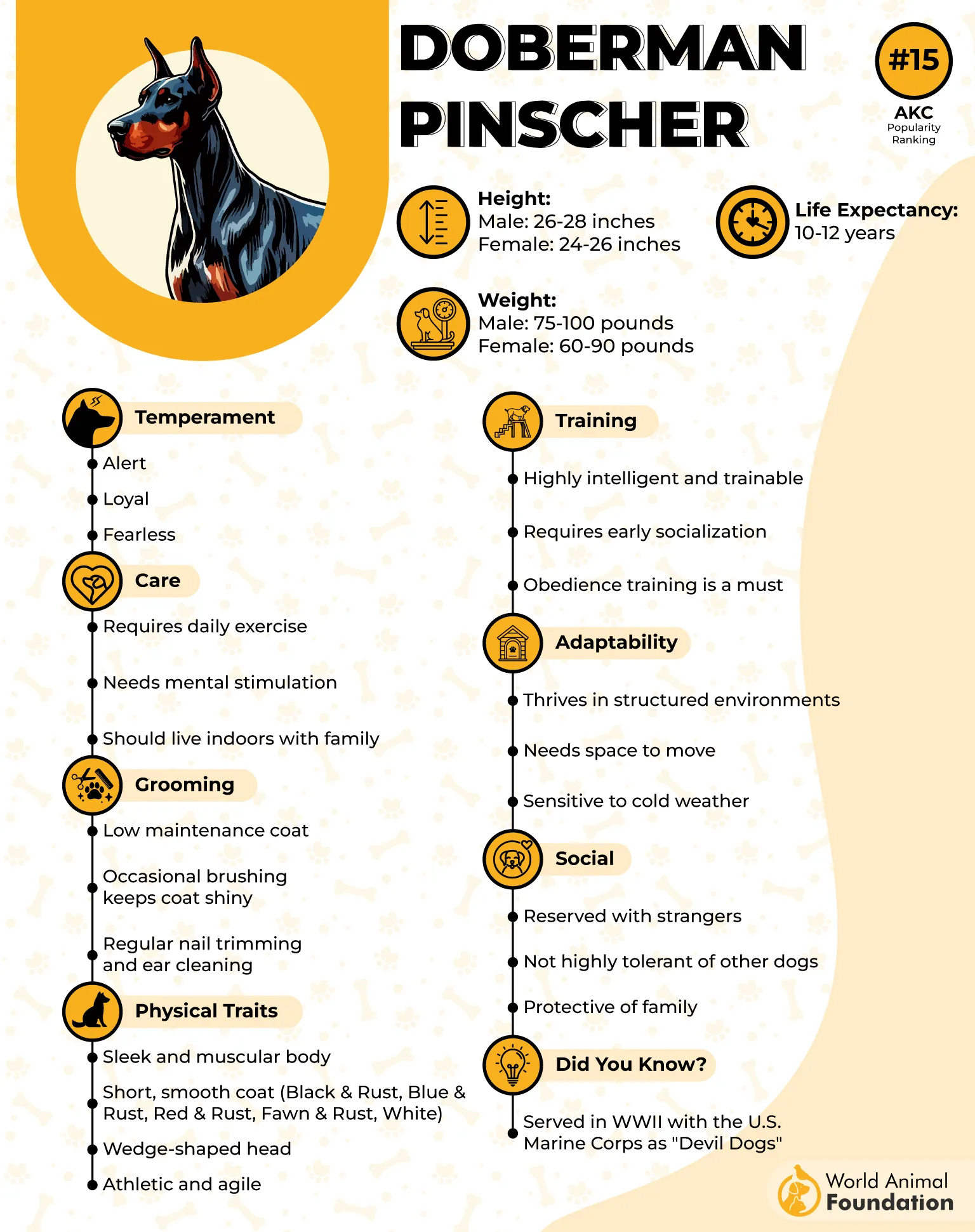
They learn commands quickly and can perform well in obedience, tracking, and agility. Orvis says they need daily physical activity and mental work because boredom may lead to barking, destruction, restlessness, or other unwanted behaviors.
This breed is often affectionate and playful with its family despite its serious public image. Dobermans thrive when included in household life and generally do poorly when isolated outside for long periods.
4. Belgian Malinois

The Belgian Malinois is basically the high-performance edition of a working dog. Smart, confident, fast, and intensely driven, this breed forms powerful bonds with handlers and has served in demanding military, police, sport, herding, and protection roles.
Malinois dogs are naturally alert and can react quickly to footsteps, gates, voices, vehicles, or movement near the property. Some use barking to report changes, while others combine vocal warnings with focused staring and rapid movement toward the source.
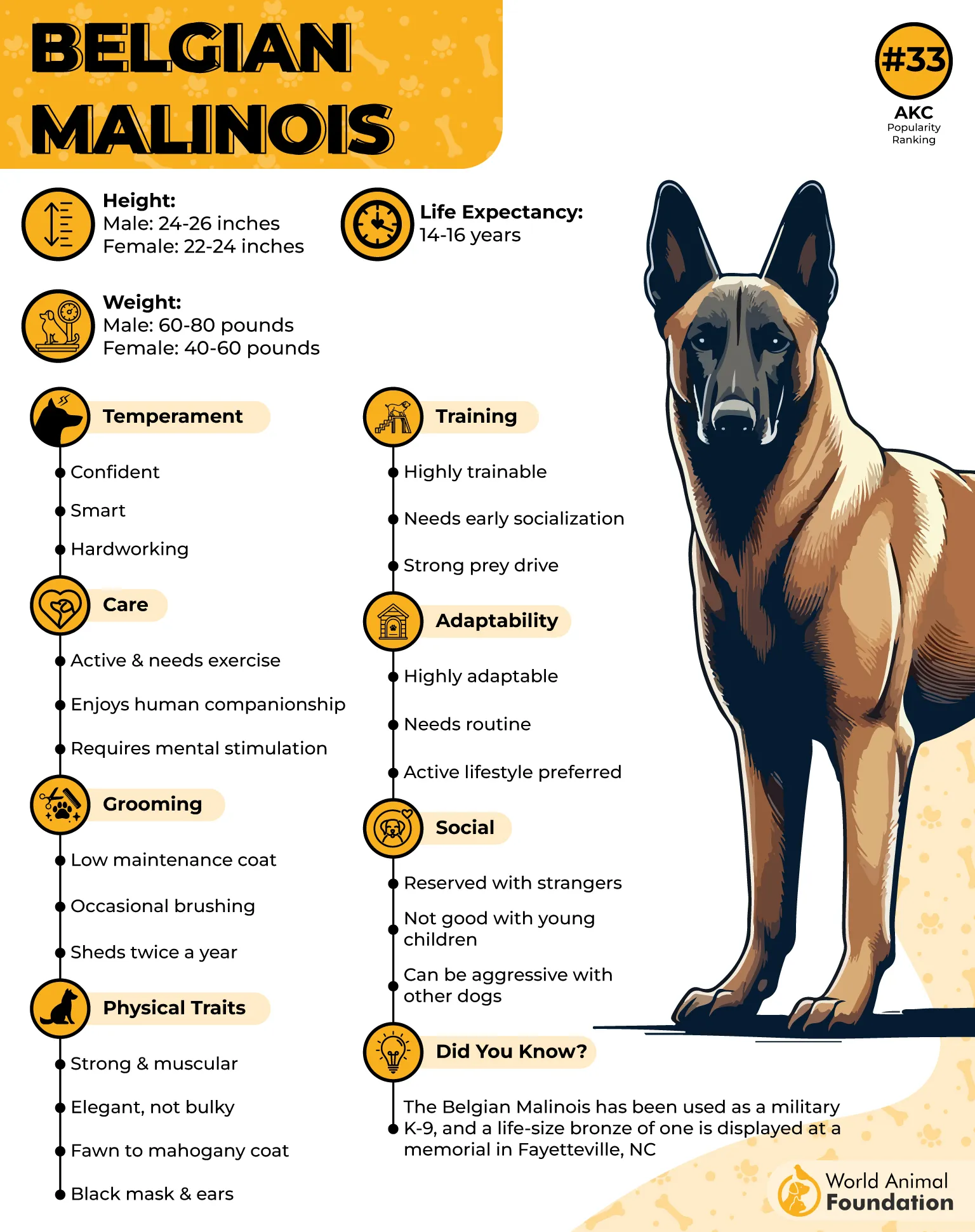
They are lighter than many traditional guardian breeds, yet their agility, endurance, and fast responses make them extremely capable workers. The breed’s lean body is built for action rather than all-day lounging.
Daily training, running, scent work, obedience, structured play, and challenging tasks help meet its strong need for movement and problem-solving. Early socialization should teach the dog to distinguish normal nighttime activity from a genuine reason to alert.
5. Cane Corso
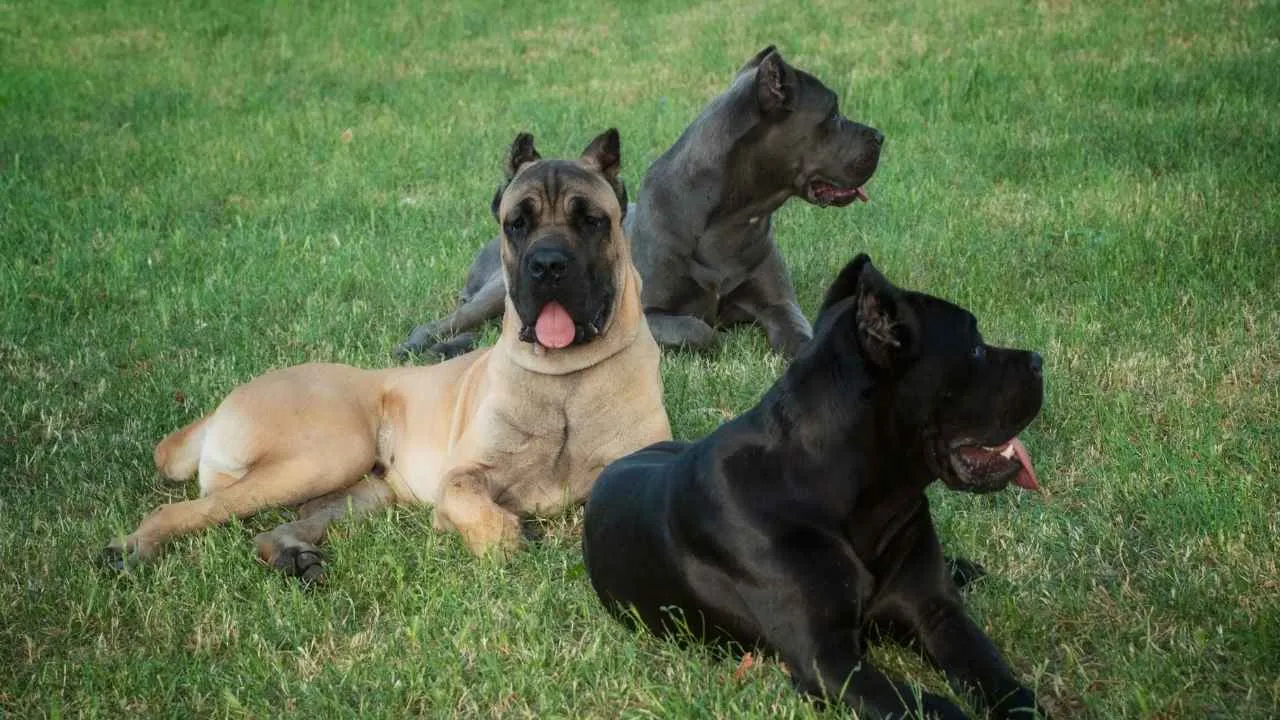
The Cane Corso is an Italian guardian whose name is commonly connected with the idea of a bodyguard dog. This powerful breed is confident, intelligent, protective, and deeply loyal to its household. Its low, forceful bark can sound like the front door itself has issued a formal warning.
The broad head, strong muscles, and athletic frame create a naturally imposing appearance before the dog makes any sound at all. That size also means poor manners cannot be dismissed as a cute puppy phase for very long.
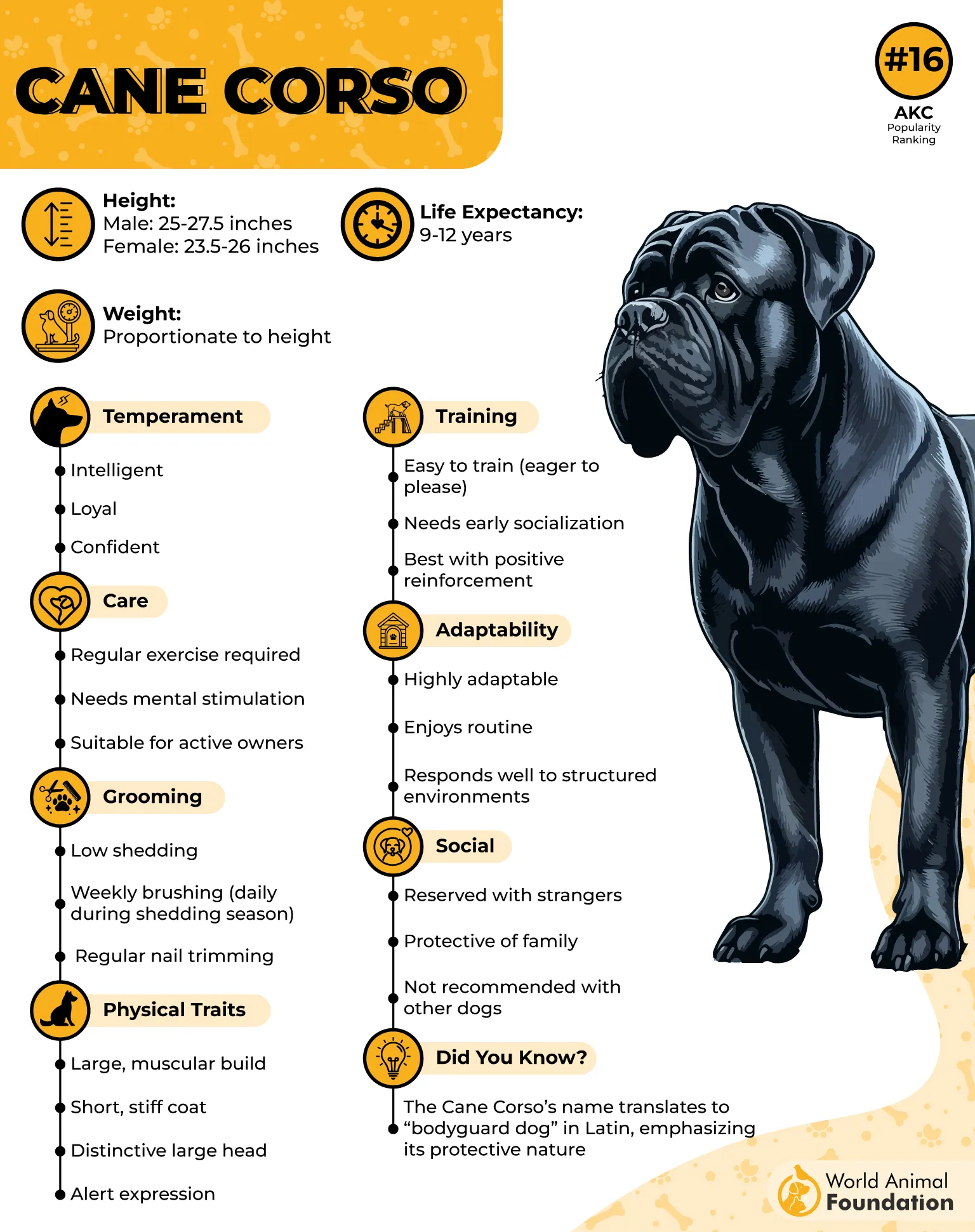
These dogs with a loud bark tend to notice unfamiliar activity around their property and may bark when someone approaches. The goal should be controlled alerting rather than encouraging the dog to threaten every visitor, pedestrian, or delivery worker.
Socialization and obedience training are essential because this breed can be dominant, territorial, and physically difficult to control without preparation. Owners should practice calm greetings, leash manners, recall, settling, and accepting invited guests from puppyhood.
6. Rottweiler

Rottweilers descend from powerful working dogs associated with the mastiffs used by Roman legions. Modern Rotties are strong, intelligent, watchful, and often calmly aloof when observing unfamiliar people.
These guard dogs do not always need to bark constantly to make an impression. This dog may first stand still, observe, and then release a deep alarm bark when an approaching person or strange noise seems important.
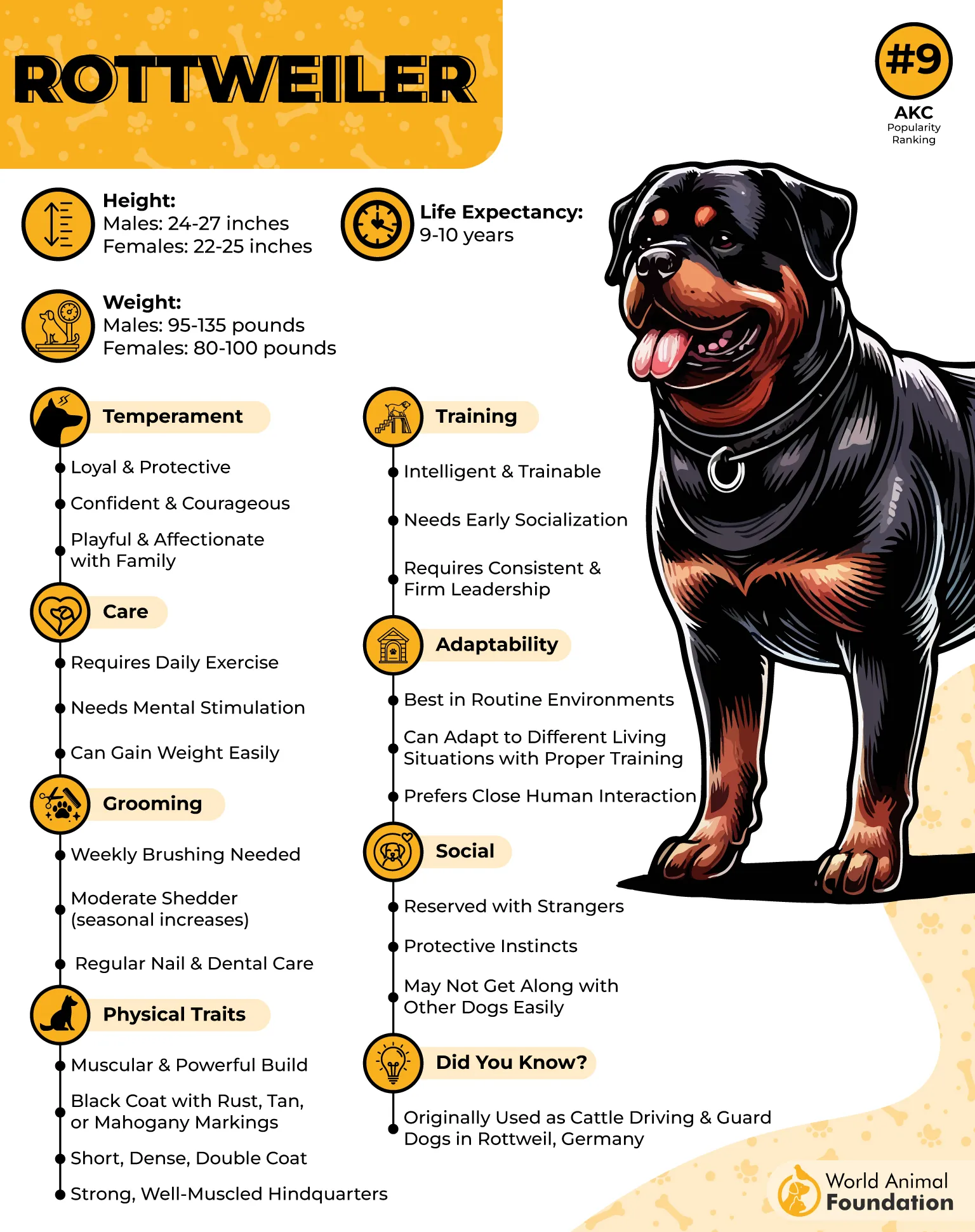
They generally learn well and often want to work with their owners, but they may also show stubborn or territorial behavior. Puppy socialization should include friendly strangers, household visitors, safe dogs, traffic, unusual sounds, grooming, and veterinary handling.
Trust AKC when it says that this active breed enjoys walking, swimming, tracking, obedience, and other purposeful tasks. Rottweilers need to live as involved family companions rather than be chained or left alone outdoors, which can make them increasingly suspicious.
7. Kuvasz

The Kuvasz is a large, white Hungarian livestock guardian developed to protect animals and property. This breed is fearless, intelligent, independent, and intensely loyal to the people it considers family.
Their thick white double coat helped them work in harsh outdoor conditions and made them easier for shepherds to distinguish from darker predators. Weekly brushing helps control loose coat, although seasonal shedding can still turn the floor into a winter-themed event.
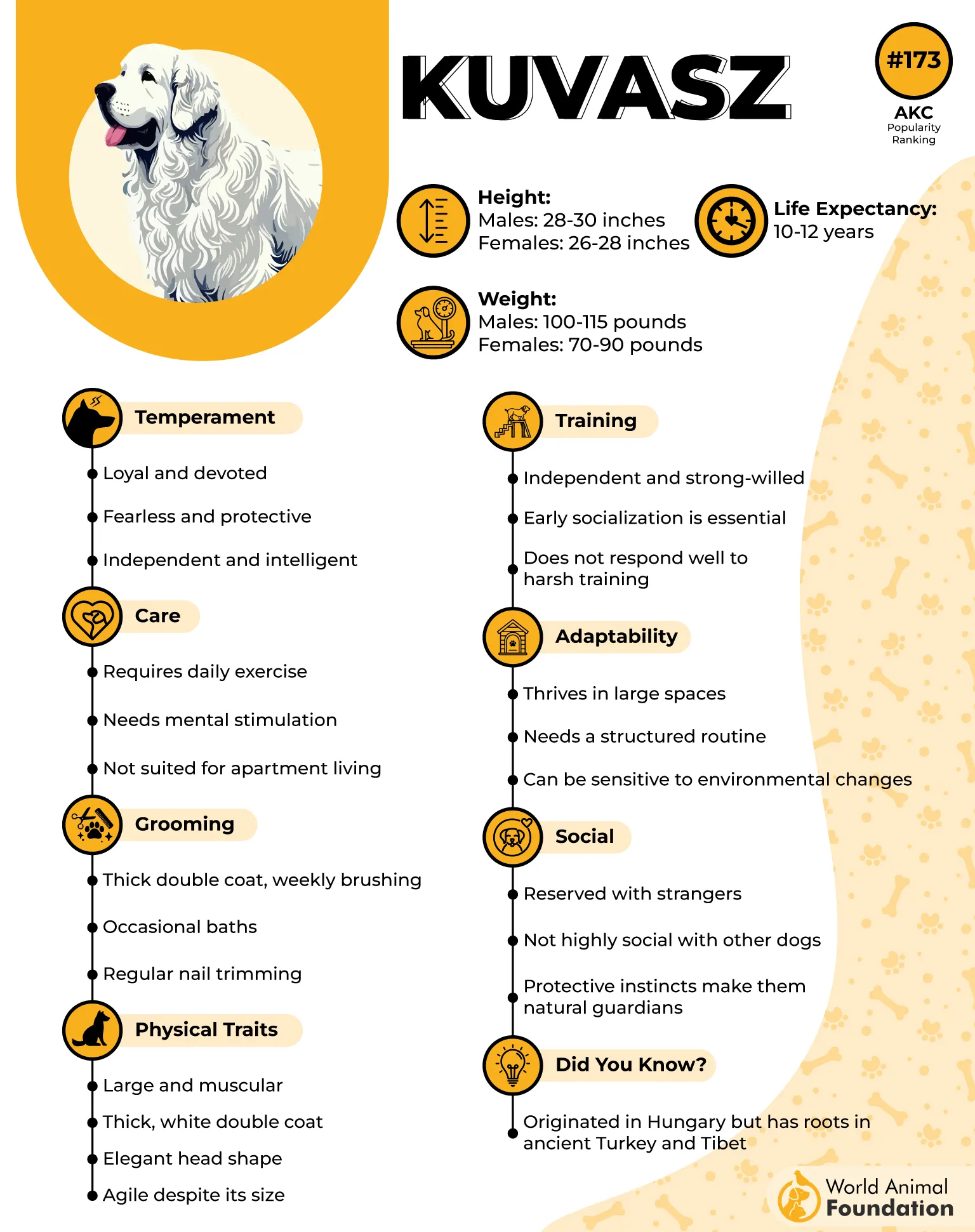
Livestock guardians were expected to make decisions without waiting for constant human instructions. As a result, the Kuvasz may independently investigate nighttime sounds and bark to warn away anything it considers suspicious.
They are sensitive problem-solvers that generally respond poorly to harsh methods, endless repetition, or unfair handling. These dogs bark LOUD and are mostly loud when they need secure space, daily activity, close family contact, or an owner who understands guardian behavior.
8. Anatolian Shepherd Dog
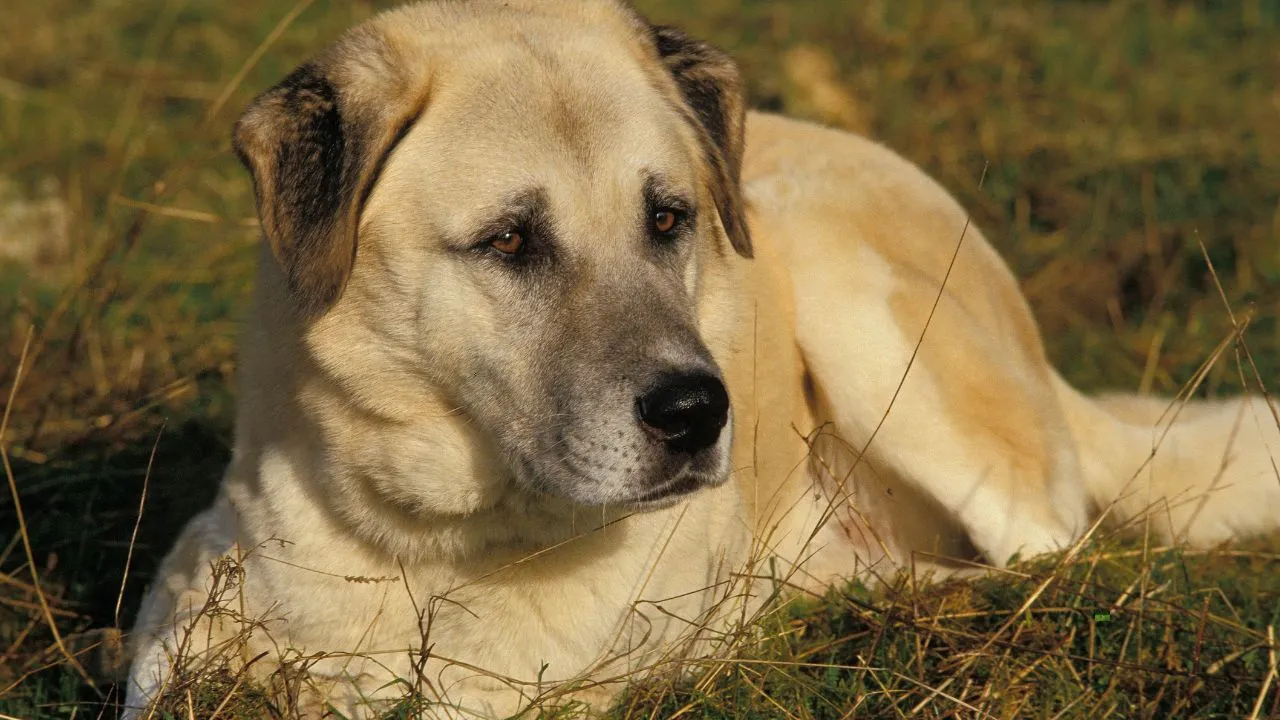
The Anatolian Shepherd Dog is an ancient flock guardian built to work across large areas and harsh landscapes. Protective, territorial, patient, and deeply loyal, it was expected to watch animals and respond to predators with limited human direction.
Barking has traditionally helped livestock guardians warn predators to keep their distance. In a modern home, however, the dog may also respond to wildlife, neighboring animals, late vehicles, or people walking near the boundary.
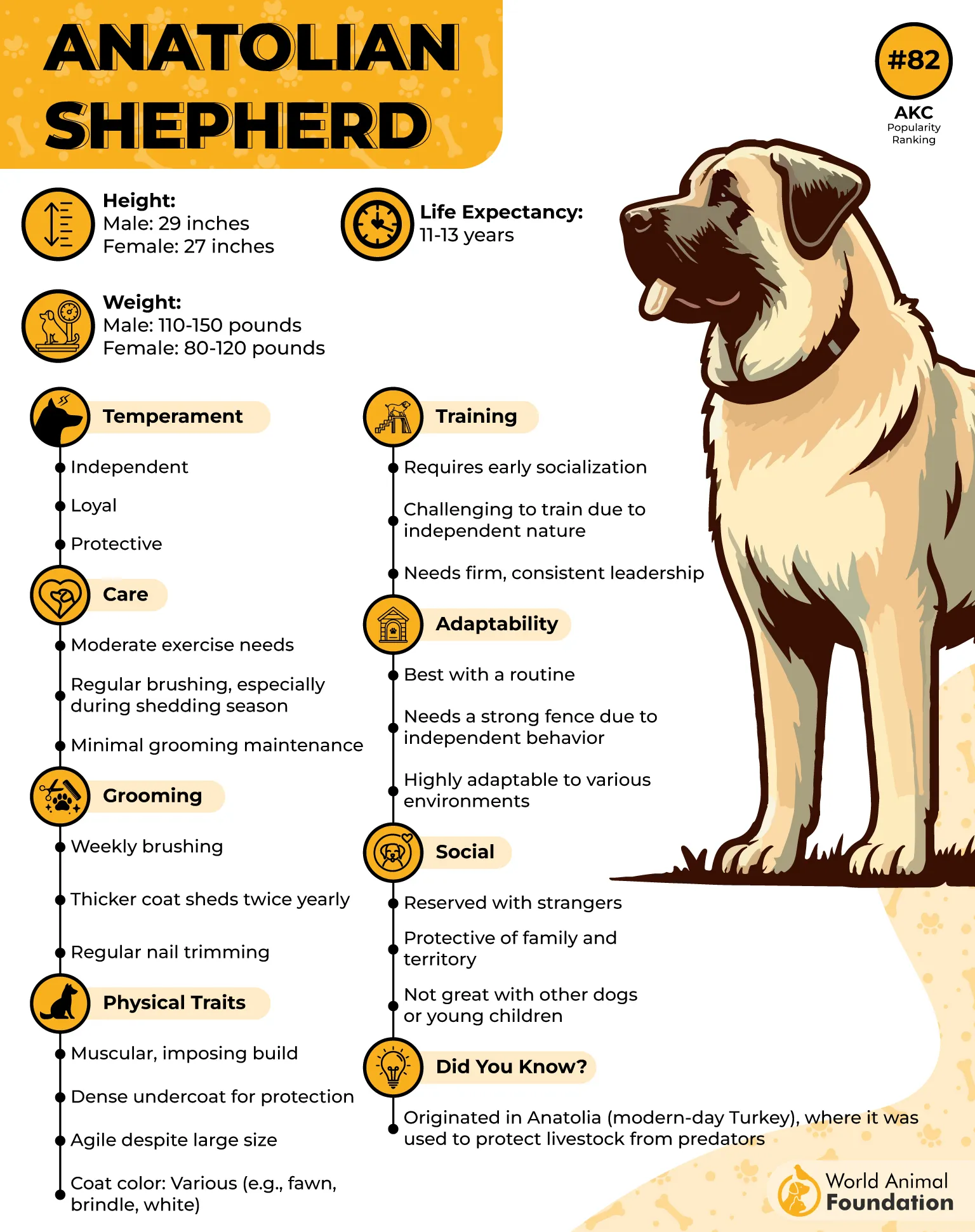
Rural owners may value that vocal patrol, while suburban households must consider noise rules and nearby neighbors before choosing the breed.
They are smart but highly independent, so obedience may not have the eager, instant style seen in some herding breeds. Secure fencing, reliable handling, early socialization, and clear household rules are necessary for managing their territorial instincts.
9. Giant Schnauzer
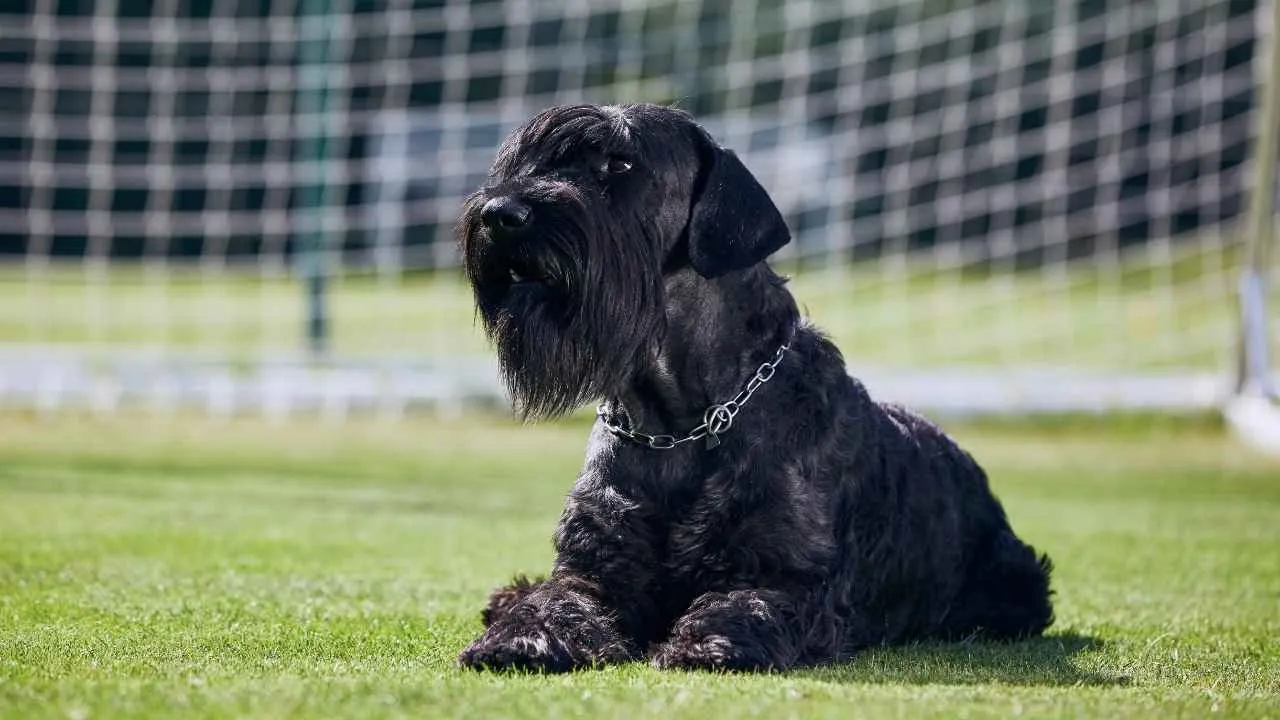
Giant Schnauzers were developed in the Bavarian Alps as powerful working dogs that drove cattle and guarded farms. Their intelligence, loyalty, courage, and territorial awareness later helped them gain attention for police work in Germany.
Their muscular, square build and harsh facial furnishings create an unmistakably serious look. The dense, wiry double coat needs weekly brushing along with regular clipping or hand-stripping to stay manageable.
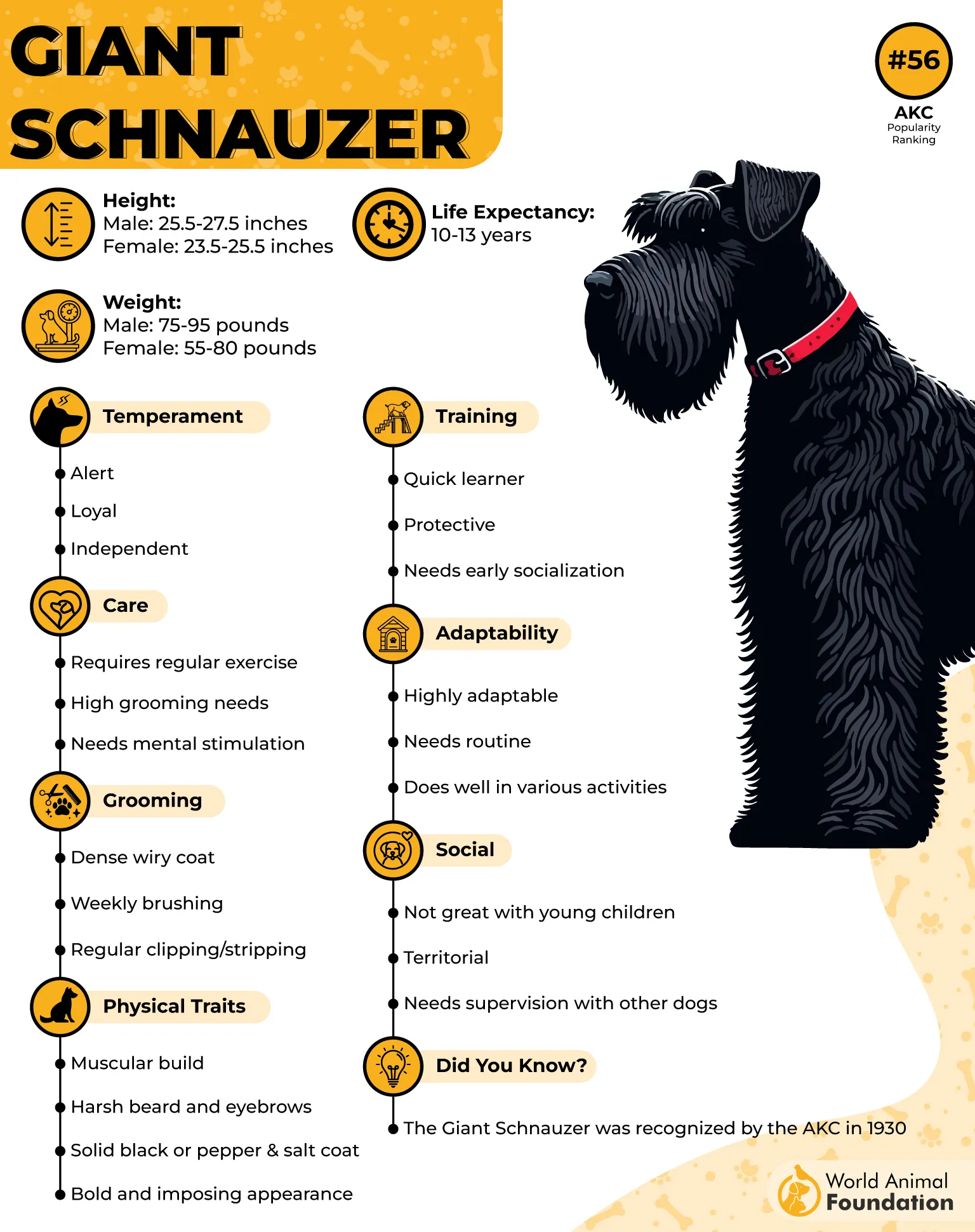
These intelligent dogs are naturally alert, claims PetMD, and can use their strong bark to alert to activity near the home. They may react quickly to visitors or movement around boundaries, so owners should teach both an alert command and a reliable quiet command.
Otherwise, the dog may assume that every late delivery requires a full press conference.
This breed needs extensive daily exercise and meaningful interaction with its owner. Long walks, running, advanced obedience, hide-and-seek, tracking, agility, and ball games can work both the body and the mind.
Conclusion
Choosing one of these breeds should never be based only on appearance, size, or the desire to frighten strangers. Most are powerful working or guardian dogs that need training, exercise, socialization, secure handling, veterinary care, and regular family involvement. Without those basics, protective instincts can become difficult behavior rather than dependable companionship.
A well-raised watchdog should alert the household and then accept its owner’s direction. Combine that sensible canine warning system with proper lighting, secure doors, alarms, cameras, and responsible safety planning.
