




If you’re searching for a dog with unmatched intelligence, relentless energy, and an incredible work ethic, the Belgian Malinois and Dutch Shepherd are likely at the top of your list.
Both breeds are renowned for their ability to excel in demanding roles, from herding livestock and protecting property to serving in police, military, and search-and-rescue teams. Their sharp minds and strong desire to work make them some of the most capable canine partners in the world.
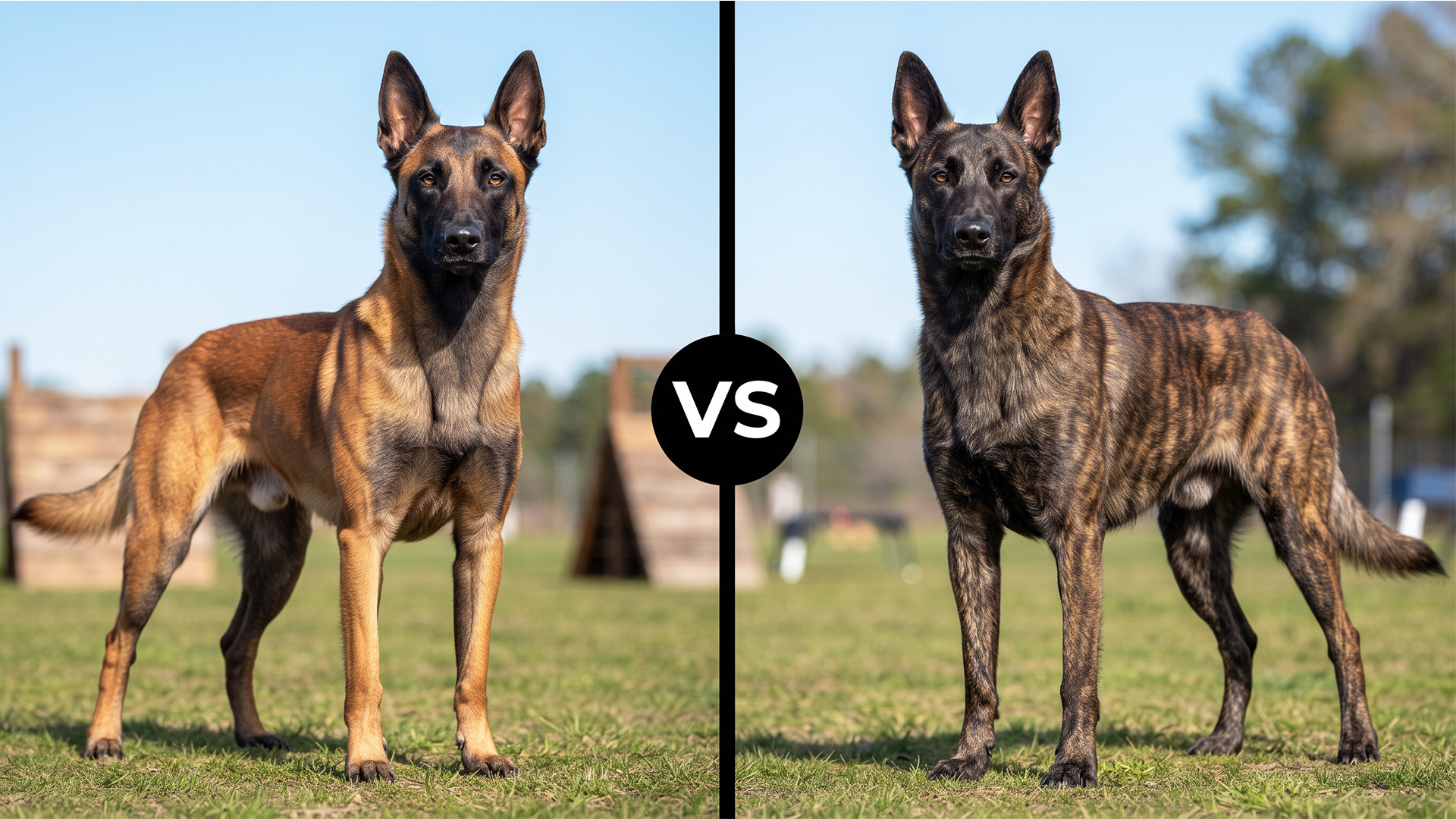
At first glance, the Belgian Malinois and Dutch Shepherd look so alike that many people struggle to tell them apart. They also share a rich history as hardworking herding dogs and are celebrated for their athleticism, loyalty, and trainability.
But despite these similarities, their working drive, temperament, and approach to training have several important differences that can influence which breed is the better fit for a particular job or lifestyle.
Belgian Malinois vs. Dutch Shepherd: Working Drive Explained
In this article, we’ll take a closer look at these two working dogs, exploring how each breed performs under pressure, responds to training, and channels its energy into work.
Origins & Purpose
Belgian Malinois
The Belgian Malinois originated in Belgium as one of the four Belgian shepherd varieties developed from the country’s traditional herding dogs. Bred to herd and protect livestock, the breed quickly gained a reputation for its intelligence, speed, endurance, and strong work ethic.
In the early 1900s, the Belgian shepherds were officially divided into separate varieties based primarily on coat type, with the Malinois recognized for its short coat, according to Orvis.
As its exceptional trainability and protective instincts became more widely recognized, the Belgian Malinois transitioned beyond farm work into law enforcement and military service.
Today, it is one of the world’s most trusted working dogs, commonly serving in police units, military operations, search and rescue missions, and detection roles.
Dutch Shepherd
The Dutch Shepherd was developed in the Netherlands during the late 19th century as a versatile farm dog. Originally bred for herding sheep, it also guarded livestock, protected farms, and even pulled carts when needed. Its intelligence, adaptability, and willingness to work made it an indispensable companion for farmers.
With the rise of modern farming and the disruption of World War II, the breed’s population declined sharply, bringing it close to extinction. Thanks to dedicated breeding efforts, the Dutch Shepherd survived, although it remains relatively rare today.
Its intelligence, athleticism, and dependable temperament have helped it transition into modern working roles, including military and police work, search and rescue, and assistance work.
Size & Build
Belgian Malinois
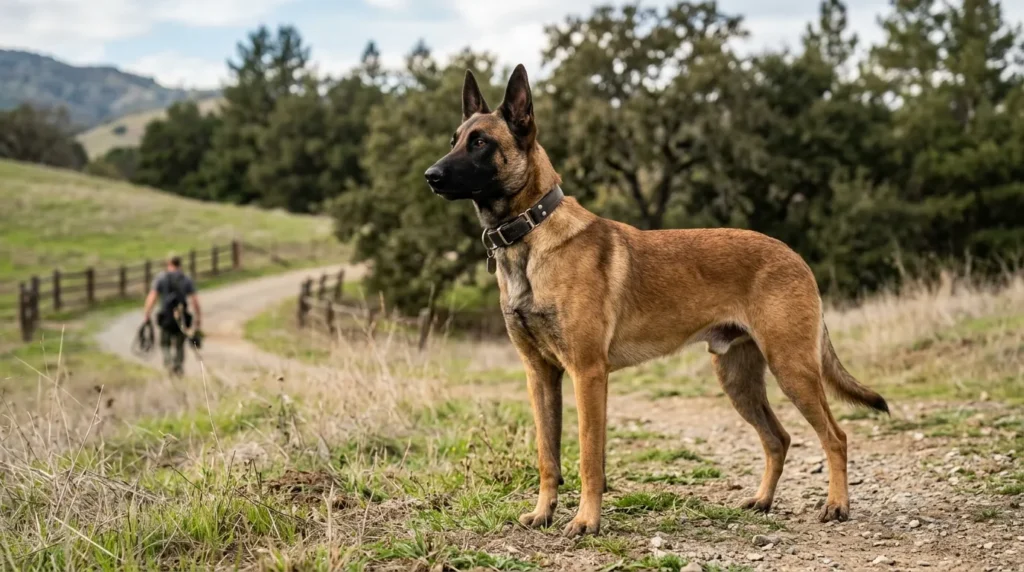
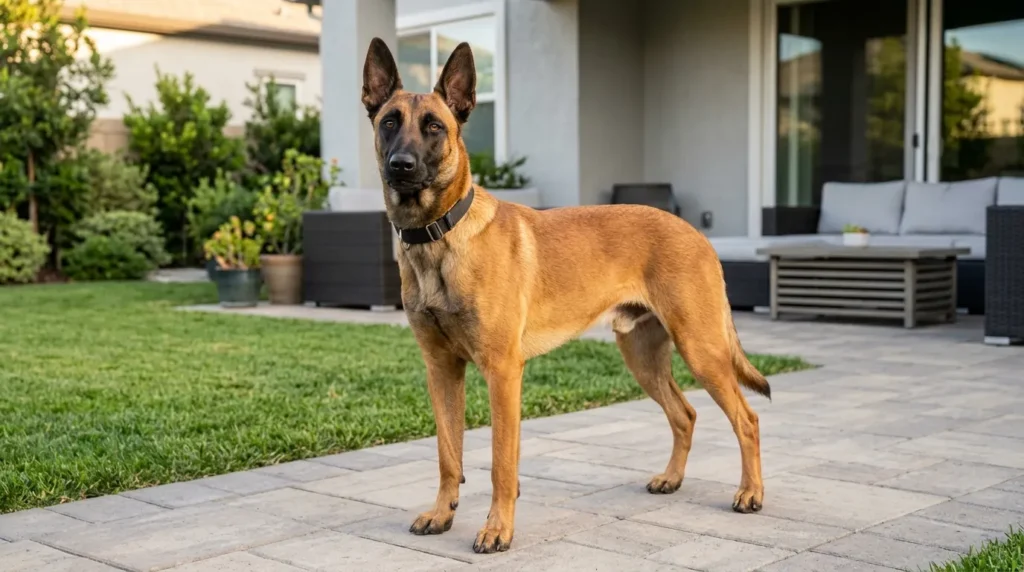
The Belgian Malinois is a medium-to-large working dog with a lean, muscular build designed for speed, agility, and endurance. Adult males typically stand 24–26 inches tall and weigh 60–80 pounds, while females measure 22–24 inches and weigh 40–60 pounds.
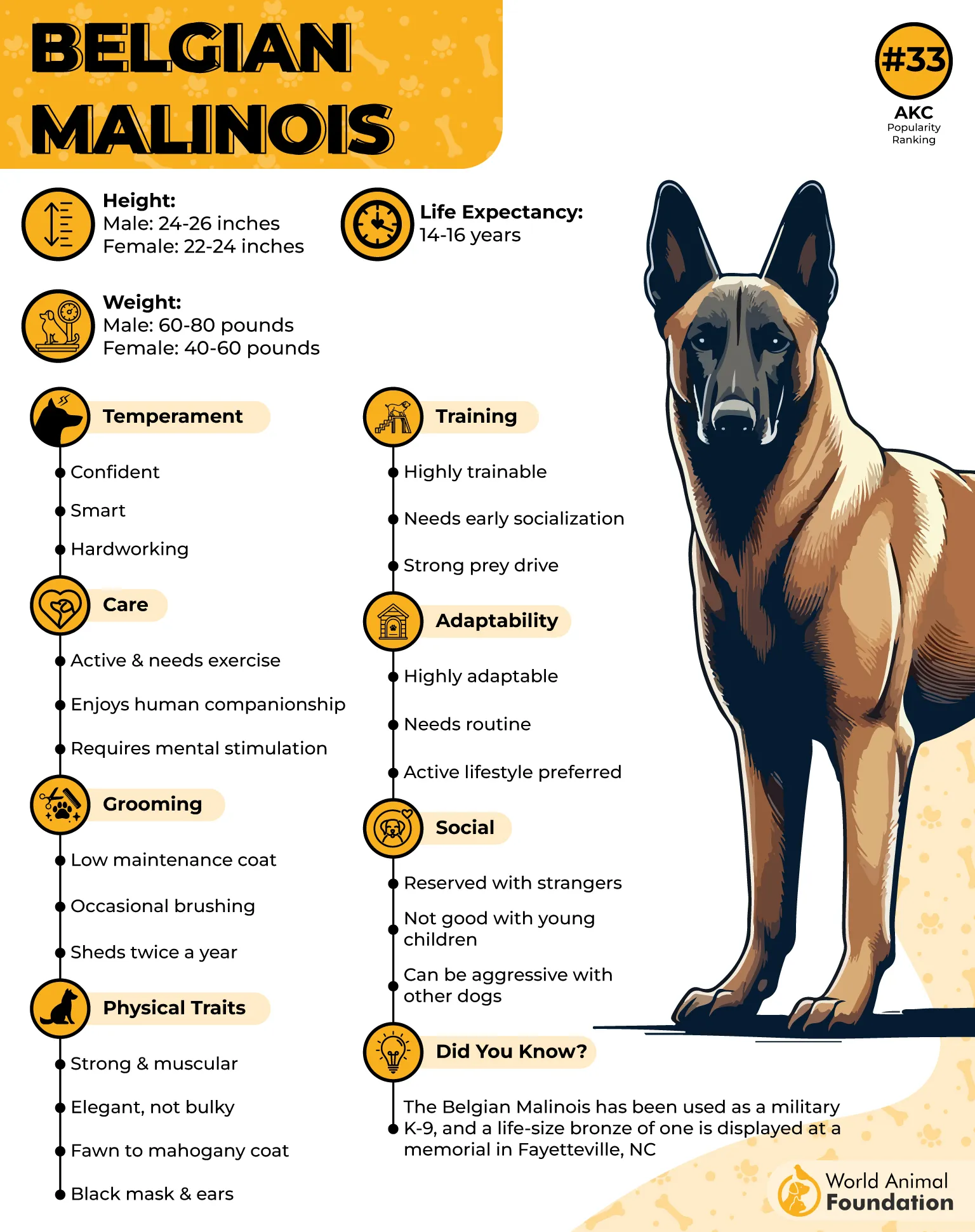
The breed has a proud, alert expression with a wedge-shaped head, erect triangular ears, dark brown oval eyes, and a black nose. Its short, weather-resistant coat is typically fawn or mahogany with black-tipped hairs and a distinctive black mask. A long, strong tail completes its athletic appearance.
Dutch Shepherd
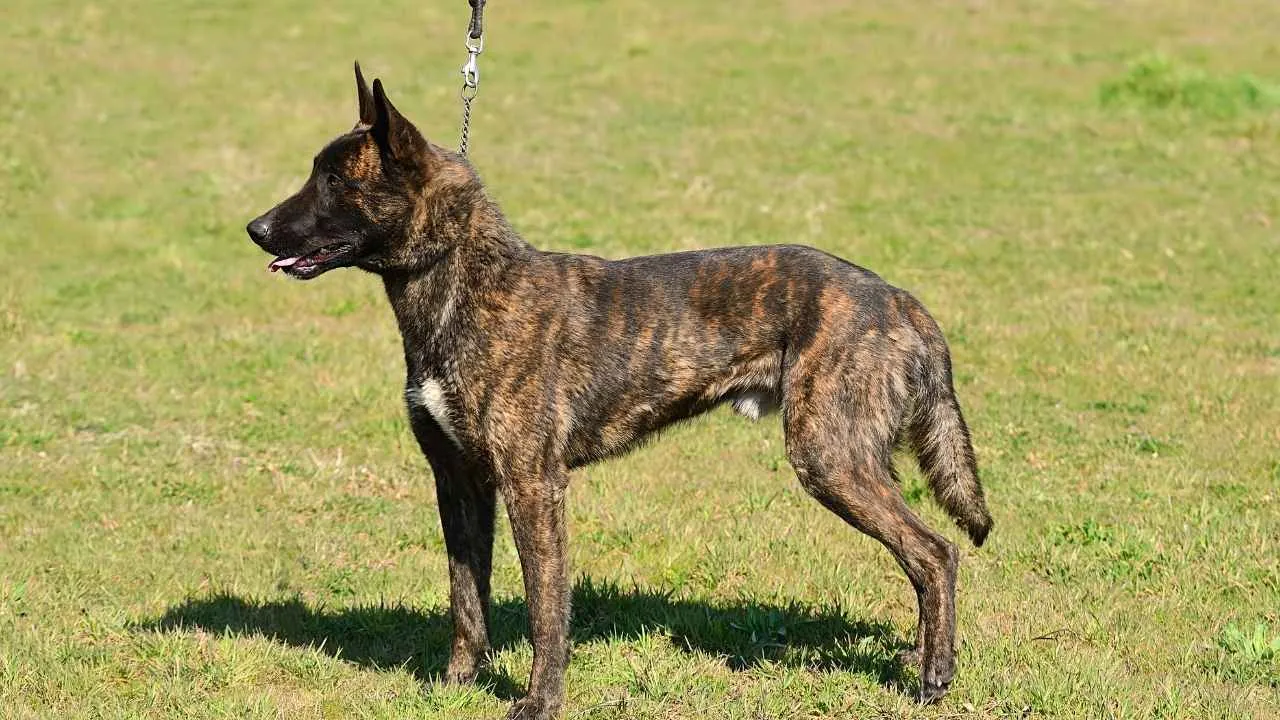
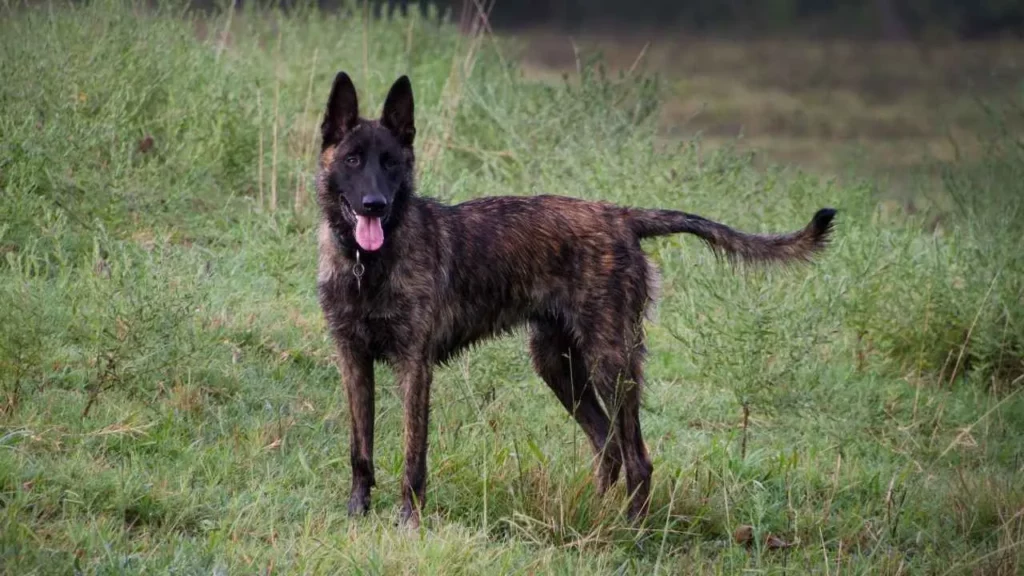
The Dutch Shepherd is a medium-sized working breed with a muscular, well-balanced body built for strength, agility, and stamina. Most adults stand 21–25 inches tall and weigh 42–70 pounds.
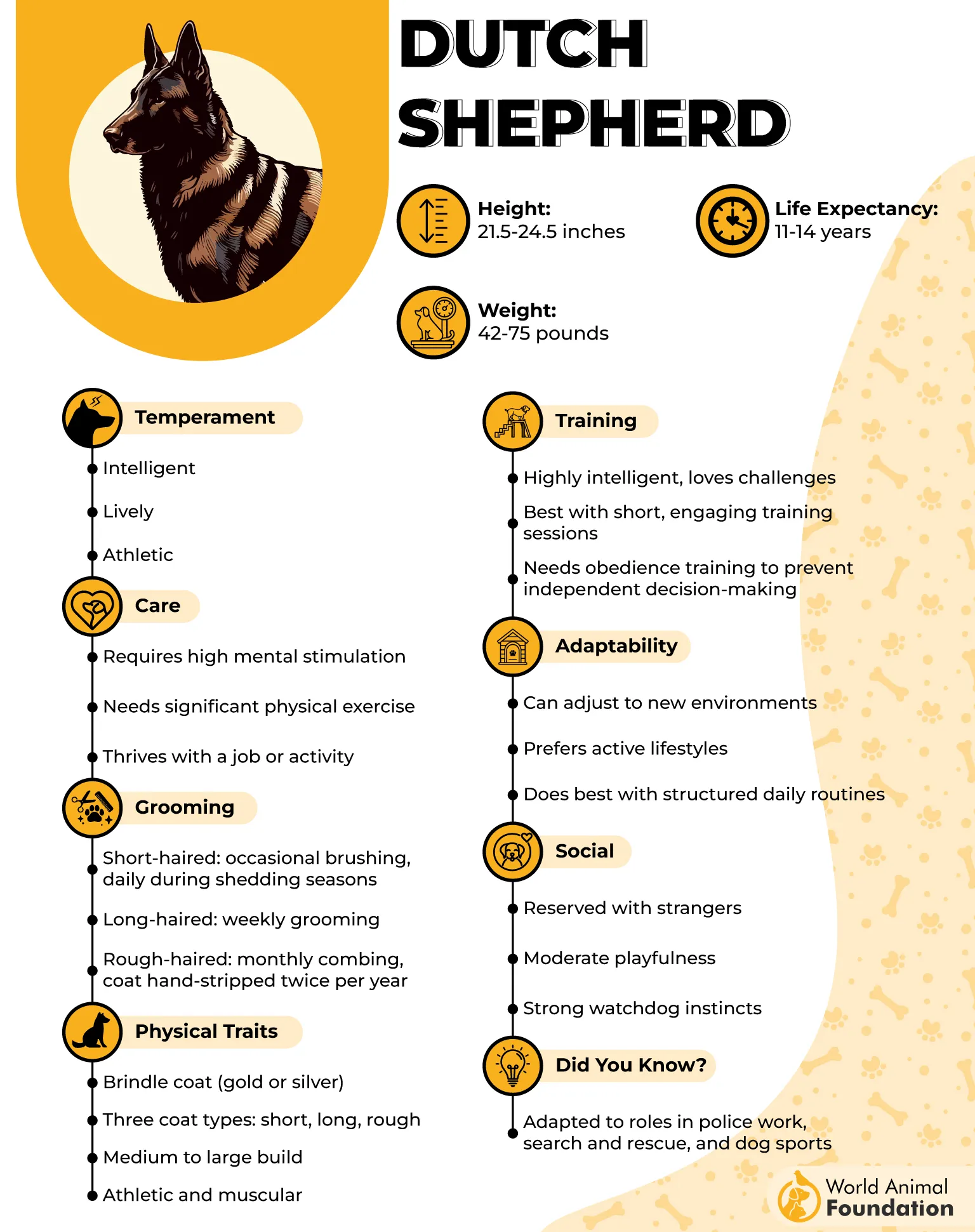
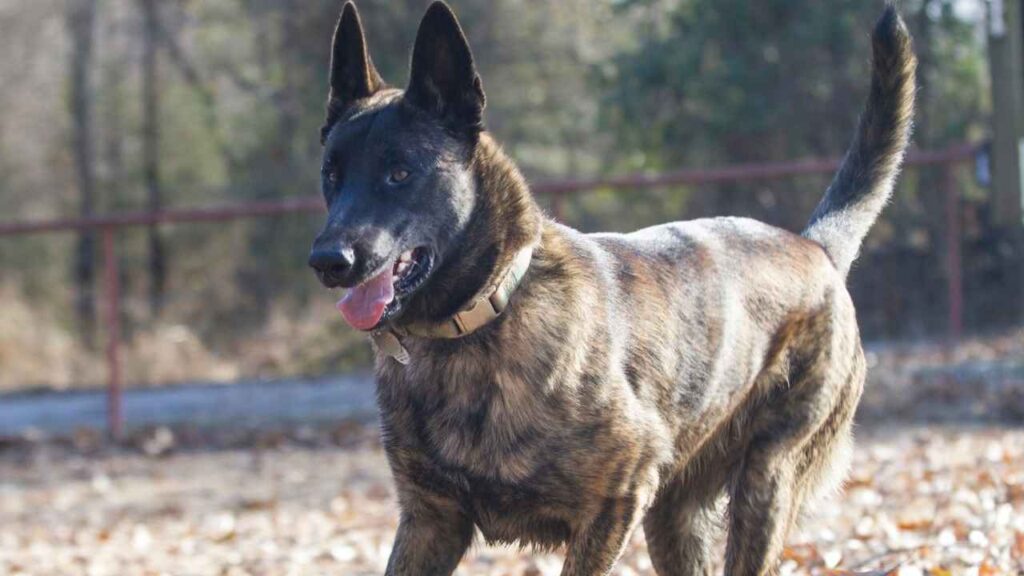
They have a wedge-shaped head, upright ears, almond-shaped brown or golden eyes, and a long muzzle with a black nose.
Their most distinctive feature is the brindle coat, which comes in silver or gold and may be short, long, or rough-haired, all with a dense undercoat. Their long tail hangs naturally when relaxed and curves upward when they’re active.
Temperament & Personality Style
Belgian Malinois
The Belgian Malinois is an exceptionally intelligent, loyal, and driven breed that thrives when given a job to do. It forms strong bonds with its family and prefers spending time with its owner rather than being left alone. This breed is happiest when learning, training, or staying active.
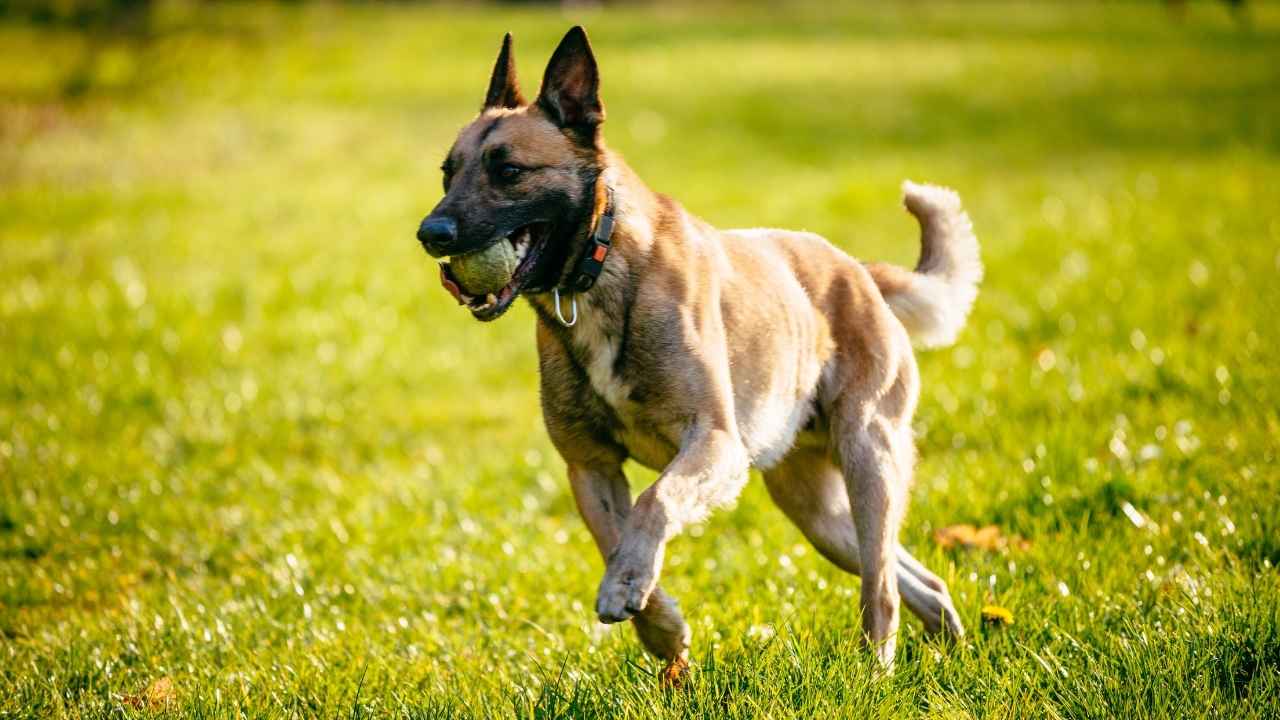
Key personality traits include:
Highly loyal and devoted to its handler.
Extremely energetic, needing daily physical and mental stimulation.
Quick learner that excels in obedience, agility, scent work, and protection training.
Naturally alert and protective, making an excellent working and watchdog breed.
Strong prey drive, requiring early socialization and obedience training.
The Belgian Malinois is best suited to experienced owners who can provide structure, consistent training, and an active lifestyle.
Dutch Shepherd
The Dutch Shepherd dog is equally intelligent and hardworking but tends to have a slightly more balanced and adaptable personality. While it loves to work and stay active, it’s also affectionate with its family and enjoys relaxing after a busy day.
Some defining personality traits include:
Loyal and affectionate with family, yet reserved around strangers.
Highly intelligent and eager to learn.
Energetic and playful, thriving on exercise and mental challenges.
Confident and dependable, making an excellent working or active family dog.
Benefits from early socialization to develop good manners around people and other pets.
The Dutch Shepherd thrives with owners who can provide regular exercise, consistent training, and plenty of opportunities to stay mentally engaged.
Exercise Needs & Energy Level
Belgian Malinois
The Belgian Malinois is one of the highest-energy working breeds, requiring at least 1–2 hours of vigorous exercise every day. Simply taking a short walk isn’t enough. These dogs need challenging physical activities combined with mental stimulation to stay happy and well-behaved.
Without a proper outlet for their energy, they can quickly become bored and develop destructive behaviors such as excessive chewing, digging, barking, or restlessness.
Great activities for a Belgian Malinois include:
Brisk walks, jogging, and hiking
Fetch and Frisbee
Agility, obedience, and rally training
Tracking, scent work, and protection sports
Interactive puzzle toys and advanced training sessions
Because of their strong herding and prey instincts, Belgian Malinois may chase cars, bicycles, or other fast-moving objects. They should always exercise in a securely fenced area or remain on a leash when outdoors.
Dutch Shepherd
The Dutch Shepherd is equally athletic and thrives on an active lifestyle. UKC mentions that most need 30-60 minutes of daily exercise, though highly driven working lines may benefit from even more physical and mental activity.
They enjoy having a job to do and perform best when their exercise routine includes both movement and problem-solving tasks.
Activities that suit a Dutch Shepherd include:
Long walks, jogging, and hiking
Fetch and Frisbee
Agility, nose work, and obedience training
Scent games and interactive puzzle toys
Swimming and outdoor adventures
When their physical and mental needs are consistently met, Dutch Shepherds are generally calm and well-mannered indoors. However, a lack of exercise can lead to frustration, boredom, and unwanted behaviors, making regular activity an essential part of their daily routine.
Trainability & Obedience
Belgian Malinois
The Belgian Malinois is one of the most intelligent and trainable dog breeds. It learns quickly and thrives on structured training that challenges both its mind and body. Thanks to its strong work ethic and eagerness to please, it excels in obedience, agility, protection work, tracking, and scent detection.
For the best results:
Start socialization early to build confidence around people and new environments.
Use positive reinforcement, such as treats, praise, and toys.
Teach impulse control to manage natural herding and chasing instincts.
Provide regular mental challenges to prevent boredom.
Because of its intense drive and energy, the Belgian Malinois is best suited to experienced owners or those willing to work with a professional trainer.
Dutch Shepherd
The Dutch Shepherd is equally intelligent and eager to learn, making it highly responsive to consistent, positive training. It excels in obedience, agility, scent work, and other mentally and physically demanding activities.
For successful training:
Begin socialization early to encourage confidence and good manners.
Use positive reinforcement and stay consistent.
Keep training sessions engaging and mentally stimulating.
Channel natural guarding and herding instincts through structured obedience.
Its intelligence, versatility, and dependable nature make the Dutch Shepherd a popular choice as police, military, search-and-rescue, and service dogs.
Grooming Needs & Shedding
Belgian Malinois
The Belgian Malinois dog is relatively low-maintenance when it comes to grooming thanks to its short, straight, weather-resistant coat. A thorough brushing once a week is usually enough to remove loose hair, distribute natural oils, and keep the coat looking healthy.
However, this breed sheds heavily during the spring and fall, when it blows its undercoat, so more frequent brushing is needed during these seasonal periods.
Dutch Shepherd
The Dutch Shepherd is also considered an easy-to-groom breed, although grooming needs vary slightly depending on whether the dog has a short, long, or rough coat.
All coat types are dense and weather-resistant, requiring weekly brushing to remove loose hair and keep the coat in good condition. Like the Belgian Malinois, Dutch Shepherds shed moderately throughout the year, with heavier shedding during the spring and fall.
Herding & Work Drive
Belgian Malinois
The Belgian Malinois is driven by an exceptionally strong desire to work. Originally bred to herd and protect livestock, it has retained the intense focus, stamina, and determination needed to perform demanding tasks for long hours.
This relentless work ethic is one of the main reasons the breed is widely used as military, search-and-rescue, and police dogs around the world.
Exceptional focus and responsiveness, even in high-pressure situations.
Strong herding and prey instincts, which can lead to chasing moving objects without proper training.
Because of its intense drive, the Belgian Malinois needs regular training, mental challenges, and structured activities. PetMD says it is best suited to experienced owners who can provide consistent direction and a purposeful lifestyle.
Dutch Shepherd
The Dutch Shepherd was also developed as a hardworking herding dog, but its work drive is often considered slightly more balanced and adaptable.
In addition to herding sheep, the breed was traditionally responsible for guarding farms, watching over livestock, and performing other daily farm duties, making it an incredibly versatile working dog.
High intelligence and eagerness to work, especially when given clear direction.
Steady and dependable temperament, making it easier for many handlers to manage while still maintaining an impressive work ethic.
Like the Belgian Malinois, the Dutch Shepherd performs best when given meaningful tasks and plenty of mental and physical stimulation. It is not suited for first-time owners or those with a sedentary lifestyle.
Its balanced drive and adaptability have also made it a trusted choice for police, military, search-and-rescue, and assistance work.
Health & Lifespan
Belgian Malinois
The Belgian Malinois is generally a healthy breed with a typical lifespan of 10–14 years. Dogs from responsible breeders tend to have fewer inherited health problems, but regular veterinary checkups, a balanced diet, and an active lifestyle remain essential for long-term health.
Common health concerns include:
Hip Dysplasia
Elbow Dysplasia
Progressive Retinal Atrophy (PRA)
Cataracts
Chronic Superficial Keratitis (Pannus)
Hemangiosarcoma
Dutch Shepherd
The Dutch Shepherd is also considered a healthy and hardy breed, with an average lifespan of 11–14 years. Maintaining a healthy weight, providing regular exercise and healthy dog food, and scheduling routine veterinary care can help support a long, active life.
Common health concerns include:
Hip Dysplasia
Elbow Dysplasia
Progressive Retinal Atrophy (PRA)
Gastric Dilatation-Volvulus (Bloat)
Degenerative Myelopathy (DM)
Von Willebrand Disease (vWD)
Belgian Malinois vs. Dutch Shepherd: Which Breed Fits Your Lifestyle?
Both the Belgian Malinois and Dutch Shepherd are incredibly smart, athletic, and loyal working dogs. They thrive in active homes where they receive plenty of exercise, training, and mental stimulation.
However, the right choice ultimately depends on your experience, lifestyle, and what you expect from your canine companion.
The Belgian Malinois is best suited for experienced owners who can give it a clear purpose and plenty of daily engagement. Without enough physical and mental stimulation, this breed can quickly become bored and develop unwanted behaviors.
Although the Dutch Shepherd still requires an experienced and committed owner, many people find it a little more adaptable and easier to live with on a day-to-day basis while still retaining the intelligence and work ethic expected from a top-tier working breed.
Conclusion
Choosing between the Belgian Malinois and the Dutch Shepherd isn’t about deciding which breed is better. It’s about finding the one that best matches your lifestyle and experience.
While these two breeds are intelligent, athletic, and incredibly loyal, the Belgian Malinois stands out for its intense working drive and endless energy, whereas the Dutch Shepherd offers similar versatility with a slightly more balanced and adaptable temperament.
Before bringing either breed home, take an honest look at the time, commitment, and activity level you can provide. A well-trained, well-exercised Belgian Malinois or Dutch Shepherd can become an exceptional companion, protector, and lifelong partner.
Choose the breed that fits your routine, invest in proper training from the start, and you’ll be rewarded with a devoted dog that’s always ready for the next adventure.
