




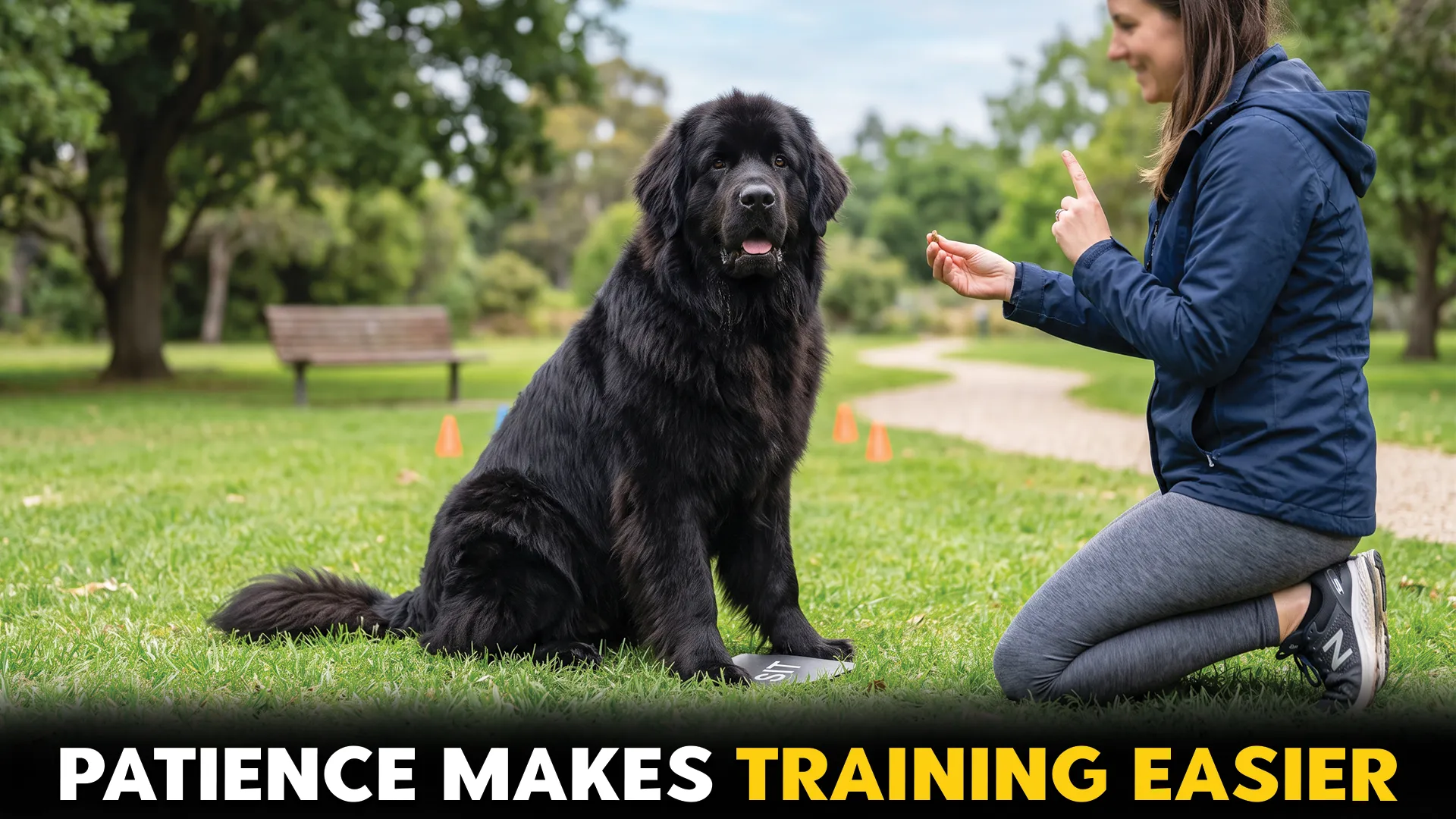
Training a dog doesn’t have to feel like a constant battle. Some dogs naturally enjoy learning, stay focused during lessons, and happily work alongside their people.
Their patience, willingness to listen, and eagerness to earn praise make training smoother, whether you’re teaching simple manners or more advanced skills.
Dogs that stay calm, recover quickly from mistakes, and don’t give up easily often make the best training partners. Pair those qualities with consistent, reward-based training, and you’ll be surprised how quickly they catch on.
In this article, we’ll introduce some of the easiest dog breeds to train. Whether you’re a first-time dog owner, raising a family pet, or simply looking for a companion that’s eager to learn, these breeds are known for making training a rewarding experience for both you and your dog.
Key Takeaways
Meet 10 trainable dog breeds that make training feel surprisingly easy.
Discover why Newfoundland, Saint Bernard, and Leonberger are training favorites.
See how Boerboel, Kuvasz, and Eurasier combine intelligence with calm, steady learning.
Find the perfect easy-to-train companion with practical care and personality insights.
Ultra-Patient Dog Breeds for Easy Training
1. Newfoundland
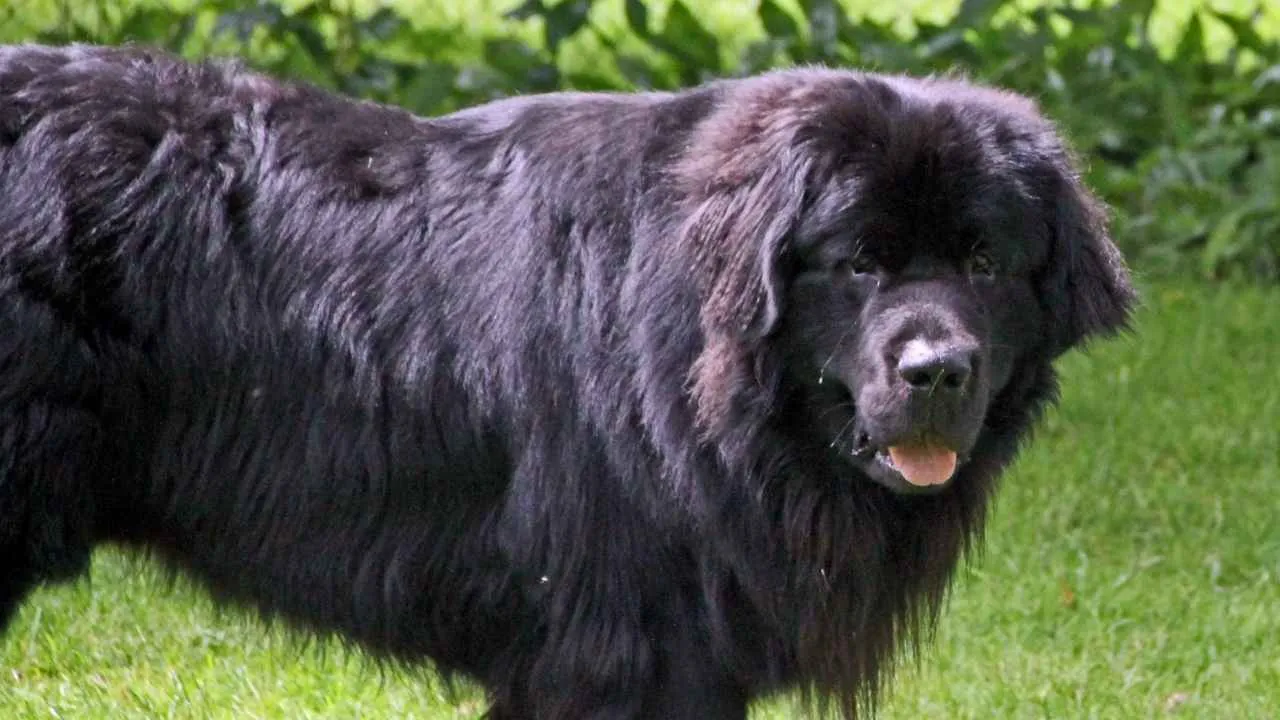
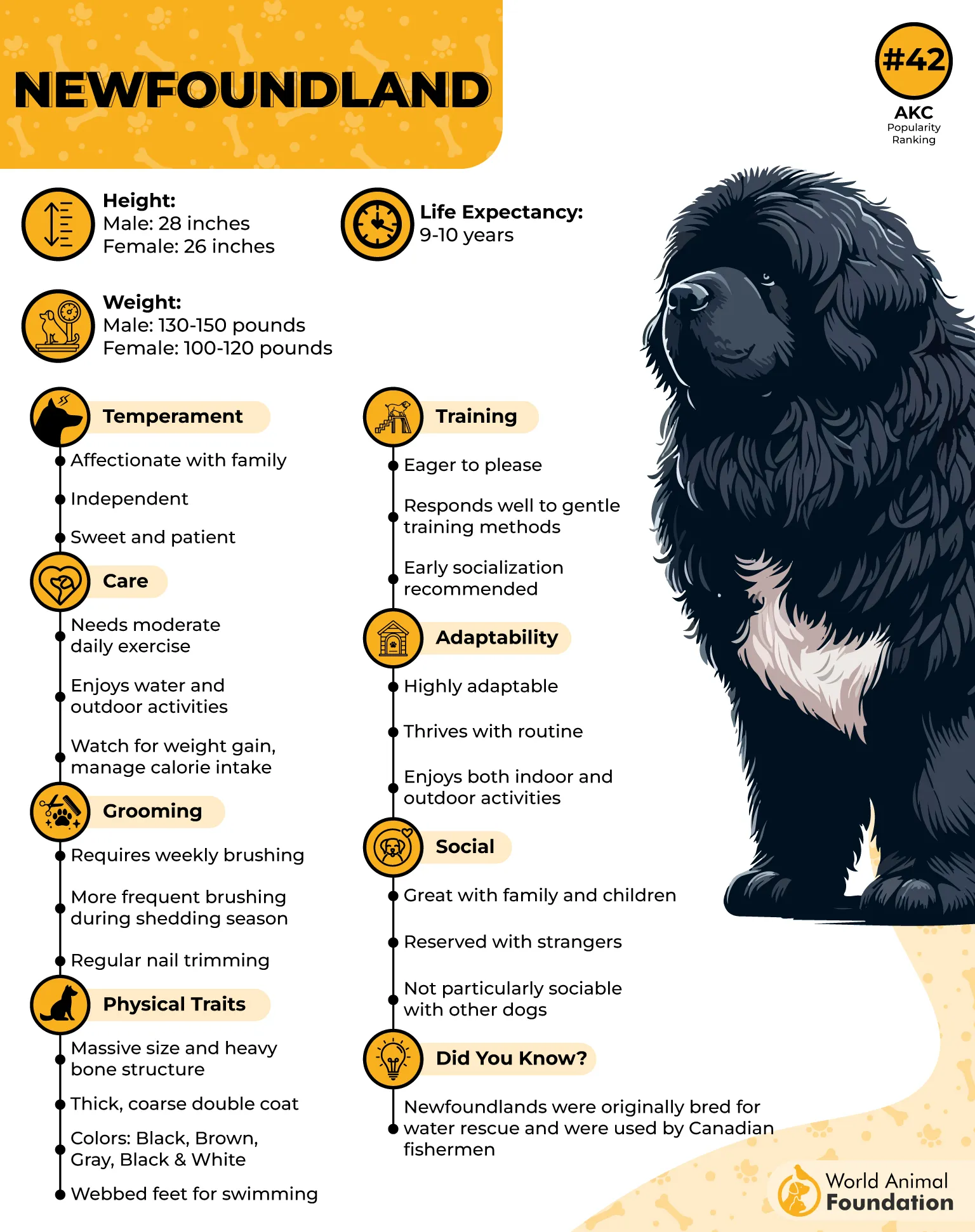
Originally developed on Newfoundland Island in Canada, Newfoundlands worked alongside fishermen and became famous for their lifesaving water rescues. Their webbed feet, large lung capacity, and thick, water-resistant coats made them excellent swimmers in icy waters.
Today, these large breeds are just as well known for their calm, patient temperament, making them a great choice for owners looking for an easy dog to train.
Why They’re Easy to Train
Newfoundlands are intelligent, eager to please, and naturally cooperative. They respond best to positive reinforcement and usually stay calm during training sessions.
Early obedience training and socialization are important because they quickly grow into very strong dogs. Teaching good leash manners from puppyhood also helps prevent pulling later in life.
Care and Personality
These gentle dogs are affectionate with their families and usually get along well with children, other dogs, and even cats when properly socialized.
They enjoy daily walks, swimming, hiking, and cart pulling but don’t need intense exercise. Because they love being around their people, they may develop separation anxiety if left alone for long periods.
2. Kuvasz
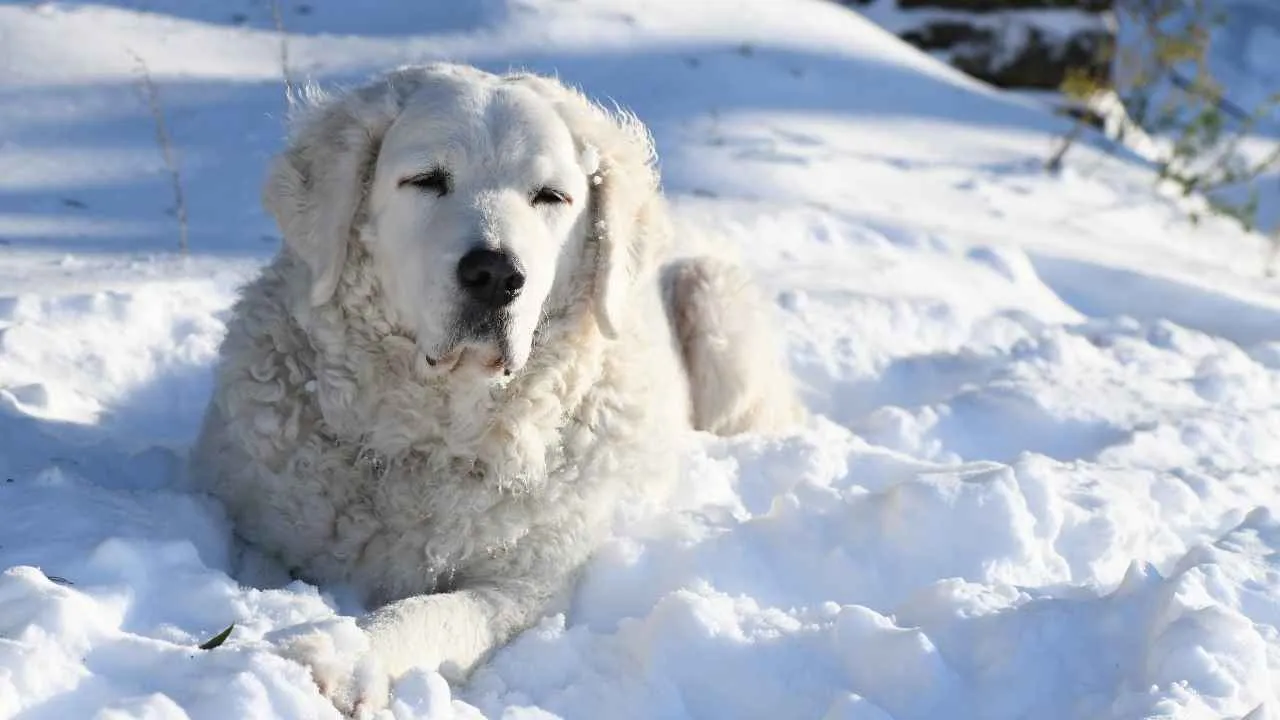
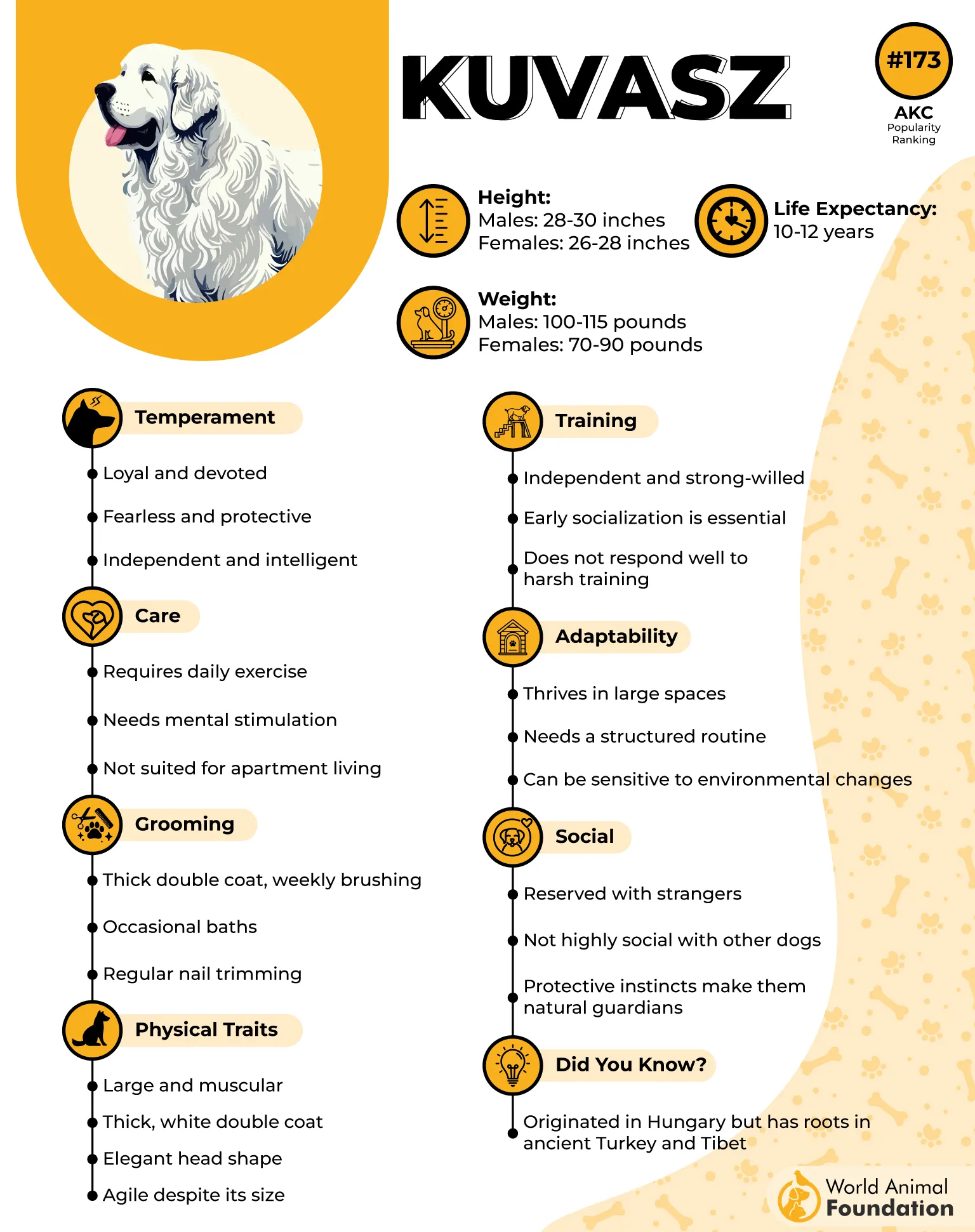
The Kuvasz is an ancient livestock guardian from Hungary, where it protected sheep, homes, and families for centuries.
Its thick white coat helped shepherds distinguish it from wolves, while its courage and intelligence made it a dependable working partner. Even today, this breed is known for its calm confidence, loyal nature, and strong protective instincts.
Why They’re Easy to Train
Kuvasz dogs are highly intelligent and learn quickly, but they also think independently. They respond best to calm, consistent training that uses positive reinforcement, as harsh methods can damage their trust.
Early obedience training and thorough socialization are essential to help them stay confident around new people, children, and other animals. They thrive when given a purpose and enjoy learning tasks that keep both their minds and bodies active.
Care and Personality
Despite their powerful guarding instincts, Kuvasz dogs are gentle and affectionate with their families. They are naturally watchful rather than aggressive and are usually calm at home when their physical and mental stimulation needs are met.
Regular walks, hikes, nose work, or other structured activities help keep them happy. Their thick white double coat needs brushing several times a week, especially during heavy shedding seasons.
3. Saint Bernard
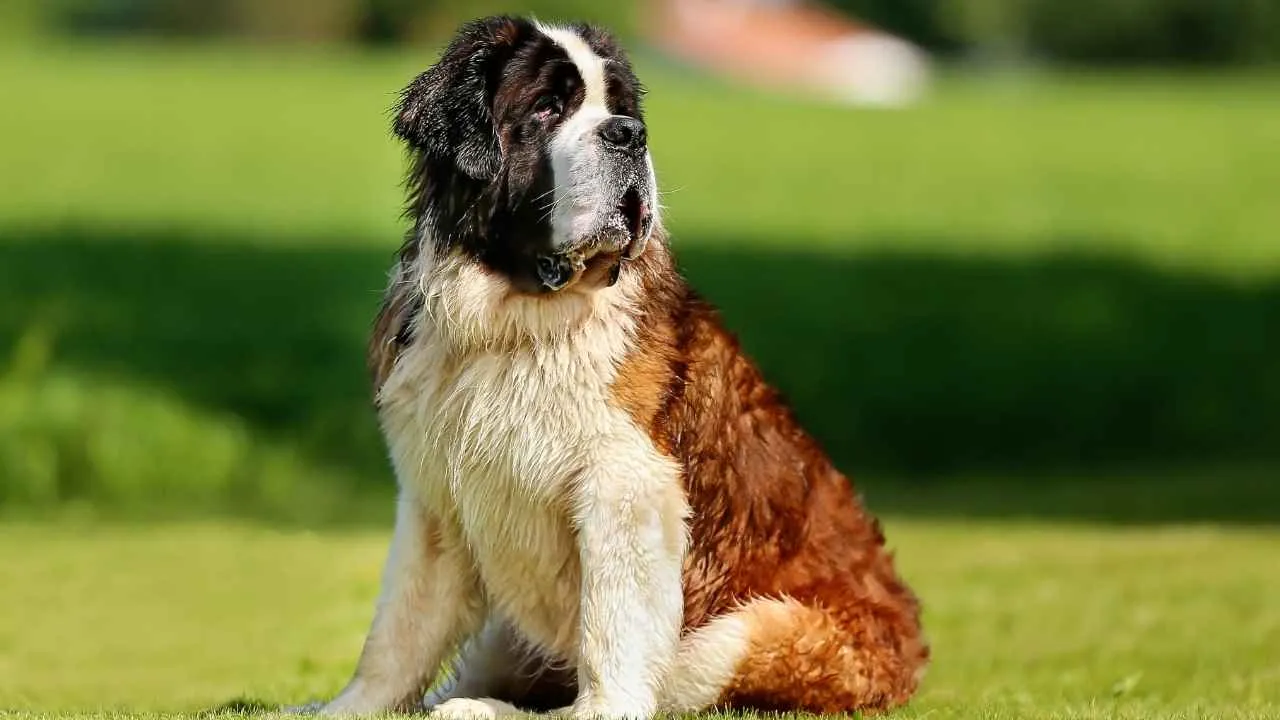
Originally bred by monks in the Swiss Alps, Saint Bernards became famous for locating and rescuing travelers trapped in heavy snow and avalanches.
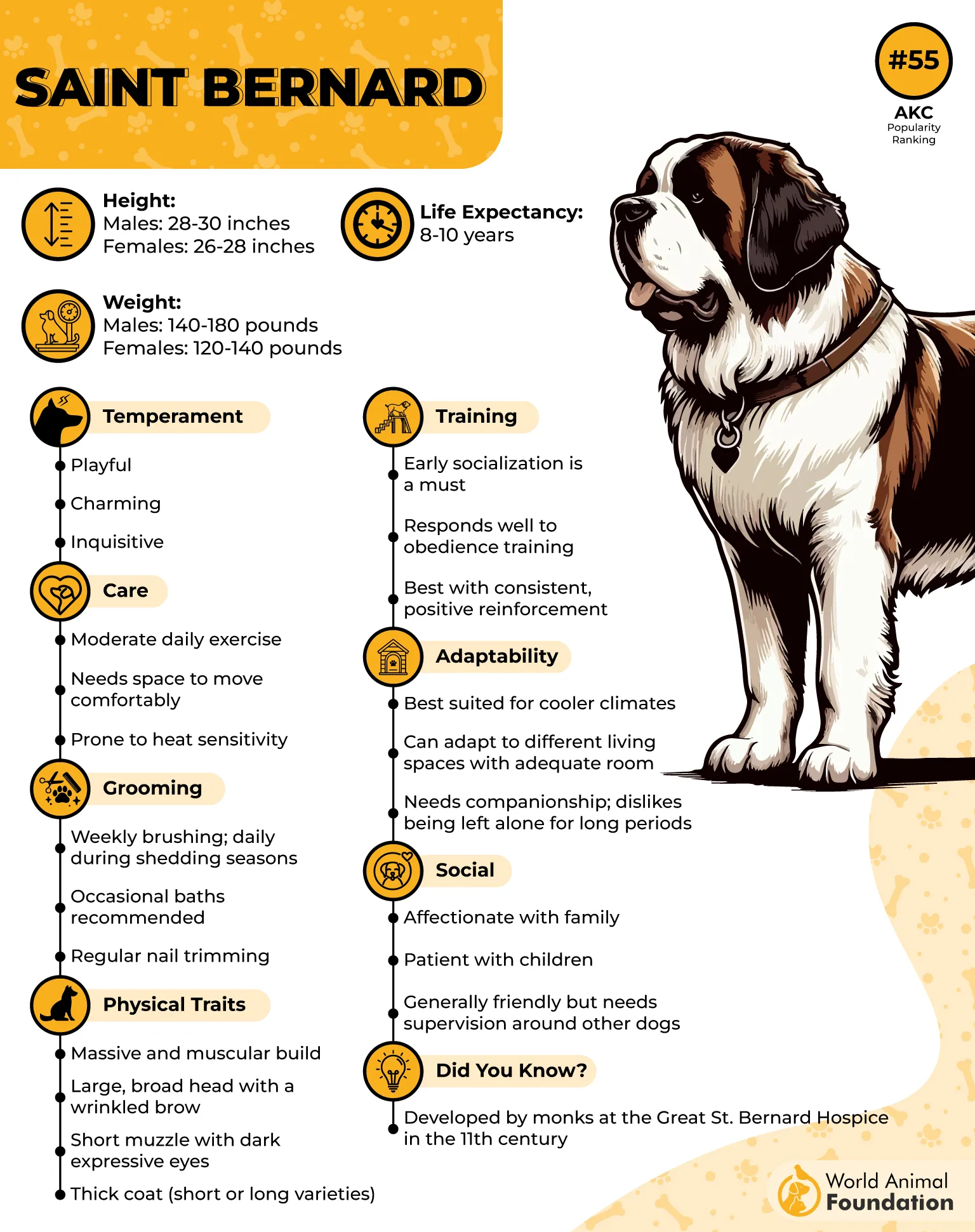
Today, these intelligent dogs are best known for their calm, affectionate nature and love of people. Their patient temperament and strong desire to please make them highly trainable dogs.
Why They’re Easy to Train
Saint Bernards are intelligent, eager to learn, and respond well to positive reinforcement. While they can show an occasional stubborn streak, they usually cooperate once they understand what is expected.
Early obedience training and socialization are especially important because of their large size. Teaching good manners from puppyhood helps them stay calm around children, visitors, and other pets.
Care and Personality
These mellow dogs enjoy being close to their families and usually get along well with children, other dogs, and even cats. They have moderate exercise needs and are happy with daily walks, gentle hikes, or activities like nose work and carting.
Saint Bernards also shed seasonally and are well known for their heavy drooling. Because they are highly social, they may develop separation anxiety if left alone for long periods.
4. Leonberger
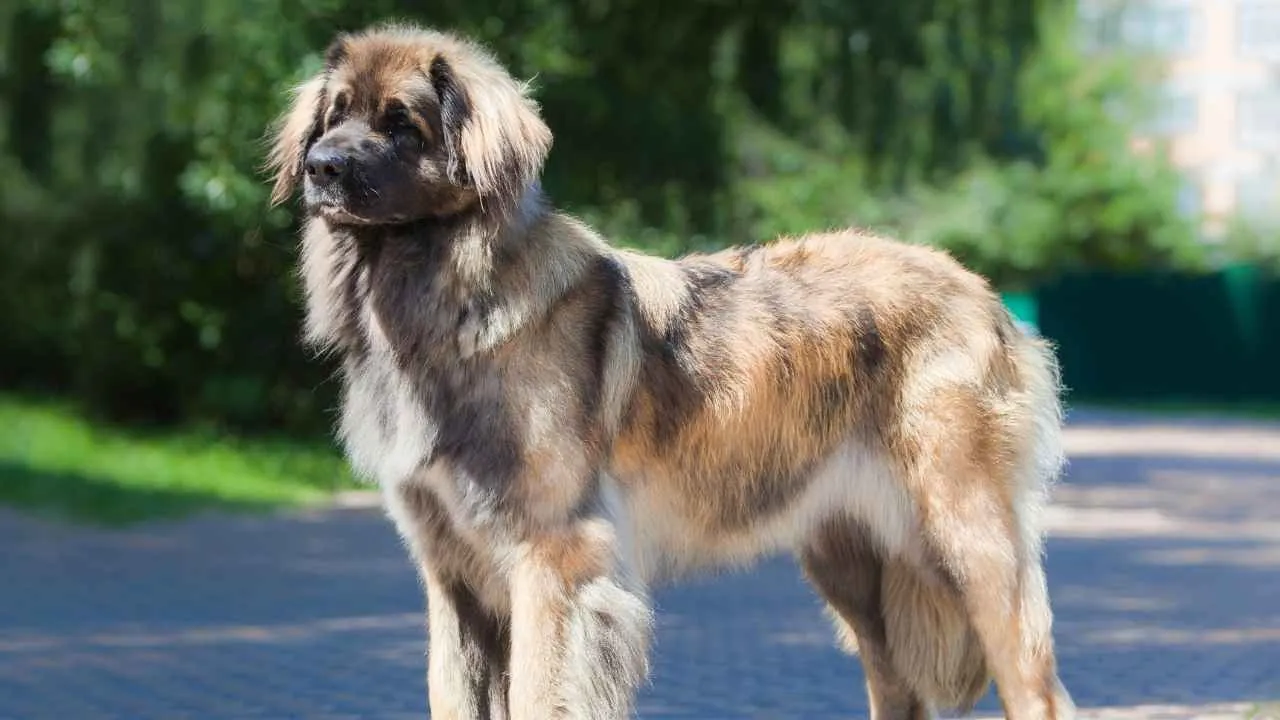
Originally developed in Leonberg, Germany, Leonbergers were bred to resemble the lion on the town’s coat of arms. Descended from breeds like the Newfoundland, Saint Bernard, and Great Pyrenees, they worked on farms, pulled carts, and later became skilled search-and-rescue dogs.
Despite their impressive size, they are known for their calm, friendly, and affectionate nature, making them excellent companions.
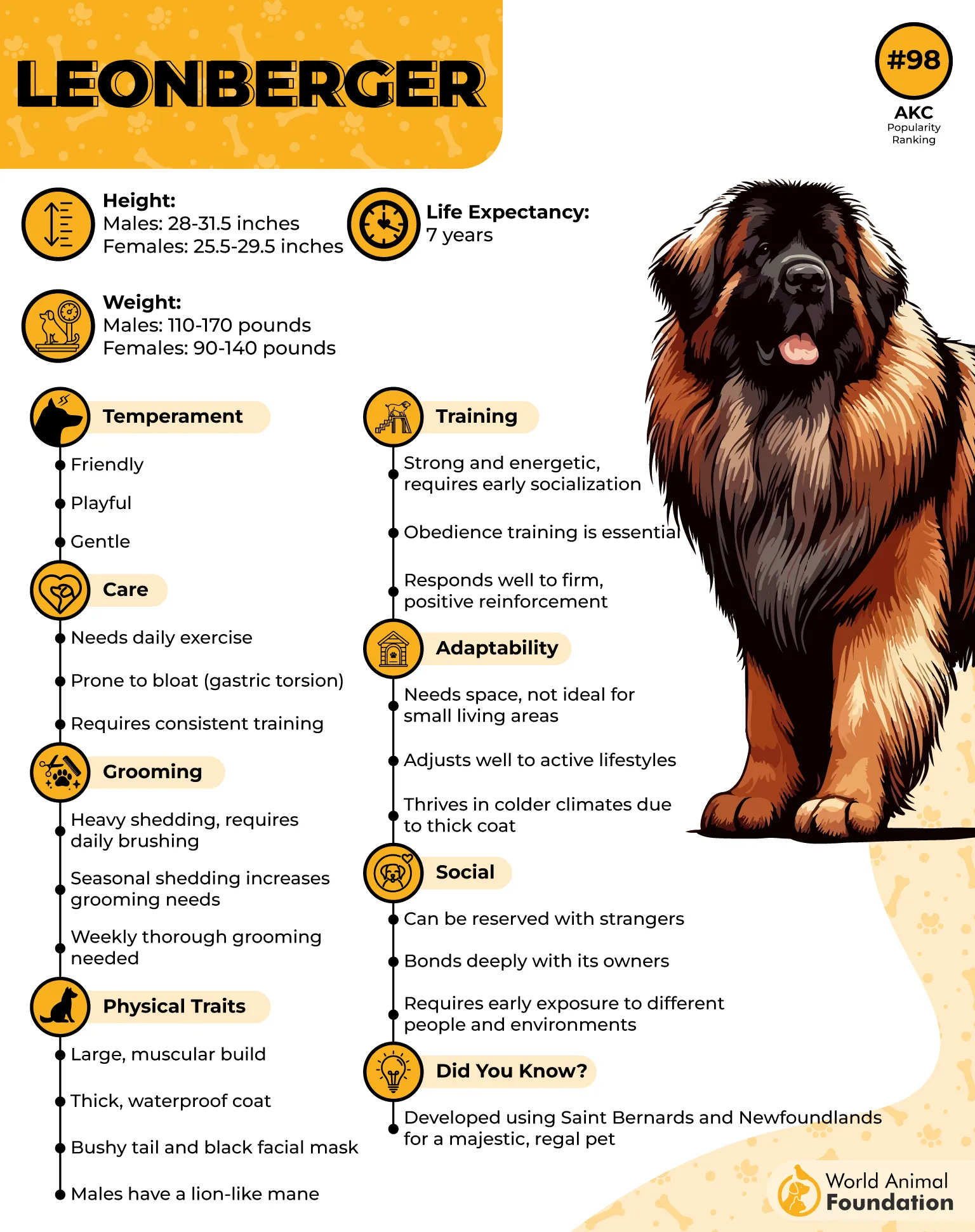
Why They’re Easy to Train
Leonbergers are intelligent, eager to learn, and enjoy having a job to do. They respond best to consistent, repetitive training that uses positive reinforcement. Early socialization and proper training help them grow into confident, well-mannered adults.
Their patient temperament and willingness to please make training a rewarding experience, especially with experienced and consistent owners.
Care and Personality
Leonbergers are loyal family dogs that are gentle with children, friendly with other pets, and usually welcoming toward strangers when properly socialized.
They enjoy daily walks, hikes, swimming, cart pulling, and other activities that keep them physically and mentally engaged. Because they form strong bonds with their families, they don’t enjoy being left alone for long periods, as mentioned by PetMD.
5. Cavalier King Charles Spaniel
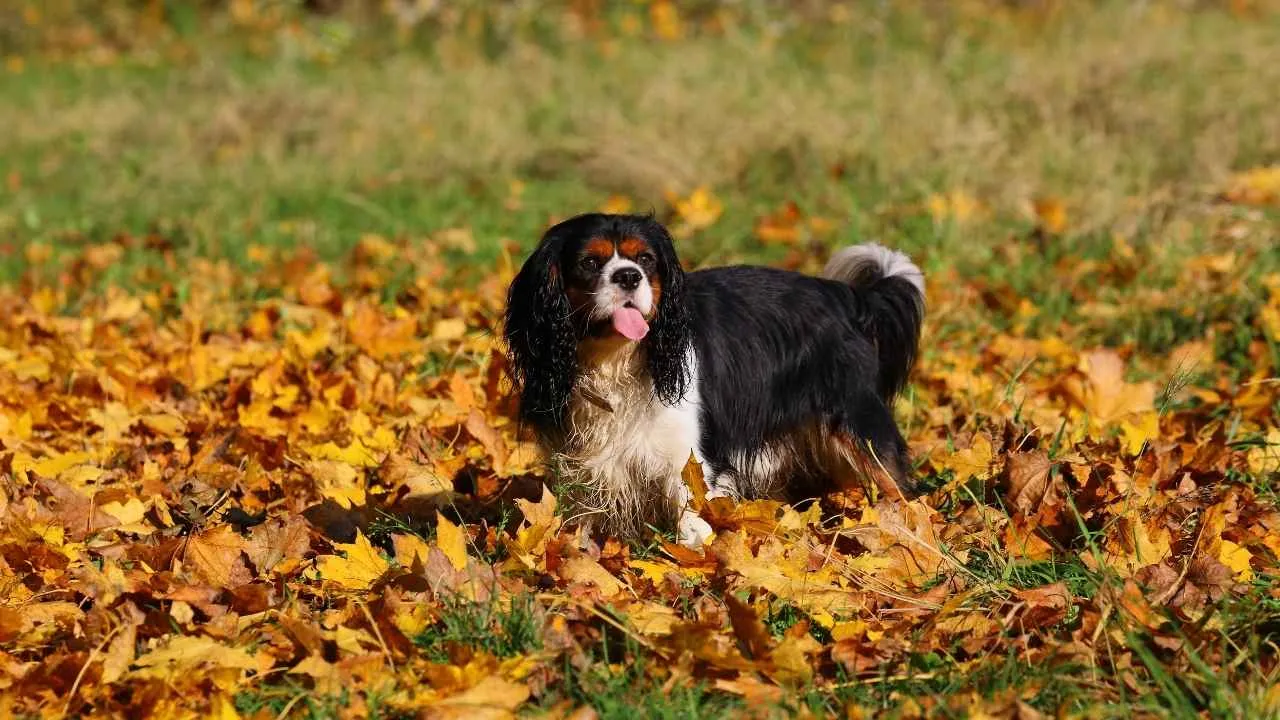
Originally bred to warm laps in English castles and accompany royalty, Cavalier King Charles Spaniels have always been devoted companion dogs.
Named after King Charles II, who famously took them everywhere, these charming little dogs are loved for their gentle nature, friendly attitude, and eagerness to stay close to their families. Their calm temperament makes them a wonderful choice for first-time pet owners.
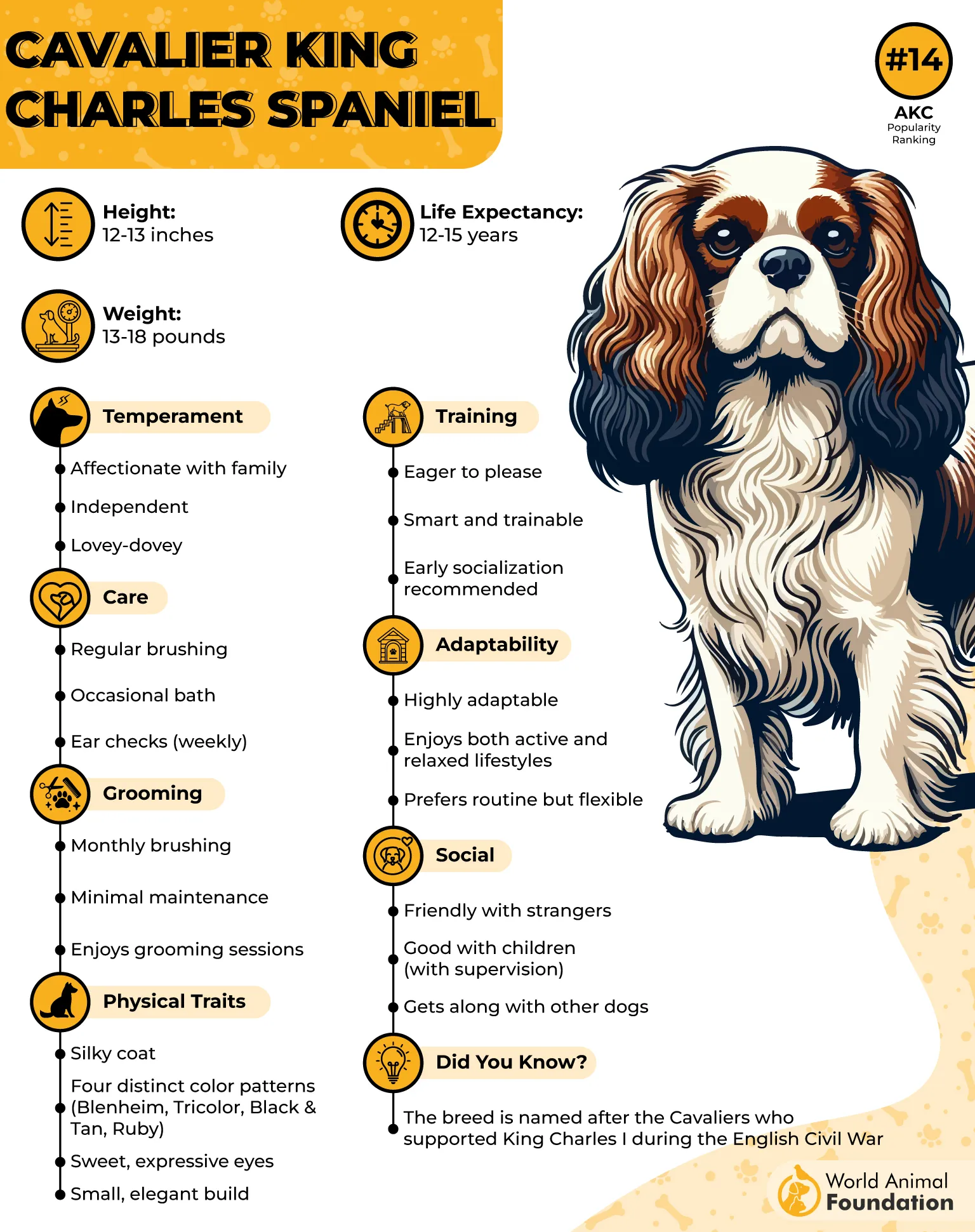
Why They’re Easy to Train
Cavalier King Charles Spaniels are quick learners and intelligent and eager to please. They respond best to positive reinforcement and enjoy short, fun training sessions that feel like play.
Early socialization helps them grow into confident adults, and they often excel in obedience, rally, agility, and other dog sports thanks to their willingness to learn.
Care and Personality
These affectionate dogs get along well with children, other pets, and even strangers, making them excellent family pets. They have moderate exercise needs and are happy with daily walks, backyard playtime, or gentle outdoor adventures.
Their silky coats require regular brushing and occasional grooming to stay neat. Because they were bred to be constant companions, they don’t like being left alone for long periods.
6. Boerboel
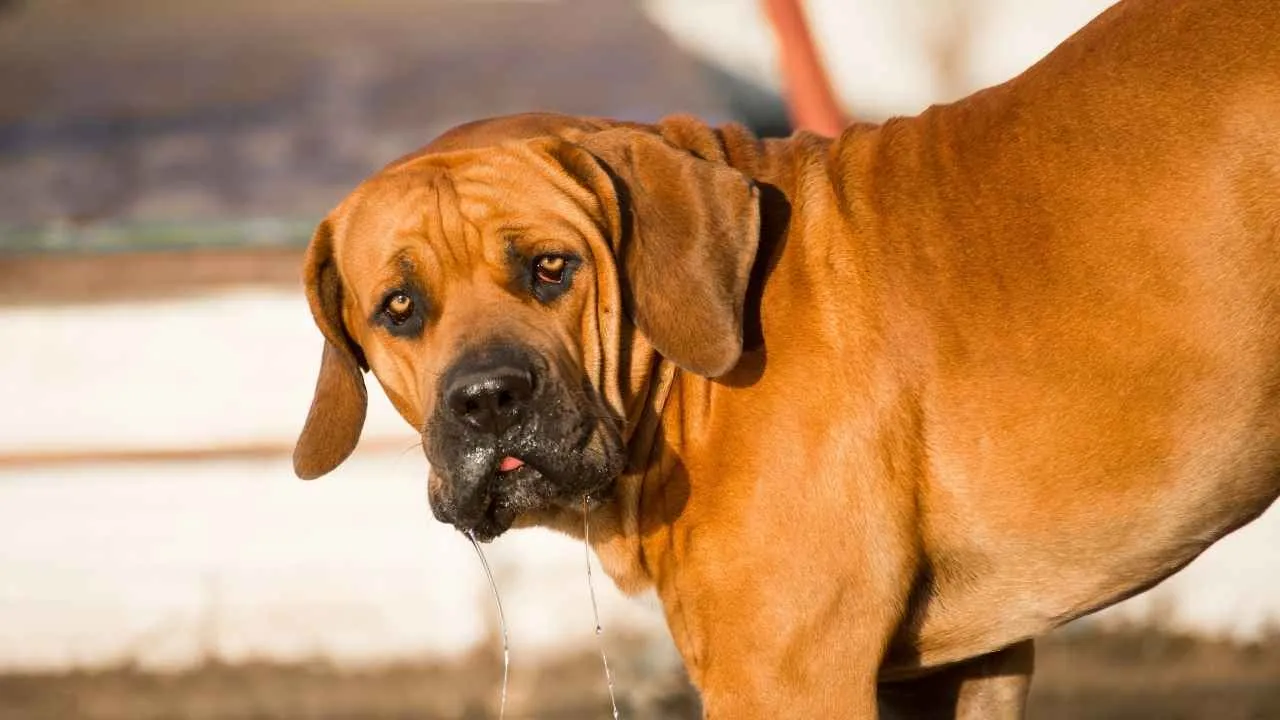
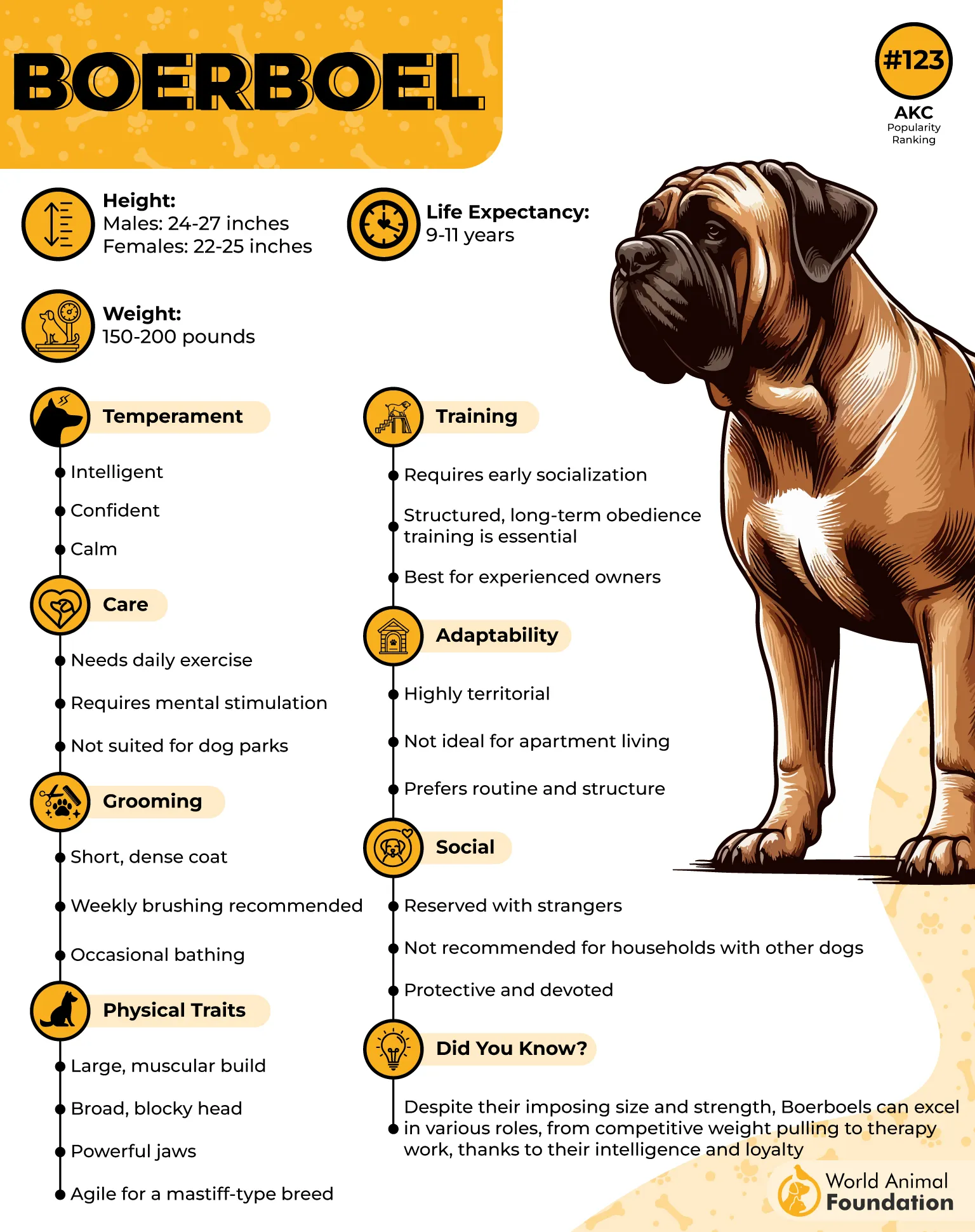
Originally developed in South Africa, Boerboels were bred to guard farms, protect families, and even defend livestock from large predators. Their name means “farmer’s dog,” reflecting their long history as dependable working companions.
Despite their powerful appearance, Boerboels are deeply devoted to their families and have a gentle, affectionate side with the people they trust.
Why They’re Easy to Train
Boerboels are highly intelligent and eager to please, but they can also be independent and strong-willed. They learn best with confident, consistent training and positive reinforcement.
Early obedience training and proper socialization are essential to help them become calm and well-mannered around strangers, children, and other animals. Mental challenges, puzzle games, and regular training sessions keep them engaged and bring out their best qualities.
Care and Personality
These loyal dogs form strong bonds with their families and are especially loving toward children they know. They need plenty of daily exercise, space to move, and activities that challenge both their body and mind. Their short, dense coat is easy to maintain with weekly brushing and only occasional baths.
7. Clumber Spaniel
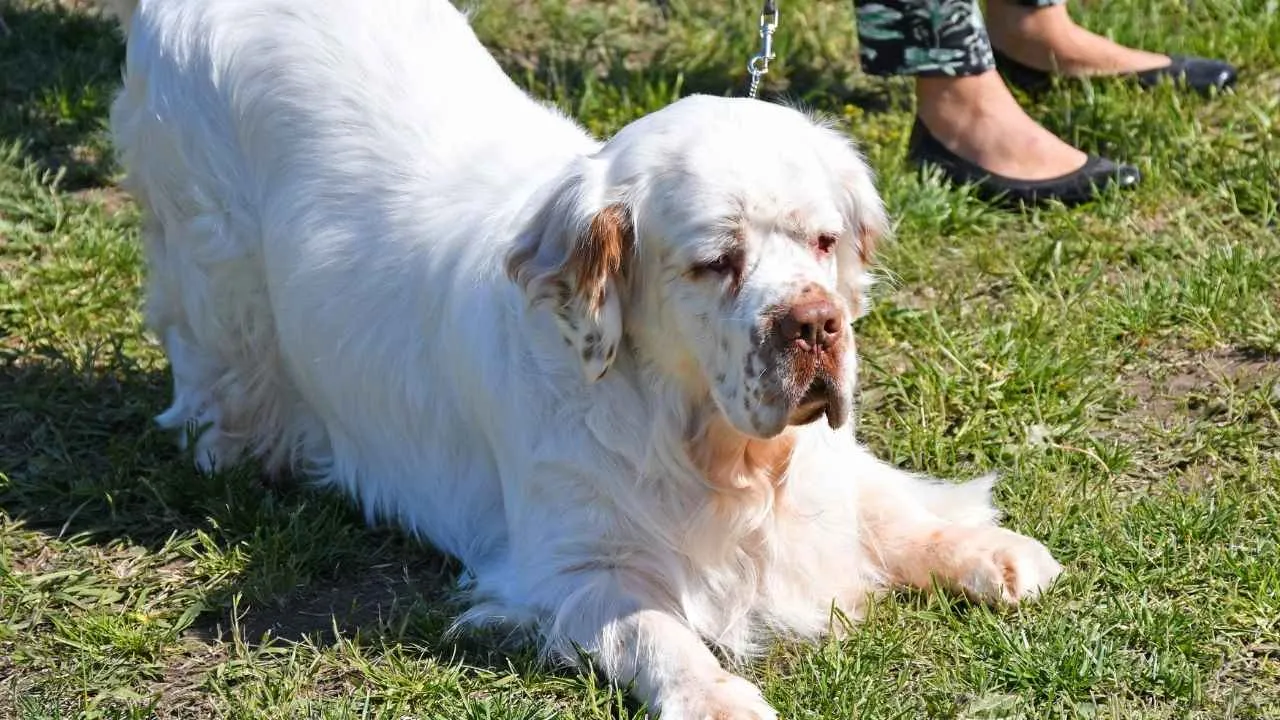
Originally developed in England, the Clumber Spaniel was bred as a skilled hunting companion for British nobility, specializing in flushing and retrieving game birds through dense cover.
Despite being the largest of the spaniel breeds, Clumbers are known for their calm, gentle nature and steady work ethic. Today, they are cherished as affectionate family companions who enjoy both outdoor adventures and relaxing at home.
Why They’re Easy to Train
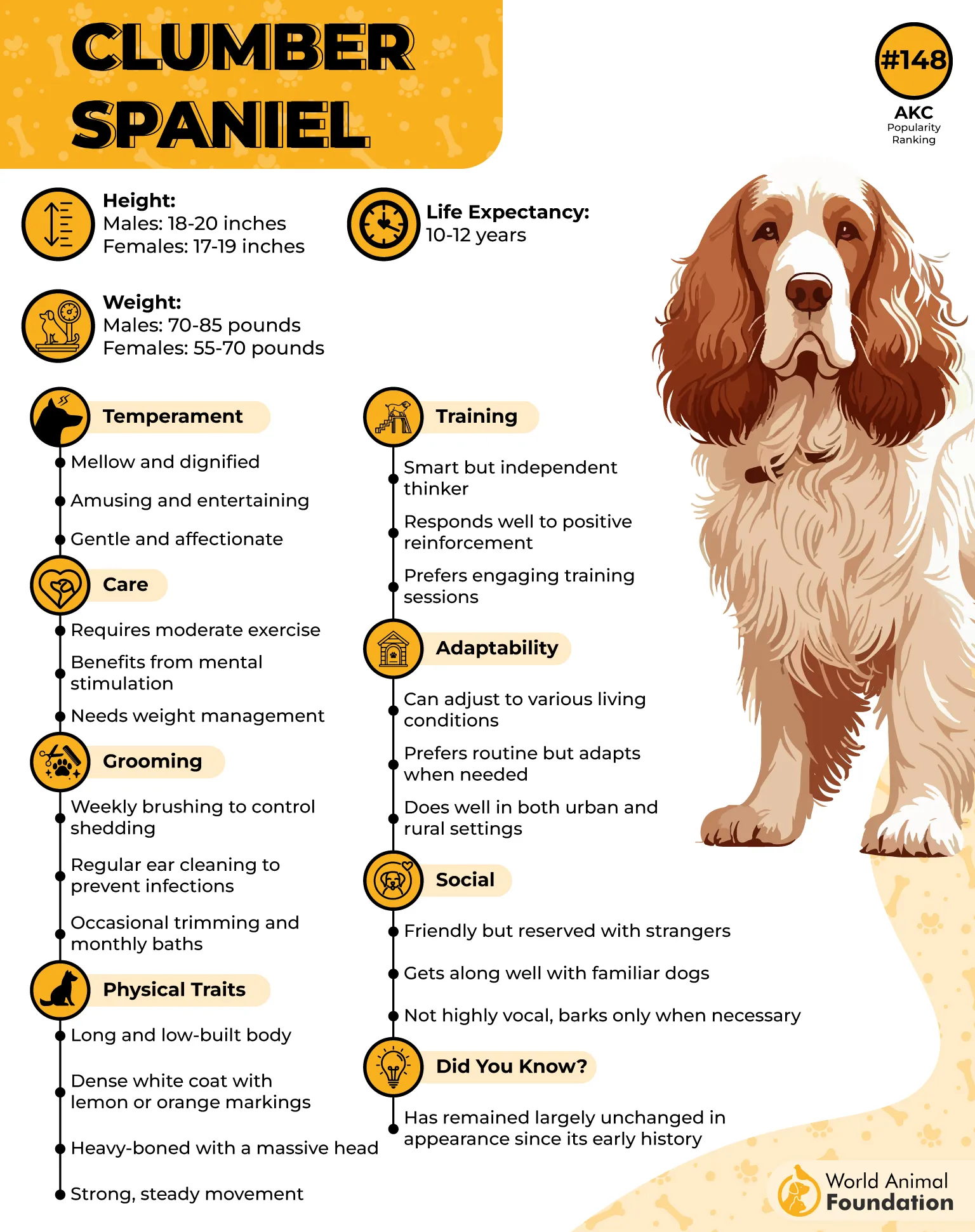
Clumber Spaniels are intelligent, eager to please, and respond well to patient, positive reinforcement training. While they can have an independent streak, they learn quickly when training sessions are consistent, engaging, and reward-based.
Early socialization and obedience training help them grow into confident, well-mannered dogs. They also enjoy activities like nose work, retrieving games, puzzle toys, and basic obedience exercises that keep their minds active.
Care and Personality
Clumber Spaniels are affectionate, loyal dogs that form strong bonds with their families and generally get along well with children and other pets. They need daily walks, playtime, and opportunities to use their natural scenting and retrieving instincts.
Their dense, water-resistant coat requires brushing several times a week to prevent mats and manage shedding, along with regular ear cleaning to reduce the risk of infections.
8. Pug

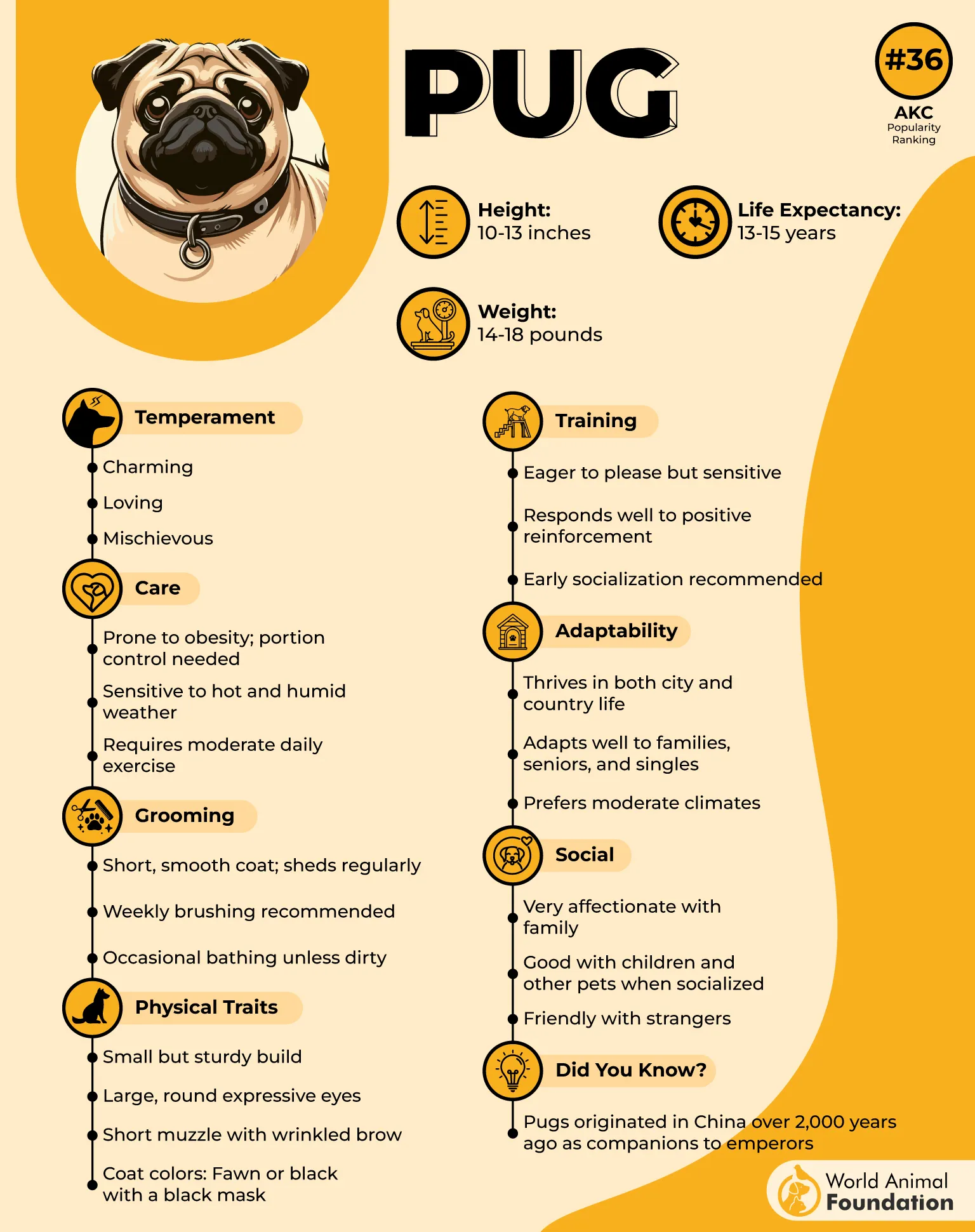
Originally bred in ancient China, Pugs were treasured companion dogs that lived alongside emperors and later became favorites among European royalty.
Despite their noble history, these cheerful little dogs are known for their playful personalities, affectionate nature, and ability to make themselves at home with just about anyone they meet.
Why They’re Easy to Train
Pugs are intelligent, people-oriented dogs that enjoy pleasing their owners, making training enjoyable when it’s positive and reward-based.
While they can have a stubborn streak, they respond well to treats, praise, and short, fun training sessions. Early socialization and basic obedience training help them learn basic commands and develop good manners around new people, pets, and different environments.
Care and Personality
According to Hill’s Pet, Pugs are affectionate, friendly dogs that get along well with children, other pets, and visitors. They need moderate daily exercise, such as short walks and playtime, but should avoid strenuous activity and hot weather because of their flat-faced structure.
9. Eurasier
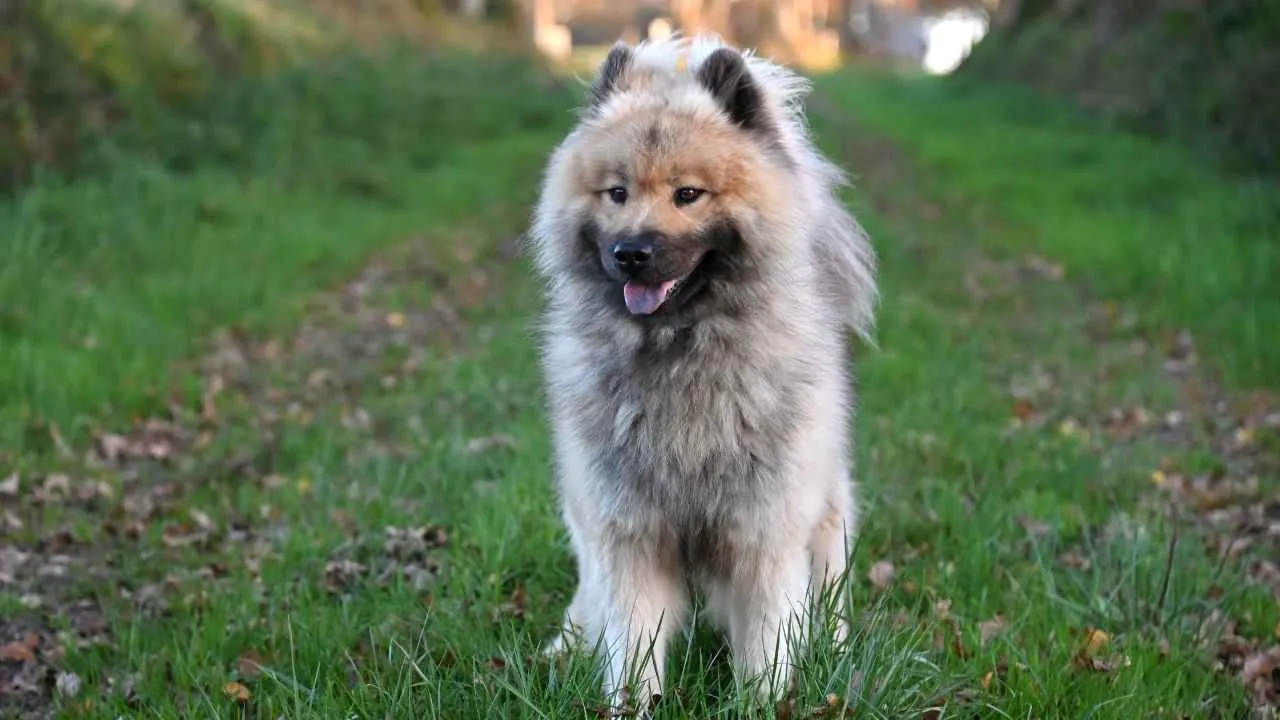
Originally developed in Germany during the 1960s, the Eurasier was carefully bred by crossing the Chow Chow, Keeshond, and Samoyed to create the ideal family companion.
Rather than being developed as a working dog, the breed was designed for its calm temperament, intelligence, and strong bond with people. Today, Eurasiers are known for their gentle, balanced nature and thrive as devoted family pets.
Why They’re Easy to Train
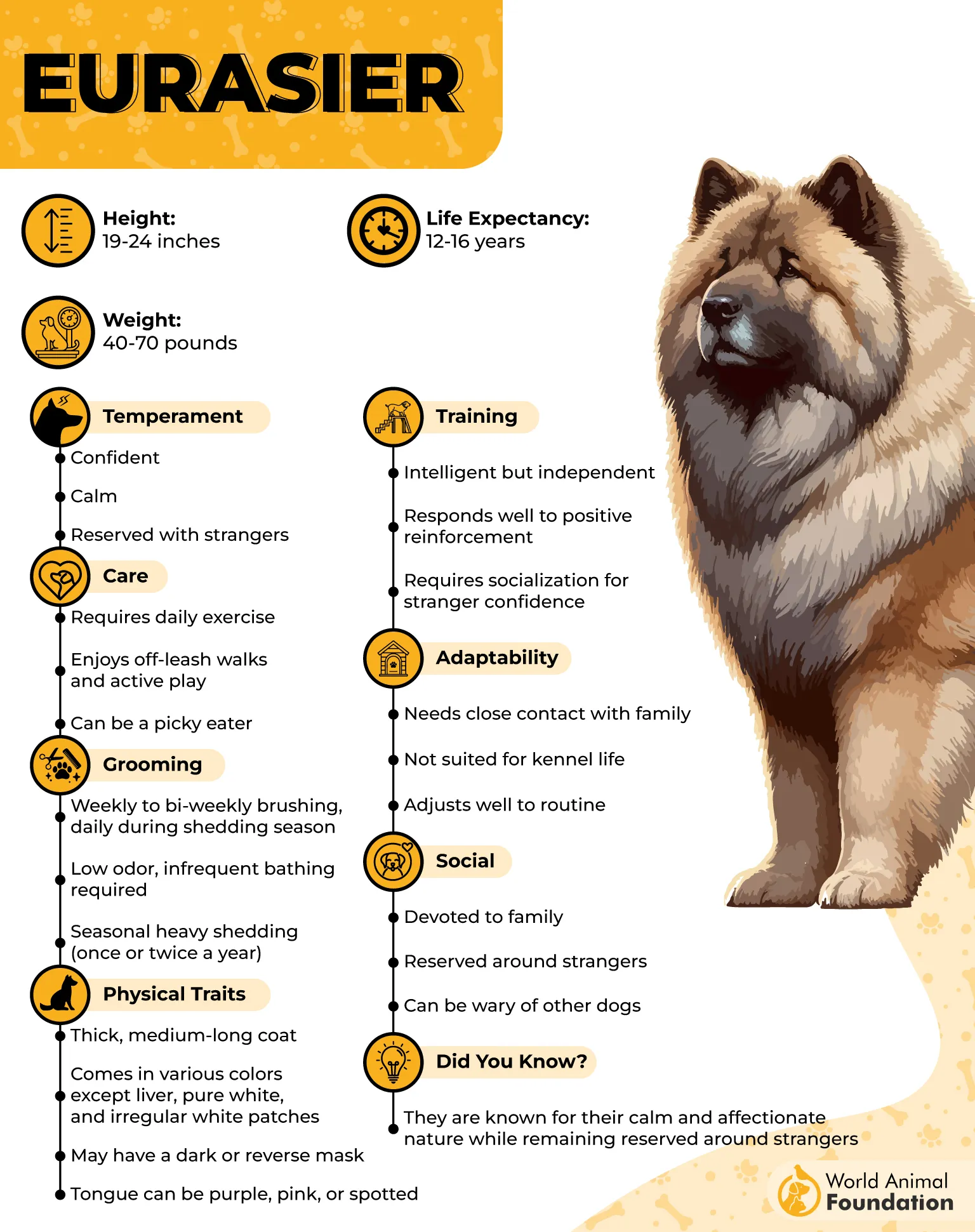
Eurasiers are highly intelligent and eager to work with their families, making them responsive to positive, reward-based training. Although they have an independent side, they learn quickly through gentle guidance, consistency, and engaging training sessions rather than repetitive drills.
Early socialization helps them become confident around strangers, children, and other animals, while activities like obedience, agility, nose work, and puzzle games keep them mentally stimulated.
Care and Personality
Eurasiers are affectionate, calm dogs that form deep bonds with their families and prefer to be included in everyday life. They enjoy daily walks, hikes, playtime, and spending quality time with their people, but they do not cope well with being left alone for long periods.
10. Bolognese
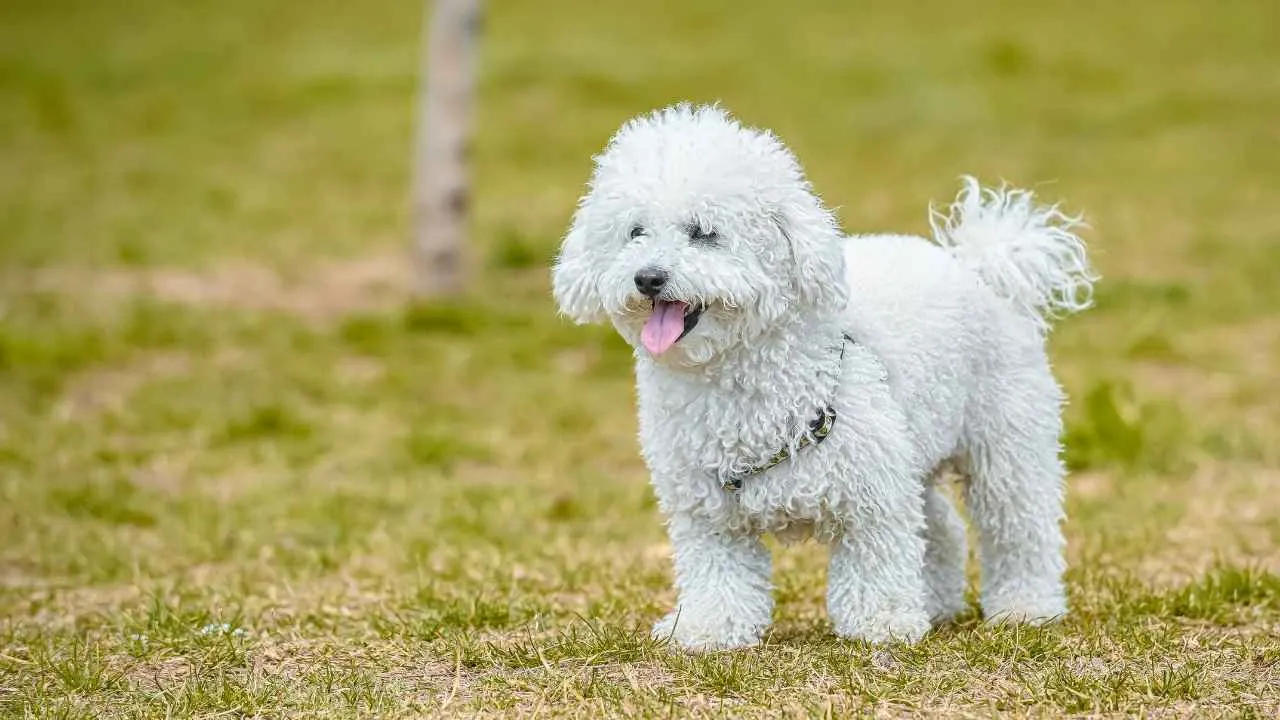
Originally bred in the Italian city of Bologna, Bolognese dogs were cherished as companion animals by Italian nobility and wealthy families for centuries. These gentle little dogs were often given as treasured gifts among aristocrats and were valued for their gentle temperament and unwavering devotion.
Today, they remain loving lap dogs that thrive on close companionship and enjoy spending as much time as possible with their favorite people.
Why They’re Easy to Train
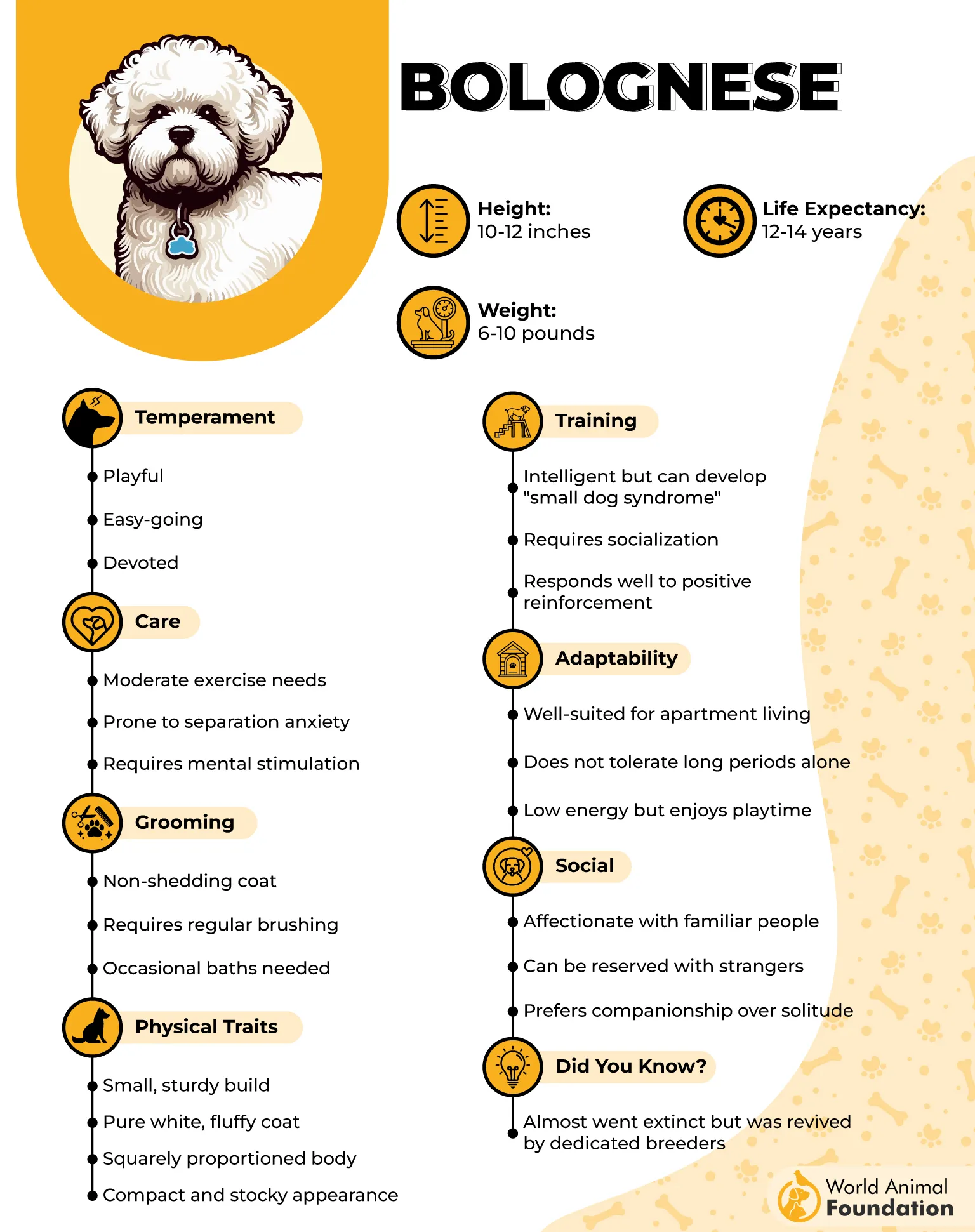
Bolognese dogs are intelligent, eager to please, and highly responsive to positive reinforcement. They enjoy learning new tricks and obedience skills, especially when training is rewarding and encouraging.
Early socialization helps them grow into confident, well-mannered adults, as they can be naturally reserved around strangers. Short, fun training sessions and consistent guidance bring out their best qualities while preventing stubborn or overly dependent behavior.
Care and Personality
These calm and affectionate dogs form deep bonds with their families and love being included in daily life, making great family dogs. Omlet mentions that they get along well with respectful children, other dogs, and even cats when properly introduced.
Although they have moderate exercise needs, daily walks and indoor play are enough to keep them happy. Their soft, fluffy white coat requires frequent brushing to prevent mats and occasional professional grooming to maintain its signature appearance.
Conclusion
Choosing an easy-to-train dog breed can make training a smoother and more enjoyable experience for both dogs and owners.
Breeds with calm temperaments, strong loyalty, and a willingness to learn are often more forgiving during the training process, making them an excellent choice for first-time owners and families.
While patience varies from dog to dog, the right breed combined with consistent training, positive reinforcement, and proper care can build a strong bond. These easy-to-train dogs prove that a gentle approach can lead to a well-behaved and loving lifelong furry friend.
Looking for more dog breeds that make dog training a breeze? You can also check out the Border Collie, Labrador Retriever, German Shepherd, Golden Retriever, Australian Cattle Dog, Doberman Pinscher, Australian Shepherd, Shetland Sheepdog, Cocker Spaniel, French Bulldog, and Border Terrier.
