




Dreaming of a loving, four-legged companion but your wallet keeps interrupting the fantasy? That’s a totally normal, and honestly smart, thing to think through before actually becoming a pet parent. Not all dog breeds come with the same price tag when it comes to adoption fees and ongoing expenses, so understanding these differences early on can save you a lot of headaches down the road.
How much you’ll actually spend on your dog over time depends on a mix of factors: your individual dog’s health and needs, along with your own lifestyle and habits.
Some breeds tend to cost more simply because of common health issues or higher grooming demands. If you’re hoping to find a low-maintenance dog that won’t put too much strain on your budget, take a look at our roundup of 7 budget-friendly breeds with wonderfully joyful personalities.
Top Low-Cost Dog Breeds: Saving Money, Gaining Joy
1. Bichon Frise
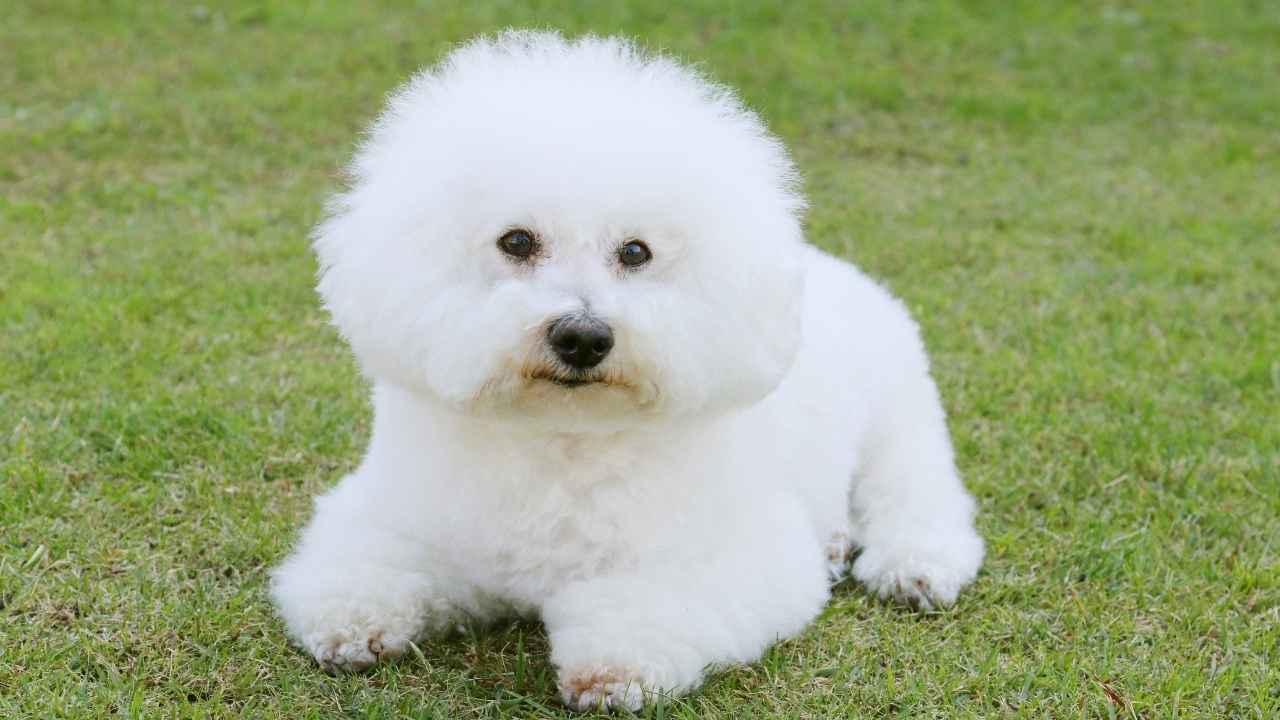
We’ll kick things off with a small dog that’s adaptable, friendly, and won’t break the bank. The Bichon Frise is a popular lap dog, especially among apartment dwellers, thanks to its manageable size and easygoing nature.
This feisty small dog breed packs a big personality into a small frame, getting along well with children, other dogs, and guests alike. Its lively, high-spirited nature makes it a genuinely fun companion to have around.
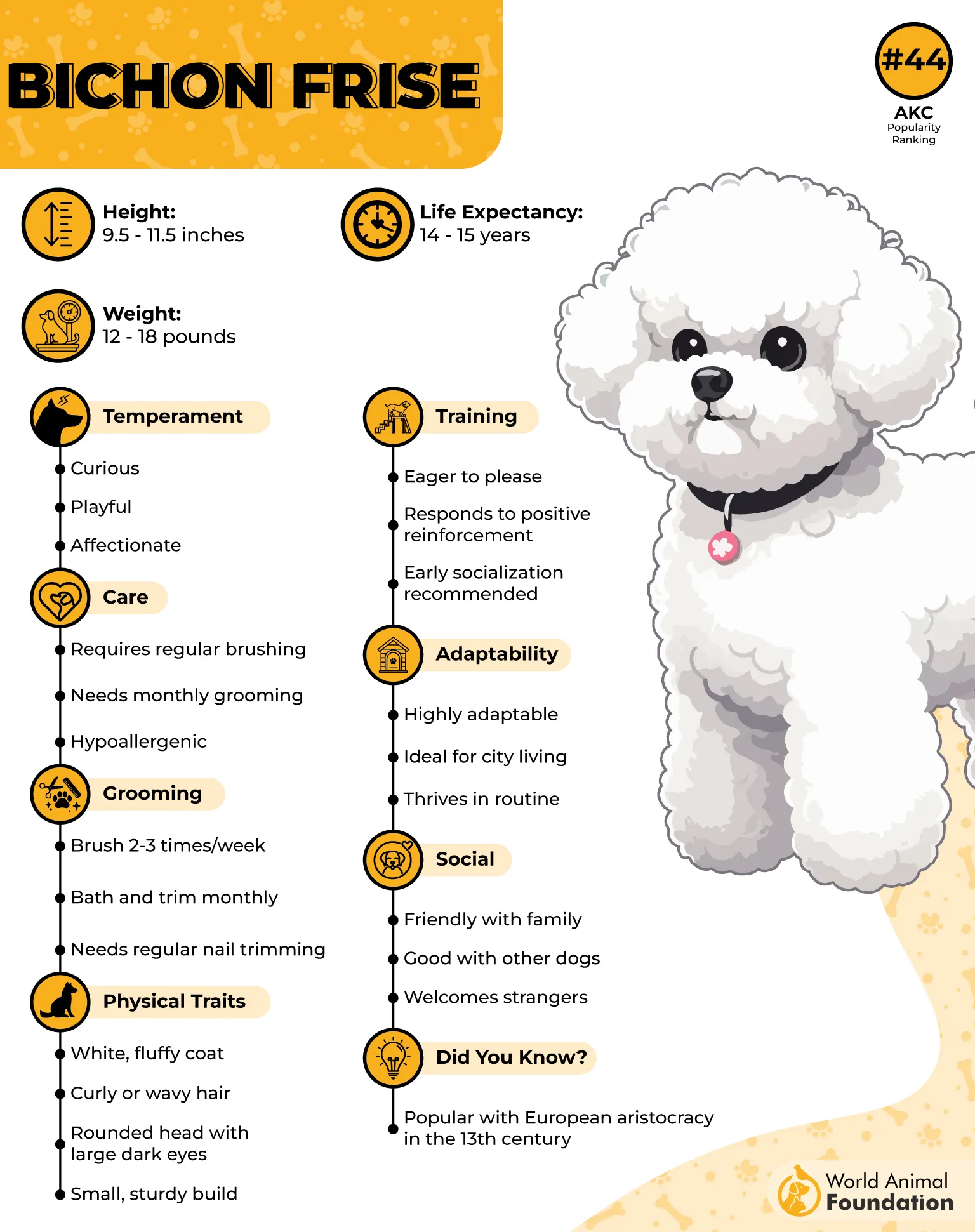
As a popular urban pet, the Bichon Frise is fairly easy to find through rescue shelters or reputable breeders. Adoption fees vary depending on factors like the dog’s age, size, and health, but shelters typically charge somewhere between $150 and $300, which usually covers costs like spaying or neutering. So if you’re after an enduring, budget-friendly companion, the Bichon is a solid choice.
This is also a smart breed, meaning it picks up commands and even tricks fairly easily with some positive reinforcement. Its alert nature makes it a decent little watchdog too, according to AKC.
Beyond regular at-home brushing to keep that white, cotton-candy coat looking good, a professional grooming session once a month is usually all it needs.
2. Rat Terrier

The Rat Terrier is a spunky, playful breed from the terrier group that can thrive pretty much anywhere its pet parents call home. These dogs adapt well to different living environments and bring plenty of friendly energy wherever they go.
Also known as the American Rat Terrier, this breed gained popularity in the U.S. around the 1920s and 1930s, originally working on farms as skilled vermin hunters, according to Orvis. Their independent streak makes them a bit lower-maintenance than some other breeds, though they still need daily exercise or short walks to stay healthy and happy.
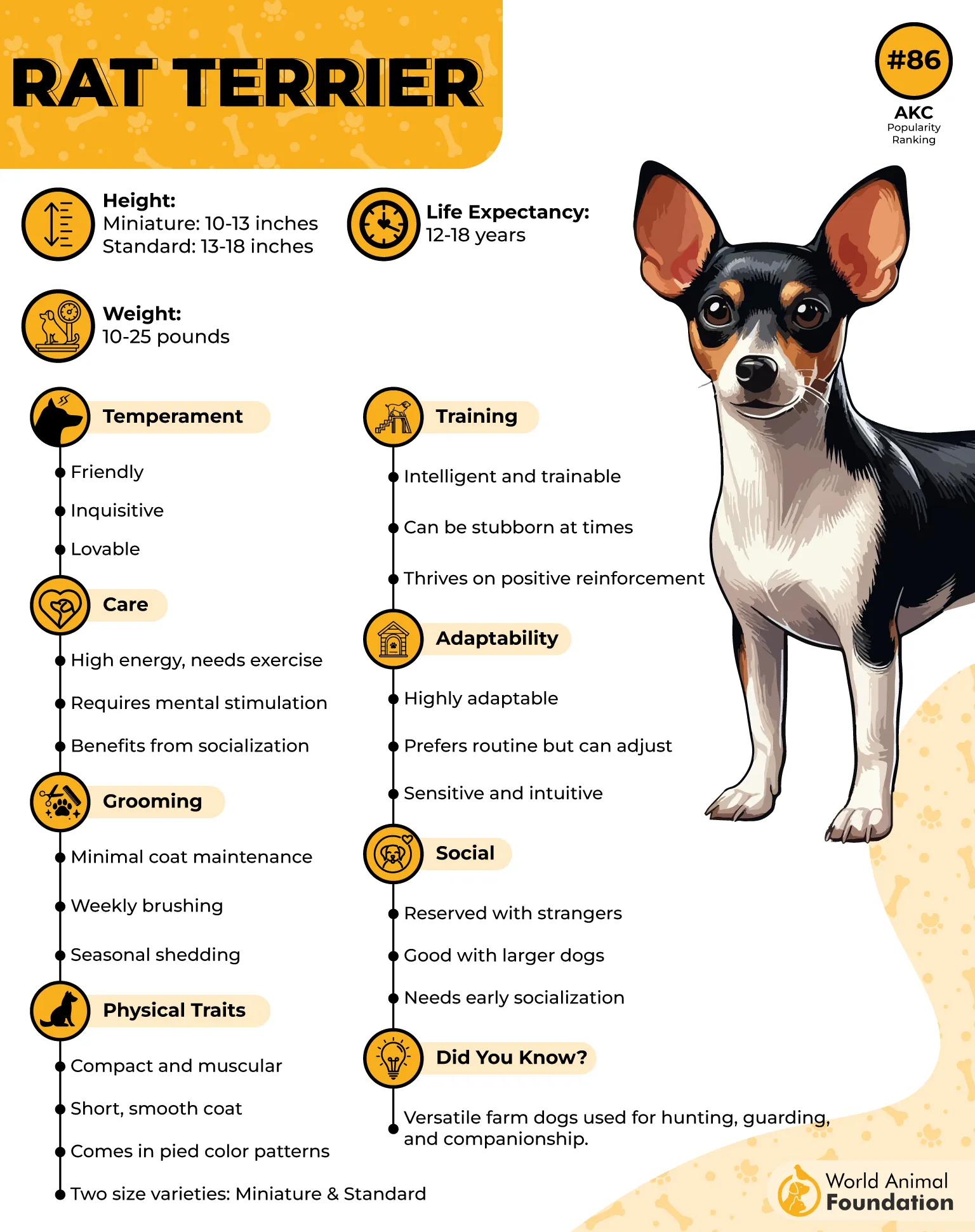
Their short, thick coat is easy to maintain; weekly brushing and the occasional bath are usually all it takes. While Rat Terriers can be a bit stubborn and require patience during training, early and consistent training helps them grow into well-rounded companions.
Adoption costs vary by region, but expect to pay somewhere around $500 to $1,000 if adopting from a breeder. Going through a rescue center can help lower that cost and often comes with added perks like vaccinations and spaying or neutering already taken care of.
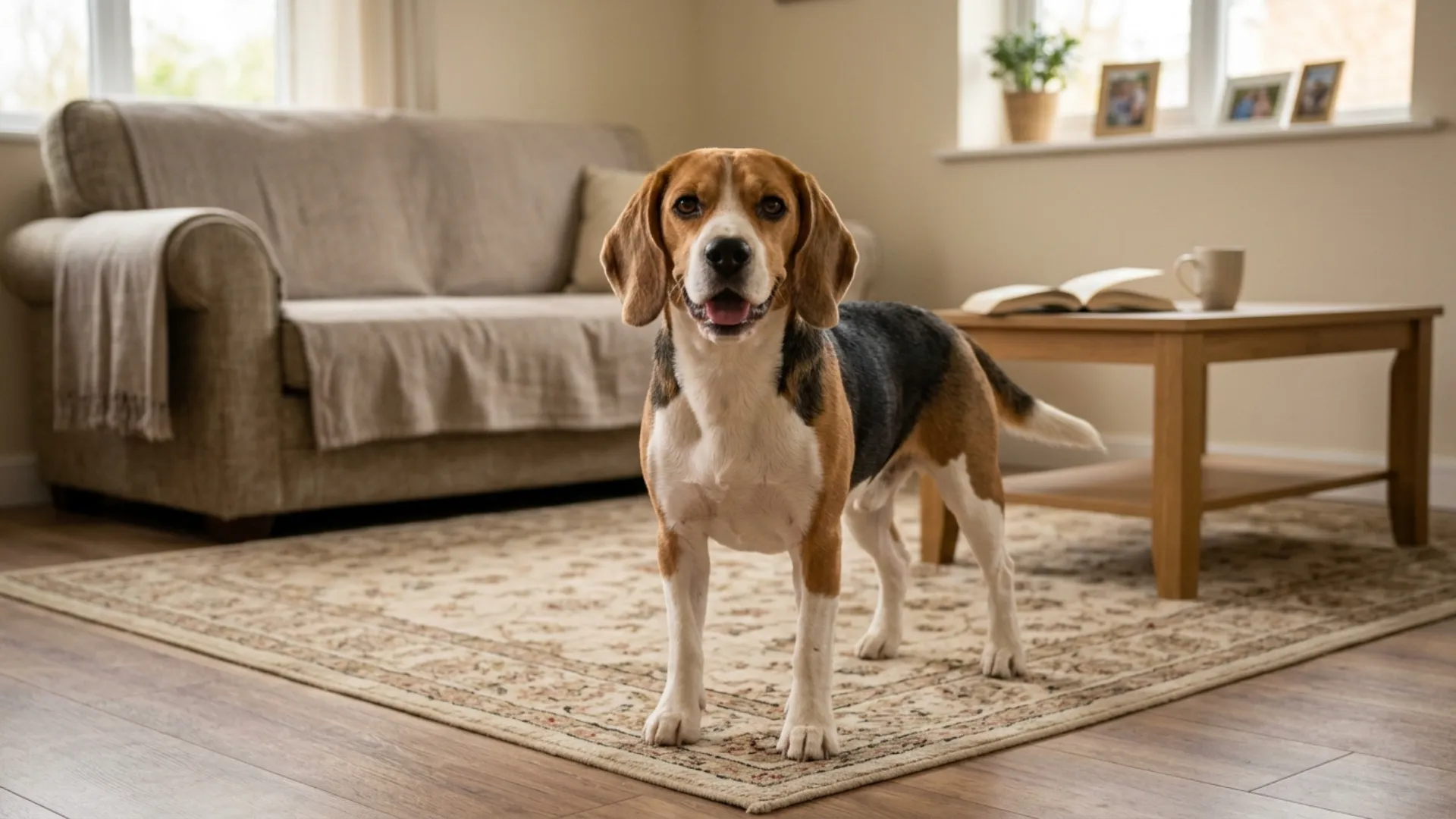
3. Beagle

Beagles are small-to-medium-sized, energetic dogs that make a wonderful choice for families who love staying active with their pets. Adopting from a rescue center typically costs between $25 and $500, while going through a reputable breeder can run anywhere from $500 to $2,000.
Being a smaller breed, Beagles tend to be easier on the wallet when it comes to food, travel, and accommodation costs. They do best on well-portioned meals two to three times a day rather than free-feeding, and while they love treats, it’s important to keep portions in check since Beagles can be prone to weight gain.
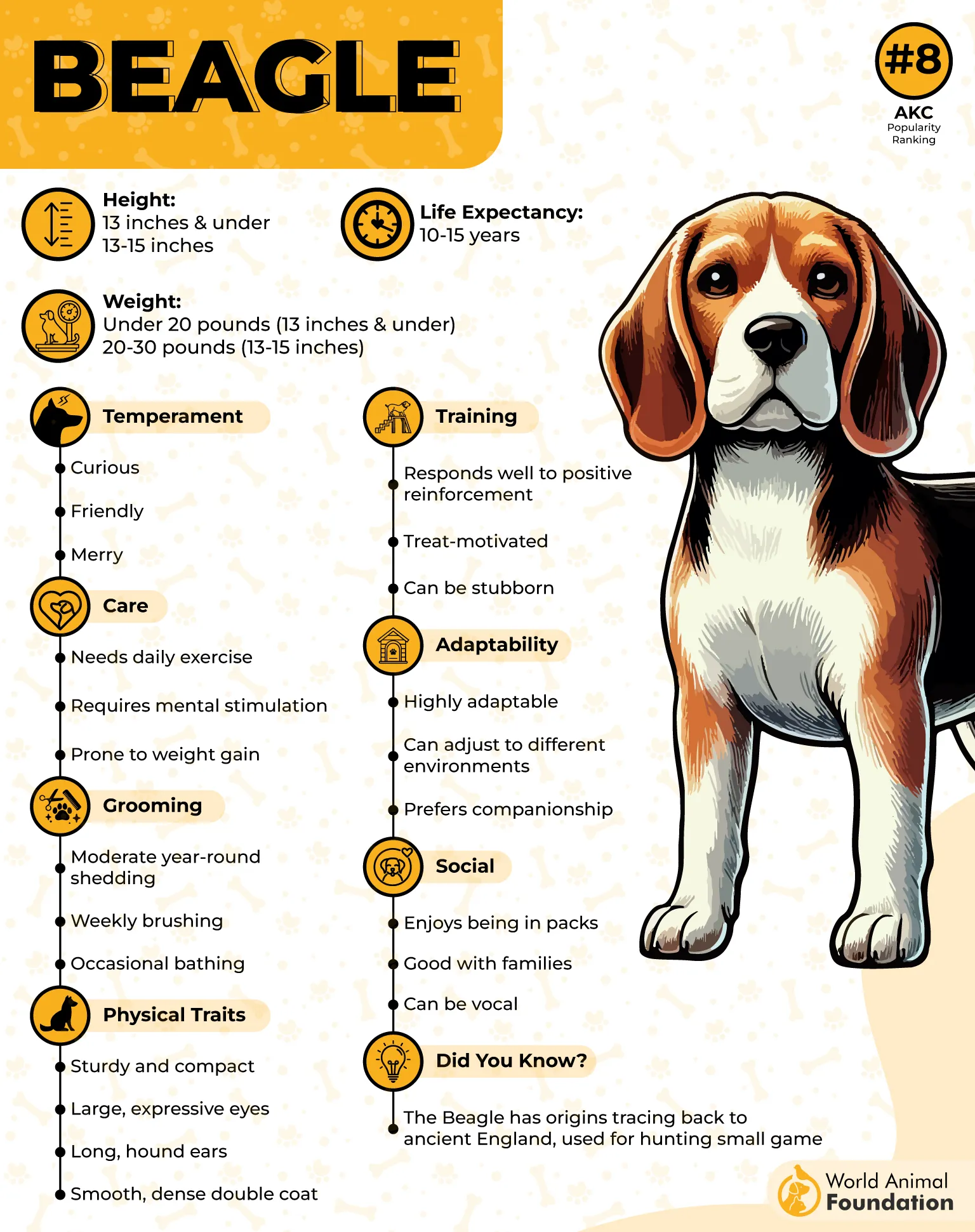
They make fantastic family dogs, bonding easily with everyone in the household, which makes them relatively easy to manage day to day. Got kids at home? Beagles make wonderful playmates and genuinely enjoy getting involved in all sorts of activities with them.
Beagles are pack-oriented by nature and tend to bond closely with other dogs in the house. They’re also prone to separation anxiety and don’t do well being left alone for long stretches, according to Purina. As moderate shedders, they typically just need a bit of extra coat care during shedding season.
4. Pug

Pugs are tiny, brachycephalic dogs prone to breathing-related issues, which means they can struggle in warm weather. Otherwise, they’re adaptable, easygoing dogs that do well with their owners in pretty much any living situation.
Pugs are a fairly common pet, especially in cities, so you’re likely to find one at your local shelter without too much trouble, which can help keep costs down. They do just as well with solo pet owners as they do in bigger families, since what they really care about is human companionship.
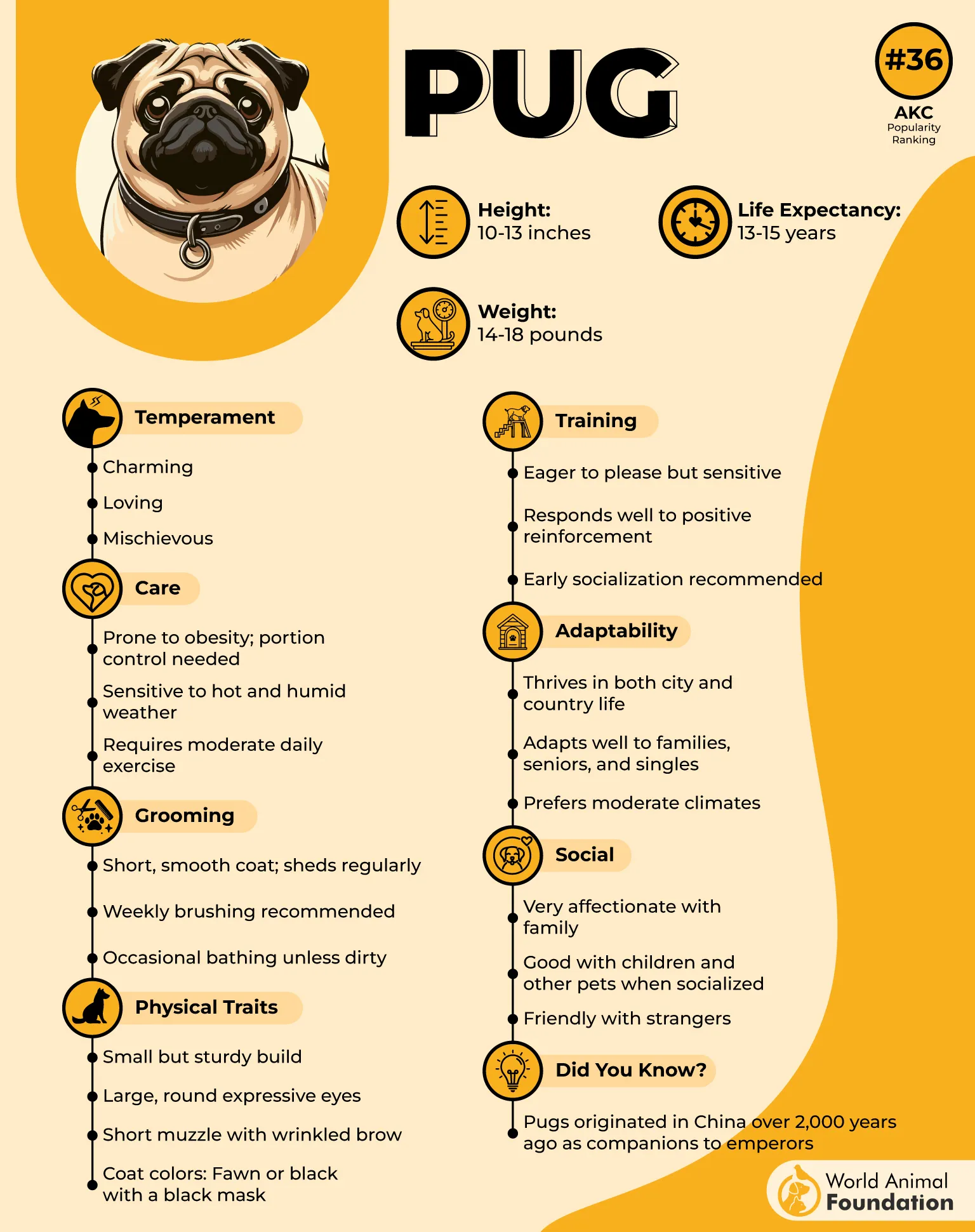
Adoption costs for Pugs typically range from $50 to $500, making them a great option for anyone working with a tighter budget. They also tend to save you money on professional training and grooming, since they’re eager to please and shed only minimally, needing just weekly brushing at home.
One thing worth remembering: their wrinkled, droopy faces need regular cleaning to prevent infections. Pugs are a great match if you love spending time indoors, since their brachycephalic build means they do best with just short walks outside and plenty of relaxed time in.
5. Miniature Pinscher

If you’re after a compact dog with big-dog energy, the Miniature Pinscher could be your perfect match. Nicknamed the “King of Toys,” this breed is known for its fearless, playful personality and sleek, eye-catching coat.
The Min Pin is a great pick if you want an affordable yet fun-loving, loyal companion. Shelter adoption typically runs between $100 and $500, while going through a reputable breeder can cost anywhere from $1,000 to $2,000.
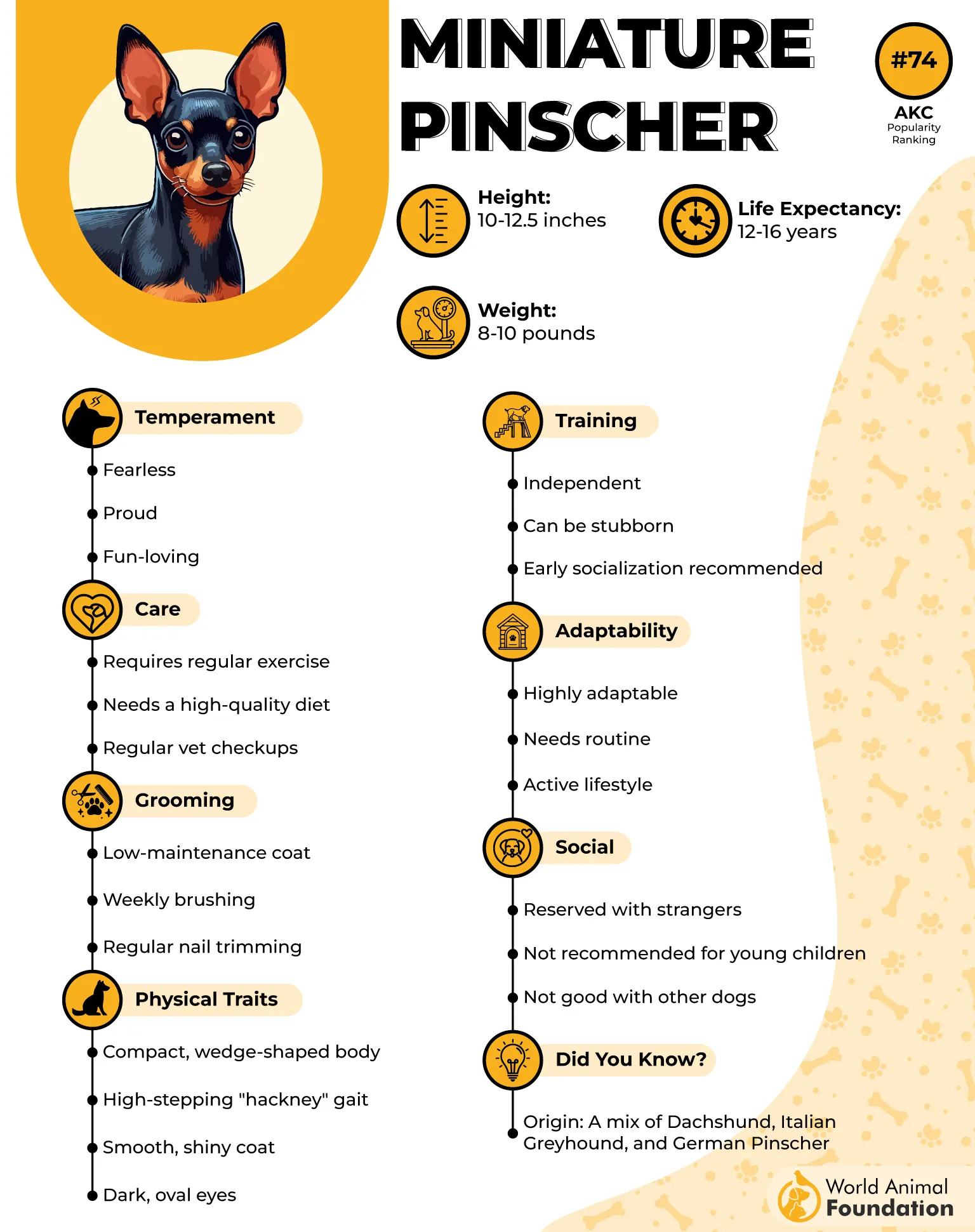
Mini Pinschers are generally a healthy breed, especially when sourced from a reputable breeder who screens for health issues early on. A healthy Mini Pinscher usually won’t rack up big vet bills beyond routine checkups. Their short, shiny coat sheds minimally and is easy to maintain with simple at-home grooming.
These little dogs love their playtime and enjoy chasing balls, though don’t expect them to always bring them back. If kept mostly indoors, they’ll also appreciate having plenty of toys on hand to stay entertained, according to Britannica.
6. American Foxhound

American Foxhounds are active, sleek dogs from the hound group with an independent yet friendly temperament. They can live happily in households with children and other pets, though younger kids should be taught how to behave around such an energetic breed.
Originally bred to assist with fox hunting during the colonial era, American Foxhounds still carry a strong prey drive that can be managed well with early training. While they can be a bit headstrong at times, starting training from puppyhood usually means you won’t need to bring in a professional trainer.
This is the largest breed on our list, yet adoption typically costs only around $400 to $2,000, depending on whether you go through a shelter or a breeder.
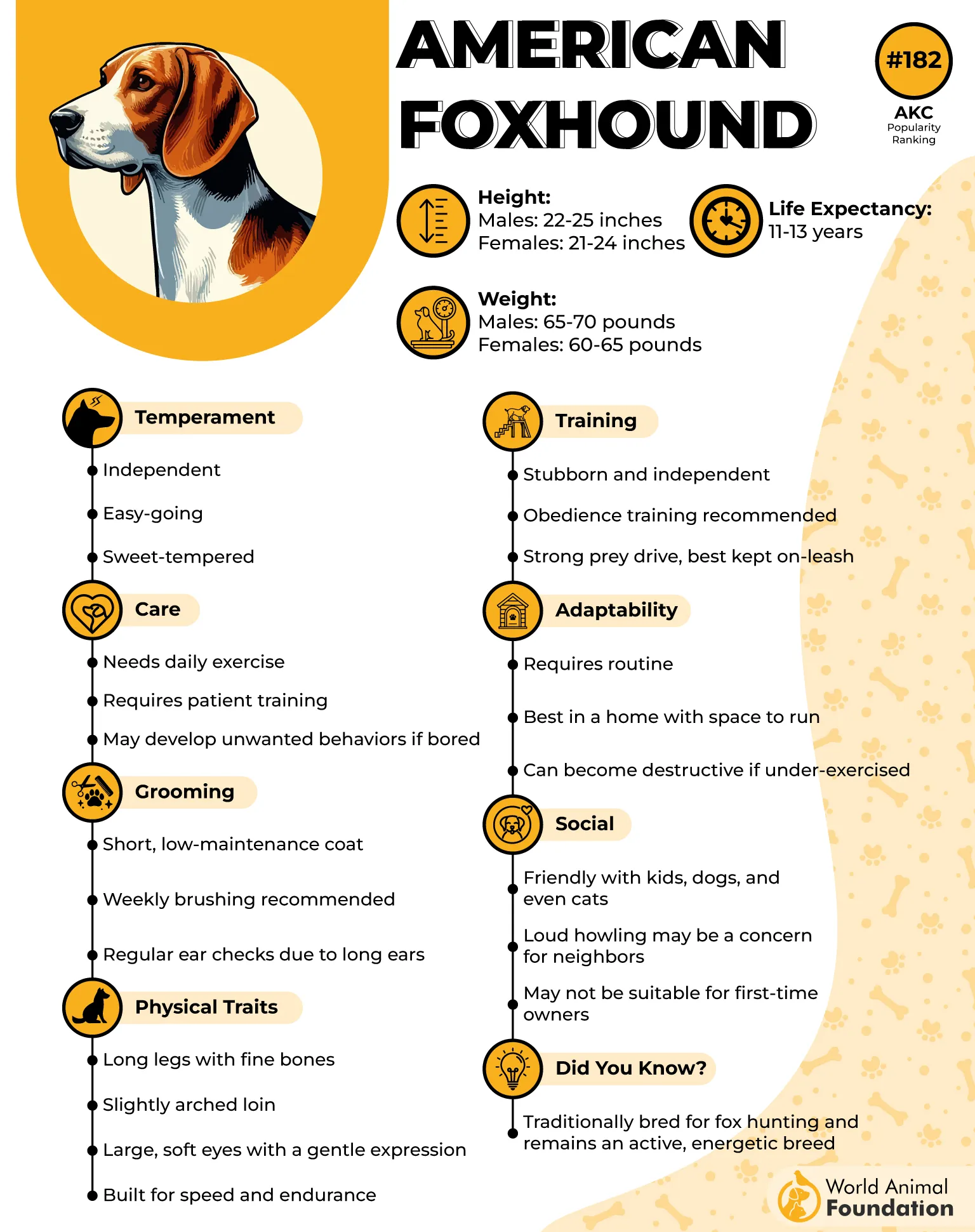
Be prepared to invest in some leash training to keep them from taking off after small animals like cats while outdoors. You should also expect to hear their signature loud baying, especially when they catch an interesting scent.
Despite being a high-energy breed that needs plenty of daily exercise, adult American Foxhounds typically do fine on just two meals a day, according to PetMD. Puppies, on the other hand, may need at least three meals a day thanks to their fast metabolisms.
7. Dachshund

Originally bred as badger-hunting dogs, Dachshunds (or Doxies) are one of the more budget-friendly breeds to adopt and raise. Don’t let their stubborn reputation put you off; Dachshunds tend to be loyal, loving, and full of independent, comical charm that makes the investment well worth it.
Adopting a Dachshund from a shelter typically costs around $150 to $650. Going through a reputable breeder may cost more, but it can be a worthwhile investment, since these dogs are usually pre-screened for common health issues.
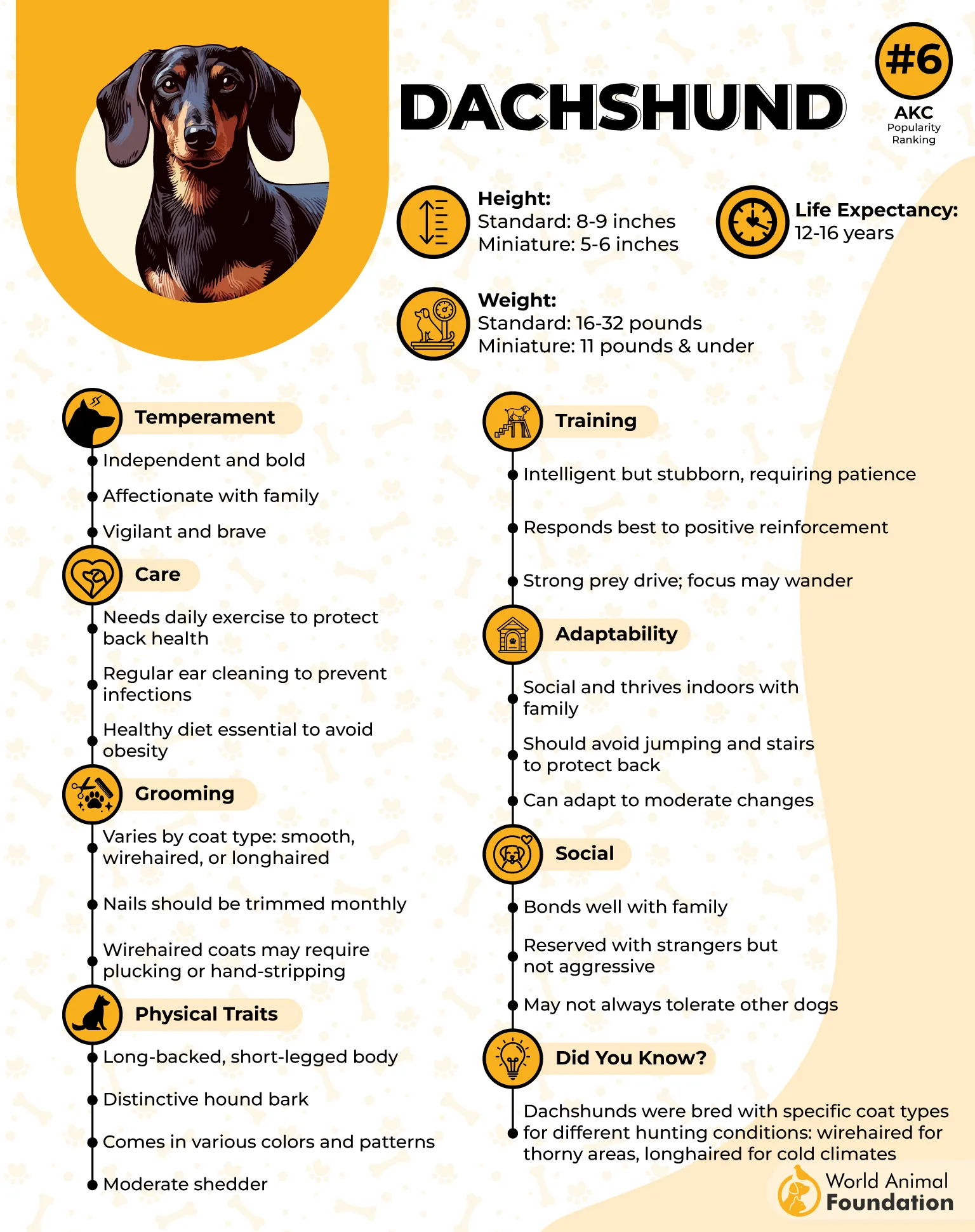
Grooming is another area where you’ll save, since most of their coat care can be handled at home. They’re not heavy shedders and have little to no noticeable body odor, which means minimal grooming needs and less spending on specialized products.
That said, Dachshunds can be a bit reckless and are always eager to follow an interesting scent, which makes them not the best fit for chaotic, busy households, since their small size puts them at higher risk of accidental injury. A lonely Dachshund left alone too often can also become destructive or bark excessively.
Reward-based training with treats tends to work well with this breed, and regular exercise helps keep their muscles strong and supports their long spine. When traveling with a Dachshund, make sure to use a properly sized carrier suited to their unique body shape, along with a harness rather than a collar to help protect their back from injury.
Conclusion
These highly adaptable, budget-friendly breeds are some of the most popular picks among dog lovers, and it’s easy to see why. While every dog needs proper vaccinations and regular vet visits, these affordable breeds are generally less likely to rack up big expenses over time.
Most of them also don’t need much space to live happily, making them great furry friends whether you’re in a small home or a cozy apartment.
