




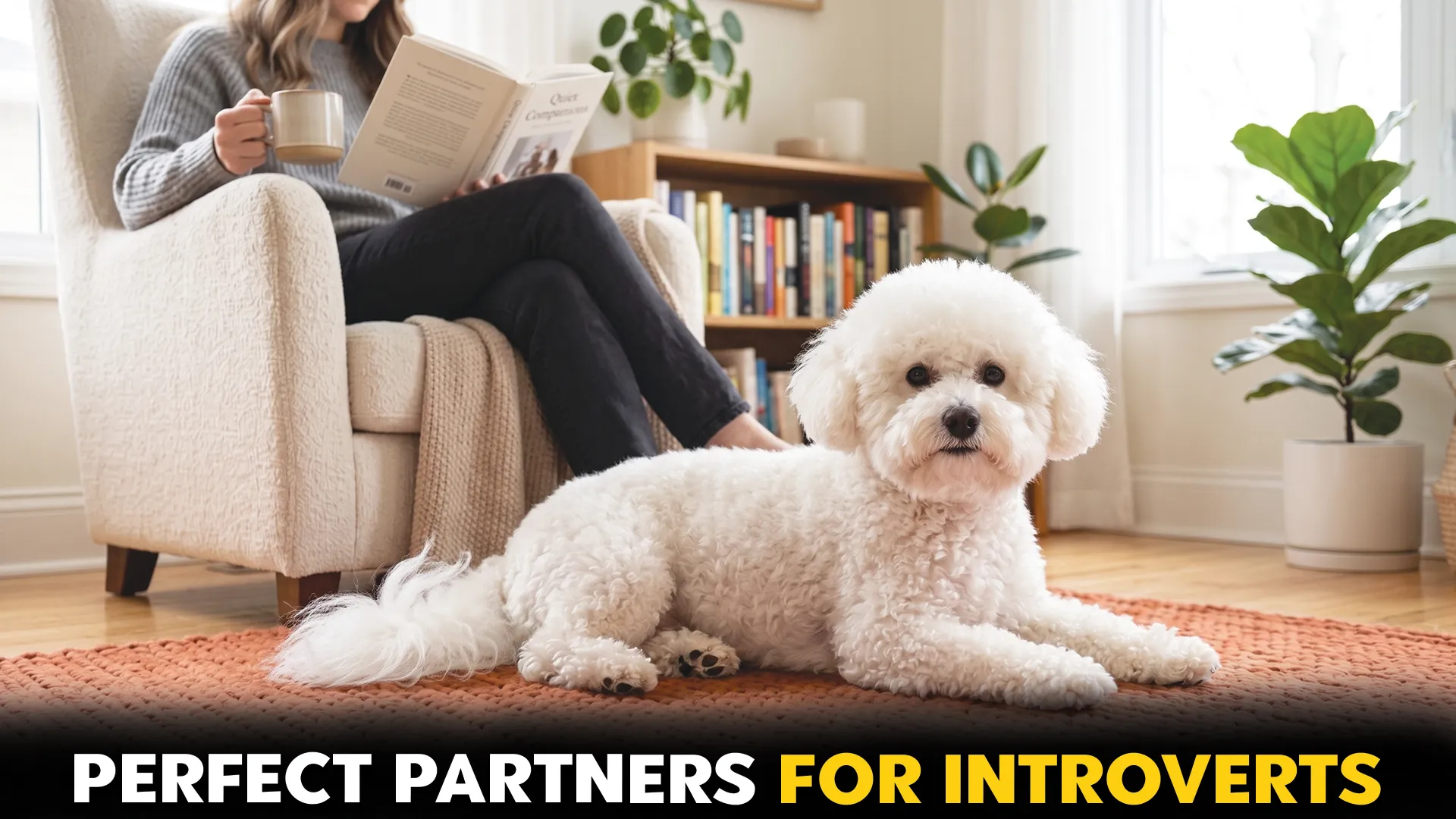
Being an introvert does not mean disliking people, avoiding the outdoors, or wanting to spend every weekend hiding beneath a blanket. It usually means that quiet spaces, familiar company, and peaceful routines help you recharge after social activity.
A compatible dog can fit beautifully into that lifestyle by offering steady companionship without turning every day into a crowded social event.
However, no dog is completely maintenance-free, and even the calmest dog breed needs exercise, training, veterinary care, mental stimulation, and patient socialization.
Let’s meet the best dog breeds ideal for introverted lifestyles that understand the beauty of staying home, protecting your peace, and politely ignoring unnecessary plans.
Top Dog Breeds Ideal for Introverted Lifestyles
1. Chinese Crested
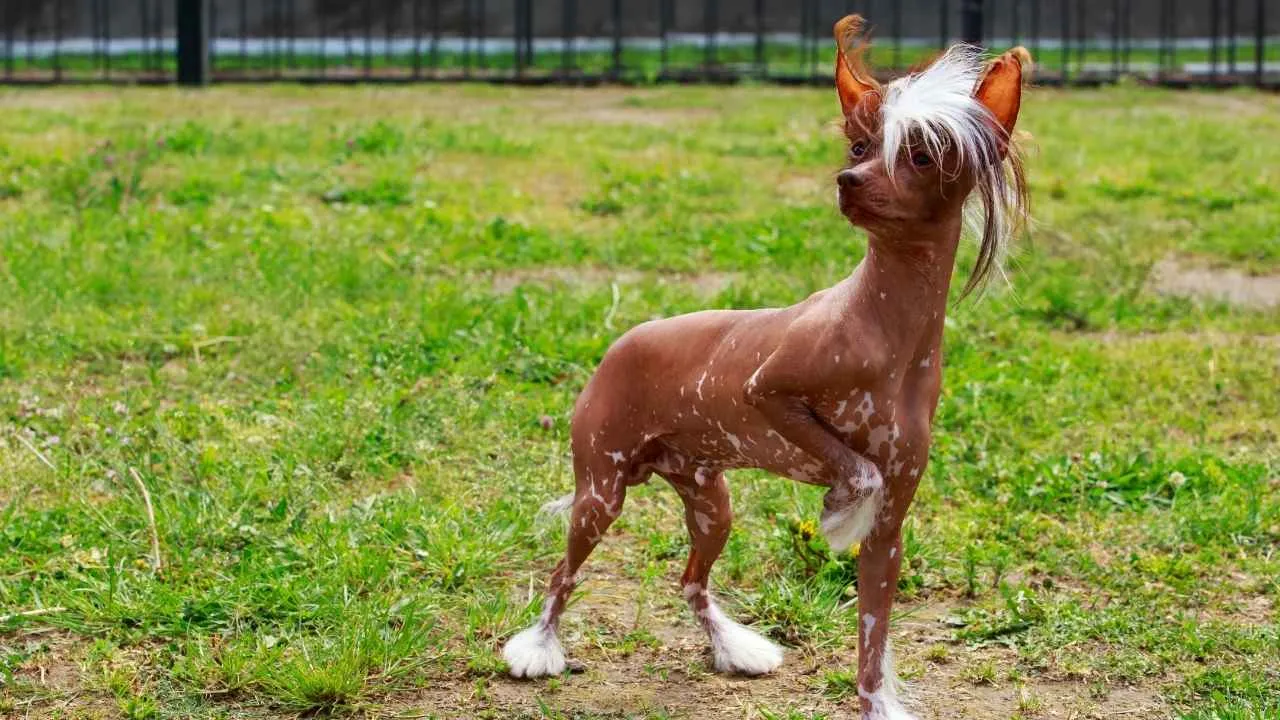
The Chinese Crested looks like a tiny fantasy creature that accidentally walked out of a storybook and decided to live on your sofa. These dogs are playful, sweet, slender, and extremely affectionate with the people they trust.
These cute dogs come in two forms: the Hairless and the Powderpuff. Hairless dogs have silky hair on the head, feet, and tail, while Powderpuffs carry a soft coat over the entire body.
Both varieties belong to the same breed, so that a single litter can include puppies wearing completely different fashion collections.
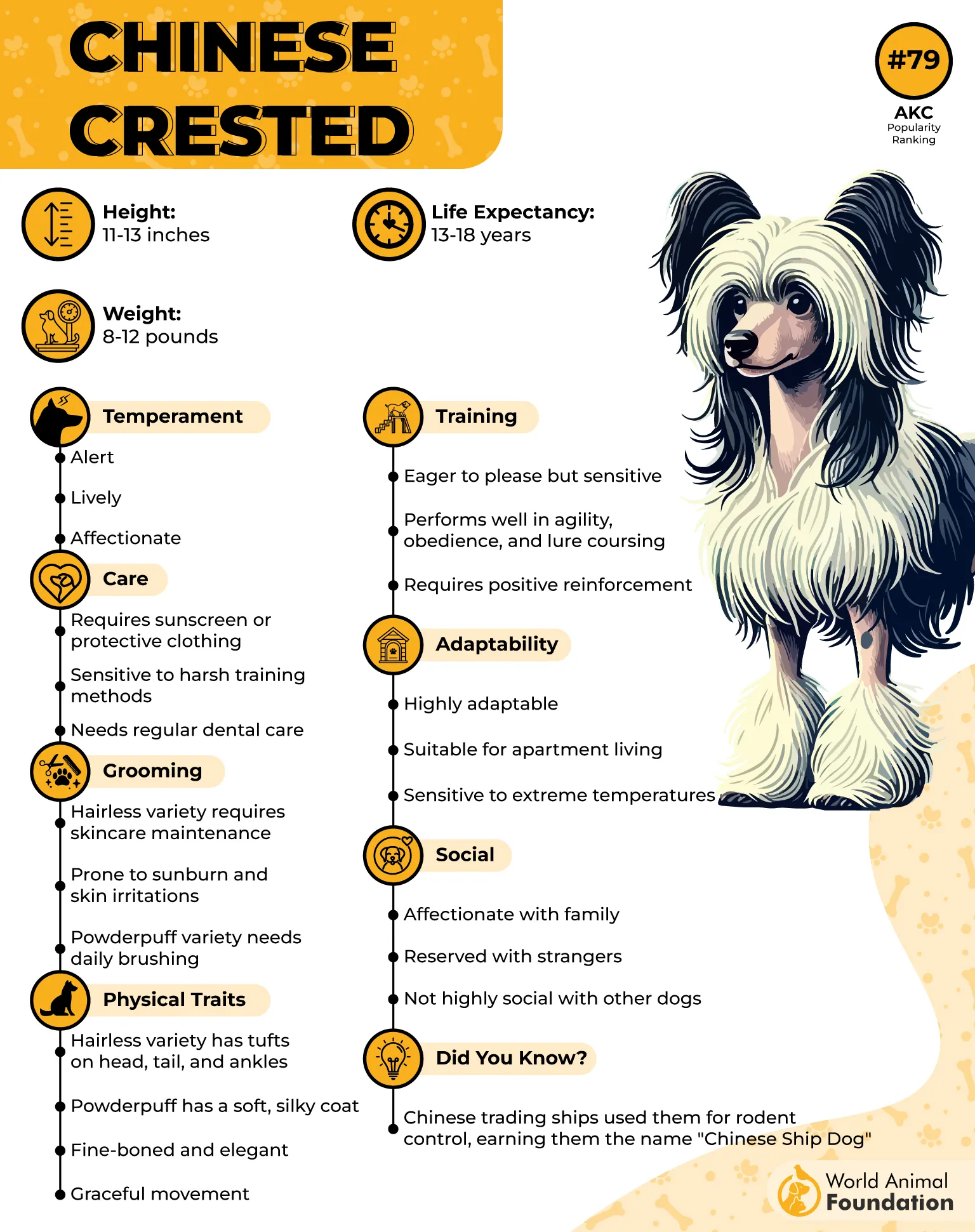
Their minimal shedding can appeal to people who prefer a tidy indoor environment, although no dog is truly free of allergens. Hairless Cresteds still need skin care because their exposed bodies require protection from strong sunlight, cold weather, dryness, and irritation.
A Chinese Crested may be ideal for someone who spends plenty of time at home and enjoys a dog that wants genuine closeness. Daily walks, indoor games, puzzle toys, and short training sessions can meet much of their physical and mental needs.
2. Cavalier King Charles Spaniel
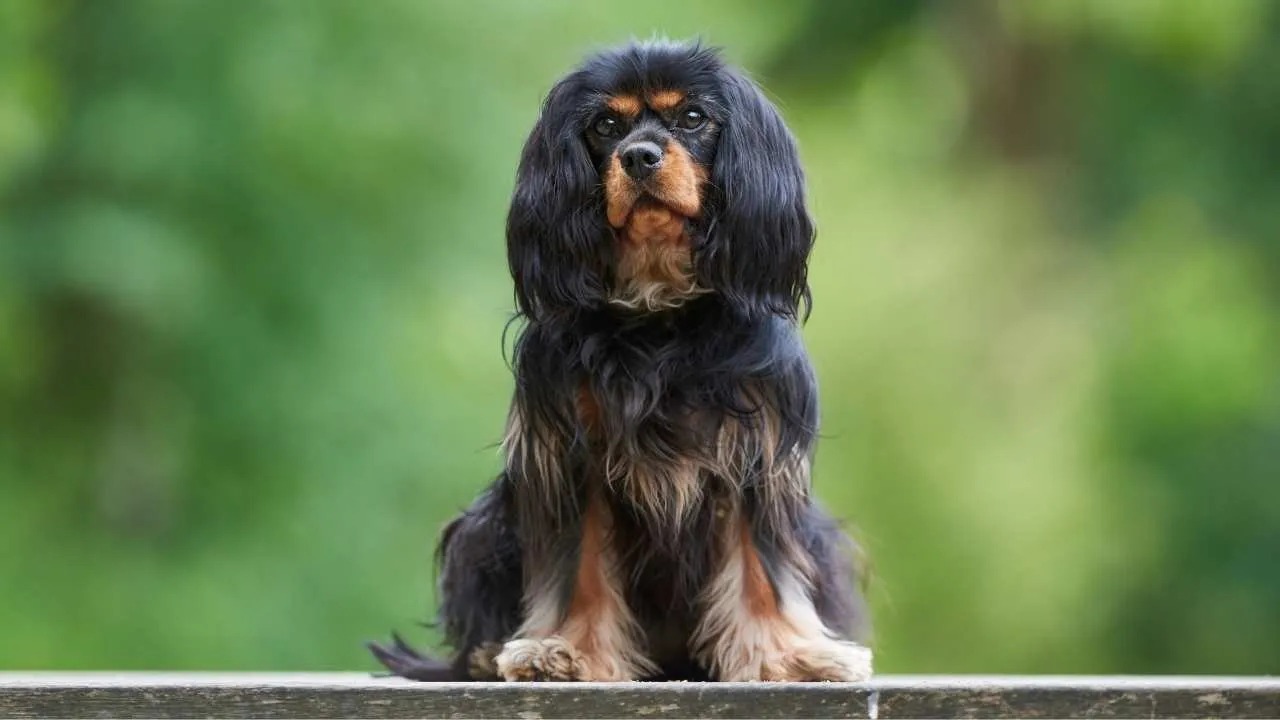
The Cavalier King Charles Spaniel is a small breed that combines the soft nature of a lapdog with the cheerful spirit of a small sporting spaniel.
These perfect dogs for introverts are gentle, loving, intelligent, and adaptable so that they can enjoy life with an active walker or a professional homebody. A silky coat, expressive eyes, and long feathered ears give them an elegant look.
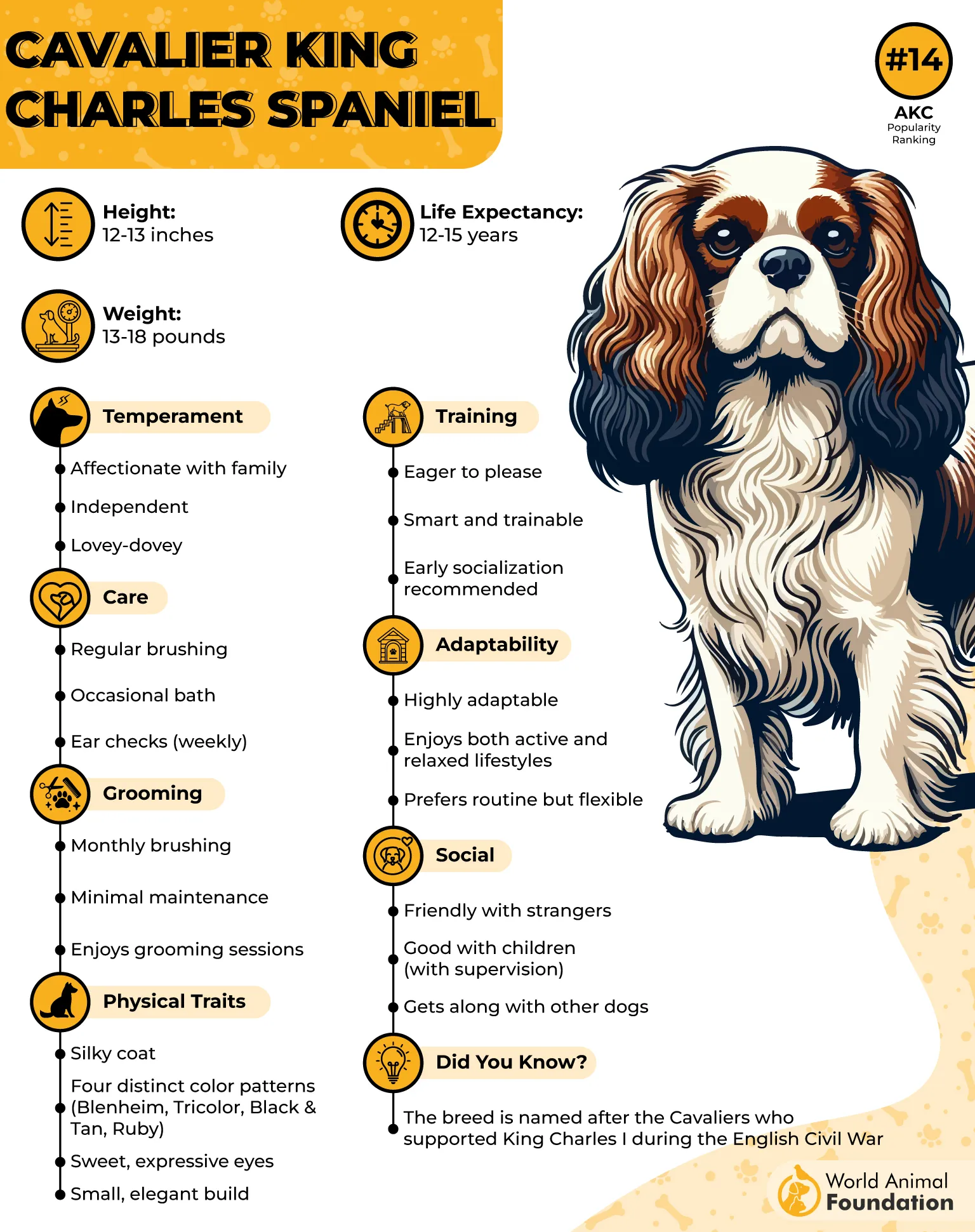
Cavaliers usually need moderate rather than extreme exercise, as per Hill’s Pet, making them easier to fit into a calm daily schedule. A few walks, sniffing opportunities, gentle play, and occasional longer outings can keep them engaged without requiring their owner to become a sunrise hiking influencer.
The main issue for very independent introverts is that Cavaliers usually want plenty of company and may struggle when left alone for extended periods. They are better suited to remote workers, retirees, couples with alternating schedules, or anyone who genuinely wants a dog nearby for much of the day.
3. Bichon Frise
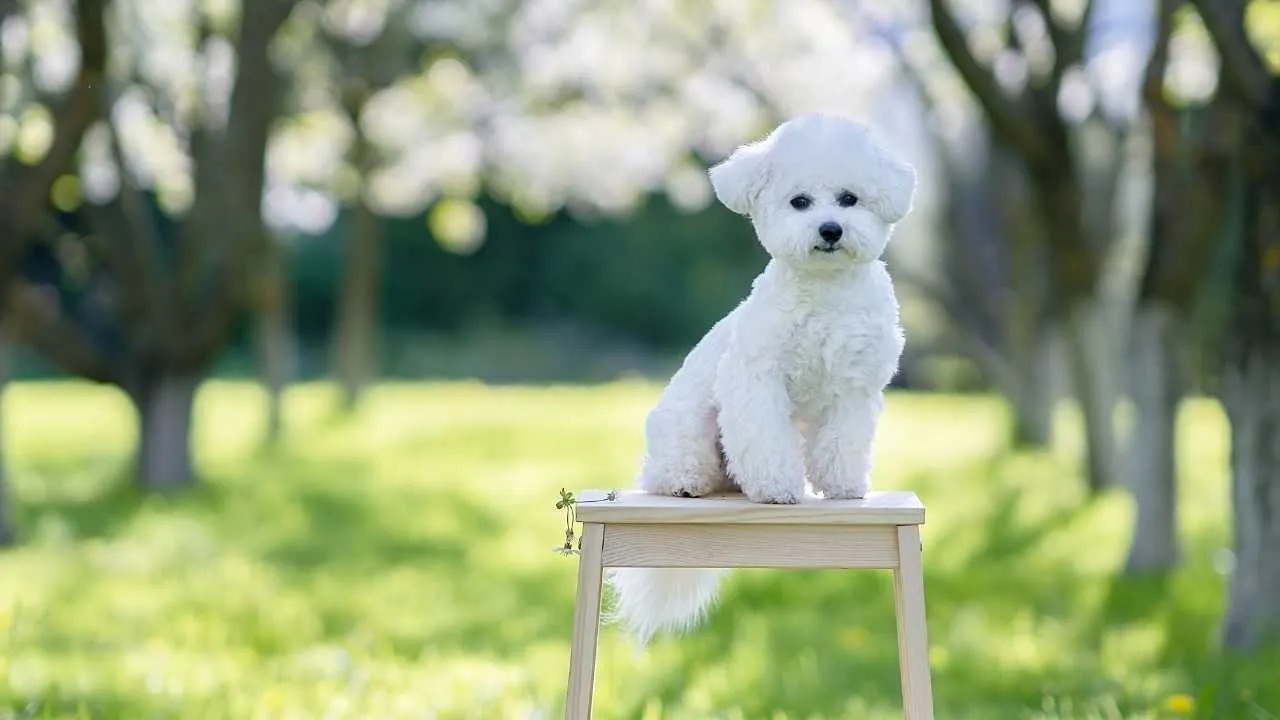
The Bichon Frise resembles a cheerful cloud that discovered legs and immediately started looking for someone to entertain. They are curious, peppy, affectionate dogs with enough personality to make a quiet home feel warm rather than lonely.
Bichons shed relatively little because loose hair becomes caught inside their curly coat instead of immediately decorating the furniture. The trade-off is substantial grooming, including frequent brushing and professional trimming every four to six weeks for many dogs.
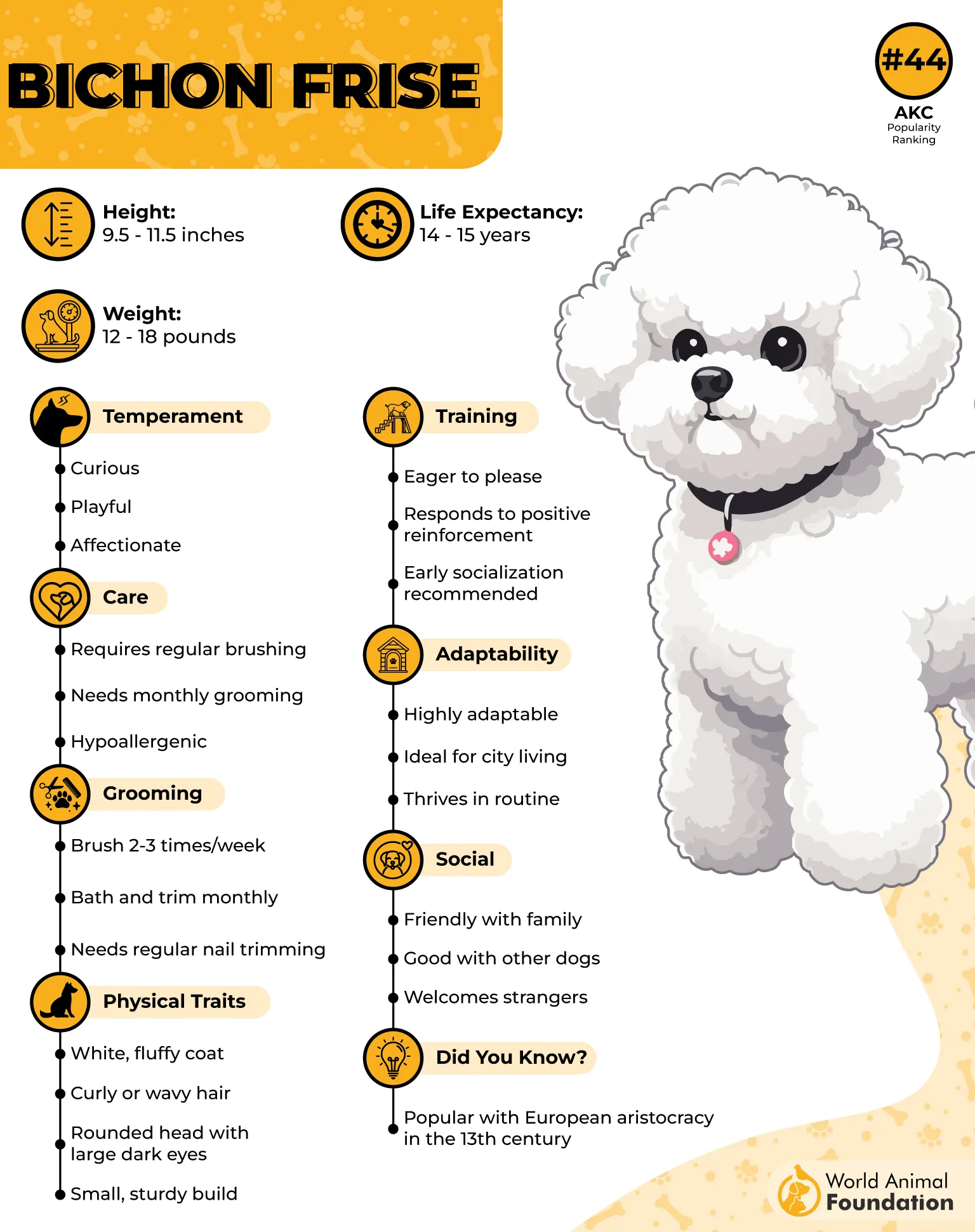
This breed often alternates between calm resting periods and sudden energetic runs commonly called the “Bichon blitz.” Daily walks and indoor play are usually more suitable than hours of hard exercise, although Bichons can also enjoy obedience, rally, and agility.
These dogs offer quiet companionship, love human company, and may develop unwanted behaviors when repeatedly left alone for long stretches.
4. Chihuahua
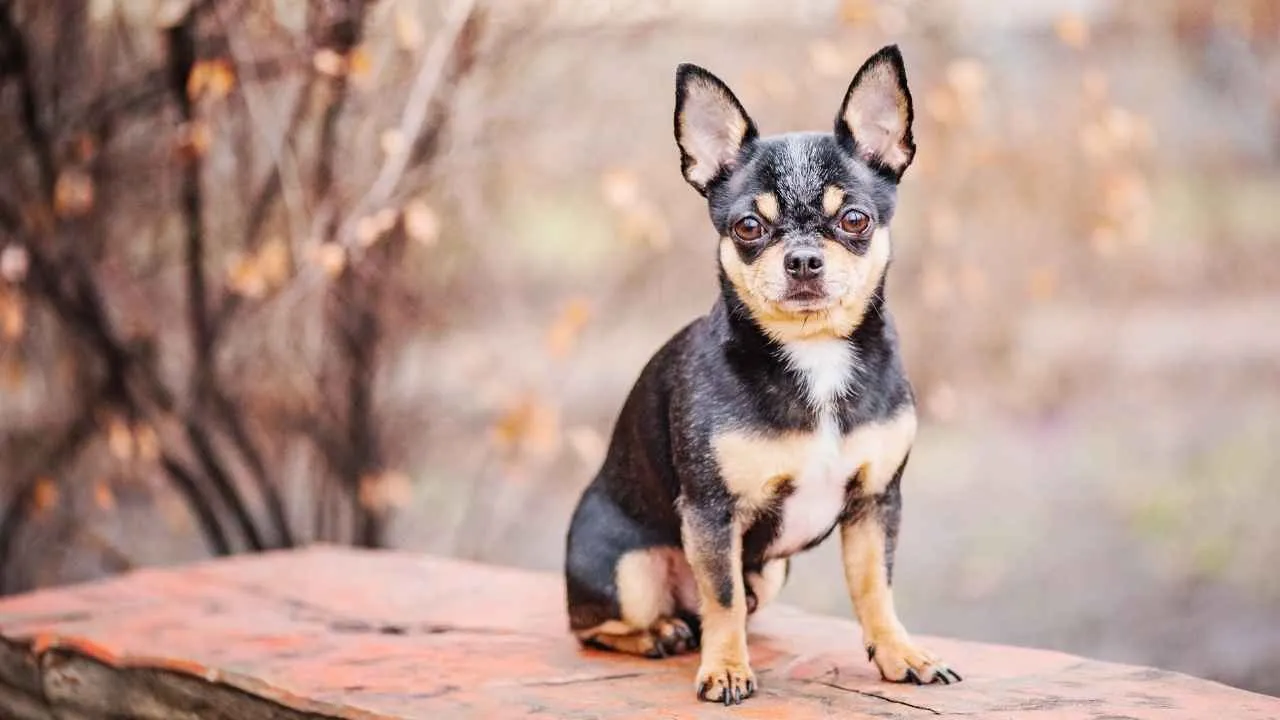
The Chihuahua may be one of the smallest dog breeds, but nobody informed the Chihuahua about that minor detail. These confident little dogs often move through life like six pounds of executive authority, carefully monitoring everything that happens in their territory.
They do not need acres of land, yet they still require daily movement and mental activity. Short walks, indoor fetch, scent games, and basic obedience practice can provide useful exercise without filling the owner’s calendar with huge outdoor missions.
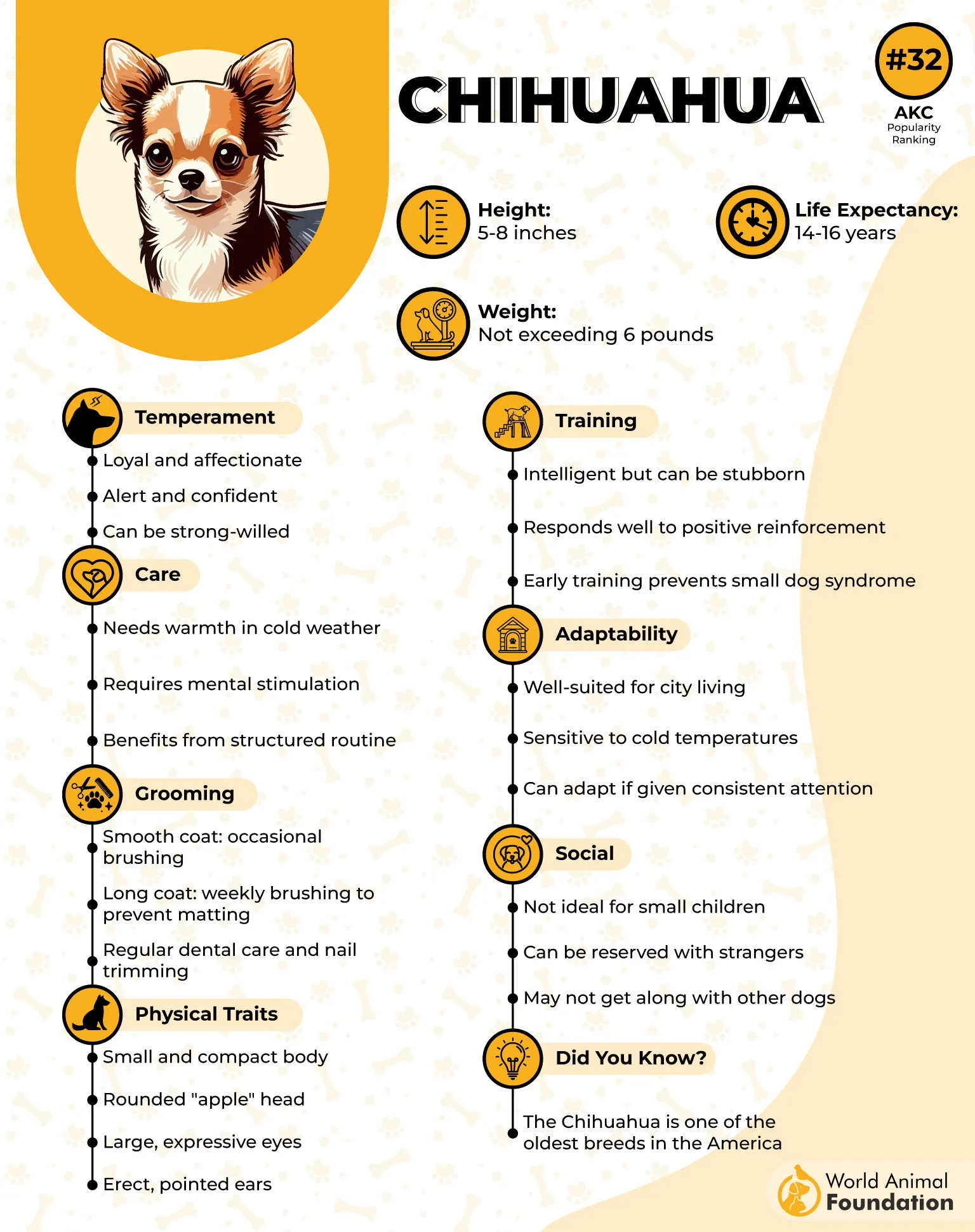
Cold weather may be uncomfortable for these small dogs, especially short-coated individuals, so a warm indoor lifestyle is often very much their aesthetic.
Their alertness makes them useful little watchdogs, but it can also lead to frequent barking at visitors, hallway noises, vehicles, or a suspicious-looking leaf. Early socialization and reward-based training can reduce unnecessary reactions, although prospective owners should not expect every Chihuahua to become completely silent.
5 Pug
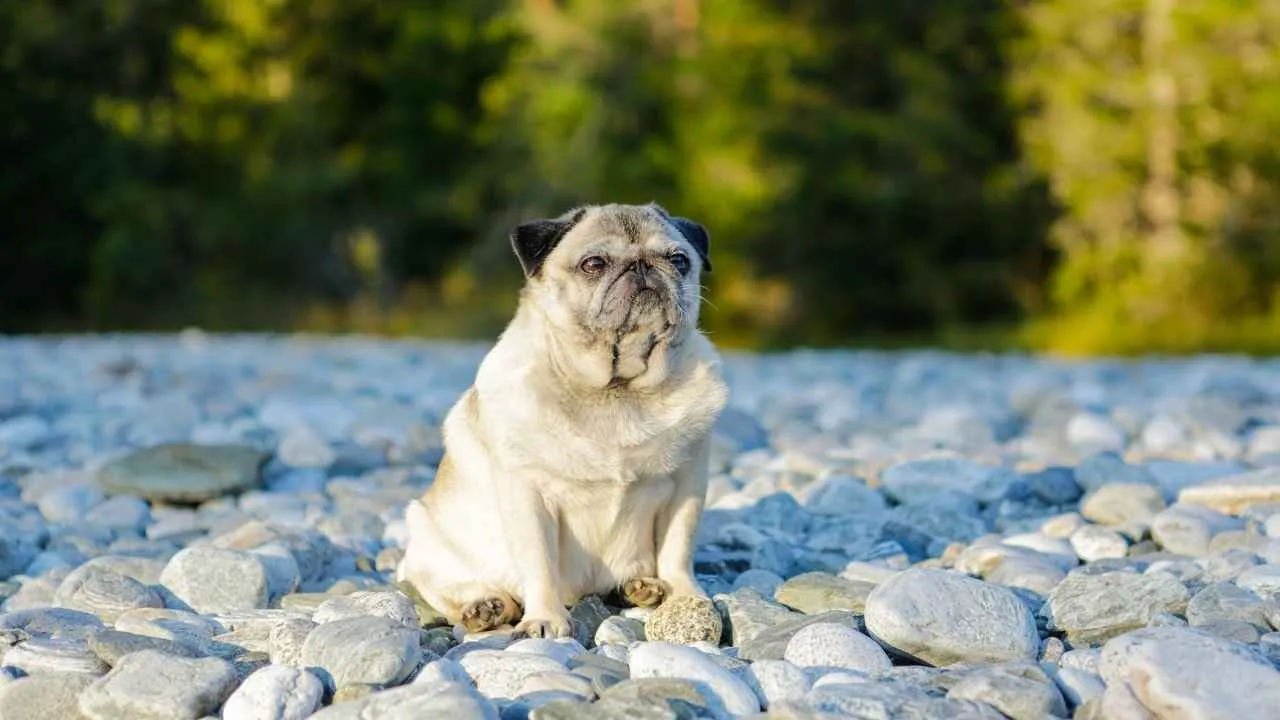
Pugs were designed for companionship, and they continue to take that ancient assignment extremely seriously. They are loving, charming, mischievous dogs that often consider sitting near their person a valid full-time career.
Pet parents with a calm nature appreciate their calm presence and agree that they are deeply loyal!
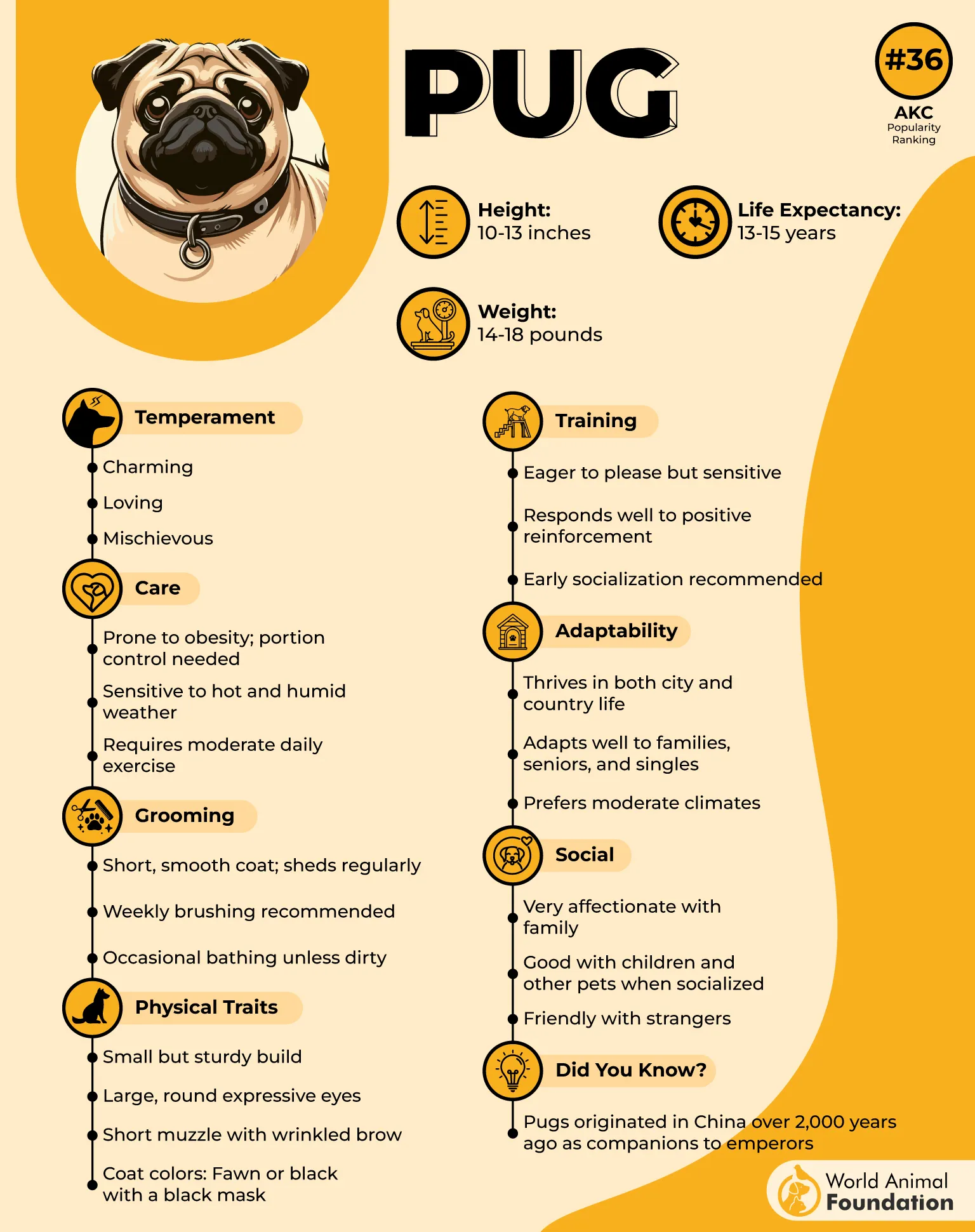
Omlet says that their exercise needs are usually moderate, and short walks or gentle play sessions can work well for a relaxed owner. Pugs also love food and sofa time, which can lead to excess weight when portions and activity are not managed carefully.
One of the calmest dog breeds out there, they are short-faced dogs that do poorly during strenuous activity in hot or humid conditions. Walks should take place during cooler periods, and owners must closely watch for signs of breathing distress, overheating, exhaustion, or unusual discomfort.
These dogs typically respond best to kind, positive training, as harsh correction can upset their sensitive nature.
6. Pekingese
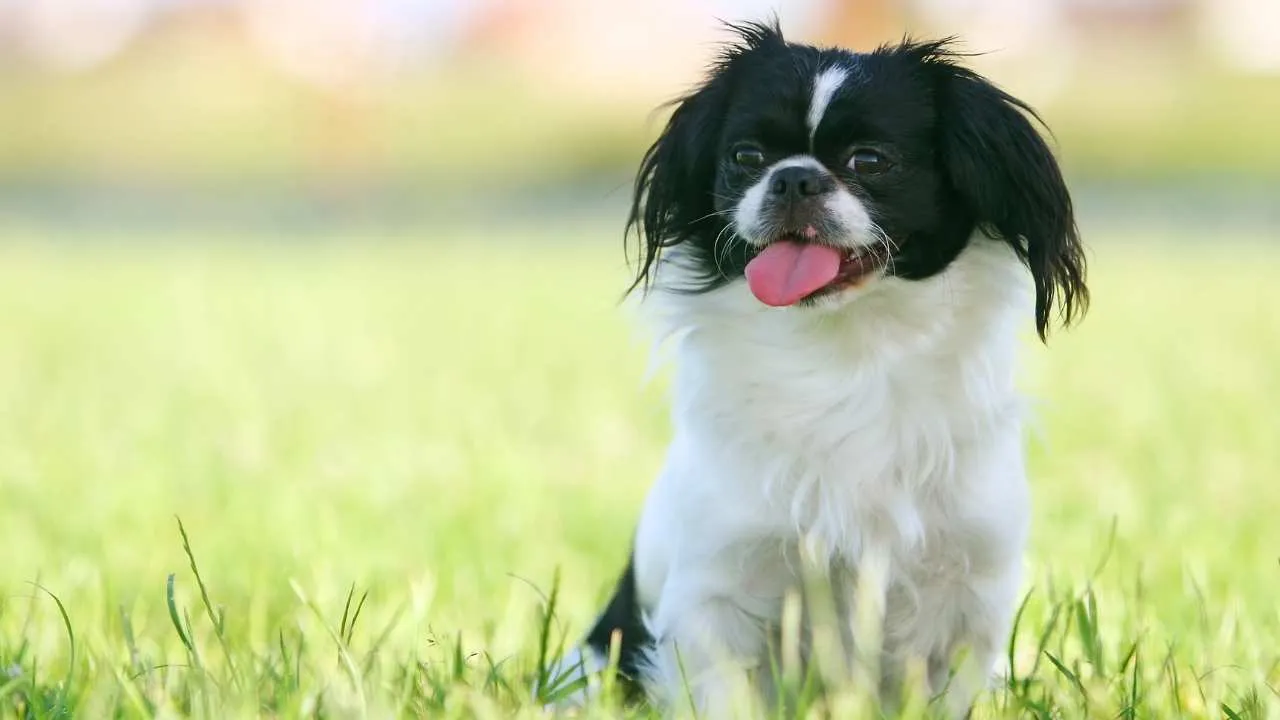
The Pekingese was developed for the ruling classes of ancient China, and many modern Pekes still behave as though the palace technically belongs to them. They are confident, loyal, charming dogs that often form a particularly close bond with one favorite person.
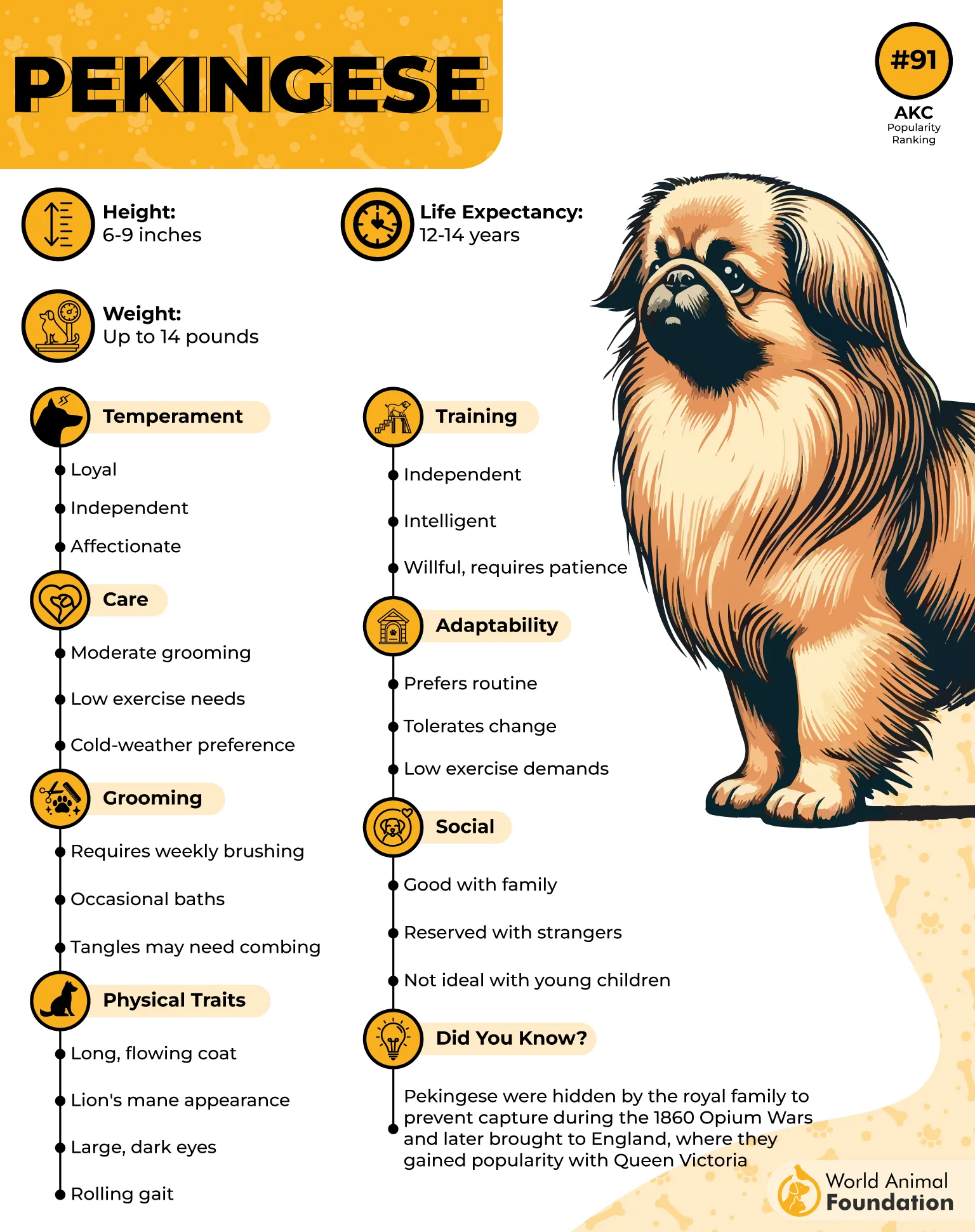
Their heavy coat forms a dramatic mane around the neck and shoulders, giving them a tiny-lion appearance that matches their fearless self-image. Several brushing sessions each week help remove loose hair and prevent tangles, so their royal wardrobe requires regular staff involvement.
Pekes are relatively low-energy dogs and usually do not require intense workouts to feel satisfied. Short walks, calm play, sniffing activities, and time exploring at their own pace can suit them better than hard running or endless games of fetch.
Training a Pekingese requires patience because intelligence and independence can arrive together in one extremely fluffy package. These dogs may understand the request perfectly and still pause to review whether it matches their personal agenda.
7. Basset Hound
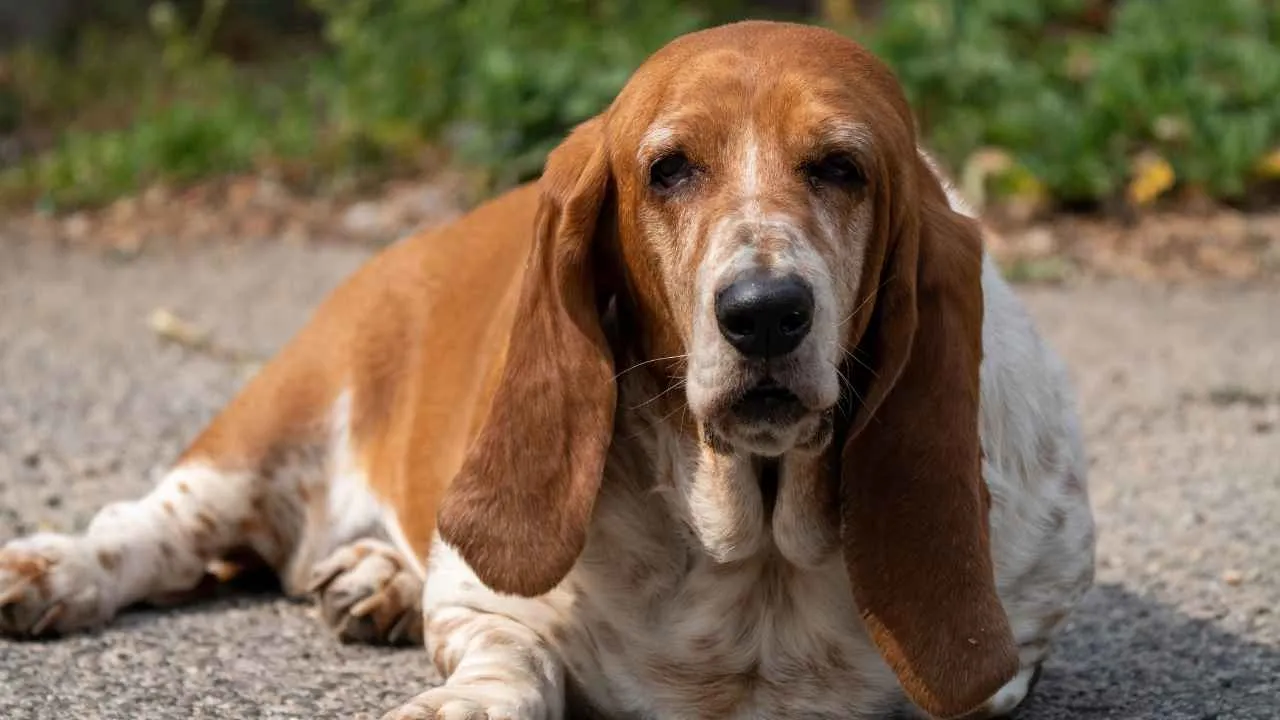
The Basset Hound looks permanently disappointed by the world, which may be relatable after one unexpectedly social weekend. They are some of the most loved pets for apartment-living pet parents.
They are not lightweight lapdogs. Their heavy bones, large paws, and powerful body give them much more physical substance than their short legs suggest.
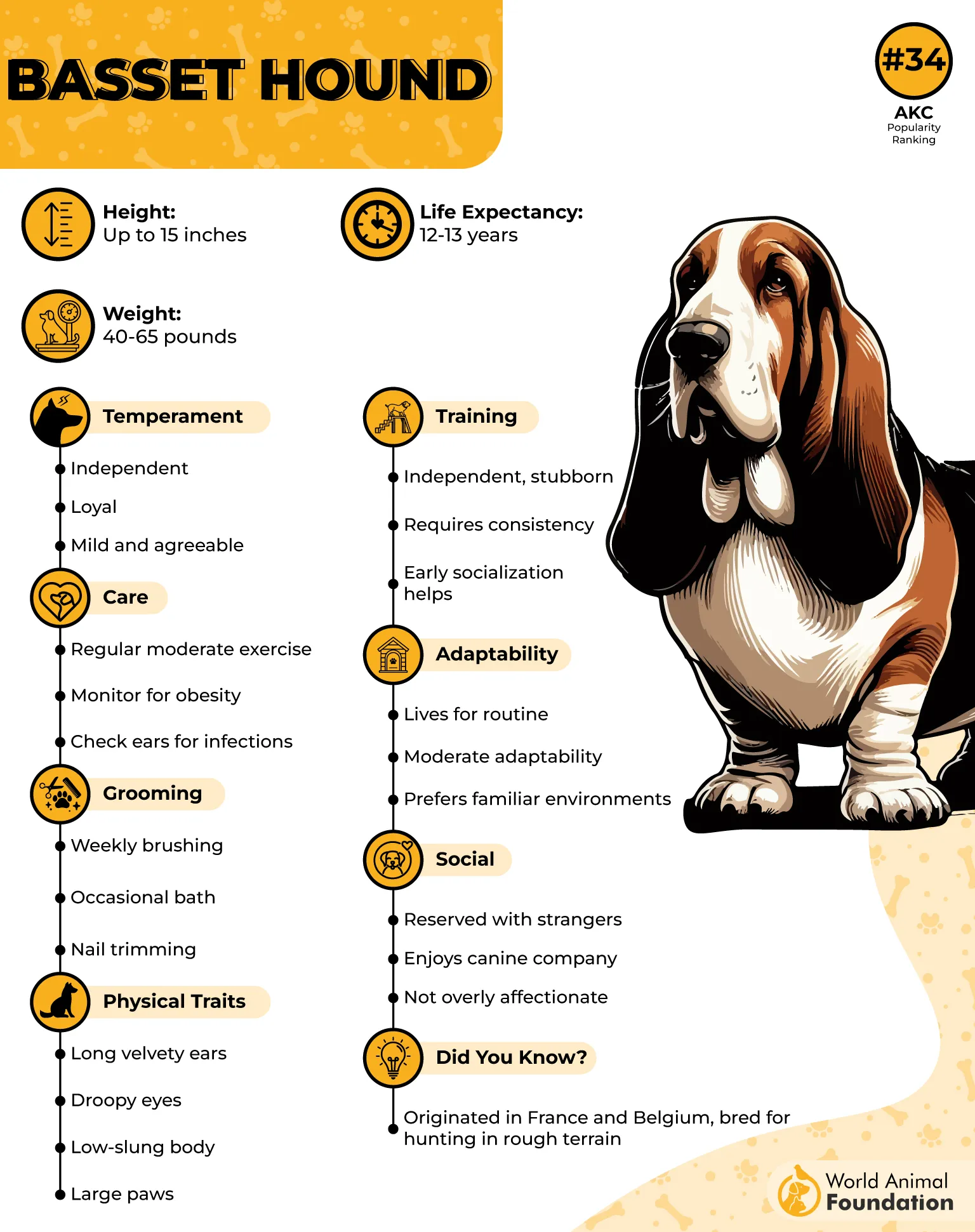
Basset Hounds were created to follow scent trails with endurance, and their sense of smell is among the strongest in the dog world. Leisurely sniffing walks can therefore provide more satisfaction than rushing through them to meet a strict distance target.
These great family pets can be stubborn during training and are known for a deep, carrying voice. Food rewards, patience, secure leashes, and consistent recall practice are essential because chasing a scent can quickly become more important than listening.
8. Dachshund
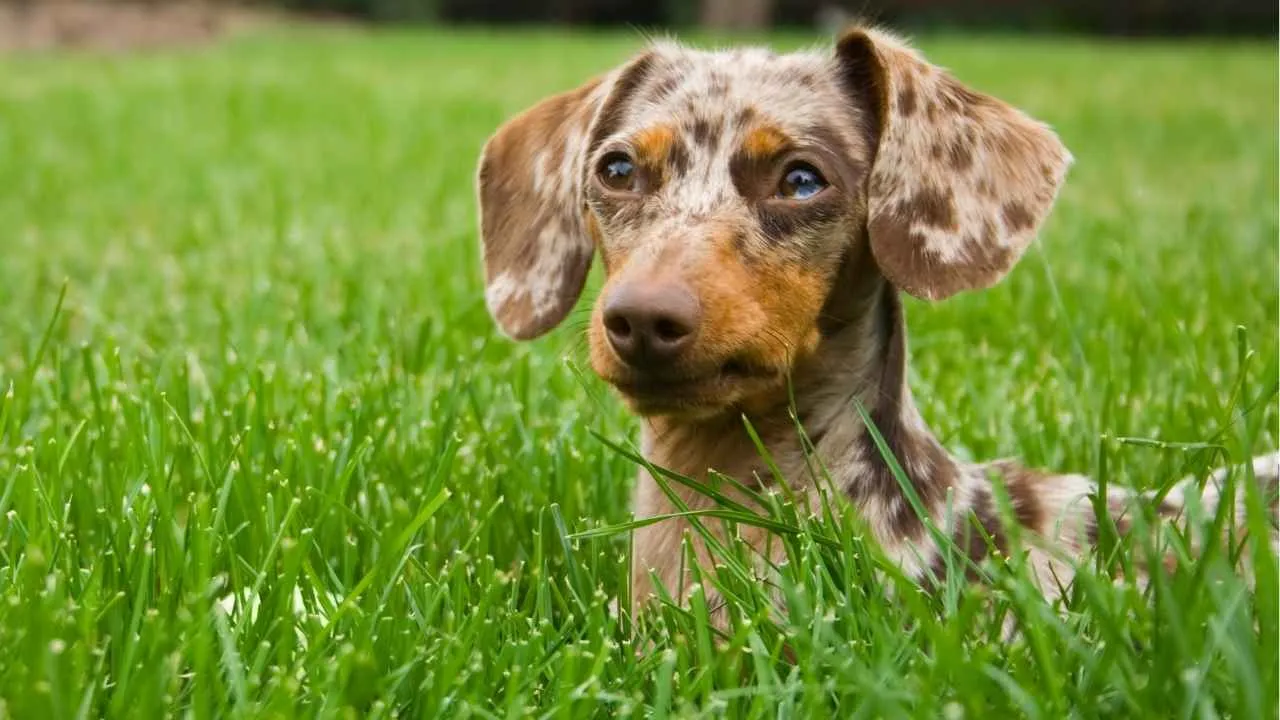
The Dachshund may have short legs, but this breed was not created to sit around looking decorative. Originally developed as an independent hunter, it is intelligent, courageous, curious, and far more energetic than many people expect.
An introvert who enjoys private walks and puzzle-based play may love this bold little hound, while a committed couch-only lifestyle could leave it bored.
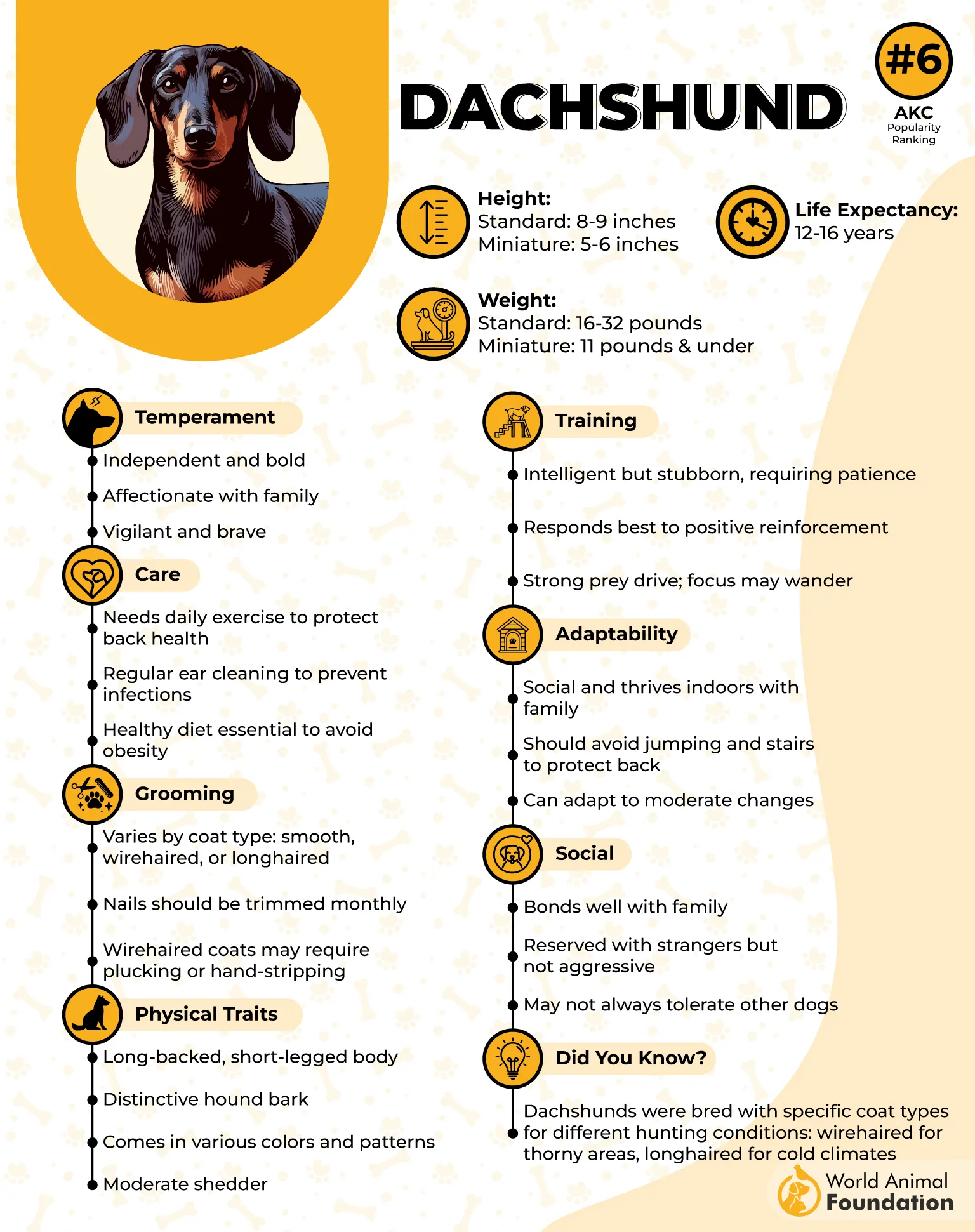
Regular exercise helps maintain useful muscle around their famously long backs, and two suitable daily walks are often recommended. However, repeated jumping from high furniture or racing up and down stairs can impose unnecessary stress on their structures.
These great dogs enjoy human interaction and are usually happiest as indoor companions rather than isolated outdoor pets. They can suit introverts who want an entertaining, affectionate dog but still enjoy structured walks, training, and active games.
9. French Bulldog
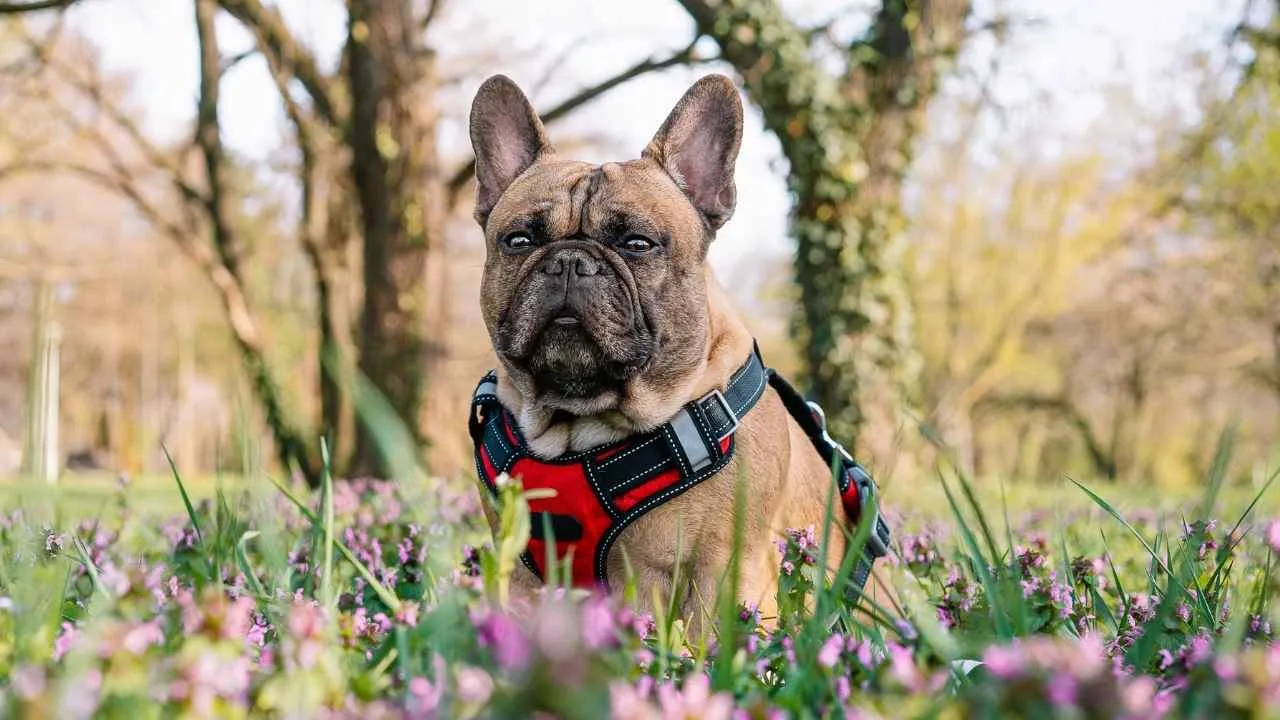
The French Bulldog has become a classic city companion thanks to its compact body, adaptable temperament, and love of indoor family life. Frenchies are smart, playful, affectionate, and often content with shorter daily adventures followed by extended relaxation.
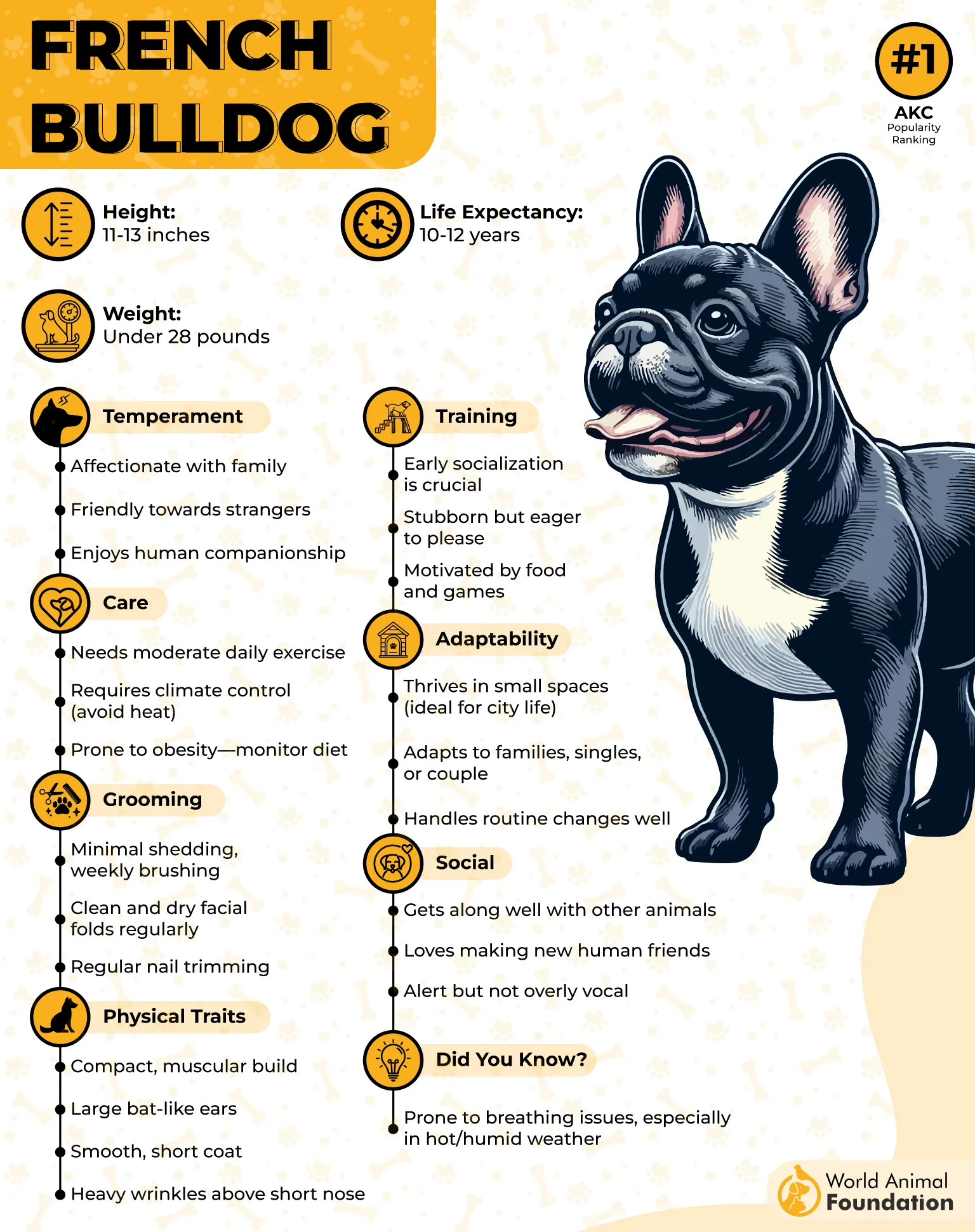
These dogs often want to please their owners but may show a stubborn streak when training loses its appeal. Brief lessons, food rewards, clear boundaries, and early socialization usually keep the process positive.
French Bulldogs can make excellent companions for single adults, couples, remote workers, and small households that understand the breed’s limitations. Prospective owners should research health testing, insurance, veterinary access, and potential medical costs before becoming emotionally distracted by the bat ears.
Conclusion
The best dog for an introvert is not automatically the smallest, sleepiest, or least energetic breed. A good match depends on how much time you spend at home, how often you walk, your tolerance for barking, your grooming budget, and whether you enjoy constant closeness or prefer a more independent companion.
Introverts can be active, adventurous, social, quiet, home-centered, or a mixture of all five depending on the day. Meet adult dogs when possible, speak with responsible breeders or rescue workers, review health records, and avoid selecting a pet solely from photographs or online stereotypes.
