




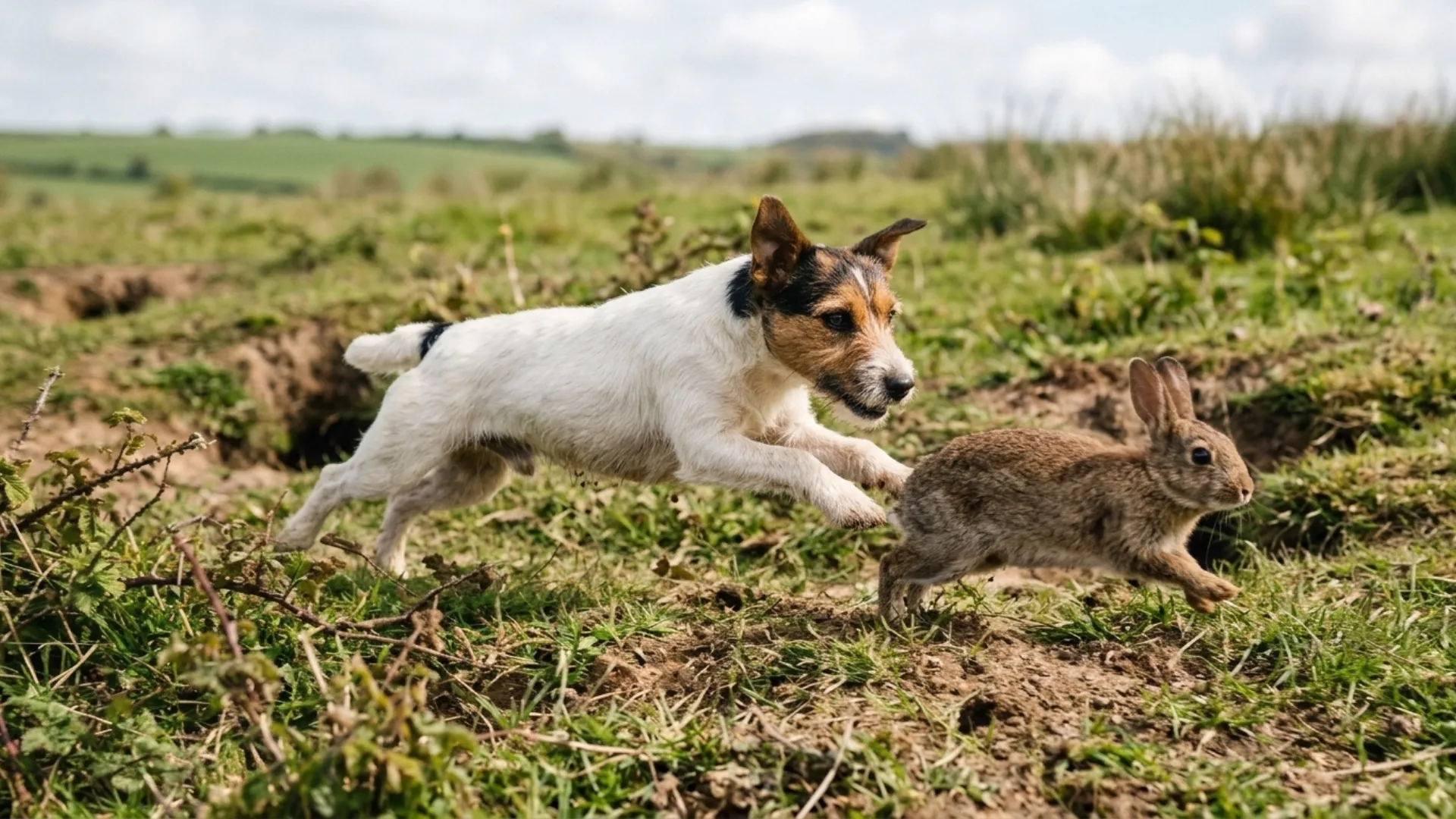
It is easy to assume that the fastest dog will always perform best during rabbit ground hunts. That belief sounds reasonable until you spend enough time in the field to see how often it falls apart.
A dog that charges ahead without control can lose valuable ground just as quickly as it gains it, while another with slightly less speed may handle changing scent trails with far greater consistency. Rabbit hunting rewards balance more than reckless pace.
Quick reactions, steady concentration, and the ability to work through different terrain often decide the outcome long before top speed becomes important. Experienced hunters know that successful chases are built on far more than powerful legs alone.
This guide explores the breeds that combine impressive speed with dependable hunting instincts, giving them the qualities needed to handle rabbit ground hunts with confidence.
Key Takeaways
What makes a dog good at rabbit hunting when the ground keeps changing? Speed helps, though a reliable nose and steady focus can matter just as much.
The Beagle can work through tangled cover by following fresh scent, while the Dachshund uses its unusual build and fearless nature to tackle tight spaces.
A Jack Russell Terrier may even follow a rabbit into its burrow, while a Greyhound waits for the chance to turn a sight into a lightning-fast chase.
These seven breeds bring very different talents to the field, and their hunting styles make each one worth a closer look.
Speedy Dog Breeds Ideal for Rabbit Ground Hunts
1. Beagle
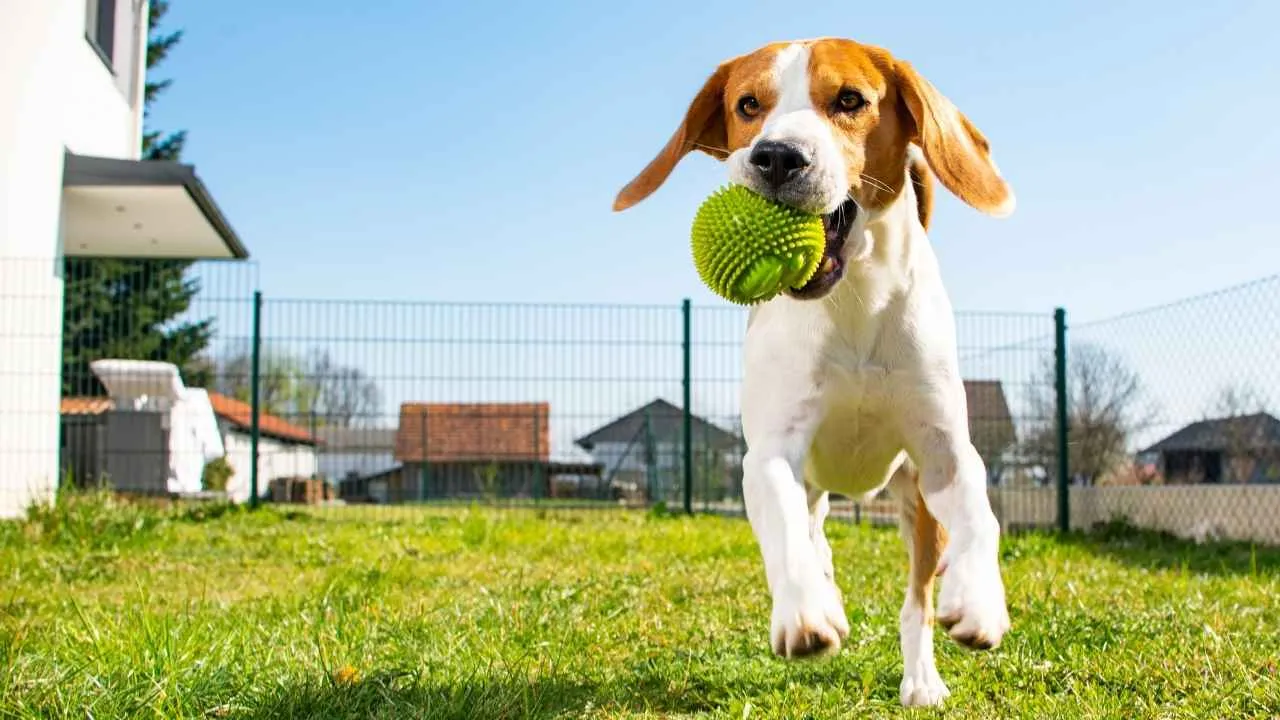
Beagles worked in English packs, following small game through thick brush and tangled cover where their compact size came in handy. That early purpose still explains why this breed remains closely connected with rabbit and hare hunting across North America today.
Following Every Scent
Beagle relies on its powerful nose to locate fresh rabbit trails before working steadily through cover with determined focus. Once a rabbit breaks from hiding, the chase continues while the hound gives its unmistakable bay, helping hunters follow the action through dense vegetation.
That working style includes a few important details:
Hunts snowshoe hares and Eastern cottontails
Searches thickets before flushing game
Often trained with positive reinforcement
Energy Beyond the Field
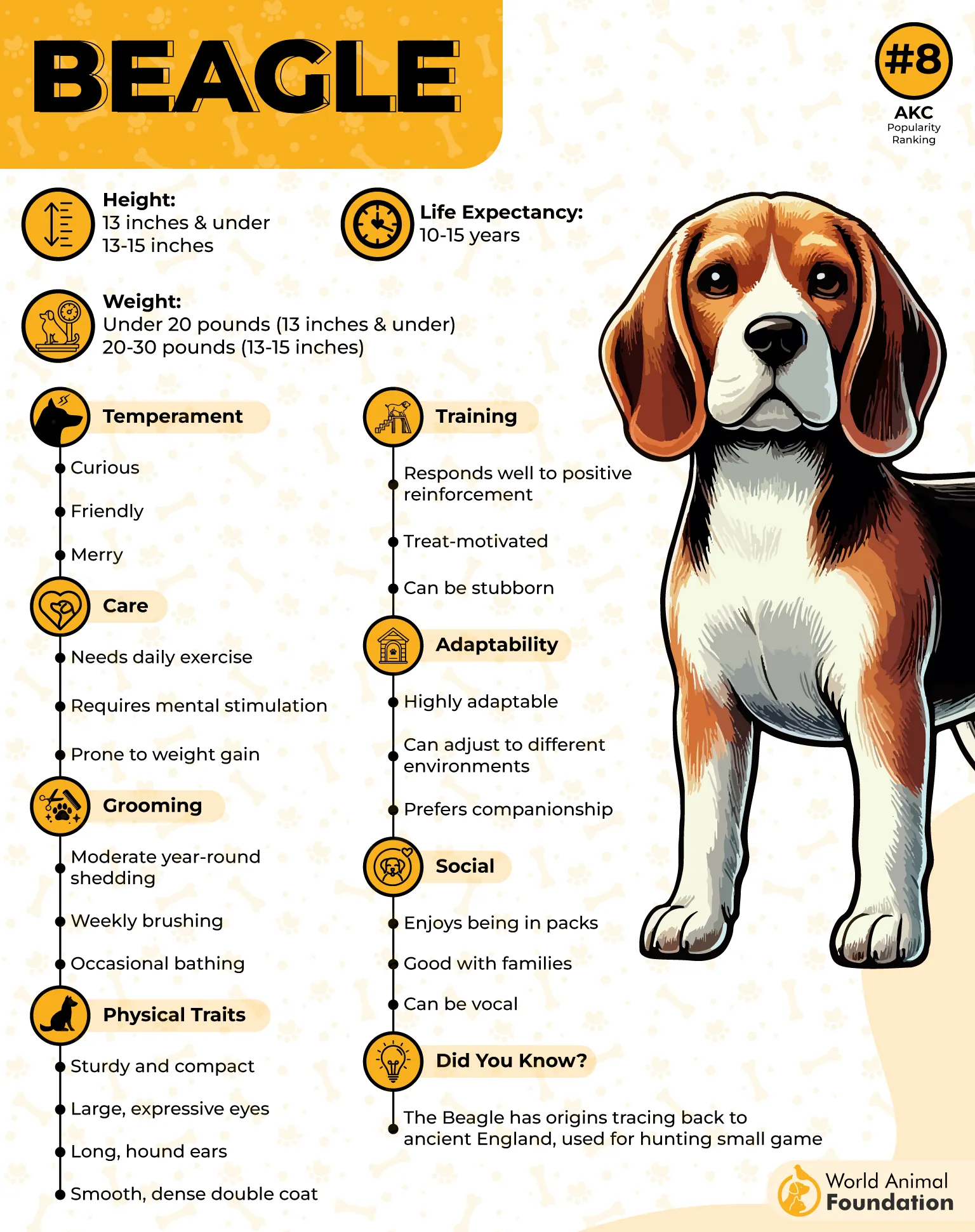
This classic rabbit dog brings plenty of curiosity into everyday life and benefits from regular walks along with opportunities to work in the field several times each week.
Hunting dogs can also adjust well to indoor living and generally interact comfortably with children and household pets, except rabbits because of their natural prey drive, as Petplan noted.
2. Dachshund
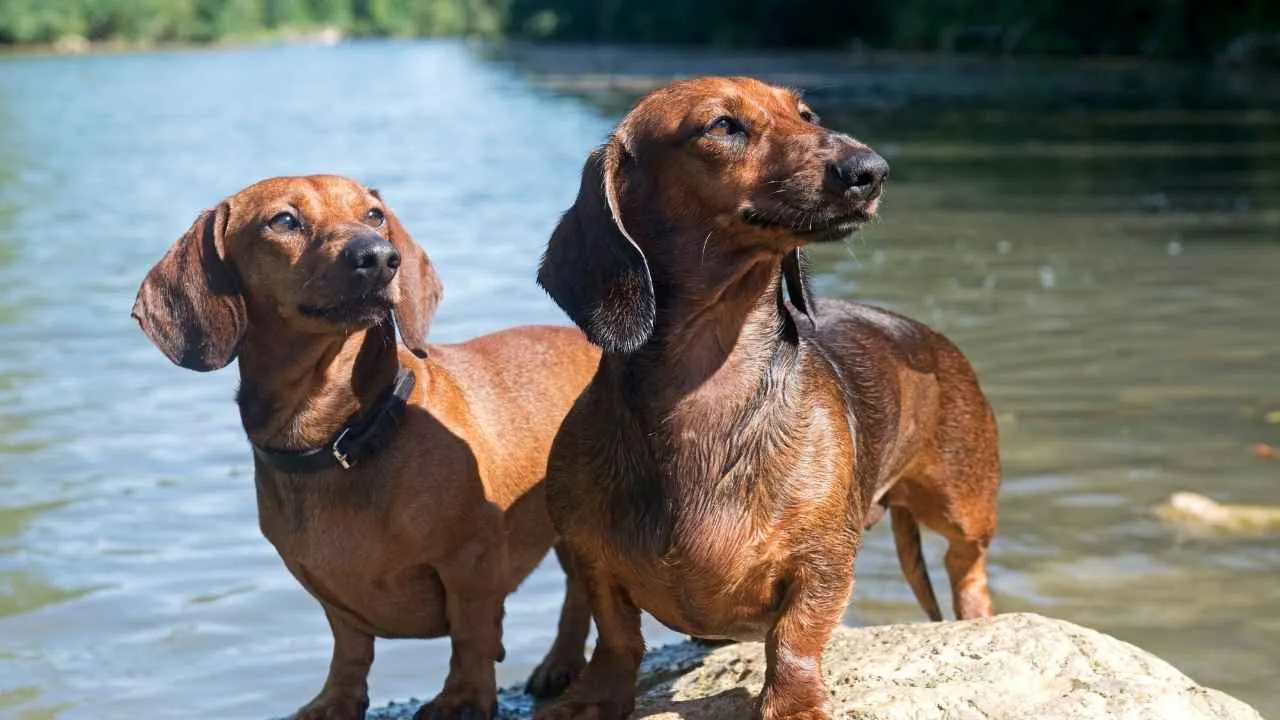
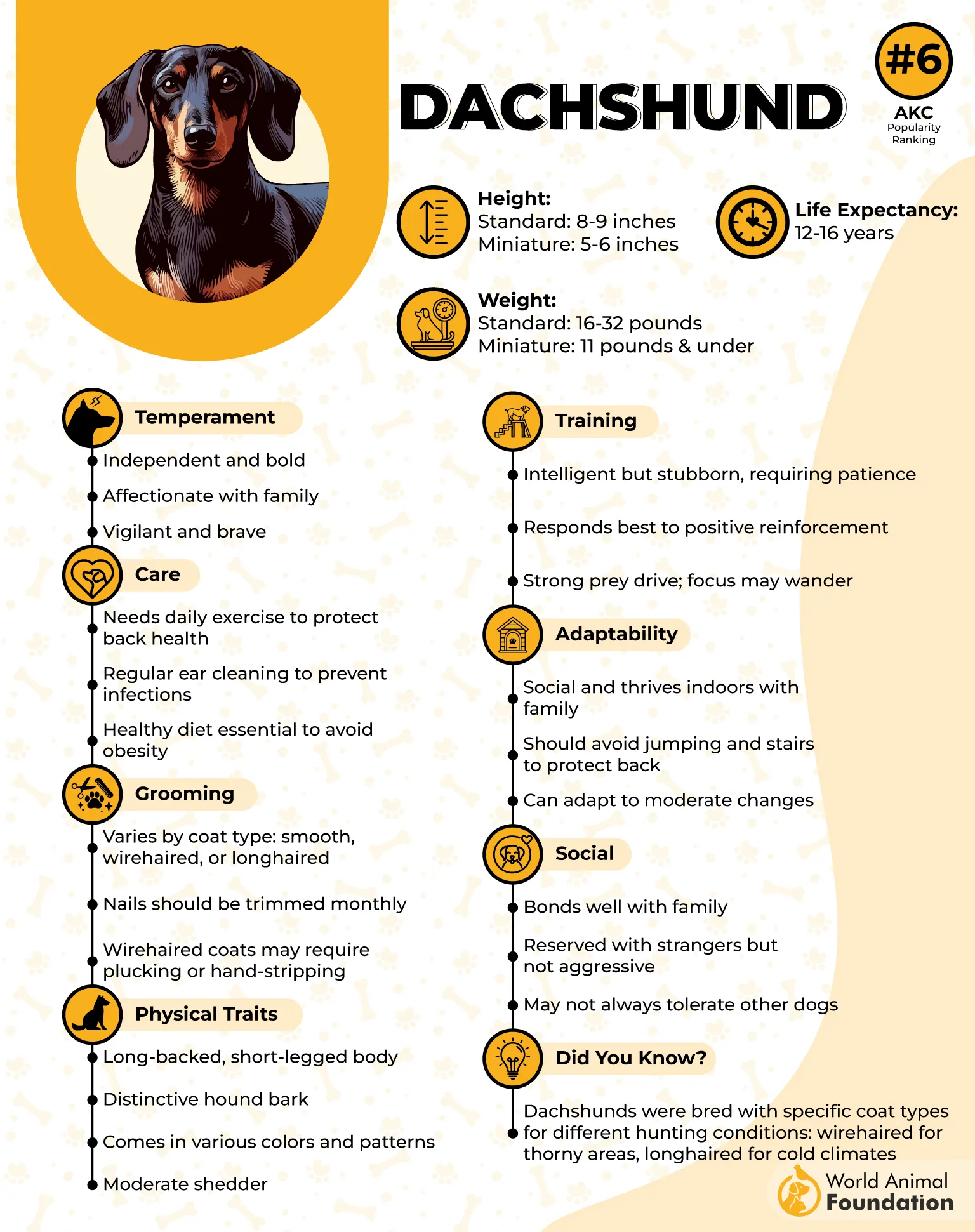
Dachshund was originally bred in Germany, where generations of careful breeding focused on a fearless hunter with a long body and short legs. That distinctive build gave the breed an advantage when following badgers through narrow underground tunnels and confronting challenging quarry.
Fast Where It Matters
Dachshund may look low to the ground, yet its quick footwork and sharp nose make it surprisingly effective when pursuing rabbits, mice, and other small game. This is why this breed continues to work both above ground and inside burrows.
These details reveal just how specialized this hunter became:
Approaches every trail with determination
Tracks wounded deer by scent
Also pursued wild boar
Full of Character
Dachshund mixes curiosity with an entertaining personality and often disappears beneath blankets or quilts as though following another burrow. Strong loyalty to its family, a protective nature, and remarkable persistence all shape the confident attitude this breed brings into everyday life.
3. Basset Hound
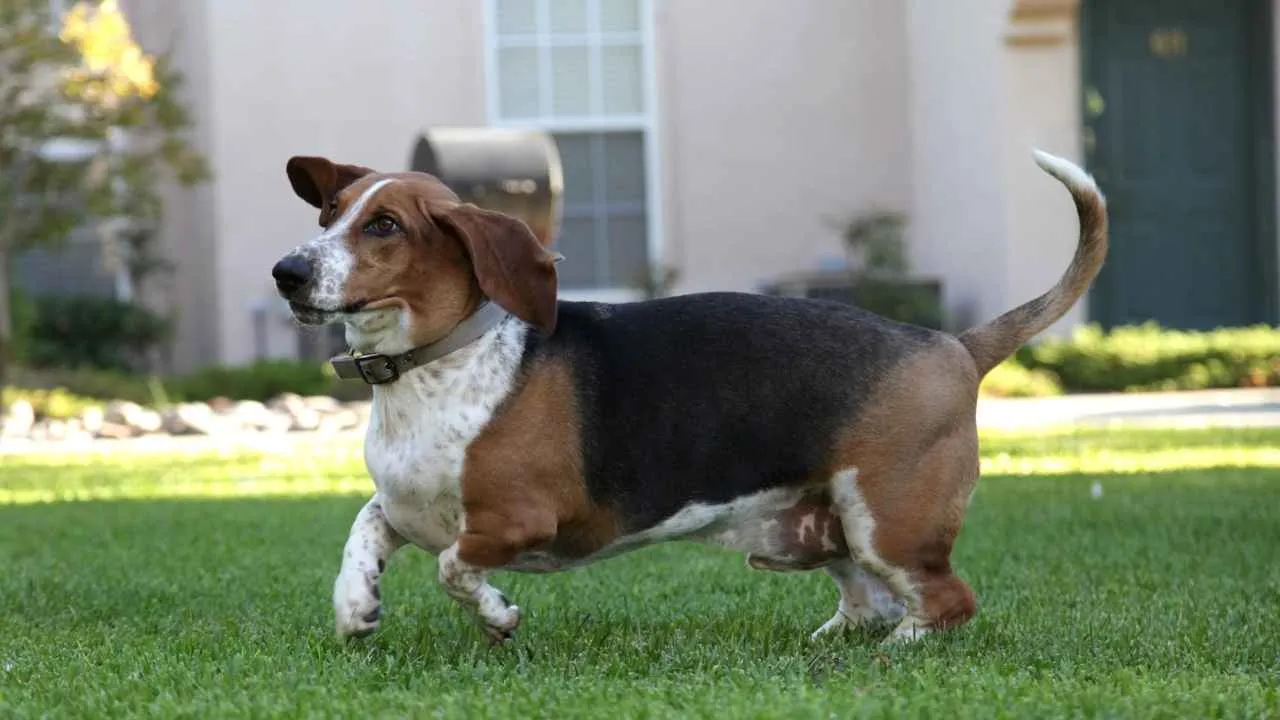
In France, the Basset Hound’s low-slung build became a real advantage during rabbit, hare, and wild boar hunts, allowing it to work close to the ground.
The name “basset” simply means “low,” reflecting the breed’s close-to-the-ground build that gradually became a practical choice for hunters traveling on foot through thick vegetation.
Nose Before Speed
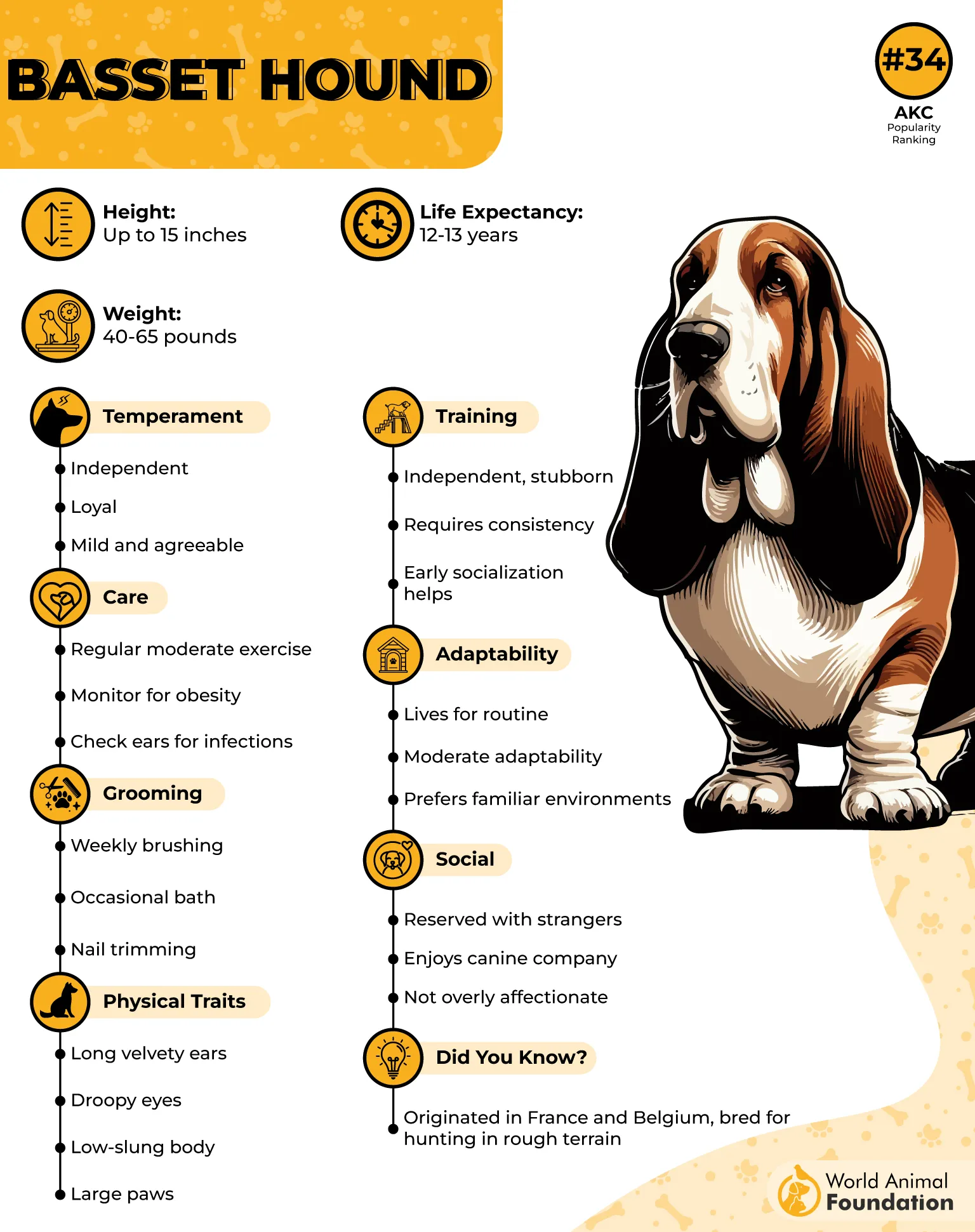
Basset Hounds succeeded by following a scent patiently instead of rushing ahead, allowing hunters to keep up while rabbits continued running rather than disappearing underground. Their low height also kept the nose close to the scent trail throughout the pursuit.
These traits explain why this method worked so well:
Long ears lift scent particles toward the nose
Sense of smell ranks just behind the Bloodhound
Traditional foot-hunting was called “basseting”
Easygoing Character
Basset Hound enjoys the company of familiar people, children, and other dogs, and it can also learn to live peacefully with other household animals through patient training.
Its distinctive howl can travel surprisingly far, making quieter neighborhoods something worth considering before bringing one home, as PetMD reported.
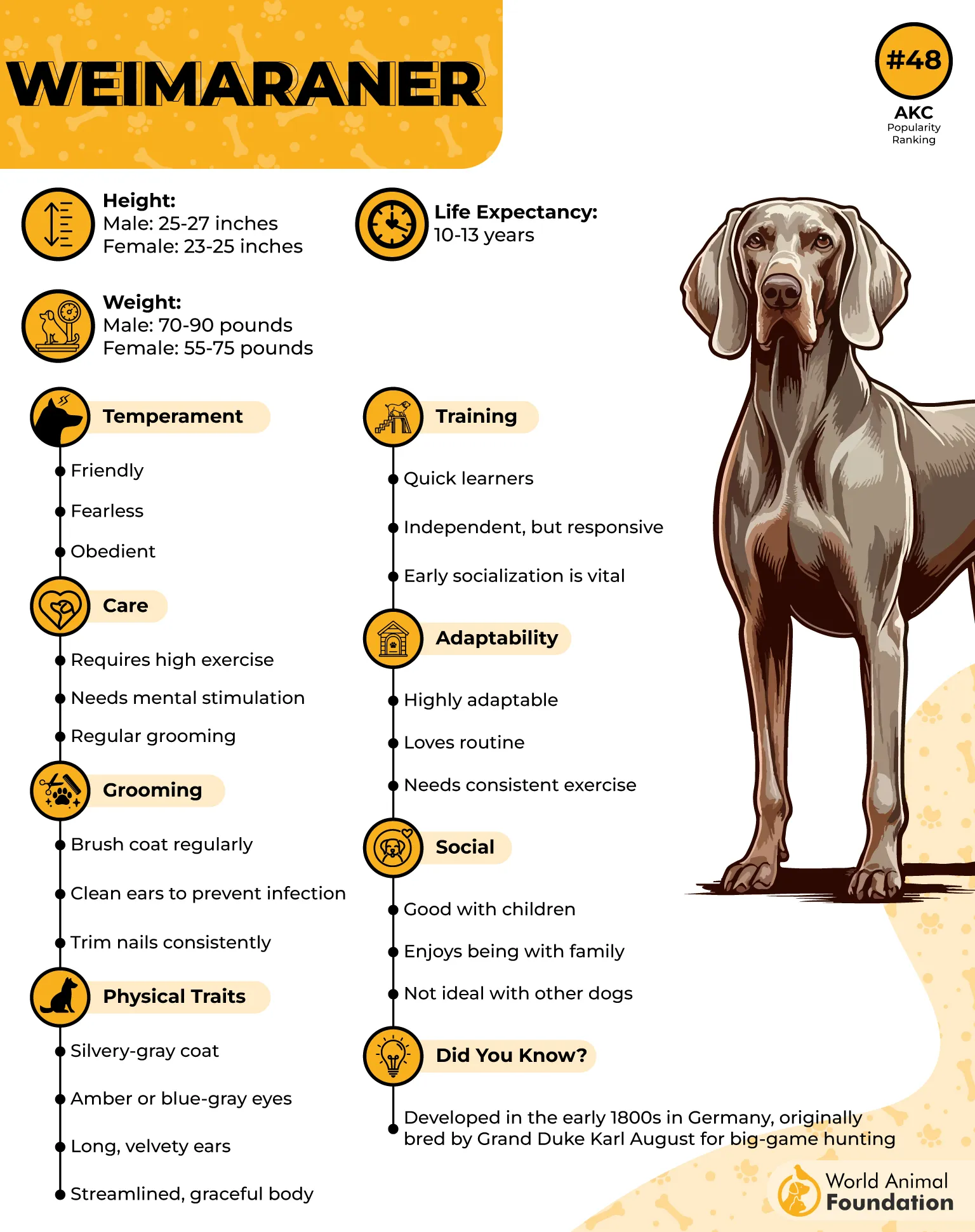
4. Weimaraner
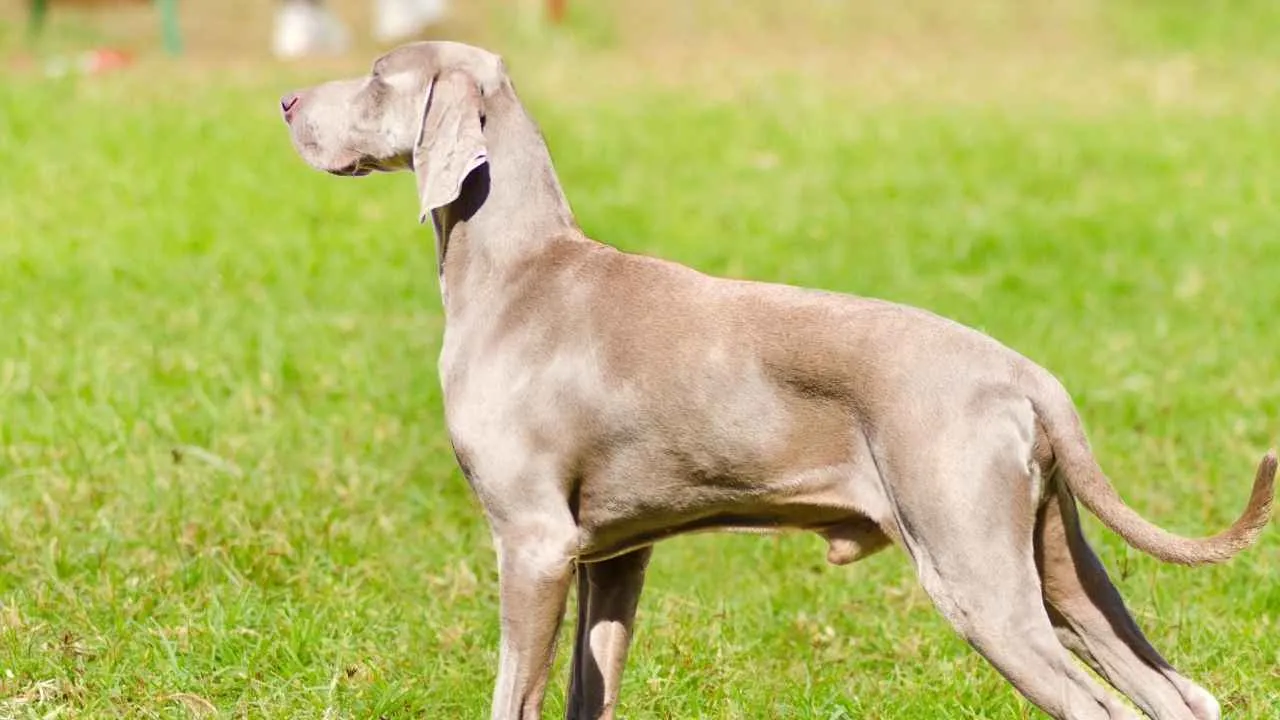
Weimaraner developed from carefully selected German hunting dogs, with ancestry linked to the Bloodhound and a lineage stretching back for centuries. For a long period, this breed remained difficult to find beyond Germany before becoming more widely recognized during the early 1900s.
Built for the Chase
This larger dog uses an exceptional nose to untangle the twisting scent trail left by a cottontail or hare through dense brush. Once the rabbit is close, the dog shifts into a rigid pointing position and waits for the handler to flush the animal from cover.
These hunting details complete the picture:
Need at least two hours of activity
Require a secure fenced area to roam
Interact well with people of all ages
Sharp Mind
Weimaraner is often called “the dog with the human brain,” a nickname inspired by its problem-solving ability and quick thinking, as Orvis highlighted. Without enough purposeful activity, that intelligence can turn toward digging, chewing, or finding other ways to occupy its time.
5. Jack Russell Terrier
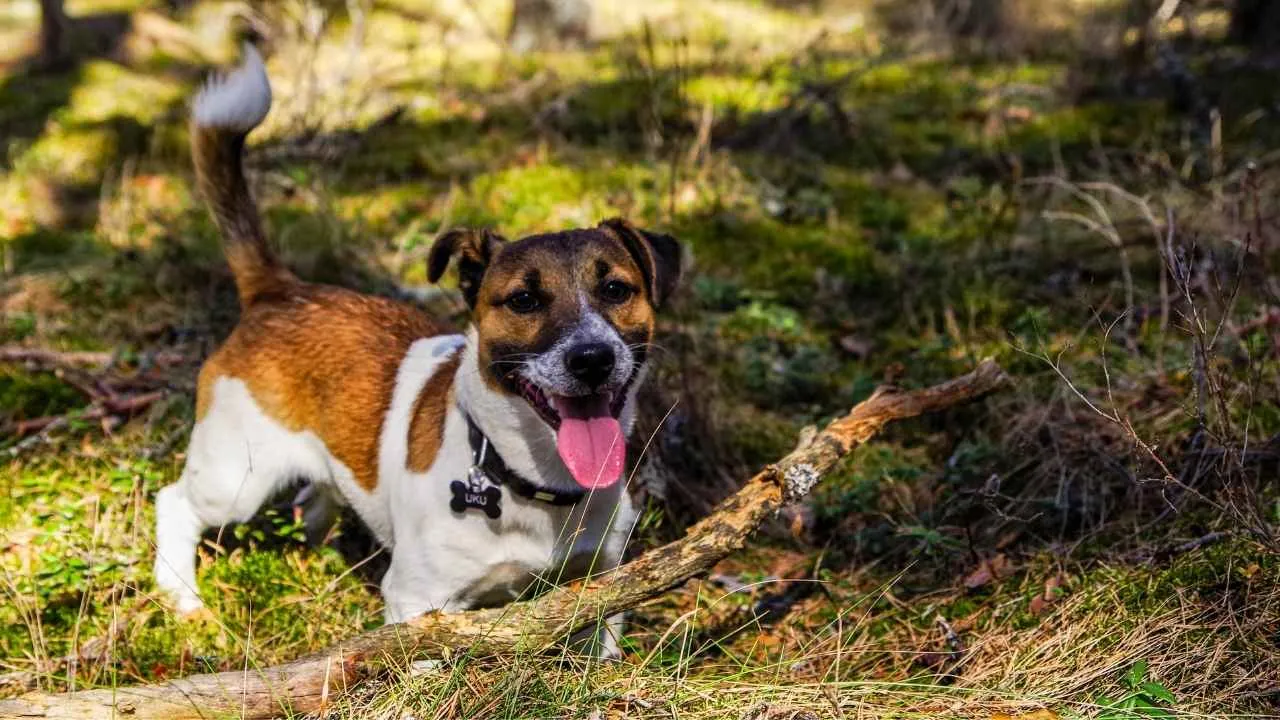
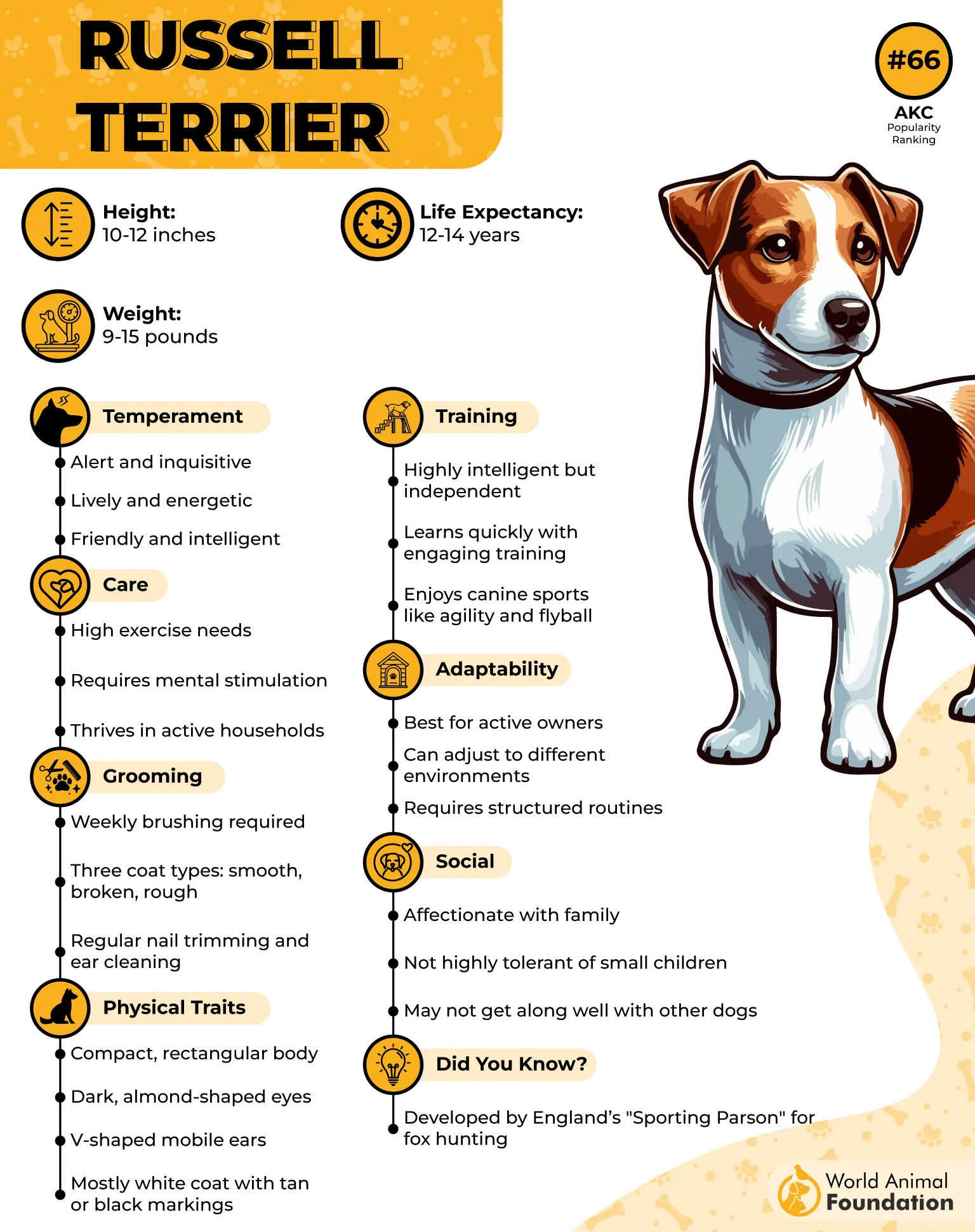
Jack Russell Terrier first appeared in England during the 1800s, beginning as a cross with the now-extinct White Terrier. It quickly found a place in fox hunting, where its compact size and determination suited demanding work below ground before its talent for catching rats also gained attention.
Built for the Chase
They bring more to rabbit hunts than speed alone, using their nose to follow fresh trails before slipping beneath dense brush to flush hidden rabbits into the open. When a rabbit disappears into a burrow, this breed willingly enters the warren and barks persistently to keep the animal contained until it bolts.
Its working instincts shape daily life too:
Energetic and need plenty of mental enrichment
Interact well with children and other dogs
Excels in different sports competitions
Always Thinking Ahead
Jack Russell Terrier approaches every outing with endless curiosity and enough confidence to investigate holes, gaps under fences, and anything else worth exploring. That sharp mind responds best to firm, consistent guidance because this clever breed quickly learns when it can test boundaries.
6. Greyhound
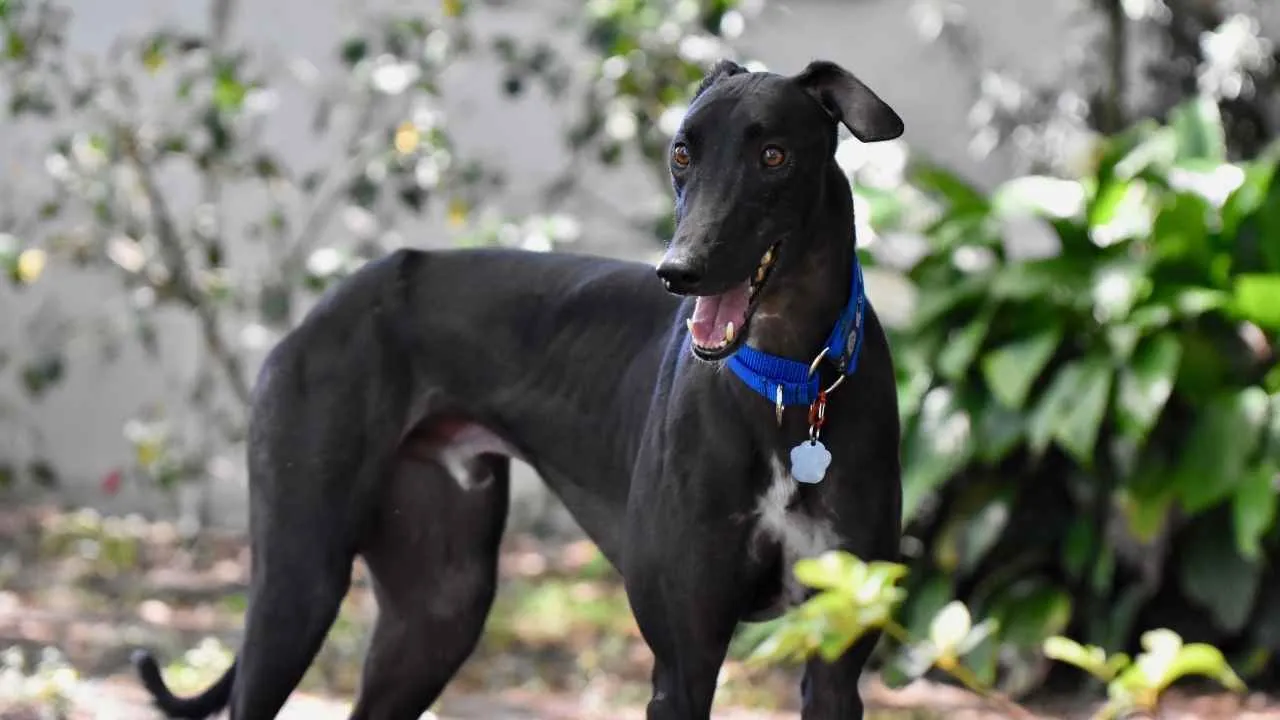
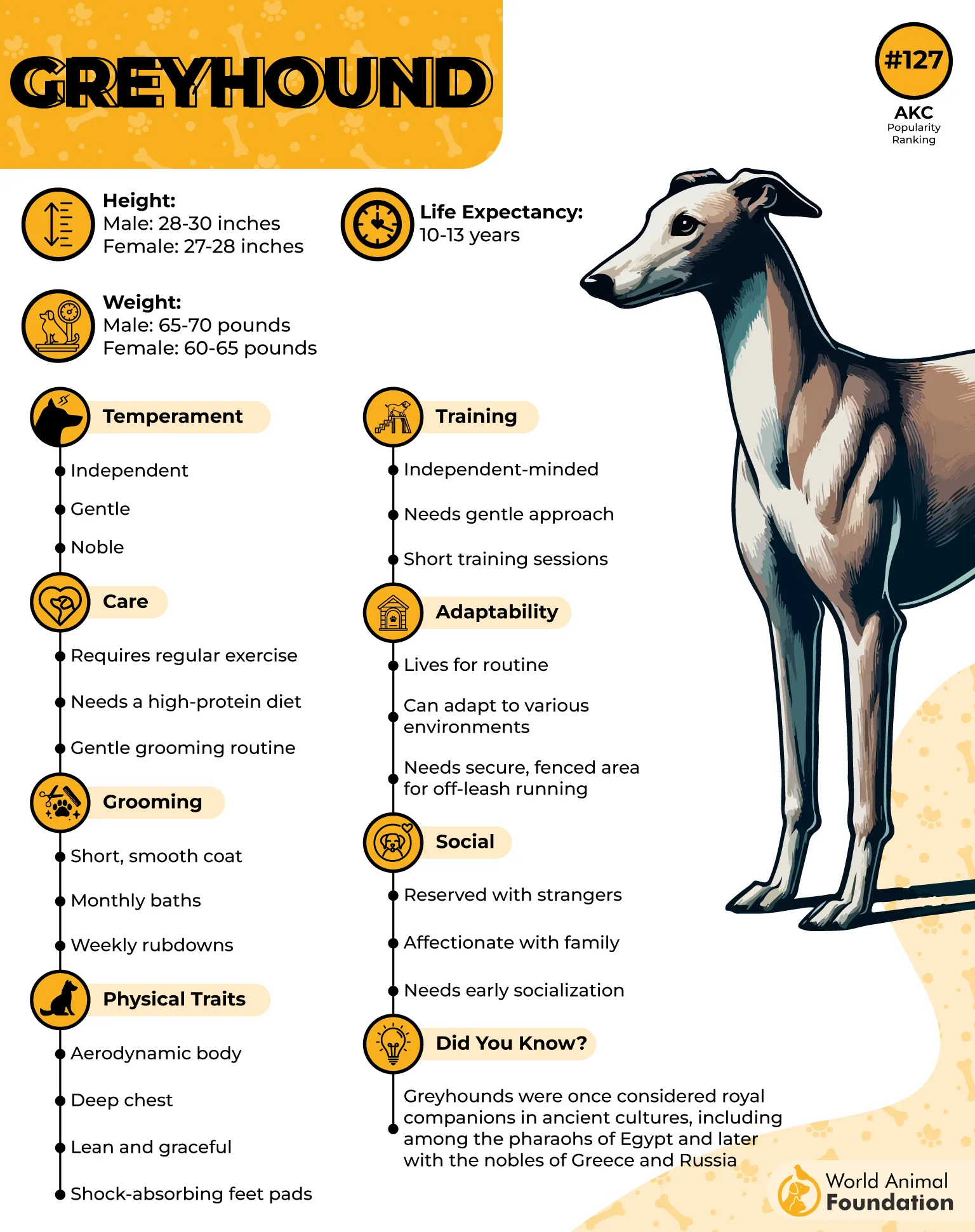
Greyhound appears in Egyptian tomb carvings dating to 2751 BC, where these dogs were illustrated pursuing deer across open landscapes. Ancient Greece later embraced sight coursing as a respected field sport, with the challenge of the chase valued as highly as the outcome itself.
Built for Open Ground
Spotting a rabbit in the distance can set the Greyhound off in an instant, with its sharp eyesight helping it pick up movement across open country. Around 45 mph (70 km/h) comes quickly, so long, unobstructed stretches are where this breed can truly show its speed.
Several details further explain that ability:
Responds instantly to the sight of a fast-moving animal
Needs a secure enclosed area
Lurcher crosses add agility and scenting ability
Speed With Purpose
Greyhound’s slim frame, long legs, and flexible body work together to produce an efficient running style that covers impressive distances with each stride. Thin skin also makes rough brush and dense woodland less practical, where scrapes and injuries become more likely.
7. English Springer Spaniel
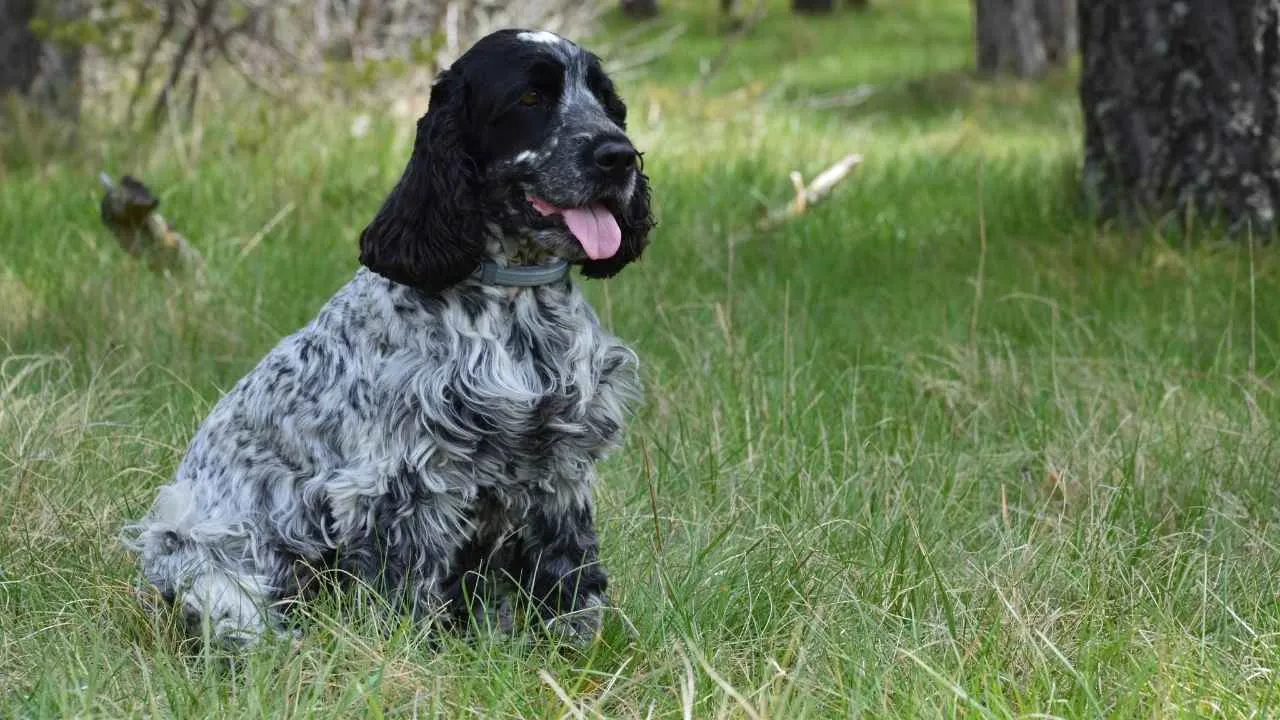
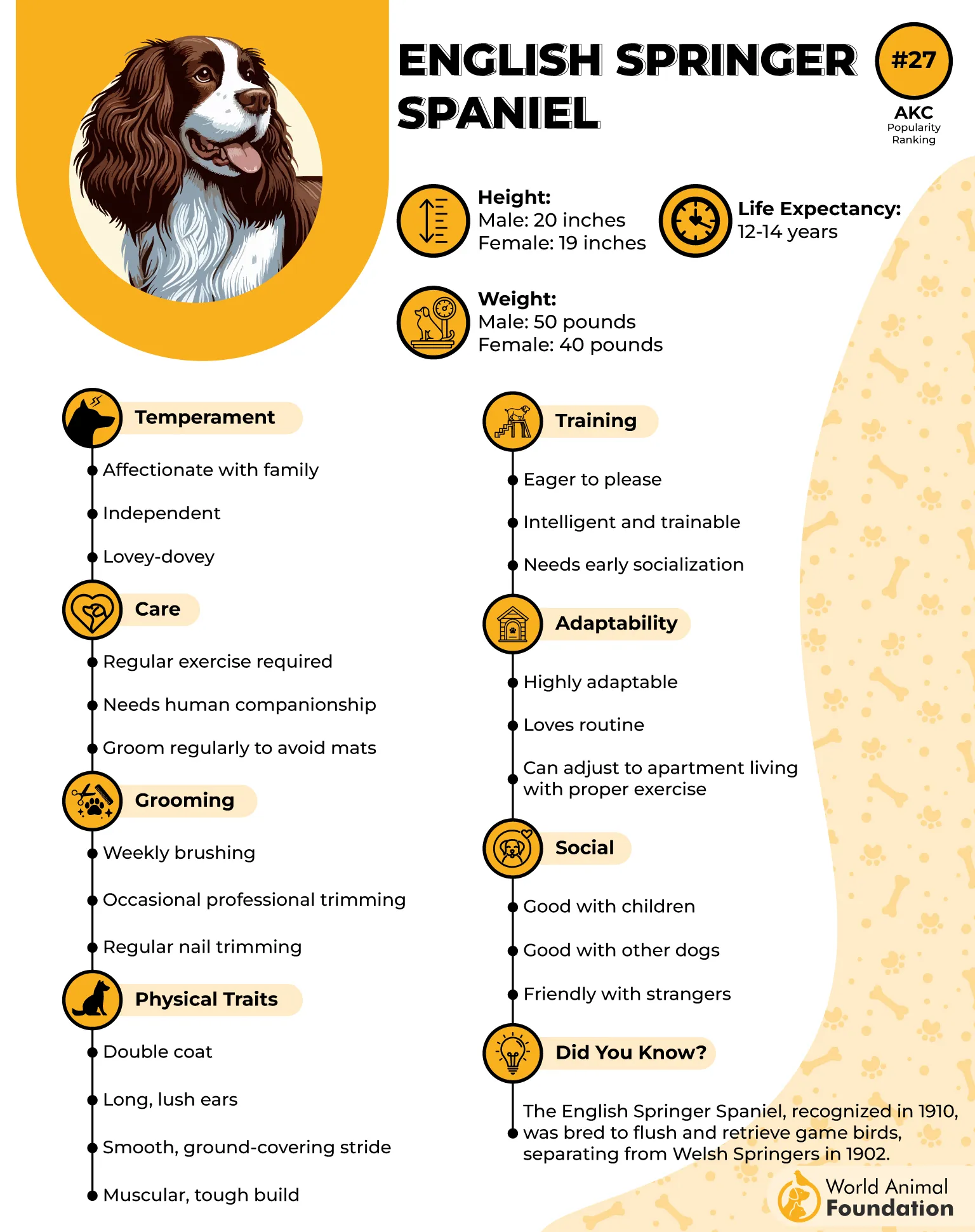
English Springer Spaniel was bred to work ahead of hunters, sending game out of dense cover and leaving smaller spaniels to continue the pursuit. That early field role explains why this breed still performs confidently in dense brush and uneven ground today.
Ready for Rabbit Hunts
These Spaniels can learn rabbit hunting quickly once a solid foundation in obedience and introductory field work is in place. Beginning obedience at two to three months of age gives the dog the control needed before more advanced rabbit-hunting lessons begin.
The following training details make a noticeable difference:
Master the “Hup” command first
Practice around live wild rabbits
Complete introductory field training
Smart Training Pays Off
English Springer Spaniel benefits from learning how rabbits look, smell, and behave before actual hunting begins, making future searches more purposeful. Patient guidance and reward-based training usually encourage faster progress because this breed responds well to gentle instruction.
Conclusion
Every successful hunt depends on far more than covering ground quickly. Careful tracking, steady concentration, and the willingness to keep working through changing conditions often make the biggest difference.
A good rabbit dog uses instincts to hunt and trail rabbits and work confidently around brush piles, while consistent training helps it succeed where most dogs would struggle.
Over time, those shared experiences help both hunter and dog understand each other with greater confidence. Selecting a companion that enjoys chasing rabbits while remaining a dependable family pet creates a rewarding experience that extends well beyond individual hunts and turns every outing into another opportunity to work as a dependable team.
