




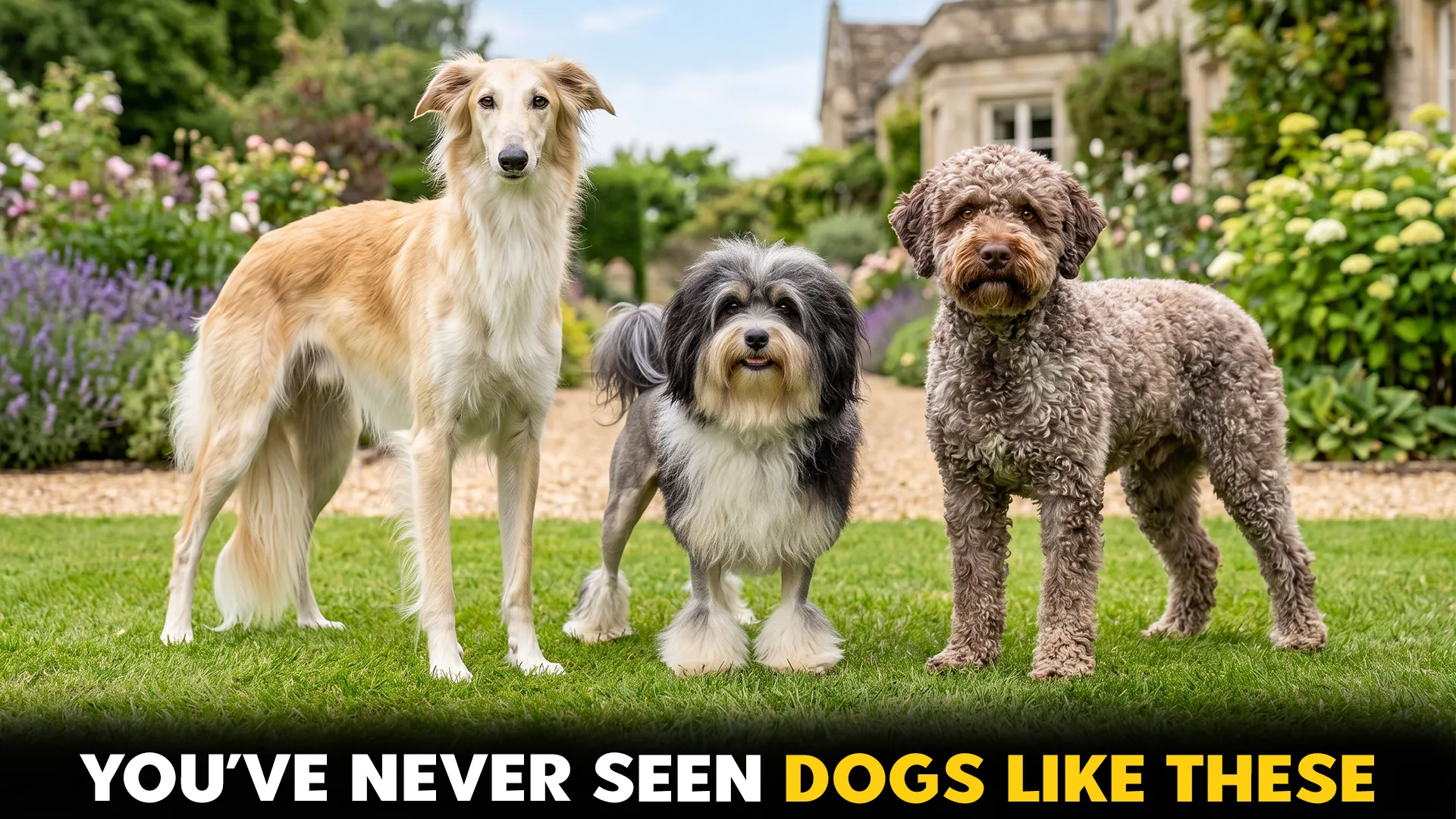
Some dogs turn heads the moment they walk into a park. Others are quiet hidden gems, winning hearts without ever needing the spotlight. If Golden Retrievers and German Shepherds are pretty much where your dog knowledge stops, you’re in for a treat.
This list rounds up nine incredible dog breeds that deserve way more love and attention than they usually get. Each one comes with its own story, unique talents, and personality that make it truly one of a kind.
As Roger Caras once put it, “Dogs are not our whole life, but they make our lives whole.” Whether you’re on the hunt for your next furry best friend or just love geeking out over dog breeds, this list is bound to surprise you.
So grab your coffee, get cozy, and get ready to meet some seriously charming four-legged characters that most people have never even heard of.
Most Stunning Dog Breeds You Haven’t Met Yet
1. Silken Windhound
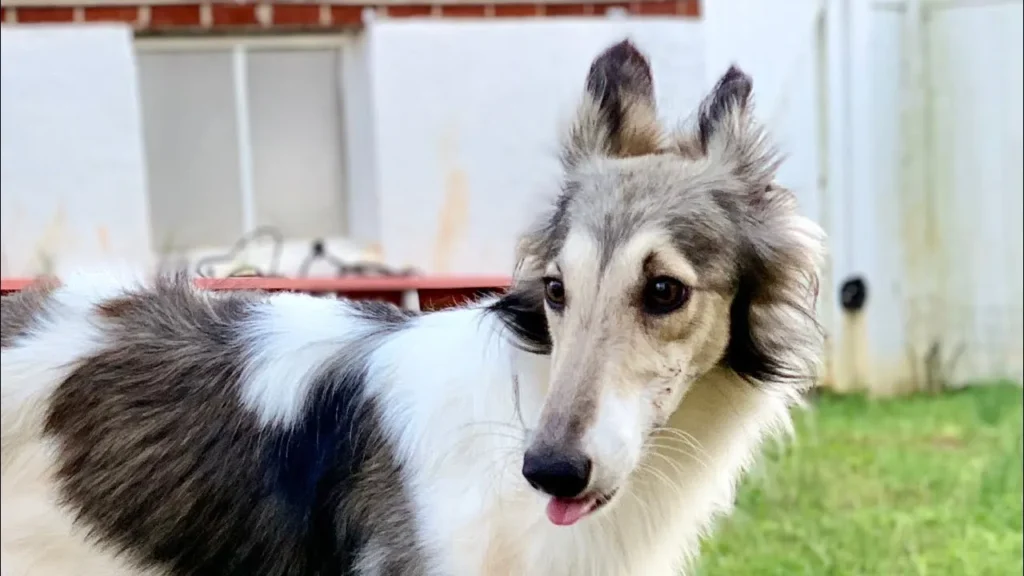
The Silken Windhound was originally developed by Francie Stull, a Borzoi breeder, with a clear goal in mind: create a smaller, long-coated sighthound that still carried all the grace and characteristics of its larger cousins.
According to UKC, the foundation dogs were carefully selected from show-winning Borzoi lines to make that vision a reality.
This breed’s medium-long, silky coat comes in a beautiful range of colors: tan, brown, gray, red, silver, white, black, or combinations of them all. You’ll also notice lovely feathering along the back of the front legs, the tail, the ears, and the hindquarters.
The good news for owners is that this coat is fairly low-maintenance. It naturally repels dirt and doesn’t get grubby easily. A weekly brushing is usually enough to clear away loose hair and keep those natural oils evenly distributed.
Just keep in mind that during shedding season, it sheds more heavily, so you’ll want to brush a bit more often to stay on top of it.
2. Löwchen
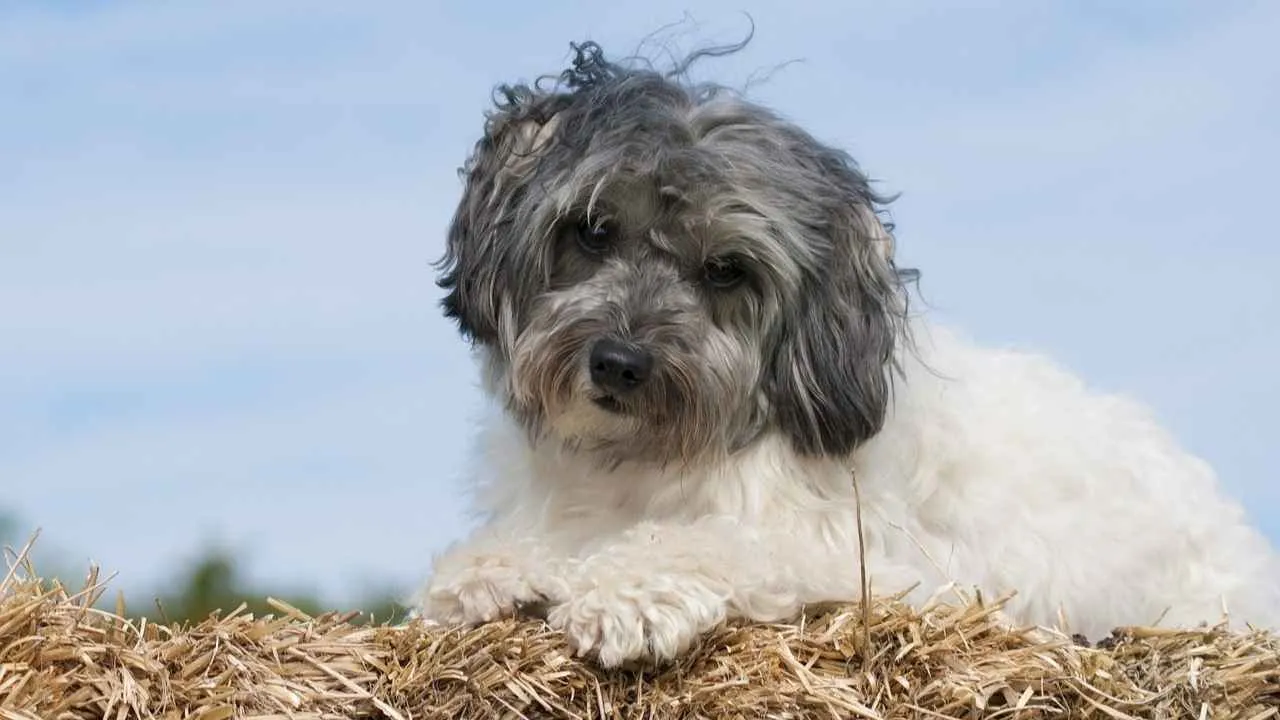
Also known as the “Little Lion Dog,” the Löwchen is a small dog breed believed to have developed from a mix of Havanese and Portuguese Water Dog lines.
It’s an incredibly rare breed too, with fewer than a hundred pups registered each year. One of its signature features is the long mane that flows in front of its topline, giving it that unmistakable “lion” look.
Its coat is long and flowing, coming in a variety of colors, and should ideally be neither too thin nor overly fluffy like a Bichon Frise’s.
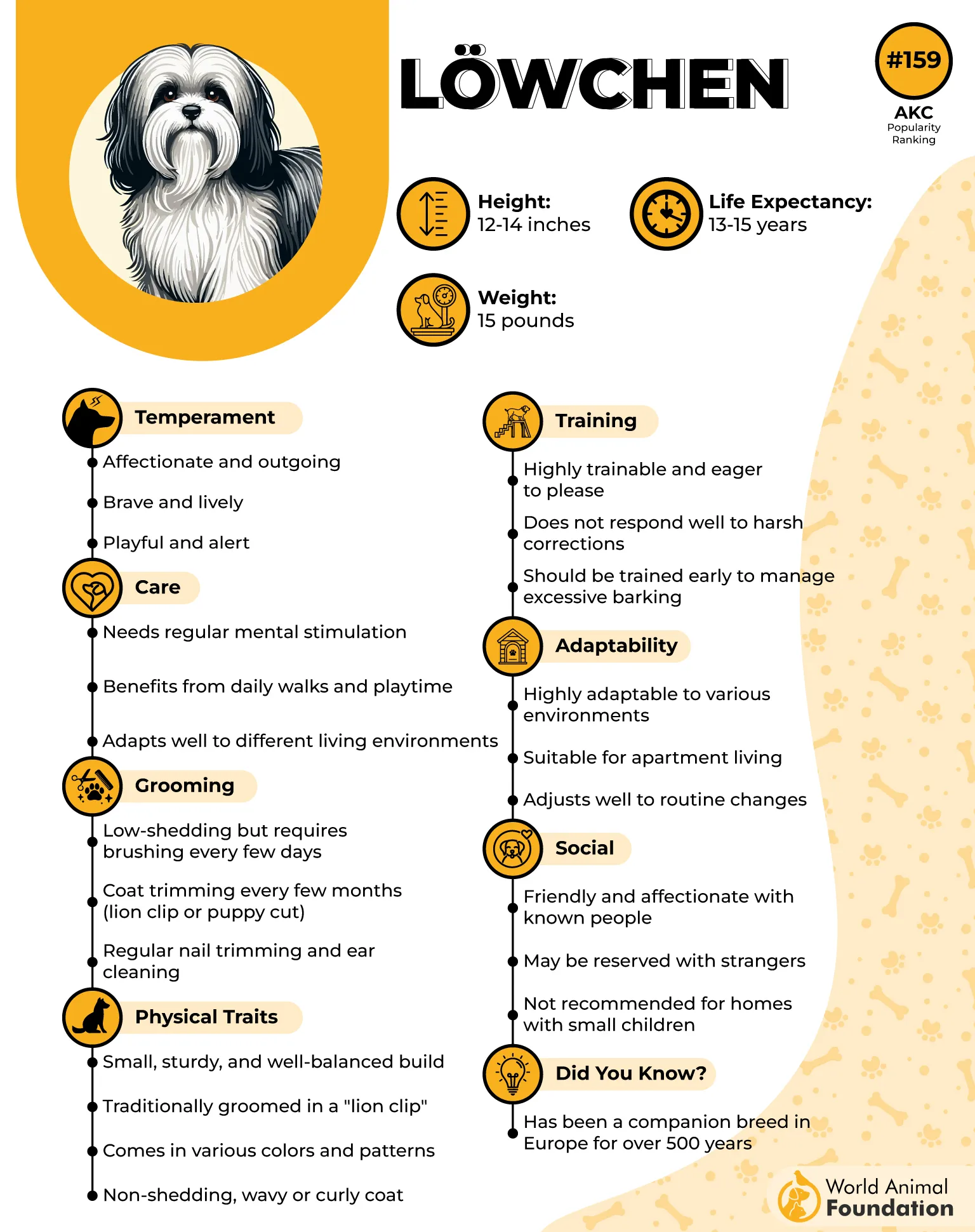
This breed also produces low dander, which means little to no doggy odor; a nice bonus for owners. It’s perhaps best known for its signature “lion cut,” where the front legs, rear legs, and tail are shaved to create that lion-like silhouette.
The coat sheds minimally and tends to cause fewer allergy reactions than most. To keep it looking its best, brush 2 to 3 times a week using a slicker brush and a metal comb, and remember to clip the body from the last rib back through the hindquarters to maintain that classic lion cut.
3. Lagotto Romagnolo
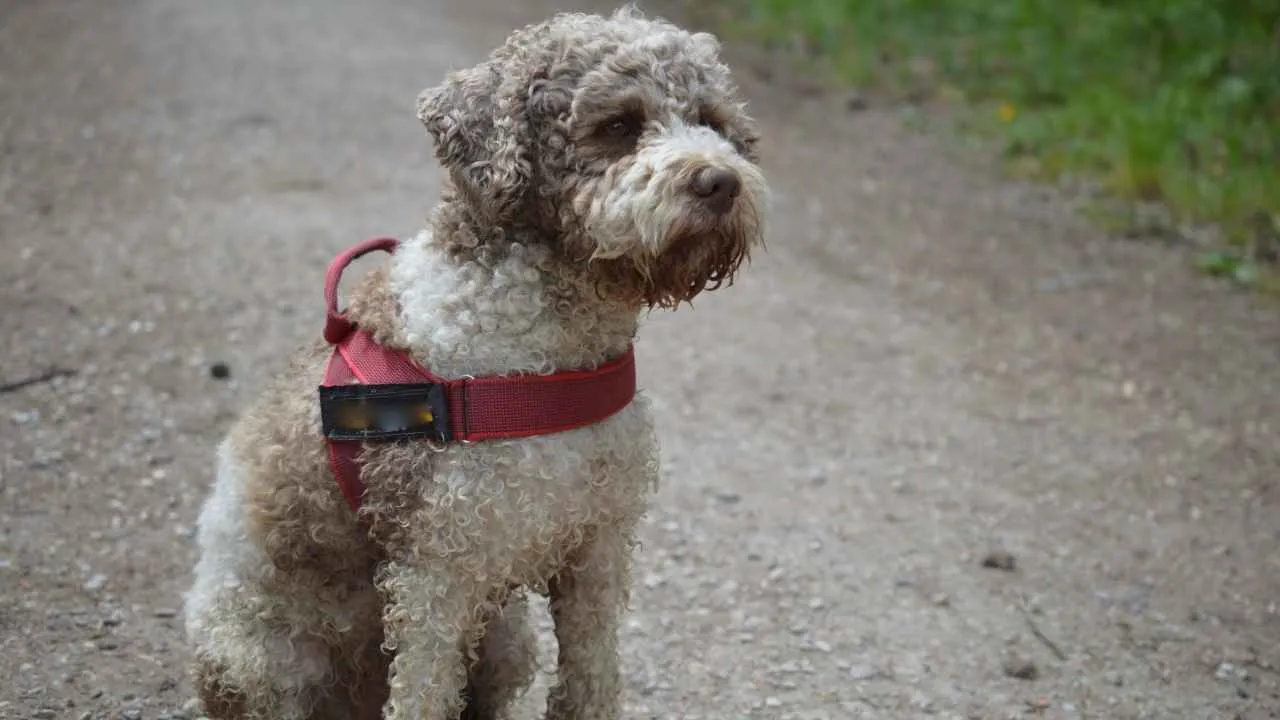
This Italian breed originated in the eastern Emilia-Romagna region, originally bred as a gun dog with a specialty in water retrieving. It wasn’t until the 20th century that it found a new calling as a skilled truffle hunter, and today, it’s just as beloved as a loyal companion dog.
Its coat is one of its most distinctive features: thick, wool-like, and tightly curled into little ringlets. You’ll find it in solid off-white, off-white with brown or orange patches or roaning, or a solid brown or orange coat, sometimes with white markings mixed in.
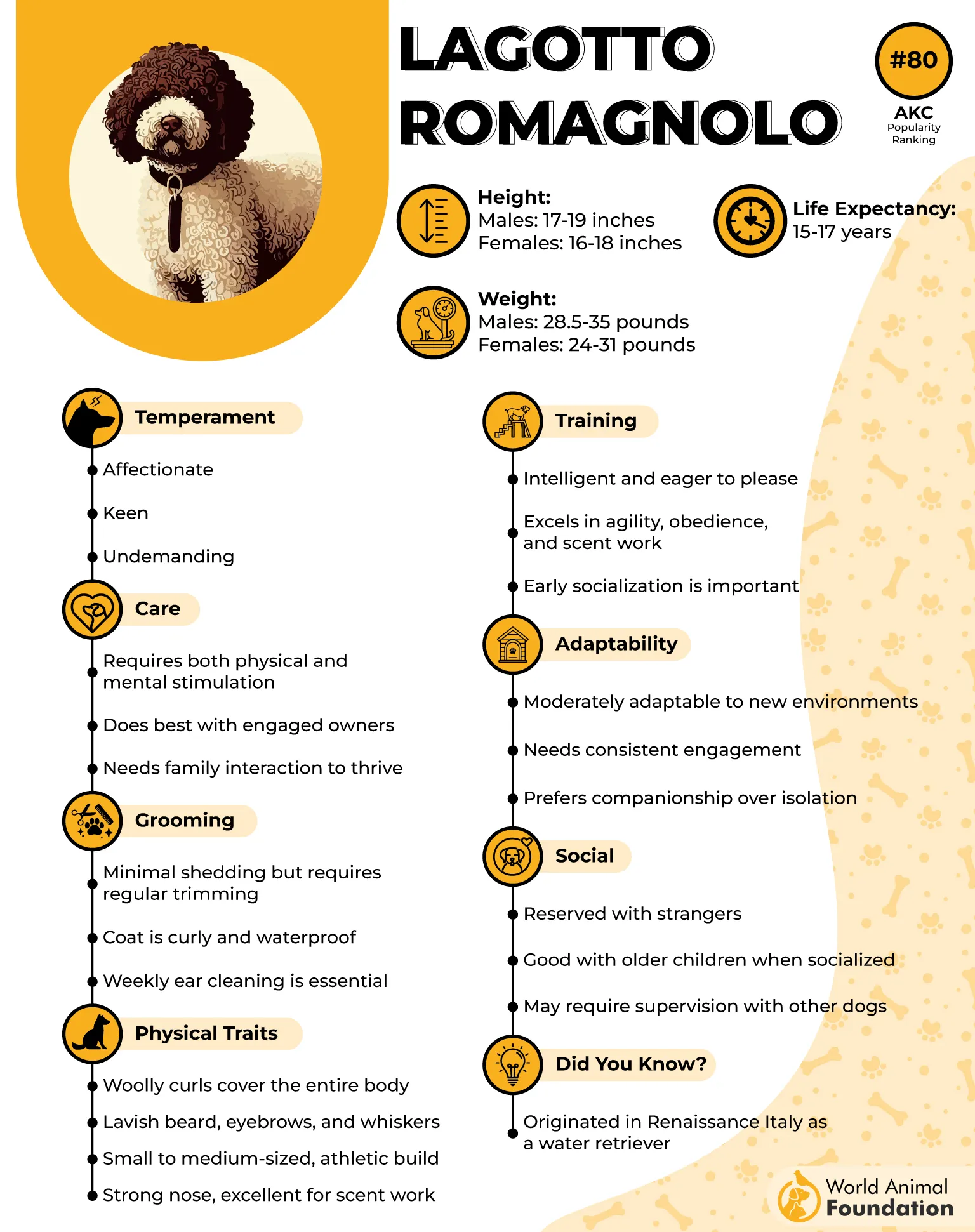
That water-resistant double coat is made of hair rather than fur, which means it sheds minimally but does need regular trimming to stay in good shape.
One important tip: never brush the coat when it’s dry, as this can ruin those signature ringlets and damage the undercoat underneath. When trimming, keep the hair shorter around the belly, genitals, and under the tail for cleanliness and comfort.
4. Stabyhoun
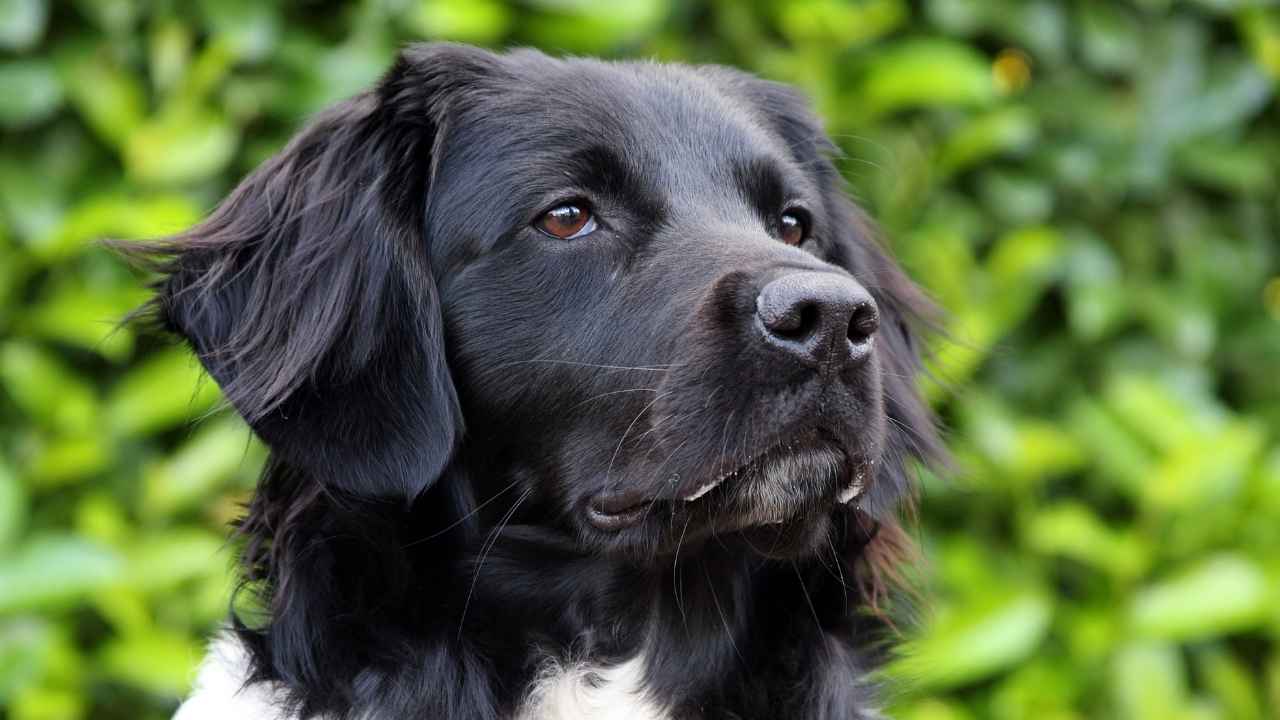
This breed hails from the northeastern Netherlands, tracing its lineage back to the spaniels brought over during the Spanish Occupation (1568–1648). According to AKC, the first written description of the breed appeared in the 19th century, praising its versatility as a farm dog, hunting companion, and reliable watchdog all in one.
Its coat typically shows up in black and white, with a solid black head and a white-tipped tail, though an orange-and-white version exists too and is considerably rarer. This intelligent breed has a distinctive look: a domed skull, a well-arched neck, and a straight, broad muzzle, with tight lips that neatly cover the teeth.
Shedding happens about twice a year, so regular brushing helps manage loose hair and prevent tangles the rest of the time.
Exercise needs are fairly significant, around an hour a day, which can include daily walks, swimming, and off-leash training sessions. Consistent training and early socialization aren’t optional here; they’re essential for raising a well-rounded dog.
5. Nederlandse Kooikerhondje
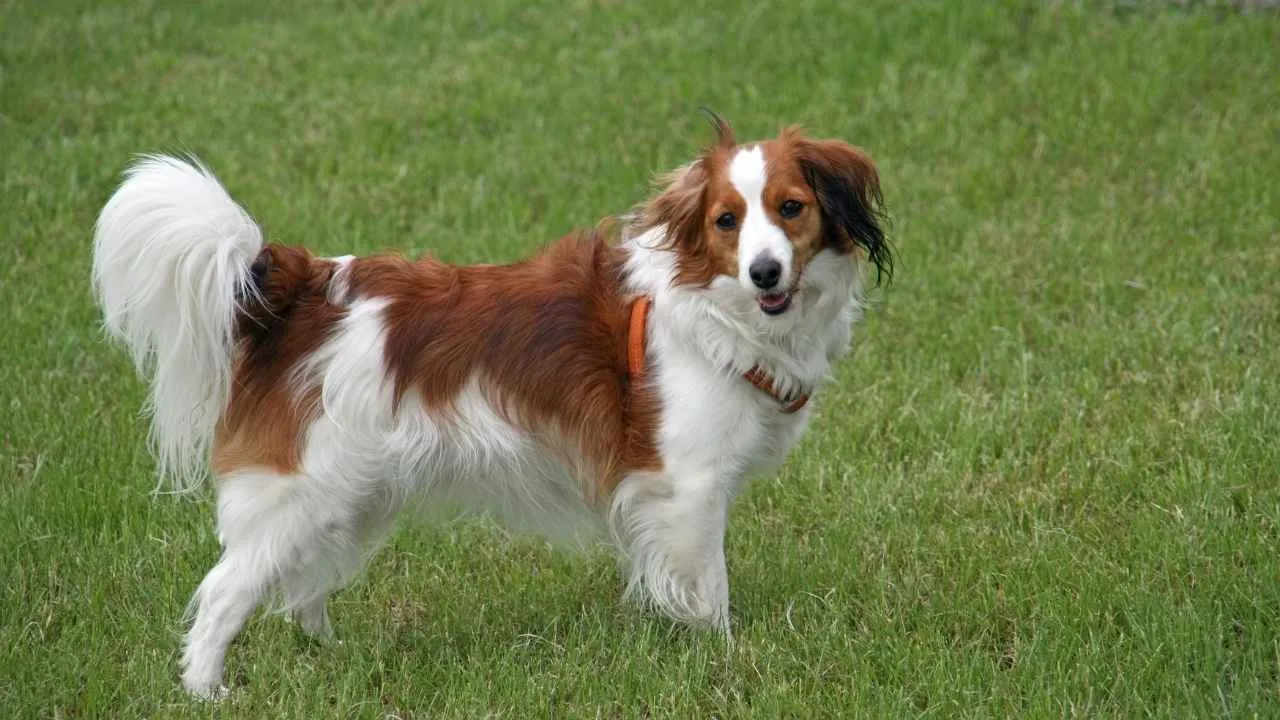
This sporting breed’s roots stretch back to the 17th-century Netherlands, where it was originally used as a duck decoy dog. Known for its sensitivity, intelligence, and gentle, one-of-a-kind temperament, it sports a striking orange-and-white coat and is believed to be a descendant of the spaniel family.
One of its most functional features is its white plume tail, which was actually designed to help lure ducks in. It also has a medium-length, wavy double coat and distinctive black-tipped ears, affectionately nicknamed “earrings.” That warm, autumn-toned coat gives the breed a really eye-catching look, rounded off nicely by a small, dark nose.
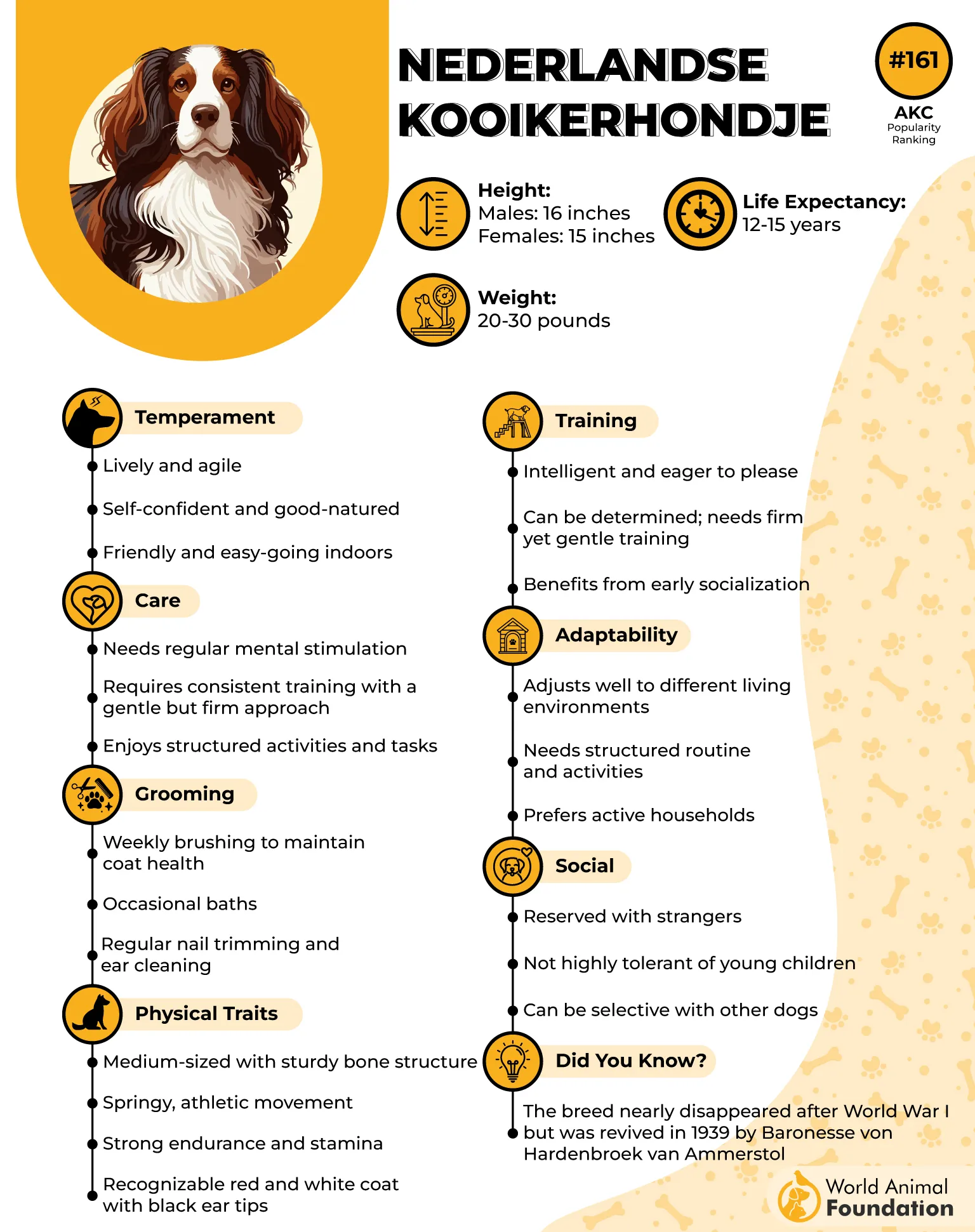
This hypoallergenic breed is fairly low-maintenance when it comes to grooming, needing just weekly brushing and the occasional bath. That said, it’s an energetic dog with an independent streak, so a consistent, dedicated training routine really pays off.
6. Finnish Lapphund
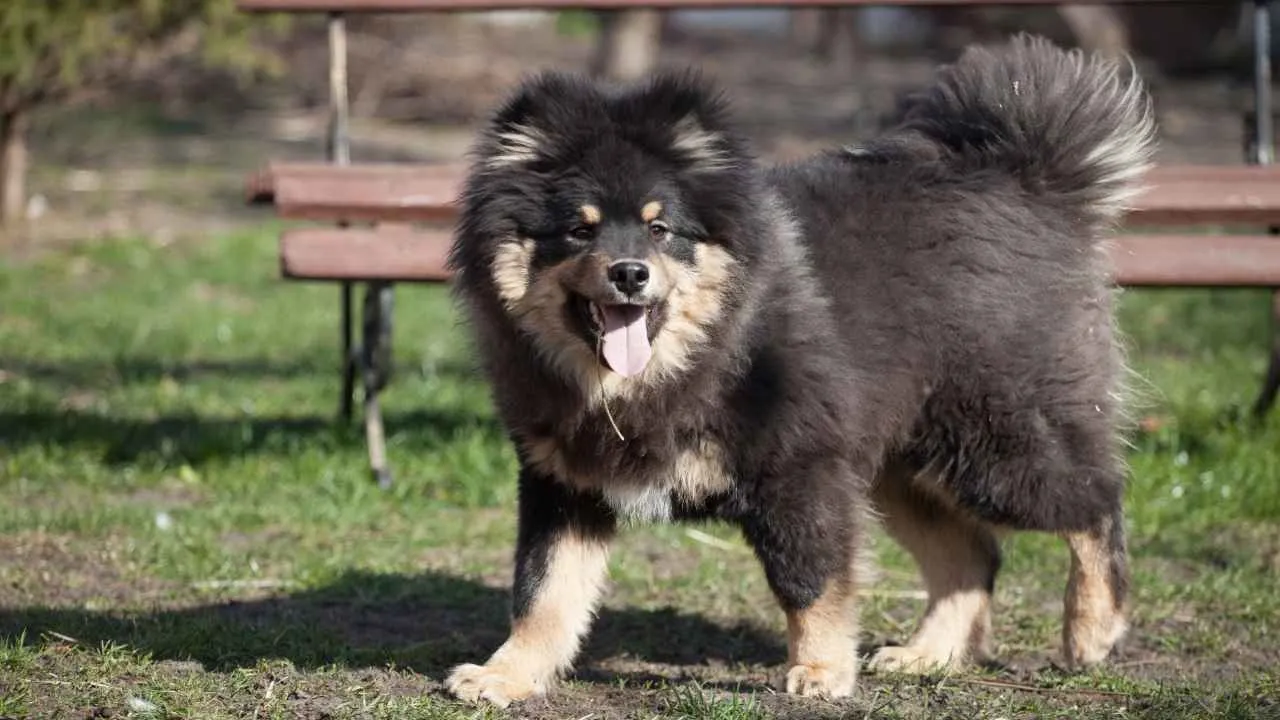
Archaeological evidence points to this breed’s origins in Lapland, where a medium-sized Arctic spitz-type dog once roamed and worked alongside local hunters. Originally used to hunt reindeer, it also doubled as a protection dog. However, after the widespread damage World War II brought to the region, the breed’s reindeer-hunting days came to an end.
Physically, it’s a striking breed, with a profuse coat, mobile ears, an elegant nose, and distinctive markings that set it apart.
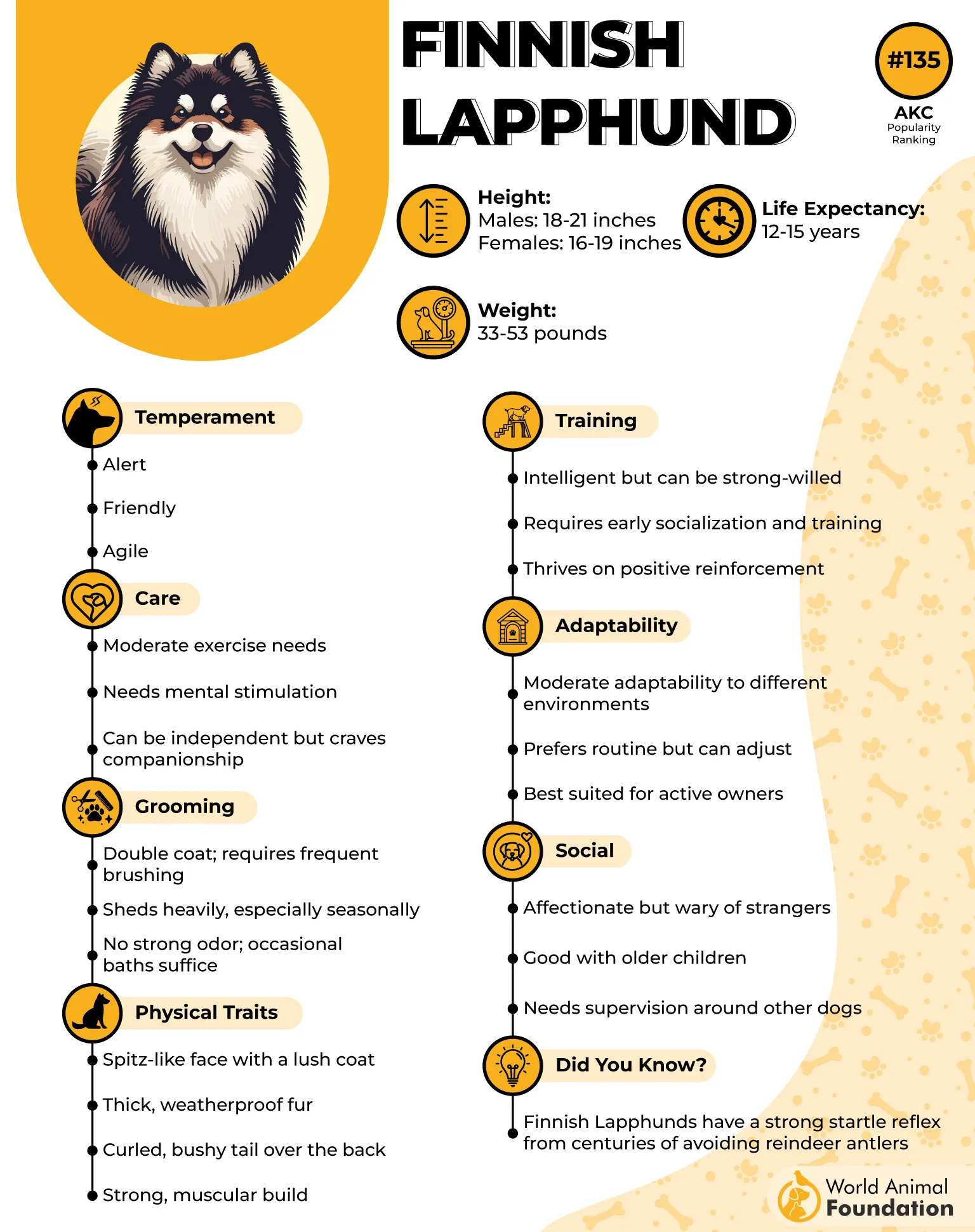
That weather-resistant double coat comes in a wide range of colors, including black and tan, brown and white, brown and cream, black and cream, solid black, and white and grey combinations. A thick ruff around the neck gives it a mane-like, almost lion-esque appearance.
This breed has fairly demanding exercise needs, around 2 hours a day, and truly shines in dog sports and structured training. Agility, canicross, man-trailing, and hunting activities are all favorites. As for grooming, that thick double coat needs daily brushing to stay in top condition.
7. Biewer Terrier
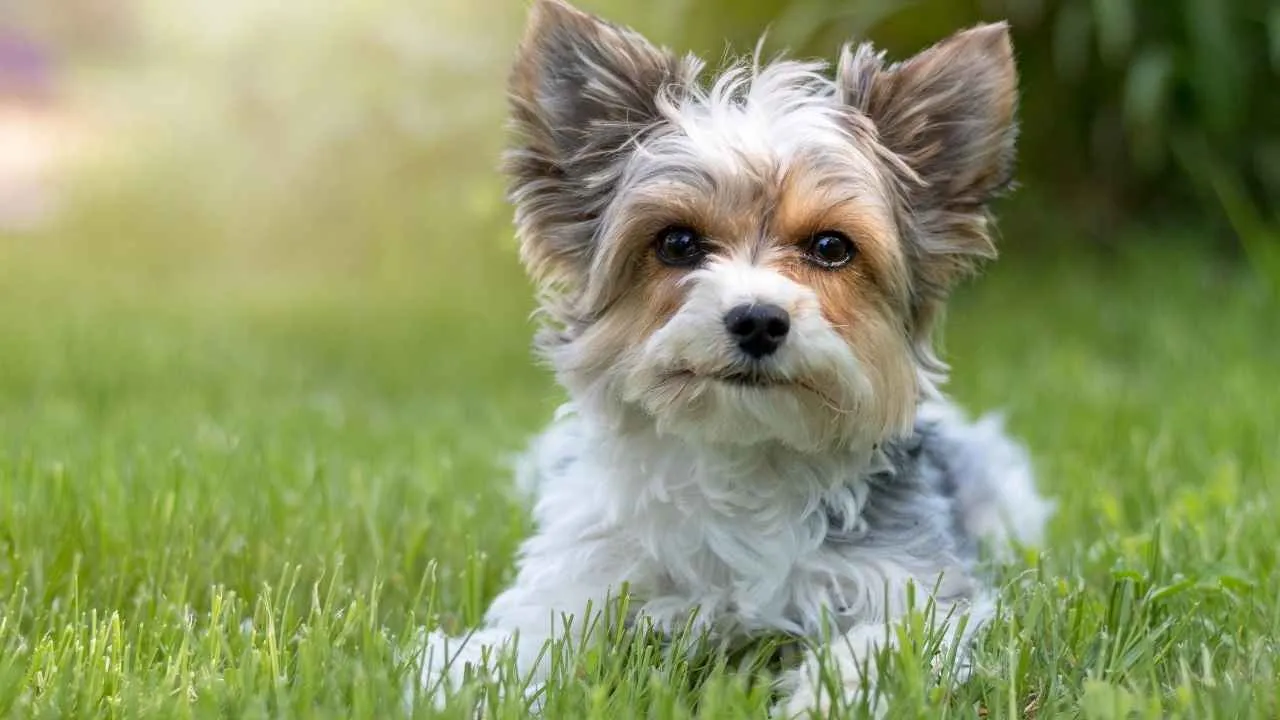
This is a relatively young breed, with its history dating back to 1984, when two tricolor puppies were born to Yorkshire Terrier breeders in Germany.
It took a while to gain official recognition, but the American Kennel Club finally welcomed the breed in 2021. As for lifespan, PetMD reports this small breed typically lives between 12 and 15 years.
Its coat is silky, straight, and fine, showing up in striking tricolor combinations: either blue, white, and black, or white, black, and gold/tan.
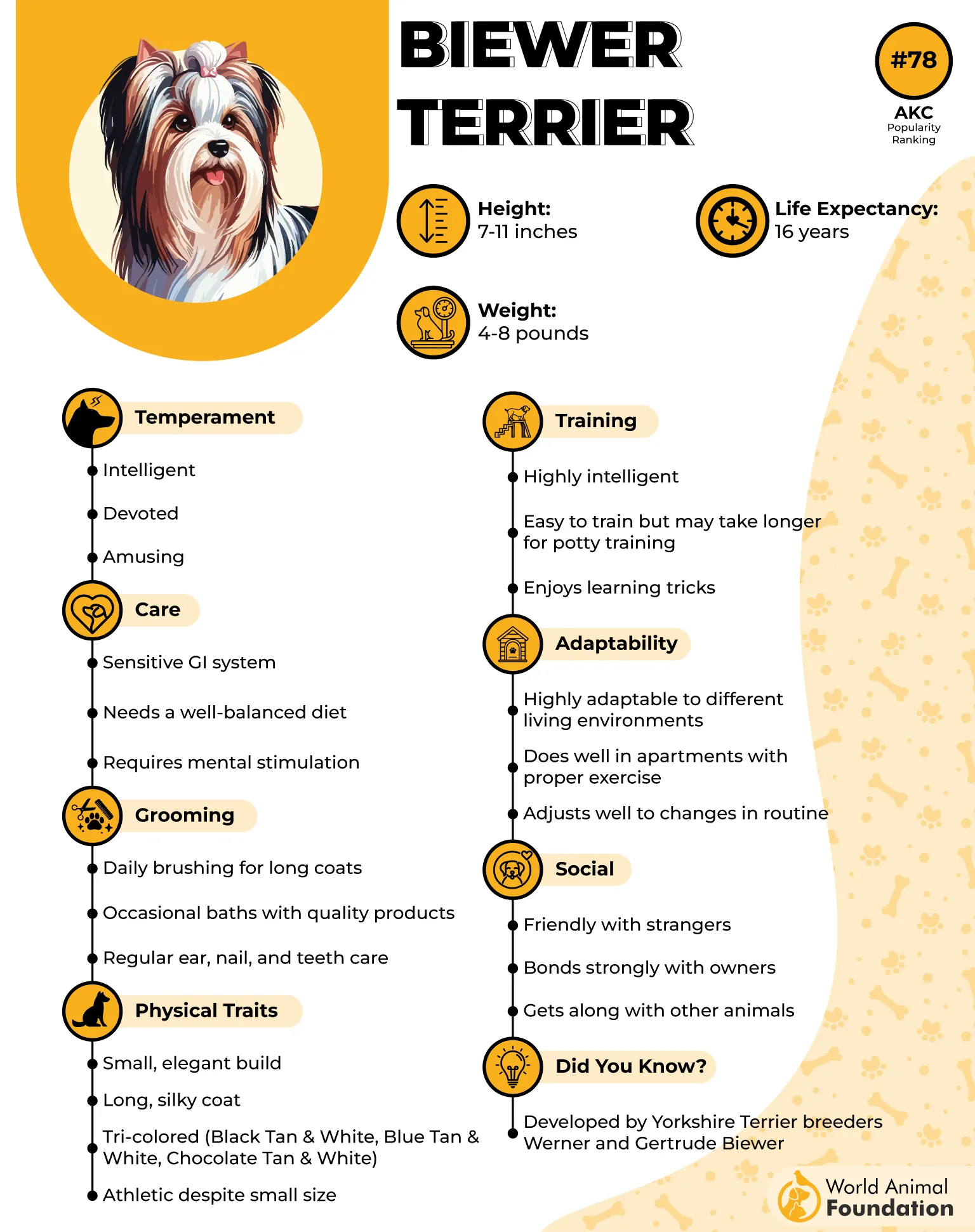
Unlike many terrier breeds, its tail is traditionally left undocked. Temperament-wise, it’s an affectionate, social, and playful companion that forms deep bonds with family members, kids, and other pets alike.
To keep that luxurious coat healthy and breakage-free, daily brushing with a pin brush (one without balls on the tips) is recommended. This energetic little breed also needs at least 30 minutes of daily exercise, whether that’s short walks, a game of fetch, puzzle toys, or other forms of mental stimulation.
8. Alaskan Klee Kai
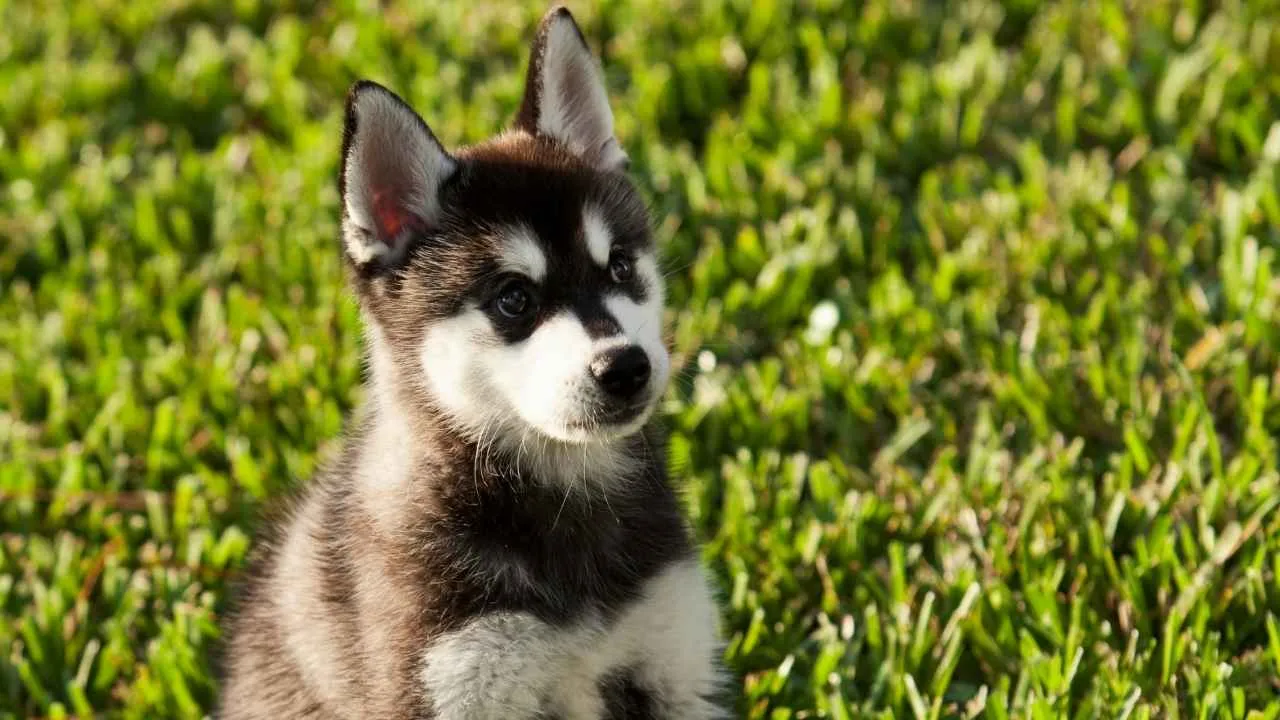
This breed was originally developed in Alaska by Linda Spurlin and her family, who set out with a clear goal: create a companion-sized version of the northern spitz-type dog known as the Alaskan Husky. Their efforts paid off, and by 1988, they had successfully achieved that vision.
The coat comes in three recognized colors: red and white, gray and white, and black and white, with any solid color typically leading to disqualification in the show ring.
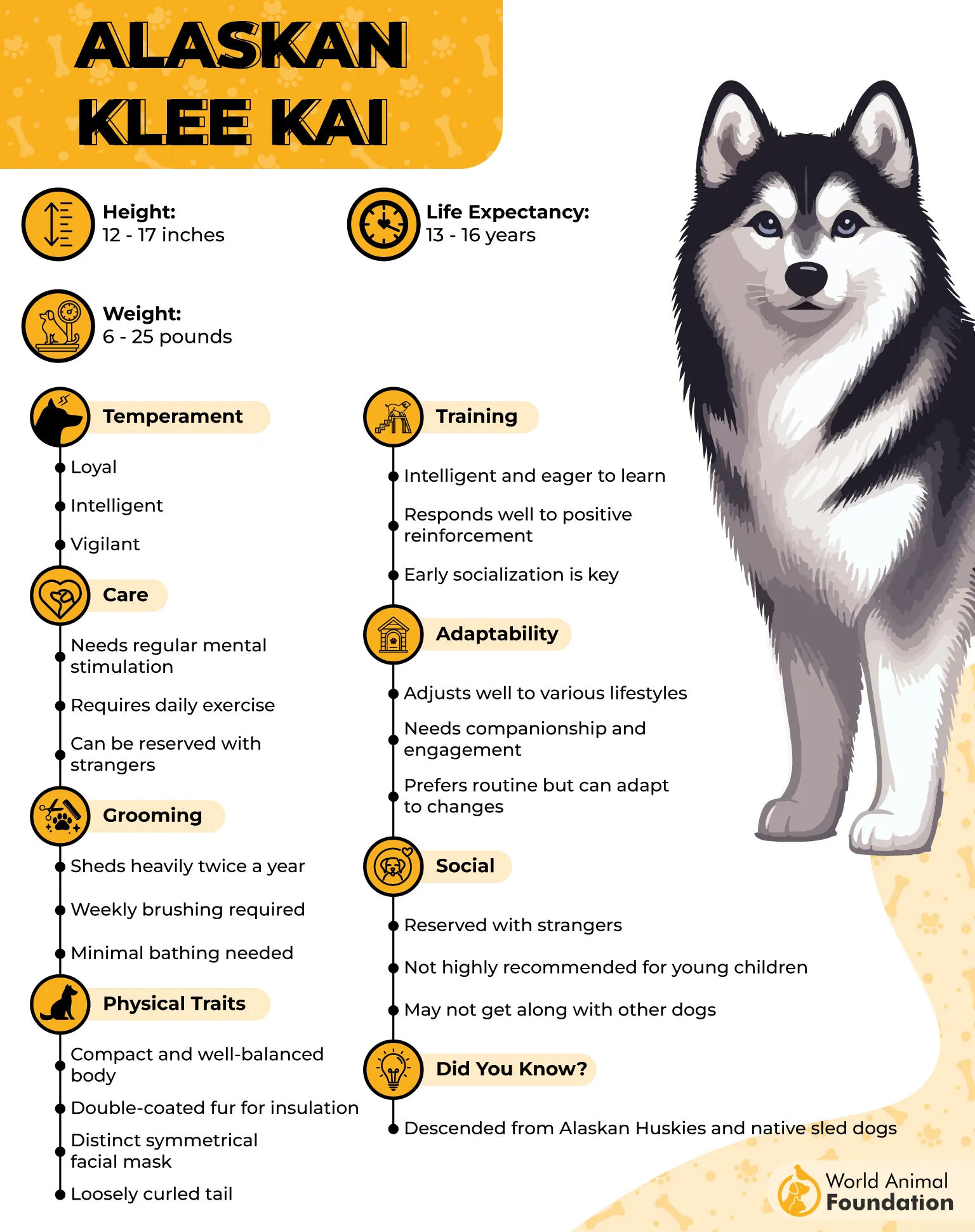
Despite its smaller size, this breed has a thick-boned, sturdy structure that lets it handle high jumps with ease. It’s naturally curious yet a bit aloof around strangers, which makes it a surprisingly good watchdog.
Daily exercise needs sit at around an hour, and skipping out on physical or mental stimulation can lead to destructive behavior or excessive yapping. This breed does especially well with brisk walks, hiking, flirt pole sessions, and games of fetch.
9. Yakutian Laika
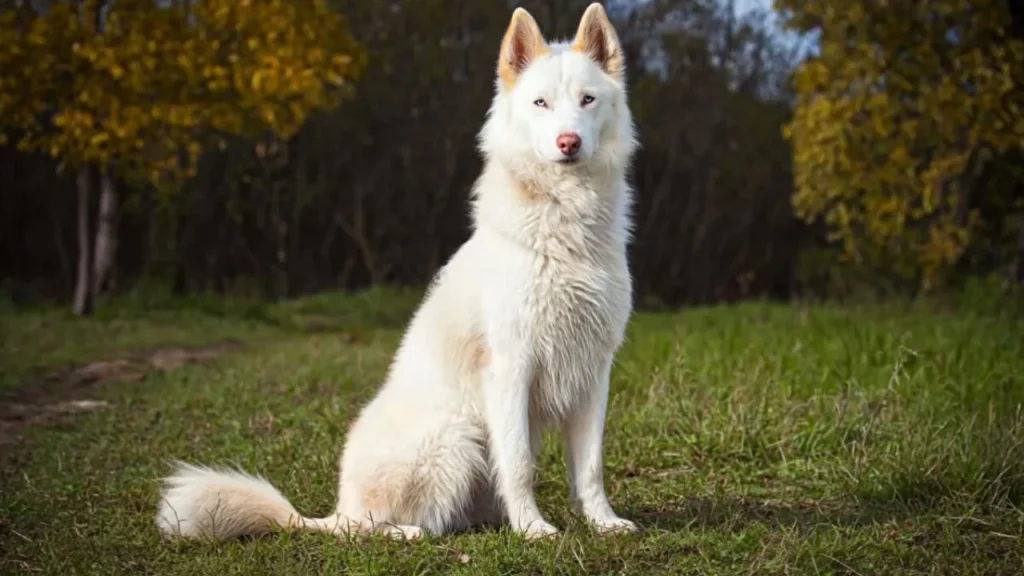
This ancient dog breed has roots in Northeast Russia dating back to the 17th century, and honestly, versions of it have existed in the region for thousands of years.
Unfortunately, numbers dropped sharply by the end of the 20th century, prompting efforts to repopulate the breed as a Northeast sled dog. It was eventually recognized by the Russian Kynological Federation.
Known for its exceptionally keen senses of hearing, smell, and sight, this breed also has a strong prey drive and can be aggressive toward predators if not properly trained early on. Appearance-wise, it has a wolf-like look, complete with a wedge-shaped head, a tail that curls over the back, and a thick double coat.
This is a high-energy breed through and through, needing plenty of daily exercise like running, hiking, fetching, frisbee sessions, and other dog sports to stay happy and balanced. Interestingly, despite that thick coat, grooming needs are surprisingly low-maintenance.
Conclusion
Beautiful dogs come in all shapes, sizes, and stories, and these nine rare breeds prove that popularity really isn’t everything. From the graceful Silken Windhound to the hardworking Yakutian Laika, each one brings something truly special to the table.
Some win you over with their intelligence, others with their unwavering loyalty, and a few simply steal the show with their striking, one-of-a-kind looks. If any of these family dog breeds had you thinking, “Where have you been all my life?”, trust us, you’re not alone.
That said, before bringing any dog home, take the time to really understand its exercise needs, grooming routine, and overall personality. A great match goes far beyond looks alone. With the right care, patience, and commitment, any one of these remarkable companions can grow into a loyal friend and a cherished member of your family for many happy years to come.
