




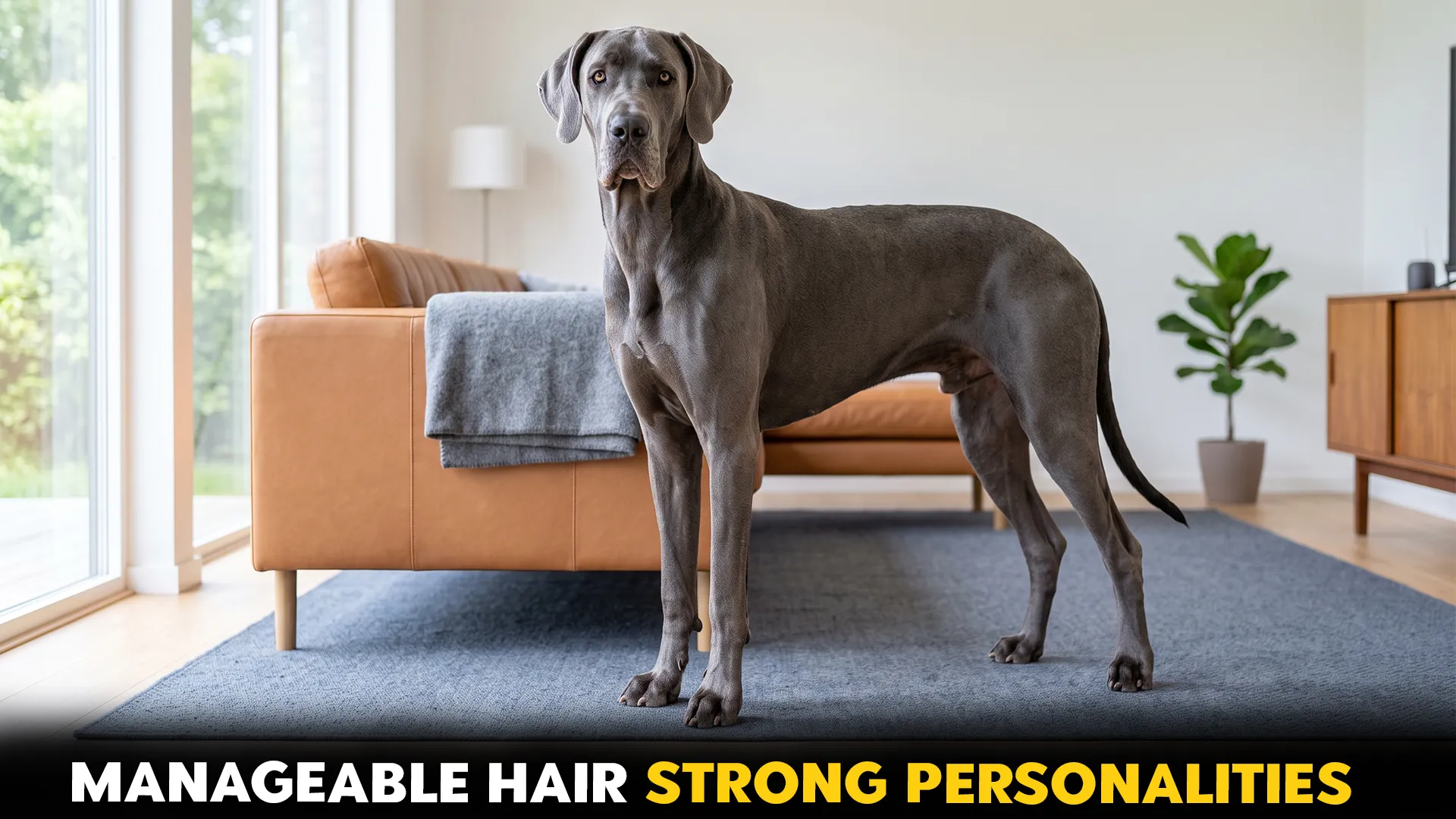
While large dogs can be intimidating, they do not always require hours of grooming to keep them looking their best. Many large breeds have short coats that are easy to maintain and need only occasional bathing and brushing.
Their fur dries quickly, collects less dirt than longer coats, and is much easier to manage. These large dog breeds are an excellent choice for families who want a giant canine companion without the constant upkeep that comes with a long, thick coat.
Beyond their low-maintenance grooming needs, many of these breeds are loyal, intelligent, and versatile companions. Whether you’re looking for a devoted family pet, a dependable working dog, or an active outdoor partner, these short-haired giants offer impressive size without adding extra time to your grooming routine.
Let’s explore 10 large dog breeds that prove a massive build and an easy-care coat can go hand in hand.
Large Dog Breeds Boasting Short, Manageable Hair
1. Greyhound
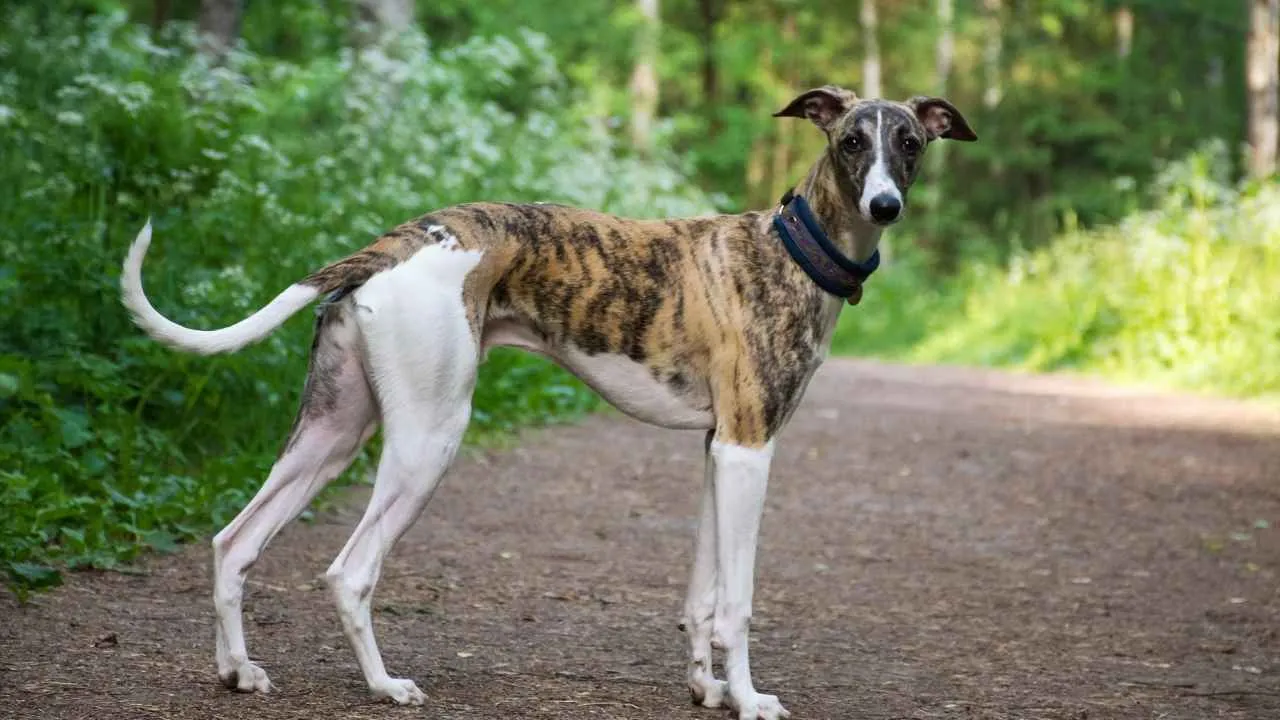
The Greyhound is a racing dog and one of the fastest dogs in the world, according to Daily Paws. It is one of the easiest big dogs to care for. Its hair is extremely short, smooth, and lies close to the body.
Dirt is not easily caught in the fur, thanks to its fine coat. Cleaning the dog’s coat using a damp cloth or weekly brushing is sufficient for it to look neat and clean.
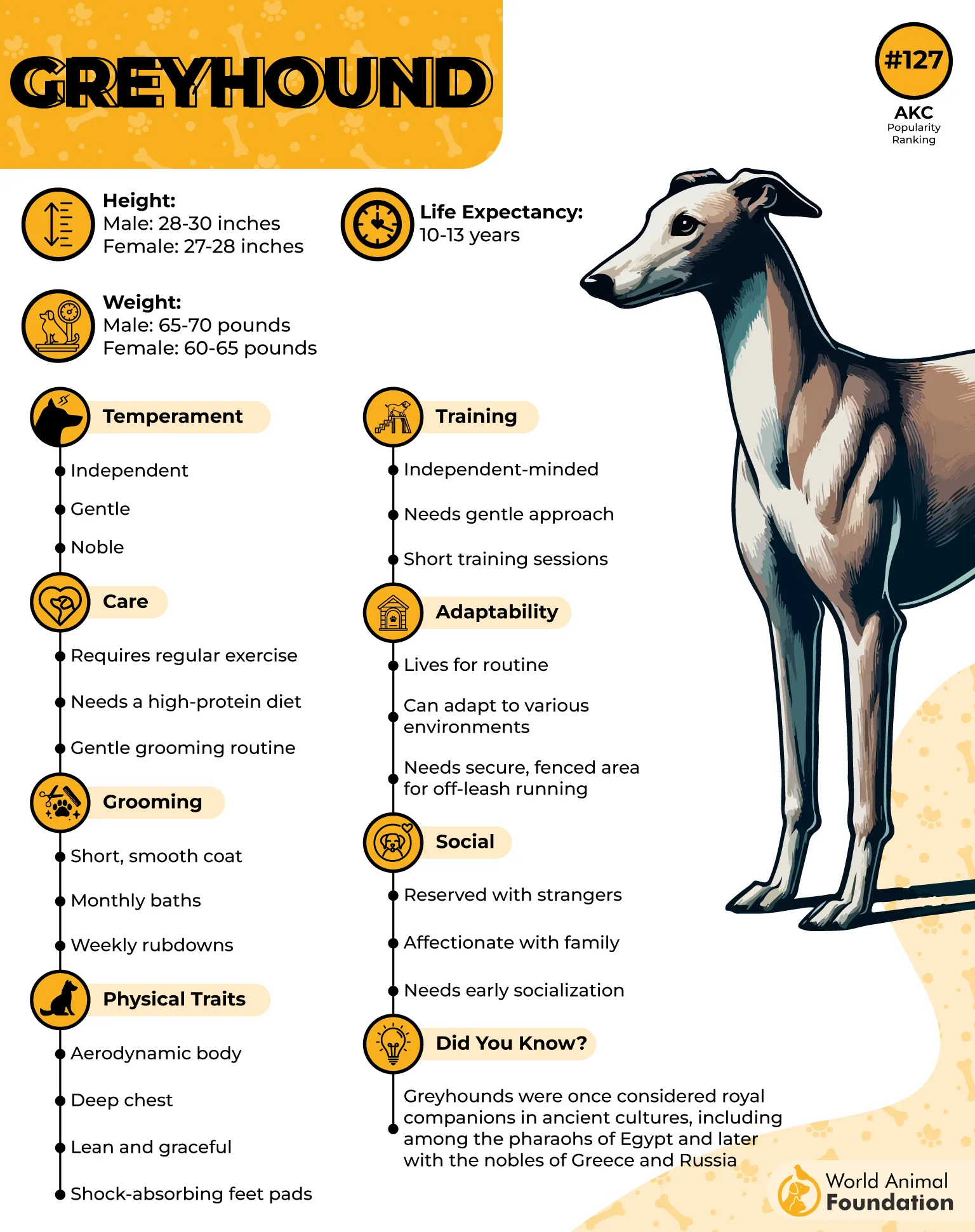
Greyhounds are also not very smelly, which is why frequent baths are not necessary. Grooming is quite easy for this affectionate breed, but owners need to be mindful of skincare. This thin coat is not well insulated against cold weather. In the winter season, it is advised to make them wear dog sweaters to keep them warm.
This breed sheds lightly throughout the year and is a perfect match for someone who wants a minimum amount of coat maintenance.
2. Doberman Pinscher
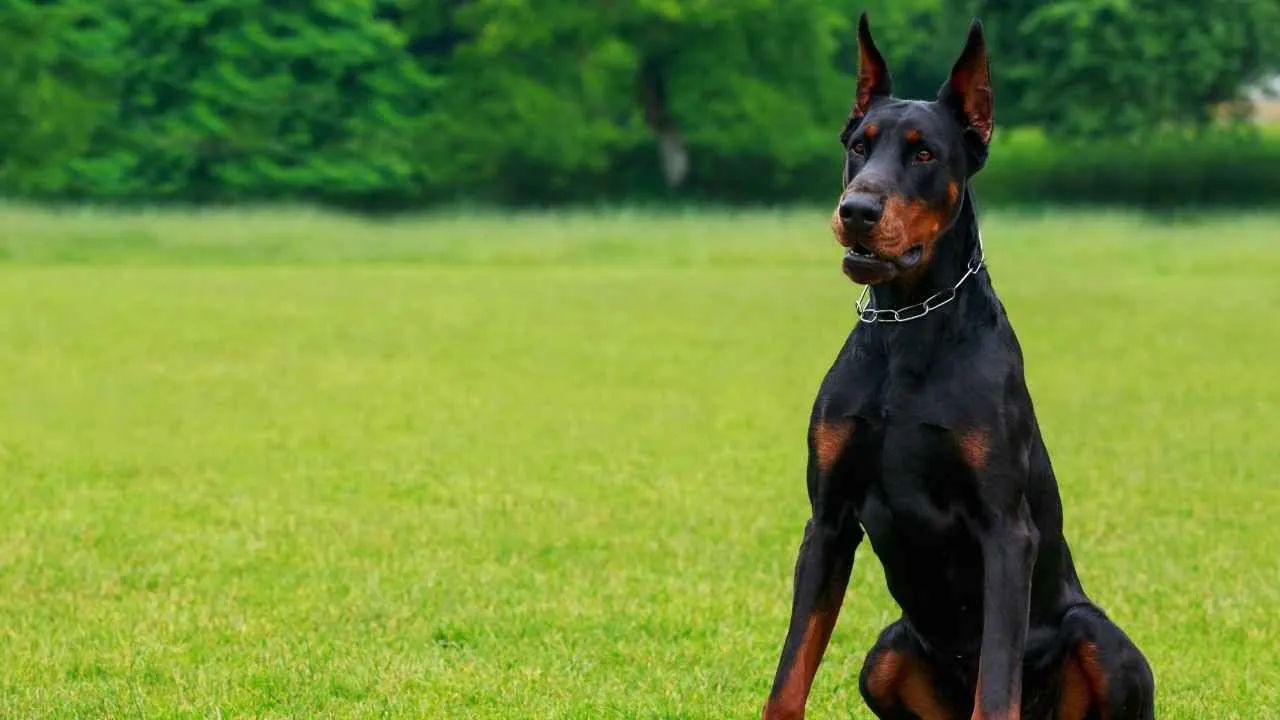
The Doberman Pinscher is a dog that has a smooth, sleek, and glossy coat. It does not require a lot of grooming to keep it in great condition. This dog was originally bred for personal safety because of its protective nature.
It has a short coat that is easy to maintain and does not tangle or mat. Brushing it weekly with a rubber grooming mitt will remove loose hair and keep the coat shiny.
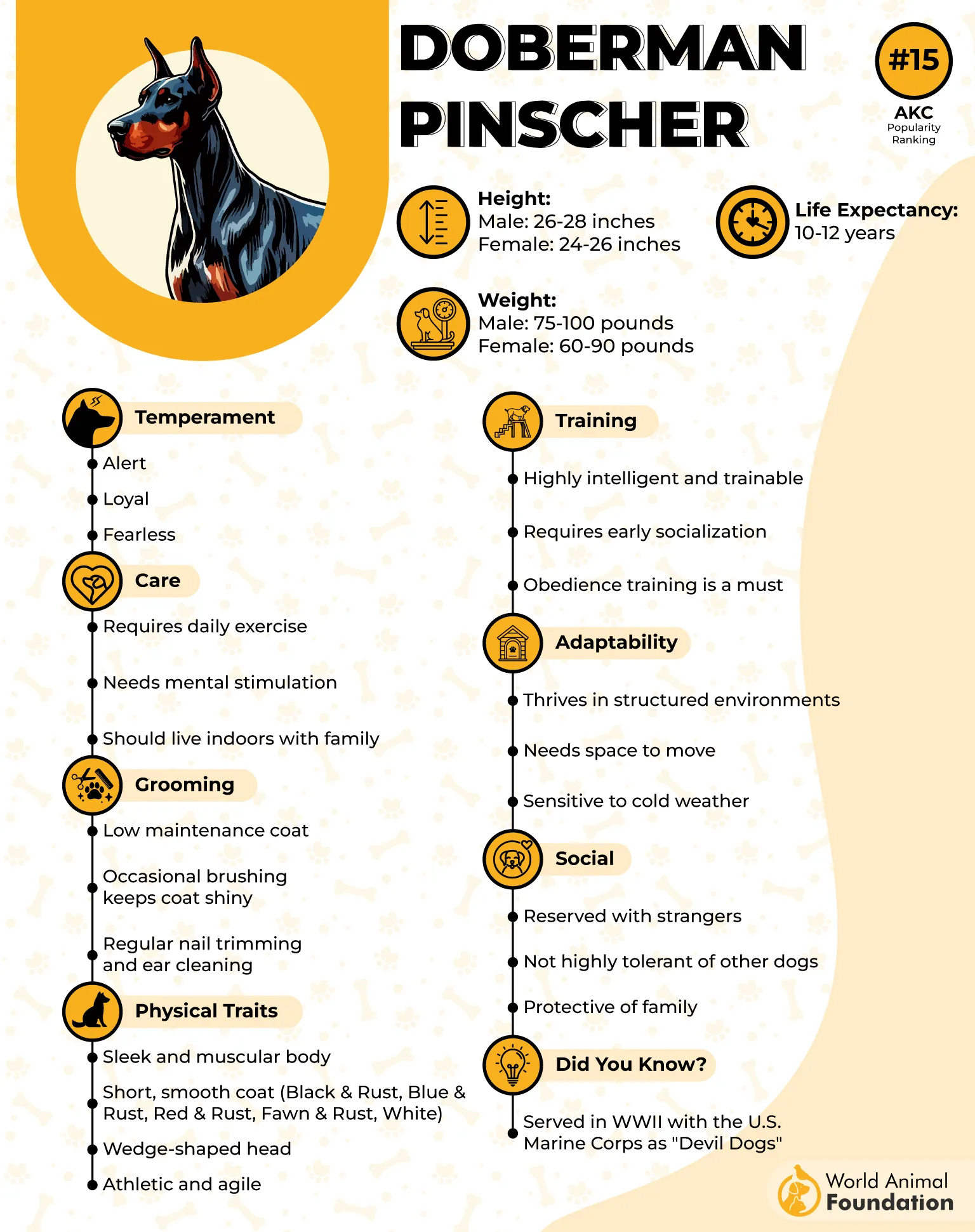
Dobermans are clean dogs by nature and do not have a strong body odor. Most of these guard dogs require a bath only when they get extremely dirty. The most important grooming chore is to keep their nails short, as active Dobermans depend on good feet for running and moving around.
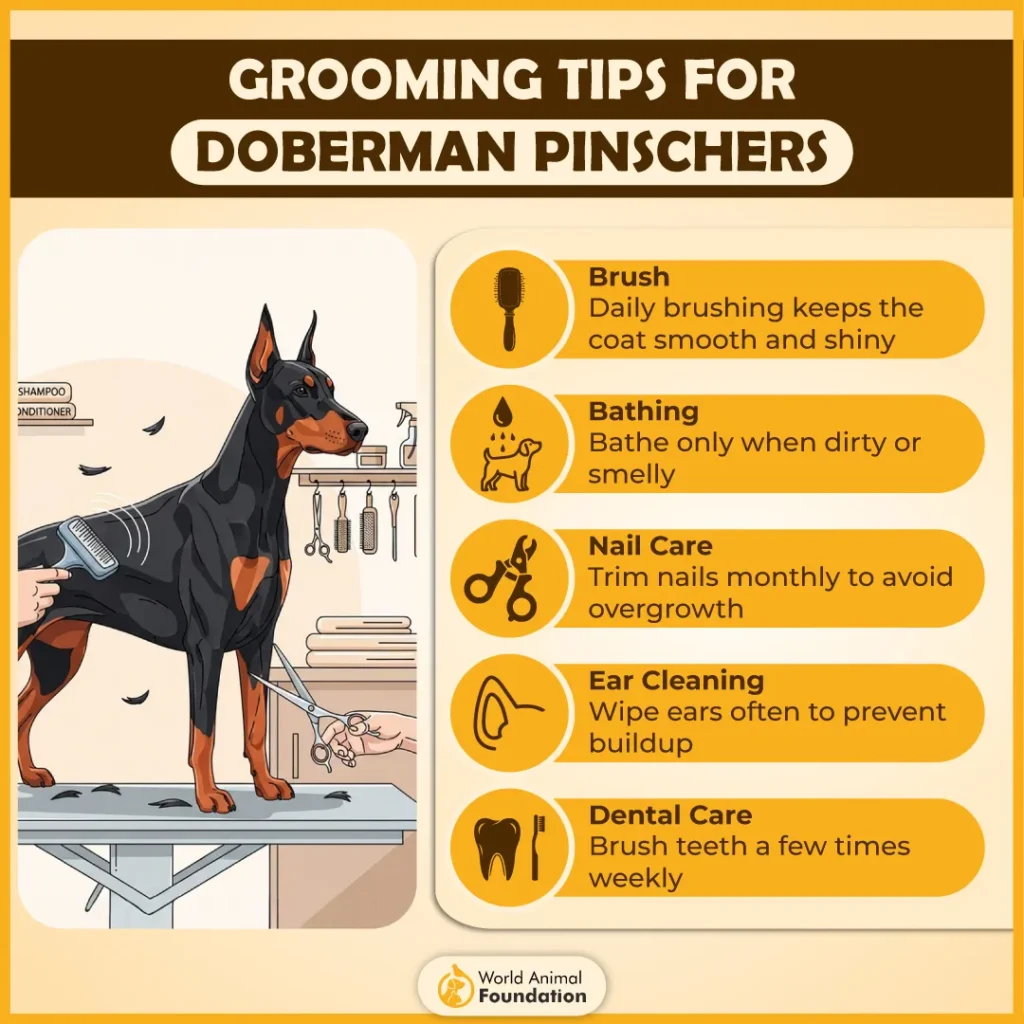
The Doberman Pinscher is a great dog for busy pet parents who want their pet to look nice but do not have the time to spend on lengthy grooming routines!
3. Boxer
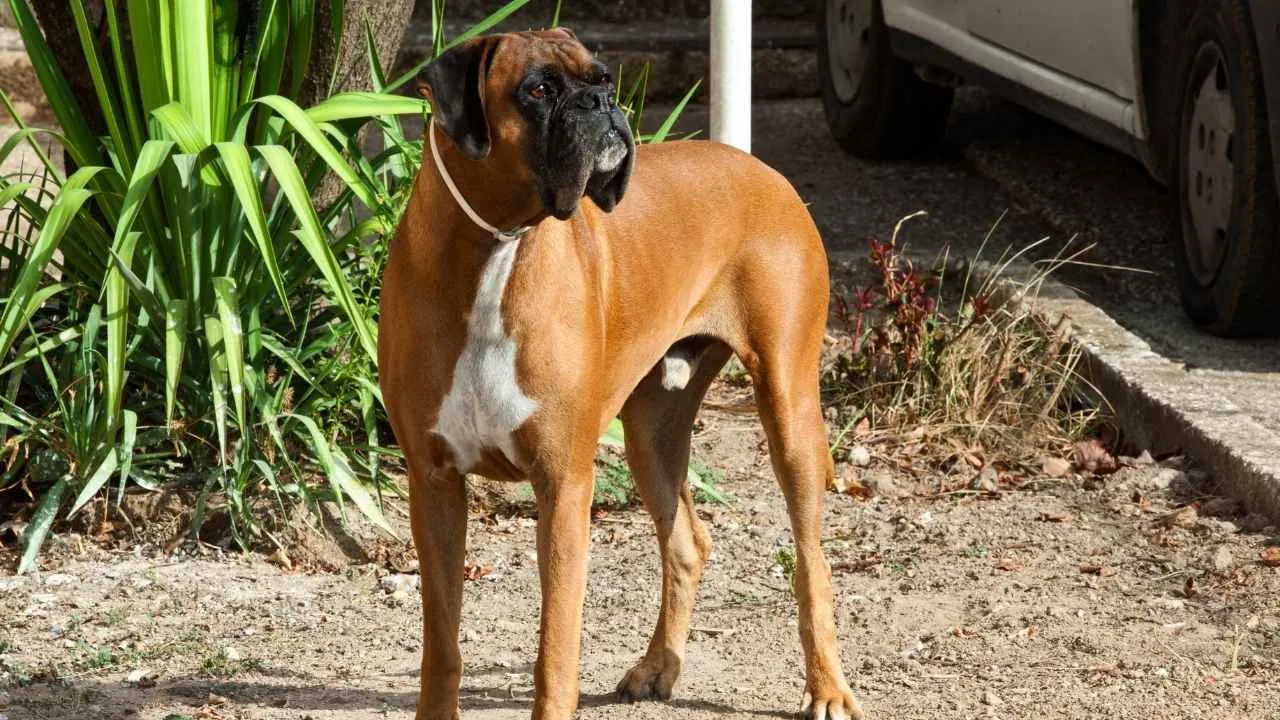
By nature, the Boxer is one of the cleanest breeds of large dogs. Some owners observe their Boxer licking and grooming its fur just like a cat.
This is self-grooming behavior which helps to keep dirt from accumulating between bathing sessions. This, along with its smooth coat, is one reason why Boxers do not have a lot of doggy odor.
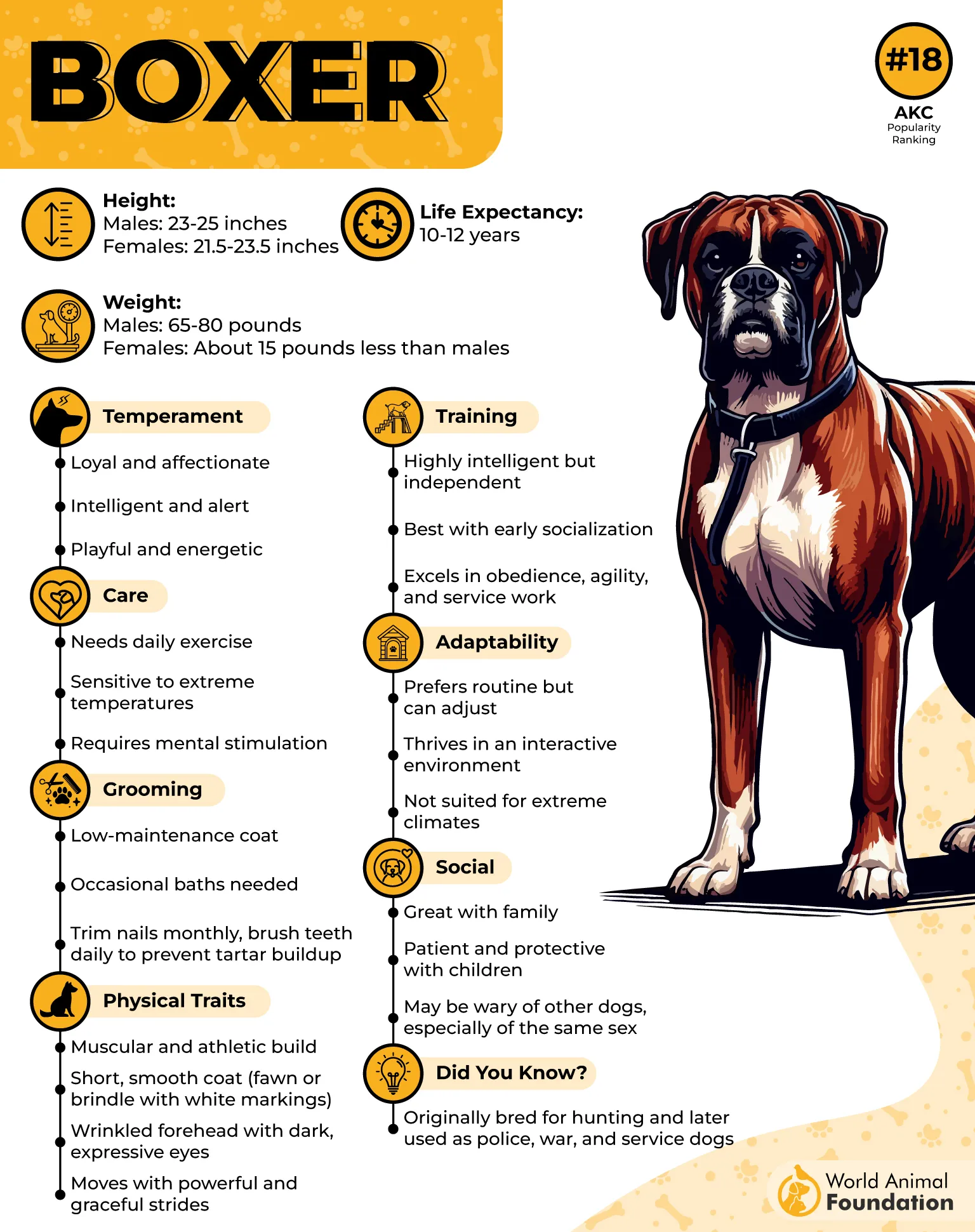
As a breed with uncovered legs and a short tail, the Boxer doesn’t tend to collect burrs or leaves on the coat while out on strolls. Most of the dirt can be brushed off after a playing session in the yard.
It is noted that Boxers tend to pay more attention to their doggy paws after they have had their game time. Due to their mental and physical energy, they often run over rough surfaces, causing paw care to be more demanding than coat maintenance.
Owners can enjoy more playtime with this wonderful companion because of an easy grooming routine
4. Rhodesian Ridgeback
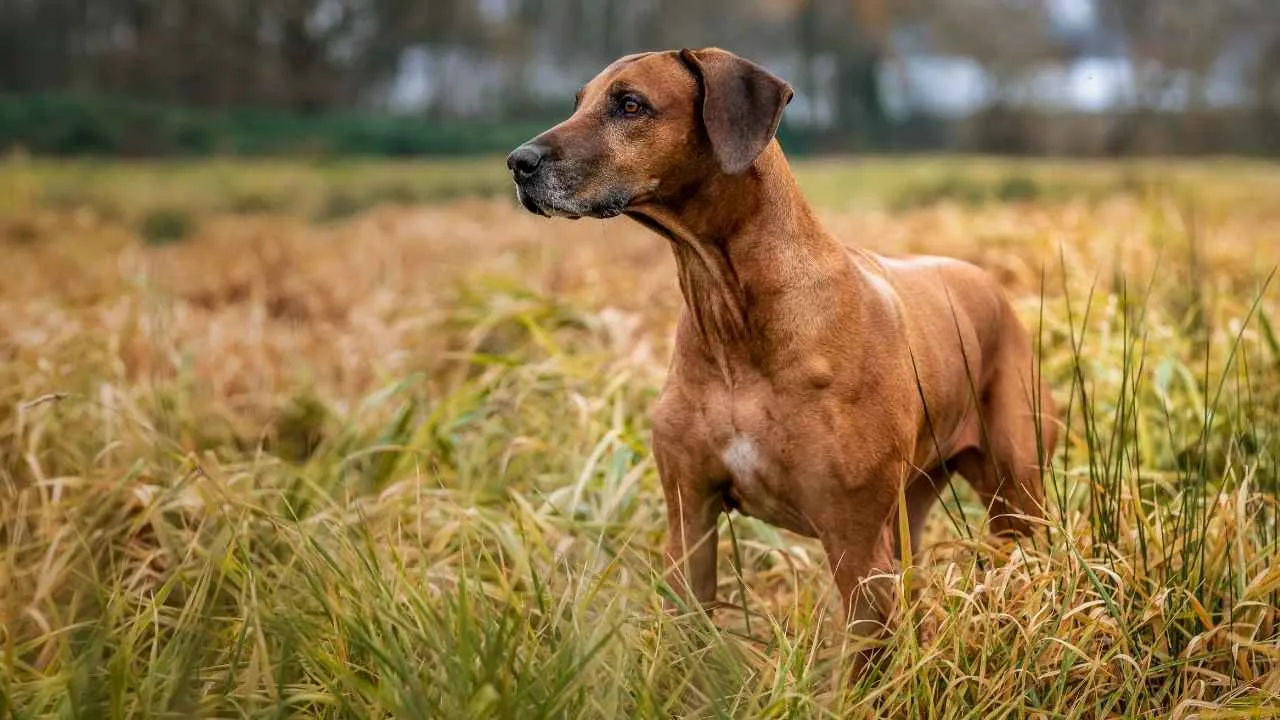
The Rhodesian Ridgeback’s most outstanding feature is the ridge of hair that runs along the spine down the center of its back. This is a unique ridge, resulting from genetics, and provides the breed with its unique appearance.
Apart from the ridge, the rest of the coat is remarkably functional. It was developed in South Africa for hunting dogs that needed protection from dust and rough areas without the burden of carrying too much fur.
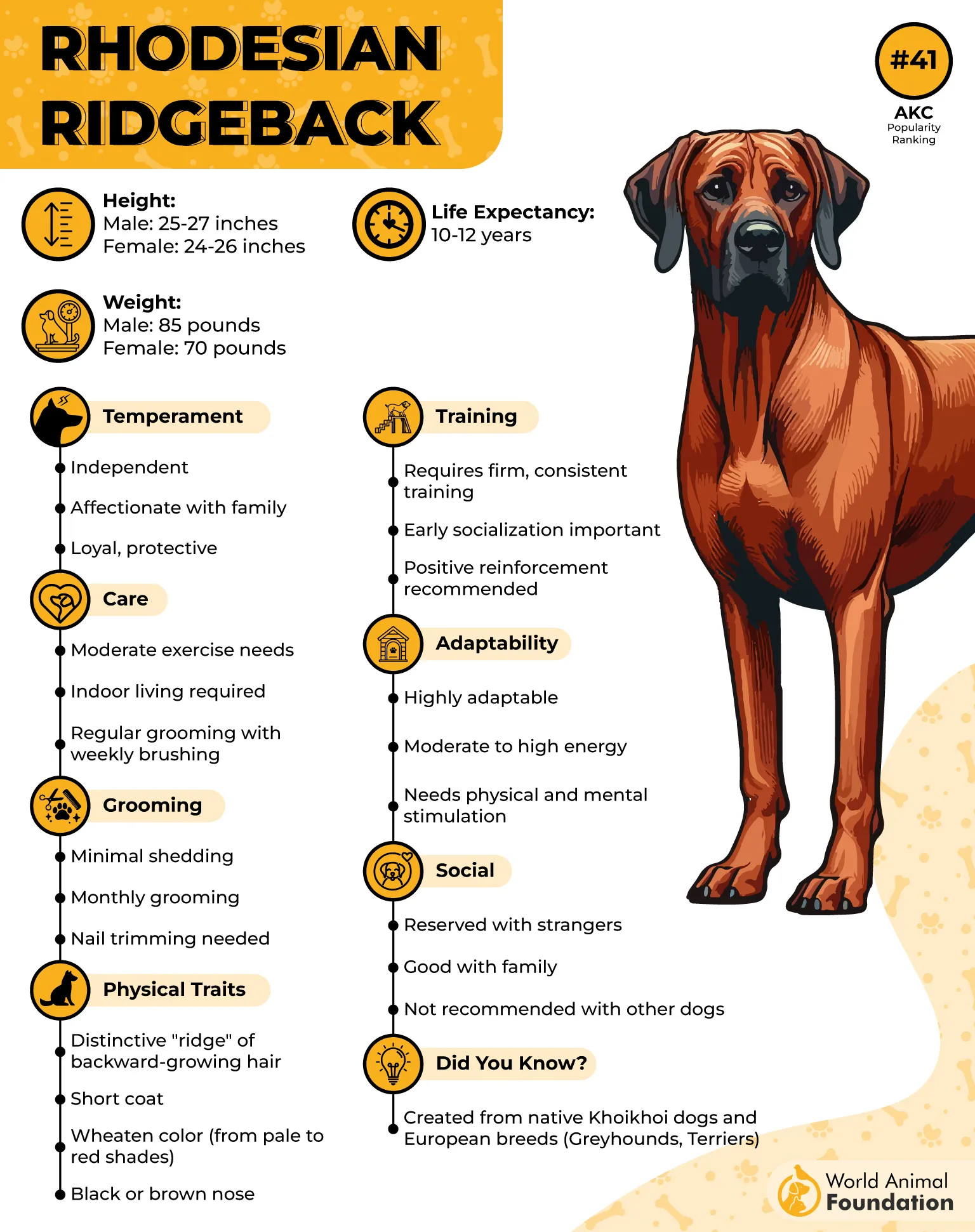
The short hair naturally sheds dried mud and dirt. Many owners just use a damp towel to clean the coat after an outdoor adventure instead of giving a bath. Handlers get a better opportunity to examine the skin for cuts, infections, and ticks after hikes because the grooming routine is hassle-free.
The coat shows the true spirit of this breed’s working background because of its functionality and practicality.
5. Weimaraner
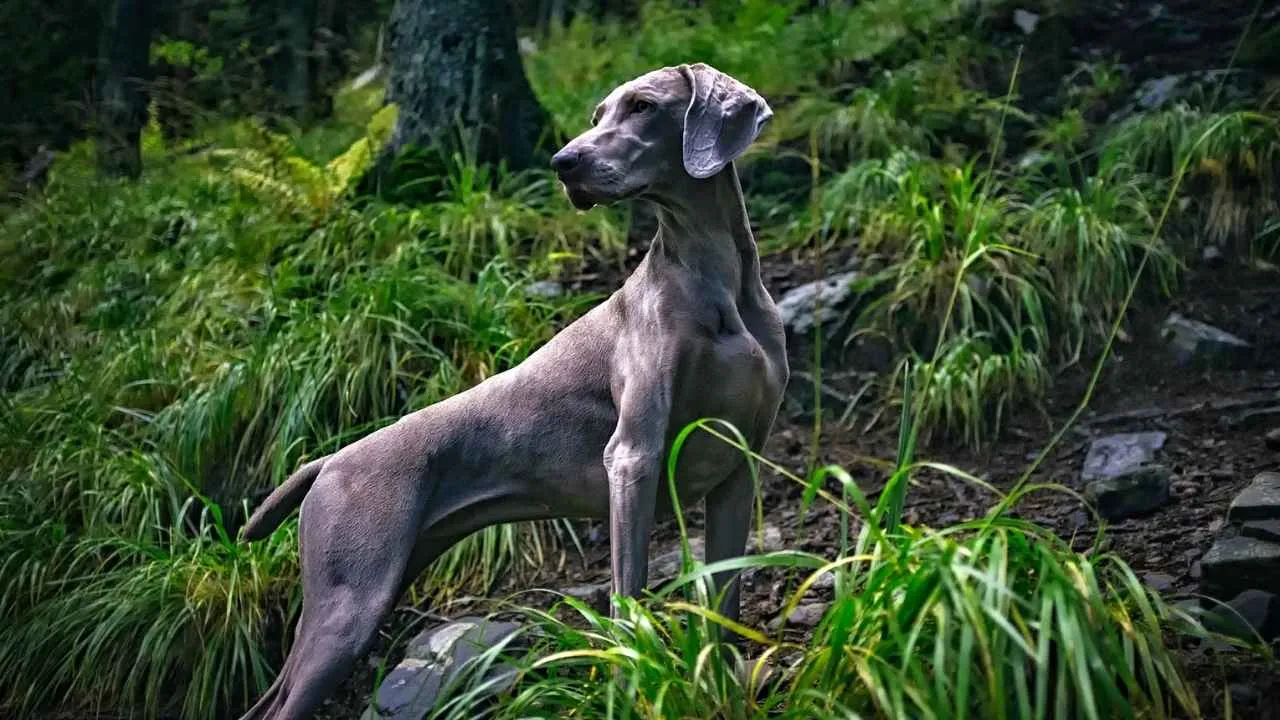
One of the reasons why the Weimaraner is often referred to as the “Gray Ghost” is due to its smooth silver-gray coat. The short coat is flat against the body and not only gives it a regal appearance, but also serves a practical function in the field.
This coat has been a favorite among hunters as it has been found to be resistant to burrs, seeds, or twigs when hunting in grasslands. A towel after a long day outside is all that is needed to wipe away dust and loose dirt.
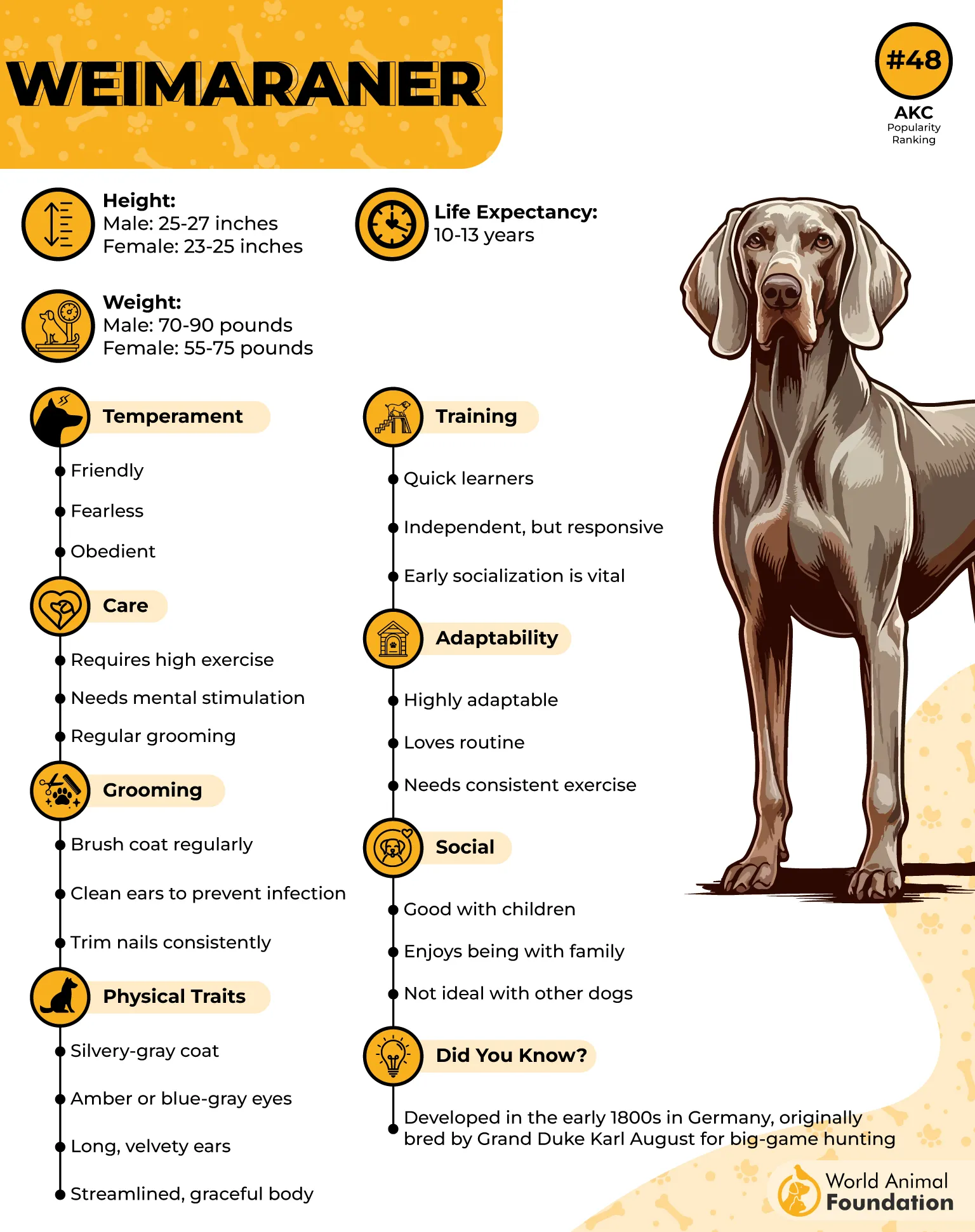
The coat also helps in the identification of cuts or ticks following a hike or hunt. Skin examination can be over in a few minutes, as there is nothing underneath the thick fur of this short-haired breed.
Weimaraners do not have floppy ears or fluffy paws like other dogs, so there is no need for trimming around these areas. This also translates to less room for mud to stick on after we walk.
6. Cane Corso
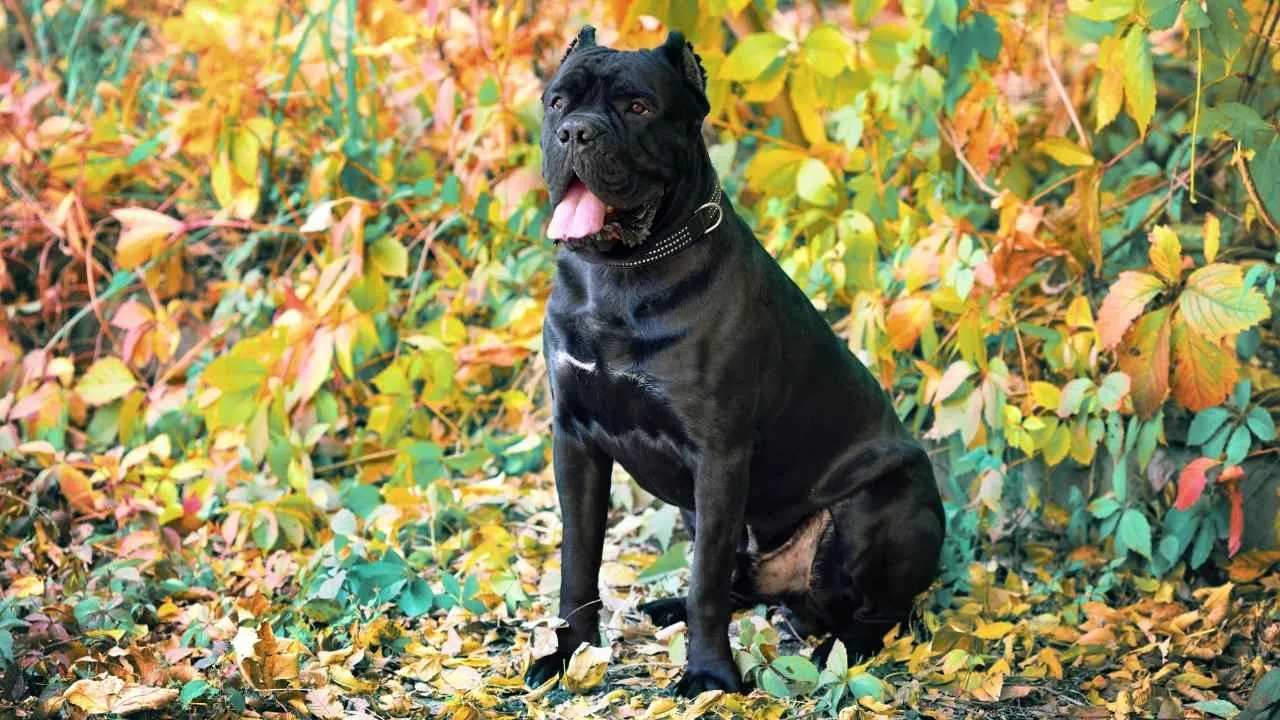
The Cane Corso’s coat is short, but very thick. Under this outer coat is a protective undercoat which varies according to the climatic zones of the dog’s habitat.
Colder climates tend to produce a dense coat, while the warmer seasons produce a lighter, beautiful coat throughout the season. This means that two Cane Corsos can shed quite differently, despite belonging to the same working dog breed.
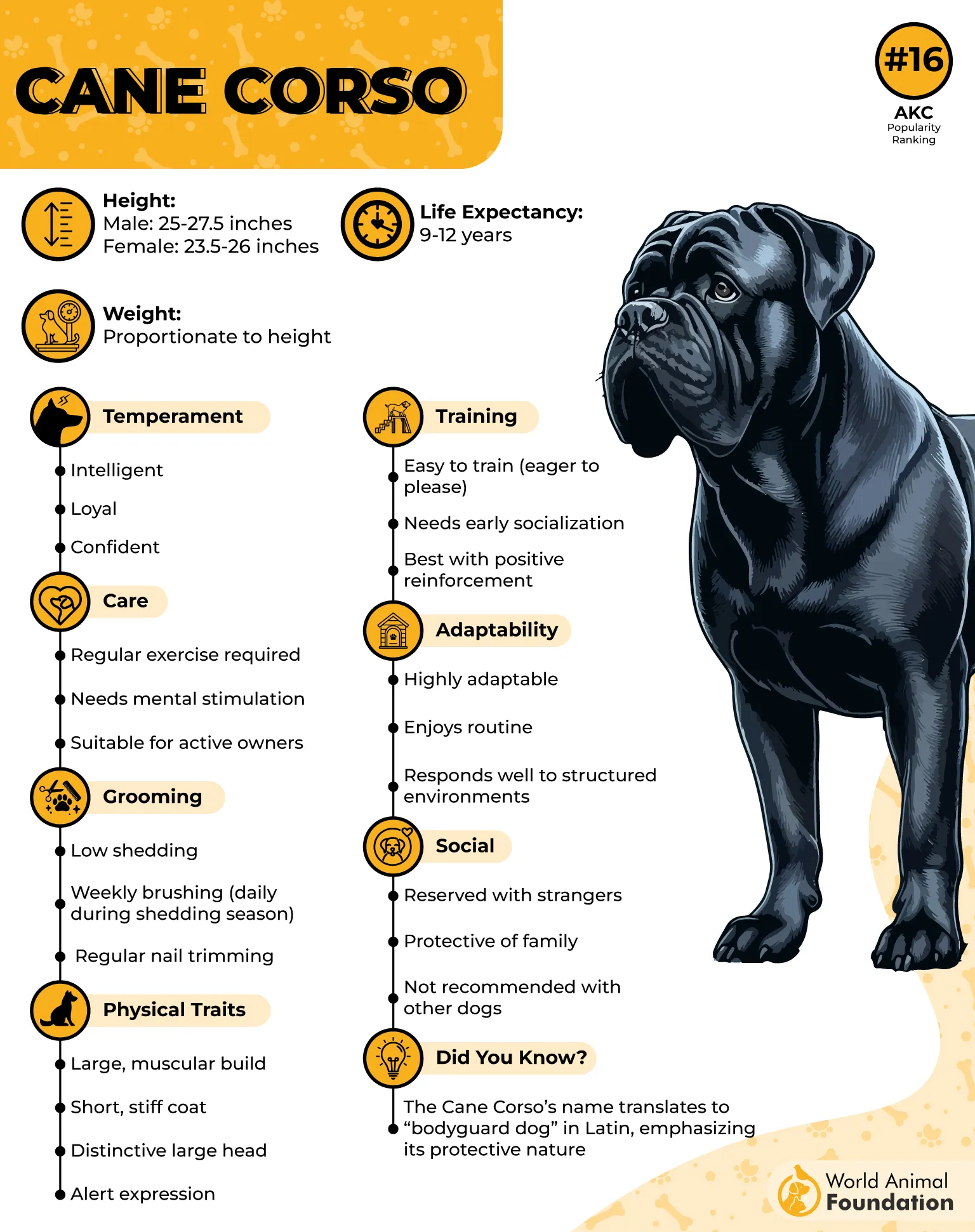
This breed does not need regular brushing like other long-haired dogs. It has a muscular body, so a little scratch or wound from running through bushes or rough ground will not be very noticeable.
The coat is also naturally waterproof, which means that the dog remains fairly clean after playing in mud puddles too. Most dog owners spend more time on their dog’s health and fitness than on grooming.
7. Rottweiler
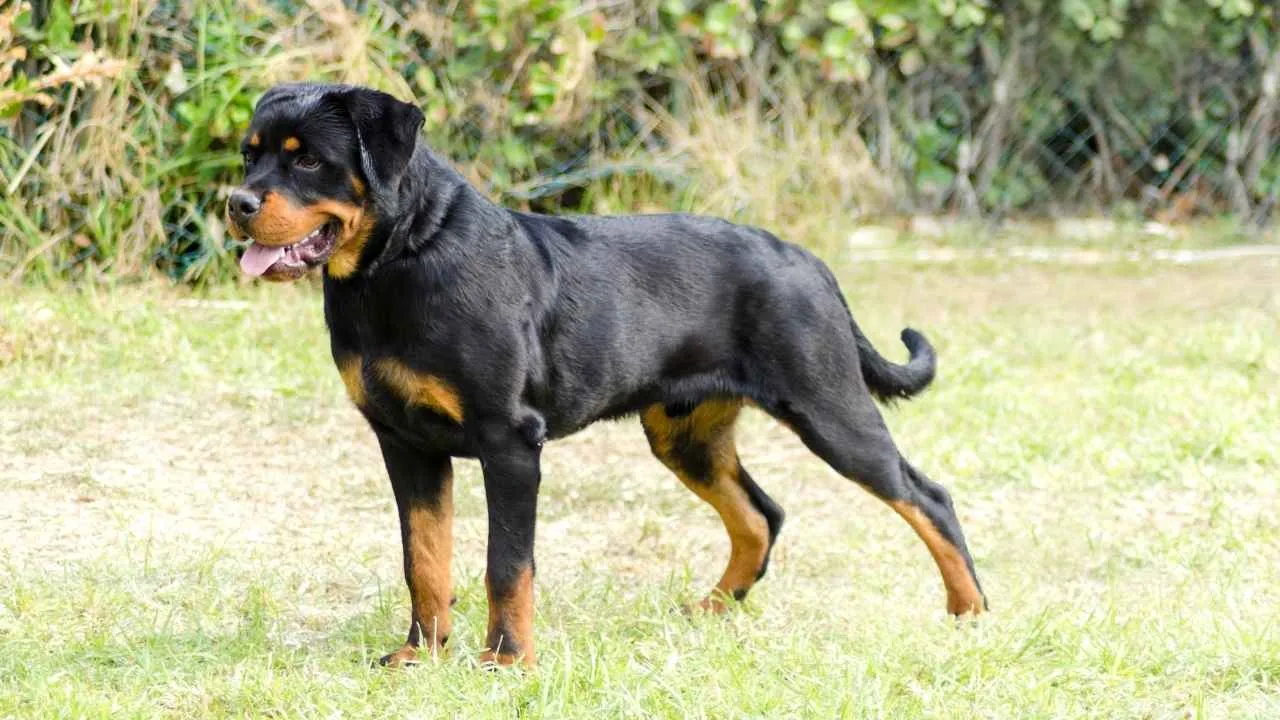
The Rottweiler’s coat is simple at first glance, but is actually made up of two layers that assist one another. The outer coat is waterproof and keeps out the dirt, and the softer undercoat helps regulate body temperature.
For most of the year, very little coat care is necessary, but this pup sheds its coat very heavily twice a year, as per PetMD. This process is referred to as ‘blowing coat’ and is associated with the change of season. Brushing becomes more crucial than ever during these weeks.
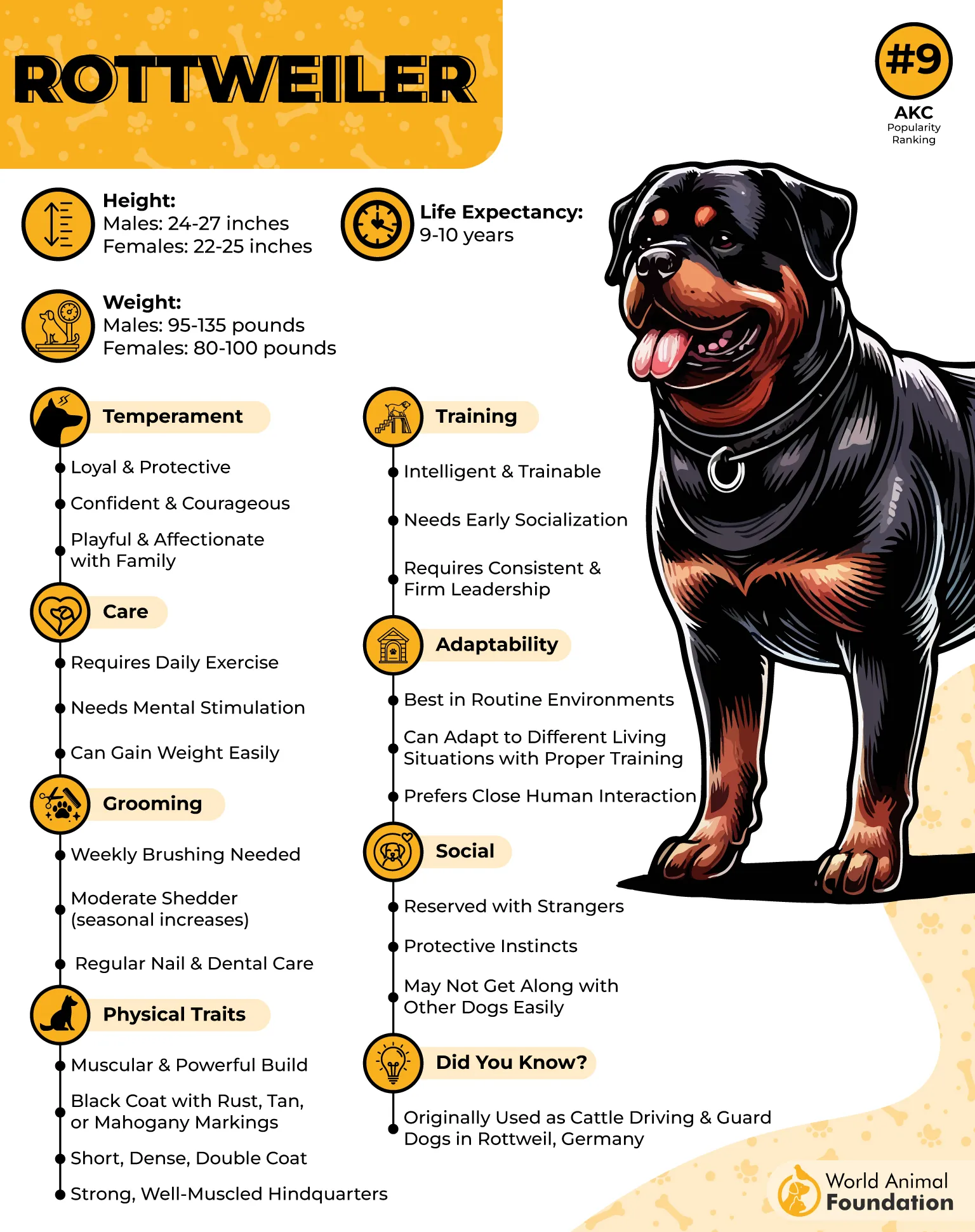
When it is not shedding season, taking care of it is refreshingly simple. The outer coat is short and does not go through matting. Most of the dust will also flake off on its own after a short walk.
However, during warmer seasons, the coat can become overheated when exposed to direct sunlight, so shade and plenty of fresh water should always be kept with the dog.
8. Bullmastiff
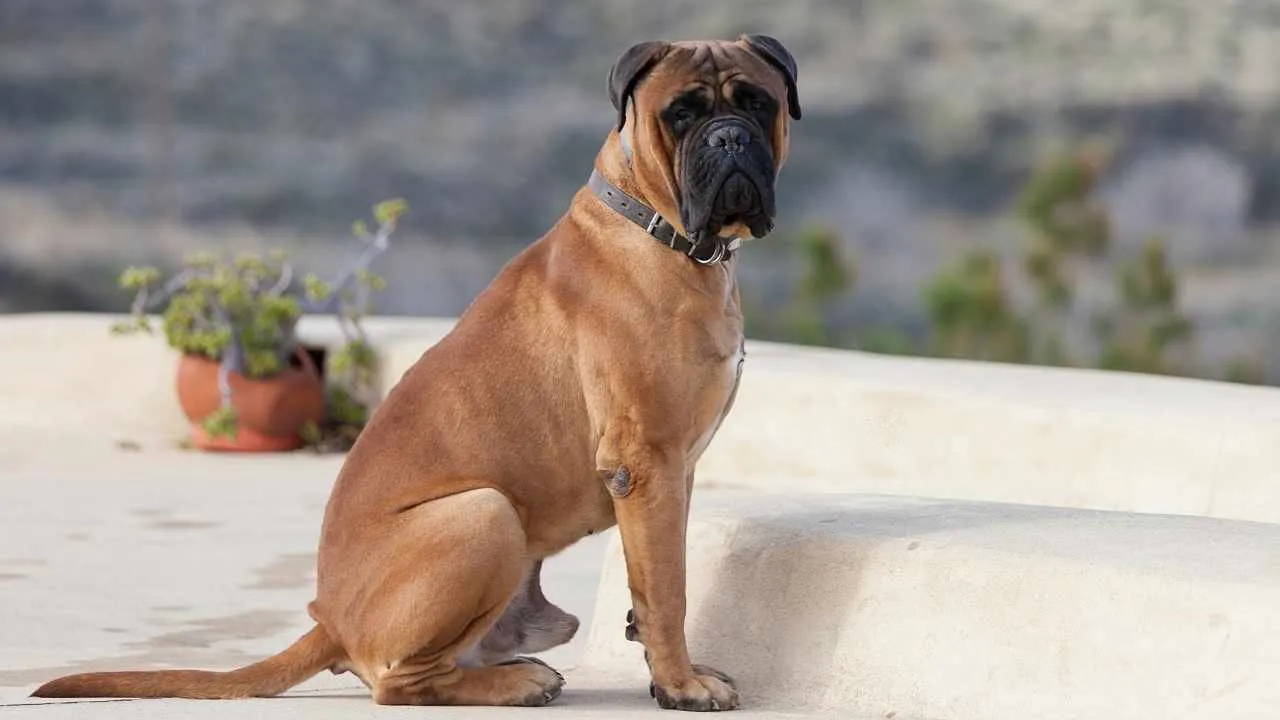
The Bullmastiff shows us that grooming does not only involve cleaning the coat. This dog has short, coarse hair that is easily maintained, but the real challenge comes while cleaning the facial folds.
Most of these dogs only need weekly brushing since the coat stays clean most of the time, but a Bullmastiff tends to drool much more than other animals. A soft cloth is handy to use to wipe away moisture from the mouth and the folds of the face to prevent irritation.
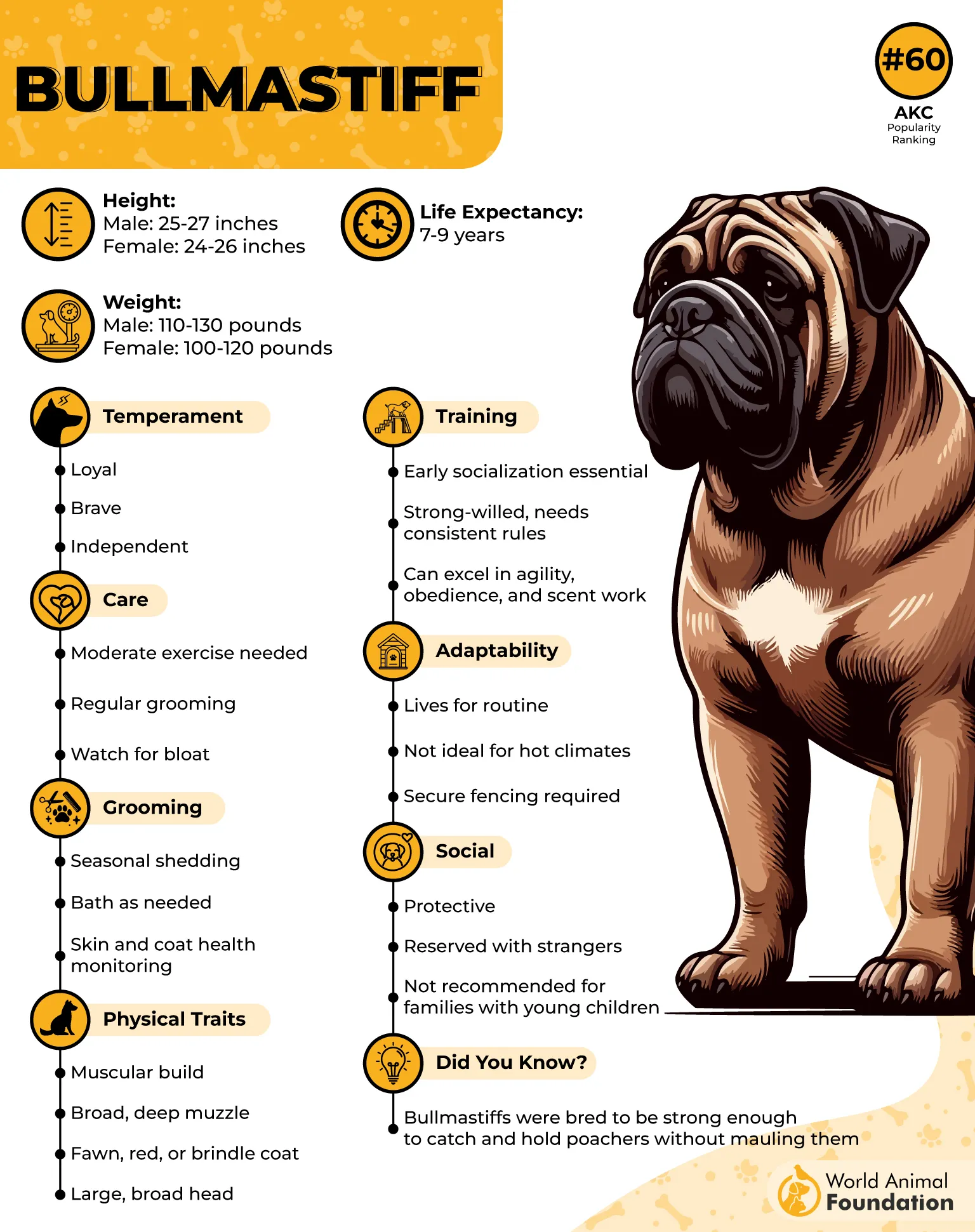
With a coat this short, it is easy for owners to see any abnormalities like dryness, small bumps, or insect bites while petting their dog. This helps to identify potential health issues early.
Another advantage is that its coat dries up pretty fast after getting wet in the rain or from playing in a lake. This reduces discomfort that could be caused by wet fur.
9. Great Dane
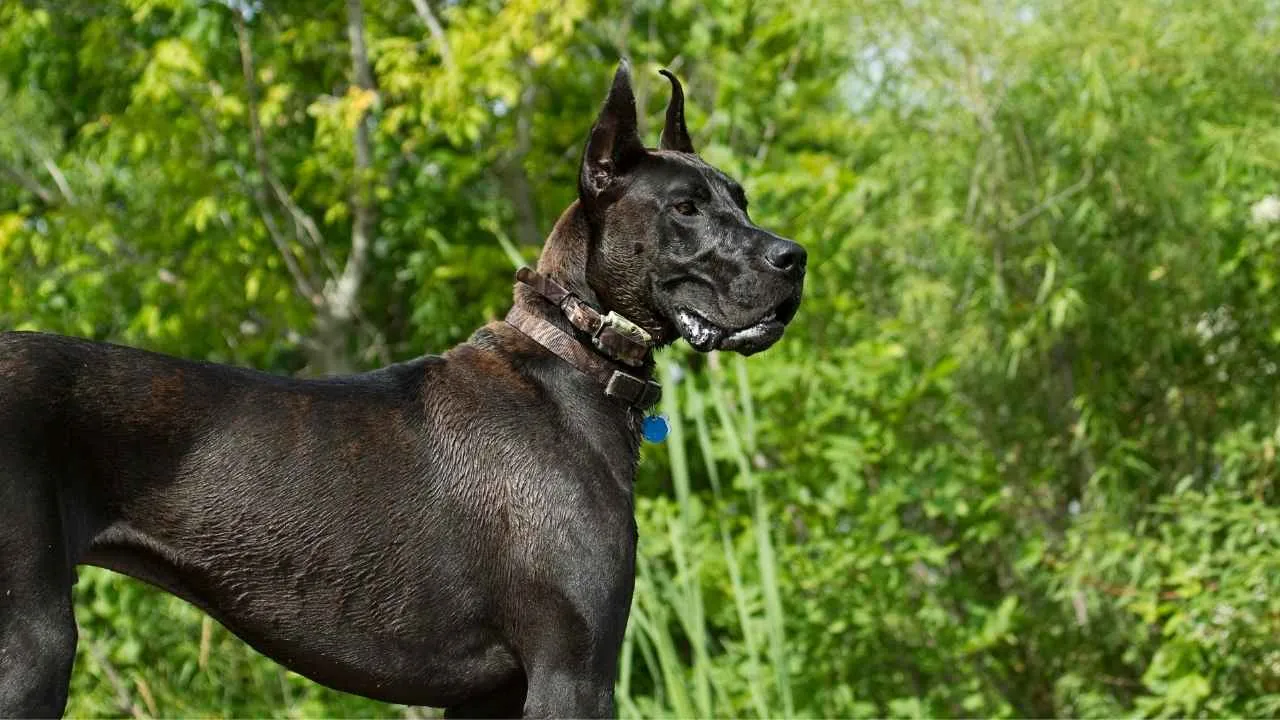
Despite being one of the largest dogs in the world, the Great Dane’s coat is surprisingly manageable. Although many people believe that a giant dog will need long grooming sessions, most Great Danes only need a few minutes to groom their coats each week.
Short, smooth hair that lies flat against the body does not produce any knots. Dirt always washes off on its own without having to do much. This makes it a good choice for owners who hate managing a lot of grooming tools.
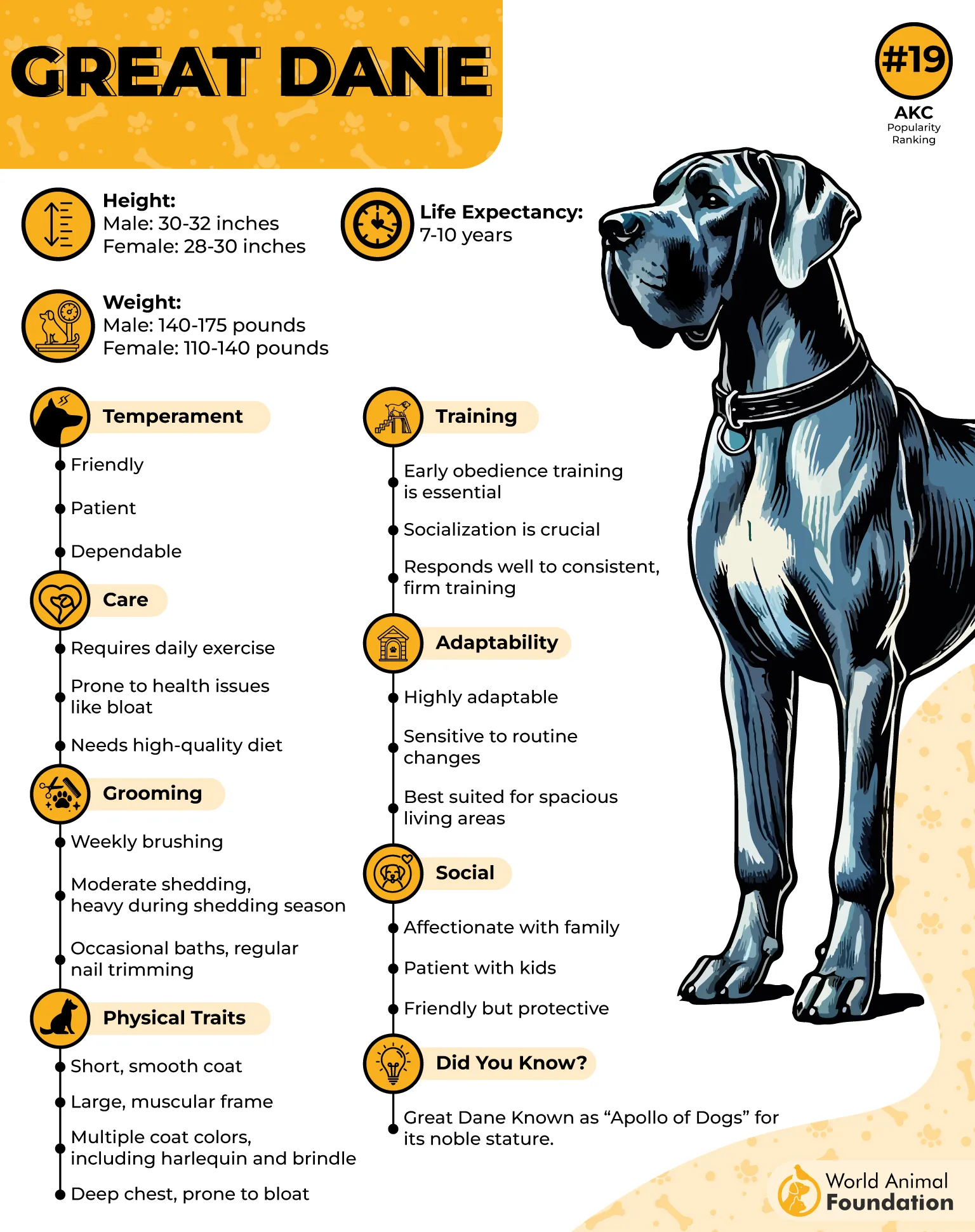
One of the challenges is the size of the dog. Brushing a Great Dane does not take much effort, but you need some space to reach every part of the dog’s body and enough room for the dog to lie down and stay calm.
Grooming sessions can always become tiring for the dog, and they might get restless, so it is necessary to provide them with mental stimulation through daily exercise.
10. Mastiff
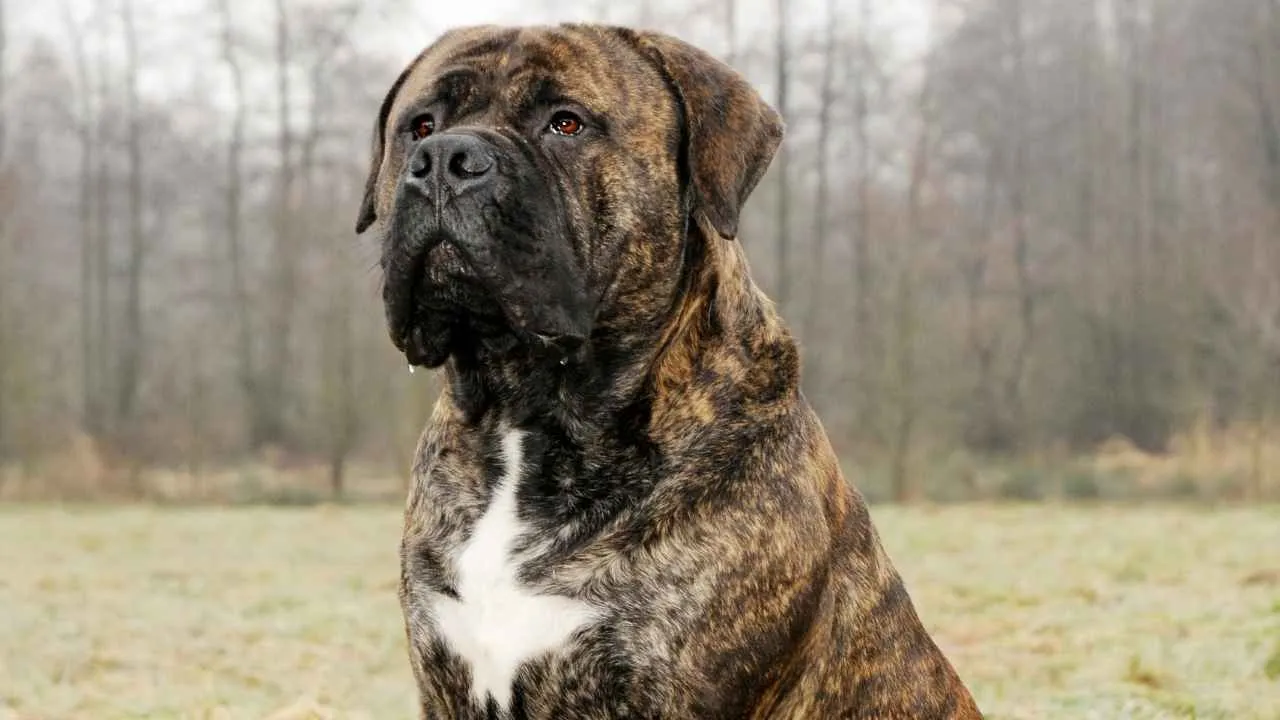
The Mastiff’s short coat is a testament to its history as a working guardian. Instead of long fur that needs constant upkeep, this breed developed a short and practical coat that not only looks good to the eyes but also protects the skin.
The coat itself is not a problem!! Instead, nutrition, hydration, and maintaining a healthy body weight are much more vital to keep the skin healthy. Extra weight can create excessive skin folds that trap moisture and cause a lot of skin-related issues.
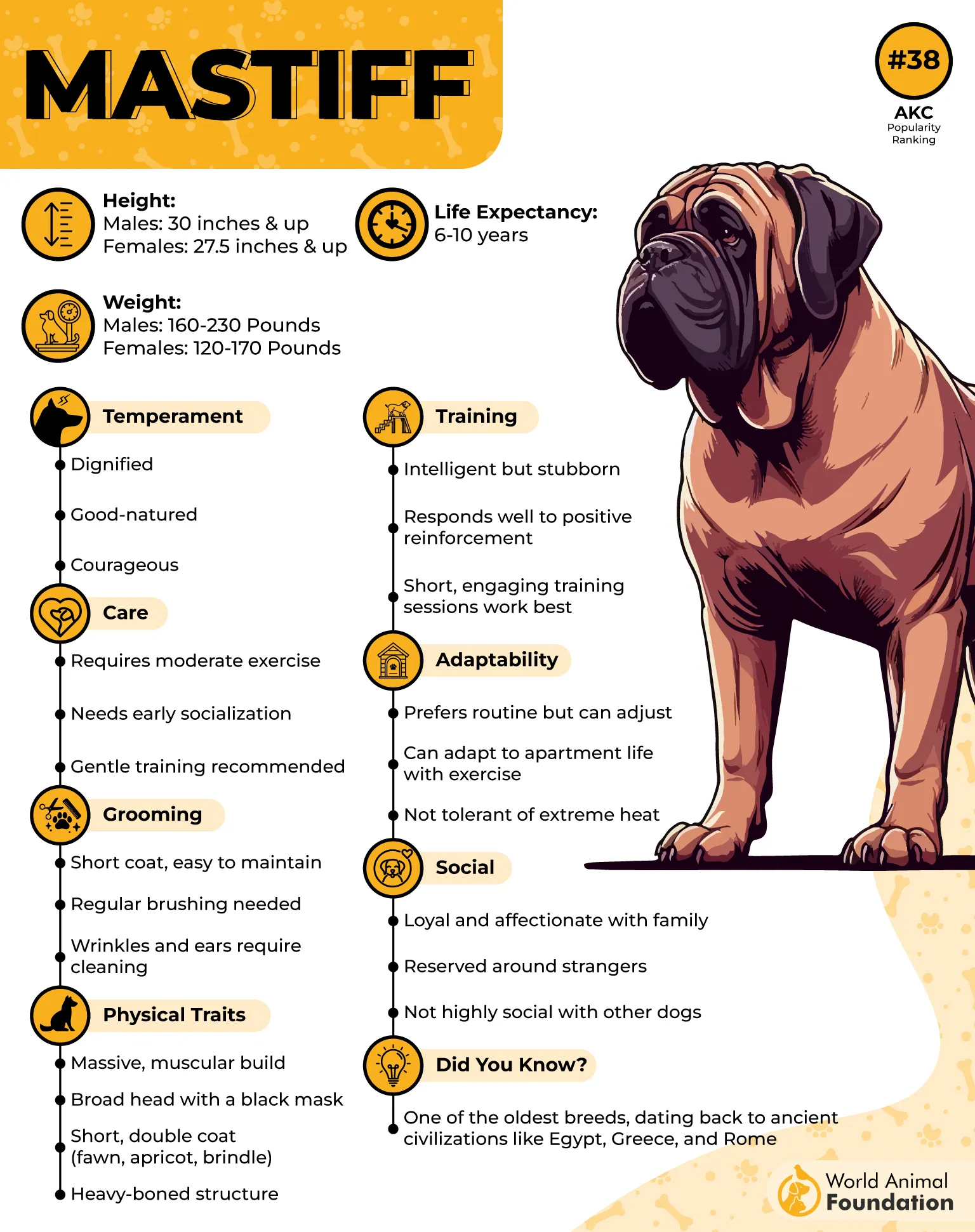
The Mastiff’s calm nature also helps in keeping the coat clean. This dog prefers short walks in a dog park, unlike many other breeds that love hopping around bushes or mud.
Owners are advised to pay attention to the face, as this dog’s saliva can stick around the mouth after eating or drinking, according to the American Kennel Club. Regular brushing with a soft brush will remove any dead or loose hair without irritating the skin.
Conclusion
It is important to remember that short-haired big dogs do not need a lot of grooming. Each breed has developed a coat for an original purpose, be it for racing, hunting, guarding, or working with people.
Some coats repel dirt naturally, others dry quickly after outdoor adventures, and a few require more attention to skin than to the fur. Understanding these differences can help you choose the right furry companion for your home.
If you are someone who wants an excellent companion without spending too much time on grooming, then go ahead and adopt one pup from the above list!
