





Some dogs see a squirrel and shrug. Others spot one from half a football field away and instantly switch into “mission mode.” That powerful instinct is called prey drive, and it’s been carefully shaped through centuries of selective breeding. From lightning-fast sprinters to determined hunting partners, these dogs were built to notice, chase, and sometimes catch moving animals.
Because of their history as hunting or working breeds, these dogs inherit a strong natural urge to track and chase. That instinct deserves respect, not punishment. Understanding what drives these remarkable breeds helps you build a stronger bond with them while giving them healthy outlets for their natural talents.
Let’s get to know them.
Note: If you’re managing a dog with a strong prey drive, experts recommend focusing on impulse control training, secure fencing, and structured enrichment like flirt poles to help channel their instincts safely.
Dog Breeds Known for Exceptional Prey Drive
1. Greyhound
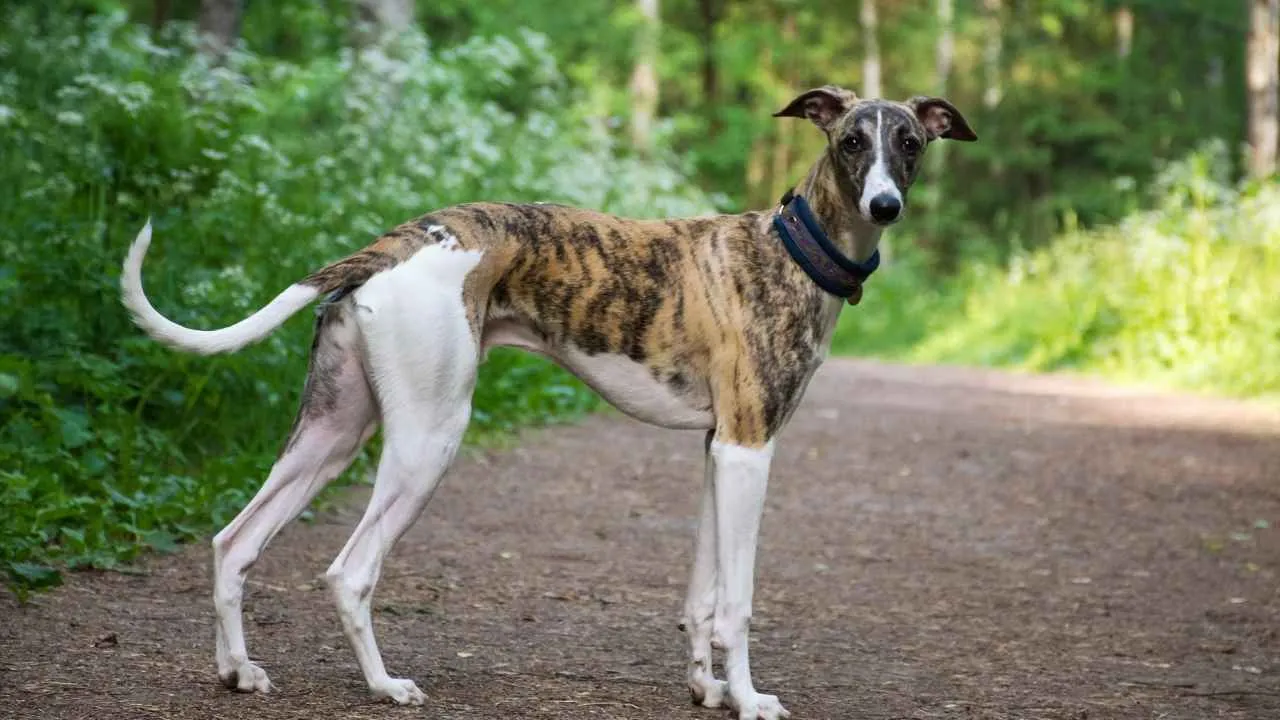
This is one of the oldest dog breeds around, with a history stretching back roughly 6,000 years. It was primarily used to chase down large game like wild boar, deer, and antelope, and it’s believed the breed also had a role guarding English nobility, according to Purina.
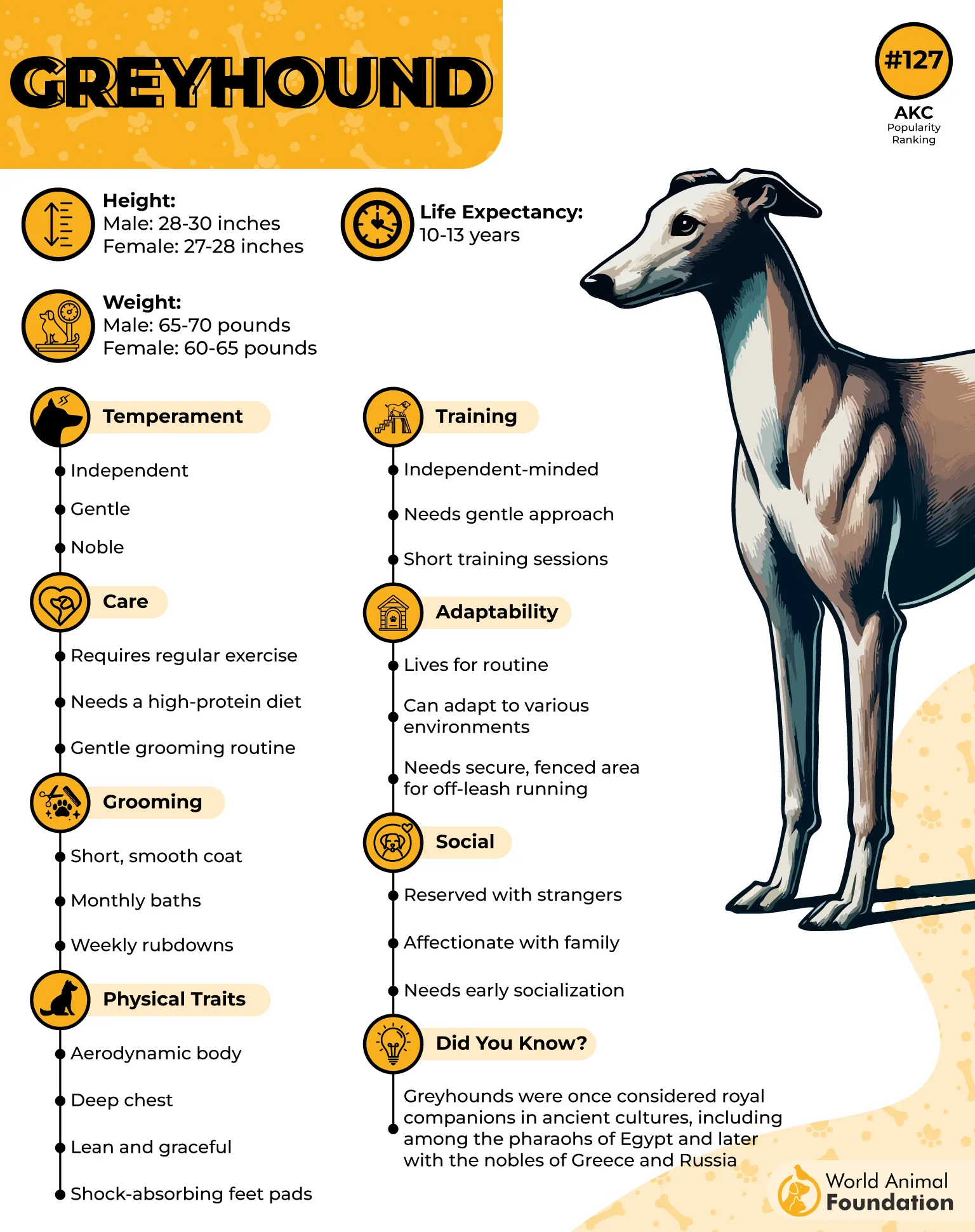
While it’s happy to laze around indoors, the Greyhound has a strong hunting instinct that kicks in the moment something starts moving. It’s the fastest dog on the planet, capable of hitting speeds of 45–48 mph. As a true sprinter, it relies on short, explosive bursts of energy before settling back into rest mode.
It’s arguably the most athletic of all domestic dogs, yet surprisingly, it doesn’t need much exercise; just 20–30 minutes a day is plenty. Obedience training is non-negotiable, though, since a Greyhound can lock into “chase mode” the instant it spots something small and fast, like a cat or squirrel.
2. Afghan Hound
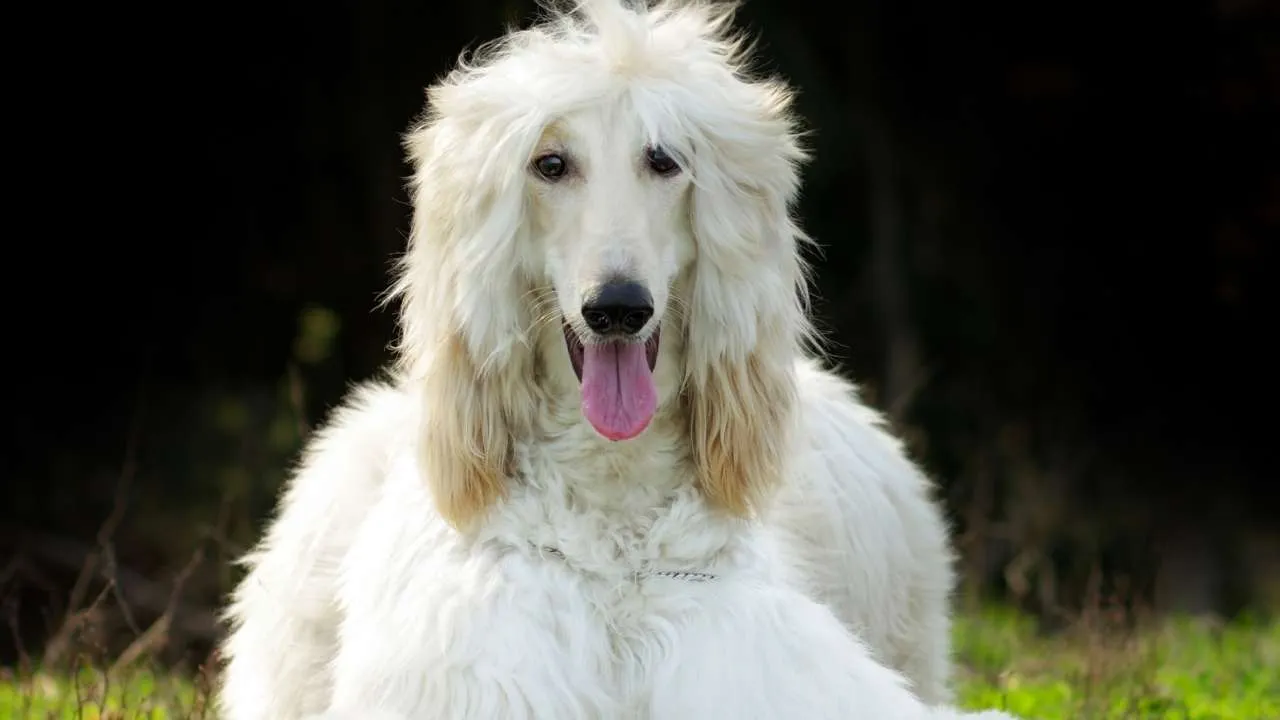
This is one of the nine ancient basal dog breeds, with a history tracing back to Afghanistan. It was developed as a hunting companion, prized for its speed, independent thinking, and sharp eyesight. The breed’s popularity grew in the early 20th century, though numbers declined during World War I.
The Afghan Hound trots with a regal carriage, holding its head high while its long, flowing coat sways with every step.
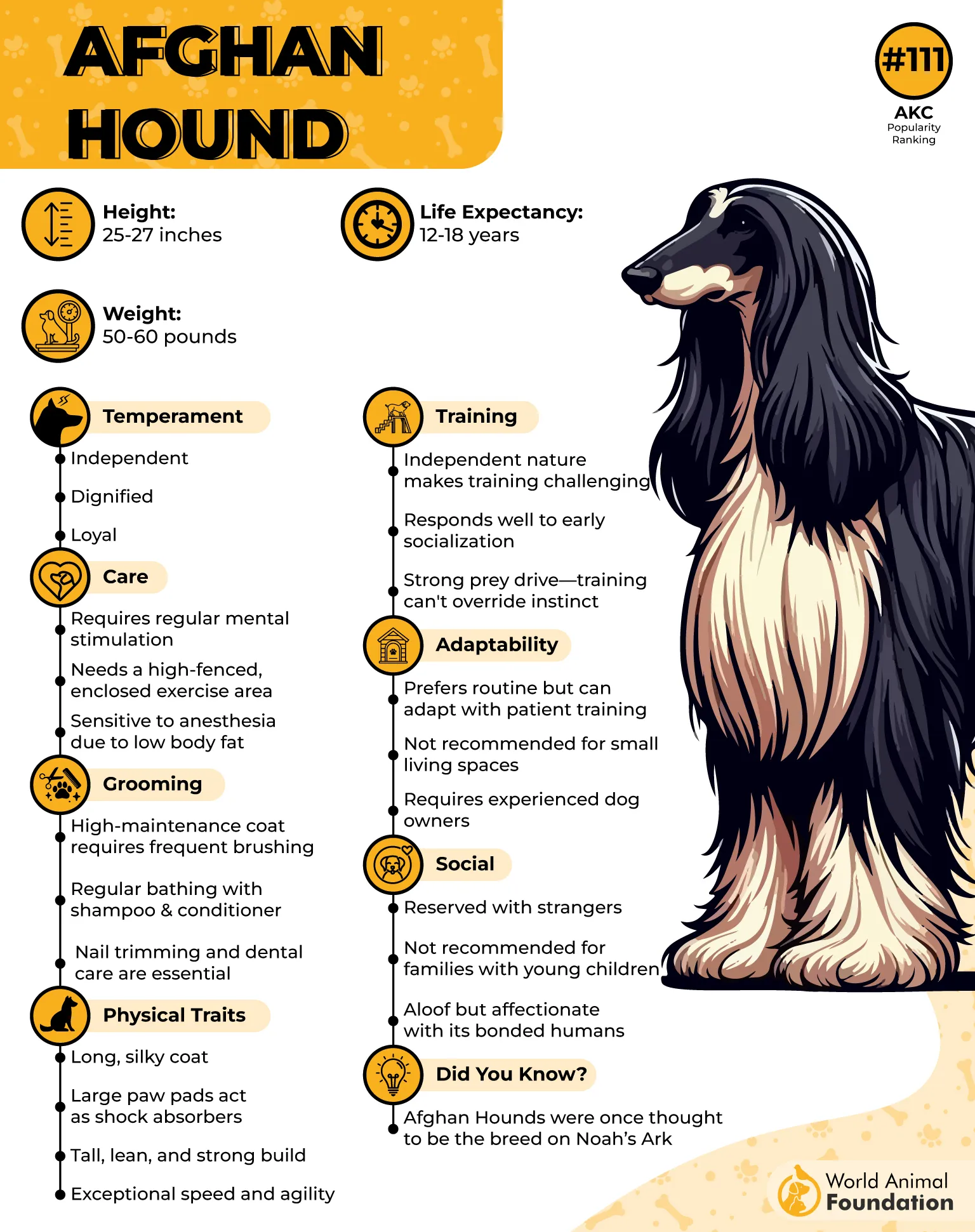
Its powerful rear legs and flexible lumbar spine give it remarkable elasticity while chasing prey. Interestingly, it tends to skip straight from spotting to chasing, without much of a resting phase in between.
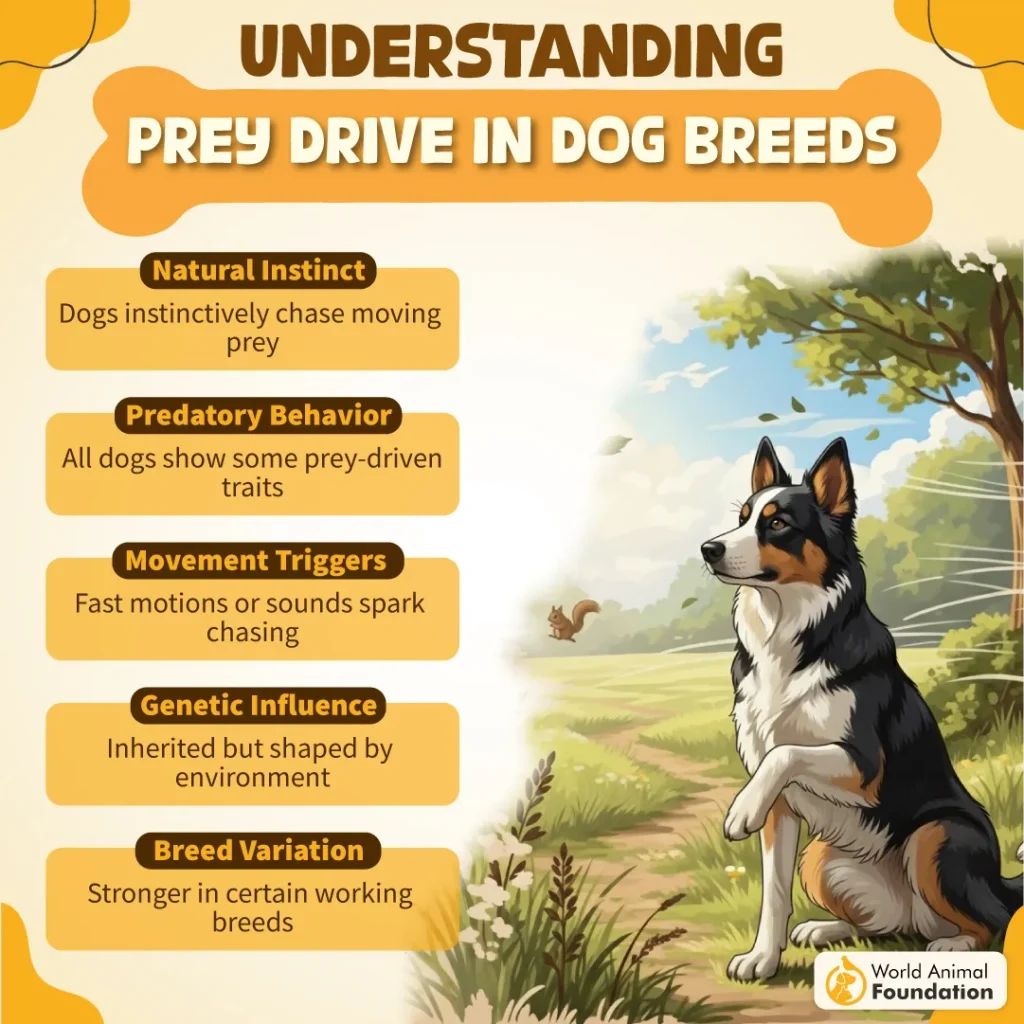
This energetic breed needs 1–2 hours of daily exercise, whether that’s brisk walks, running, lure coursing, hiking, or swimming. Because of its high prey drive, it may take off across open space the moment something catches its eye, so make sure the area is secure before letting it off leash.
3. Whippet
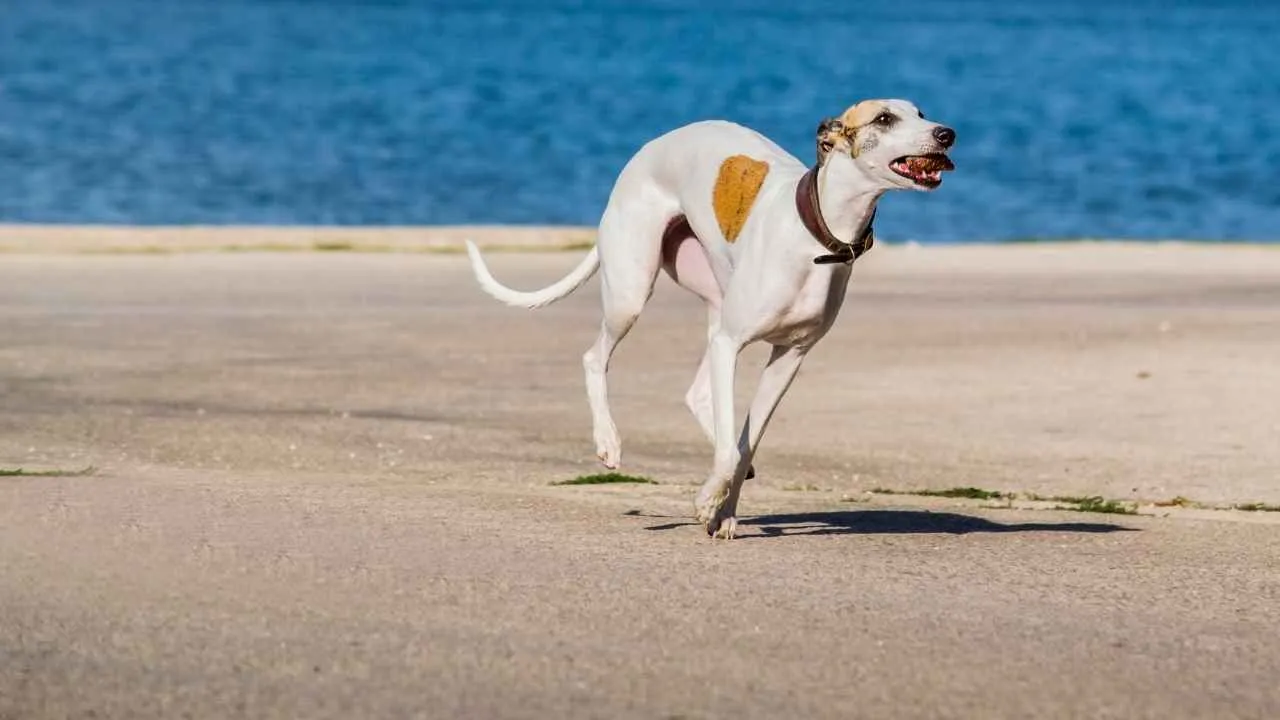
The ancestor of this breed was likely the English Greyhound, though it wasn’t quite large enough to take down big game like stag. To sharpen its hunting skills, it was interbred with terriers, and the resulting breed, the Whippet, was originally developed for “snap dog” hunting competitions, according to Orvis.
The Whippet has long legs and a powerful frame that let it cover ground efficiently with a low, swift stride. Its round eyes, rose ears, arched back, and lean build give it a naturally alert expression.
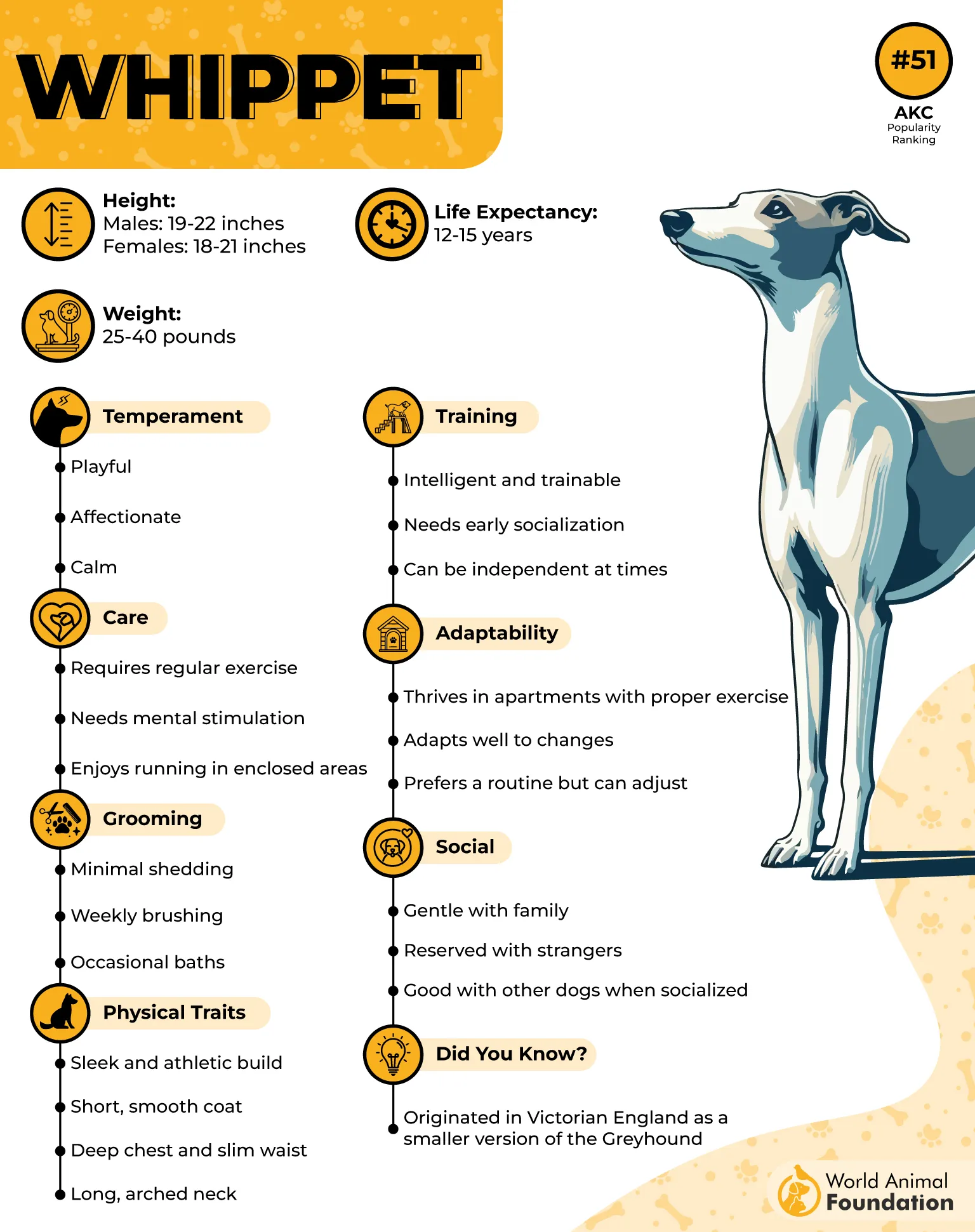
Because of its strong prey drive, it’s not a good match for households with small pets, and it tends to bark at anything unusual.
This energetic breed does best with moderate exercise, think frolicking, sprinting, long walks, and plenty of mental stimulation. While it’s an excellent hunter in its own right, it doesn’t make a great gun dog, since its instinct to chase tends to override steadiness in the field.
4. Rhodesian Ridgeback
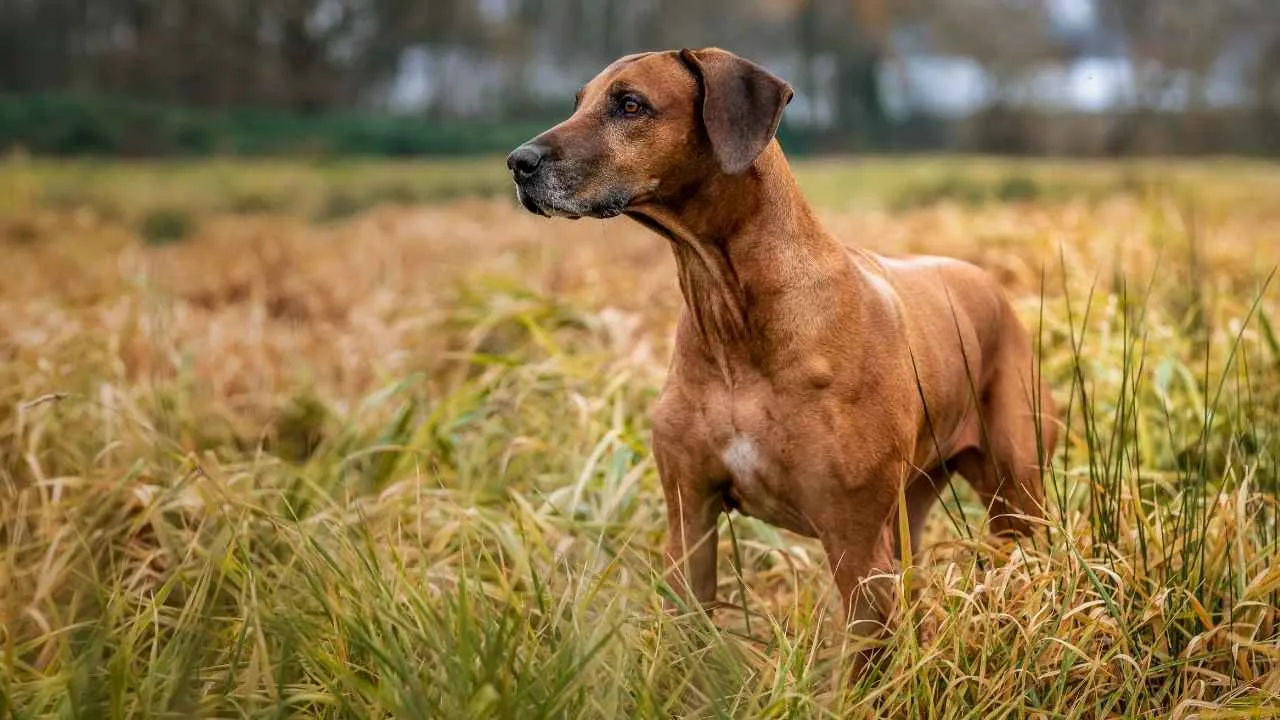
European settlers brought over Mastiffs, Bloodhounds, Great Danes, Pointers, and Greyhounds during the 16th and 17th centuries. These breeds were crossed with native hunting dogs to create a large, capable dog able to track and hunt lions, holding them at bay with persistent barking until the handler could move in.
With its sharp senses of sight and smell, this breed can detect a threat well before a human would notice anything. It’s not a nuisance barker, either, typically sounding off only to alert its owner to real danger.
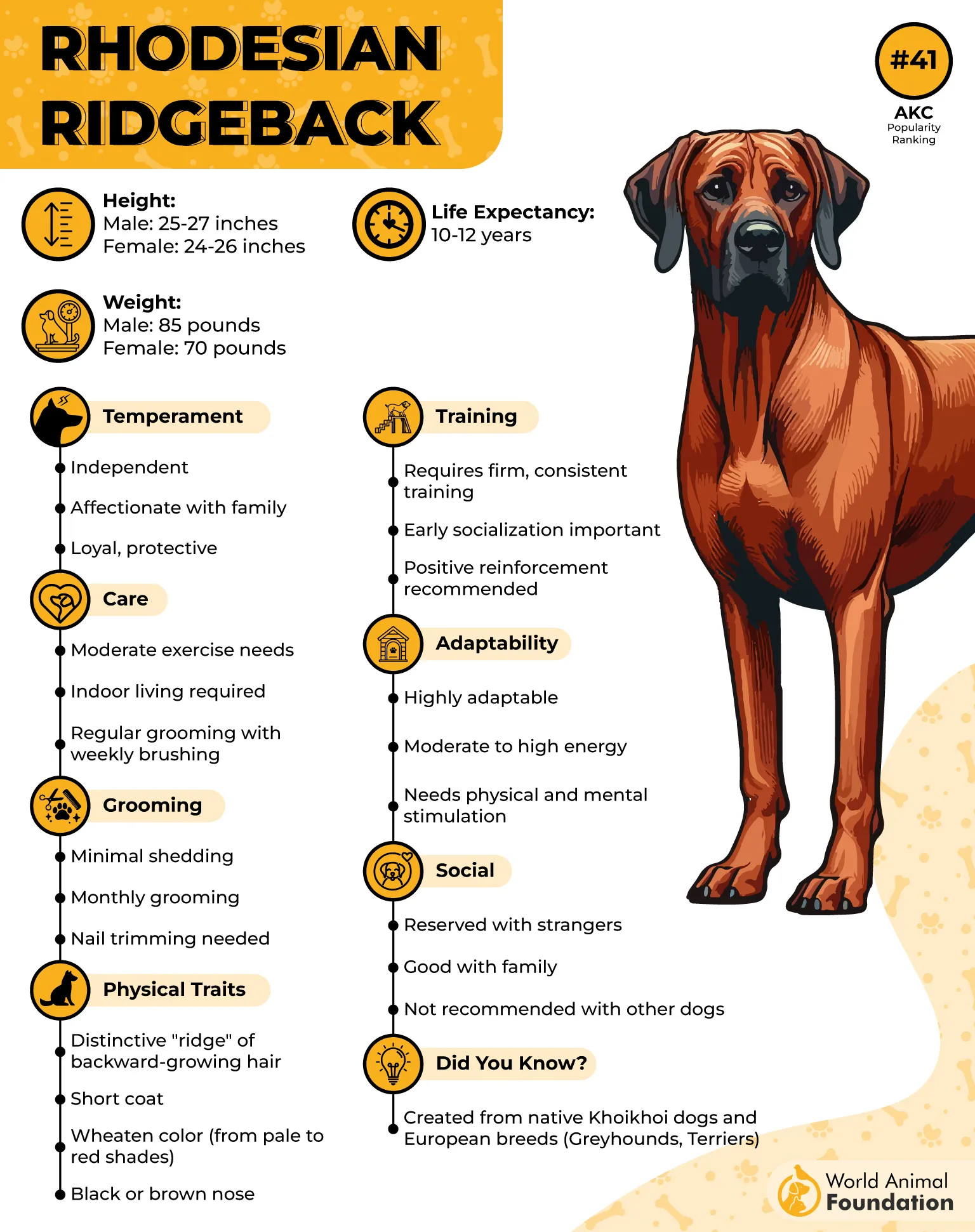
Males can show aggression toward other dogs of the same breed, so early socialization matters. They tend to get along well with kids, though supervision is still recommended since their size and energy can accidentally cause harm during play.
This breed has boundless energy and needs vigorous daily exercise; running, jogging, fetching, and long walks all help. It also excels at agility, tracking, and obedience work, especially when paired with reward-based training and positive reinforcement.
5. Weimaraner
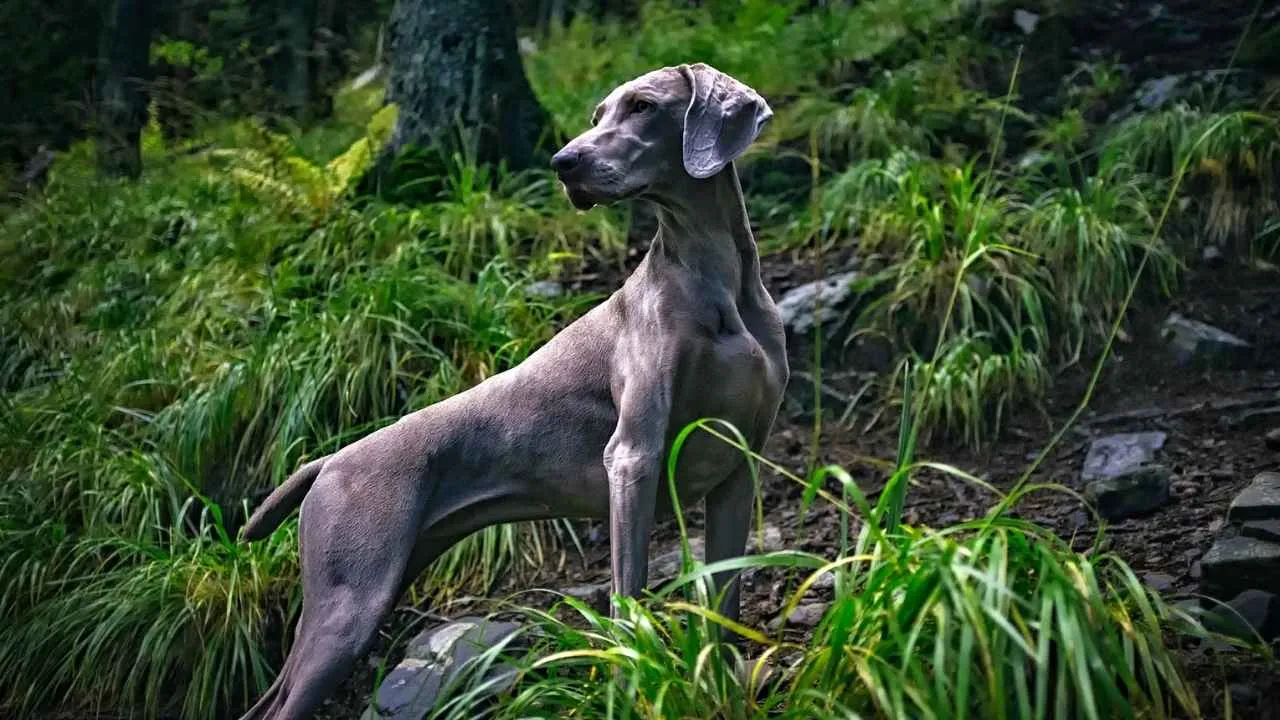
This breed emerged in the 19th century when German nobility crossed several breeds to create an exceptional tracking dog. It arrived in the United States in the 1920s and quickly gained popularity as both a family pet and a hunting companion.
Over the years, it’s been favored by notable owners, including President Eisenhower and actress Grace Kelly, according to PetMD.
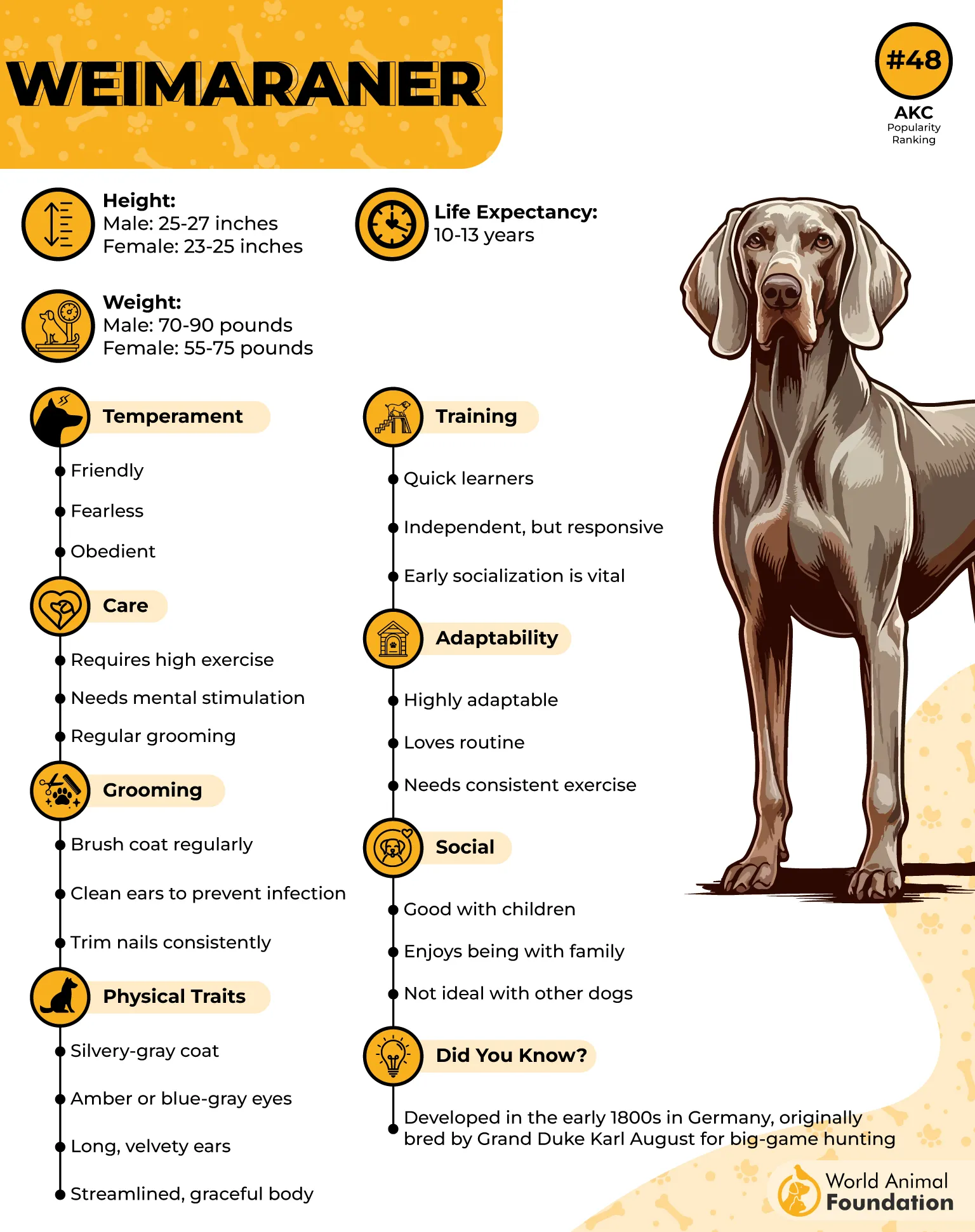
The Weimaraner is a large sporting dog and definitely not suited to apartment living. It’s highly intelligent, too, sometimes a little too much so, known for unlatching gates, opening doors, and even turning off faucets. Because of its strong prey drive, it also tends to be an avid chewer, so early training is important to teach it what is and isn’t okay to chew on.
This powerful breed needs at least 1–2 hours of daily exercise, whether that’s tug-of-war, agility, puzzle toys, dock diving, hiking, hunting, or running. It’s also prone to separation anxiety if left alone for long stretches.
6. Pharaoh Hound
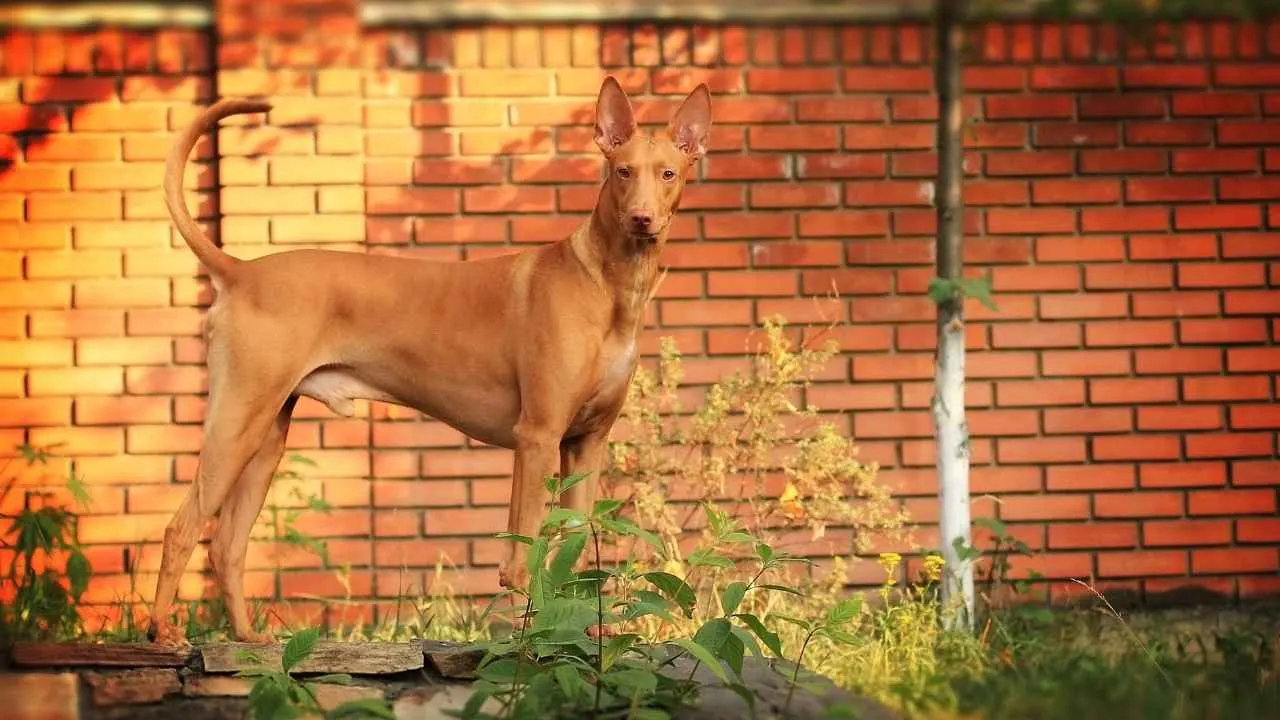
This is one of the oldest dog breeds in canine history, developed in Egypt thousands of years ago and even depicted in Egyptian artwork dating back to around 4400 BC. It later made its way to the Mediterranean island of Malta, where it was used to hunt small animals like rabbits.
As a sighthound bred to work in packs, this breed tends to be dog-friendly and gets along easily with new people. That makes it a poor guard dog, but a genuinely good alert dog, since it’s quick to bark at anything suspicious.
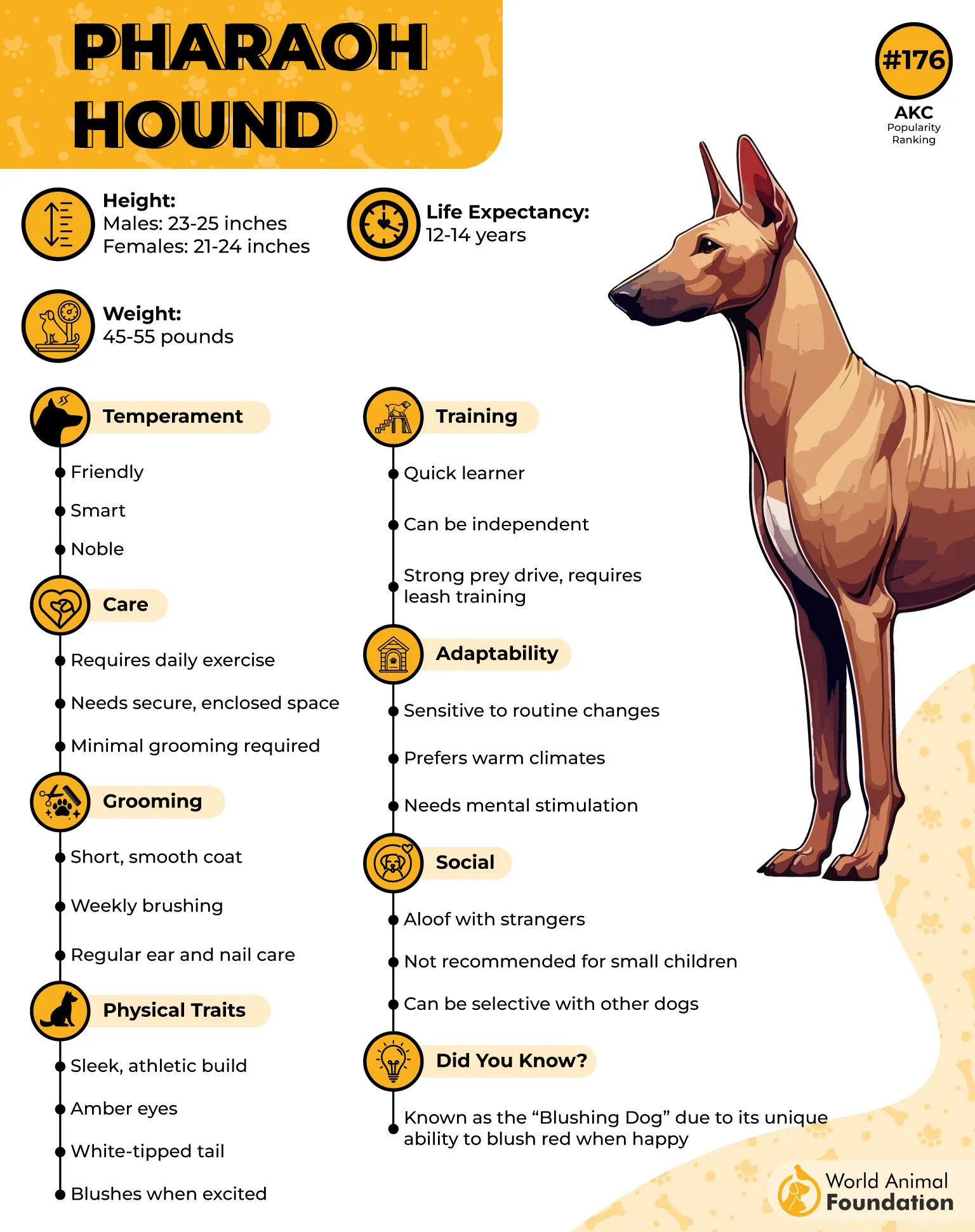
This medium-sized breed has pointy ears, a glossy coat, and a lean build, all of which help it chase down and catch prey with speed and precision.
Because of its high prey drive, training can be a bit of a challenge. It needs minimal grooming but does require intense exercise to stay healthy, think dog sports, daily walks, and lure coursing.
7. German Shorthaired Pointer
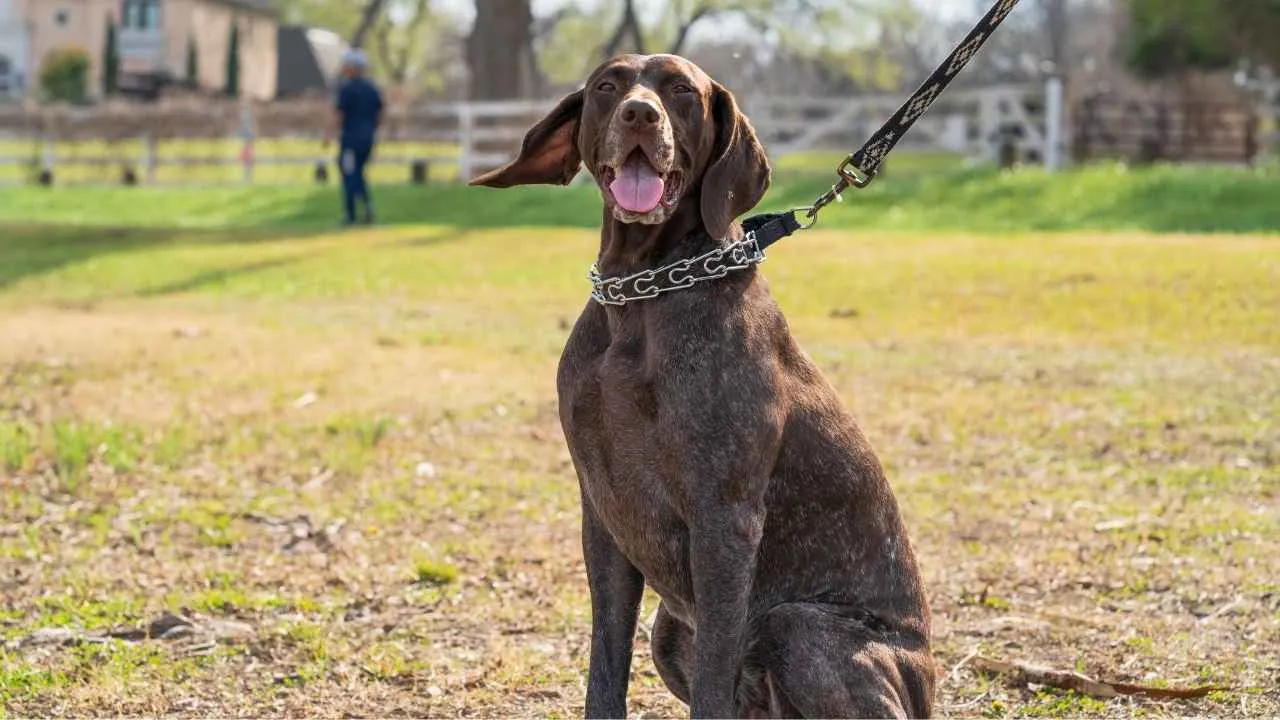
The German Shorthaired Pointer was developed as a versatile hunting dog in the 19th century, though similar versions of the breed are believed to have existed as early as the 17th century.
It was bred by crossing the Spanish Pointer with the Bloodhound, and the Royal House of Hanover reportedly commissioned breeders to create a dog that excelled at all-around farm work, eventually leading to the GSP we know today.
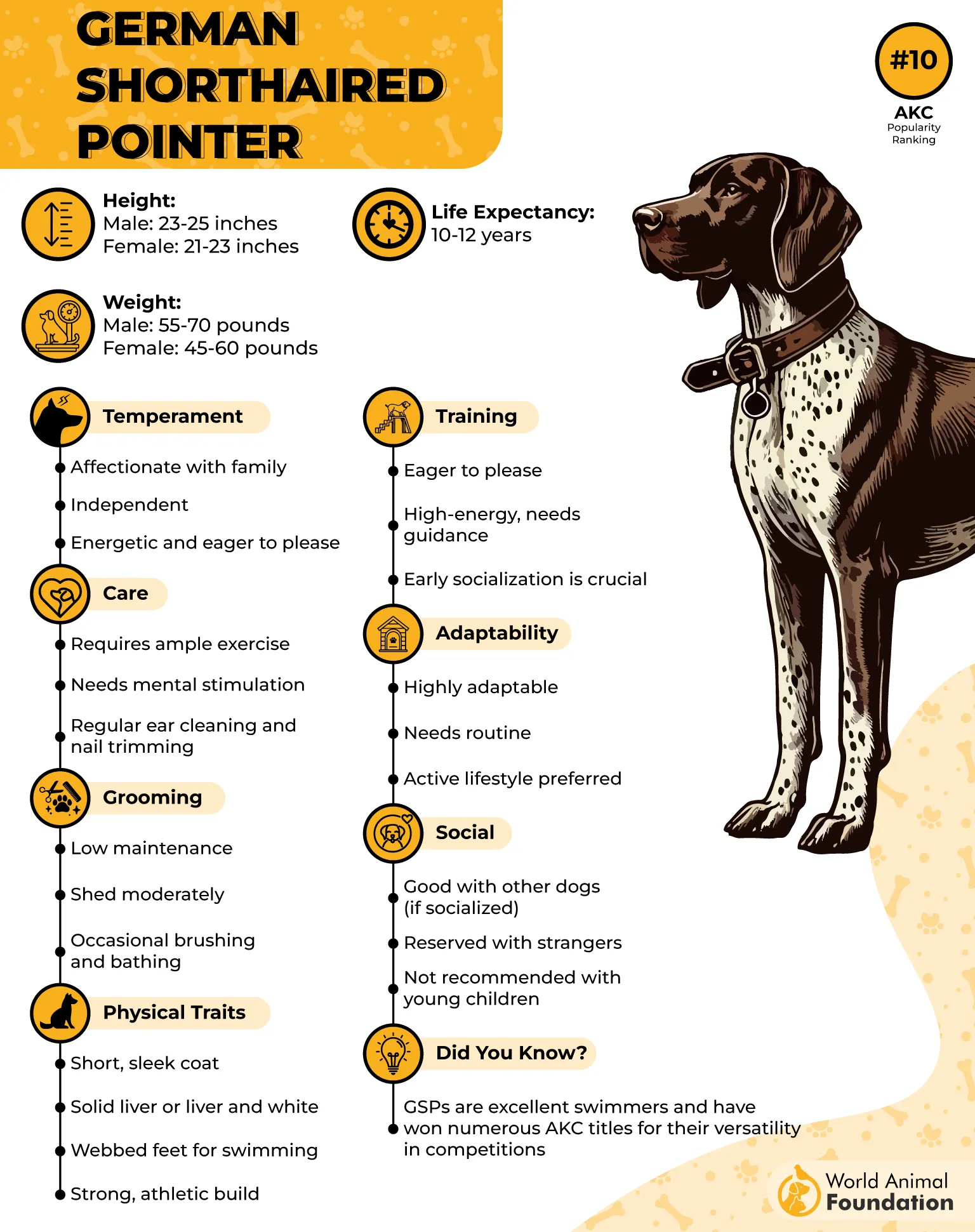
It has sloping shoulders, a clean-cut head, a deep chest, and almond-shaped eyes, traits that all work together to support its hunting ability. Its short coat also helps it stay comfortable in hot weather, and it’s equally capable of sensing and tracking prey on land or in water.
This active breed needs at least 1–2 hours of daily exercise; running, hiking, and long walks all work well. It does have an independent streak, though, so consistent training and early socialization go a long way.
Conclusion
Living with a dog that has a strong prey drive can be exciting, rewarding, and occasionally hilarious when a blowing leaf suddenly becomes “the target”. These breeds are not difficult because they love to chase. They are simply doing what generations of careful breeding prepared them to do.
Success comes from understanding those instincts and trying to erase them. Daily exercise, positive training, secure spaces, and fun activities like scent work or lure coursing can keep them mentally and physically satisfied.
