





Life gets busy. Between work, family, and everyday responsibilities, not everyone has hours to spend grooming or exercising a dog. That does not mean you have to give up the dream of having a loyal four-legged companion.
Many low-maintenance dog breeds are happy with simple care while still filling your home with love, laughter, and unforgettable moments.
As actress Oprah Winfrey once said, “Dogs are not our whole life, but they make our lives whole.” The right breed can fit naturally into your routine instead of turning it upside down.
Let us explore ten wonderful dogs that prove companionship does not have to come with endless upkeep or constant demands.
Low-Maintenance Dog Breeds That Fit Your Lifestyle
1. Pug
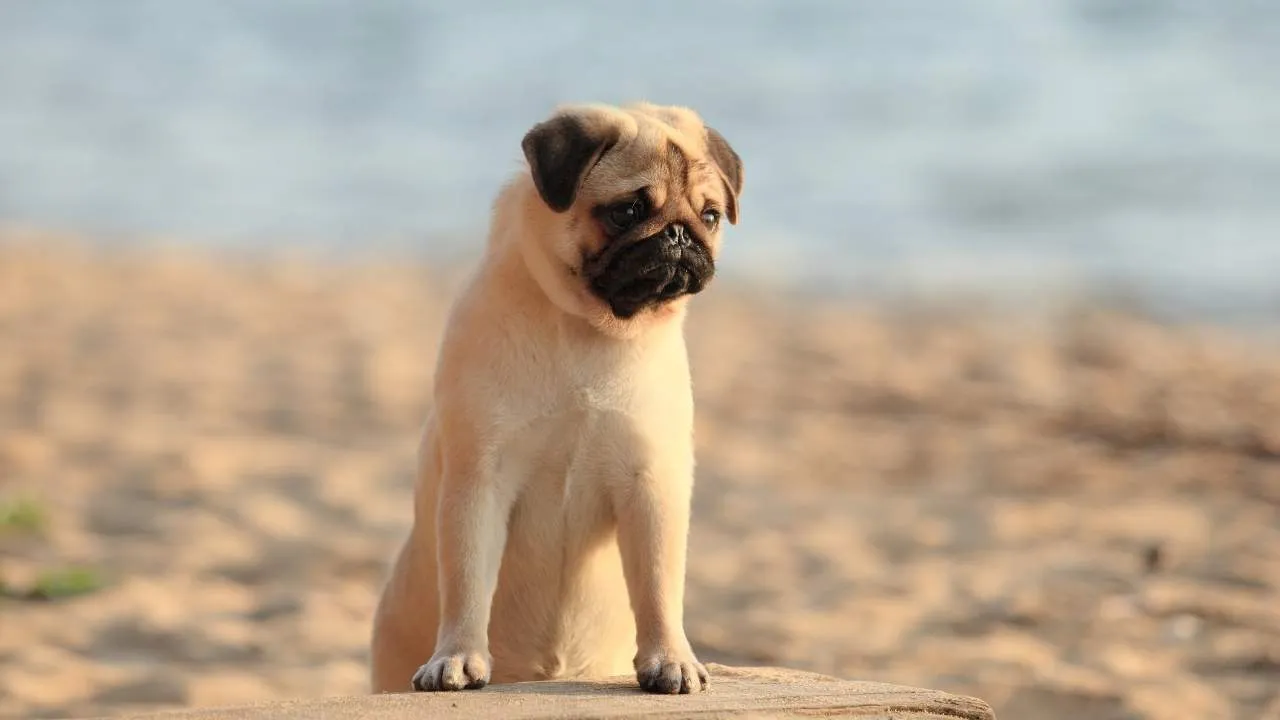
The breed was originally bred centuries ago from a mastiff dog. It was a popular watchdog in Tibet and travelled to Europe through the East India Company in the 18th century. The name comes from a Latin word, ‘Pugnus’, that means fist, according to Omlet.
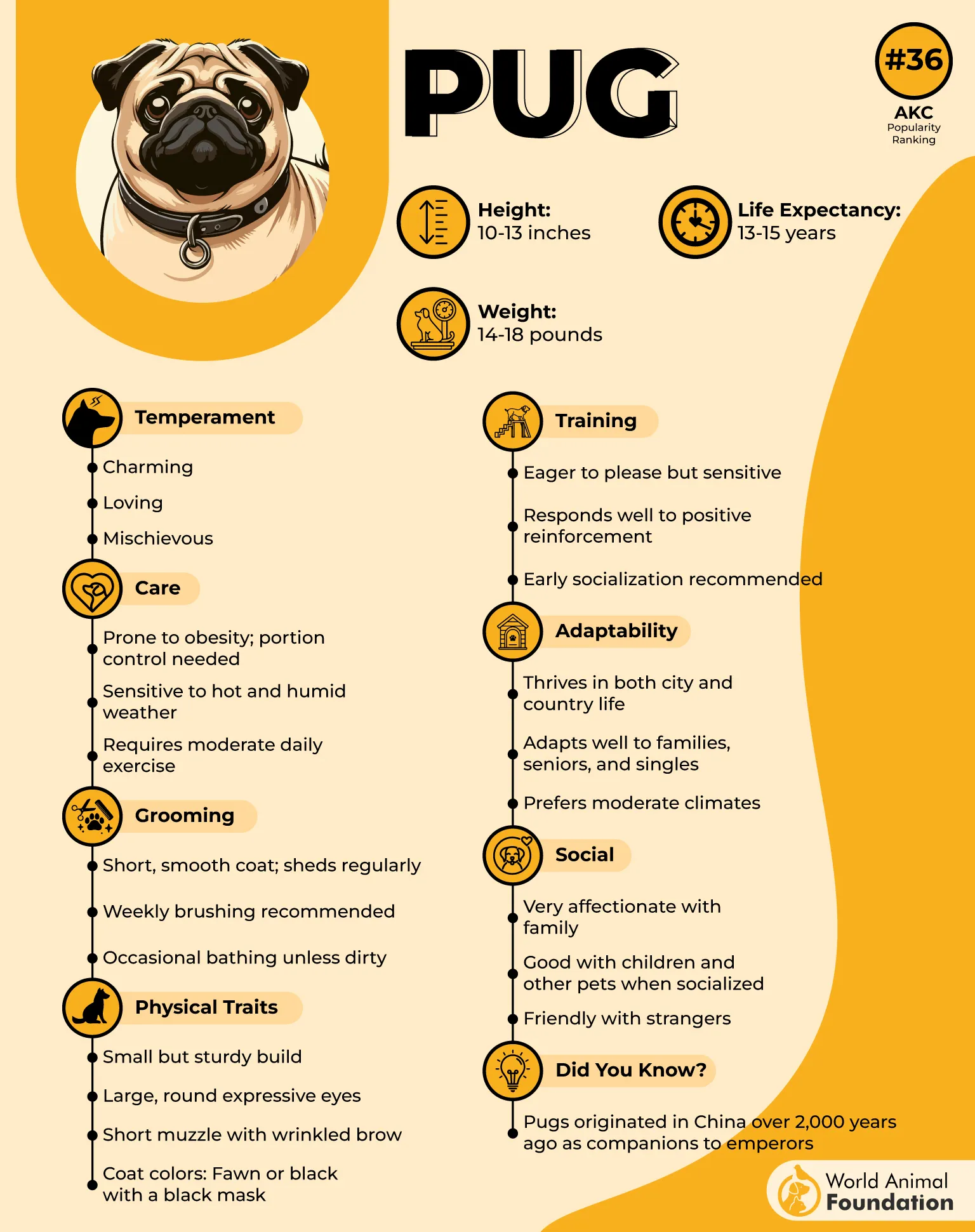
It has a short, glossy, and smooth coat that comes in fawn, apricot, and black colours. The coat has a trace of black line extending to the tail. The coat is neither wavy nor woolly, making it a low-maintenance dog breed. The tail is curled over the tip.

The smaller dog has minimal grooming needs: use a medium-bristle brush and a rubber grooming mitt for weekly brushing. It needs occasional baths since it has zero or minimal dog odour.
2. Chihuahua
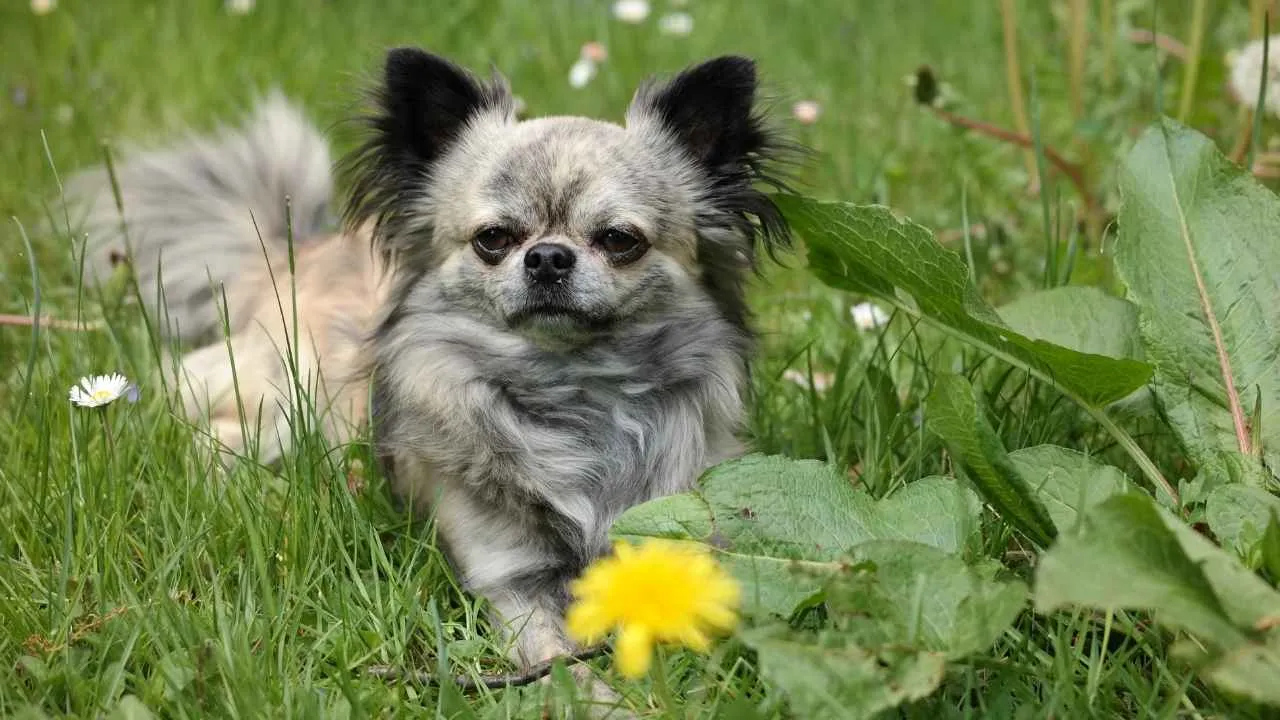
Also known as ‘Chis,’ this is the smallest dog breed in the canine breed. It was developed in Mexico in the 16th century. The primary goal of the breed was to serve as a lap dog, and today, it serves the same purpose and makes a great family dog. It forms strong bonds with the owner’s family.
The coat of the Chihuahua comes in two types: the long-haired and the short-haired. The coat has three standard colours: black, white, and brown. It is a temperature-sensitive breed and needs a warm blanket or sweater to stay warm in winter.
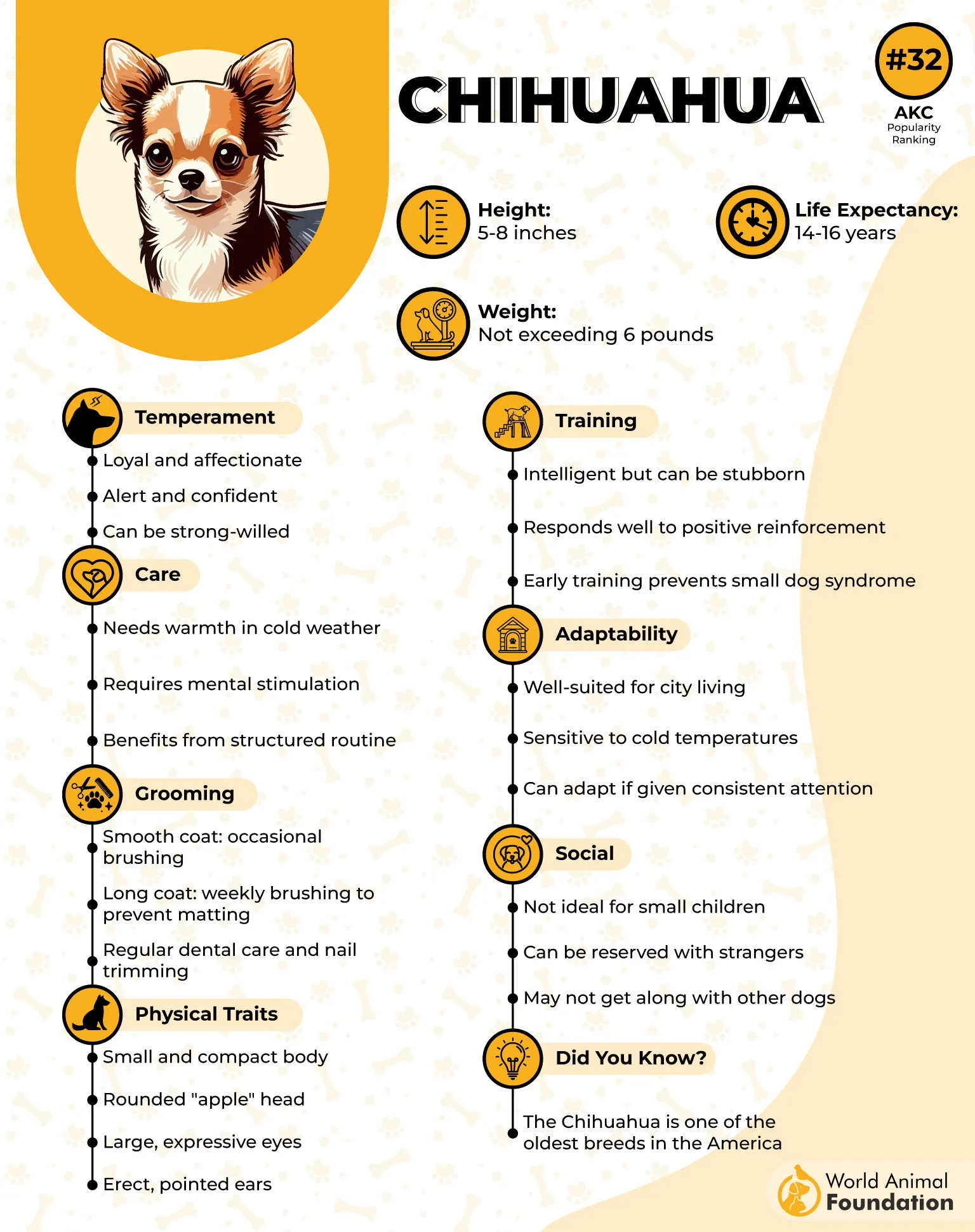
The short coat has moderate shedding and requires weekly brushing using a deshedding tool. The long coat requires frequent brushing (4-5 times a week). It needs bathing after 4-6 months.
3. Dachshund
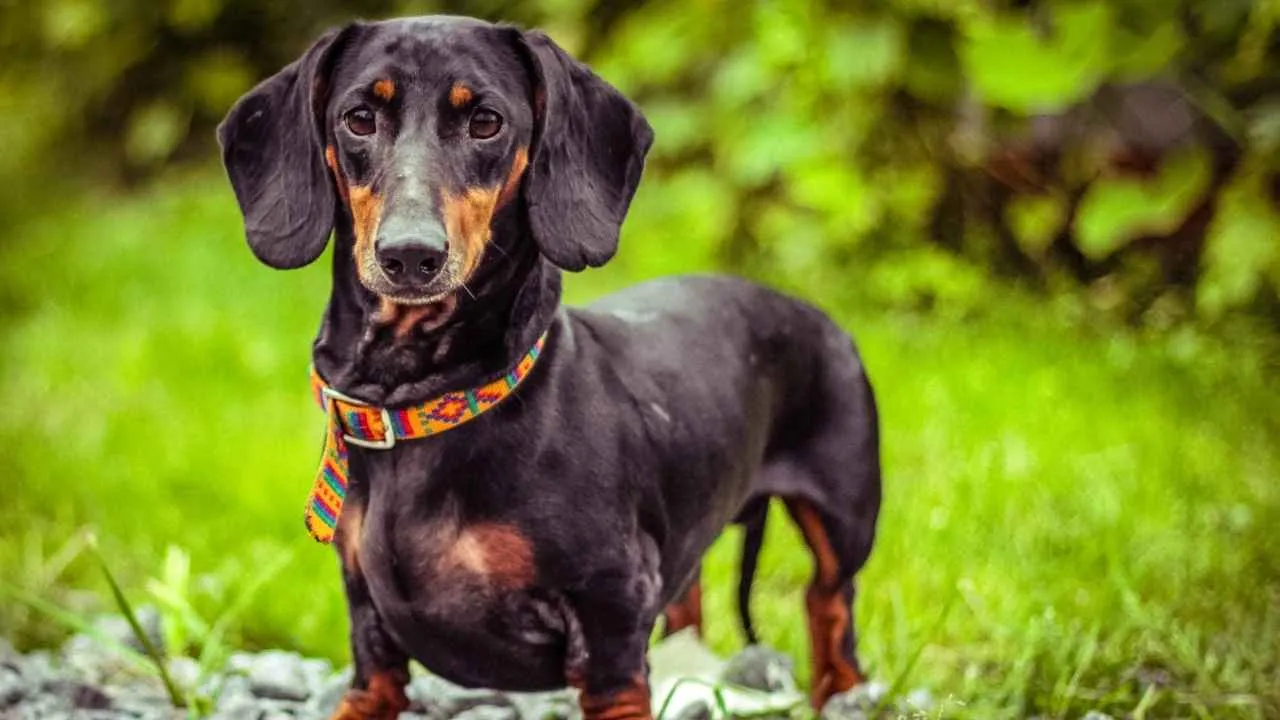
The history of this dog dates back 600 years in Germany. It has a low-to-ground body and catches its prey by digging. The primary purpose of this breed was to hunt badgers, as noted by the AKC. It continued to be refined over the years and was officially recognized by the American Kennel Club in 1885.
Since it has a thick beard, a moustache, and bushy whiskers, these areas require special attention and need regular trimming to avoid tangles and irritation. The coat comes in three varieties: wire-haired, short-haired, and long-haired. The wiry coat traps loose hair, preventing shedding.
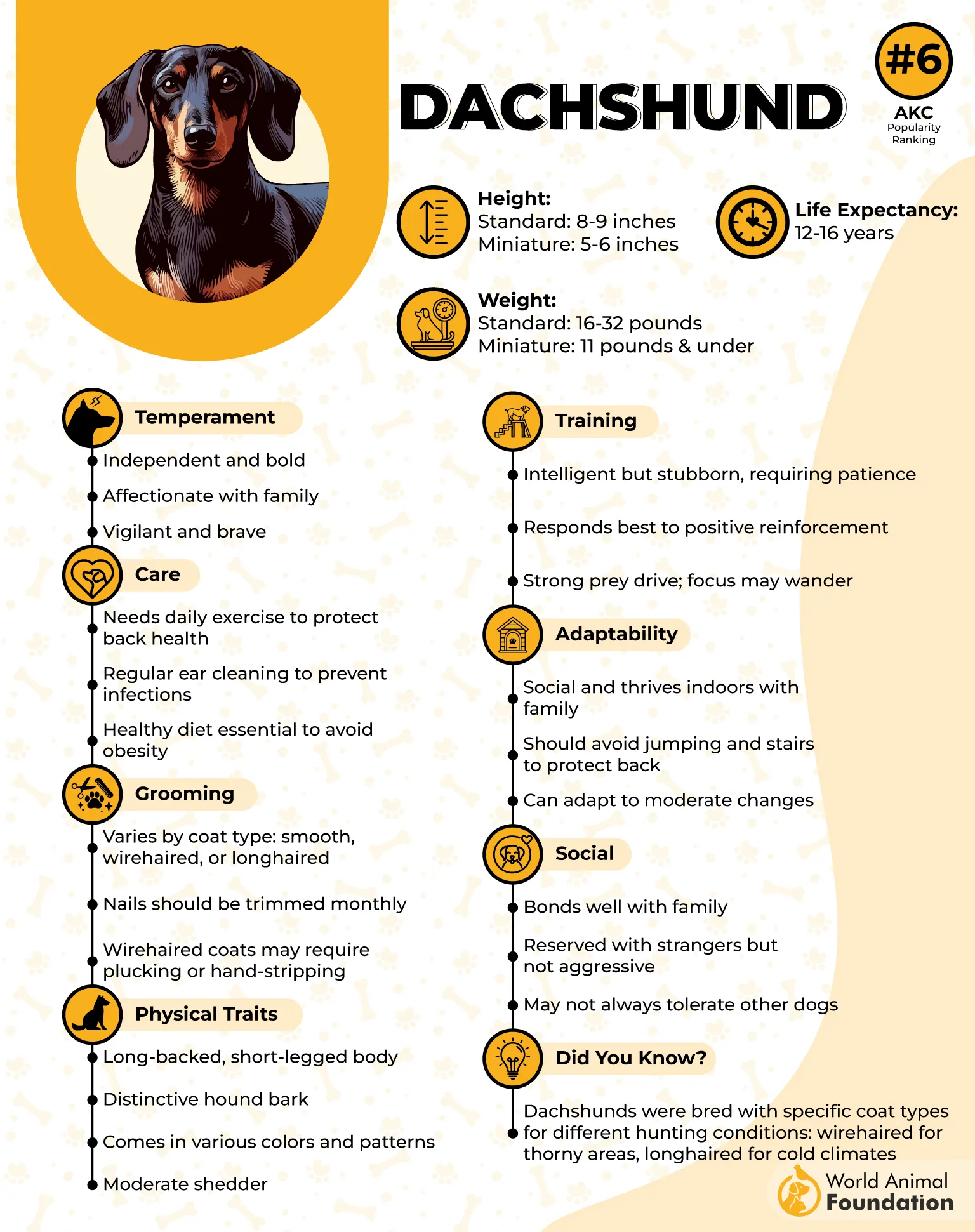
The smooth-coat needs weekly brushing to remove loose hair and evenly distribute natural oils, while the long coat needs brushing 2-3 times a week. Stripping is needed several times a year
4. Boston Terrier
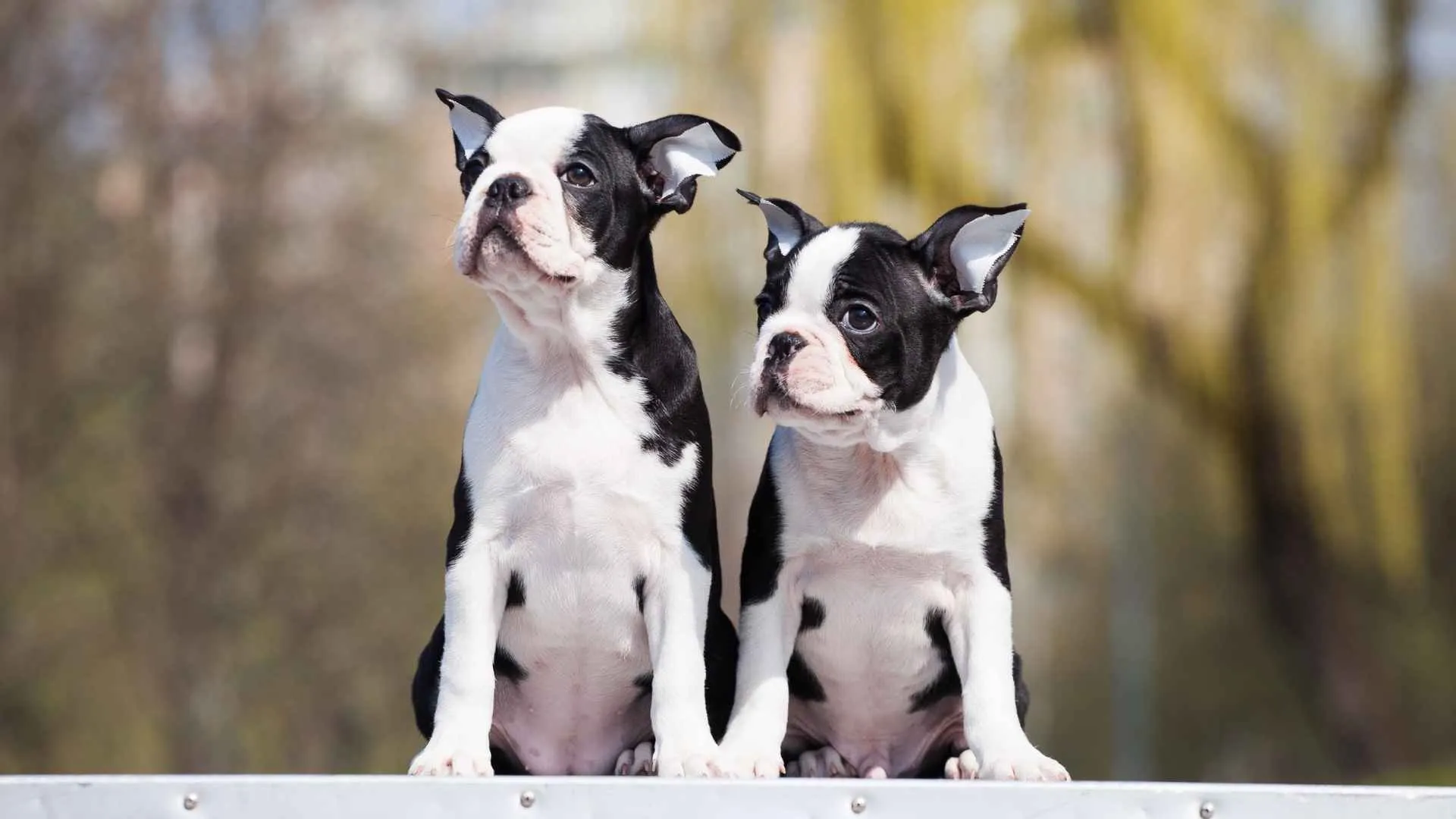
Also known as the ‘American Gentleman,’ the breed was developed by crossing the English Bulldog and an English White Terrier. It was defined in the year 1893 by further crossing it with the English Bull Terrier, Boxer, and the Pit Bull Terrier, as reported by Purina.
The coat comes in either black, brindle, seal, or the combination of all three colors. It has a white collar and white markings around the legs and up to the hocks. Since it has a short coat, it can easily catch a cold; thus, it is recommended to keep the breed indoors during winters.
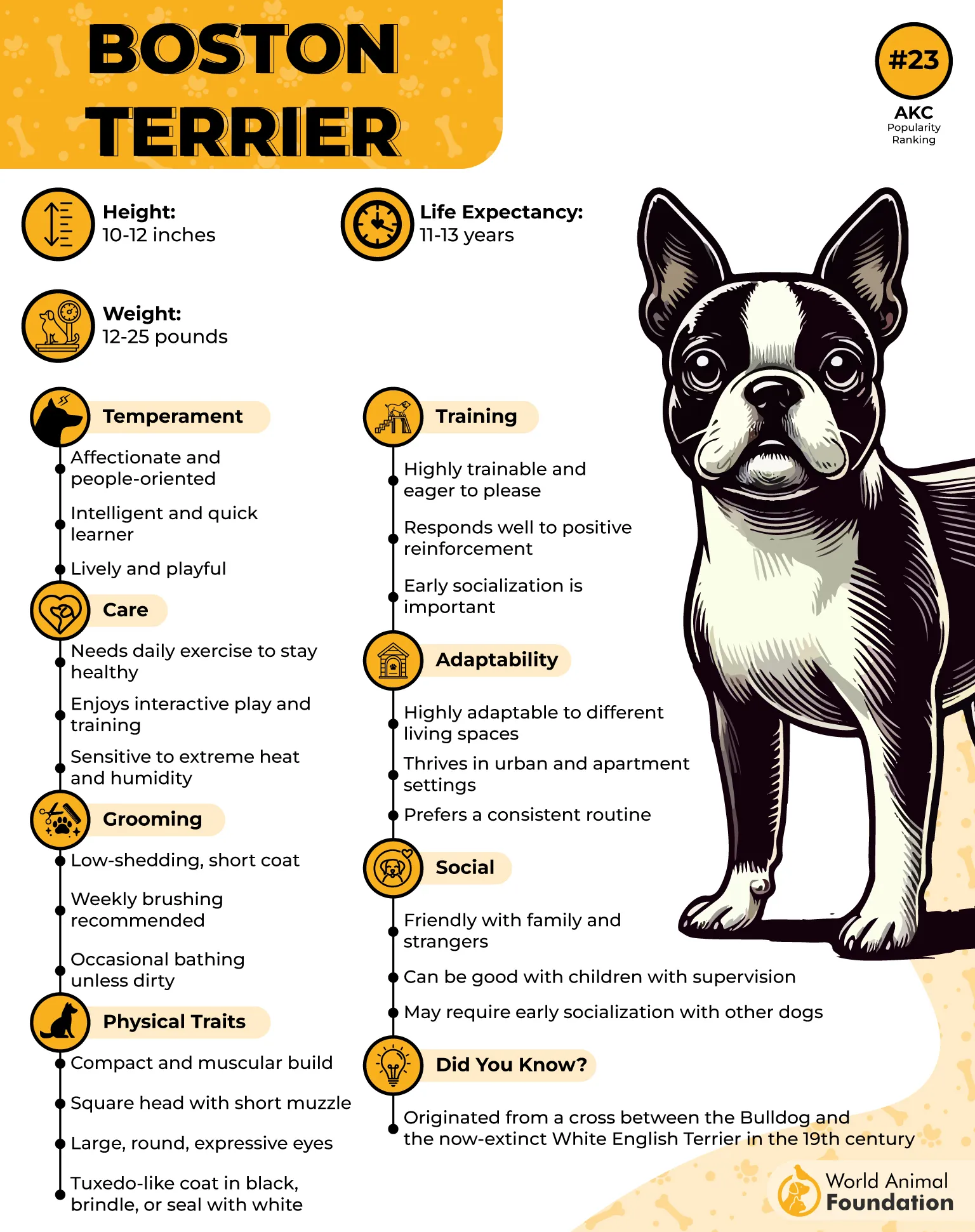
It requires minimal grooming: weekly brushing, nail clipping, and regular eye and ear checkups to prevent irritation and infection. It is a brachycephalic breed and requires low-impact exercise.
5. Chinese Crested
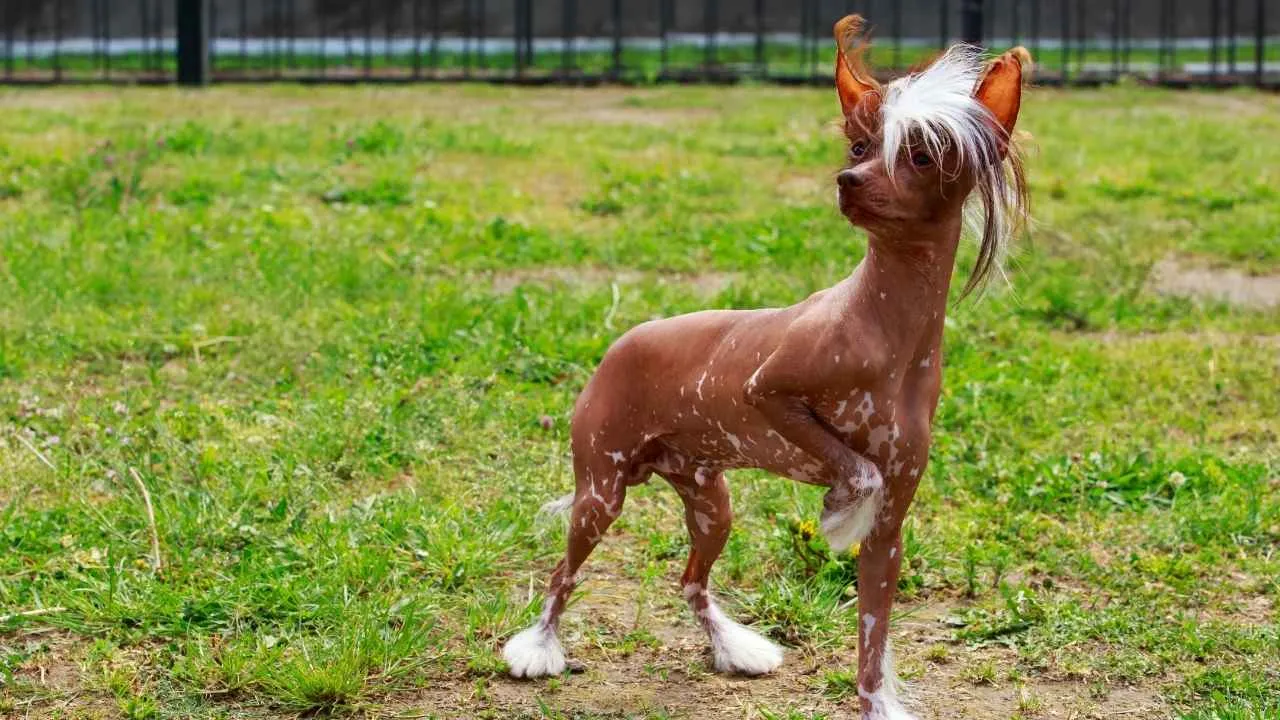
The ancestry of this dog is connected with the hairless dogs in Africa and with the Mexican hairless dogs. It was intentionally bred to a small dog when it arrived in China and was used to hunt small animals, such as rats and rodents. It was popular among the Chinese emperors.
The coat has two different types: the hairless and the powder-puff. The hairless breed has fur on its lower front and back legs, tail, and head. The exposed skin is fine and smooth. It may or may not have hair on the face and around the ears. The powder-puff breed has a double coat.
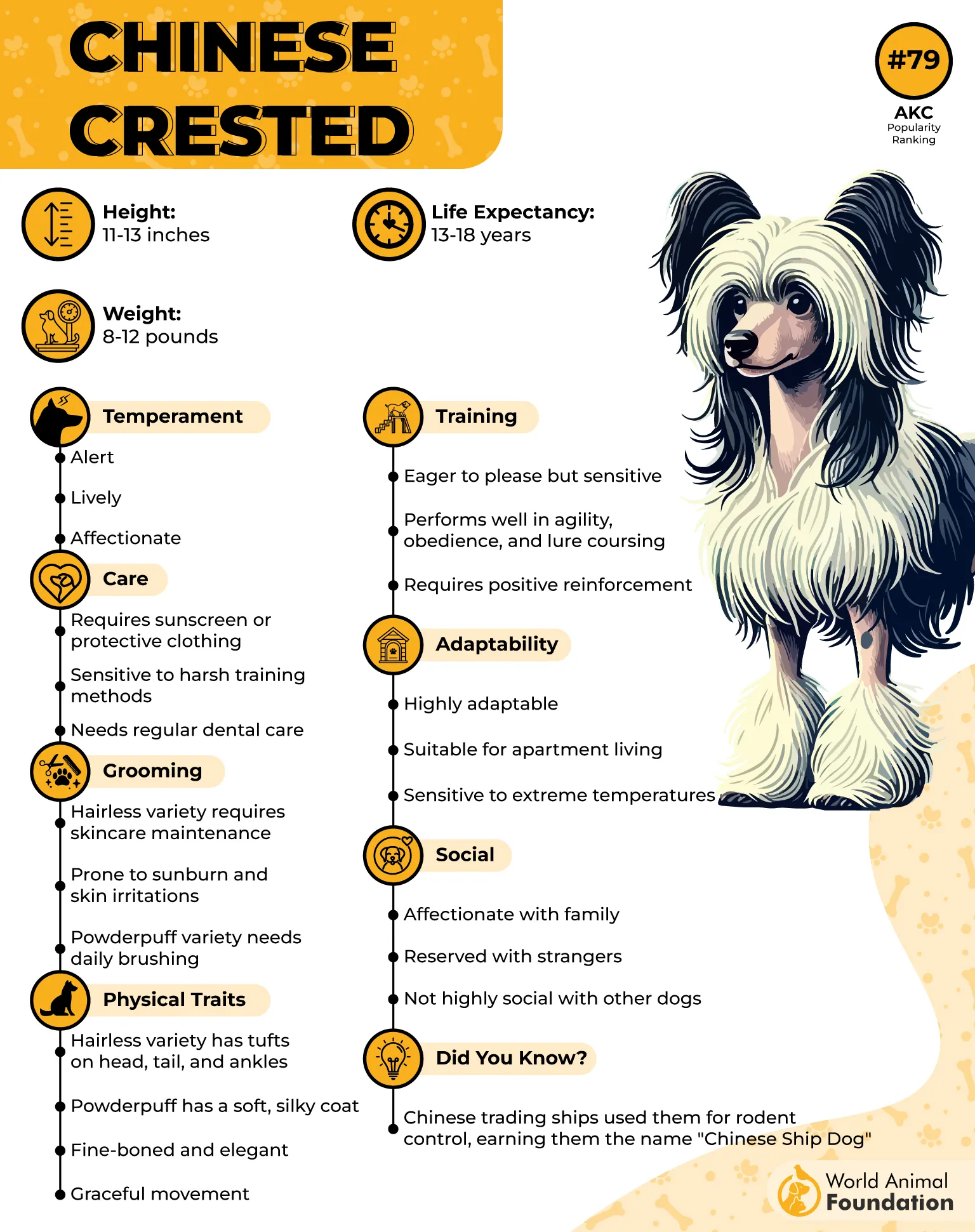
While the hairless breed does not require brushing, daily baths are recommended. However, the skin needs special attention. Use a daily cleaner and a moisturizer. Use a dog-safe sunscreen when taking it outdoors.
6. Basset Hound
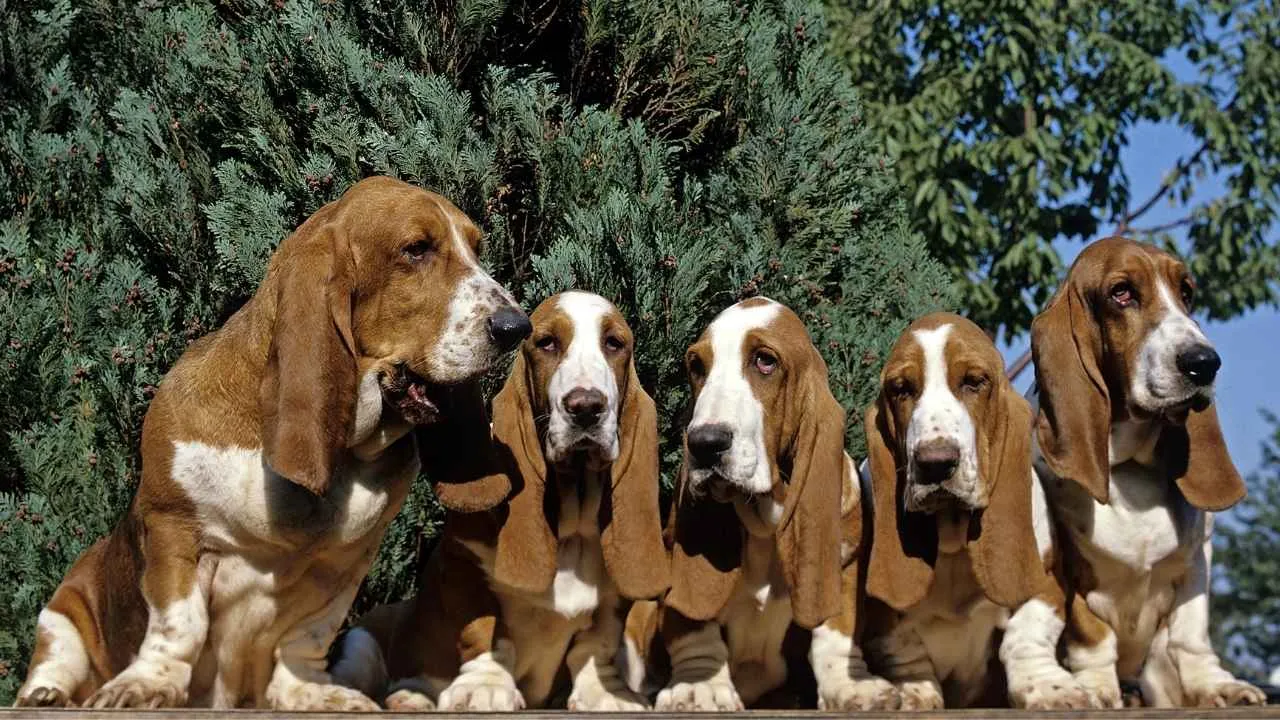
The breed was originally bred in France as a hunting dog and was used to kill and hunt small animals, such as rabbits and hares. The word ‘basset’ is derived from a French word ‘bas’ which means ‘dwarf.’ It was crossed with the Bloodhound in the 19th century to increase its size.
It has a short coat with coarse hair under the tail. All hound colors are accepted except brindle and merle. This dog should not be left alone for a long period of time.
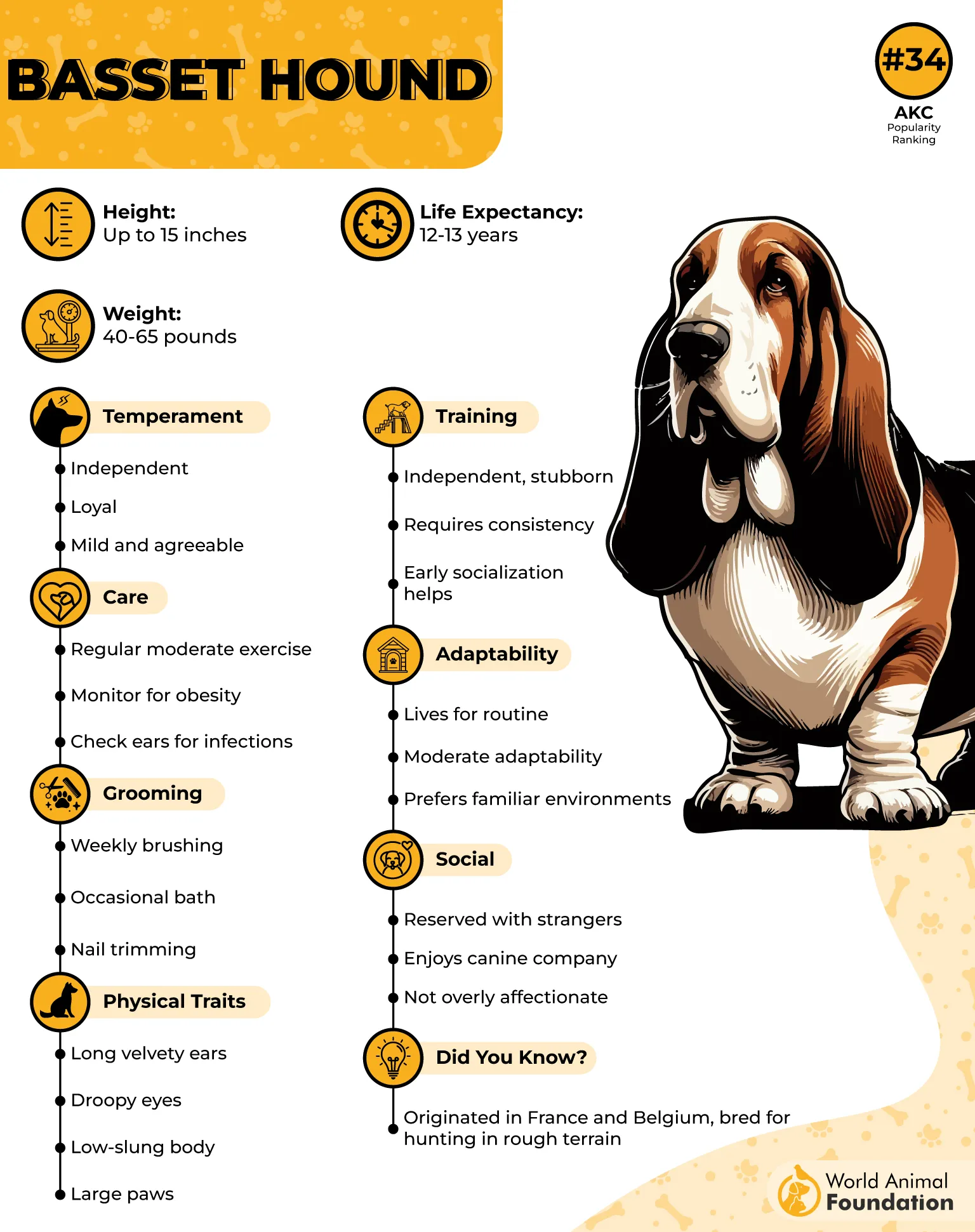
It sheds heavily and needs daily brushing to prevent mats and tangles. The ears require special attention since they are prone to infection. Bathe the breed every 1-3 weeks.
7. Italian Greyhound
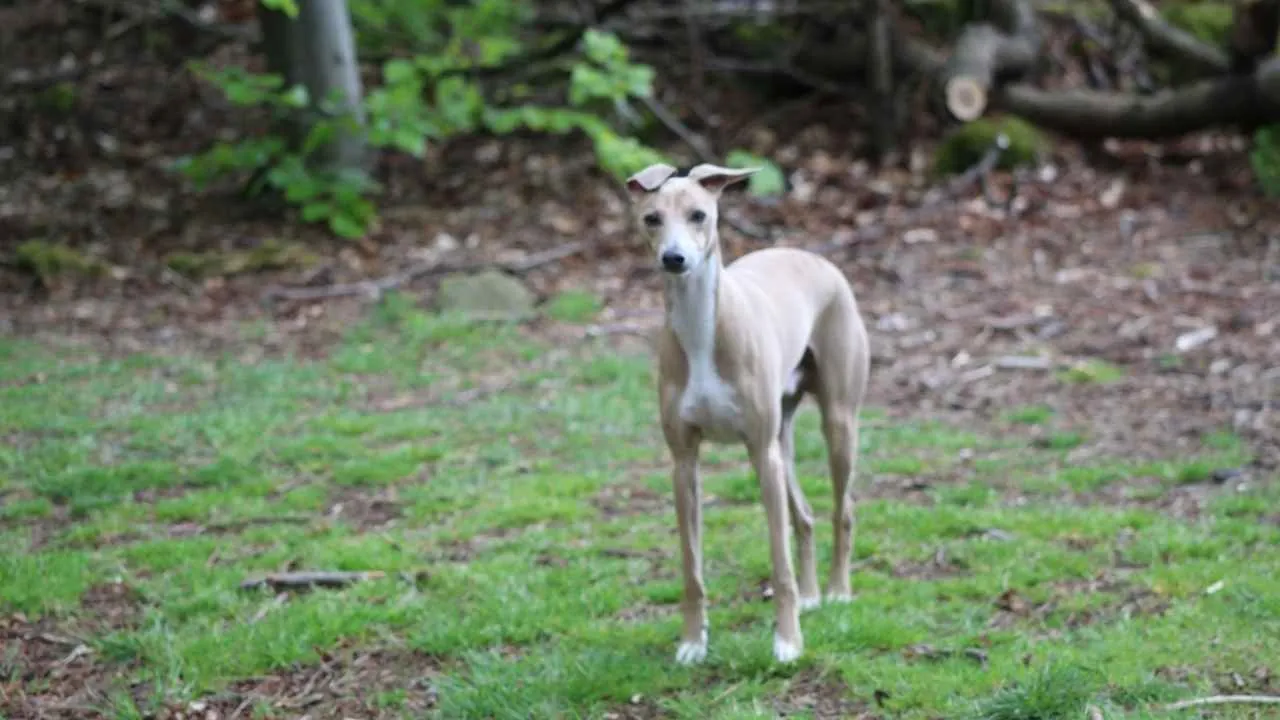
It is a miniature version of a full-sized Greyhound. It was a favorite among the royalty and was painted by famous artists, including Van Eyck and Memling. Because of the quest for smaller dogs, this breed nearly went extinct but was revived again.
It has a smooth and glossy coat that comes in various colors. It is considered a hypoallergenic dog that requires very little upkeep: weekly brushing is enough. It is prone to periodontal disease; thus, teeth brushing is needed every 2-3 days.
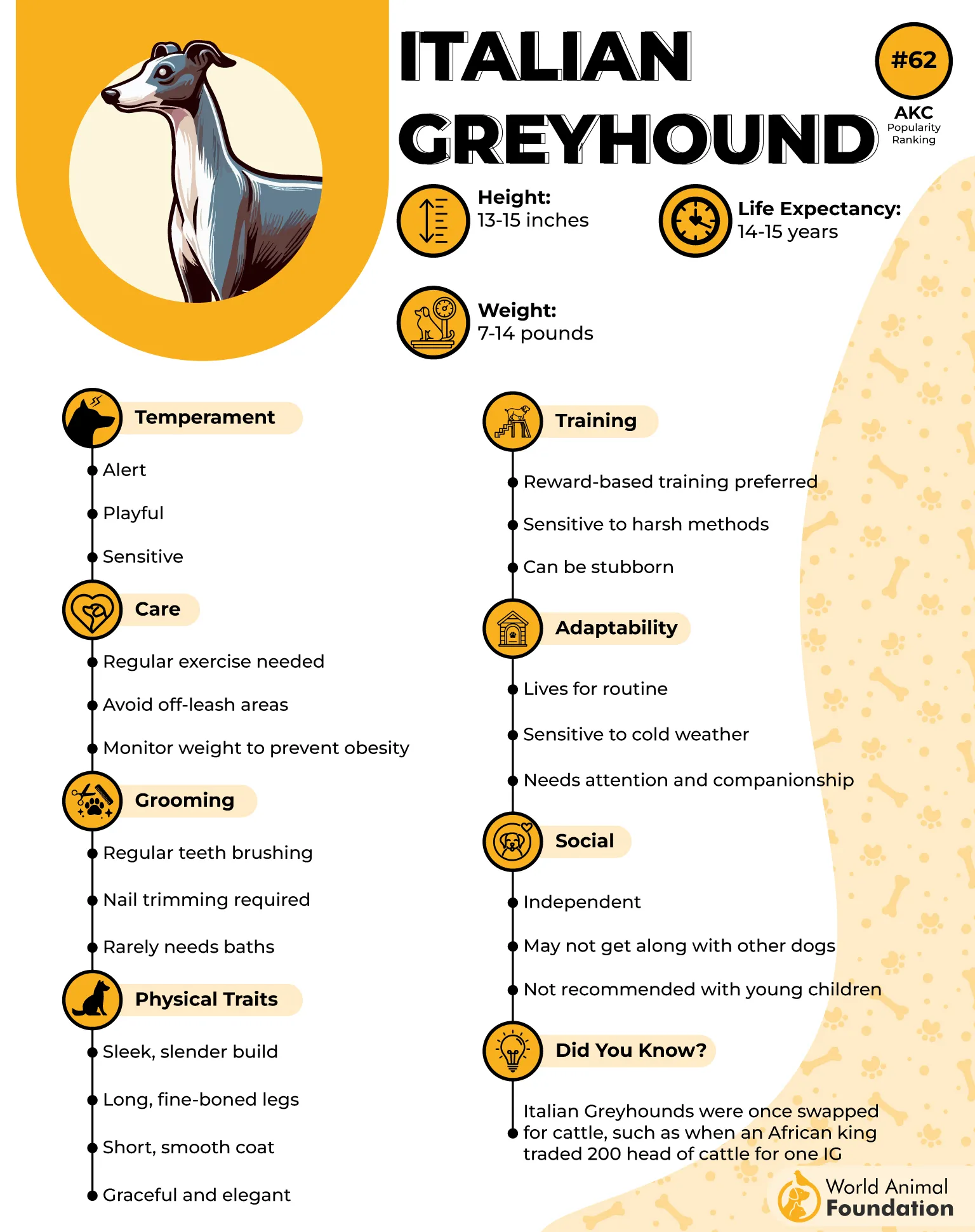
The hair on the paws needs to be cleaned yearly by a professional groomer. It also has minimal exercise requirements: brisk walks and mental stimulation followed by reward training.
8. Whippet
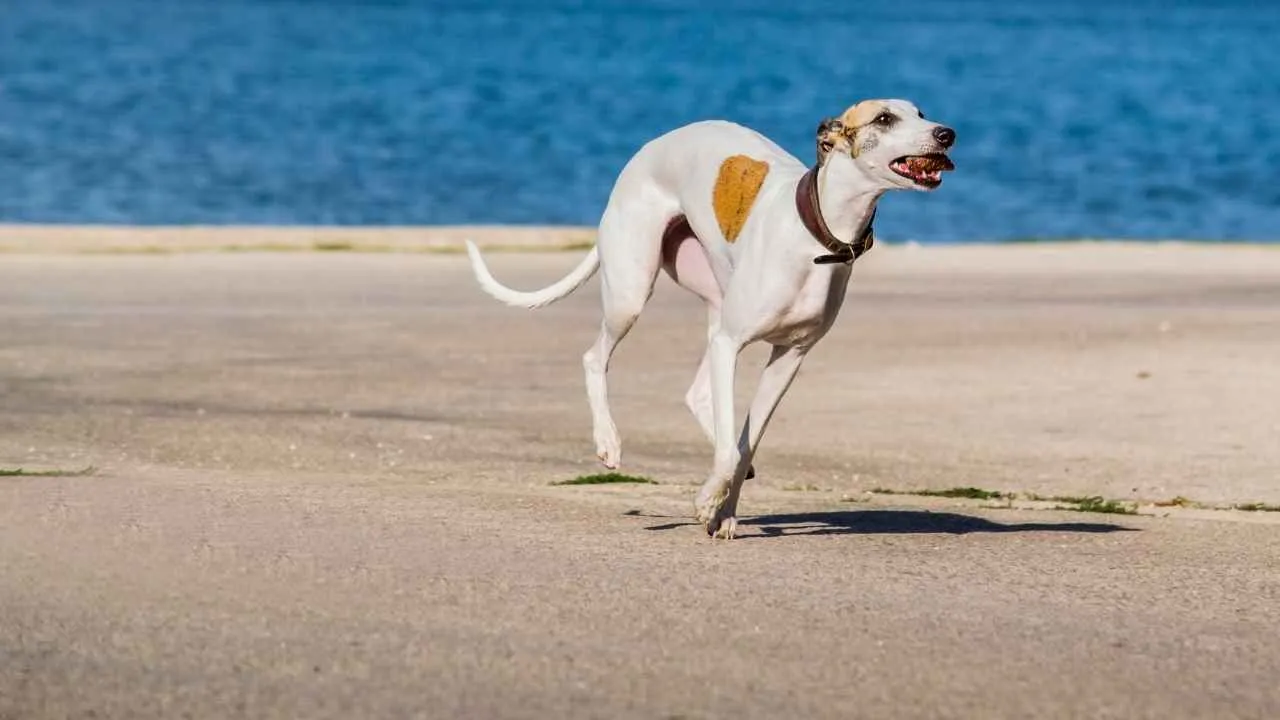
Also known as a ‘Miniature Greyhound,’ the Whippet is a cross of the Greyhound and the English terrier. It was originally developed to hunt small game (especially rabbits). It is a swift runner and is considered one of the fastest-running breeds of its size.
The breed has a short and smooth coat that comes in various colors, including blue, fawn, red, black, white, and various shades of brindle. It sheds at a low-to-moderate level, but it ‘blows’ during the shedding seasons (spring and autumn).
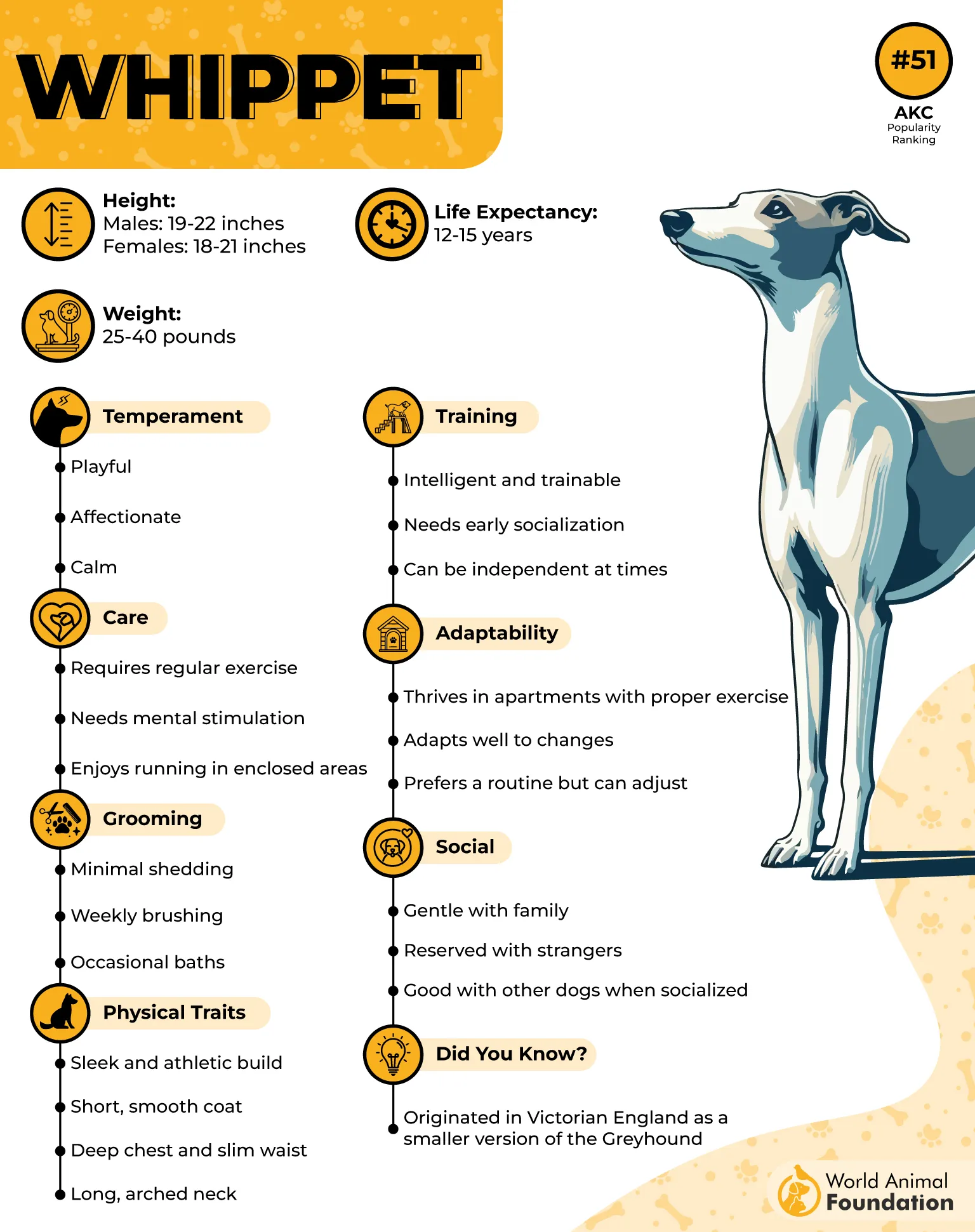
Use a grooming mitt to brush the coat weekly. It needs occasional bathing and regular nail trimming. Early training and proper socialization are non-negotiable to prevent stubbornness and destructive behavior.
9. Beagle
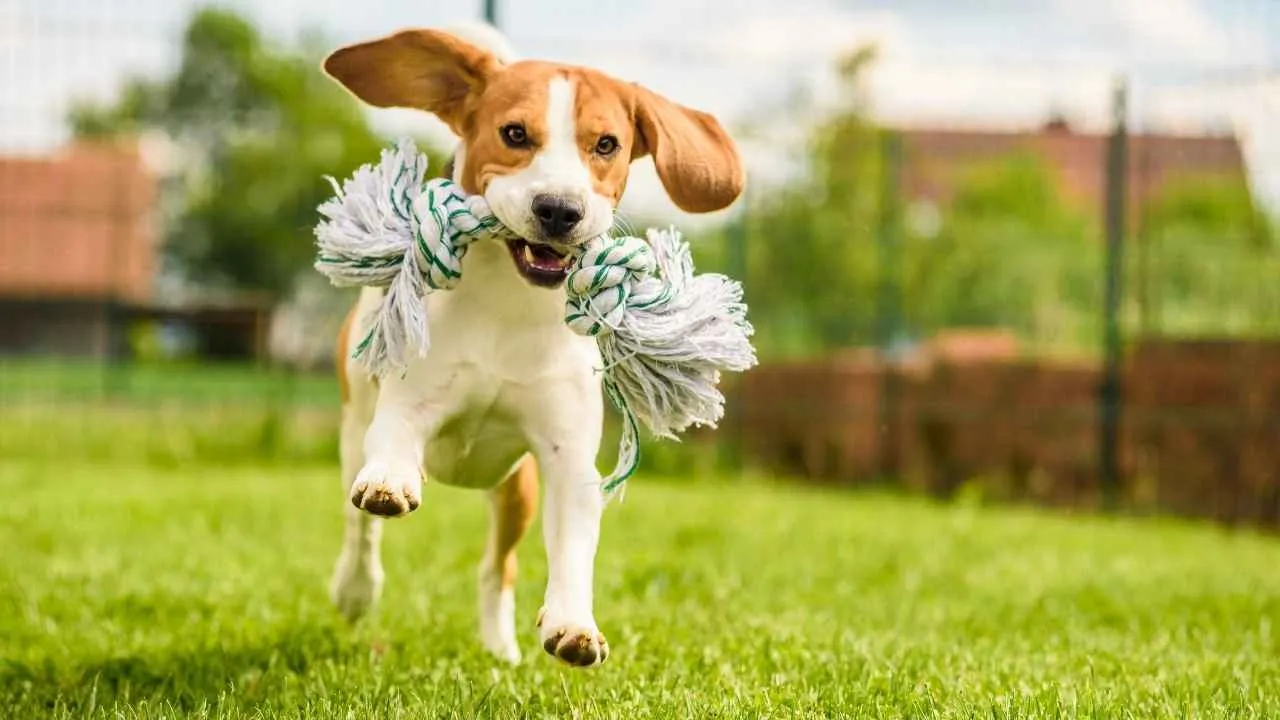
A similar hunting breed was found in 400 BC. It was bred by crossing the Foxhound, the Harrier, a small Bloodhound named the Kerry Beagle, and the Talbot Hound. The breed gained fame in the 15th century and was focused on tracking small animals, such as rabbits.
This dog has a weather-resistant double coat and comes in a variety of patterns, colors, and combinations, including lemon, red and white, clack, badger-pied, and hare-pied. Though a low-maintenance breed, it loves to roll into smelly things; hence, regular bathing is a must.
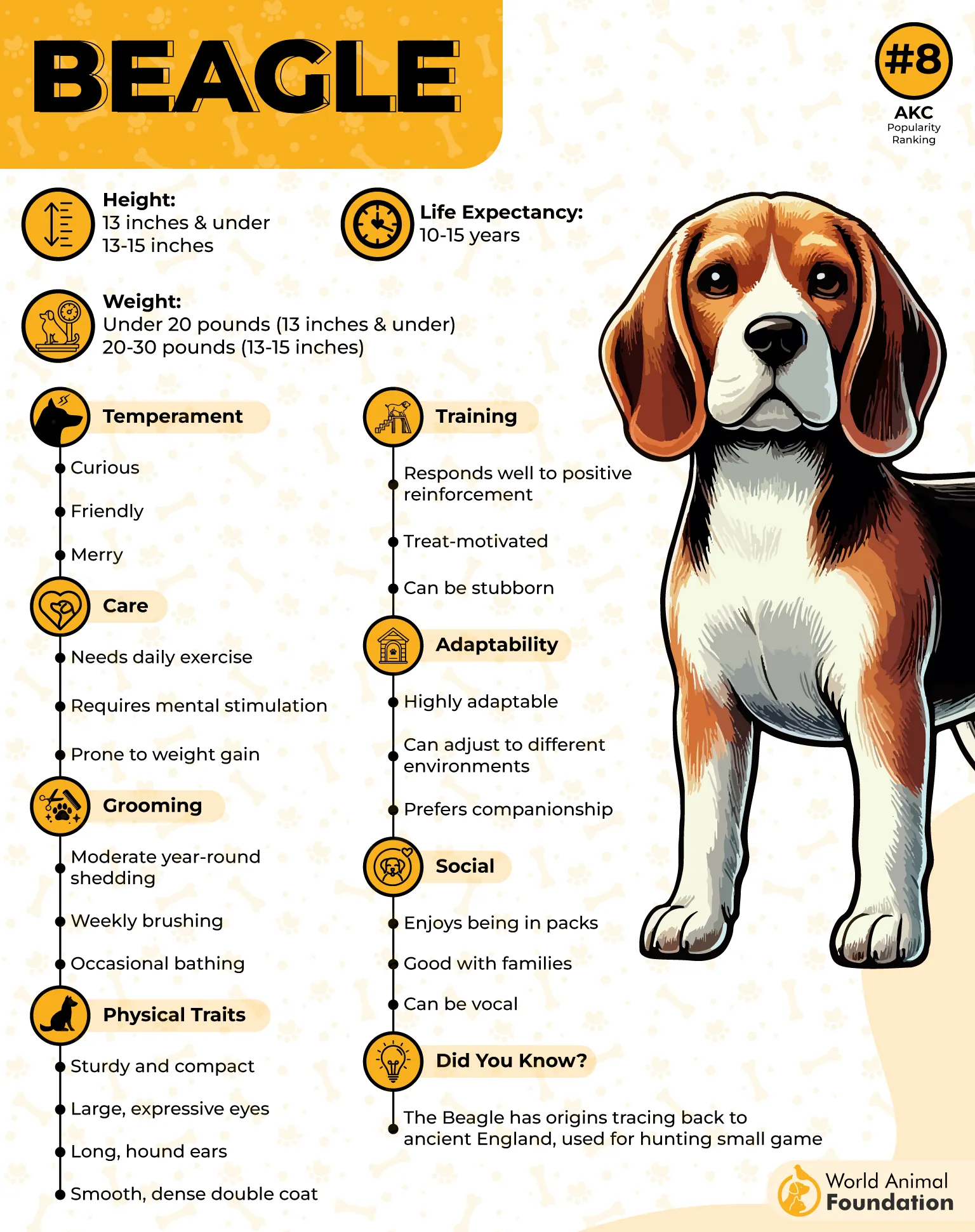
Use a hound mitt or a soft bristle brush to brush the coat weekly. Brush daily during shedding seasons. Check for infections in the floppy ears of the dog and regularly clean them using gentle wipes.
10. Greyhound
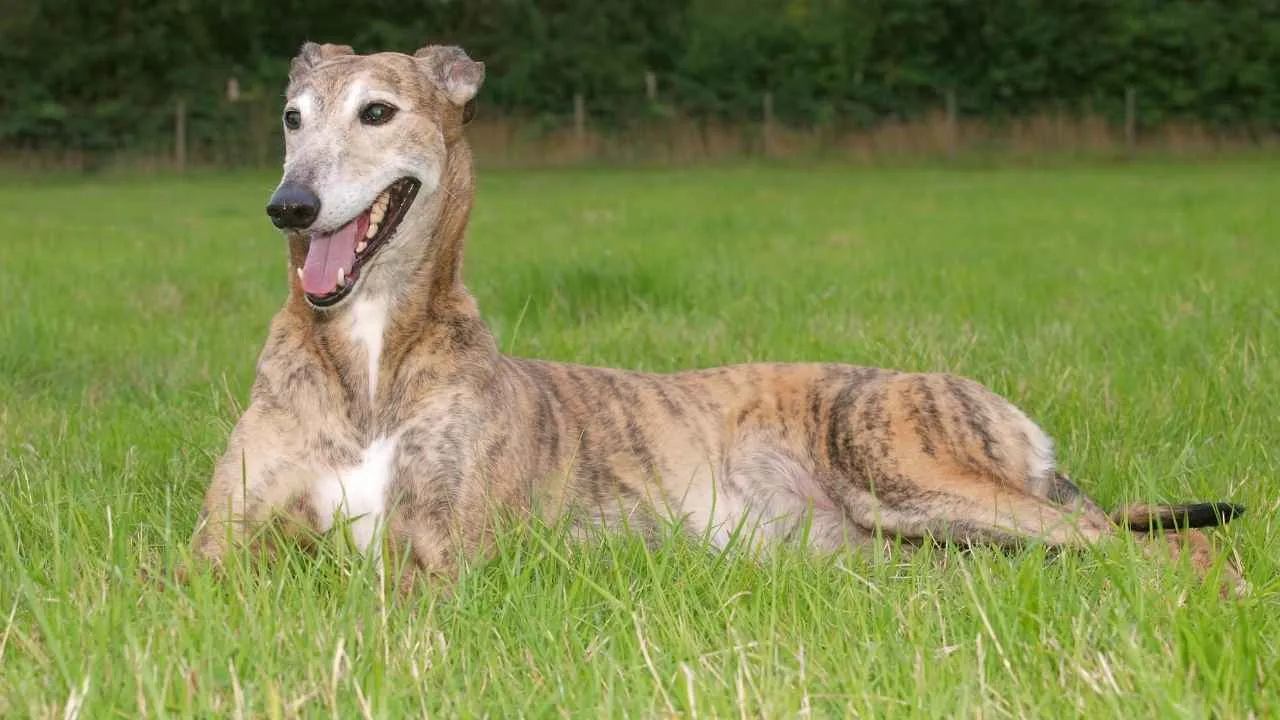
The history of Greyhound-like dogs started 8,000 years ago in the Middle East. It was also owned by the Romans and the Greeks. It was favored by the English royalty. The modern-day Greyhound was developed in the 18th and 19th centuries.
It has a short and smooth coat that comes in blue, fawn, red, white, black, and various shades of brindle. It does not have an undercoat and has less dander production; thus, fewer chances of allergy. It forms strong bonds with the family and may develop separation anxiety when left alone for too long.
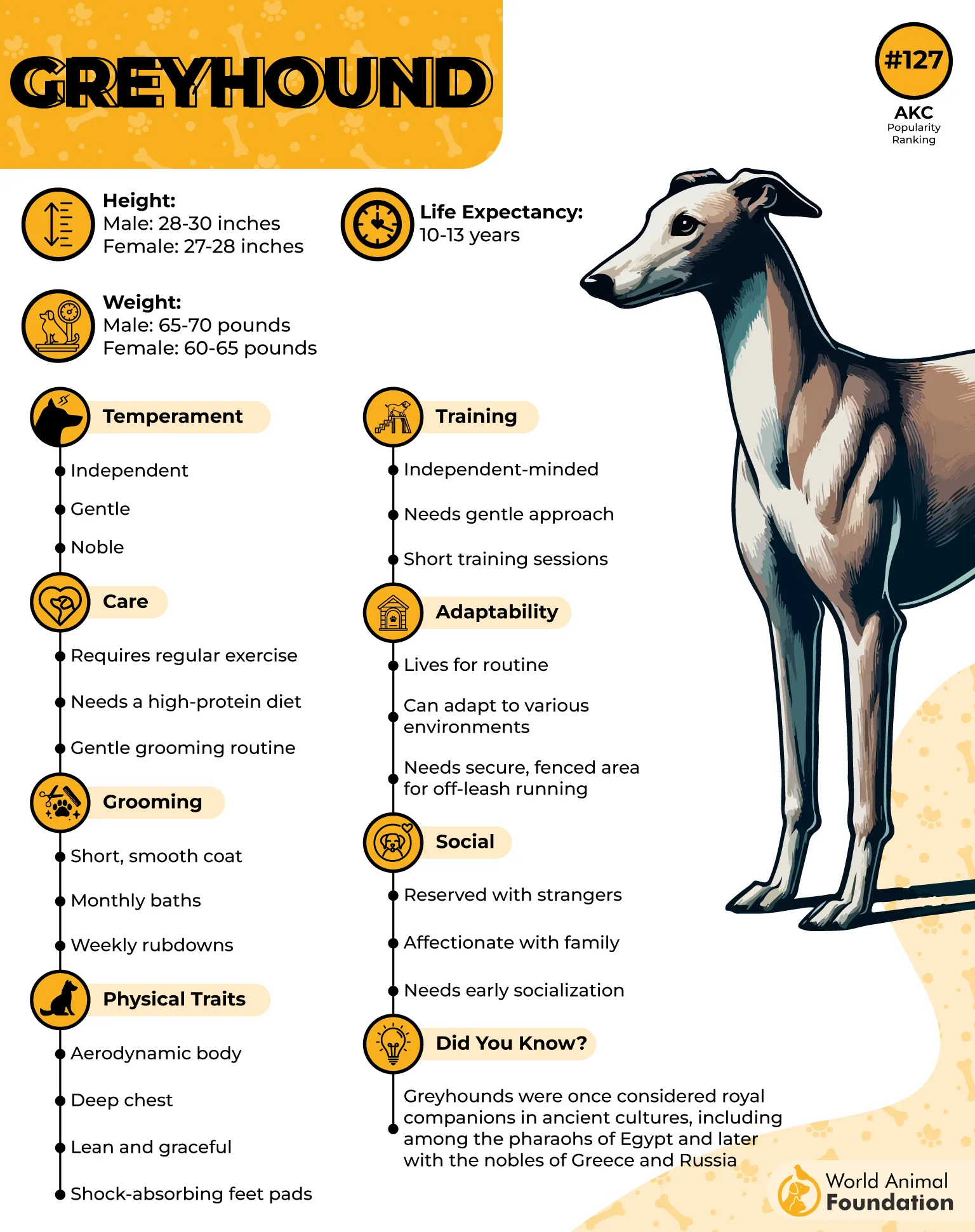
Use a soft brush or a grooming mitt to occasionally brush the coat. Regular nail trimming helps prevent slipping on the floor. Check for wax buildup, or you may see infection in the ears.
Conclusion
Choosing from the many low-maintenance dog breeds is really about finding a companion that matches your daily routine, energy level, and living space.
A dog that fits your lifestyle is more likely to stay happy, healthy, and well-behaved. While these breeds generally need less grooming or exercise than many others, every dog still deserves quality food, regular veterinary care, training, affection, and time with its family.
No breed is completely maintenance-free, but the right one can make dog ownership feel much easier and more rewarding. Take time to learn about each breed, meet them when possible, and choose with both your heart and your lifestyle in mind. The best match is one you will enjoy for years to come.
