




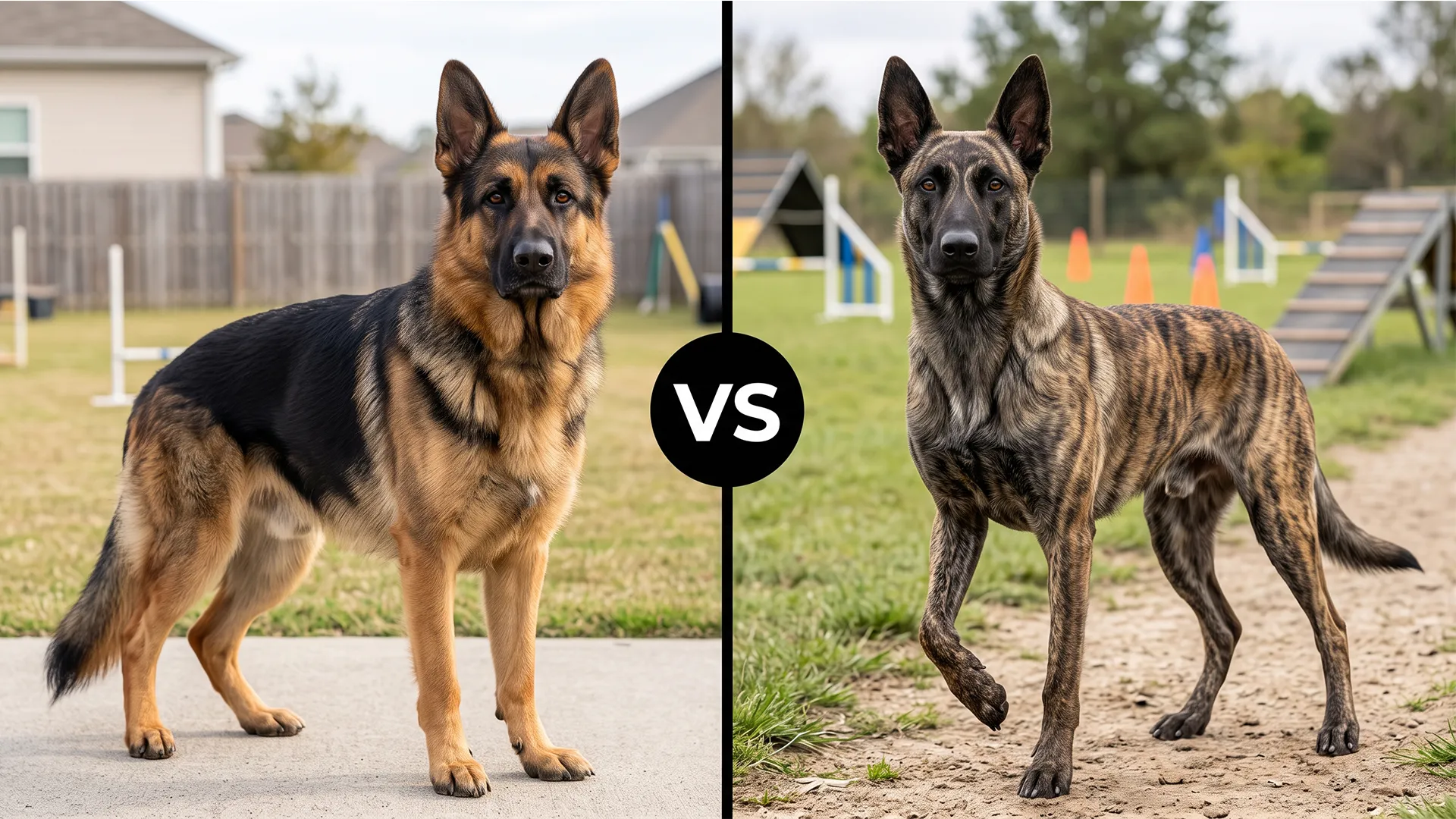
When it comes to dependable working dogs, few breeds command as much admiration as the German Shepherd and the Dutch Shepherd.
Both were developed to herd livestock, yet their intelligence, loyalty, and remarkable versatility have earned them roles far beyond the pasture.
Today, they serve alongside police officers, military personnel, search-and-rescue teams, and active families who value a dog with both heart and determination.
At first glance, these two shepherds appear strikingly similar, but their personalities, working styles, grooming needs, trainability, health, and energy levels reveal important differences.
While one has become a household name across the globe, the other remains a lesser-known gem cherished by experienced dog enthusiasts. Understanding what truly sets them apart is essential before choosing either breed.
This detailed comparison explores their origins, physical traits, temperament, exercise requirements, intelligence, and overall lifestyle compatibility, helping you determine which hardworking shepherd is the better match for your home and daily routine.
Key Takeaways
The German Shepherd and Dutch Shepherd were originally bred for herding but have proven their versatility in police work, military service, search-and-rescue, and other demanding roles.
German Shepherds were developed in Germany as specialized herding dogs, while Dutch Shepherds evolved in the Netherlands as all-purpose farm dogs capable of handling a wide range of tasks.
They have a more robust, muscular build, whereas Dutch Shepherds are leaner, more agile, and built for endurance.
German Shepherds are widely available through breeders and rescues, while Dutch Shepherds are less common and may require longer waiting periods to find.
German Shepherds thrive with structured, reward-based training, while Dutch Shepherds excel with varied, mentally stimulating activities that keep them engaged.
German Shepherd vs. Dutch Shepherd: Breed Differences Explained
Origins & Purpose
Although both the German Shepherd and the Dutch Shepherd share a history as hardworking herding dogs, they were developed for slightly different roles and environments.
The German Shepherd originated in Germany during the late 19th century, where Captain Max von Stephanitz selectively bred regional herding dogs with the goal of creating the ideal working dog.
Initially responsible for managing and protecting large flocks of sheep, the breed quickly proved its value beyond the farm, according to the American Kennel Club.
Its intelligence, courage, and willingness to learn led to widespread use in police work, military service, search-and-rescue operations, guide dog programs, and other demanding roles around the world.
The Dutch Shepherd, by contrast, developed naturally in the rural Netherlands as an all-purpose farm dog. In addition to herding livestock, it guarded farms, moved animals between fields, and assisted with a variety of daily agricultural tasks.
Unlike the German Shepherd, which became internationally famous, the Dutch Shepherd has remained relatively uncommon. However, it continues to earn respect as a versatile working breed, excelling in herding, tracking, scent detection, obedience, agility, search-and-rescue, and police work.
While both breeds were bred to work closely with humans, the German Shepherd gained global recognition across many service fields, whereas the Dutch Shepherd maintained its reputation as a dependable, adaptable farm companion with exceptional working instincts.
Physical Size & Build
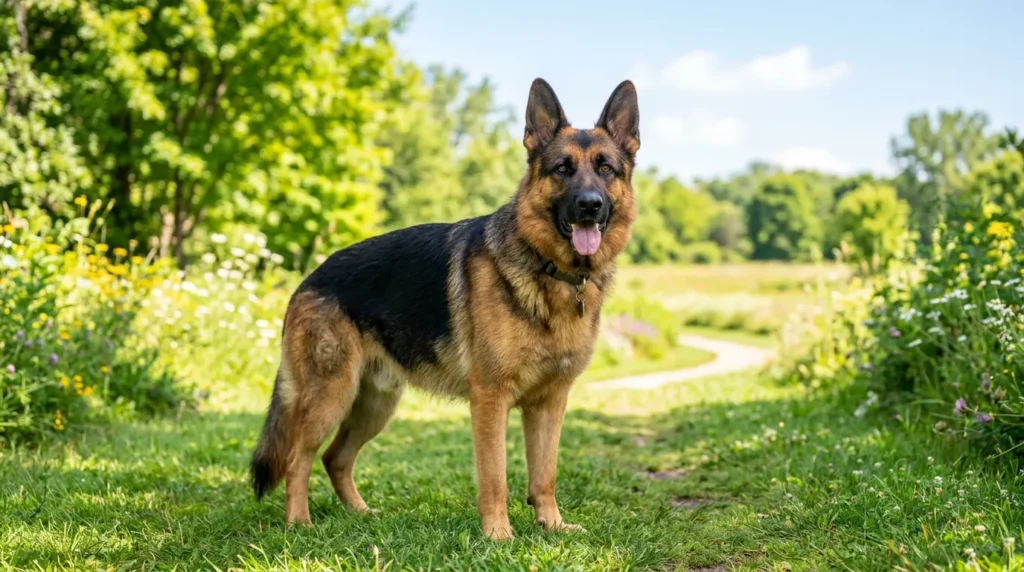
At first glance, the German Shepherd and Dutch Shepherd appear similar, but a closer look reveals several differences in their physical structure. The German Shepherd is the larger and more heavily built of the two, standing up to 26 inches at the shoulder.

Males typically weigh between 65 and 90 pounds, while females generally weigh 50 to 70 pounds. Its muscular frame is balanced by smooth, flowing lines rather than sharp angles, giving the breed an athletic yet elegant appearance.
Distinctive erect ears, an intelligent expression, and a thick double coat complete its unmistakable look. Built for endurance, the German Shepherd moves with a free, effortless trot that allows it to cover long distances efficiently.
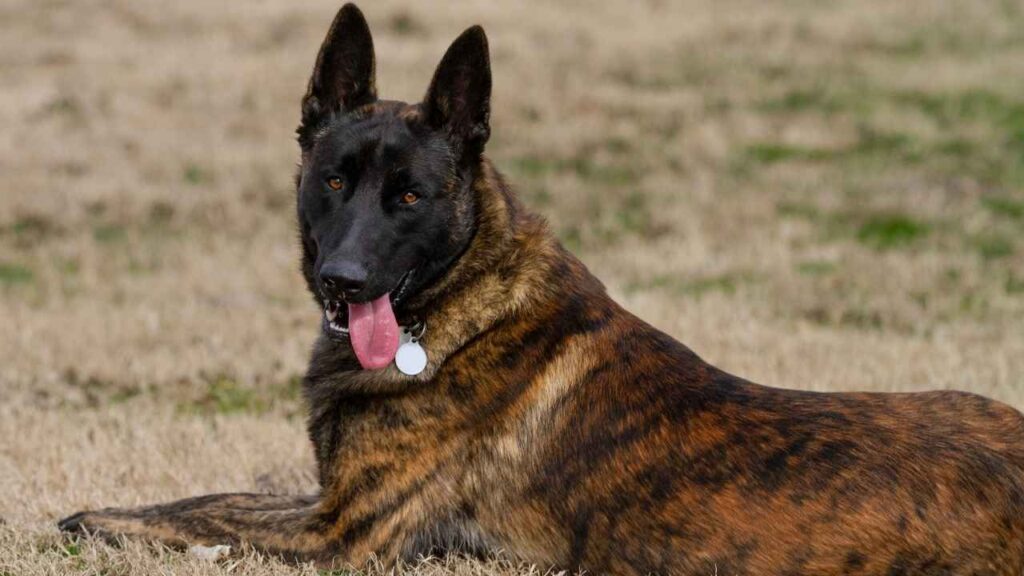
The Dutch Shepherd is also a large, athletic working dog, but it has a leaner and slightly lighter build that reflects its history as an all-purpose farm dog. Developed to spend long days herding livestock and guarding farms, it combines strength with agility rather than bulk.
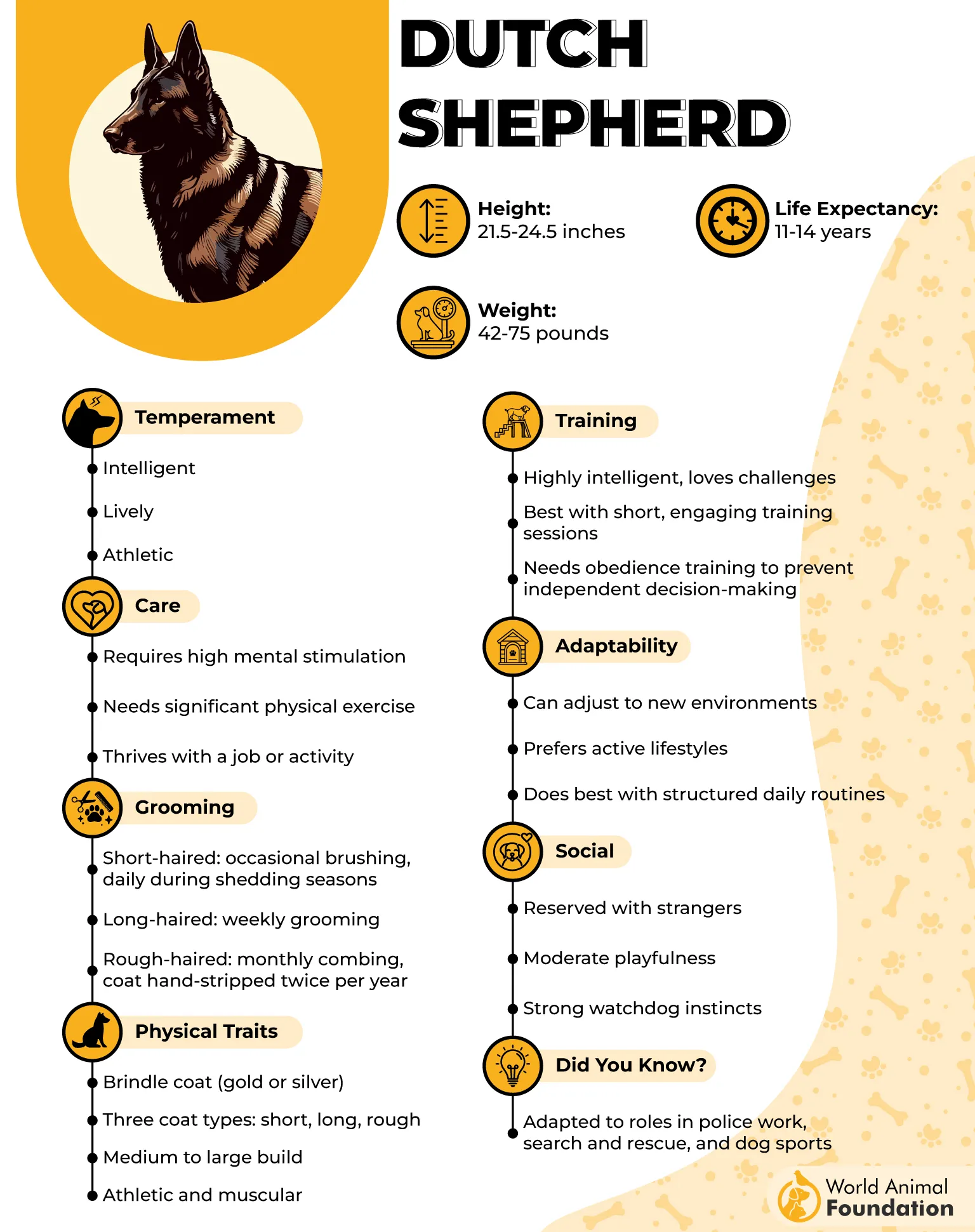
Its physique is designed for speed, stamina, and quick movement, enabling it to work continuously across fields and varied terrain. Unlike the German Shepherd’s heavier frame, the Dutch Shepherd’s body emphasizes flexibility and endurance, making it exceptionally capable in physically demanding tasks.
Pricing & Availability
When comparing the German Shepherd and the Dutch Shepherd, availability is one of the biggest differences prospective owners are likely to notice.
German Shepherds are among the world’s most recognized and widely bred dog breeds, making them relatively easy to find through reputable breeders and rescue organizations.
Their popularity as family companions, service dogs, and working dogs means puppies are generally available in many regions.
Purchasing a German Shepherd from a reputable breeder typically costs between $2,000 and $4,000, although adoption through shelters or rescue groups is often a more affordable option.
Adoption fees usually include essentials such as vaccinations, microchipping, and spaying or neutering, making it a practical choice for many families.
The Dutch Shepherd, on the other hand, is a much rarer breed outside its native Netherlands. Because there are fewer breeders, finding a well-bred puppy often requires more time, research, and patience.
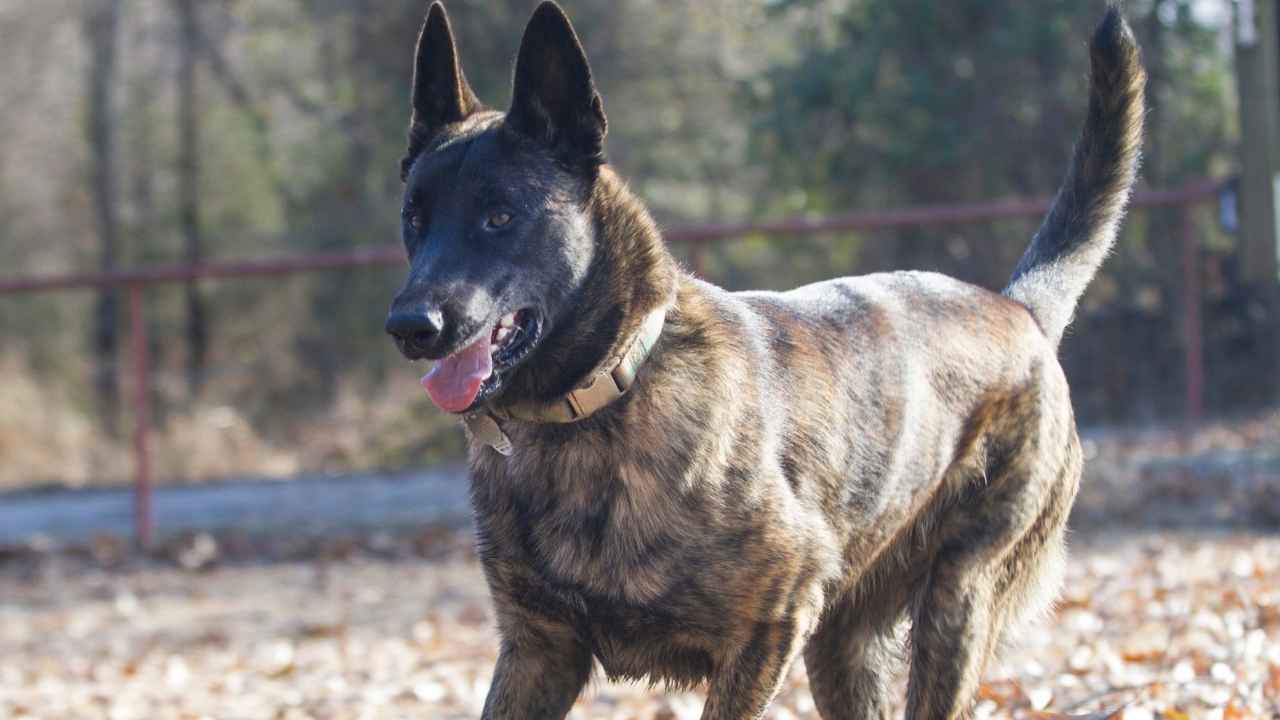
In many areas, prospective owners may even need to join waiting lists or travel significant distances to locate a responsible breeder. This limited availability often makes purchasing a Dutch Shepherd more expensive than adopting one from a rescue organization.
As with many breeds, adoption fees generally cover routine veterinary care and identification, offering a cost-effective alternative for suitable homes.
Temperament & Personality
Both the German Shepherd and the Dutch Shepherd are admired for their intelligence, loyalty, and strong work ethic, but their personalities differ in ways that can influence which breed is the better fit for a particular household.
The German Shepherd is renowned for its unwavering devotion to its family. Confident, courageous, and dependable, it forms deep bonds with its owners and is naturally protective of the people it loves. While affectionate and gentle with family members, it often shows a reserved attitude toward strangers.
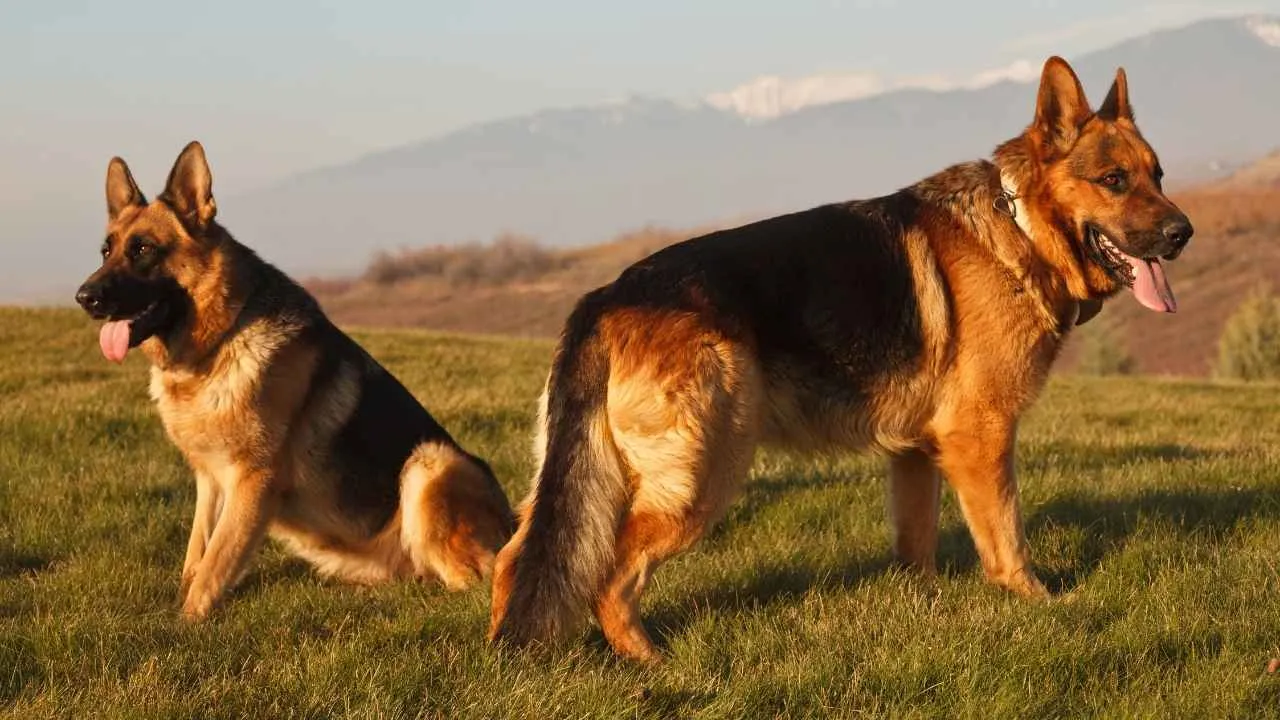
This natural aloofness, combined with its alert nature, makes the German Shepherd an excellent guardian without being unnecessarily aggressive when properly trained and socialized.
The Dutch Shepherd is equally loyal but tends to display a more independent streak. Originally bred as an all-purpose farm dog, it is accustomed to making decisions while working and enjoys having a meaningful job to do.
Highly intelligent and eager to learn, the breed responds best to mentally stimulating training sessions rather than repetitive drills. Without consistent guidance, it may become self-reliant and start making its own decisions, making early obedience training especially important.
Energy Levels & Exercise Needs
The German Shepherd and Dutch Shepherd are both high-energy working breeds that thrive on regular physical activity and mental challenges. Neither breed is content with a sedentary lifestyle, making them best suited to active owners who can dedicate time to daily exercise and training.
The German Shepherd typically requires around 1.5 to 2 hours of exercise each day, enjoying activities such as long walks, running, hiking, fetch, tracking, agility, herding, dock diving, and obedience training.
Its sharp mind is just as active as its body, so puzzle toys, structured training sessions, and interactive games are essential to prevent boredom, as stated by Purina. Without enough stimulation, a German Shepherd can become frustrated and develop unwanted behaviors.
The Dutch Shepherd is equally athletic and is often described as happiest when it has a purpose. Bred to work long hours on farms, it possesses remarkable stamina and generally needs 90 minutes to two hours of daily exercise, along with plenty of mental stimulation.

The breed excels in activities such as agility, nose work, tracking, flyball, frisbee, herding trials, dock diving, running, hiking, and interactive puzzle games. Short, engaging training sessions that challenge its intelligence are particularly effective, as repetitive routines can quickly lose its interest.
Training & Intelligence
Both the German Shepherd and the Dutch Shepherd rank among the most intelligent and capable working dog breeds, but they approach learning in slightly different ways. The German Shepherd is renowned for its remarkable ability to understand, remember, and perform a wide range of tasks.
Its eagerness to work, combined with a strong desire to please its handler, has made it a trusted choice for police work, military service, search-and-rescue missions, guide dog programs, therapy work, and scent detection.
The breed thrives on structured, reward-based training and responds exceptionally well to consistent guidance, praise, and mentally stimulating activities.
Because German Shepherds mature slowly, ongoing training and early socialization are essential to help them develop into confident, well-mannered adults. Without enough mental engagement, they can become bored and develop undesirable behaviors.
The Dutch Shepherd is equally intelligent but tends to be more independent in its thinking. Originally bred to work with minimal supervision while managing livestock, it naturally enjoys solving problems on its own.
This independence means training requires a patient, experienced handler who can provide clear leadership while keeping lessons interesting.
Short, varied sessions with positive reinforcement are generally more effective than repetitive drills, as the breed is highly motivated by mental challenges. When properly trained, the Dutch Shepherd excels in herding, obedience, agility, tracking, scent work, search-and-rescue, and police duties.
Grooming Needs & Shedding
Although both the German Shepherd and the Dutch Shepherd have relatively straightforward grooming requirements, their coats differ in ways that affect how much maintenance they need throughout the year.
The German Shepherd has a dense, medium-length double coat that protects it in both warm and cold weather. While this coat is highly practical for a working dog, it also sheds heavily throughout the year, with even more noticeable shedding during seasonal coat changes.
Regular brushing is essential to remove loose hair, prevent tangles, and keep the coat healthy. Many owners find that grooming becomes a routine part of life, particularly during peak shedding seasons when daily brushing is often beneficial.
In addition to coat care, routine nail trimming, ear checks, dental care, and occasional baths help maintain the breed’s overall health.
The Dutch Shepherd comes in three coat varieties, short-haired, long-haired, and rough-haired—but all are generally considered low to moderate in grooming needs. Regular brushing is usually enough to keep the coat clean and in good condition, regardless of coat type.
During the twice-yearly shedding periods, however, grooming becomes more frequent, with daily brushing recommended to remove loose hair. Like the German Shepherd, the Dutch Shepherd also benefits from regular nail care, ear and eye inspections, and routine veterinary checkups.
Herding & Work Drive
The German Shepherd and Dutch Shepherd were both developed as herding dogs, but their working styles reflect the different roles they were originally bred to perform.
The German Shepherd was created to herd and protect large flocks of sheep, using intelligence, endurance, and close cooperation with its handler. Over time, its exceptional versatility allowed it to move far beyond the pasture.
Today, it is one of the world’s most respected working breeds, serving in police and military units, search-and-rescue teams, guide dog programs, therapy work, and scent detection, as explained by BarkBusters.
Its willingness to learn, loyalty to its handler, and ability to adapt to a wide variety of tasks make it a dependable partner in demanding environments.
The Dutch Shepherd also possesses a powerful work drive but was developed as an all-purpose farm dog in the Netherlands. In addition to herding sheep, it guarded farms, moved livestock, and assisted with everyday agricultural duties.
This diverse background produced a dog capable of working independently while remaining attentive to its owner.
Even today, the breed excels in herding, tracking, obedience, agility, scent work, search-and-rescue, police work, and other canine sports. It is happiest when given purposeful activities that engage both its mind and body.
Health & Lifespan
Both the German Shepherd and the Dutch Shepherd are active working breeds that benefit from regular exercise, a balanced diet, routine grooming, and consistent veterinary care. However, they differ noticeably in their overall health profile and average lifespan.
The German Shepherd typically lives 7 to 10 years and, despite its strength and athleticism, is known to be susceptible to several inherited and structural health conditions.
Common concerns include hip and elbow dysplasia, joint disorders, degenerative myelopathy, gastric dilatation-volvulus (bloat), certain eye conditions, skin allergies, gastrointestinal issues, and other long-term health problems.
Maintaining a healthy weight, providing appropriate exercise, feeding a nutritious diet, and scheduling regular veterinary checkups can help support the breed’s overall well-being.
The Dutch Shepherd is generally regarded as a robust and healthy breed with an average lifespan of 12 to 15 years, according to Zooplus.
It has no widely recognized breed-specific hereditary diseases, although, like many medium-to-large shepherd breeds, it can develop joint problems such as hip dysplasia. Routine health screenings, annual veterinary examinations, and proper physical conditioning play an important role in maintaining its long-term health.
German Shepherd vs. Dutch Shepherd: Which One Fits Your Lifestyle?
The German Shepherd is often a great fit for owners seeking a devoted family companion that can also excel in protection, service work, or advanced training. It forms deep bonds with its family, enjoys working closely with its handler, and adapts well to a variety of roles.
Its popularity also makes it easier to find through reputable breeders or rescue organizations. Prospective owners should be prepared for heavy shedding, regular grooming, and the breed’s potential health concerns, as well as its need for daily physical and mental activity.
The Dutch Shepherd is generally better suited to experienced owners who appreciate an independent, highly driven working dog. Although less common, it is an outstanding choice for people who enjoy dog sports, outdoor adventures, or activities that challenge a dog’s intelligence and instincts.
Its moderate grooming requirements and generally robust health are additional advantages, but its strong work drive means it is happiest with owners who can provide structure, purpose, and consistent engagement.
Ultimately, neither breed is well suited to a sedentary lifestyle or long periods of inactivity. If you’re looking for a loyal, versatile companion with a long history of service and family devotion, the German Shepherd is an excellent choice.
If you prefer a rarer breed with exceptional stamina, independence, and a passion for work, the Dutch Shepherd may be the ideal partner. With the right owner, both breeds can become devoted companions and remarkable working dogs.
Conclusion
The German Shepherd and the Dutch Shepherd are both extraordinary working breeds, but the right choice depends on far more than appearance alone.
Each brings a unique blend of intelligence, loyalty, athleticism, and determination that has earned lasting respect in homes and demanding professional roles alike.
The German Shepherd is celebrated for its versatility, protective instincts, and deep devotion to its family, while the Dutch Shepherd stands out for its exceptional stamina, independent thinking, and relentless work ethic.
Understanding these differences is essential because both breeds require committed owners who can provide consistent training, daily exercise, and meaningful mental stimulation. Rather than asking which breed is superior, the better question is which one complements your personality, experience, and lifestyle.
By weighing their strengths, challenges, and care requirements, you can choose a companion that will not only meet your expectations but also build a lifelong partnership founded on trust, purpose, and unwavering loyalty.
