





A low-maintenance dog isn’t a dog that needs no care at all. It’s usually a breed whose daily needs are just easier for the average household to manage, think minimal grooming needs, a predictable temperament, and moderate exercise rather than nonstop activity.
In most cases, the most practical low-maintenance dogs have short coats, simple grooming routines, and moderate energy levels, as opposed to breeds that need constant grooming or intense daily exercise.
Dogs that adapt well to apartment living, tolerate some alone time, and are content with regular walks instead of round-the-clock activity also tend to feel easier to manage in busy households.
That said, “low-maintenance” is always relative. Some breeds are surprisingly easy in one area, like coat care, but still need plenty of training, structure, or close companionship. And every dog, even the easygoing ones, still needs social time, routine wellness exams, and reliable veterinary care to stay healthy long-term.
Finding a breed that fits your lifestyle makes life with your dog even happier. Here are nine great low-maintenance breeds and the simple care they need to stay healthy and happy.
Excellent Low-Maintenance dog breeds and their care needs
1. Cavalier King Charles Spaniel
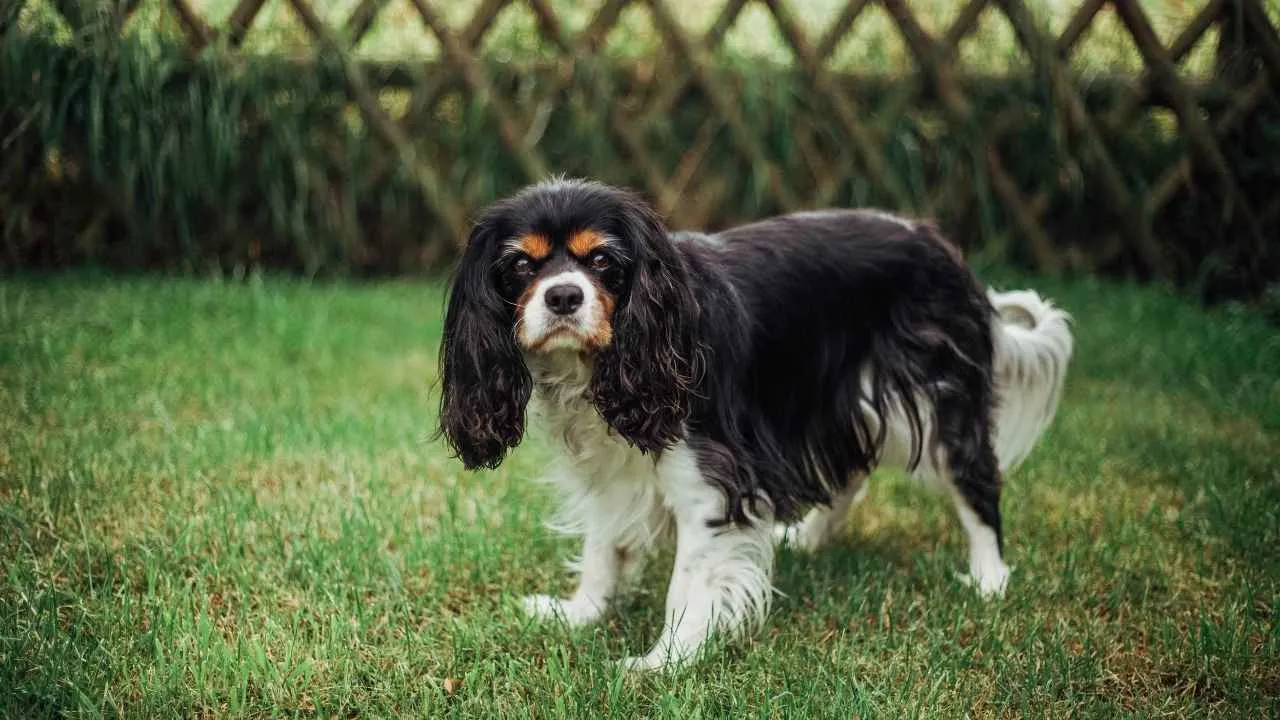
The Cavalier King Charles Spaniel is an easy-going, well-behaved breed that fits into almost any household. Calm and adaptable by nature, this cute dog is just as happy curled up on the couch as it is out on a walk with its owner.
Care Snapshot:
Daily Care: 30–40 minutes
Exercise: Moderate
Shedding: Moderate
Grooming needs: Brush 2–3 times a week
Best for: Families, seniors, apartments
Unlike a lot of other toy breeds, Cavaliers are easy to please. They enjoy company but don’t demand constant attention.
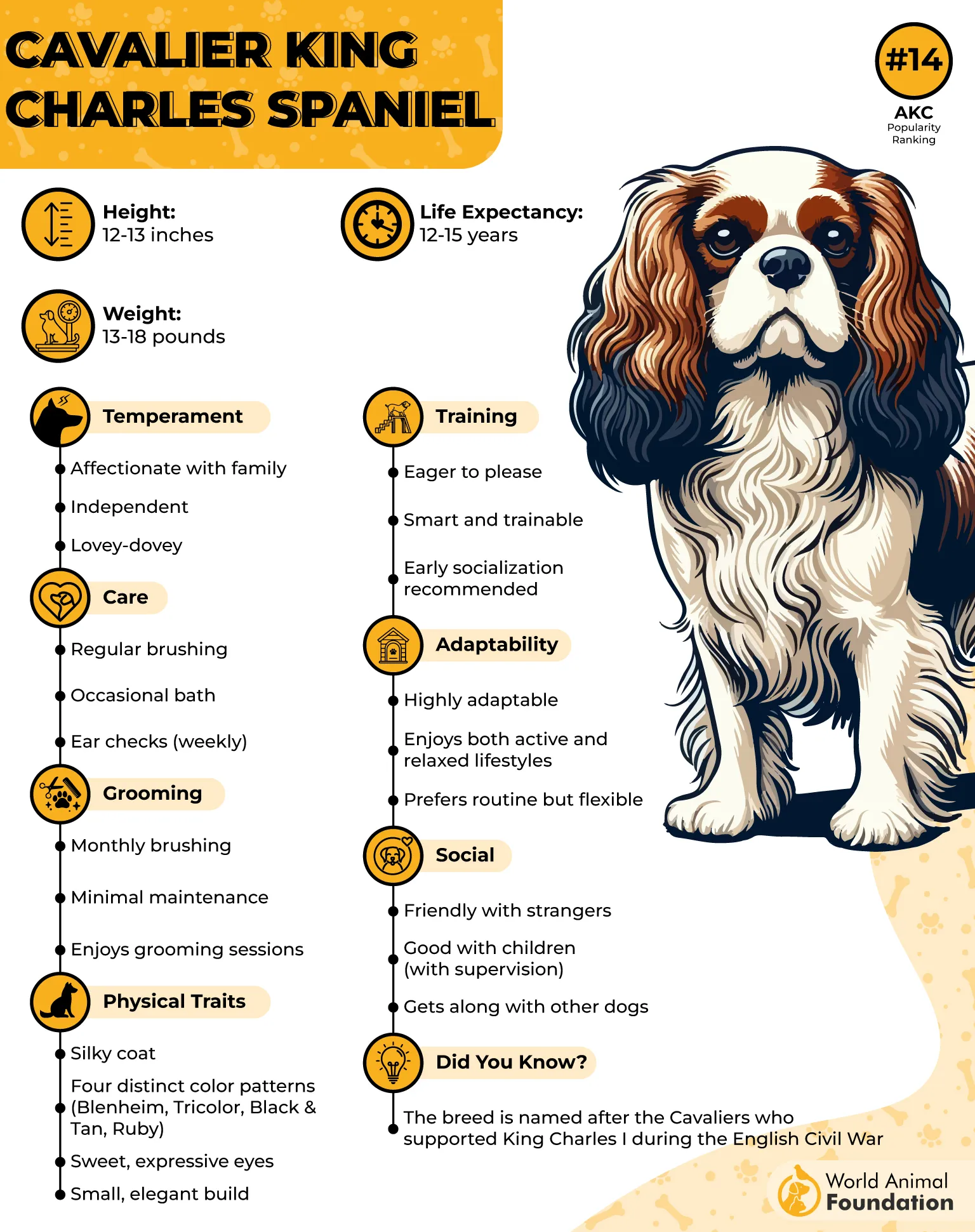
Their coat is silky and brushes out easily, though it’s worth knowing this isn’t a hypoallergenic breed. Pay extra attention to the ears, since the long ear hair can trap moisture after walks or baths. Cleaning the ears weekly helps prevent infections.
Cavaliers also love routine. They feel most comfortable when meals, walks, and bedtime happen around the same time every day.
Care hint: Keeping your Cavalier at a healthy weight goes a long way toward protecting their joints and heart, according to the American Kennel Club.
2. Miniature Dachshund
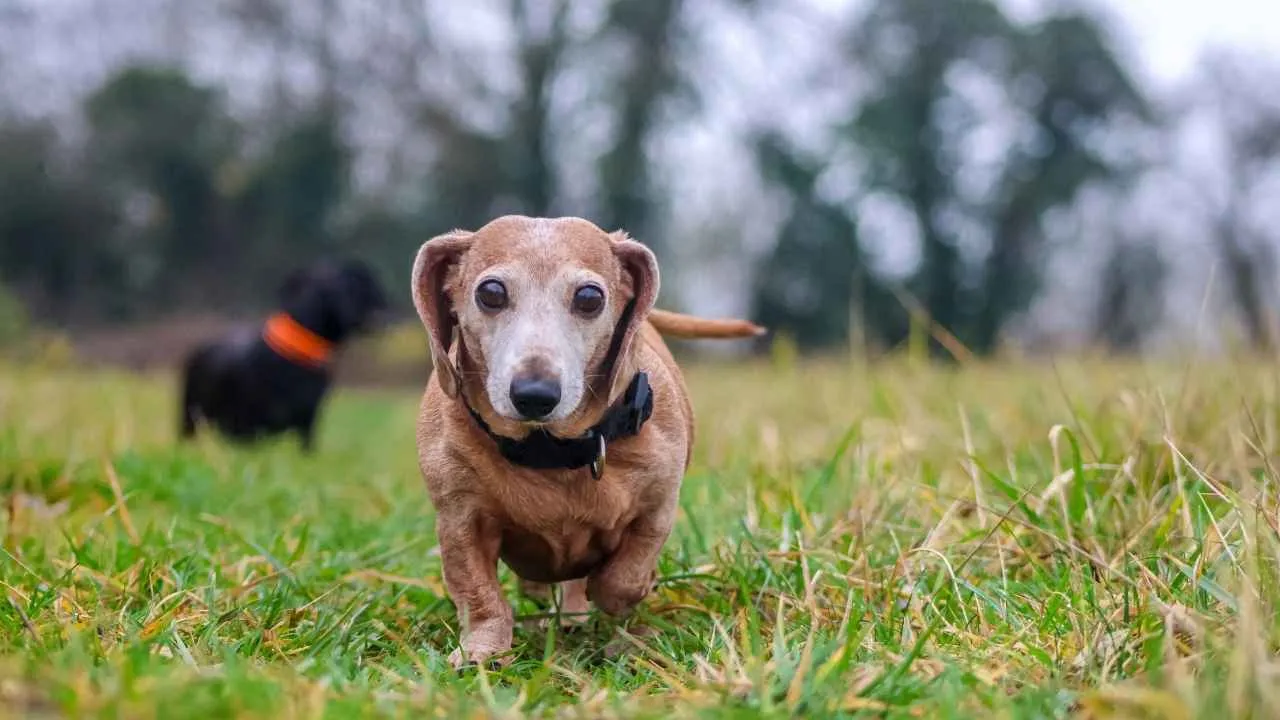
The Miniature Dachshund is a small dog that’s playful and surprisingly easy to care for. Its short coat needs very little grooming; just a quick weekly brush does the trick. This little furry friend is also adaptable around kids and other high-energy dogs.
Care Snapshot:
Daily Care: 25–35 minutes
Play Session: Indoor play and walks
Shedding: Low to moderate
Grooming needs: Weekly brushing
Recommended for: Apartments and smaller homes
The biggest part of caring for this breed is protecting that long back, along with keeping up with routine wellness exams. Try not to let them jump on and off beds or sofas, or repeatedly climb stairs, since that kind of strain is linked to spinal injuries.
Miniature Dachshunds love to sniff around, so give them extra time on walks to explore. Mental stimulation matters just as much as physical exercise for this breed.
Keep an eye on their food portions too, since extra weight puts more pressure on the spine, according to Purina.
Care tip: Use ramps instead of stairs when you can, to help protect their back even though their energy levels are only moderate.
3. Chihuahua
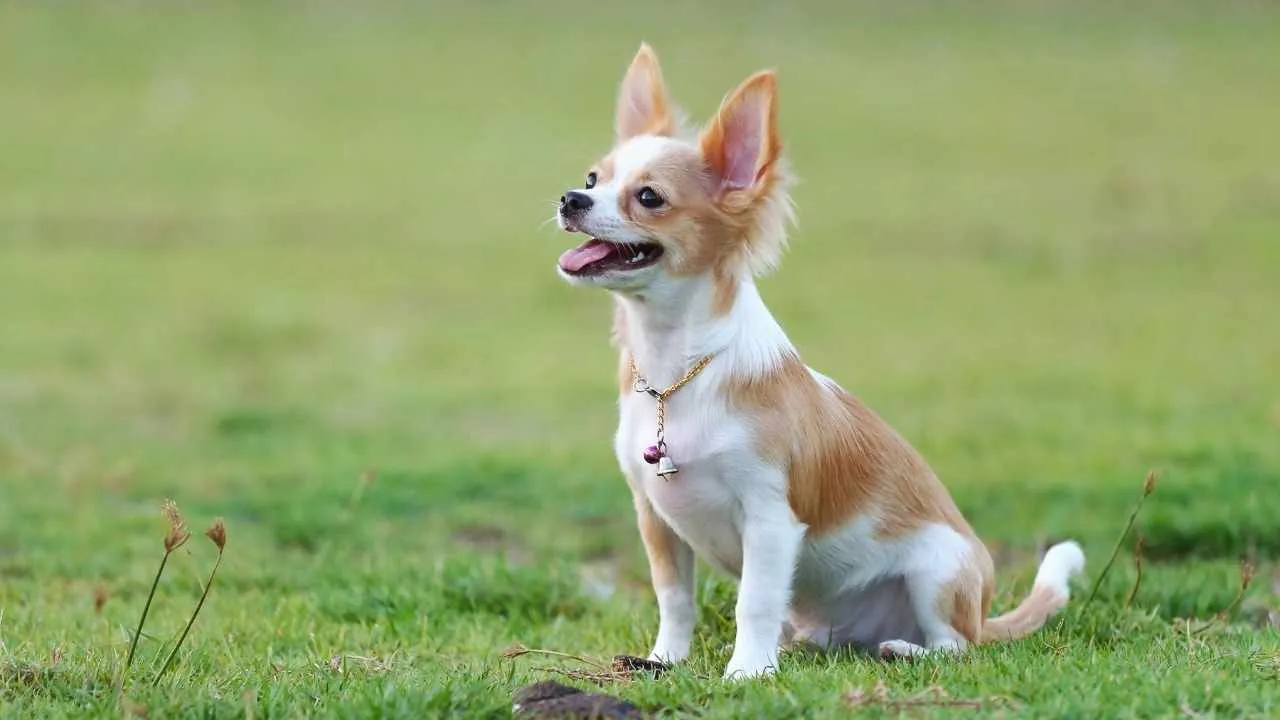
The Chihuahua is one of the easiest dogs to keep, since pretty much everything about their care is small, including the time it takes. They’re not a low-energy breed exactly, but their exercise needs are minimal, making them a great fit for anyone with a busy schedule.
Care Snapshot:
Daily Care: 20–30 minutes
Exercise: Short walks
Shedding: Low
Grooming: Weekly brushing
Most suitable for: Singles, seniors, apartment dwellers
Chihuahuas eat much less than bigger breeds, so food costs stay low too. They also don’t need much space to get their exercise in; a short romp around the house often does the job.
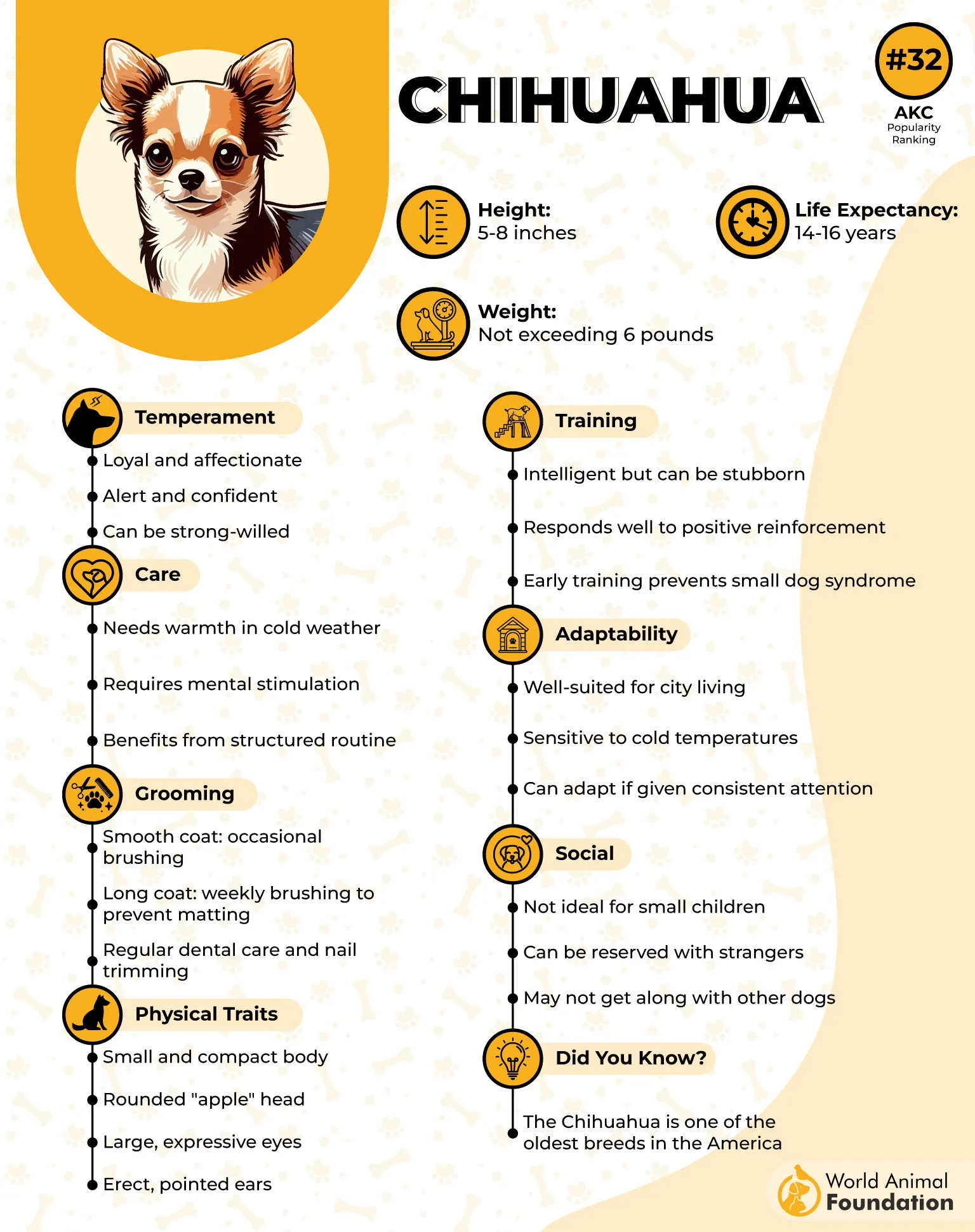
Thanks to their small size, bathing and drying is quick and easy. Dental care matters more than coat care here, since small breeds tend to be more prone to dental problems.
This breed also loves warm spaces. Many owners pop a light sweater on their Chihuahua for winter walks.
Care tip: Brush your Chihuahua’s teeth a few times a week to keep them clean and healthy, according to PetMD.
4. Pugs
Pugs are calm companions who thrive on a simple lifestyle. They don’t need hours of activity or drastic changes to be happy.
Care Snapshot:
Daily Care: 30 minutes
Movement: Two short walks
Shedding: Moderate
Grooming: Weekly brushing
Best for: Apartments or family living
Pugs love routine. Feeding, walking, and playtime at the same times each day keep them calm and comfortable. They also love nothing more than resting beside their owner after a bit of activity.
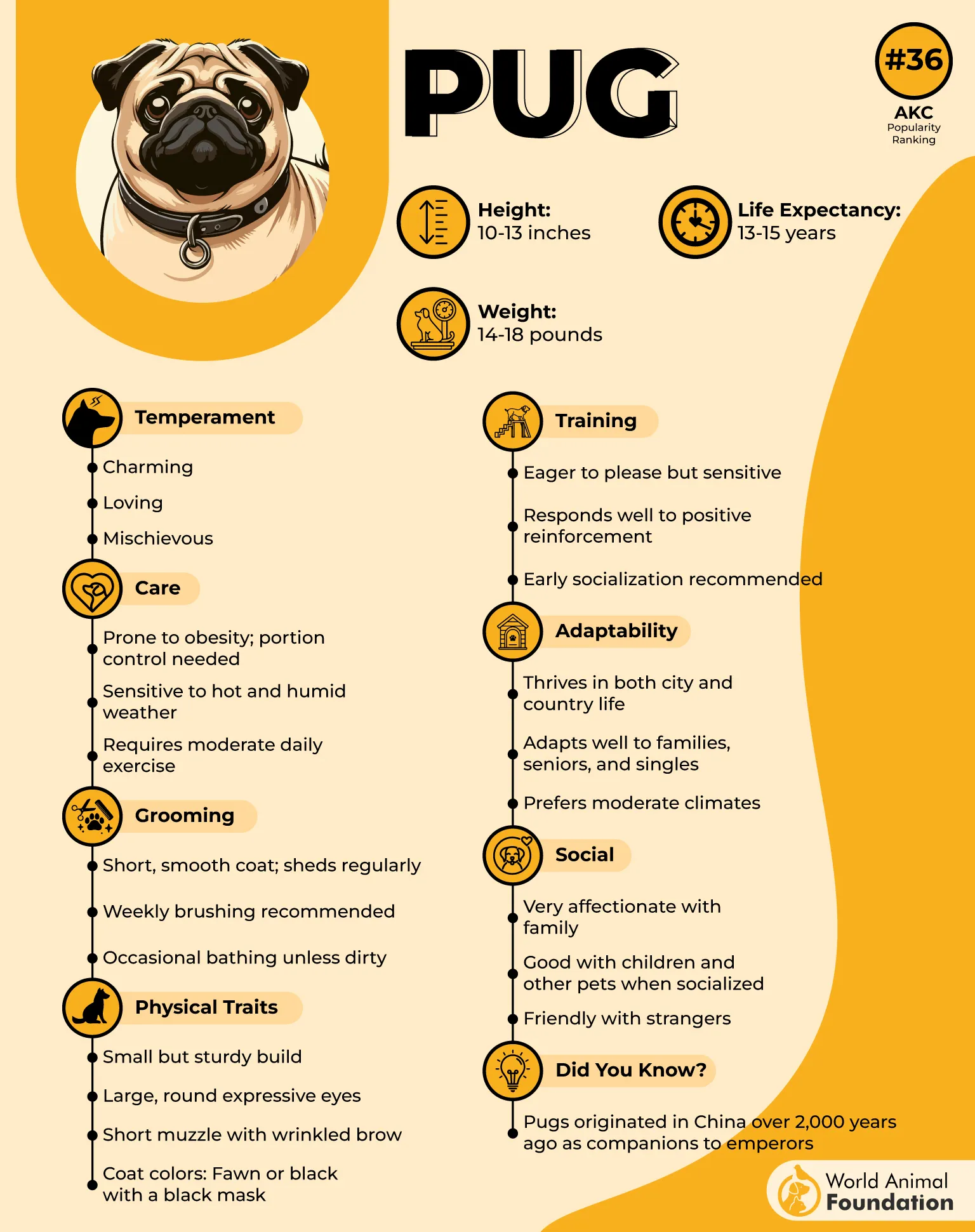
The biggest care task with pugs is cleaning and drying the wrinkles on their face, which helps prevent skin irritation and infections. They also tend to gain weight easily, so keep an eye on portion sizes and go light on the treats.
This breed struggles in hot weather because of its flattened face, so it’s best to exercise them in the early morning or evening during summer.
Care tip: Try puzzle feeders for mental stimulation instead of extra treats; they keep the brain busy without piling on the calories.
5. Italian Greyhound
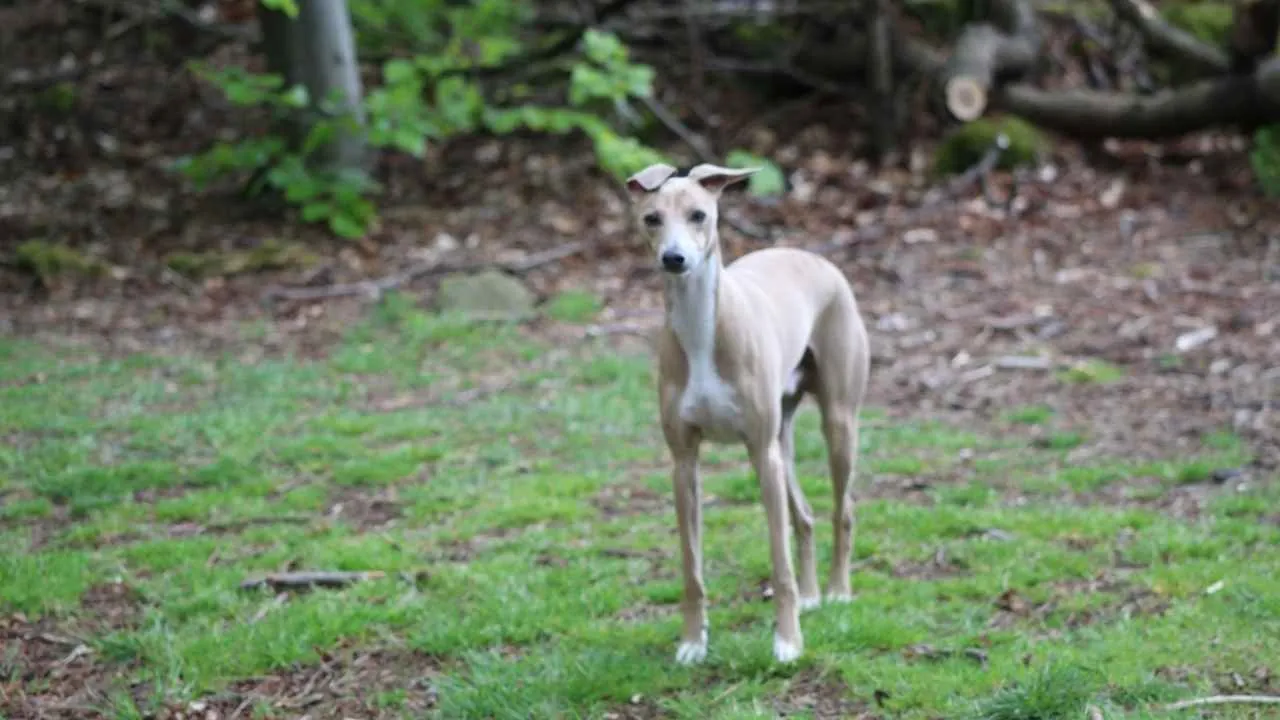
The Italian Greyhound is graceful, quiet, and surprisingly easy to care for. This breed is practically self-cleaning and has very little dog odor, so it doesn’t need much grooming at all, a relief for pet parents.
Care Snapshot:
Daily Care: 25–35 minutes
Exercise: Walks and safe runs
Shedding: Very low
Grooming needs: Occasional coat wipe and brush
Best for: Quiet homes and apartment living
Their smooth coat picks up very little dirt, so cleanup after walks is easy. Most of the time, a quick towel wipe on the paws and coat is all it takes.
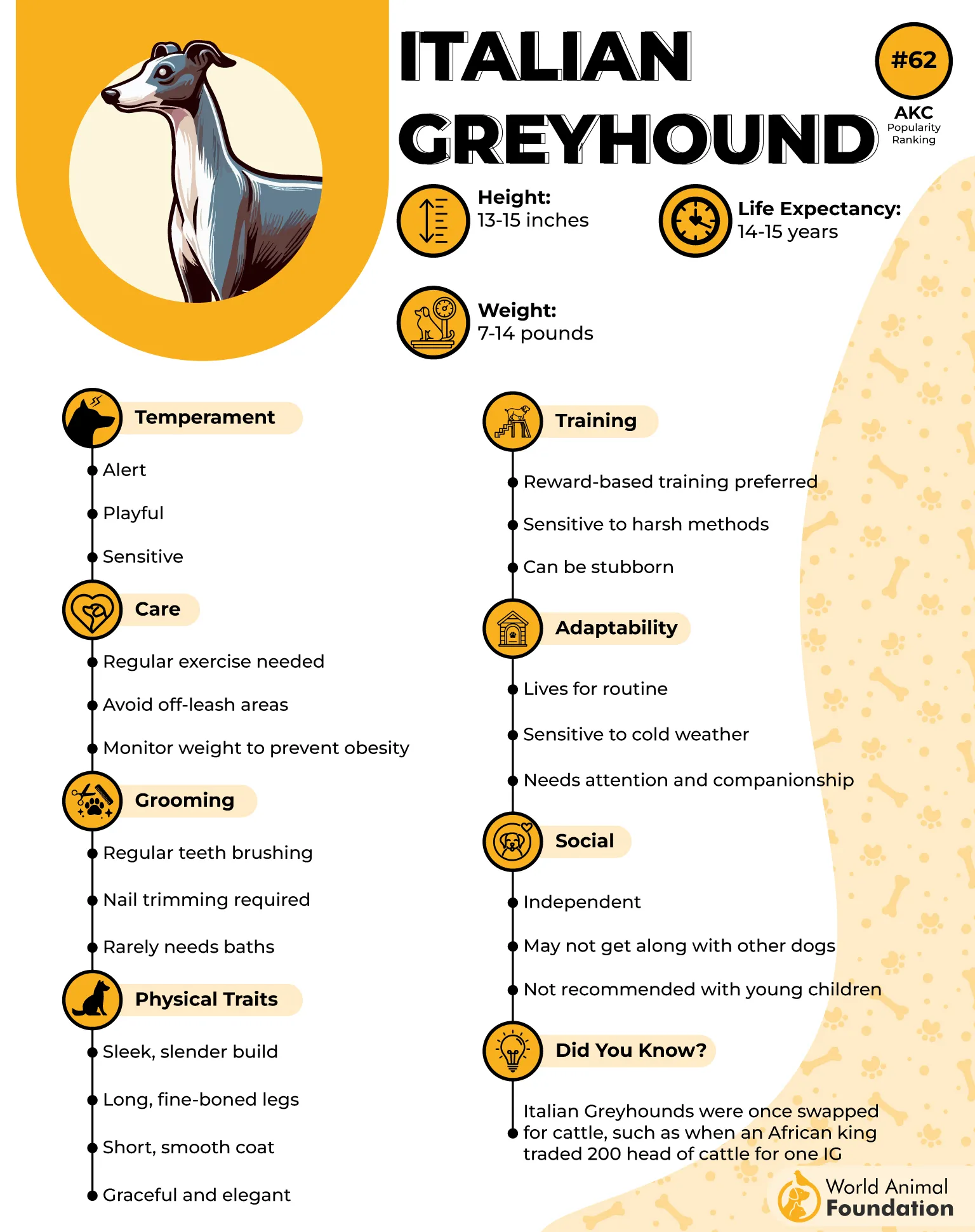
Italian Greyhounds enjoy short bursts of running but spend most of the day relaxing indoors. Because their coat is so thin, they’re sensitive to cold, so a sweater helps keep them comfortable on winter walks.
Soft bedding is a must too, since their lean bodies don’t have much natural cushioning.
Care tip: Keep your Italian Greyhound’s nails trimmed. Long nails can throw off the light, graceful movement this breed is known for.
6. Boston Terrier
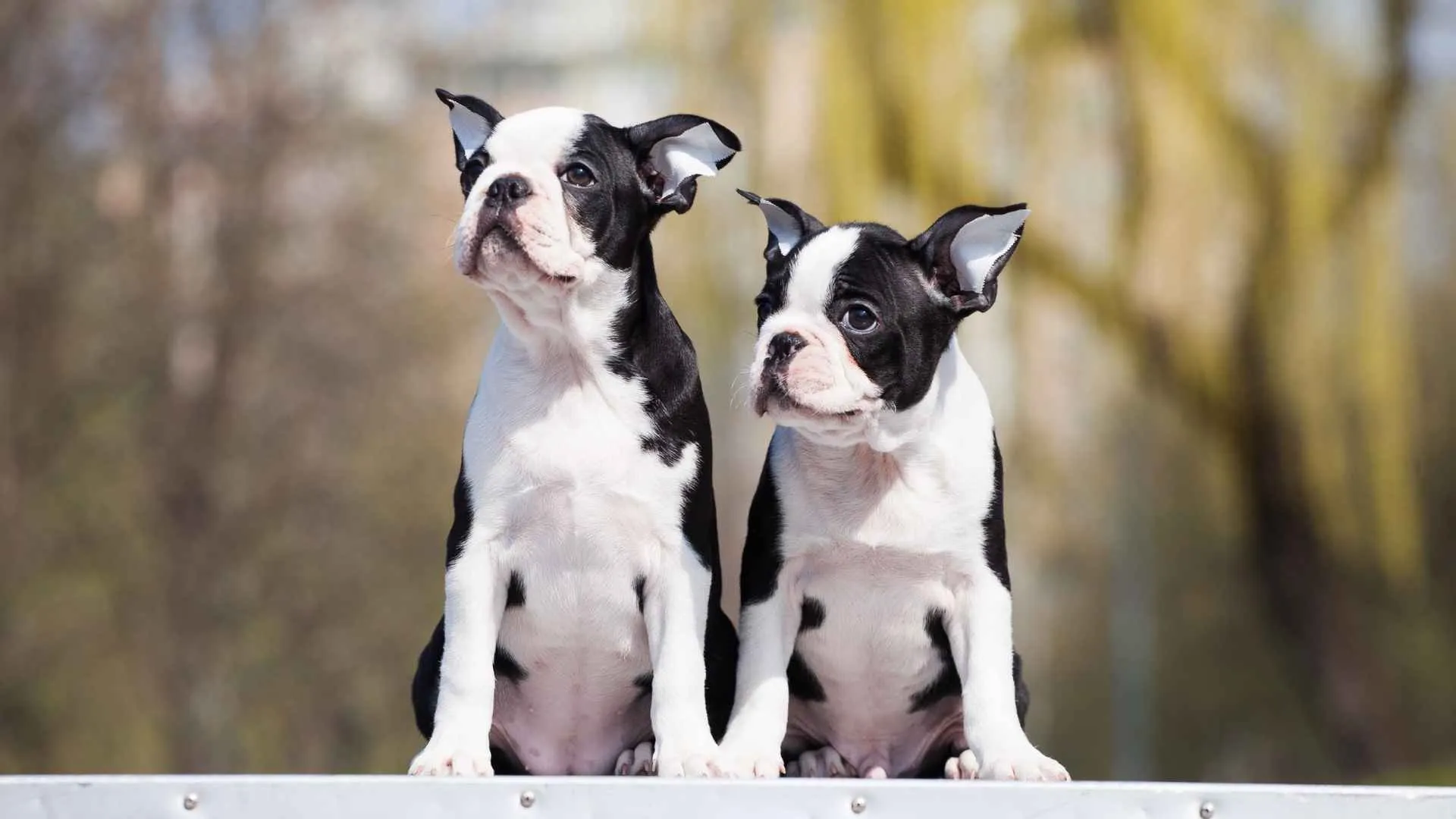
The Boston Terrier combines a relaxed personality with genuinely low-maintenance care, making it an easy fit for apartments, families, or anyone with a busy schedule.
Care Snapshot:
Daily Care: 30–40 minutes
Physical activity: Walking and indoor games
Shedding: Low
Grooming: Weekly brushing
Ideal for: First-time owners and families wanting a relaxed lifestyle
This breed has a short coat that’s simple to clean and rarely holds onto mud or debris; most owners find a once-a-week brush is plenty.
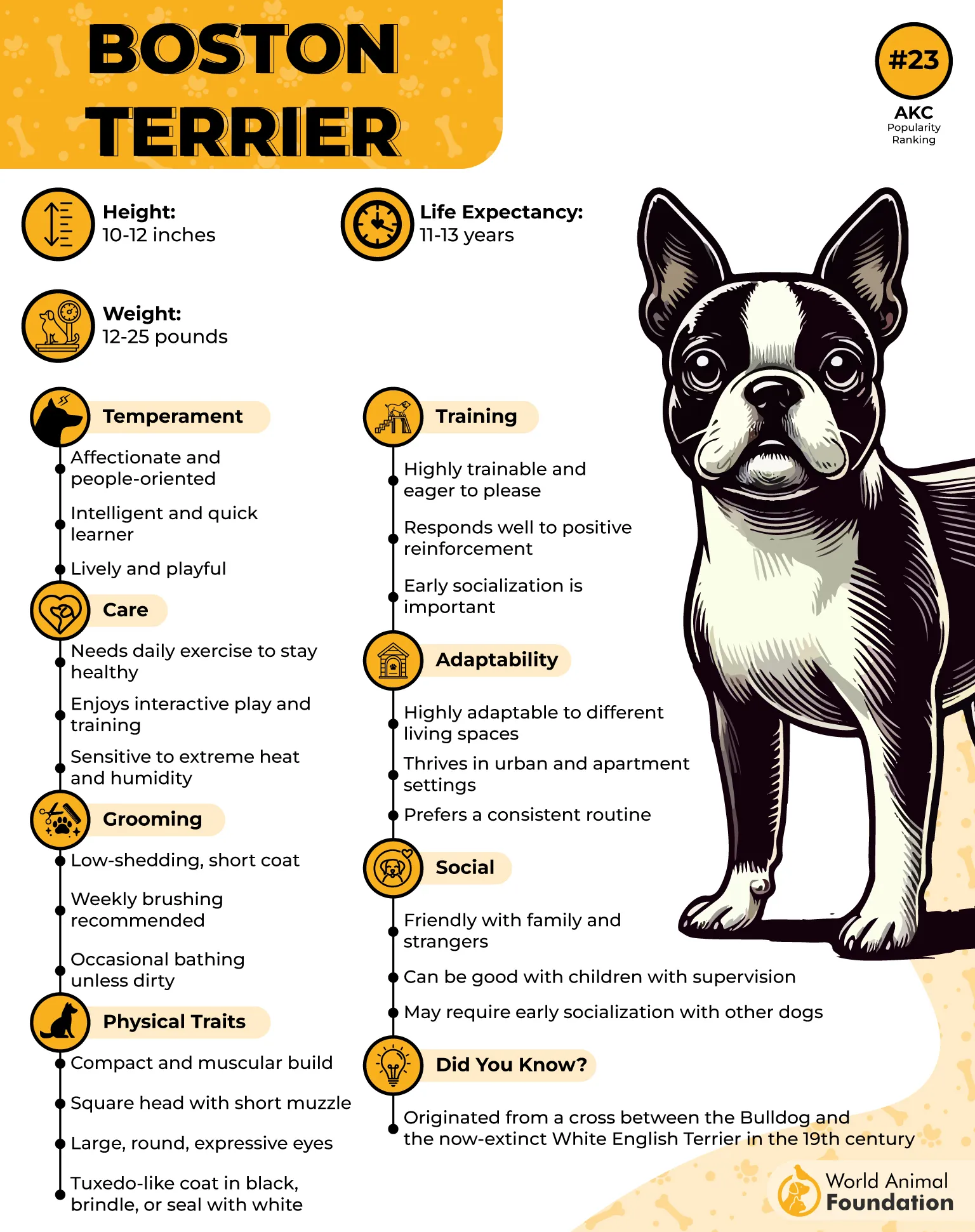
Boston Terriers pick up basic commands quickly and settle into a home routine with ease. That willingness to cooperate makes life simpler for new owners.
Their eyes are large and slightly protruding, so they need regular checks to make sure nothing’s stuck in them or causing irritation after time outside.
Like other flat-faced breeds, Boston Terriers shouldn’t be pushed too hard in hot weather.
Care tip: Bring fresh water along on walks to help prevent overheating.
7. Chinese Crested
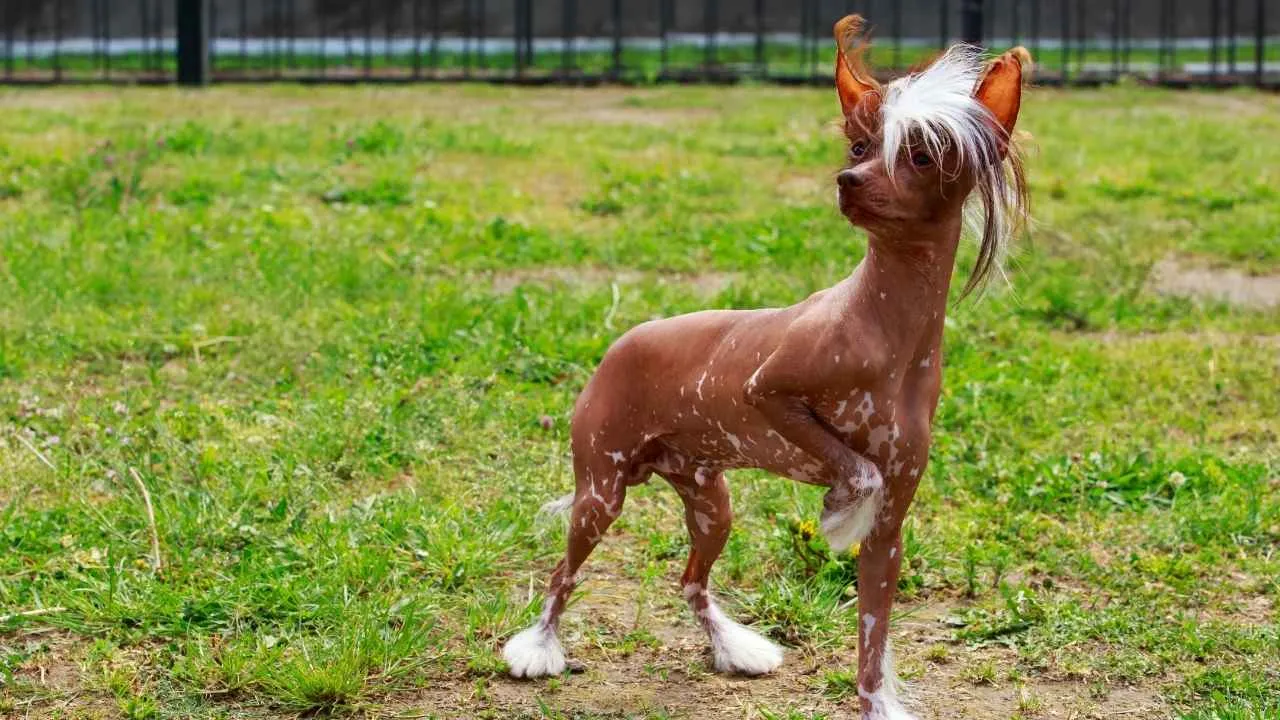
The Chinese Crested stands apart from most other dogs on this list because it’s a hairless breed with minimal body hair. Instead of brushing a thick coat, owners spend their time caring for the skin instead.
Care Snapshot:
Daily Care: 20–30 minutes
Play: Walking and indoor play sessions
Shedding: Very low
Grooming: Skin care, not coat care
Best for: Owners with small living spaces
Since there’s so little hair, loose fur around the house is basically a non-issue. That said, the exposed skin does need regular attention. A gentle bath keeps dirt off, and a dog-safe moisturizer helps prevent dryness.
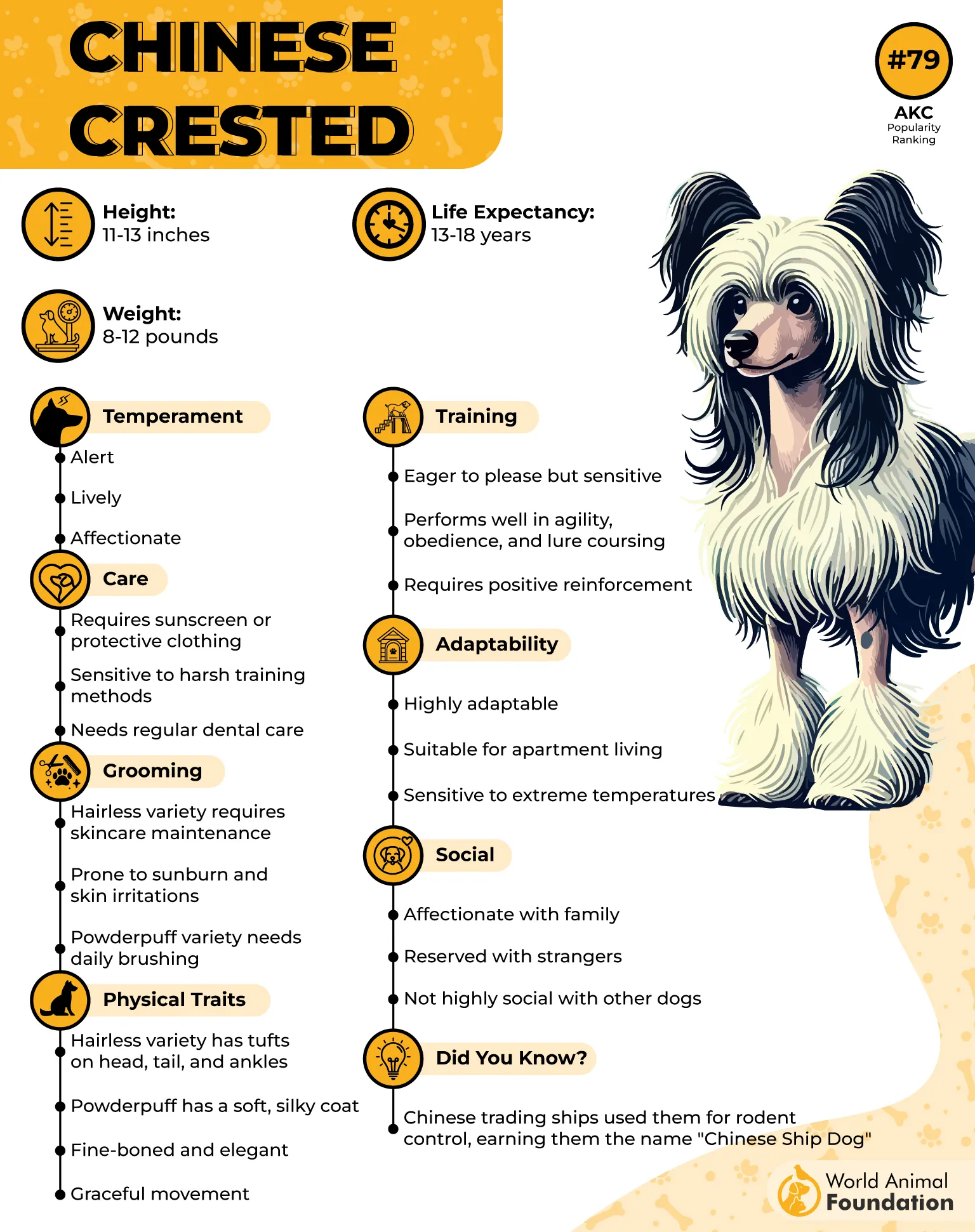
During sunny months, dog-safe sunscreen may be needed for exposed skin, and in winter, a light sweater helps keep them warm.
Chinese Cresteds love being close to their people and are happiest indoors with family. They don’t need a big yard to be content.
Care tip: After outdoor activities, check and dry the skin regularly to keep it healthy.
8. French Bulldogs
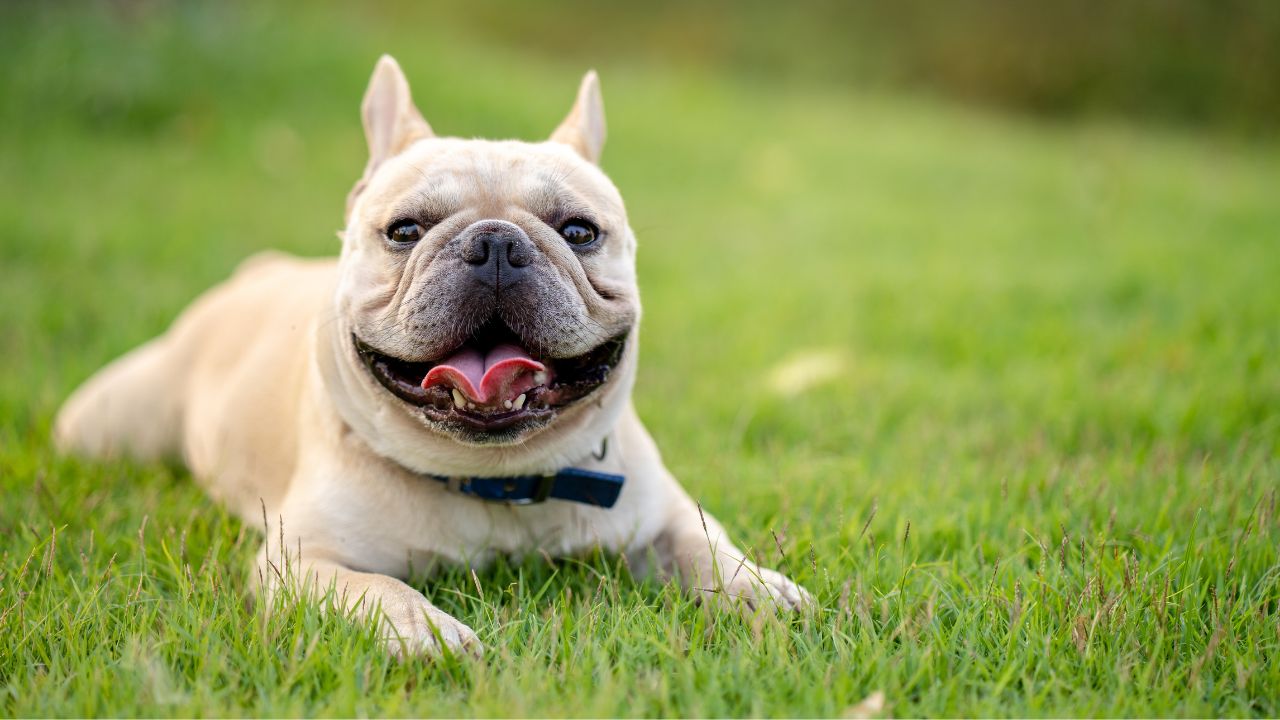
One of the most popular low-maintenance breeds around, the French Bulldog fits easily into modern life. They’re happy with short walks, indoor play, and plenty of downtime with family.

Care Snapshot:
Daily Care: 30 minutes
Exercise: Daily short walks
Shedding: Moderate
Grooming: Weekly brushing
Best for: Busy owners and apartment dwellers
Their small size makes feeding, bathing, and traveling simple. The short coat rarely gets messy and just needs regular brushing to clear away loose hair.
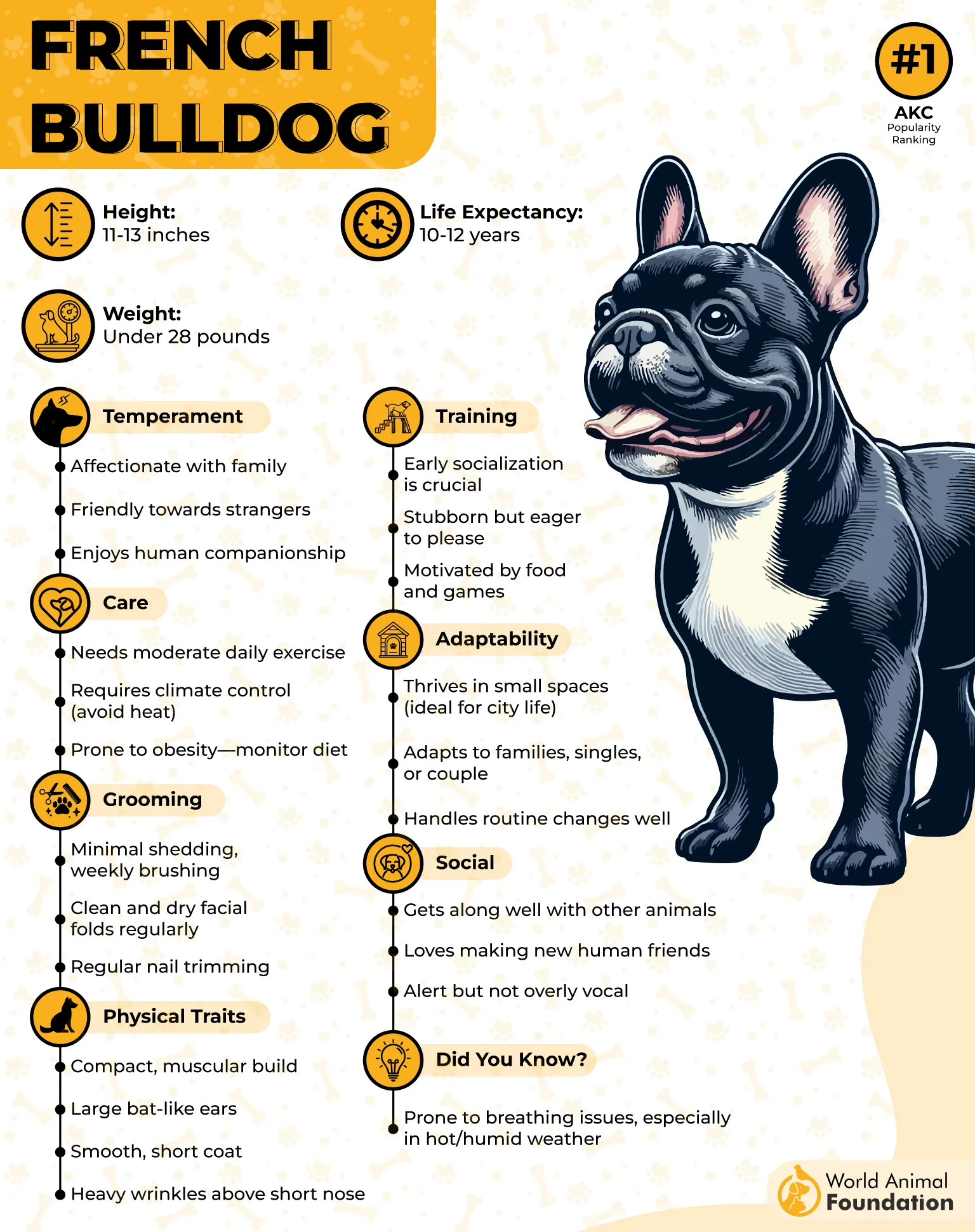
French Bulldogs would rather be near their people than get a workout in; they’re companions first, athletes never. The folds on their face should be cleaned every few days to prevent moisture from building up.
Like other flat-faced breeds, French Bulldogs are prone to overheating, so it’s best to skip outdoor activities on hot afternoons.
Care tip: Avoid long walks in warm weather, and always keep cool drinking water on hand.
9. Whippet
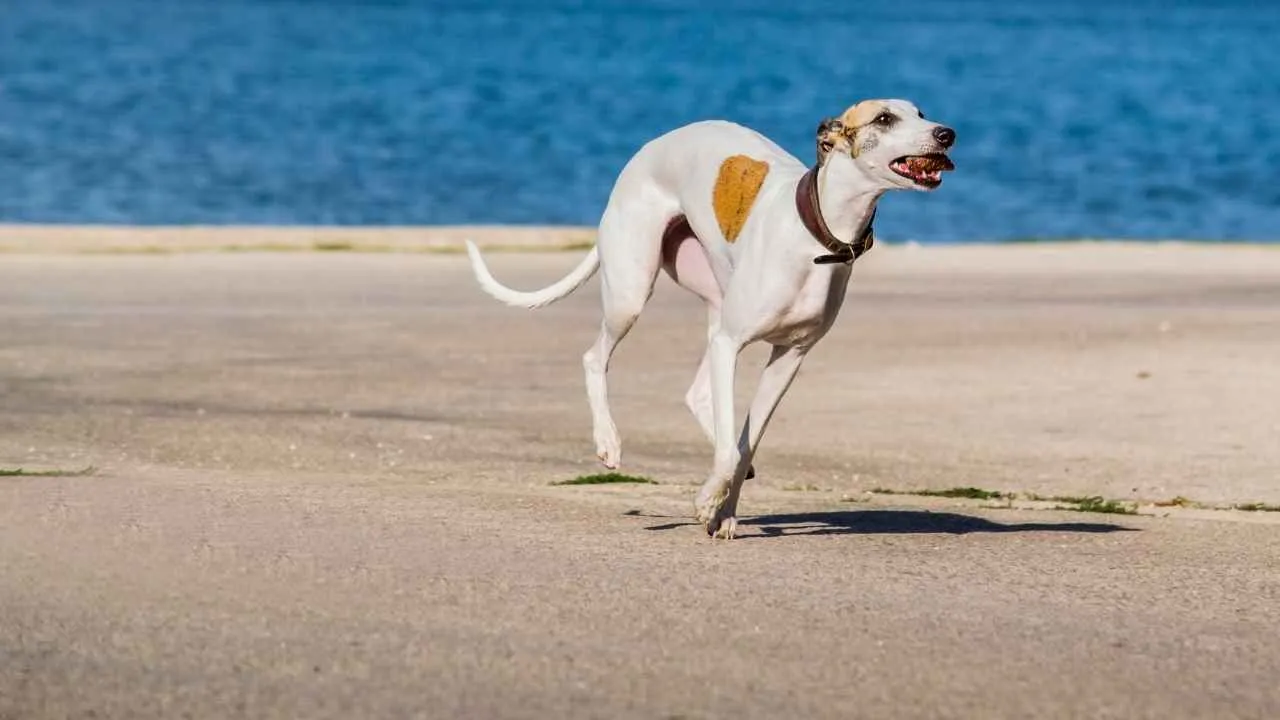
The Whippet puzzles a lot of people; it’s an athletic dog with a surprisingly quiet nature. After a short burst of exercise, it can easily rest for hours.
Care Snapshot:
Daily Care: 35–45 minutes
Exercise needs: A daily walk plus a safe sprint
Shedding: Low
Grooming needs: Occasional brushing
Best for: Active owners who also enjoy quiet nights
Their smooth coat is easy to maintain. Whippets rarely get dirty, dry quickly after a bath, and have very little natural odor.
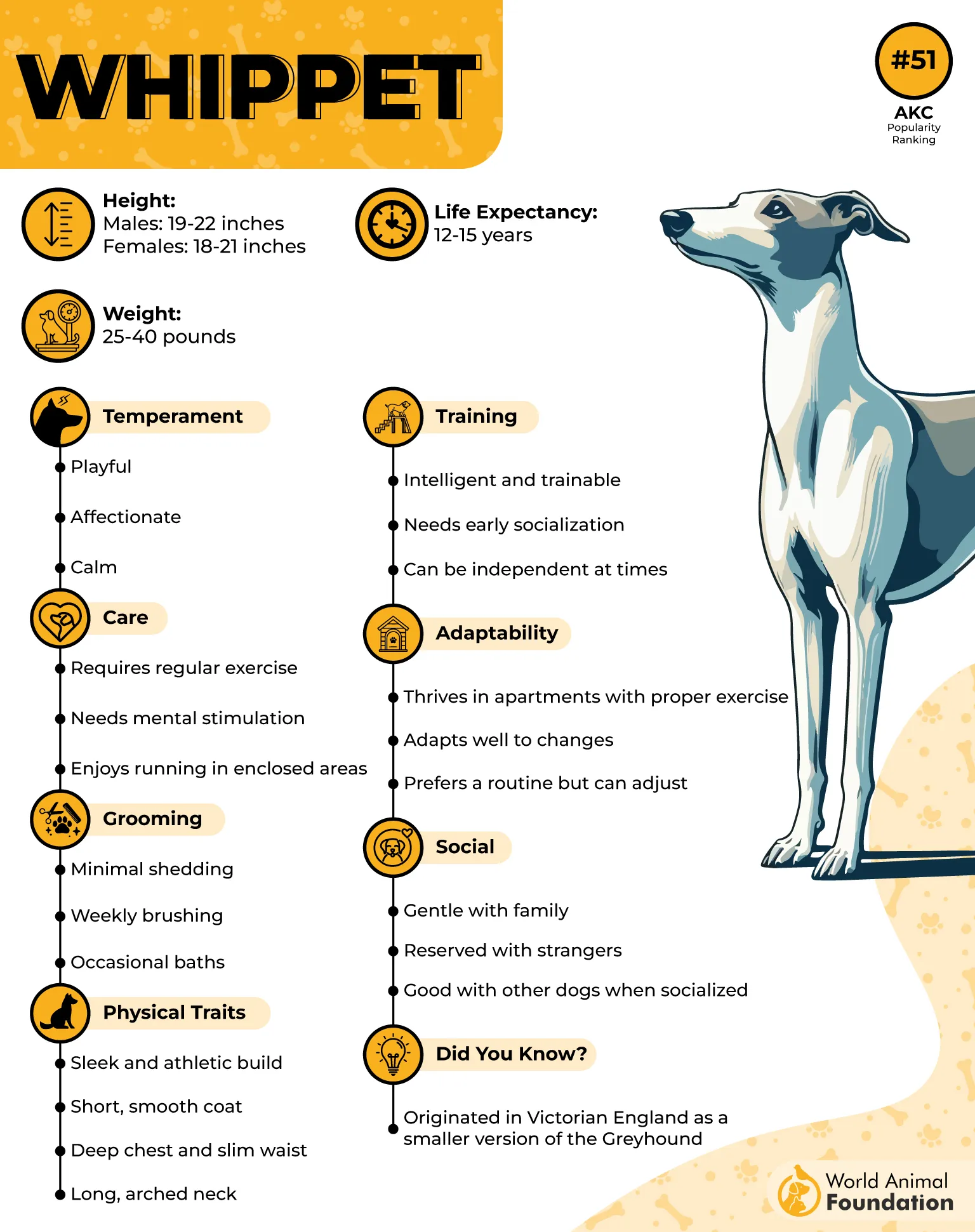
Despite being able to run up to about 35 mph, Whippets don’t need constant exercise. A few sprints in an open, securely fenced field are usually enough to satisfy their instincts.
They do best on soft bedding and appreciate extra warmth in cold weather, since they carry very little body fat.
Care tip: Only let your Whippet run off-leash in securely fenced areas, since they can reach impressive speeds chasing after moving objects.
Conclusion
Low-maintenance dogs still need great care; they just tend to need less time and effort compared to high-maintenance breeds. Choosing the right low-maintenance dog goes beyond looks; understanding how to care for their coat, skin, teeth, and weight is essential to keeping them healthy.
With the right veterinary care, good nutrition, regular exercise, and plenty of love, these low-maintenance breeds can be wonderful companions for many happy years to come.
