




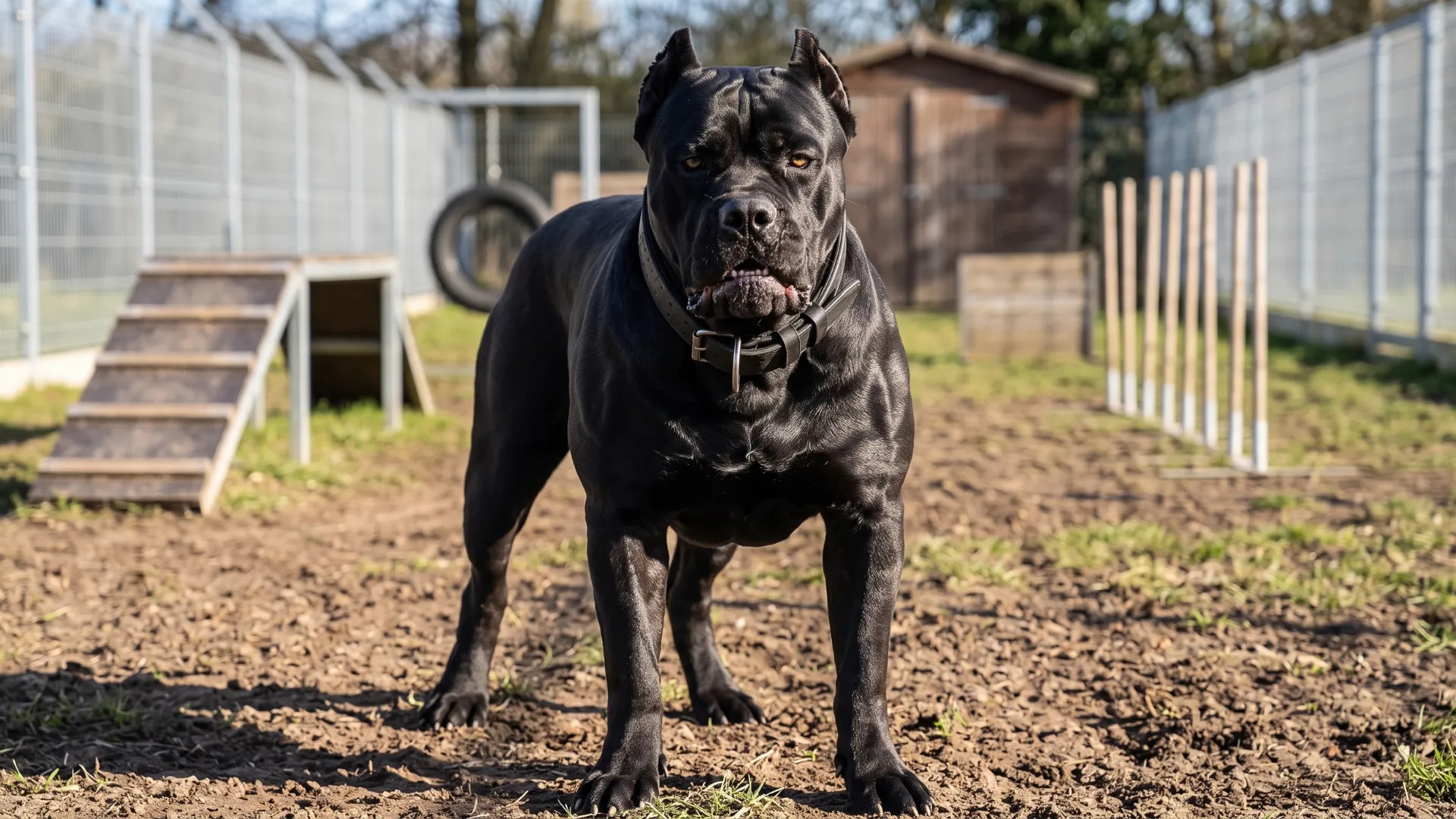
Strong, muscular dogs have long been valued for their ability to perform demanding tasks with confidence, endurance, and remarkable physical power.
Whether guarding livestock, protecting homes, assisting handlers, or tackling challenging terrain, these working breeds rely on more than size alone.
Their well-developed muscles support balance, stability, and sustained movement, allowing them to stay active while reducing the strain placed on their joints and bodies.
Research into canine fitness continues to explore how structured exercise strengthens the muscles that stabilize the spine and improve overall performance, helping dogs remain healthier and less prone to injury.
Combined with proper nutrition, regular conditioning, and adequate recovery, strong muscles contribute to lifelong mobility and resilience.
The breeds featured in this article are outstanding examples of that combination of strength and purpose. Their athletic builds reflect generations of selective breeding for demanding work, making them some of the most powerful and capable working dogs in the canine world.
Key Takeaways
Working dog breeds are built for purpose: Their muscular bodies were developed to perform demanding jobs such as guarding, hunting, livestock protection, and property security.
Strength is paired with intelligence: These breeds combine physical power with sharp instincts, making them dependable working companions.
Early training is essential: Consistent obedience training and socialization from puppyhood help these powerful dogs become confident, well-mannered adults.
They need regular exercise: Daily physical activity and mental stimulation are vital to maintain their health, fitness, and balanced temperament.
Experienced owners are often the best fit: Independent and protective breeds like the Cane Corso, Akita, and Anatolian Shepherd require confident, knowledgeable handling.
Powerful Working Dog Breeds Known for Their Muscular Builds
1. Doberman Pinscher
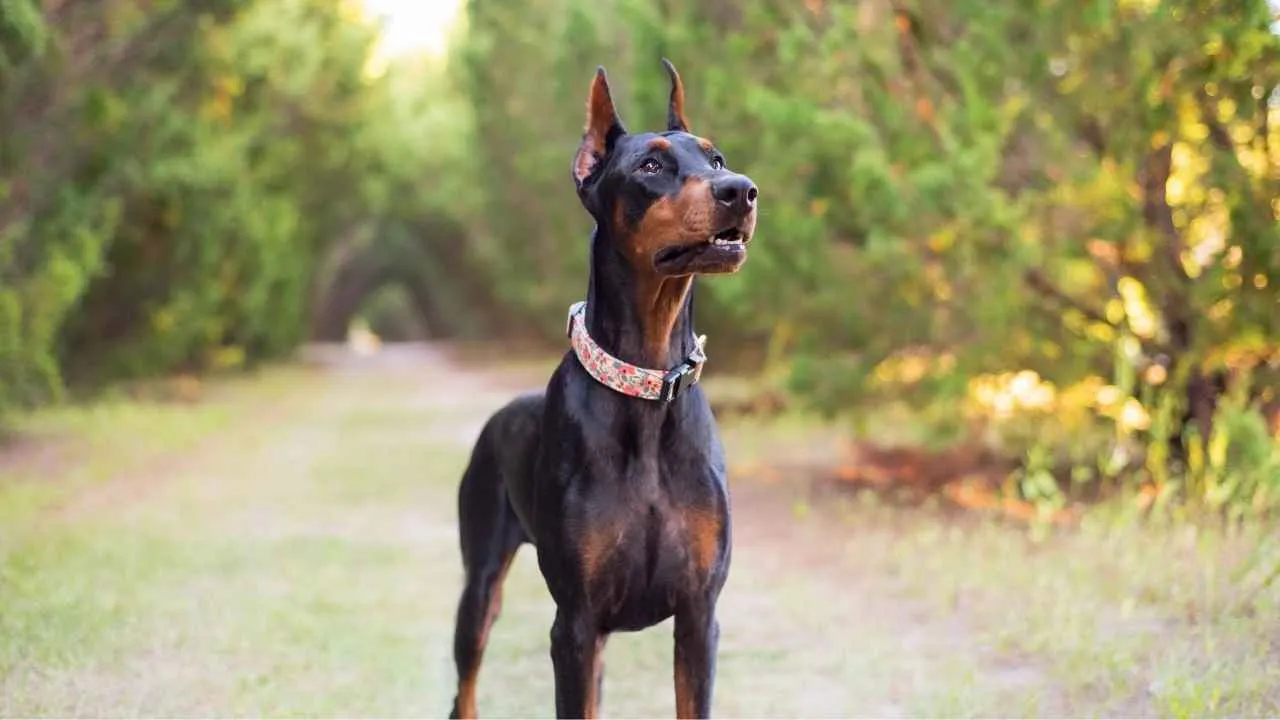
The Doberman Pinscher combines strength, speed, and intelligence in a sleek, muscular body, making it one of the world’s most respected working dog breeds.
Standing 24 to 28 inches tall, this athletic breed is powerfully built without appearing bulky.
Its short, glossy coat, available in black, blue, red, or fawn with rust markings, enhances its striking appearance, while its fearless nature and natural vigilance have earned it a reputation as an exceptional protection dog.
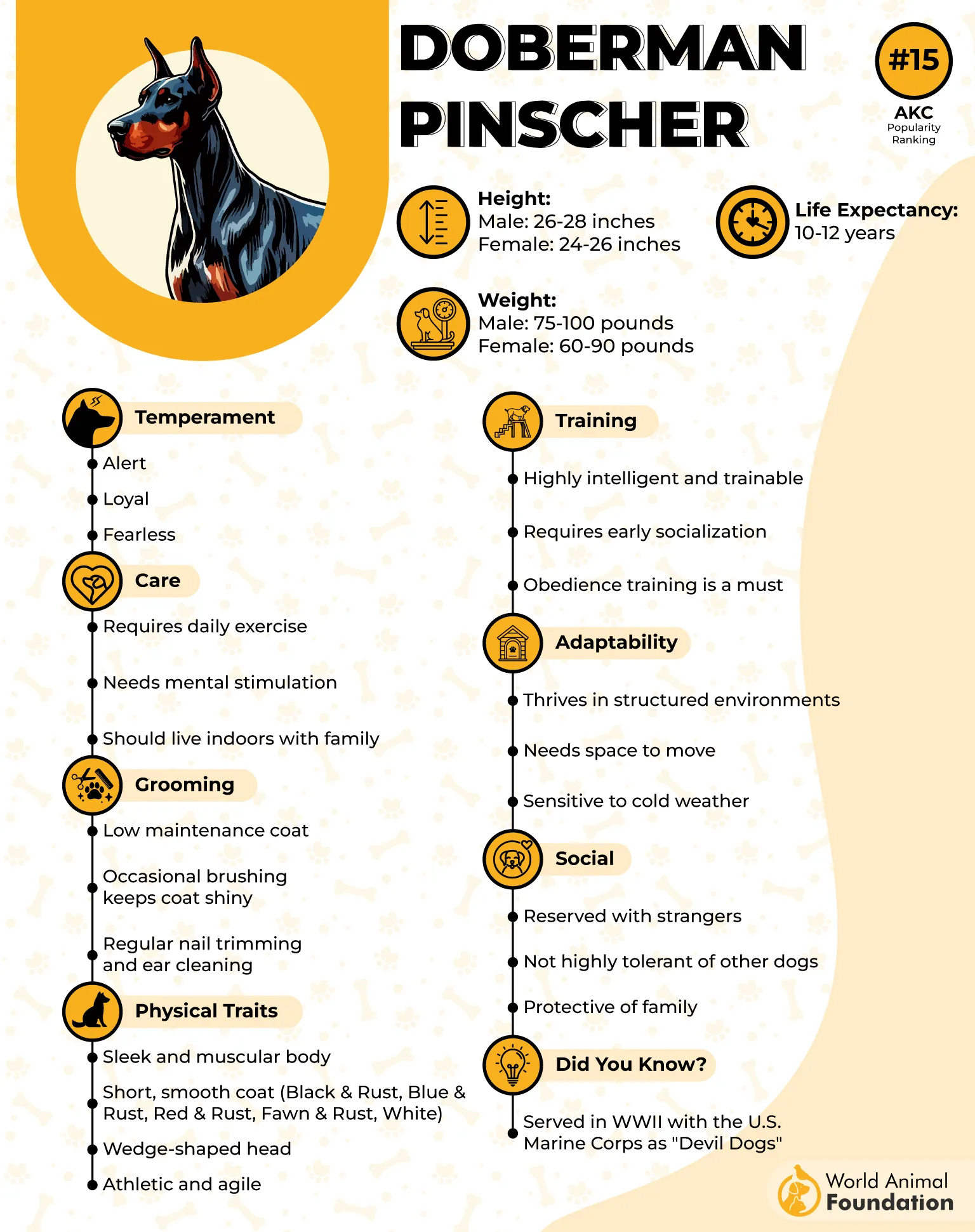
Despite its confident personality, the Doberman thrives as a loyal family companion when properly trained and socialized from an early age, according to the American Kennel Club.
Regular exercise, including long walks, hikes, and canine sports such as obedience, agility, and tracking, helps satisfy both its physical and mental needs.
Routine grooming is simple, but responsible owners should also stay aware of inherited health conditions, provide a balanced diet, schedule regular veterinary care, and ensure the dog lives closely with its family.
2. Akita
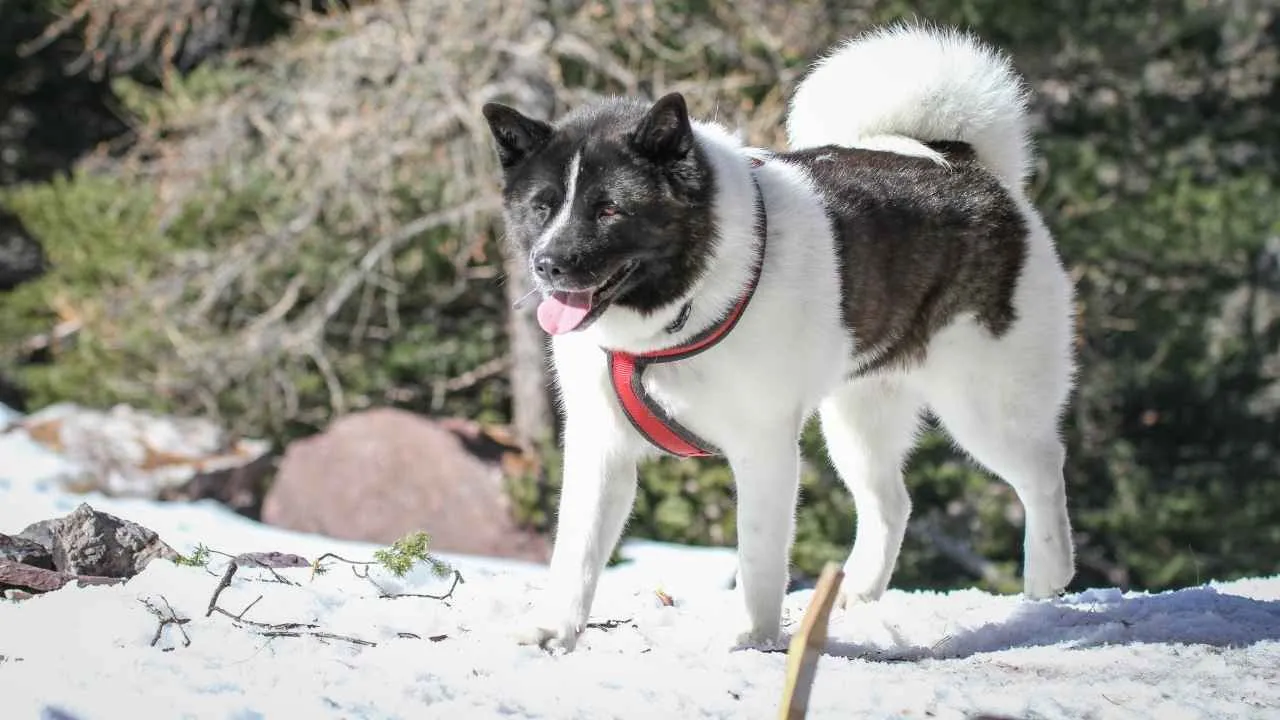
The Akita is a large dog breed from Japan, admired for its muscular build and unwavering loyalty.
Originally developed for guarding and hunting, it combines impressive physical strength with sharp intelligence and a fearless nature.
Its sturdy frame and natural athleticism make it well-suited to demanding tasks, while its deep devotion allows it to form exceptionally strong bonds with its family.
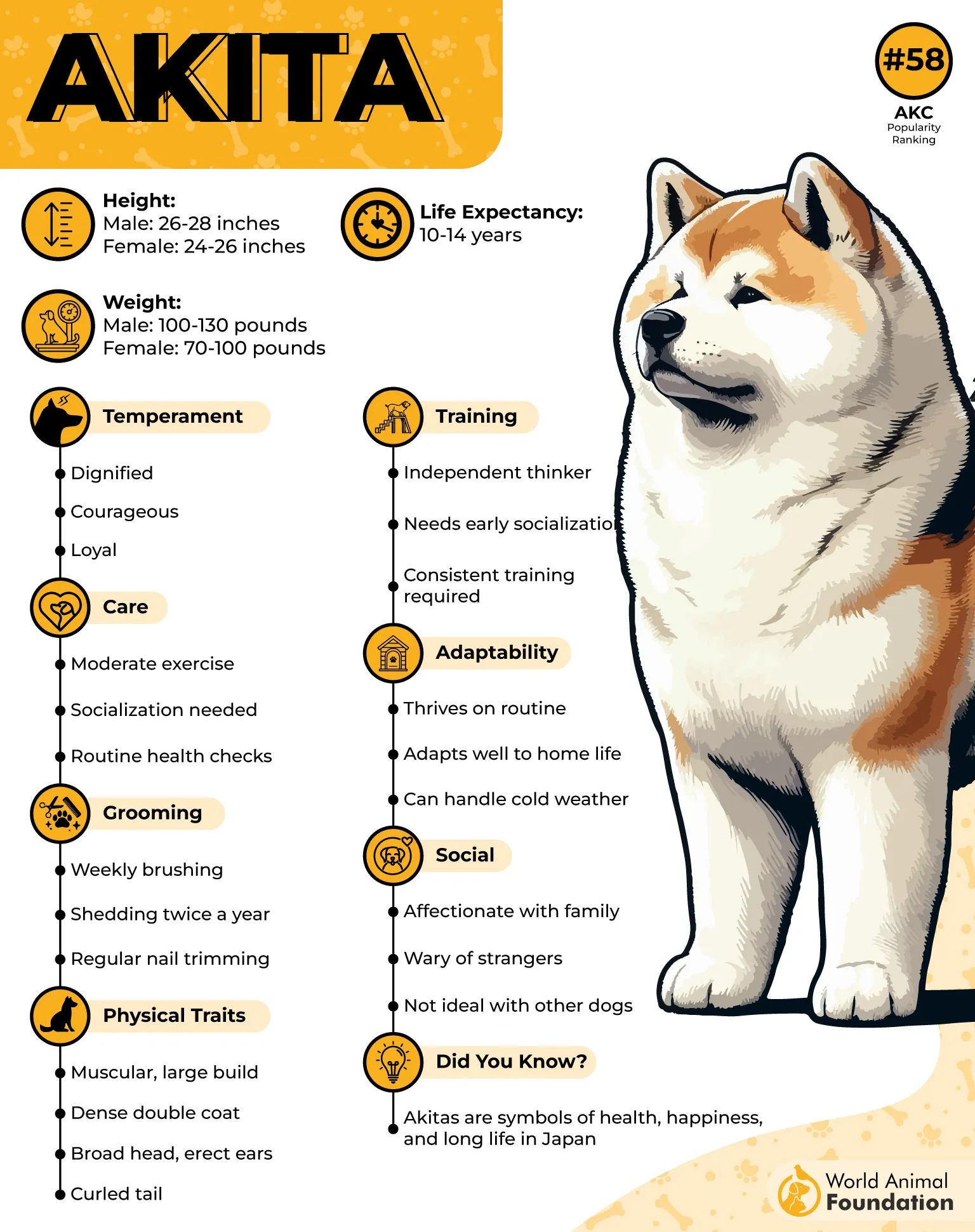
Because of its size, independence, and protective instincts, the Akita is best suited to experienced owners who can provide consistent training, early socialization, and firm but positive guidance.
Daily exercise, including long walks, play sessions, and mentally stimulating activities, helps keep this energetic breed physically fit and mentally satisfied.
Although generally healthy, Akitas can be prone to inherited conditions such as hip dysplasia, bloat, eye disorders, hypothyroidism, and certain autoimmune diseases.
Regular grooming, a balanced diet, routine veterinary care, and close companionship are essential for maintaining their overall health and well-being.
3. Anatolian Shepherd
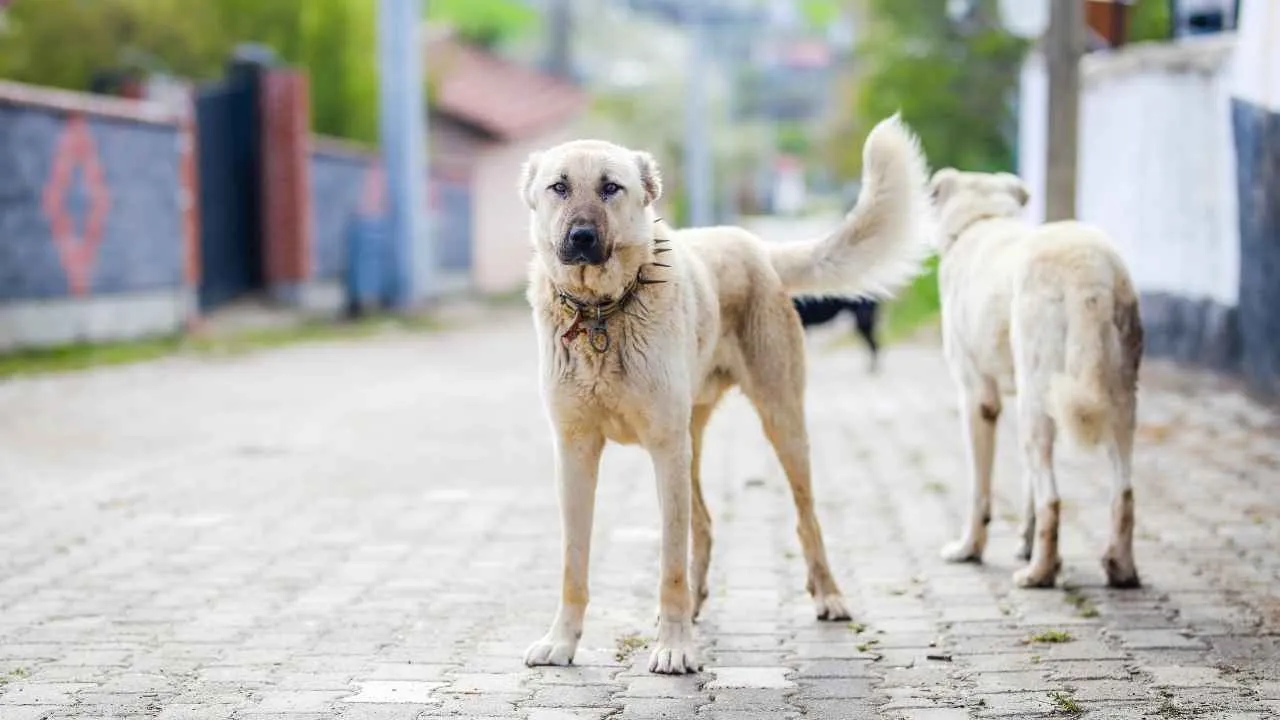
The Anatolian Shepherd is a giant, powerfully built working breed developed in Turkey to guard livestock across rugged landscapes.
With its muscular frame, broad head, and dense weather-resistant coat, this dog was bred to withstand harsh climates while protecting sheep and goats from predators.
Calm and deeply loyal to its family, the Anatolian Shepherd is naturally independent and remains highly alert, making decisions confidently without constant guidance.
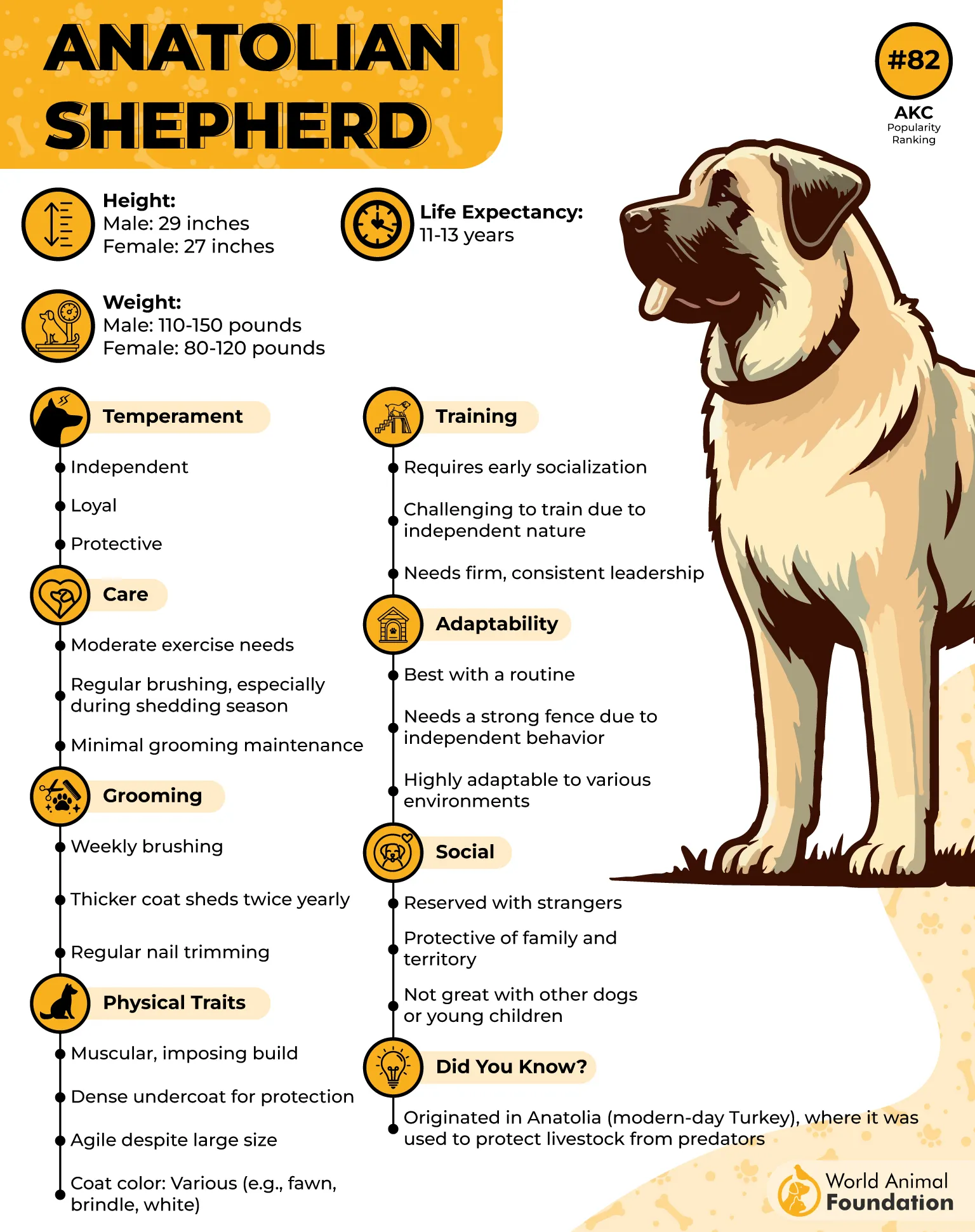
These instincts make it an outstanding guardian but also a breed best suited to experienced owners who understand its protective nature.
Regular exercise, mental stimulation, and thorough early socialization are essential to help it develop into a well-balanced companion, as stated by Purina.
Despite its short coat, weekly grooming is needed, with heavier shedding during seasonal coat changes.
Like many giant breeds, the Anatolian Shepherd can be prone to bloat and other health concerns, making responsible breeding, appropriate nutrition, routine veterinary care, and attentive ownership important for maintaining its long-term health and strength.
4. Cane Corso
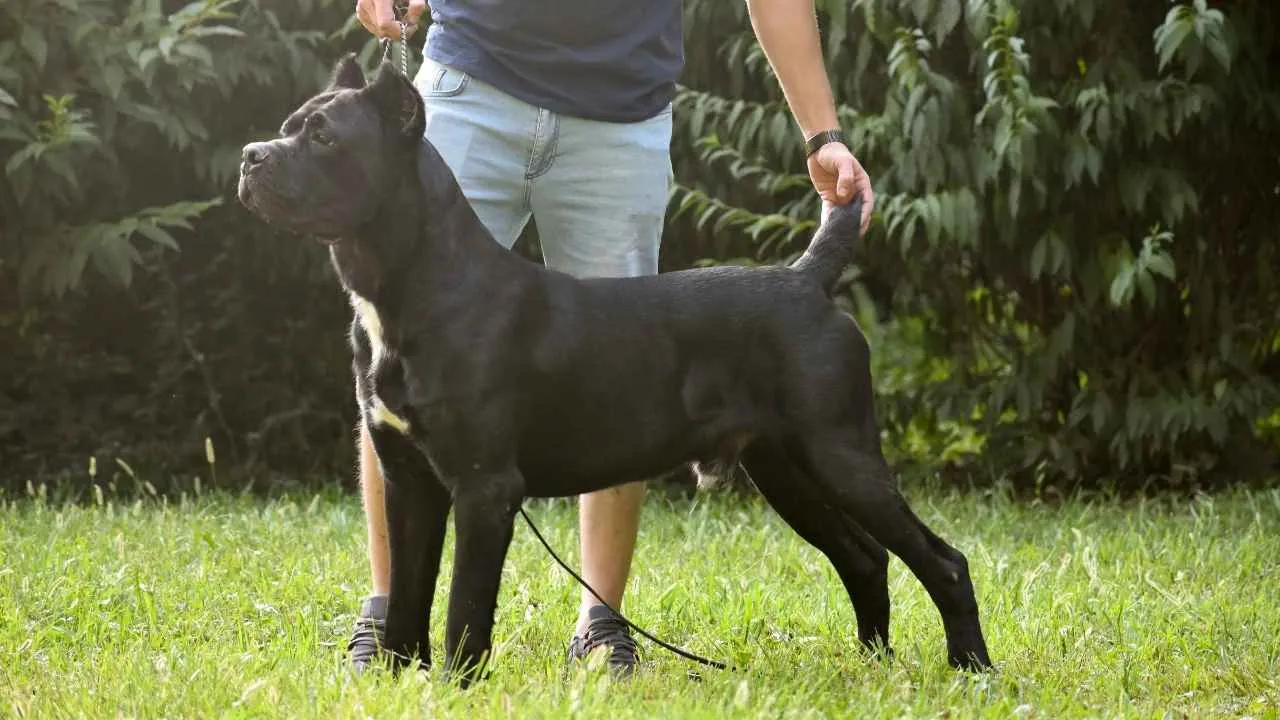
The Cane Corso is a powerful Italian working breed admired for its muscular build, athletic ability, and unwavering loyalty.
Descended from ancient Roman war dogs, it was originally developed to guard property, hunt game, and assist with farm work.
Its broad chest, strong frame, and confident presence reflect the strength that has made it a dependable protector for centuries.
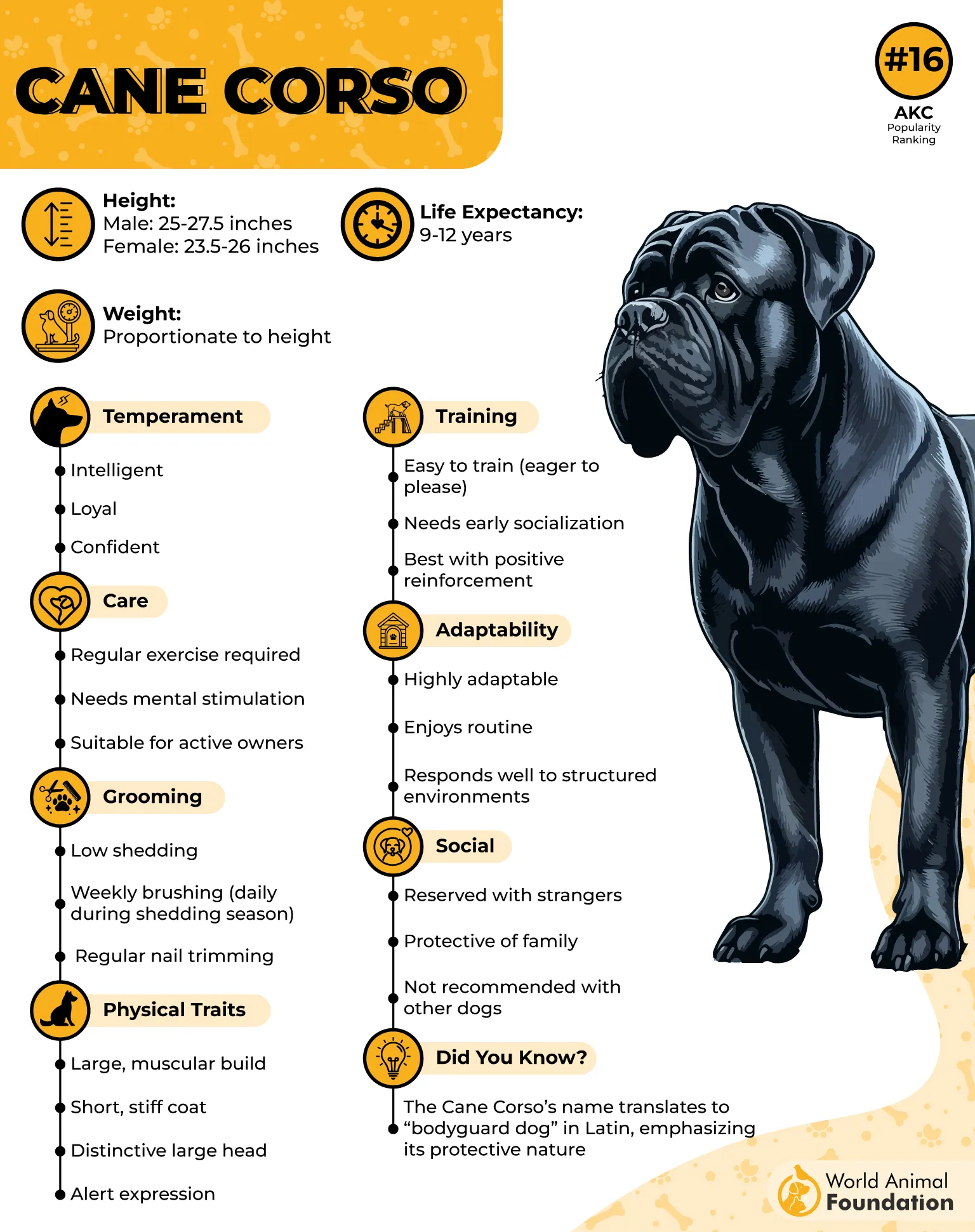
Highly intelligent and naturally independent, the Cane Corso thrives with experienced owners who can provide consistent training, early socialization, and clear leadership.
This energetic breed requires daily exercise, mentally stimulating activities, and purposeful tasks to stay physically fit and emotionally balanced. Weekly grooming is usually sufficient, although shedding increases seasonally.
While generally healthy, Cane Corsos can be prone to inherited conditions such as hip dysplasia, bloat, eyelid abnormalities, and idiopathic epilepsy.
A nutritious diet, regular veterinary care, and an active lifestyle are essential to help this remarkable working dog remain healthy, strong, and devoted throughout its life.
5. Great Dane
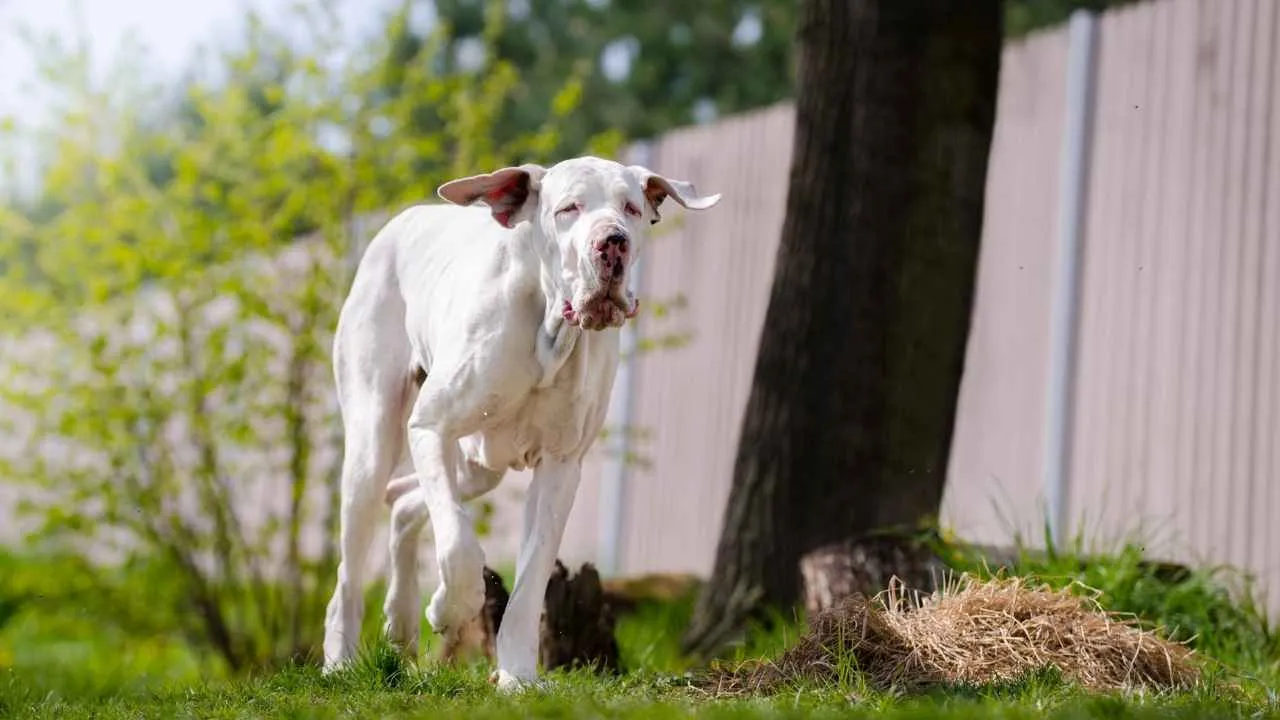
The Great Dane is an impressive working breed admired for its towering height, muscular physique, and gentle temperament.
Although playful and energetic as puppies, these giant dogs gradually become calmer and more relaxed as they mature.
Their athletic build still requires regular daily exercise to maintain strong muscles and overall health, while their short coat makes grooming relatively simple.
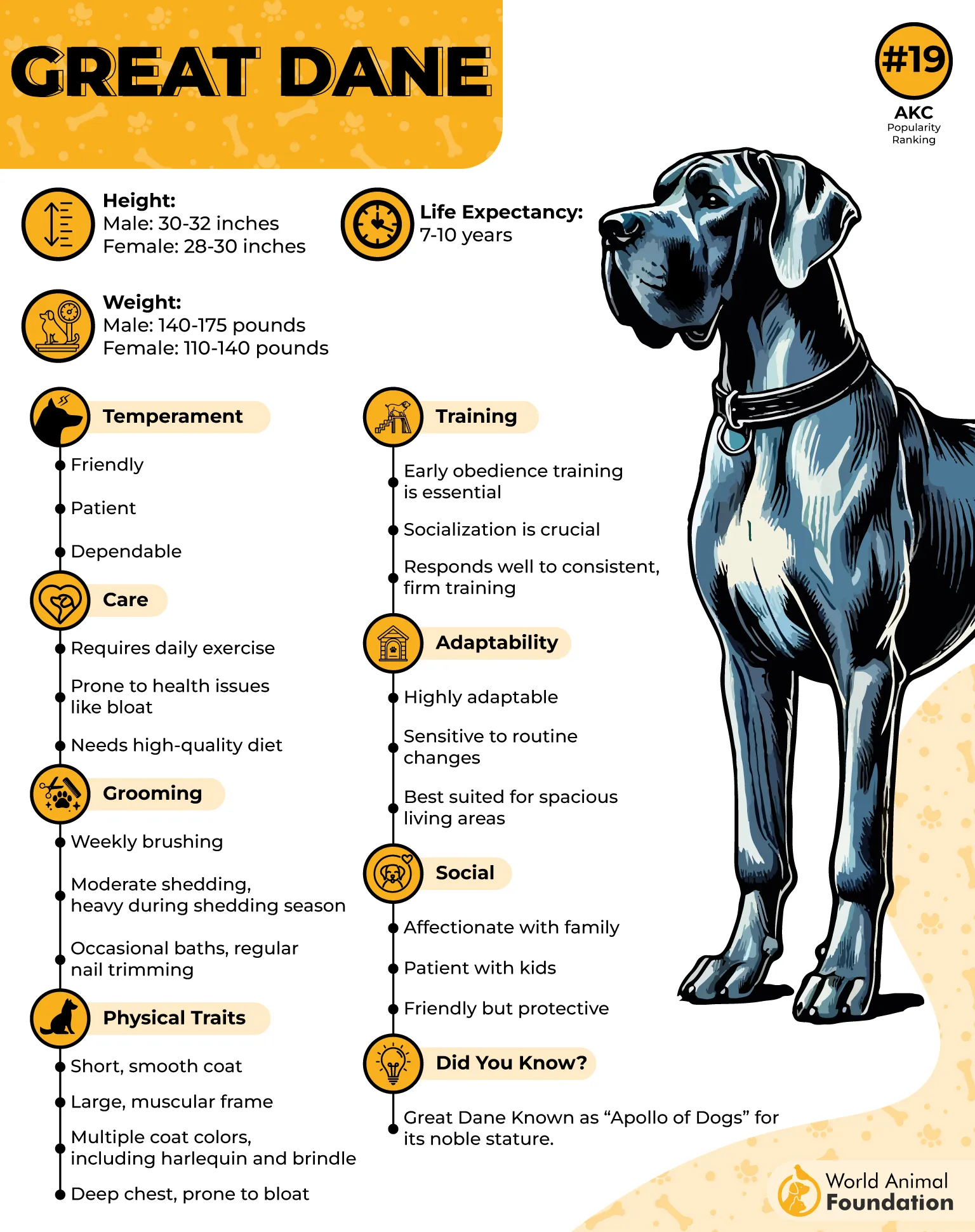
Despite their friendly nature and eagerness to please, early socialization and obedience training are important because their sheer size can be difficult to manage without proper guidance.
Great Danes thrive in homes where they receive companionship, consistent care, and plenty of space to move comfortably, as explained by Greencross Vets.
Prospective owners should choose a healthy puppy from a responsible breeder who performs appropriate health screening or consider adoption whenever possible.
Taking time to observe a puppy’s temperament, physical condition, and overall behavior, along with a veterinary examination, helps lay the foundation for a healthy, well-adjusted lifelong companion.
6. Dogo Argentino
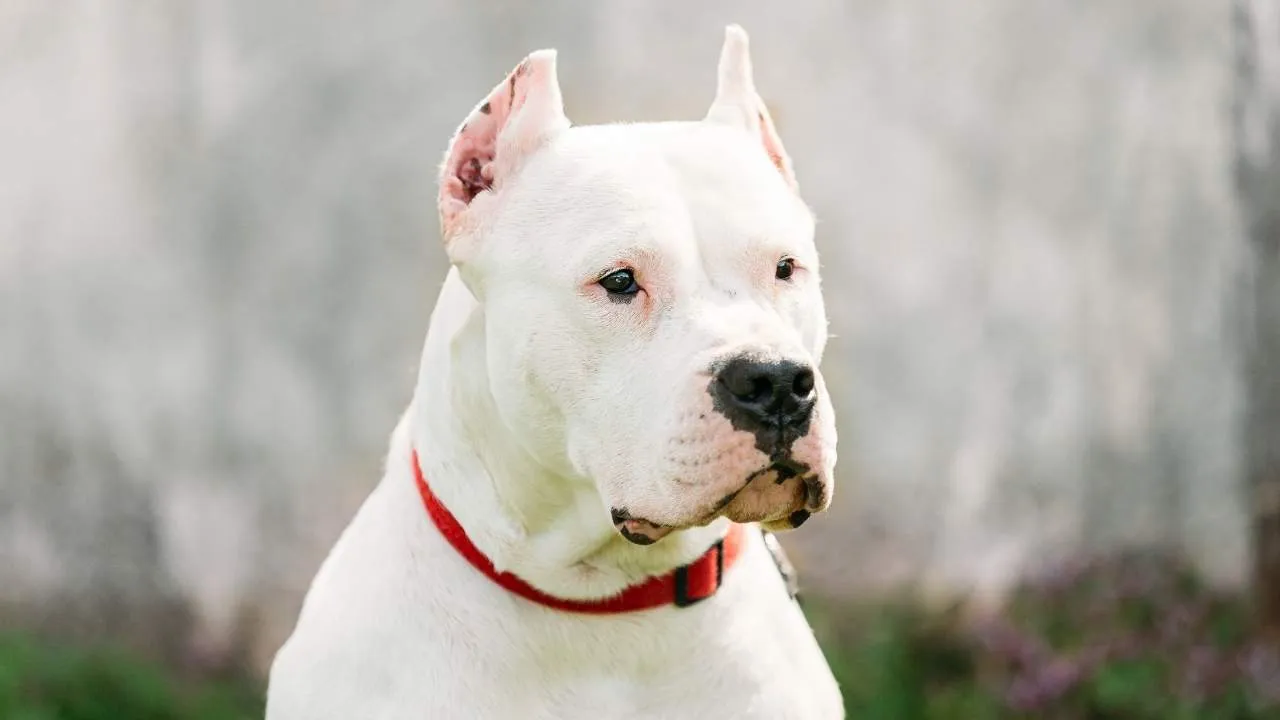
The Dogo Argentino is a powerful hunting dog developed in Argentina for hunting large game while also serving as a loyal guardian.
Its muscular frame, athletic build, and remarkable endurance reflect the demanding tasks it was originally bred to perform.
Fearless yet sensitive, the Dogo forms strong bonds with its family and thrives under confident, experienced ownership.
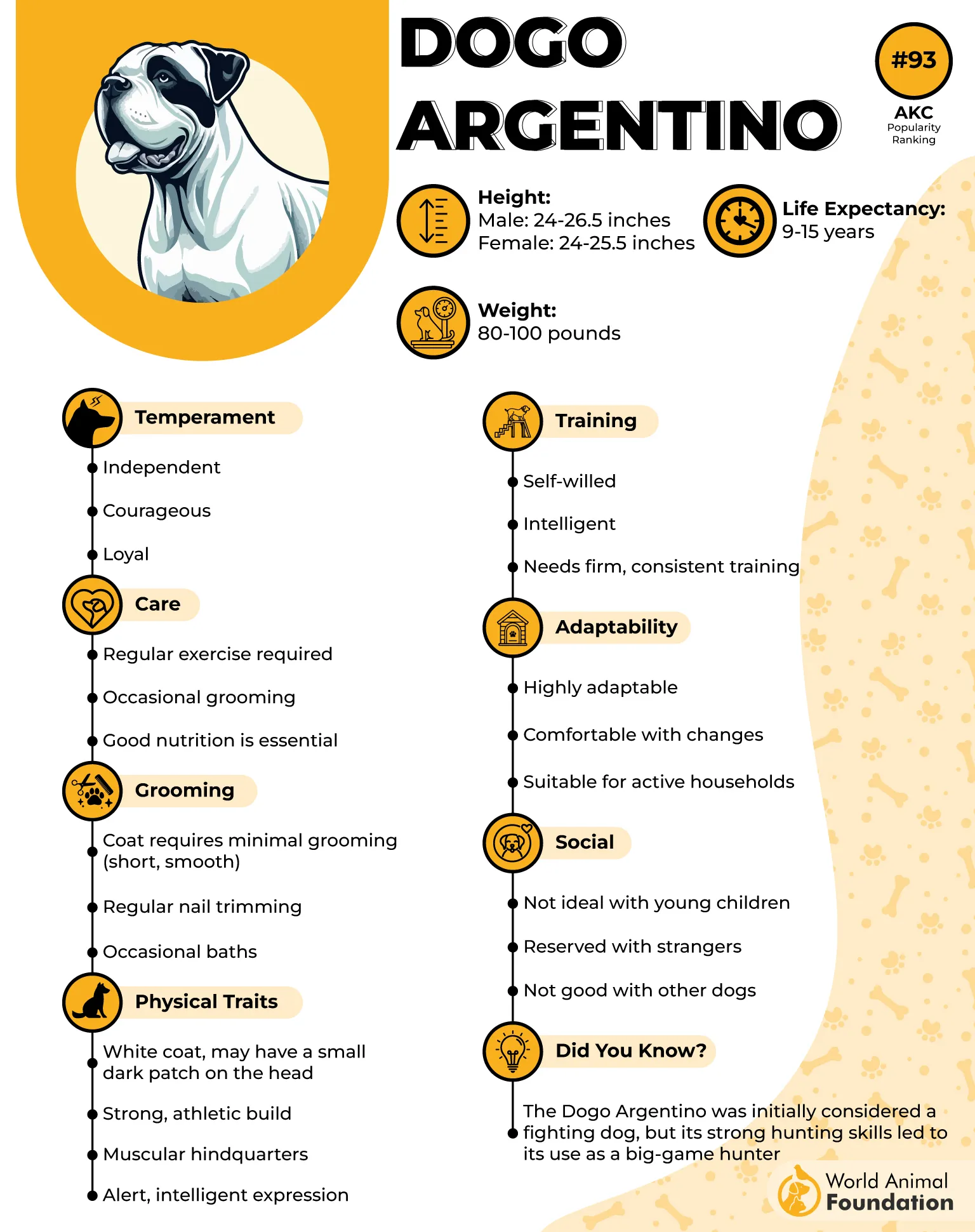
Because of its intelligence, determination, and strong-willed nature, early socialization, consistent training, and clear leadership are essential from puppyhood.
This energetic breed requires regular physical activity and mentally engaging work to stay balanced, as boredom can lead to destructive behavior.
Beyond hunting, the Dogo Argentino has demonstrated its versatility in activities such as obedience, agility, tracking, search and rescue, police work, and protection roles.
Responsible breeders prioritize health screening for conditions including deafness, hip and elbow dysplasia, heart disease, eye disorders, and allergies, helping preserve the breed’s strength, soundness, and overall well-being.
7. Great Pyrenees
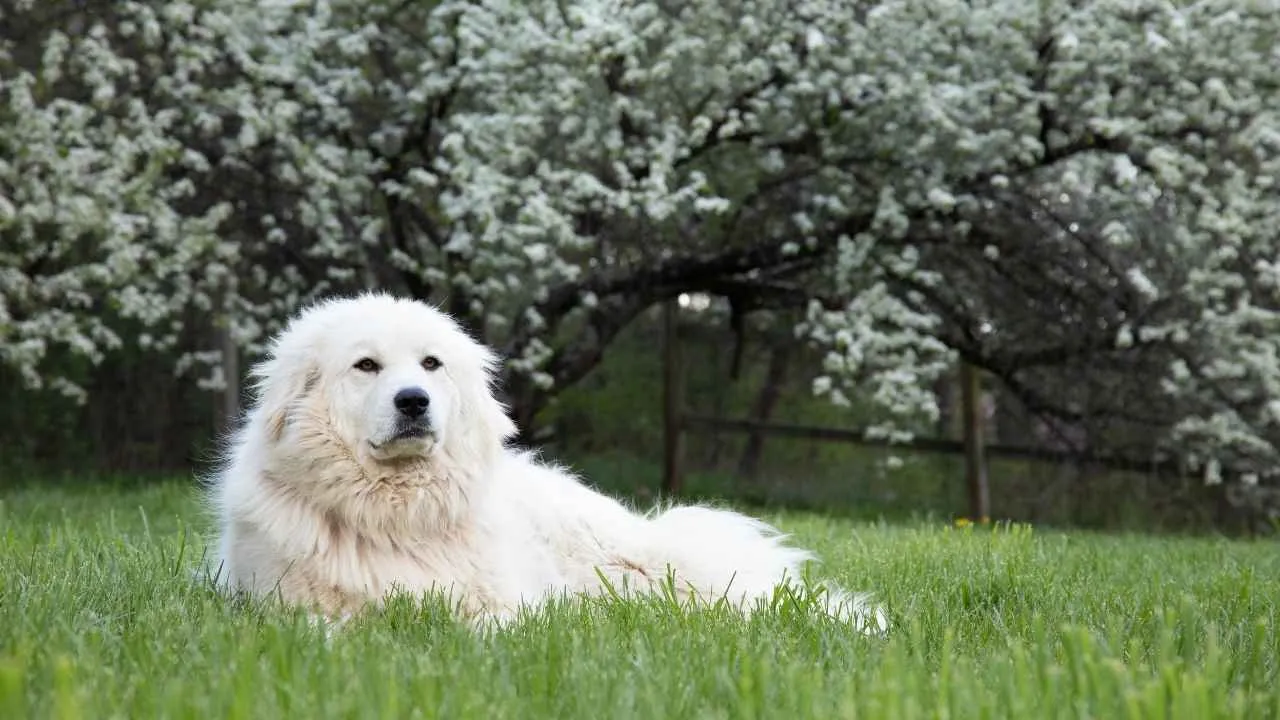
The Great Pyrenees is a fabulous muscular breed renowned for its calm confidence and unwavering dedication to protecting those in its care.
Originally developed to guard livestock in the Pyrenees Mountains of France and Spain, this giant dog combines physical strength with remarkable independence and intelligence.
While gentle and affectionate with its family, the Great Pyrenees remains naturally alert and reserved around unfamiliar people, making it a dependable guardian.
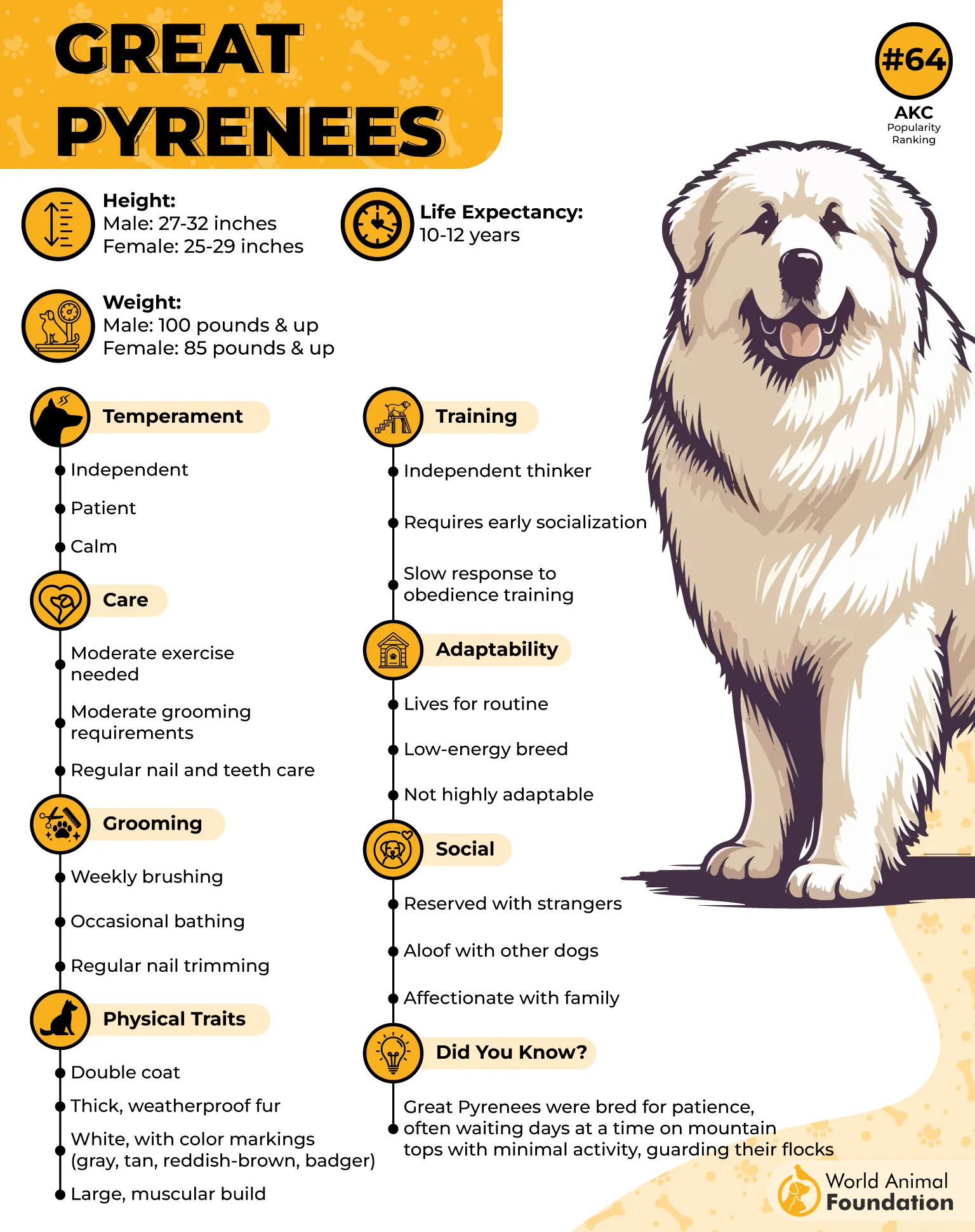
Bred to make decisions on its own, the breed benefits from experienced owners who can provide patient, consistent training and early socialization.
Daily exercise and purposeful activities help satisfy its instinct to work and prevent boredom, according to Orvis. Its thick, weather-resistant double coat requires regular weekly brushing, with heavier grooming during seasonal shedding.
Although generally healthy, the breed can be prone to conditions such as hip and elbow dysplasia, bloat, eye disorders, Addison’s disease, and certain orthopedic problems, making routine veterinary care and responsible breeding especially important.
Conclusion
Powerful working dog breeds are far more than impressive physiques and muscular frames.
Their strength has been carefully developed over generations to perform demanding tasks, from guarding livestock and protecting homes to hunting, tracking, and serving alongside people in challenging environments.
Breeds such as the Doberman Pinscher, Akita, Anatolian Shepherd, Cane Corso, Great Dane, Dogo Argentino, and Great Pyrenees each possesses unique abilities, yet they all share remarkable courage, intelligence, and unwavering loyalty.
While their physical power is undeniable, these dogs thrive only when paired with responsible owners who can provide proper training, early socialization, regular exercise, and consistent care.
Choosing one of these breeds should be based not only on admiration for their strength but also on a genuine understanding of their needs and responsibilities.
