




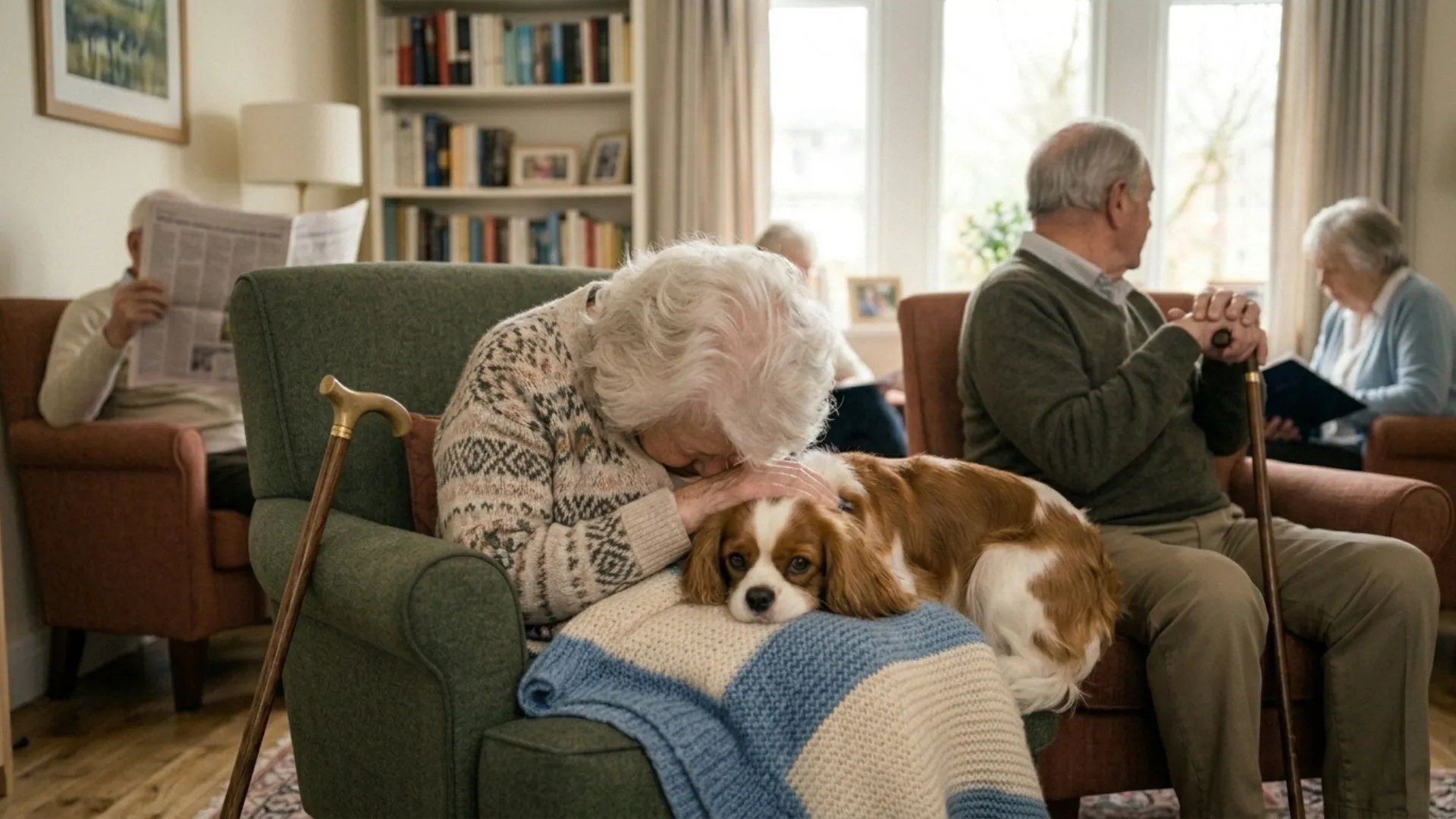
There’s something incredibly comforting about sharing your home with a dog, especially during the later stages of life. Whether it’s a cheerful greeting every morning, a quiet companion during the afternoon, or a reason to step outside for a short walk, dogs have a special way of making everyday life feel fuller.
Beyond emotional support, living with a dog can also encourage healthier habits. Daily walks help many seniors stay active, while feeding, grooming, and spending time with a pet create a comforting routine and a renewed sense of purpose.
The good news is that there are plenty of wonderful dog breeds known for their gentle nature, affectionate personalities, and manageable care needs.
In this article, we’ll explore the best dog breeds for seniors, highlighting what makes each one a great companion. Whether you’re looking for a calm cuddle buddy, a friendly walking partner, or a loyal best friend, there’s a perfect match waiting to make your golden years even more rewarding.
Key Takeaways
Which dog breeds make the best companions for seniors? Discover 7 loving, low-maintenance picks.
Find out why Cavalier King Charles Spaniels, Shih Tzus, and Maltese are perfect for relaxed lifestyles.
See what makes Pomeranians, French Bulldogs, Bichon Frises, and Havanese such comforting lifelong companions.
Compare temperament, exercise, grooming, and care needs to find the perfect match for your golden years.
Best Dog Breeds Offering Comfort to Seniors
1. Cavalier King Charles Spaniel
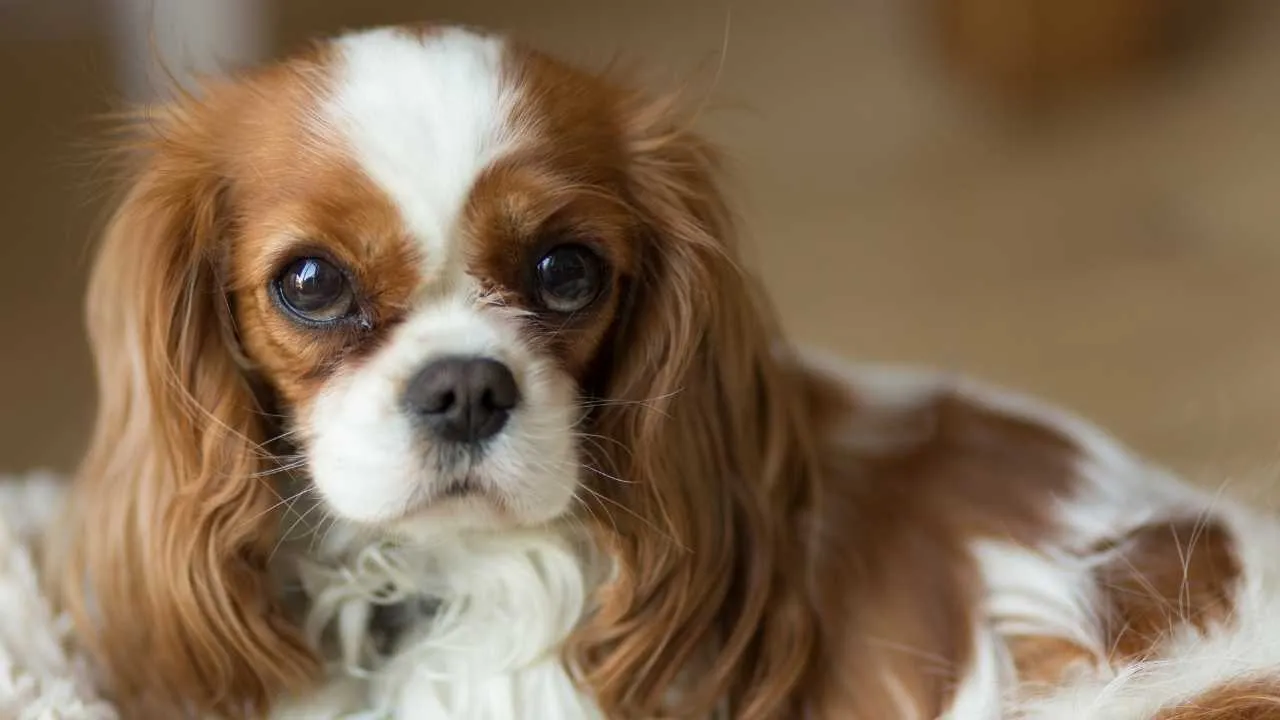
Few dogs are as devoted to human companionship as Cavalier King Charles Spaniels. Originally bred to sit on laps and keep their owners company, these gentle dogs still love being close to their families.
Their calm, affectionate nature and moderate exercise needs make them well-suited for senior citizens. They enjoy short daily walks but are just as happy relaxing beside you at home.
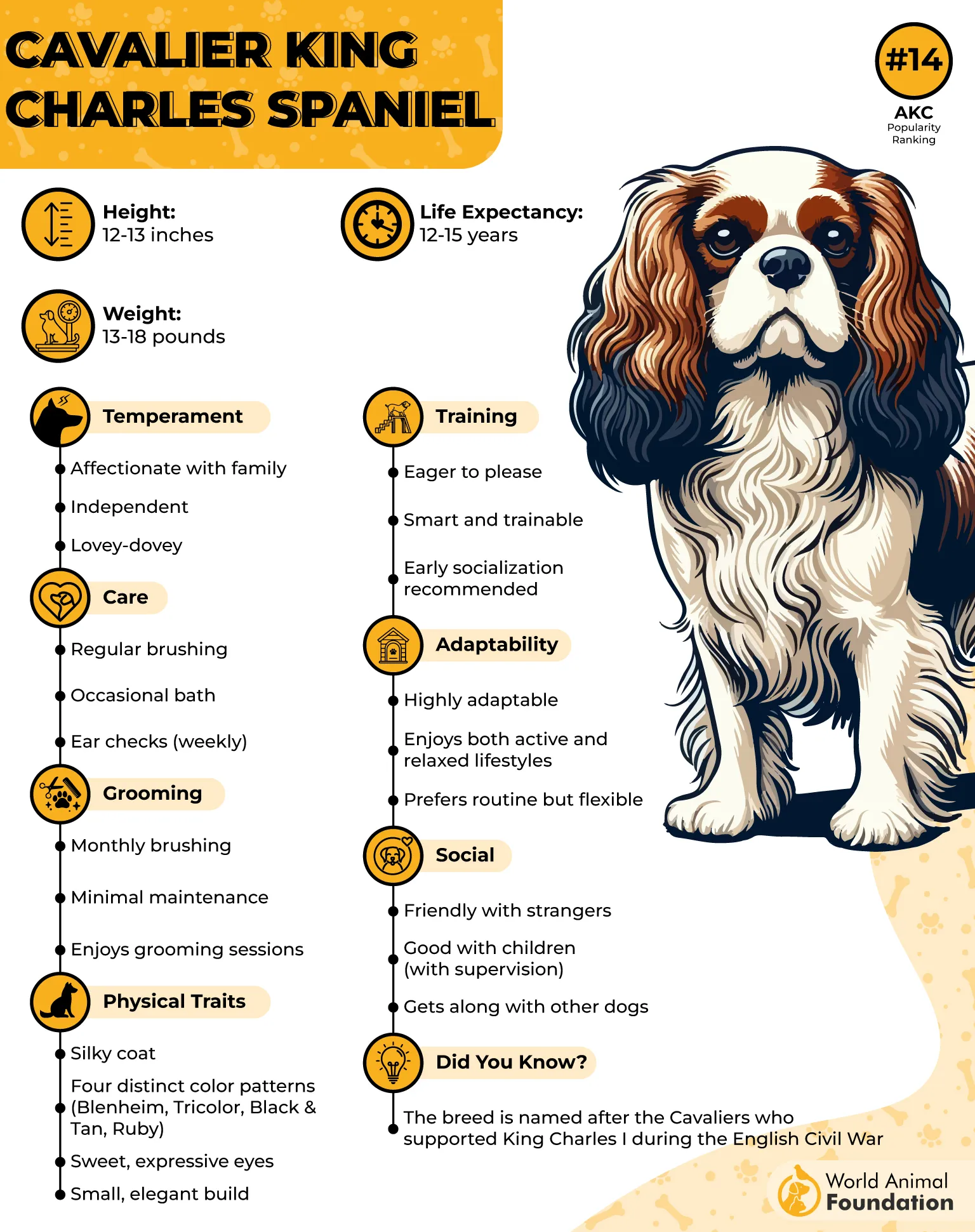
Why They’re Great for Seniors
Friendly, gentle, and affectionate with people of all ages.
Easy to train because they are intelligent and eager to please.
Moderate exercise needs, with daily walks and light play usually being enough.
Generally quiet, making them a good choice for apartments and retirement communities.
Get along well with children, other dogs, and even cats.
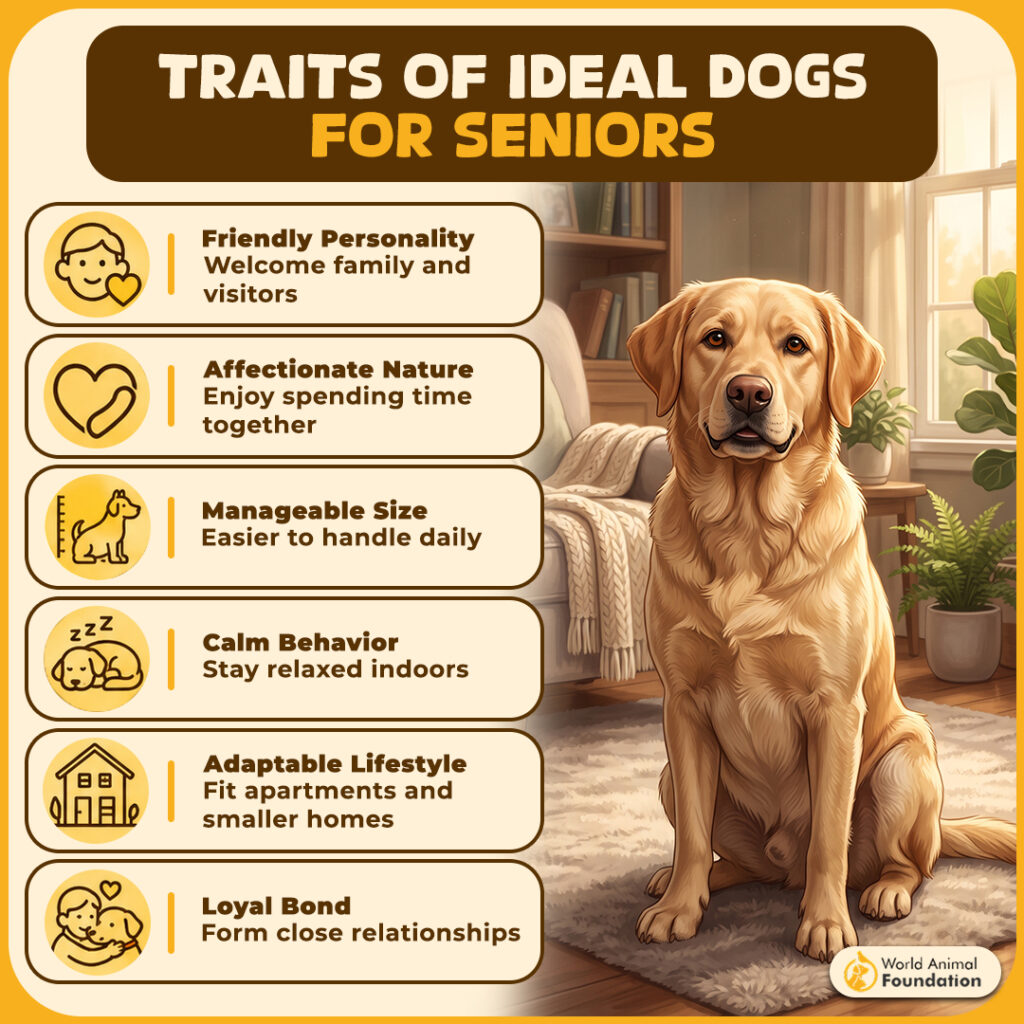
These small dogs have a silky coat that comes in four beautiful color patterns. Weekly brushing and occasional baths help keep their coat looking its best, while shedding is usually light. PetMD says Cavaliers enjoy spending time with their owners and should not be left alone for long periods.
Like many purebred dogs, they can be prone to heart disease, eye problems, and a neurological condition called syringomyelia, so regular veterinary checkups and health screenings are important. With proper care, they make loyal, loving companions for many years.
2. Shih Tzu
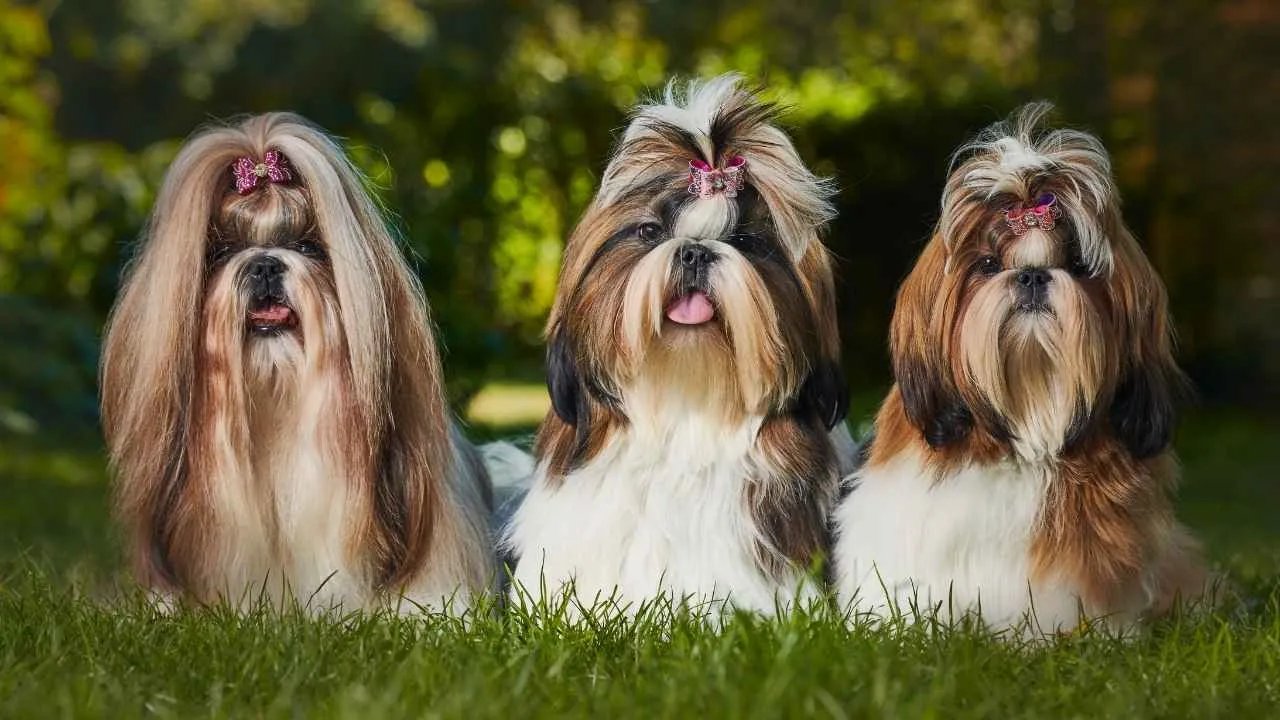
Shih Tzus have been cherished as companion dogs for centuries, and that loving nature still shines through today. Bred to stay close to people, they thrive on attention and enjoy spending most of their time with their owners.
Their friendly personality, small size, and low exercise needs make them senior-friendly. They are just as happy relaxing on the couch as they are joining you for a short daily walk.
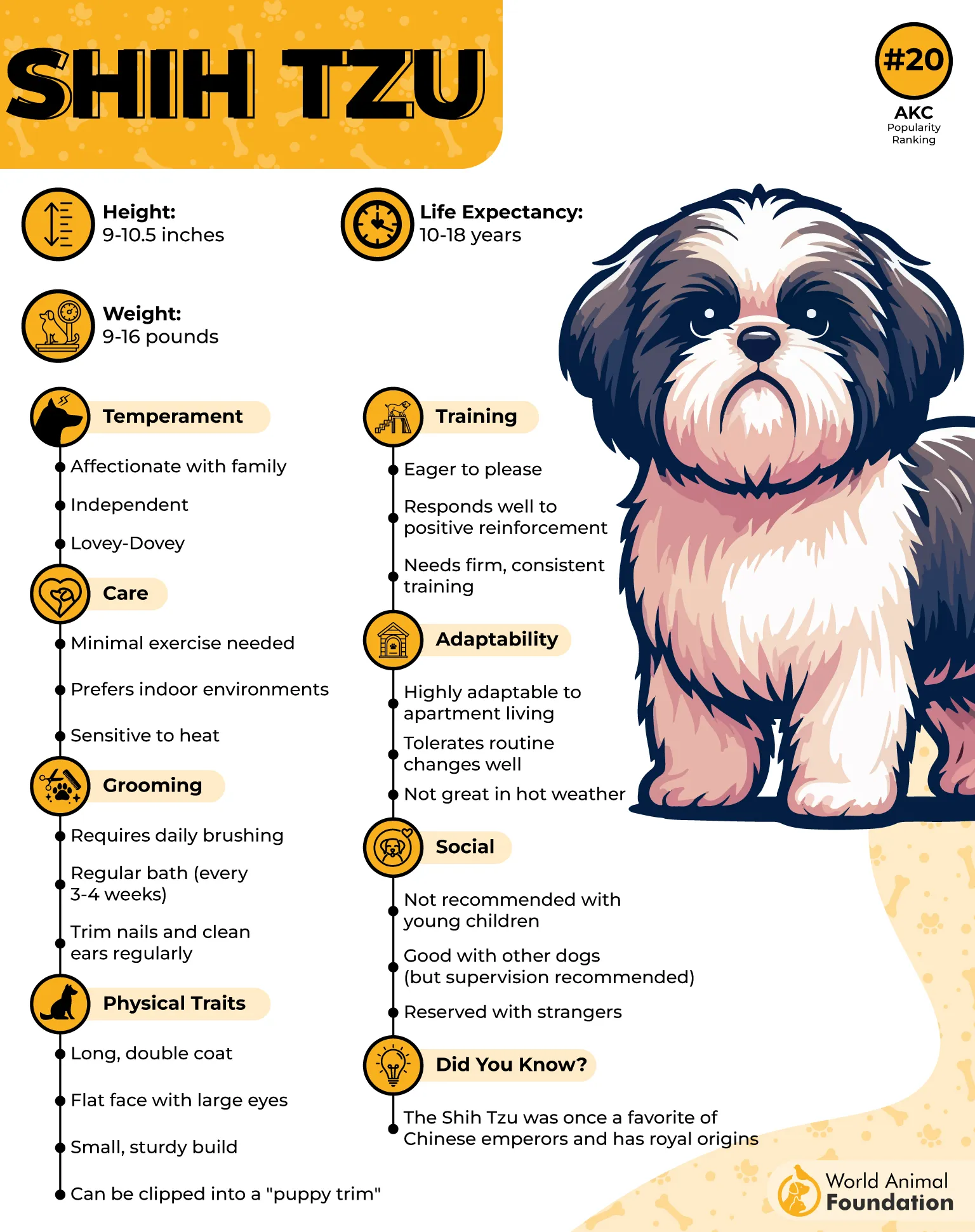
Why They’re Great for Seniors
Affectionate, loyal, and happiest when spending time with their families.
Friendly with people of all ages, other dogs, and even other pets.
Moderate exercise needs, with short walks and indoor play usually being enough.
Intelligent and eager to learn, making training enjoyable with positive reinforcement.
Adapt well to apartments and smaller homes.
Shih Tzus have a long, flowing double coat that comes in many different colors. Their coat needs regular brushing, frequent baths, and professional grooming if kept long, although many owners choose a shorter trim for easier care.
They can become overweight if overfed and may struggle in hot weather because of their short muzzle. They also enjoy plenty of attention and do not like being left alone for long. With proper care, these cheerful little dogs become devoted companions that bring comfort and joy to everyday life.
3. Maltese
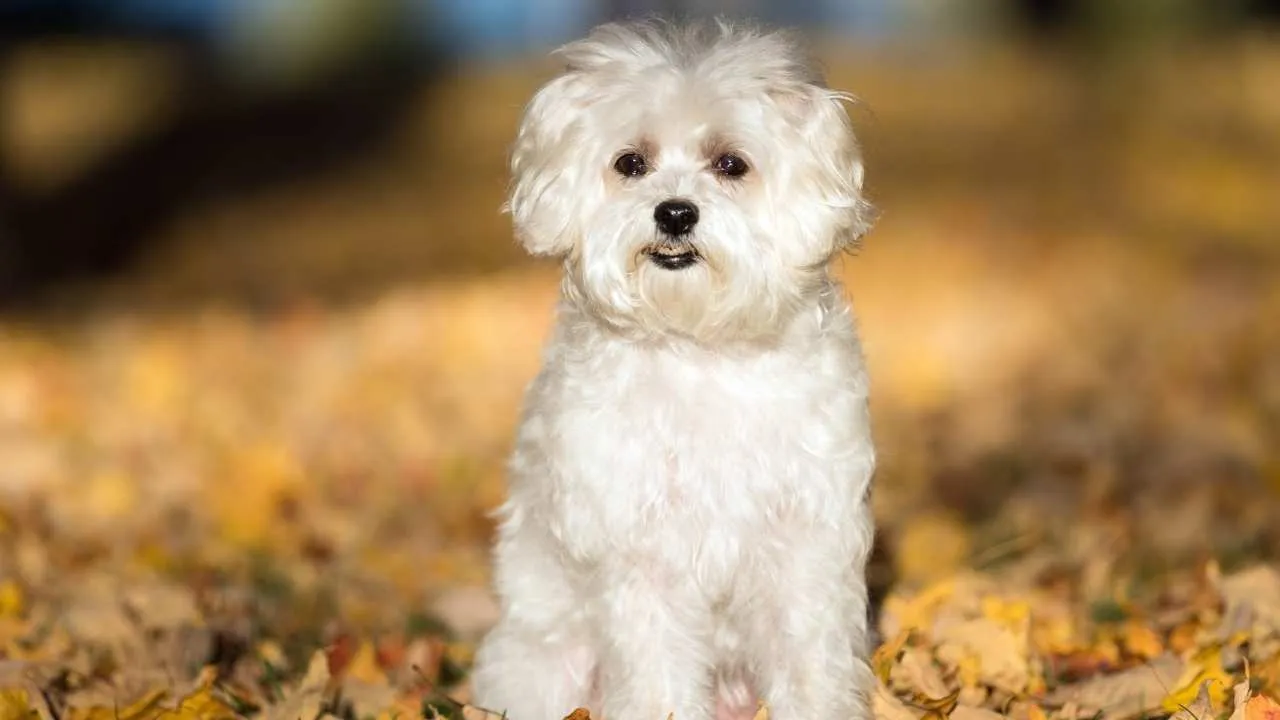
Maltese dogs have been treasured as companion pets for centuries, and it’s easy to see why. These little dogs are affectionate, gentle, and happiest when they are close to their owners.
Their adaptable nature and low exercise needs make them one of the best dogs for seniors. They enjoy short walks, indoor play, and plenty of cuddle time throughout the day.
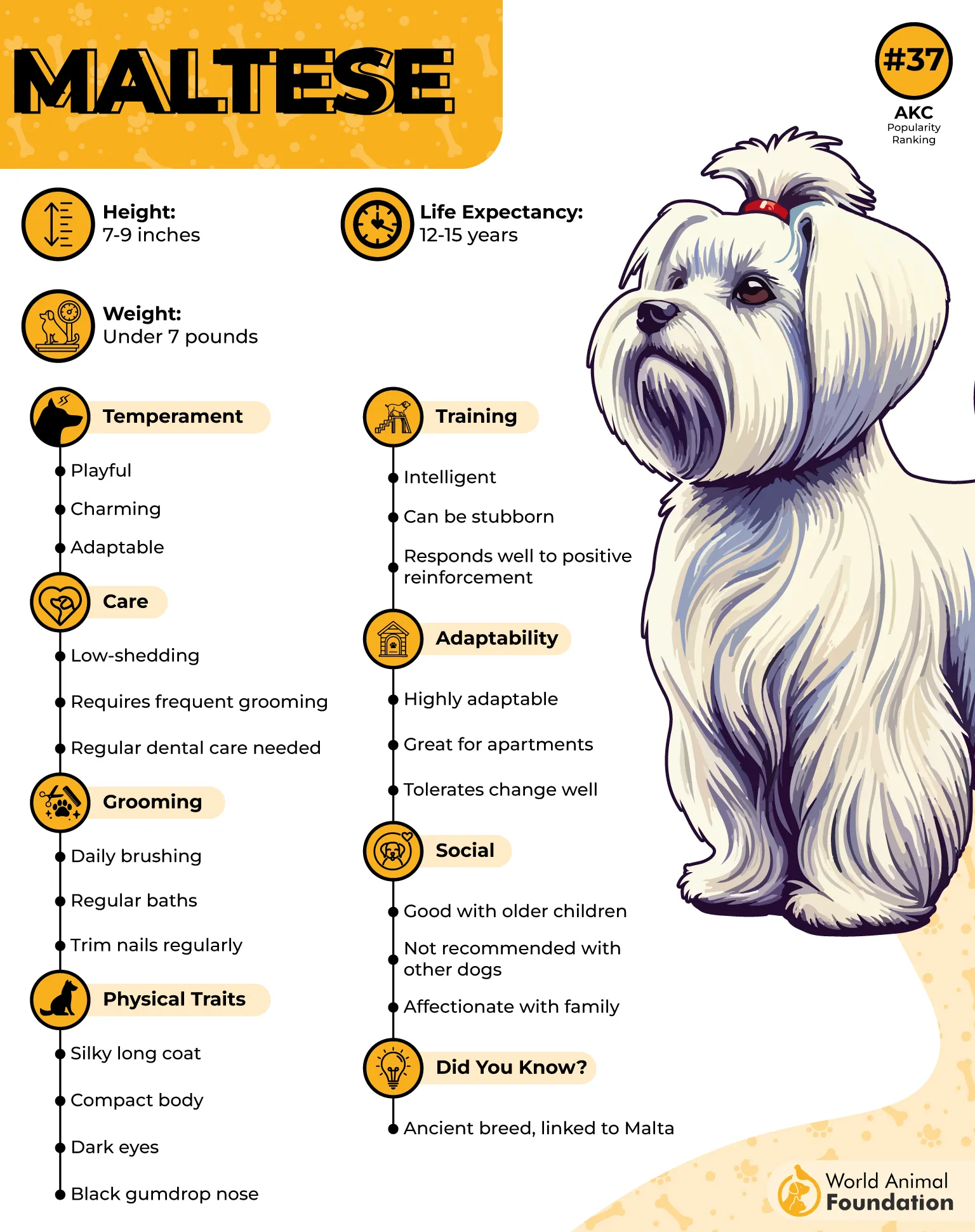
Why They’re Great for Seniors
Loving, friendly, and form strong bonds with their families.
Small enough to live comfortably in apartments and smaller homes.
Need only light daily exercise to stay happy and healthy.
Intelligent and eager to learn with positive, reward-based training.
Low-shedding coat may suit some people with allergies.
Maltese dogs are famous for their long, silky white coat, but it needs daily brushing and regular baths to prevent tangles. Many owners choose a shorter trim for easier maintenance.
They do not enjoy being left alone for long and may bark if they become bored or lonely. Regular dental care is especially important, as the breed is prone to dental problems. With proper grooming, training, and companionship, Maltese dogs make loyal and comforting companions for seniors.
4. Pomeranian
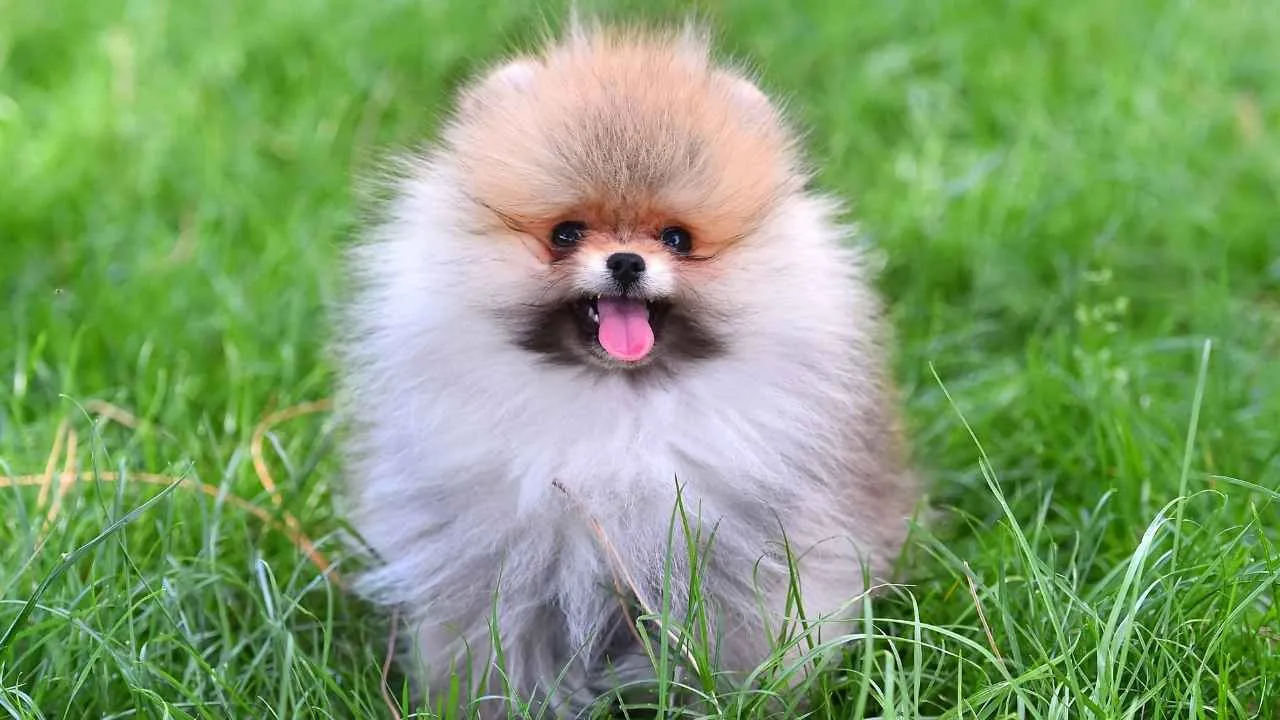
Pomeranians may be tiny, but they have confident and cheerful personalities. They are the smallest of the Spitz breeds, descending from much larger working dogs. Today, they are loving companion dogs that enjoy being close to their families.
Their small size, adaptability, and moderate exercise needs make them one of the best dog breeds for seniors.
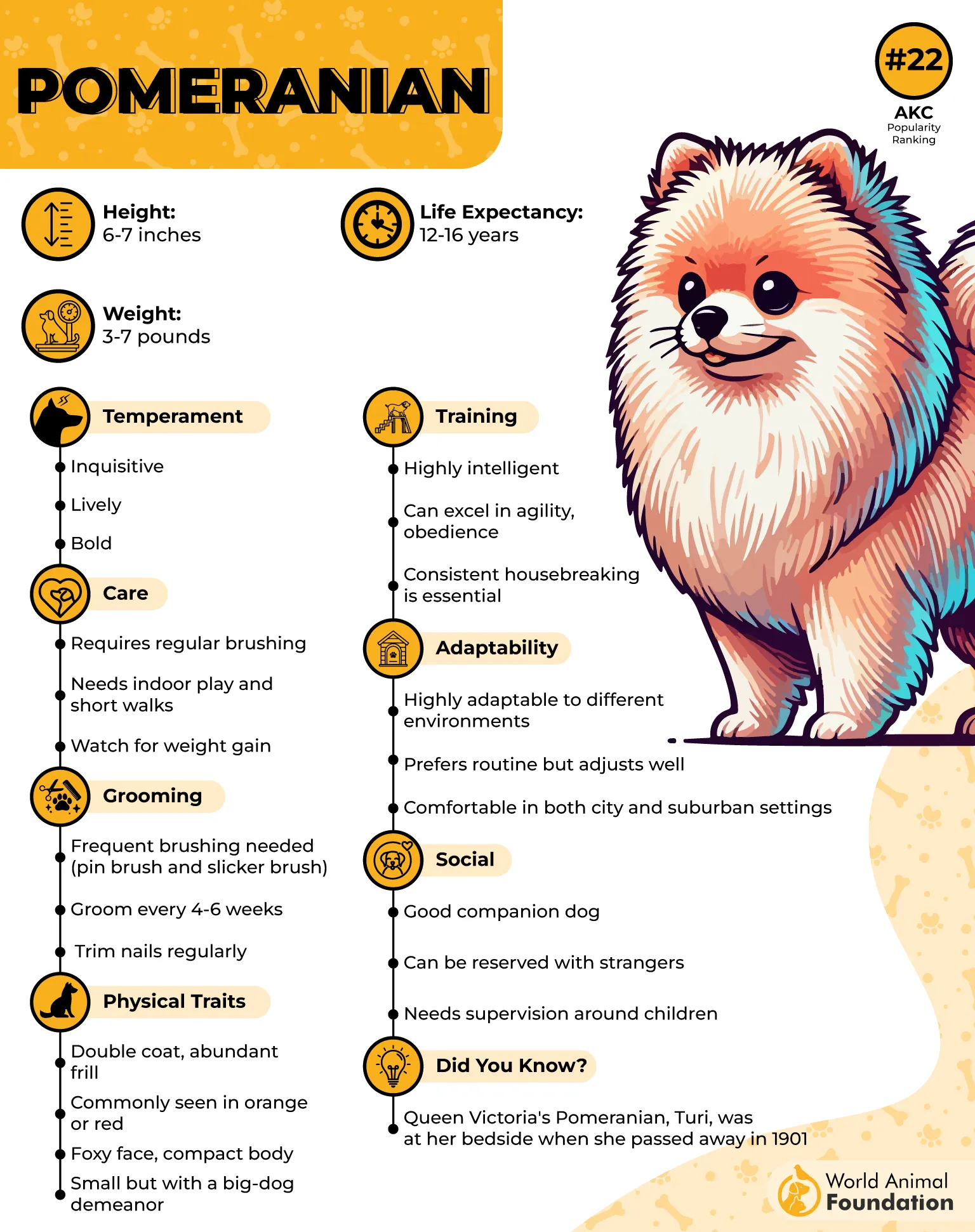
Why They’re Great for Seniors
Affectionate, loyal, and enjoy spending time with their owners.
Smart and easy to train using positive reinforcement.
Stay active with short walks, indoor play, and mental games.
Adapt well to apartments and smaller homes.
Can live happily with other pets when properly socialized.
Pomeranians have a thick double coat that comes in many different colors and needs brushing several times a week, with more frequent grooming during shedding seasons. They can be vocal and independent, so early training and socialization are important.
Because of their small size, they should be protected from rough handling and larger animals. Regular dental care is also essential, as the breed is prone to dental problems. With proper care and plenty of companionship, Pomeranians make lively and devoted friends for seniors.
5. French Bulldog
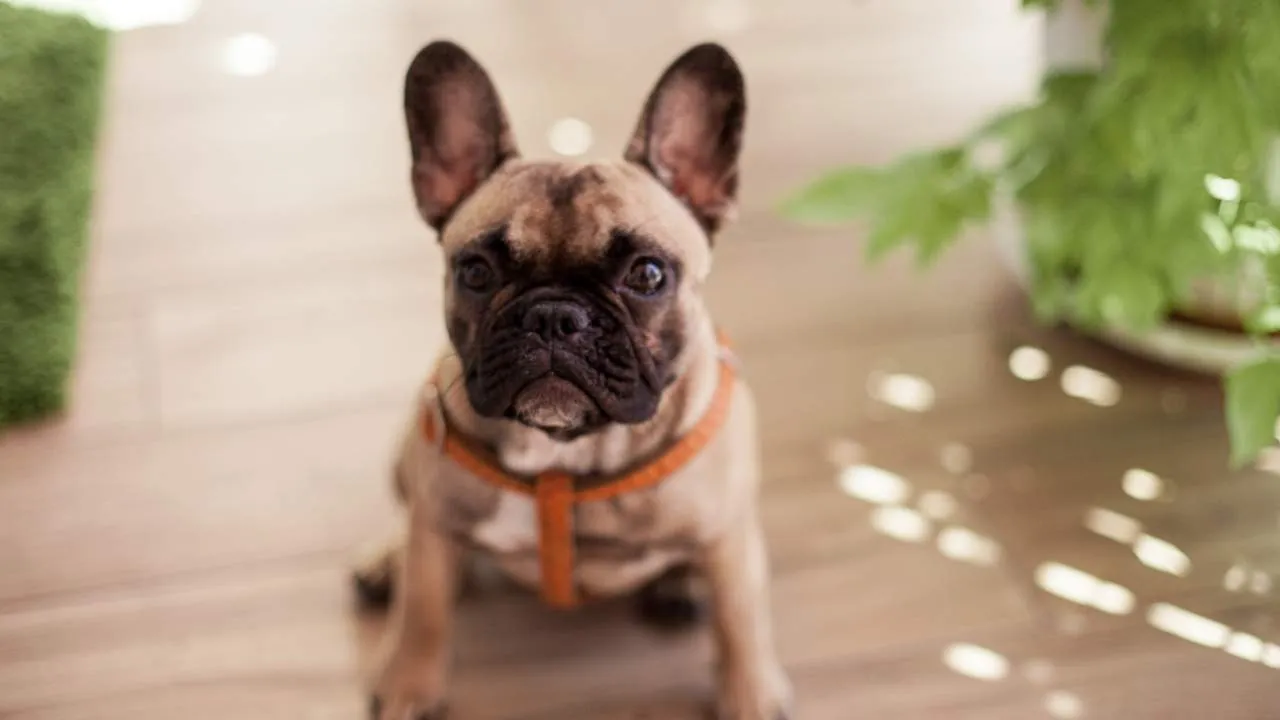
French Bulldogs were bred to be companion dogs, and their affectionate, easygoing nature still makes them a favorite today. They love spending time with their families and are just as happy relaxing indoors as they are enjoying a short daily walk.
Their calm temperament, low exercise needs, and adaptability make them one of the best dog breeds for older adults.
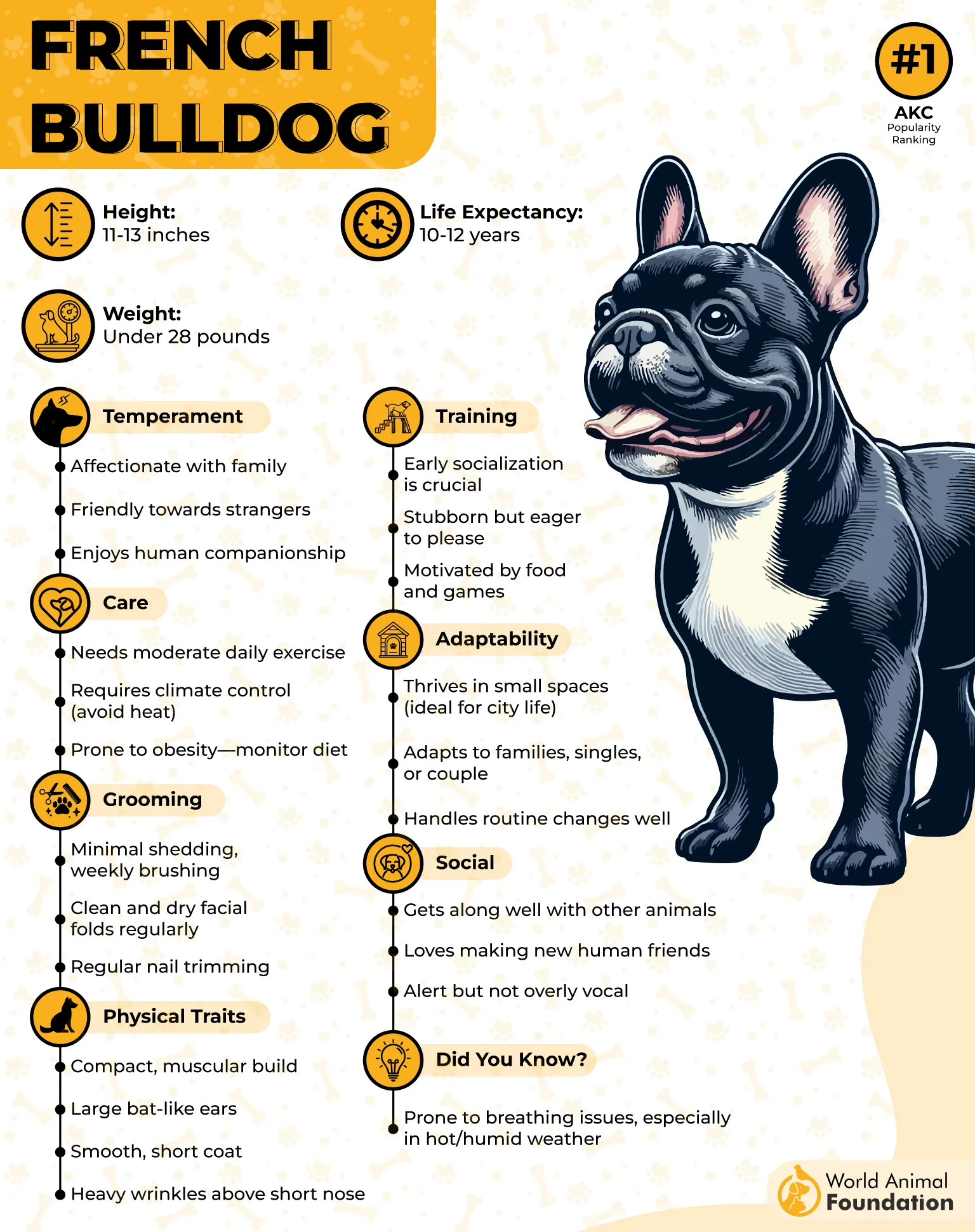
Why They’re Great for Seniors
Affectionate, playful, and enjoy staying close to their owners.
Need only short daily walks and light playtime.
Quiet dogs that usually do not bark much.
Adapt well to apartments and smaller homes.
Friendly with people, children, and other pets when properly socialized.
French Bulldogs have a short coat that needs only weekly brushing and occasional baths. Their facial wrinkles should be cleaned regularly to prevent skin infections.
Because of their flat face, they are prone to breathing problems and can overheat easily, so they should avoid hot weather and strenuous exercise, as mentioned by Britannica.
They are also poor swimmers and should never be left unattended near water. With proper care and regular veterinary checkups, French Bulldogs make loving and devoted companions for seniors.
6. Bichon Frise
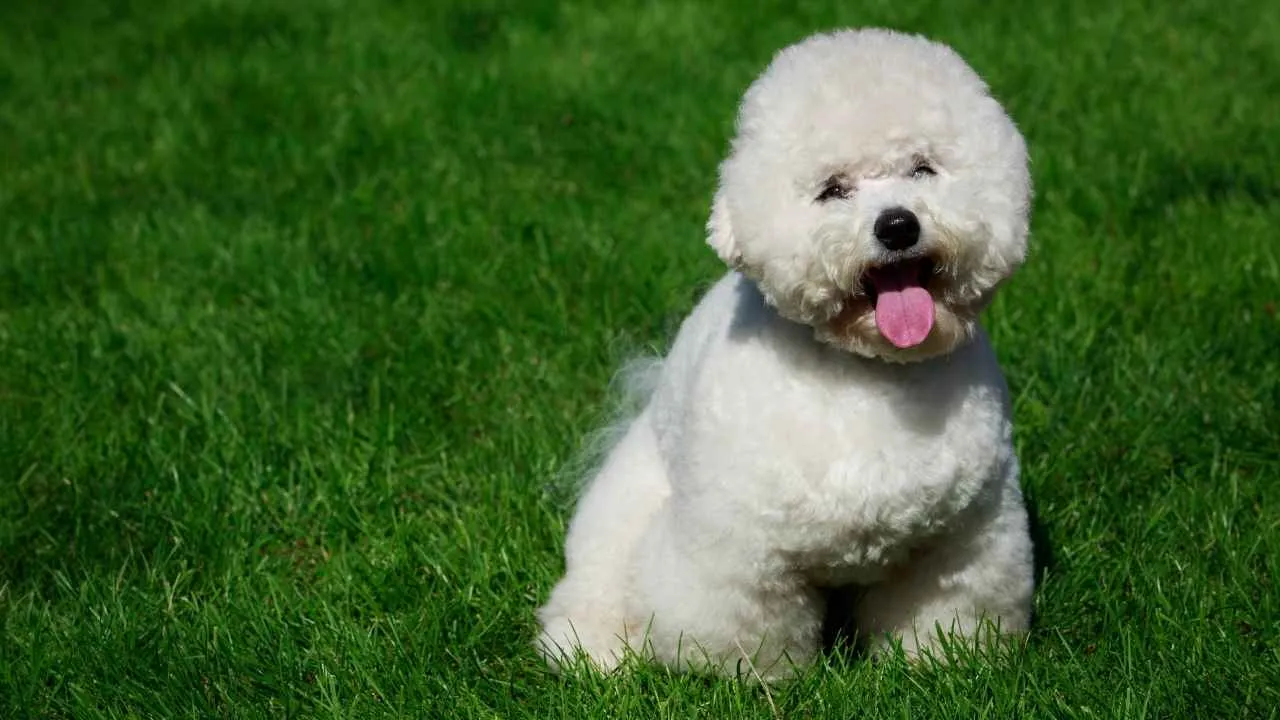
Bichon Frises are cheerful little companion dogs that love being around people. Their gentle personality, playful spirit, and affectionate nature make them one of the best dog breeds offering comfort to seniors.
They enjoy short walks and playtime but are equally happy curling up beside their favorite person at the end of the day.
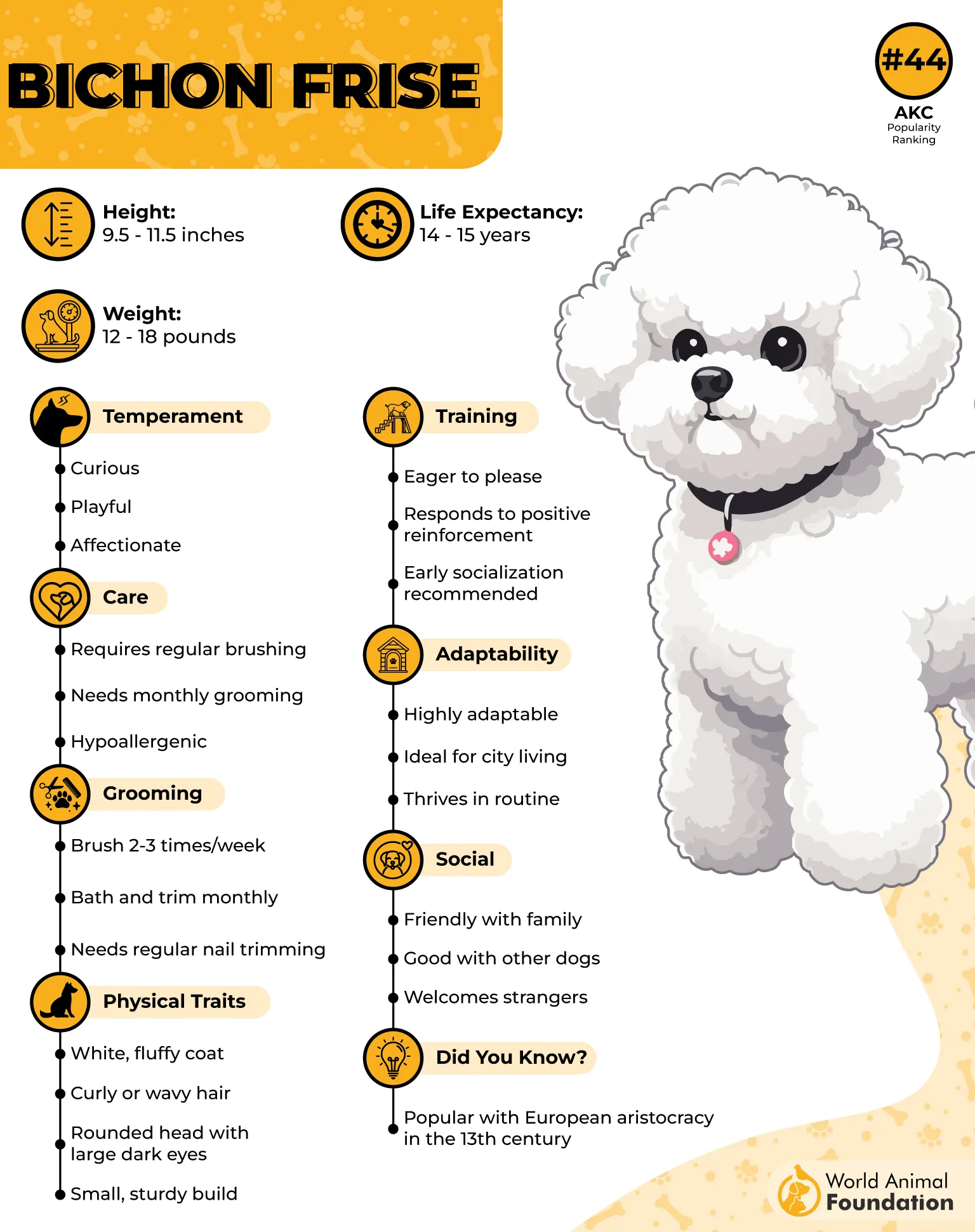
Why They’re Great for Seniors
Friendly, affectionate, and love human companionship.
Easy to train because they are intelligent and eager to please.
Adapt well to apartments and smaller homes.
Get along well with other pets and are generally good with children.
Low-shedding coat may be a better choice for some people with allergies.
Bichon Frises have a soft, curly double coat that needs daily brushing, regular baths, and professional grooming to prevent mats and tangles.
They thrive on attention and may bark or become bored if left alone for long periods. Regular dental care is also important, as the breed can be prone to dental disease. With consistent grooming and plenty of companionship, Bichon Frises make loving, loyal, and comforting companions for seniors.
7. Havanese
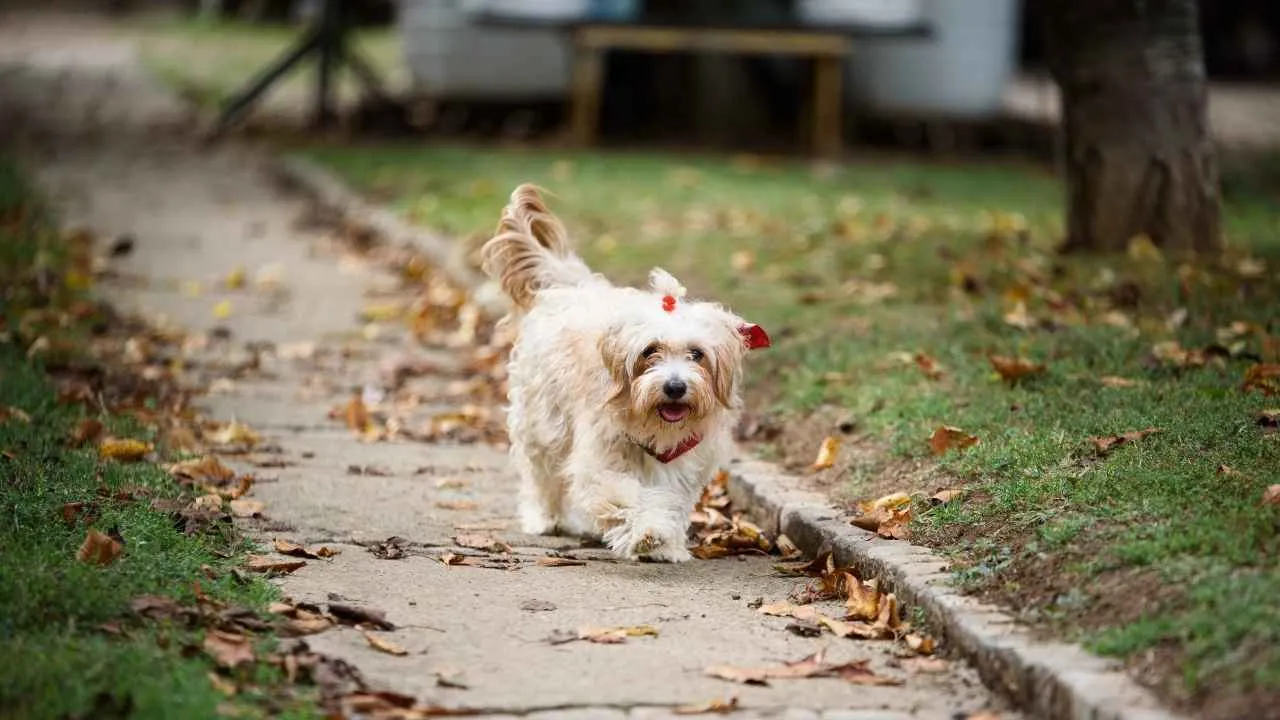
Havanese were bred to be companion dogs, and they are happiest when spending time with their families. Their affectionate, friendly nature and adaptable personality make them wonderful pets for seniors.
They enjoy cuddling on the couch just as much as playing games or going for short walks, making them an excellent choice for people looking for a loyal and loving companion.
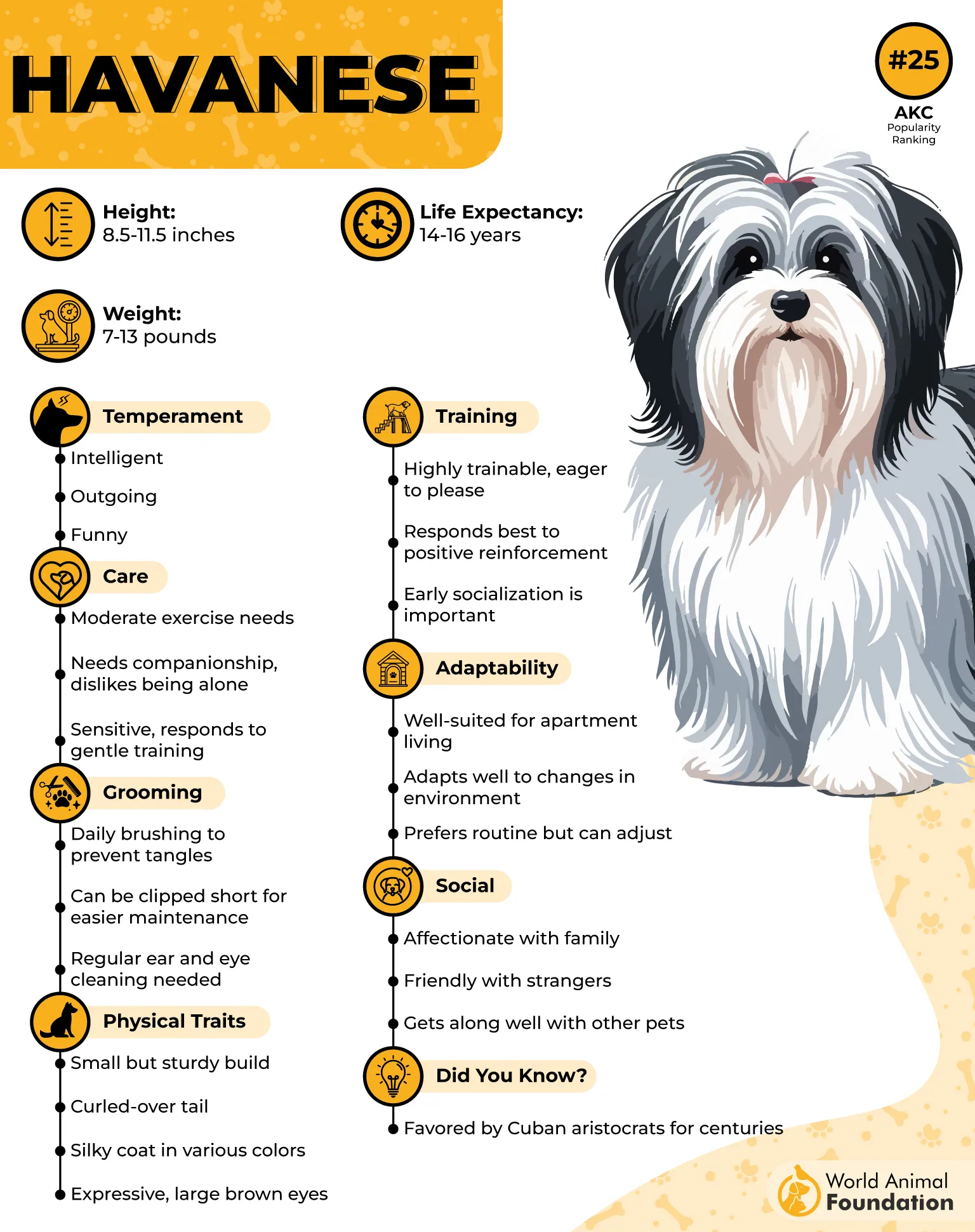
Why They’re Great for Seniors
Extremely affectionate and love being close to their owners.
Small size makes them easy to handle and suitable for apartments.
Intelligent and eager to please, making training enjoyable.
Get along well with children, other dogs, and cats when properly socialized.
Moderate exercise needs that can be met with short walks and indoor play.
Havanese have a long coat that requires frequent brushing to prevent tangles and mats, though a shorter puppy cut can make grooming easier. Hill’s Pet mentions they thrive on companionship and do not do well when left alone for long periods, as they may develop separation anxiety.
Regular dental care, routine grooming, and moderate daily exercise help keep them healthy and happy. With their gentle temperament, cheerful personality, and unwavering devotion, Havanese make wonderful companions for seniors seeking a loving, people-oriented dog.
Conclusion
Finding the right dog is about choosing a companion whose personality and care needs match your lifestyle. With the right match, a dog can become a loyal friend who adds purpose, routine, and countless happy moments to everyday life.
Before bringing home a new companion, take time to consider factors such as grooming, exercise, health needs, and how much daily interaction each breed requires. If possible, meet the breed in person or speak with a reputable breeder or rescue organization to find the best fit.
The right dog won’t just share your home—they’ll brighten your days with unconditional love and faithful companionship for years to come.
Looking for more affectionate dogs that make senior dog ownership more rewarding? You can also check out the Boston Terrier, Cocker Spaniel, Toy Poodle, Yorkshire Terrier, Miniature Schnauzer, and Pekingese.
