




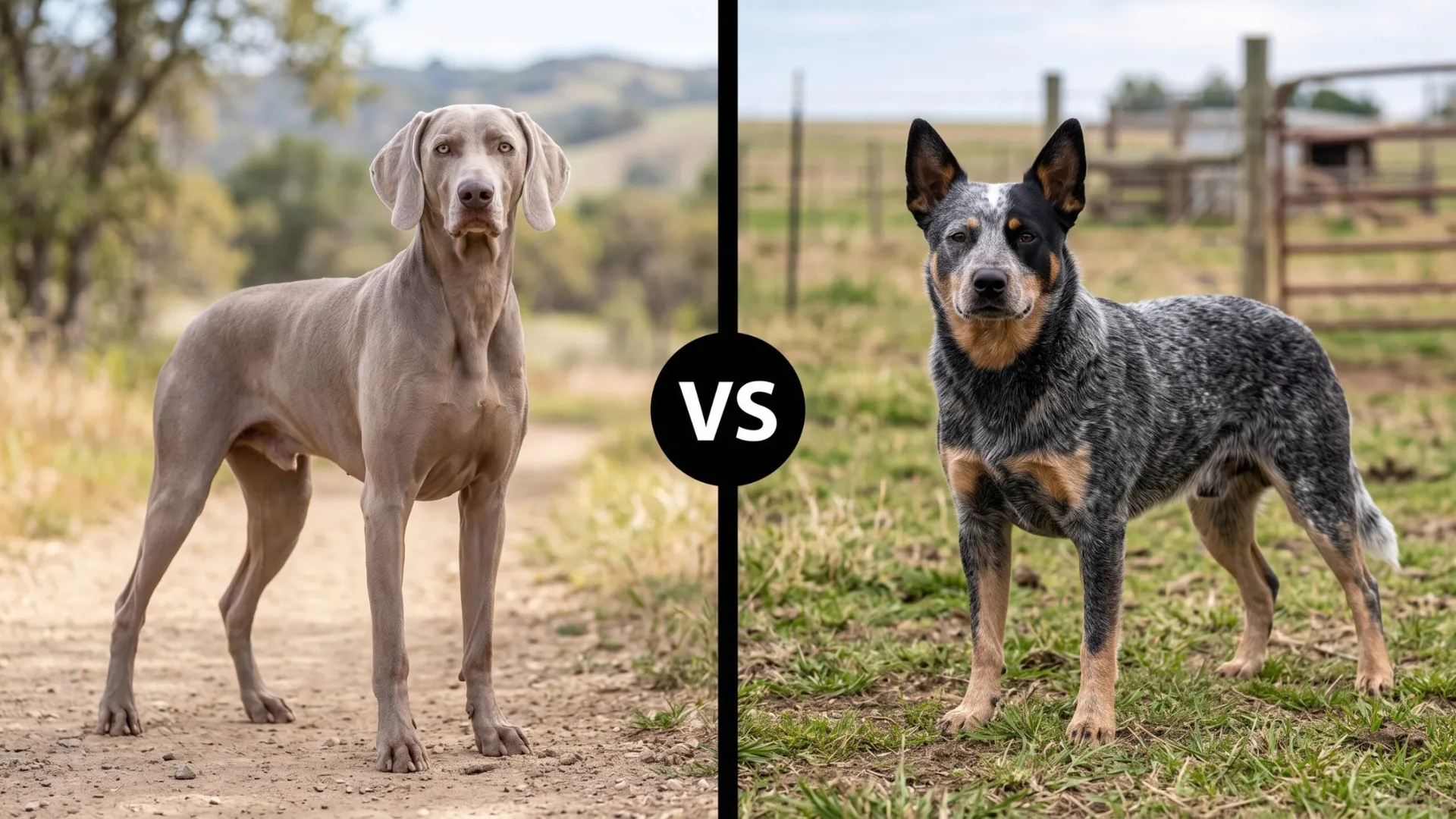
The biggest mistake people make when comparing dog breeds is deciding too quickly. A striking appearance, impressive reputation, or glowing recommendation often becomes enough to convince someone they have found the perfect companion.
In reality, those factors reveal very little about what living with that dog will actually feel like. Two breeds can share intelligence, loyalty, and athletic ability while offering completely different experiences once they become part of your daily routine.
One may fit naturally into your lifestyle, while the other could demand far more time, exercise, and attention than you expected. That difference rarely becomes clear through quick breed profiles or social media videos alone. A careful comparison can lead to a better choice and a happier relationship.
This guide breaks down every important difference so you can choose with clarity instead of guesswork from the beginning.
Key Takeaways
What happens when a sleek German hunting dog meets a tough Australian ranch worker? You get two active breeds with very different ideas of what a good day looks like.
The Weimaraner can weigh up to 90 pounds and loves being part of every outdoor plan, while the Australian Cattle Dog packs serious stamina into a much smaller frame.
Both need plenty of exercise and mental work, though their personalities can take life with them in very different directions.
The real question is which one suits your kind of energy, your patience, and the way you want to spend your days together.
Weimaraner vs. Australian Cattle Dog: A Complete Breed Comparison
Origins & Purpose
Weimaraner’s Sporting Dog Origins
The Weimaraner took shape in 19th-century Germany, where nobility wanted an exceptional sporting dog capable of pursuing serious game. German and French hunting breeds, including the German Shorthaired Pointer, helped shape the breed, while Bloodhound influence may have strengthened its ability to track animals such as bears and wolves.
As hunting practices changed, the Weimaraner became better known as an all-purpose gun dog skilled at pointing and retrieving birds, as Orvis reports. The German Weimaraner Club formed in 1897, while American interest followed decades later, with AKC recognition arriving in 1943 and even President Dwight D. Eisenhower owning one named Heidi.
Australian Cattle Dog’s Ranching Roots
The Australian Cattle Dog emerged during the 19th century when expanding cattle ranches needed a resilient herder capable of working across Australia’s demanding grasslands. English dogs brought by settlers were bred with native dingoes, helping shape the tough, enduring Blue Heeler known today.
Its working purpose remained central as the breed gained formal recognition in the United States. The AKC accepted the Australian Cattle Dog for registration in 1980, first placing it in the Working Group before transferring it to the Herding Group in 1983.
Size & Build
Weimaraner Size and Streamlined Power
Weimaraners stand noticeably tall, with males reaching 25 to 27 inches and weighing 70 to 90 pounds, while females measure 23 to 25 inches and weigh 55 to 75 pounds. Their body has a sleek, balanced outline that makes their size look athletic rather than heavy.
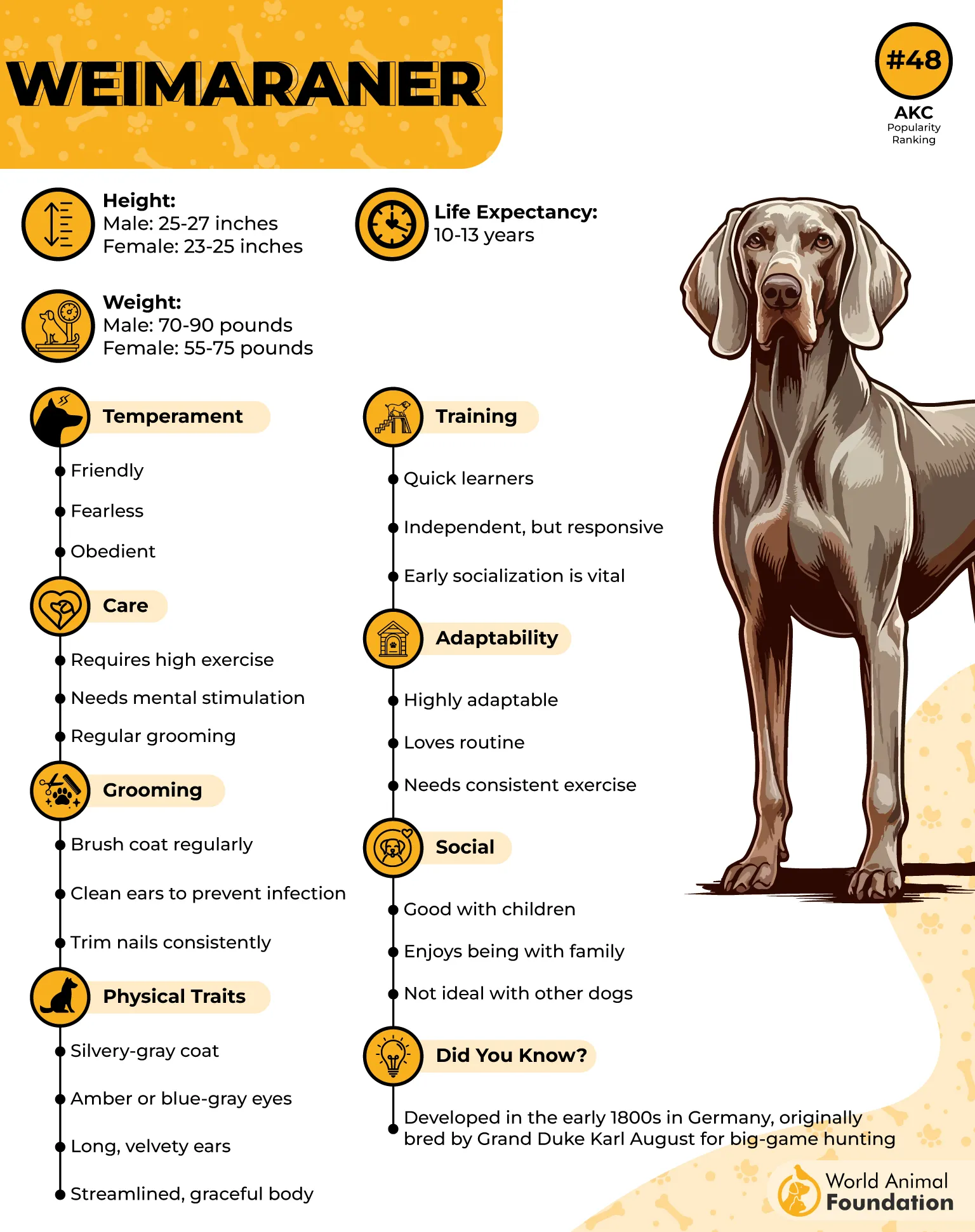
The breed’s solid-colored coat and long, velvety ears frame an intelligent face, often with amber or blue-gray eyes. When a well-conditioned Weimaraner locks into a pointing stance, that combination of height, balance, and streamlined grace becomes especially striking.
Australian Cattle Dog Compact Strength
Australian Cattle Dogs are much smaller, with males standing 18 to 20 inches and females 17 to 19 inches, while their weight usually falls between 35 and 50 pounds, as the AKC mentioned. Their compact proportions give them a sturdy, muscular appearance without the bulk that could slow down demanding herding work.
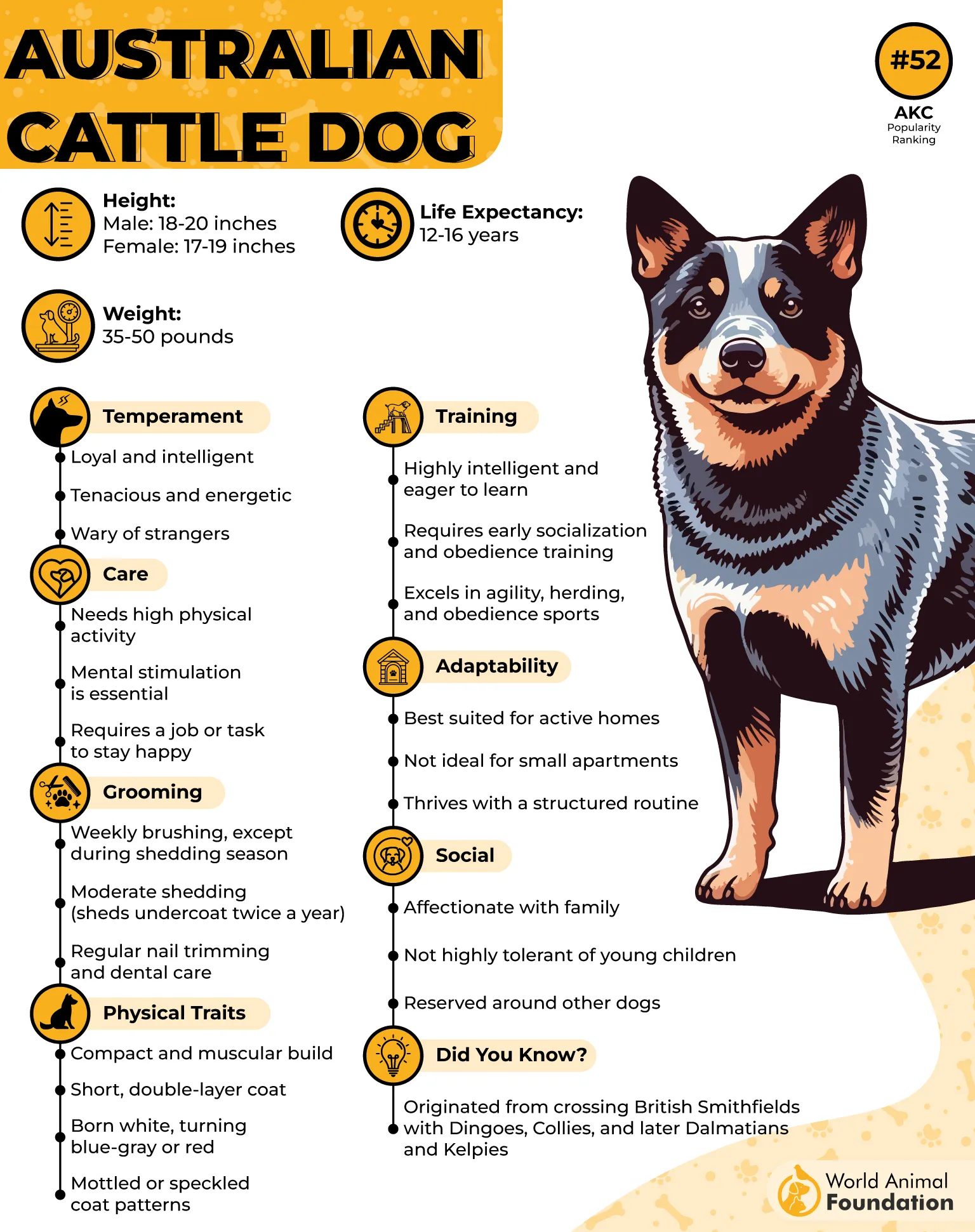
There is a lot of physical capability packed into that smaller frame, with the structure built around endurance, agility, and rugged field performance. The result is a dog that looks solid and powerful while staying quick enough to handle the fast pace of livestock work.
Pricing & Availability
Weimaraner Price and Finding One
A Weimaraner can cost anywhere from $500 to $3,000, depending on where you find one and whether you choose a breeder or adoption. Breeder prices often sit around $500 to $2,000, with puppies commonly going beyond $1,200, while rescue organizations may offer a more affordable route for dogs needing homes.
Australian Cattle Dog Costs and Adoption
Australian Cattle Dog puppies generally fall between $600 and $1,000 from breeders, though choosing a responsible breeder matters more than simply finding the lowest price. Adoption is another option, with breed-specific rescues such as the American Cattle Dog Rescue Association and local shelters sometimes having dogs waiting for new families.
Temperament & Personality
Weimaraner’s Friendly but Watchful Side
Weimaraners tend to bring a friendly, obedient personality into family life, and with proper socialization, they usually get along well with people of different ages and other dogs, as PetMD claims. Their hunting instincts still matter at home, though, since cats and small mammals may trigger their urge to chase.
Their large, energetic build also deserves attention around very young children, especially babies and toddlers who can easily be knocked over during an enthusiastic greeting or burst of play. For families, that mix of loyalty, curiosity, and fearlessness can be appealing, as long as their natural instincts are understood.
Australian Cattle Dog’s Intense Loyalty

Australian Cattle Dogs often form an especially strong bond with one person and may dislike being separated from their chosen human. They are highly intelligent and hardworking, yet their protective nature makes them more cautious with strangers and more reactive when they feel threatened or cornered.
Life with an ACD usually needs more purpose than simply lounging around the house. Their intense energy can spill into herding small children or even adults, so giving them meaningful work and keeping an eye on these instincts becomes an important part of living with this determined breed.
Exercise Needs & Energy Levels
Weimaraner Energy That Needs an Outlet
Weimaraners are built for people who genuinely enjoy being active, with around one to two hours of vigorous exercise needed each day. A casual stroll may keep them moving, but a proper run where they can stretch their legs and build up speed suits their natural energy far better.

Australian Cattle Dog That Needs a Job
Australian Cattle Dogs also demand serious daily activity, often needing one to two hours of vigorous exercise plus another 30 to 45 minutes of mental engagement. They do best when that energy has somewhere useful to go, whether through regular runs, farm work, or dog sports such as agility and obedience.
Training & Obedience
Smart Enough to Outsmart You
Weimaraners learn quickly, so training can go smoothly when the rules stay consistent. They also pick up unwanted habits just as fast, making early socialization and puppy classes especially valuable for shaping their behavior.
The trick is understanding what motivates them. A Weimaraner often asks, in its own way, what it gets from following your request, so creative training that makes cooperation rewarding can keep its attention.
Keep the Brain Working
Australian Cattle Dogs are highly intelligent and respond best when training feels like a real job rather than a repetitive routine. Early socialization and obedience work help channel their strong minds into useful, controlled behavior.
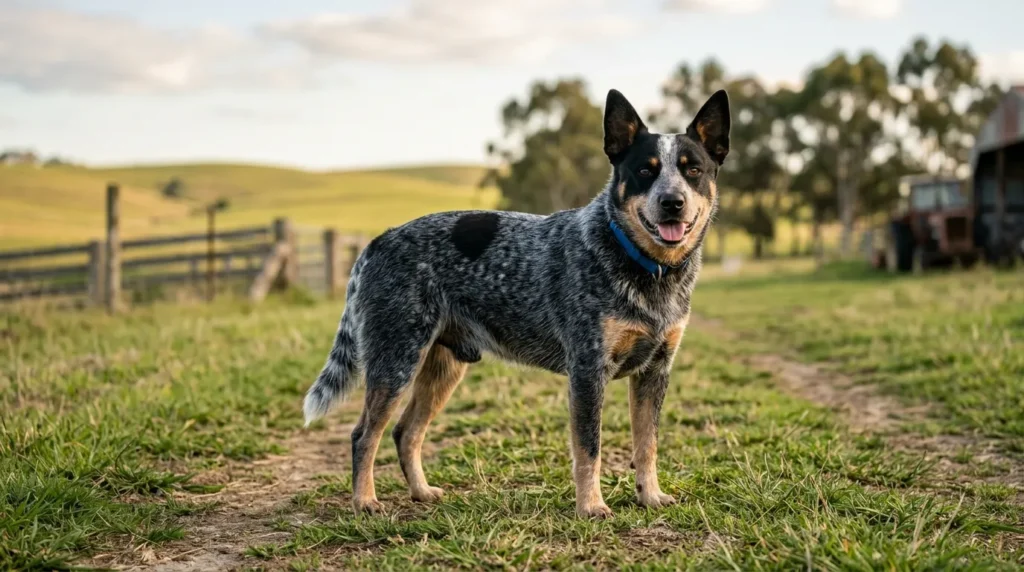
Their training can continue through activities such as herding, agility, or advanced obedience, giving them new skills to master. That ongoing work also strengthens the bond between dog and handler while helping prevent boredom-driven mischief.
Grooming Needs & Shedding
Simple Coat, Seasonal Shedding
The Weimaraner keeps grooming fairly simple with a short, single coat that sheds moderately throughout the year, with heavier periods in spring and fall. A soft-bristle brush or grooming mitt once or twice a week is usually enough, while daily brushing can help during seasonal shedding.
Bathing every four to eight weeks or whenever the coat gets dirty helps keep the skin and coat clean without removing too many natural oils. A quality hypoallergenic dog shampoo is a sensible choice when bath time comes around.
Low Fuss, Heavy Shed Twice a Year
The Australian Cattle Dog has a dense double coat built to handle outdoor work and changing weather, and it generally has little odor or oily residue. A quick weekly brushing and occasional bath usually keep its coat in good shape.
The real grooming work arrives when the undercoat sheds twice a year. During those periods, brushing every few days with a short-bristle brush and possibly a comb helps pull out the dead hair before it ends up around the house.
Outdoor Adventure & Exploration
The All-Day Adventure Partner
The Weimaraner is a natural fit for people who want their dog involved in everything from hiking and hunting to running and lure coursing. Add dock diving, agility, fetch, and even a good game of tug-of-war, and this athletic breed has plenty of ways to turn an ordinary day outdoors into an adventure.

Built for the Long Haul
The Australian Cattle Dog brings serious stamina to outdoor life, with its dingo heritage contributing to the endurance needed for demanding days on the move.
Daily running or jogging can suit its energy, while activities such as agility, Frisbee, fetch, obedience work, and herding give this hardworking breed a job to focus on.
Health & Lifespan
Health Risks Worth Knowing
Weimaraners are generally robust, but their adventurous nature can lead to cuts, sprains, and other injuries, while their habit of chewing raises the risk of mouth injuries or swallowing unsafe objects. Gastric torsion is the breed’s most serious concern, making awareness of its warning signs especially important.
Routine screening can also help identify inherited concerns before breeding. Recommended checks include hip, cardiac, eye, and thyroid evaluations, along with DNA testing for spinal dysraphism, hypomyelination, and hyperuricosuria.
ACD Health Checks
Australian Cattle Dogs need attention to several inherited conditions, with responsible breeders screening for deafness, progressive retinal atrophy, and hip dysplasia. Regular ear checks help remove foreign material and excess wax, while consistent dental care supports healthy teeth and gums.
The recommended testing list includes hip and elbow evaluations, ophthalmologist assessment, and BAER testing, alongside DNA tests for primary lens luxation and progressive retinal atrophy.
Weimaraner vs. Australian Cattle Dog: Which Active Breed Is Right for You?
If you want a dog that feels like your partner for outdoor adventures, the Weimaraner is a pretty easy dog to picture by your side. It loves being involved in what you’re doing and can happily join you for hunting, hiking, and long active days, though you’ll need to give it plenty of time and attention.
The Australian Cattle Dog is a different kind of challenge. You’re getting a smart, determined herder with a strong personality and plenty of instinct behind it. If you enjoy keeping a dog busy and giving it something meaningful to do, that intensity can be a lot of fun, but it can also test your patience.
Honestly, if you want an active companion that feels more people-focused, I’d lean toward the Weimaraner. If you like dogs with a tougher edge and don’t mind putting more effort into managing a strong-willed personality, the Australian Cattle Dog could be the more rewarding choice.
Conclusion
Selecting between these two breeds is less about finding a winner and more about finding the better match for your lifestyle. Both are high-energy dogs that need regular exercise, mental stimulation, and owners willing to stay involved every day. Their personalities simply express those needs in different ways, with some behaving more like velcro dogs while others are independent thinkers.
Looking beyond appearance and comparisons with other breeds makes that decision much easier, especially when long-term compatibility becomes the priority. A well-matched companion settles naturally into family life, turning everyday routines, outdoor adventures, and shared experiences into a partnership that continues to grow stronger with every passing year.
