




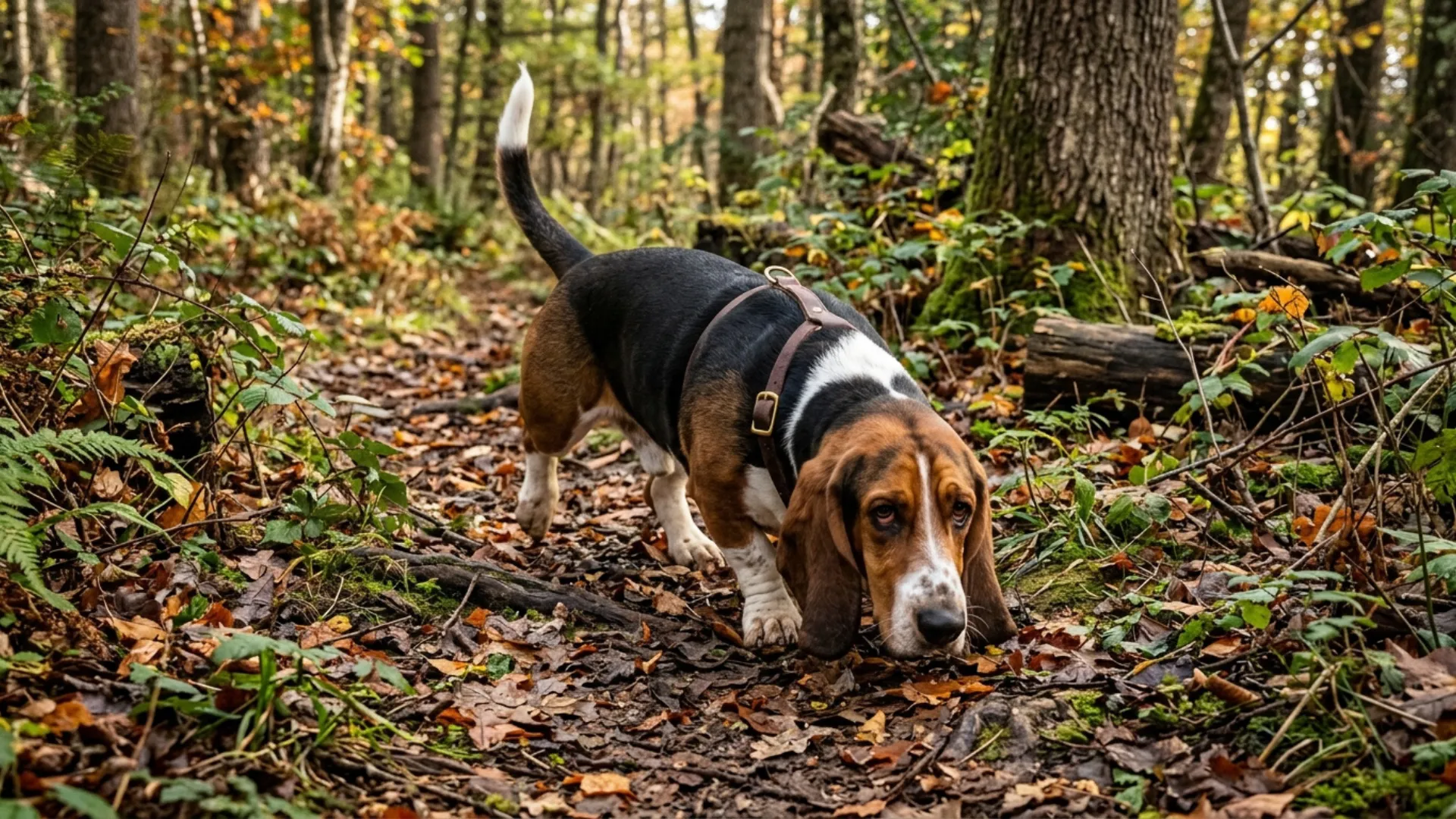
The trail has gone cold, dense brush hides every clue, and the wind keeps shifting. Yet the right hunting dog presses forward with unwavering focus, following a scent invisible to humans until hidden game is finally within reach.
Centuries of selective breeding have produced dogs with remarkable tracking instincts, powerful noses, and the endurance to work across forests, mountains, and open fields. Whether they specialize in tracking, pointing, flushing, or retrieving, these breeds combine intelligence, athleticism, and determination to excel where conditions are most challenging.
If you’re searching for a dependable field companion, these nine exceptional dog breeds stand out for their ability to locate hidden game animals with precision, making every hunting adventure more productive and rewarding.
Best Dog Breeds To Locate Hidden Game Animals
1. Weimaraner
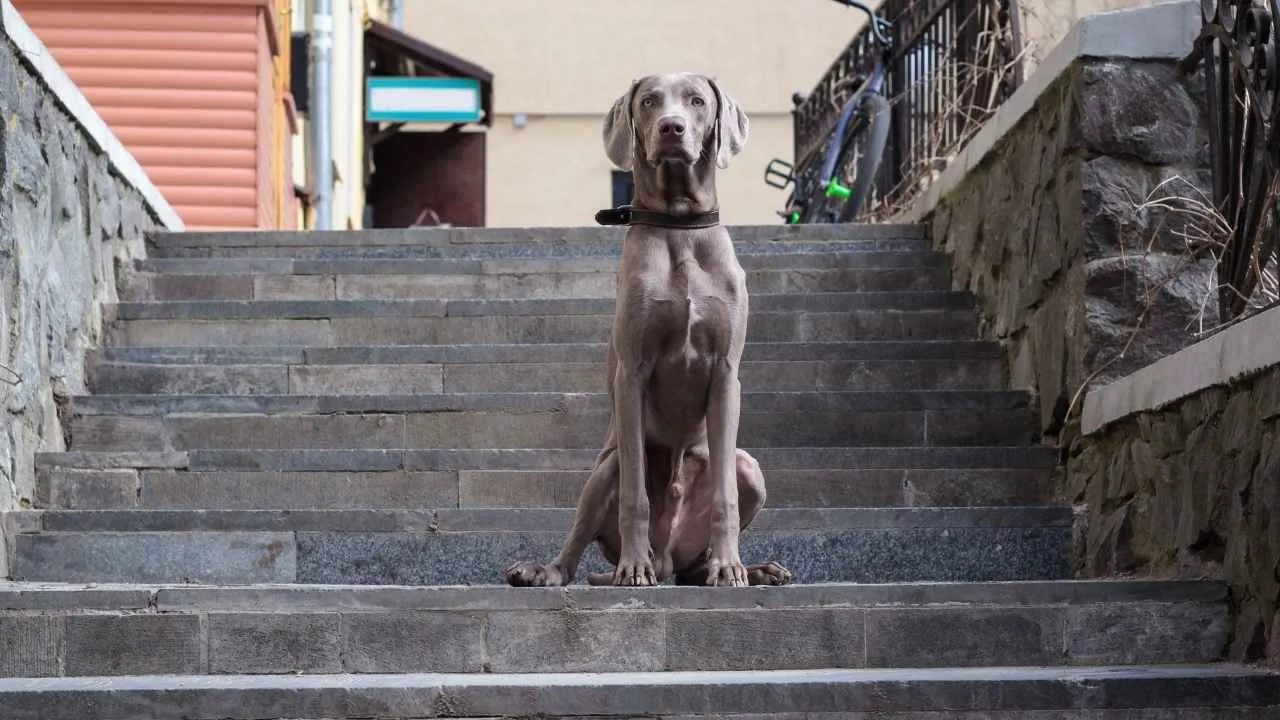
Nicknamed the “Gray Ghost,” the Weimaraner was developed in the nineteenth century as an all-purpose hunting companion capable of tracking, pointing, and retrieving game across challenging terrain.
Its exceptional nose, long stride, and relentless focus allow it to locate hidden animals quickly while covering large areas with remarkable efficiency.
Originally trusted to pursue everything from large game to upland birds, this breed remains a versatile search specialist with an instinct for following even difficult scent trails.
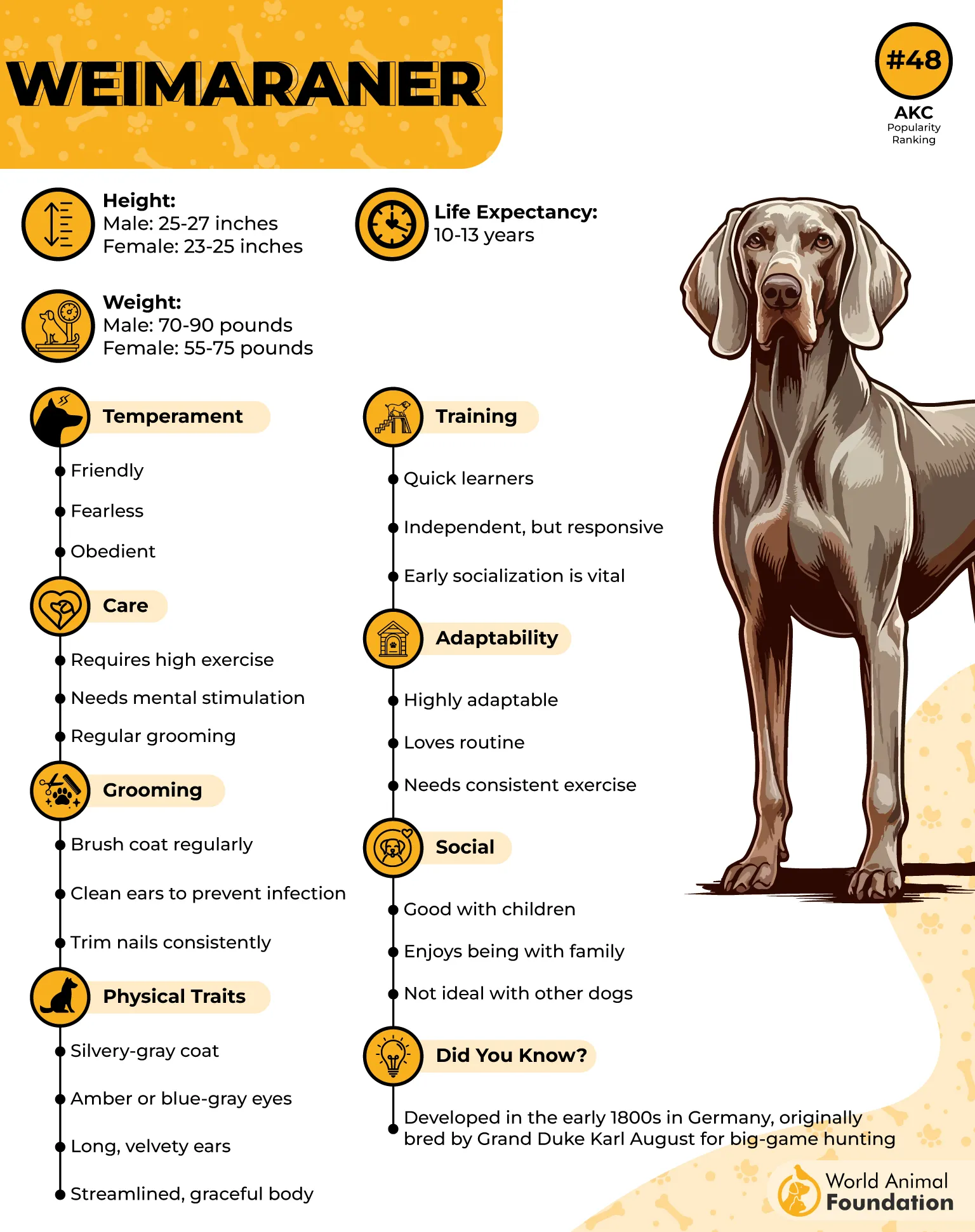
Beyond the hunt, the Weimaraner excels in tracking, scent work, agility, and search-and-rescue, reflecting its outstanding trainability. According to Purina, Weimaraner dogs originated in Germany and are admired for their courage, intelligence, and impressive speed.
Its adventurous spirit thrives with active owners who can provide daily physical exercise and mental challenges. Loyal and deeply attached to its family, this energetic breed responds best to consistent, positive training that channels its sharp mind into dependable field performance.
2. Brittany
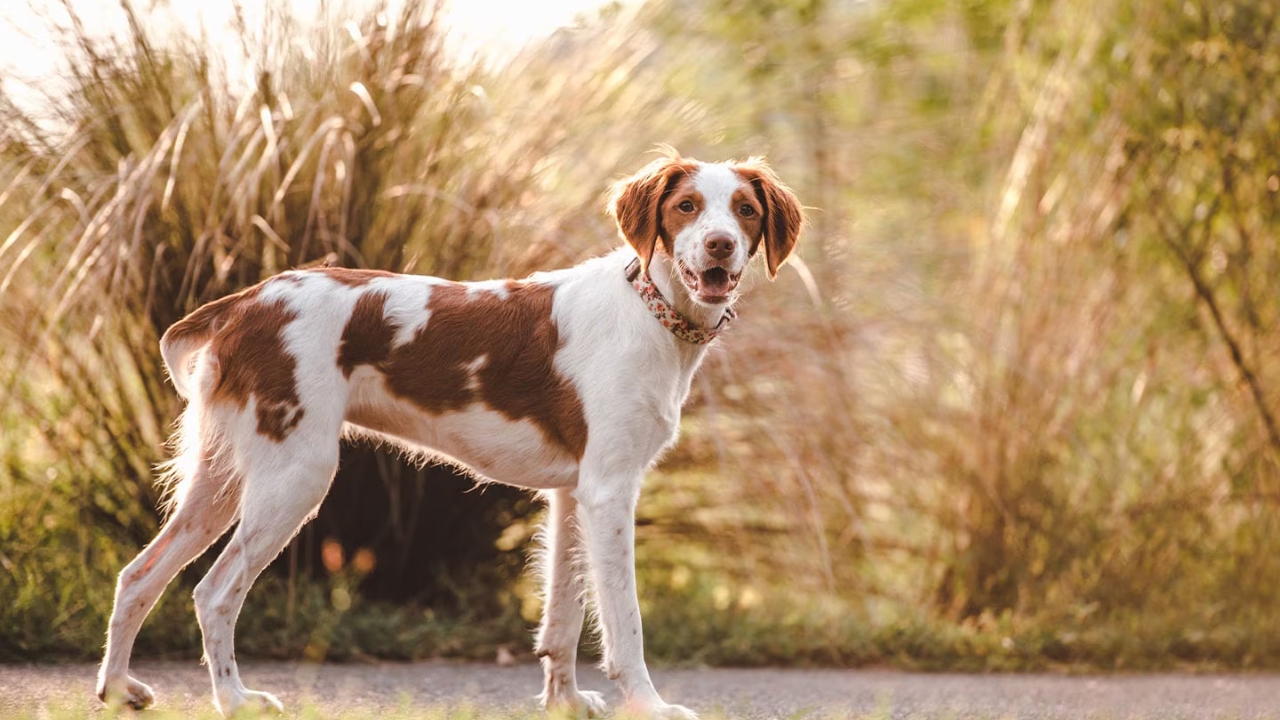
Bred in the French countryside to locate and point game birds, the Brittany earned its reputation by covering vast fields with remarkable speed while staying closely connected to its handler.
This agile sporting dog combines a keen sense of smell with natural pointing instincts, making it highly effective at locating hidden birds in open grasslands and wooded cover.
Its athletic build allows it to move effortlessly through challenging terrain, while its eagerness to work makes training highly rewarding. According to PetMD, Brittany dogs are energetic, intelligent, and affectionate companions that thrive in active households.
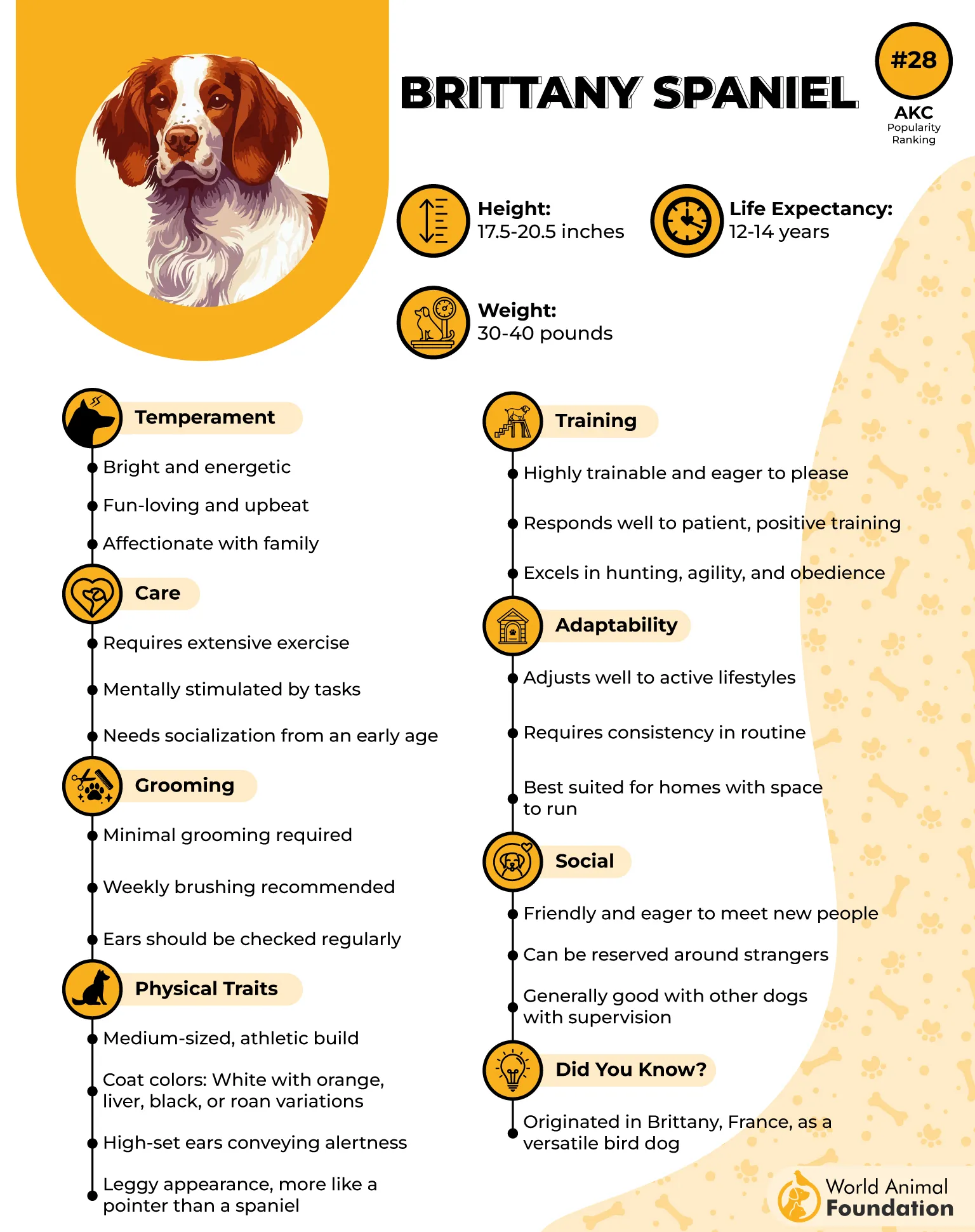
The Brittany is a lovely companion that thrives on regular interaction and can develop separation anxiety if left alone too often. Daily exercise and mentally engaging activities are essential to satisfy its boundless energy.
Prospective owners should choose a responsible breeder who screens breeding dogs for inherited health conditions and sound temperament to support the breed’s long-term well-being.
3. American Foxhound
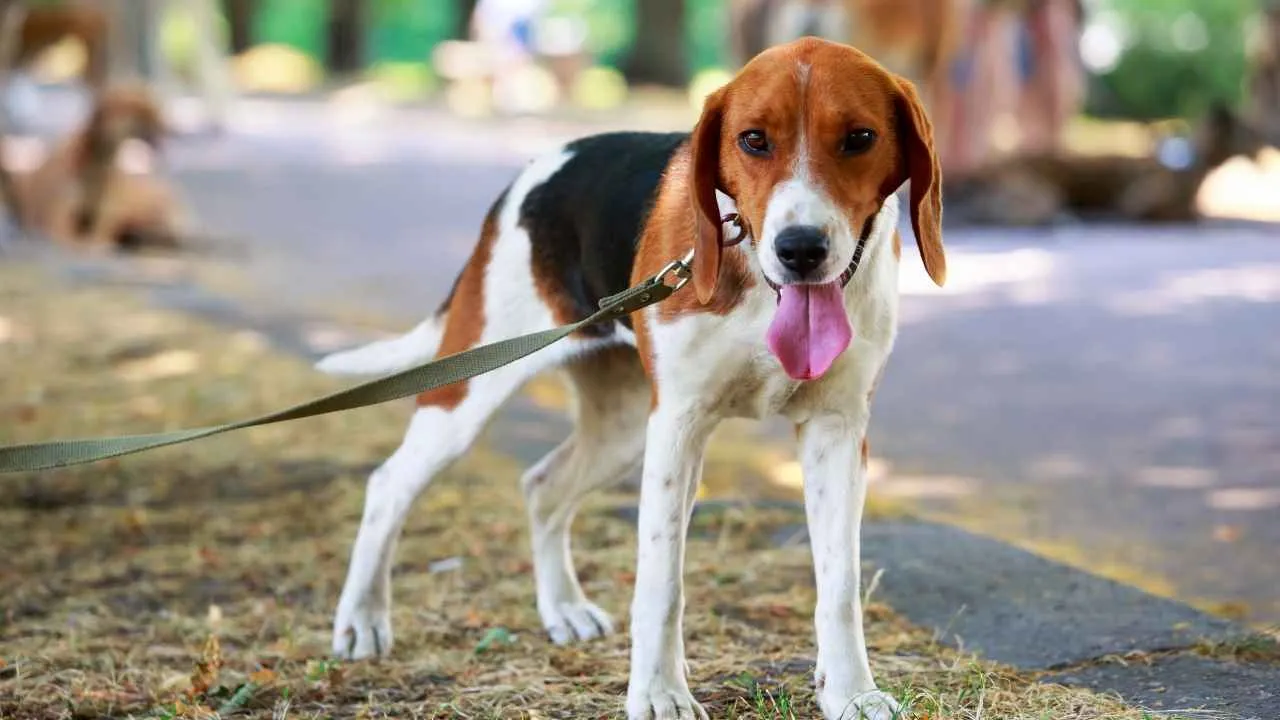
Bred to pursue foxes across vast landscapes, the American Foxhound excels as a long-distance scent tracker with remarkable endurance and an exceptionally keen nose.
Its ability to stay locked onto a trail for miles makes it highly effective at locating hidden game animals in open terrain. According to WebMD, American Foxhounds are energetic hunting companions with an affectionate and friendly temperament.
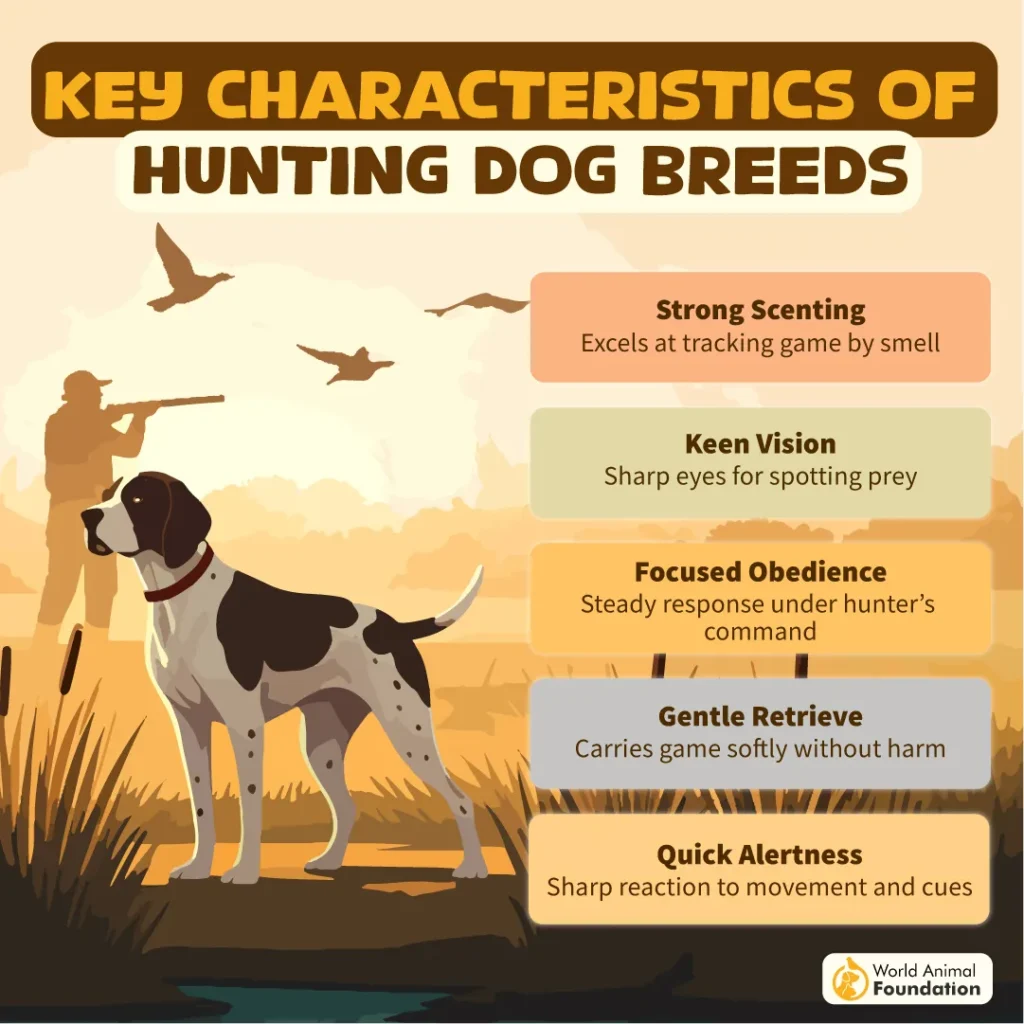
This hound combines intelligence with an independent nature, so early training and reliable recall are essential, especially when an interesting scent takes over.
Positive reinforcement works best, helping channel the breed’s strong tracking instincts while maintaining responsiveness in the field. The American Foxhound is sociable and forms close bonds with its family, though it thrives in homes that can provide plenty of daily exercise and outdoor adventures.
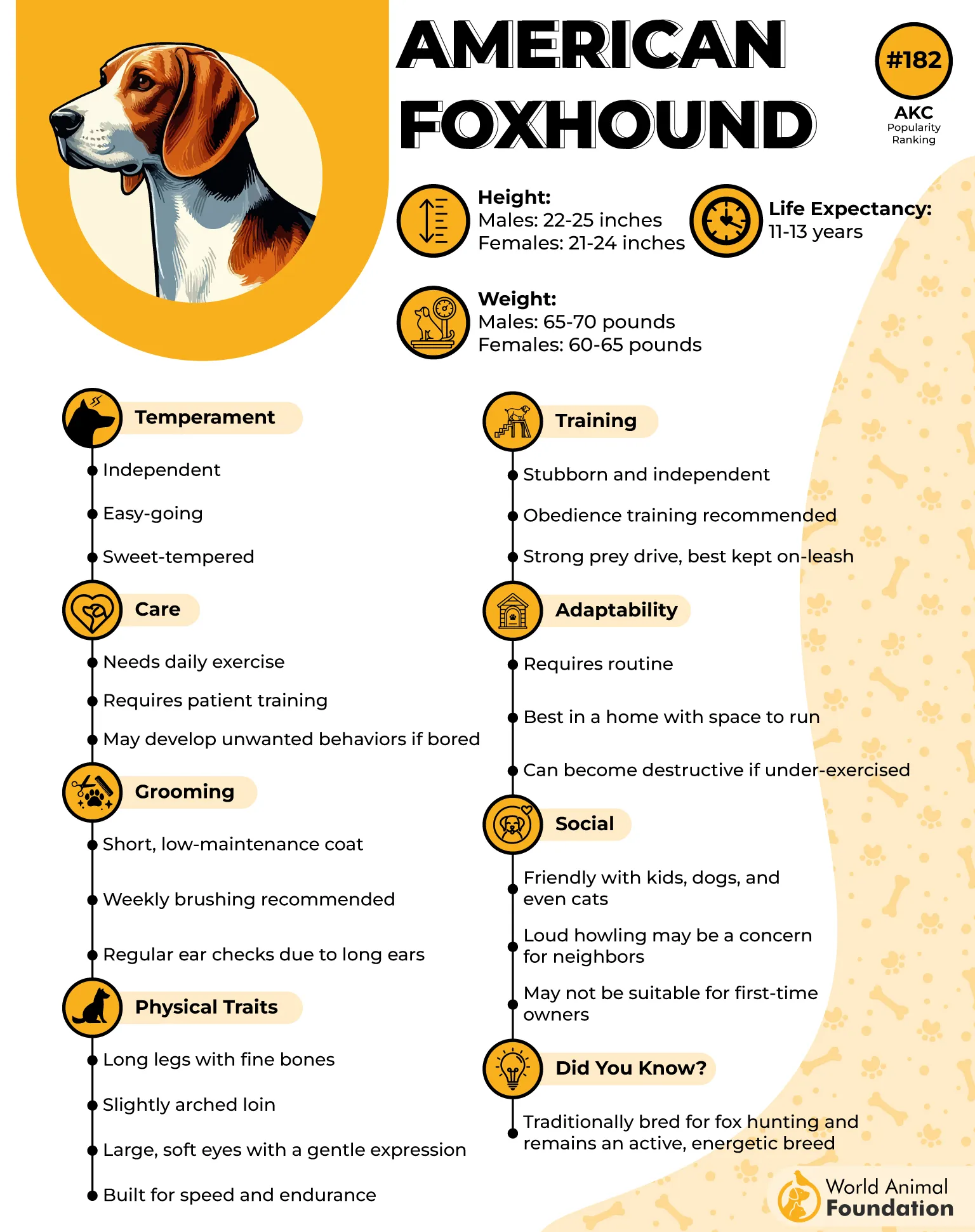
Because of its powerful prey drive and tendency to follow scents, secure fencing and supervised outings are important for keeping this determined tracker safe.
4. English Springer Spaniel
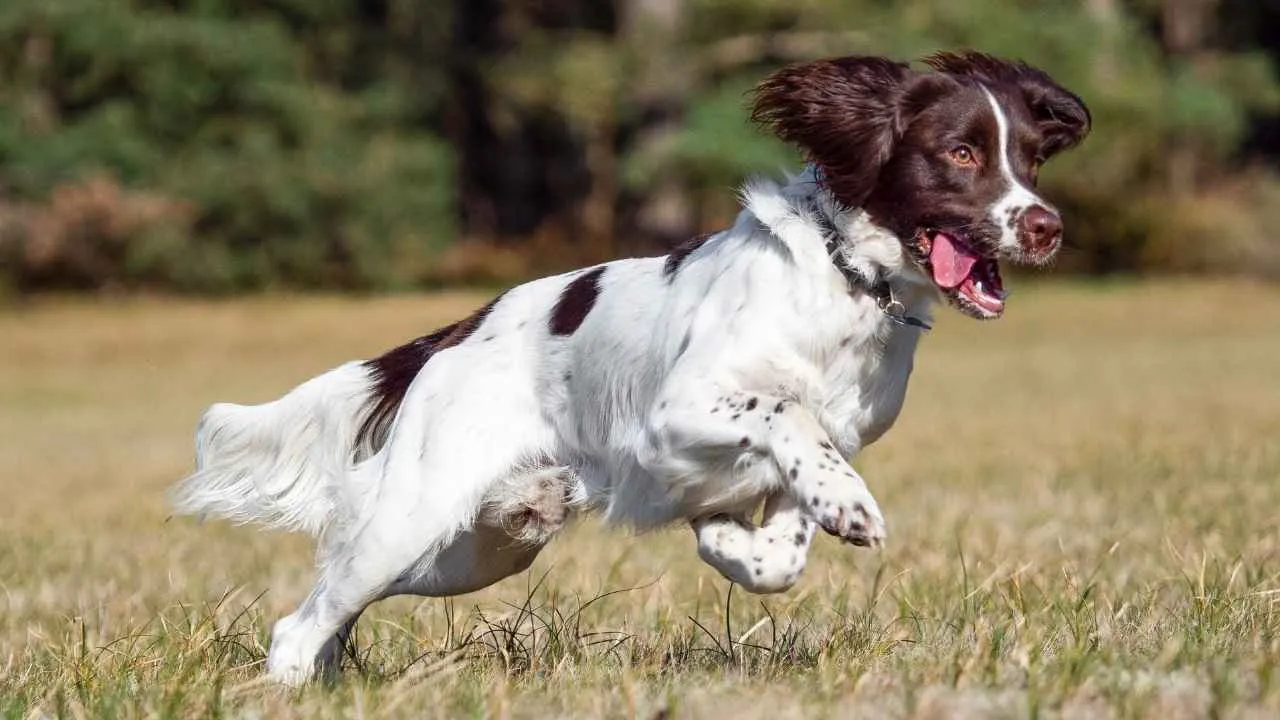
The English Springer Spaniel earned its reputation by expertly flushing hidden birds from thick cover, giving hunters the perfect opportunity for a clean shot.
Bred as a versatile sporting dog, it combines a sharp nose with quick reflexes, moving effortlessly between scenting, flushing, and retrieving game across fields, woodlands, and wetlands. Its slightly smaller frame also helps it navigate dense brush where larger retrievers may struggle.
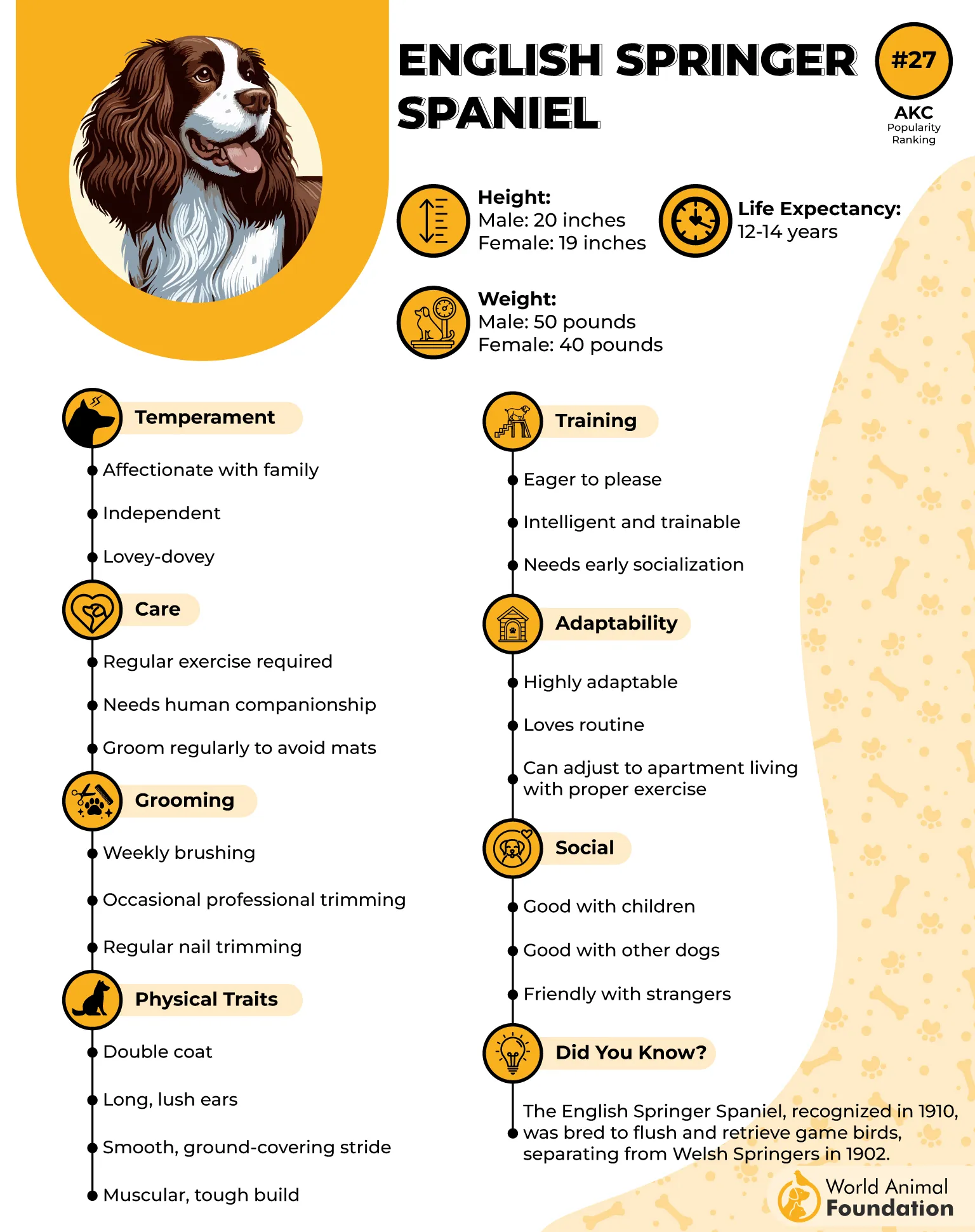
Highly intelligent and eager to please, this energetic breed thrives on interactive training and enjoys tackling varied hunting challenges rather than repetitive routines.
Away from the field, the Springer transforms into a cheerful, affectionate family companion that loves being involved in daily activities. However, its working heritage means regular physical exercise and mental stimulation are essential to prevent boredom and keep its natural enthusiasm focused in productive ways.
5. Basset Hound
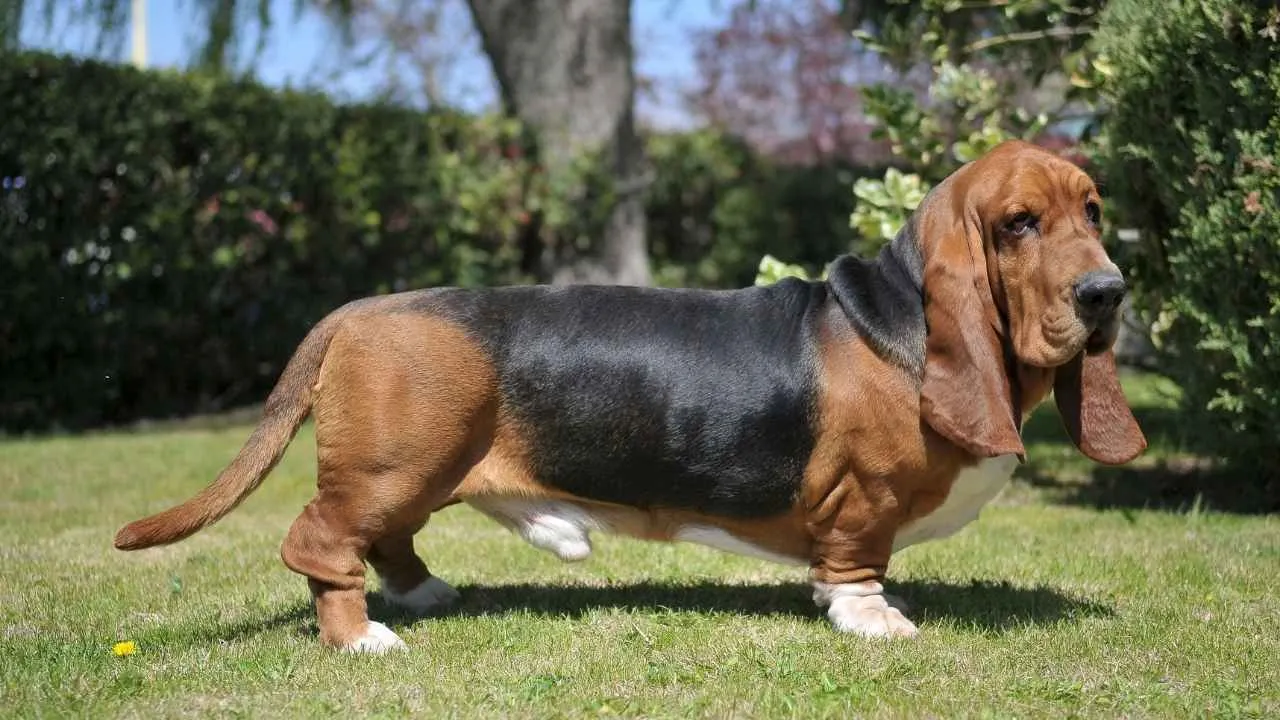
With its nose close to the ground and ears sweeping through the scent trail, the Basset Hound was built to uncover hidden game that other dogs might miss.
Originally developed in France for tracking rabbits and other small quarry, this determined scent hound possesses one of the finest noses in the canine world, second only to the Bloodhound. Its low-slung frame allows it to follow even the faintest ground scent with remarkable accuracy through dense cover.
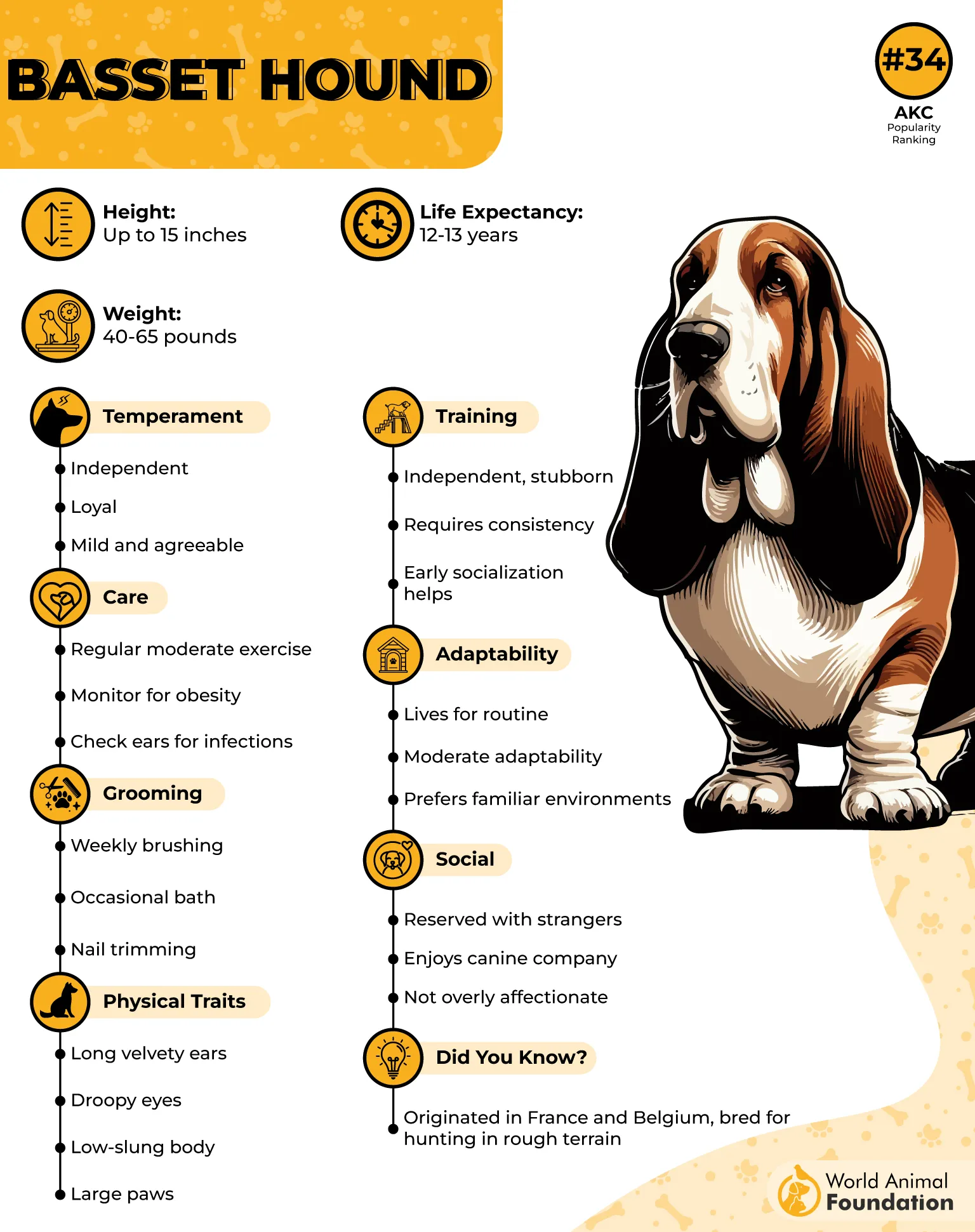
Although calm and affectionate at home, the Basset becomes surprisingly focused once it catches an interesting trail. Training requires patience because this intelligent breed often prefers following its nose over commands, but positive reinforcement keeps lessons productive.
Regular walks, scent games, and tracking activities provide the mental challenge these hounds crave, while secure areas are essential since an intriguing scent can quickly lead them far from their handler.
6. Alaskan Malamute
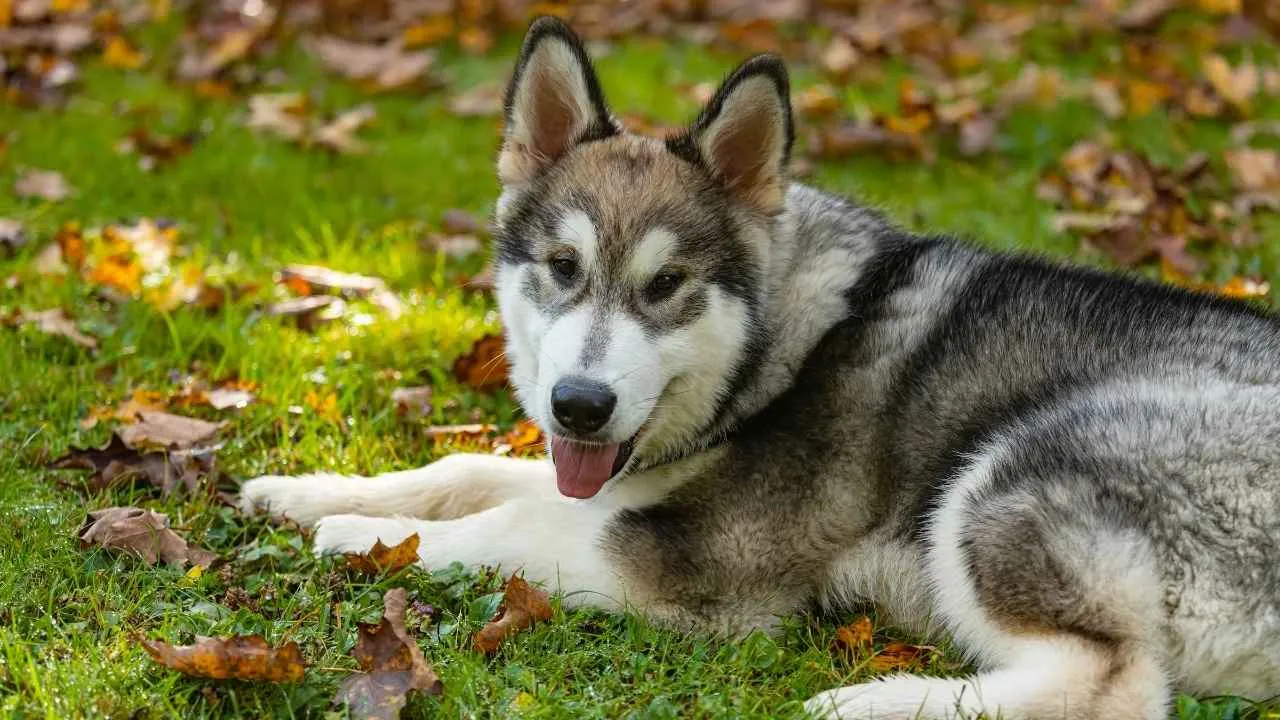
Forged in the unforgiving Arctic, the Alaskan Malamute earned its reputation by hauling heavy freight, assisting hunters, and navigating snow-covered wilderness alongside the Mahlemut people.
That remarkable strength, endurance, and keen awareness also make it capable of locating hidden game across challenging terrain. Built for demanding outdoor work, this powerful breed thrives on hiking, tracking, backpacking, and other adventurous activities that engage both body and mind.
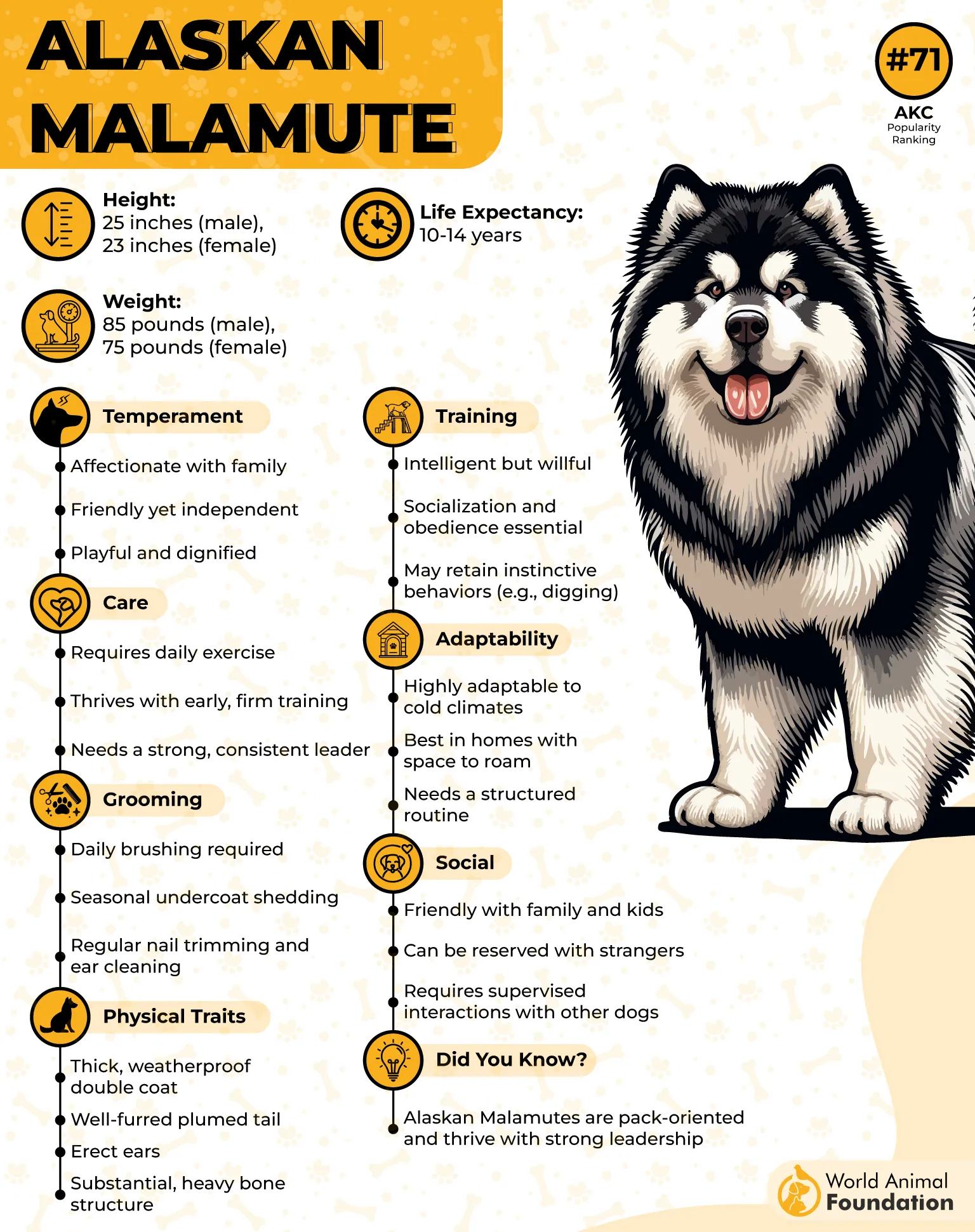
Despite its wolf-like appearance, the Malamute is affectionate, loyal, and enjoys close family bonds. Its independent nature means consistent, positive training and early socialization are essential for developing a reliable working partner.
The thick double coat protects it in freezing conditions but requires frequent brushing, especially during seasonal shedding. Best suited to active owners and cooler climates, the Alaskan Malamute combines rugged resilience with the stamina and determination needed for extended wilderness searches.
7. Beagle
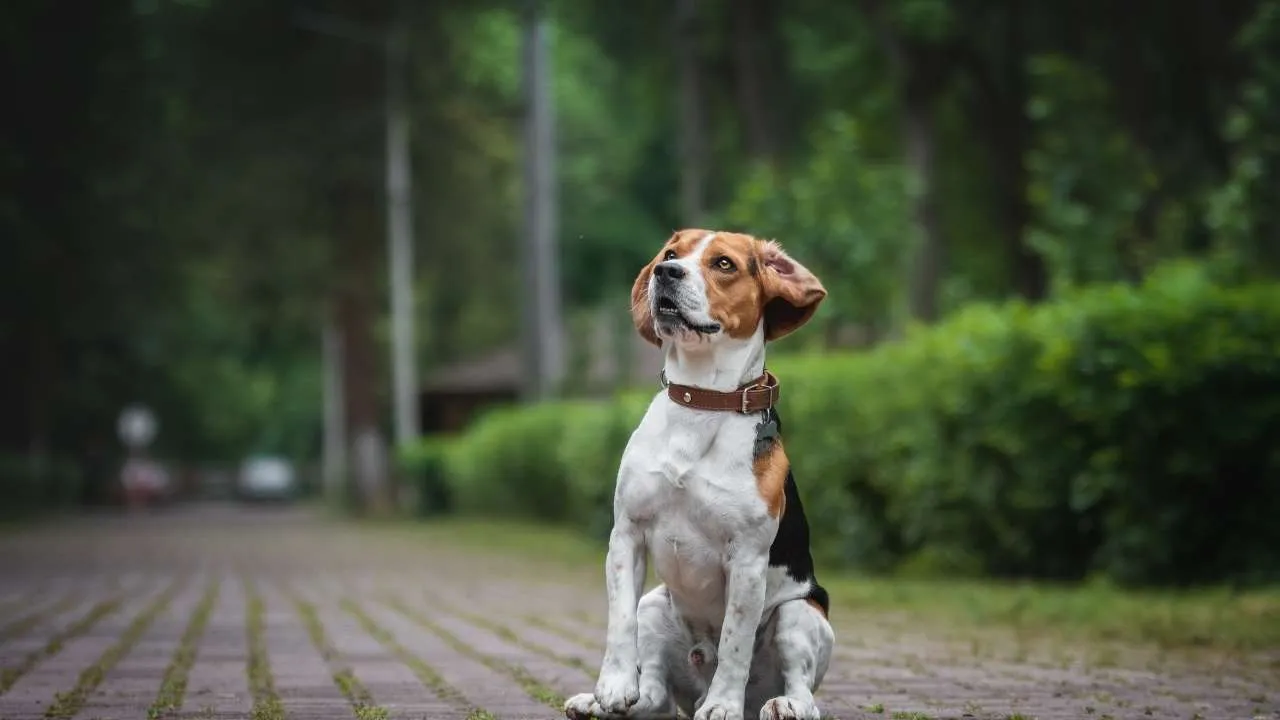
Small in size but legendary in scenting ability, the Beagle has earned its reputation as one of the world’s finest game-tracking hounds.
Originally developed in England to hunt rabbits and hares on foot, this determined breed follows scent trails with remarkable focus, weaving effortlessly through dense brush where larger dogs may struggle.
Its persistence, keen nose, and expressive voice allow handlers to monitor progress even when the dog disappears into cover.
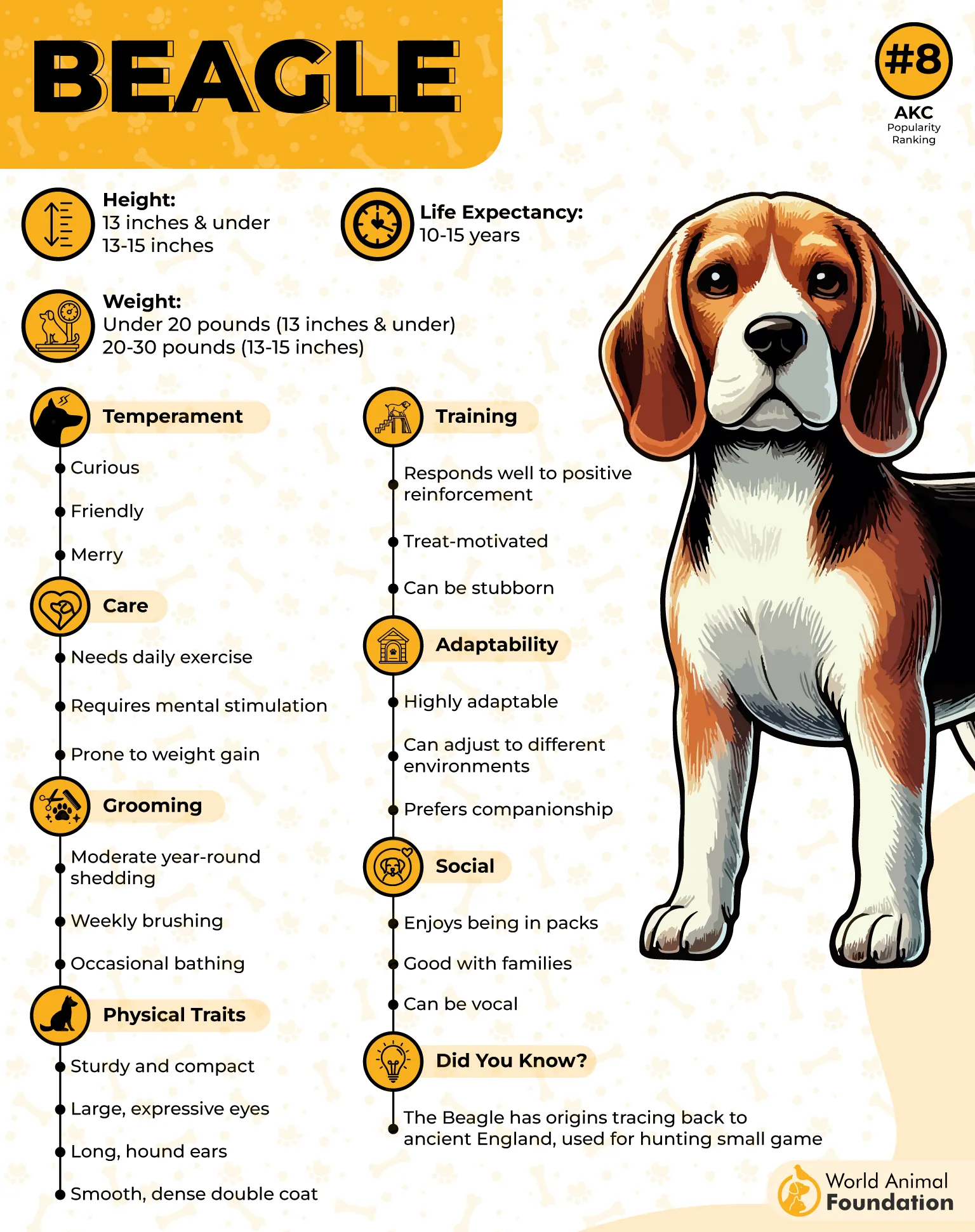
Historically bred to work in packs, the Beagle cooperates well with both people and other hunting dogs, making it a dependable field companion. However, its powerful scent drive can outweigh obedience, so consistent, reward-based training and secure handling are essential.
Beyond the hunt, the Beagle is friendly, energetic, and affectionate, thriving with regular exercise, mental enrichment, and a nutritious diet that helps prevent the weight gain common in this food-loving breed.
8. Pharaoh Hound
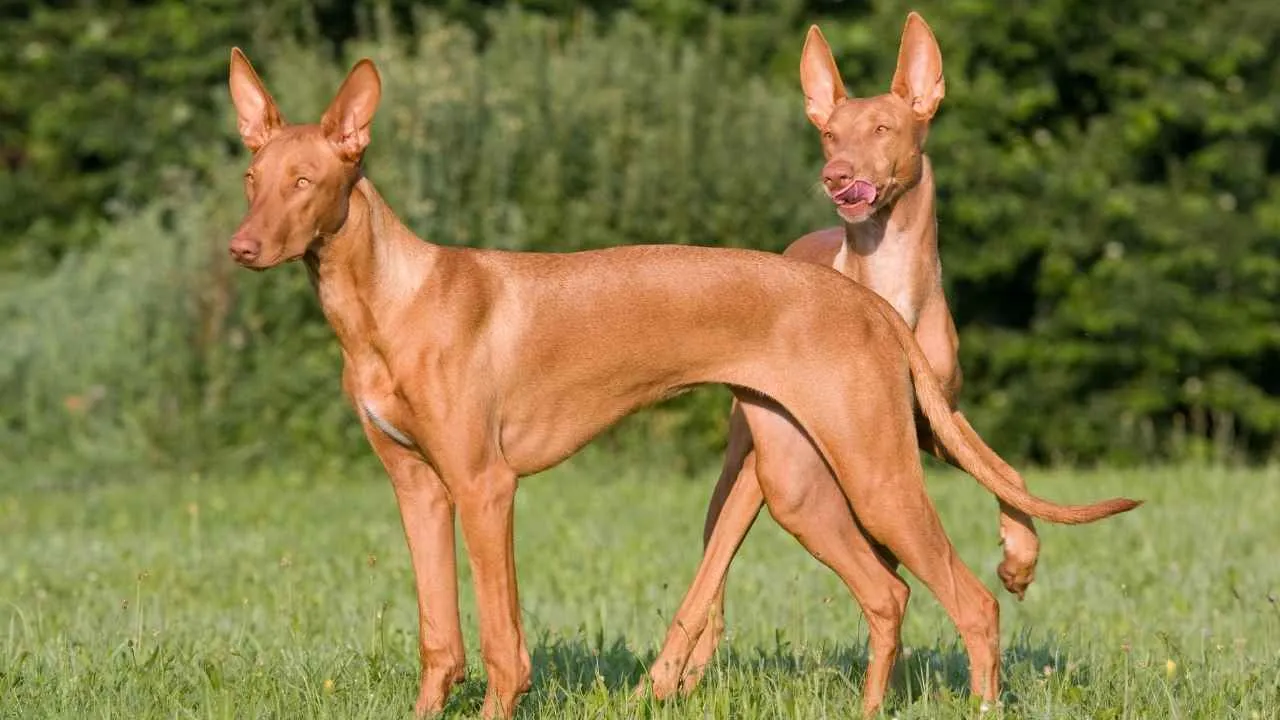
With a history stretching back more than 5,000 years, the Pharaoh Hound blends ancient heritage with exceptional hunting ability.
Revered in ancient Egypt and later refined in Malta, where it became known as Kelb tal-Fenek or “rabbit dog,” this elegant sighthound was prized for locating rabbits across rugged landscapes.
Rather than relying solely on scent, it uses remarkably sharp eyesight to detect subtle movement before exploding into a lightning-fast chase.
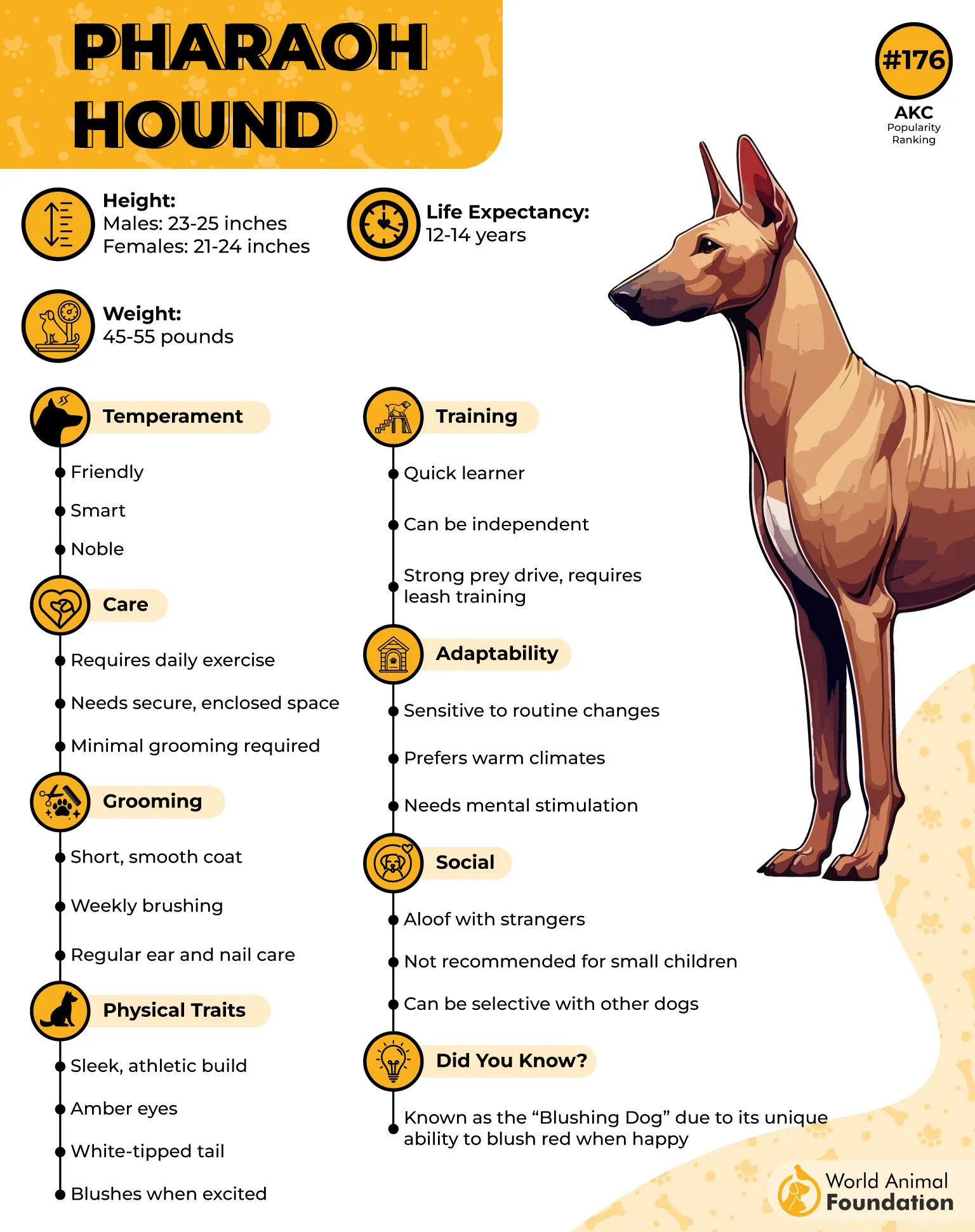
When prey disappears behind rocks or brush, the breed can also switch to following scent, making it a versatile game locator. Its sleek, low-shedding coat requires only minimal grooming, while its athletic body thrives on daily exercise and mentally stimulating activities such as lure coursing.
Positive, reward-based training works best with this intelligent yet independent breed, whose powerful prey drive makes secure fencing and reliable recall essential.
9. Treeing Walker Coonhound
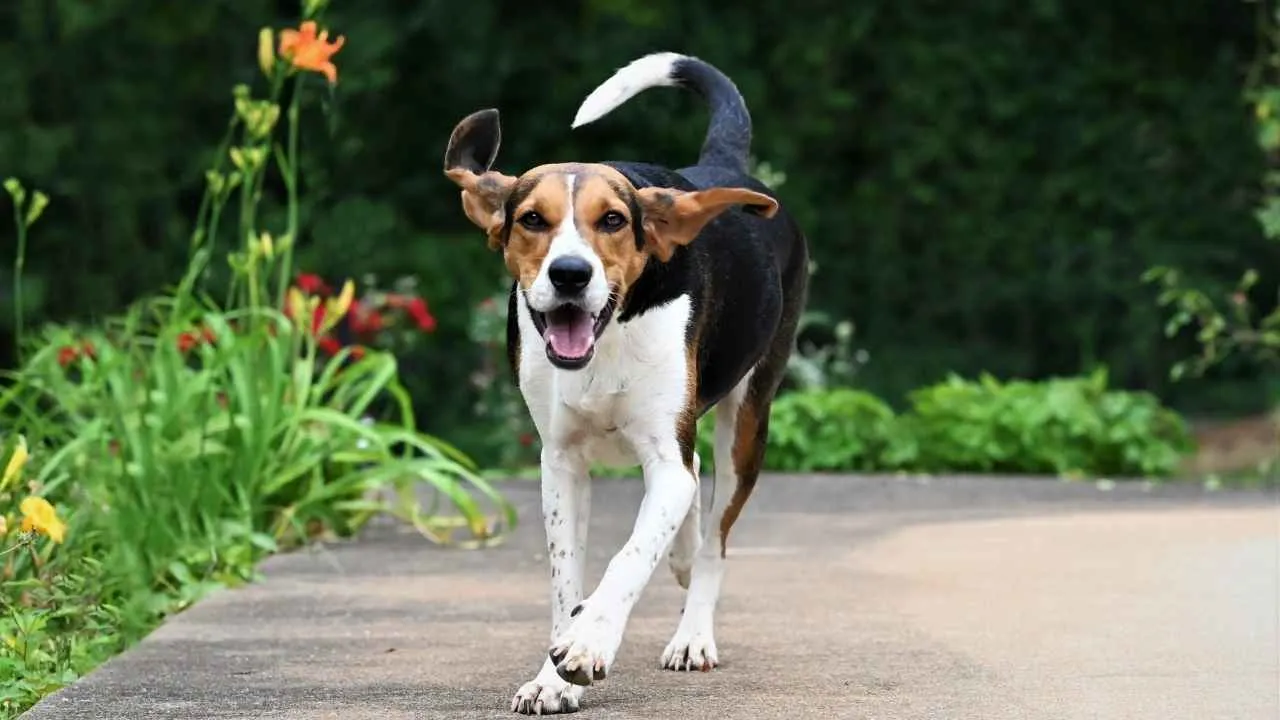
Bred from English Foxhound ancestry, the Treeing Walker Coonhound earned its reputation by pursuing game through forests until it successfully treed the animal and announced the find with its unmistakable ringing voice.
This athletic scent hound is especially valued for its ability to follow both fresh and aging scent trails with remarkable precision, making it an outstanding choice for locating hidden game. Its speed, endurance, and determination allow it to cover challenging terrain for hours without losing focus.
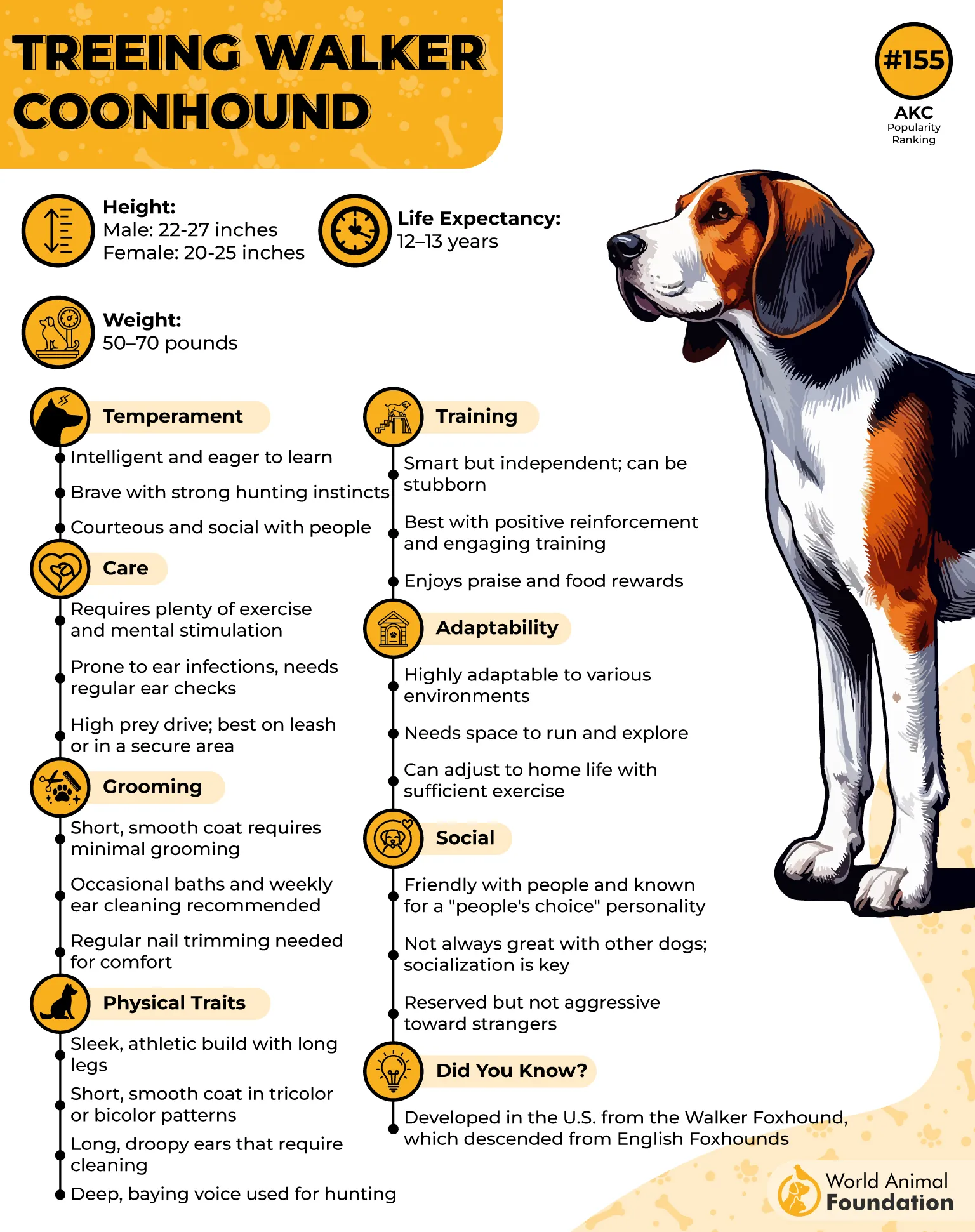
Highly intelligent and eager to work, the breed thrives on scent-based tasks, tracking exercises, and consistent positive training, although its independent streak requires patient handling.
A short, dirt-resistant coat needs only weekly brushing, but its long ears should be checked regularly after outdoor adventures. Because of its powerful prey drive, secure fencing and leash control are essential whenever it catches an intriguing scent.
Conclusion
The best game-locating dogs combine exceptional scenting ability with intelligence, stamina, and the determination to stay on a trail until the job is done. Each breed brings unique strengths that make it valuable in the field.
Some excel at following fresh scent, while others can unravel older trails across dense forests, rugged hills, and challenging terrain. Their instincts, endurance, and focus allow them to locate hidden game with remarkable accuracy.
Even the most naturally gifted hunting dog depends on proper training, early socialization, regular exercise, and consistent mental stimulation to perform at its best. Responsible breeding also helps preserve the qualities that make these breeds reliable working partners.
Choosing the right breed ultimately depends on your hunting style, environment, and experience, ensuring you have a dependable companion ready for every outdoor adventure.
