




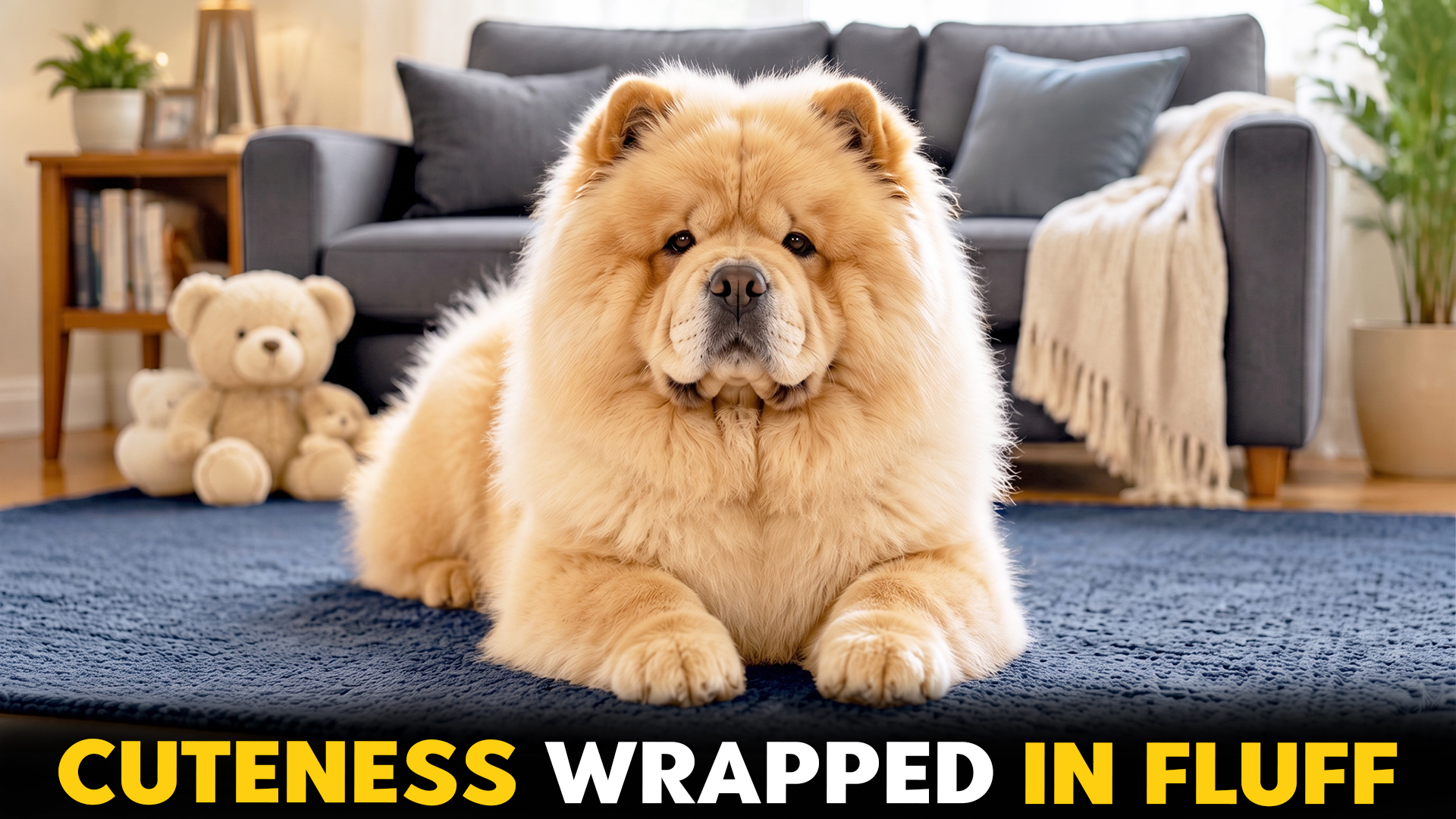
Scroll through enough photos of fluffy dogs, and it becomes surprisingly difficult to tell which one deserves your attention first.
Soft coats, round faces, and bright eyes make almost every picture look irresistible, yet only a handful truly capture that charming teddy bear appearance people instantly fall in love with. That resemblance goes beyond thick fur or a cute expression. It comes from the way certain features naturally come together, creating a look that feels warm, friendly, and impossible to ignore.
For anyone hoping to welcome one of these lovable companions into their home, understanding what makes them special is just as important as admiring their appearance. Behind every adorable face is a unique personality, different grooming needs, and a lifestyle that may suit some families better than others.
Keep reading to discover seven fluffy dogs whose irresistible teddy bear looks are matched by qualities that make each one memorable in its own way.
Key Takeaways
A thick coat can make a dog look adorable, but the real teddy bear effect comes from the details that bring the whole look together.
The Chow Chow brings an ancient history and a blue tongue to the list, while the Akita has such deep roots in Japan that it became a national monument.
Then there is the Samoyed, whose famous smile has a practical purpose in freezing weather, and the Great Pyrenees, whose fluffy coat once helped it blend into snowy mountain landscapes.
Keep reading to see which other fluffy breeds made the list and what lies behind those irresistibly cuddly faces.
Dog Breeds That Pair Fluffiness with Endearing Teddy Bear Looks
1. Chow Chow
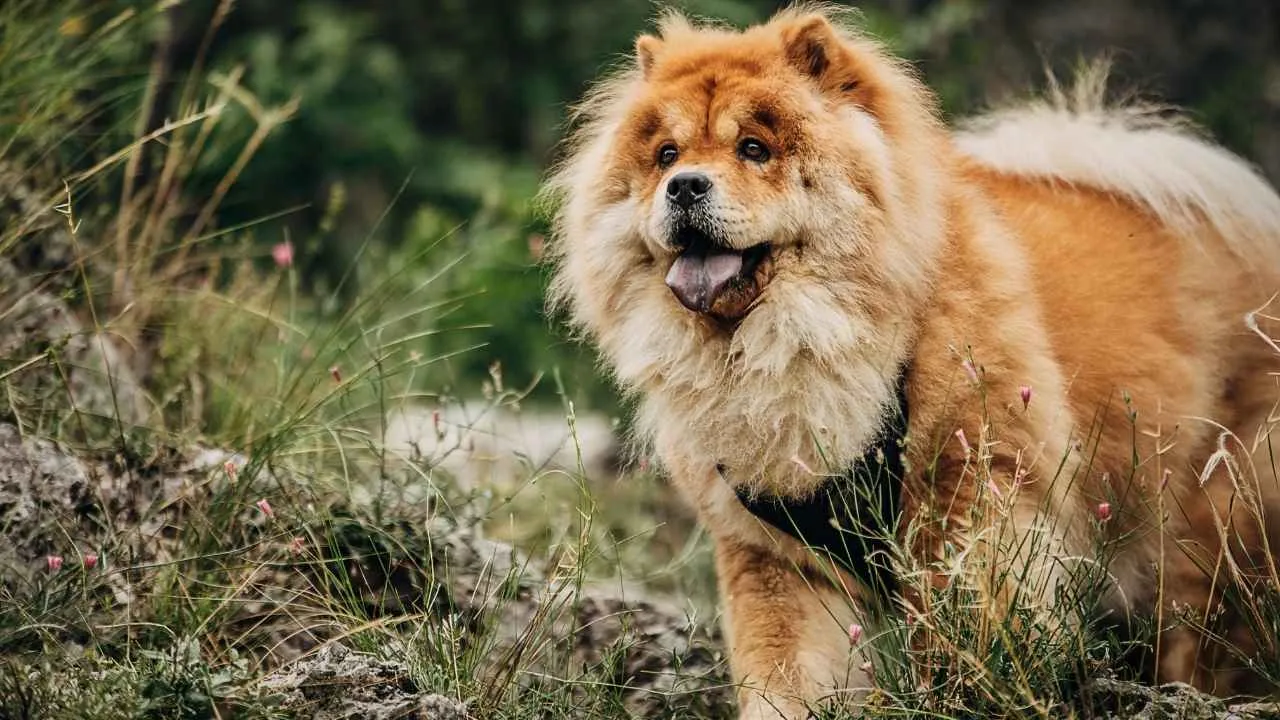
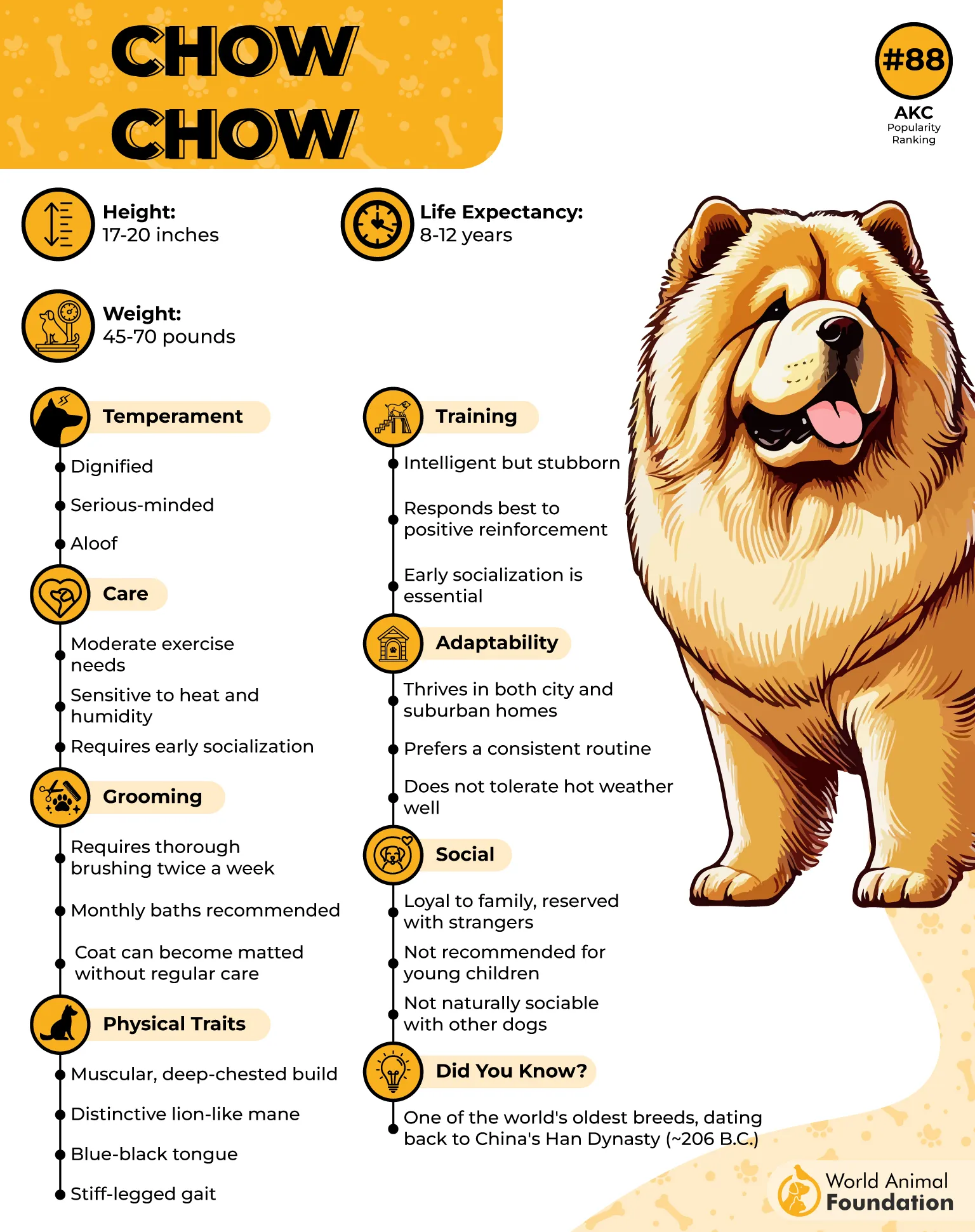
Chow Chow is among the world’s oldest recognized dog breeds, with roots reaching back to China’s Han Dynasty. In its homeland, the breed was called Songshi Quan, and it is widely believed to have inspired the famous stone Foo dogs that have guarded Buddhist temples and palaces in China for centuries, as Omlet describes.
Plush From Every Angle
The thick coat works together with the breed’s compact features to create the teddy bear impression that draws so much attention. Even the distinctive blue tongue adds another memorable detail, giving this fluffy companion a look that is difficult to mistake.
These details make the appearance even more distinctive:
Dense, hand-trimmed coat for a plush look
Rounded, fluffy tail matches the hindquarters
Squished face with droopy eyes
Quiet Confidence
This teddy bear dog breed prefers choosing when to interact and usually appreciates a little personal space instead of constant attention. Intelligence and a strong-willed personality mean patient training and early socialization play an important role, especially for less experienced households.
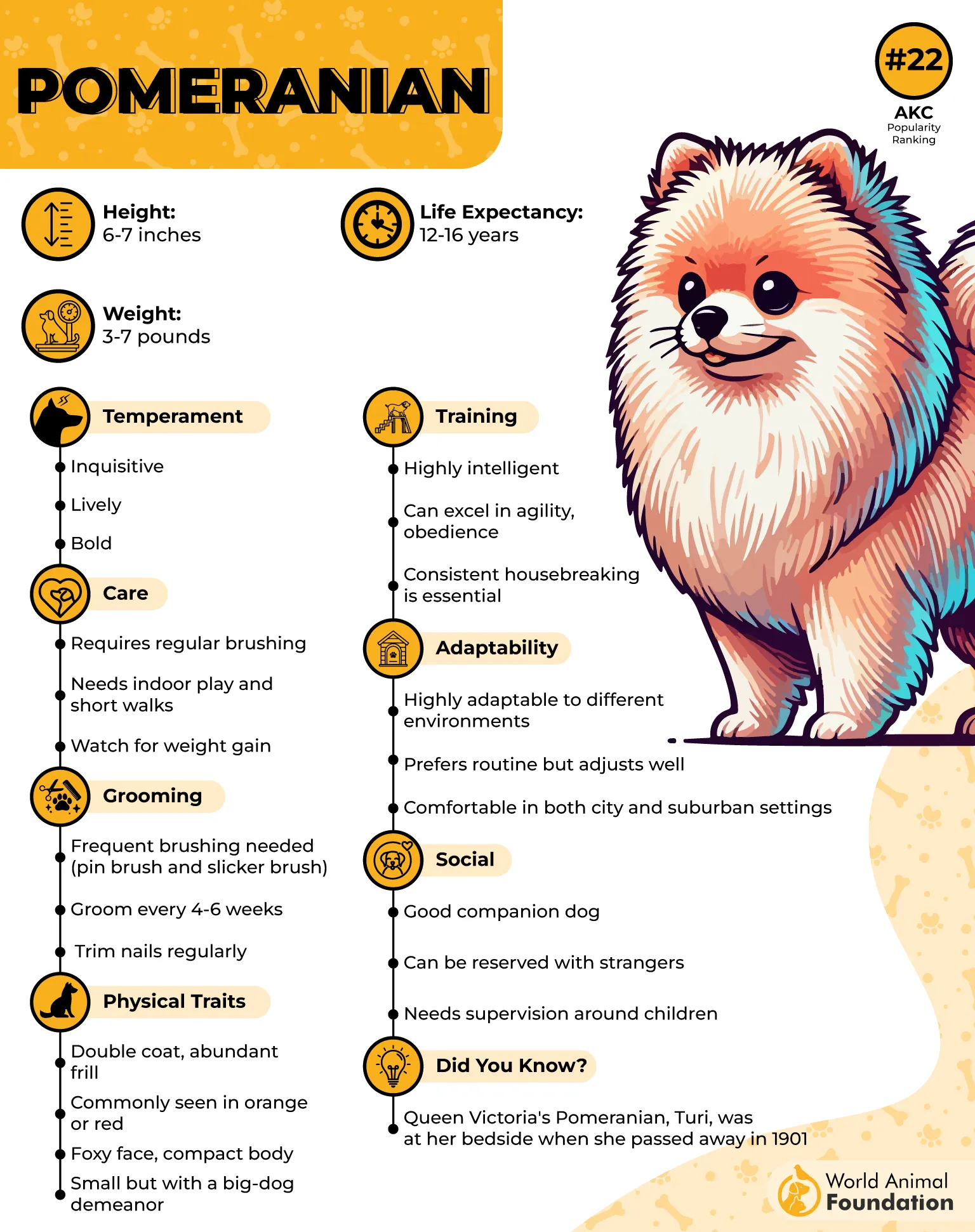
2. Pomeranian
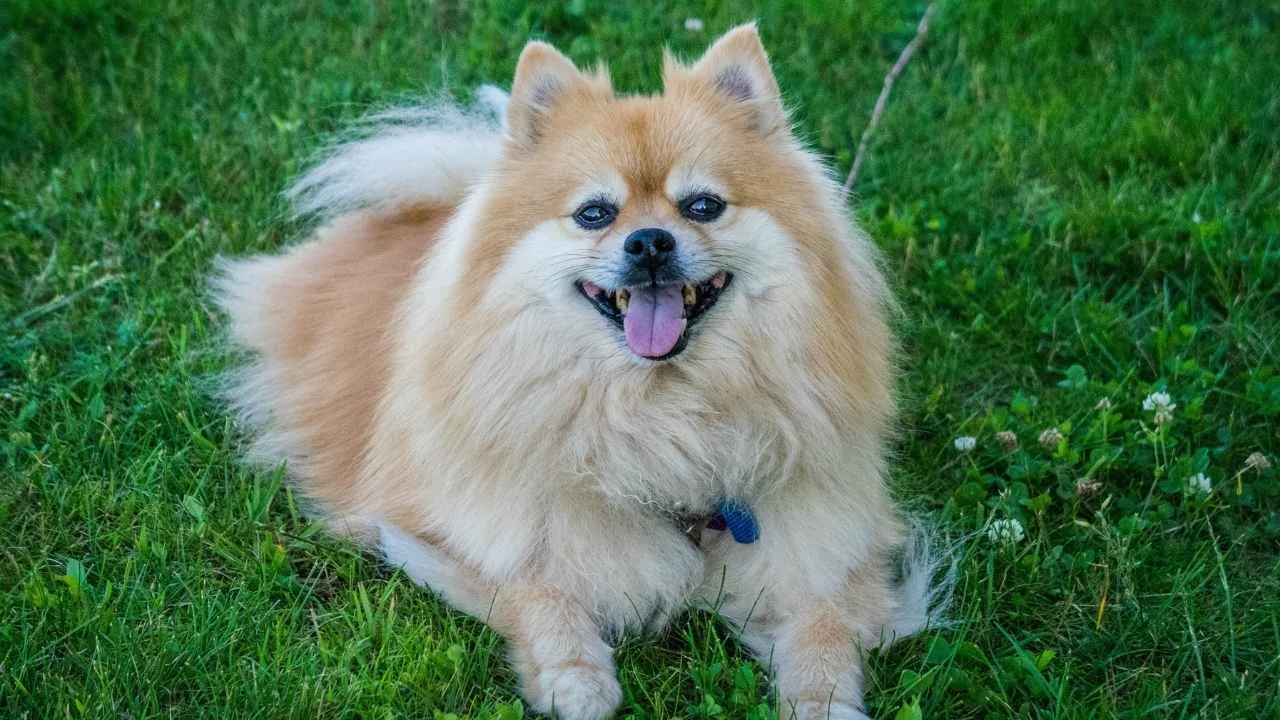
Pomeranian was originally bred from the Pomerania region of present-day Poland and Germany and shares its roots with the German Spitz. Over time, smaller dogs were favored, giving rise to the compact companion now also recognized by names such as Zwergspitz or Pom.
The Fluffy Appeal
A teddy bear impression begins with a dense double coat that gives this breed its rounded outline from every angle. The thick undercoat lifts the longer outer hairs away from the body, while a full neck ruff and curled tail complete that plush appearance.
A few details make the coat even more distinctive:
Heavy frill across the chest and shoulders
Their outer hairs have a harsher texture
Their fluffy coat has almost two dozen colors
Curious Every Day
Pomeranians like to know what is happening around the home and often follow people from room to room with genuine curiosity, as per the AKC. Intelligence comes naturally, making tricks, puzzle games, and short training sessions an enjoyable way to keep this bright little dog engaged.
3. Akita
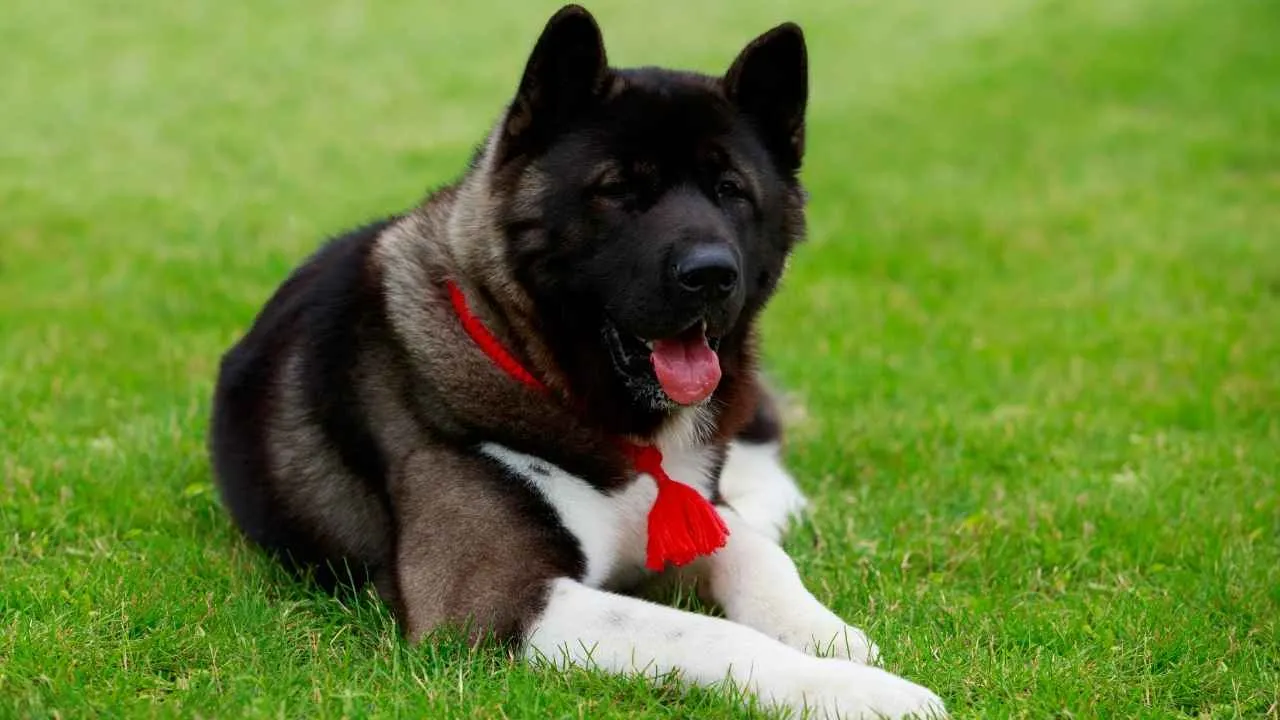
Akita first gained recognition in Japan as a hunting dog, and the breed later became a national monument with deep cultural importance. Families are sometimes given an Akita statue to celebrate the birth of a baby or to wish someone good health during recovery.
Plush From Every Angle
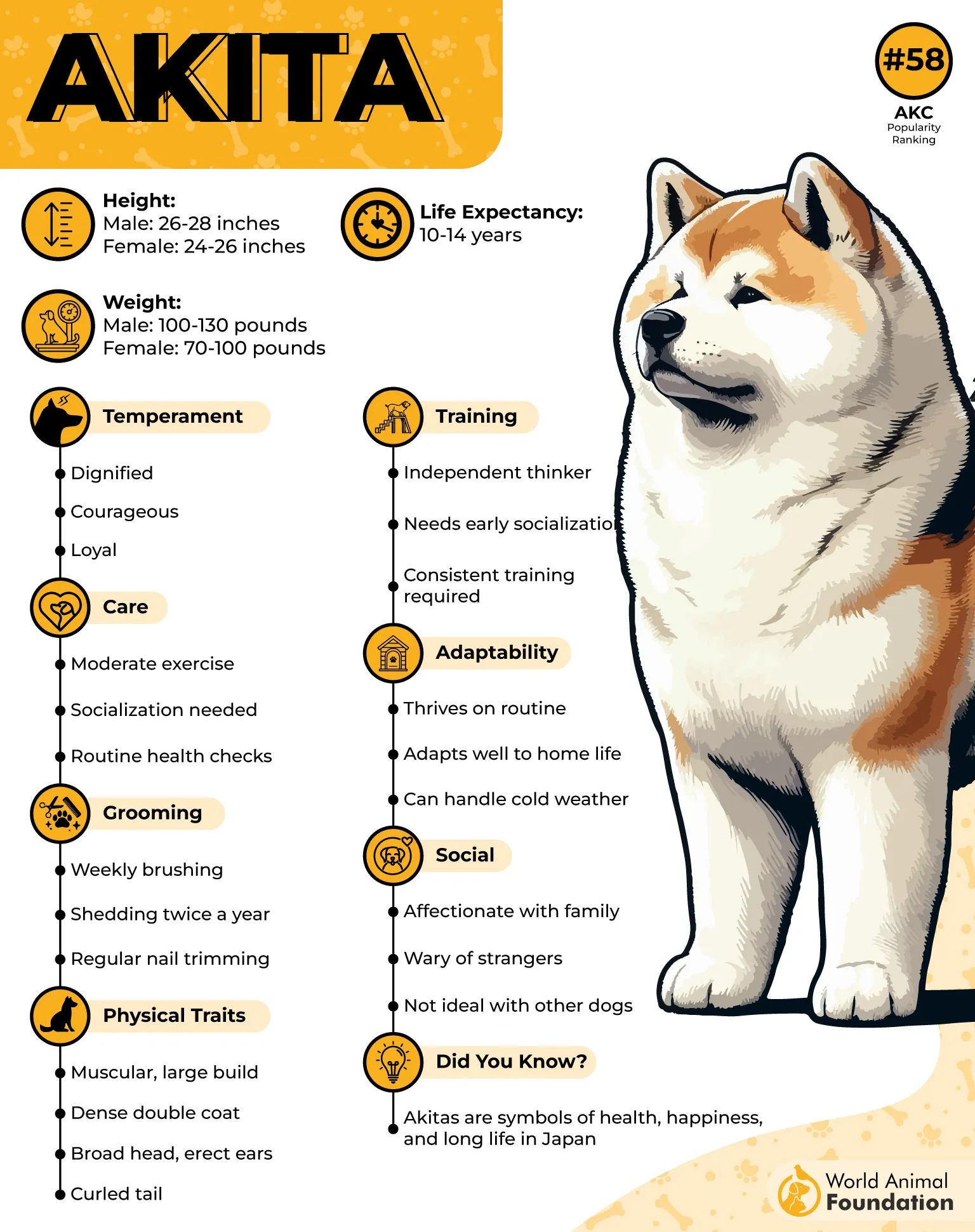
Akita’s teddy bear appeal comes from a dense double coat that gives the body a full, rounded outline in every season. A soft insulating undercoat, a coarse outer layer, and a thick curled tail create an especially plush appearance, while the long-coat variety adds even more volume.
The following features also deserve a closer look:
Long-coat form comes from a recessive gene
American Akita have a bear-like head
Their fluffy coats do shed and need proper maintenance
A Mind of Its Own
Akita prefers making decisions independently, which explains why patient, consistent training from an early age is so important, as Orvis claims. This confident personality also means introductions to other pets and young children require thoughtful supervision and clear boundaries.
4. Great Pyrenees
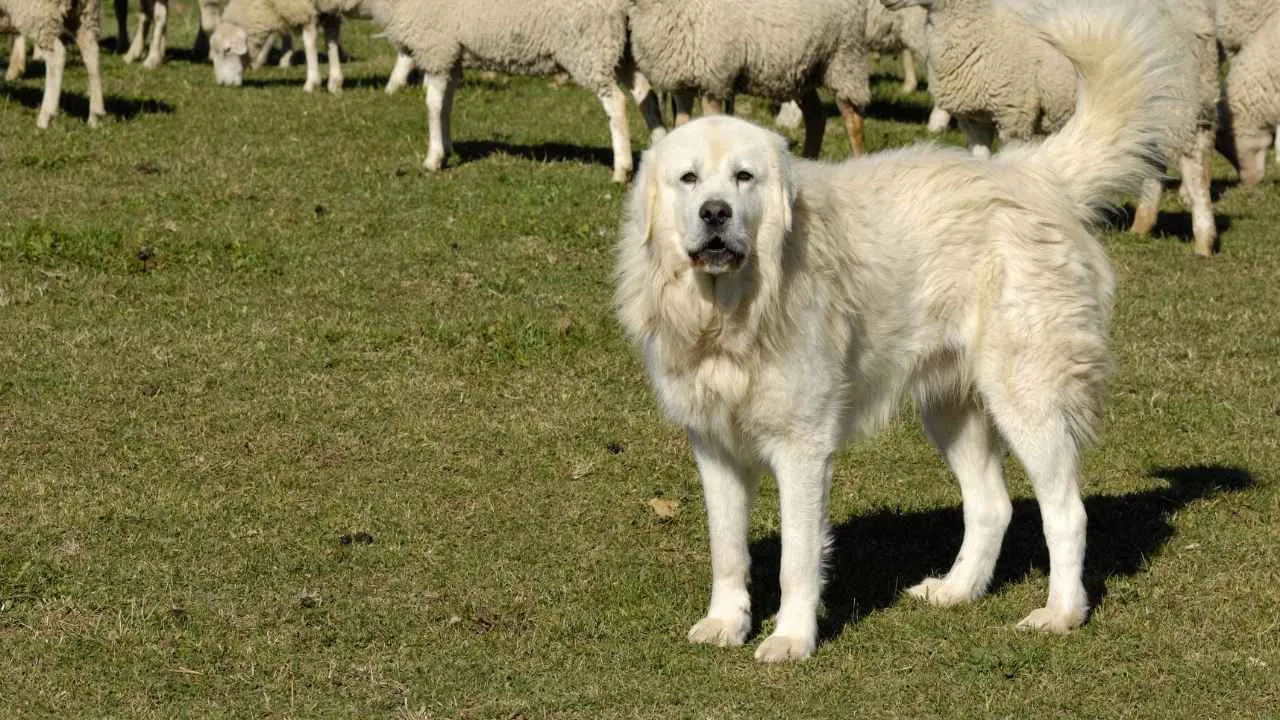
In the Pyrenees Mountains between France and Spain, the Great Pyrenees earned its role as a dependable guardian of sheep and goat flocks. In 1675, King Louis XIV recognized the breed as the Royal Dog of France, helping it gain wider recognition beyond farming communities.
Fluff With a Purpose
The impressive coat is much more than a beautiful feature, with each layer serving a practical role in harsh mountain weather. A dense woolly undercoat traps warmth close to the body, while the long outer hairs help shed snow, moisture, and dirt before they reach the skin.
There’s plenty more worth knowing:
Thick neck ruff, especially in males
Feathered “pantaloons” on the hind legs
Heavily plumed tail for extra insulation
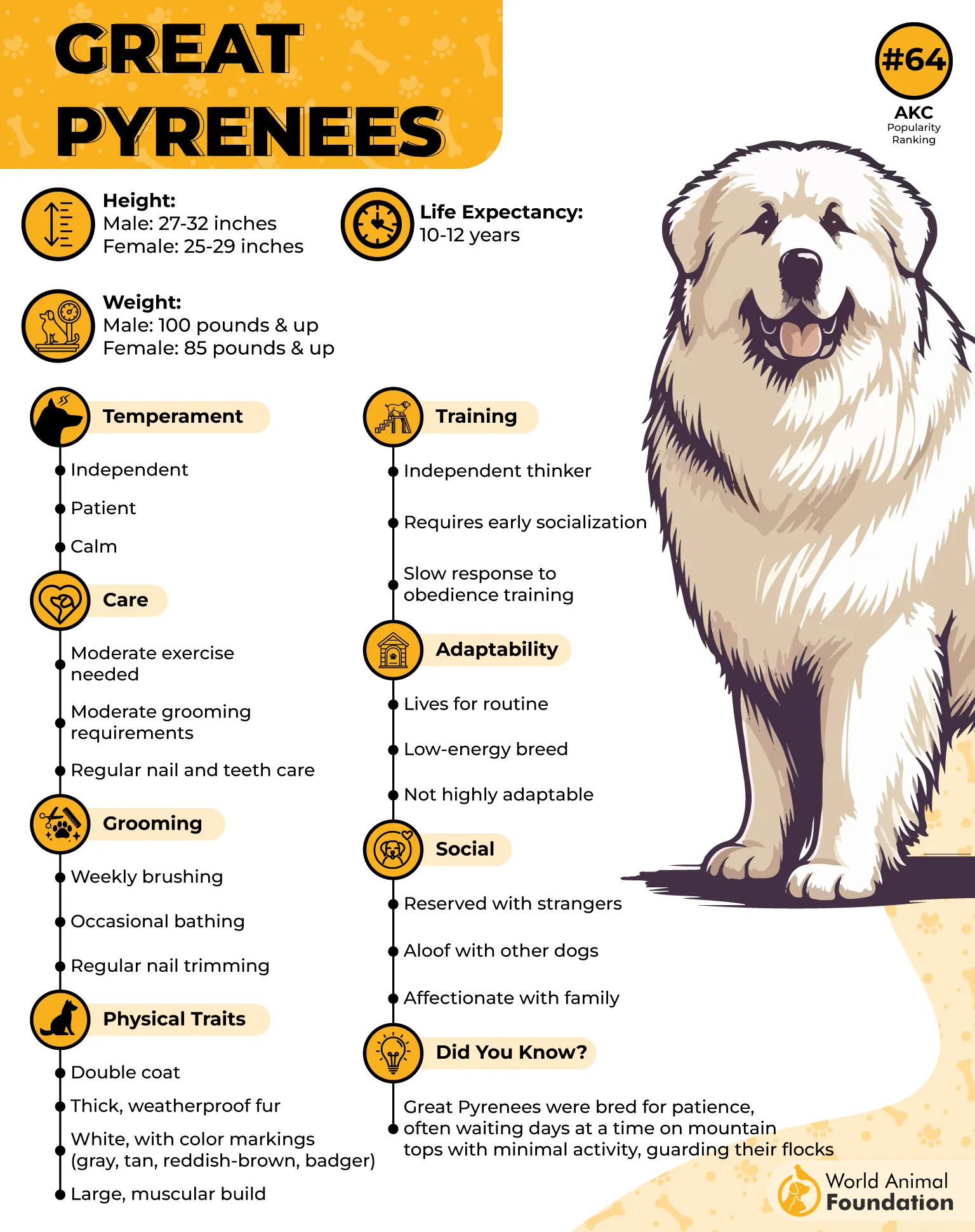
Calm Around Home
Great Pyrenees prefers a quieter daily routine and often appreciates having a peaceful place away from constant activity or playful companions. That independent nature can also make training progress slower, requiring consistency and patience instead of frequent repetition.
5. Samoyed
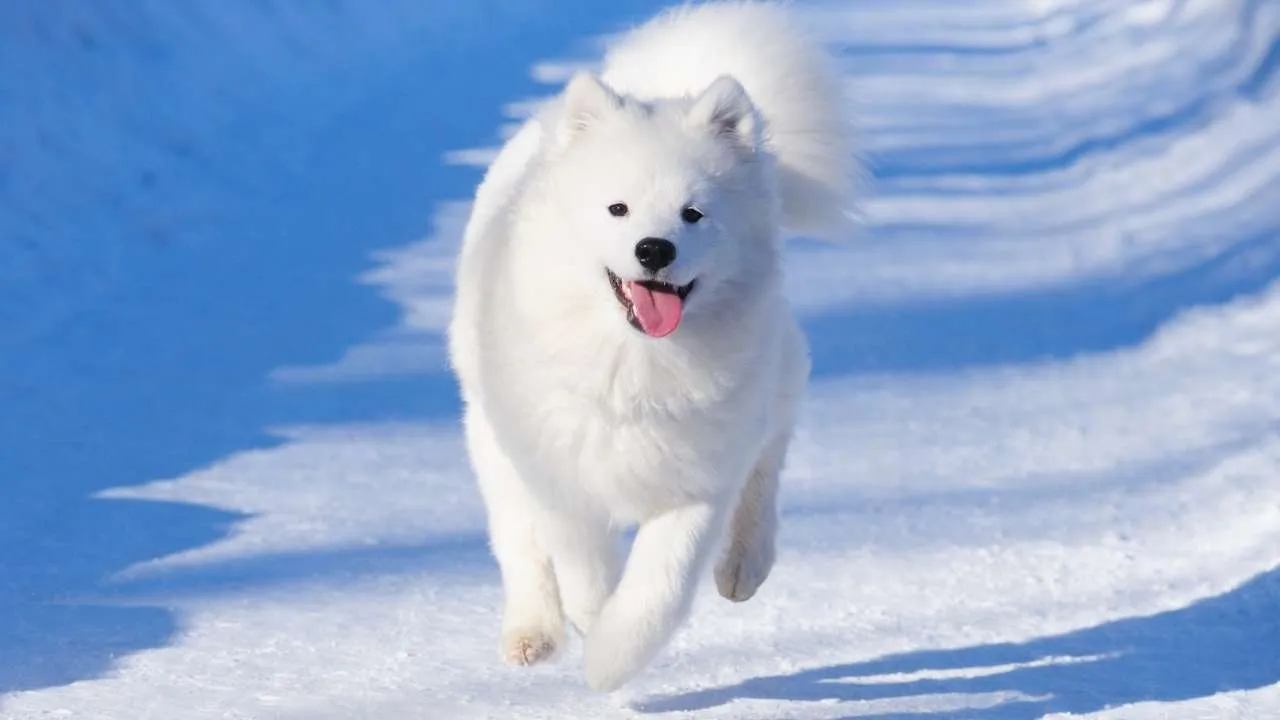
Samoyed spent generations alongside the Samoyede people of Siberia, where dependable working dogs were essential in bitterly cold conditions. That northern heritage also explains why this breed still attracts attention wherever its bright white appearance appears.
A Coat Built for Winter
Samoyed’s thick fluffy coat combines a dense woolly undercoat with longer guard hairs that lift away from the body, creating its familiar cloud-like outline. In bright sunlight, the outer hairs can even reflect a delicate silver sheen that adds extra dimension to the white coat.
Here are some more details of this bear-like dog:
Upturned mouth helps reduce frozen drool
Comfortable in temperatures near minus 60 degrees
Requires brushing a few times a week
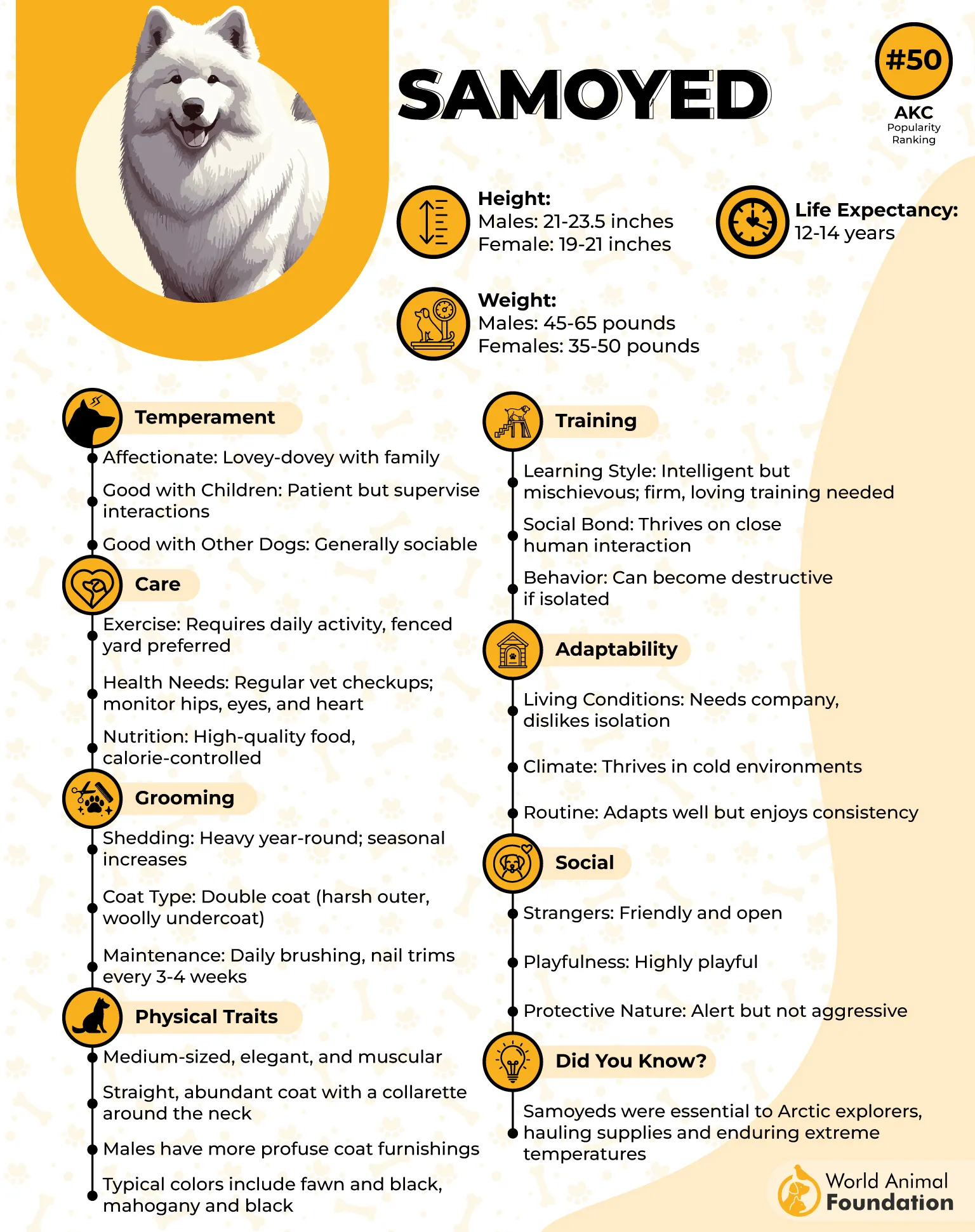
More Than a Smile
Samoyed’s famous smile has a practical purpose because the lifted corners of the mouth help limit drooling during freezing weather. This social and intelligent breed also enjoys regular interaction, making long periods without company a poor fit for its personality.
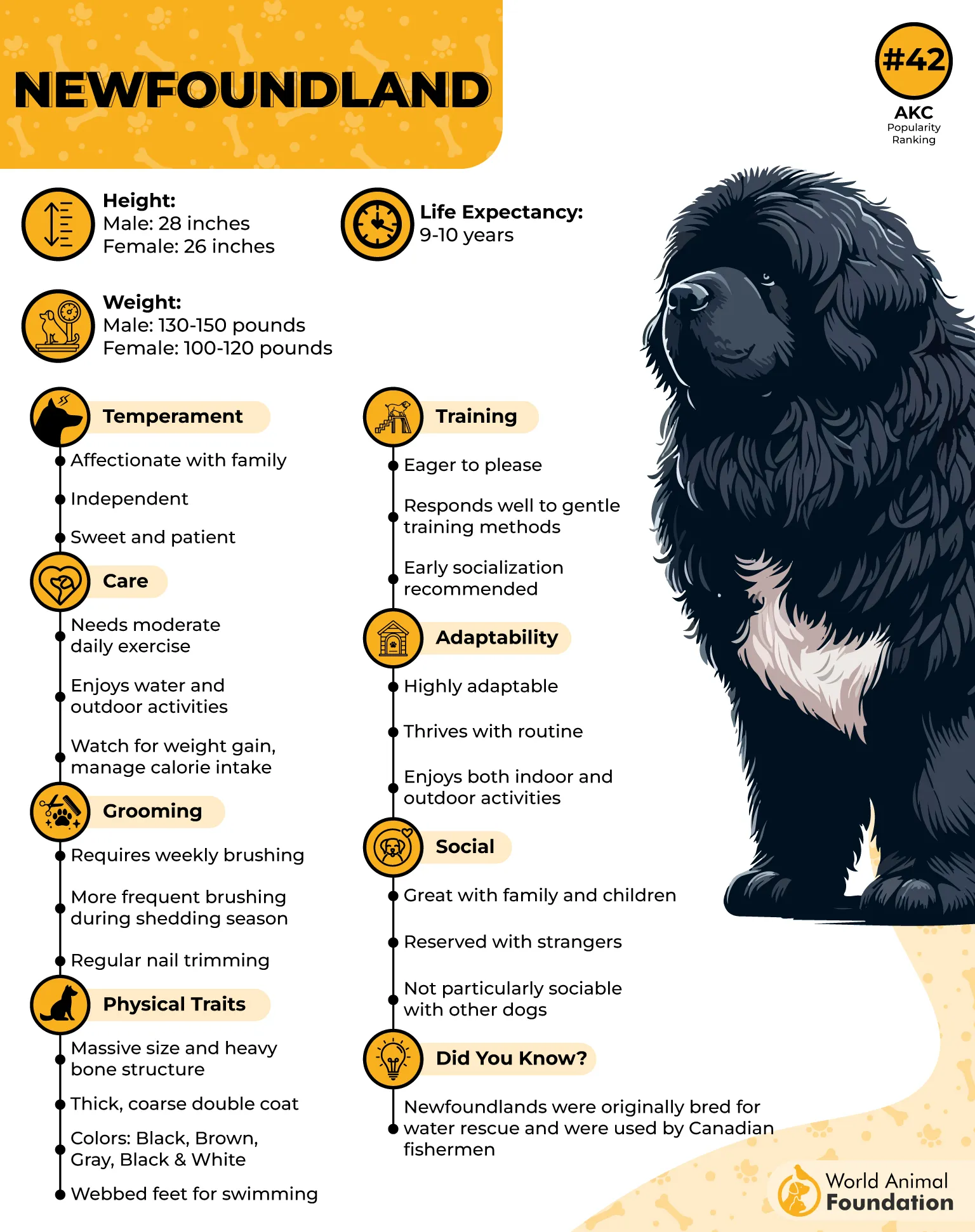
6. Newfoundland
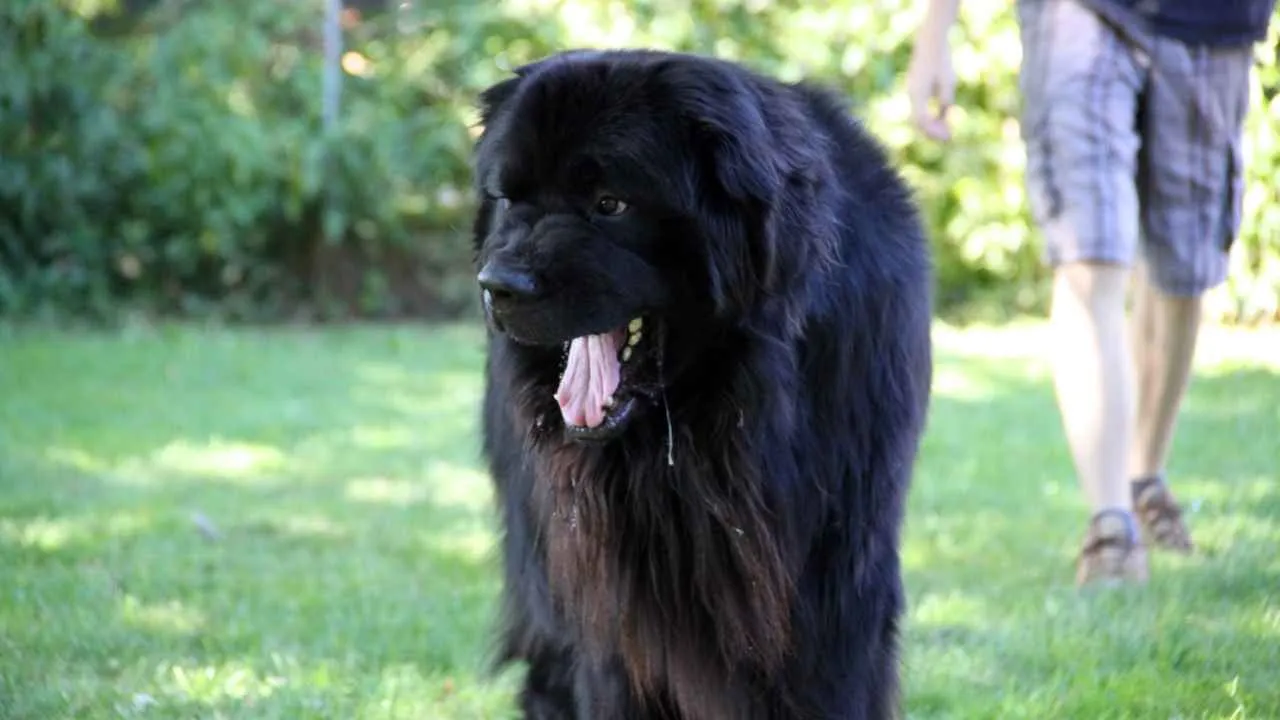
Newfoundland is known for an enormous frame with a calm, welcoming expression that gives this giant breed an unexpectedly soft appearance. Its patient nature around children helped establish the “nanny dog” reputation, while a gentle temperament remains the quality most closely associated with the breed.
Wrapped in Plush
With its dense double coat adding extra volume, the Newfoundland has the soft, oversized look that makes it so easy to mistake for a giant teddy bear. A dense, oily undercoat works beneath a long outer layer that helps repel water and debris while adding remarkable volume.
Its unique qualities continue below:
Fully webbed feet for swimming
Broad tail with heavy feathering
Flat or slightly wavy outer coat
Calm Companion
As a great family dog, they respond well to gentle guidance and approach family life with a trusting attitude that makes training more rewarding. Beneath the impressive size is a dog with a soft expression, an affectionate personality, and a steady presence that naturally draws people closer.
7. Caucasian Shepherd
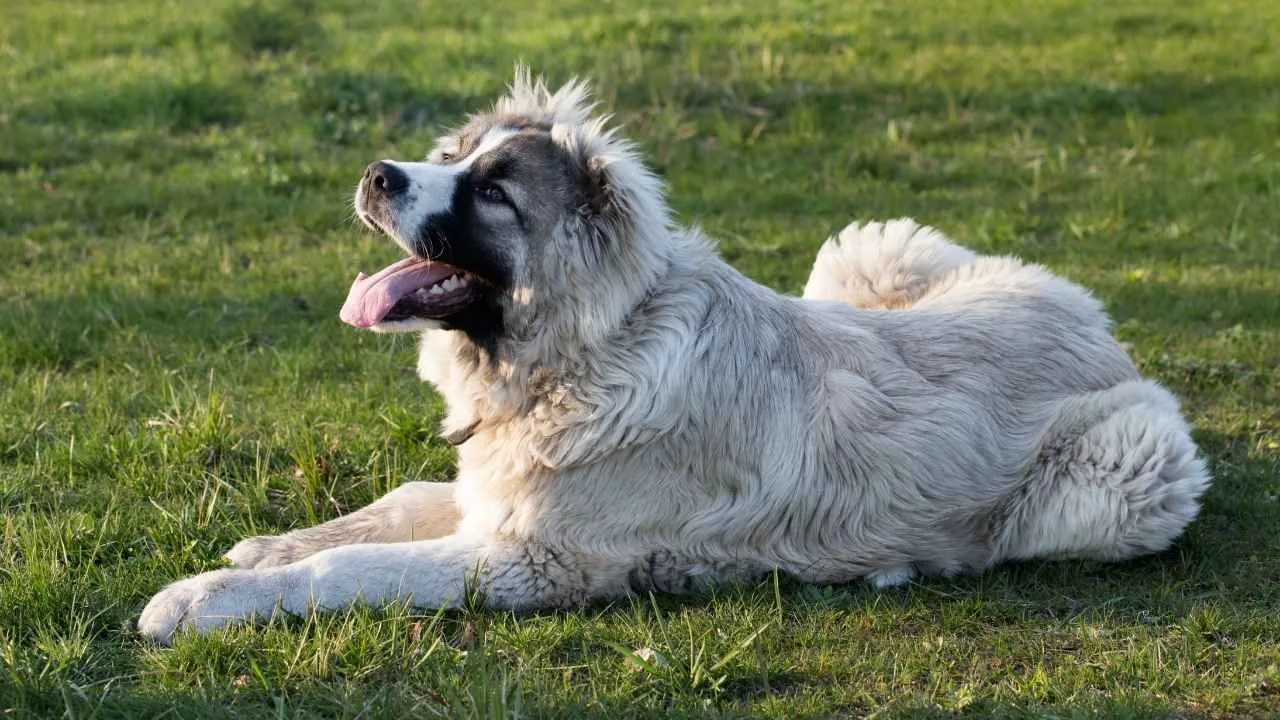
Caucasian Shepherd built its reputation in the rugged Caucasus region between Europe and Asia, taking on the demanding task of protecting livestock and property from determined predators. That purpose shaped a confident, deeply loyal breed with exceptional guarding instincts.
A Coat Built for More
Its remarkable fluff helps the dog handle bitter and extreme cold while adding protection against animal attacks. The long-coated “Bear” variety creates the fullest silhouette, thanks to thick fur around the neck and hindquarters.
Its unique qualities continue below:
Dense, woolly undercoat for heat retention
Feathered tail that lifts slightly when alert
Moderately shed year-round
Calm With Family
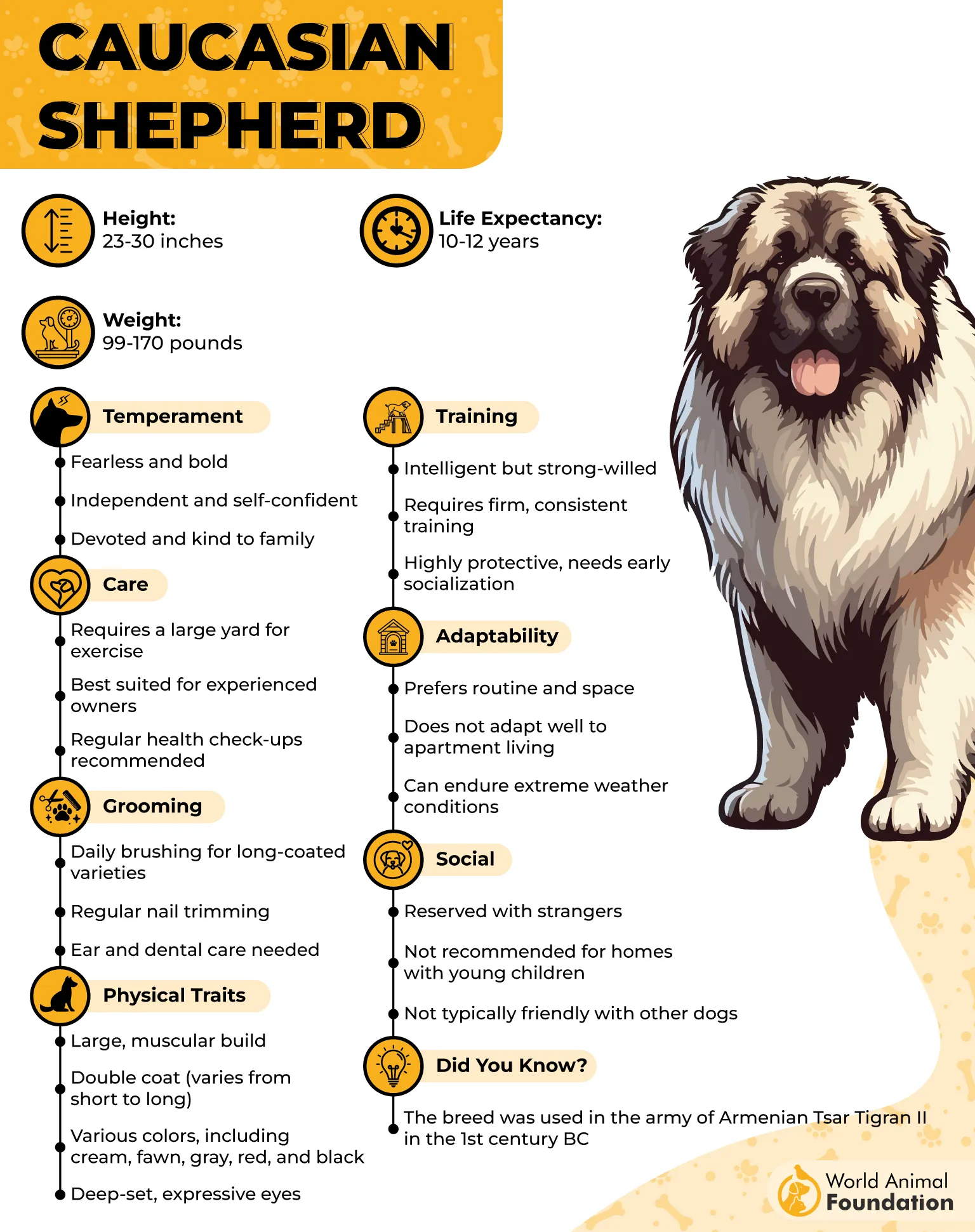
Caucasian Shepherd responds to genuine threats with confidence, yet its attitude changes noticeably around the people and household animals it accepts. That balance between watchfulness and gentle family interactions gives the breed a personality as distinctive as its appearance.
Conclusion
Fluffy coats and rounded faces may create an irresistible first impression, yet those charming features tell only part of the story. Every companion also brings different exercise needs, grooming routines, personality traits, an affectionate nature, and cuddly temperaments that influence everyday life far more than appearance alone ever could.
Taking time to understand those differences makes choosing a companion much easier and far more rewarding for dog owners and dog lovers alike. A thoughtful decision helps match your home, routine, and expectations with the right personality, creating a lasting friendship with a loyal furry friend where comfort and companionship continue to grow naturally through the years ahead.
