




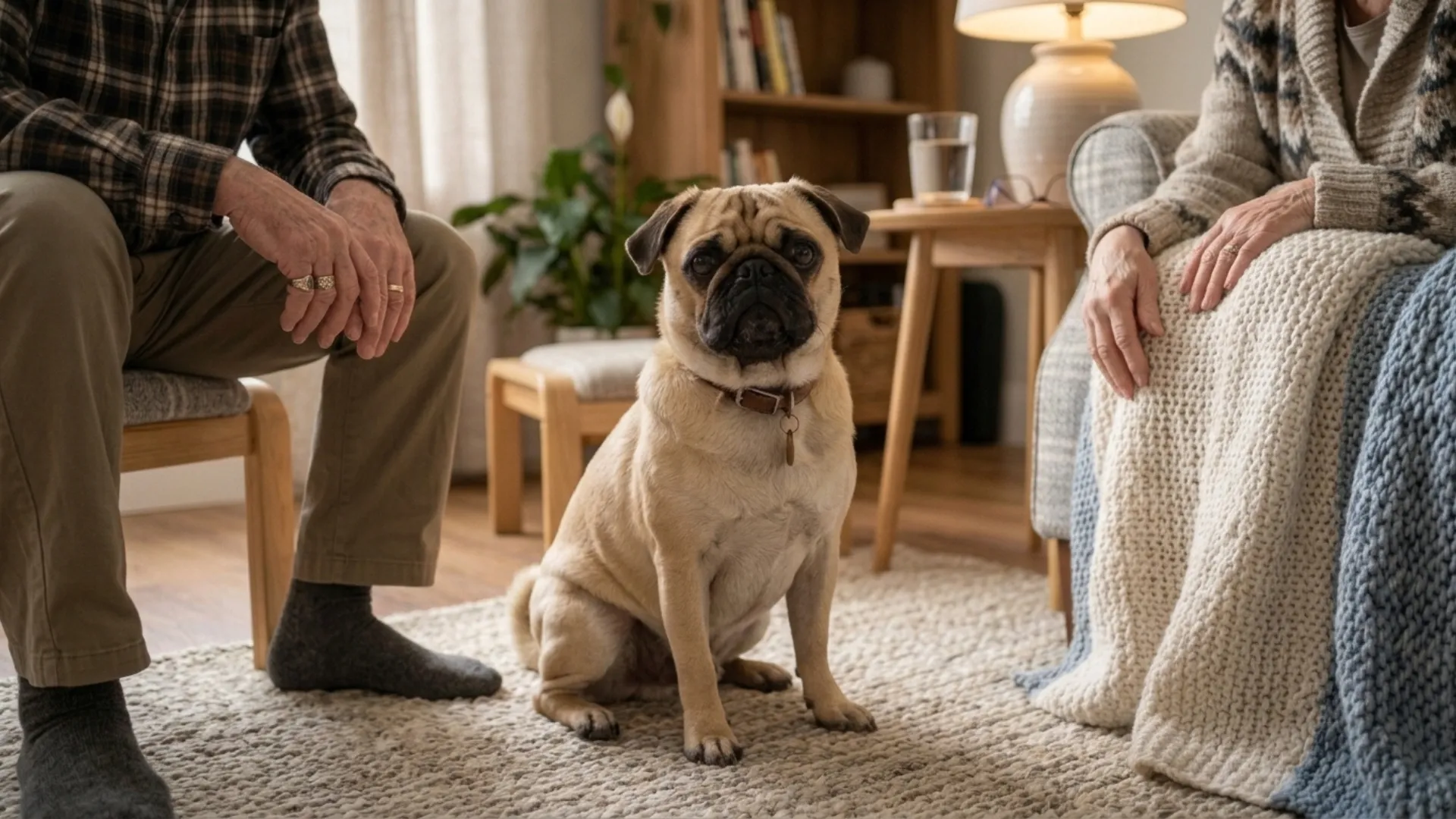
Retirement can create more room for peaceful mornings, relaxed afternoons, and the kind of daily companionship that makes a house feel properly lived in.
A well-matched dog can bring affection, gentle activity, conversation starters, and a comforting routine without turning every day into an extreme fitness challenge. Basically, the right canine bestie can make ordinary moments feel far less ordinary.
Research on pets and older adults is encouraging, although it should not be exaggerated into a magical medical promise. One study of 830 primary-care patients aged 60 and older found that pet owners were 36 percent less likely to report loneliness, but the cross-sectional design means it could not prove that pets directly caused the difference.
Let’s talk about the best dog breeds for seniors looking for a best friend!
Best Dog Breeds for Seniors Looking for a Best Friend
1. Cavalier King Charles Spaniel
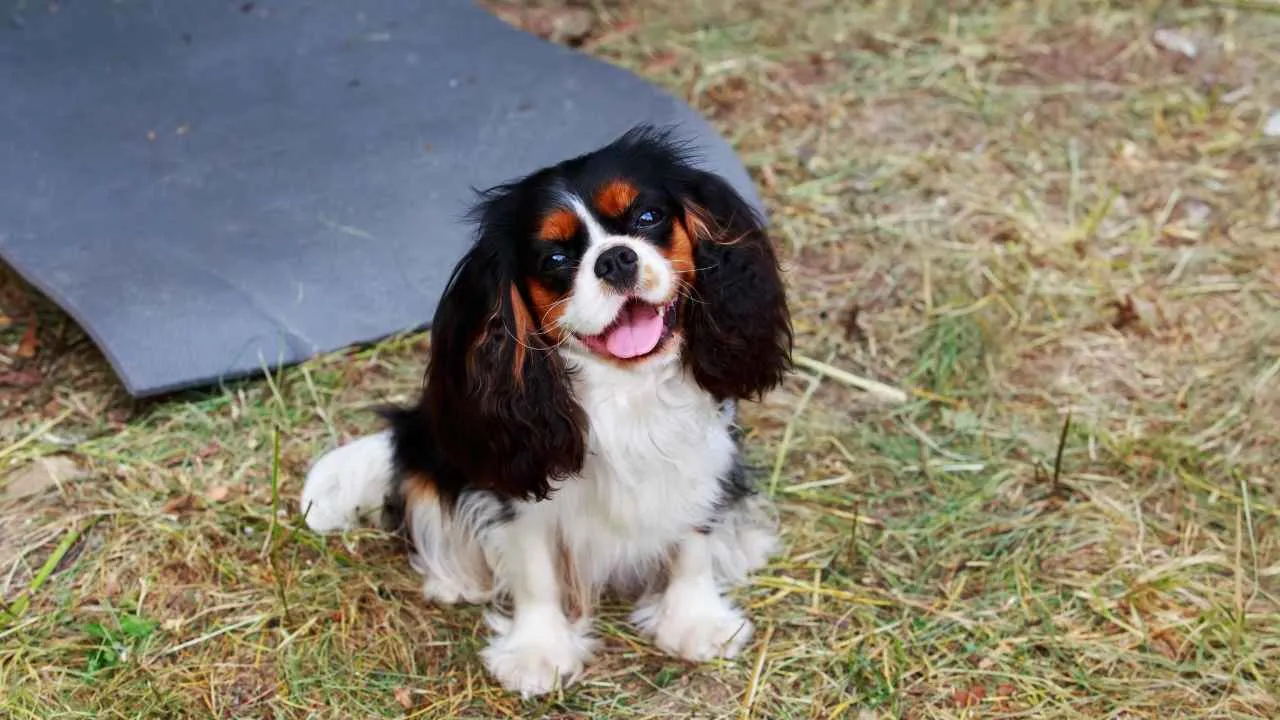
The Cavalier King Charles Spaniel is affectionate, gentle, social, and blessed with the kind of soft expression that could probably win an argument without making a sound. This balance between sofa snuggler and cheerful walking partner makes them highly adaptable for older adults with moderate activity levels.
The American Kennel Club lists Cavaliers as small pups, making them manageable for many seniors without being extremely fragile. Their size allows them to fit comfortably into apartments, retirement communities, smaller houses, and vehicles used for family visits or veterinary appointments.
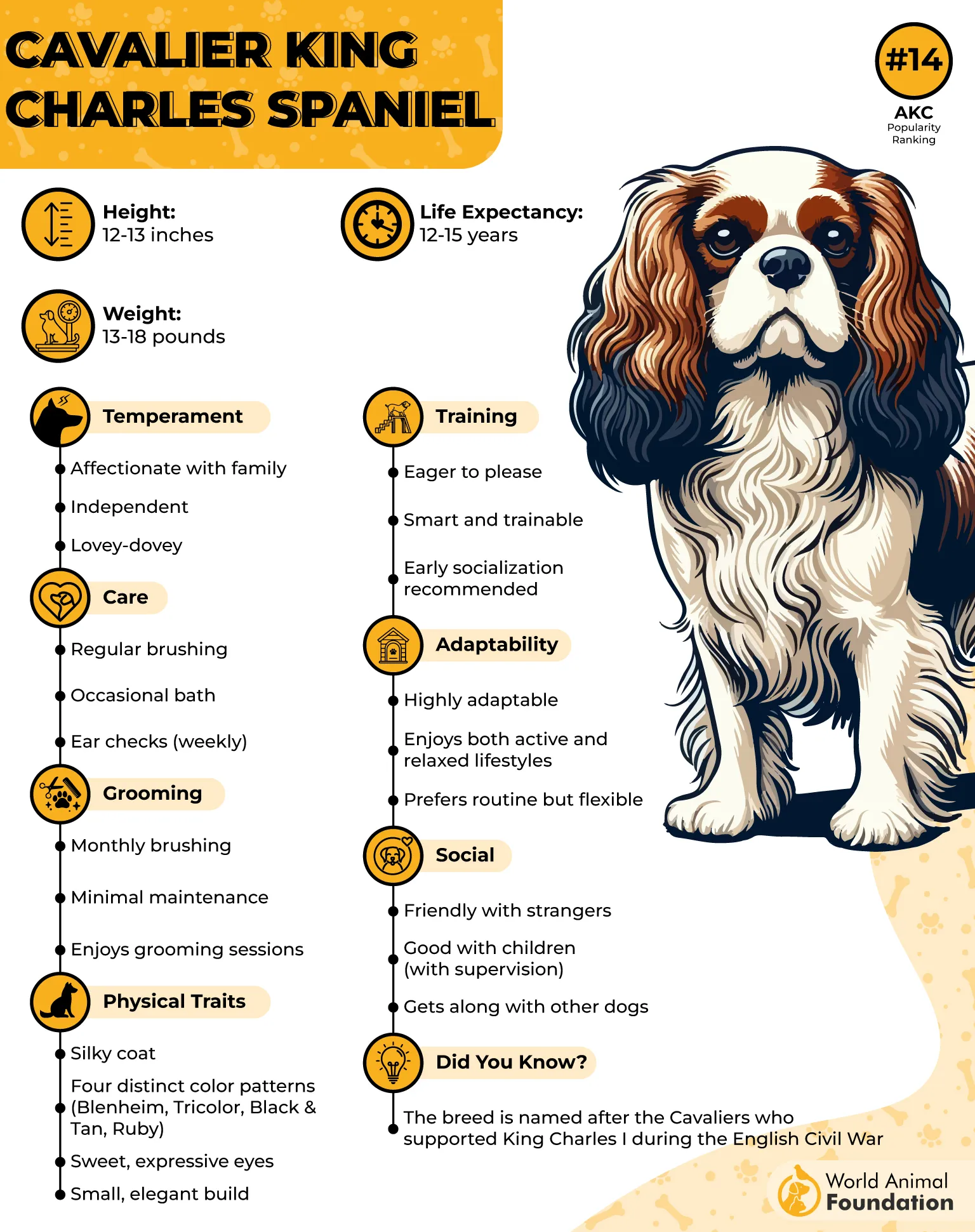
They generally enjoy short walks, gentle games, sniffing sessions, and relaxed time outdoors rather than demanding hours of intense exercise.
Companionship is where this breed truly shines. A dog with a sweet nature will often curl beside its owner during television time, follow them between rooms, and enthusiastically welcome visiting relatives without needing to be the loudest creature in the building.
Their friendly nature can also encourage conversations with neighbors, other walkers, community staff, and fellow dog owners. Their portable size makes everyday handling, car travel, and veterinary visits less physically demanding than managing a giant breed.
2. Pug
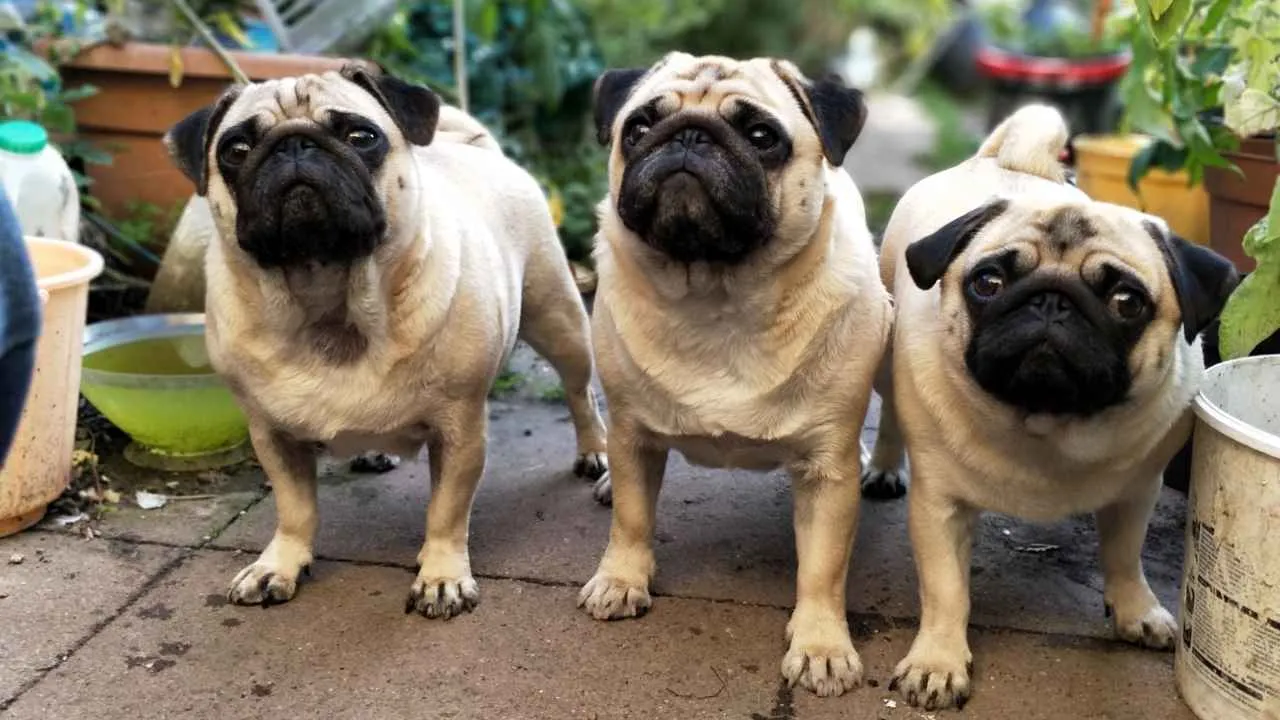
Pugs, known for their calm demeanor, were developed primarily for companionship, so they are usually happiest when included in their owner’s daily routine. A calm retiree who enjoys reading, watching television, chatting with visitors, or taking slow neighborhood walks may find the Pug’s vibe extremely compatible.
These couch potatoes are generally friendly, loyal, and sociable with familiar adults, visitors, children, and other household pets when introductions are handled properly. They are people-oriented dogs rather than distant observers, meaning they tend to seek physical closeness and emotional involvement.
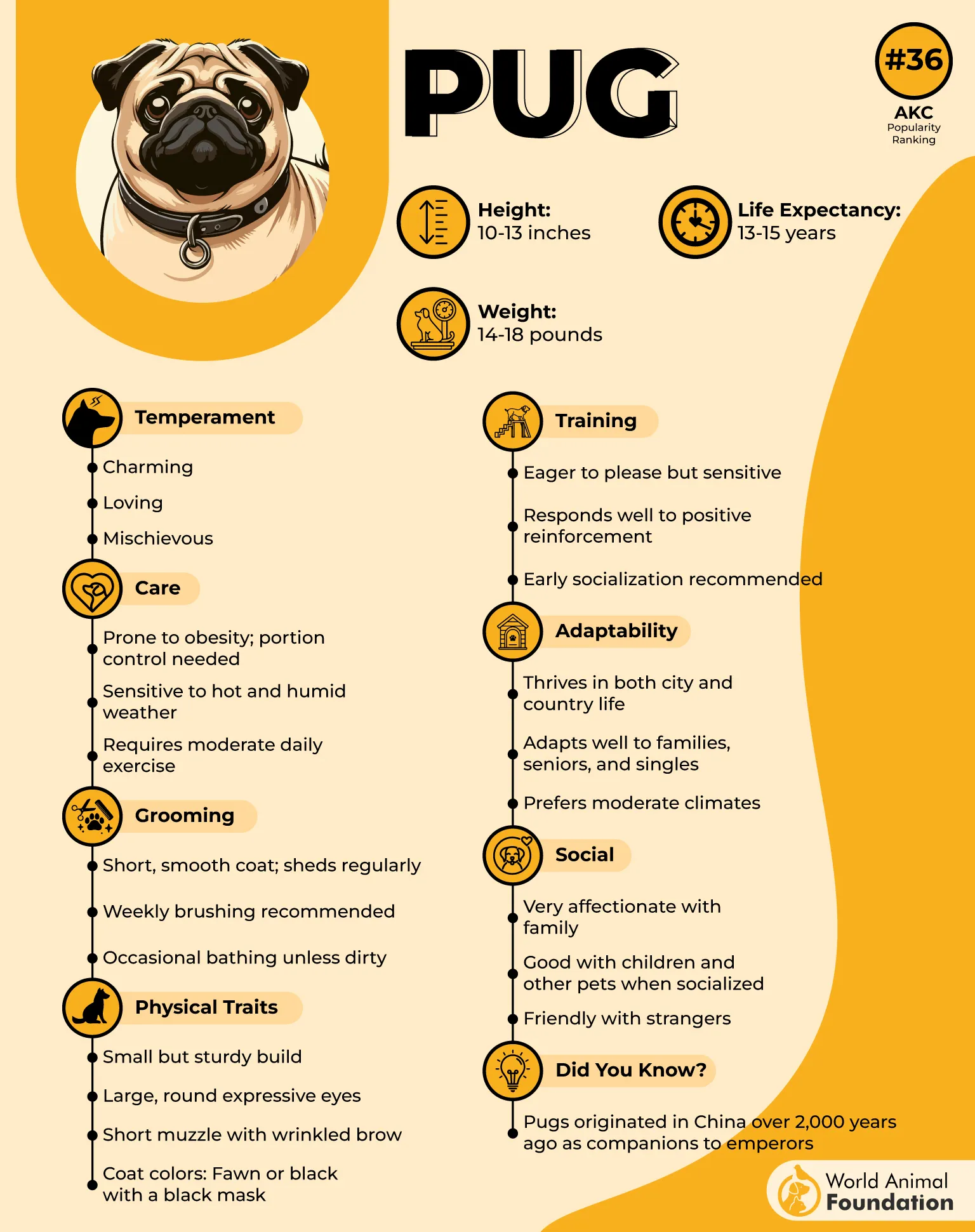
Their exercise requirements are manageable for many older adults because they usually do not require lengthy hikes or fast-paced running. Short walks, indoor games, and supervised yard time can provide suitable activity while limiting strain in warm weather.
The short coat is easy to brush, but they can shed more than their smooth appearance suggests. They need minimal grooming. Weekly sessions help collect loose hair, while facial wrinkles must be gently cleaned and thoroughly dried to prevent moisture and debris from becoming trapped.
A senior considering this lap dog should discuss respiratory health, eye care, weight, temperature safety, and emergency warning signs with a veterinarian before adoption.
3. Japanese Chin
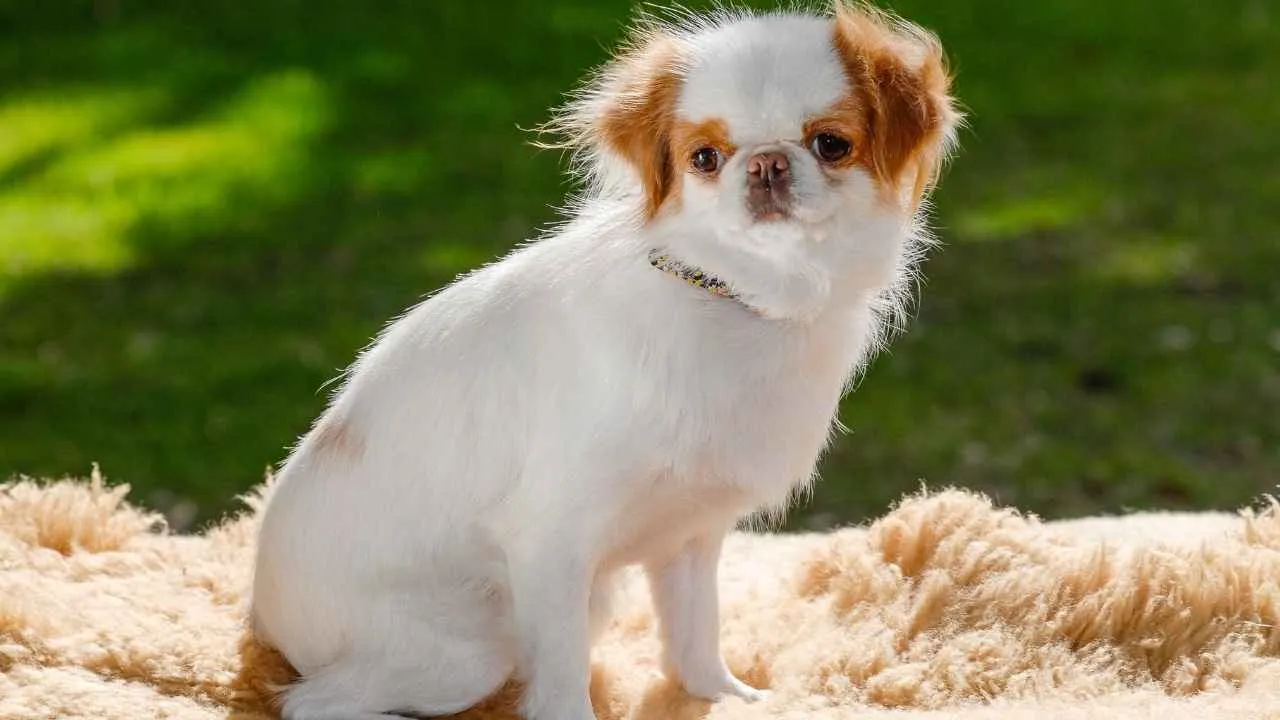
The Japanese Chin is tiny, graceful, and frequently described as cat-like because it enjoys climbing, perching, self-grooming, and occasionally pretending not to hear perfectly reasonable requests.
These pups were developed specifically as companions, and they tend to prefer indoor life close to their chosen humans. They can sit peacefully on a lap or chair for long periods before suddenly launching into a joyful burst of play around the room.
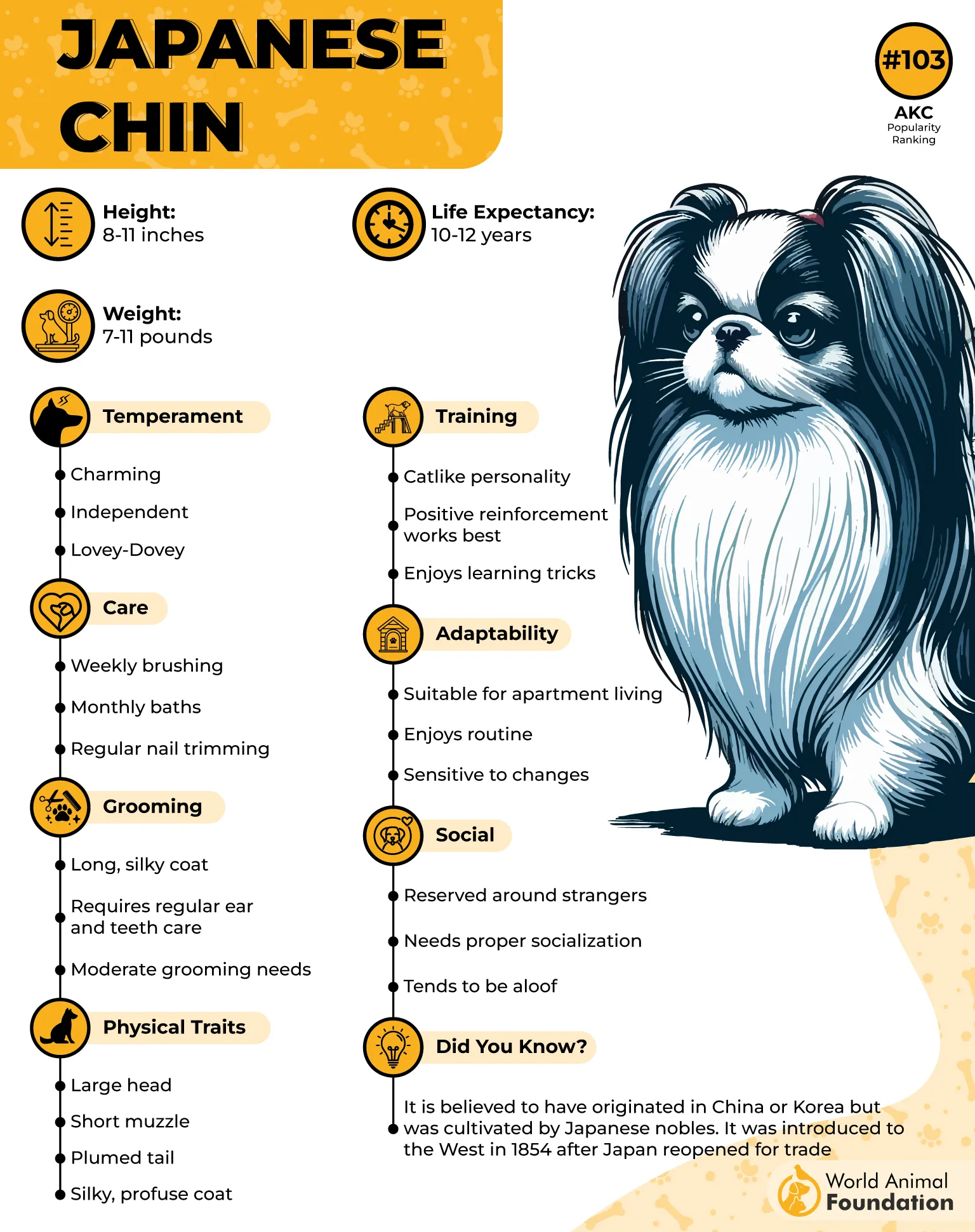
The popular dog breed is generally quiet compared with many other small dogs, which can be a major advantage in apartments or independent-living communities. These Japanese dogs may alert their owners to unusual activity, but excessive barking is not typically their defining feature.
Their tiny frame is convenient for smaller homes, elevators, car journeys, and manageable indoor exercise. Naturally calm behavior can fit shared residential settings where nonstop barking would create tension. Playful bursts provide entertainment, while their love of laps and soft furniture supports a slower daily rhythm.
4. Bolognese
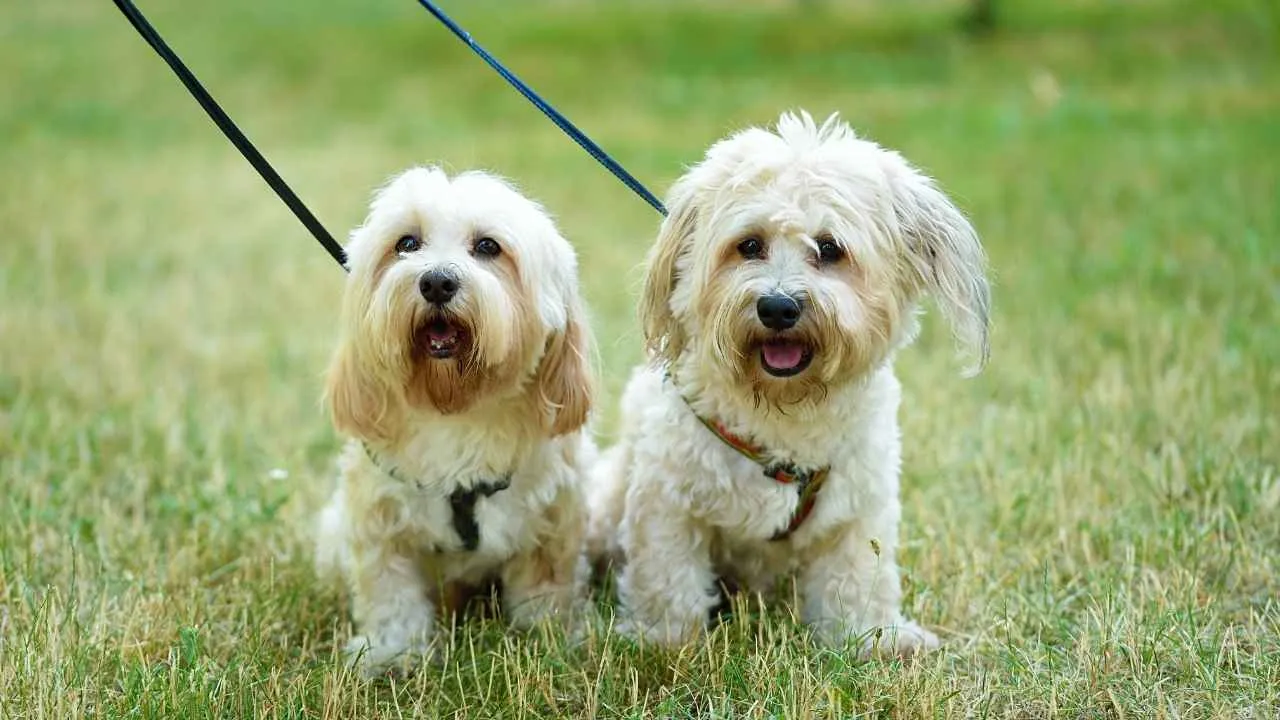
The Bolognese may resemble a fluffy decorative cloud, but behind that soft white coat is an intelligent, observant, and surprisingly witty companion. Its peaceful personality can be a lovely match for seniors who want affection without a dog attempting parkour across the furniture from sunrise to midnight.
With an adaptable personality, they are devoted to their people and often form extremely close relationships within a single household. They usually enjoy lap time, gentle play, following their owner around, and participating in quiet home routines.
That devotion can become separation anxiety when they are left alone for long periods. Hence, the breed works best for retirees or home-focused adults who genuinely want a constant companion.
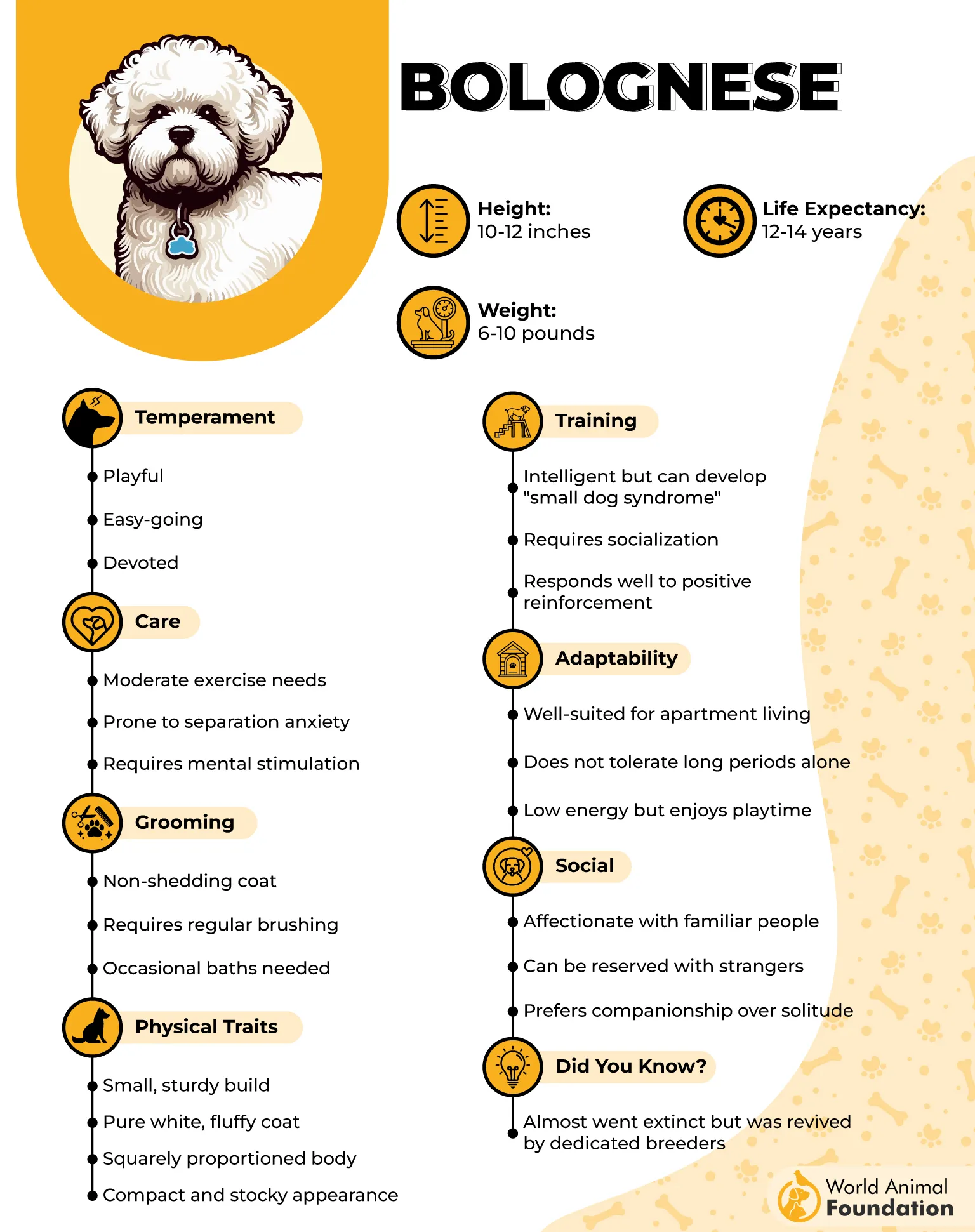
Their compact size allows them to live comfortably in apartments, houses, senior communities, or rural homes as long as they receive regular outdoor breaks and mental stimulation. Slow leash walks, food puzzles, hide-and-seek, trick training, and toys rolled along the floor can satisfy them without high-impact exercise.
Low-key games and relaxed walks offer enrichment without placing major physical demands on the owner.
5. Brussels Griffon
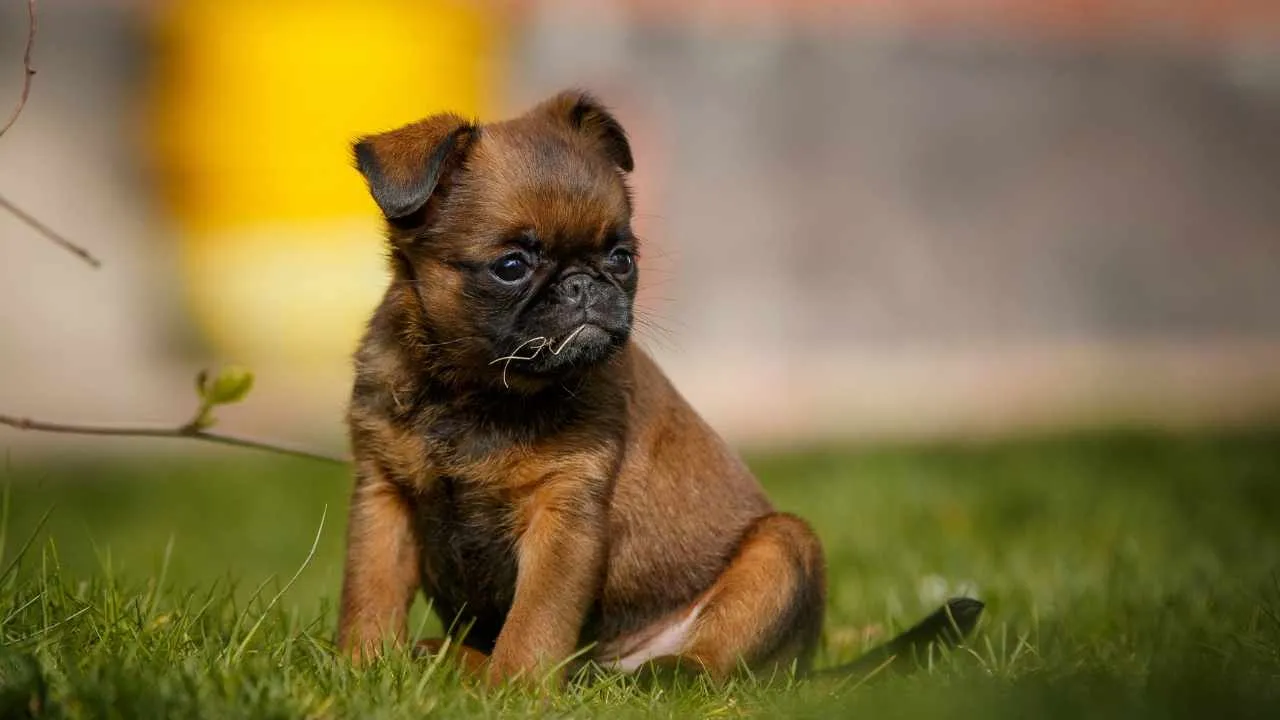
The Brussels Griffon looks like a tiny philosopher who has just read your text messages and formed several complicated opinions. Known for its expressive, almost human-like face, the breed packs curiosity, loyalty, confidence, and comedy into a very small body.
Griffons tend to bond intensely with their people and often follow a favorite owner from room to room. They are affectionate enough to enjoy serious couch cuddling, yet active enough to bring games, curiosity, and playful chaos into the day.
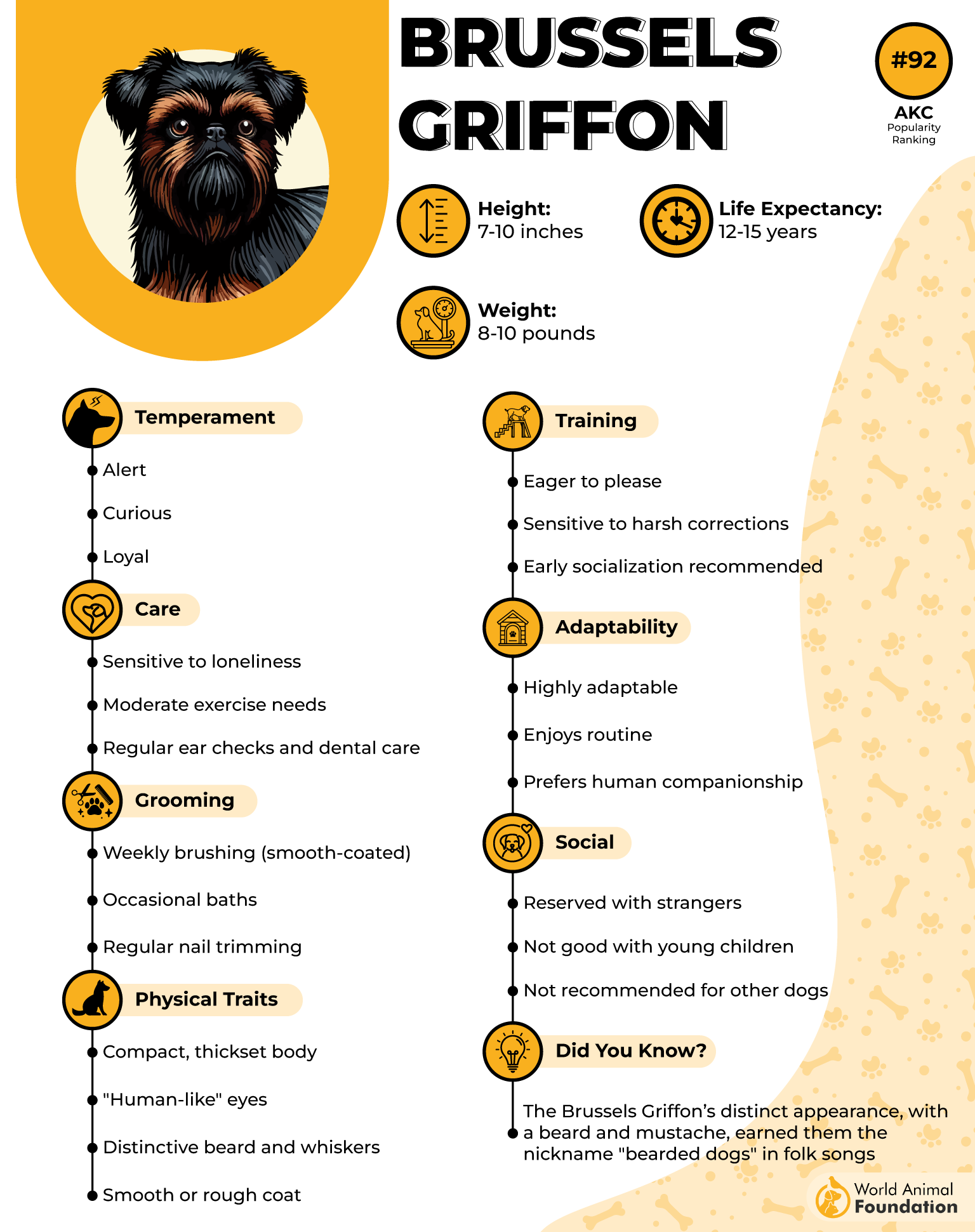
This is not always a passive lapdog, so the ideal senior owner wants interaction and humor rather than a decorative companion who sleeps through every event.
Griffons are emotionally sensitive, suggests Purina, and can become shy or reactive when socialization is skipped or when correction is harsh. Their short muzzle can also contribute to breathing trouble and heat sensitivity, so outdoor activity requires caution in warm or humid weather.
They provide a strong emotional presence without the strength or ability to handle challenges associated with a large dog. Their moderate exercise can be divided into short, accessible sessions throughout the day.
6. Havanese
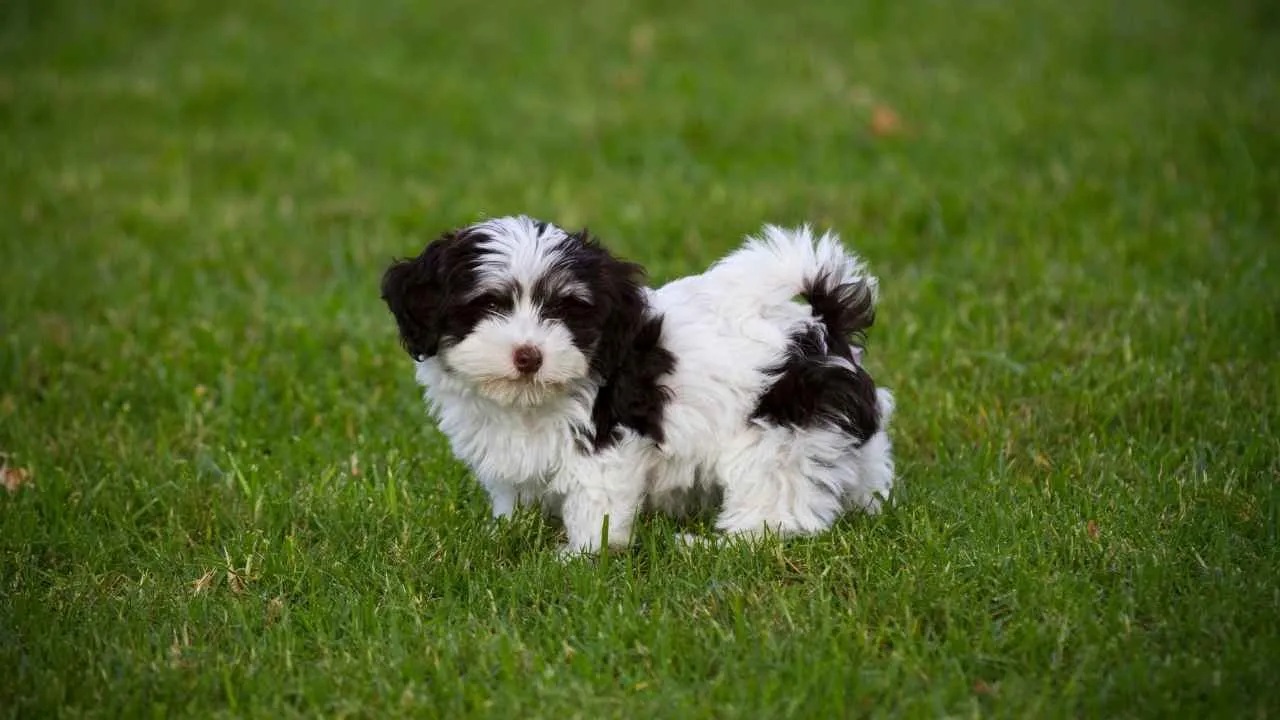
The Havanese is Cuba’s only native dog breed and a cheerful companion known for intelligence, sociability, and a bouncy little walking style. Their long potential lifespan is wonderful, but it also makes a backup-care plan especially important for older adults adopting a young puppy.
These dogs tend to be outgoing, funny, and deeply interested in whatever their humans are doing, suggests Omlet. They can live successfully in apartments, suburban homes, and senior communities because they do not require a massive yard to remain content.
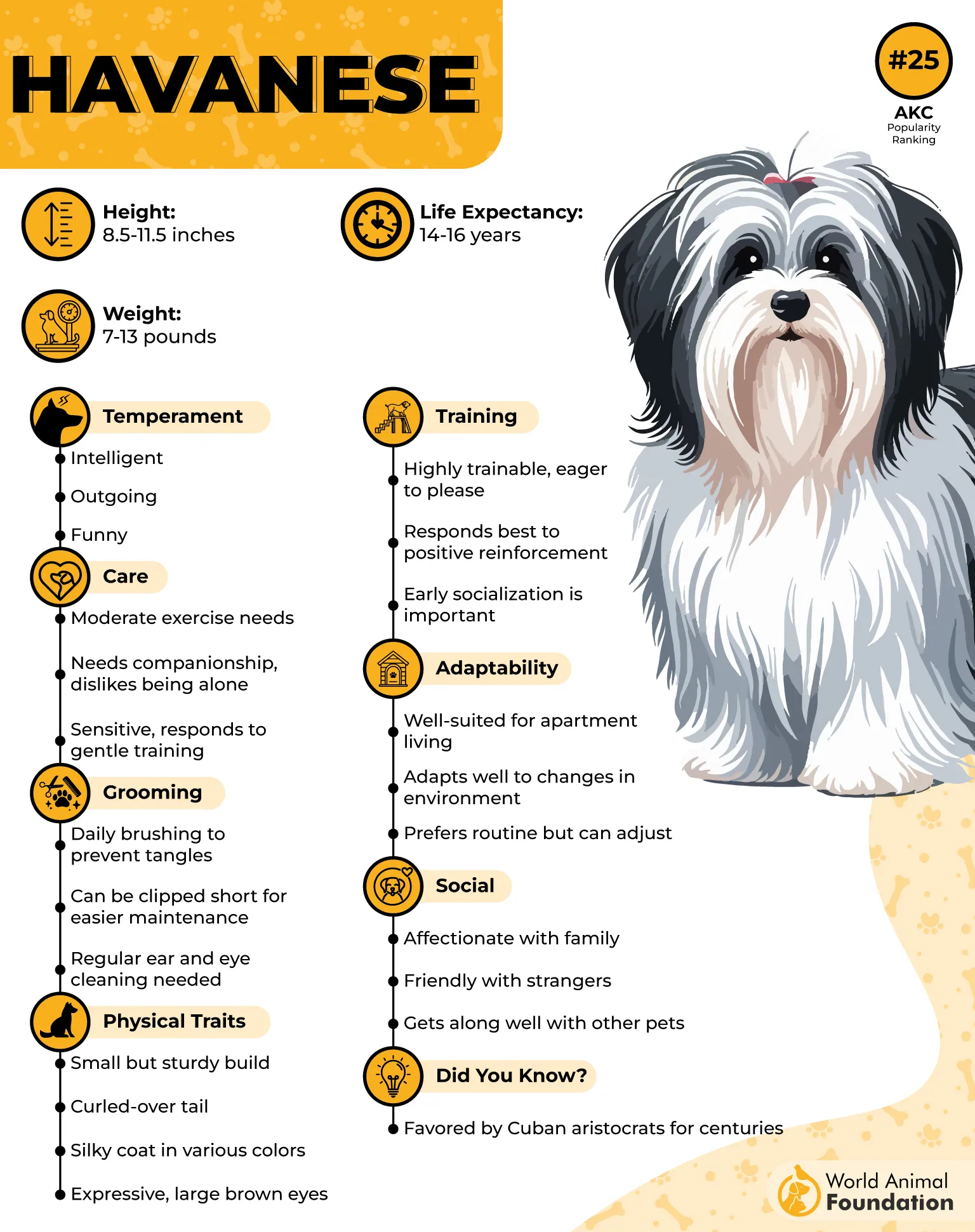
Havanese dogs have moderate exercise needs that are often met with a brisk daily walk, indoor play, or supervised play in a small yard. They are not designed for exhausting endurance work, and activity should stop when the dog begins to struggle or pant excessively.
Seniors can adjust the routine according to their mobility by combining shorter walks with training games and puzzle toys. Early socialization helps them remain confident around visitors, during grooming appointments, in new locations, and around friendly animals.
Their adaptable exercise routine can combine outdoor walking with safe indoor play on days when mobility or weather conditions make outdoor activity difficult. An outgoing temperament may encourage friendly conversations and greater involvement within the local community.
7. Coton de Tulear
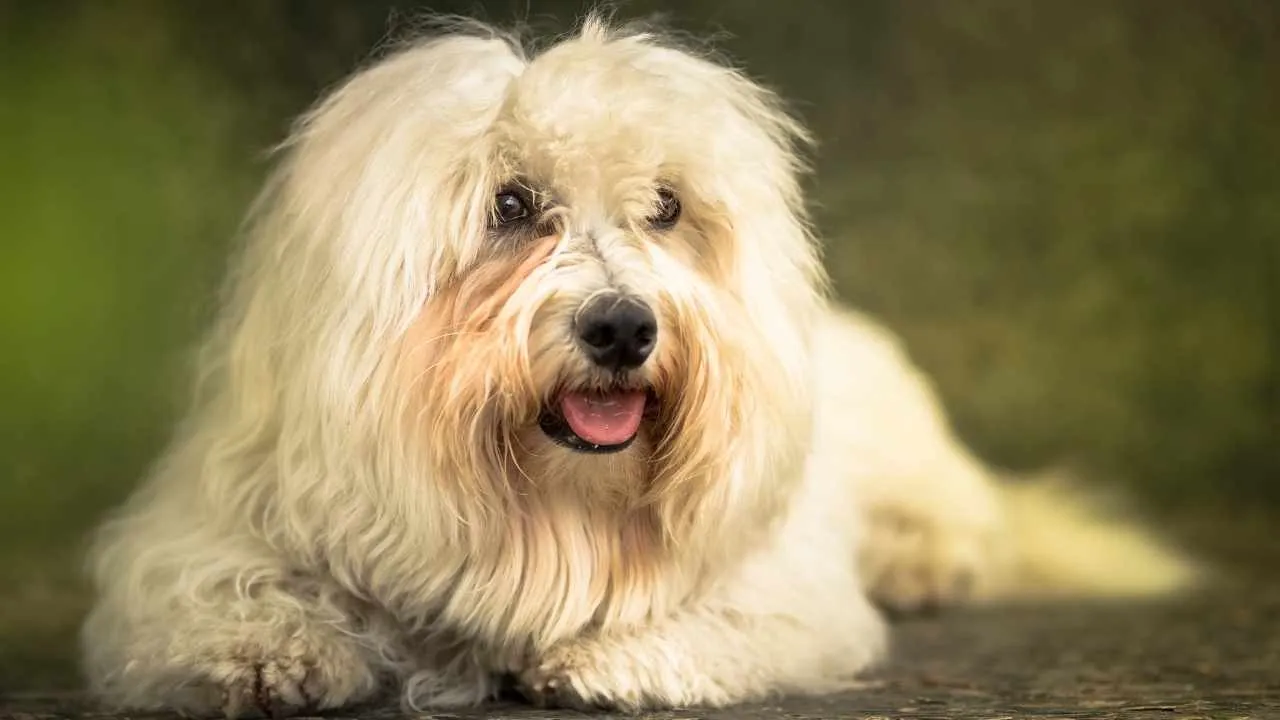
The Coton de Tulear is nicknamed the Royal Dog of Madagascar, although its daily behavior is often closer to a cheerful household comedian than distant aristocracy.
They may follow an owner from room to room, react sensitively to emotions, and make amusing movements or vocalizations when seeking attention. For a retiree wanting a true best friend rather than an occasional roommate, the Coton delivers companionship at maximum settings.
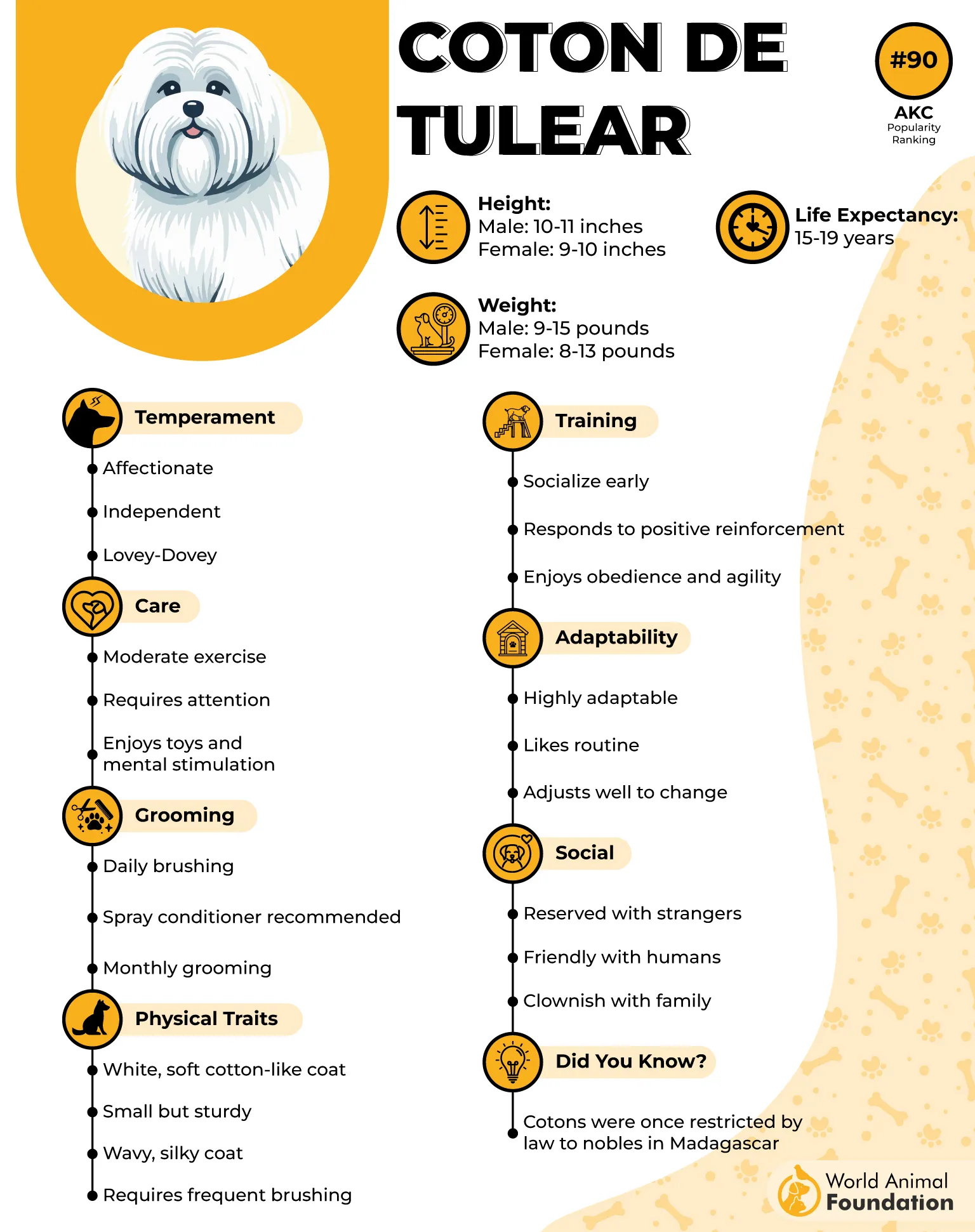
PetMD claims that their activity needs are moderate and can usually be met through daily neighborhood walks, gentle games, and safe opportunities to explore. A slow walk can maintain condition, while retrieving a small toy provides both physical movement and mental engagement.
The main lifestyle concern is their low tolerance for prolonged isolation. Even as senior dogs, they may experience separation-related distress when left alone for many hours, meaning they suit people who enjoy keeping their dog involved in everyday life.
Conclusion
The best dog for a senior is not automatically the quietest, smallest, fluffiest, or most popular breed. It is the dog whose temperament, care needs, age, strength, and energy level fit naturally into the owner’s real life.
Bichon Frises, French Bulldogs, Shih Tzus, Golden Retrievers, Cocker Spaniels, Malteses, and Poodles are also great matches for senior pet owners.
Choose with your head as well as your heart, and that future best friend has a much better chance of becoming the perfect retirement companion.
