




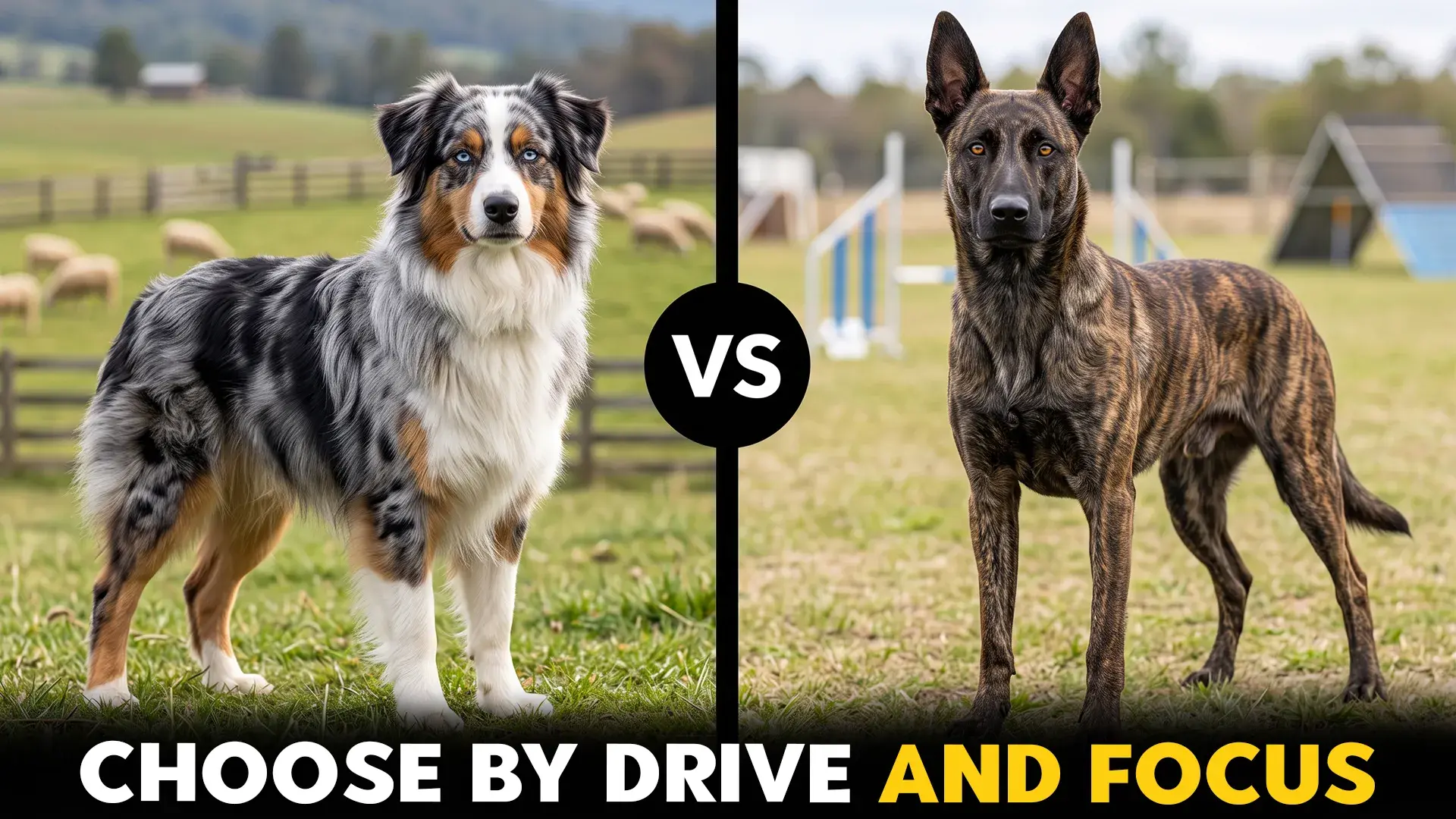
At first glance, the Australian Shepherd and the Dutch Shepherd seem to have a lot in common. Both are intelligent, athletic working dogs with strong herding instincts, impressive stamina, and an eagerness to stay busy. But living with either breed is a very different experience.
One thrives on constant companionship and loves being part of every family adventure, while the other combines loyalty with a more independent working style shaped by generations of farm and service work.
Neither dog is content with a quiet, inactive routine, and both need owners who can match their enthusiasm for training, exercise, and mental challenges. Choosing between them isn’t about deciding which breed is better; it’s about understanding which one fits your lifestyle, experience, and daily routine.
In this comparison, we’ll explore their history, size, temperament, trainability, grooming needs, health, and work drive, helping you confidently choose the shepherd that’s best suited to your home and way of life.
Key Takeaways
Both the Australian Shepherd and the Dutch Shepherd thrive when given regular physical activity and mental challenges.
The Australian Shepherd was refined in the United States, while the Dutch Shepherd originated in the Netherlands as a versatile farm dog.
Australian Shepherds are generally easier to find, whereas Dutch Shepherds remain a relatively rare breed in many parts of the world.
Both breeds are highly intelligent and excel in obedience, agility, herding, tracking, and other working roles with proper training.
Australian Shepherds are deeply people-oriented and form strong bonds with their families, while Dutch Shepherds tend to show a more independent working style.
Australian Shepherd vs. Dutch Shepherd: Which Working Dog Fits Your Lifestyle
Origins & Purpose
The Australian Shepherd and the Dutch Shepherd were both developed as hardworking herding dogs, but their histories followed very different paths.
Despite its name, the Australian Shepherd was refined in the United States, where ranchers valued its intelligence, stamina, and natural ability to manage livestock.
The breed became closely linked with ranch life and rodeos, earning a reputation as a dependable partner capable of handling demanding daily work.
Beyond herding, Australian Shepherds have also excelled in search and rescue, service work, therapy roles, and canine sports because of their versatility and eagerness to learn.
The Dutch Shepherd originated in the rural Netherlands during the 18th century as an all-purpose farm dog. Farmers relied on it to herd sheep, guard property, and perform a variety of everyday tasks independently.
Over time, its adaptability made it a natural fit for police work, military service, search and rescue, tracking, and obedience. Although still relatively rare, the Dutch Shepherd remains admired for its strong work ethic and remarkable versatility.
Size & Build
Both the Australian Shepherd and the Dutch Shepherd are medium-sized breeds built for endurance, agility, and long hours of physical activity, but they have noticeable differences in appearance.
The Australian Shepherd has a solid, muscular frame with a body that is slightly longer than it is tall. Males generally stand 20-23 inches tall, while females measure around 18-21 inches.
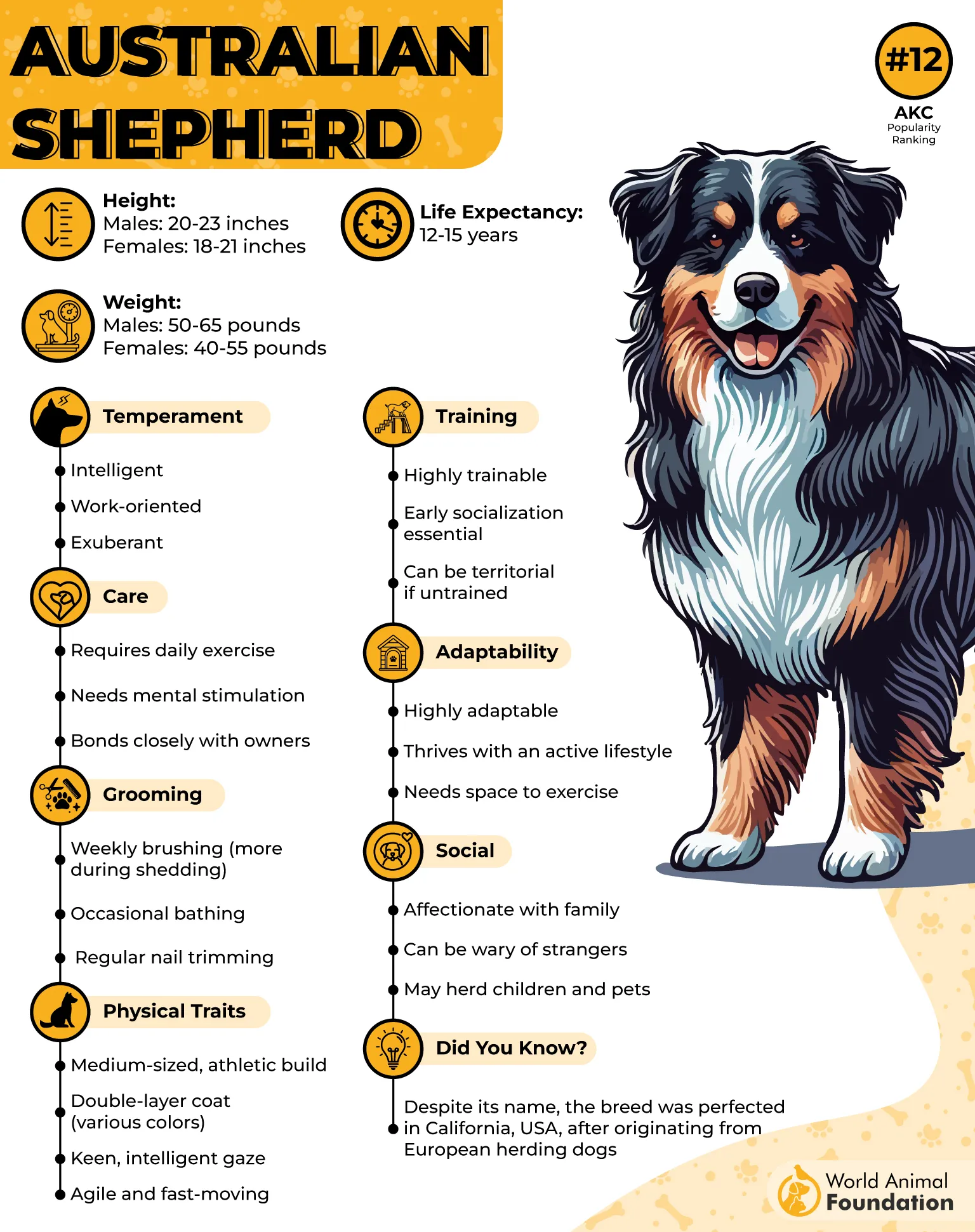
They usually weigh between 42 and 64 pounds. Their weather-resistant double coat may be straight or slightly wavy and comes in colors including black, blue merle, red merle, and red, with or without tan markings.
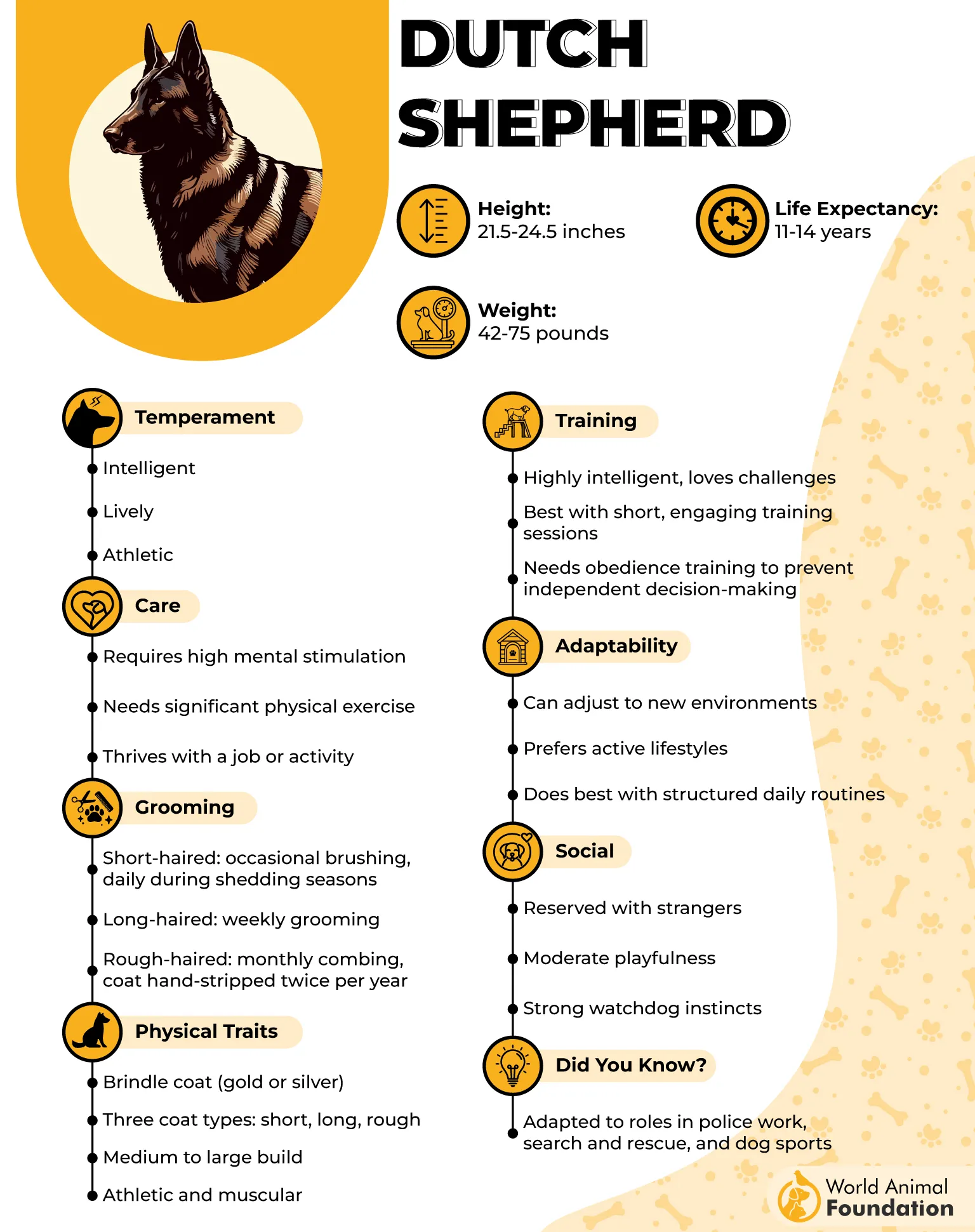
The Dutch Shepherd has a leaner, more athletic build designed for speed and stamina. Adults typically stand 21–25 inches at the shoulder and weigh about 42–70 pounds. Its dense, weather-resistant coat is most commonly brindle, giving the breed a distinctive appearance.
Both breeds are physically capable workers, but the Dutch Shepherd often appears slightly more streamlined, while the Australian Shepherd has a more rugged ranch-dog look.
Pricing & Availability
The Australian Shepherd is one of the more widely recognized working breeds, making it easier to find through reputable breeders and, in some areas, breed-specific rescues or shelters.
Its popularity as both a family companion and working dog has helped maintain steady availability.
Because Australian Shepherd mixes are also fairly common, prospective owners may have additional adoption opportunities, although the temperament of mixed-breed dogs can vary depending on their genetic background.
The Dutch Shepherd is considerably rarer. Although highly respected for its intelligence and working ability, the breed remains uncommon outside its native Netherlands.
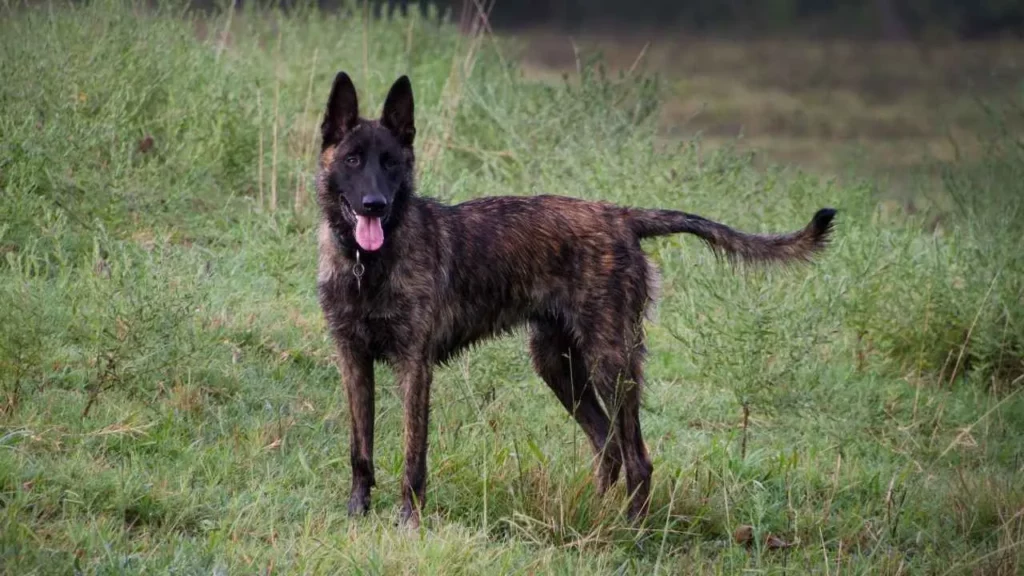
Historical population declines following World War II contributed to its limited numbers, and careful breeding practices continue today. As a result, finding a responsibly bred Dutch Shepherd often requires patience and joining a waiting list.
Prospective owners may also have fewer opportunities to adopt one through shelters or rescues. If availability is an important factor, the Australian Shepherd is generally easier to locate, while the Dutch Shepherd may require a longer search.
Temperament & Personality Style
The Australian Shepherd is an affectionate, highly intelligent breed that forms deep bonds with its family. Often described as a “velcro dog,” it prefers staying close to its favorite people and enjoys being involved in everyday activities.
Its strong herding instinct may lead it to herd children, other pets, or even moving objects, making early socialization and consistent training especially important.
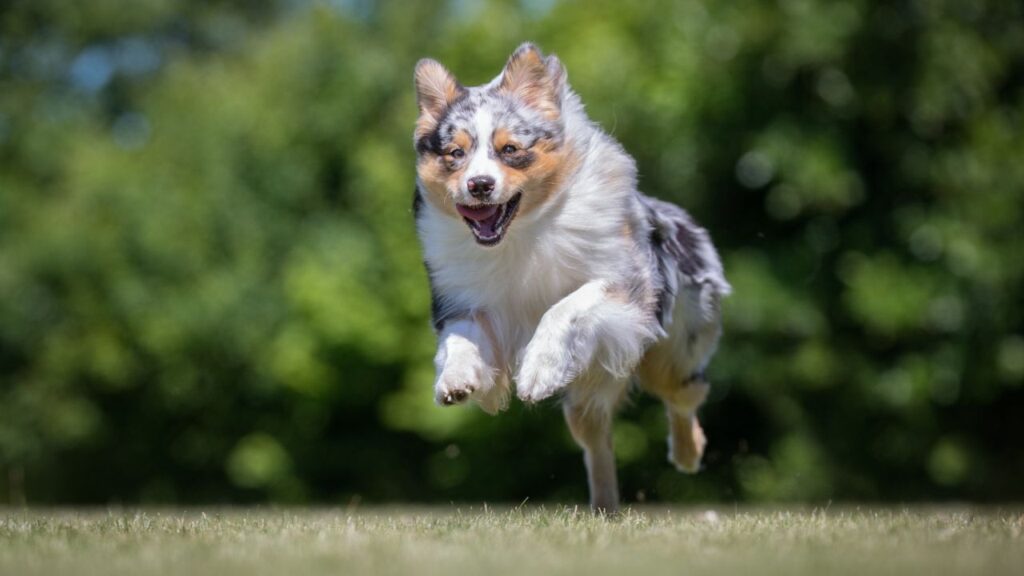
Aussies are eager to learn, highly trainable, and thrive when given meaningful tasks, but they can become bored or destructive if left without enough mental stimulation or companionship.
The Dutch Shepherd shares the same intelligence and dedication to work but tends to have a more independent personality, according to the American Kennel Club.
It is alert, loyal, and naturally protective while remaining affectionate with its family. Around unfamiliar people, Dutch Shepherds may be more reserved until properly socialized.
Their confidence and problem-solving ability make them exceptional working dogs, but they also require consistent training and clear guidance. Both breeds are devoted companions, though the Aussie is generally more people-oriented, while the Dutch Shepherd often displays greater independence.
Exercise Needs & Energy Levels
Neither the Australian Shepherd nor the Dutch Shepherd is suited to a sedentary lifestyle. Both breeds were developed to work for long hours, and they require daily physical activity alongside mental challenges to remain healthy and well-behaved.
The Australian Shepherd enjoys vigorous walks, hikes, running, agility, obedience, herding, and other dog sports. Many experts recommend at least two hours of combined physical exercise and mental enrichment each day.
Without enough activity, an Aussie may become restless, destructive, or develop unwanted herding behaviors.
The Dutch Shepherd has similarly demanding exercise needs and thrives when given structured work that engages both mind and body, as stated by PetMD.

Activities such as tracking, scent work, agility, search and rescue training, Frisbee, hiking, and obedience suit this breed particularly well. Its intelligence means repetitive training sessions can become less effective, so varied and mentally stimulating tasks work best.
For active owners who enjoy outdoor adventures and regular training, both breeds are rewarding companions, but they require a genuine commitment to keeping them busy.
Trainability & Obedience
Both the Australian Shepherd and the Dutch Shepherd rank among the most intelligent working breeds, making them highly trainable when guided with consistency and positive reinforcement.
The Australian Shepherd is eager to please and learns new commands quickly, thriving in obedience, agility, herding, scent work, and many other canine sports.
Its intelligence, however, means it can also learn undesirable habits just as fast if training is inconsistent. Early socialization, structured routines, and mentally stimulating activities are essential to keep an Aussie focused and well-mannered.
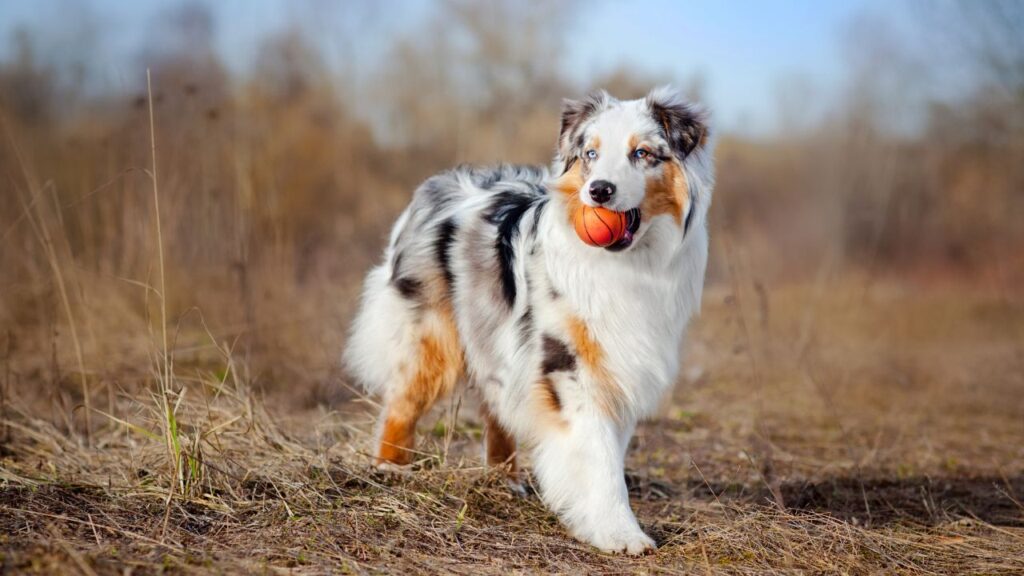
The Dutch Shepherd is equally intelligent but has a more independent mindset. Bred to make decisions while working livestock, it responds best to a confident owner who provides clear leadership without harsh methods.
Short, engaging training sessions are often more effective than repetitive drills, as the breed enjoys solving new challenges.
Dutch Shepherds excel in police work, tracking, search and rescue, obedience, and protection sports, as explained by Dogs NSW. For experienced owners willing to invest time in training, both breeds are exceptionally capable, dependable, and eager working partners.
Grooming Needs & Shedding
The Australian Shepherd and Dutch Shepherd both have weather-resistant coats, but their grooming needs differ slightly. Australian Shepherds have a medium-length double coat that sheds throughout the year, with noticeably heavier shedding during seasonal coat changes.
Weekly brushing usually keeps the coat healthy, while more frequent grooming during shedding periods helps remove loose undercoat and reduce matting. Regular ear cleaning, nail trimming, dental care, and occasional baths complete the grooming routine.
The Dutch Shepherd is generally easier to maintain. It comes in short-haired, long-haired, and rough-haired varieties, all of which benefit from regular brushing.
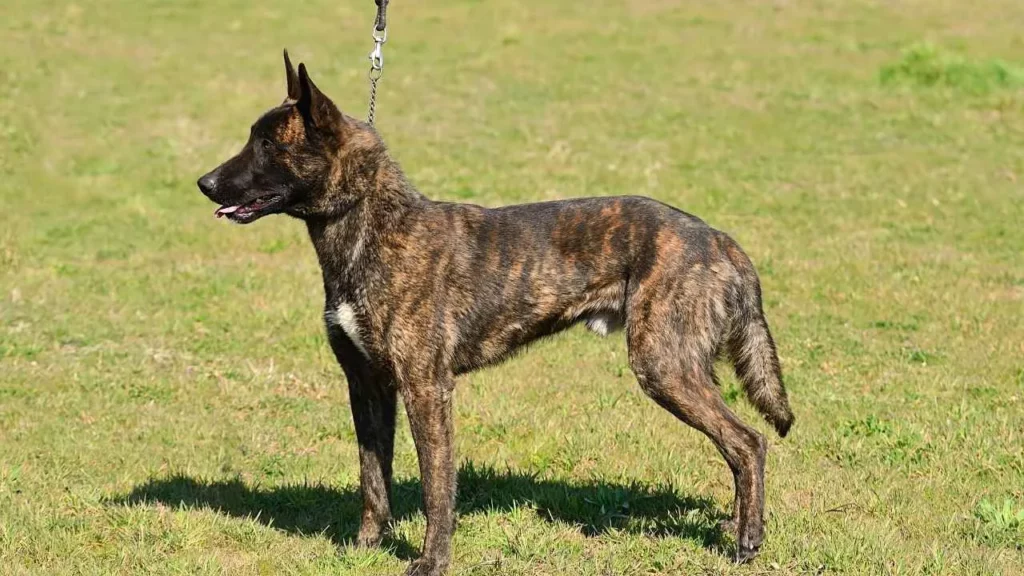
Even the long-haired variety requires relatively modest grooming outside of seasonal shedding, when daily brushing is recommended to remove loose hair.
Baths are only needed when the dog becomes particularly dirty. Like the Australian Shepherd, routine care of the ears, nails, and teeth is important for overall health. Owners looking for lower-maintenance coat care may find the Dutch Shepherd slightly easier to groom, depending on coat type.
Herding & Work Drive
Few breeds display a stronger desire to work than the Australian Shepherd and the Dutch Shepherd. The Australian Shepherd was developed to herd livestock across American ranches, and that instinct remains deeply rooted today.
Many Aussies naturally try to herd children, other pets, or moving objects if they are not given appropriate outlets for their energy, according to Lyka.
They thrive when assigned meaningful tasks, whether herding, competing in agility, obeying, dock diving, or simply participating in regular activities with their owners.
The Dutch Shepherd was originally bred as a versatile farm dog capable of herding sheep, guarding property, pulling carts, and assisting farmers with daily chores.
Its independent working style allowed it to perform tasks with minimal direction, a quality that continues to make it valuable in modern police work, tracking, search and rescue, and scent detection.
Both breeds possess remarkable stamina and determination, but they are happiest when given purposeful work. Owners seeking an energetic companion should be prepared to satisfy these strong working instincts every day.
Health & Lifespan
Both breeds are generally healthy when responsibly bred, but each has certain health conditions that prospective owners should understand.
Australian Shepherds typically live between 12 and 15 years. Responsible breeders commonly screen breeding dogs for hip dysplasia, epilepsy, cataracts, and several inherited eye conditions.
Maintaining a healthy weight, feeding a balanced diet, providing regular exercise, and scheduling routine veterinary care all contribute to supporting their long-term wellbeing.
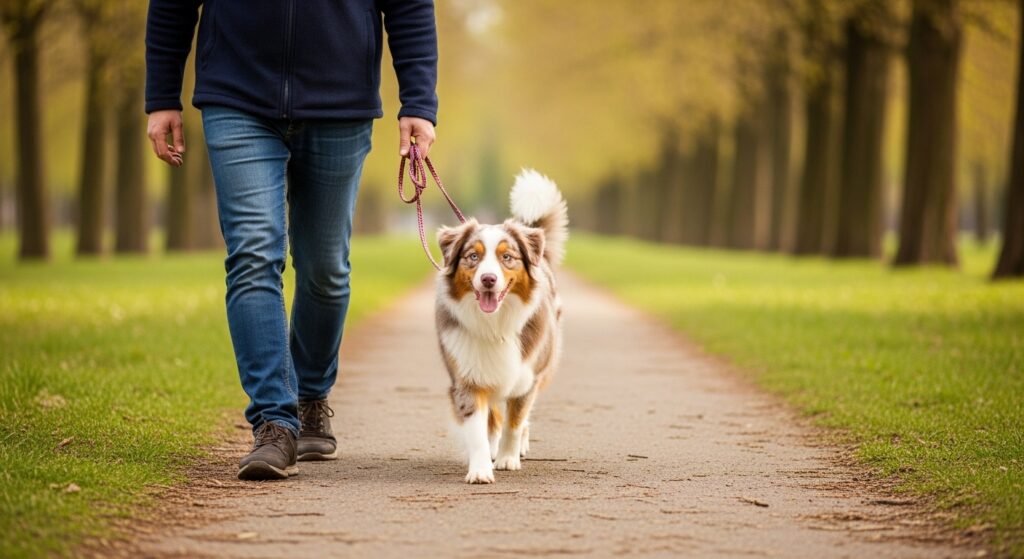
The Dutch Shepherd also enjoys an average lifespan of about 12 to 15 years and is considered a robust working breed. Breeders commonly screen for hip dysplasia, while some coat varieties may also be tested for thyroid conditions or eye disorders.
Like many active medium-to-large dogs, Dutch Shepherds can also experience joint problems as they age. Routine veterinary checkups, appropriate nutrition, and consistent physical conditioning help maintain mobility and overall health.
Choosing a reputable breeder who performs recommended health testing gives either breed the strongest foundation for a long, active life.
Australian Shepherd vs. Dutch Shepherd: Which Active Dog Is Right for You?
Choosing between the Australian Shepherd and the Dutch Shepherd depends less on appearance and more on the lifestyle you can provide.
The Australian Shepherd is an excellent choice for active families or individuals who want an affectionate, highly trainable companion that enjoys being involved in everyday life.
It thrives on close interaction, outdoor adventures, and mentally engaging activities, making it best suited to owners who have plenty of time to dedicate to exercise and companionship.
The Dutch Shepherd is often a better fit for experienced dog owners seeking a versatile working partner with strong problem-solving skills and a more independent temperament.
It excels in demanding tasks such as tracking, search and rescue, obedience, and protection work while still forming strong bonds with its family.
Neither breed is well suited to a sedentary lifestyle or long periods alone. If you’re prepared to provide regular training, mental stimulation, and daily activity, either shepherd can become an exceptionally loyal and rewarding lifelong companion.
Conclusion
The Australian Shepherd and the Dutch Shepherd are outstanding working breeds with remarkable intelligence, athleticism, and unwavering loyalty. Although they share a history of herding livestock and thriving in active roles, their personalities and management needs are slightly different.
The Australian Shepherd is deeply people-oriented, eager to participate in family life, and happiest when constantly engaged with its owner.
The Dutch Shepherd combines the same work ethic with a greater sense of independence, making it especially appealing to experienced handlers seeking a versatile working partner.
Neither breed is a casual pet. Both require daily exercise, mental stimulation, structured training, and owners who appreciate the commitment that comes with raising a high-energy working dog.
When their physical and mental needs are consistently met, they reward their families with exceptional devotion, intelligence, and dependable companionship. Ultimately, the best choice isn’t about which breed is superior—it’s about selecting the one whose temperament, energy level, and working style best complement your lifestyle and long-term expectations.
