




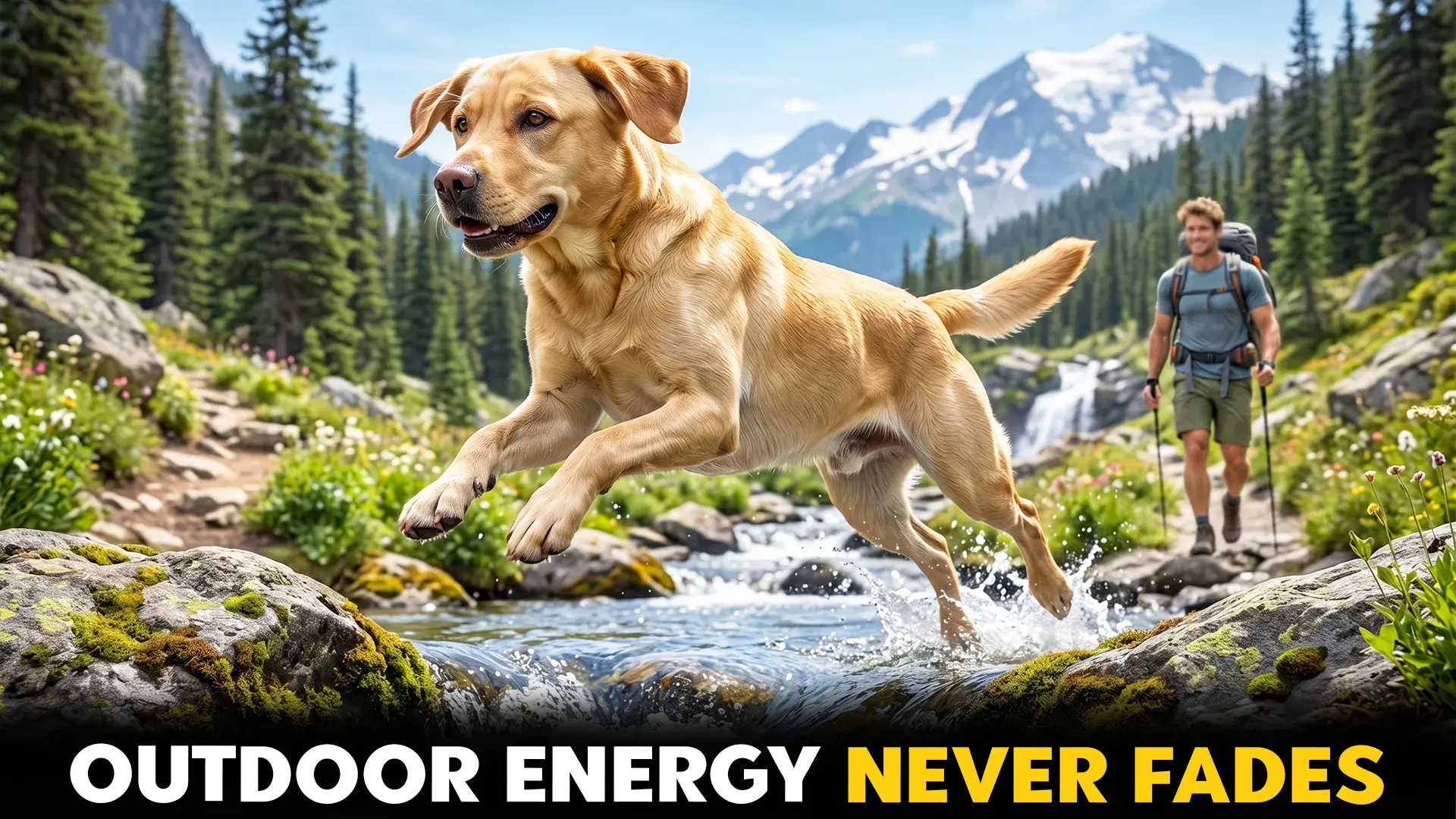
Fresh air, muddy trails, mountain views, and a happy dog racing ahead; few things feel better than sharing the outdoors with a four-legged best friend.
Some dogs are naturally built for adventure. They have the energy, endurance, and confidence to keep going long after most people are ready for a snack break. As naturalist John Muir once said, “The mountains are calling, and I must go.”
Many dogs seem to feel the same way. Whether you enjoy hiking, camping, kayaking, or simply exploring local parks, choosing the right breed makes every trip more enjoyable.
Let us meet seven remarkable dog breeds that truly come alive outside and understand what makes them such reliable adventure partners.
Dog Breeds That Excel in Outdoor Activities
1. Australian Shepherd
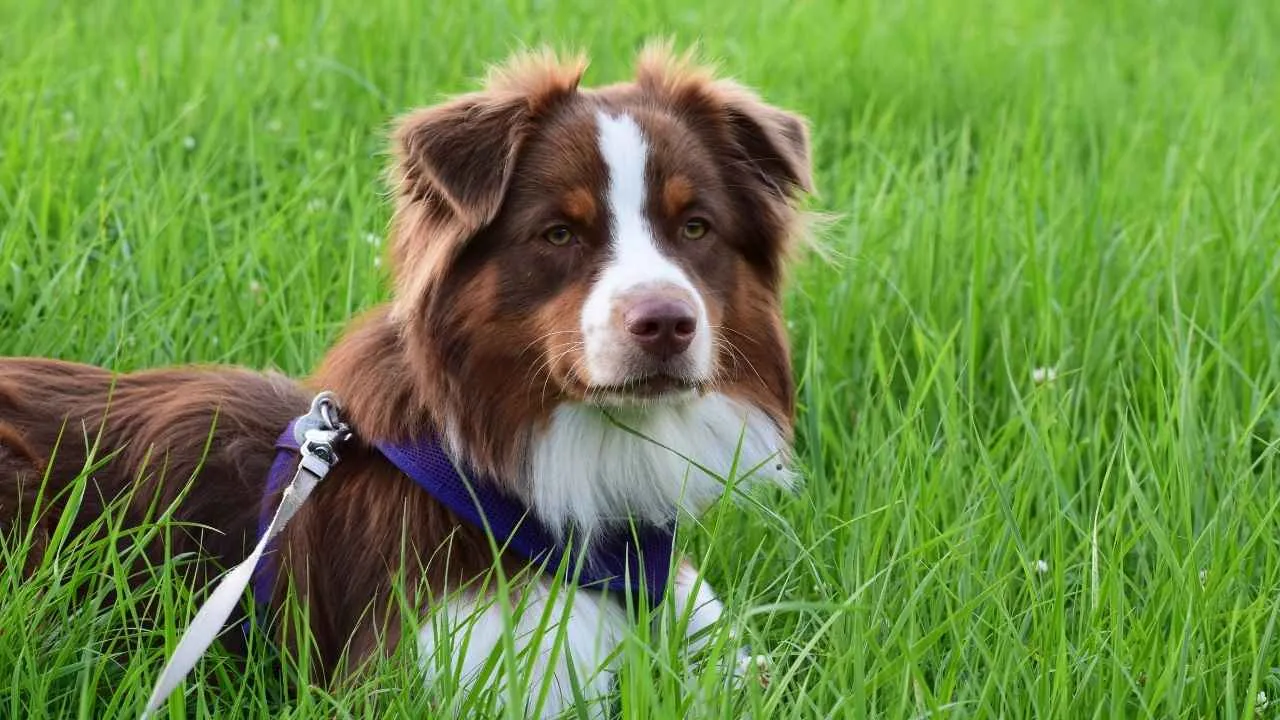
The development of this dog started in the Pyrenees Mountains and in North America. It is thought to have developed from the herding breeds used by the Basques. The Aussie was originally used as a messenger dog during World War II, and then it became popular as a farm dog, according to Orvis.
It has oval webbed paws with well-arched toes that make it a great swimmer. The hind and fore legs move parallel with the center line of the body, allowing it to jump, run, and hike for hours. The medium texture, straight to wavy double coat protects the dog from hard weather and rough bushes.
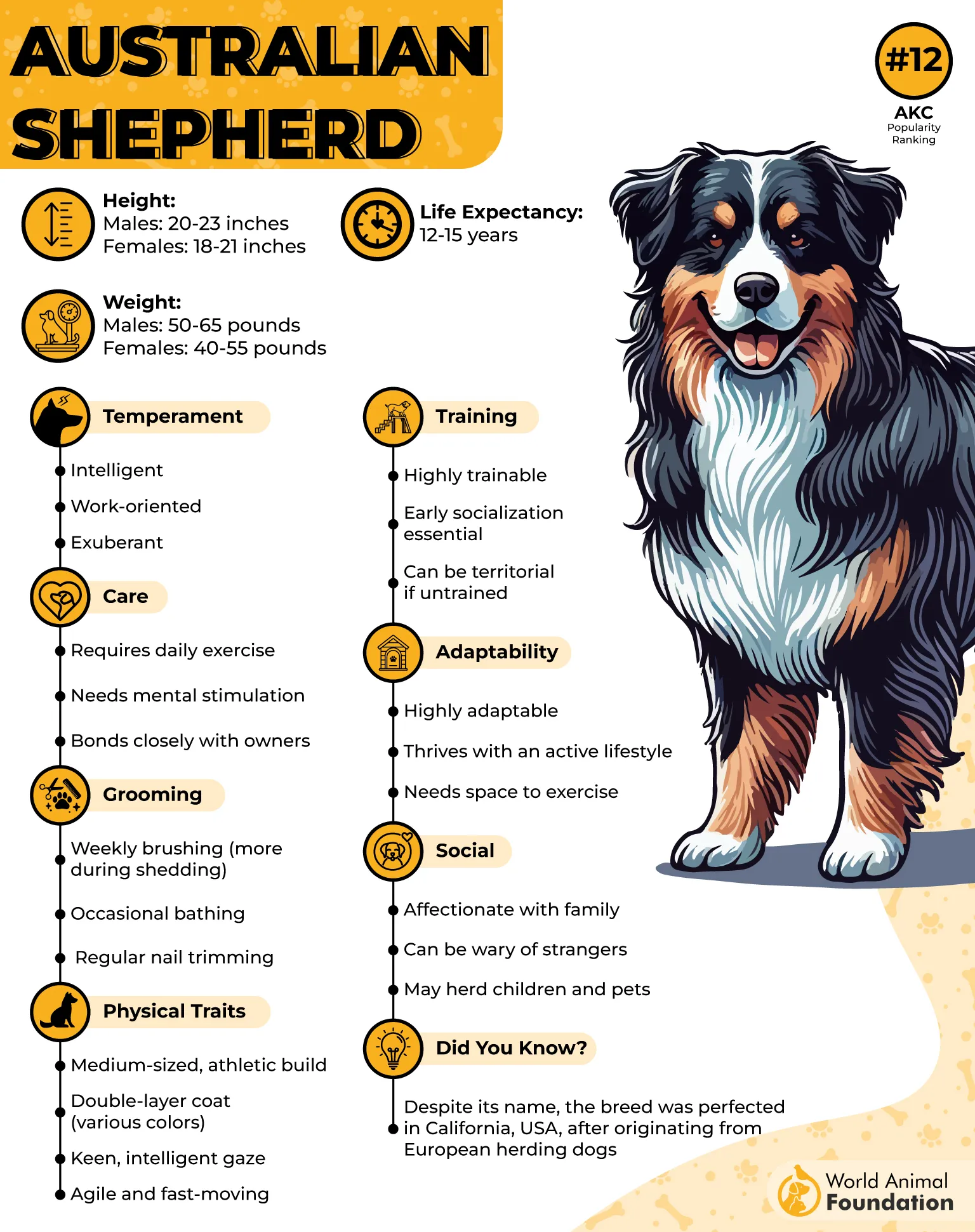
The dog is widely used in livestock herding management, search and rescue operations, hiking, trail running, backpacking, ranch and property guarding, outdoor adventures (dock diving, flyball, agility), and obedience training.
2. Labrador Retriever
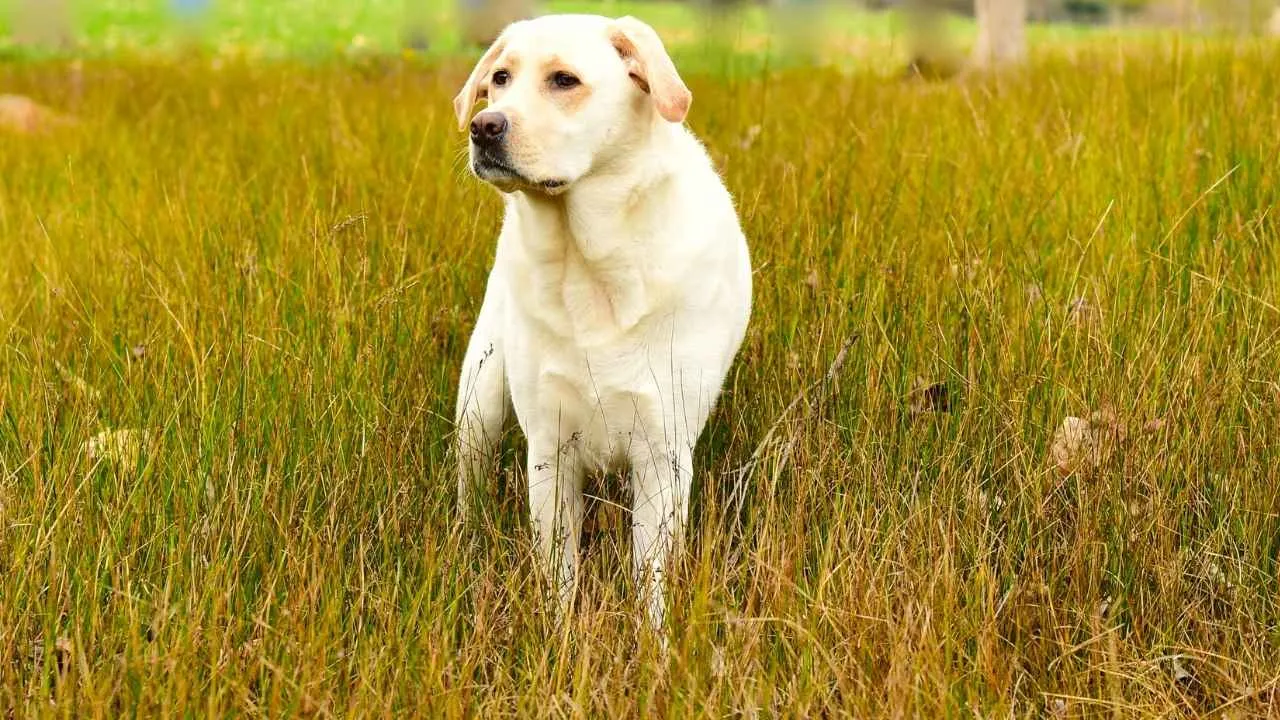
Descendant of the St. John’s Water Dog, the Labrador was kept by many British royal members, including Prince William and Prince Harry. The predecessor was found in Canada in the 1800s when the British were impressed by the breed and brought it to England, where it went through selective breeding, leading to the development of the modern Lab.
The breed has an ‘otter tail’ that acts as a radar, balancing the body while navigating through dense fields. The neck is powerful and blends smoothly with the laid-back shoulders. The chest between the forelegs has a moderate width, allowing efficient movement and stamina.
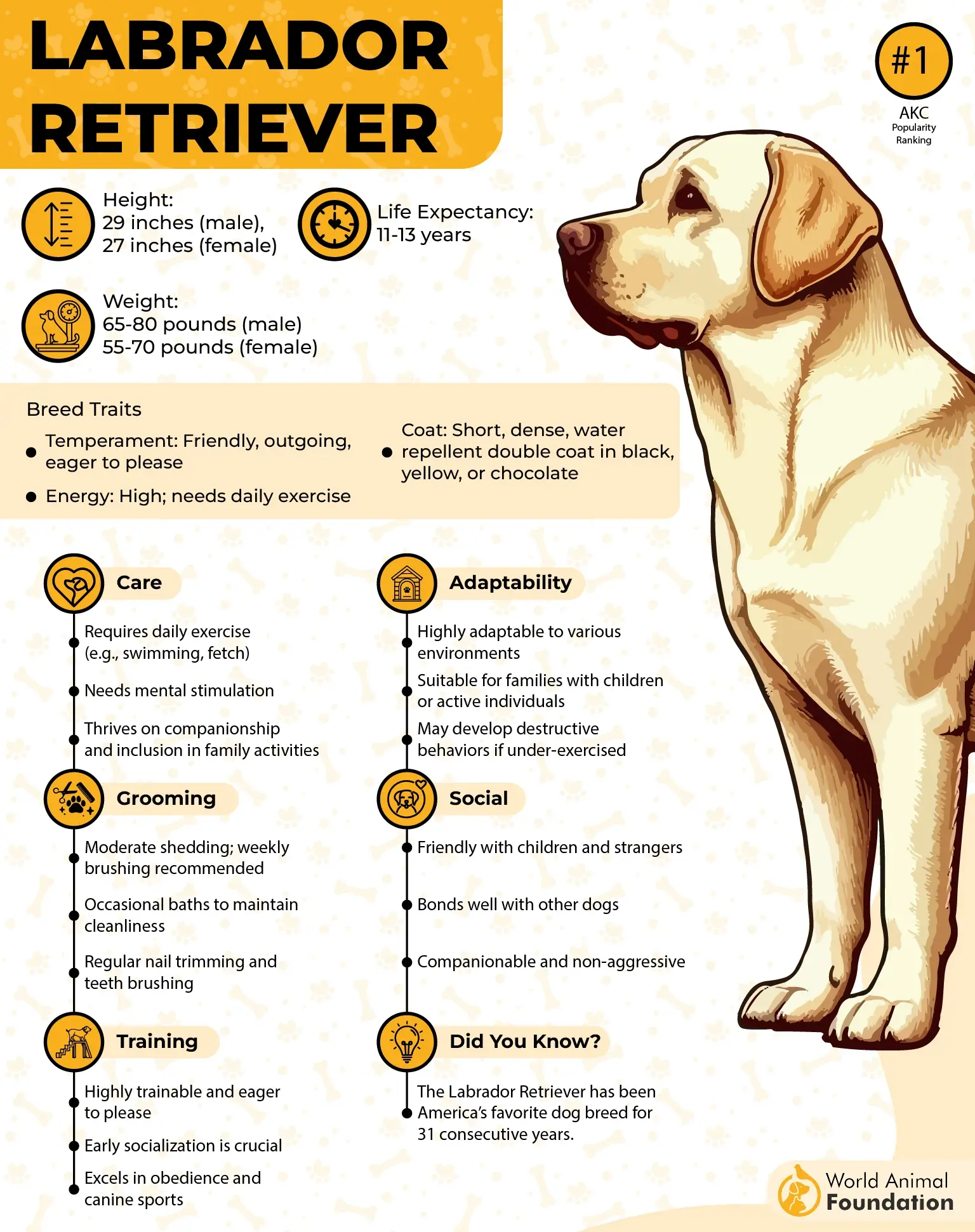
It has a soft mouth and can retrieve the prey from water without physically damaging it. It is widely used in waterfowl hunting, water rescue and life saving, tracking and detection work, trailing, and scent tracking. It needs 1-2 hours of daily vigorous exercise.
3. Siberian Husky
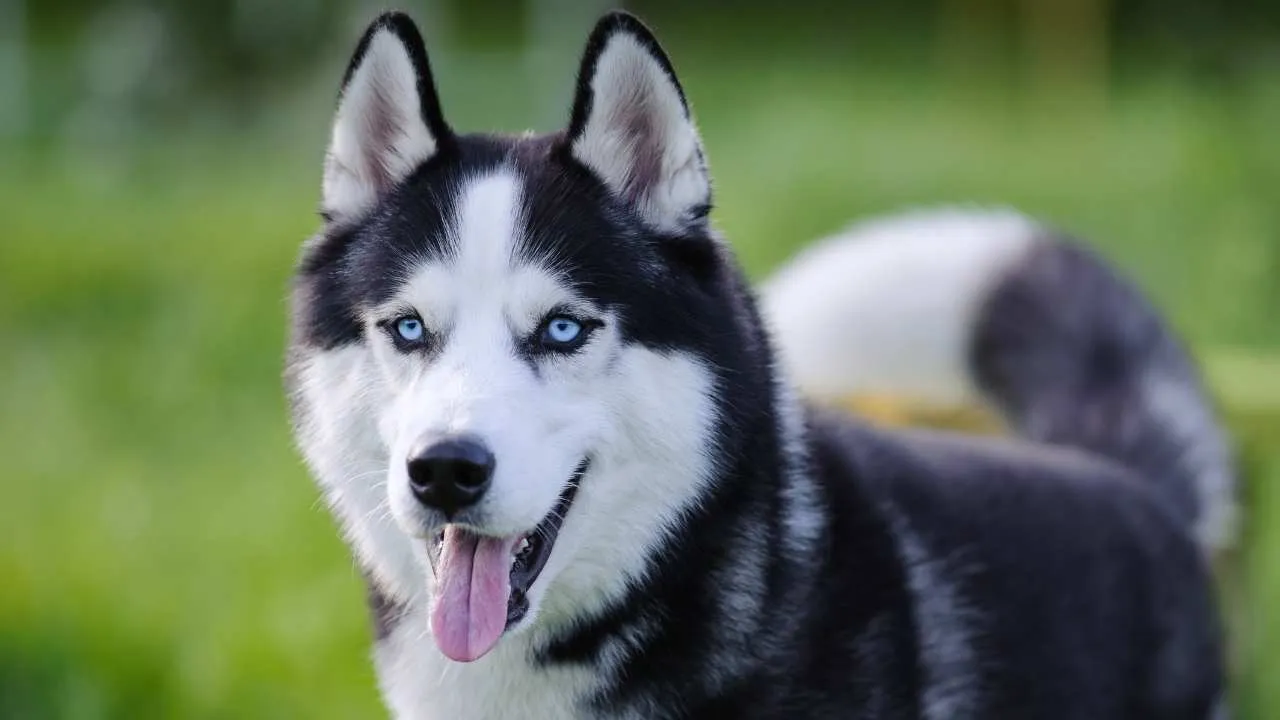
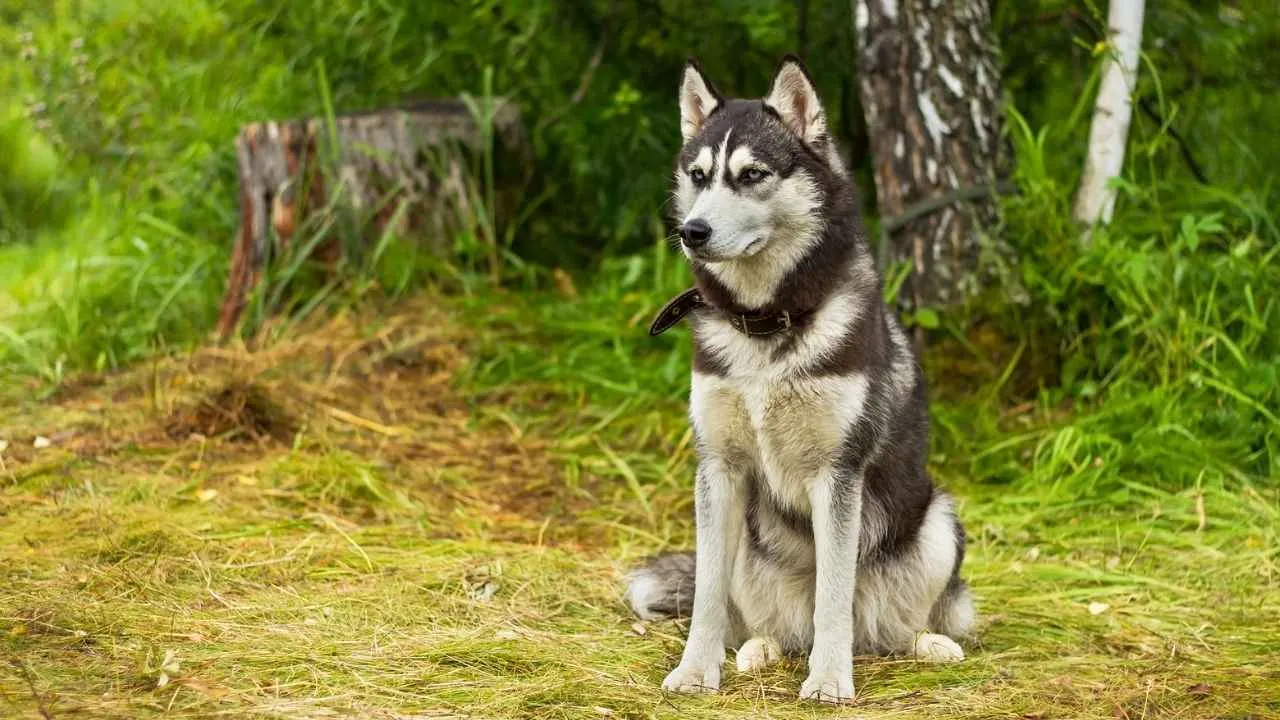
The gentle giant was originally bred by the Chukchi people of northeast Asia. Its primary goal was to be used as a sled dog and a family companion. It caught attention after winning sled races in the 20th century. The most famous Husky, Balto, was used to deliver a life-saving serum to Nome after a diphtheria outbreak, as per Wikipedia.
The breed can run for hours without depleting glycogen stores and relies on fast switching between fat and carbohydrate burning for endurance. The almond-shaped eyes are specifically angled to reduce direct glare from the sunlight. The thick, bushy tail functions as a warm blanket, which it uses to cover its body while sleeping outdoors.
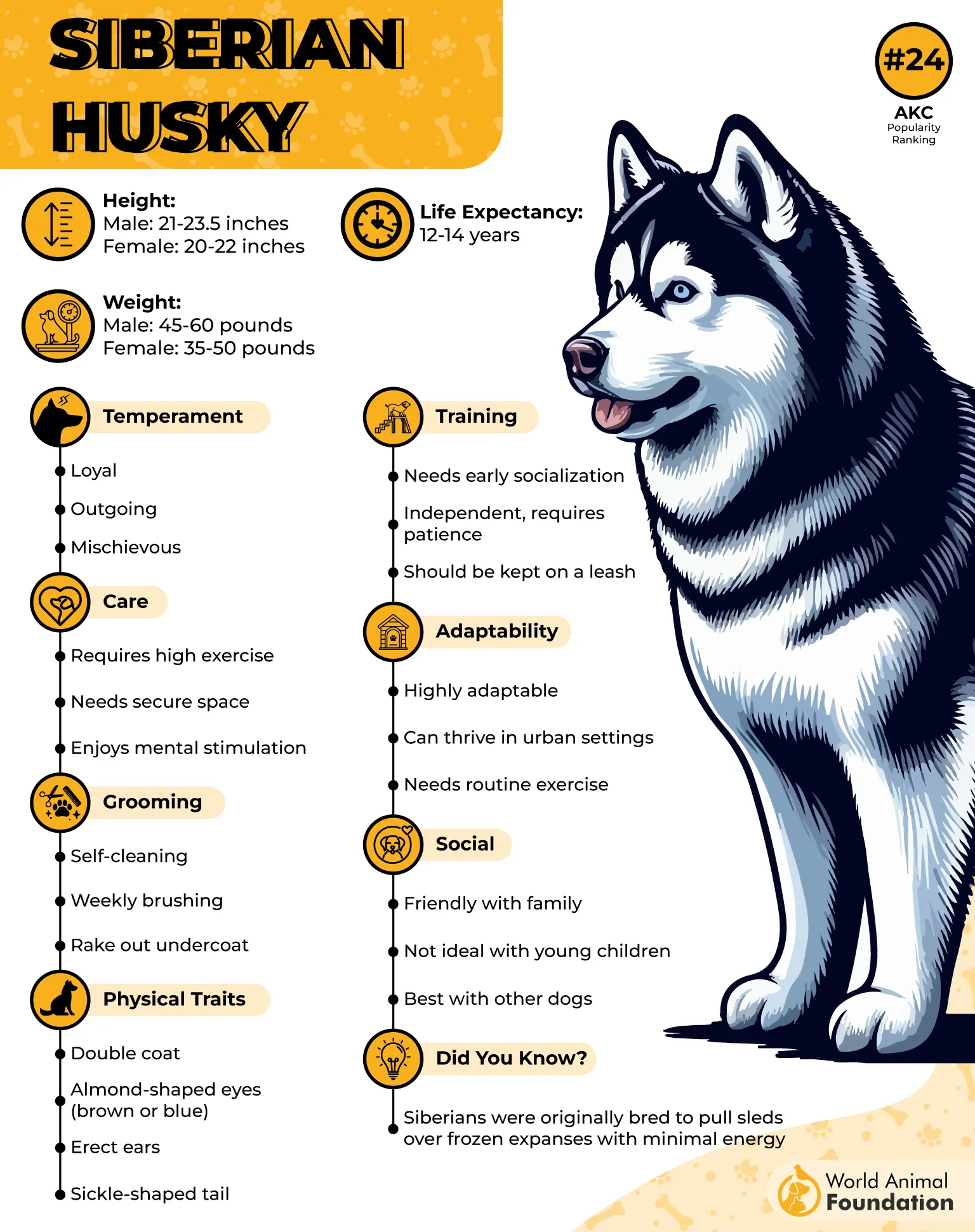
The advanced nasal passages warm the incoming air before it reaches the lungs to maintain internal body temperature. The dog is widely used in sled racing and mushing, skijoring and bikejoring, pack hiking and backpacking, and weight pulling.
4. Alaskan Malamute
This is a basal breed (dogs with a striking resemblance to wolves) and was originally used as a working breed alongside the Mahlemuts from the coastal region of northwestern Alaska. It was used to hunt seals and polar bears and pull heavy carts. This breed was crossed with another breed in the 19th century, resulting in the Alaskan Malamute.
The well-proportioned muscular frame is designed for endurance and strength. The well-developed limbs and deep chest assist in hauling heavy loads over long distances. It is an affectionate breed and makes good friends with the family, children, and strangers. However, proper socialization is important to prevent dominance issues.
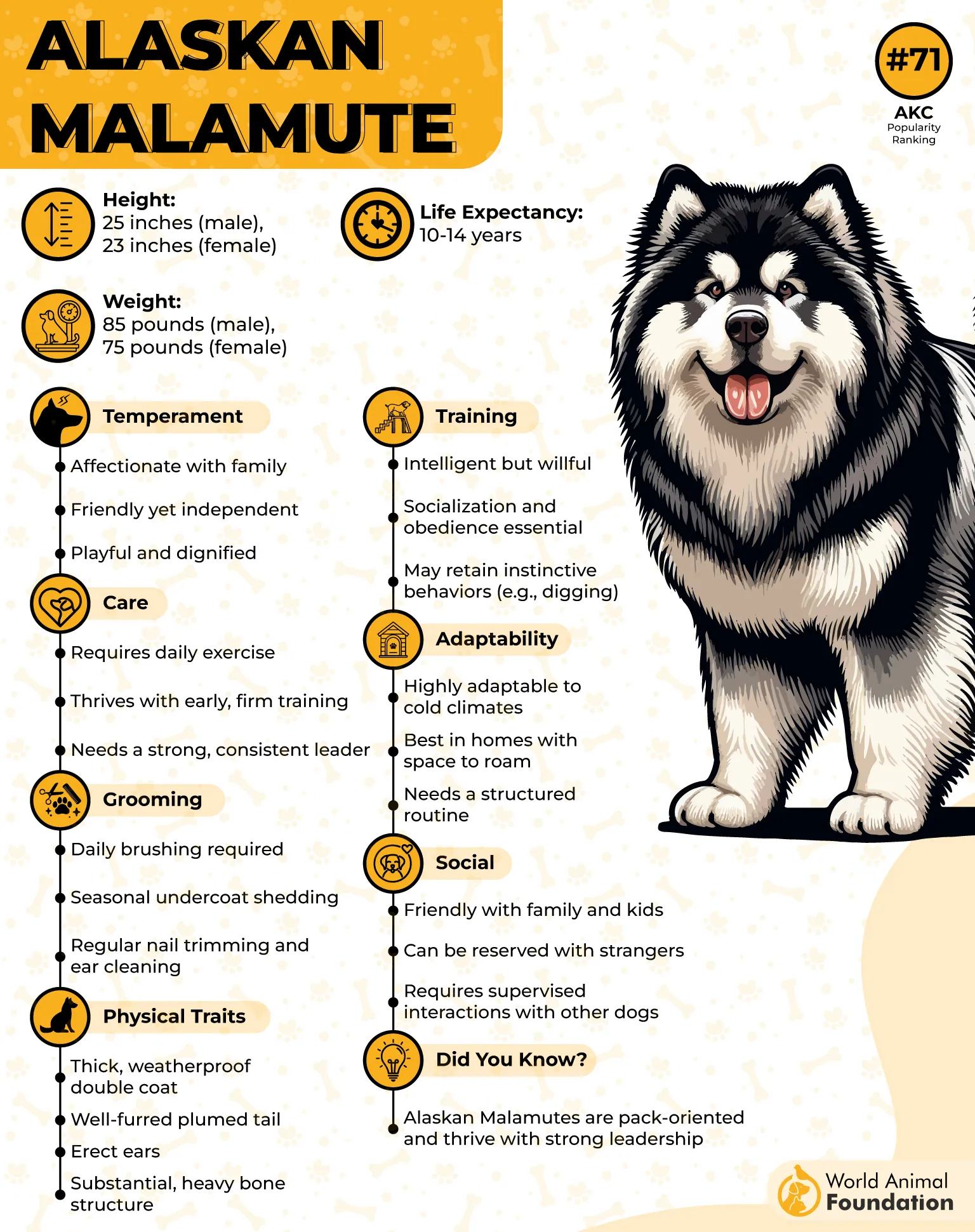
The breed is an independent thinker and may develop stubbornness. Thus, positive reinforcement and obedience training are non-negotiable. The breed excels in heavy freight sledding, pulk sledding, skijoring, weight pulling, expedition, and cargo support.
5. Border Collie
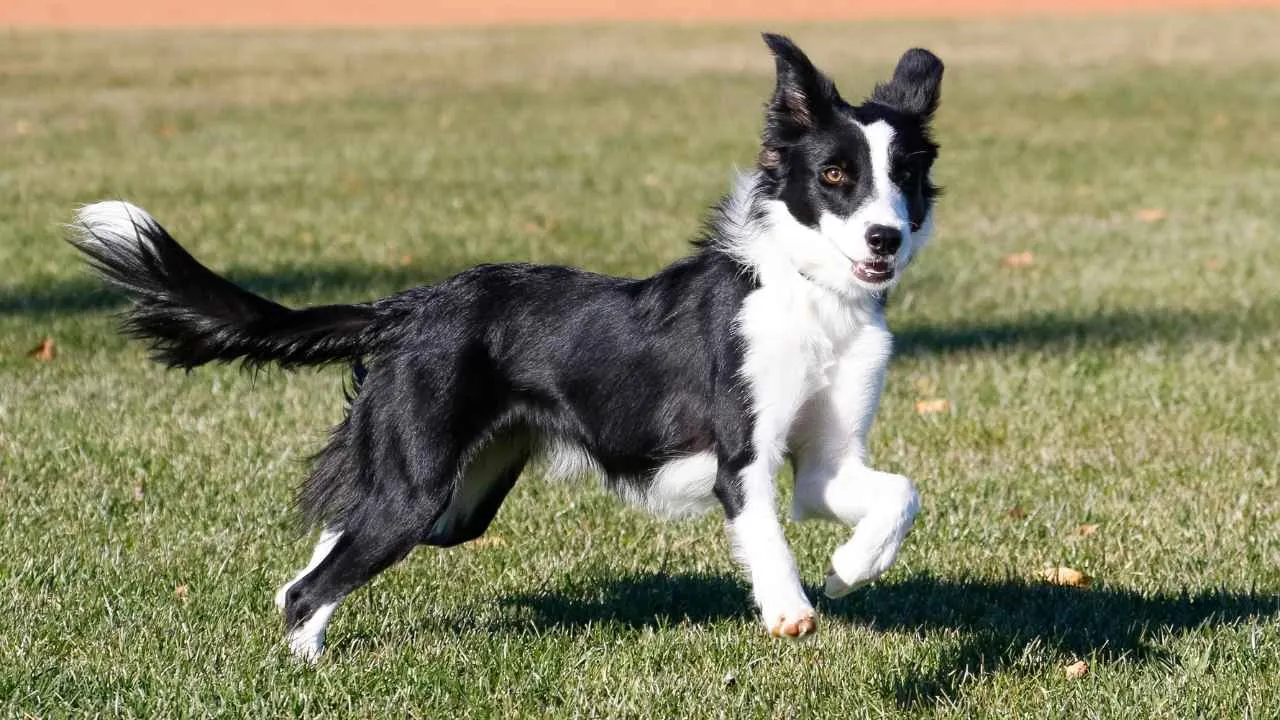
This medium-sized herding dog is the most intelligent dog breed in the canine kingdom. Originating in the Anglo-Scottish border, the breed descended from the ancient sheepdog found on the British Isles. Today, it is mostly kept as a sheep-herding and companion breed, as noted by Hill’s Pet.
The well-defined muscles, strong legs, a deep chest, and a lean build allow the breed to move quickly, maintain endurance, and change directions easily. It has cat-like paws that act as an excellent shock absorber on rough and rocky terrain. The wide set of eyes provides a great field of vision.
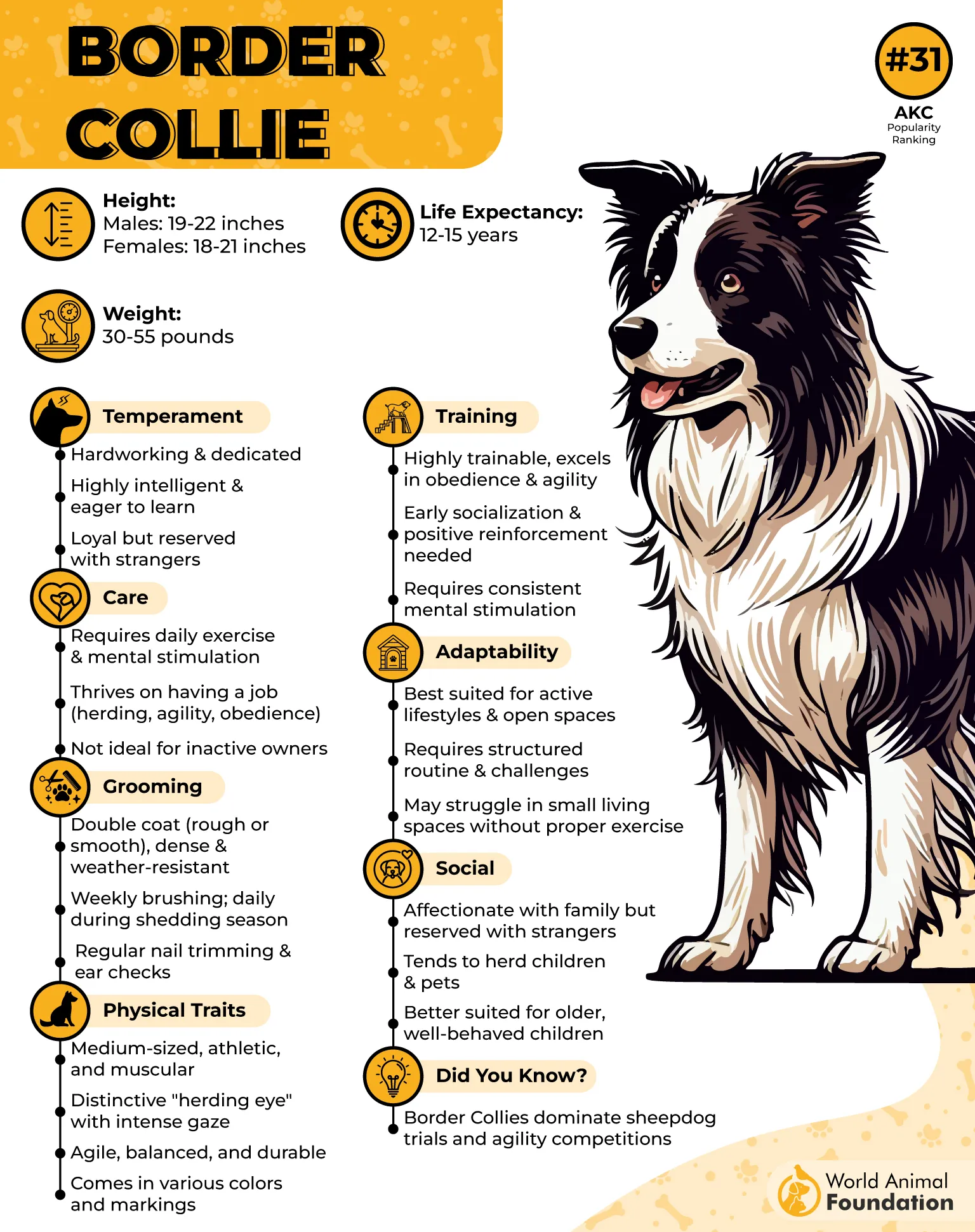
It has mobile ears that work like radar and move in the direction of the source of sound. The high-energy breed thrives in traditional herding work, wildlife management and conservation, canine agility, dog sport, hunting, and bird retrieval.
6. German Shorthaired Pointer
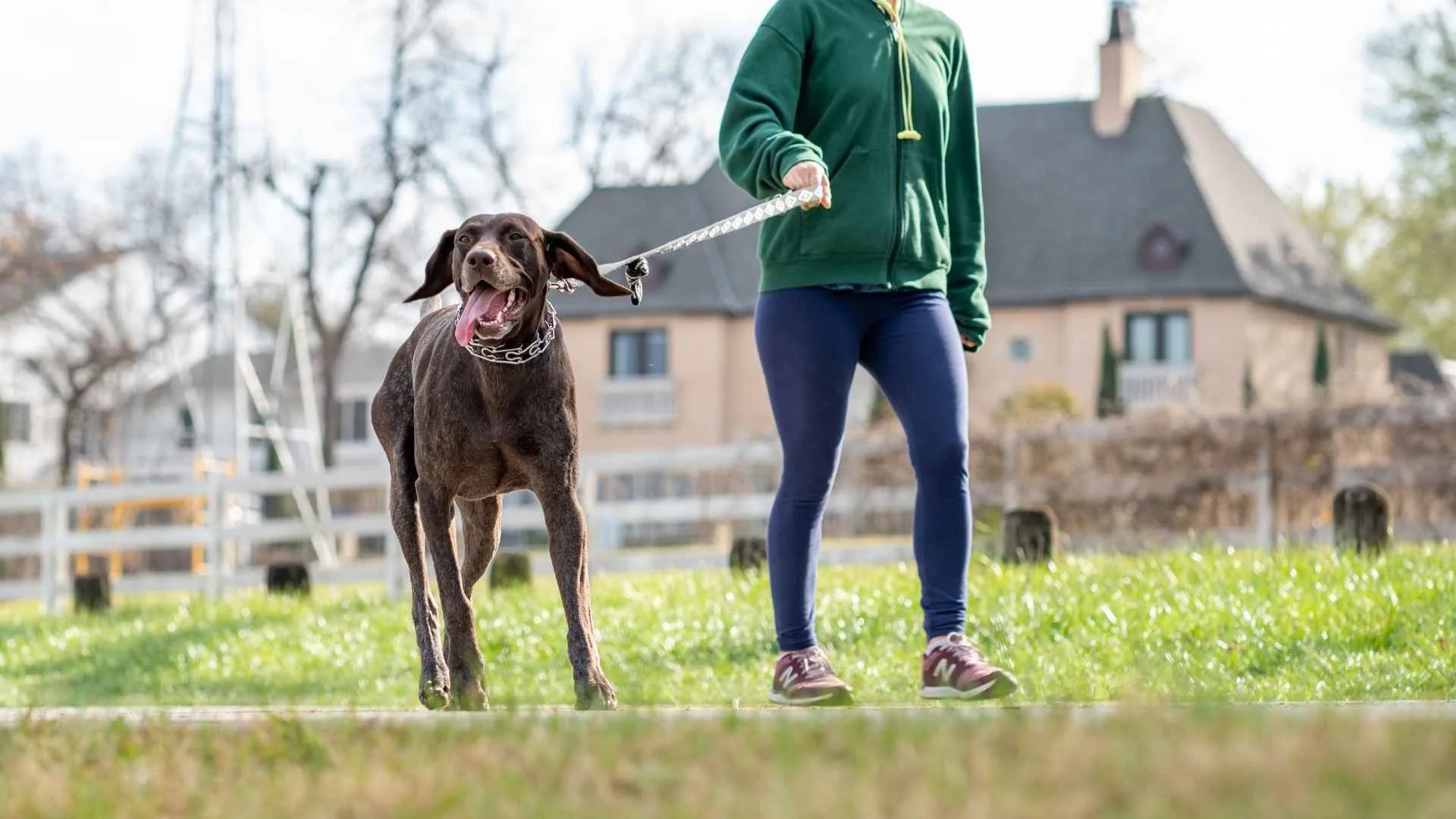
This medium-sized herding dog was developed in the 19th century. Although different variants have existed since the 17th century. The German Pointer was crossed with the Bloodhound and the Spanish Pointer to form a breed that works well on both water and land.
The breed is also known as the ‘Swiss Army Knife,’ and can jump over 6 ft because of well-angulated upper and lower thighs. It has a proud attitude while walking since the front and hind legs move in a straight and parallel direction.
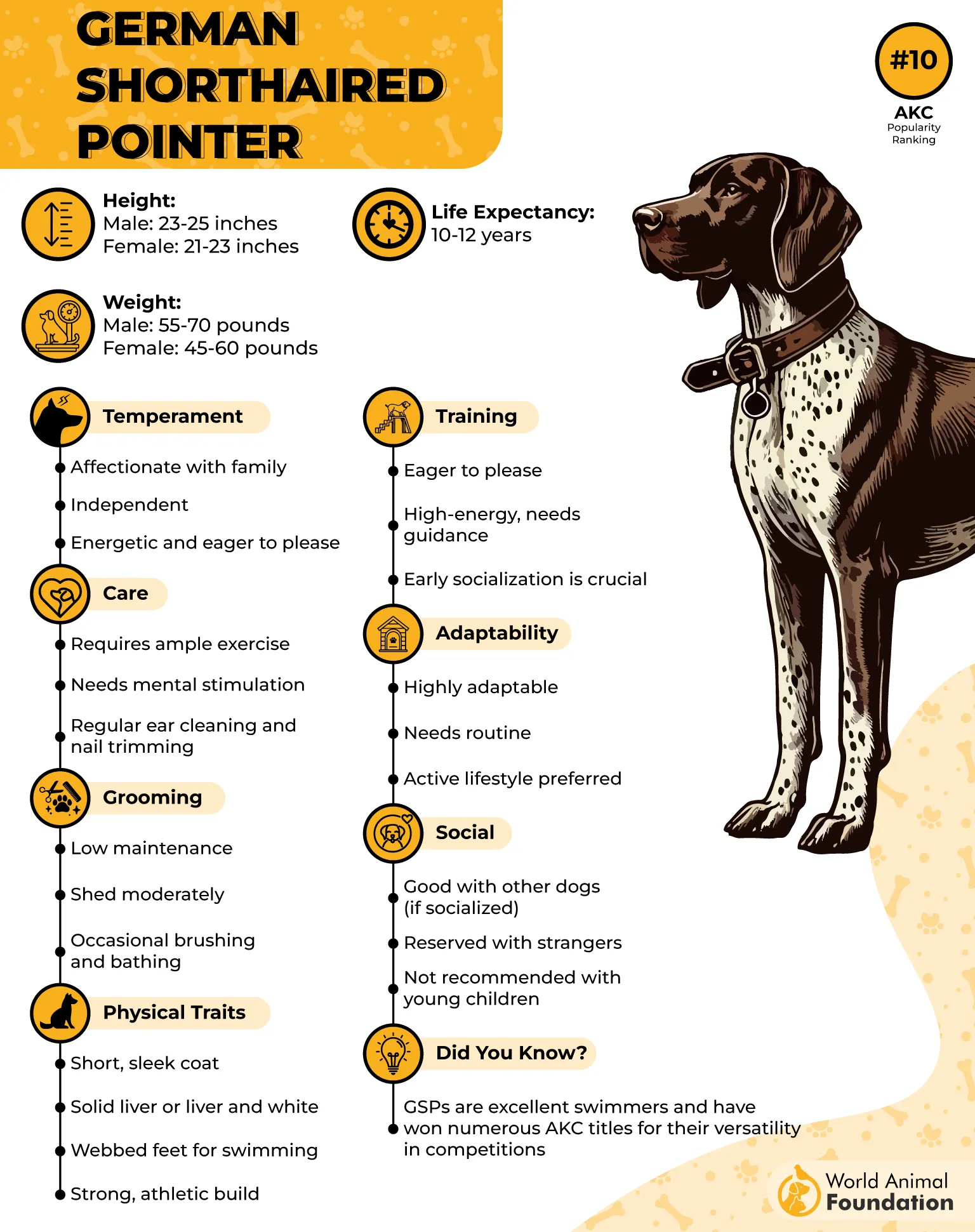
The dog serves in many outdoor activities, including upland bird hunting, waterfowl retrieving, shed hunting, tracking wounded big game, canicross, and skijoring. The breed requires 1-2 hours of daily exercise: off-leash running, fetching, and swimming.
7. Weimaraner
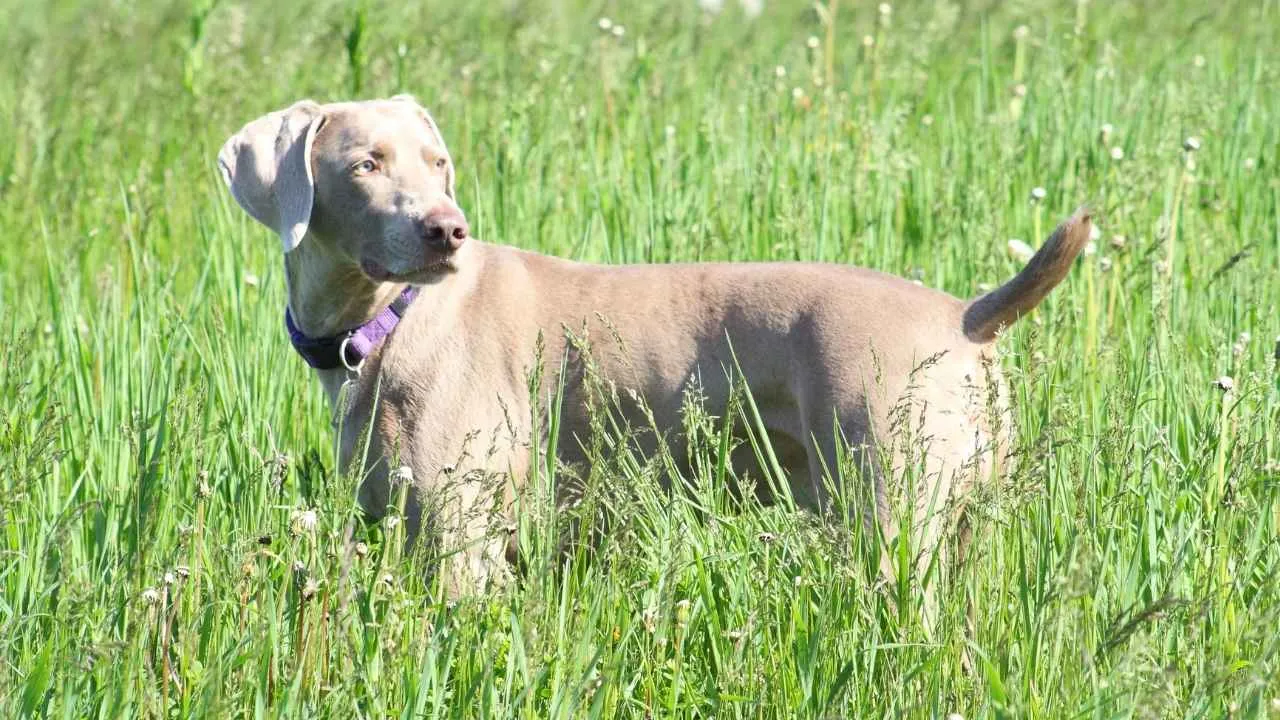
The breed emerged in the 19th century when German breeders crossed different dogs to create a breed that excels in speed, agility, courage, and durability. It was kept as a pet by many nobles, including President Eisenhower and actress Grace Kelly.
The breed is born to run because of epitomize grace, strength, and speed. The snout is slightly longer than the skull (much stronger in males). This makes the breed’s sense of smell exceptional. The jaw exhibits a scissor bite (the upper incisors overlap the lower incisors perfectly).
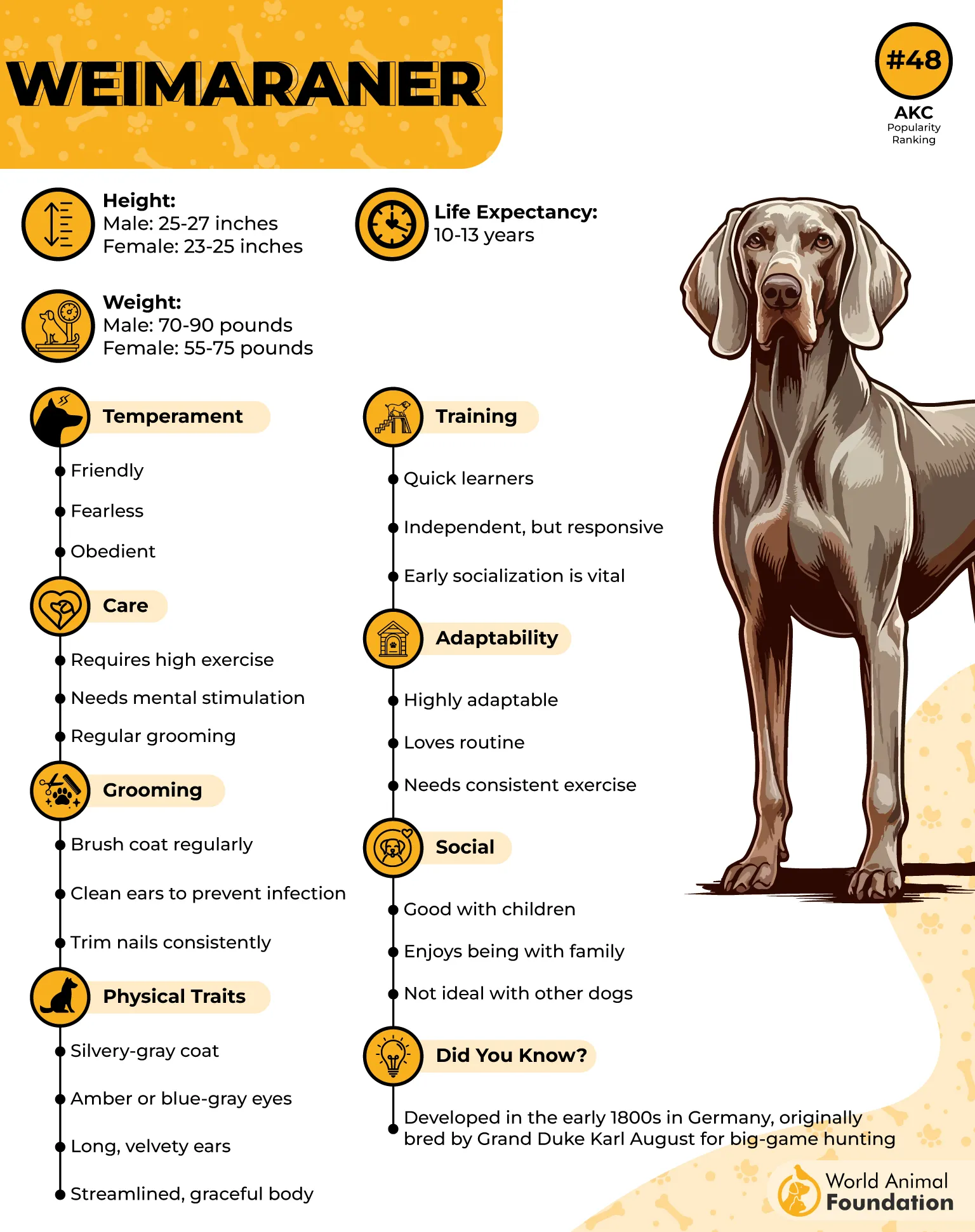
The light amber, gray, or blue-gray eyes appear black in excitement. The hind legs have double dewclaws that provide extra grip over rough terrain. The dog is used in upland game bird hunting, tracking wounded game, biking, and canine sports.
Conclusion
Life outside becomes more rewarding when you have the right canine companion beside you. The breeds in this guide each bring something different to the trail, field, forest, or campsite.
Some are born to run miles, while others shine through intelligence, stamina, or an adventurous spirit. The best choice depends on your own lifestyle, activity level, and commitment to meeting your dog’s physical and mental needs.
A well-exercised dog is often happier, healthier, and easier to live with, so grab your hiking boots, pack some fresh water, and head outside. Your next favorite adventure may not be the destination at all; it might be the wagging tail leading the way.
