




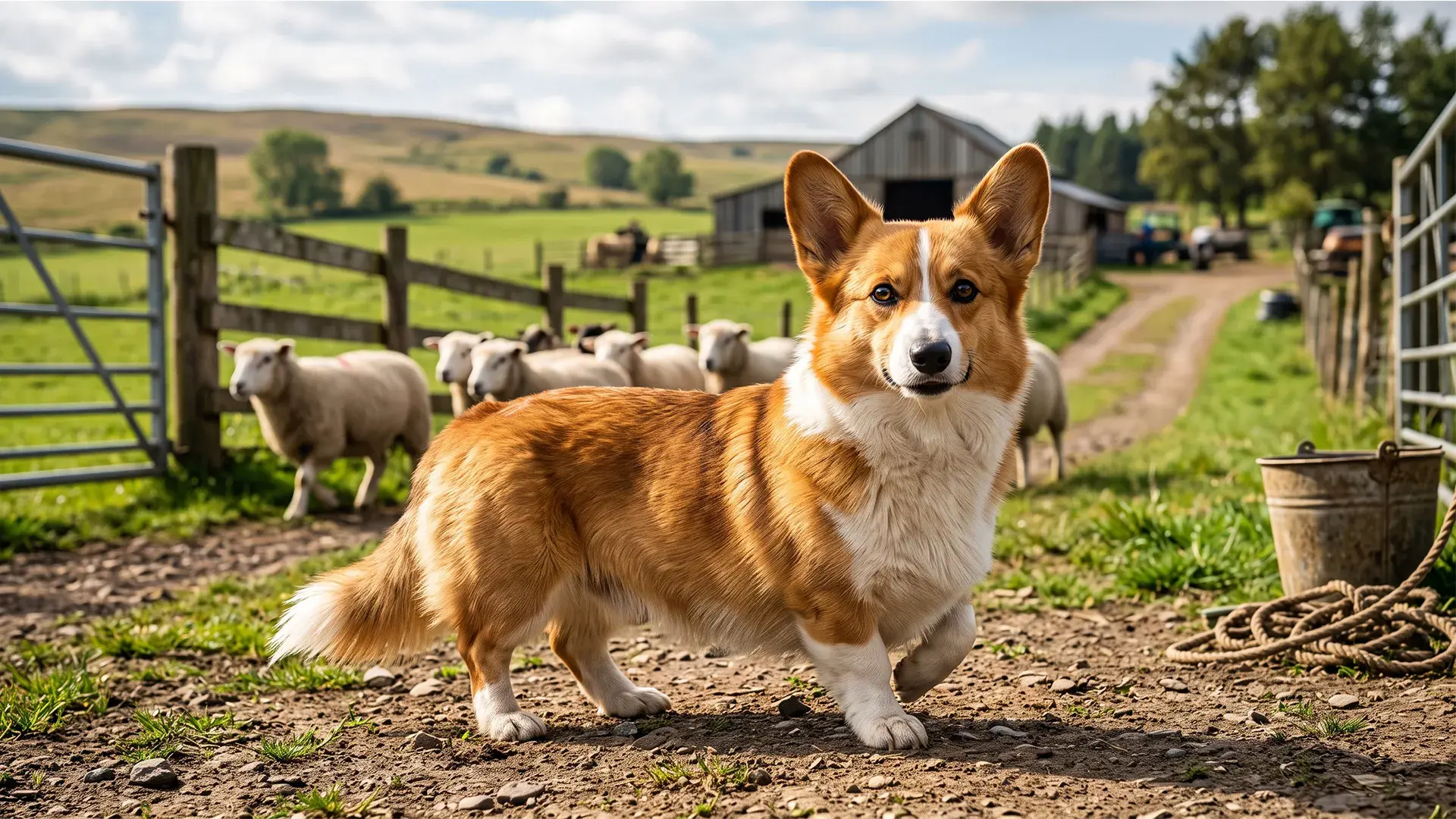
Herding dogs have earned a reputation for being smart, energetic, and dependable, but those qualities alone are not enough to decide if one belongs in your home.
Plenty of people fall in love with the idea of owning a hardworking dog without thinking about the daily commitment that comes with it. A quick walk before work or a few games in the backyard rarely satisfy a dog that was bred to stay busy.
That mismatch often leads to frustration for both the owner and the dog. The good news is that herding breeds are far from identical. Some settle comfortably into active family life, while others expect a job from sunrise to sunset. Knowing those differences before making a decision can save years of unnecessary stress.
Ahead, you’ll discover herding dog breeds, what everyday life with each one really feels like, and which lifestyle brings out their best.
Key Takeaways
A dog that can guide hundreds of livestock with calm confidence deserves more than a quick game in the backyard.
Border Collies, Australian Shepherds, and Corgis were all bred for different jobs, which means daily life with each of them feels completely different.
Picking the wrong breed can leave both you and your dog frustrated, especially when your dog’s natural instincts have nowhere to go.
Keep reading because the breed that fits your lifestyle may not be the one you expected to choose.
Top Dog Breeds for Herding: Which Is Best for Your Lifestyle?
1. Border Collie
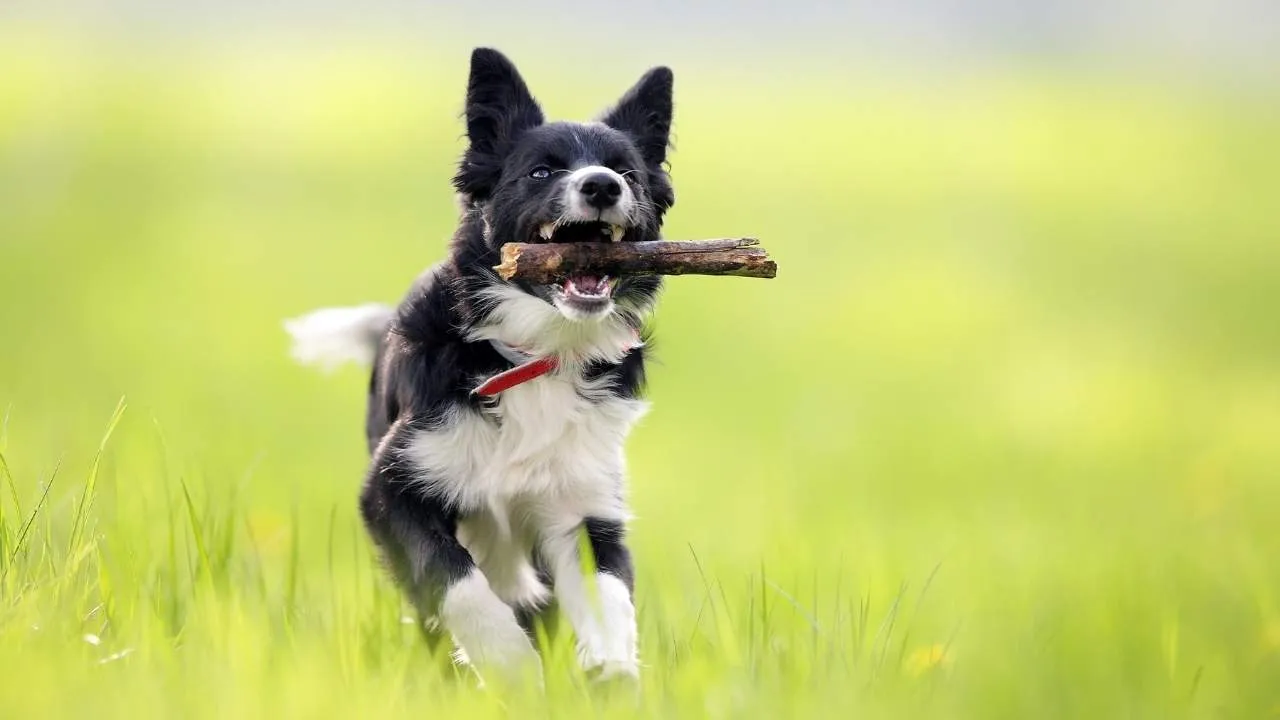
Border Collie built its reputation through generations of livestock work, where working ability mattered far more than appearance. When the breed was standardized in 1906, the focus remained on herding skill, reflecting the practical role these dogs performed every day.
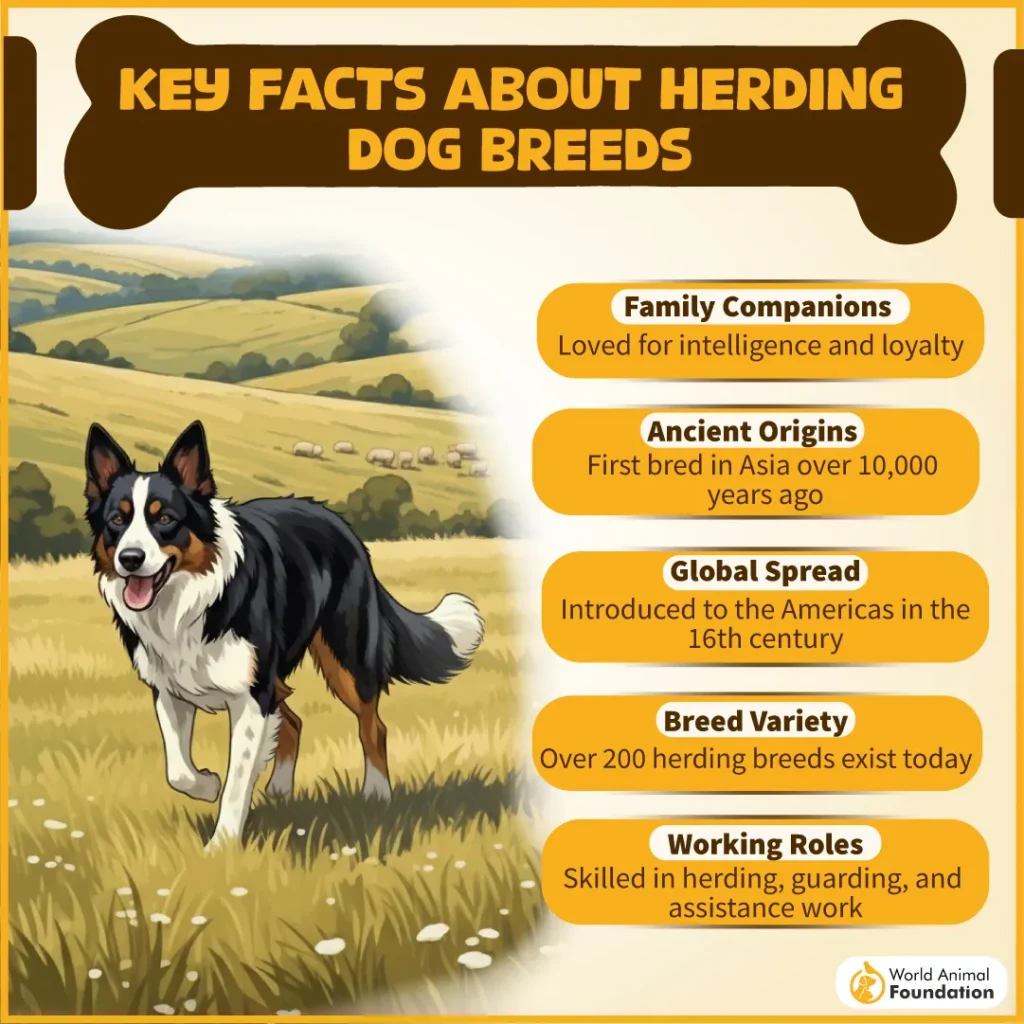
Reading the Flock
They control livestock with remarkable precision, relying on quiet body language instead of force or noise. A fixed gaze, low stalking posture, and calm approach allow the dog to guide animals while keeping the flock settled and organized.
That working style includes several distinctive details:
Hypnotic “eye” on livestock
Low crouching approach
Silent pressure over barking
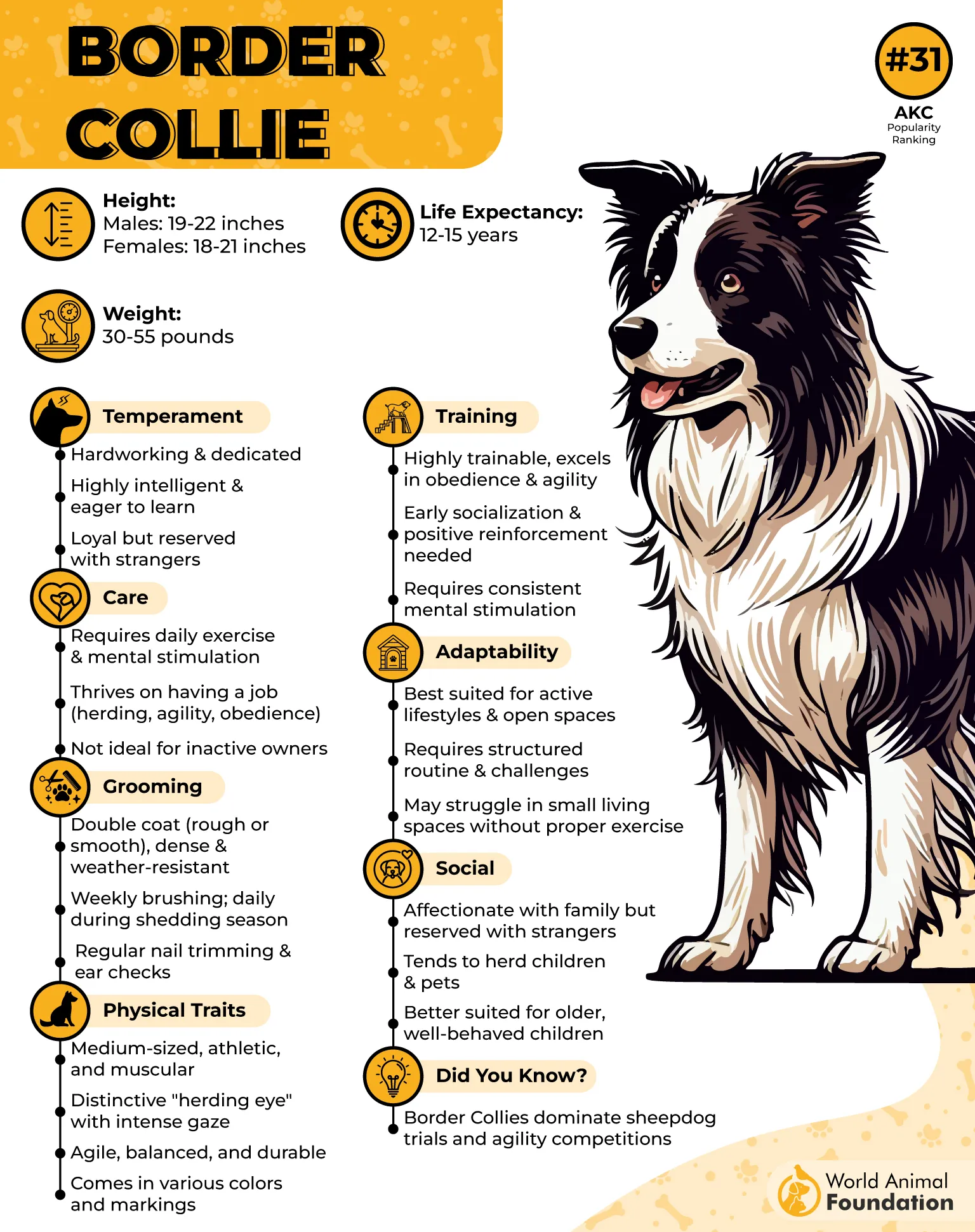
A Mind That Expects a Job
Border Collie ranks among the most intelligent dog breeds, so routine alone is seldom enough to satisfy its active mind, as mentioned by PetMD. Herding instincts can extend beyond sheep to children or other dogs, while boredom often leads to destructive behavior when meaningful tasks disappear.
2. Australian Shepherd
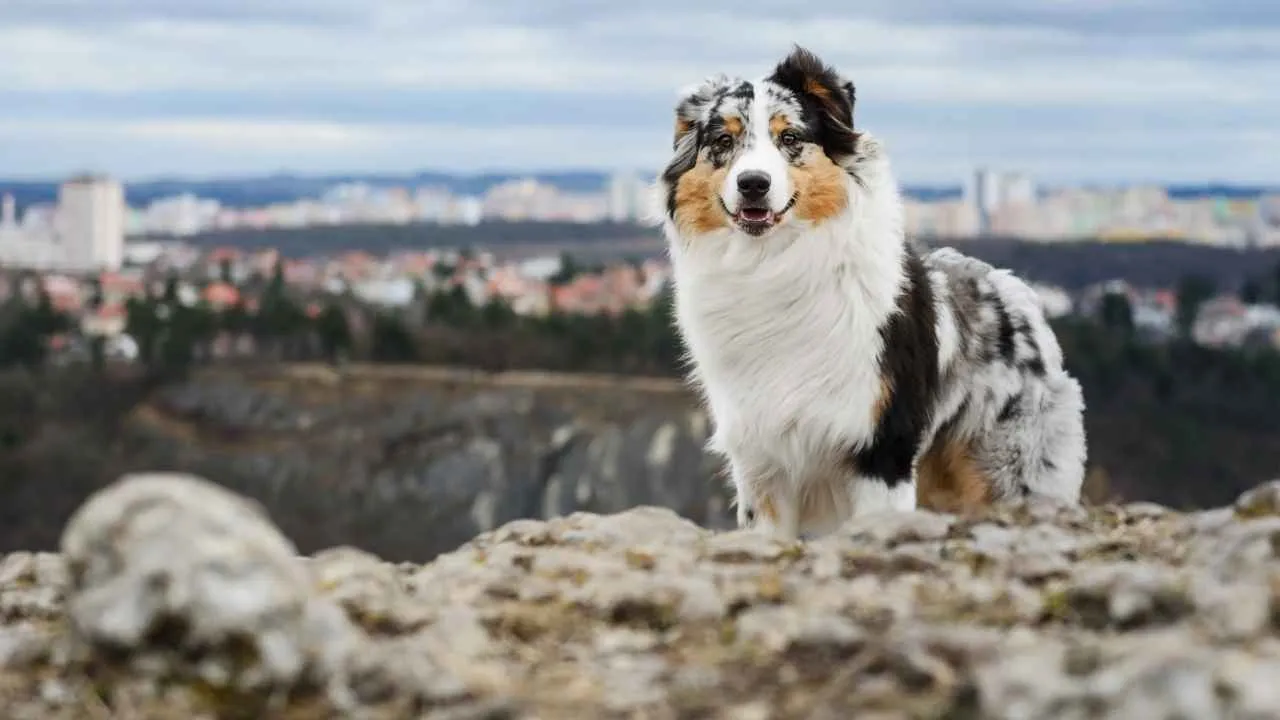
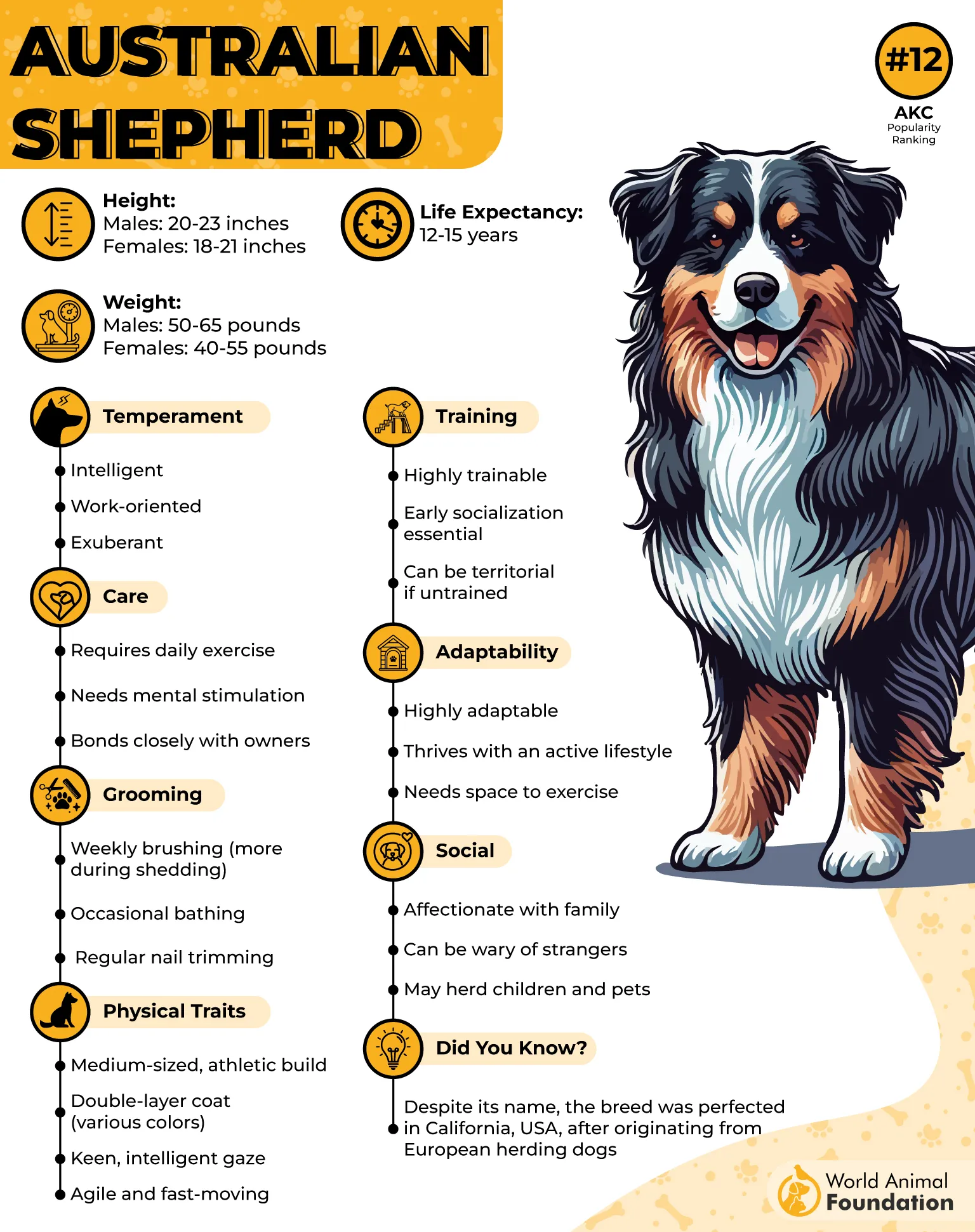
Australian Shepherd became closely connected with ranch work and the American cowboy lifestyle after being refined in California from European stock that arrived through Australia. This working dog naturally looks for meaningful tasks instead of long periods of inactivity.
Reading the Herd
They handle livestock with a loose-eyed approach, relying on body position, quick direction changes, and confident movement instead of an intense, fixed stare. This working style also helps when guiding animals through narrow alleys, chutes, or open grazing land.
The following breed characteristics deserve extra attention:
Uses an upright herding posture
Effective with sheep and range cattle
Heel-nips stubborn livestock when needed
Always Thinking Ahead
This active dog takes on new challenges with a sharp mind and a willingness to cooperate, making it well-suited for structured training and purpose-driven activities.
It’s instinct to chase fast-moving objects, including bikes, scooters, cats, or children, which makes early socialization especially valuable in busy households, as PetMD mentioned.
3. Pembroke Welsh Corgi
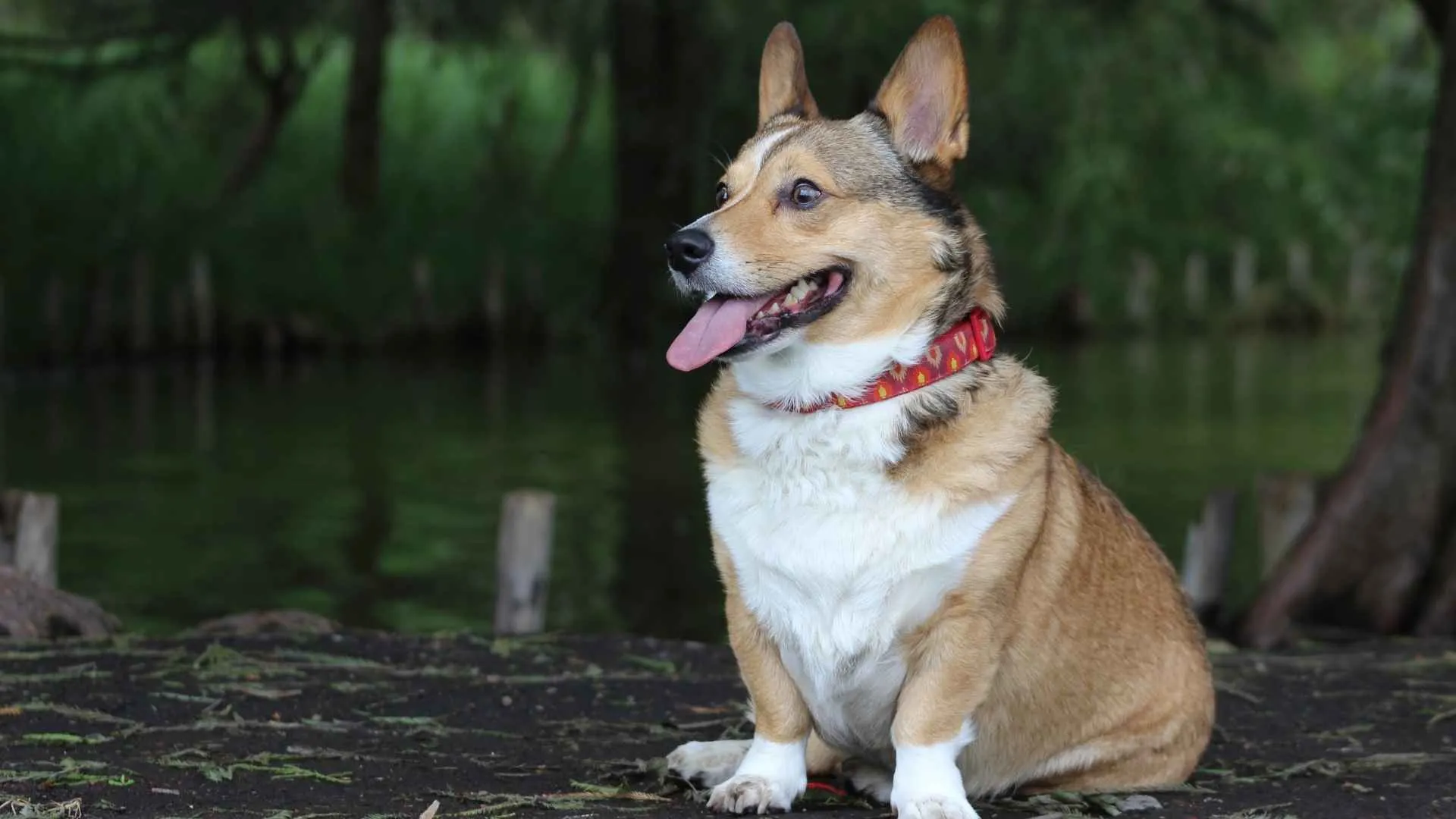
Pembroke Welsh Corgi packs impressive working ability into a long, low body built with muscular thighs, a deep chest, and surprising agility. That compact structure helped this energetic little dog handle cattle while keeping pace over long days of herding.
Ready to Gather
Corgis approach herding with confidence, quick reactions, and an independent mind that allows them to work livestock without constant direction. Even today, this breed enjoys purposeful activities that make use of its alertness, problem-solving ability, and natural confidence.
A few details reveal even more about this capable worker
Responds eagerly to structured training
Excels at different dog sports
Enjoys moderate daily exercise
Keen and Confident
Pembroke Welsh Corgi combines a bright mind with sharp senses, making it an attentive watchdog that often surprises people with its deep, big-dog bark.
Playtime with the family companions and regular interaction help channel its lively personality into rewarding daily routines, as noted by Purina.
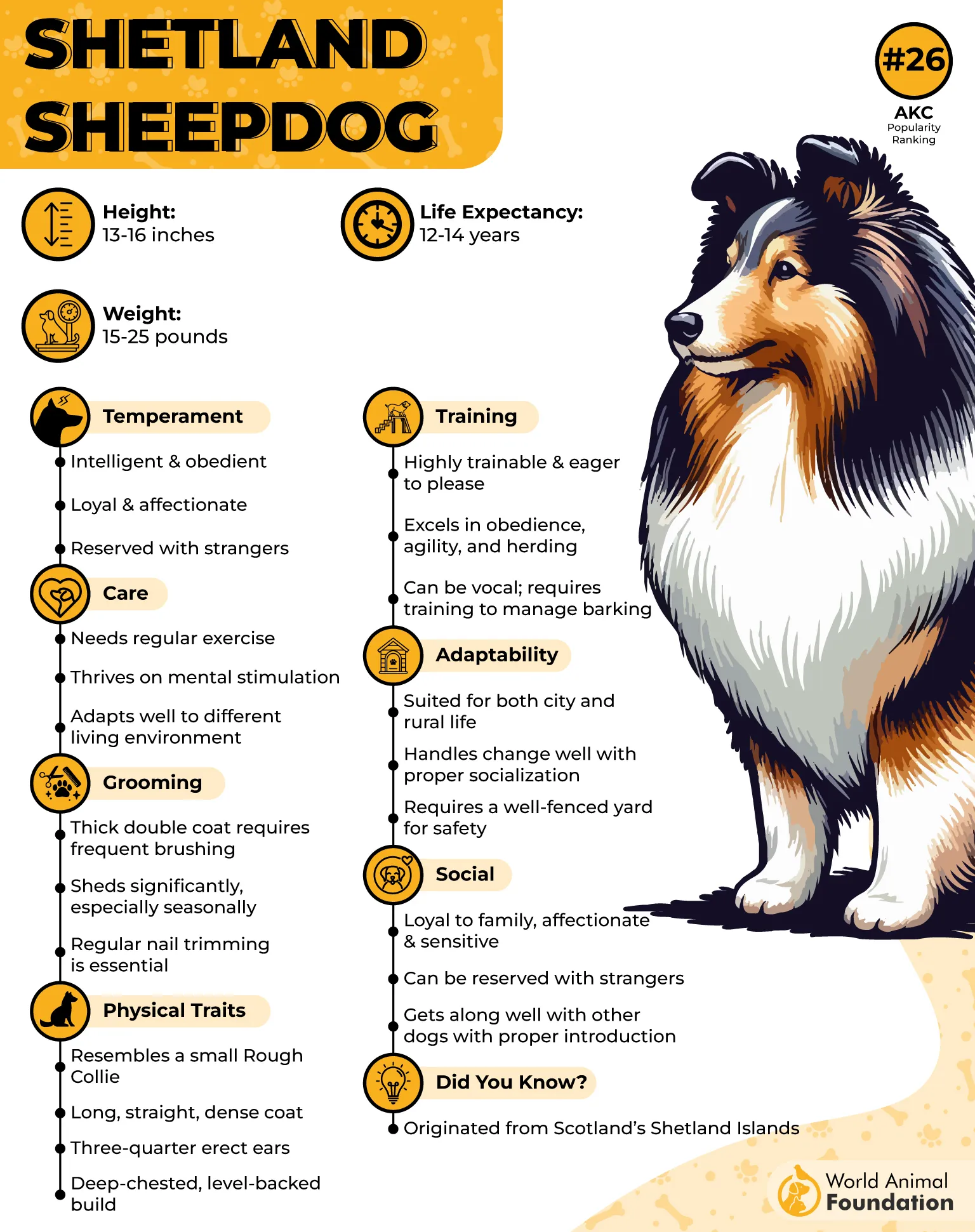
4. Shetland Sheepdog
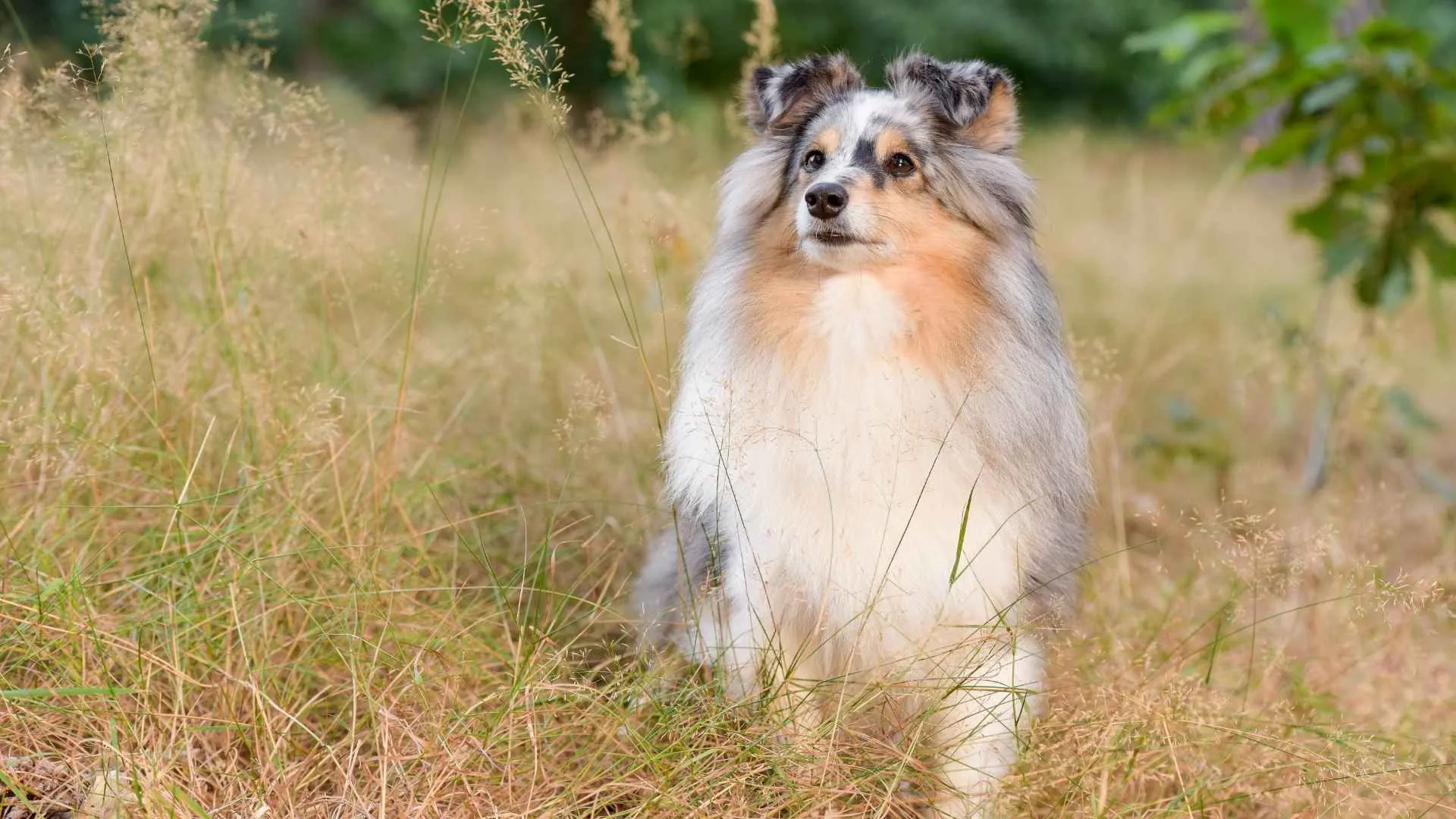
Shetland Sheepdog comes from Scotland’s rugged Shetland Islands, where quick thinking and dependable responses were essential for daily livestock work.
Ranked among the smartest breeds, this member of the herding group learns new commands quickly and responds closely to its handler’s guidance.
Precision in the Field
They herd livestock with a careful tending style, guiding individual animals exactly where they are needed instead of managing large groups at once. Its agility, stamina, and fast decision-making also help it handle rocky ground with confidence during demanding herding work.
Their impressive working ability is shown here:
Excels in obedience and agility trials
Performs well in dog sports and tracking activities
Recognized as an effective therapy dog
Tuned to Family Life
Shelties pay close attention to the mood around the home, making them a people-friendly companion that responds with remarkable awareness.
It can be reserved with unfamiliar visitors, while getting along well with respectful children and furry friends when properly introduced.
5. Collie
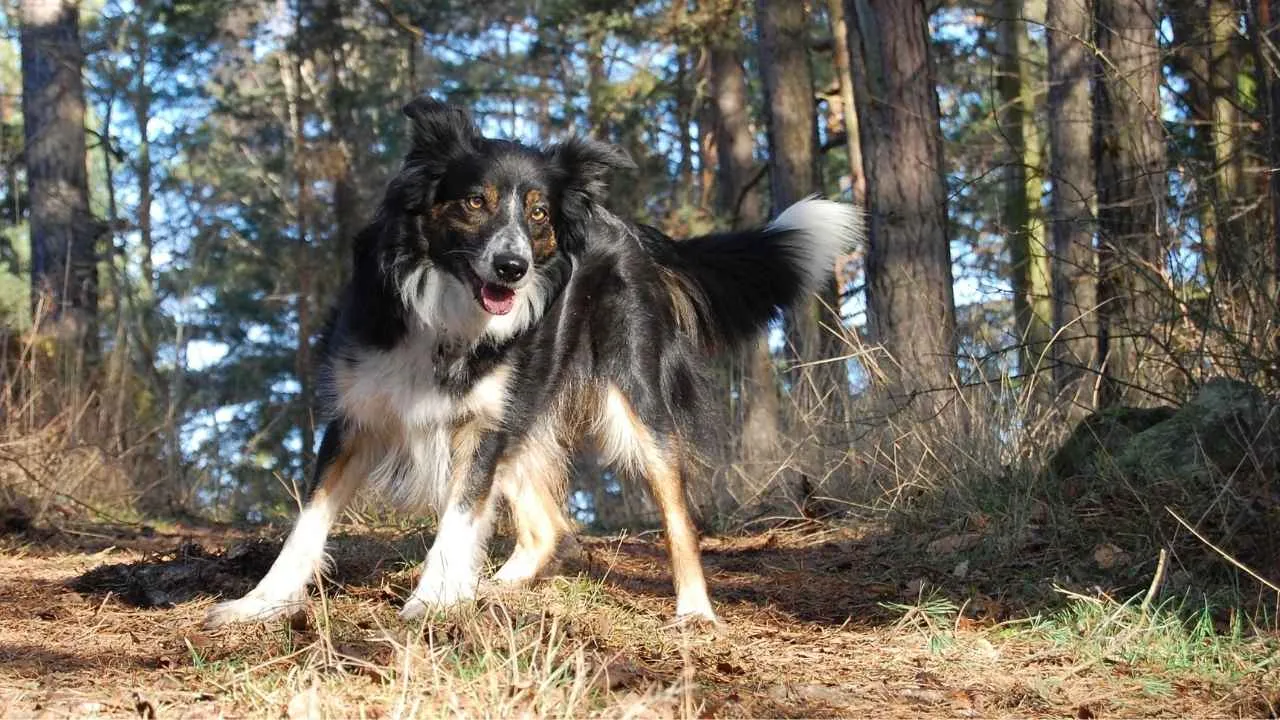
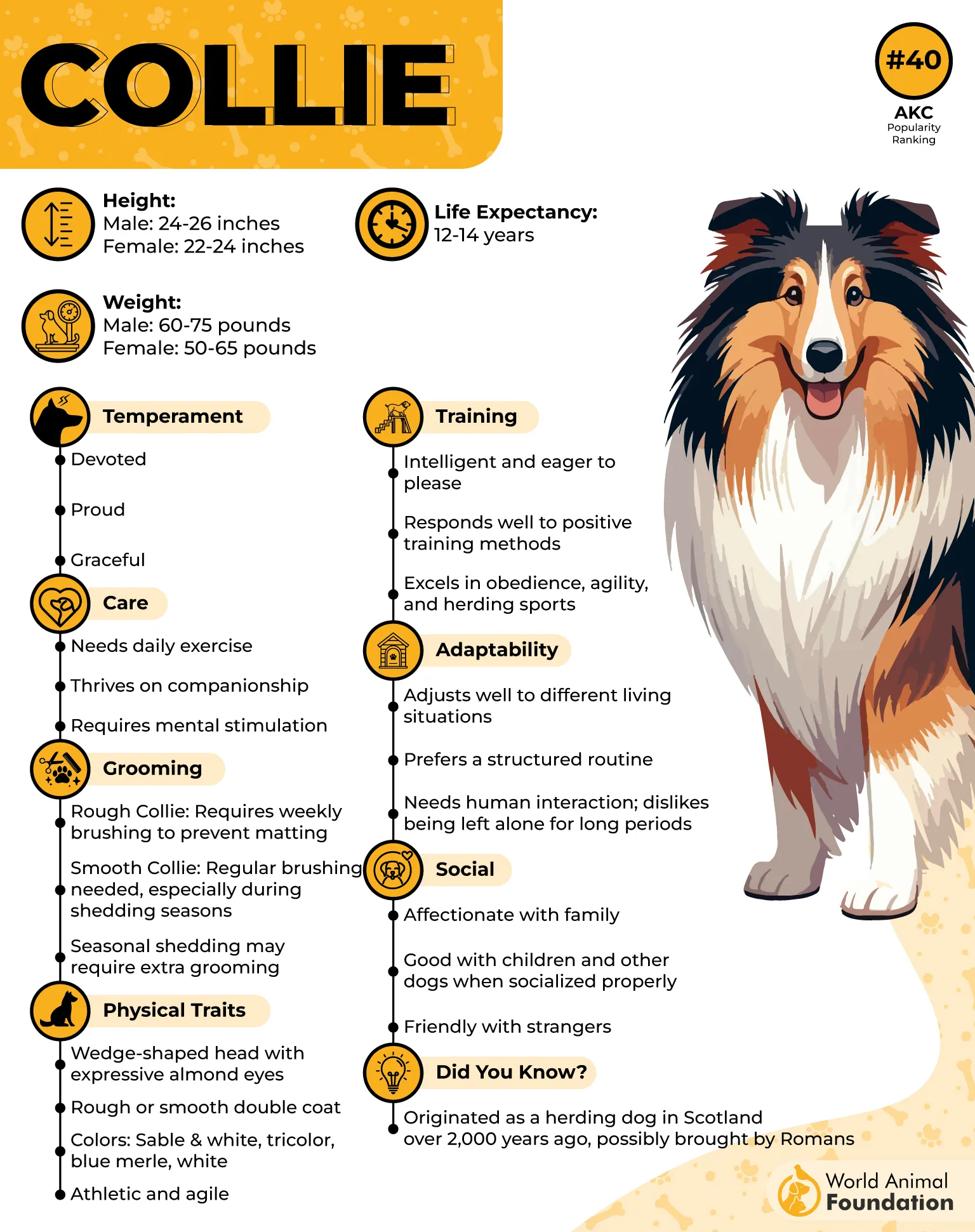
Collies first gained wider attention after Queen Victoria took an interest in the breed during the 1860s, though their earliest work took place with flocks across Scotland and England.
Later, Lassie Come-Home introduced Collies to an even broader audience and helped shape their family-friendly reputation.
Gathering Instinct
Instead of driving livestock ahead, the Collie gathers them and returns them to the handler. That responsive nature also fits an outdoorsy lifestyle, especially when ensuring daily tasks keep both mind and body engaged.
Their working ability is supported by several specific qualities:
Responds quickly to whistles and voice commands
Excels in obedience, agility, and herding trials
Natural gathering style instead of driving livestock
Ready to Learn
Collie combines intelligence with an eagerness to please, making training sessions productive from an early stage. Its medium to high energy level calls for at least an hour of outdoor activity each day before relaxing indoors with the family.
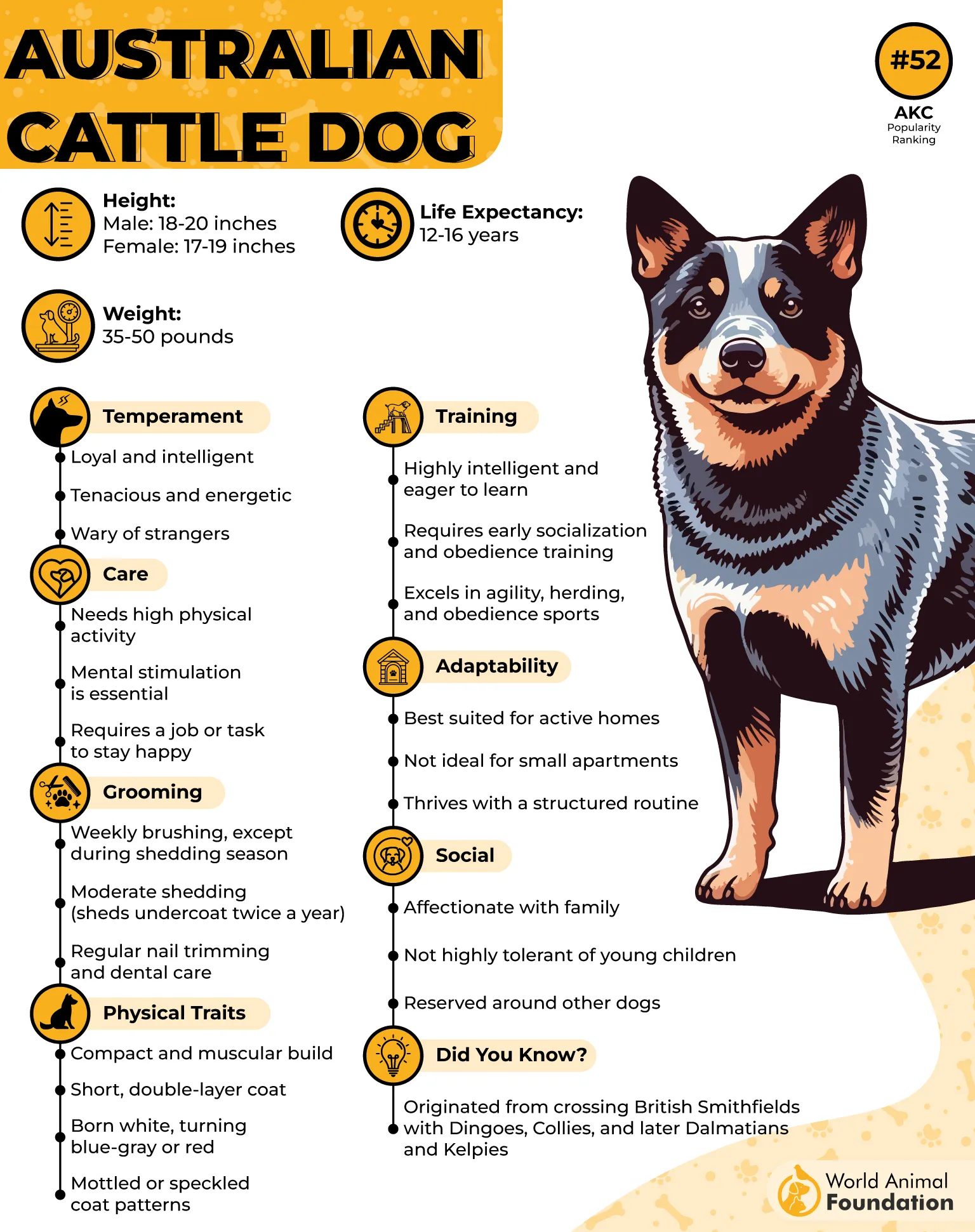
6. Australian Cattle Dog
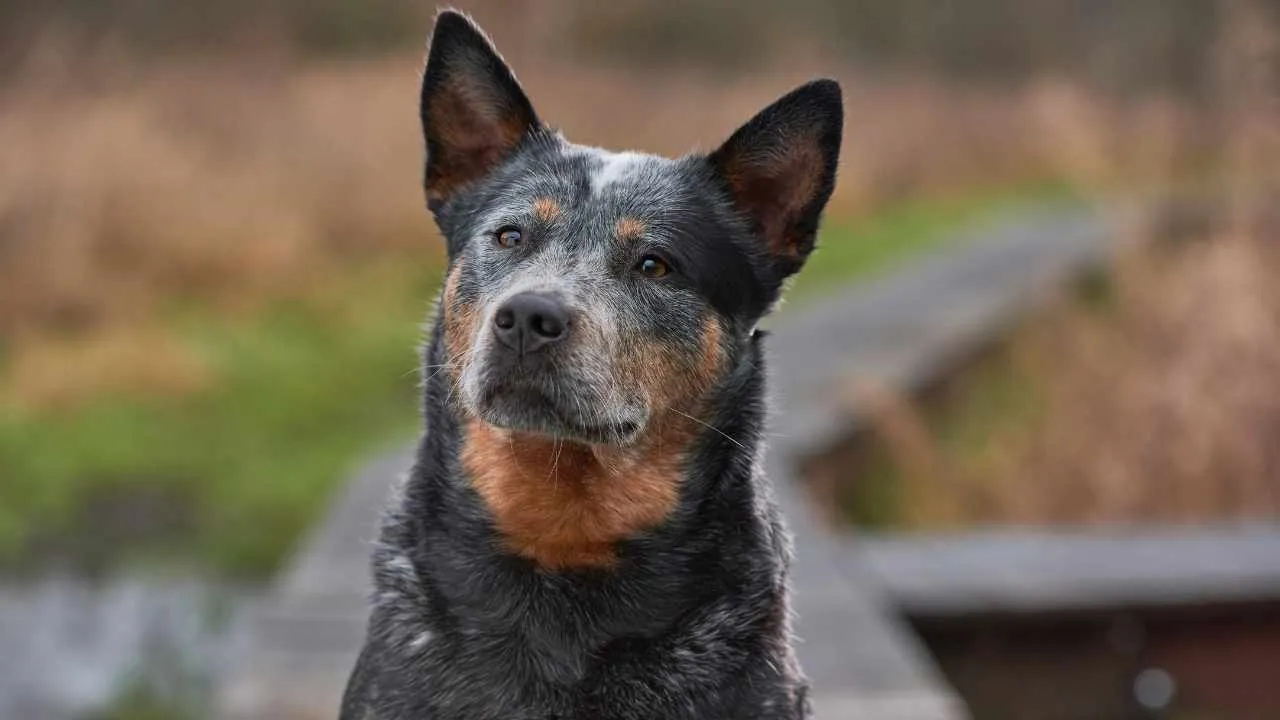
Australian Cattle Dog descends from Australia’s wild Dingo, a connection reflected in its confident working style and sharp decision-making.
This compact, muscular breed earned its place by handling semi-wild cattle across demanding landscapes where quick thinking mattered every day.
A Different Herding Method
This livestock herder works with a distinctive approach by guiding cattle from behind and nipping at their heels while keeping low to avoid powerful kicks. That controlled technique makes this breed better suited to driving cattle forward than to gathering sheep into a group.
The working style of this farm dog includes:
Also called Blue or Red Heeler
Keeps a low position around cattle
Works confidently without constant direction
Built for Long Hours
This high-energy dog combines exceptional endurance with a weather-resistant double coat, allowing it to spend long periods working through the intense heat of the Australian Outback. Its smooth, flexible gait also explains why this breed makes such a capable running companion for active lifestyles.
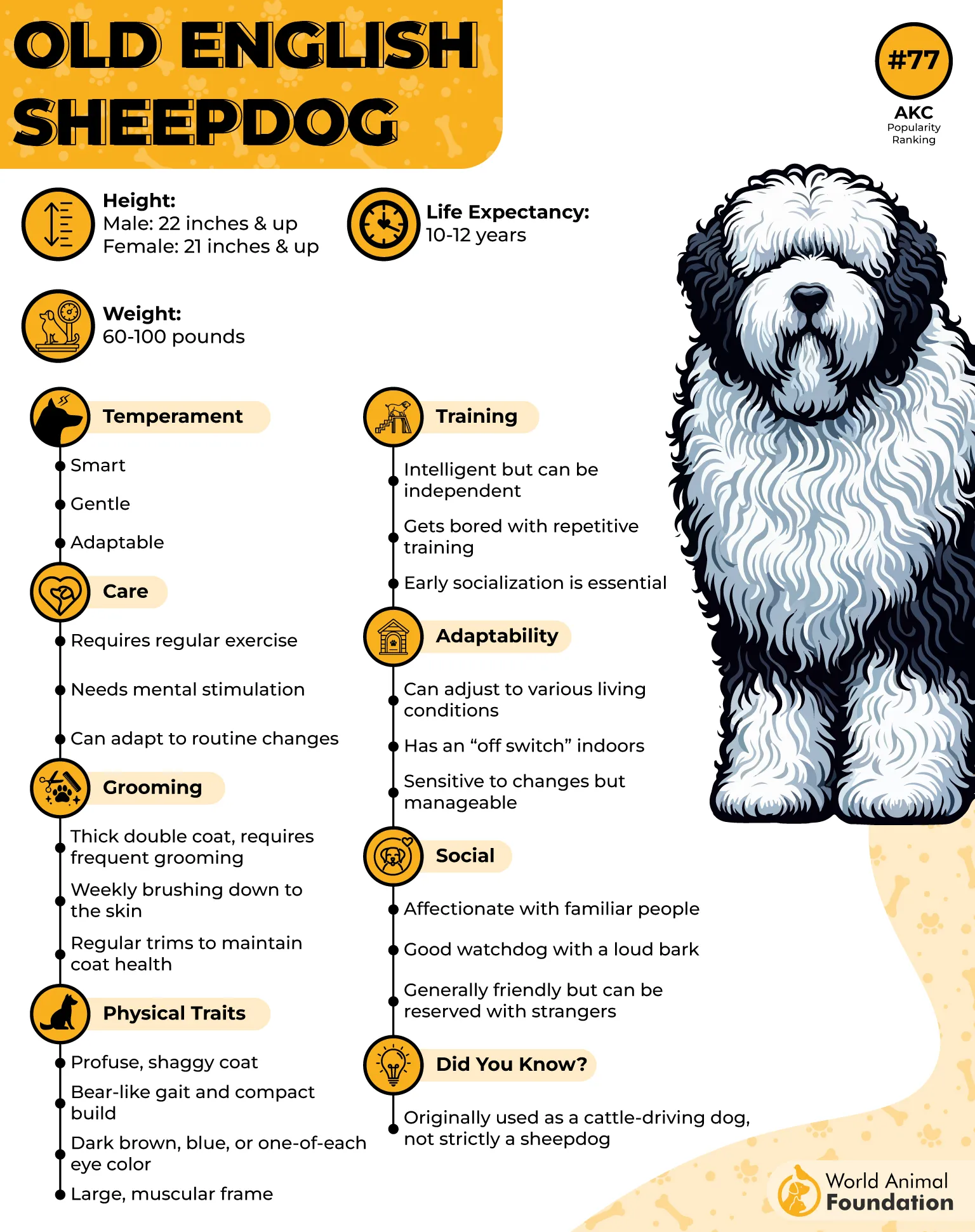
7. Old English Sheepdog
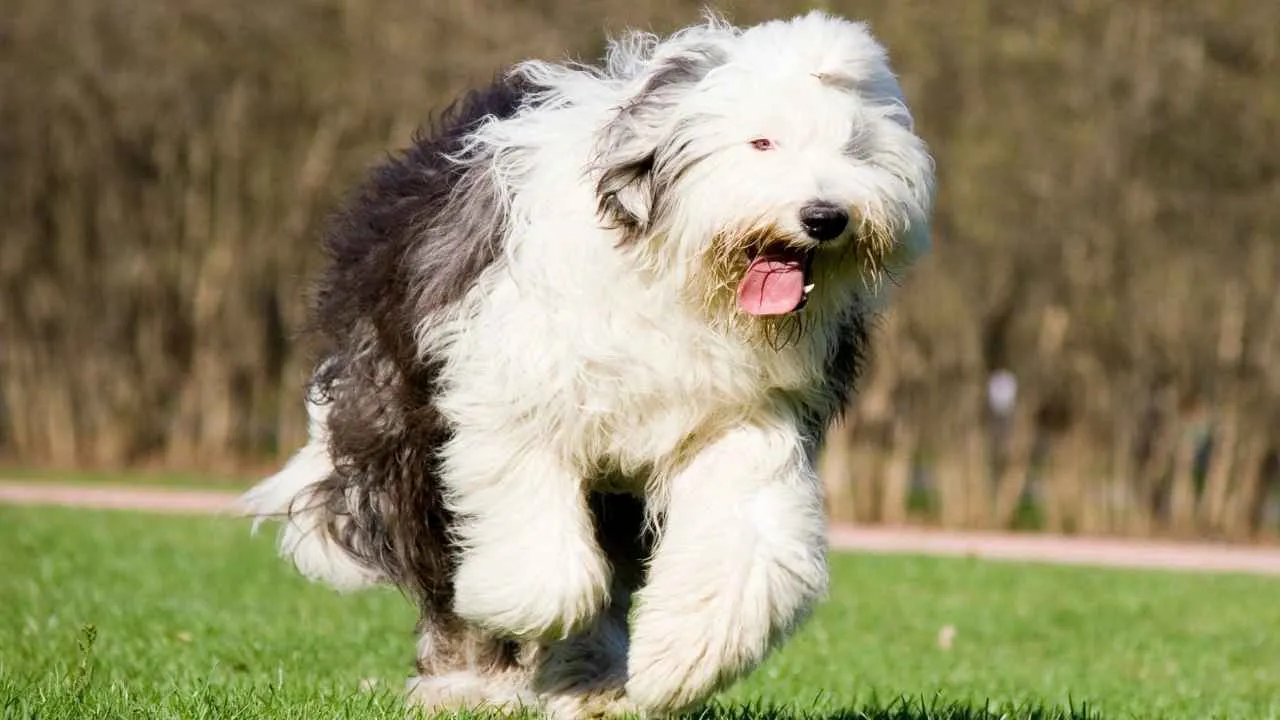
Old English Sheepdog is known for their full shaggy coat, peek-a-boo fringe, and distinctive bear-like gait that sets it apart from other herding breeds.
Beneath that unmistakable appearance is a large, agile dog with a square-shaped skull designed to accommodate impressive brain power.
Working the Herd
They guided stubborn cattle with a firm, pushing approach instead of relying on speed alone, making physical strength an important part of their working style. Even today, that natural herding instinct can extend to children and other household animals in everyday family life.
These fascinating details complete the picture:
Nicknamed the “Bobtail” after docked working tails
British tax rules once influenced tail docking practices
Loud, ringing bark suited watchdog duties
More Than a Shaggy Face
OES combines intelligence, courage, and a calm temperament, creating a dependable companion that also enjoys exploring and energetic outdoor play.
Patient behavior around children has long made this breed cheerful and a trusted playmate while remaining attentive to activity around the home.
Conclusion
A hardworking dog brings far more into a home than endless energy. Confidence, quick thinking, loyalty, and a willingness to work alongside people have shaped these companions for generations. Those qualities become a wonderful addition to family life when matched with enough activity, patient guidance, and opportunities to stay mentally engaged.
Selecting thoughtfully from a curated, beginner-friendly list is strongly recommended, especially for new herding dog owners or those expecting help with farm duties. When lifestyle and temperament match, the result is a rewarding relationship built on mutual understanding, dependable companionship, and hard-working dogs that truly enjoys its purpose.
