




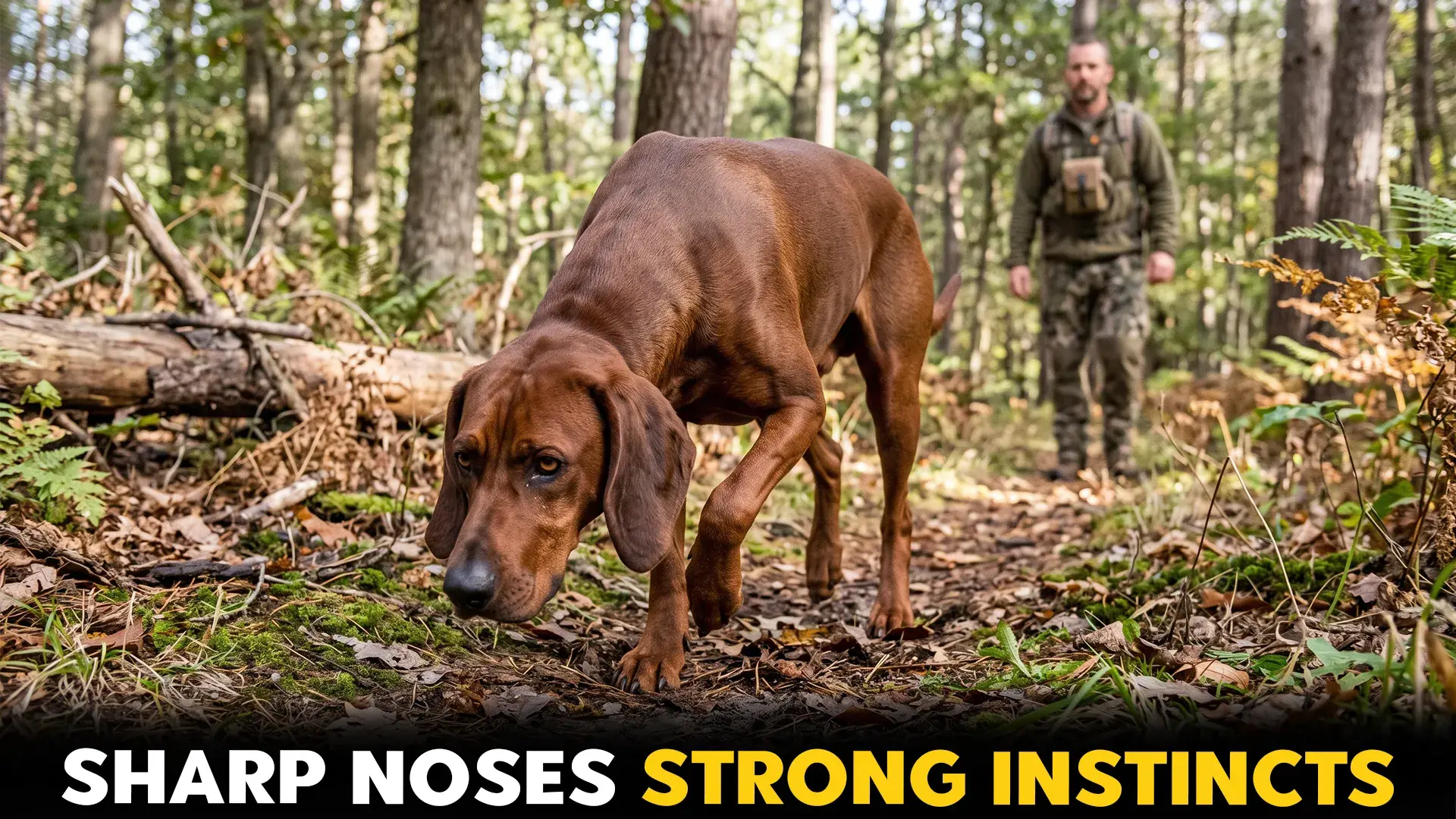
If you enjoy the sport of hunting and want to have a furry friend by your side, a hunting dog breed may be the right fit for you. One of the many traits that hunters look for in a hunting dog is its ability to track scents.
Hunting dogs usually possess long muzzles carrying millions of scent receptors. It enables them to detect scents that are even several days old. Their strength, stamina, and endurance enable them to follow scent trails over long distances.
Having muscular and rugged bodies, they can easily navigate rough terrains in search of a particular smell. Good hunting dogs are usually very intelligent, have a strong prey drive, and respond well to training.
Here are the 7 best dog breed choices for hunters seeking tracking prowess.
Best Dog Breeds Choices for Hunters Seeking Tracking Prowess
1. Bloodhound
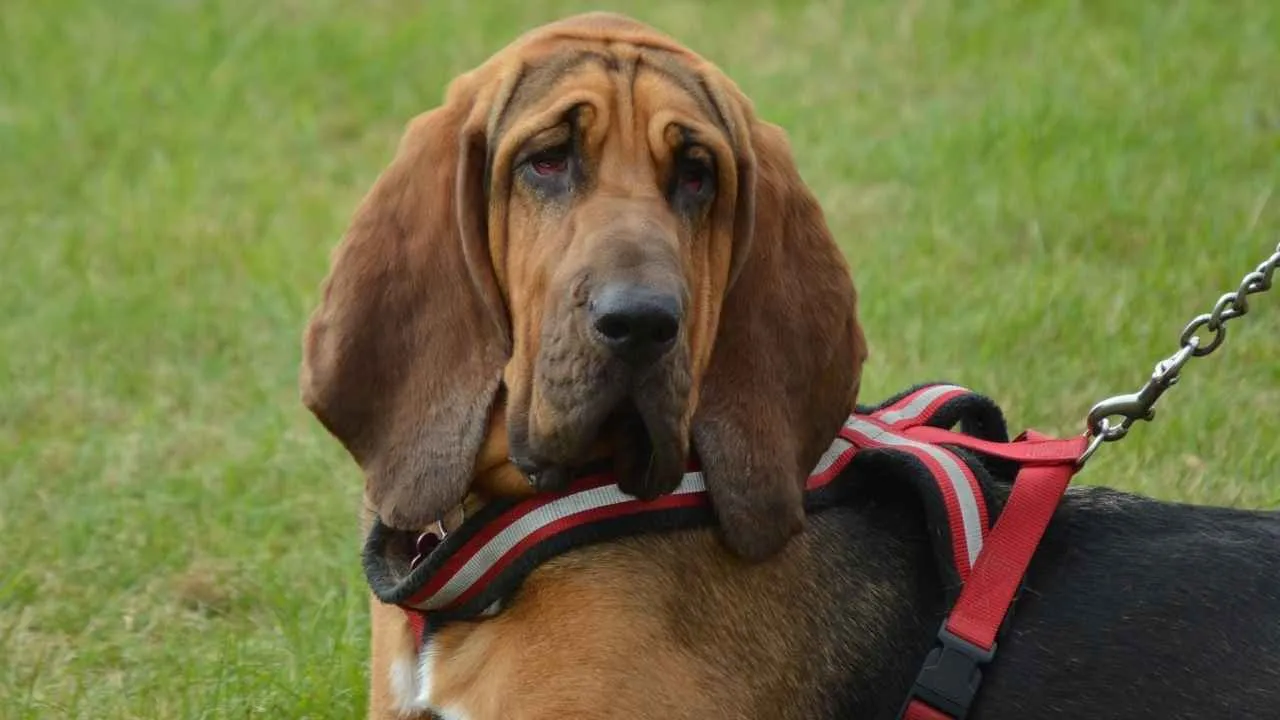
Having the strongest sense of smell in the dog world, Bloodhounds are the undisputed kings of tracking. Their wrinkly skin, extra-long ears, and incredibly powerful nose add to their tracking abilities.
Do You Know? Bloodhounds roughly have 320 million scent receptors, 40 times more than humans. No manmade scenting device can outperform a Bloodhound’s nose, mentions Purina.
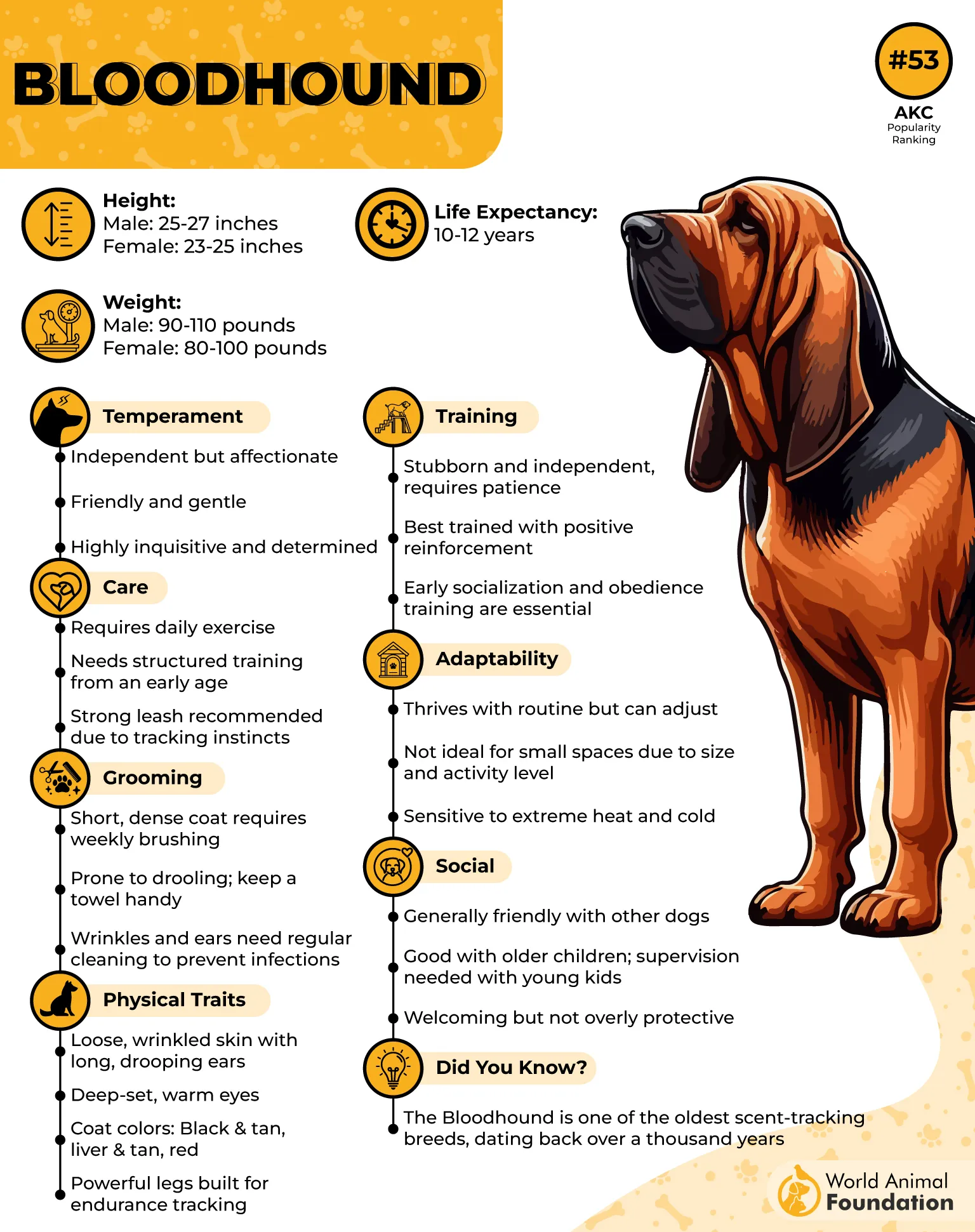
While they are calm and even-tempered at home, Bloodhounds are tenacious and active dogs when following a scent trail. Their energy, endurance, and stamina make them well-suited for long hunts.
Bloodhounds were originally bred in medieval Europe for trailing wounded game like wild boars and deer. Apart from being hunters’ loyal companions, Bloodhounds are also used as tracking dogs in criminal searches and rescue operations.
Bloodhounds need plenty of daily exercise for physical and mental stimulation. Despite their large size, they have affectionate and easygoing personalities. With proper training and care, Bloodhounds can become loving family pets.
2. Weimaraner
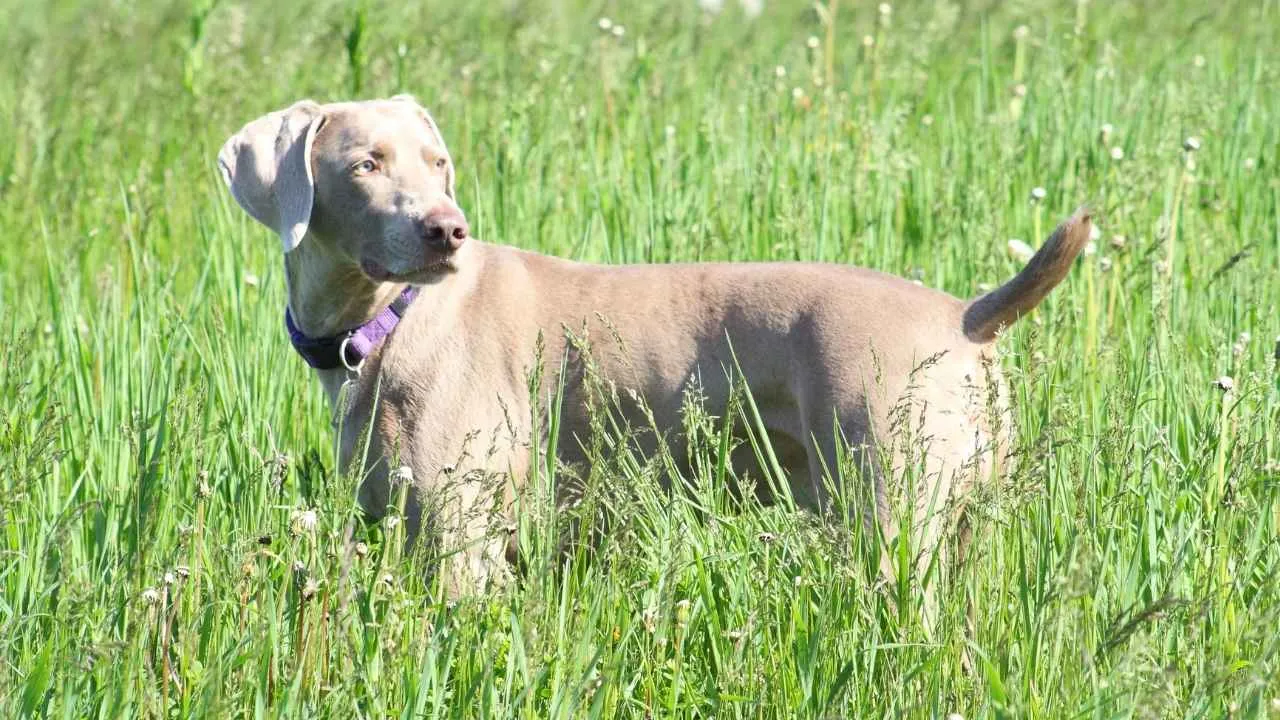
Originally bred in Germany, Weimaraners are valued by hunters for their speed, courage, and intelligence. Having an exceptional tracking ability, they were meant to hunt wolves, bears, and deer. Later, people also started using them for upland bird hunting. They also excel at blood tracking.
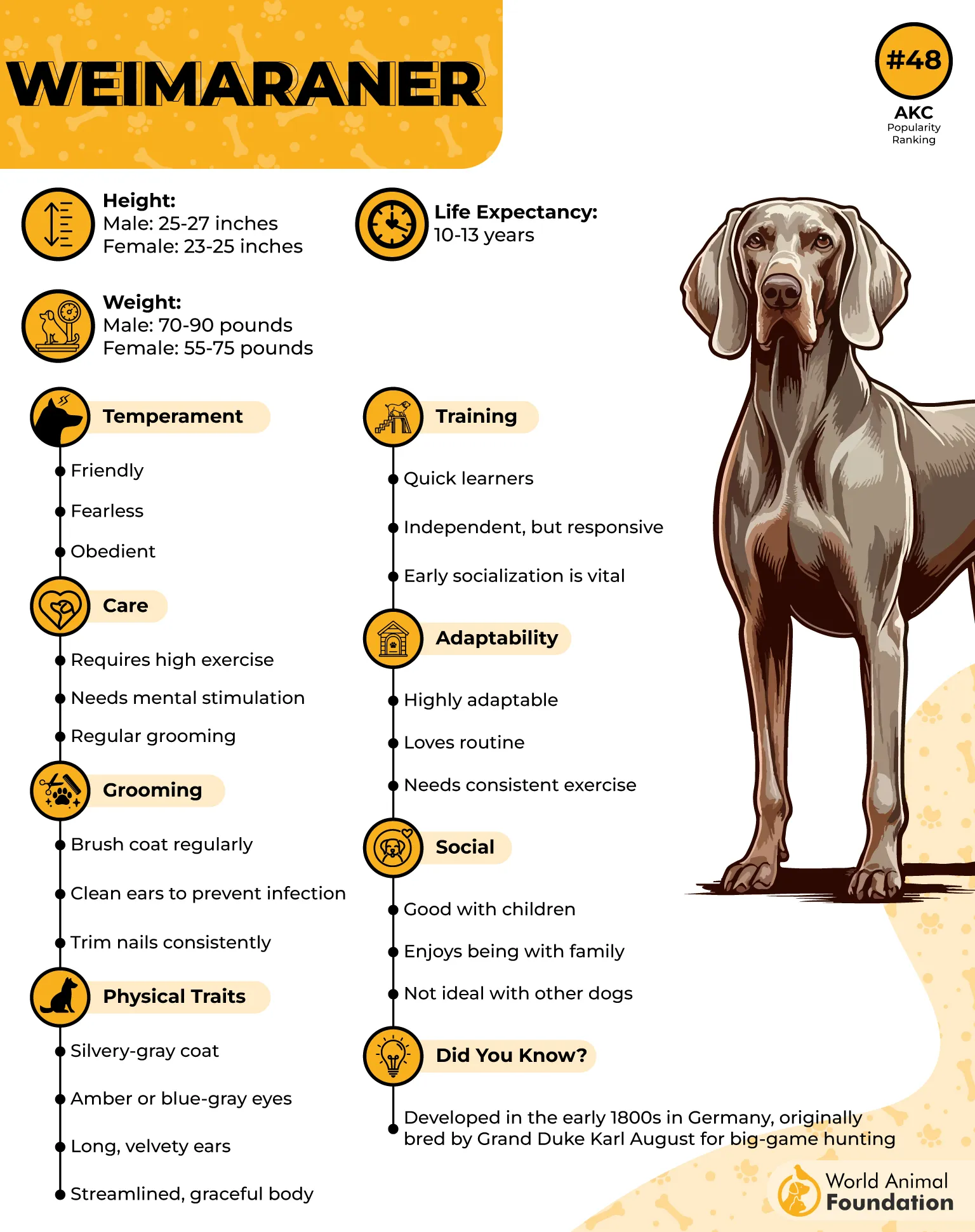
Weimaraners are instantly recognizable through their sleek silver-gray coat and hanging ears. Their alert and well-balanced stance in the field adds to their hunting prowess. Weimaraners are active dogs and require lots of physical activity, according to PetMD.

They should exercise for up to two hours a day to prevent destructive behaviors. Weimaraners make ideal companions for outdoor activities like hunting and hiking.
As friendly dogs, they form strong bonds with their humans and can develop separation anxiety when left alone for extended periods. Having an eager-to-please nature, Weimaraners can be trained easily. Their short coat needs minimal grooming to keep looking good.
3. Bluetick Coonhound
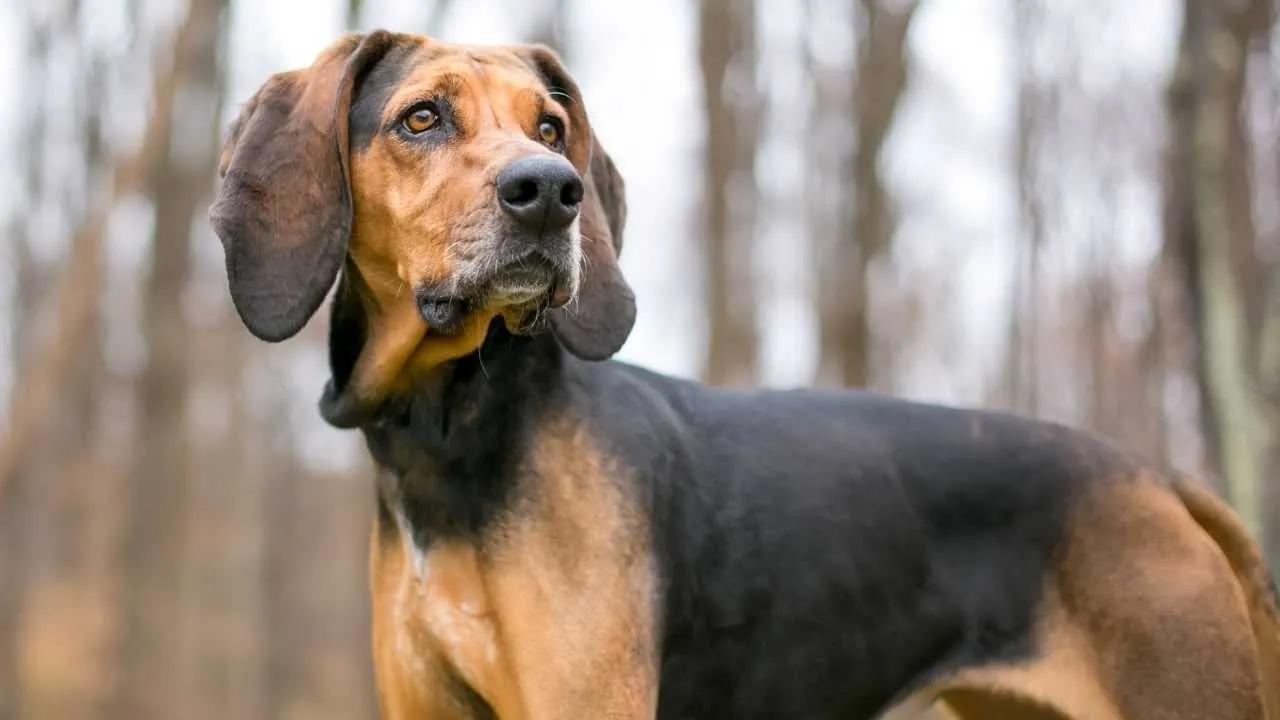
Bluetick Coonhounds are medium to large hound dogs, recognized by their distinctive mottled coats. Having a keen sense of smell and strong prey drive, they were originally bred for hunting. Bluetick Coonhounds are sweet and friendly dogs who make wonderful hunting companions and family pets.
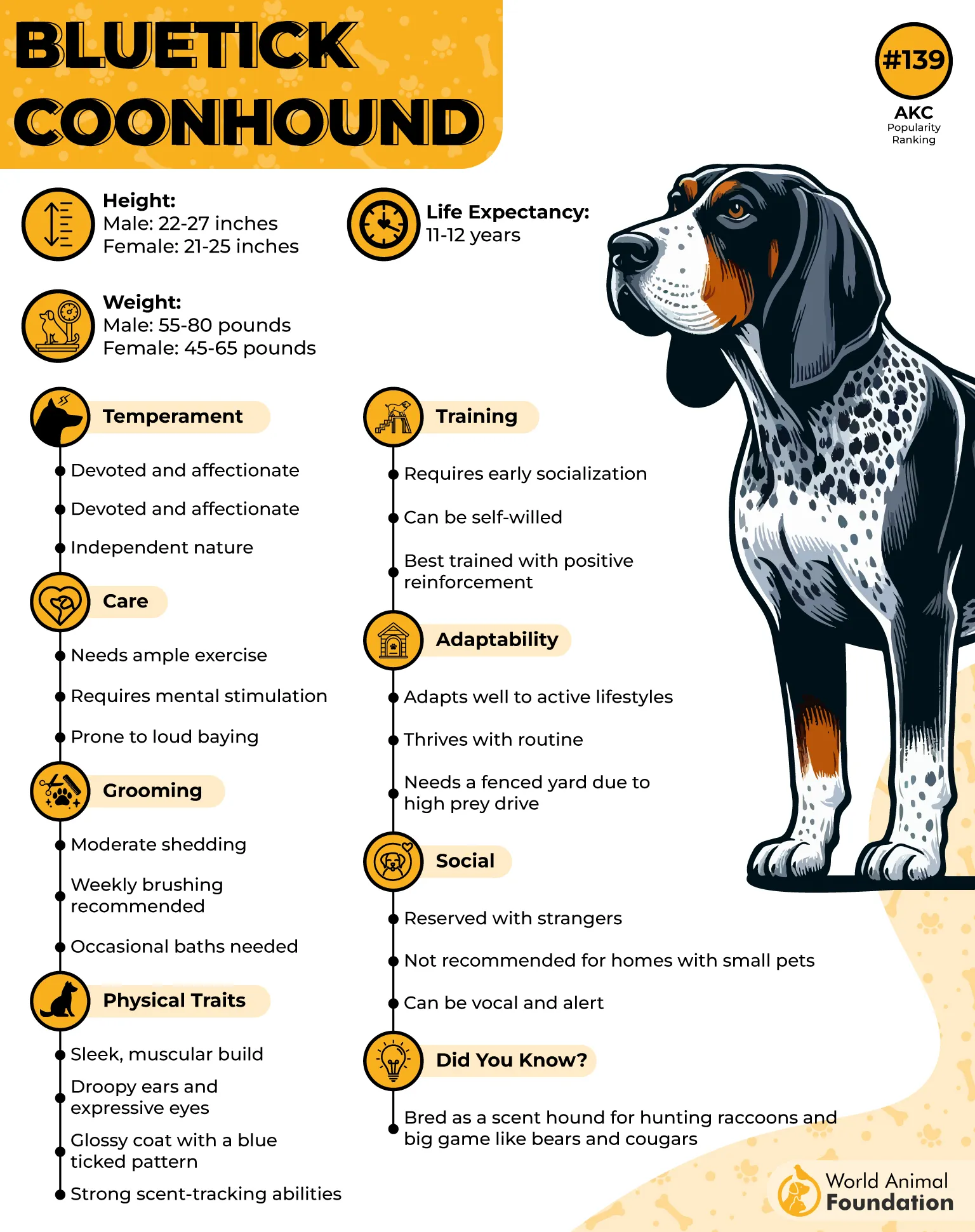
Their high endurance levels enable them to cover long distances on hunting trails and conquer rugged terrains. They have a weather-resistant coat that protects them from harsh weather.
Bluetick Coonhounds are known for having high energy levels, so adequate physical activity should be provided to burn that energy. Aim to provide at least one to two hours of exercise to your dog every day. Bluetick Coonhounds enjoy long walks and jogs with their humans.
They also excel at a variety of dog sports, including tracking and agility. As with all breeds, the American Kennel Club recommends early socialization to turn them into well-behaved family dogs. Consistent positive reinforcement training works best for them.
4. American Foxhound
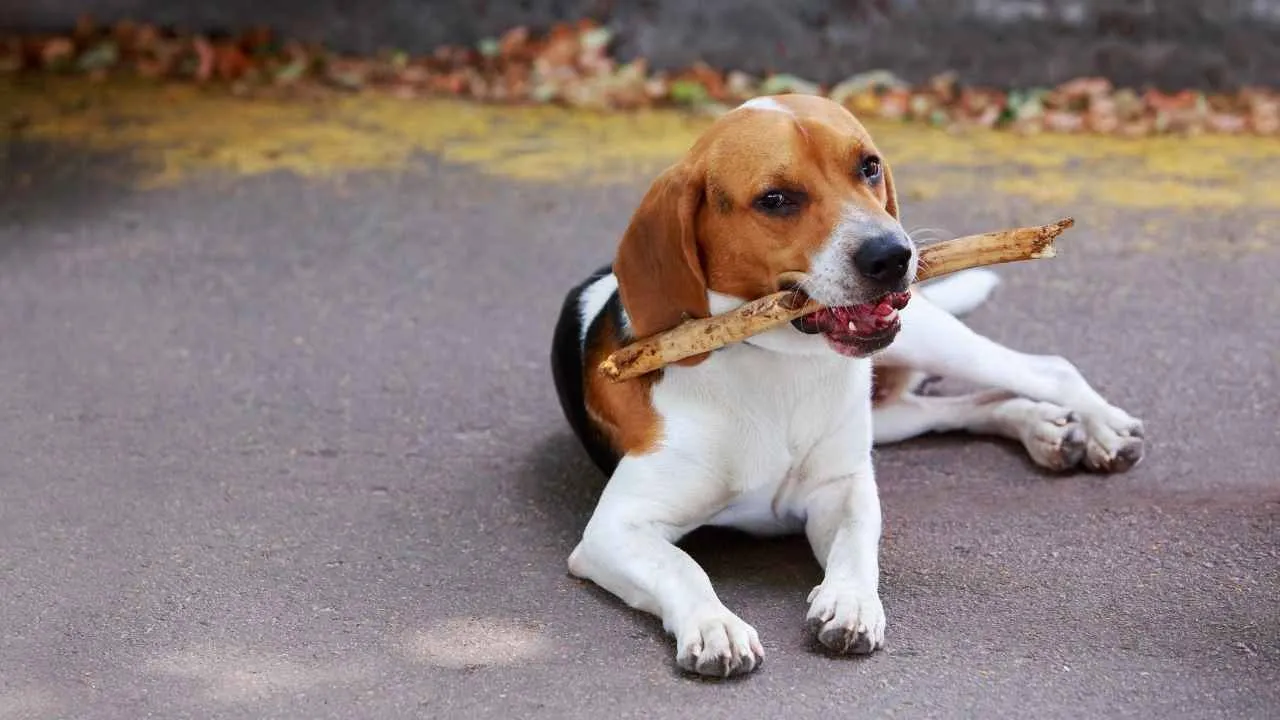
Among America’s native breeds, American Foxhounds were primarily bred to track foxes by scent tracking. Additionally, they also worked closely alongside horses. These easygoing and low-maintenance pups are capable of chasing the prey for several hours without killing it.
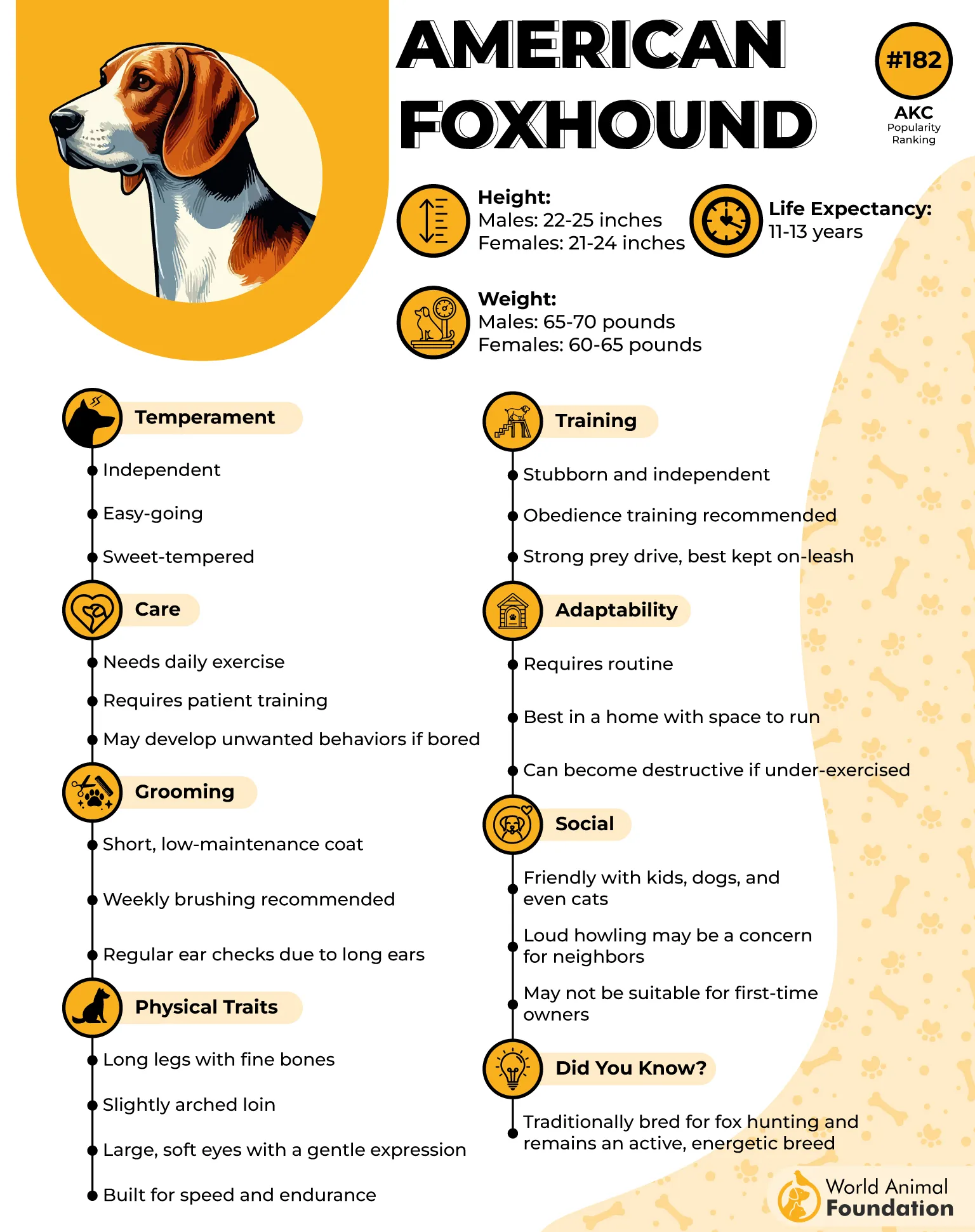
Thanks to their endurance, speed, and work ethic, these hunters can also track other animals such as rabbits. American Foxhounds are versatile dogs. Apart from tracking wounded game, these low-maintenance dogs make excellent family dogs.
American Foxhounds are friendly and affectionate dogs that get along nicely with children and families. However, they can be pretty reserved towards strangers. American Foxhounds are highly energetic dogs who need at least one to two hours of daily exercise for physical and mental stimulation.
They excel at a variety of dog sports, including tracking, rally, and coursing ability tests. American Foxhounds respond best to positive reinforcement training methods.
5. Treeing Walker Coonhound
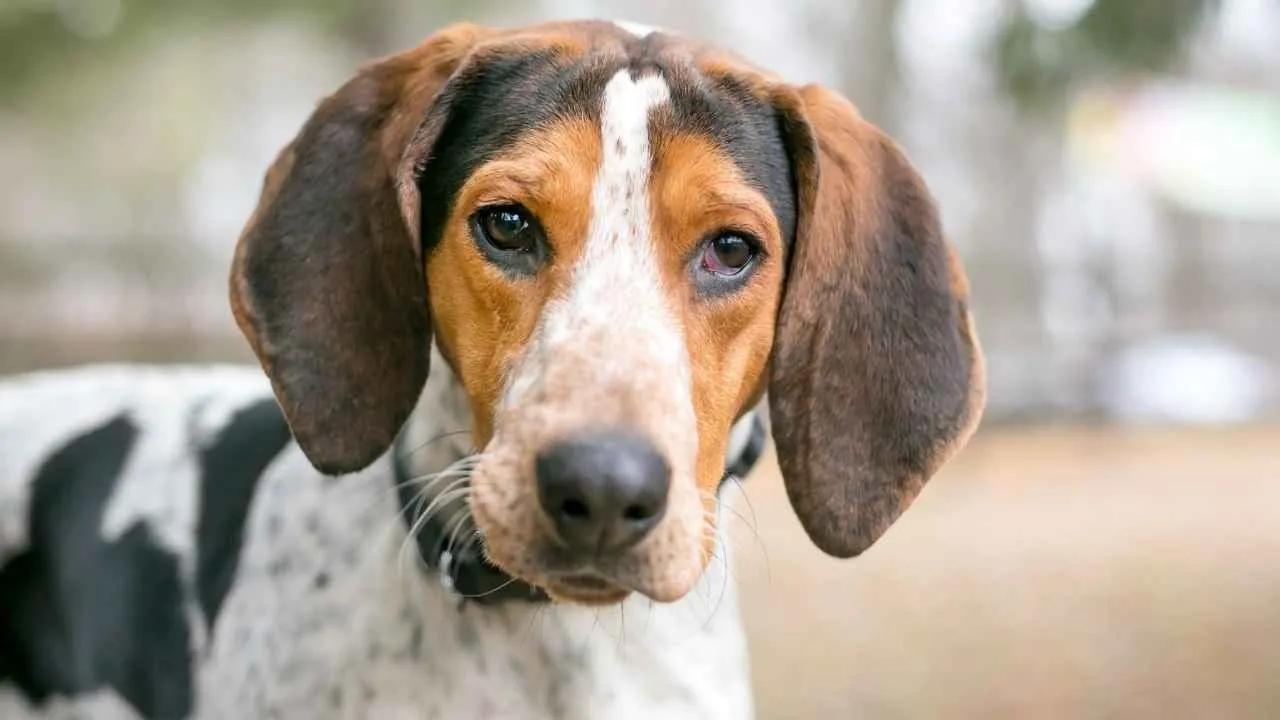
Treeing Walker Coonhounds are medium to large-sized hound dogs that assisted hunters in tracking and isolating various game in the forest, especially raccoons. Their muscular bodies, powerful hindquarters, and streamlined frame enable them to cover maximum ground with minimum effort.
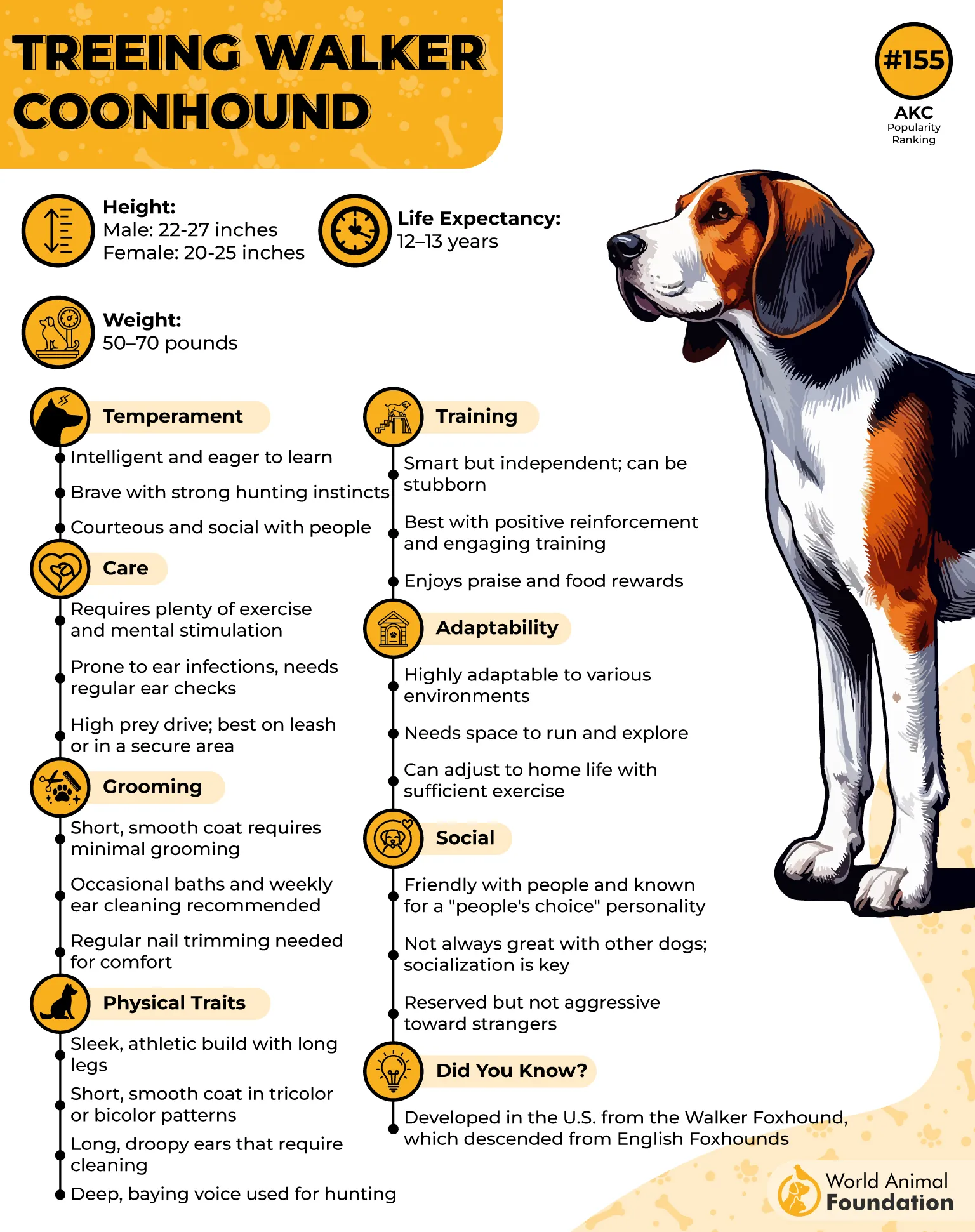
Their high energy levels and exceptional endurance make them suitable for working long hours in the field. In addition to tracking wounded animals, Treeing Walker Coonhounds make excellent running and hiking companions.
Tracking raccoons in the forest requires athleticism, which means they need plenty of exercise for physical and mental stimulation. Coonhounds are prized for their howling bark, which they use to alert the hunter once they have cornered their quarry.
These even-tempered and trainable companions are highly people-oriented and get along nicely with children and other dogs.
6. Plott Hound
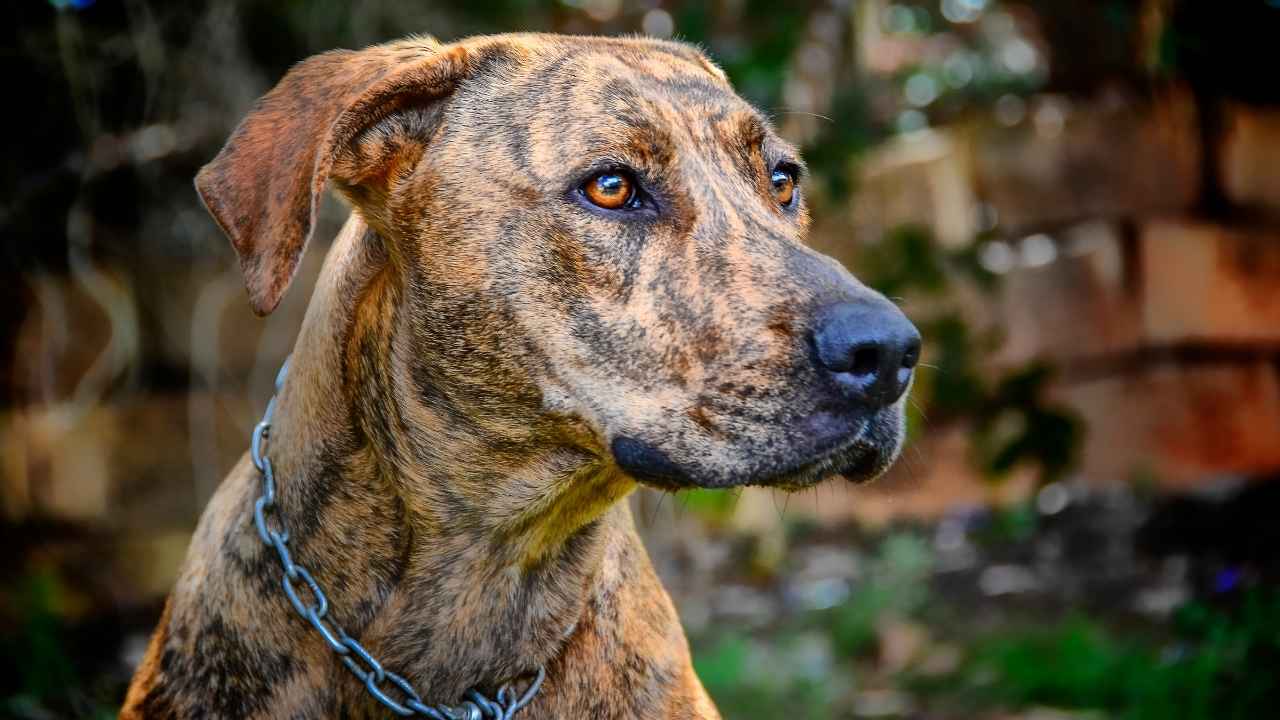
Plott Hounds are large scent hounds bred for hunting big game, particularly wild boar. These fierce and confident hunting dogs are incredibly loyal and affectionate to their owners. Rugged and relentless, these muscular dogs stand out for their endurance and determination.
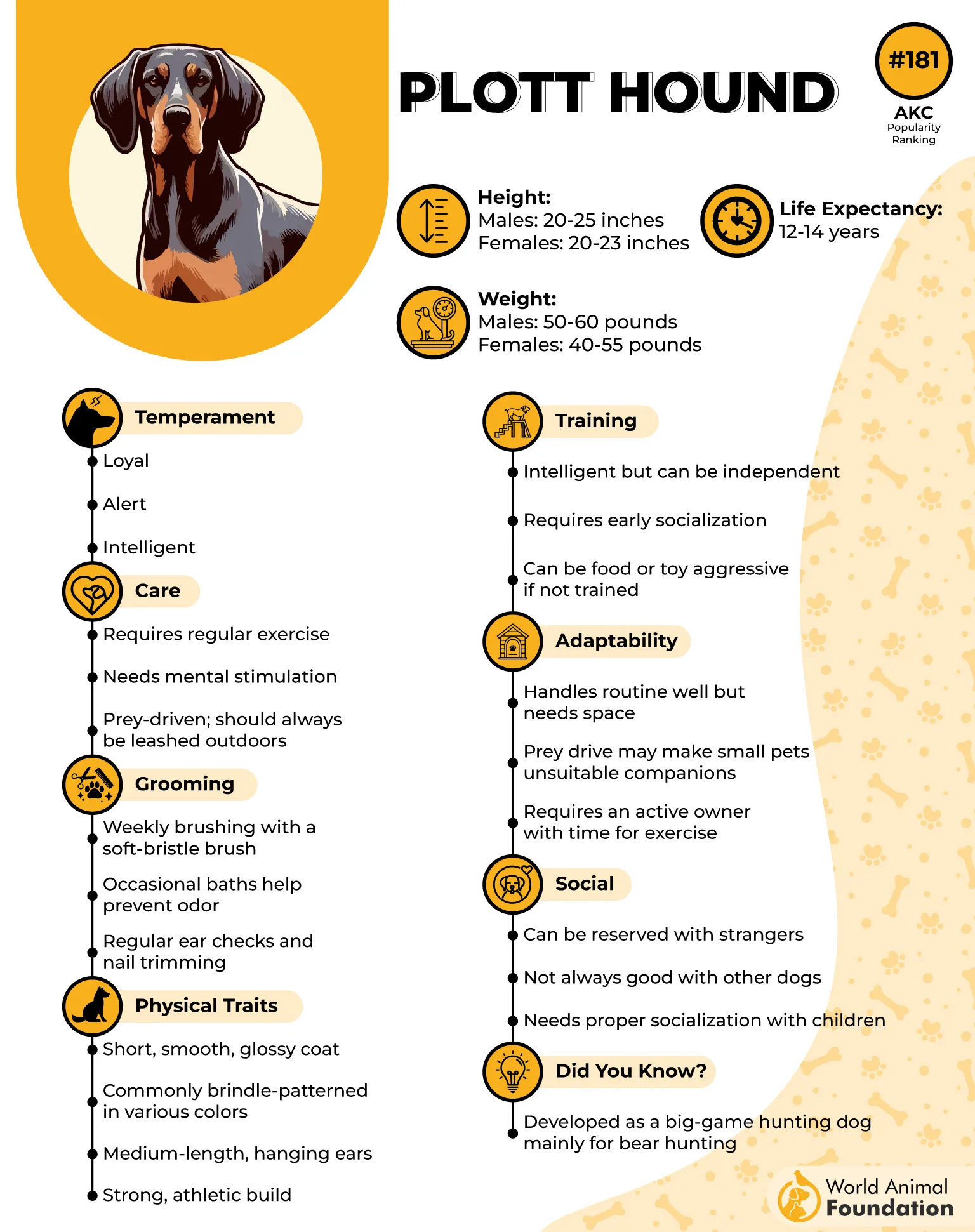
Plott Hounds are tough and athletic dogs who can conquer rugged terrains in pursuit of prey. Thanks to their keen sense of smell, they excel at tracking small game as well as large game. Their agility, stamina, and high energy levels mean they need plenty of daily exercise to stay fit.
Once they have found their quarry, they use their loud bark to inform their human partner that are even miles away. Plott Hounds like to perform jobs like hunting, searching, and rescuing. They also excel at dog sports like night hunts, field trials, and hunt tests.
7. Black and Tan Coonhound
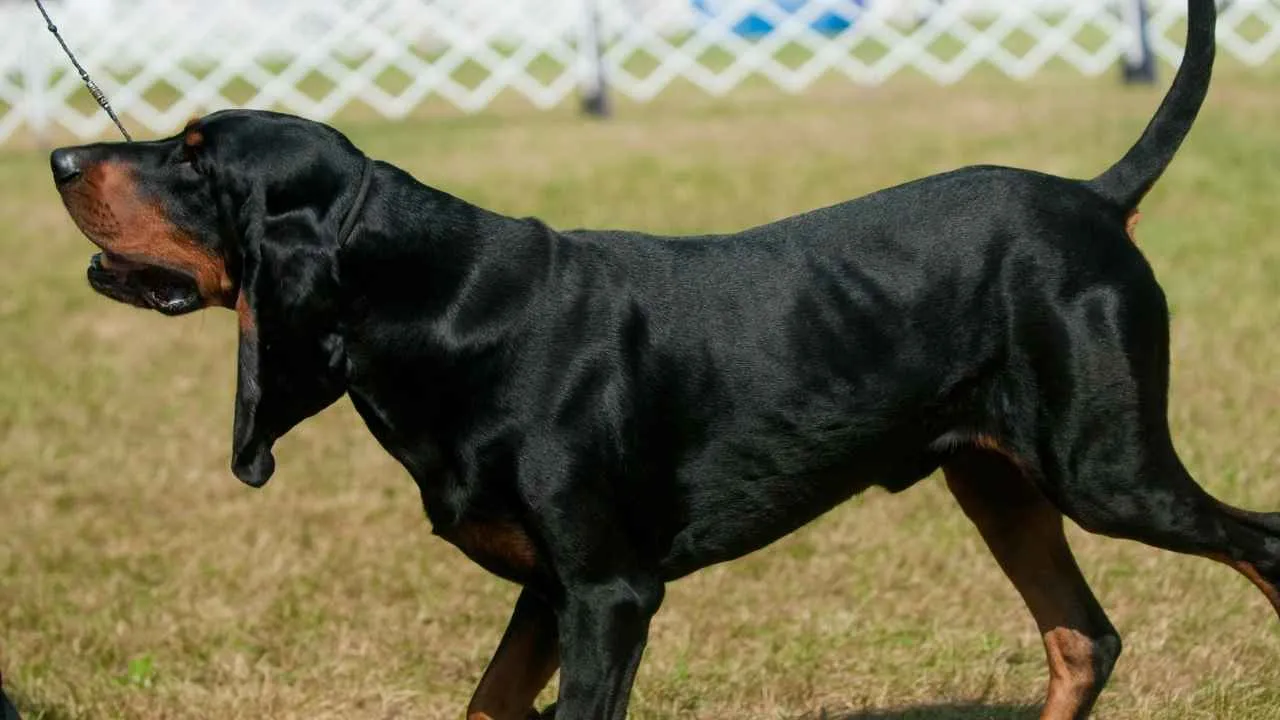
Black and Tan Coonhounds are tall and impressive hounds, having a somewhat regal appearance. Originally bred to hunt raccoons and other large game, they combine acute scenting abilities with agility and determination.
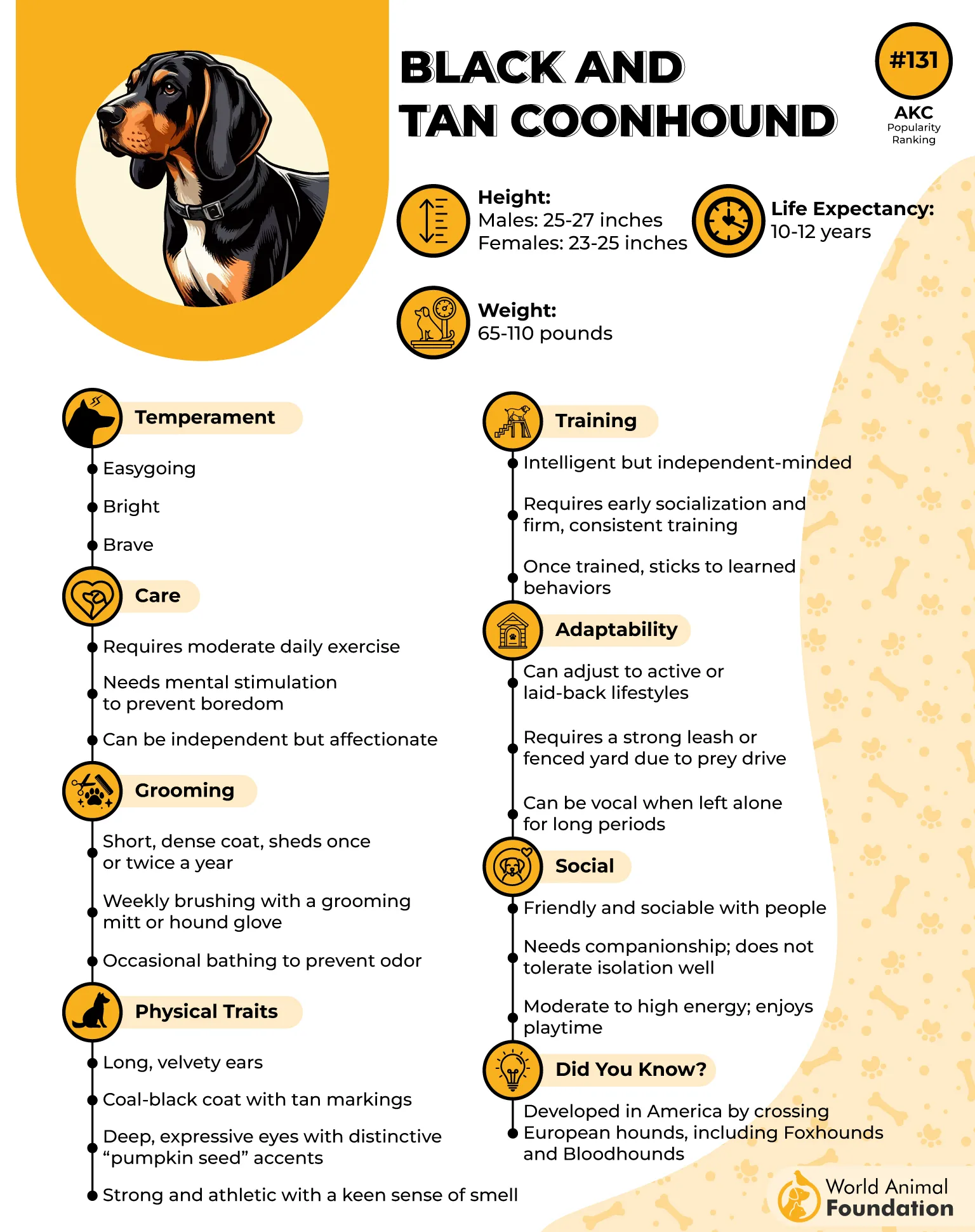
Even-tempered, sociable, and placid, Black and Tan Coonhounds possess excellent tracking skills. Their independent nature and strong hunting instincts make them excellent partners for hunters seeking tracking prowess.
Black and Tan Coonhounds can detect scent trails over long distances, even in challenging hunting scenarios. At least two hours of daily exercise helps keep the dog physically and mentally stimulated. With proper training and socialization, they make loving family companions.
Conclusion
Good hunting dogs possess excellent tracking skills. Their strong sense of smell enables them to detect scents that are several hours, days, and even weeks old. Thanks to their muscular bodies and physical prowess, they can easily navigate rugged terrains in search of wounded game.
Many of them possess a thick double coat help them withstand cold temperatures. They have high energy levels, endurance, and athleticism, due to which they can work for long hours in the field. Early training and socialization help turn them into well-behaved family pets.
