




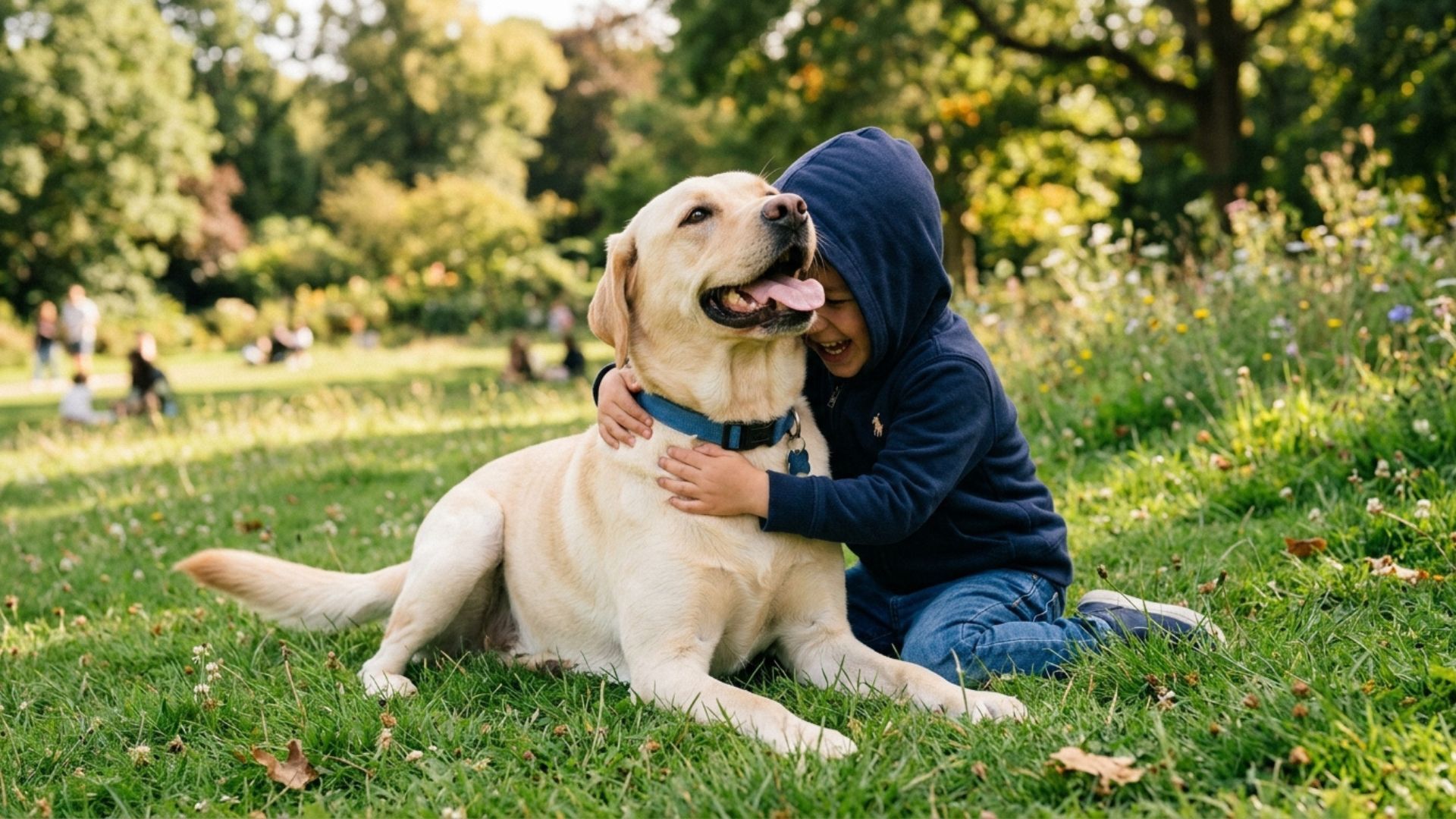
Choosing the right dog for your child is about much more than picking the cutest puppy. The best dog breeds for kids are gentle, patient, affectionate, and able to handle the excitement that comes with family life.
A well-matched dog can become a child’s best friend, offering endless playtime, unconditional love, and a loyal companion to grow up with.
While breed characteristics can give you a good starting point, they’re only part of the picture. Your children’s ages, your family’s activity level, and the dog’s training, size, and personality all play a big role in creating a happy relationship.
The good news is that many dogs are naturally wonderful with children when they’re properly trained, socialized, and treated with kindness. The right furry friend can help kids stay active, learn responsibility, build confidence, and create memories that last a lifetime.
In this article, we’ll explore ideal dog breeds for kids and what makes each one a fantastic choice for family life.
Key Takeaways
Discover why Golden Retrievers and Labrador Retrievers are family favorites for kids of all ages.
See which small breeds, including Beagles, Pugs, and Bichon Frises, fit perfectly into family life.
Compare each breed’s personality, exercise needs, grooming, and kid-friendliness at a glance.
Find the perfect four-legged companion that matches your family’s lifestyle and energy level.
Best Dog Breeds For Kids
1. Golden Retriever
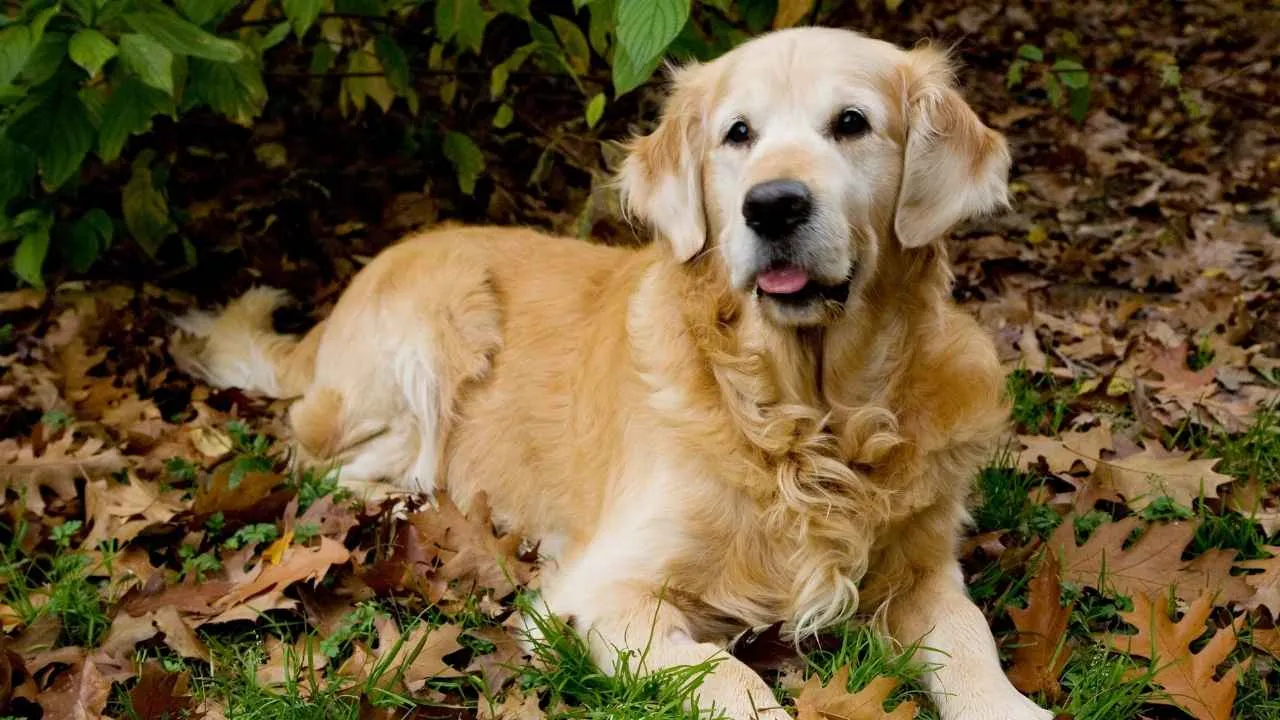
Golden Retrievers are one of the best dog breeds for young children, and it’s easy to see why. They are gentle, patient, affectionate, and love being around people.
Their friendly nature helps them fit into almost any family, whether you have toddlers or older children. They also get along well with other pets when they’re socialized from a young age.
Why They’re Great With Kids
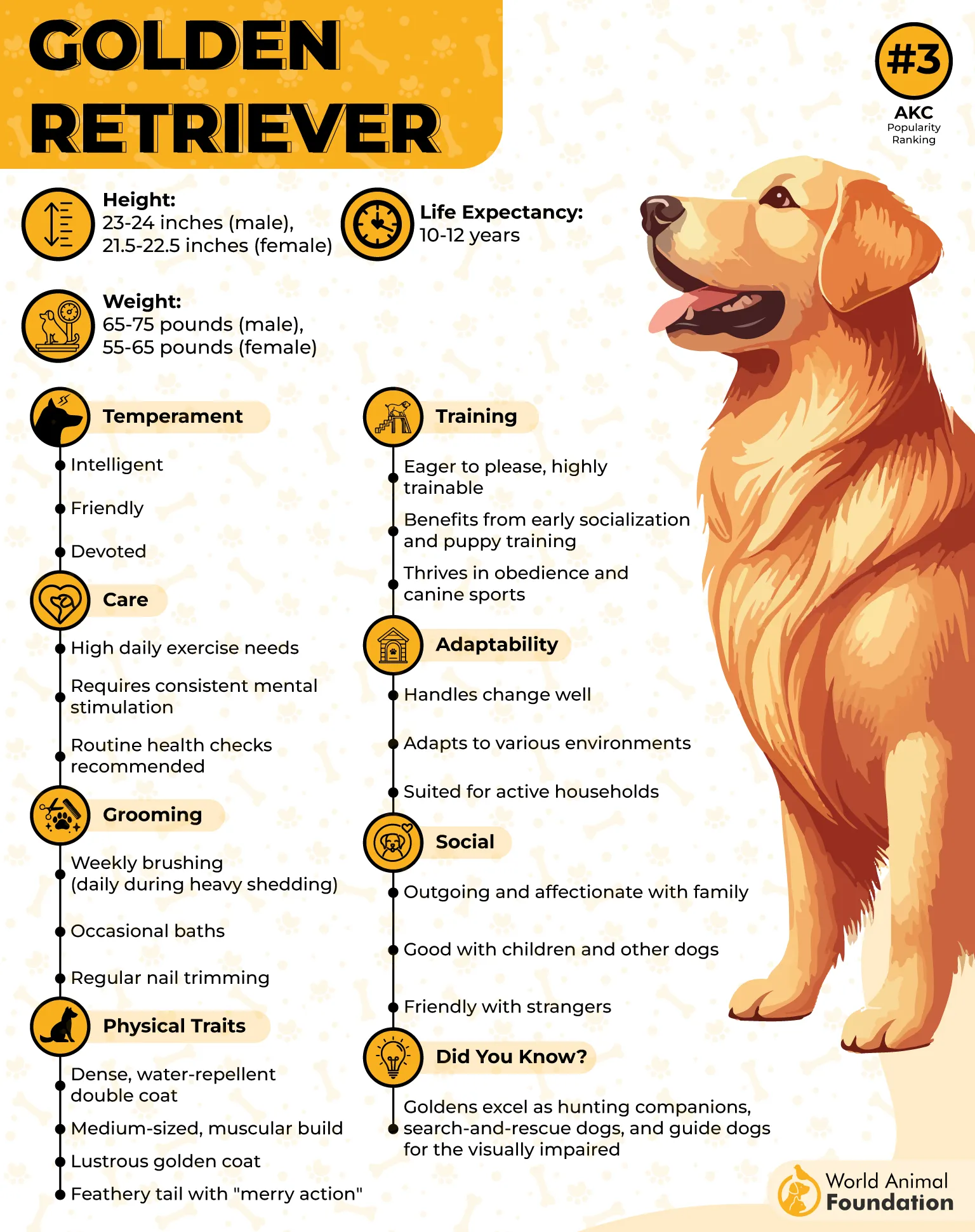
Purina mentions that Golden Retrievers are intelligent and eager to please, making them easy to train for both new and experienced owners. They enjoy being part of everyday family life and are happiest when included in activities.
These dogs have plenty of energy and love long walks, games of fetch, swimming, and outdoor adventures. They’re also trusted as guide, therapy, and search-and-rescue dogs thanks to their intelligence and dependable temperament.
Care & Things to Consider
Golden Retrievers have a thick double coat that sheds heavily and needs regular brushing to prevent mats.
They thrive in active homes where they get daily exercise and plenty of attention.
They are naturally friendly and are more likely to greet strangers than to guard your home.
They enjoy carrying objects in their mouths and love water, so supervision around pools, lakes, or rivers is important.
Gentle, positive training works best, and children should always be taught how to interact with them respectfully.
2. Labrador Retriever
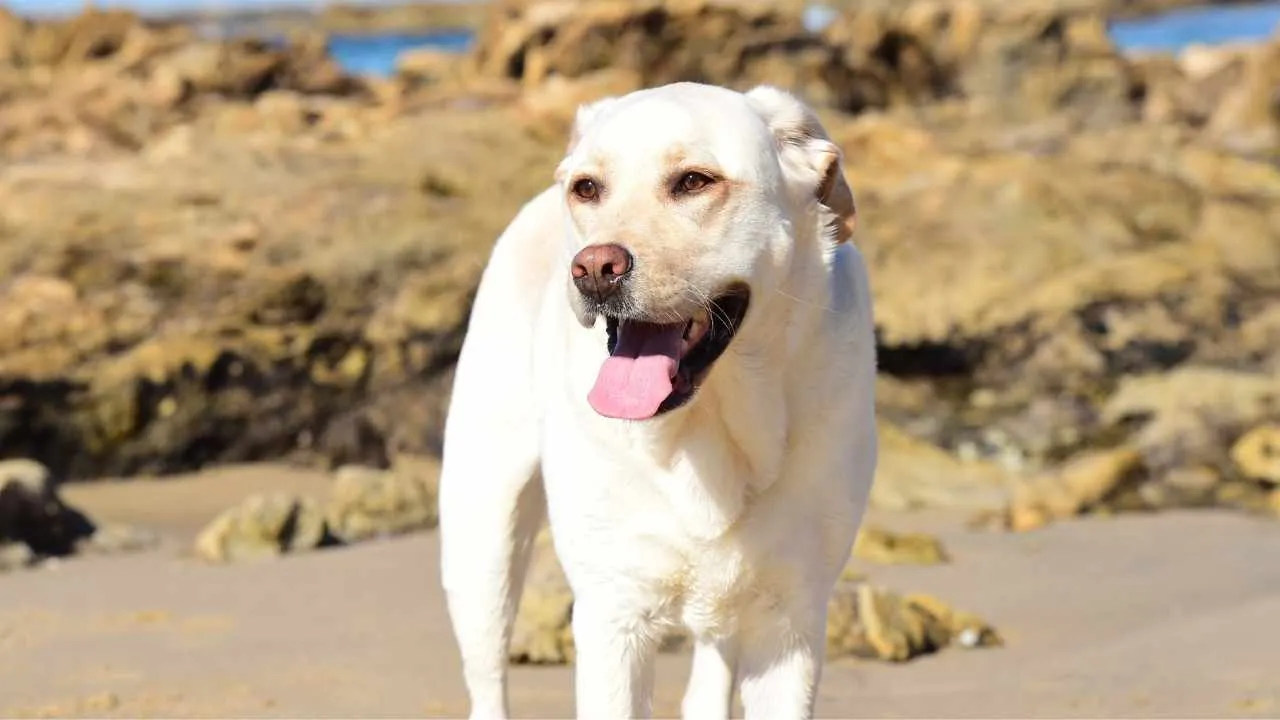
Labrador Retrievers are friendly, playful, and love being around people. They usually get along well with children, other dogs, and even cats when properly introduced. Their outgoing personality and gentle nature make them a great fit for busy family homes.
Why They’re Great With Kids
Labrador Retrievers are intelligent, eager to please, and easy to train, making them an excellent choice for first-time dog owners. They enjoy having a job to do and love activities like fetch, swimming, hiking, and agility games.
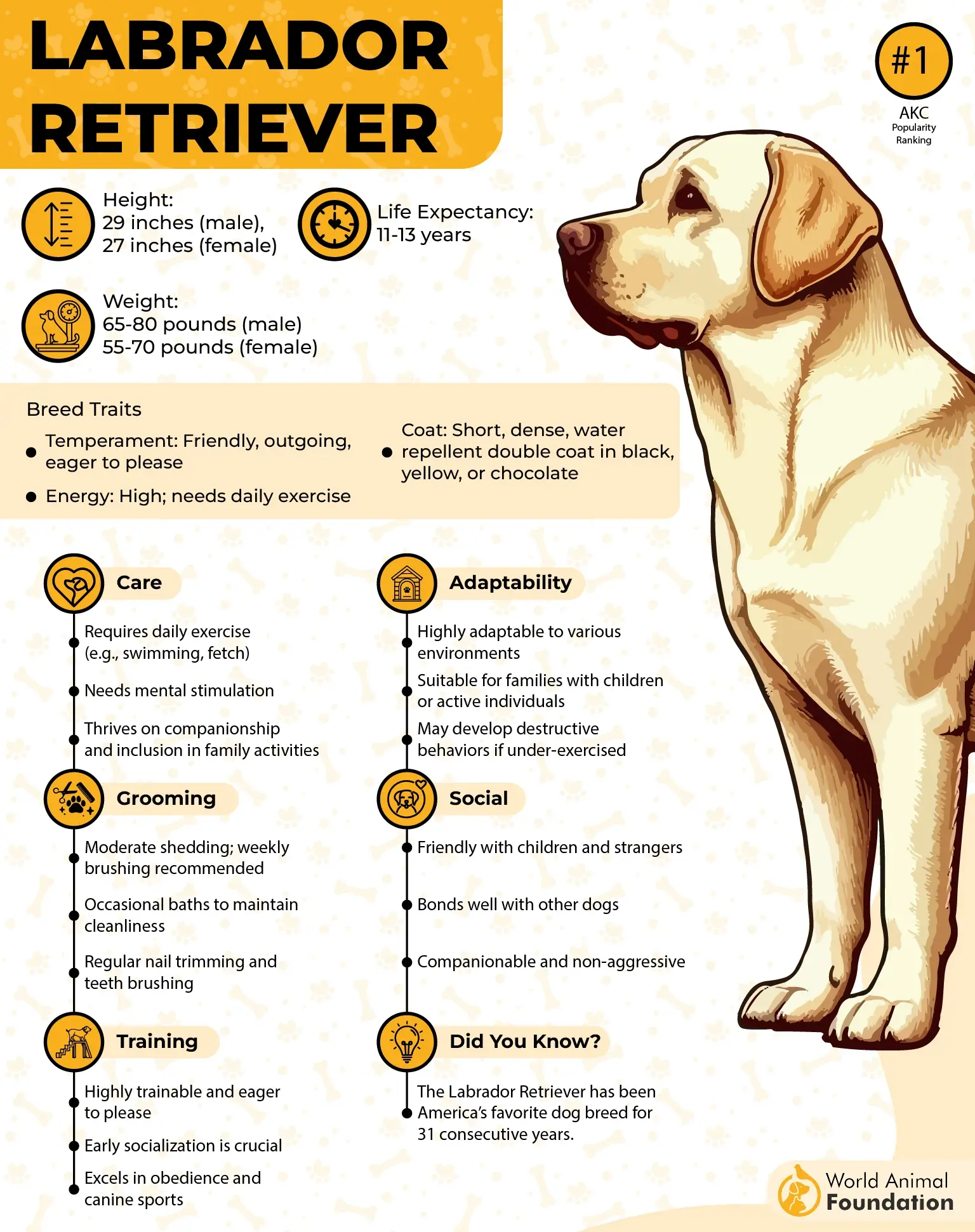
Their cheerful energy keeps them ready for family adventures, and they’re also widely trusted as therapy and service dogs because of their dependable temperament.
Care & Things to Consider
Labrador Retrievers have a water-resistant double coat that sheds heavily and needs regular brushing.
They need plenty of daily exercise and mental stimulation to stay happy and well-behaved.
Without enough activity, they can become destructive by chewing, digging, or barking.
Early obedience training is important because they’re strong, energetic dogs that can become overly excited.
They naturally love carrying objects in their mouths and enjoy water, so durable chew toys and supervised water activities are ideal.
3. Beagle
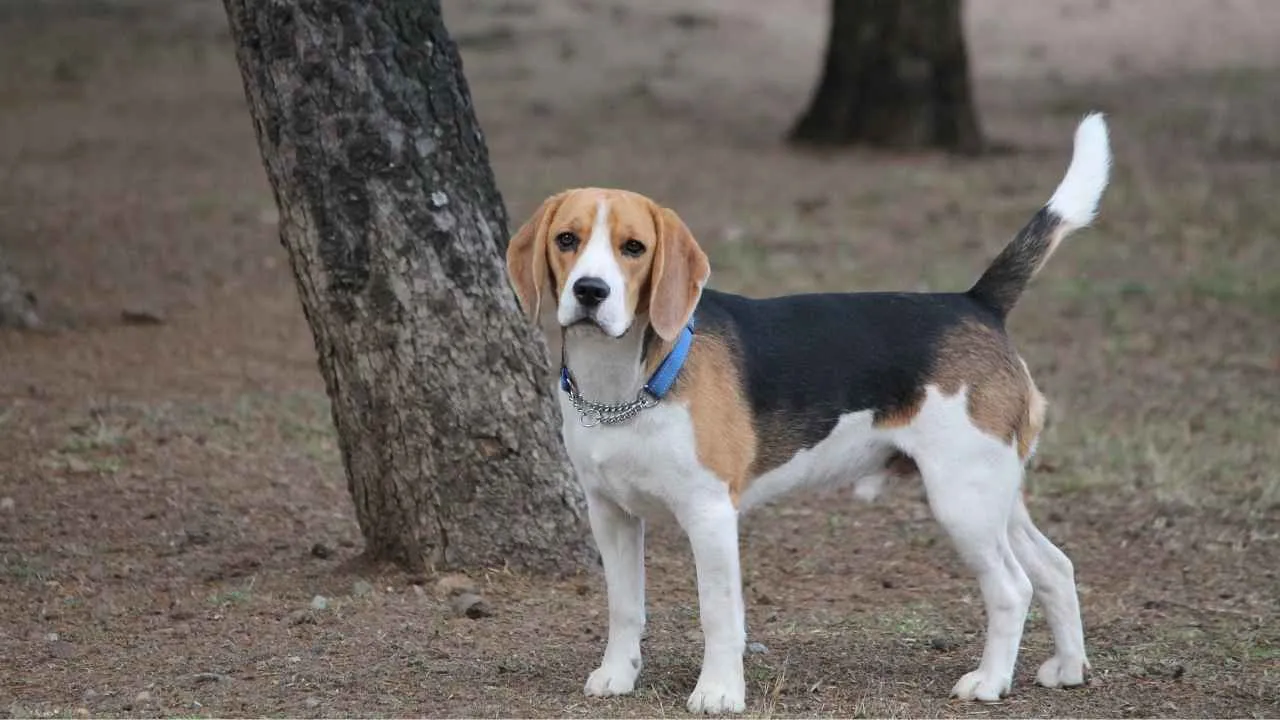
Beagles are child-friendly, thanks to their cheerful, playful, and affectionate nature. They love being part of family life and usually get along well with children and other dogs.
Their curious personality makes them fun companions, but they need plenty of attention and activities to stay happy.
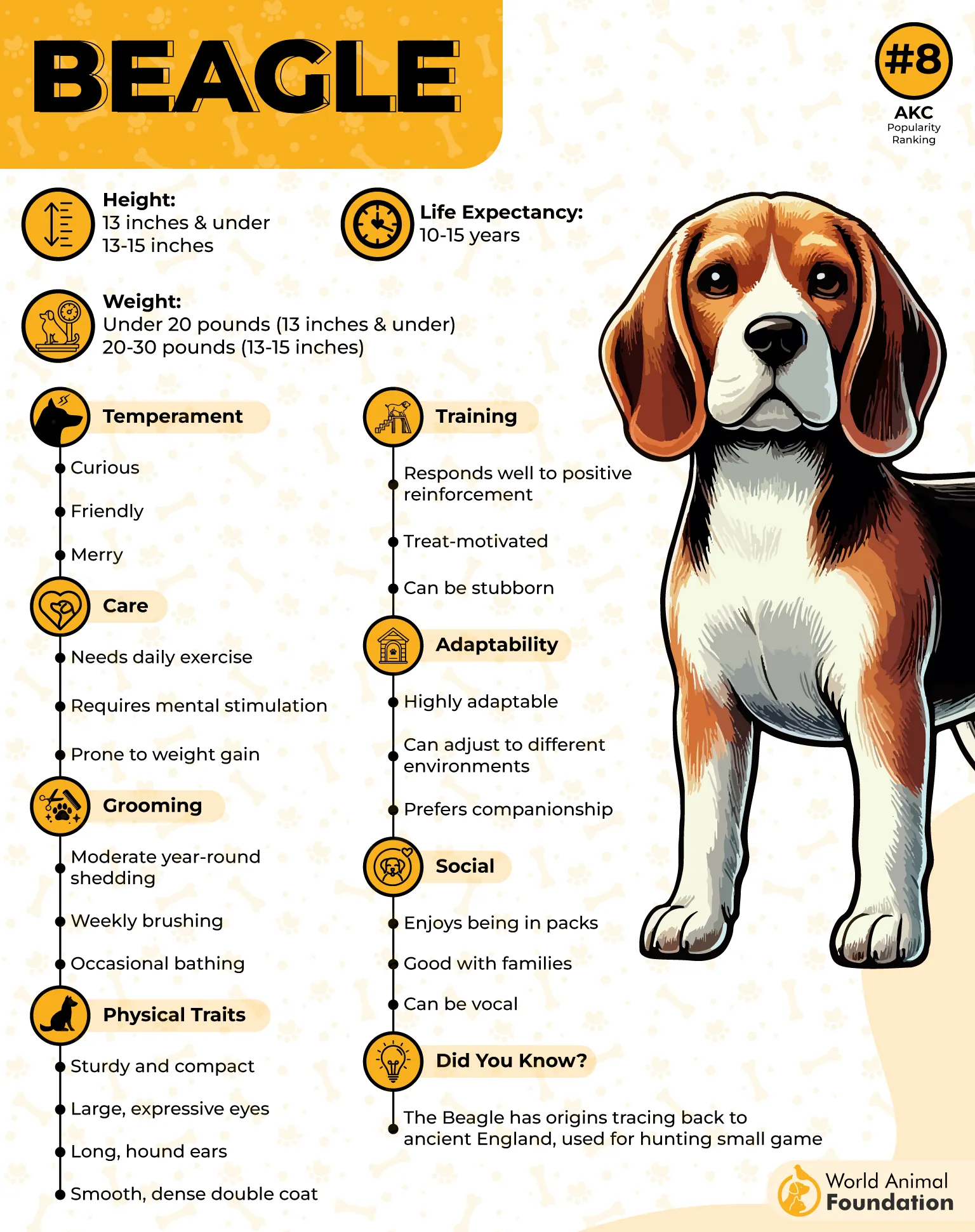
Why They’re Great With Kids
Beagles are energetic dogs that enjoy games, walks, and outdoor adventures. They love exploring the world through their powerful sense of smell, making activities like scent work and tracking especially enjoyable.
While they’re intelligent, they can also be a little stubborn, so patient, positive training works best. They’re friendly with strangers too, making them better companions than guard dogs.
Care & Things to Consider
Beagles need daily exercise and mental stimulation to prevent boredom and unwanted behaviors like barking, chewing, or howling.
Their strong sense of smell can lead them to wander, so they should be kept on a leash or in a securely fenced yard.
Their short double coat is easy to maintain, but their floppy ears need regular cleaning to help prevent infections.
They can gain weight easily, so portion-controlled meals and regular exercise are important.
They usually adapt well to other pets, but early socialization helps them live peacefully with cats.
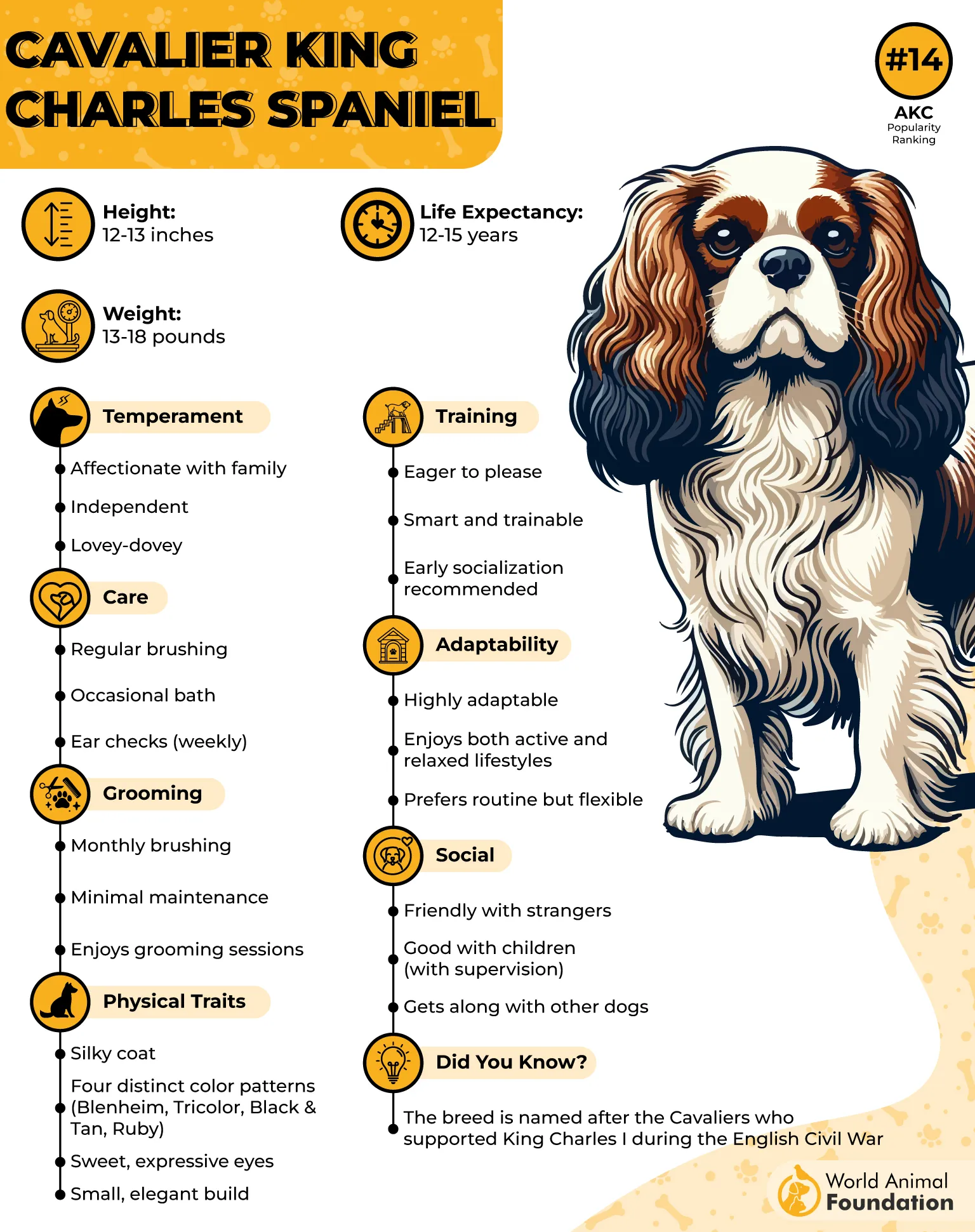
4. Cavalier King Charles Spaniel
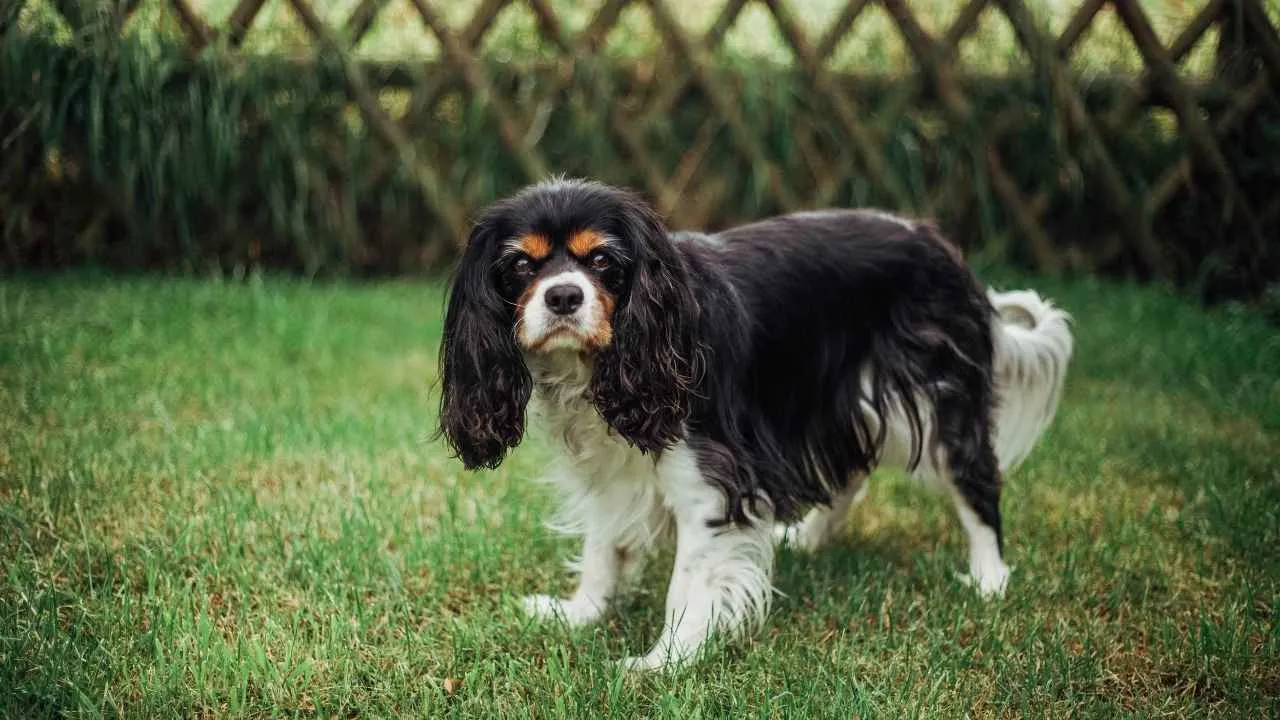
Cavalier King Charles Spaniels are gentle, patient, and incredibly affectionate. Bred to be companion dogs, they love spending time with their families and are happiest when they’re by your side.
Their friendly personality also helps them get along well with children, other dogs, and even cats, as mentioned by PetMD.
Why They’re Great With Kids
Cavalier King Charles Spaniels are playful, loyal, and easygoing, making them a wonderful choice for first-time dog owners.
They enjoy a mix of playtime, daily walks, and relaxing with the family. These social dogs are friendly with strangers and adapt well to different homes, whether you’re an active family or prefer a quieter lifestyle.
Care & Things to Consider
Cavalier King Charles Spaniels have a long, silky coat that needs regular brushing to reduce shedding and prevent tangles.
They need moderate daily exercise, along with playtime and mental stimulation.
They thrive on companionship and should not be left alone for long periods.
Their hunting instincts may cause them to chase interesting scents, so they’re safest in a fenced yard or on a leash.
Because they’re a small breed, young kids should always be taught to handle them gently.
5. Bichon Frise
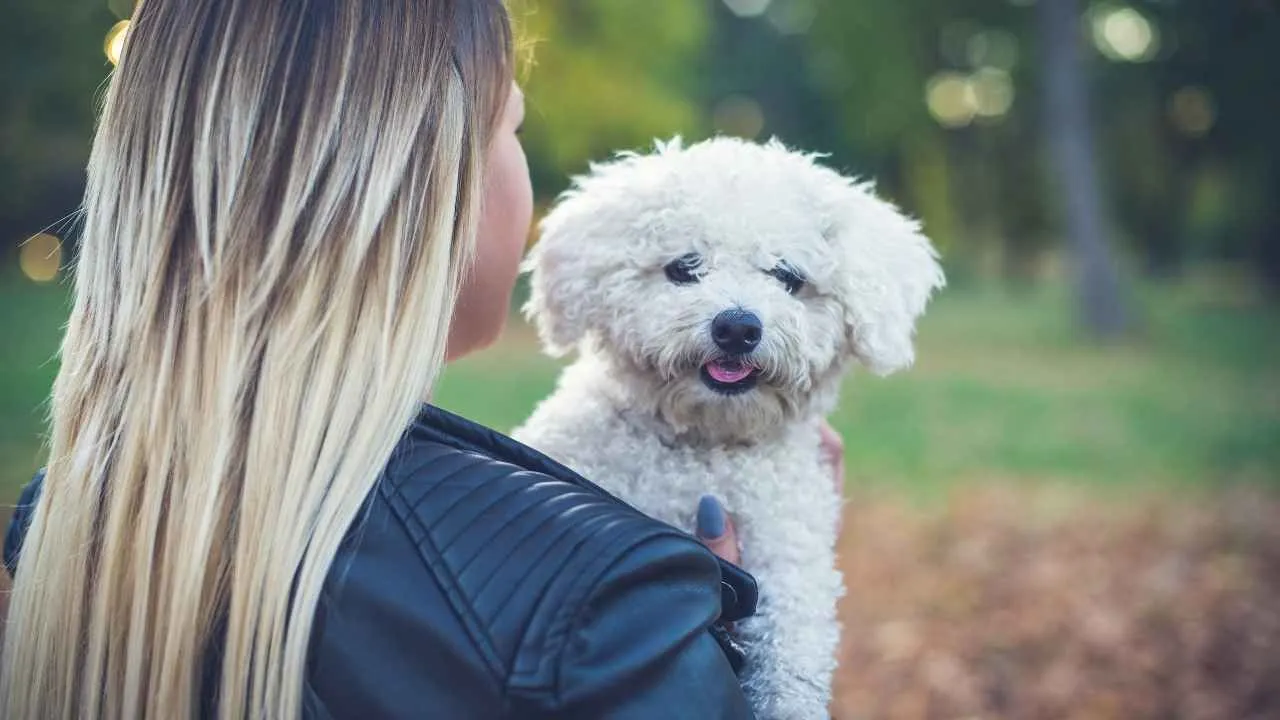
Bichon Frises are one of the best dog breeds for kids thanks to their cheerful, affectionate, and sweet-tempered personality. They love spending time with people and enjoy being involved in family activities, making them devoted pets for families.
Their gentle nature and friendly attitude also help them get along well with children, other dogs, and most household pets.
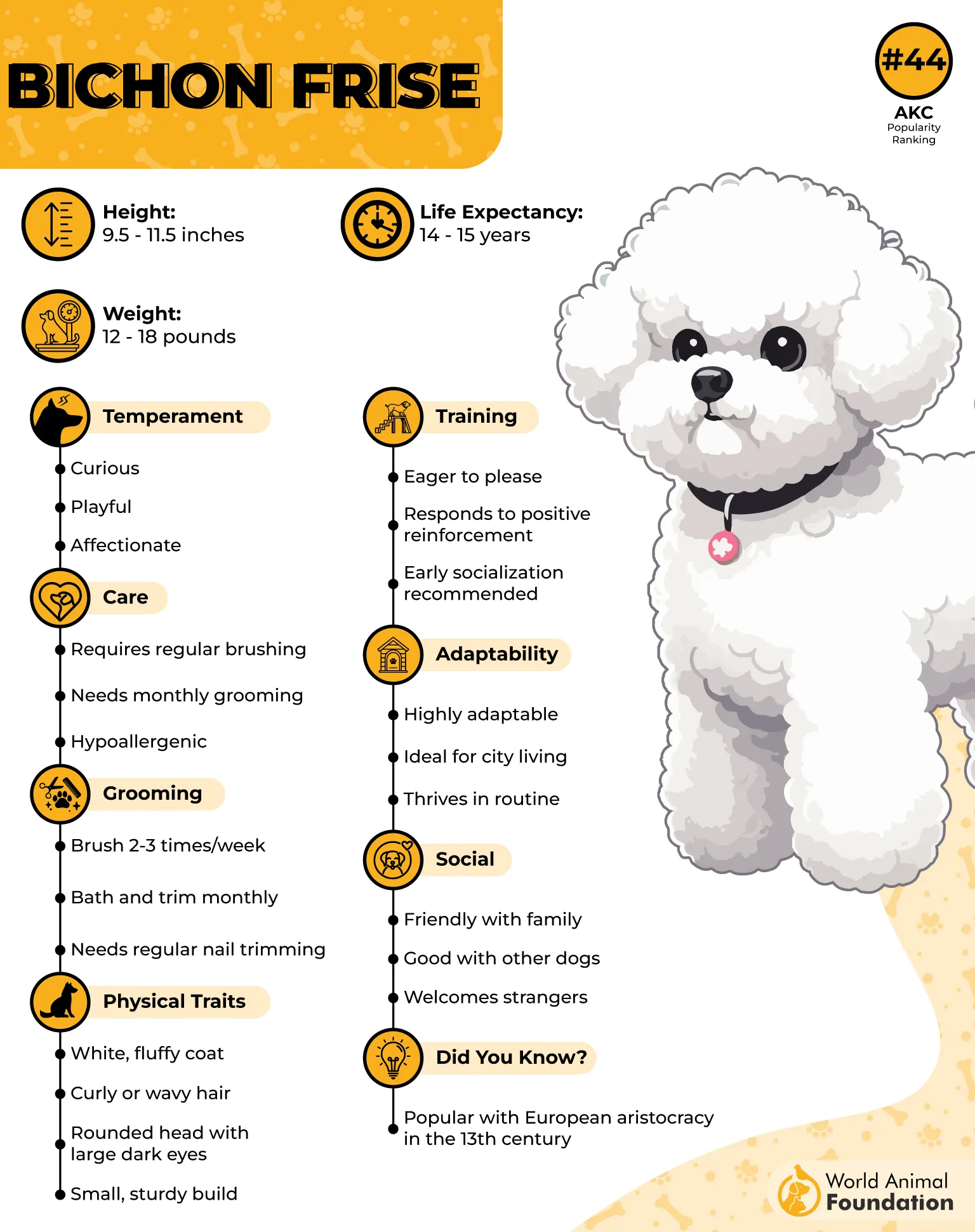
Why They’re Great With Kids
Bichons are intelligent, eager to please, and easy to train, making them a great choice for first-time dog owners. They enjoy learning new tricks, playing with toys, and meeting new people.
Once they’ve had enough exercise and playtime, they’re happy to cuddle with their family, making them wonderful companions for both active and quieter homes.
Care & Things to Consider
Bichon Frises have a low-shedding, curly coat that needs daily brushing and regular professional grooming.
They need daily playtime and moderate exercise to stay happy and healthy.
They don’t enjoy being left alone for long and do best in homes where someone is around most of the day.
Their small size makes them well-suited for apartments and smaller homes.
They may bark to alert their family, but they’re generally easy to train thanks to their eager-to-please nature.
6. Irish Setter
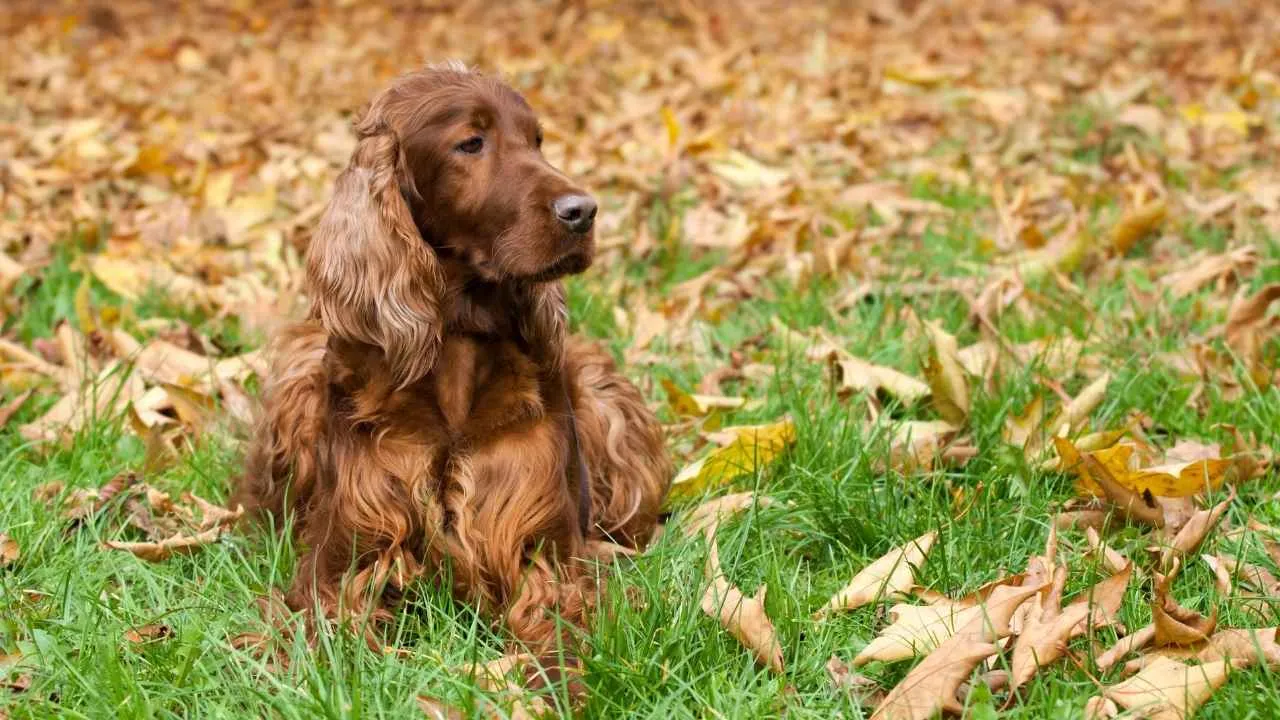
Irish Setters love being around people and enjoy joining in on family activities. Their friendly nature makes them wonderful family dogs, though their size and excitement can accidentally knock over very young children.
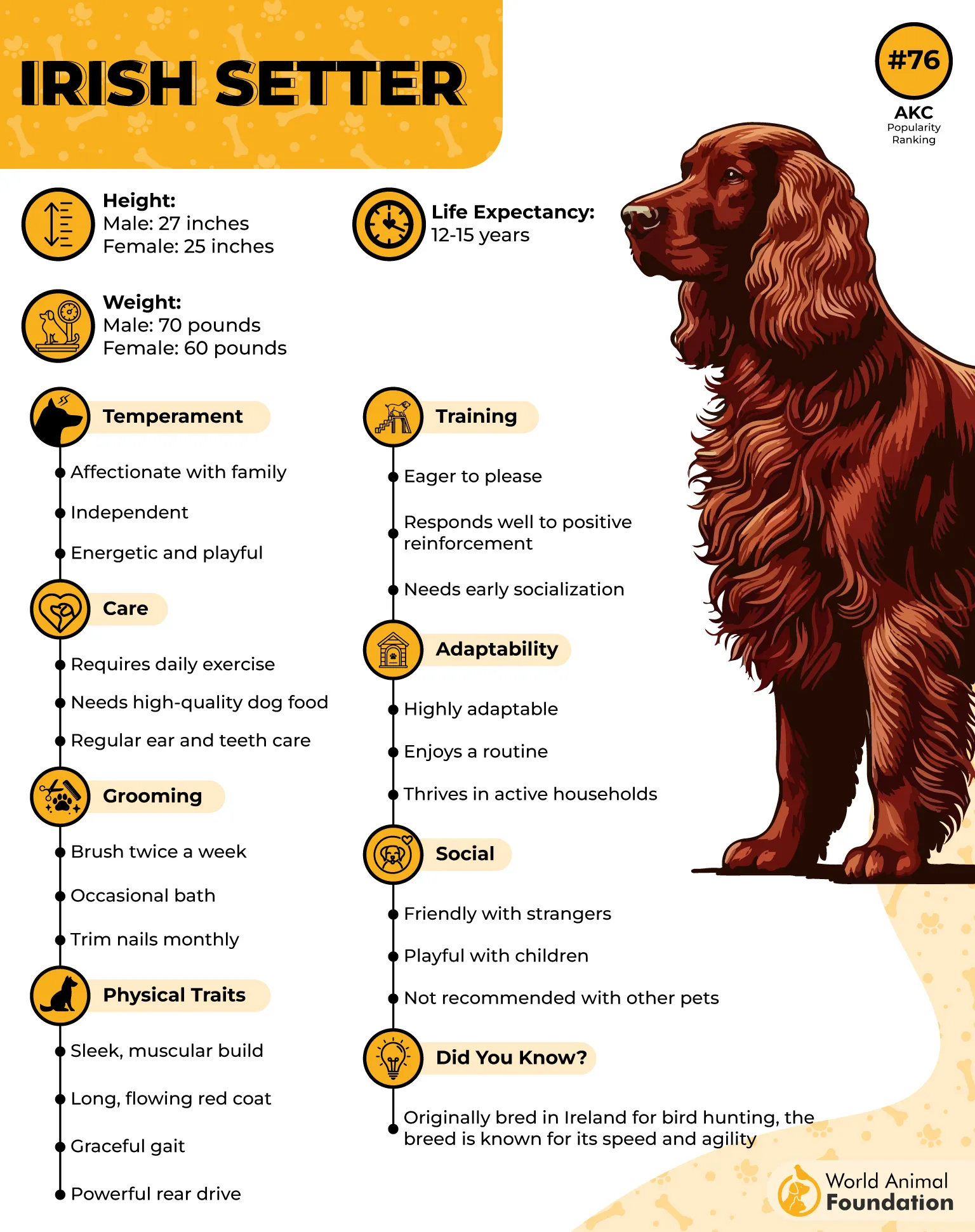
Why They’re Great With Kids
Irish Setters are intelligent, outgoing, and full of energy. They enjoy long walks, games, and outdoor adventures, making them a great match for active families.
They usually get along well with other dogs and can live peacefully with cats when socialized early. Although eager to learn, they respond best to patient, positive training and plenty of mental stimulation.
Care & Things to Consider
Irish Setters need lots of daily exercise and do best with active families.
Their long, silky coat requires frequent brushing to prevent tangles and remove dirt or burrs.
They crave human companionship and should not be left alone for long periods.
Without enough exercise or attention, they may chew, dig, or bark out of boredom.
They’re friendly rather than protective, so they’re not ideal guard dogs, and early socialization is important for a well-rounded temperament.
7. Pug
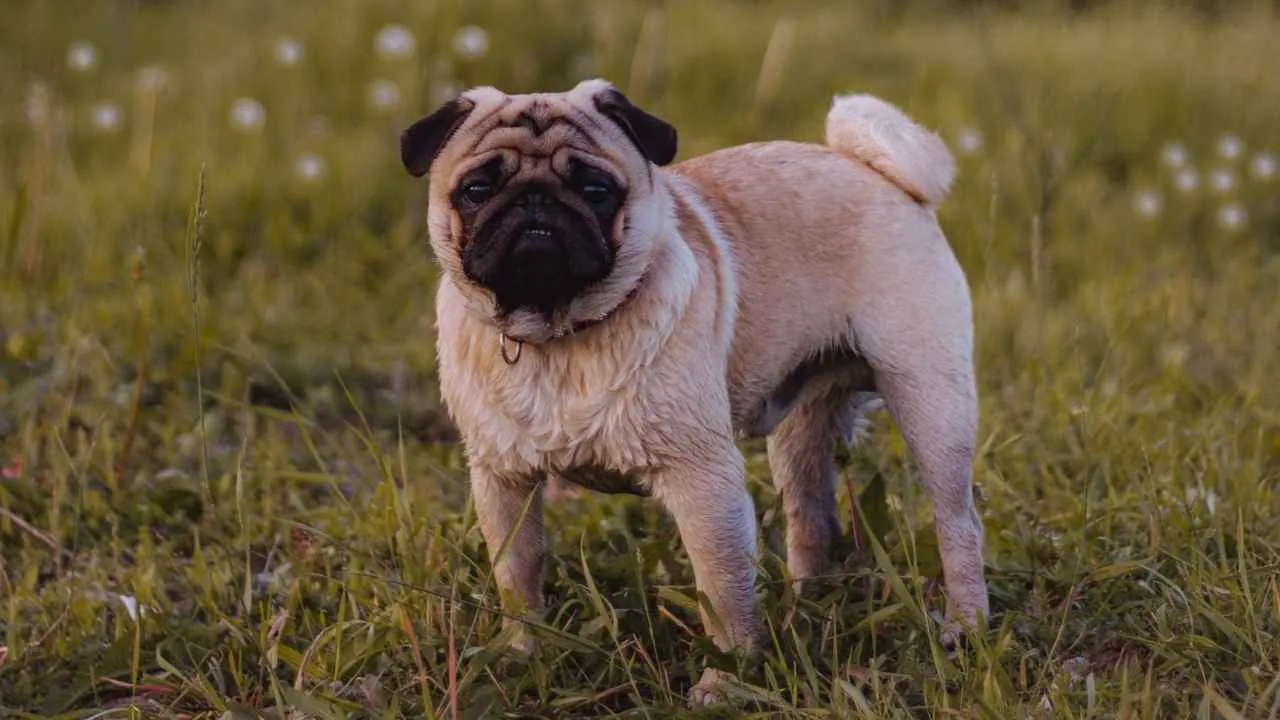
Pugs are affectionate, playful, and love being around people. They enjoy being included in everyday family life and are happiest when they’re close to their owners.
Their easygoing personality also helps them get along well with children, strangers, and other dogs, according to Hill’s Pet.
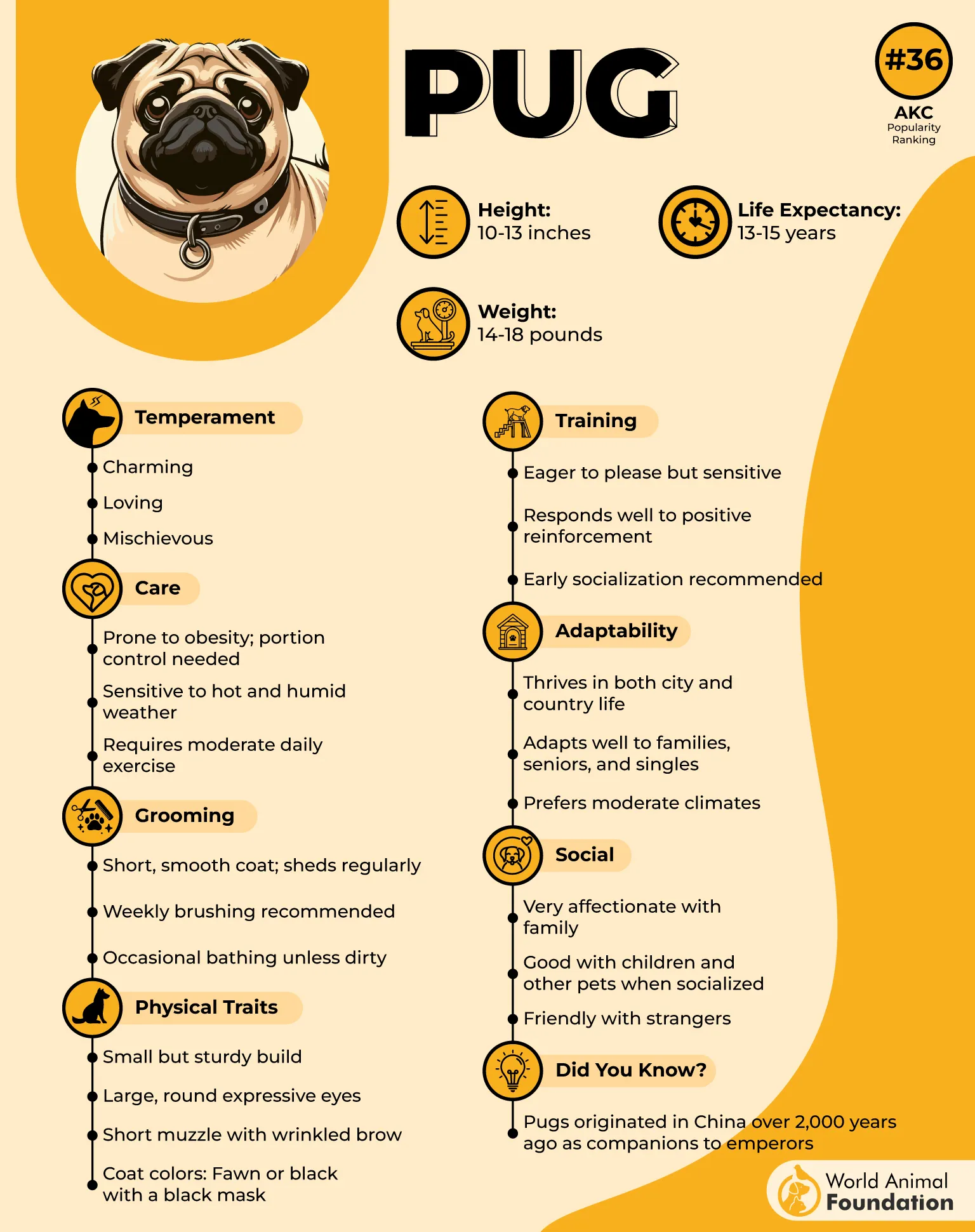
Why They’re Great With Kids
Pugs are friendly companion dogs that enjoy playtime but are equally happy relaxing on the couch with their family.
They’re a great choice for first-time dog owners because they’re loving, adaptable, and don’t need intense exercise. While they can be a little stubborn, they usually want to please their owners and respond well to patient training.
Care & Things to Consider
Pugs need several short walks each day but should avoid strenuous exercise, especially in hot weather.
Their flat faces can cause snoring, noisy breathing, and make them more prone to overheating.
They shed throughout the year and need regular brushing, along with cleaning of their facial wrinkles.
They can gain weight easily, so a healthy diet and daily exercise are important.
Their large eyes are sensitive, so children should be taught to play gently and avoid touching their faces.
Conclusion
Finding the best dog breed for kids is all about choosing a companion that matches your family’s lifestyle, energy level, and experience.
While every dog has its own personality, breeds that are gentle, patient, playful, and easy to train often make the strongest lifelong companions for pet parents with kids.
Before bringing a new puppy home, take the time to research each breed’s care needs, exercise requirements, and temperament to make sure it’s the right fit for your household.
The perfect fit won’t just give your child a family pet—it can give them a best friend, teach valuable life lessons, and create unforgettable memories that the whole family will treasure.
