




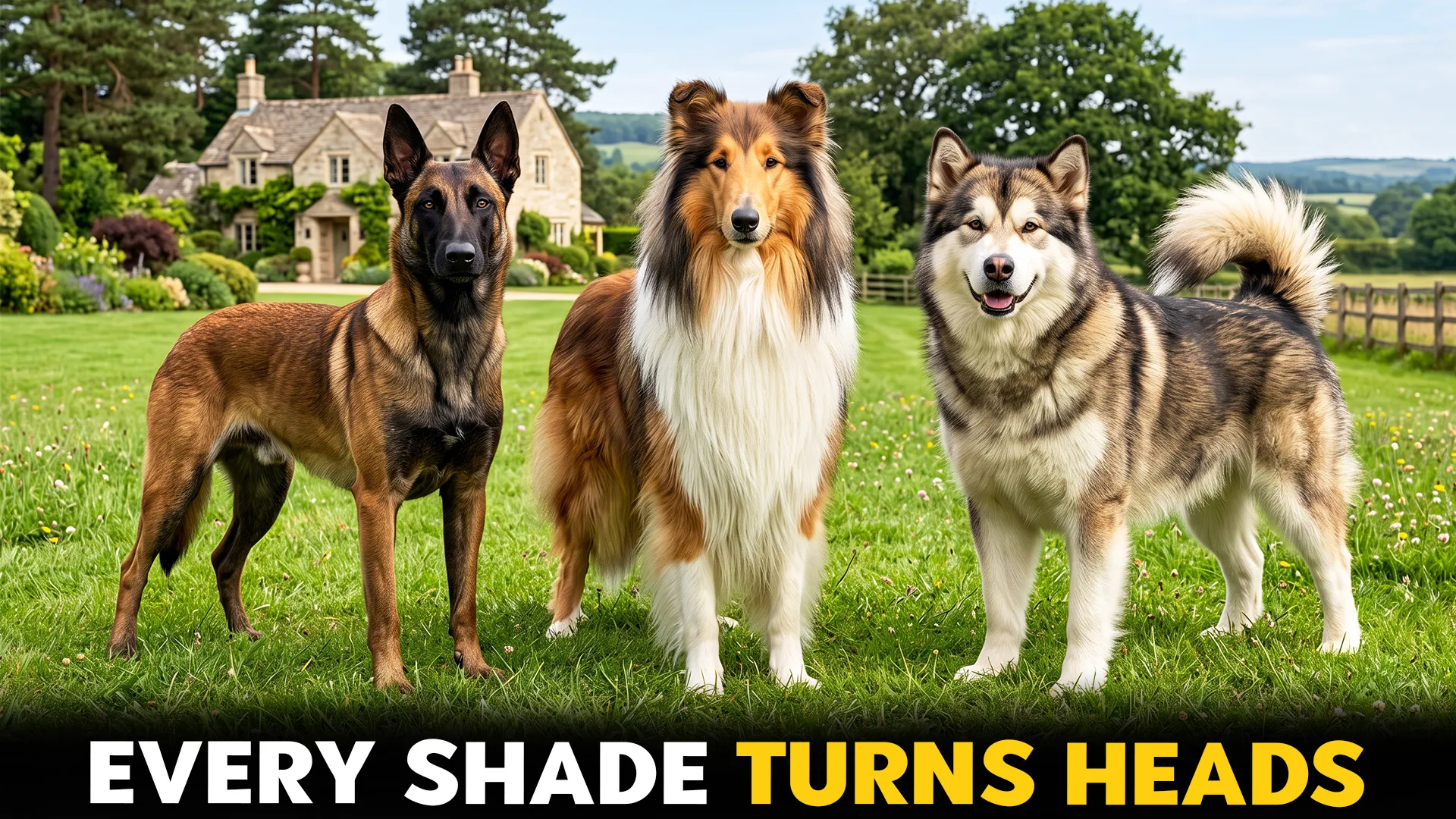
Ever spotted a dog whose coat seems to shift and shimmer every time the sunlight catches it? That is the beauty of a sable coat. With lighter hairs near the base and darker tips, this unique pattern creates a rich, layered appearance that is almost impossible to overlook. Even better, sable is not limited to one breed or one size.
You will find this gorgeous coat on everything from tiny companion dogs to athletic herders and powerful working breeds. Each one wears the sable pattern a little differently, making every sable dog a treat to admire. Let’s meet some of the most stunning dog breeds that proudly showcase this remarkable coat.
Did you know?
A sable-coated puppy may not keep the same look forever. In some breeds, the coat gradually becomes lighter or darker as the dog matures, revealing a different mix of shades and making each sable dog even more unique.
Dog Breeds That Showcase Stunning Sable Coats
1. Shetland Sheepdog
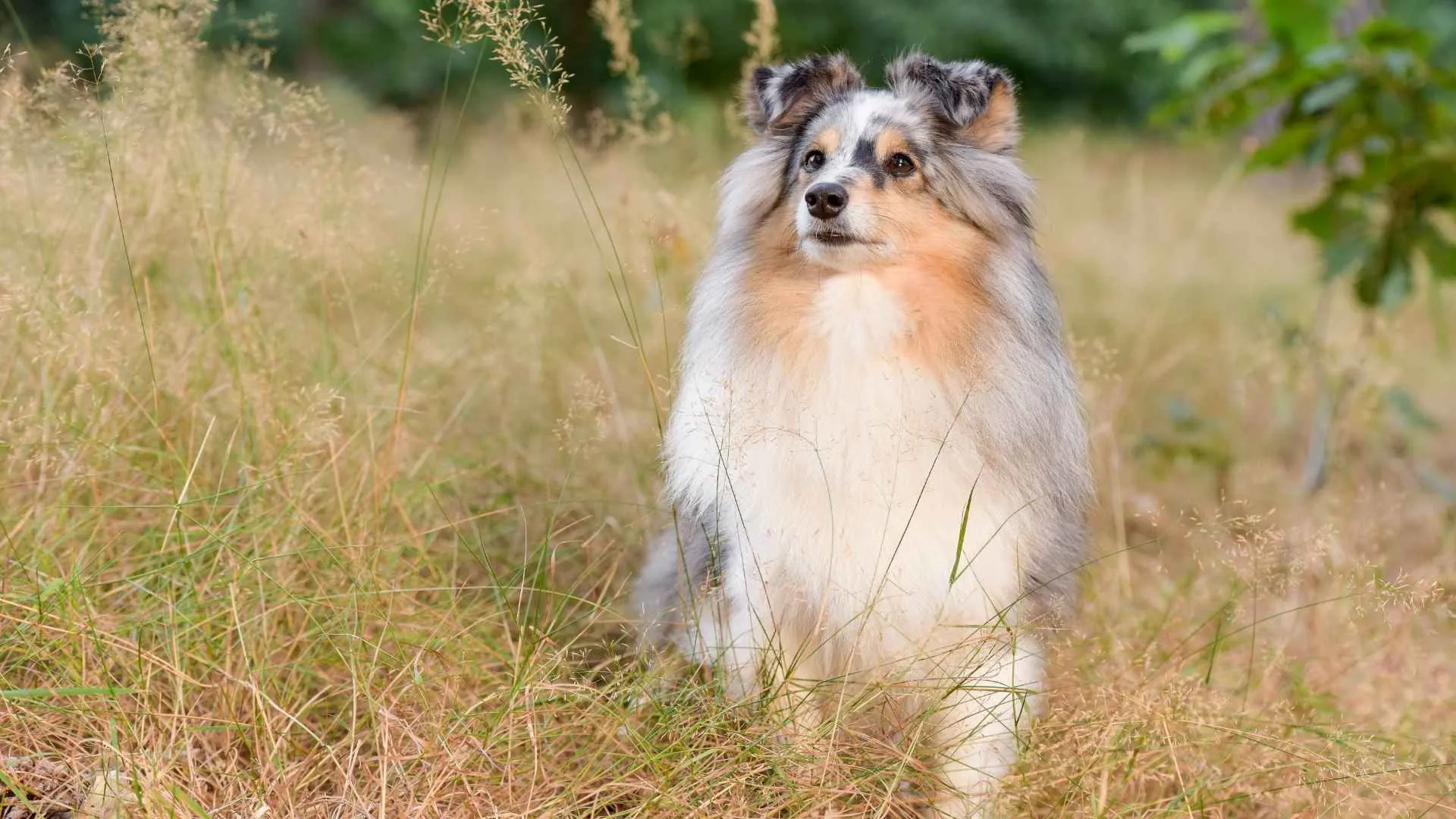
Small dog, enormous coat drama. The Shetland Sheepdog pairs a long, straight outer coat with a dense undercoat, giving its sable coloring a full, polished appearance. Its generous mane and feathering make every entrance feel slightly ceremonial.
Sable Shelties may carry white markings, tan markings, or both. Black and blue merle are also recognized colors. Beneath all that visual charm, the thick double coat provides useful protection whenever the weather decides to become thoroughly unpleasant.
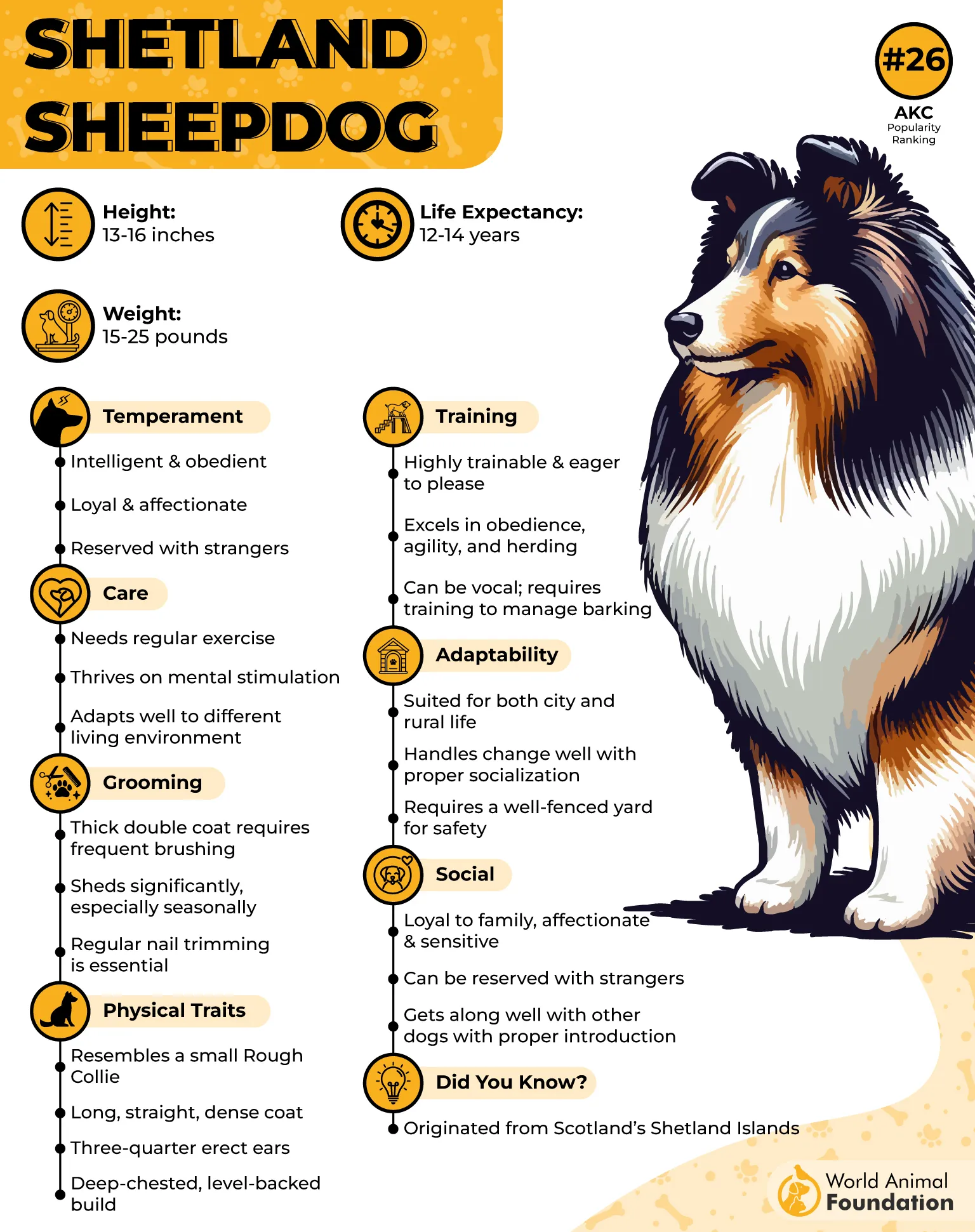
The ideal owner enjoys an active little shadow who wants company and purpose. Shelties need regular walks, mental stimulation, and meaningful time with their people. A tolerance for enthusiastic barking will also make the household arrangement considerably more cheerful.
Coat Care Tips For This Breed
Check carefully behind the ears, beneath the front legs, and under the tail for hidden mats.
Avoid shaving the double coat because it provides protection in both warm and cold conditions.
2. Collie
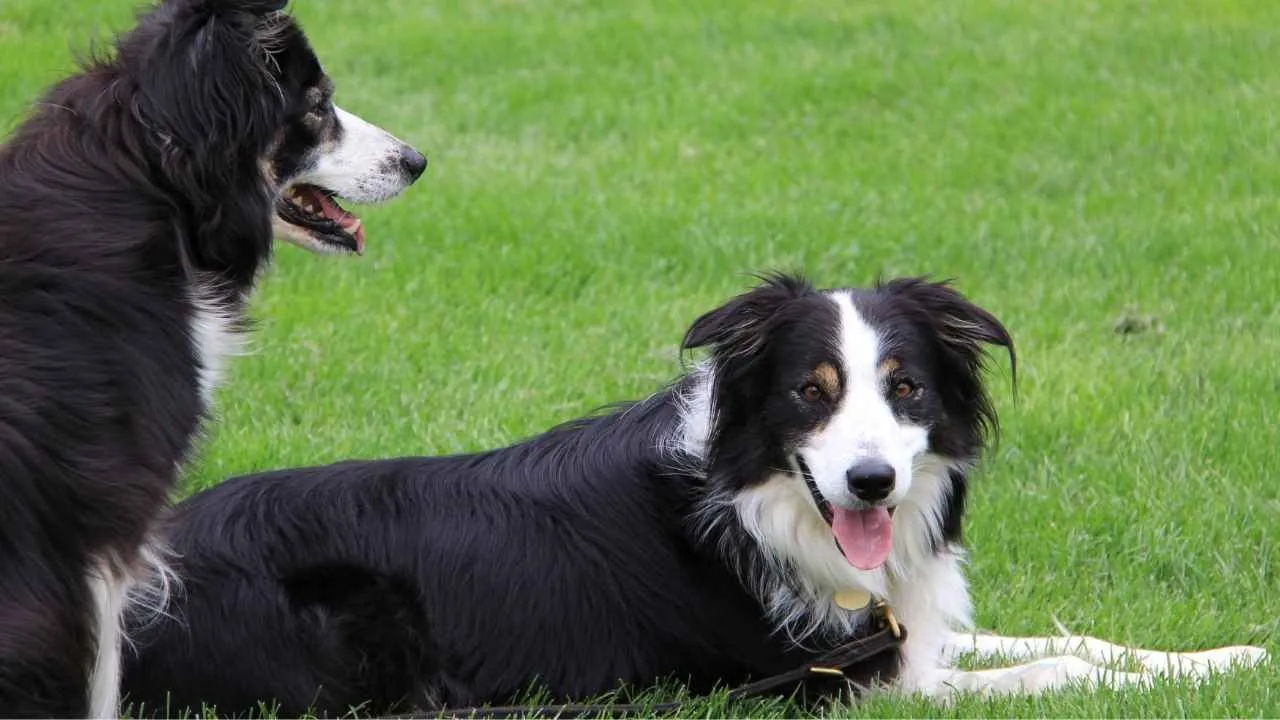
Few dogs wear elegance as casually as the Collie. Its sable and white coloring appears in both flowing rough coats and sleek smooth coats. Somehow, this celebrated herder manages two different wardrobes without losing its signature grace.
Long before television fame, Collies worked as herding dogs in Scotland and England. Their ancestors helped move livestock across the countryside. Queen Victoria later widened the breed’s appeal after becoming fond of these graceful dogs during visits to Scotland.
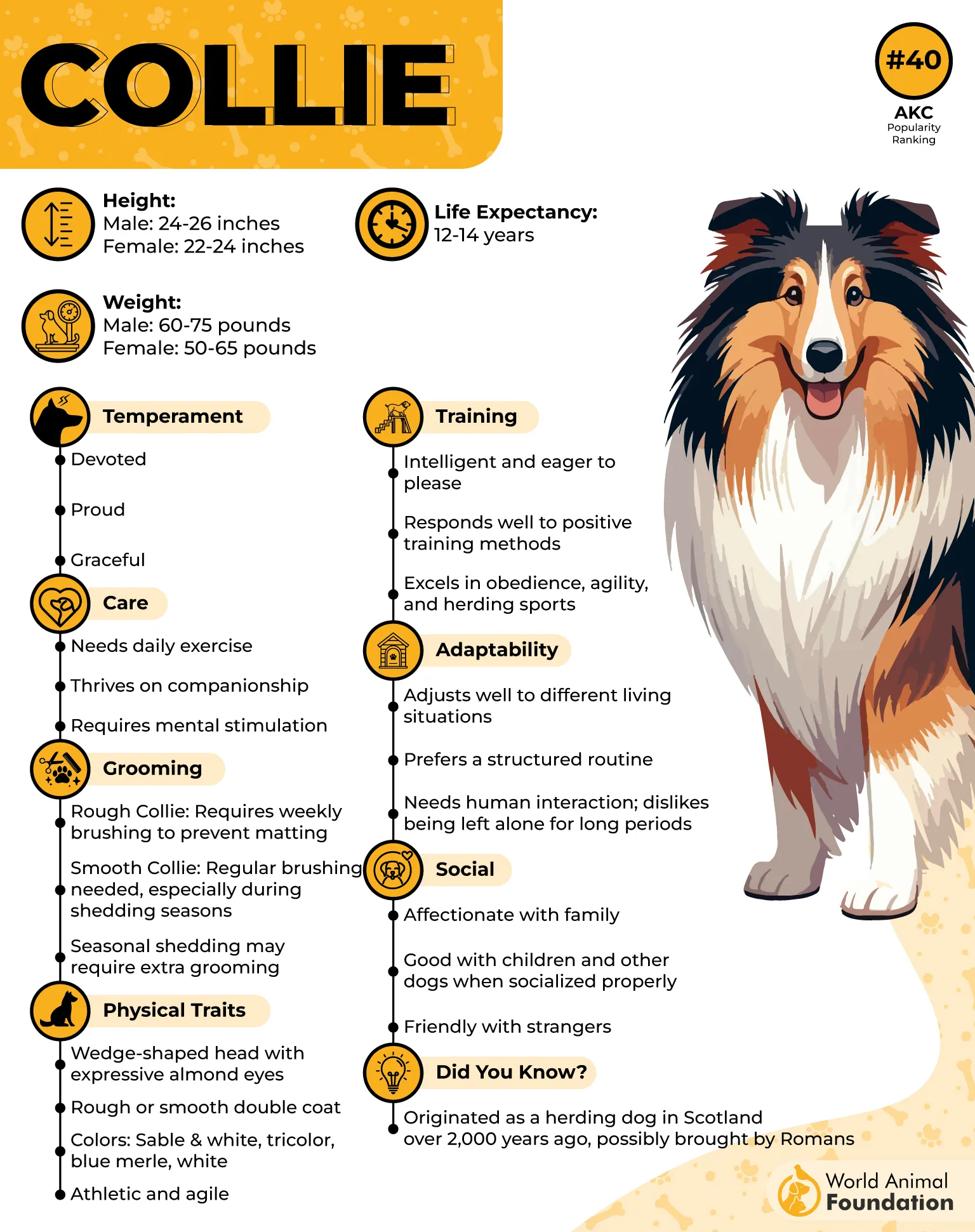
As noted by PetMD, the Collie’s coat rarely mats, though frequent brushing still matters. Trouble spots usually appear behind the ears and elbows. Daily attention keeps the fur clean while offering a chance to notice parasites, cuts, or unusual bumps.
Coat Care Tips For This Breed
Plan bathing roughly once a month, depending on how dirty the Collie becomes.
Use conditioner when needed to help soften and smooth the coat after washing.
3. Belgian Malinois
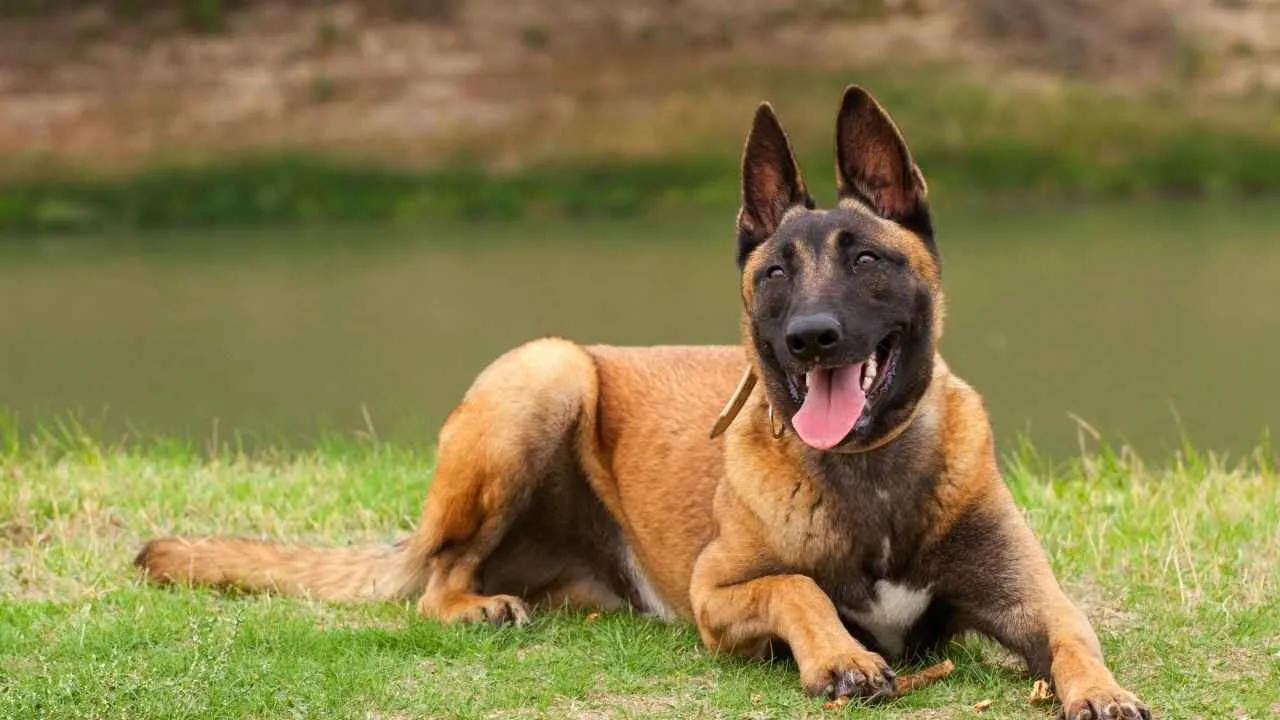
This is the sable coat with its sleeves rolled up. The Belgian Malinois wears fawn, mahogany, red, red sable, or fawn sable coat shades in a short package. A black mask and dark ears finish the look with unmistakable working-dog sharpness.
Its short, smooth double coat is weather-resistant and suited to an active working life. Sable coloring appears in red or fawn forms. The darker facial mask adds crisp contrast without turning this practical coat into a complicated grooming production.
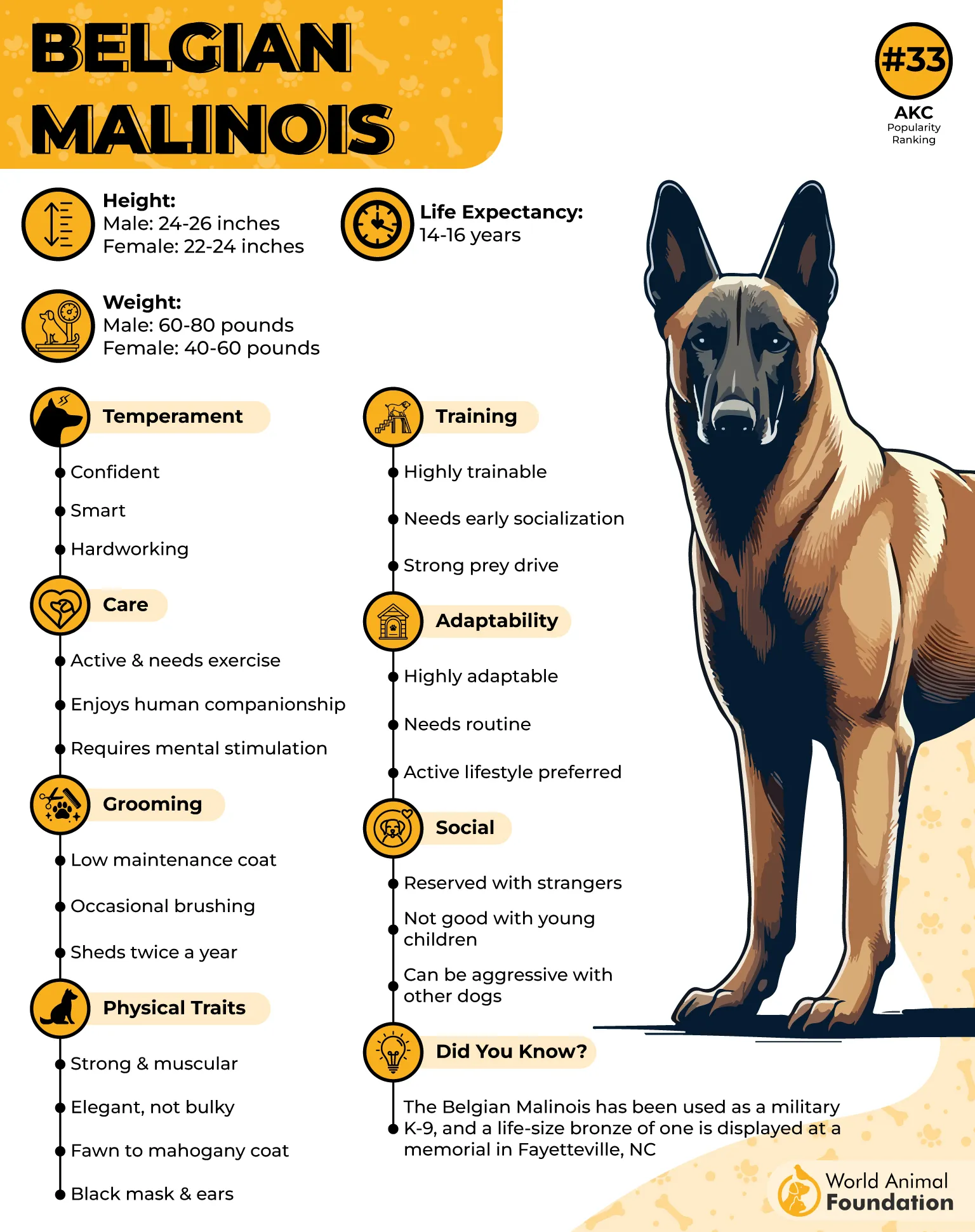
A quick mind makes lessons move fast, so casual instruction will not cut it. Early socialization and obedience training are essential. Clear, consistent direction helps channel strong herding instincts and an urge to chase moving things into acceptable, purposeful activities.
Coat Care Tips For This Breed
Use a medium-bristle brush or grooming glove for occasional coat maintenance.
During seasonal shedding, give the coat a daily pass with a slicker brush.
4. Pomeranian
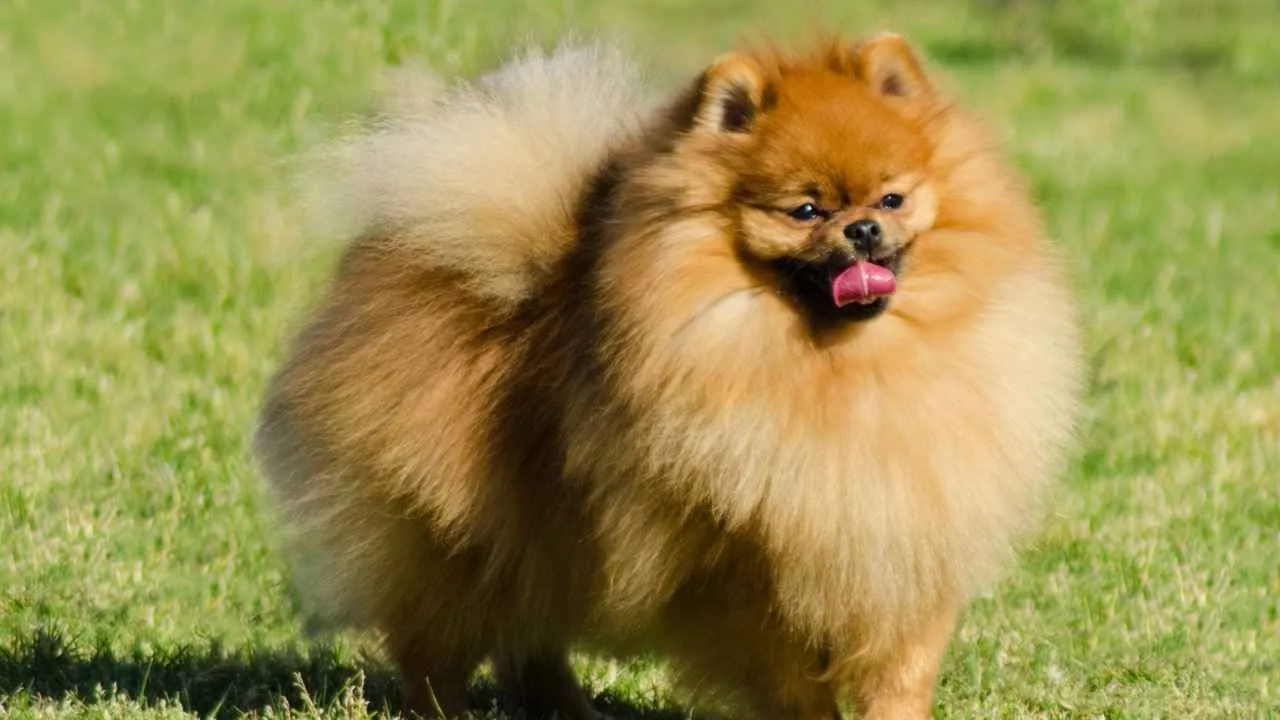
The Pomeranian arrives looking like a tiny cloud with executive confidence. Recognized by the AKC in 1888, this lively sable breed carries a profuse double coat. Its fox-like face and abundant frill make sable coloring particularly hard to overlook.
Those glamorous little coats trace back to much larger spitz-type dogs associated with Arctic sledding. In Pomerania, breeders gradually reduced their size. Queen Victoria later boosted the breed’s popularity by breeding and exhibiting smaller examples with unmistakably regal appeal.
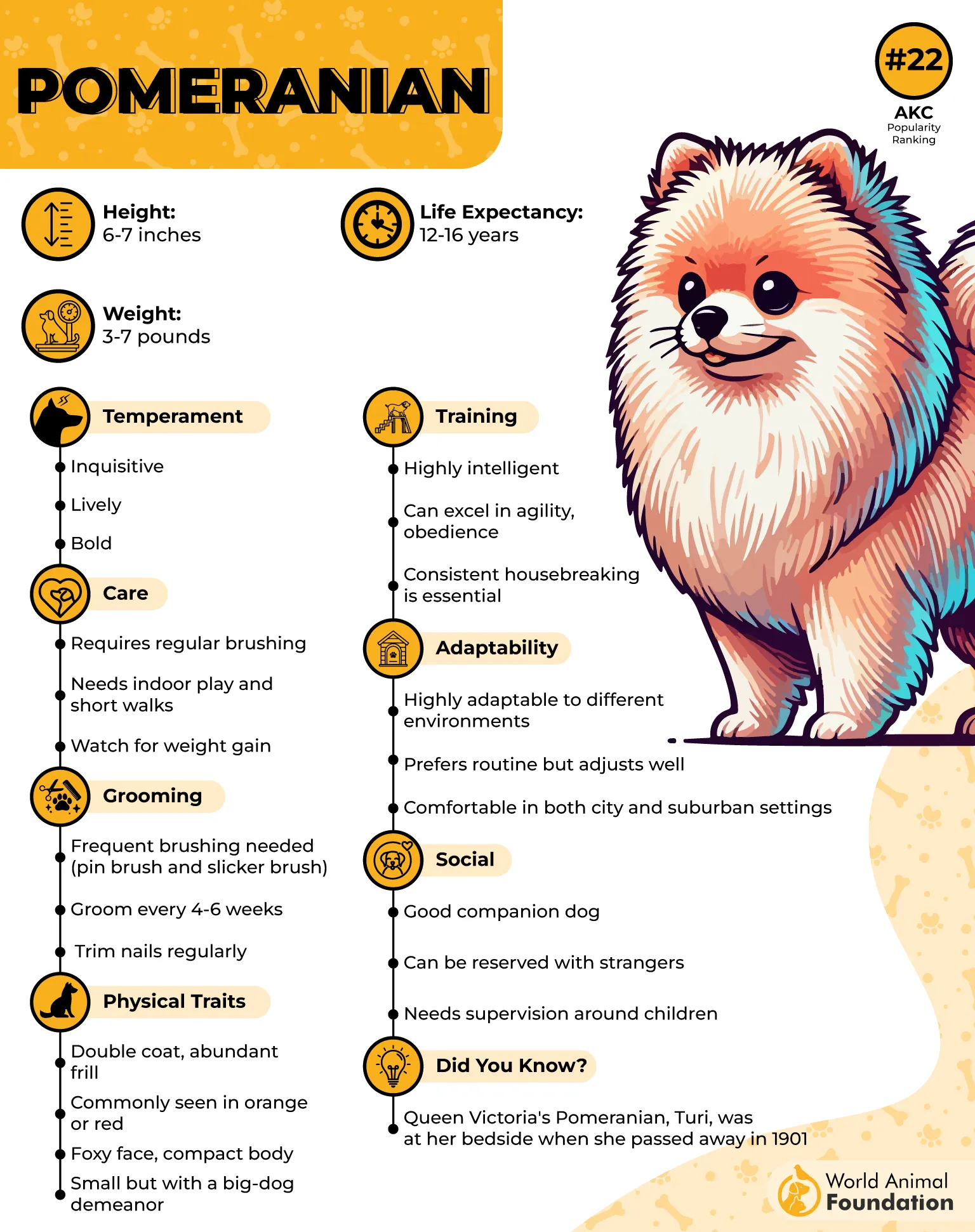
Pomeranian coats offer a remarkable menu of colors and patterns, including sable, brindle, merle, white, black, and tricolor. Their abundant double coat forms a thick neck ruff. Orange and red remain especially common, but the wardrobe choices are impressively broad.
Coat Care Tips For This Breed
Brush down to the skin with a pin brush and slicker brush to discourage matting.
Schedule a complete professional groom every four to six weeks when home grooming feels difficult.
5. German Shepherd
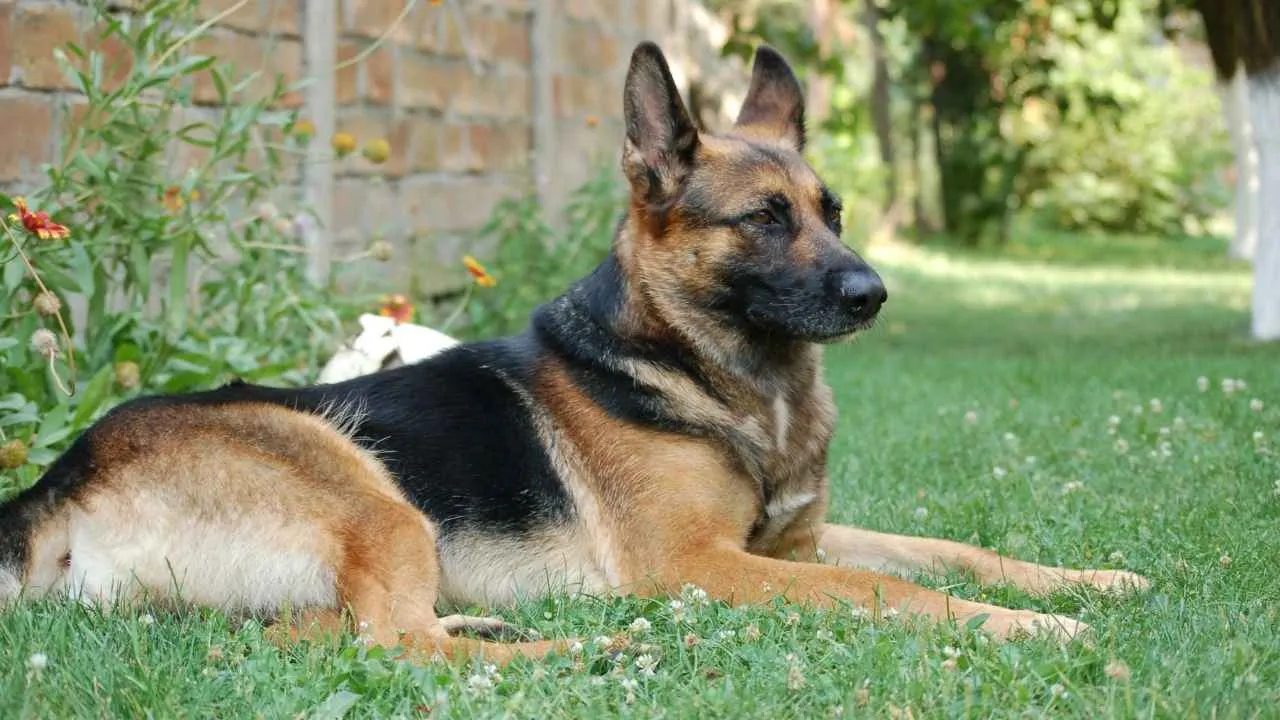
The German Shepherd dog wears confidence as naturally as its sable coat colour. Agile, muscular, and deeply intelligent, this celebrated worker carries a noble presence without trying too hard. Its steady character gives the striking coat plenty of substance behind the style.
A sable German Shepherd puppy has a way of stealing the spotlight the moment it appears. That striking coat is only part of the story, though.
Loyalty, bravery, and an impressive ability to learn help explain this dog’s lasting popularity. They come in black and tan, black and cream, black and red, black and silver, solid black, gray, and sable coats.
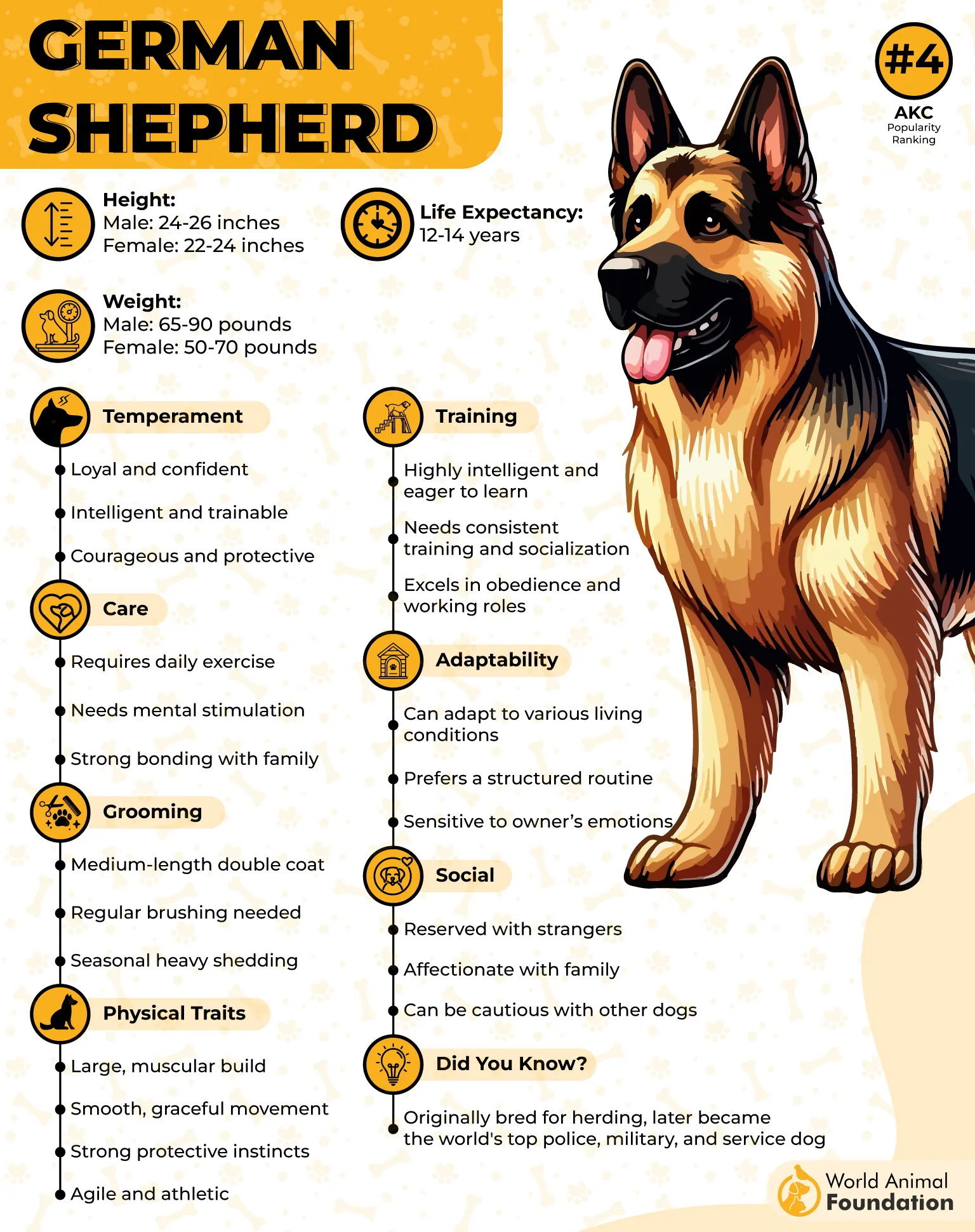
As mentioned by Purina, German Shepherds thrive with at least two hours of varied daily exercise paired with training and puzzle games that challenge their sharp minds. Without enough activity and engagement, boredom can quickly turn into barking, destructive habits, or reactive behavior.
Coat Care Tips For This Breed
Run a pin brush through the coat daily to reduce the hair landing on floors and furniture.
Keep baths limited to a few times yearly because excessive washing can remove protective natural oils.
6. Cardigan Welsh Corgi
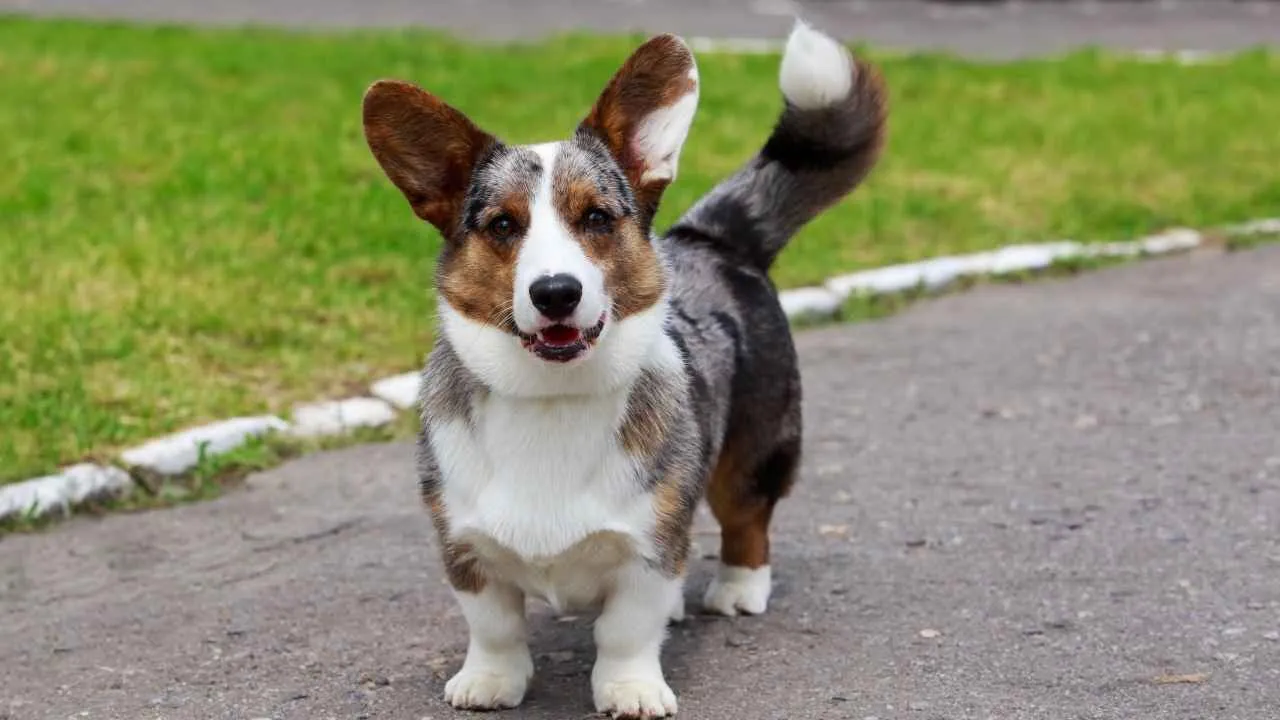
The Cardigan Welsh Corgi proves that dramatic beauty does not require towering legs. Its long, bushy tail, large upright ears, sturdy frame, and watchful expression create a wonderfully distinctive silhouette. Add sable coloring, and this Welsh original becomes especially memorable.
Beauty arrives with plenty of variety here. The medium-length double coat may appear in sable, red, brindle, black, or blue merle, often decorated with white markings. A friendly expression and fox-like tail add the final flourish.
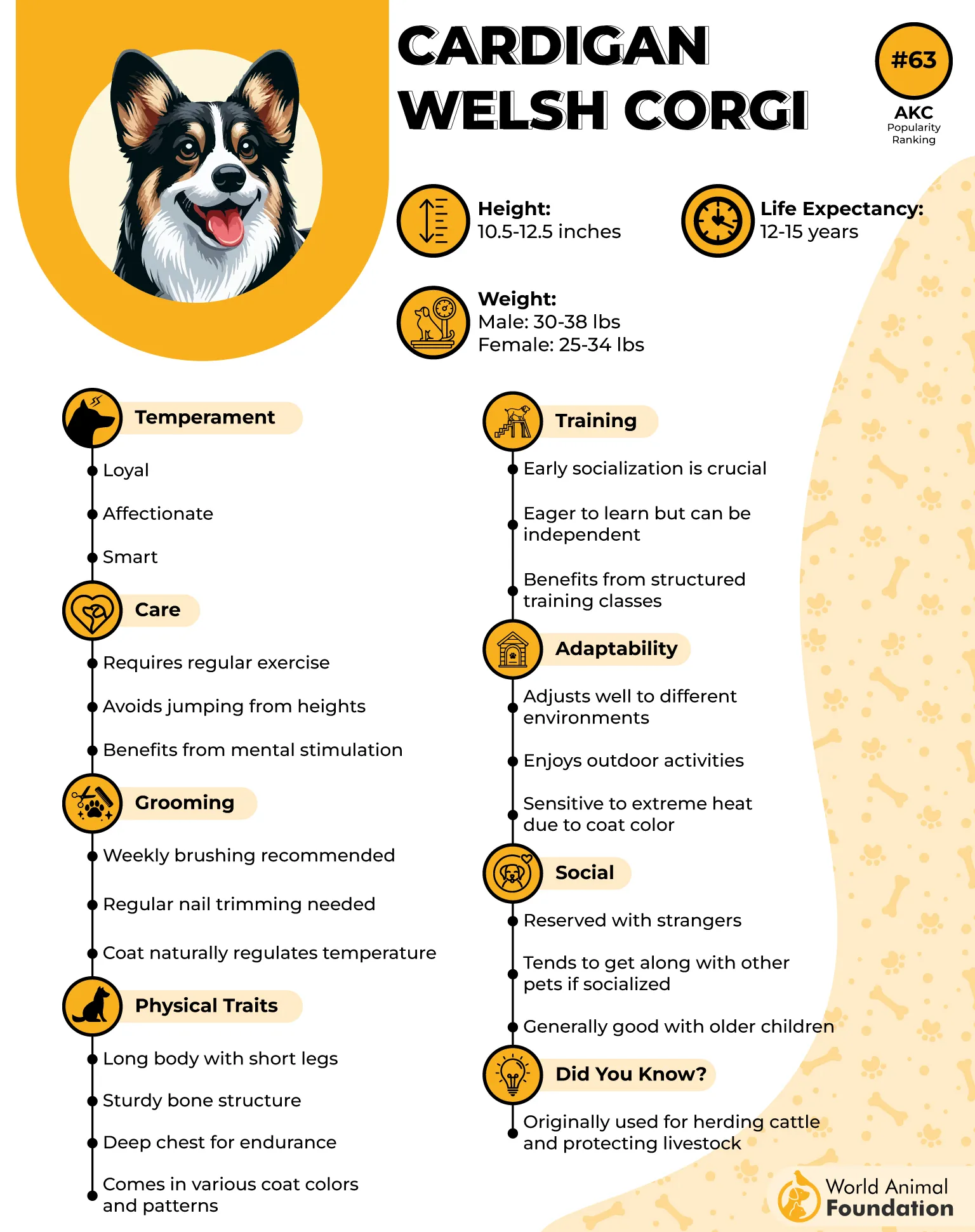
Regular brushing supports coat health, helps prevent matting, and keeps the Cardigan comfortable. The double coat does shed, so regular grooming also helps limit loose fur around the home before it starts decorating everything.
Coat Care Tips For This Breed
Trim the hair beneath the feet to reduce the dirt carried indoors after outdoor adventures.
Skip the short summer haircut because the correct double coat helps maintain normal body temperature.
7. Dachshund
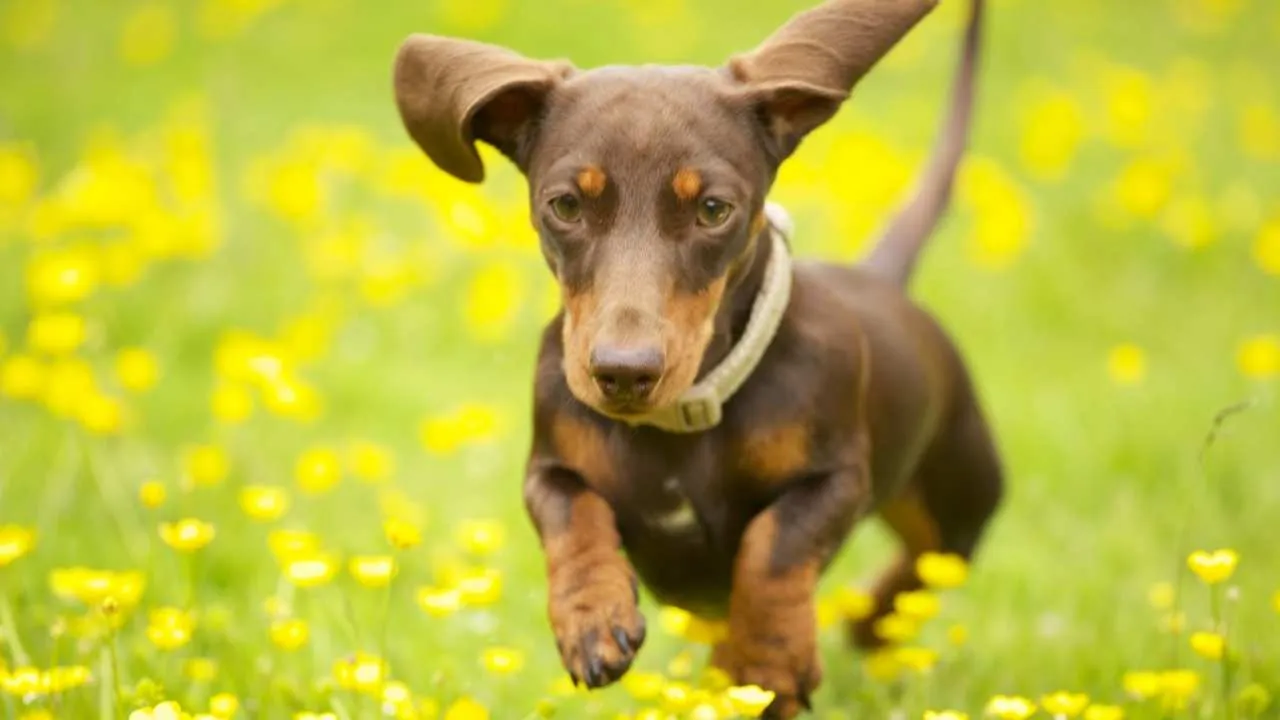
The Dachshund has never needed height to command attention. Its famous long outline, bright expression, and lively personality already do the job. Add a sable coat pattern to one of its three coat types, and the result becomes even more distinctive.
Color choices are anything but shy. Dachshunds may appear in red, cream, black and tan, black and cream, chocolate combinations, blue, or Isabella, with patterns including sable, dapple, brindle, and piebald across smooth, wirehaired, or longhaired coats.
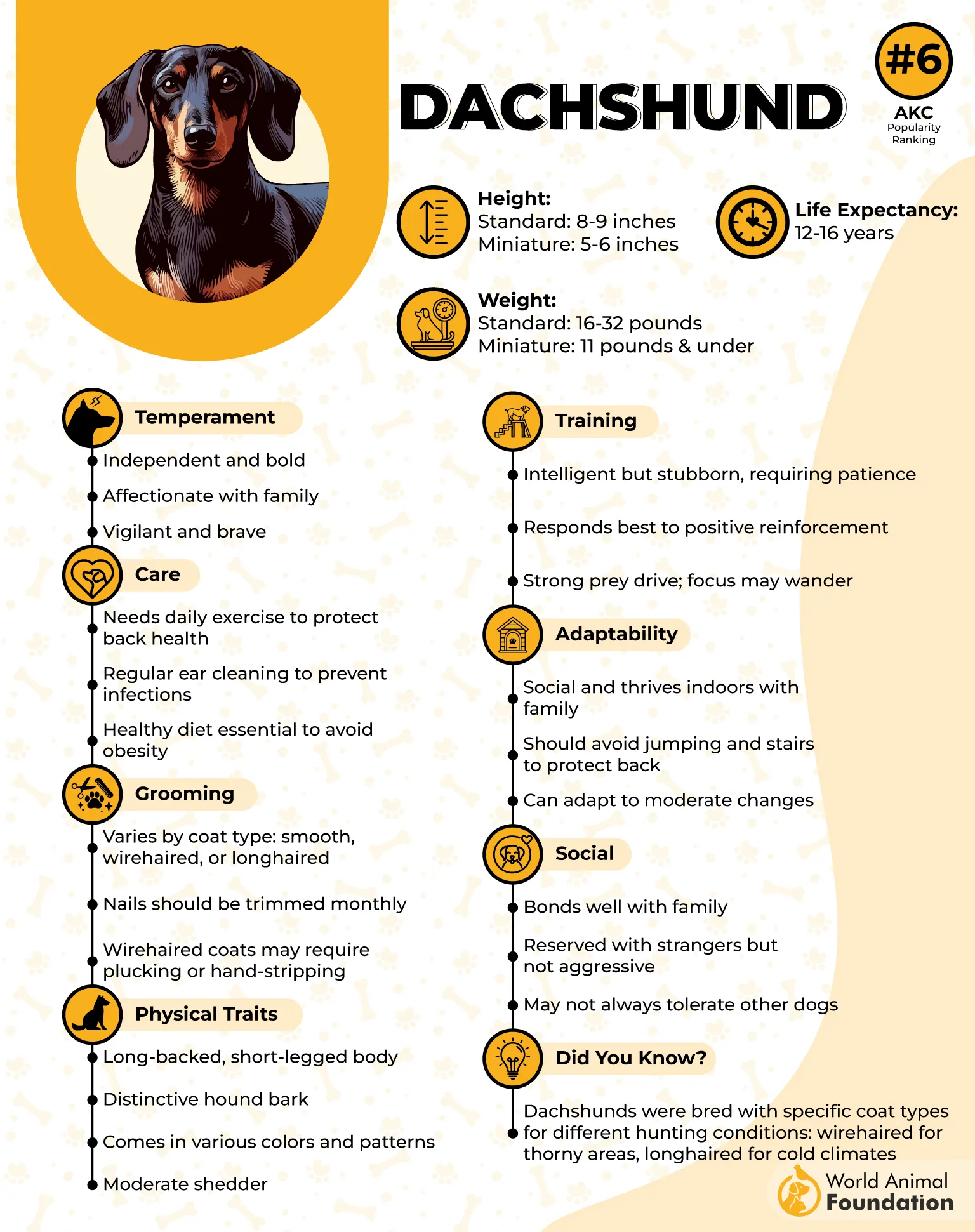
For the right household, this little hound can be a loyal, affectionate family member and an alert watchdog. Gentle children and supervised interactions suit the breed best. Dachshunds may also live well with other family pets when introduced thoughtfully.
Coat Care Tips For This Breed
Wipe a smooth coat with a grooming glove and towel to remove dead hair and restore its shine.
Hand-strip a wirehaired coat several times yearly and occasionally tidy the beard and eyebrows.
Conclusion
Sable coats bring an extra touch of beauty to dogs that are already full of personality, charm, and purpose. From hardworking partners to affectionate companions, every sable dog breed on this list offers something memorable beyond its eye-catching appearance. Take your time exploring their traits, because the right dog should suit both your lifestyle and your heart.
A gorgeous coat may catch your attention first, but a lasting bond comes from choosing a breed whose energy, personality, and daily needs truly fit your life. Once you find that perfect match, you will gain far more than a beautiful dog. You will welcome a loyal companion who can brighten countless everyday moments for years to come.
