




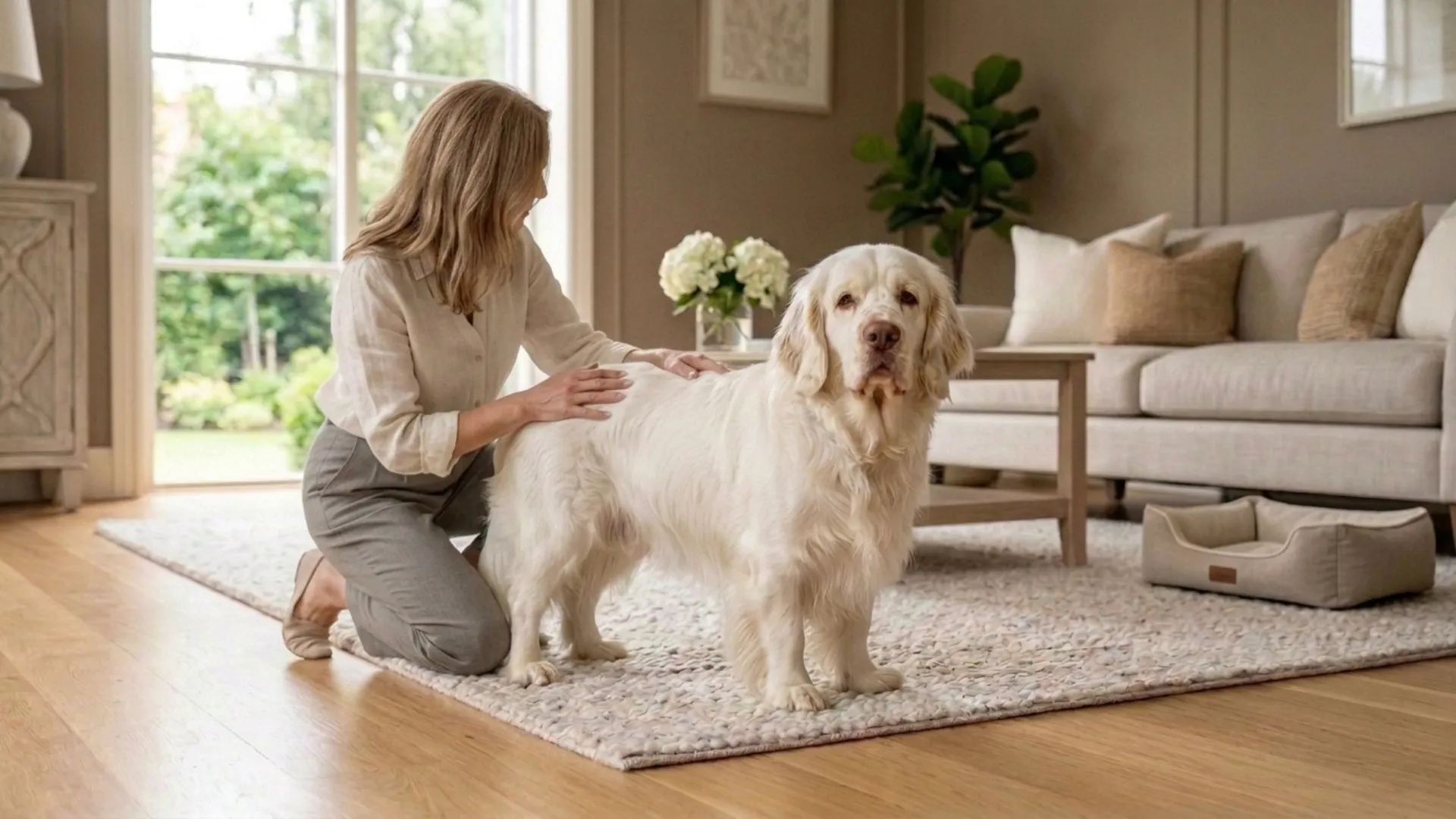
Calmness is not equivalent to boredom. Your ideal calm dog breed may be relaxing on a couch, enjoying your favorite Netflix show, and at the next moment, it may jump on the furniture and do its daily duty of creating chaos, and then go back to its resting phase.
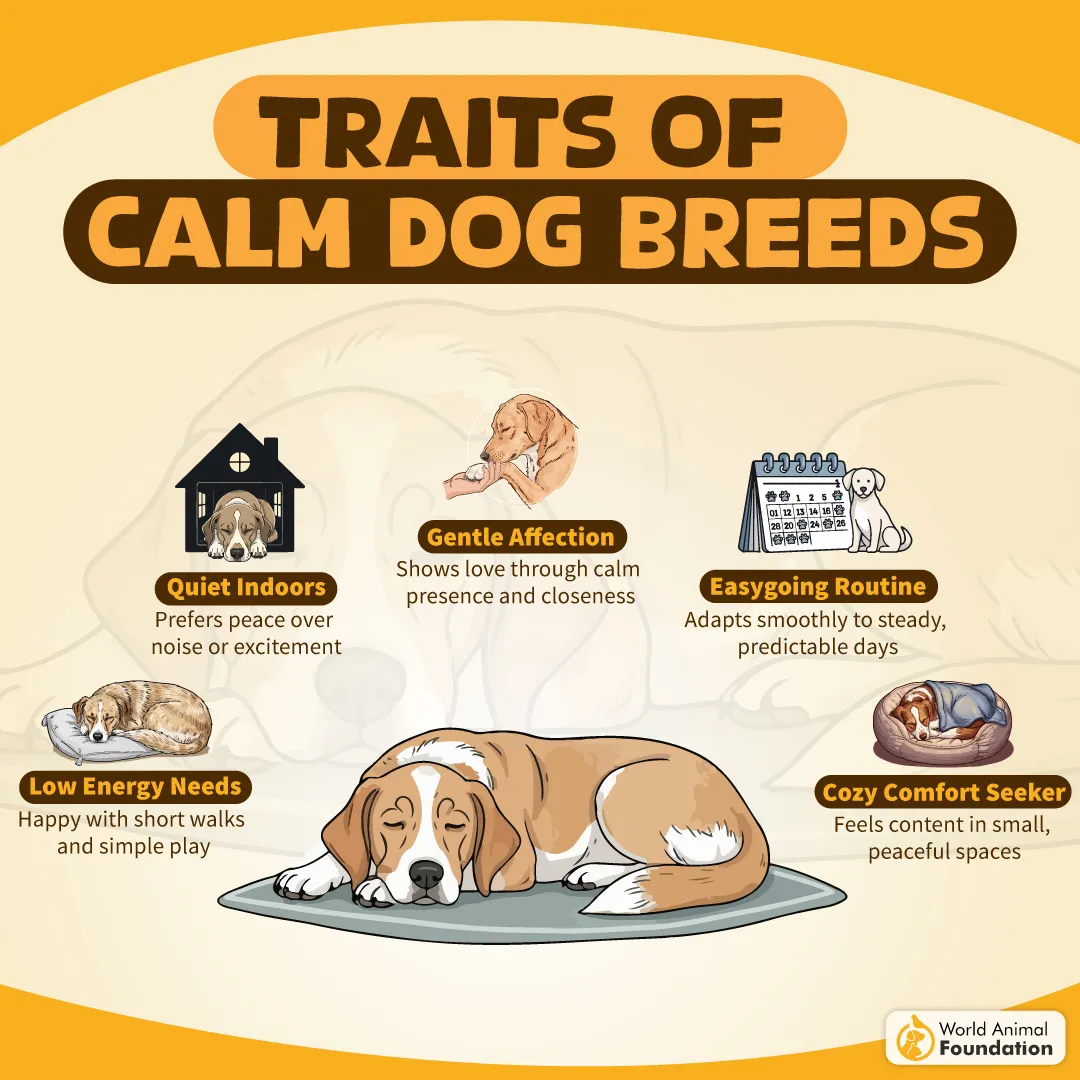
Some of these breeds love to lounge all day long and are perfect for people with a busy lifestyle or families who have remote jobs.
As actress Betty White, a lifelong animal lover, once said, “Pets are humanizing. They remind us we have an obligation and responsibility to preserve natural life.” That could not be truer.
In this guide, you will discover seven relaxed dog breeds that fit beautifully into peaceful homes while offering loyal friendship without turning every day into organized chaos.
Dog Breeds for Easygoing Owners Who Want a Calm Canine
1. Pug
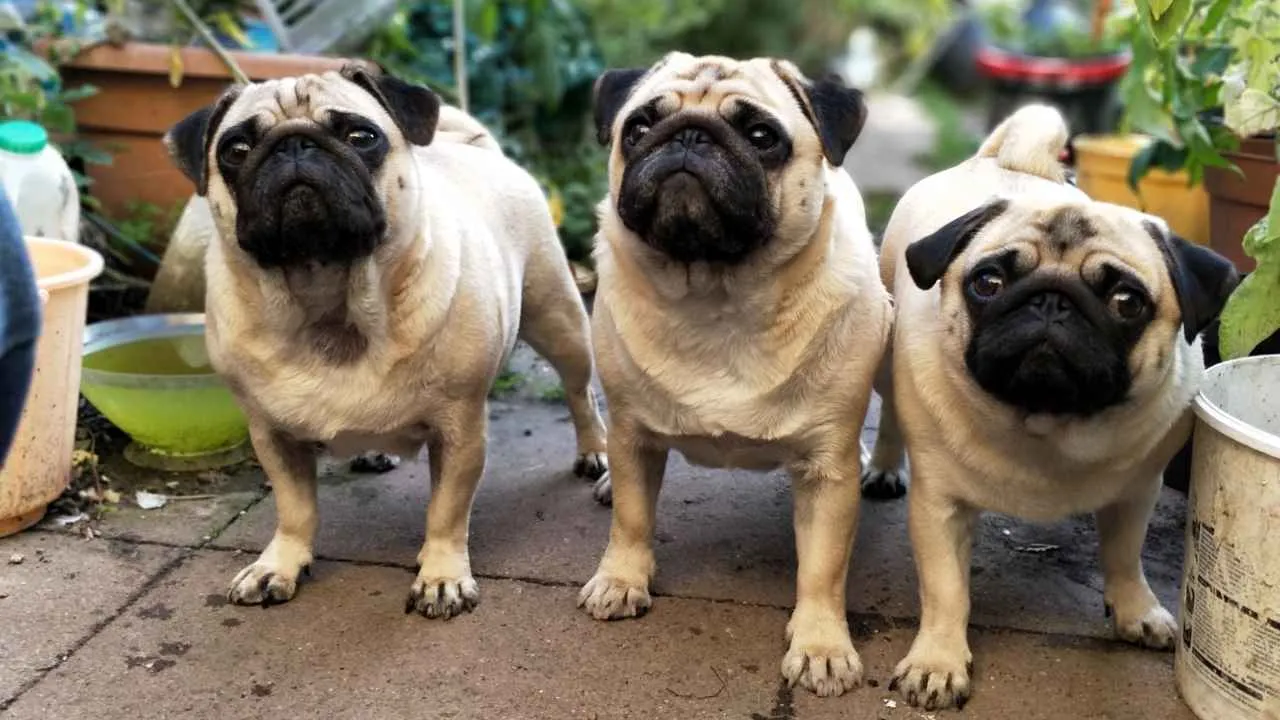
This small dog has spent most of its life in luxury and was originally bred in Tibet by the Chinese imperial and Buddhist. It gained popularity in Japan and Europe, then, and was also kept by the royalty, such as Marie Antoinette and Josephine, Napoleon Bonaparte’s wife, according to Orvis.
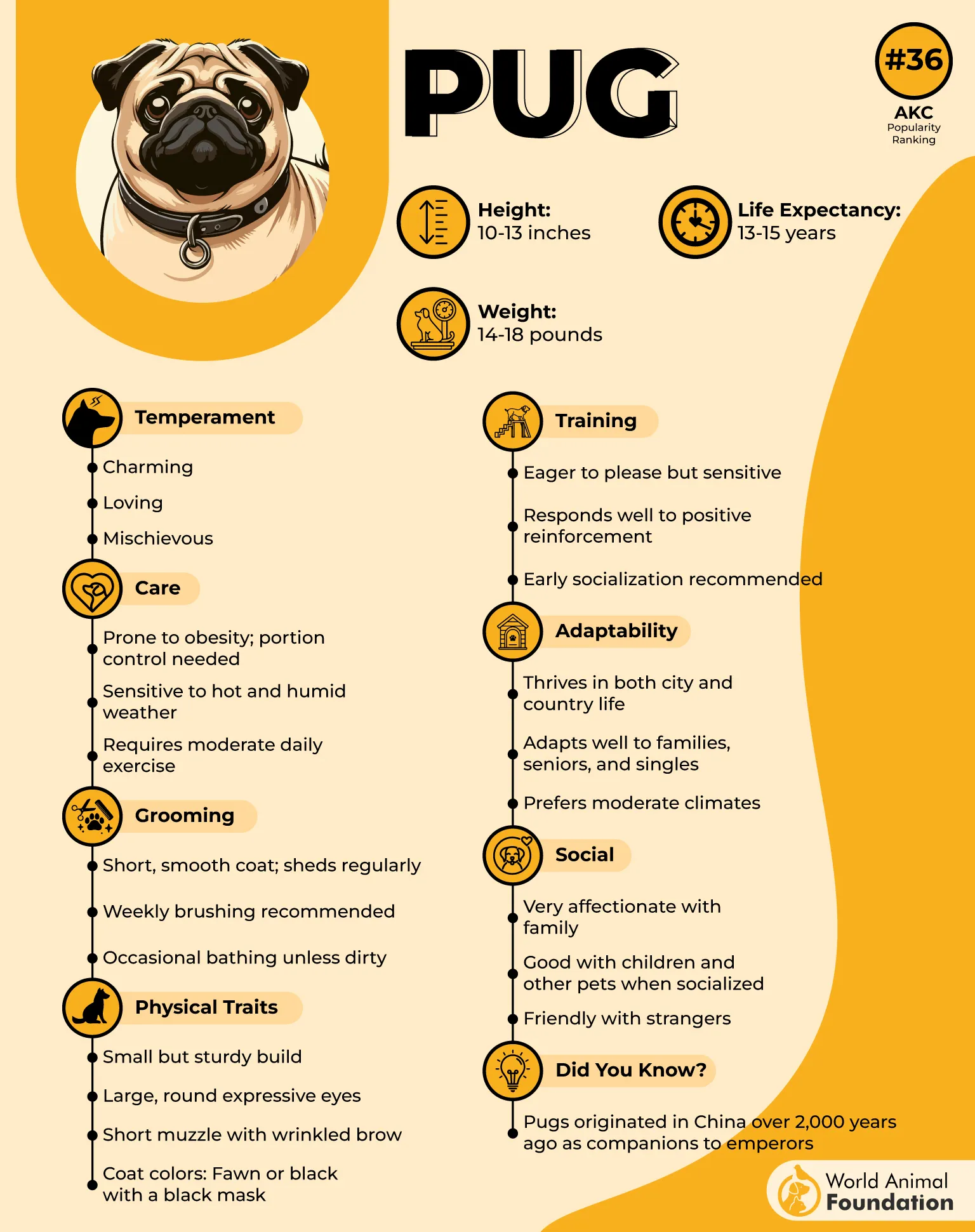
It is a brachycephalic breed and may face breathing issues during intense outdoor activities in summer. This domestic dog thus prefers lounging and sleeping. It takes up very little physical space because of its small stature. It lacks the intense guarding or territorial aggression, making it less barky. However, it is an excellent watchdog.
Its non-clingy and loyal personality makes it a great therapy dog. It is a great option for a multi-pet household since it is highly social and has an even temperament. The Pug is a low-intensity breed that requires 30 minutes of daily exercise and mental stimulation.
2. Clumber Spaniel
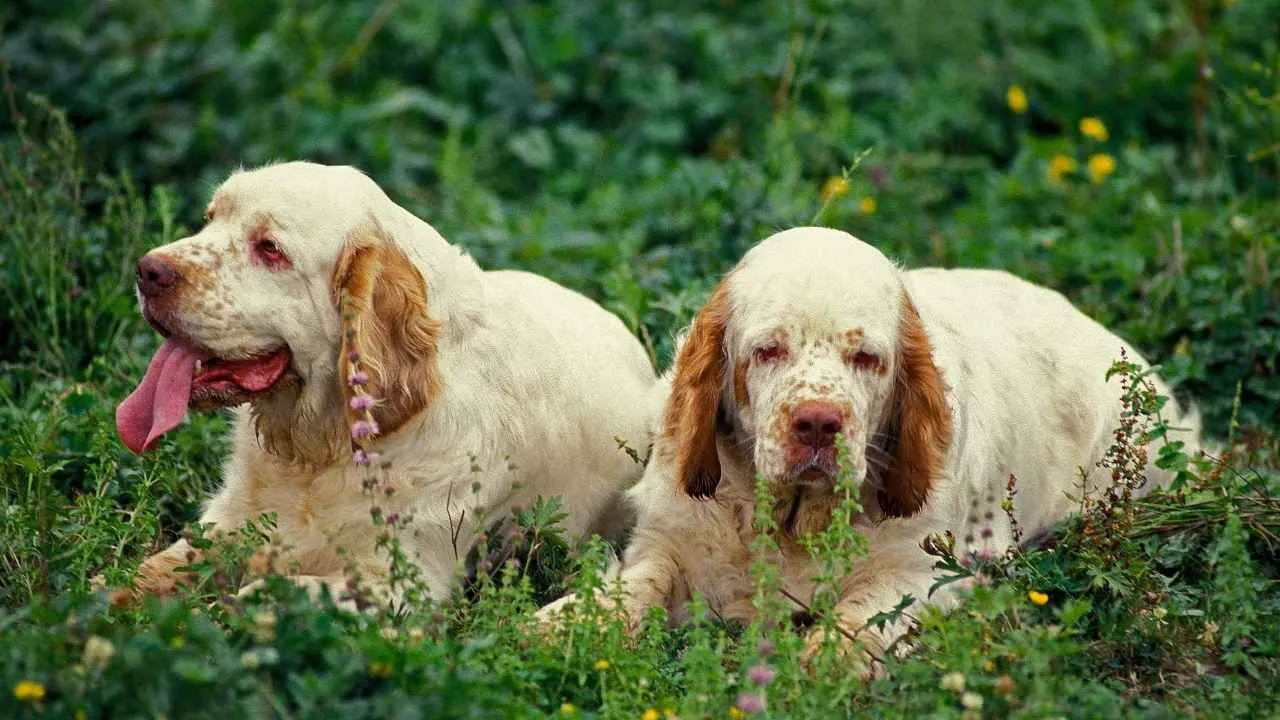
The modern dog was developed in England in the 18th century by the Duke and his gamekeeper, William Mansell. This stout bird-hunting dog was famous among the royalty because of its calm demeanor. It was also used as a competitor in early dog shows in Britain and is among one of the first dog breeds to be recognized by the AKC.
The heavy boned structure, long body, short legs, and the natural “rolling gait” conserve energy. Since it was developed to hunt methodically and silently; thus, barking is at a low frequency. The breed has heavy jowls (flews) and somewhat loose skin to protect them from thorns and underbrush in the field.
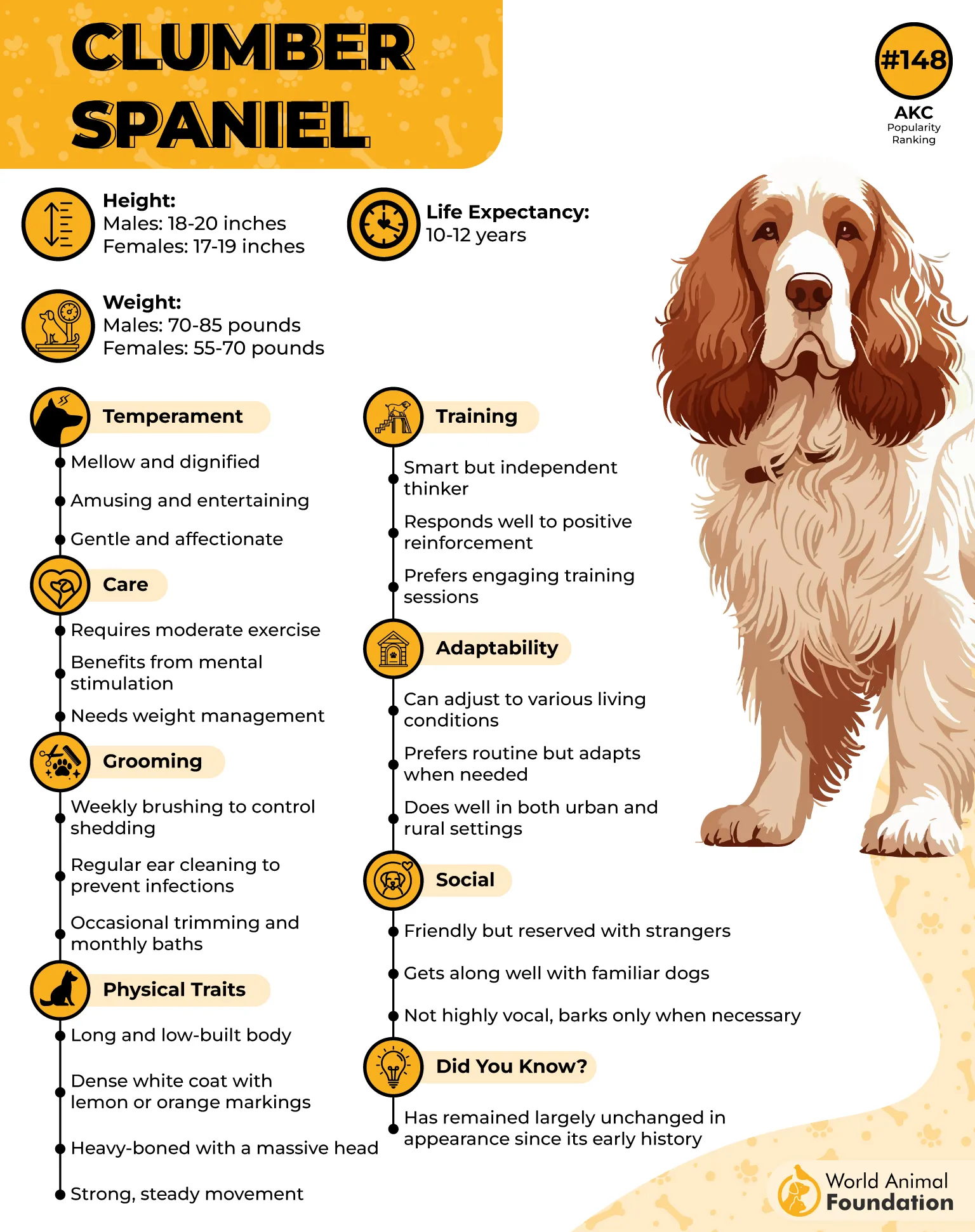
The dog needs at least 1.5-2 hours of daily exercise: scent work, retrieving, swimming, high-intensity running, and long walks. High-impact exercise must be avoided for puppies because of their delicate and developing bones. It has a hypoallergenic coat that requires regular brushing (2-3 times a week).
3. Newfoundland
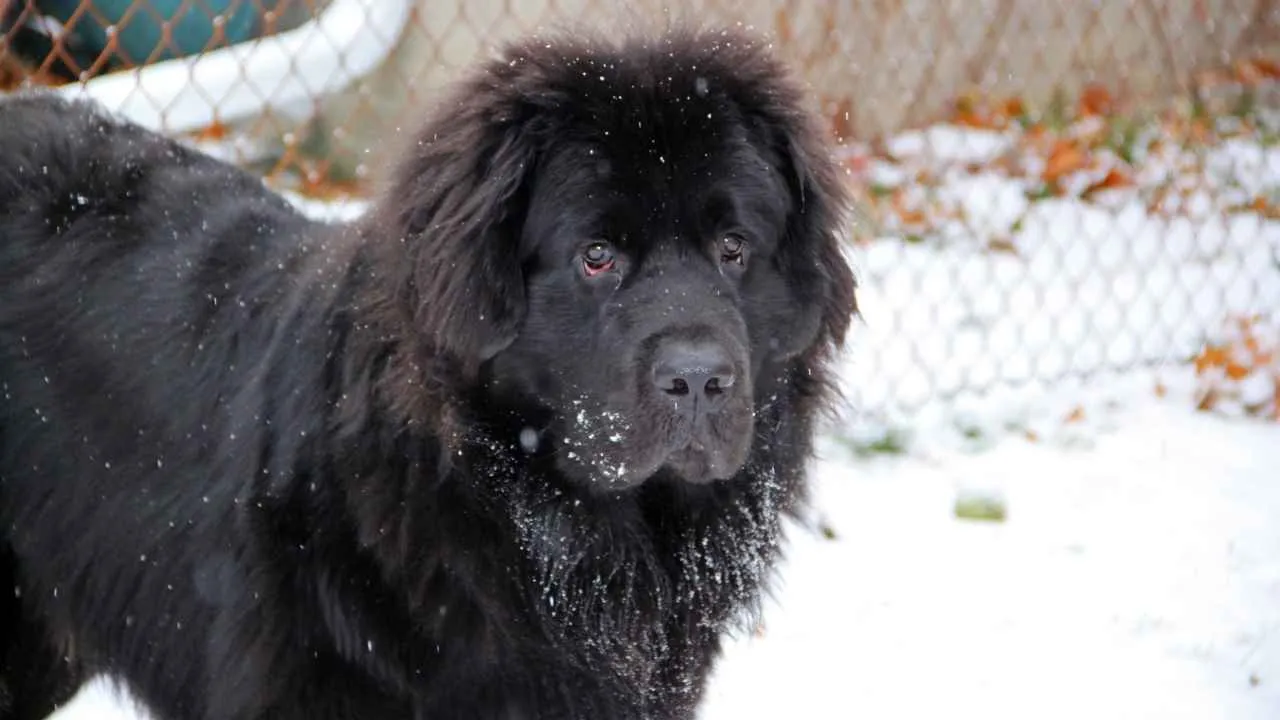
The history of this gentle giant goes back to the 18th century, when it was bred by crossing the Pyrenean Mountain Dog and the local Eskimo Dog to survive in the climate of Canada. Its primary purpose was to pull heavy carts and haul nets for the fishermen, as per Purina.
While being massive in size, the popular pet has a low-arousal nervous system and is not triggered easily by loud noises, sudden movements, or environmental changes. The metabolism favors long-term stamina rather than explosive bursts of energy. It has a thick double coat and webbed feet, making it an excellent water dog.
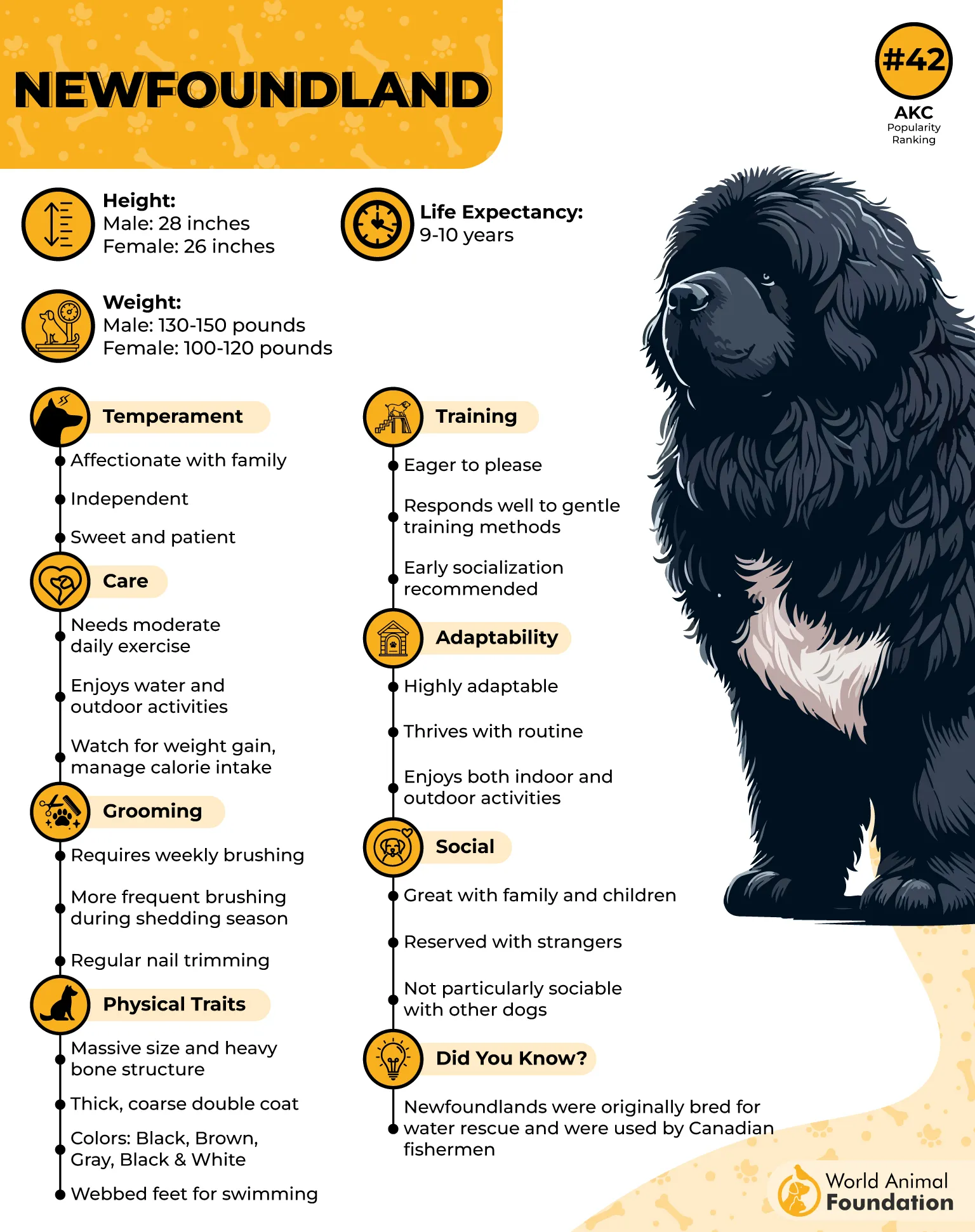
The emotional state is highly attuned to family members and is widely used as a ‘nanny dog’ because of its gentle and forgiving temperament. It is also used as a therapy dog to help military veterans suffering from trauma and PTSD. It has moderate exercise needs (30-60 minutes daily).
4. Great Dane
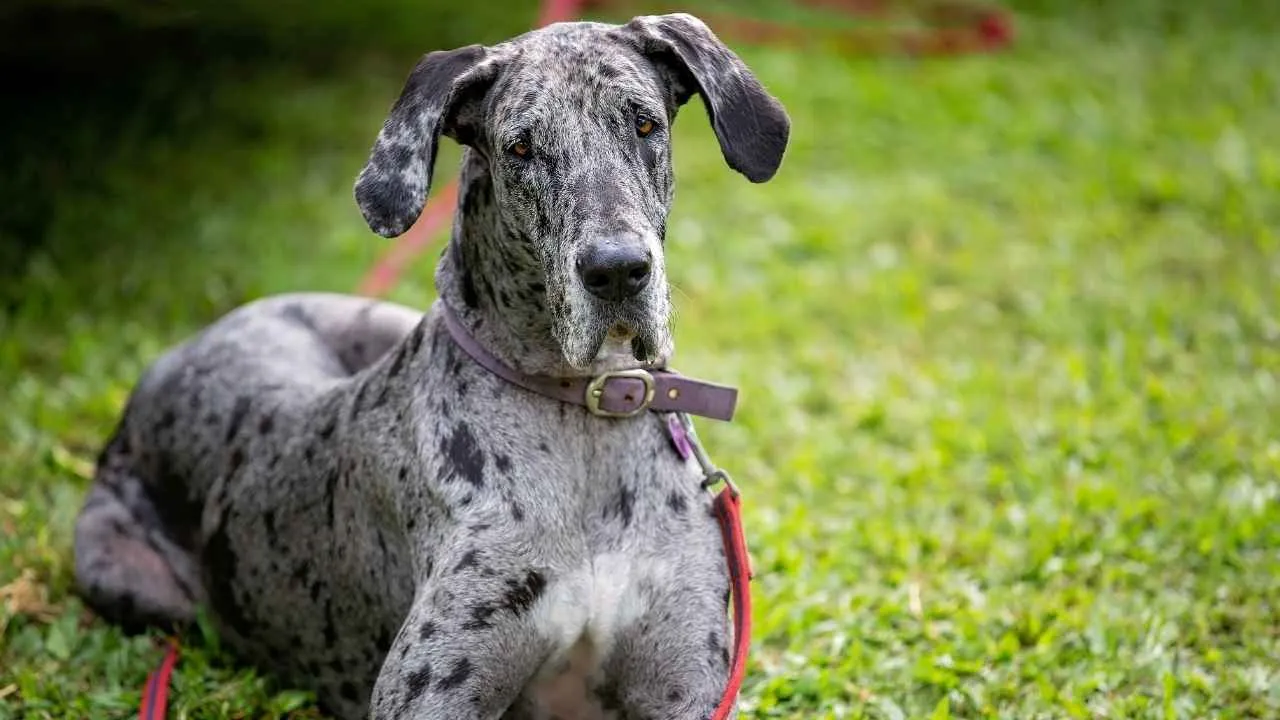
The giant dog breed was originally developed as a hunting breed in the 1800s to hunt wild boars, wolves, and bears. It also served as a guard dog to protect German properties. Despite its massive size, it has a kind and friendly nature, making it an excellent family dog.
Being a nocturnal breed, it tends to conserve its energy during the day (sleeps at least 14 hours a day) and becomes alert at night. Despite being a hunting breed, it has a low prey drive and does not instinctively react to or chase small, fast-moving triggers.
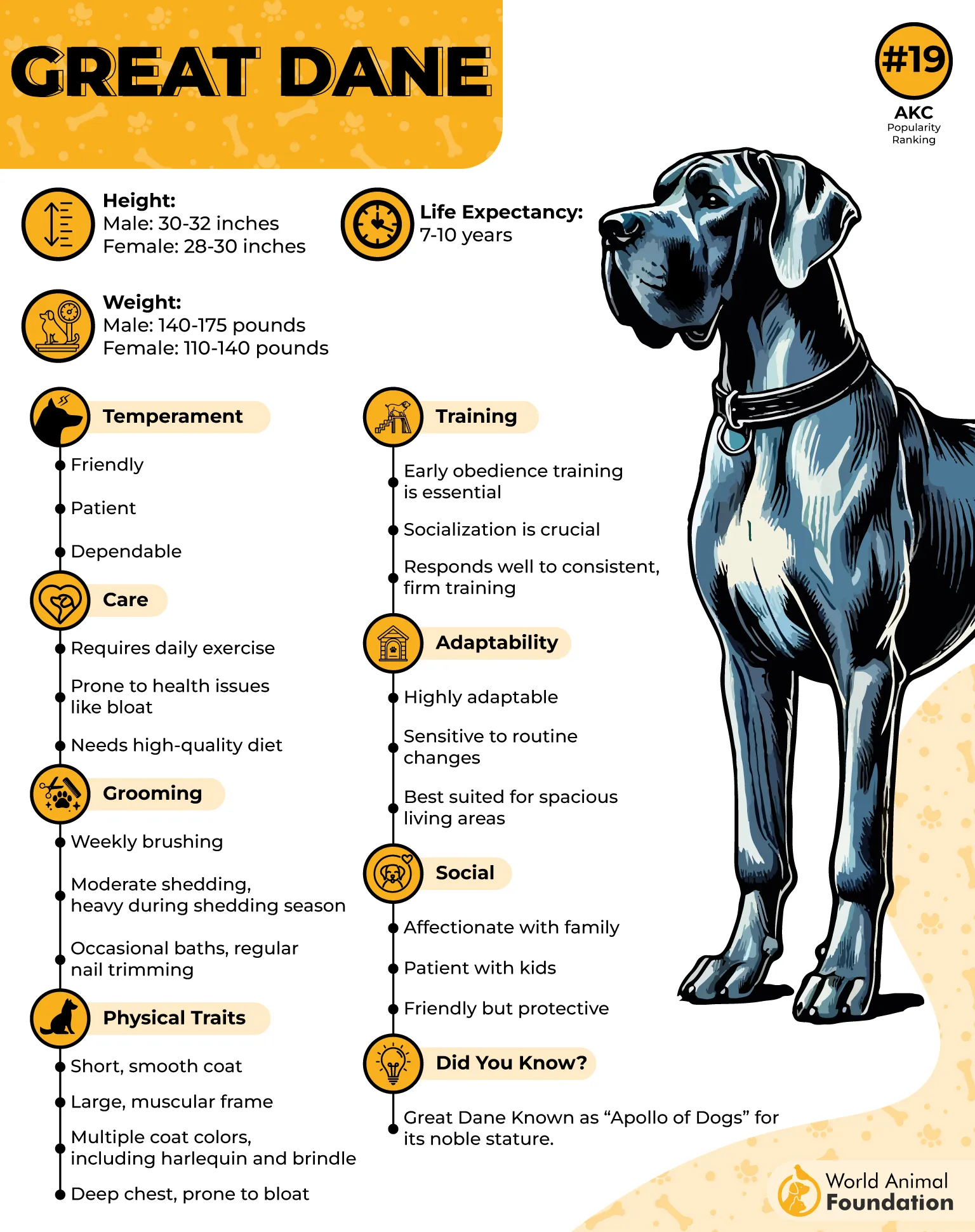
The slow-twitch musculature prevents rapid, chaotic indoor dashing. The dog has moderate exercise needs (30-60 minutes daily): daily walks and indoor play. It is a low-shedding breed and requires weekly brushing using a rubber grooming mitt, hound glove, or medium-bristle brush to prevent tangles and mats.
5. Pekingese
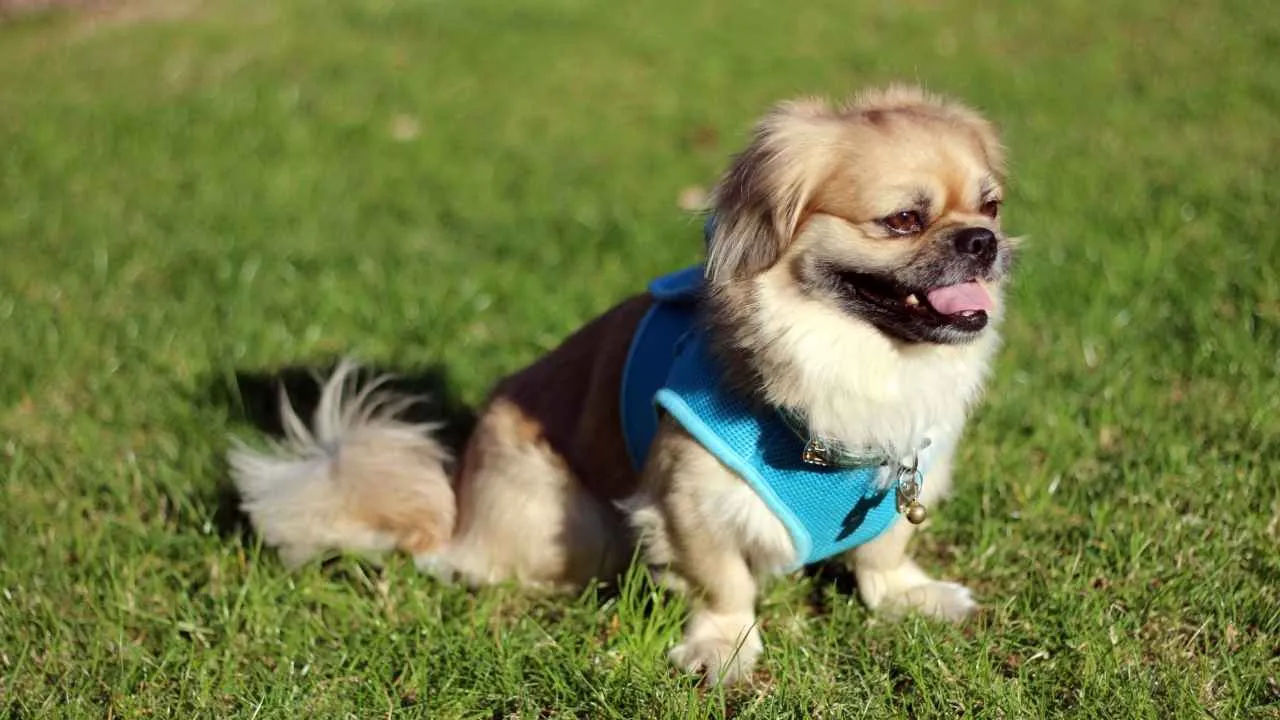
This affectionate and curious breed is one of the ancient dogs in the canine world, with its existence starting some 2,000 years ago. Developed in the old Chinese capital city, ‘Peking,’ it was bred to be the companion for noblemen, princes, and members of the Imperial family, as reported by Pooch & Mutt.
The breed has a compact size, a short snout, and low-energy metabolism, making it perfect for calm households. Its short, bowed legs dictate an inherently slow walking pace. Genetic studies reveal that it is an independent thinker, making it less demanding.
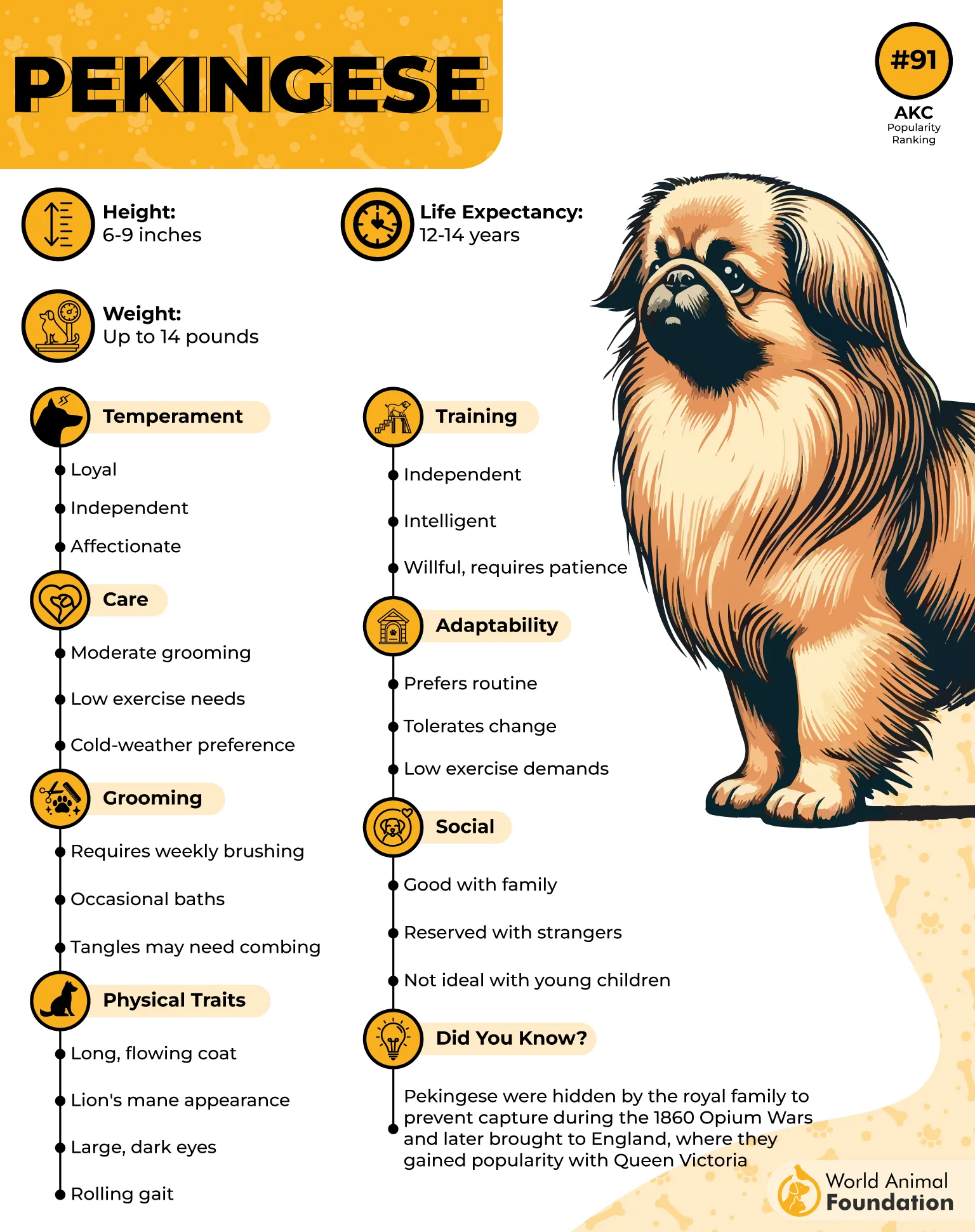
It has a strong sense of security and tends to alert the owner to any unusual activity or sound. This low-energy breed has low-to-moderate exercise needs (30-60 minutes daily): a brisk walk (20-30 minutes), gentle indoor play, and soft fetching.
6. Saint Bernard
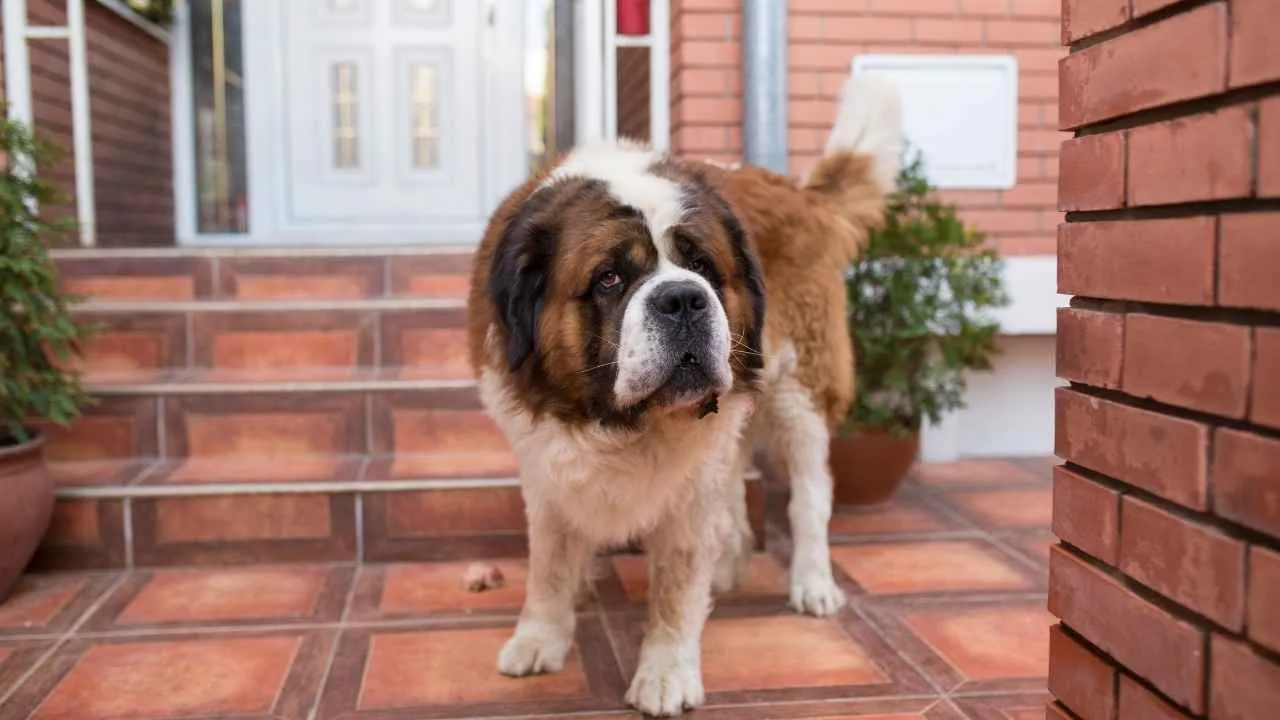
This massive dog breed was developed in the 17th century as a rescue dog by monks in the Swiss Alps. It was trained to search and rescue travelers trapped inside the snow. The family side of the dog was exposed after the release of the famous 1992 family movie Beethoven.
It has a low basal metabolic rate and low energy levels. The sturdy frame enables a low centre of gravity. Built for cold climates, the breed has a double coat that provides thermoregulation, making it work outdoors in intense climatic conditions.
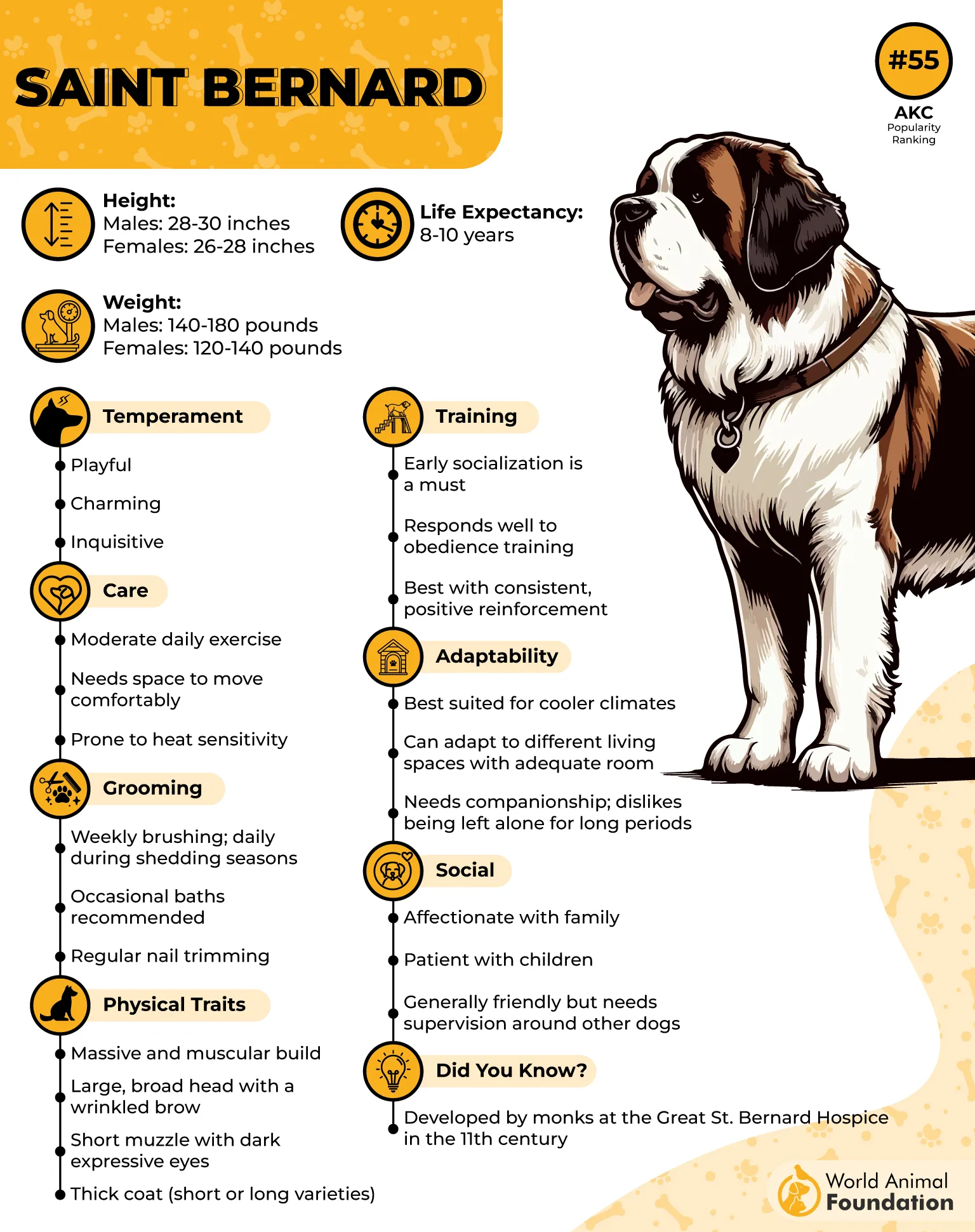
The dog needs moderate exercise. Encourage relaxed walks and play in a secure and fenced area. Being temperature sensitive, it should not be exposed to an intensely hot environment. Thus, it prefers lounging over running and jumping around.
7. Cavalier King Charles Spaniel
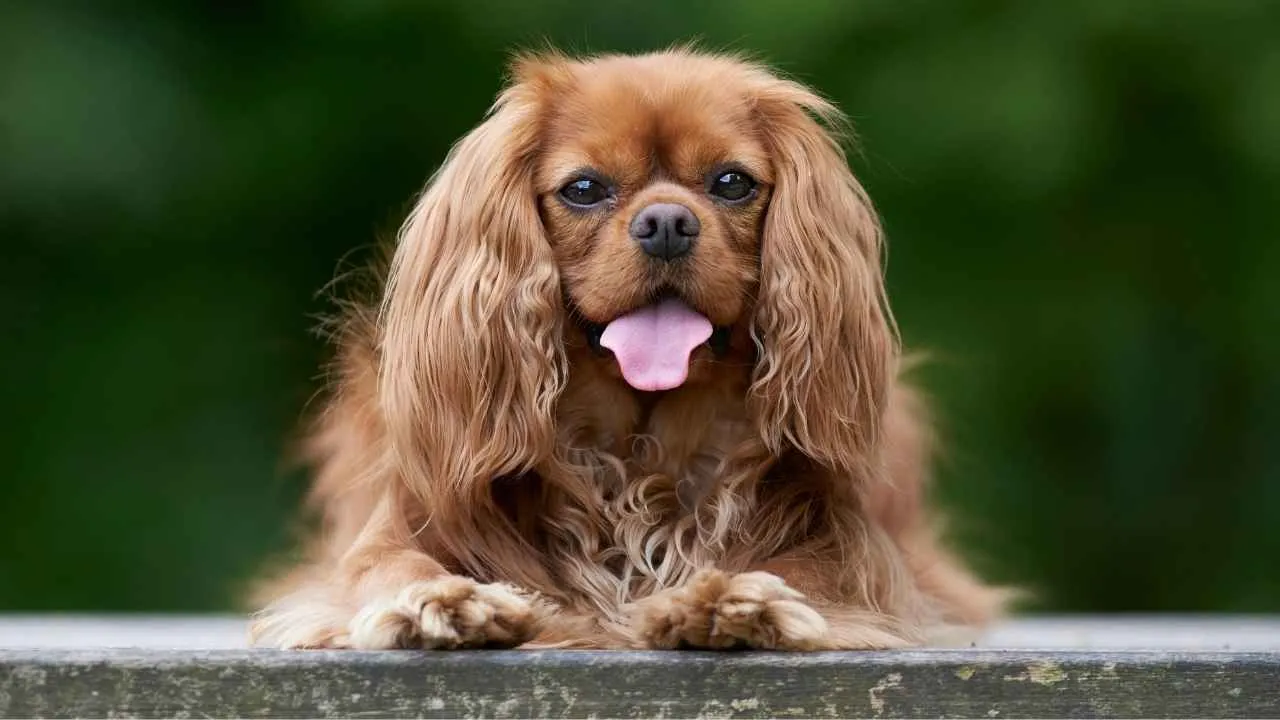
This toy breed was highly pampered by the British royalty, especially King Charles and his son in the 16th century. Roswell Eldridge is credited with developing the modern Cavalier. The breed was officially recognized by the AKC in 1995.
Its heart rate and cardiovascular architecture are tuned for low-energy output, making it an ideal couch potato. Its physical features, such as large, expressive eyes and a slightly shortened muzzle, stimulate the human nurturing response (neotenic species).
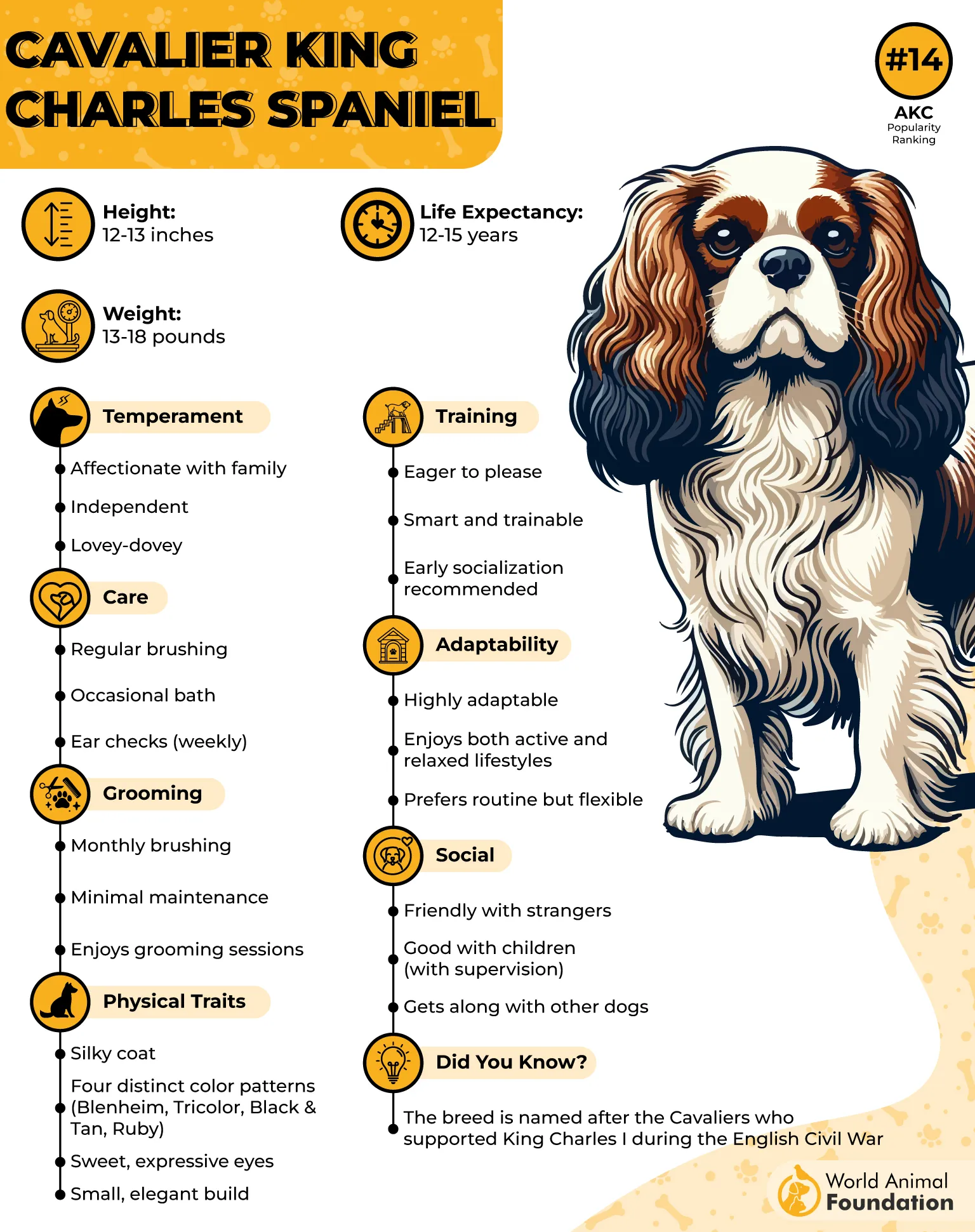
Being Velcro in nature, it is widely used as a Psychiatric Service Companion and a Hospital Visitation Dog. The non-judgmental behavior creates a stress-free environment, making children feel completely safe practicing their reading skills without fear of being corrected.
Conclusion
Living with a calm dog can make everyday life feel a little slower in the best possible way. Whether you prefer the tiny but confident Pekingese or the gentle giant Newfoundland, each breed brings its own kind of quiet happiness. The key is matching their needs with your lifestyle instead of choosing based on looks alone.
Even relaxed dogs need daily exercise, mental stimulation, and loving care to stay healthy and content. Spend time learning about each breed before making your decision. When the match is right, your dog becomes more than a pet; they become a steady, comforting friend that is always happy to share life’s peaceful moments, one wagging tail and cozy nap at a time.
