




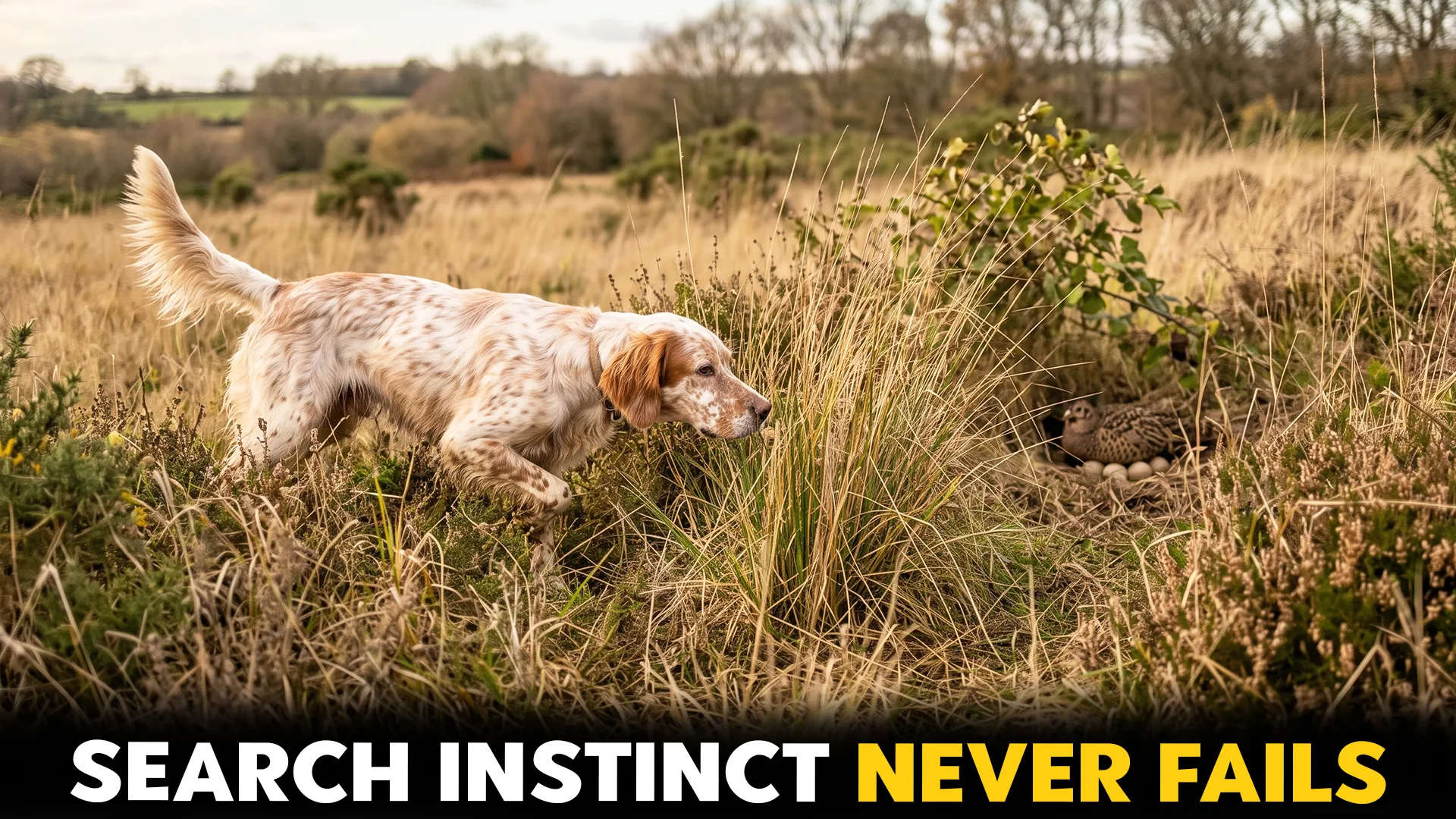
The field looked empty at first glance. Tall grass moved gently in the wind, and there was little sign of wildlife anywhere in sight. Then the dog suddenly changed direction, slowed its pace, and focused on a single patch of cover.
Within moments, what appeared to be an ordinary section of ground revealed a carefully hidden nesting animal that would have gone unnoticed by most people. Experiences like this explain why certain dogs have become so respected in wildlife work and hunting environments.
Ground-nesting animals are experts at avoiding detection, often blending perfectly into their surroundings. Locating them requires more than enthusiasm and energy. It demands specialized instincts, a reliable nose, and the ability to search efficiently without overlooking important clues.
The following dogs have built their reputation by consistently finding what many eyes never see.
Key Takeaways
Behind every reliable field dog is a blend of endurance, scent precision, and a working style shaped for long hours outdoors.
German Shorthaired Pointers and Brittany dogs cover ground quickly, locking onto scent trails with sharp focus and controlled movement.
Vizslas and English Setters bring a steadier rhythm, adjusting their pace while staying locked into faint ground activity others might miss.
Continue reading to see how these breeds build a complete picture of scent tracking that goes far beyond instinct alone.
Top Dog Breeds for Locating Ground-nesting Animals
1. German Shorthaired Pointer
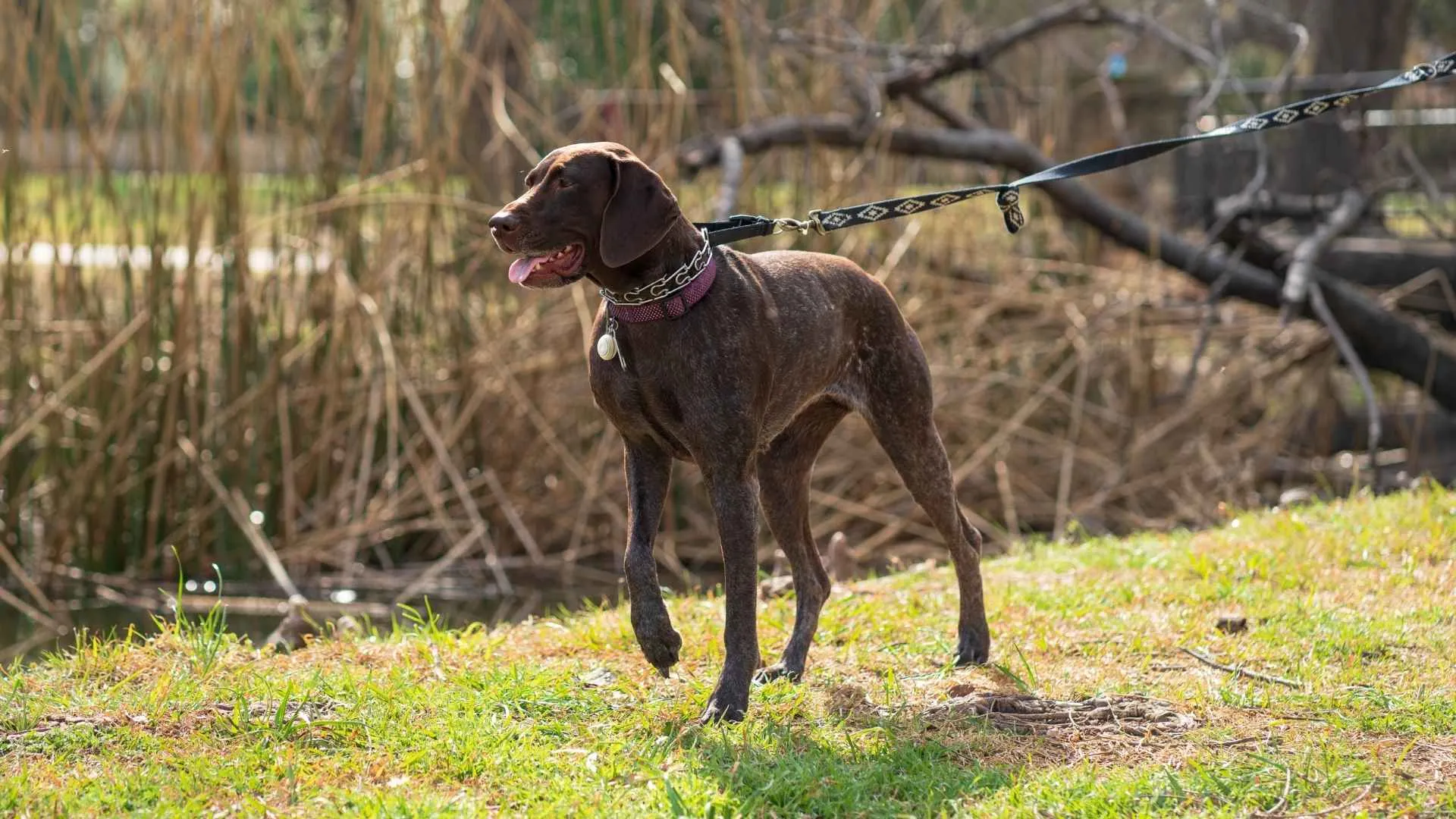
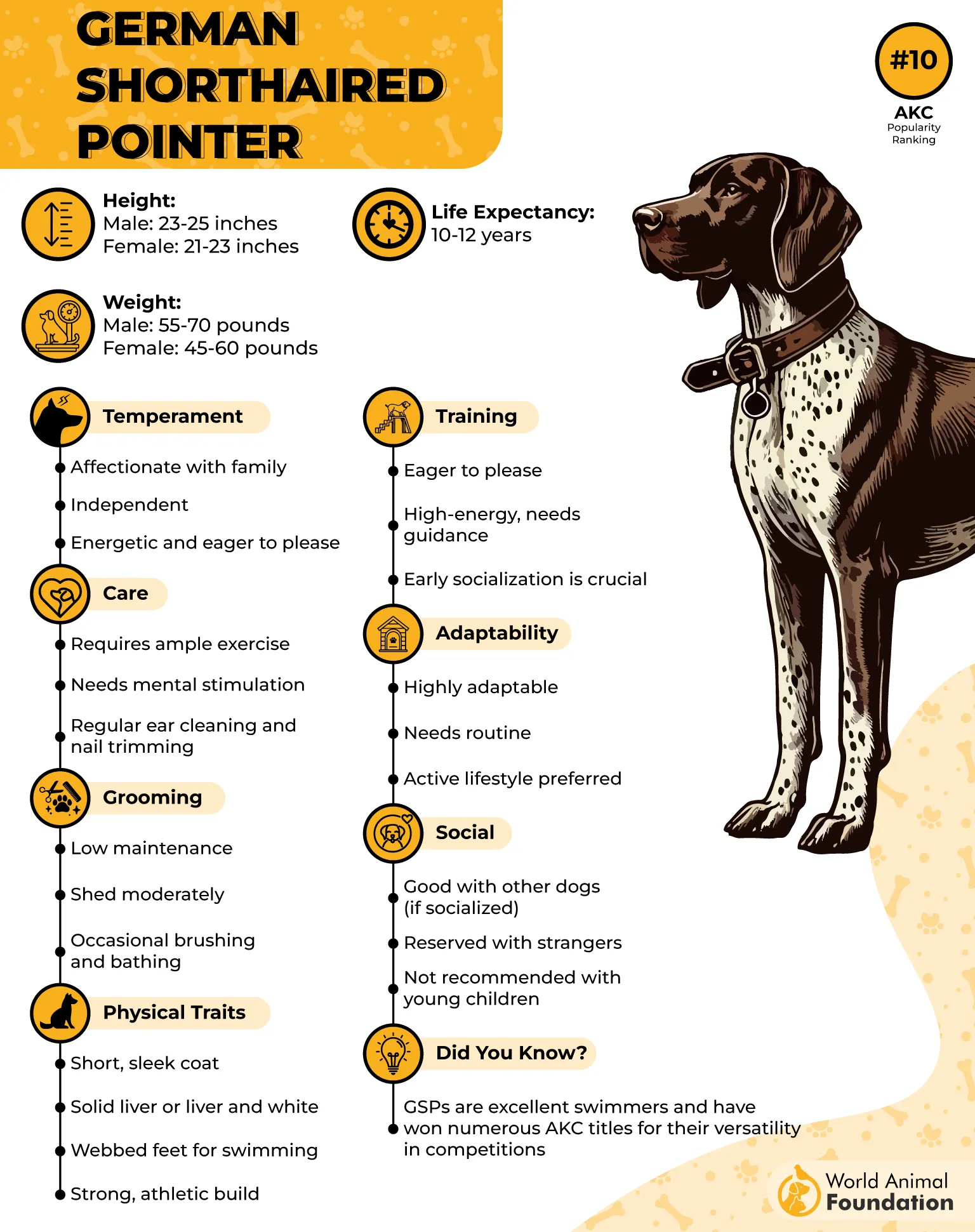
German Shorthaired Pointer is recognized for speed and endurance, with a lean, athletic build suited for long hours of active fieldwork. Its sharp focus during scent tracking gives it a precise working rhythm. The breed’s alert stance often signals control over distance and direction.
Scent Tracking Role
This hunting breed works by locating and marking scent with a steady pointing posture, freezing in place until further instruction is given, as PetMD describes. This controlled response makes it effective in guiding hunters toward hidden ground activity.
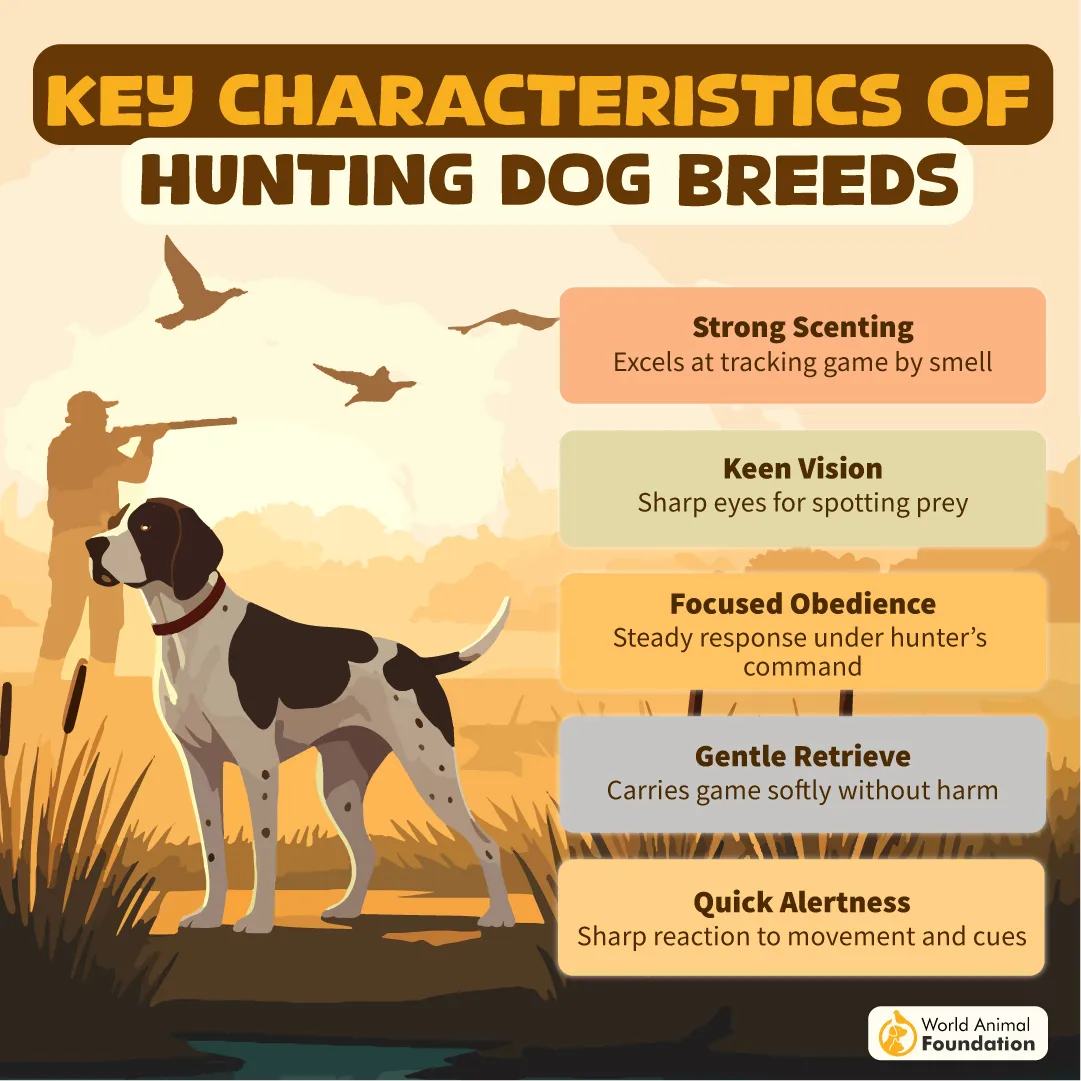
A closer look at its working style:
Work in a closer range with the handler
Use a high head approach to catch scent
High endurance over distance
Outdoor Drive and Focus
This versatile dog maintains a steady drive outdoors, shifting smoothly between movement and stillness during tracking. They love to spend their time running, fetching, and playing different agility games. Its behavior reflects both alertness and patience when working across open environments.
2. Vizsla
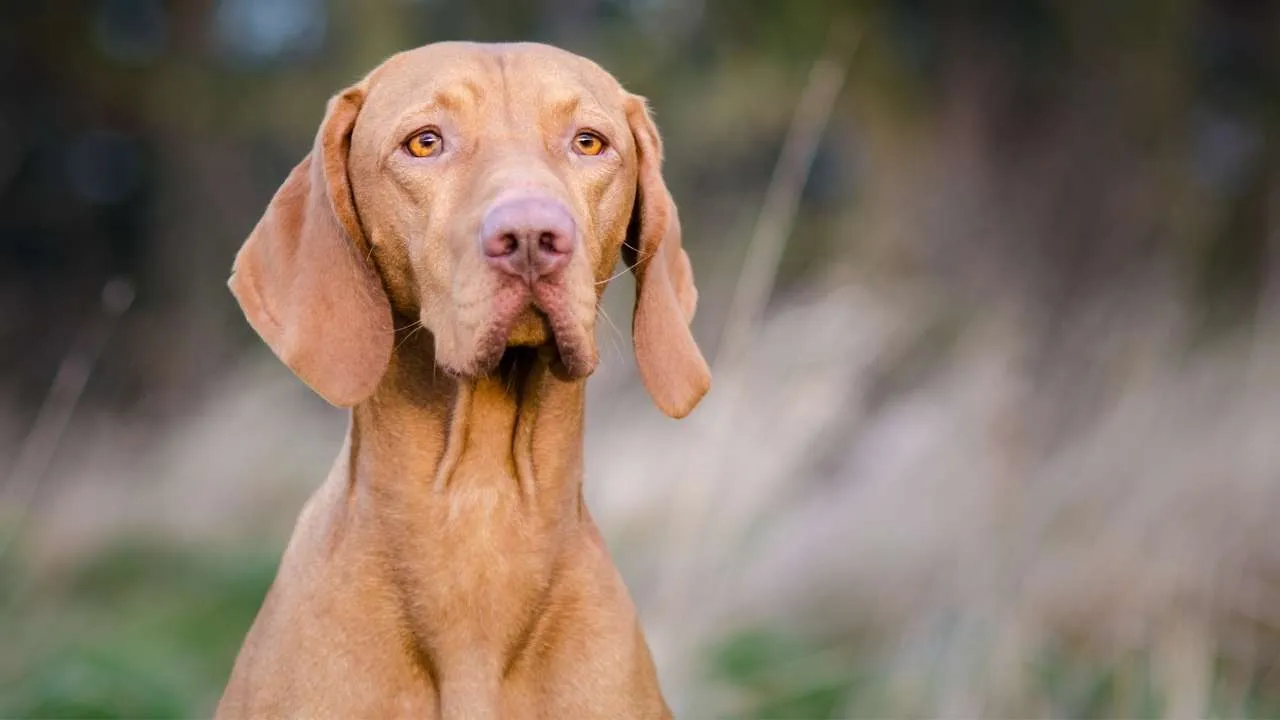
Vizsla is shaped for upland birds, rabbits, and waterfowl retrieving, working across land and water with steady efficiency, as per the American Kennel Club (AKC).
Its movement is smooth and ground-covering, suited for covering distance without strain. This balance of speed and control defines its working style in varied terrain.
Energy and Task Focus
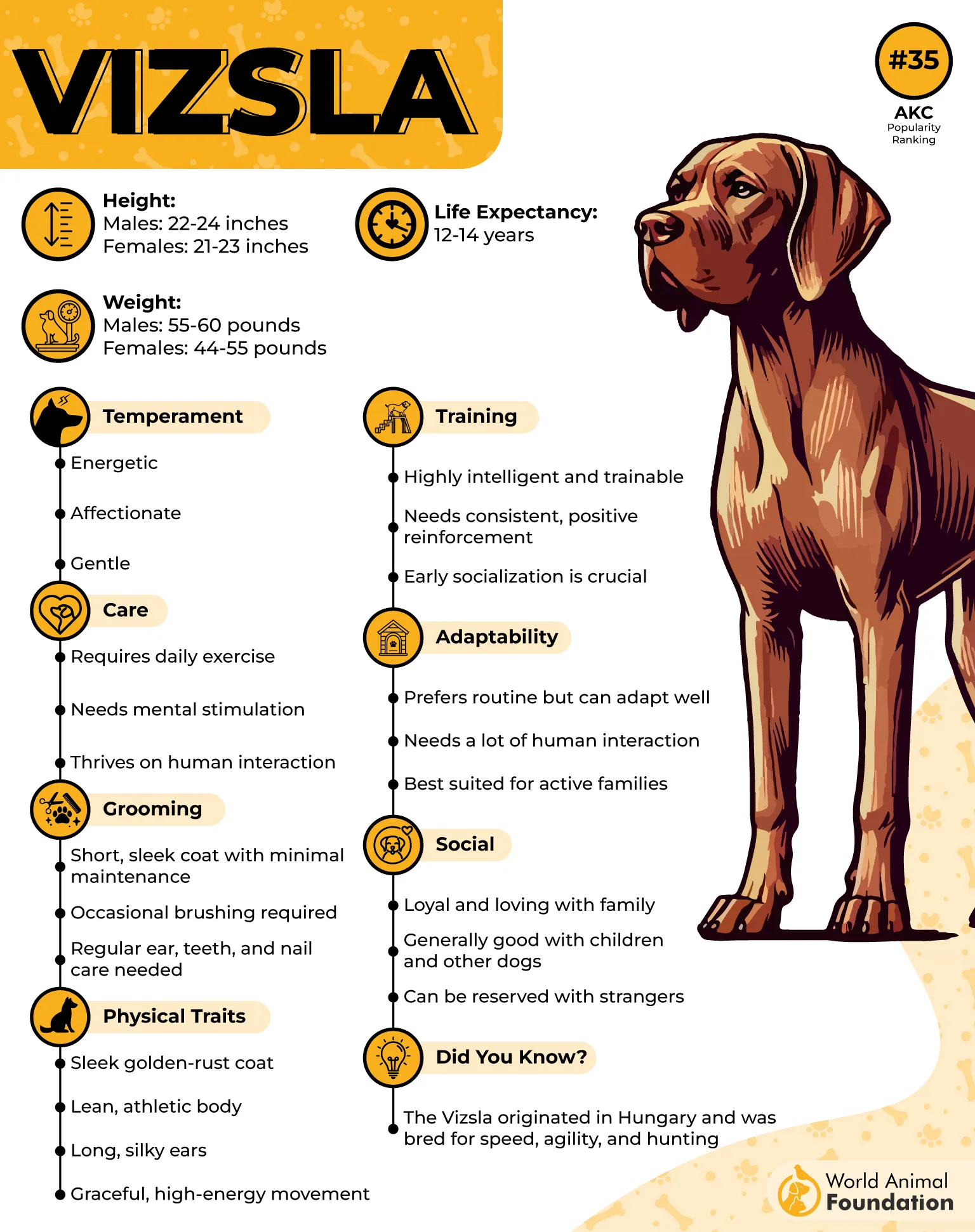
This hunting dog is highly energetic and channels its drive into coordinated activity where both body movement and attention are constantly engaged. The breed’s working style depends on direction, interaction, and continuous involvement in tasks.
Their core behavior is shown in these traits:
Highly people-oriented
Stay within a range of 100 meters
Require 7 hours of exercise per week
Close Working Nature
As a family dog, the Viszla forms a tight working connection with people, which shapes how it behaves during activity and rest. Separation from interaction affects its focus, making partnership-based tasks central to its behavior. This closeness directly influences how it performs in structured work.
3. Wirehaired Pointing Griffon
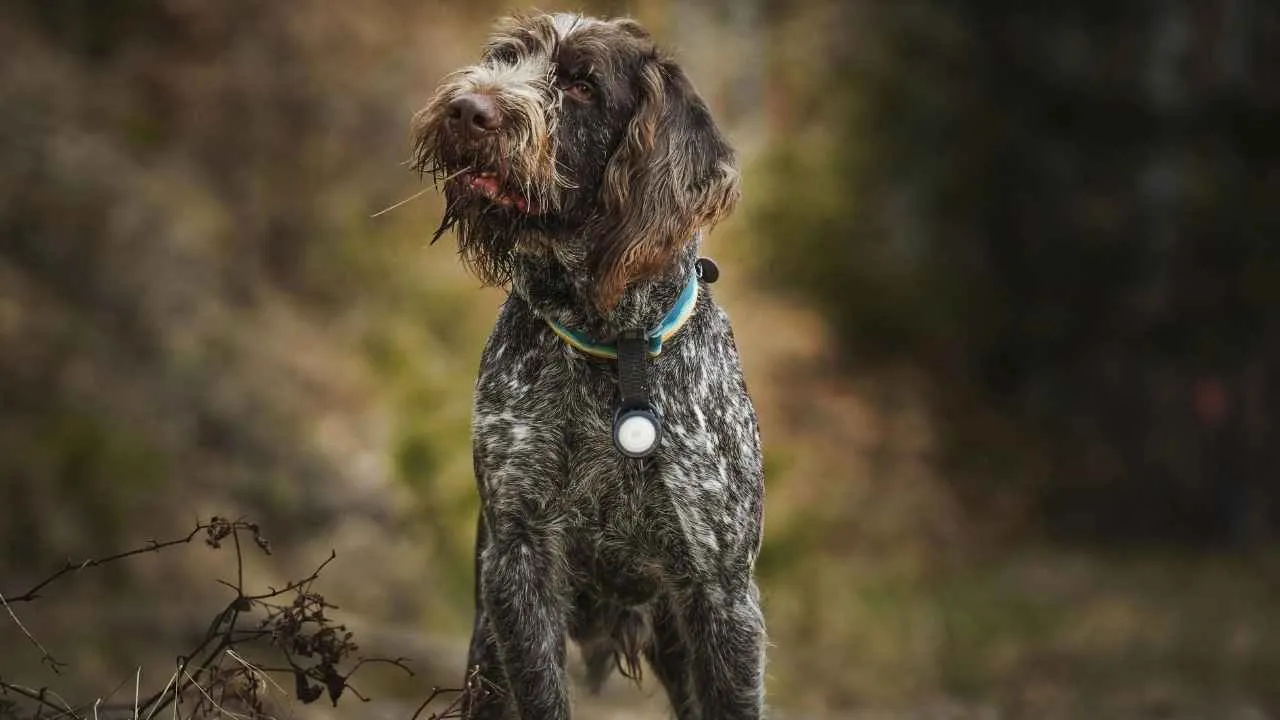
Wirehaired Pointing Griffon has a rough coat, strong brows, and a focused gaze built for tracking in dense ground cover. Every feature supports movement through uneven terrain where scent trails sit close to the soil. Its working nature is tightly linked to controlled energy rather than speed bursts.
Scent Work and Tracking Drive
The breed’s value in locating hidden ground activity comes from patience in following faint scent lines without breaking focus. Work style depends on steady guidance and a willingness to stay engaged across long stretches of terrain.
These core working behaviors define its field usefulness:
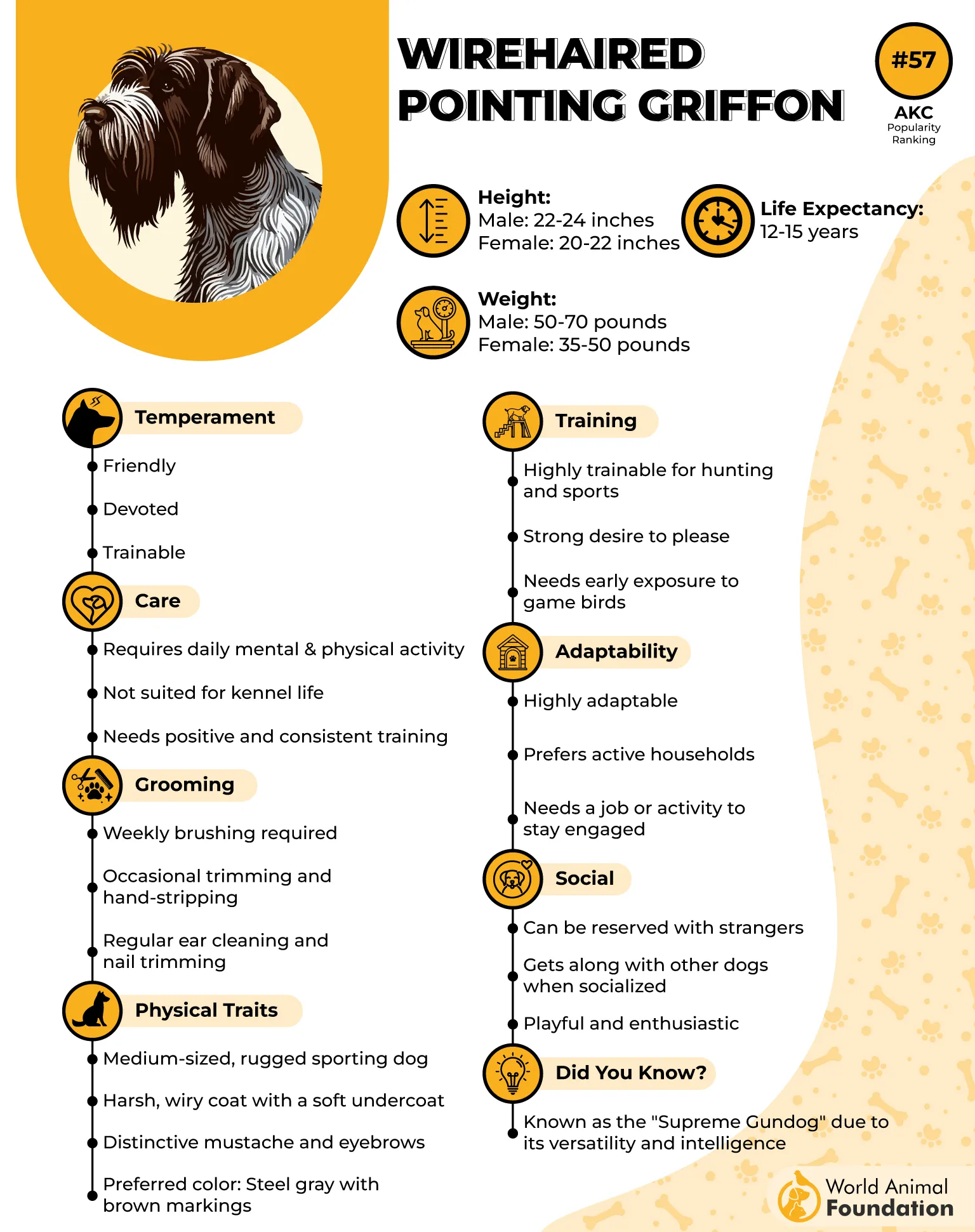
Close-working foot-hunter’s dog
Energetic and sustained gallop
Wiry, weather-resistant coat
Temperament Around People and Animals
Despite their working background, these dogs often display a calm and social nature when raised with proper interaction. Gentle behavior with children appears when early social exposure is consistent. Their prey drive awareness requires careful handling around smaller animals.
4. Brittany
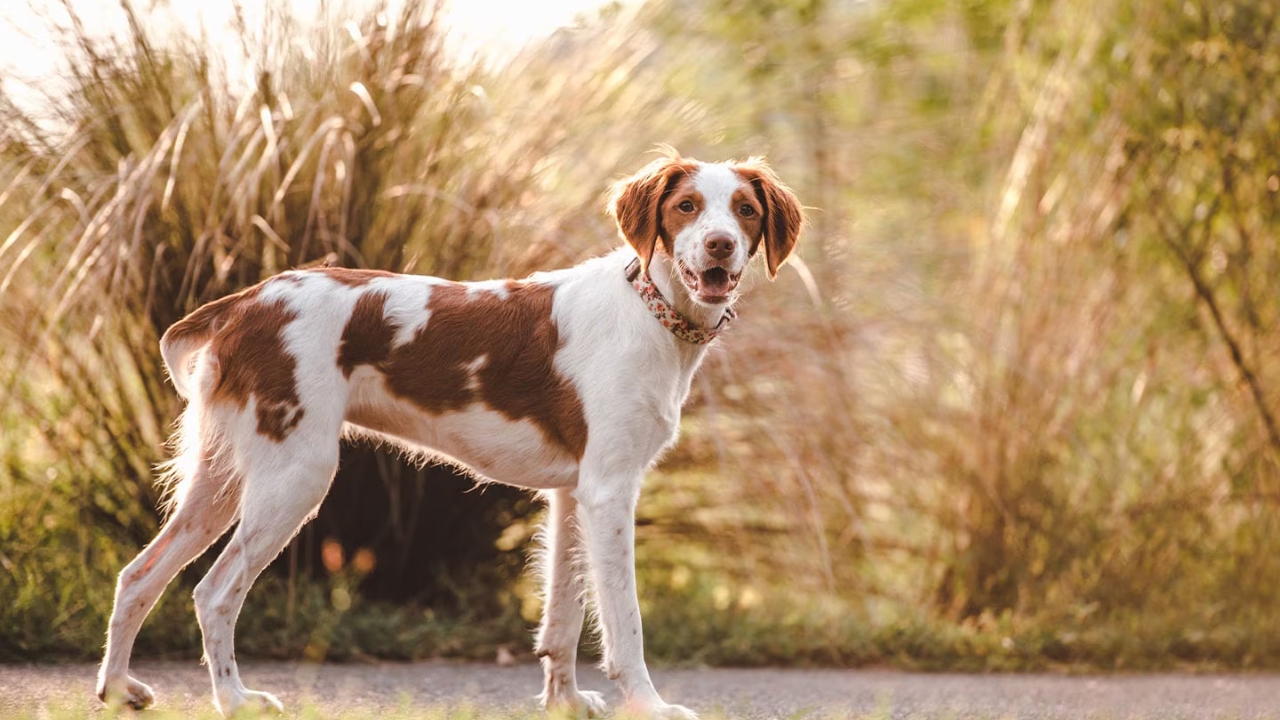
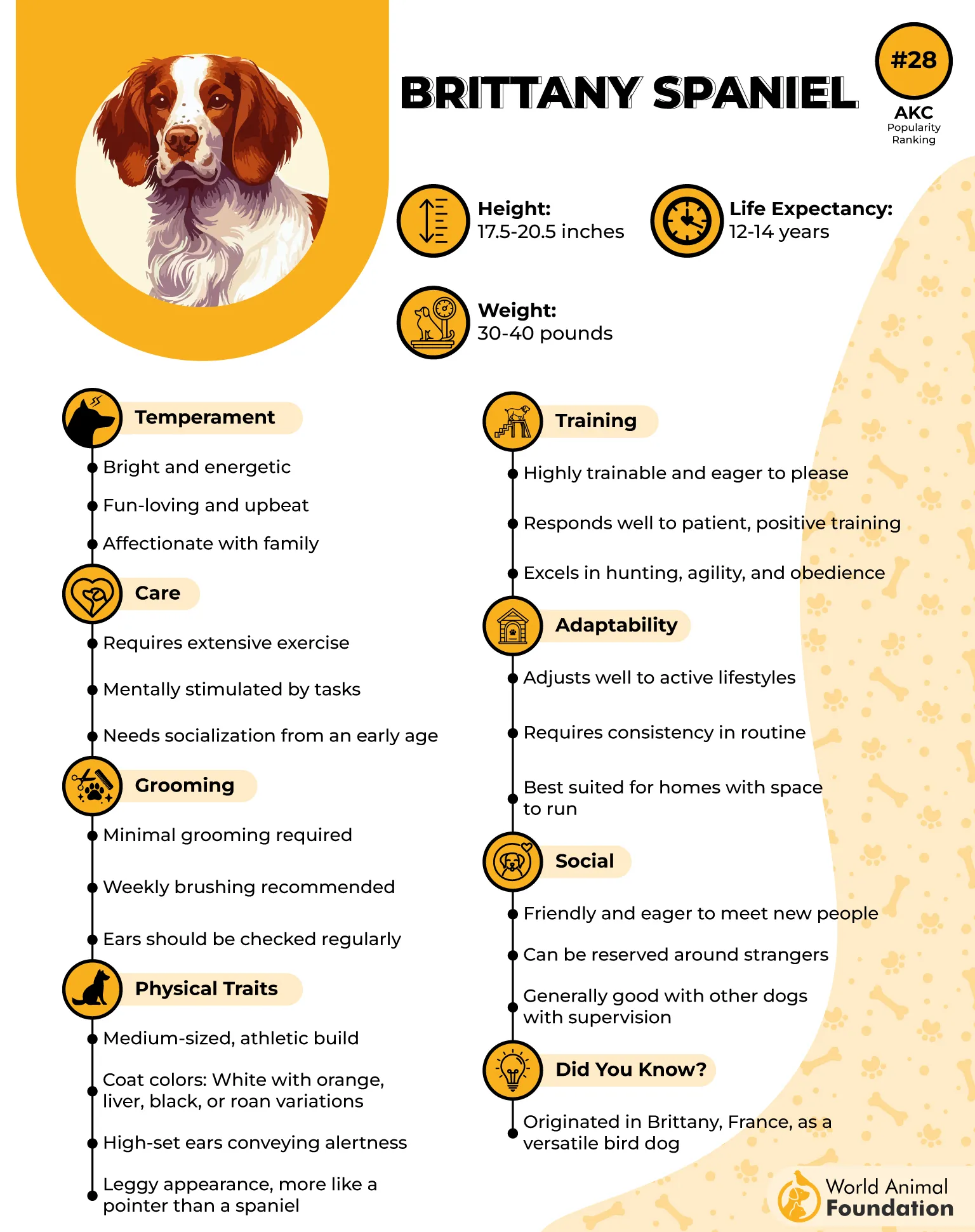
Brittany was originally bred in the French region of Brittany, shaped for close-range fieldwork where pointing and retrieving game mattered. Early crosses with small spaniels and English setters refined its role in woodcock hunting across dense countryside.
Scenting and Tracking Skill
This versatile breed combines the qualities of pointing, tracking, flushing, and retrieving game both on land and in water, as noted in Hill’s Pet. It moves with quick, purposeful bursts and adjusts easily to tight, heavy brush.
The following qualities reflect how they move and work:
Precise scent detection in dense fields
Need space to run
Requires consistent, meaningful activity
Field Behavior and Temperament
Brittany interacts with people in a cooperative, steady manner and adapts easily to family environments. Its friendly nature extends to children and other pets, keeping interactions balanced and predictable. The same energy that drives its work also shapes its playful personality at home.
5. English Setter
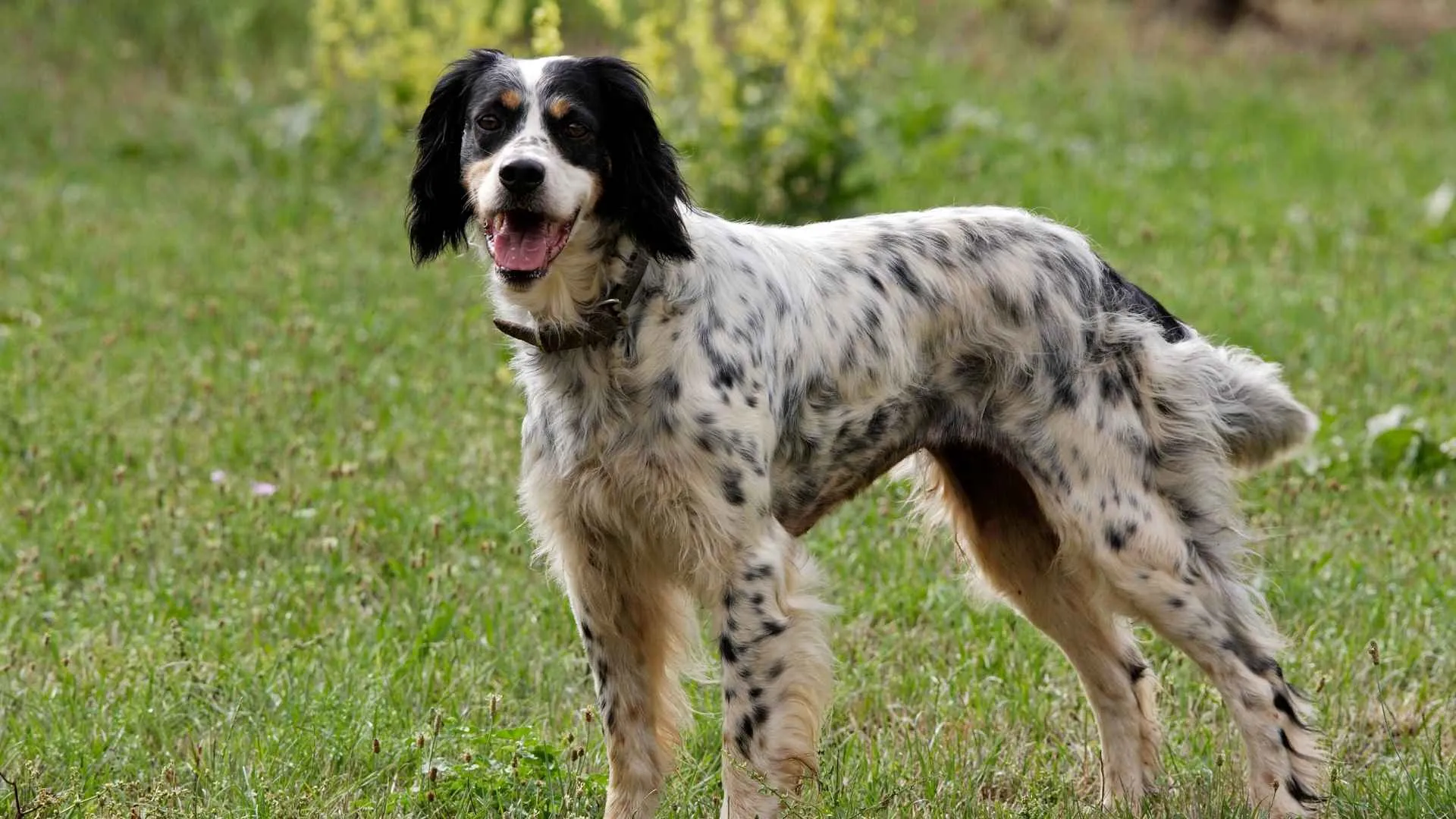
The English Setter is one of the oldest breeds, used for hunting games. They move with a methodical searching style, relying on scent-driven focus rather than fast pursuit. The moment it detects a game, it freezes in place, guiding attention without breaking its stance.
Field Intelligence and Work Style
Its working rhythm depends on covering wide ground with patience, often traveling long distances without losing concentration. When balanced with proper activity, it shifts between high outdoor drive and calm indoor behavior.
A few key traits shape this working style:
Elegant “quartering” search pattern
Use of airborne scent to locate
Endurance for long fieldwork
Training and Daily Balance
Training works best when handled with clarity, as the breed responds to consistent guidance and structure. It matures slowly, often keeping a playful, youthful behavior for years. With the right routine, it settles into a relaxed and affectionate home presence.
6. English Springer Spaniel
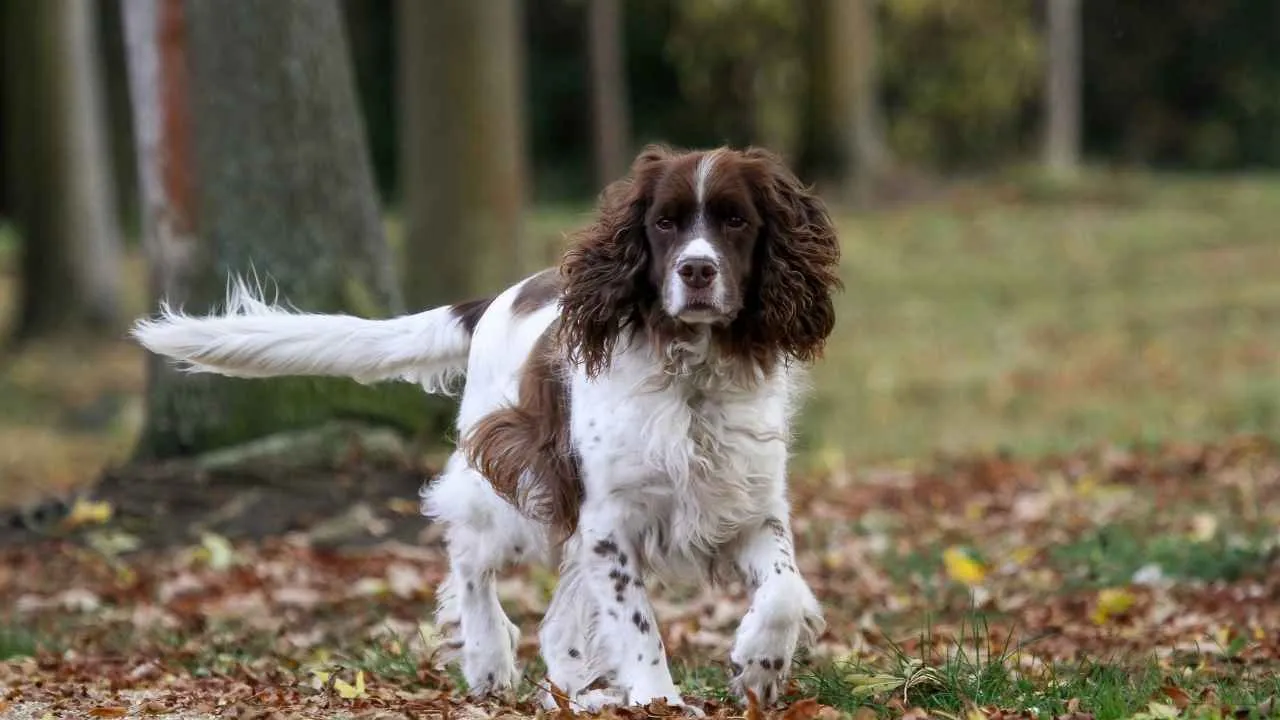
English Springer Spaniel was shaped in Britain for flushing game from dense cover, where hunters needed a dog capable of working far ahead and pushing birds into open ground. Its role was centered on covering wide terrain while supporting steady retrieval work.
Locating and Hunting Style
This spaniel moves in a distinct zigzag pattern that helps it sweep through thick vegetation while picking up scent trails. It works with constant motion, using ground-level scenting to locate hidden birds and small game.
These traits sum up its working nature:
Able to locate, flush, and retrieve
Wide-ranging scent coverage
Excel in agility and flyball competitions
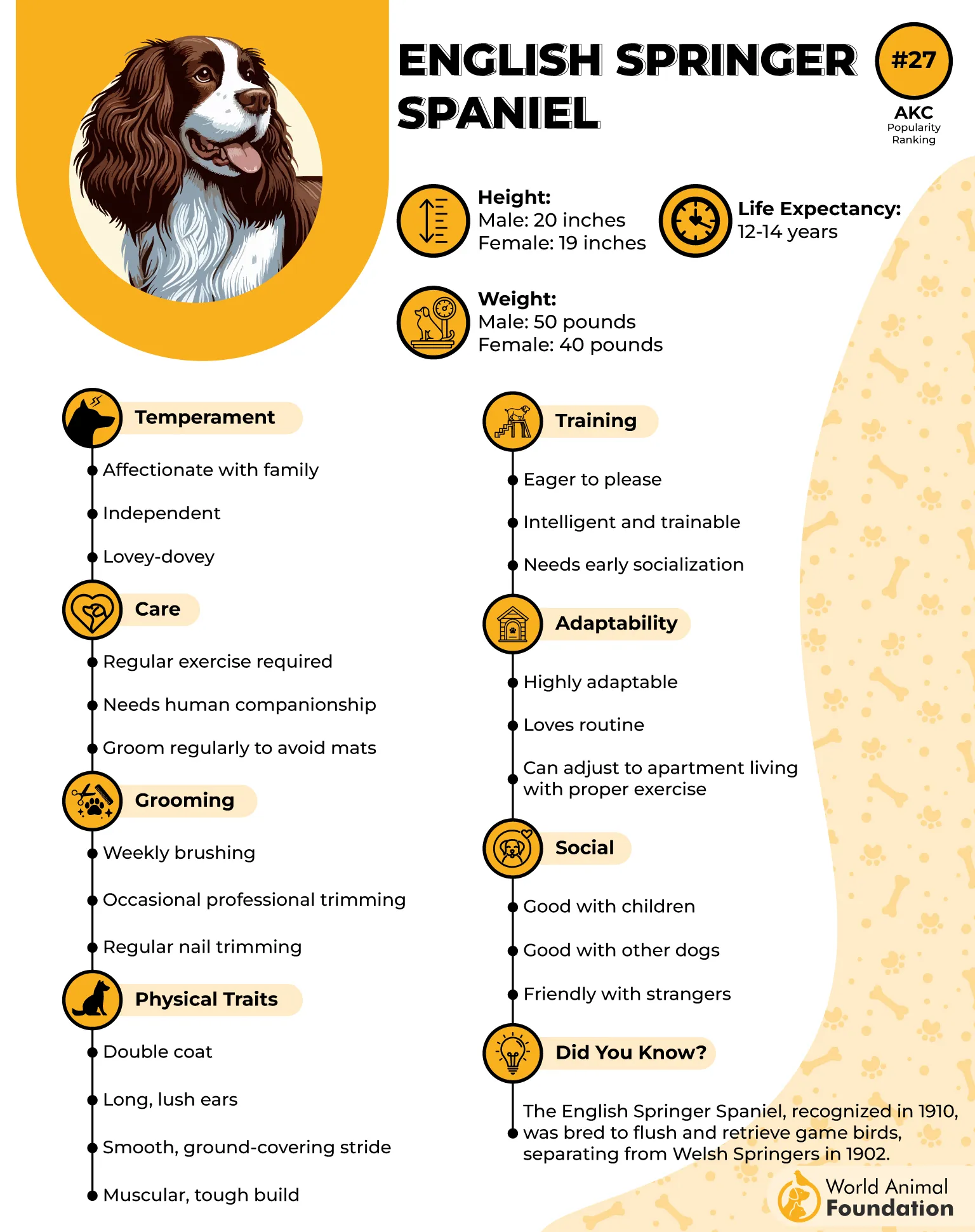
Training and Daily Control
English Springer Spaniel learns quickly but benefits from structured activity to channel its high energy. Regular engagement through retrieving or agility work helps balance its active mindset. Its strong attachment to people also shapes how it behaves in shared environments.
7. Labrador Retrievers
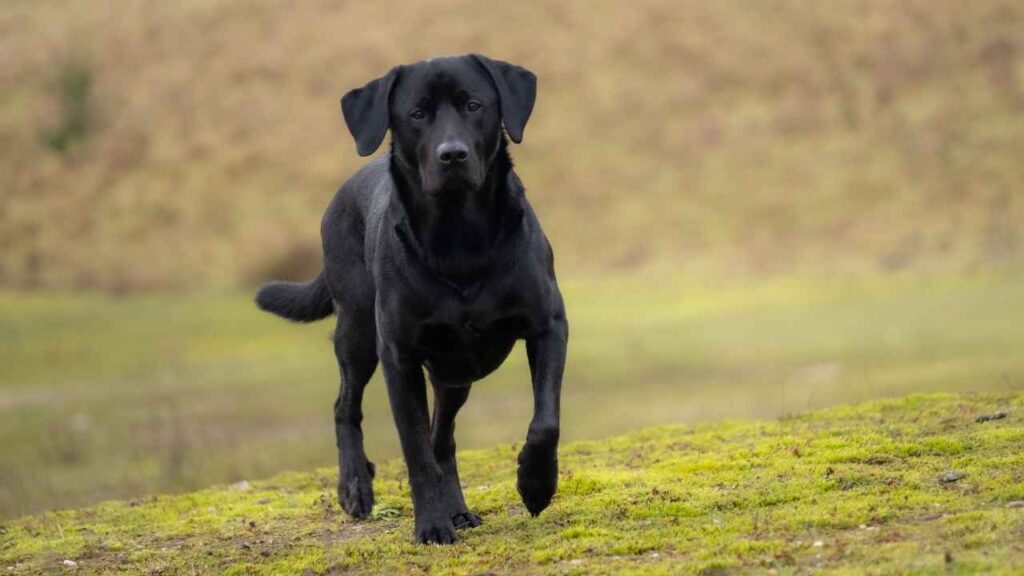
Labrador Retriever began in Newfoundland, where early types assisted fishermen around cold, open waters before being refined into a focused working breed. Its build and instincts align closely with tasks that demand stamina and precision near land and water edges.
Scent Work and Retrieval Style
In field conditions, this popular dog breed works with steady scent tracking and a controlled retrieval approach that avoids damage to found objects. Its ease in water and willingness to repeat tasks make it highly usable in search-driven roles.
Key notes of their working nature:
Intense desire to please their handlers
Shows impressive resilience under pressure
Excels equally on land and in water
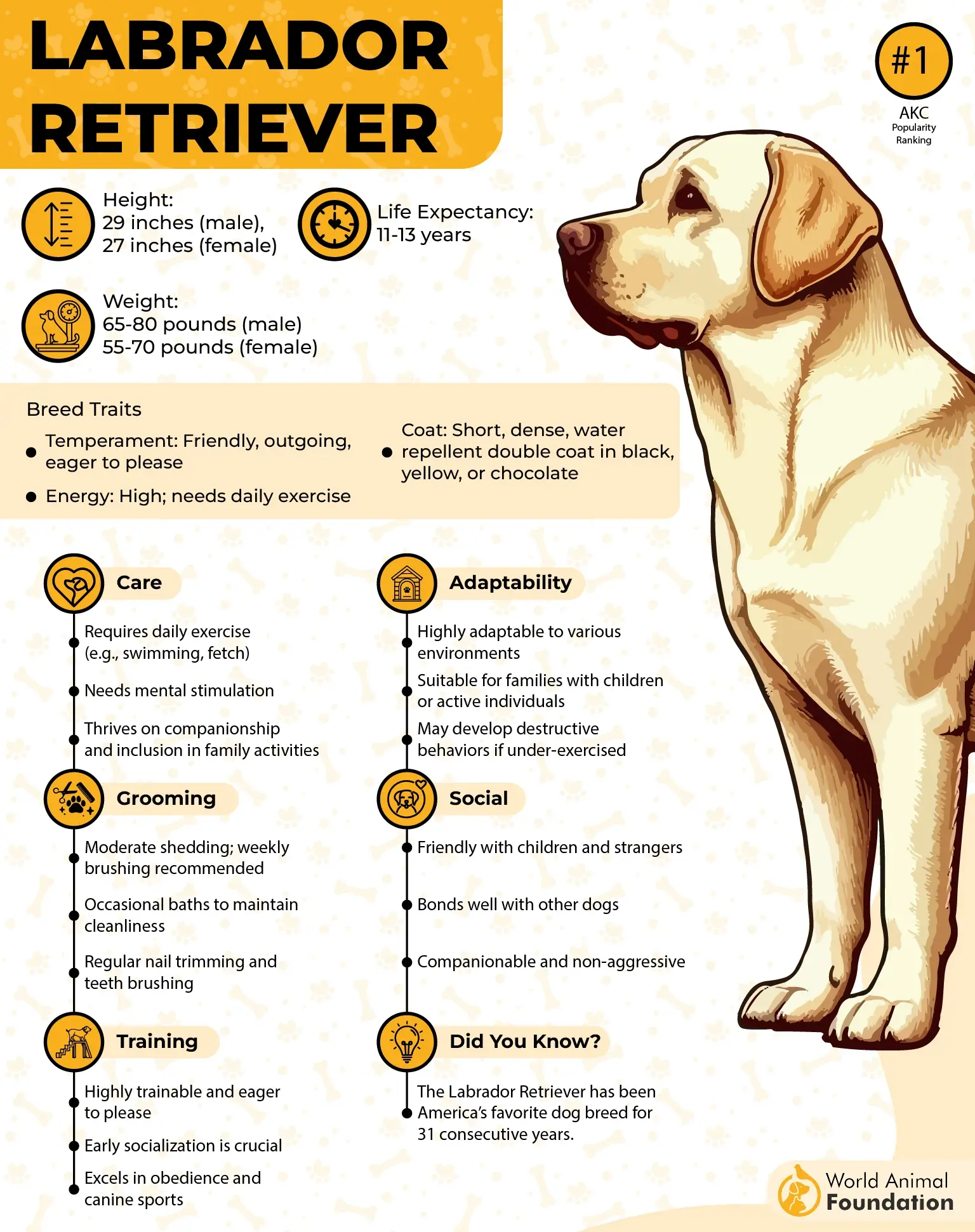
Early Training & Energy
The puppies of this loving dog carry high energy that shapes into an athletic build as they mature. Agility sessions, dock diving, swimming, and fetch-based drills help direct this early drive into controlled activity. Moreover, early guidance helps channel their enthusiasm into structured learning and reliable behavior.
Conclusion
The true skill of a great field dog becomes apparent when nothing seems visible, and yet it continues searching with confidence. Hidden nests, faint scent traces, and challenging ground conditions require more than instinct alone. They demand concentration, endurance, and a willingness to work patiently for long periods, especially when asked to retrieve upland birds.
The dogs highlighted here possess that balance, allowing them to locate animals that blend seamlessly into their surroundings. Their effectiveness is built on generations of purpose-driven development and refined through training and experience. Together, those qualities create dependable partners that are often well-suited to life beyond the field, with many also becoming good family dogs.
