




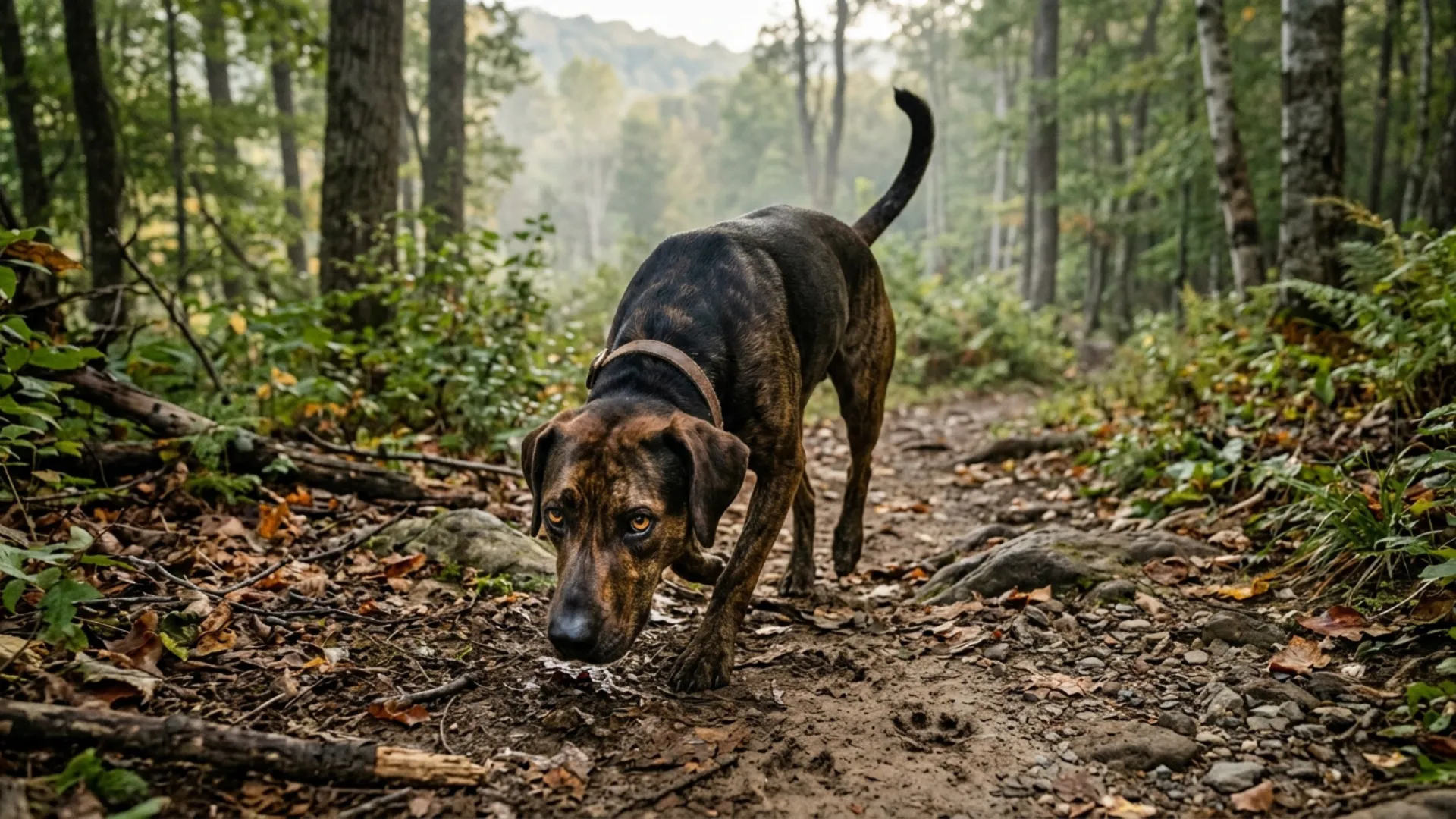
Deer hunting and tracking with dogs is not just “dog runs into woods and magically finds deer.” It is teamwork, patience, nose power, obedience, conditioning, and a whole lot of mud on your boots.
Different breeds bring different skills to the field, and that is where things get interesting. Some dogs are classic scent hounds with booming voices and cold-trail talent, while others are versatile gun dogs that can track, point, retrieve, and work closely with their handler.
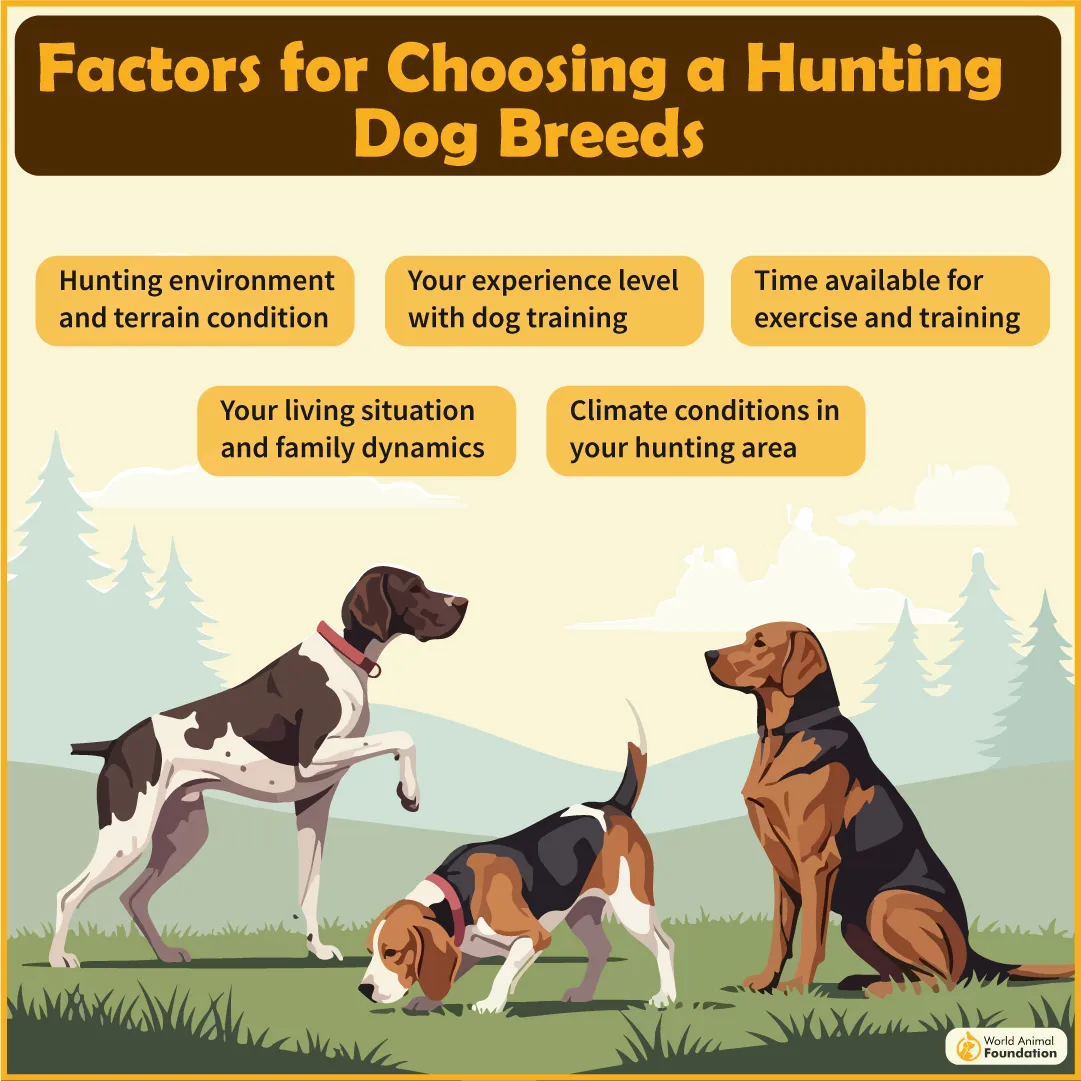
Before choosing a breed, always check your local hunting laws because the use of dogs for deer hunting and deer recovery varies widely. Let’s check out the best dog breed choices for deer hunting and tracking.
Best Dog Breeds Choices for Deer Hunting and Tracking
1. American English Coonhound
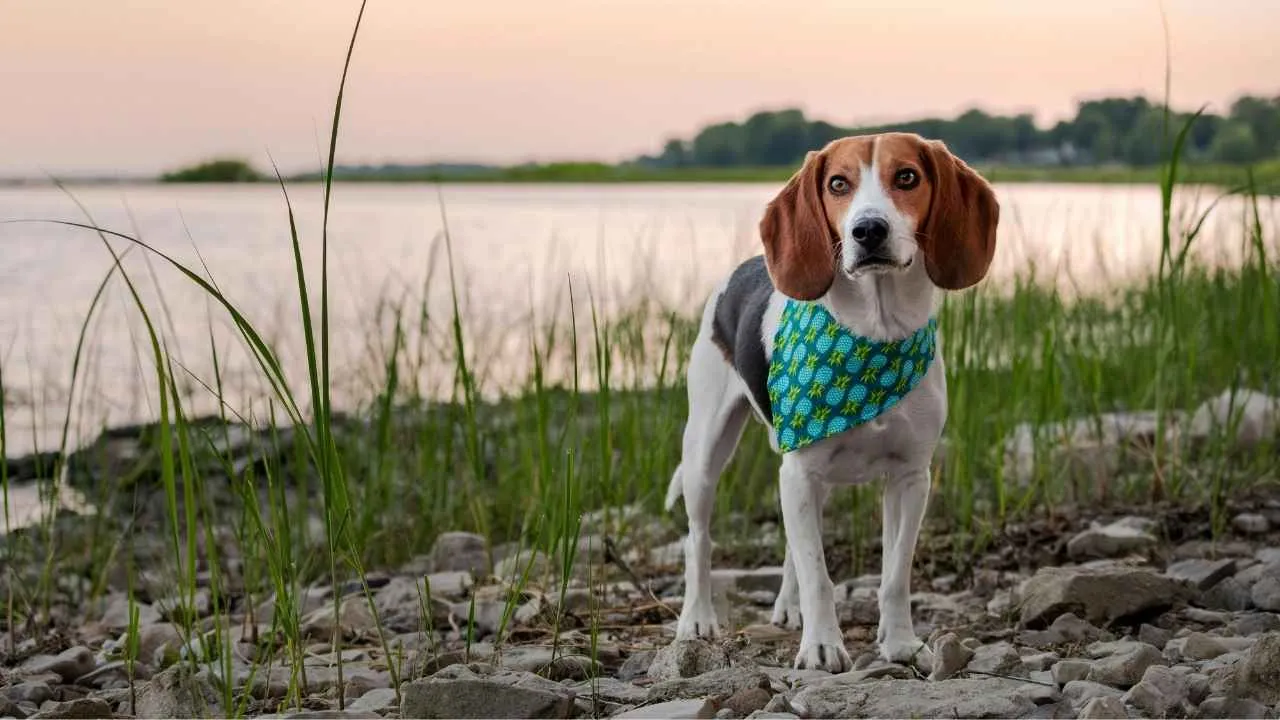
The American English Coonhound is a loud, fast, energetic scent machine with serious “I found something” energy. This breed was developed from foxhound-type dogs and became known for trailing and treeing game across challenging terrain.
This dog is not the quiet introvert of the hunting world, so expect a voice that can carry through the woods like a country concert. That big hound voice can help hunters know where the dog is working, especially in thick cover.
However, it also means the breed needs training so excitement does not turn into uncontrolled noise.
When tracking deer, the AKC claims that the American English Coonhound can work with impressive drive over long distances. It is especially useful in areas where scent trails may stretch across fields, ridges, creek beds, or wooded lanes.
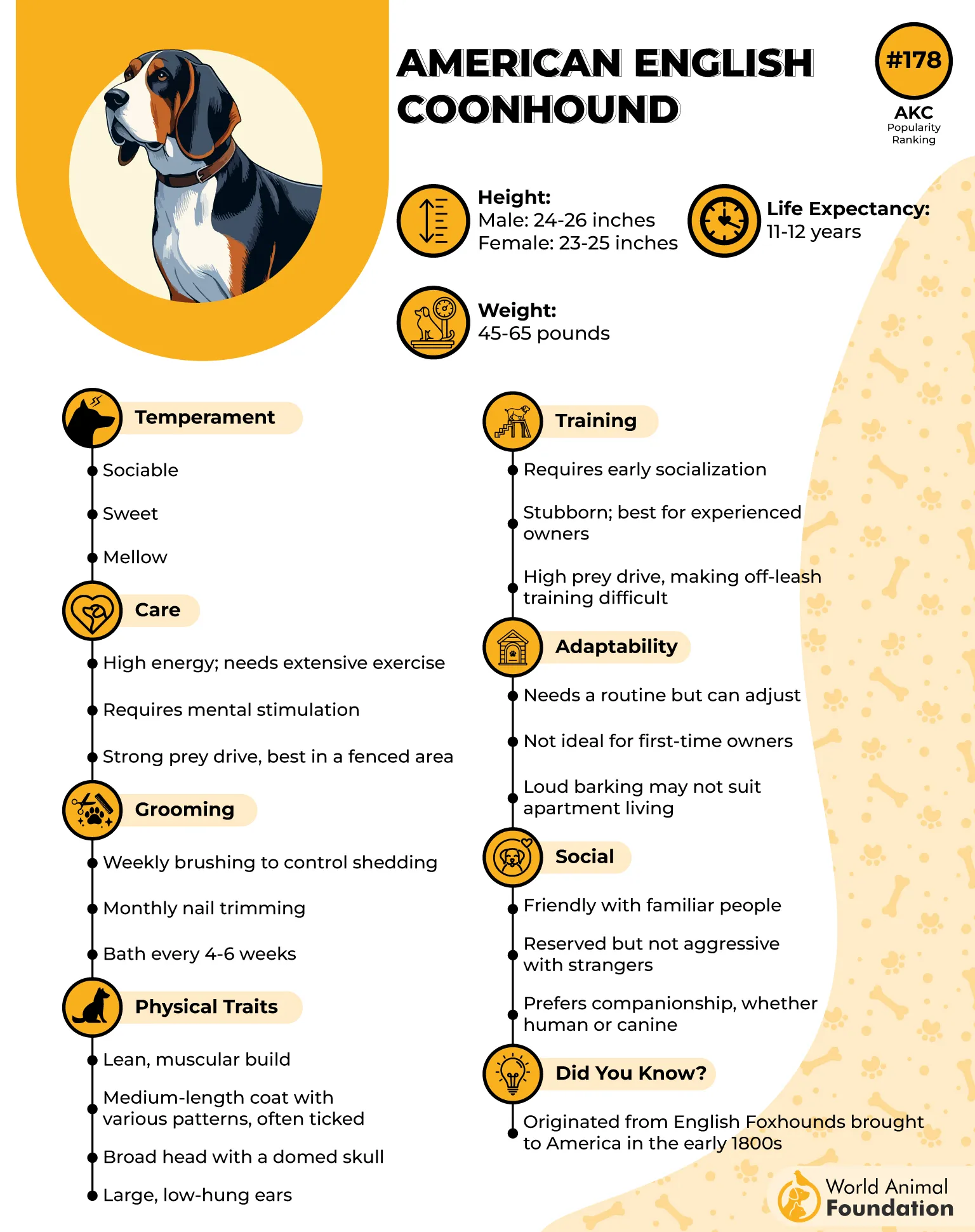
The challenge is that this hound can become laser-focused once its nose locks onto scent. Recall training, leash work, and controlled tracking practice are important because a scent-driven dog may treat your “come here” command like background music.
Dog owners who want this breed should be ready for regular exercise, structured fieldwork, and secure containment at home.
Real-world hound owners often describe these dogs as great family dogs but intense in the field. That mix can be awesome if you want a dog that is friendly with family yet fully switched on outdoors. With patient training, it becomes a bold, tireless, and exciting deer-tracking partner.
Their Deer Hunting & Tracking Strategies
This breed works best when allowed to use its natural trailing style while still being guided by leash control or reliable handler direction.
Its strong voice can help mark progress in heavy woods, but training should teach when to open up and when to stay focused.
Give it practice on aged scent trails so it learns patience instead of only chasing the freshest, hottest track.
2. Black And Tan Coonhound
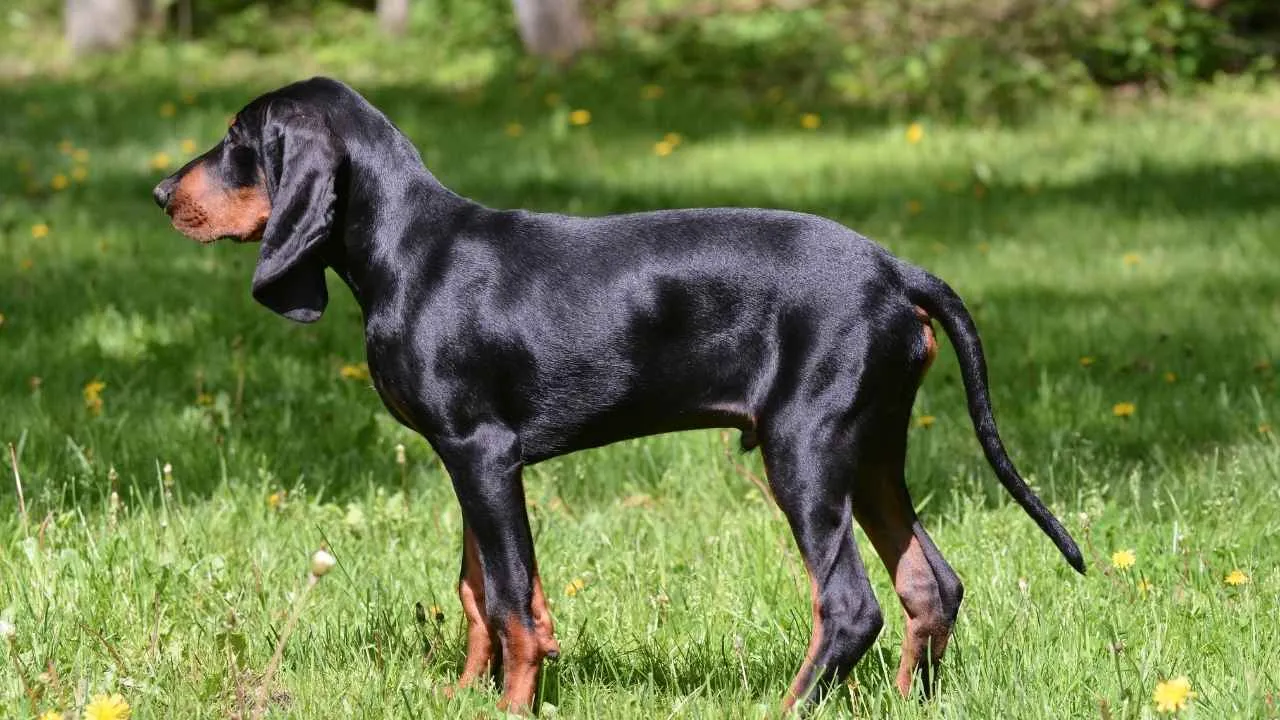
The Black and Tan Coonhound is the slow-burn detective of the hound world, built for patience, scent, and long hours on a trail. This breed is famous for working with its nose down and following scent through difficult conditions. For deer tracking, that steady style can be a major advantage when the trail is not fresh.
Unlike some faster hounds, these pups often bring a deliberate and methodical vibe. It may not always look flashy, but it can keep grinding when the scent line gets cold or broken. That makes it valuable for hunters who need careful tracking rather than wild rushing.
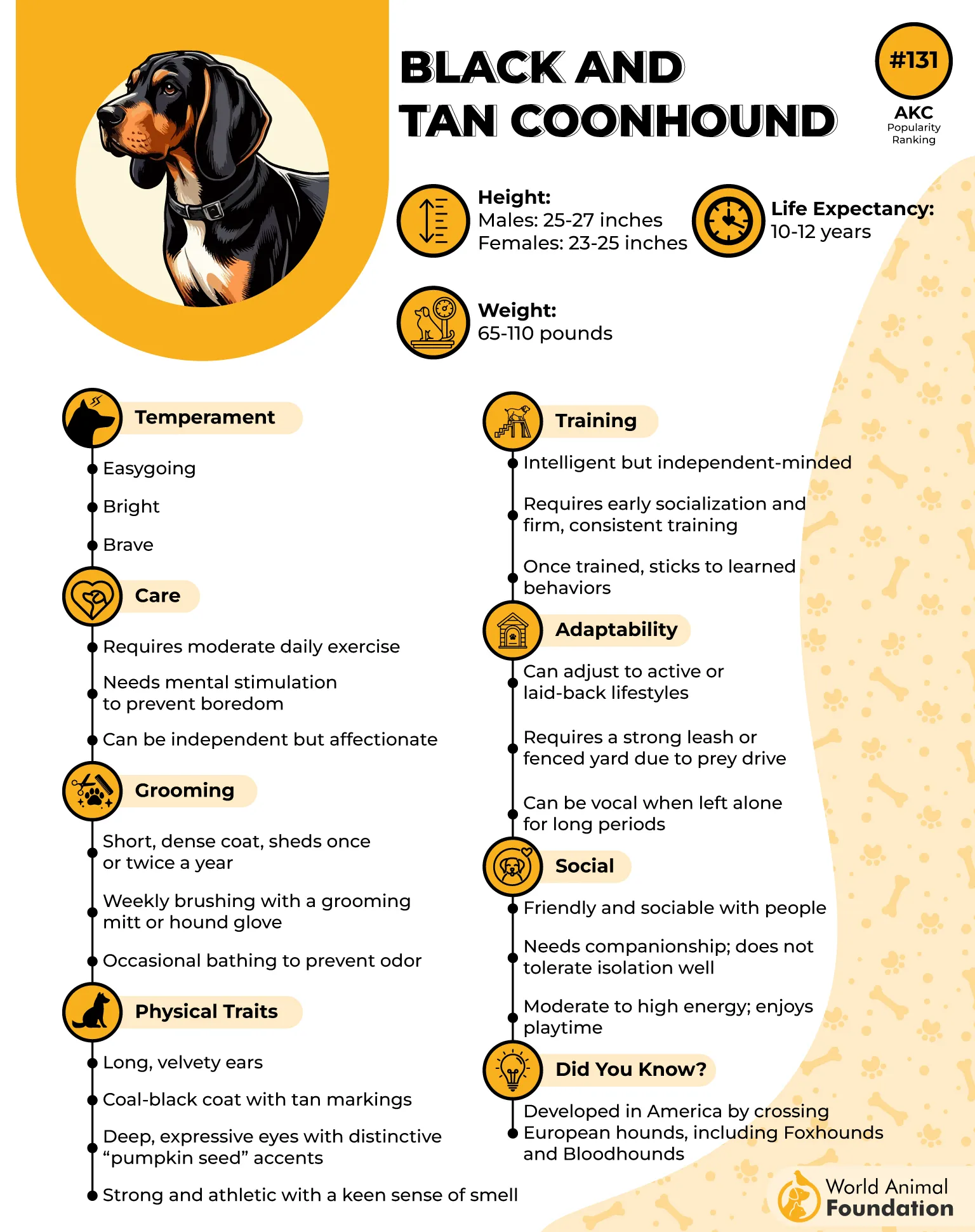
These dogs have long ears, excellent noses, and a classic hound voice that gives them a strong field identity. The ears help stir and funnel scent particles near the ground as the dog works. Its deep bay can also help handlers follow movement when visibility is poor.
The challenge is independence, because Black and Tan Coonhounds were bred to think while following scent. They may make decisions on the trail that feel stubborn to inexperienced owners. Training should focus on teamwork, leash tracking, check-ins, and rewarding the dog for staying connected to the handler.
As family pets, many Black and Tans are surprisingly relaxed and sofa-loving after a good outing. In the woods, though, the switch flips, and the nose takes over. For deer hunters who respect a true scent hound, this breed offers patience, endurance, and old-school tracking power.
Their Deer Hunting & Tracking Strategies
Let this hound work at a thoughtful pace, because its strength lies in carefully sorting scent, not sprinting unquestioningly.
Use long-line tracking drills to build teamwork while still allowing enough space for natural scent investigation.
Train around deer-safe boundaries and local rules so its prey drive stays useful, controlled, and legal.
3. Mountain Cur
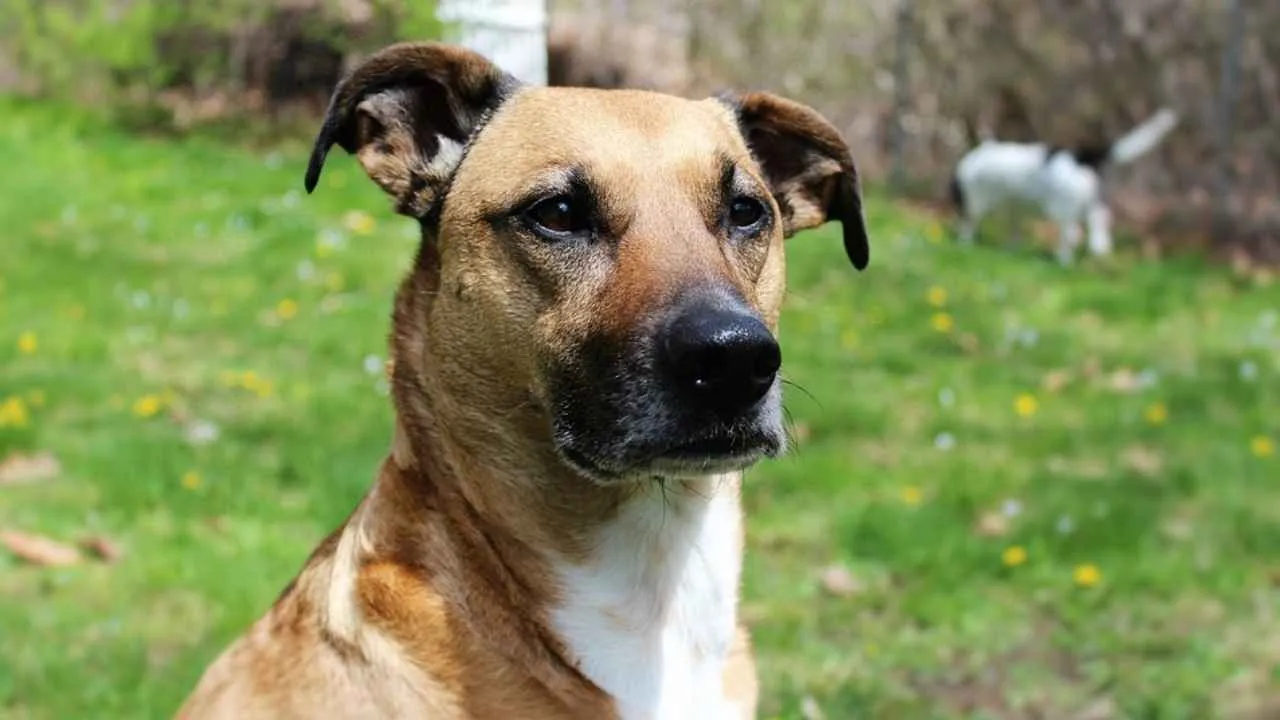
The Mountain Cur is rugged, sharp, and built as if it came with a survival manual already installed. This breed has deep roots in American frontier life, where dogs had to hunt, guard, and help families survive in rough country. For deer hunting and tracking, its courage, intelligence, and terrain sense make it a serious contender.
Unlike some deep-nosed hounds, the Mountain Cur often works with a more versatile style. It can trail, tree, circle, and use both ground and air scent depending on conditions. That flexibility is useful when deer move through broken cover, on hillsides, through brush, or in mixed woodland.
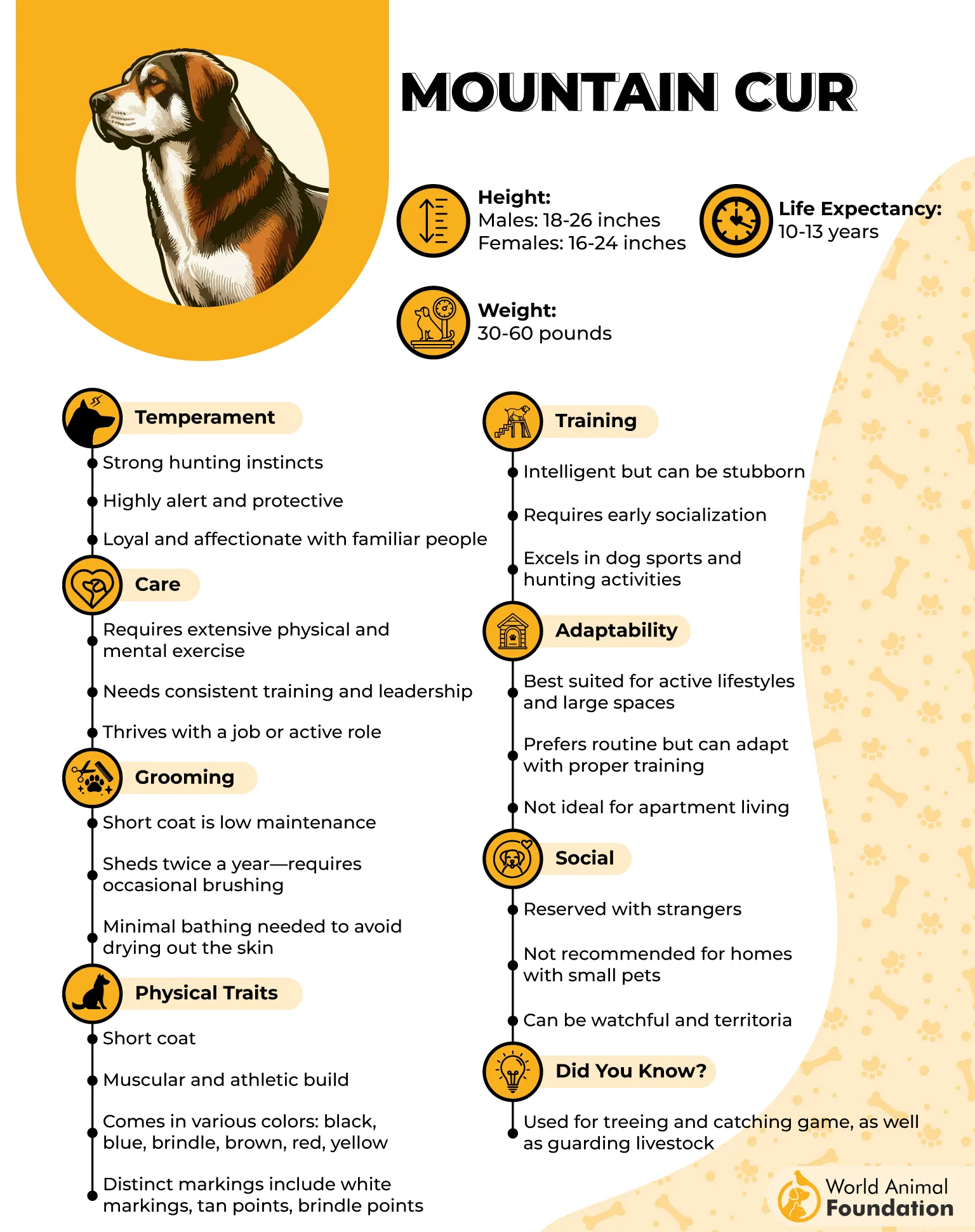
These high-energy dogs are known for being fast, athletic, and very aware of their surroundings. They often work with intensity but still keep enough handler connection to be shaped through training.
This makes it appealing for hunters who want a dog that can think independently without becoming completely unreachable.
This breed needs a job, not just weekend entertainment. Without enough work, exercise, and mental challenge, it may become restless or bossy. It needs consistent training, socialization, and outdoor time with a handler who understands working dogs.
Many active families love it because it feels practical, loyal, and no-nonsense. It is not trying to be fancy; it is trying to get the job done. For deer tracking, that hardworking attitude can make it a dependable partner in rough, real-world conditions.
Their Deer Hunting & Tracking Strategies
Use short, realistic training tracks through brush, slopes, and changing wind so the dog learns to solve outdoor puzzles.
Reward controlled focus because this breed’s confidence can become pushy if the handler does not set clear field rules.
Build endurance gradually with hikes and scent games before expecting long tracking sessions in hard country.
4. Plott Hound
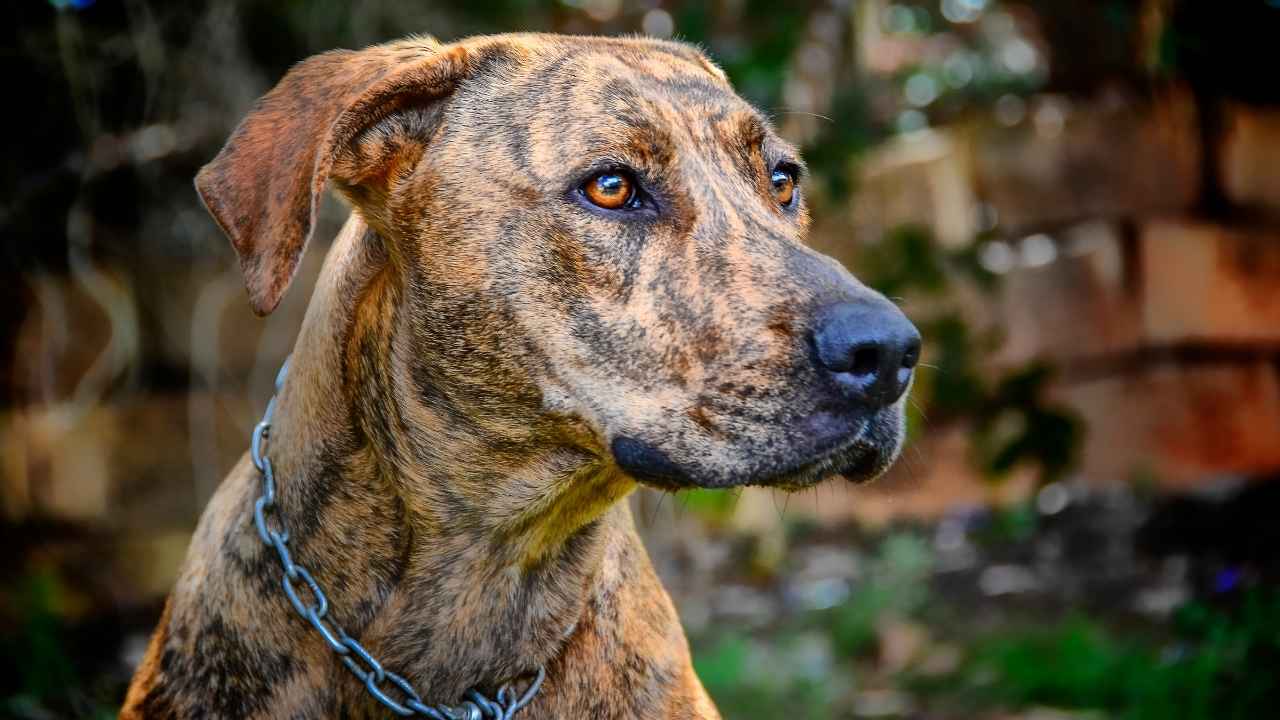
The Plott Hound is tough, bold, and basically built for hunters who do not want a dog that quits when things get ugly. This breed has a strong reputation as a big-game hound, especially in rugged mountain terrain. For deer tracking, its grit and scenting ability can be extremely useful when the trail gets difficult.
They are known for courage, stamina, and a strong working drive. They were historically used in demanding games, which helped shape their determined temperament. That does not mean every Plott should be pushed too hard, but it does mean the breed often has serious field confidence.
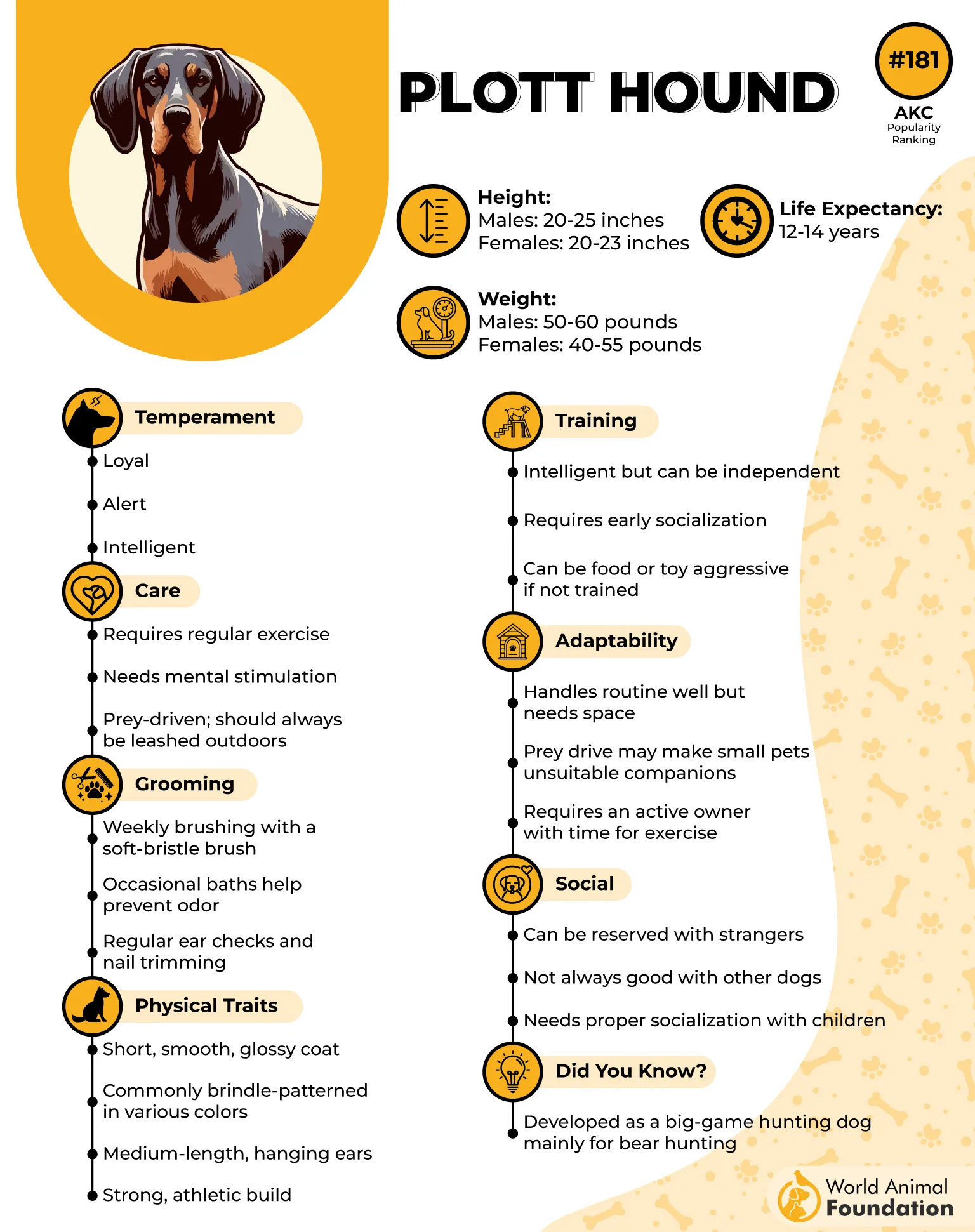
This hound can be intense, so the right training methods matter a lot. A Plott that understands its job can be focused and impressive, while an untrained one may become too independent or too driven. Hunters should work on obedience, leash manners, recall, and calm loading or unloading before serious tracking work.
In deer tracking, Plott’s strength is staying committed when scent conditions are not perfect. It may push through briars, ridges, creek edges, and thick woods with a bold attitude. That makes it especially useful for experienced handlers who need a dog with both nose and nerve.
At home, they are loyal and steady when their exercise needs are met. In the field, they can become powerful, vocal, and locked onto the task. For hunters who know how to manage a strong hound, the Plott brings old-school toughness and real tracking value.
Their Deer Hunting & Tracking Strategies
Start with controlled scent trails before adding rough terrain, because this breed’s drive can outrun its early training.
Use tracking sessions that reward persistence after scent loss, such as turns, gaps, and creek crossings.
Keep handling calm and clear since Plotts respond best when their boldness is guided rather than overpowered.
5. American Foxhound
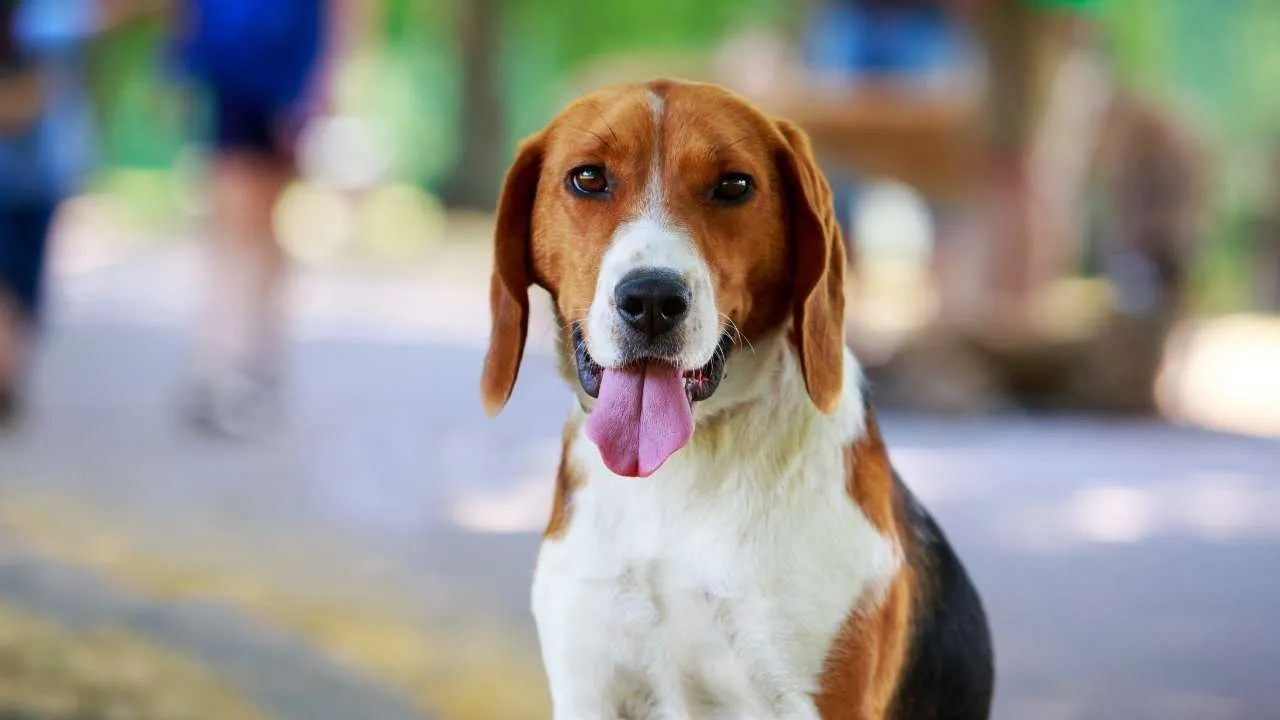
The American Foxhound is lean, musical, athletic, and ready to cover ground like it has a fitness app to impress. This breed was developed for long-distance scent hunting and is one of America’s oldest native dog breeds. For deer hunting and tracking, its stamina and scenting heritage make it a natural field worker.
This dog was bred to chase foxes, not deer specifically, but its trailing ability can translate well when trained responsibly and legally. The American Foxhound has a strong nose and long legs. It is especially suited to open spaces, rolling land, and long scent lines.
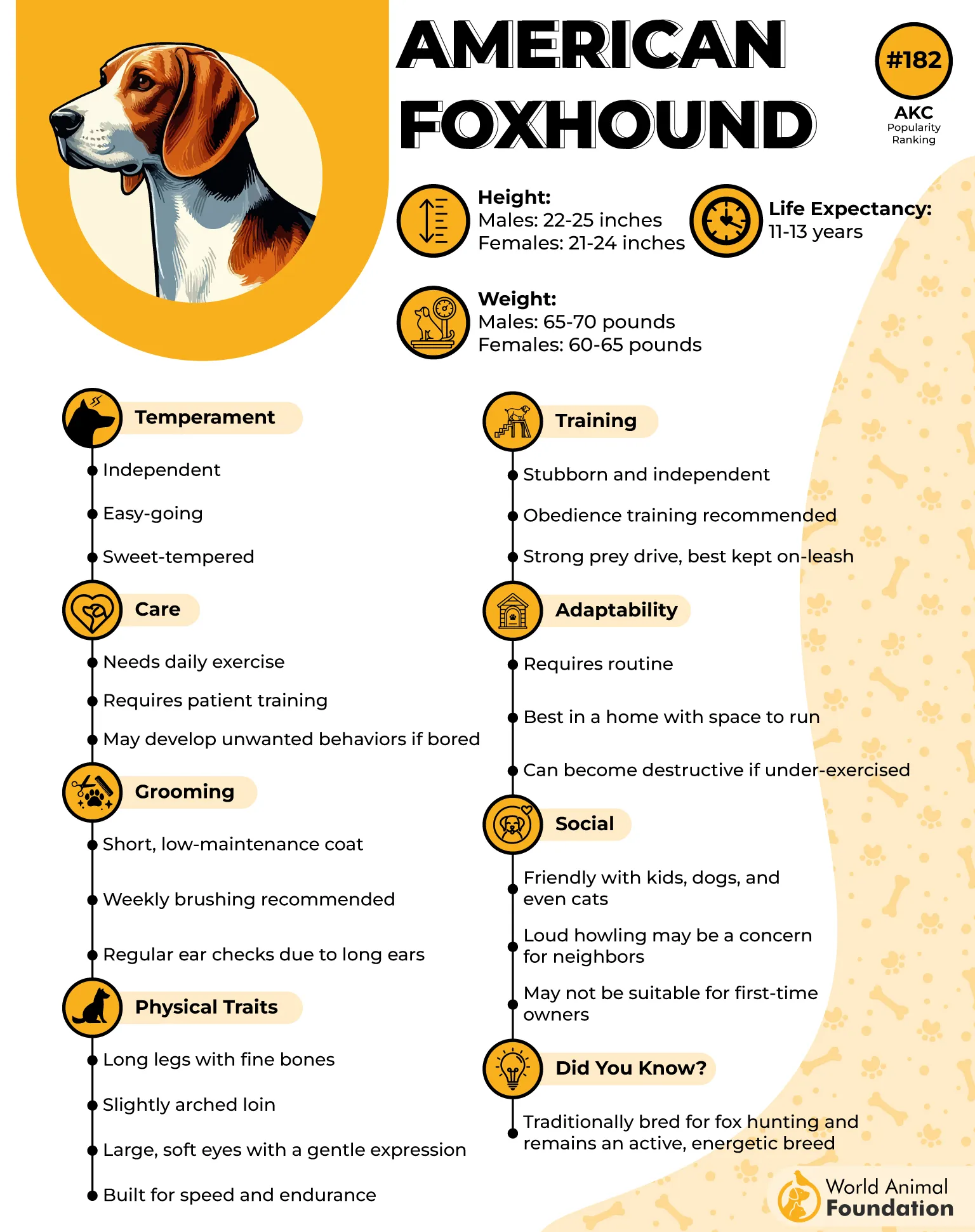
The big advantage is range and stamina. An American Foxhound can keep moving for extended periods, which can help when a trail stretches farther than expected. Its voice can also help handlers locate the dog, though that same voice may not thrill your neighbors at 6 a.m.
The problem is recall, because once this breed catches scent, it may enter “do not disturb” mode. Training needs to start early with check-ins, long-line work, whistle cues, and rewards for returning from distractions. A secure fence is also important because a loose Foxhound with a scent trail may suddenly go missing.
PetMD appreciates the American Foxhound for its energy and traditional hound spirit. It is not a low-maintenance pet, but it can be a strong partner for people who love active outdoor life. With the right training, this breed brings endurance, voice, and classic scent-hound drive to deer tracking.
Their Deer Hunting & Tracking Strategies
Use long-distance conditioning because this breed’s biggest advantage is covering ground without losing enthusiasm.
Train recall with high-value rewards before the field season so scent does not become more important than the handler.
Work in legal, controlled setups because its natural chase instinct needs boundaries around deer movement.
6. German Shorthaired Pointer
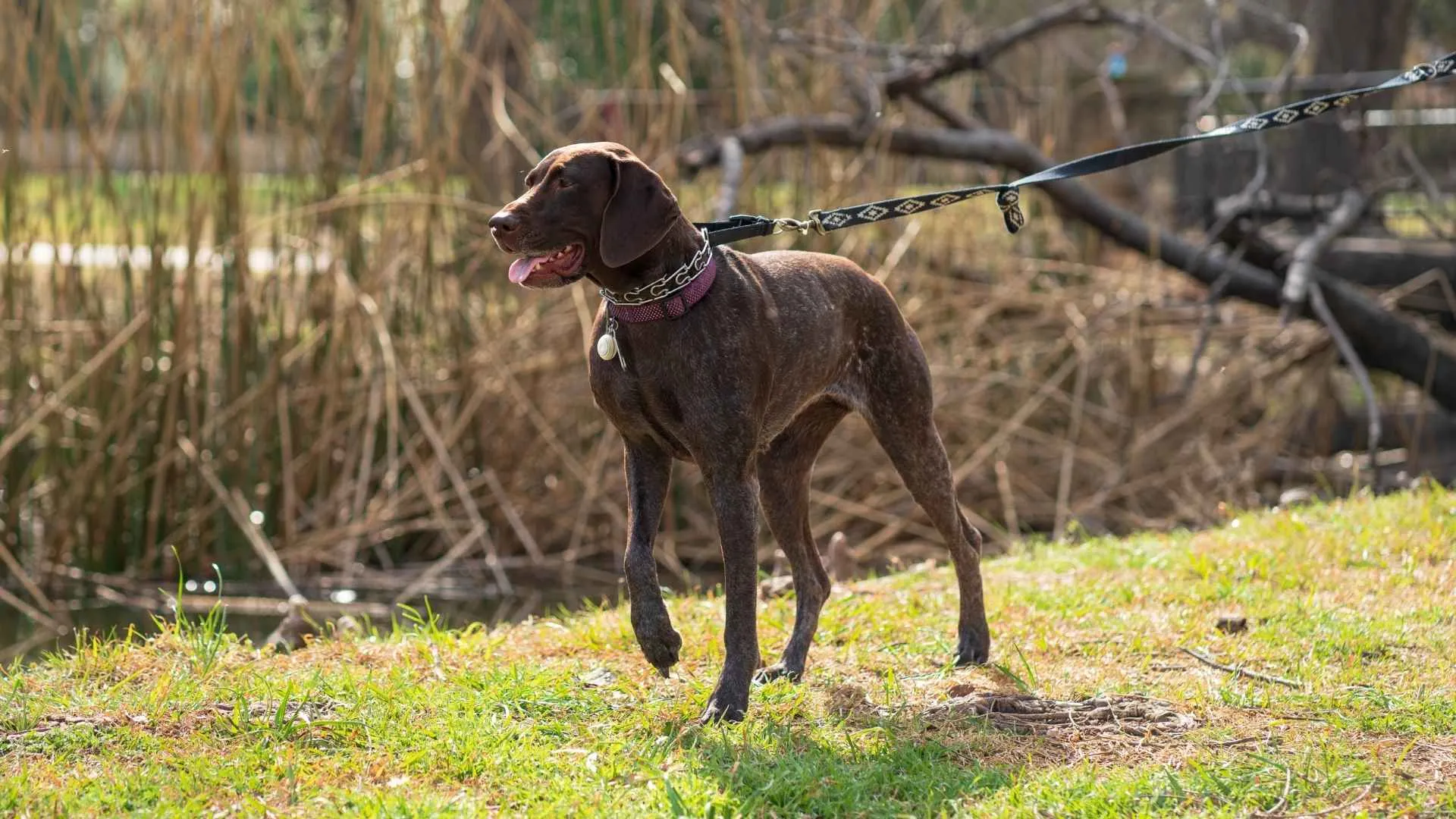
The German Shorthaired Pointer is the multi-tool of hunting dogs, like someone turned an athlete, detective, and best friend into one sleek package. This breed is known as a versatile gundog that can point, track, retrieve, and work on land or water. For deer tracking, its intelligence and handler focus can be a major advantage.
Unlike traditional coonhounds, the GSP usually works more closely with its person. It is often energetic, trainable, and eager to participate in structured tasks. That makes it a strong option for hunters who want a dog that can track deer but also handle upland birds, water retrieves, and general fieldwork.
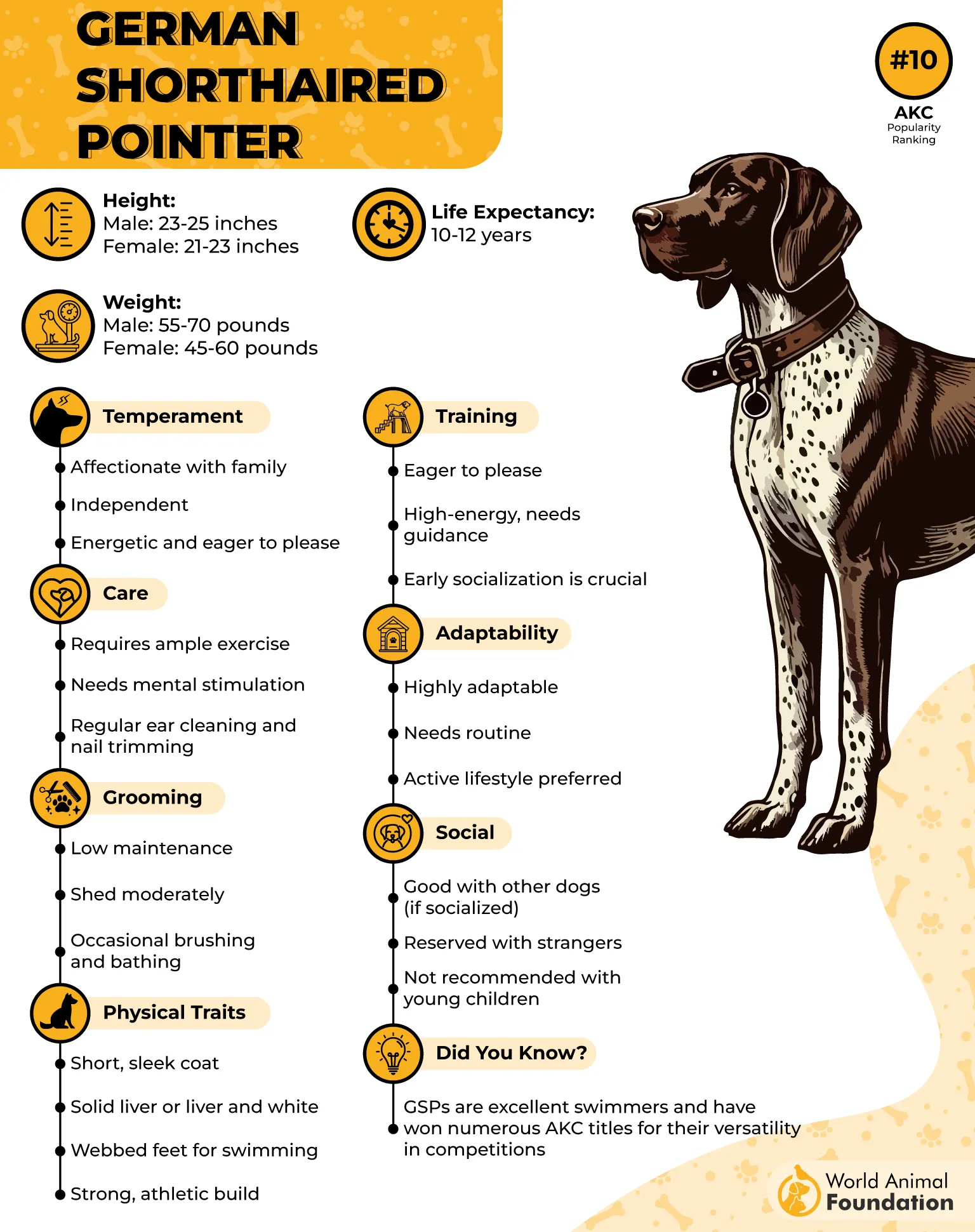
This Pointer’s nose is strong, but its real magic lies in its versatility. It can search, follow scent, adapt to changing cover, and stay responsive to commands when trained correctly. In wounded-deer recovery, that handler connection can be especially valuable because control and accuracy matter.
The challenge is energy, because this breed can feel like a sports car with paws. If it does not get enough exercise, training, and mental work, it may become wild, mouthy, or impossible to settle. Hunters should combine obedience, scent work, steadiness, and physical conditioning from a young age.
Many GSP owners say these dogs are affectionate, goofy, and intense all at once. They may work hard in the field and then try to become a lap dog at home despite having zero awareness of personal space. For deer tracking, the German Shorthaired Pointer offers speed, brains, nose, and close teamwork.
Their Deer Hunting & Tracking Strategies
Pair deer-scent tracking with obedience cues so the dog learns accuracy without losing handler connection.
Add varied field drills, as GSPs love jobs that combine movement, scent, direction, and problem-solving.
Manage excitement before the track begins, as a calm start often creates a cleaner, more reliable trail.
7. Boykin Spaniel
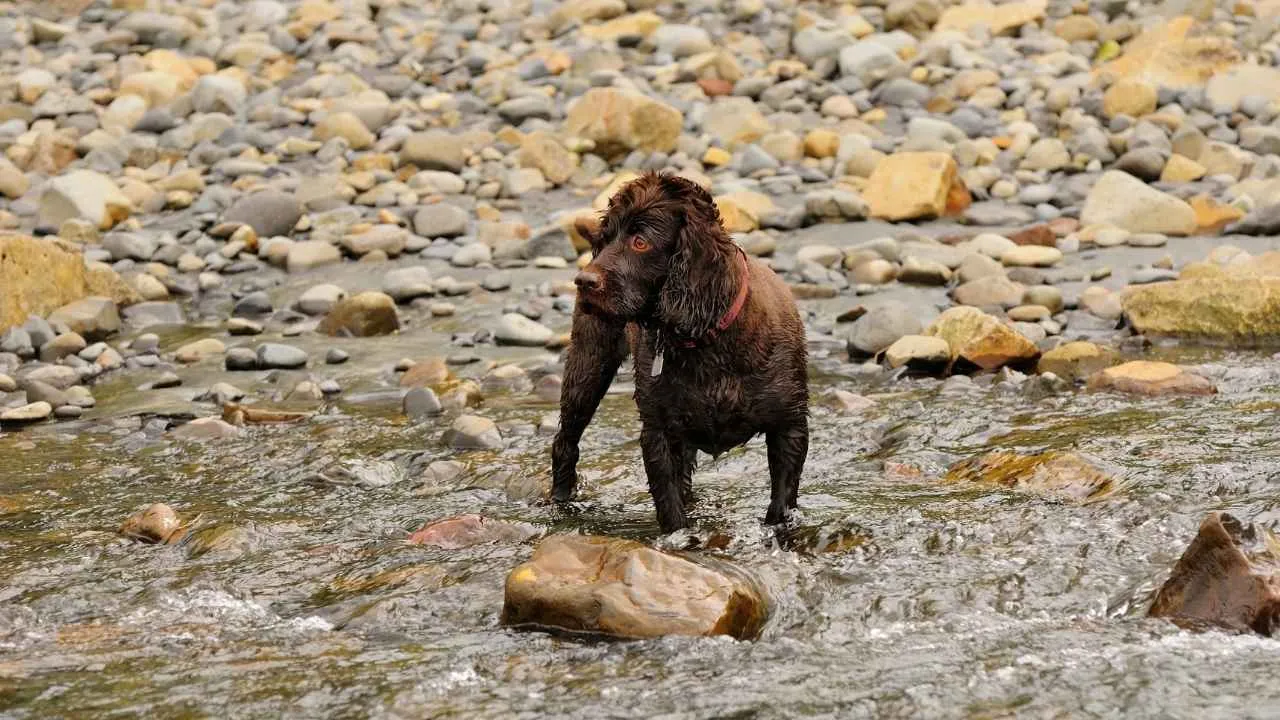
The Boykin Spaniel may be smaller than the big hounds, but do not underestimate this little brown powerhouse. This breed was developed as a compact hunting dog, especially valued in the American South for working from boats and in swampy conditions.
For deer tracking, its size, nose, and handler-focused style can be surprisingly useful.
These hunting dogs are often known for bird work, flushing, and retrieving, but their scenting ability can also support tracking tasks. Their smaller frame helps them move through thick brush, tight cover, and wet areas where larger dogs may struggle.
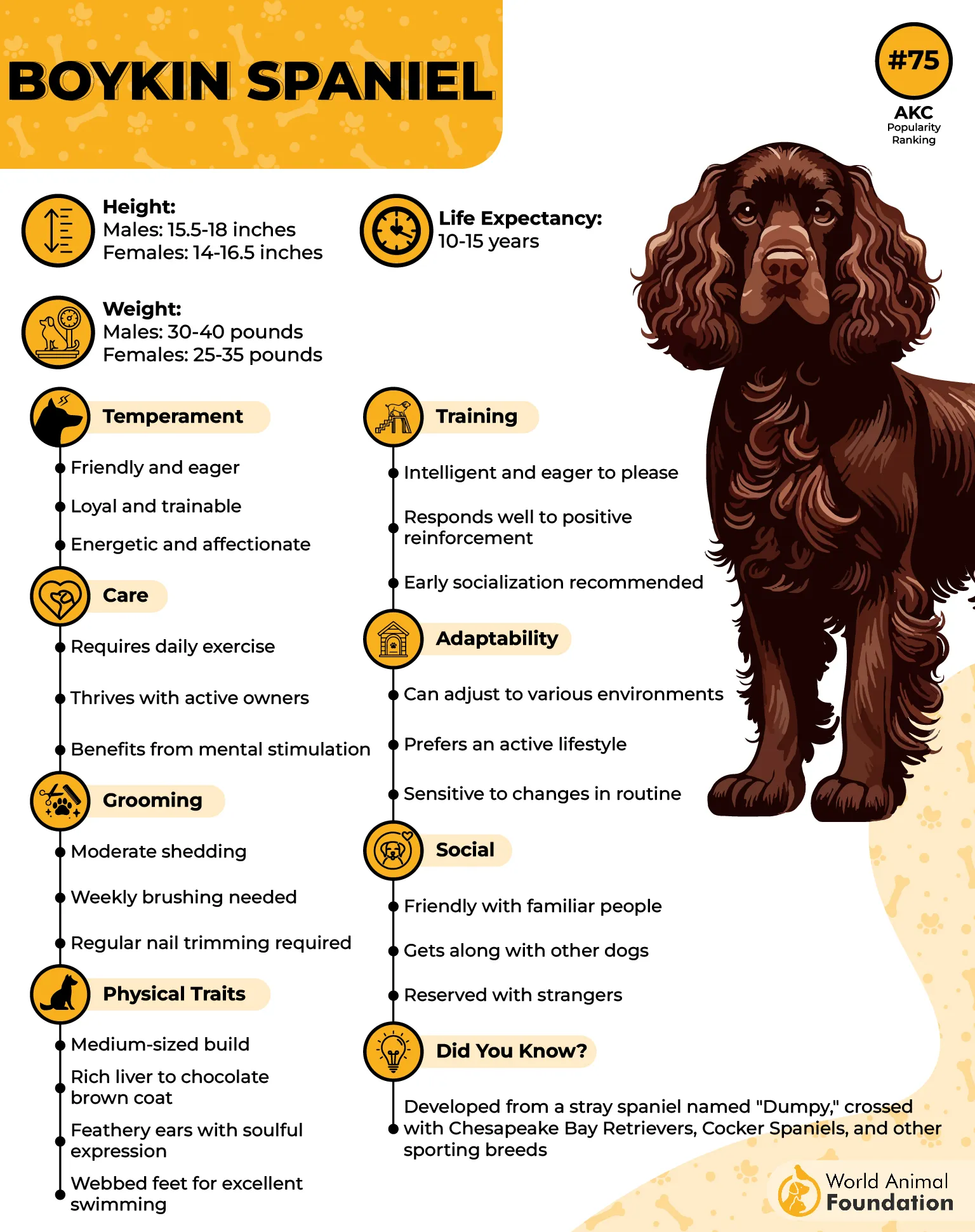
The Boykin’s biggest strength is cooperation. It usually wants to work with its handler rather than vanish into the next county after one exciting smell. This can make it easier to train for controlled deer recovery, especially on leash or long line.
United Kennel Club says it’s difficult to manage this dog’s focus in environments full of birds, water, movement, and exciting smells. Boykins are energetic and need practice ignoring distractions while staying on the correct trail. Training should build patience, scent discrimination, and a calm start before introducing more challenging field conditions.
Many owners love Boykins because they bring hunting ability without taking over the whole house like a giant hound. They are cheerful, active, and often deeply bonded with their people. For hunters who want a compact but capable deer-tracking partner, the Boykin Spaniel deserves real attention.
Their Deer Hunting & Tracking Strategies
Use close-range tracking exercises because this breed shines when it can work near the handler with steady guidance.
Practice in wet grass, brush, and swampy edges to match the kind of cover Boykins often handles well.
Build scent discrimination carefully so bird scent, water scent, and deer scent do not turn into one big outdoor buffet.
Conclusion
The best dog breed for deer hunting and tracking depends on your land, your laws, your hunting style, and how much training you are willing to put in.
Some are built for long trails, some for rugged terrain, some for close handler work, and some for all-around versatility. That variety is good news because not every hunter needs the same kind of dog.
Labrador Retriever, Golden Retriever, Cocker Spaniel, English Pointer, German Shepherd, English Setter, Irish Setter, and Bluetick Coonhound also make excellent companions for hunters pursuing deer!
The most important thing is responsible training. A deer-tracking dog should be obedient, conditioned, legally used, and handled with respect for wildlife, landowners, and other hunters. When the right breed meets the right training, the result is not just a hunting tool; it is a loyal field partner that makes every trail smarter, safer, and more memorable.
