




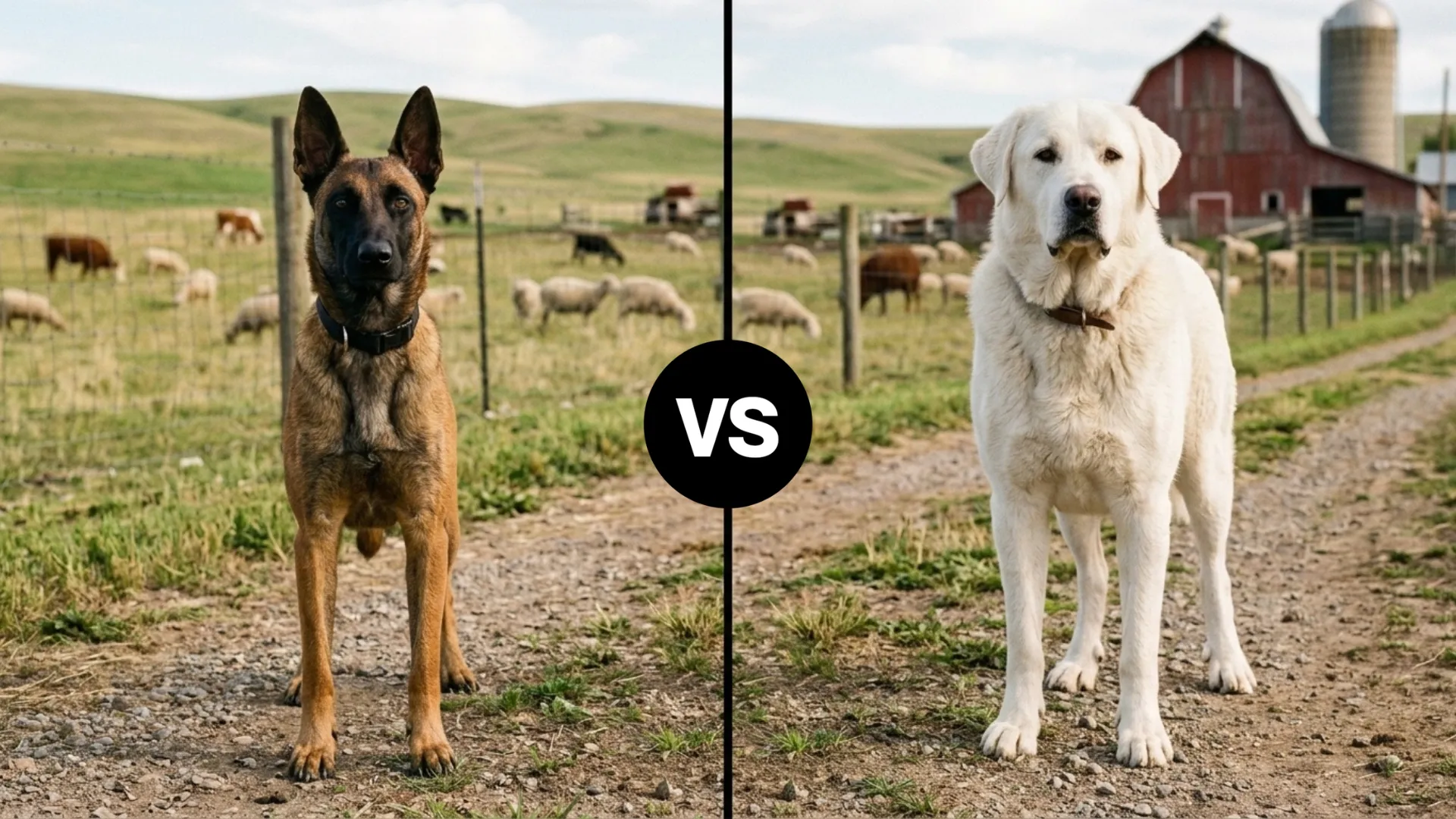
Looking for a loyal working dog but stuck between two powerful guardians? You are definitely not alone. At first glance, they might seem surprisingly similar, but once you look beyond the impressive size, watchful expressions, and protective instincts, the differences become much more interesting.
One thrives on nonstop activity and quick responses, while the other prefers calm confidence and quiet vigilance. From temperament and exercise needs to grooming, trainability, and the type of home each breed suits best, this comparison will help you discover which one truly matches your lifestyle.
Did you know?
Belgian Malinois rank among the AKC’s top 30 breeds, but their demanding training challenges many first-time dog owners. Meanwhile, Akbash Dogs have spent centuries fearlessly guarding sheep in Turkey, protecting flocks with remarkable courage, patience, and unwavering vigilance.
Belgian Malinois vs. Akbash Dog: Key Differences
Comparing a Belgian Malinois to an Akbash means balancing a high-energy, driven herder with a calm, independent livestock guardian. While the Malinois thrives on intense training, close human companionship, and active jobs, the Akbash is a naturally protective, low-maintenance protector designed to independently watch over territory and family.
Origins & Purpose
Some dogs were created to gather livestock. Others were bred to stand their ground when danger appeared. That difference shapes everything from how they make decisions to how they respond under pressure. Understanding where each breed came from makes the rest of this comparison much easier to appreciate.
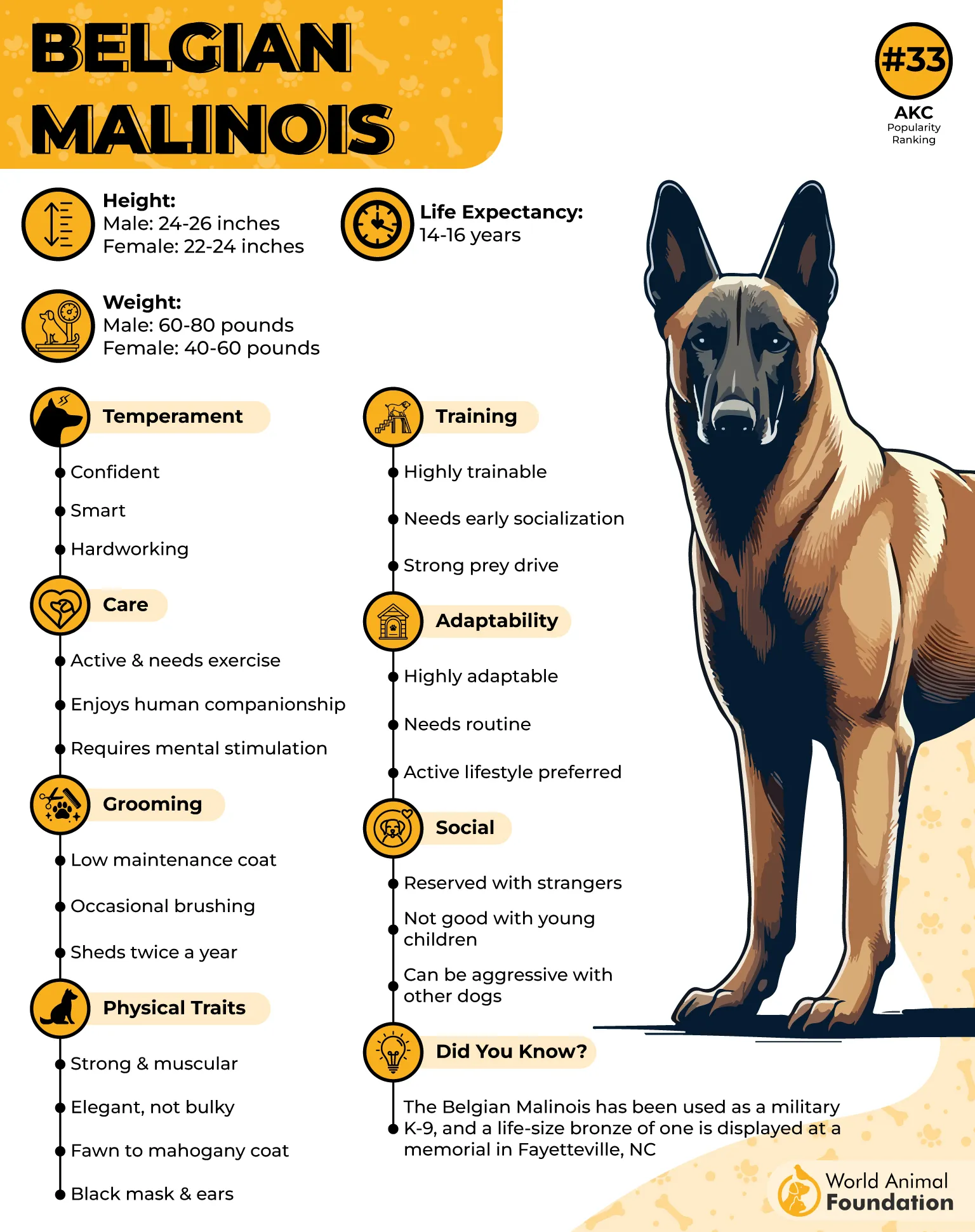
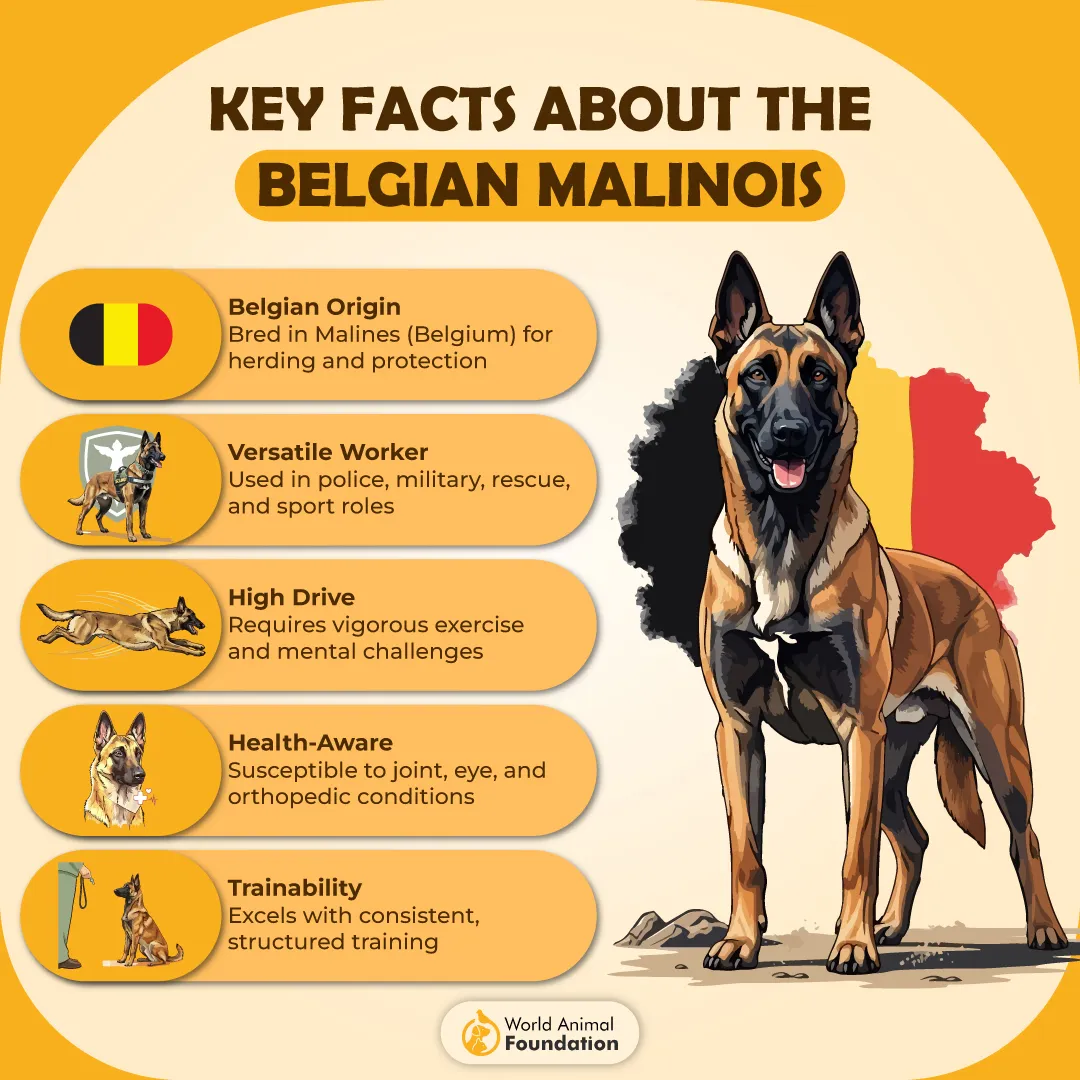
The Belgian Malinois traces its roots to Belgium, where it developed as a herding dog and became one of the four Belgian herding breeds. Over time, its willingness to please and remarkable versatility opened the door to demanding working roles far beyond managing livestock.
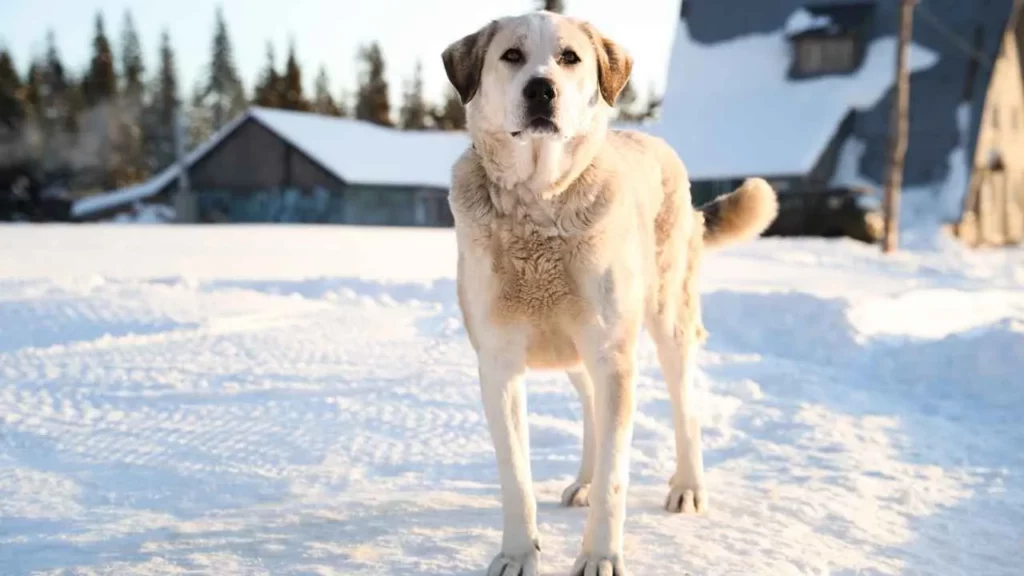
As mentioned by Hill’s Pet, the Akbash Dog has protected livestock across western Turkey for centuries. This ancient breed was developed to guard sheep from predators, and that dependable guardian instinct remains one of its most defining qualities today.
Size & Build
A dog’s build says plenty before it even takes a single step. Some look ready to sprint across open fields, while others carry themselves with the quiet confidence of a natural guardian. Their body structure often hints at the kind of work they were meant to perform.
The Akbash Dog has a noticeably larger and more powerful frame suited for guarding livestock across wide-open spaces. Its lean, muscular build combines strength with endurance, making it well-equipped for long hours of steady patrol rather than constant bursts of activity.
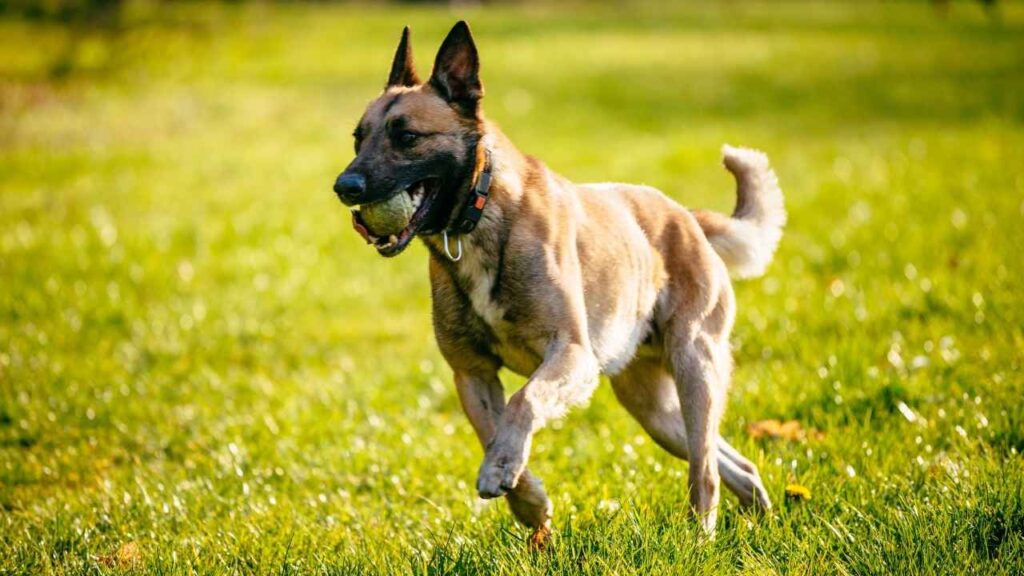
The Belgian Malinois has a lighter, more athletic build that matches its energetic working style. Its agile body allows quick movement and fast direction changes, making it a natural fit for demanding jobs that require speed, focus, and lasting stamina.
Pricing & Availability
Finding the right dog is not always as simple as choosing a favorite breed. Availability can vary from one breed to another, and that often affects how much patience you’ll need before bringing one home. It is one of those details many people overlook until the search begins.
Belgian Malinois are well established and widely recognized by major kennel organizations, making them easier to find through working dog enthusiasts and established breeders. Their popularity as police, military, and performance dogs has also helped increase public interest in the breed.
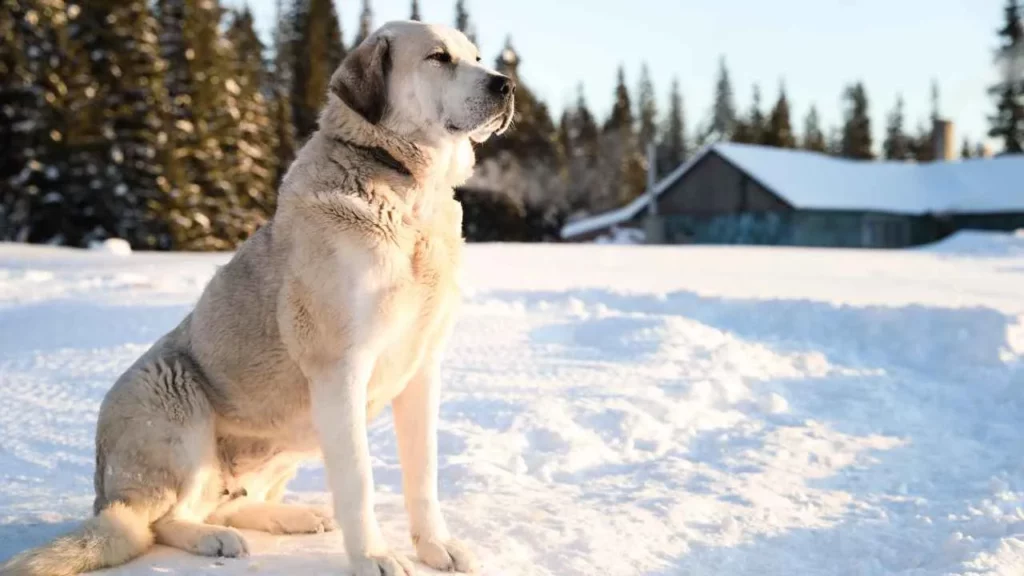
Akbash dogs are much less common and remain a relatively rare choice outside livestock guardian circles. It has not received American Kennel Club recognition, making dedicated breeders and available puppies harder to find.
Temperament & Personality Style
Personality can completely change the experience of living with a dog. Some dogs are always ready to jump into the action, while others quietly observe everything before making a move. That difference often matters just as much as appearance when choosing the right companion.
The Akbash Dog carries itself with calm confidence and a naturally watchful attitude. Affectionate and loving with those it trusts, it is also willing to please while remaining reserved around strangers, making its quiet guardian personality easy to recognize.
Belgian Malinois bring a far more intense personality to everyday life. Affectionate and willing to please, they also have a stubborn streak and can be more aggressive when the situation demands it, creating a dog that thrives with experienced handling and purposeful direction.
Exercise Needs & Energy Level
The energy level of a dog can completely shape your daily routine. One breed may happily turn every outing into an adventure, while another prefers a steadier pace with fewer surprises. Picking the right match often comes down to how active you genuinely enjoy being.
According to the AKC, the Belgian Malinois needs extensive exercise and close owner involvement to stay happy. Daily walks alone will not cut it, but running, dog sports, hiking, biking, agility, tracking, herding, obedience, and protection work suit this driven breed beautifully.
The Akbash Dog takes a more measured approach with a medium energy level, though it still benefits from high physical exercise and mental stimulation to remain in good condition. Strong and capable without constantly being on the move, it is better suited to owners who appreciate steady activity over nonstop action.
Trainability & Obedience
Every smart dog learns differently, and that is where things get interesting. Some are eager to follow directions almost instantly, while others like having a little say in the matter. Knowing how each breed approaches training can save plenty of frustration later.
The Akbash Dog may be willing to please but has a more independent nature when it comes to training, so consistent training with positive reinforcement is essential. It follows commands at an average level and stays focused and patient, making clear guidance and consistency the key to bringing out its best.
As noted by PetMD, the Belgian Malinois learns quickly and thrives with proper training. Mental challenges are just as important as physical activity, and staying actively involved in training helps strengthen the bond between owner and dog.
Grooming Needs & Shedding
A good-looking coat never stays that way without a little effort. Some dogs keep grooming refreshingly simple, while others ask for extra brushing throughout the year. Knowing what each breed needs can make routine care much easier and far more enjoyable.
The Belgian Malinois keeps grooming relatively straightforward, with low to medium coat maintenance and medium shedding. Low drooling also helps keep cleanup to a minimum, making everyday coat care feel much easier than with many working breeds.
The Akbash Dog needs a bit more brushing due to its moderate grooming needs and medium to high shedding. The upside is that drooling is virtually nonexistent, so you’ll spend more time brushing than wiping slobber.
Guarding Instincts & Alertness
Protective dogs are not all cut from the same cloth. Some quietly observe every little change around them, while others react with impressive speed the moment something feels out of place. Those instincts often become one of the biggest deciding factors for future owners.
The Akbash Dog was developed to watch over livestock, and those instincts still shine today. With above-average guarding and watch abilities, combined with patience and steady awareness, it naturally keeps an eye on everything happening within its surroundings.
The Belgian Malinois approaches protection with intensity and precision. Guarding, protection, watch instincts, and herding ability work alongside outstanding focus, creating a dog that stays remarkably alert and ready to respond whenever needed.
Health & Lifespan
Every breed comes with its own set of long-term considerations, and knowing them early makes responsible ownership much easier. While no dog is guaranteed perfect health, understanding common concerns helps owners stay prepared throughout the years.
The Belgian Malinois typically has an average lifespan of 10 – 12 years. Common health concerns include hip dysplasia, elbow dysplasia, bloat, and epilepsy, making regular veterinary care and early monitoring an important part of a dog’s life.
The Akbash Dog also averages a 10 – 12 year lifespan. Owners should be aware of potential concerns such as hip dysplasia, luxating patella, epilepsy, hypothyroidism, umbilical hernias, eye problems, and heart problems while maintaining routine health checkups.
Belgian Malinois vs. Akbash Dog: Which Protective Breed Should You Pick?
The right choice depends less on which breed is better and more on which one fits your everyday life. Both are capable protectors, but they bring very different strengths to the table. Matching those strengths to your lifestyle is what really matters.
The Akbash Dog is an excellent option for owners who appreciate a calm, steady livestock guardian with a naturally protective personality. Its moderate energy level, patient nature, and strong watch instincts make it well suited to spacious environments where quiet confidence shines.
The Belgian Malinois is a better fit for experienced owners seeking an energetic, highly trainable working partner. Its remarkable focus, willingness to please, and outstanding guarding instincts make it an exceptional choice for active lifestyles that provide regular physical and mental challenges.
Conclusion
Belgian Malinois and Akbash Dog are both outstanding protective breeds, but they shine in very different ways. The Belgian Malinois thrives with constant activity, structured training, and close teamwork, while the Akbash Dog stands out for its calm confidence, high intelligence, steady guarding instincts, and dependable nature around the property.
The best choice is the one that naturally fits your lifestyle, experience, and daily routine. Give either the Belgian Malinois or the Akbash Dog the right environment, and you’ll gain a devoted companion that works, protects, and stands faithfully by your side for years to come.
