




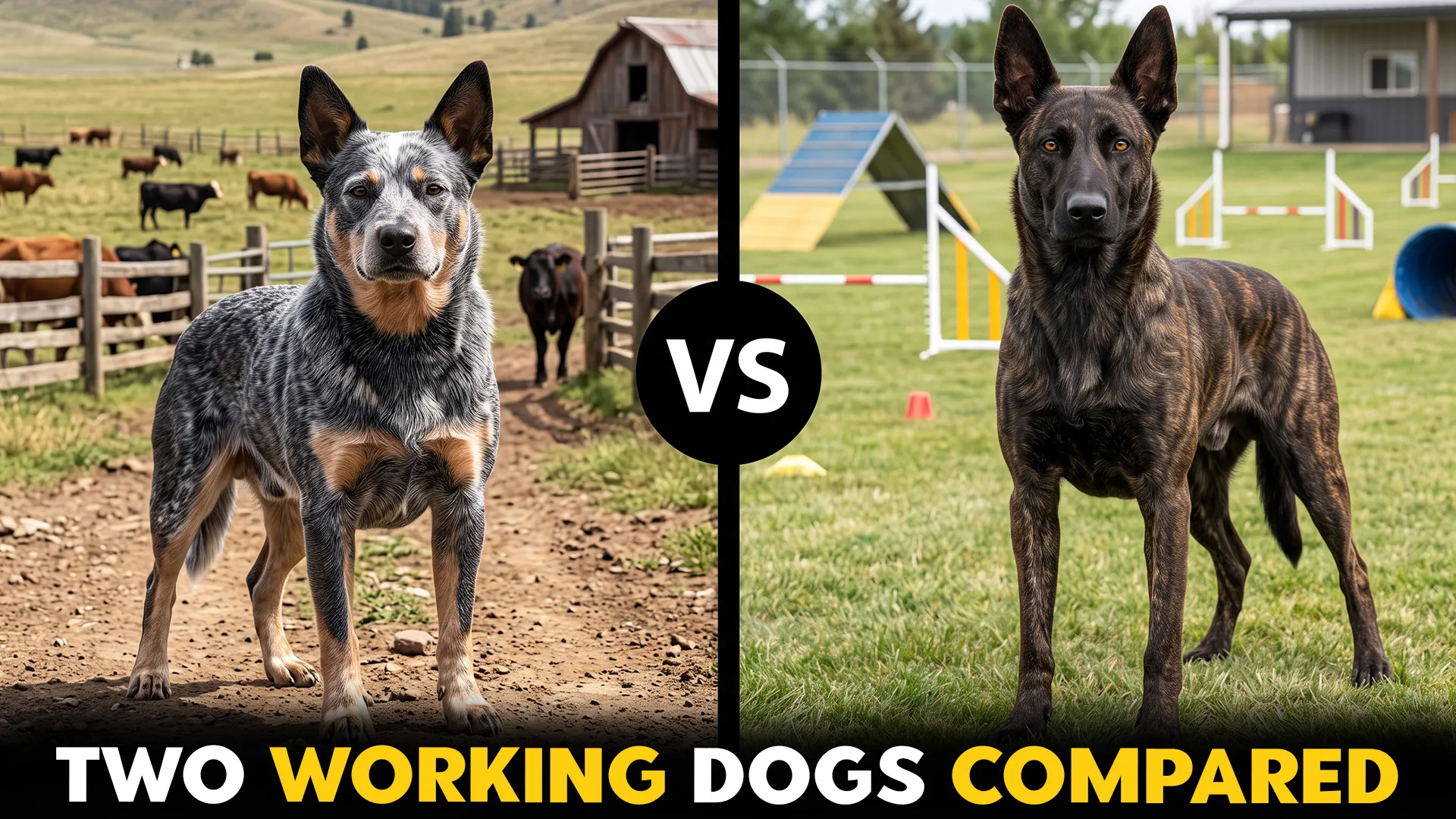
At first glance, these two herding dogs seem to have almost everything in common. Both are known for sharp intelligence, impressive athletic ability, unwavering loyalty, and a willingness to work for hours without losing focus. That is exactly why so many people struggle to choose between them.
The biggest differences rarely stand out in photographs or short breed descriptions. Instead, they appear in the small details that shape everyday life, from how each dog responds to training and unfamiliar situations to the way it settles into a family’s routine.
Those subtle traits often determine whether living together feels effortless or unexpectedly demanding. Many owners only recognize those distinctions after making their decision, when changing course is no longer an option. The closer you look, the more these similarities begin to separate into meaningful differences.
Continue reading to uncover those details and see which companion truly aligns with your expectations and lifestyle.
Key Takeaways
They are both smart, loyal, and ready to work for hours, which is exactly why so many people struggle to choose between them.
Australian Cattle Dogs were built to handle rugged cattle stations, while Dutch Shepherds earned their place by herding, guarding, and even pulling carts on Dutch farms.
Those different beginnings still shape the way they train, exercise, and settle into everyday family life.
Before choosing one over the other, these small details are worth knowing because they often make the biggest difference.
Australian Cattle vs. Dutch Shepherd Dog Breeds
Origins & Purpose
Built for the Outback
Australian Cattle Dogs took shape during the 19th century as Australian ranchers needed a dependable herding dog for vast cattle stations and unforgiving terrain.
By crossing working dogs brought from England with the native dingo, they produced a resilient breed capable of handling demanding conditions with remarkable stamina and control, as mentioned by WebMD.
The breed earned official recognition from the American Kennel Club in 1980 before moving to the Herding Group in 1983. Even today, that original purpose remains obvious in a dog known for determination, endurance, and confident livestock handling rather than simply following commands.
From Farm Helper to Service Dog
Dutch Shepherds first gained recognition as versatile farm dogs across the Netherlands during the 19th century, when they herded livestock, guarded property, and even pulled carts when needed. Their practical nature made them valuable wherever hardworking, adaptable dogs were required throughout daily farm life.
A formal breed standard appeared in 1898, with brindle becoming the only accepted coat color in 1914 to distinguish them from other shepherd breeds. Although industrial farming and World War II nearly pushed the breed toward extinction, dedicated enthusiasts preserved it, and today Dutch Shepherds are widely respected in police, military, search-and-rescue, and assistance work.
Size & Physical Build
Compact Power
Australian Cattle Dogs stand between 17 and 20 inches tall and weigh about 35 to 50 pounds, combining a compact frame with impressive muscle. Their bodies are built to stay low, balanced, and agile, allowing them to move quickly around stubborn cattle while avoiding powerful kicks.
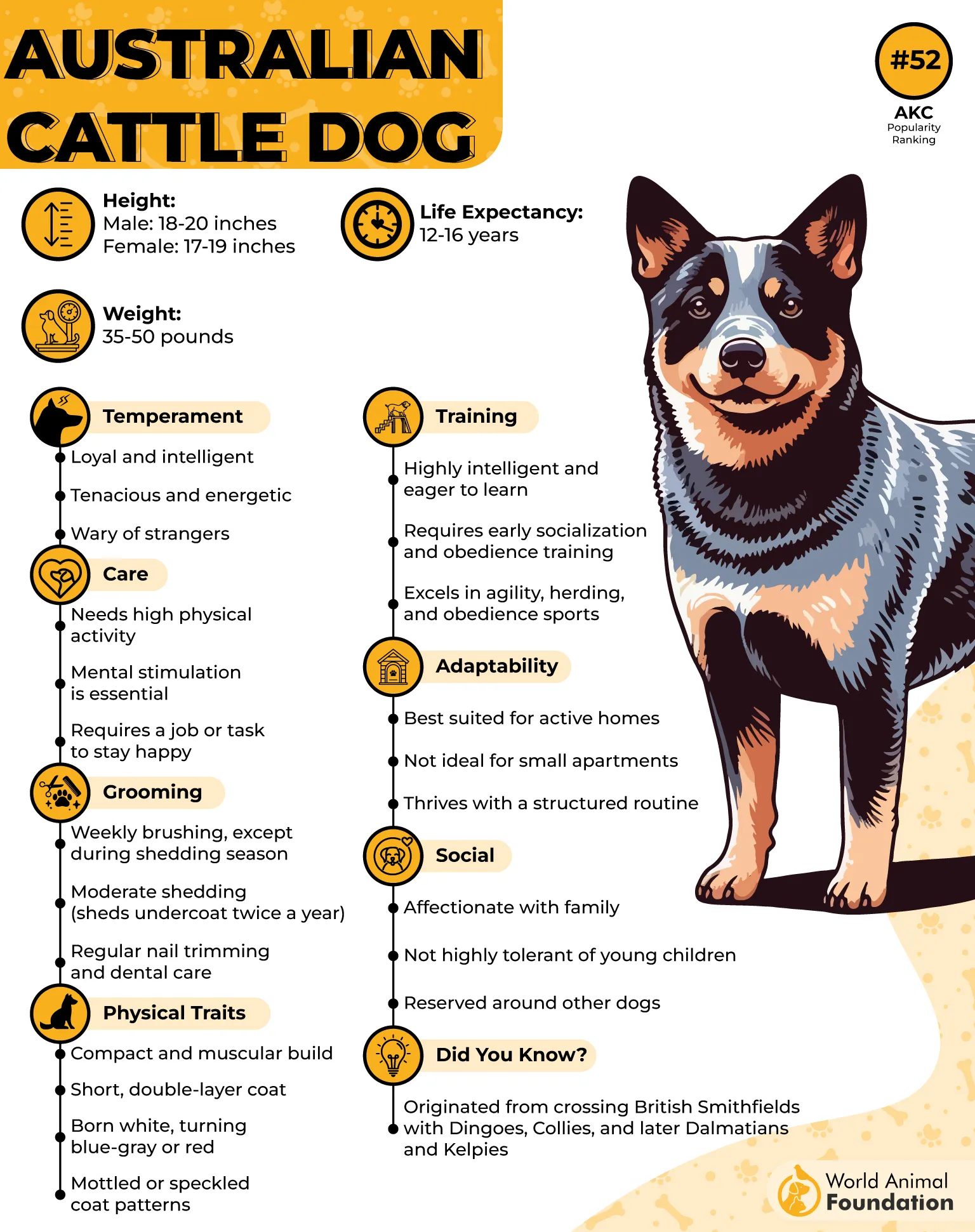
That efficient structure favors endurance over size, helping the breed work for long hours without sacrificing speed or stability. Every part of its build supports controlled movement, making the ACD feel stronger than its moderate measurements might suggest.
Athletic Build
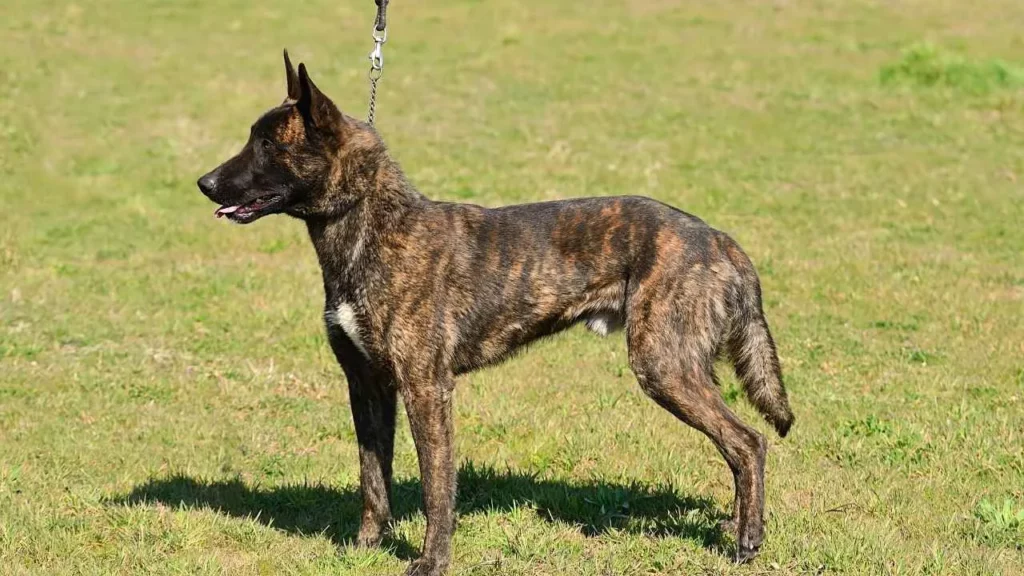
Dutch Shepherds stand around 21.5 to 24.5 inches tall and typically weigh between 42 and 75 pounds, giving them a taller and leaner profile, as the AKC noted. Rather than relying on heavy bone or bulk, their physique emphasizes athletic balance and efficient movement throughout the day.
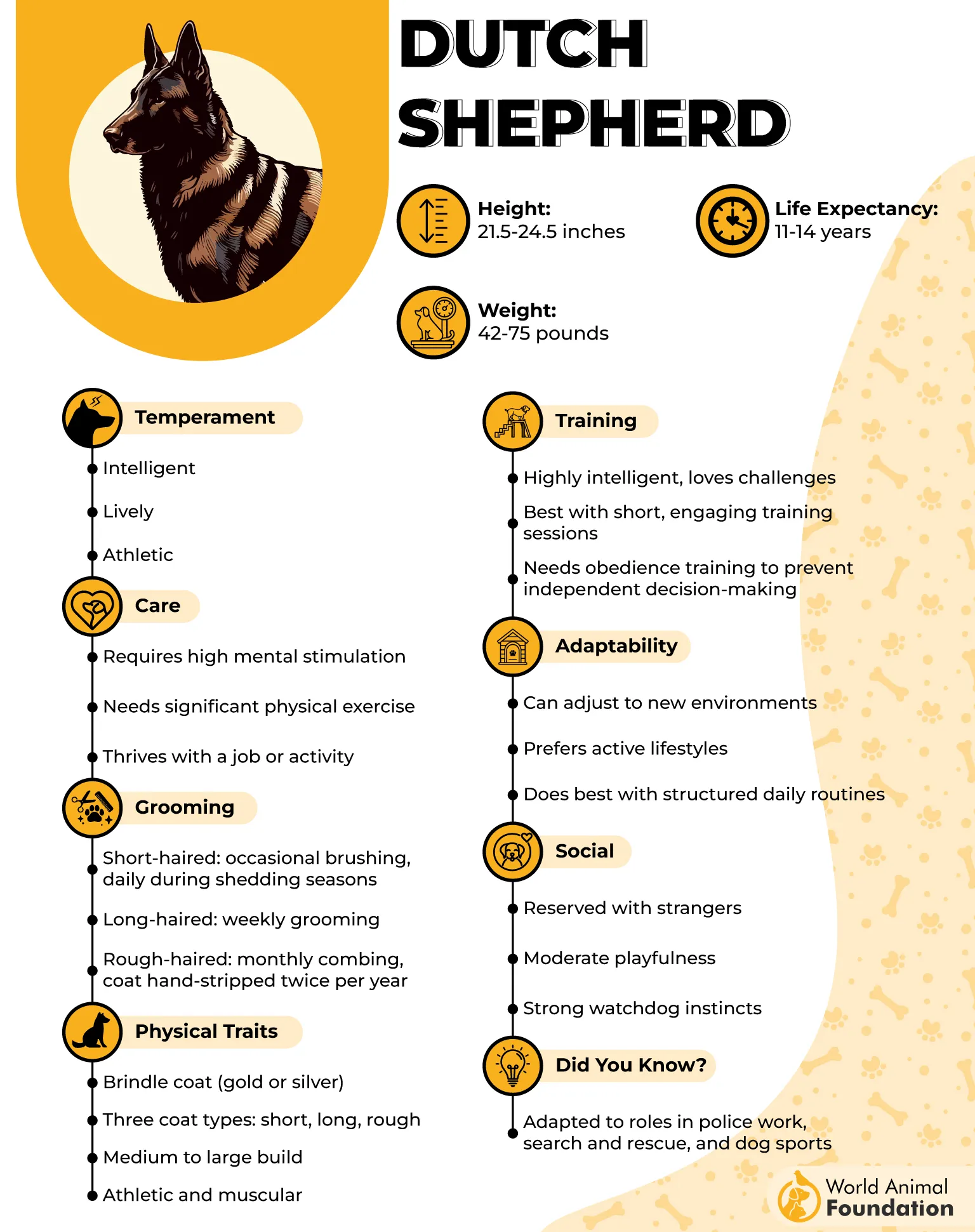
The body is often described as a lighter version of the German Shepherd, shaped for function instead of mass. That lean, powerful build allows the breed to stay quick, flexible, and energetic during long periods of demanding work without appearing overly heavy.
Temperament & Personality
Personality in Daily Life
Australian Cattle Dogs build exceptionally strong bonds with their people, often becoming especially devoted to one person in the household. Their intelligence and protective instincts keep them alert around strangers, though they are generally willing to cooperate with those they know and trust.
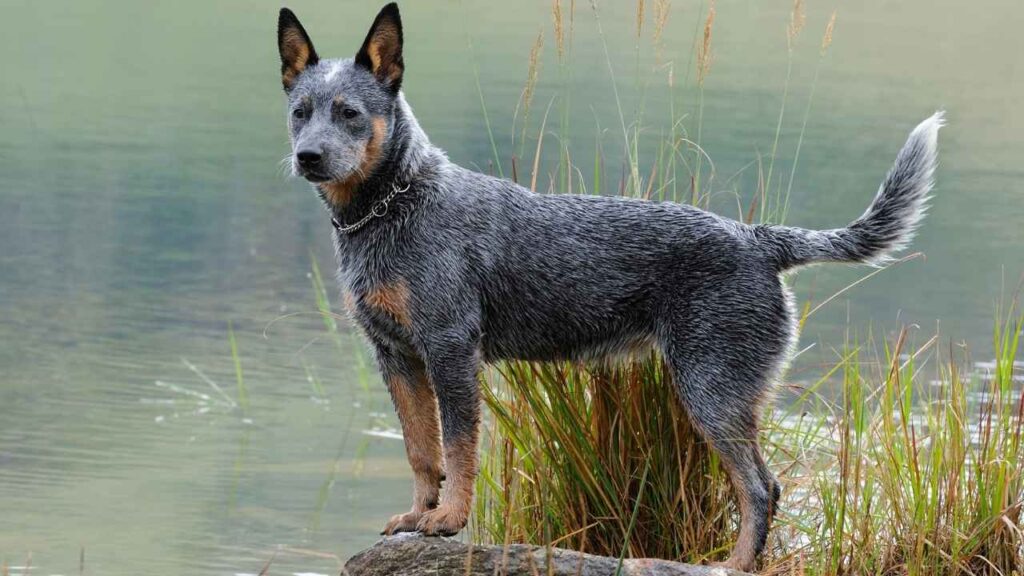
This is not a breed that enjoys an idle routine for long. Without meaningful work or regular engagement, it may start herding children, nipping during play, or inventing its own activities, making early training and consistent direction an important part of everyday life, as stated in PetMD.
Temperament at Home
Dutch Shepherds bring plenty of energy and intelligence into family life, but they feel most comfortable when their minds stay as active as their bodies. They are affectionate with their family while remaining naturally watchful, often announcing unfamiliar visitors long before anyone reaches the front door.
Their working instincts don’t disappear once they become household companions. If daily exercise and mental challenges fall short, they may turn that energy toward digging, herding other pets, or creating their own entertainment, which is why structured routines help bring out their best qualities.
Exercise & Energy Levels
Daily Drive
Australian Cattle Dogs have high energy that goes well beyond a couple of walks or backyard play. They feel most satisfied when they have a meaningful job to tackle, whether that means herding livestock, joining regular runs, or taking part in activities like agility and obedience that keep both mind and body fully engaged.
Without that kind of purpose, their energy has nowhere productive to go. This is a breed that was built to work for hours, so daily routines feel much more rewarding when they include structured challenges instead of short bursts of activity alone.
Work-Life Balance
Dutch Shepherds were bred as hardworking farm dogs before proving themselves in police and military service, so they naturally expect an active lifestyle. One interesting quality is their ability to switch between work, play, and rest, adjusting their energy depending on what the situation demands.
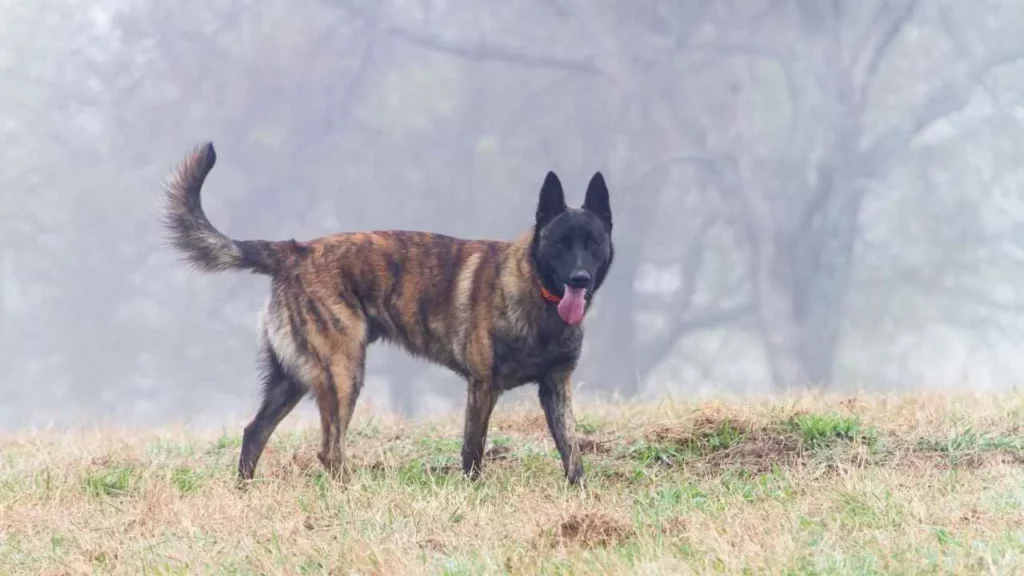
They are happiest when treated as true partners rather than dogs left waiting at home all day. With regular mental challenges and physical activity, they settle well into active households where they can stay involved in everyday life instead of watching it from the sidelines.
Training & Intelligence
Purpose Builds the Learner
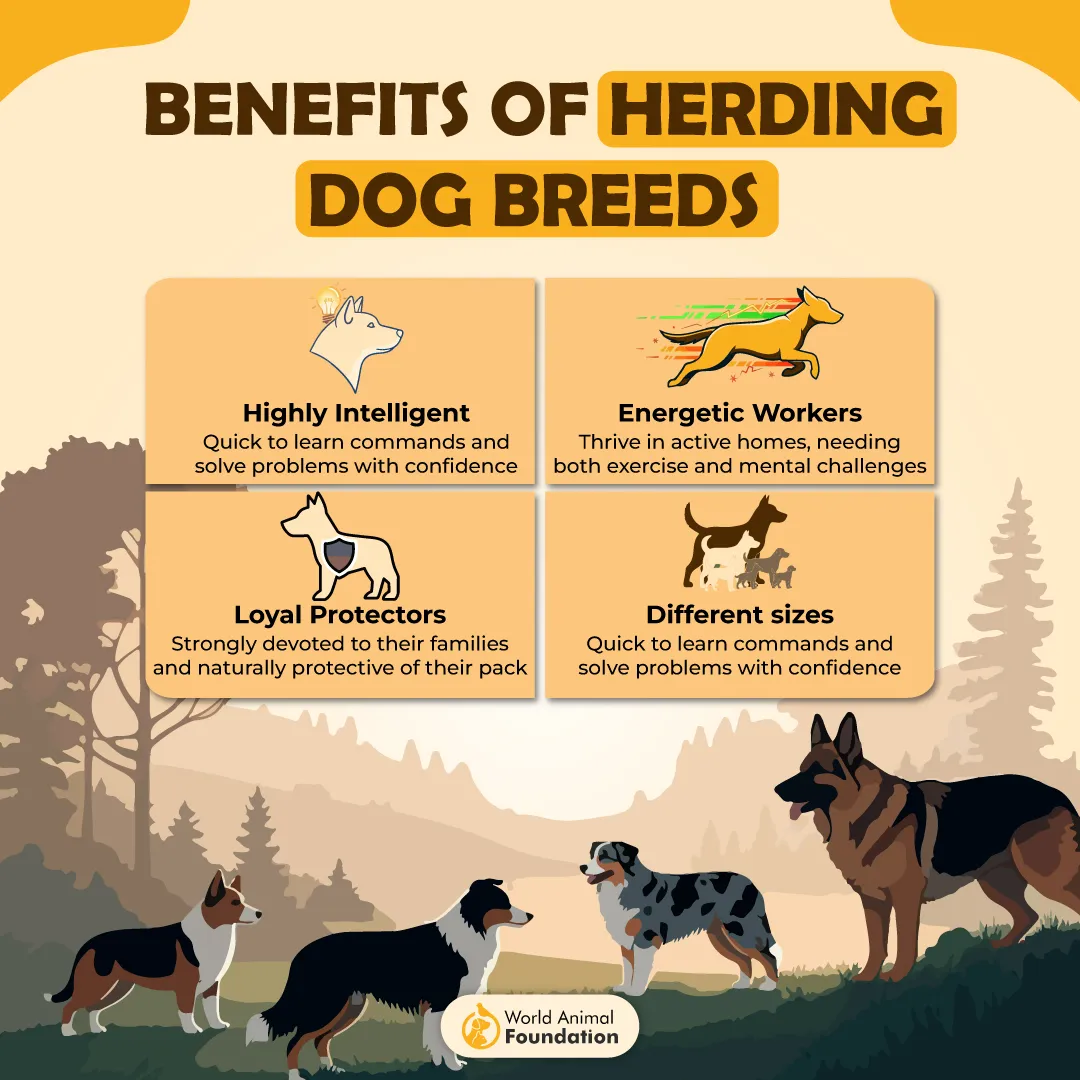
Australian Cattle Dog learns best when every lesson has a purpose instead of endless repetition. Early socialization and obedience training are essential because this intelligent working breed was bred to think independently while managing livestock across demanding Australian ranches.
Once the basics are in place, the breed quickly shines in herding, obedience, and agility, where problem-solving matters as much as following commands. Working together on meaningful tasks also strengthens the partnership instead of turning training into a routine.
A Mind That Wants Challenges
Dutch Shepherd approaches training with sharp focus and enjoys solving new challenges rather than repeating the same exercise over and over. Short, mentally engaging sessions keep the breed interested, while constant repetition often reduces enthusiasm.
Its natural shepherd instincts allow it to excel in obedience, scent detection, scent tracking, herding, and agility when given structured guidance. Without consistent direction, this intelligent thinker is confident enough to start making its own decisions.
Grooming Frequency
Australian Cattle Dog Coat Care
Australian Cattle Dogs keep grooming fairly simple thanks to their smooth, weather-resistant double coat, which naturally stays clean without much odor or oily buildup. A quick weekly brushing and the occasional bath are usually enough to keep the coat in good condition.
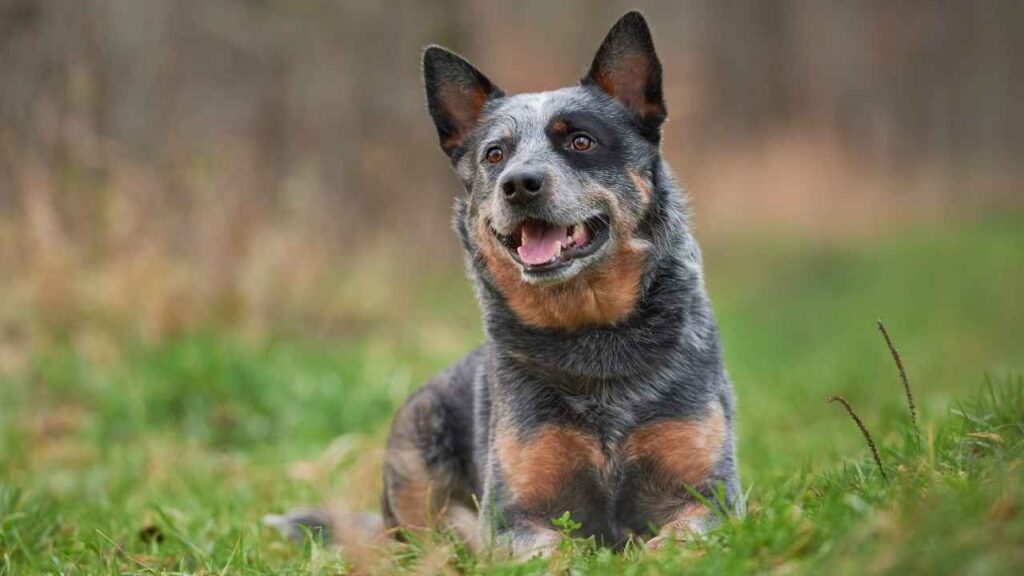
The routine changes during the two annual shedding seasons, when the undercoat drops more heavily and benefits from brushing every few days to remove loose hair. Regular nail trimming also helps maintain comfortable movement during everyday activity.
Dutch Shepherd Grooming Needs
Dutch Shepherd grooming depends heavily on the coat type, since the breed can have short, long, or rough hair in either gold or silver brindle. Short coats need only occasional brushing outside of seasonal shedding, while long coats usually benefit from weekly care or more if they spend plenty of time working outdoors.
Rough-coated Dutch Shepherds follow a different routine, requiring monthly combing along with hand-stripping twice a year to maintain coat texture. Regular ear checks, nail care, and tooth brushing also play an important part in keeping the breed comfortable and healthy.
Health & Lifespan
Australian Cattle Dog Health Outlook
Australian Cattle Dogs are generally hardy, but responsible breeding plays a major role in maintaining that reputation. Health screening often focuses on inherited conditions such as deafness, progressive retinal atrophy (PRA), primary lens luxation (PLL), and hip dysplasia, helping identify concerns before breeding decisions are made.
Routine care is just as important as genetic testing. Regular ear checks help prevent wax buildup and trapped debris, while consistent dental care supports long-term health. National breed recommendations also include hip, elbow, eye, BAER hearing, PLL DNA, and PRA DNA evaluations.
Dutch Shepherd Health Profile
Dutch Shepherds are widely regarded as a healthy breed, helped in part by careful breeding practices followed in their native country. Even so, breeders routinely screen for hip dysplasia across all coat varieties, with additional testing depending on coat type rather than applying the same approach to every dog.
Long-haired Dutch Shepherds are commonly evaluated for thyroid conditions, while rough-haired dogs are also screened for goniodysplasia. National breed recommendations further include hip, elbow, and ophthalmic evaluations to support responsible breeding and long-term soundness.
Australian Cattle vs. Dutch Shepherd Dog Breeds: Which one is best for you?
When people compare these two, they’re usually looking at two excellent working dogs, so there really isn’t a wrong choice. The better question is what kind of dog would actually make your everyday life more enjoyable.
The Australian Cattle Dog likes having a job to think about, often making its own decisions and staying one step ahead. If you enjoy that challenge, it’s an incredibly rewarding breed to live with.
The Dutch Shepherd feels a little different in day-to-day life. It still loves to work, but it often looks to its person more for guidance and enjoys working as part of a team. That makes training feel more like a shared activity than a constant test of who is making the decisions.
Conclusion
Finding a better companion is less about comparing abilities and more about understanding how each one fits into your daily routine.
Both were developed for demanding work, which means they thrive with purpose, structure, and regular involvement in family life. Their intelligence, loyalty, and determination reward owners who enjoy staying actively engaged rather than expecting an effortless pet.
Careful consideration of personality, exercise, grooming, and training requirements will always lead to a more satisfying choice. When your lifestyle matches the dog’s natural strengths, everyday challenges become enjoyable experiences, and the partnership grows stronger with every passing year.
