




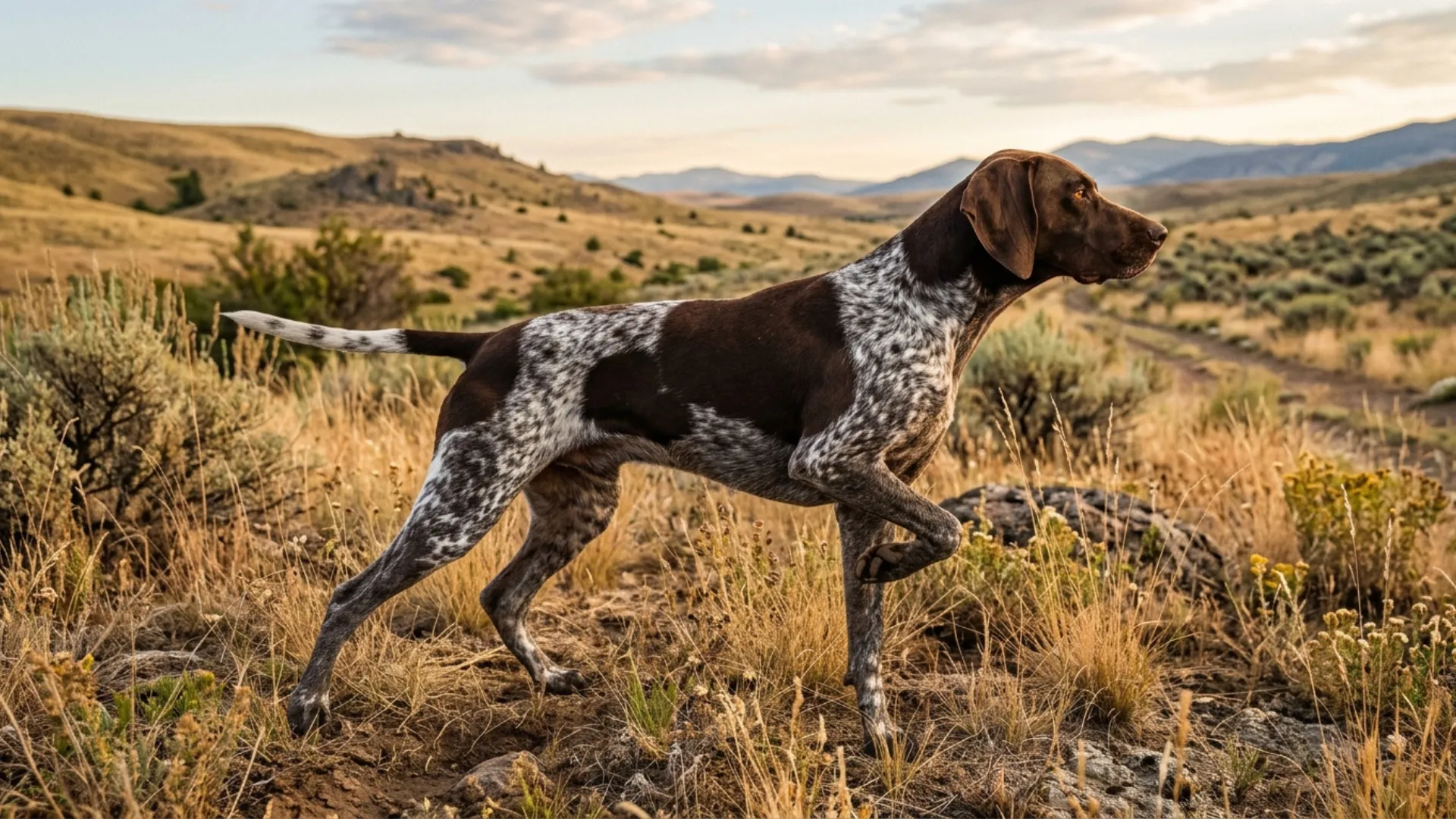
Some hunting dogs seem to understand the assignment the moment they step into the field. They move with purpose, search with confidence, and appear to know exactly where their efforts should be directed.
Others may work hard but never develop the same natural efficiency. What creates that difference has fascinated hunters for generations. It is not simply speed, strength, or enthusiasm. The answer lies in a unique combination of instincts and traits that allow certain breeds to excel where others fall short.
Upland hunting places constant demands on a dog’s senses, stamina, and decision-making abilities. Every patch of cover presents a new challenge, and every bird encounter requires precision and control. The most accomplished upland hunting dogs possess qualities that cannot be measured by appearance alone.
Continue reading to explore the remarkable breeds that have built their reputation through exceptional field performance and an impressive ability to locate game in challenging conditions.
Key Takeaways
A handful of dogs turn upland hunting into something almost coordinated, where scent, movement, and timing seem naturally aligned.
German Shorthaired Pointer and Vizsla stand out for the way they combine scent control with steady cooperation, creating a rhythm that makes fieldwork look effortless.
Brittany and English Setter bring a different kind of precision, working through open cover with patience and consistency that keeps birds from slipping away unnoticed.
As the list unfolds, each breed reveals a deeper layer of instinct and control that explains why only a few truly excel in upland hunting.
Exceptional Dog Breeds Specializing in Upland Hunting
1. German Shorthaired Pointer
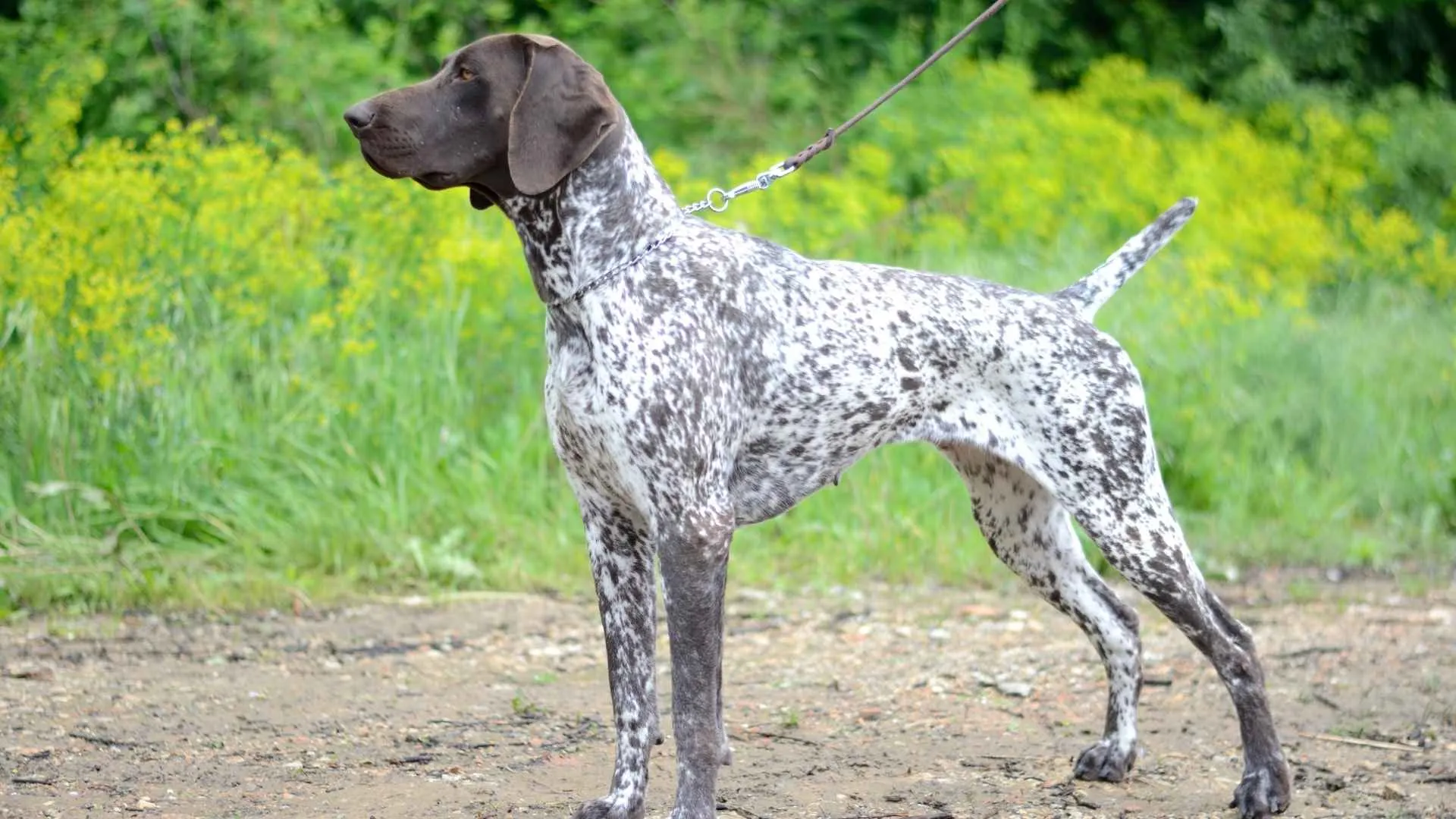
During the hunt, the German Shorthaired Pointer often stops abruptly and aims its nose toward the exact direction of a bird’s scent, showing its classic pointing behavior. That controlled signal gives hunters a clear indication before the next step of the pursuit begins.
Built for the Chase
Speed, agility, and endurance play a major role in why this pointing dog remains closely associated with bird hunting. Covering ground efficiently while remaining focused on scent work is a valuable combination in upland environments.
A few details complete the picture:
Retrieves game birds
Waits for handler cues
Aristocratic appearance
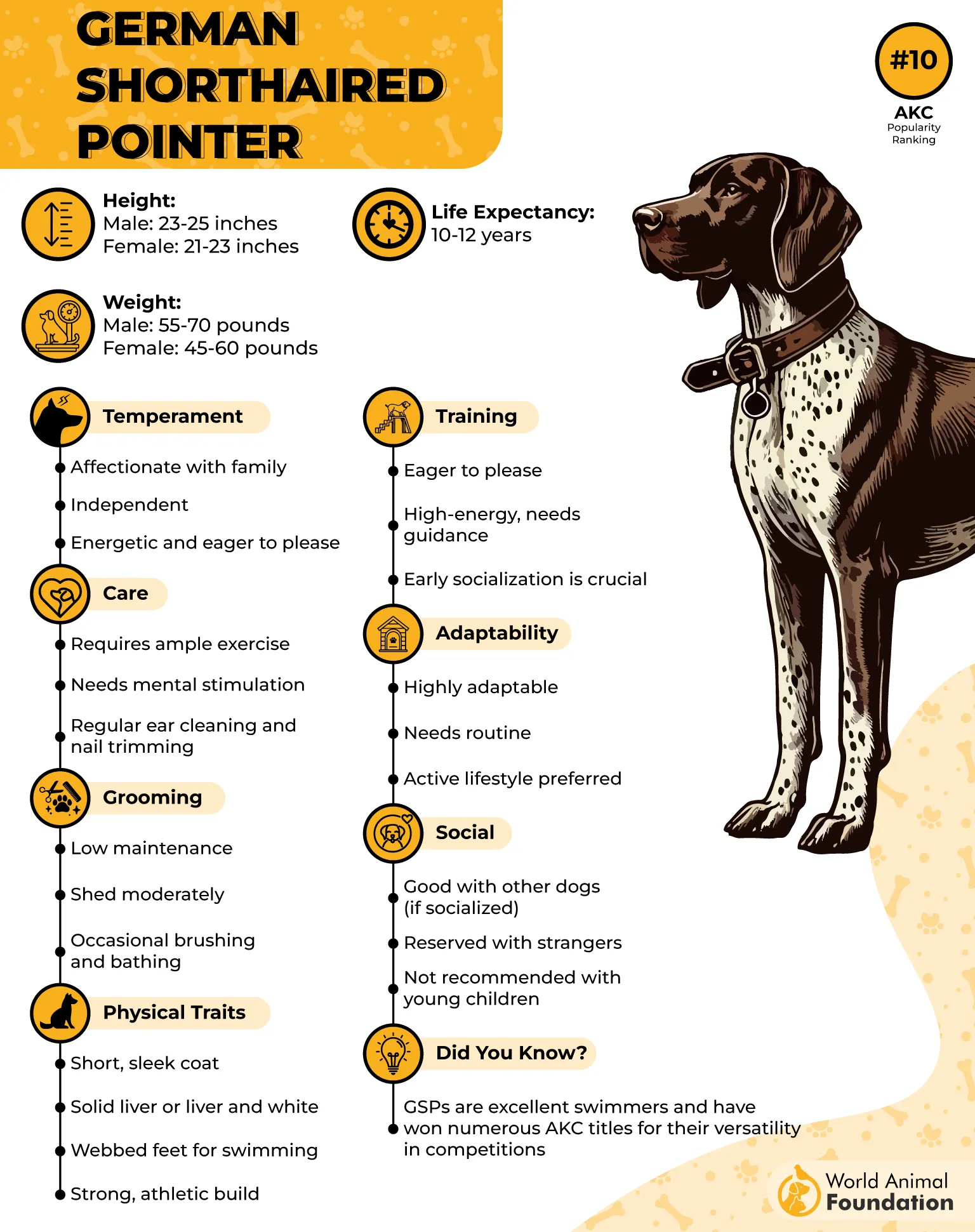
Beyond the Hunt
German Shorthaired Pointer also fits comfortably into active households, where its loyal nature can extend to children and other pets, as AKC noted. Daily activity remains important, as this breed typically benefits from one to two hours of vigorous exercise rather than casual walks alone.
2. Vizsla
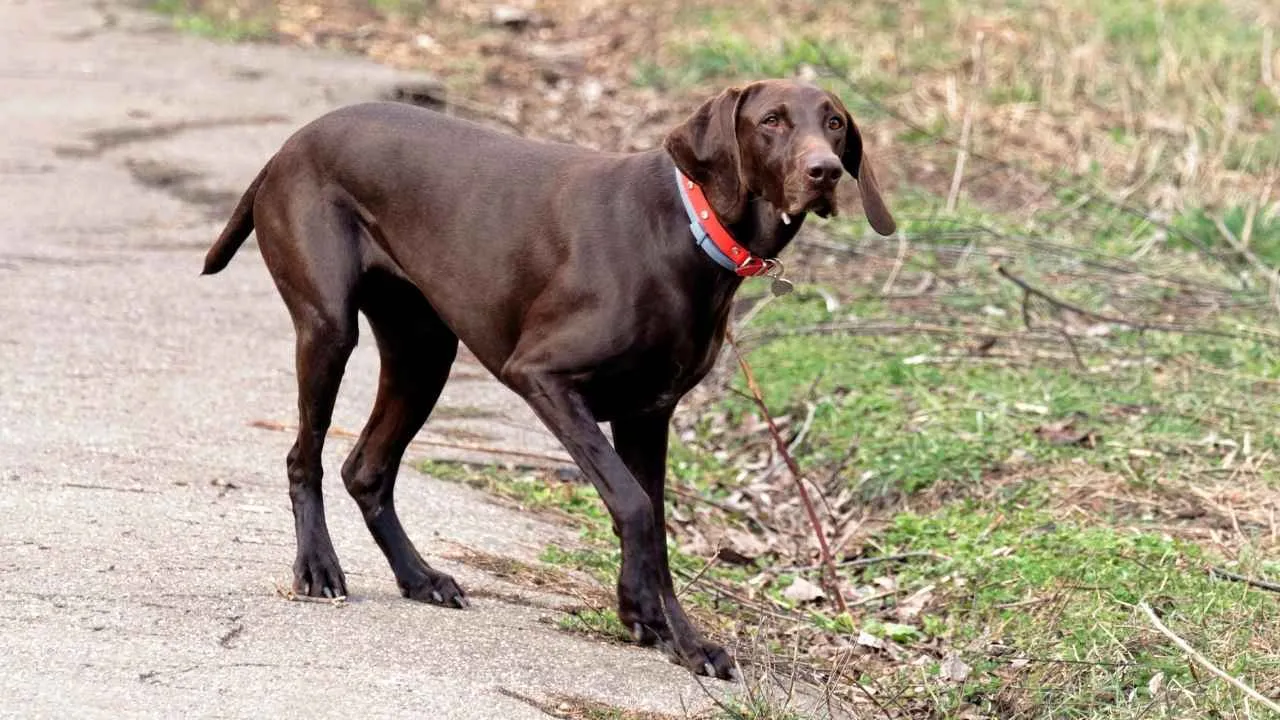
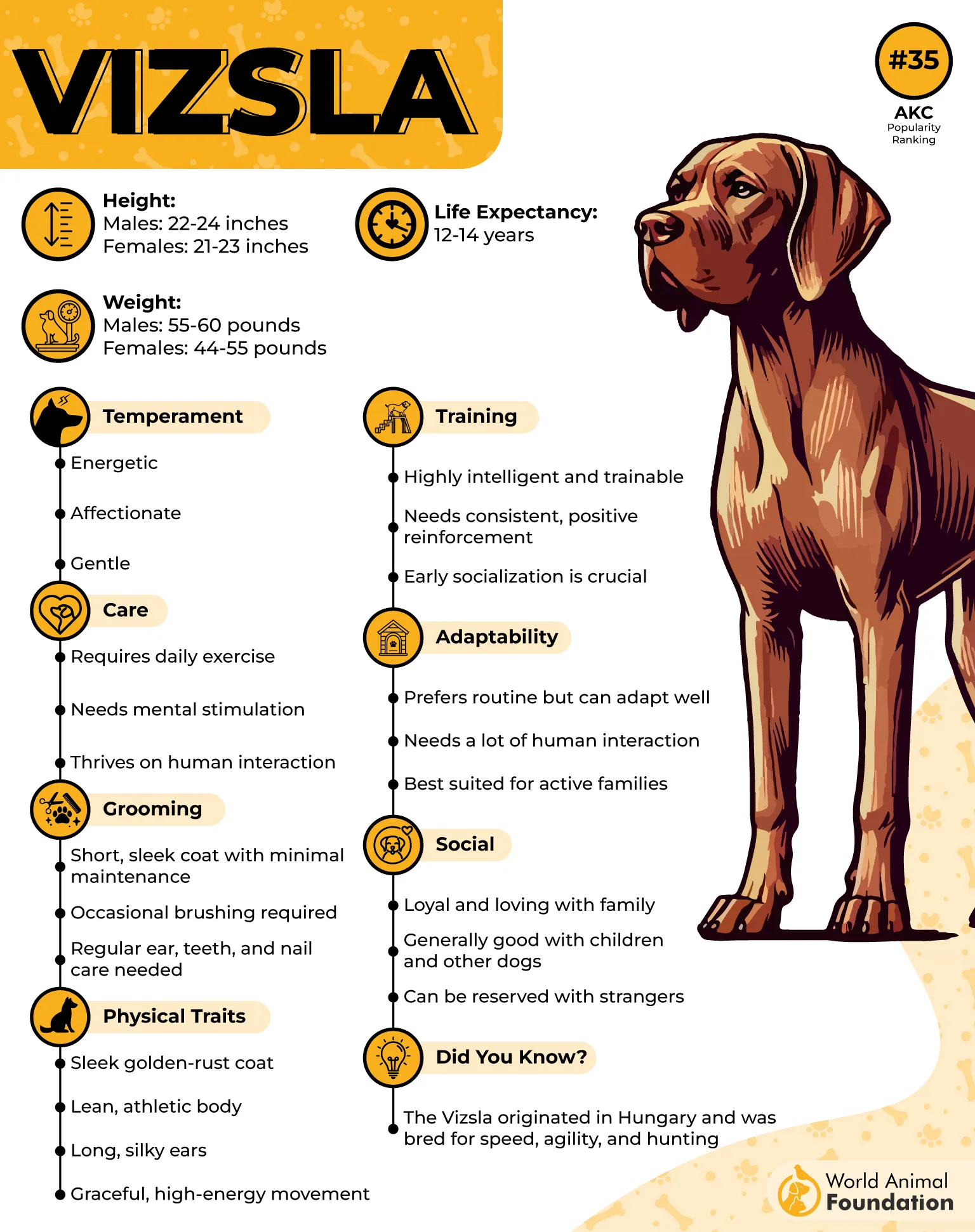
Vizsla earned a reputation in Hungary as a hunting companion that prefers working in close contact with its handler rather than ranging far ahead. Frequent check-ins during a hunt make this breed particularly responsive when covering upland terrain and dense vegetation.
Guided by Scent
Rather than relying purely on speed, Vizslas use intelligence and a highly capable nose to work through scent trails hidden in thick cover, as the Royal Kennel Club notes. Its smooth red-golden coat and fluid gait also contribute to the breed’s recognizable field presence.
Several details add another layer to that reputation:
Named after the Hungarian word for “pointer”
One of the oldest hunting breeds
Spread globally after World War II
Built for Long Days
Vizsla combines athleticism with a strong desire to cooperate, a combination that has helped it remain valuable in both working and family settings. Activities such as jogging, swimming, agility training, and other demanding outlets fit naturally into this breed’s routine.
3. Brittany
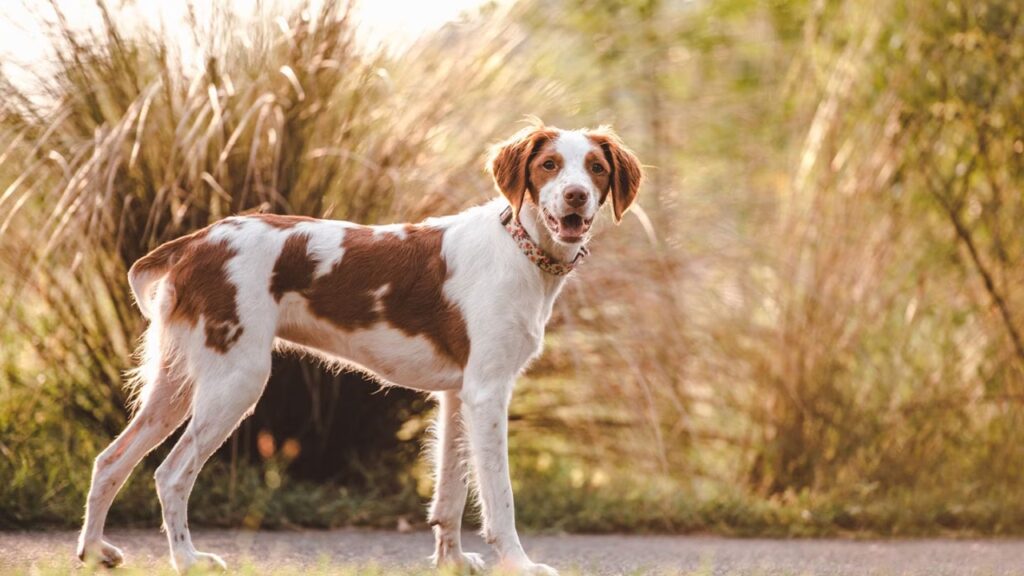
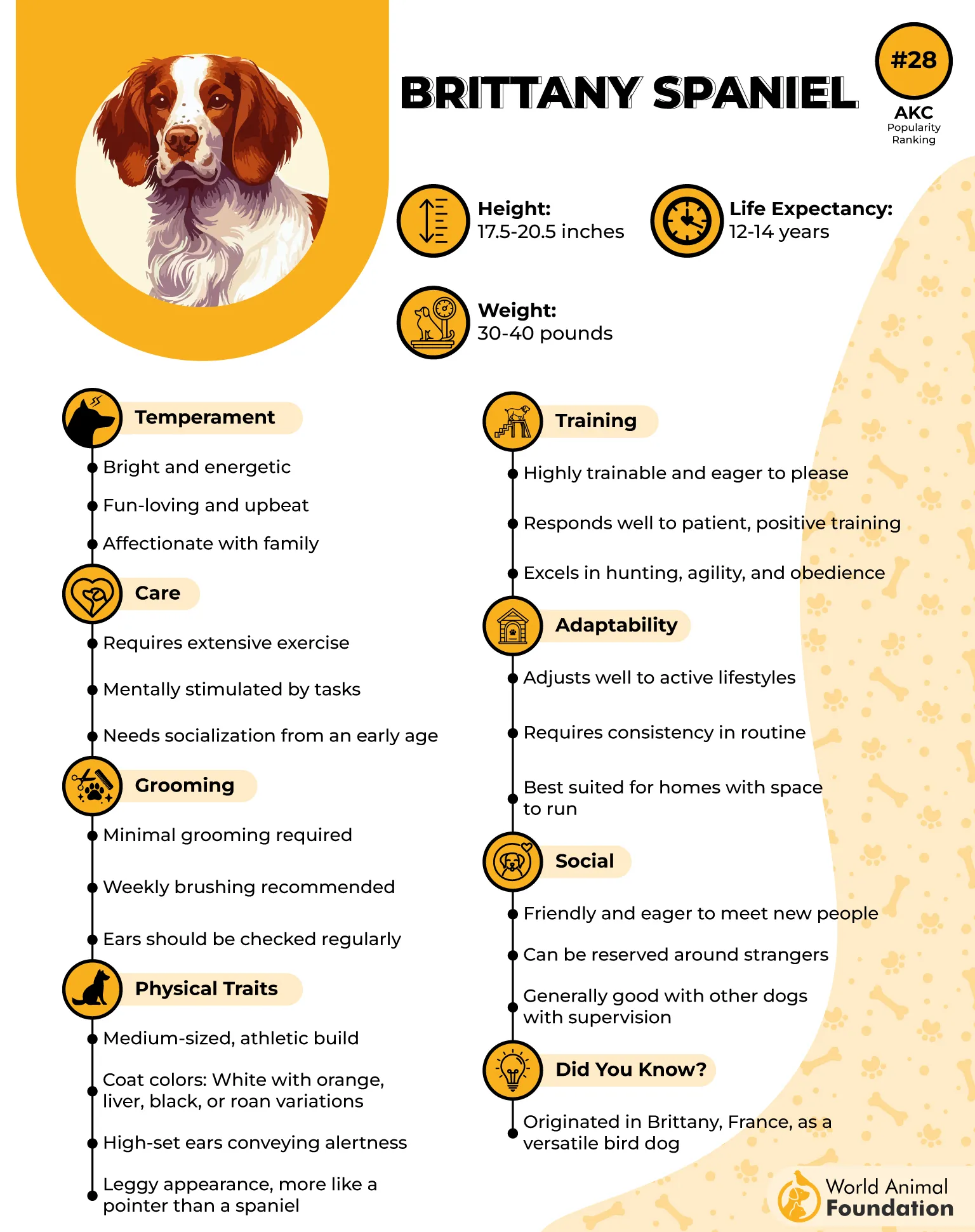
In the French countryside, Brittany gained recognition for its performance during woodcock hunts, where finding birds often required both speed and precision, as Omlet stated. It could point, retrieve, and remain attentive to its handler, giving hunters a versatile dog they could rely on throughout the day.
Always Looking Ahead
Brittany enjoys covering ground and investigating scents, often remaining focused for long periods while searching open terrain. That enthusiasm for exploration explains why this breed is happiest when given meaningful outdoor activity.
These details add another layer to their personality:
Often born with a stub tail
Registered in France in 1907
Sensitive to harsh correction
Ready for the Next Find
Since the Brittany was developed as a hunting companion, it tends to need more than a brief walk to feel fully engaged. When trained properly, it becomes attentive on walks, responds well to recall, and shows a strong habit of staying near its people.
4. English Setter
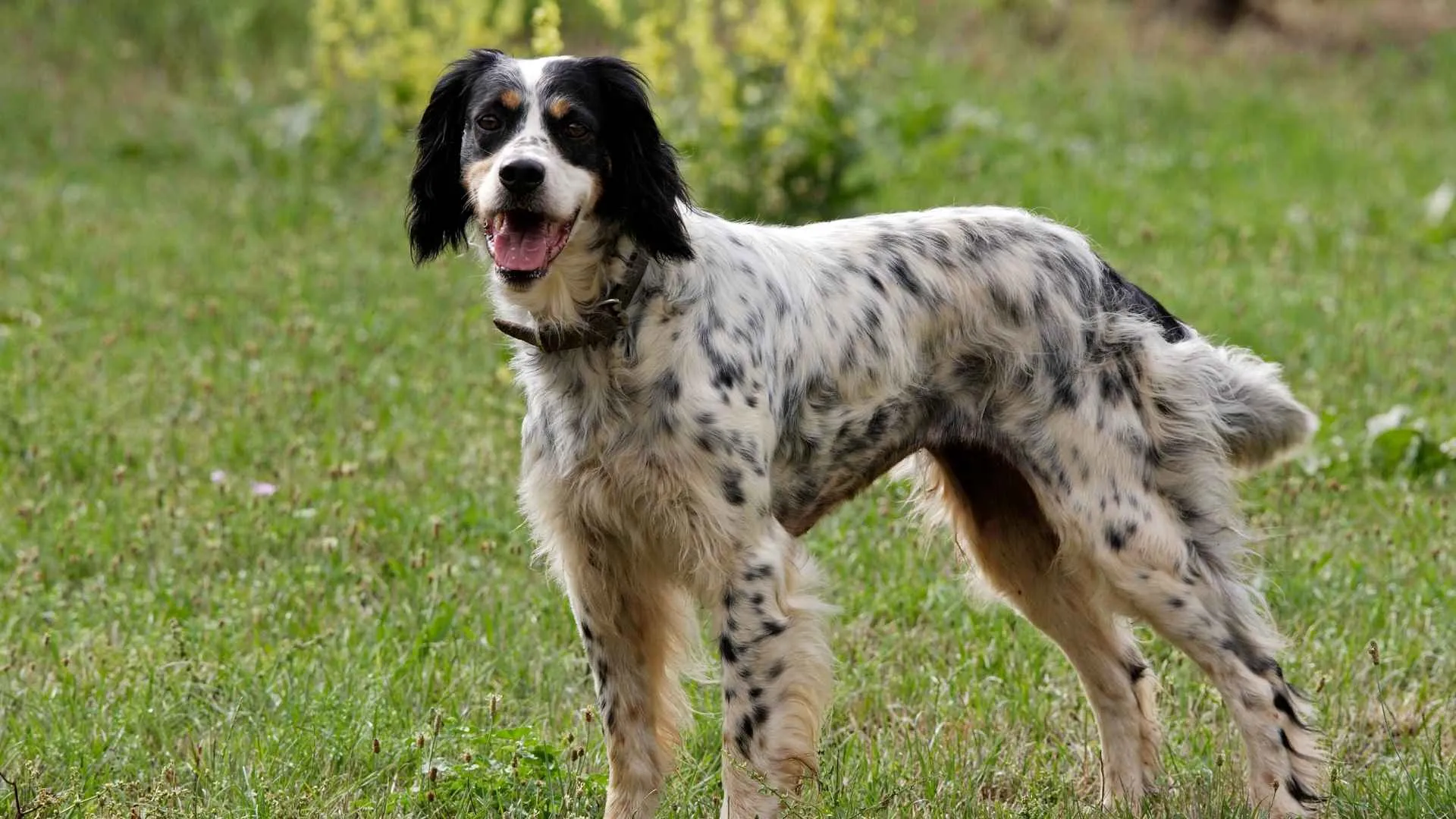
What makes the English Setter so well known is the way it finds game birds and then simply stops, holding its position to signal where the birds are. That patient response is still one of its most recognizable field behaviors and keeps it different from dogs that instinctively chase right away.
Built to Search
They were carefully bred during the early 1800s for covering large areas of ground while searching methodically for game. Long outings suit this breed well because it enjoys following scents and investigating new terrain for extended periods.
These points shape the breed’s personality:
One of the oldest Setter breeds
Two distinct breeding lines
Sensitive to human emotions
More Than a Hunting Dog
This upland bird hunting breed responds well to firm training and pays close attention to the tone and mood of the person handling it. Their devotion to companionship has also made them suitable therapy dogs, while their playful attitude can continue well beyond two years of age.
5. Boykin Spaniel
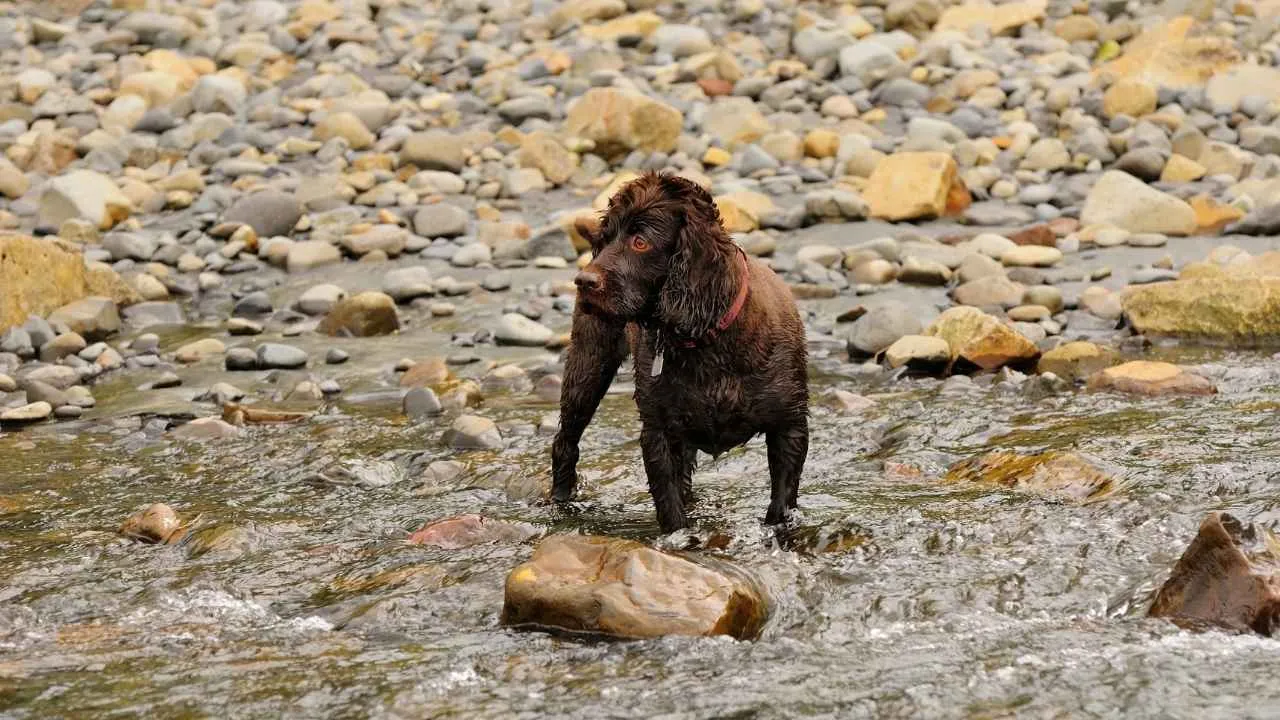
Boykin Spaniel comes from the marshy hunting grounds of South Carolina, where it became a trusted partner for retrieving birds such as ducks, doves, and even turkeys. Over time, its reliable versatility in the field turned it into a local favorite and later earned it the title of state dog.
Ready for the Field
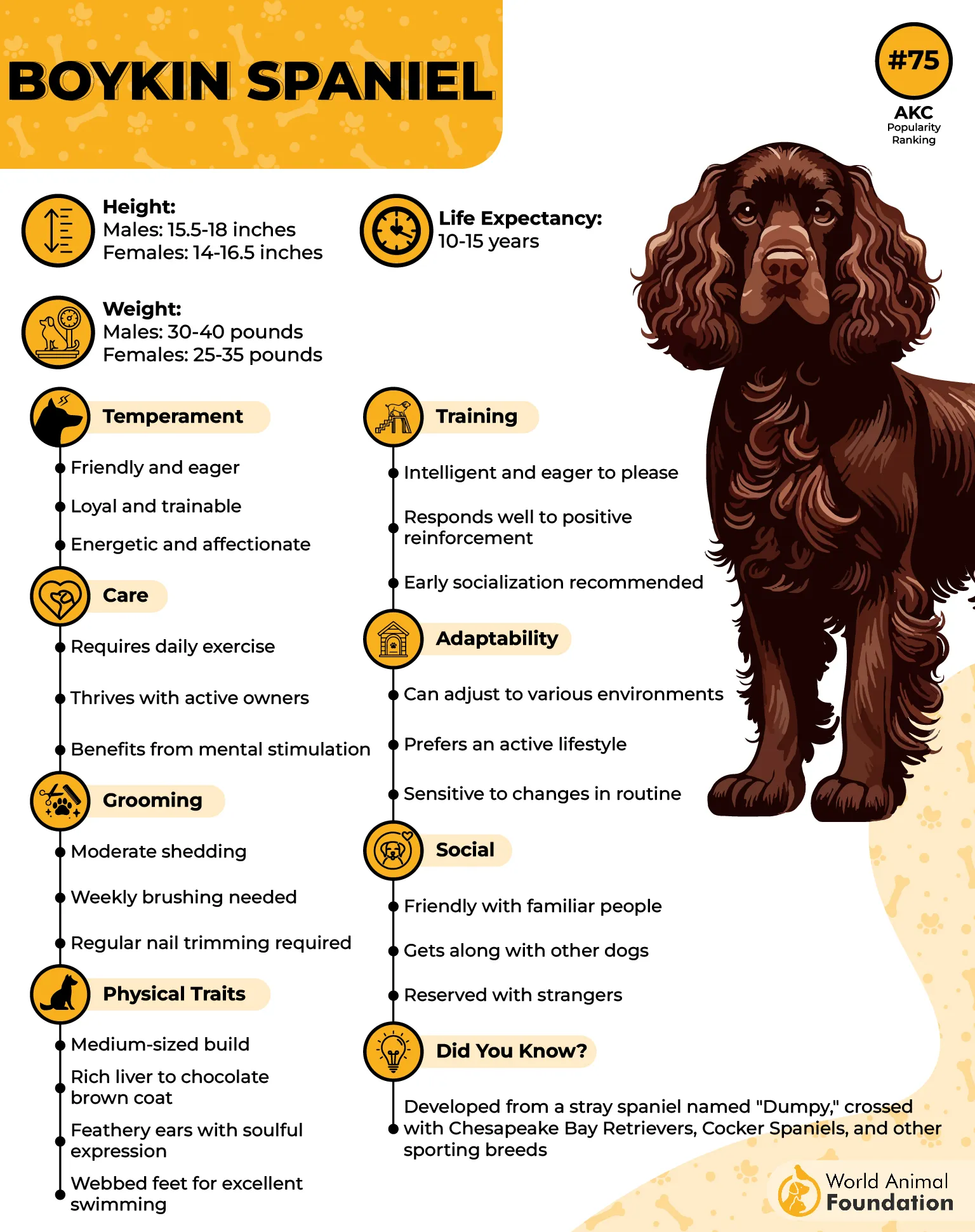
They combine intelligence with a strong desire to cooperate, qualities that make training sessions productive and hunting work more efficient. Its friendly temperament also allows it to transition comfortably from outdoor pursuits to family life.
A few quick points show its history and recognition:
Originated from a stray named Dumpy
Official state dog of South Carolina
Minimal grooming requirements
Built for Active Days
This medium-sized dog enjoys a busy routine and benefits from several hours of daily activity and attention. Long hikes, outdoor games, and opportunities to explore help channel the energy that originally made this breed such a dependable hunting partner.
6. Irish Water Spaniel
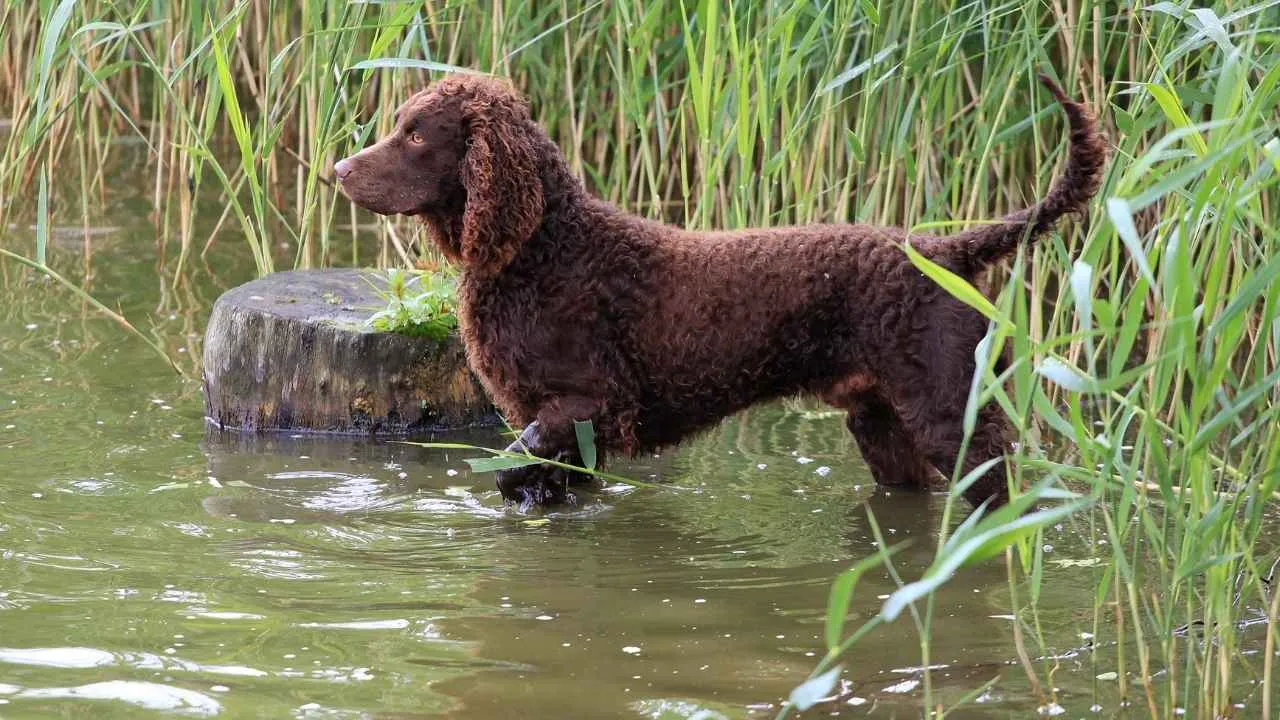
Irish Water Spaniel earned its reputation by working with both fishermen and hunters more than a thousand years ago, a combination rarely mentioned with sporting breeds. Retrieving game from a shoot and collecting it from the water demanded precision, control, and reliability.
Made for Retrieval
A soft mouth allowed birds to be brought back without unnecessary damage, an important quality when game retrieval was the objective. Webbed feet added another advantage, giving this breed the power needed for repeated work in the water.
These lesser-known details deserve attention:
Rare even in its homeland
Largest member of the spaniel group
Thought to share ties with water dogs
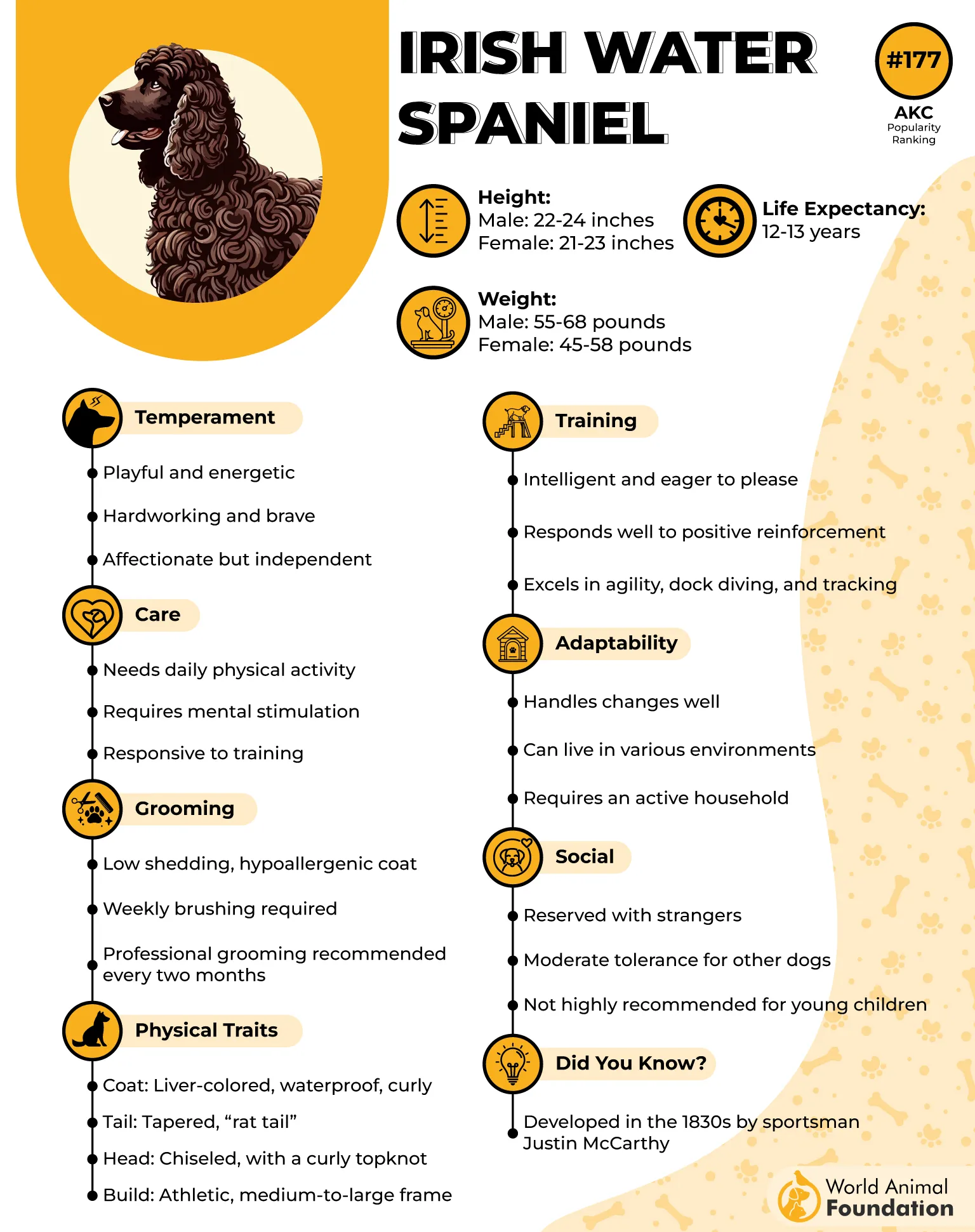
More Than a Hunting Companion
Irish Water Spaniel enjoys having a task that requires focus, which explains why activities such as tracking, agility, and obedience suit it so well. During its younger years, curiosity and boundary-testing can occasionally lead to a few unexpected adventures around the house.
7. Labrador Retriever
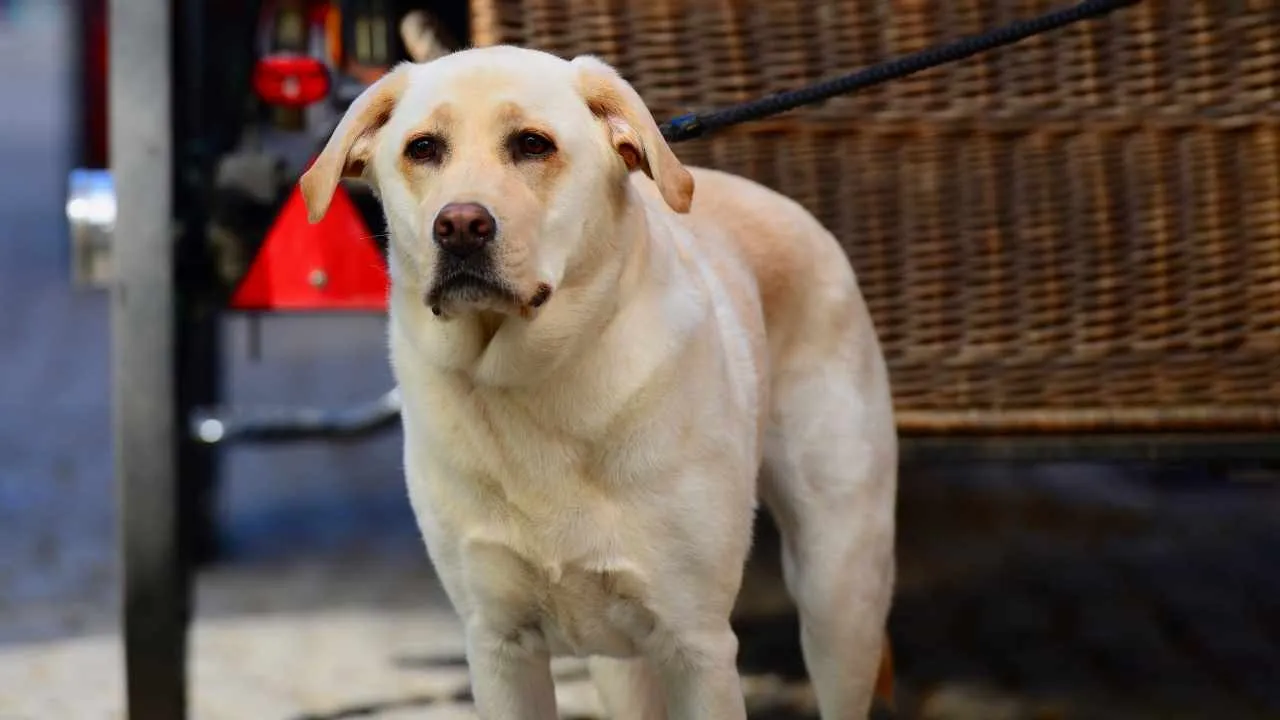
Before they became one of the most popular family dogs, Labrador Retrievers were already hard at work with fishermen, swimming through cold waters to retrieve catches and even helping guide boats. Their natural love for water is still clearly visible in the way they behave today.
Working Range
The breed’s versatility explains why it appears in so many demanding roles, from gun dog work to assisting people with disabilities. Quick learning ability and a cooperative nature allow Labradors to adapt successfully to a wide variety of tasks.
Their flexibility is highlighted in these points:
Assistance dog roles
Therapy work involvement
Explosive detection duties
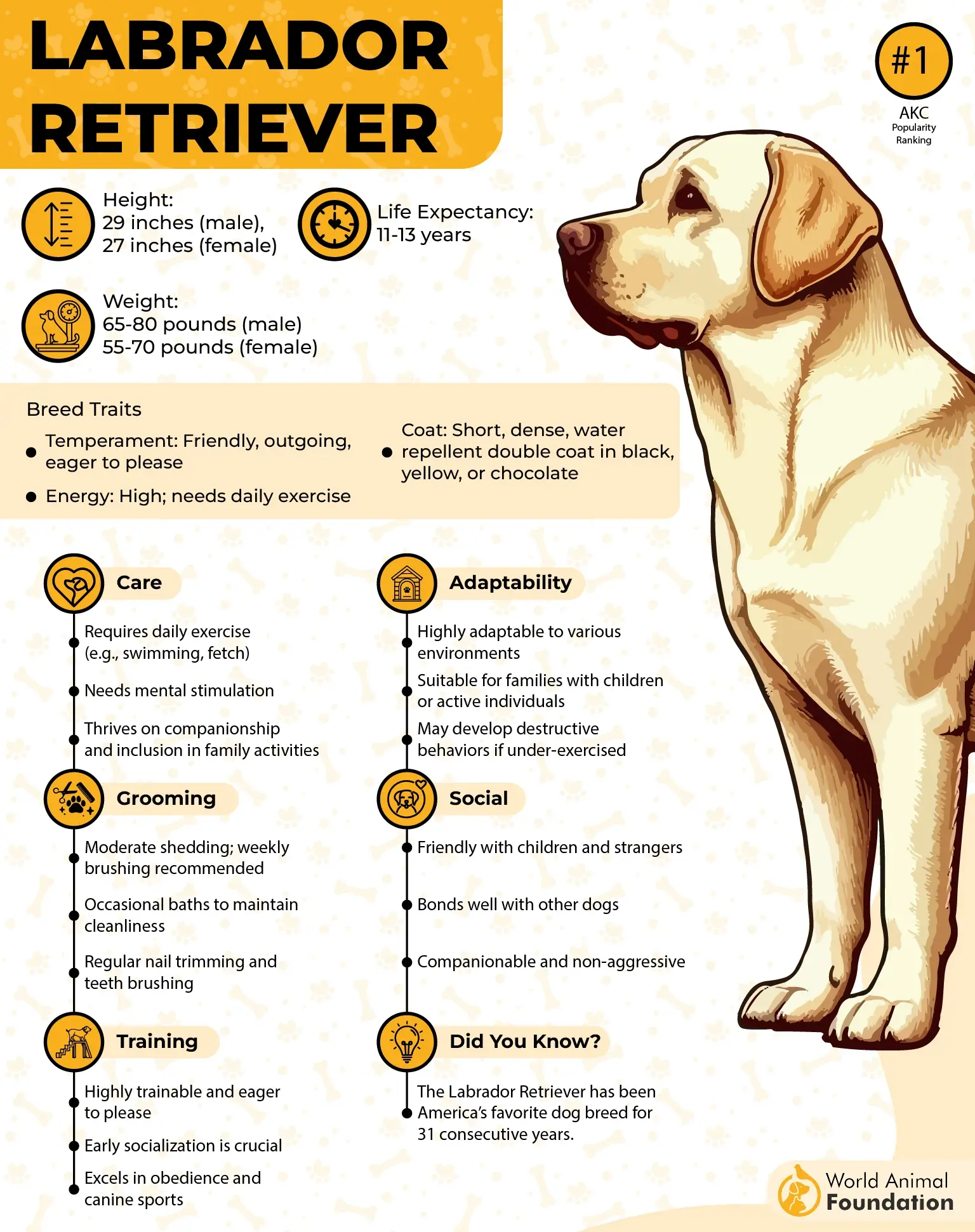
Fast Learner
This bird dog breed responds well to training because it enjoys learning and interacting closely with people. Early guidance often pays off, especially for a breed that combines intelligence with a strong desire to participate in daily activities and routines.
Conclusion
The most respected upland hunting dogs earn their reputation through performance rather than appearance. Long days in the field demand focus, stamina, and the ability to locate game in difficult conditions. These qualities reflect generations of dogs bred specifically for challenging hunting scenarios, setting them apart from many other dogs and even some popular dog breeds.
Some excel through methodical searching, while others rely on close cooperation and exceptional scent work. What connects them is a natural ability to handle the challenges upland hunting presents. Finding the right match is about more than skill alone. It is about building a dependable partnership and training bird dogs to reach their full potential.
