




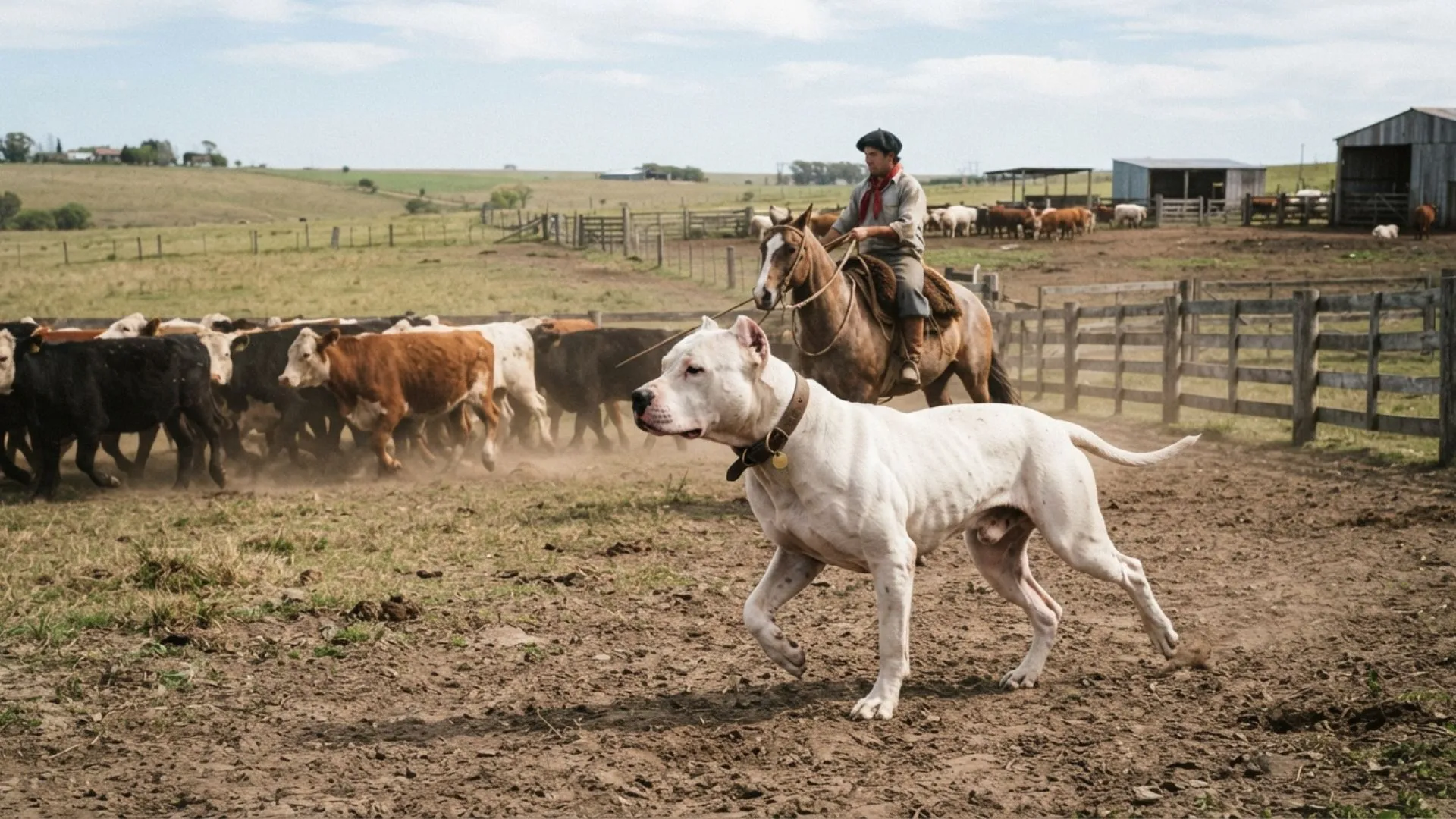
The first light of morning had barely reached the fields when the day’s work was already underway.
Gates needed checking, livestock waited to be moved, and every hour brought another task that could not be delayed. Through it all, one dependable dog worked beside its owner with quiet confidence, moving with purpose and responding without hesitation.
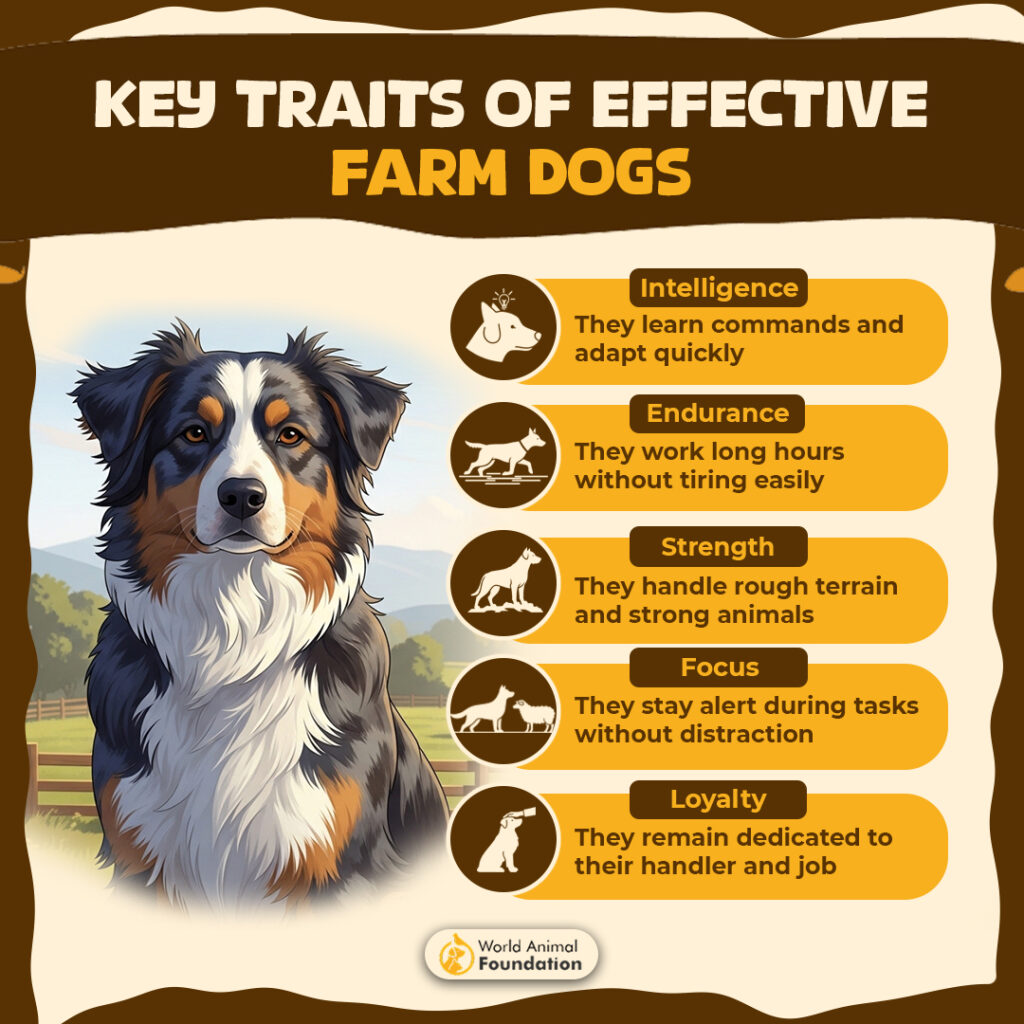
There was no need for constant commands because years of instinct and partnership had shaped every decision. That kind of reliability cannot be expected from every dog. Farm work asks for far more than energy or enthusiasm. It requires courage, endurance, intelligence, and a willingness to keep working long after others would stop.
Read on to discover the powerful dogs whose natural abilities continue to make them valuable partners wherever demanding farm work calls for strength and determination.
Key Takeaways
A powerful farm dog does much more than guard a gate. Some can track missing animals, move livestock, and protect acres of land without missing a beat.
One breed on this list even helped protect cheetahs in Africa, while another descends from the Australian dingo and was built to work for hours without slowing down.
From the fearless Cane Corso to the hardworking Belgian Malinois, every breed brings a different strength that has earned its place on farms around the world.
Keep reading because a few of these working dogs have surprising histories and abilities that most people never hear about.
Top Powerful Dog Breeds Built for Heavy-Duty Farm Work
1. Doberman Pinscher
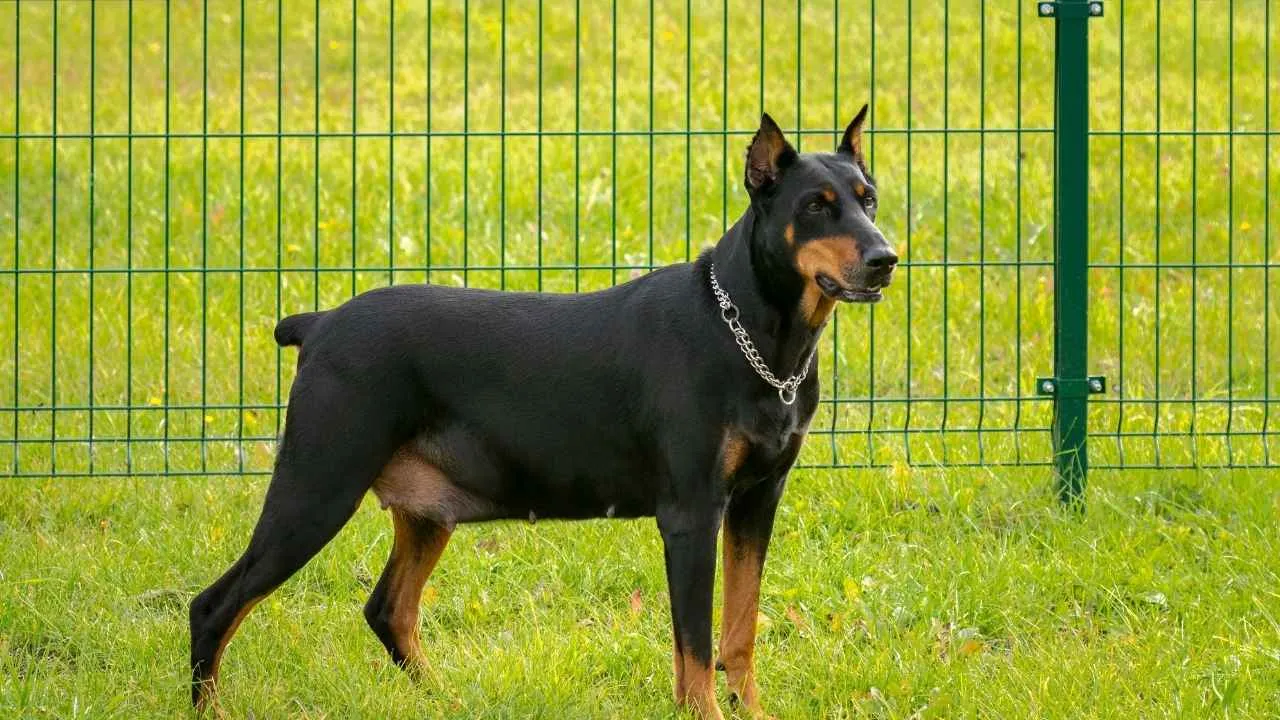
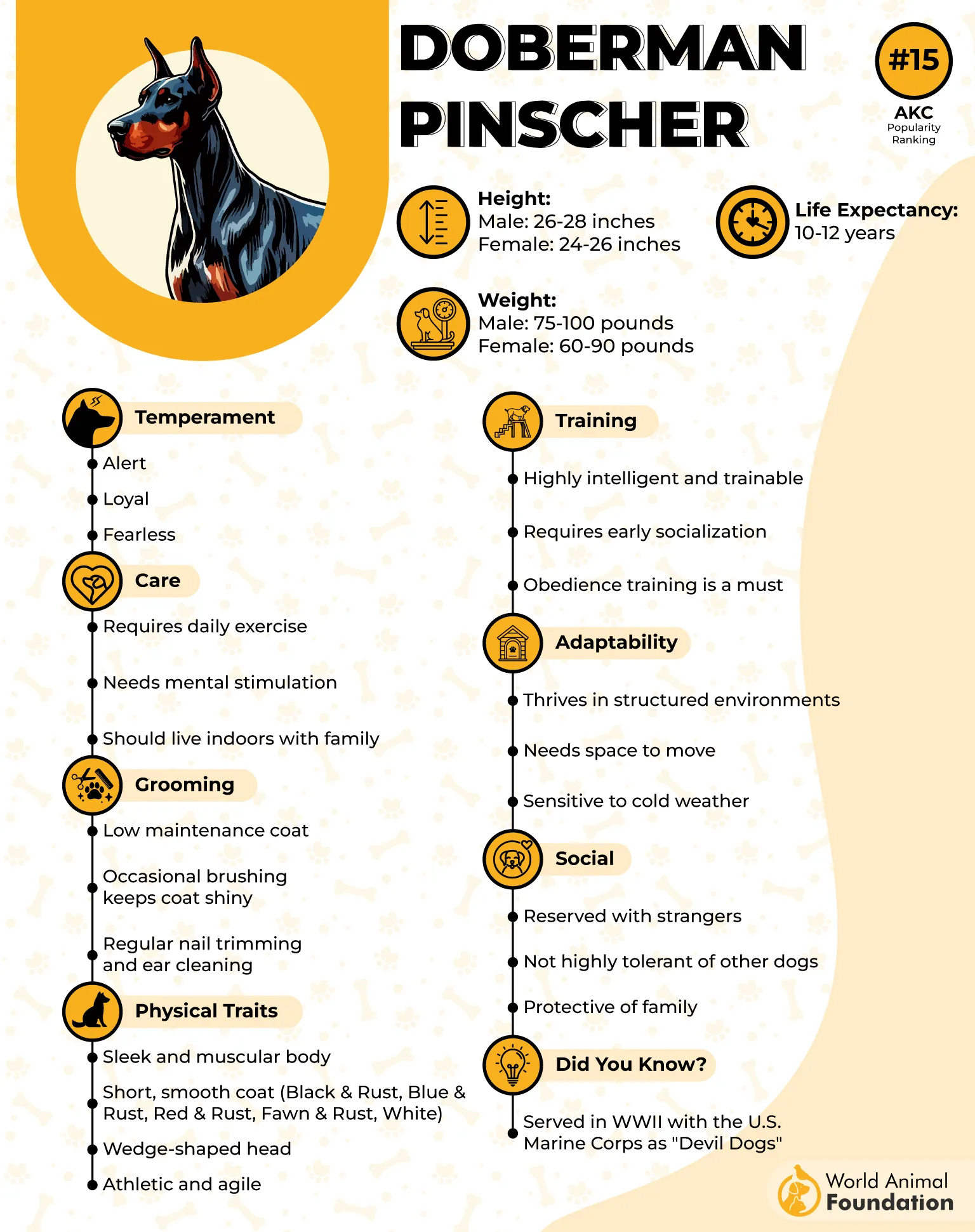
Doberman Pinscher first appeared in Germany during the late 1800s through the work of tax collector Louis Dobermann, who wanted an intelligent, dependable dog. Today, that sharp mind and alert nature continue to make this breed a trusted choice for demanding working roles.
Ready for Responsibility
They combine curiosity with high energy, making purposeful work an important part of their daily routine. On farms, early introductions to livestock and controlled leash work around animals help young dogs learn appropriate behavior from the beginning.
A few working details deserve extra attention:
Frequently selected for search and rescue
Excels in tracking and nose work
Obedience training suits its quick learning ability
Focus Needs Direction
According to WebMD, the Doberman Pinscher looks for something to do when daily routines lack structure, and that curiosity can quickly turn toward destructive habits. Consistent training from puppyhood also helps shape calm behavior around unfamiliar people while reinforcing dependable responses.
2. Belgian Malinois
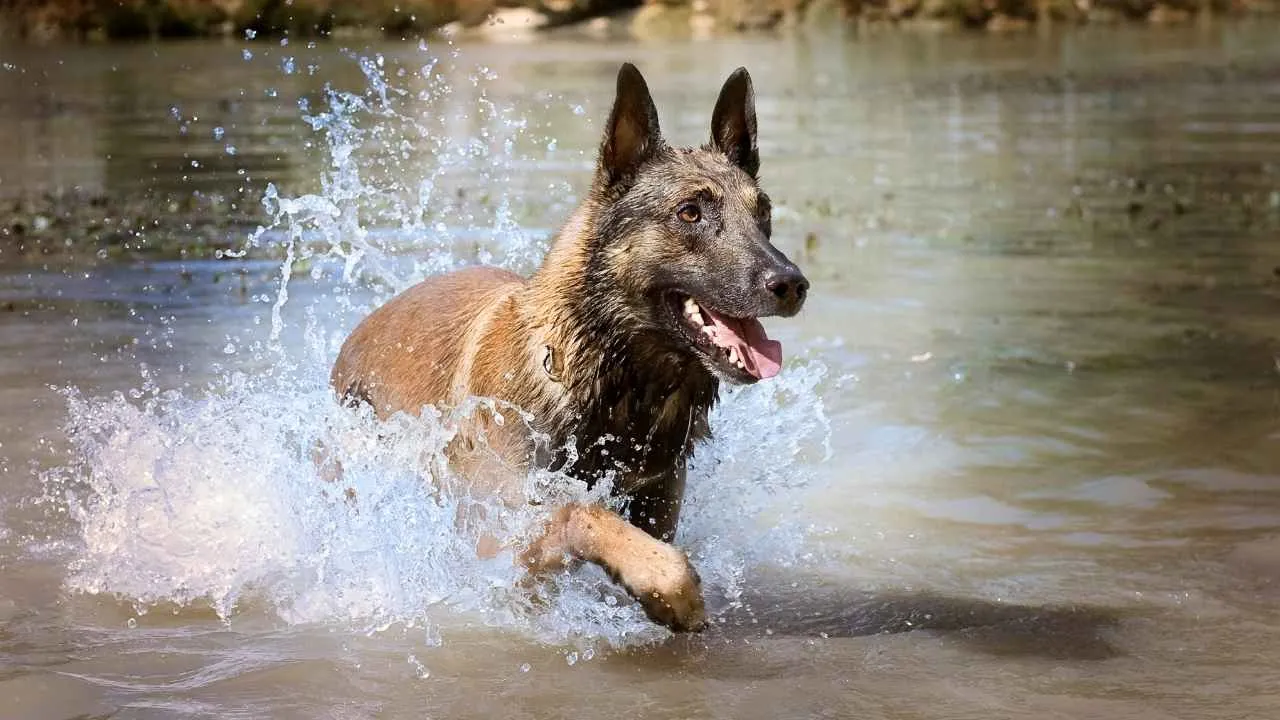
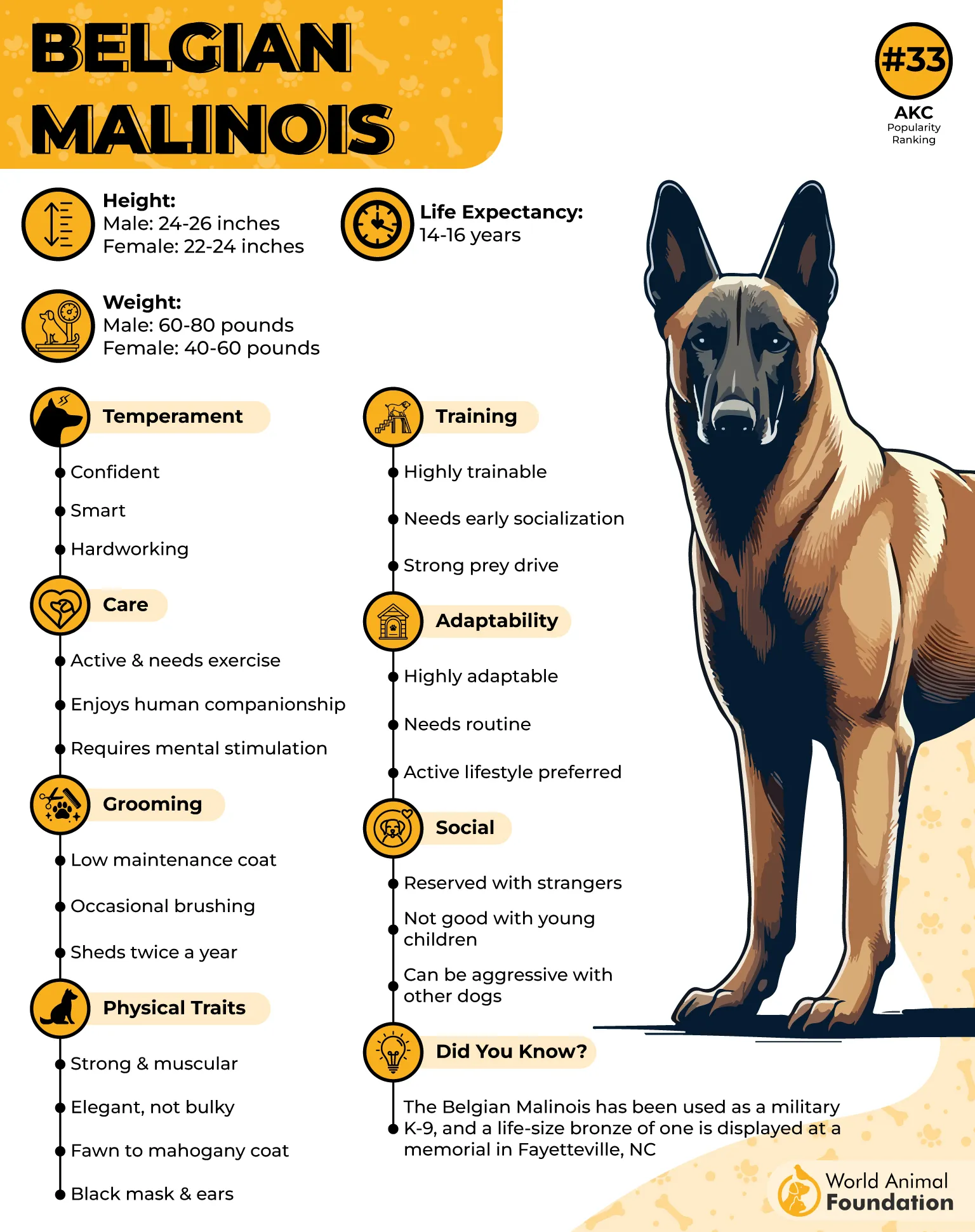
Belgian Malinois combines confidence, intelligence, and an exceptional work ethic, making it well-suited for demanding farm responsibilities. From managing livestock to protecting open property, this breed performs best when every day brings a clear purpose and meaningful work.
More Than a Herder
This farm dog breed first gained recognition as a herding dog near the Belgian city of Malines, but its willingness to learn soon opened the door to many other working roles. Purpose-driven activities help channel its focus into productive jobs instead of idle time.
A closer look reveals several practical abilities:
Watches property boundaries attentively
Tracks raccoons and opossums efficiently
Pulls small utility carts around farms
Driven to Work
Belgian Malinois requires intensive training that continues well beyond puppyhood, along with demanding physical activity each day, as written by PetMD.
Long runs, hiking, biking, tracking, agility, and obedience work provide productive outlets for the determination and energy described in the breed’s working profile.
3. Anatolian Shepherd Dog
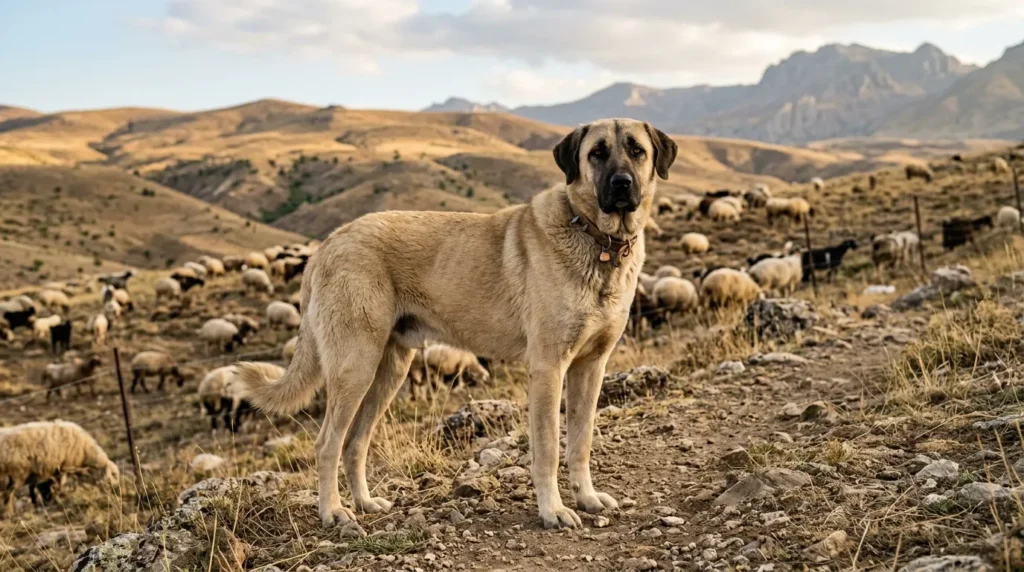
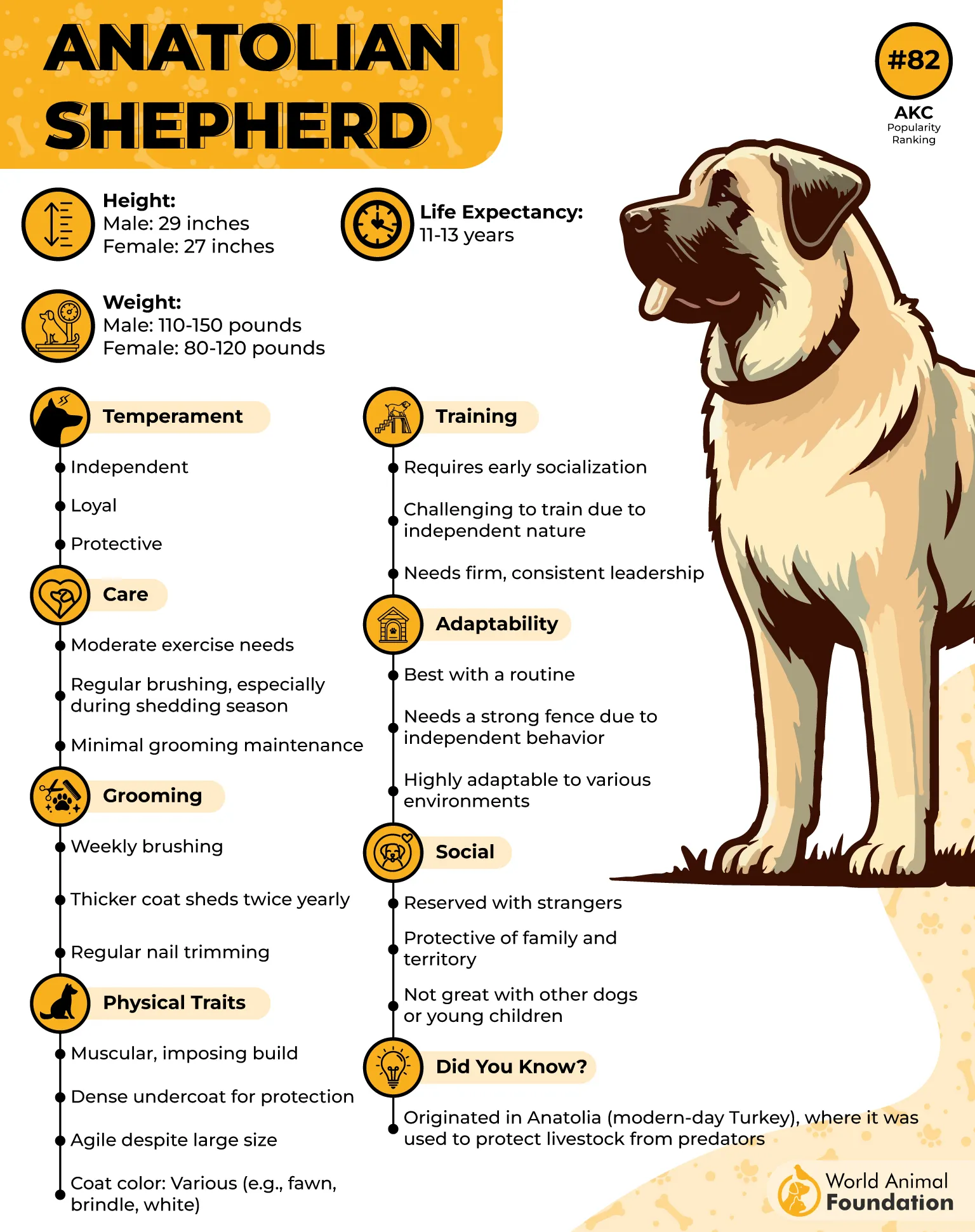
Anatolian Shepherd Dog originated from one of the oldest known domestic canine bloodlines and spent generations guarding livestock across Turkey. Its natural judgment allows this breed to identify potential danger and respond without waiting for direction from a handler.
Watching the Herd
This livestock guardian lives alongside sheep, goats, cattle, and poultry as part of the flock, creating constant familiarity with the animals under its protection. A visible presence, deep warning barks, and scent-marking often discourage predators before a confrontation becomes necessary.
Several working qualities deserve a closer look:
Helped protect cheetahs in Namibia
Reached the United States in the 1950s
Capable of confronting wolves and coyotes
Calm Until Needed
Anatolian Shepherd Dog spends much of the day with a composed temperament, yet reacts quickly when it senses danger around its family or livestock.
Its independent decision-making can make training more demanding, making experienced guidance and early socialization especially valuable.
4. Cane Corso
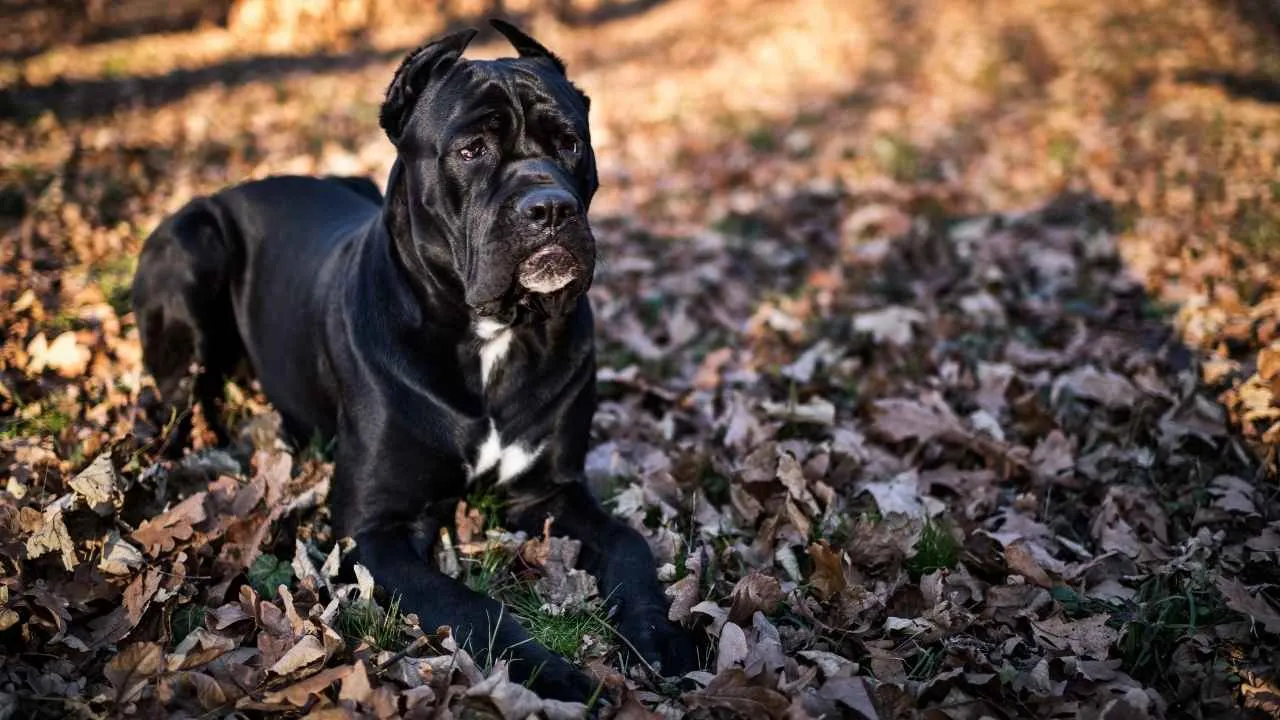
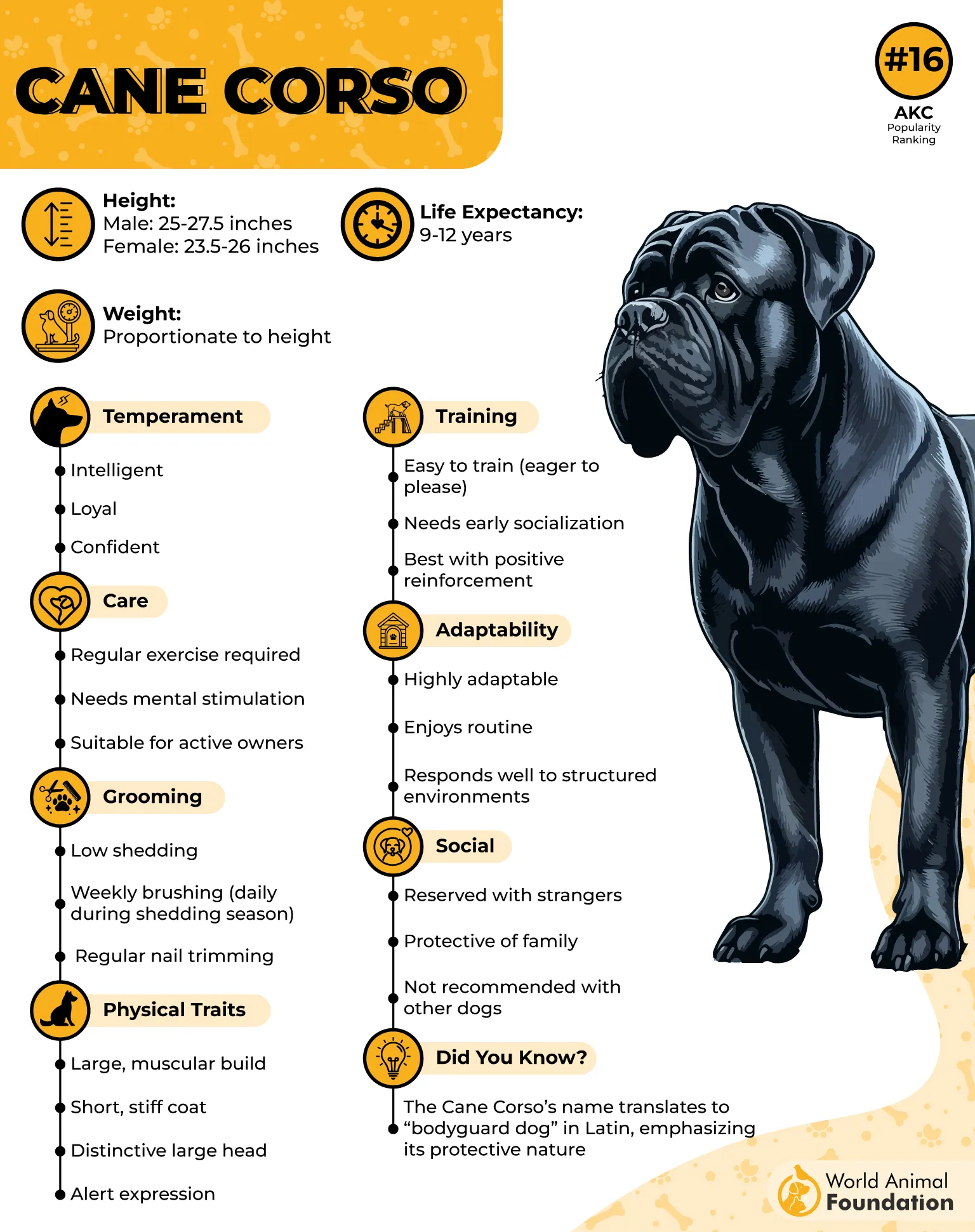
Cane Corso began in Italy as a dependable working dog trusted with guarding property, managing livestock, assisting during hunts, and even serving alongside soldiers. That broad range of responsibilities explains why this breed became such a capable partner on demanding farms.
Ready for Responsibility
Confidence, intelligence, and a willingness to learn allowed Cane Corso to handle different jobs instead of focusing on a single task, as noted by Britannica. The Latin meaning of its name, “guard dog of the courtyard,” reflects the role it performed around homes and farmland.
These traits make its working role even clearer:
Introduced to the United States during the 1980s
They need supervised interaction with kids
Early socialization should begin from puppyhood
Calm but Watchful
Cane Corso pays close attention to everything happening nearby and often responds with quiet confidence instead of unnecessary barking. Positive reinforcement from an early age helps this strong-minded breed accept unfamiliar people, animals, and everyday situations more comfortably.
5. Dogo Argentino
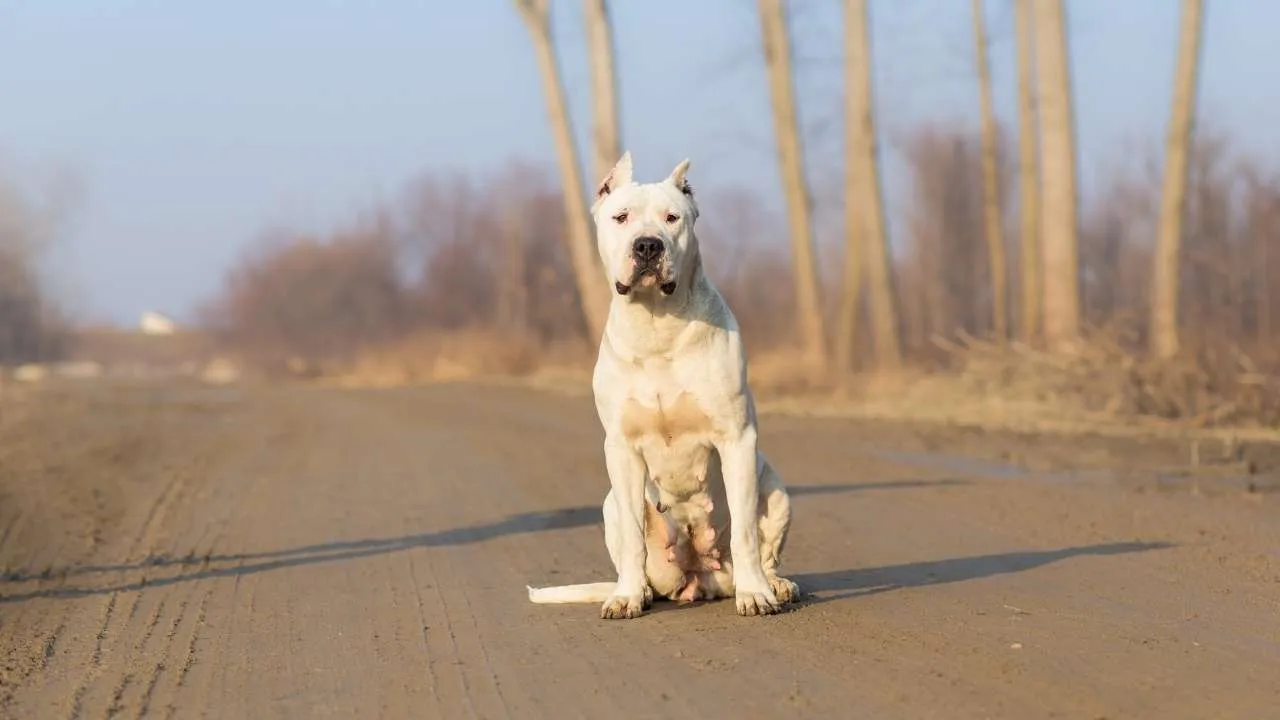
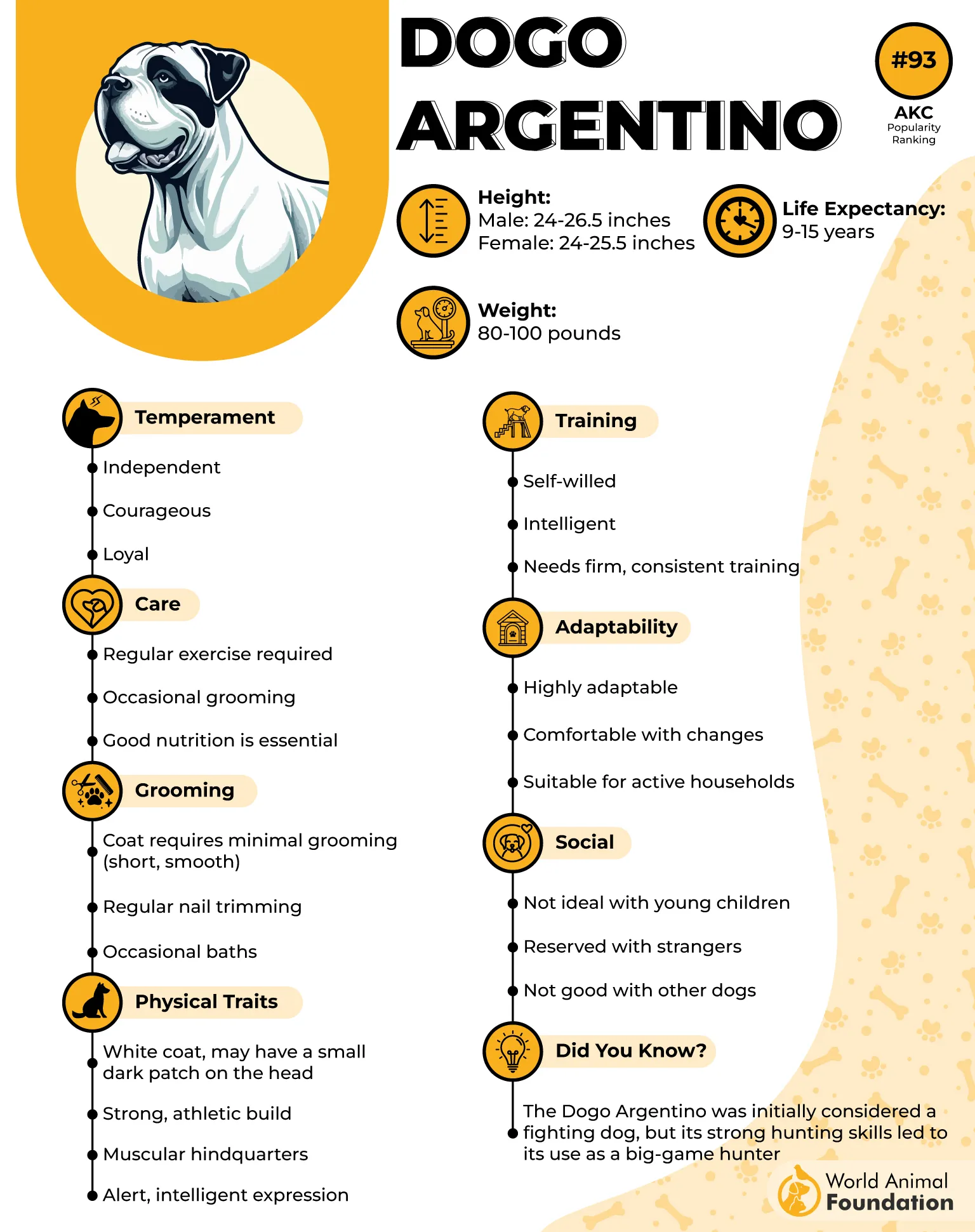
Dogo Argentino was bred to confront dangerous game, giving it the courage and determination needed for demanding farm work. That same confidence makes this breed well-suited for controlling wild boars, feral hogs, coyotes, and other destructive animals that threaten livestock and property.
Built for Big Ground
Long hours across open acreage suit this athletic breed, especially in warmer climates where endurance becomes just as valuable as strength. Its physical ability allows it to cover large properties while remaining ready for challenging outdoor work throughout the day.
Here’s another reason to admire it:
Quiet with infrequent barking
Comfortable in warm climates
Good with respectful older children
Alert Around Distractions
Dogo Argentino may greet unfamiliar people with caution before becoming more relaxed through proper socialization and introductions. Its strong prey drive also makes secure fencing or a leash important, as squirrels, rabbits, and similar animals can quickly capture its attention.
6. Australian Cattle Dog
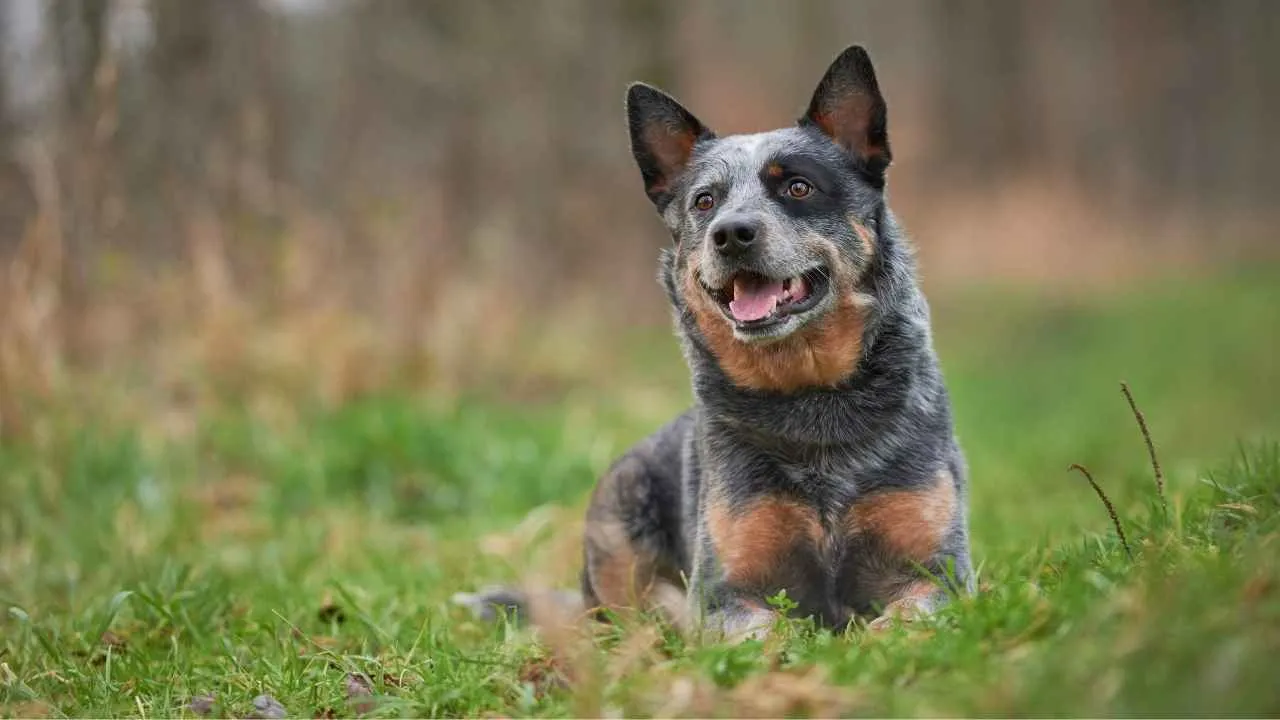
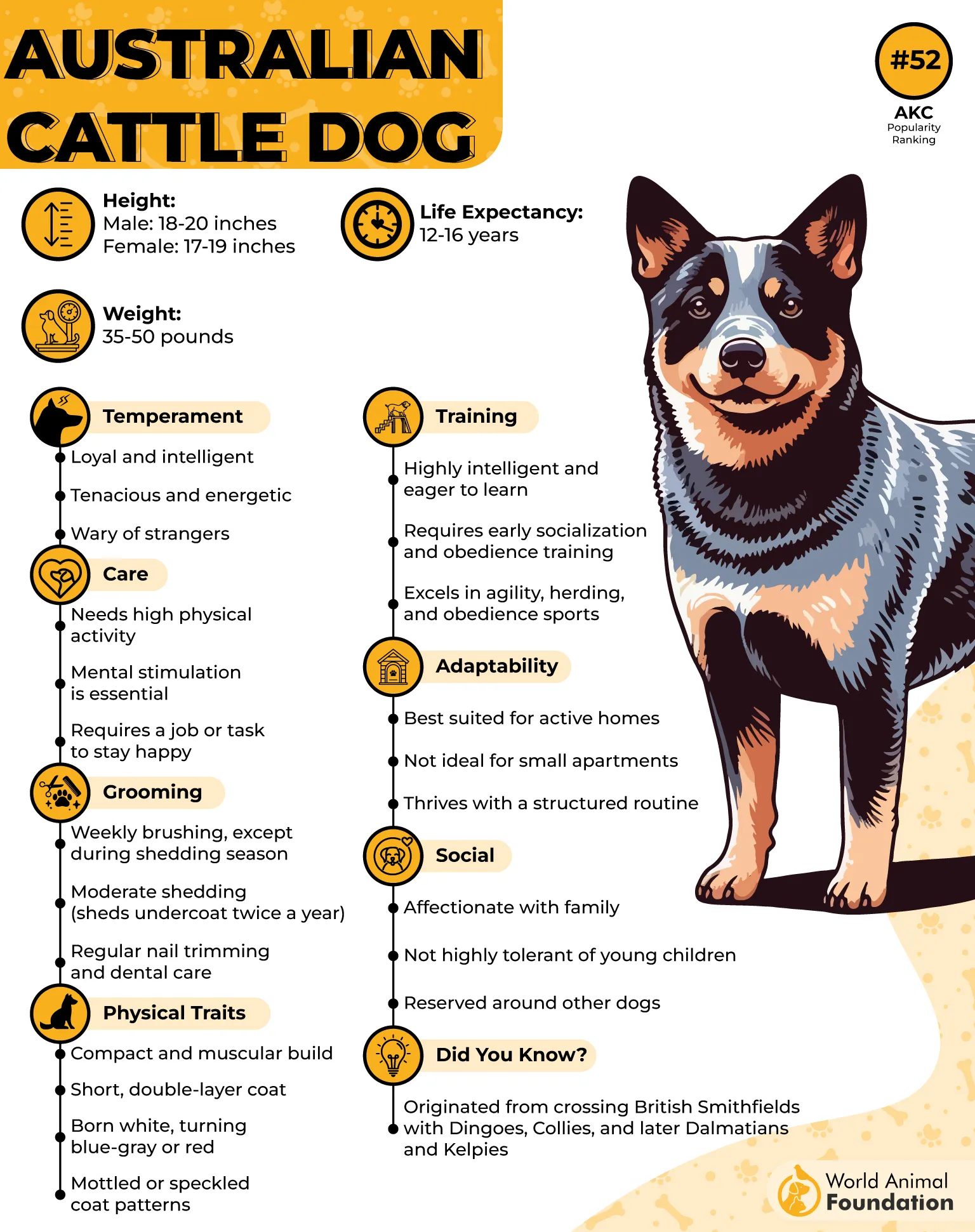
Australian Cattle Dog descends from the dingo and was bred for one demanding purpose: controlling livestock across long distances with speed and determination. Its muscular frame, sharp mind, and remarkable stamina explain why this breed became such a dependable working partner on busy farms.
Built for the Job
They keep going long after many breeds begin to tire, making physically demanding work part of their natural routine. Extended runs, agility work, frisbee, and fetch provide the kind of purposeful activity this energetic breed was bred to enjoy.
A few working characteristics deserve a closer look:
Blue Heeler and Red Heeler varieties
Nips at livestock’s heels while herding
Stocky body built for endurance
Focused and Protective
This herding breed often forms an especially close attachment to one person and can become uneasy when separated for long periods. Curiosity around unfamiliar people is usually paired with a protective nature, particularly when home or family feels threatened.
7. Catahoula Leopard Dog
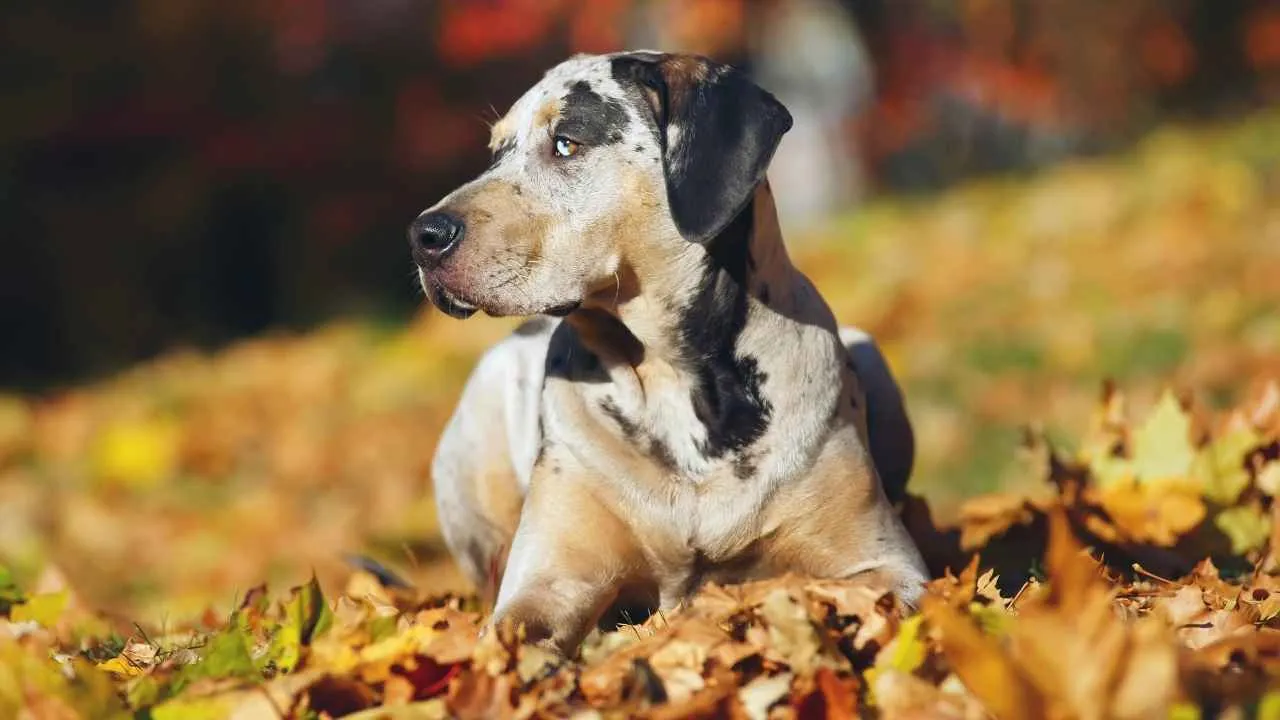
Catahoula Leopard Dog takes its name from a Choctaw word meaning “sacred lake” and first took shape near Louisiana’s Catahoula Lake. Its earliest work involved tracking and driving hogs and cattle through dense swamps and forests, where determination mattered every day.
Made for Demanding Jobs
This breed approaches livestock with confidence, using more than speed alone to control difficult animals across challenging ground. Plenty of daily activity remains essential because simple walks do not fully satisfy its working instincts.
Another side of its working style deserves attention:
Creates a “canine fence” around livestock
Bays and pins of feral hogs
Uses agility sports as a productive outlet
Around the Farm
Catahoula Leopard Dog can share a home with other dogs or cats when raised alongside them from an early age. Older children generally fit this energetic breed better, as its enthusiastic nature can accidentally knock over smaller kids during play.
Conclusion
Real farm work asks far more from a dog than strength alone. The perfect farm dog relies on confidence, endurance, sound judgment, and strong protective instincts to handle long days, changing weather, demanding livestock, and constant responsibility. Those qualities continue to separate dependable partners from ordinary companions.
Every farm has different challenges, so the right choice depends on the tasks that need to be done and the environment the dog will face. Compared with other herding breeds, the best working partners become exceptionally loyal dogs through thoughtful training, early socialization, and meaningful daily work, making their dedication just as valuable as their remarkable abilities.
