




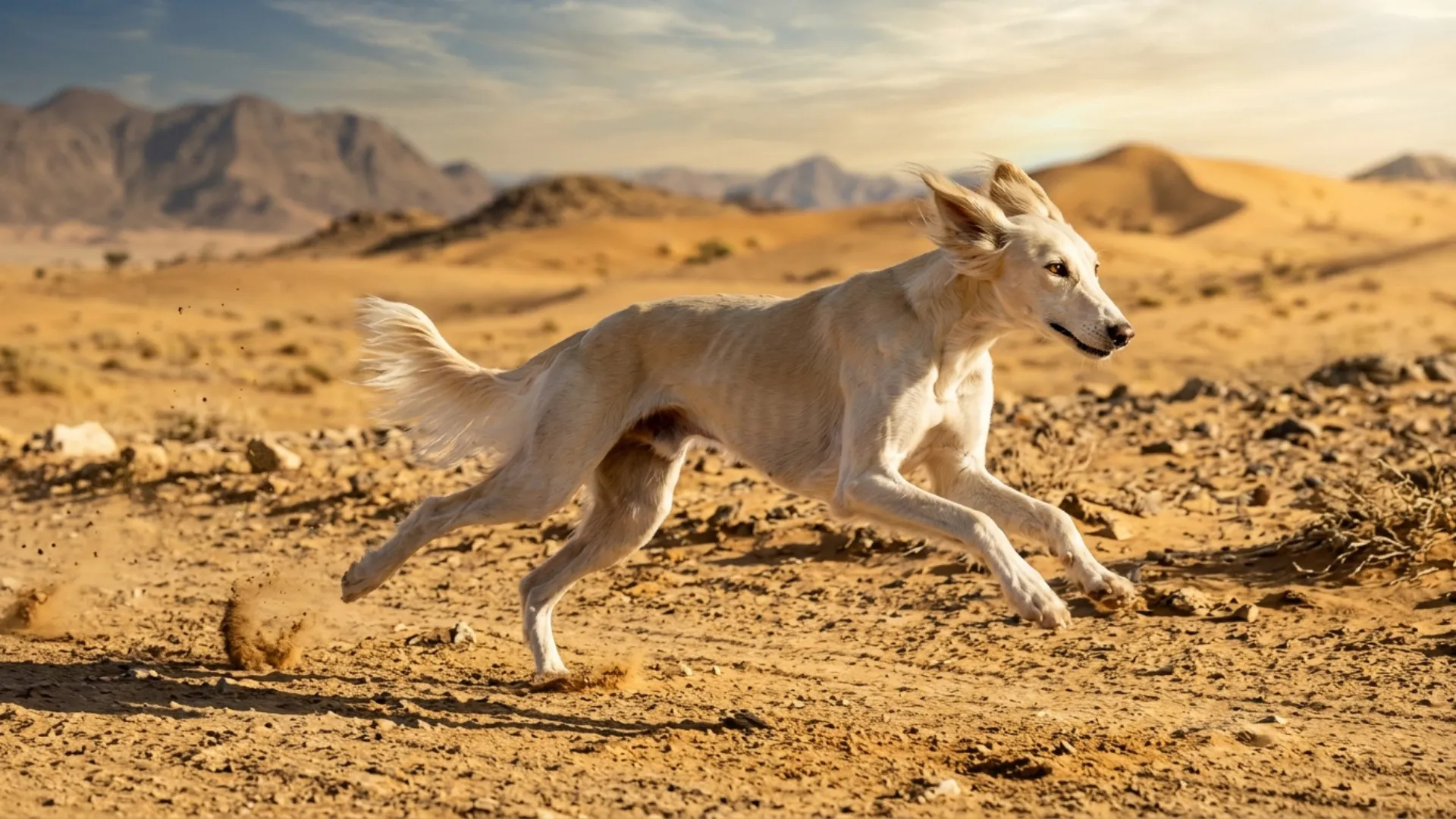
Some dogs are simply born with strong movement instincts, sharp attention, and quick reaction times. Those traits usually trace back to generations of working roles, where chasing, herding, or tracking were just part of daily life. This instinct is commonly known as prey drive, and it plays a big role in shaping how these dogs respond to the world around them.
For pet owners, understanding this instinct goes a long way toward creating a more peaceful home and a stronger bond with your dog. With patience, structure, and care, these dogs grow into loyal, clever, and deeply connected family members who are just as happy during quiet moments as they are during lively play.
They tend to do best when both their mind and body stay busy through regular exercise, training, and interactive play, working hand in hand. With the right guidance, their natural instincts turn into one of their biggest strengths, helping them become more confident, steady, and rewarding companions for years to come.
Fun Fact: Many high prey drive dogs were originally bred for hunting, herding, or long-distance working roles. So it’s no surprise that movement catches their attention instantly and triggers a quick reaction. With the right training, that natural energy can be redirected into agility sports and structured games instead.
Dog Breeds Ready to Pursue – High Prey Drive
1. Greyhound
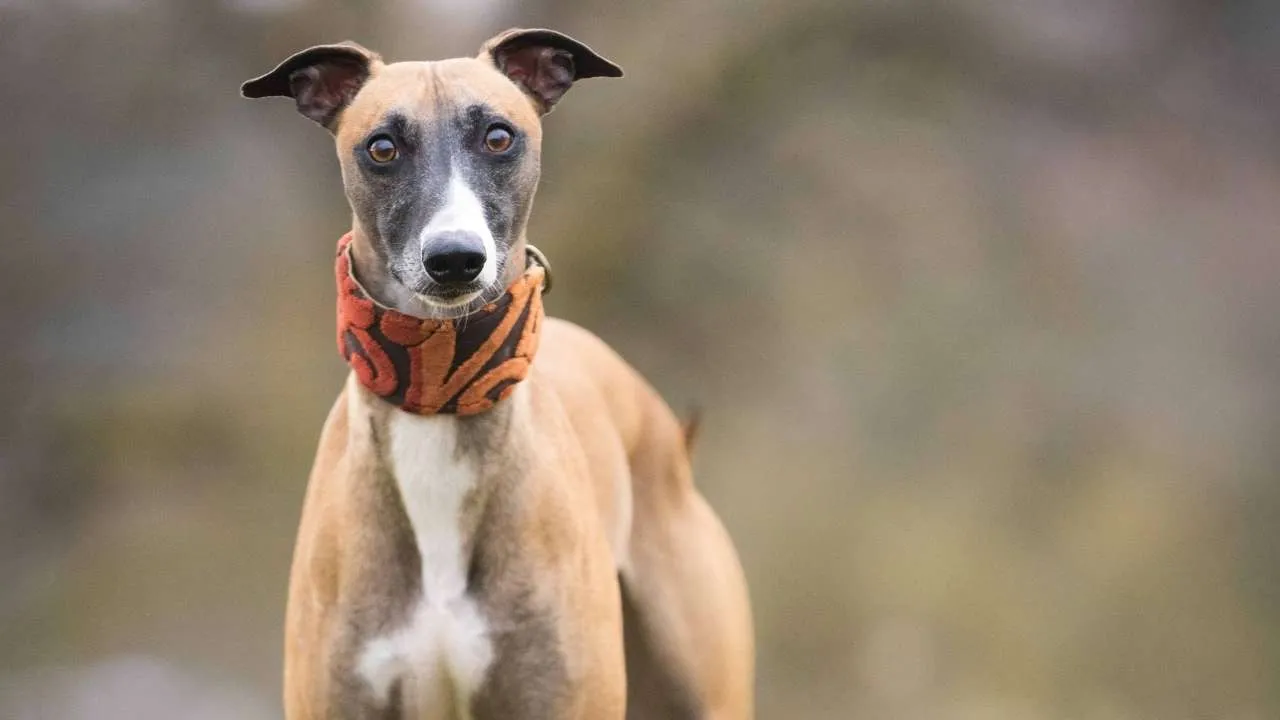
Greyhounds have a lean, athletic build made for speed and quick acceleration. Sudden motion tends to grab their attention fast, a leftover instinct from generations of racing. Indoors, though, they’re typically calm and easygoing.
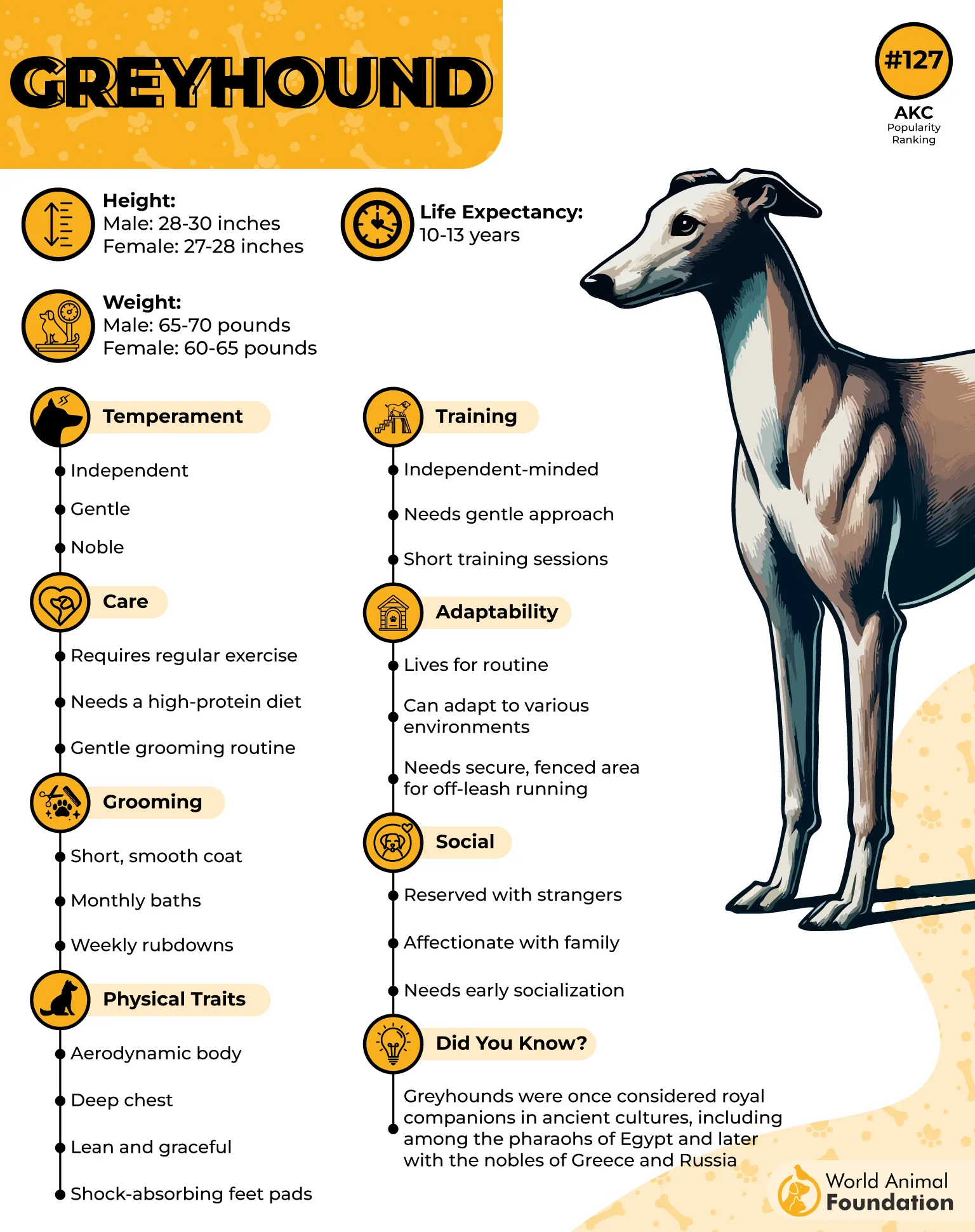
They usually prefer soft resting spots and quiet surroundings, especially after a short burst of outdoor activity. That calm energy at home helps keep things peaceful, particularly when their daily routine stays consistent.
According to Purina, Greyhounds are gentle and relaxed indoors but show strong speed-driven instincts once they’re outside. Short, controlled runs are a healthy way to help them burn off energy. Outdoor time should always be supervised, since sudden chasing behavior can pop up quickly near fast-moving objects.
2. Saluki
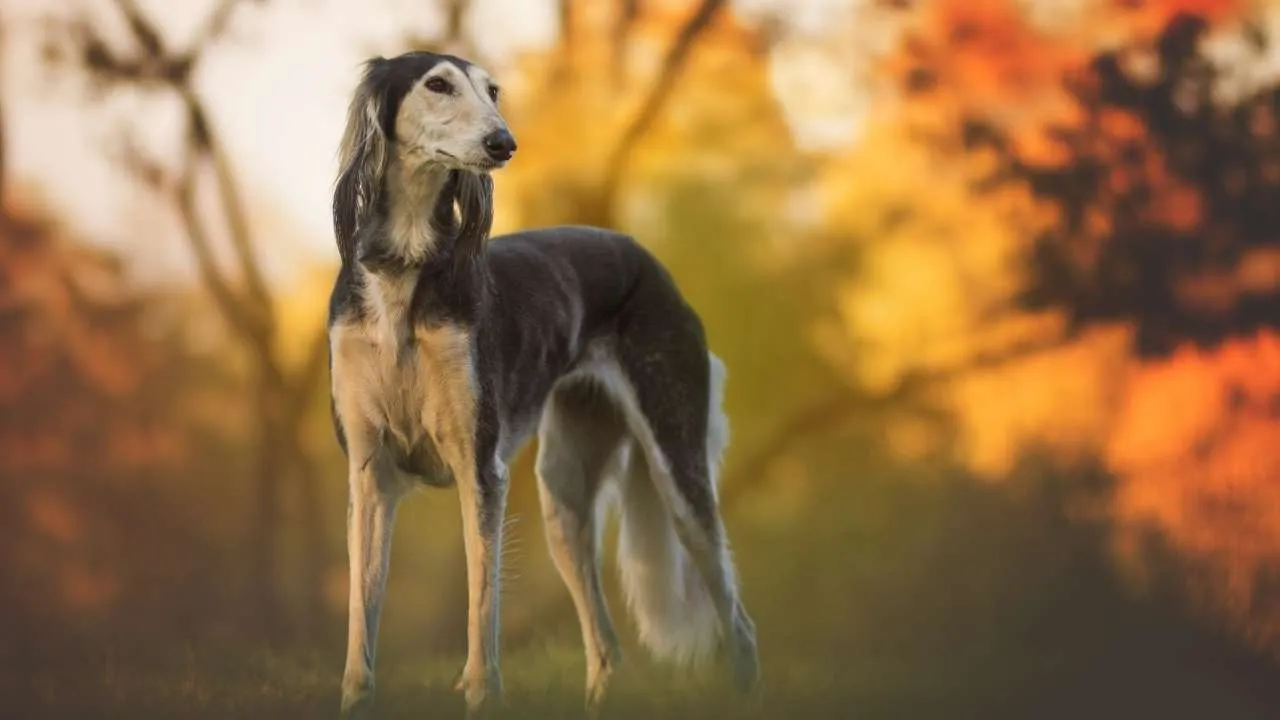
Salukis have an elegant build made for long-distance running across open terrain. Their personality tends to be quiet and independent, so in unfamiliar surroundings they can come across as a bit reserved, though they stay genuinely loyal to the people and places they already know well.
Calm, peaceful settings suit this breed best. Constant noise or everyday chaos can throw off their comfort level pretty easily. The emotional bond with a Saluki forms slowly, but once trust is established, it tends to stick.
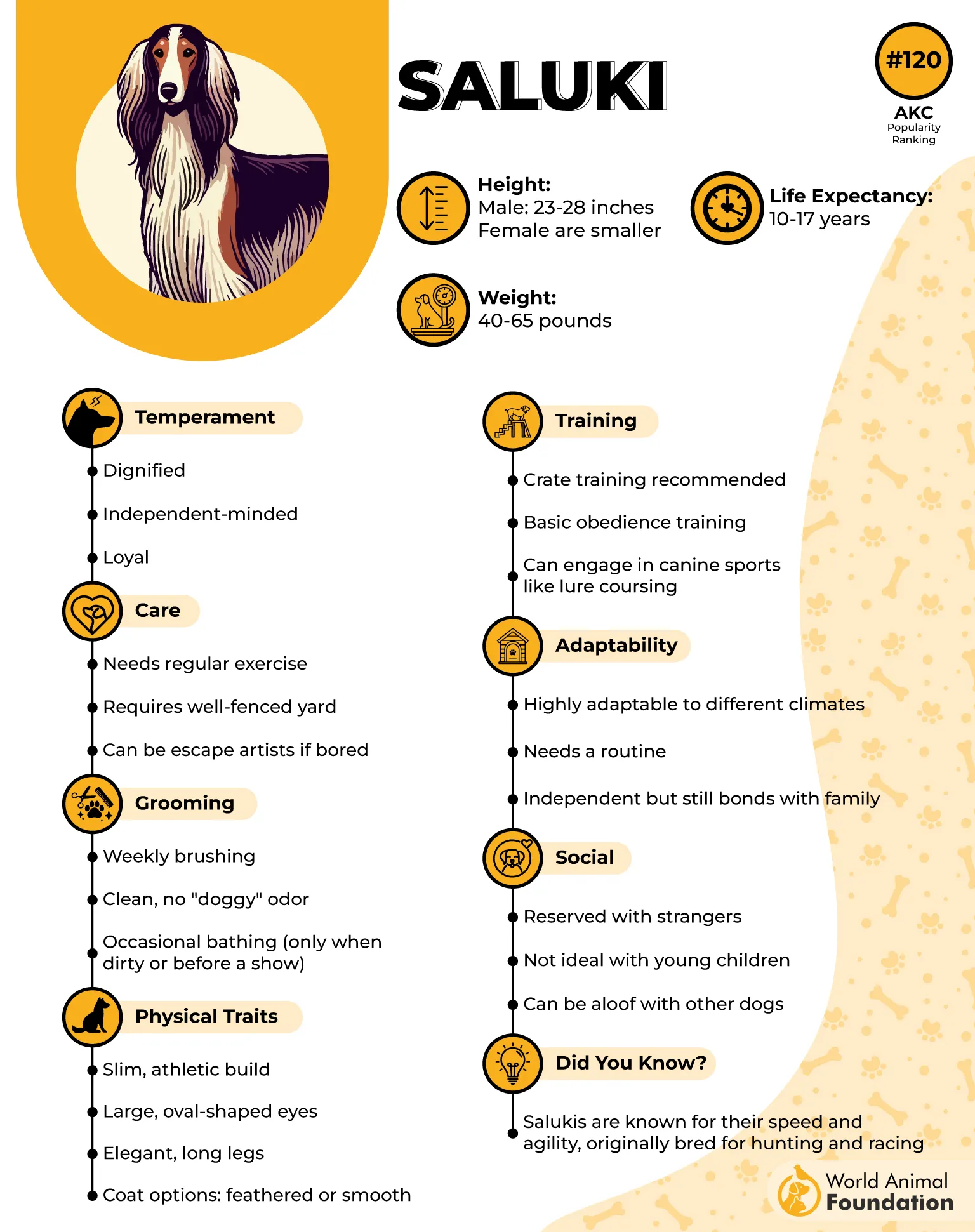
As described by Britannica, the Saluki is among the oldest running breeds, known for both speed and endurance. Long walks and controlled exercise help maintain emotional steadiness, not just physical stamina.
Training works best with calm, steady communication rather than pressure or force. Introducing them to different surroundings early on helps them learn adaptability in a more natural way.
3. Jack Russell Terrier
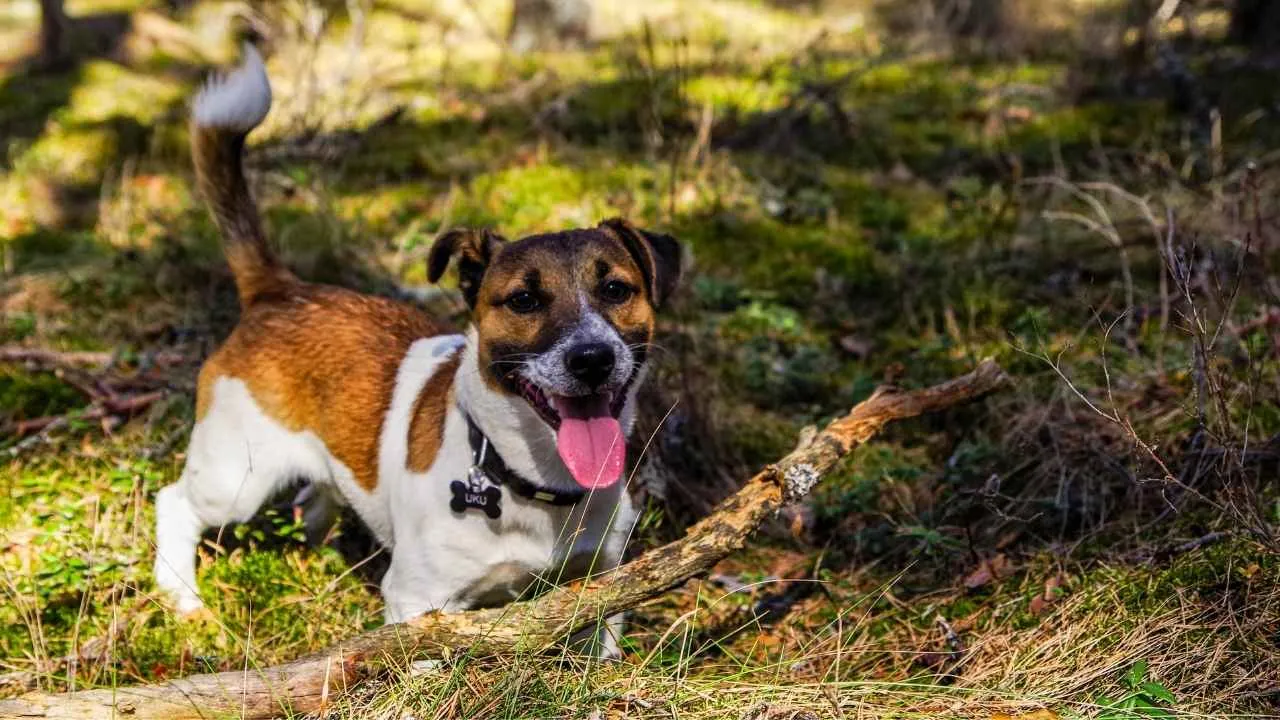
The Jack Russell Terrier may be small in size, but it brings intense energy and a serious curiosity streak. Fast reactions and constant alertness pretty much sum up its everyday behavior, especially in active surroundings where things happen fast.
If that energy isn’t given a proper outlet, boredom tends to show up quickly. This breed usually loves tasks involving movement, digging, and playful challenges that keep the mind engaged.
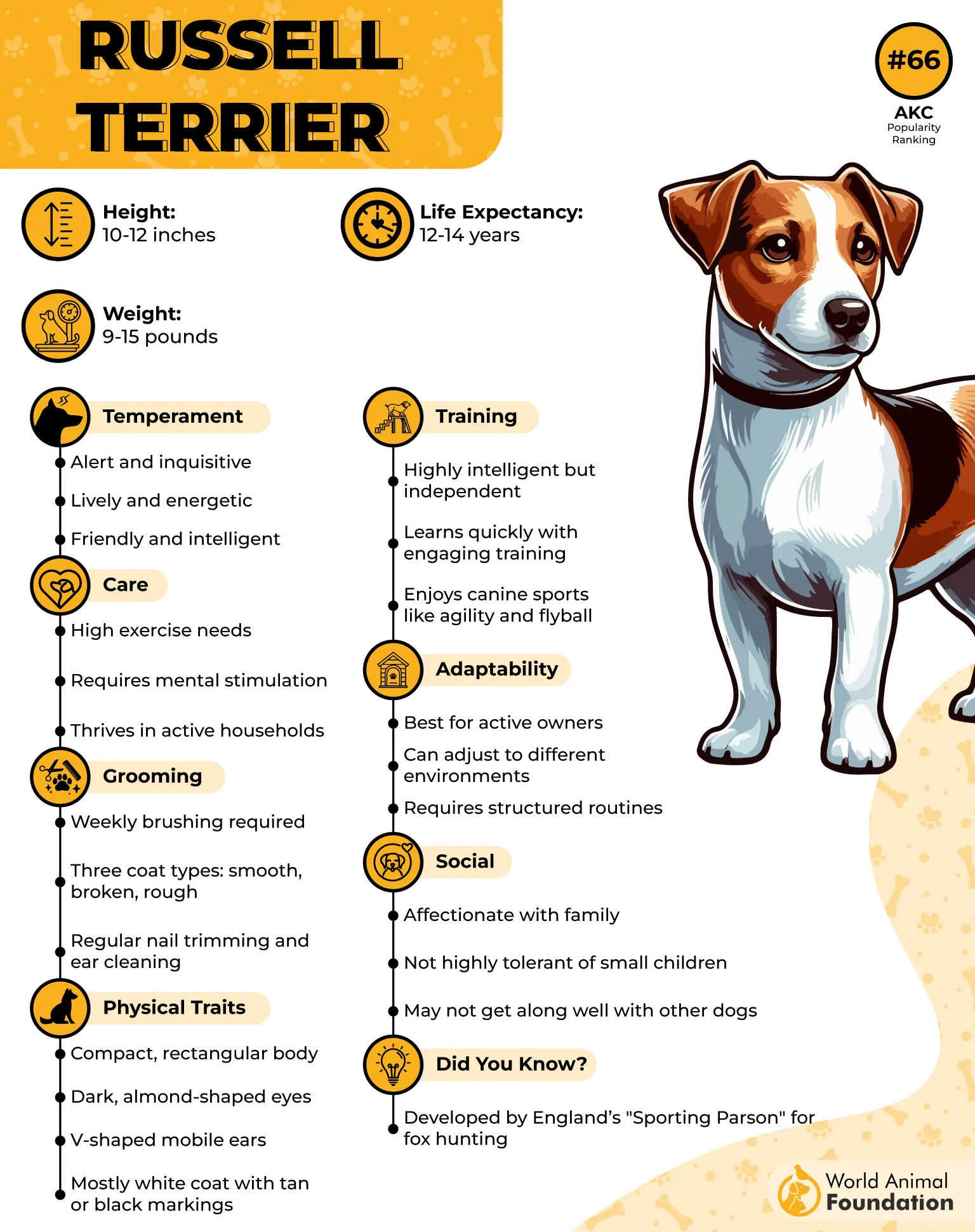
As noted by Hill’s Pet, the Jack Russell Terrier has strong hunting instincts and really benefits from consistent training starting from an early age.
Structured play helps manage their energy far more effectively than short bursts of activity alone. Whenever small animals are around, supervision is a good idea, since chasing behavior can kick in naturally. Clear rules also help shape how they respond and support better overall discipline.
4. Airedale Terrier
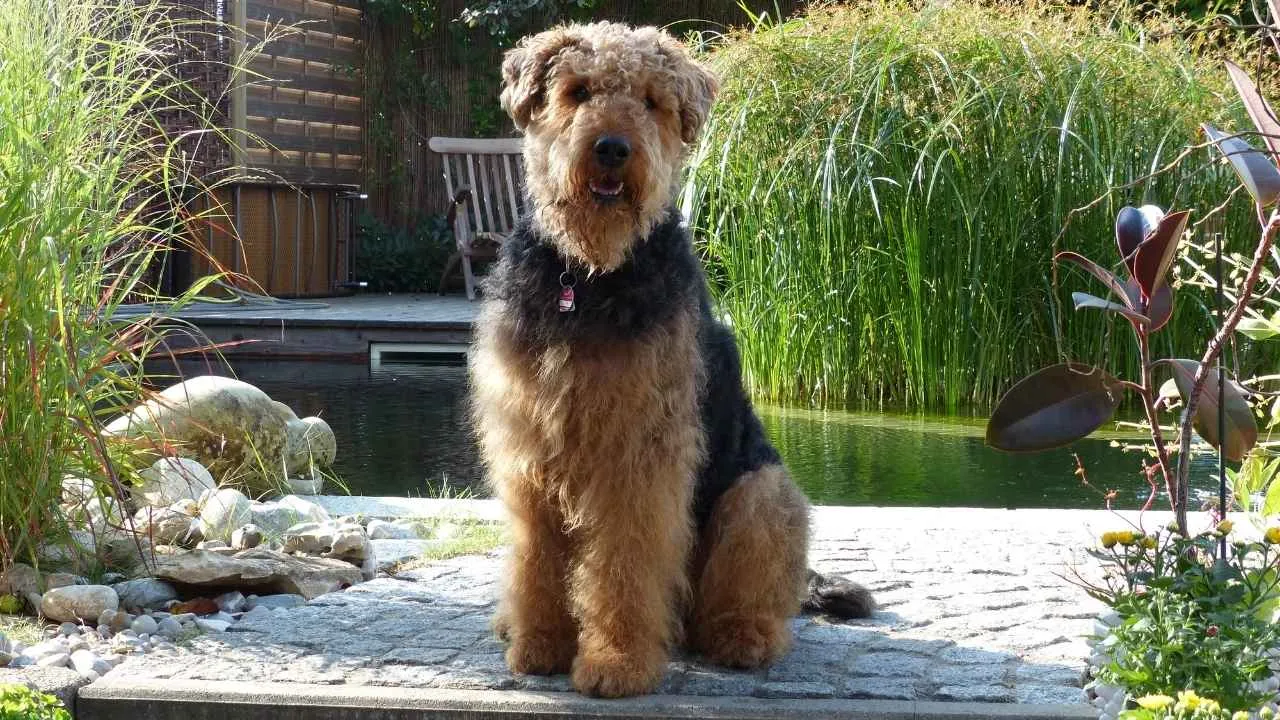
The Airedale Terrier is confident, bright, and always seems to be on the lookout, tuned into whatever’s happening around it. That natural curiosity keeps them wanting to explore and stay involved with their surroundings throughout the day.
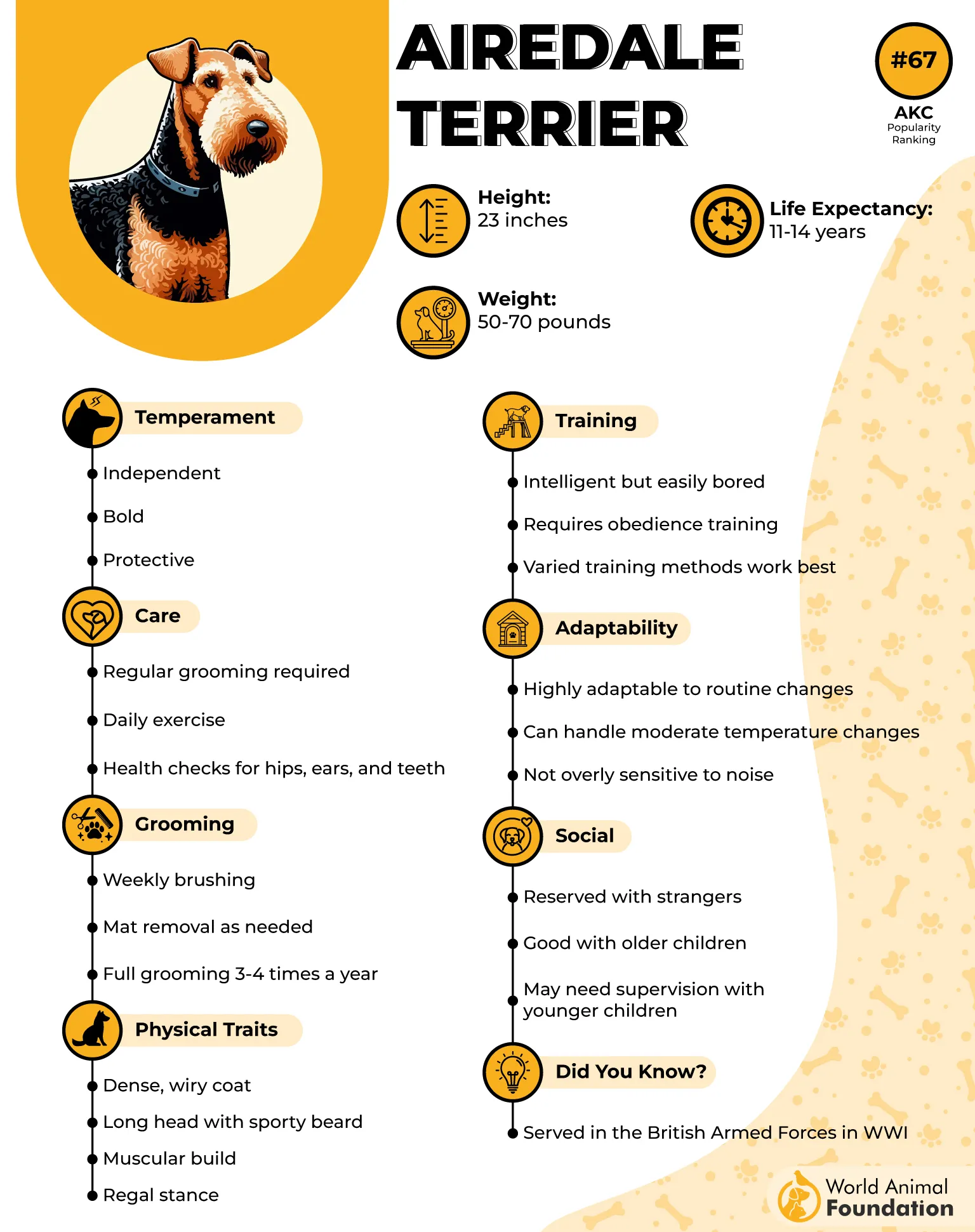
Without enough mental stimulation or physical activity, restlessness can start creeping in. When activity levels are well balanced, it helps keep both mood and body steady. According to PetMD, Airedale Terriers respond well to structured training paired with consistent guidance.
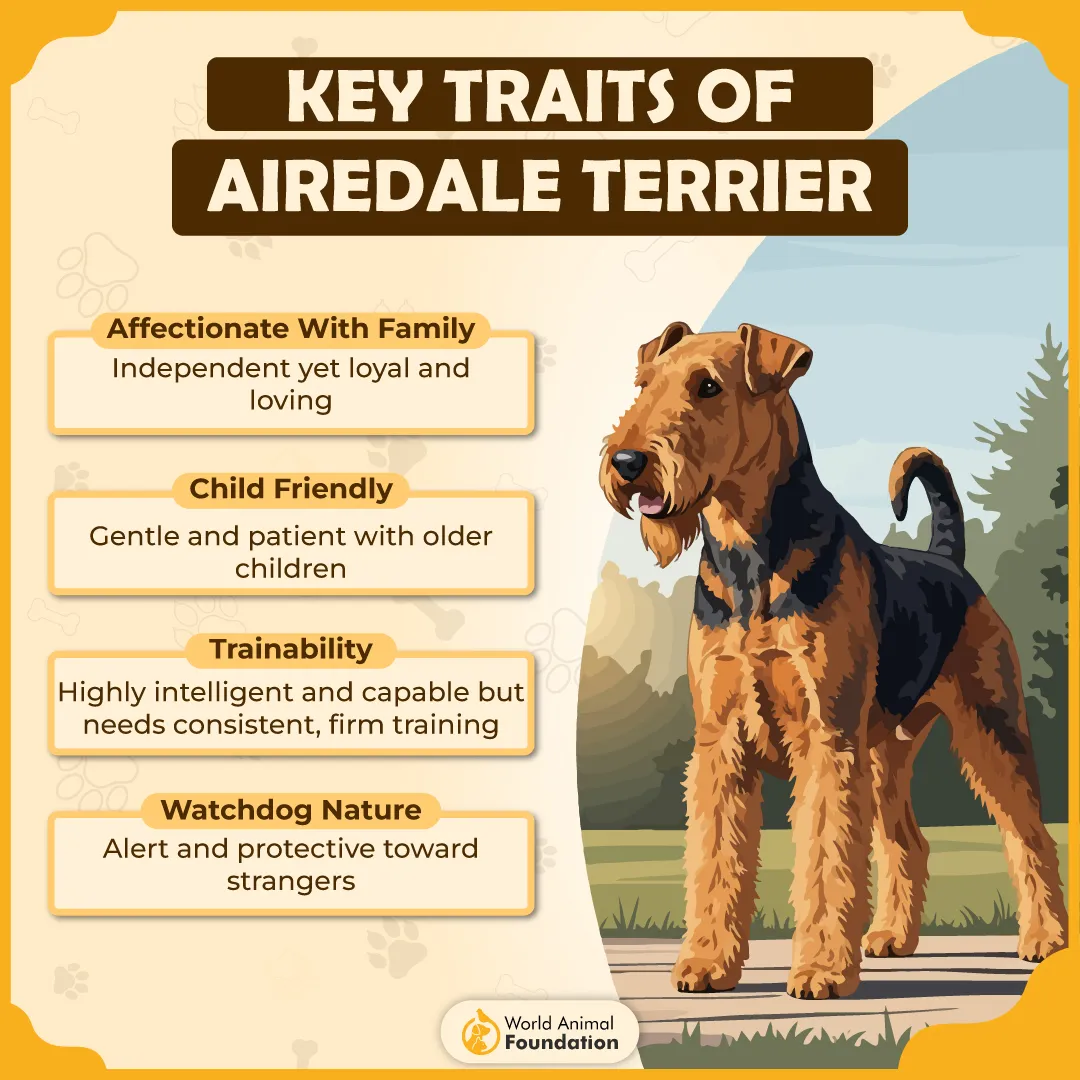
Regular grooming and day-to-day care support their overall wellbeing more than most people realize. Clear, calm communication tends to improve how they learn and how their behavior develops over time. Starting training early also helps build a more stable personality down the road.
5. Border Collie
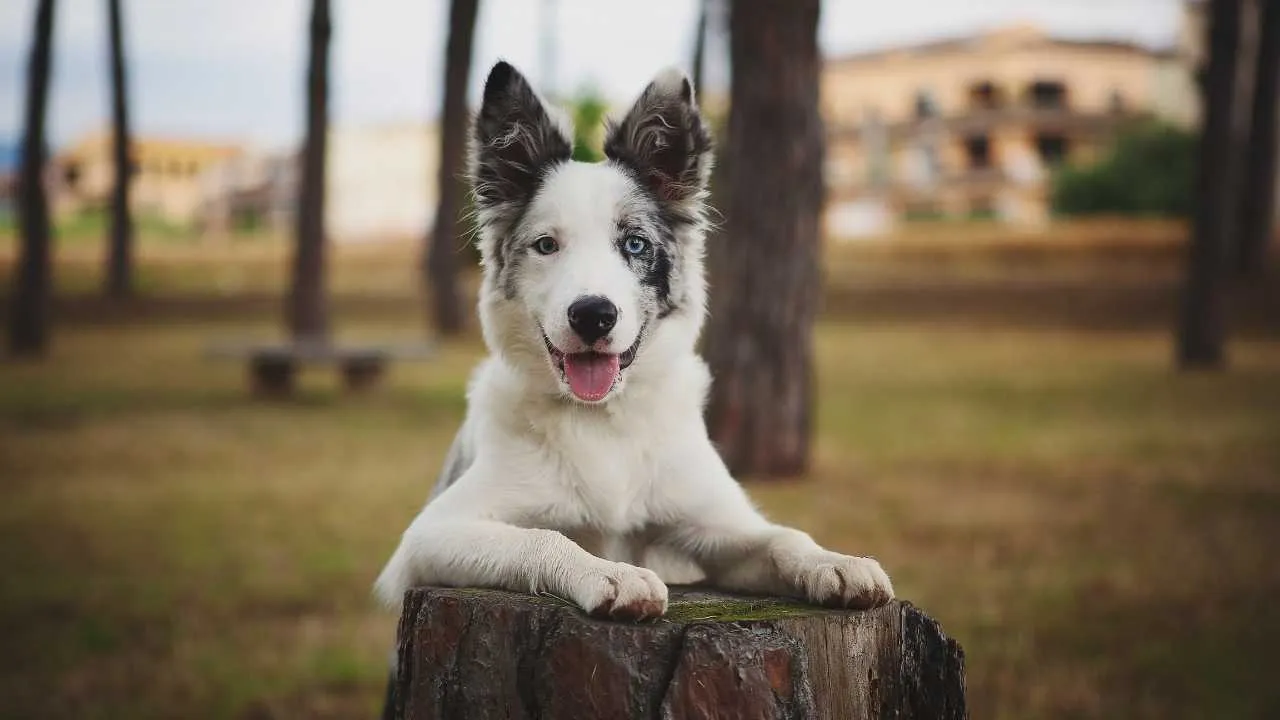
The Border Collie is famous for its sharp intelligence and quick learning ability. With strong focus and a working background, herding instincts come naturally to them, and you’ll often notice them showing up in everyday habits.
Mental stimulation really matters here, because if the routine feels too slow or repetitive, restlessness tends to follow. Keeping them actively engaged helps their behavior stay steadier and more balanced overall.
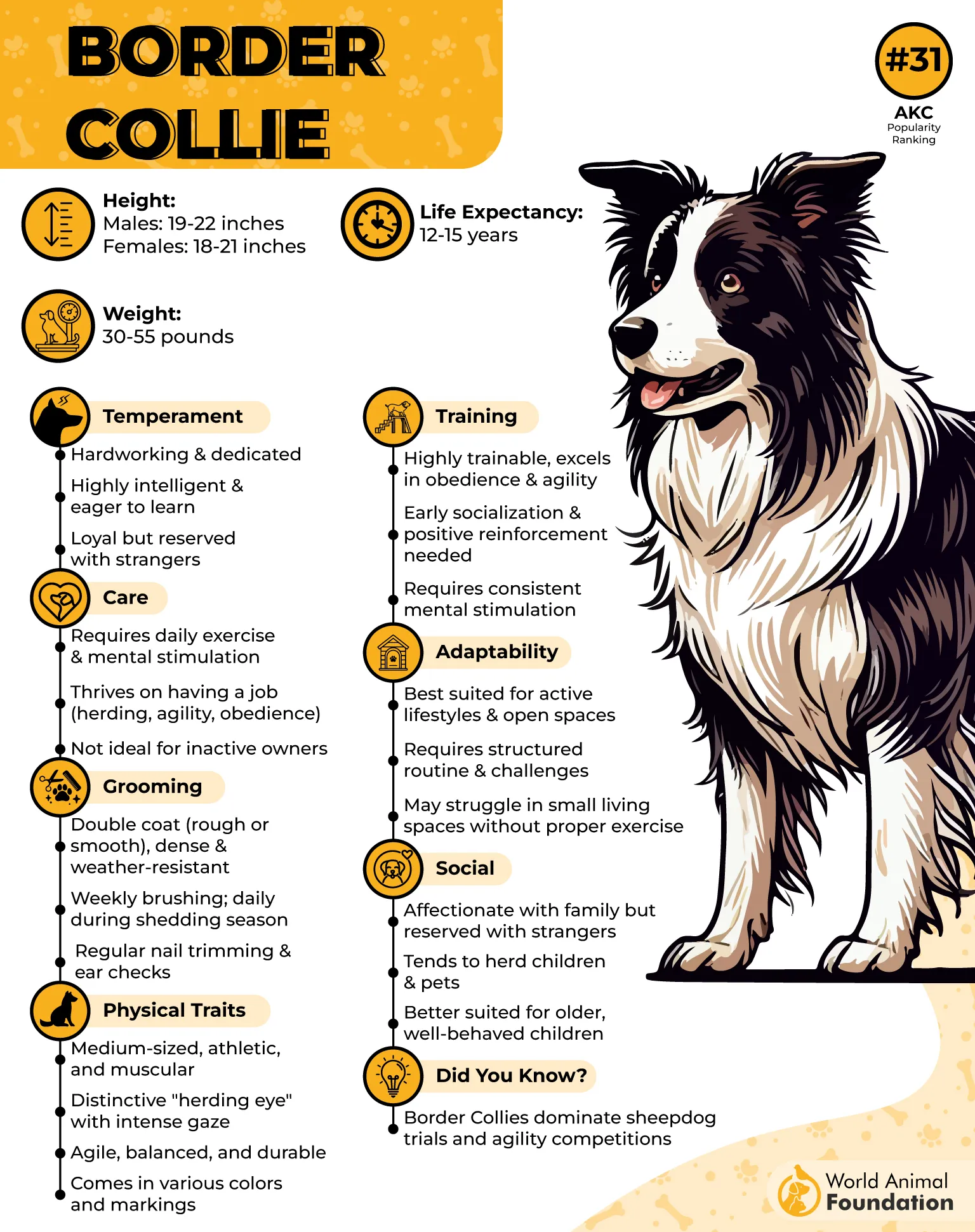
Border Collies need a mix of physical exercise and mental challenges; otherwise, that balance can slip. Agility-style games paired with structured training sessions tend to work really well for this breed.
Early social exposure also helps them adapt more easily to different environments. Their natural instincts can influence how they behave around small animals, even without any formal “training” involved.
6. Australian Cattle Dog
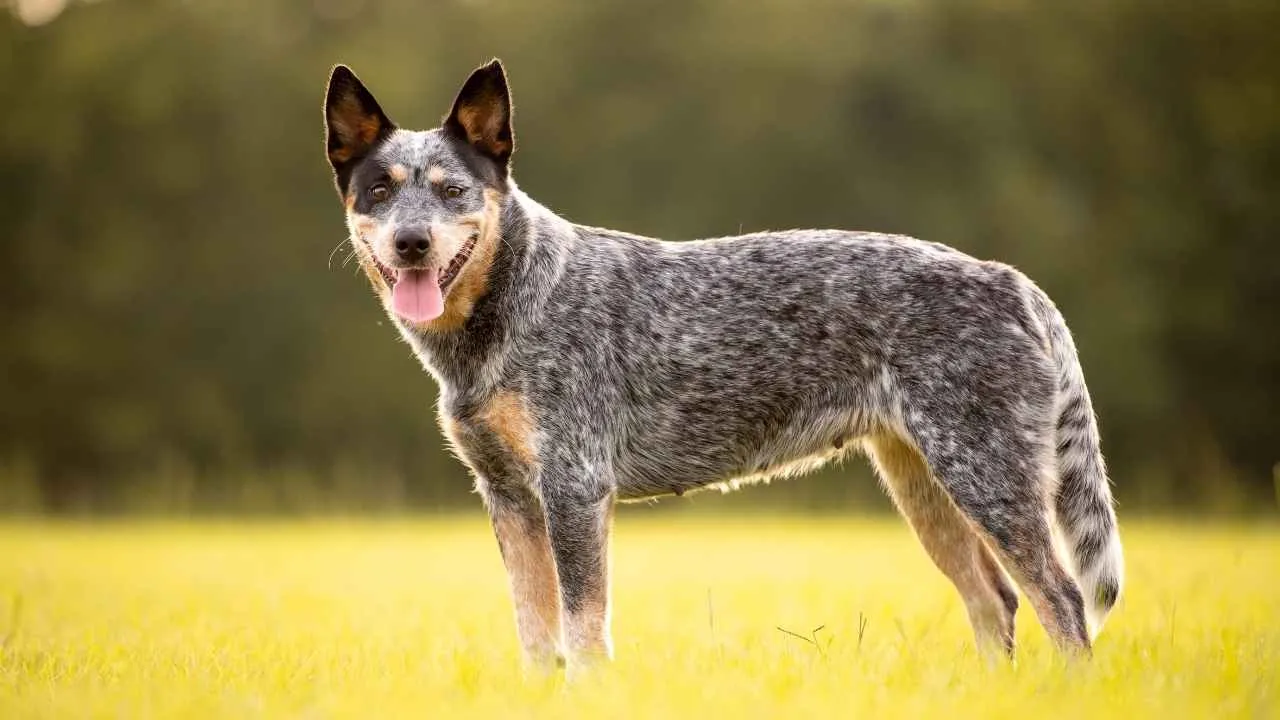
The Australian Cattle Dog brings strong loyalty, sharp alertness, and a protective streak. Originally bred for herding livestock, this breed reacts quickly to movement and changes in its environment. Familiar people are treated like trusted anchors, while new situations might call for a bit of patience while they adjust.
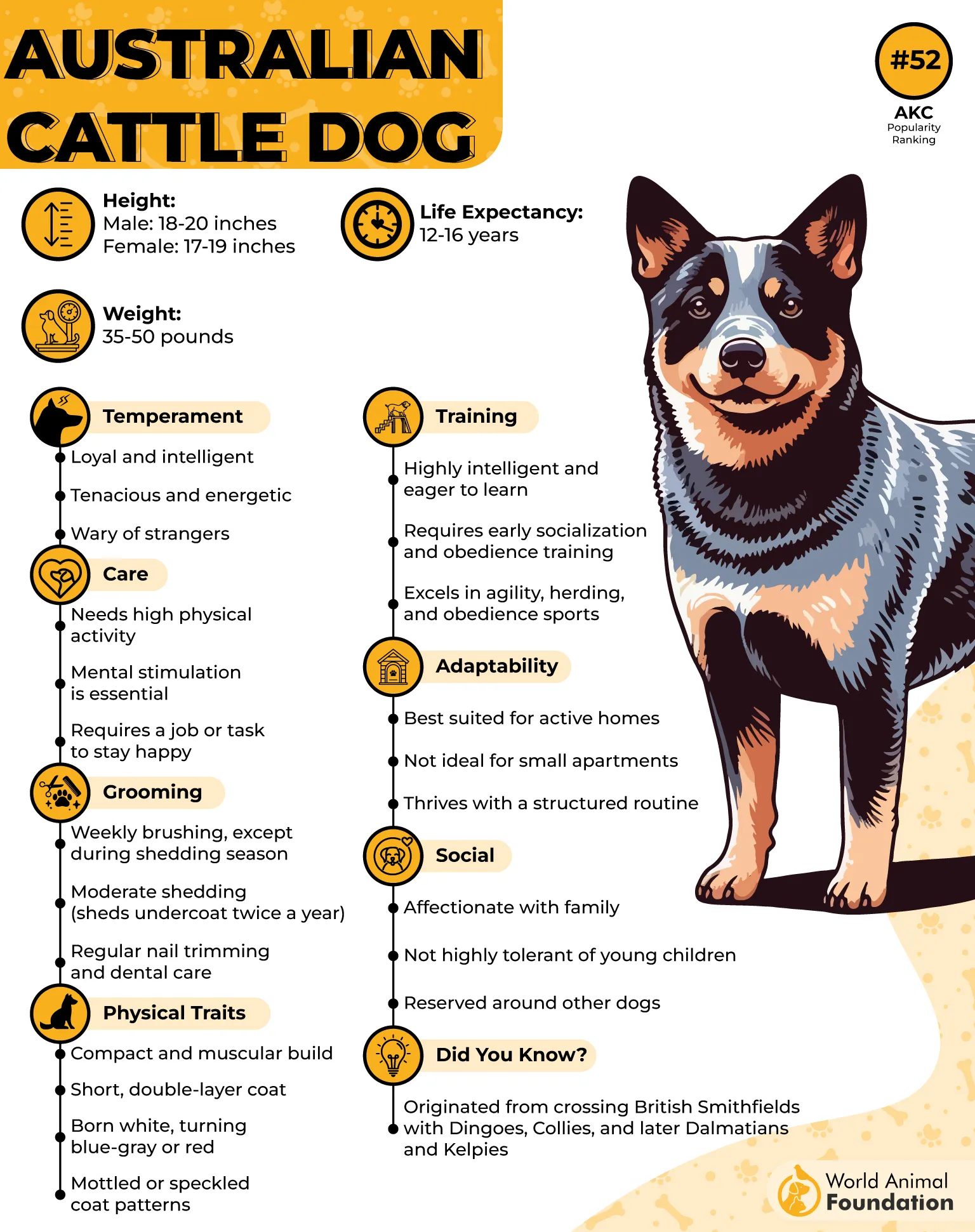
Australian Cattle Dogs need regular physical activity along with structured tasks to work through all that built-up energy. Training helps here too, not just for calming things down, but for building real discipline and control.
With clear rules and early guidance, their behavior tends to become calmer and more balanced over time. Keeping them actively engaged also supports emotional stability, which is really the whole point.
7. Siberian Husky
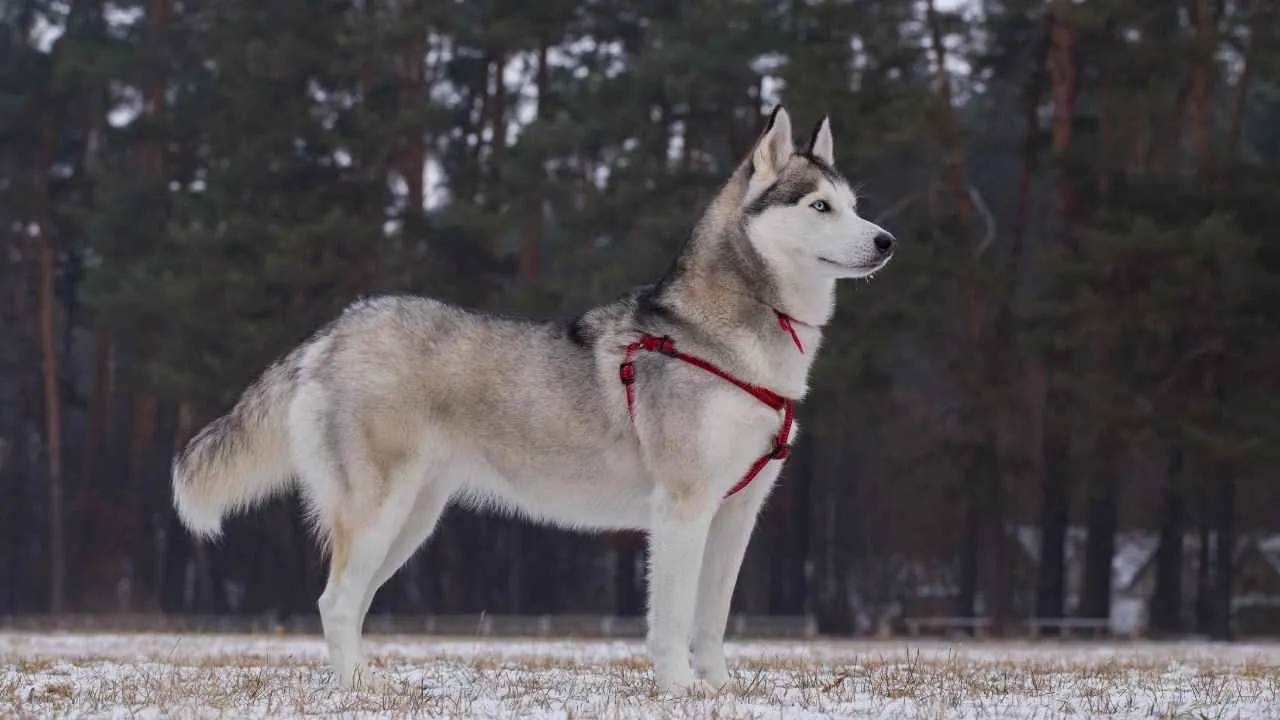
The Siberian Husky is energetic, friendly, and built for endurance, especially long-distance movement. Their strong independence, paired with an outdoorsy drive, really shapes what their daily routine looks like. If they’re left alone too much or don’t get enough activity, boredom and restless behavior tend to follow.
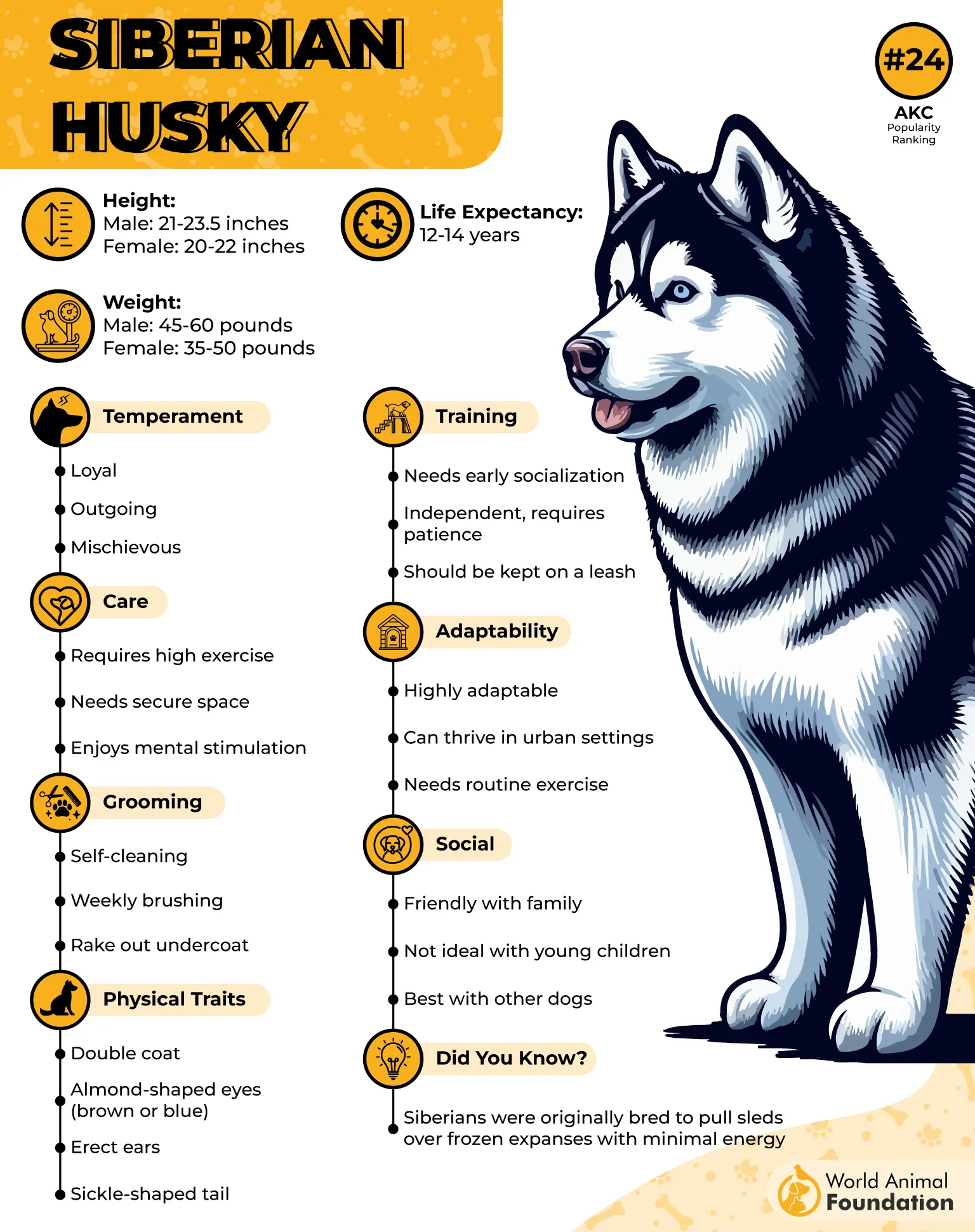
That’s why movement and social interaction aren’t optional for this breed; they’re essential for balance. PDSA notes that Siberian Huskies benefit from a secure space and daily exercise to help keep things steady.
Training takes patience too, since their independent streak can make obedience feel less automatic than with some other breeds. Positive reinforcement usually works best for building cooperation and trust. An outdoor activity supports both their emotional wellbeing and physical health.
Conclusion
High prey drive dogs are basically built around natural instincts shaped by history, movement, and purpose. Those traits aren’t a flaw; they’re simply part of their original design and working background. When guided with structure, patience, and understanding, these dogs often grow into loyal, clever, and emotionally connected family members. Their energy can become a real positive, as long as it’s directed the right way.
Of course, living with a high prey drive dog also means learning to appreciate what makes them unique, rather than trying to change who they are. A solid routine of daily movement, mental challenges, and positive training can make a real difference in how they act and react. When activity levels and guidance stay balanced, these dogs tend to thrive, growing into partners that bring both excitement and genuine companionship to everyday life.
