




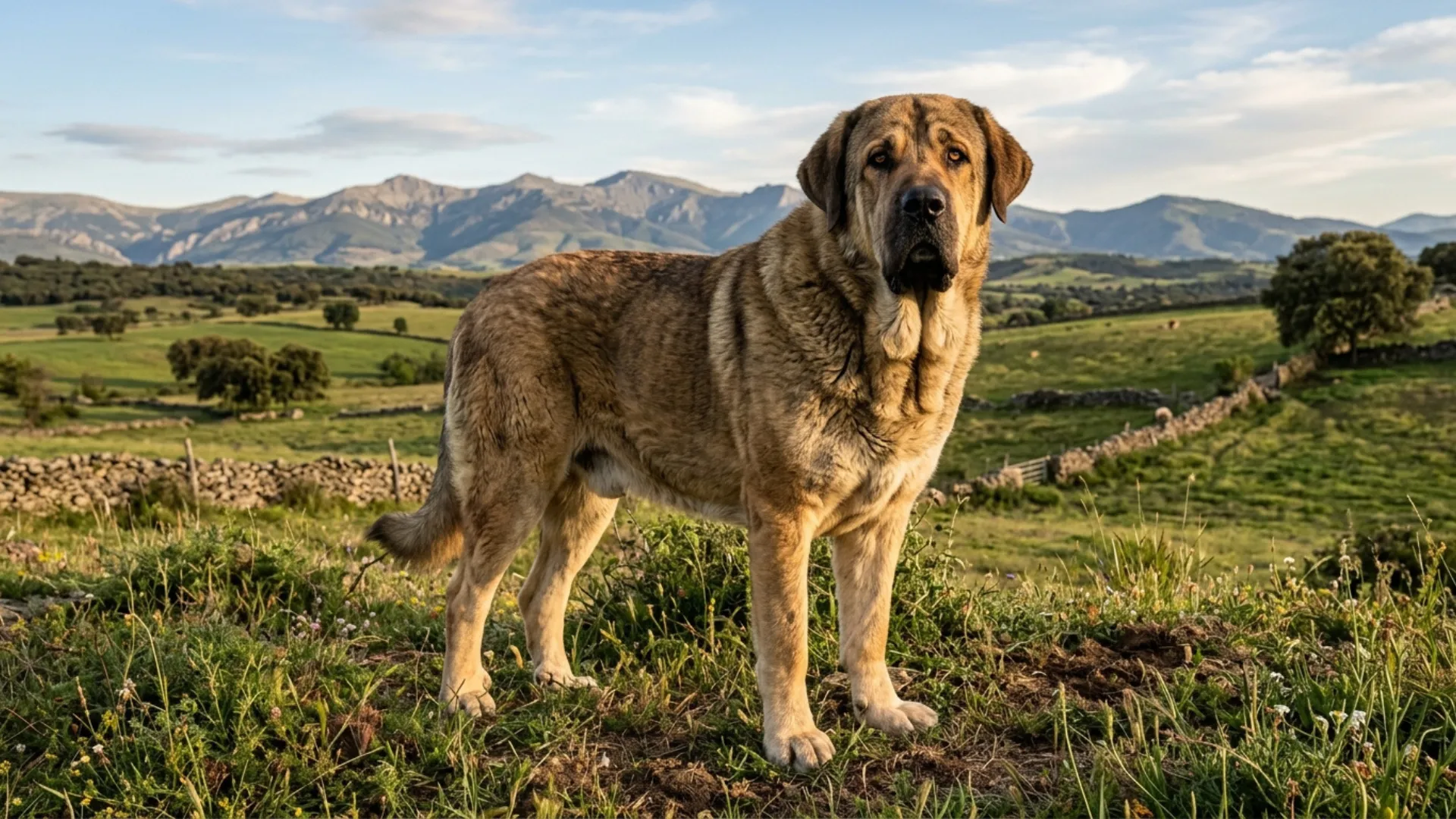
Most people can name a handful of popular dog breeds without thinking twice. But beyond those familiar faces is a fascinating world of uncommon large dogs that many people have never even heard of.
These gentle giants often have incredible histories, unique appearances, and impressive abilities that make them every bit as lovable as their more famous relatives—sometimes even more so.
Large dogs aren’t just known for their size. Many were originally bred for demanding jobs like guarding livestock, pulling heavy loads, protecting families, or working alongside people in challenging environments.
While some of these remarkable breeds remain uncommon because they’re highly specialized or simply never became mainstream, their loyalty, intelligence, and distinctive personalities have earned them devoted fans around the world.
If you’re curious about giant dogs that stand out from the crowd, you’re in the right place. In this article, we’ll introduce you to some of the most uncommon large dog breeds with truly remarkable traits.
Key Takeaways:
Meet rare giants like the Alano Español, Spanish Mastiff, and Rafeiro do Alentejo.
Discover what makes the Estrela, Pyrenean Mastiff, and Caucasian Shepherd so remarkable.
See why the Greater Swiss Mountain Dog is both powerful and family-friendly.
Explore the unique traits that make these uncommon large breeds unforgettable.
Uncommon Large Dog Breeds with Remarkable Traits
1. Álamo Español
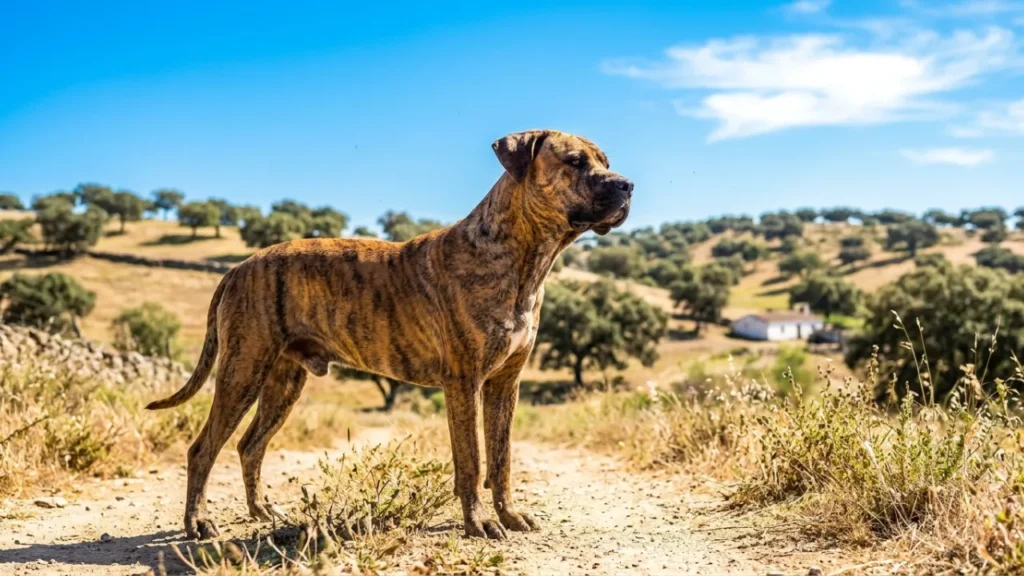
The Alano Españols are one of the oldest and most uncommon large dog breeds. Although they are well known in Spain, they remain rare in many other parts of the world.
Their remarkable history stretches back centuries, and they have long been valued for their strength, courage, and loyalty. Their combination of athletic ability and hardworking nature continues to make them a fascinating breed.
Traveled with the ancient Alani people, protecting sheep and goat herds across Europe and Africa.
Guarded livestock, defended their owners, and assisted during hunts.
Became popular in Spain for working cattle and later took part in bull-baiting.
Nearly disappeared after bull-baiting was banned and cattle handling changed.
Rediscovered in the Basque Mountains in the 1970s, where dedicated enthusiasts helped revive the breed.
Alano Españols have a strong, well-balanced body built for both power and endurance. Unlike heavier mastiff-type dogs, they have a more athletic frame that allows them to run at high speeds for long distances without tiring.
Their large paws, muscular shoulders, powerful neck, and exceptionally strong jaws made them ideal for holding cattle and wild game when working.
They are also known for their smooth, panther-like movement, carrying their heads low while walking and moving with surprising speed and agility when needed.
Their short coat comes in shades of yellow, wolf gray, fawn, red, and brindle, often with a black mask and limited white markings on the chest, legs, belly, tail tip, or muzzle. Every part of their appearance reflects their working heritage, from their sturdy build to their confident, determined expression.
2. Rafeiro do Alentejo
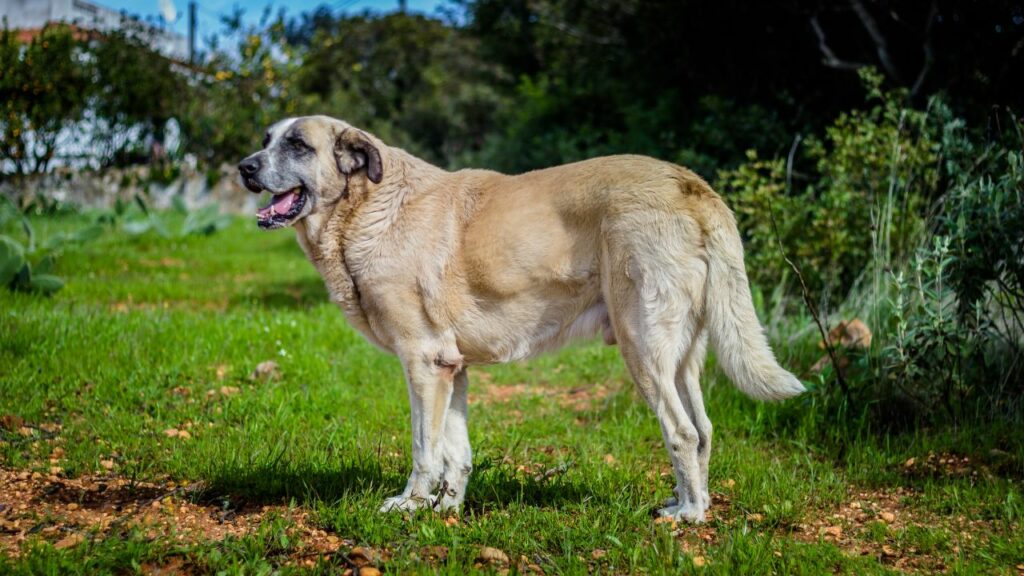
The Rafeiro do Alentejos are rare guardian dog from Portugal with a long history of protecting livestock and rural estates. Originally bred to hunt large game in packs, they later became trusted guardians of sheep, cattle, and farmland.
Although they are giant, powerful dogs, they are also known for their calm, confident nature and deep loyalty to their families.
Originally developed in Portugal and believed to descend from large Middle Eastern mastiff-type dogs.
First worked as pack hunters before becoming skilled livestock and estate guardians.
Naturally more active at night, making them excellent watchdogs for farms and large properties.
Loyal and affectionate with their families but naturally reserved around strangers because of their strong guarding instincts.
Best suited to experienced pet parents who can provide early socialization, positive training, and plenty of space.
Rafeiro do Alentejo has a powerful, muscular build and moves with a slow, steady gait that reflects its strength. Their short or medium-length double coat is thick, straight, and dense, coming in black, wolf gray, fawn, yellow, or brindle, often with white markings.
While they are not highly energetic, these athletic dogs need daily exercise through long walks, playtime, hiking, or training activities. Because they were bred to work independently, they are intelligent and highly trainable but also have an independent streak that requires patient, consistent guidance.
Despite their imposing appearance, Rafeiro do Alentejo can become calm and excellent family dogs when properly raised. They thrive in homes with secure outdoor space where they can roam safely, as their protective instincts remain strong.
3. Spanish Mastiff
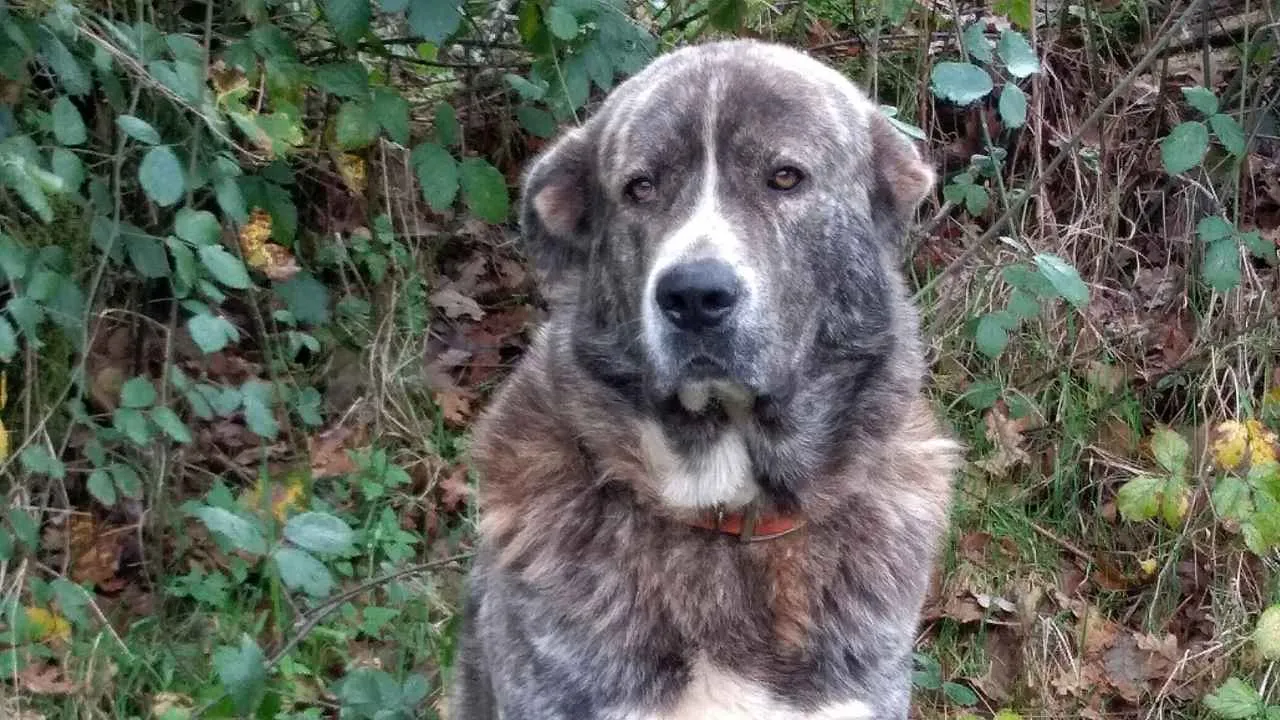
The Spanish Mastiffs are ancient breeds that have protected livestock in Spain for more than 2,000 years, according to PetMD. Although they are still uncommon outside their home country, they are admired for their enormous size, calm personality, and fearless guarding instincts.
Despite their powerful appearance, they are affectionate, gentle, and devoted to their families when properly trained and socialized.
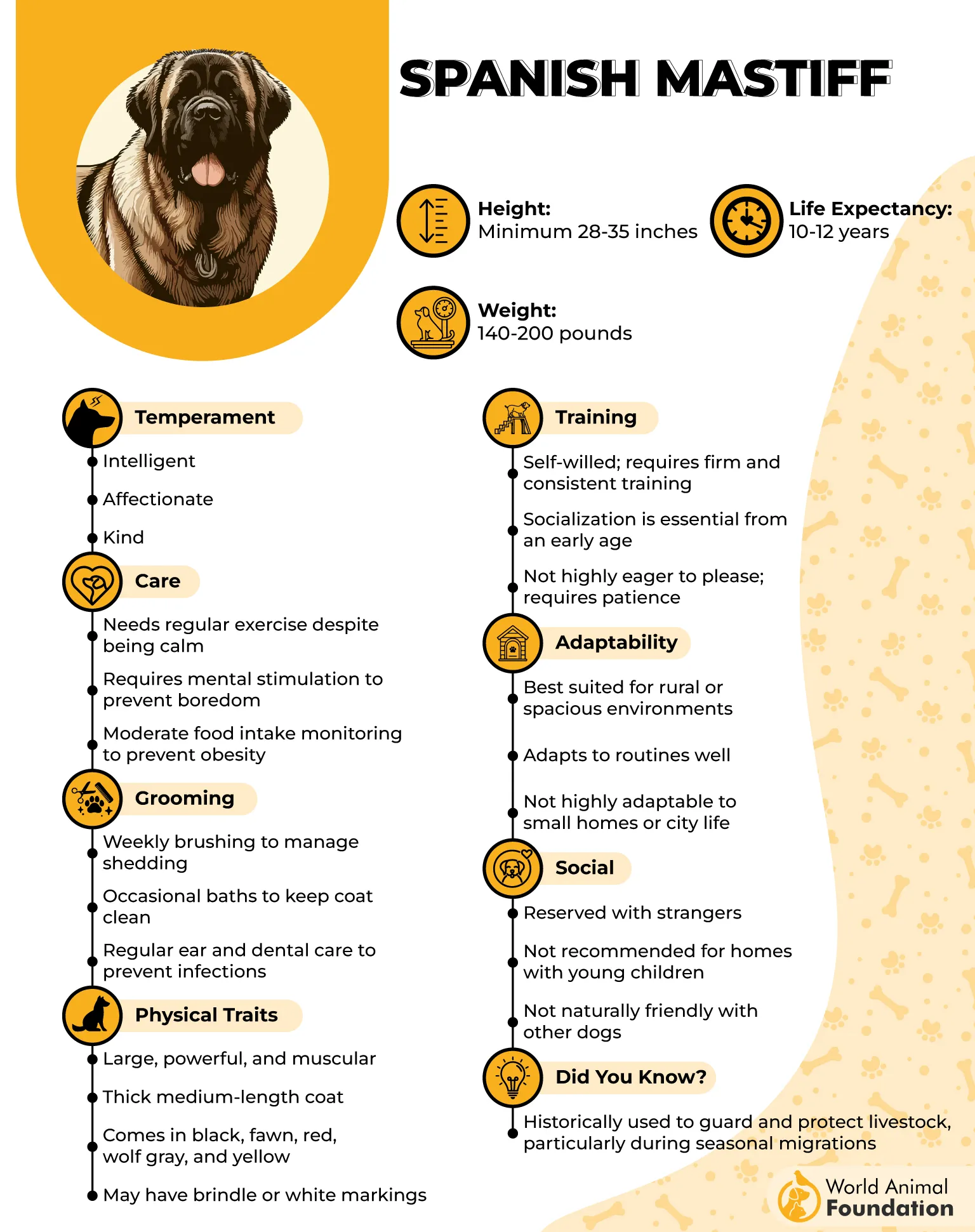
Originally bred to protect sheep from wolves and other predators across the Iberian Peninsula.
Played an important role during the Middle Ages by guarding migrating Merino sheep as they traveled to seasonal grazing lands.
Known for their confidence, intelligence, and strong protective instincts around strangers.
Have a deep, powerful bark that serves as an effective warning rather than constant barking.
Remain a rare breed outside Spain despite their long and impressive history.
Spanish Mastiffs have a massive head, a muscular body, and a thick neck with loose skin that helps protect them while guarding livestock. Their short, dense coat comes in black, fawn, red, wolf gray, or yellow, with possible brindle or white markings.
They are calm by nature but still need daily exercise through walks, playtime, hiking, swimming, or training activities to stay physically and mentally healthy. Although they are intelligent dogs, they have an independent side, so early obedience training and consistent socialization are essential.
These gentle giants are loyal family companions but are naturally cautious around unfamiliar people and situations. They do best with experienced dog owners who understand guardian breeds and can provide firm, positive training from an early age.
Their grooming needs are fairly simple, requiring weekly brushing, occasional baths, regular nail trimming, ear cleaning, and dental care.
4. Estrela Mountain Dog
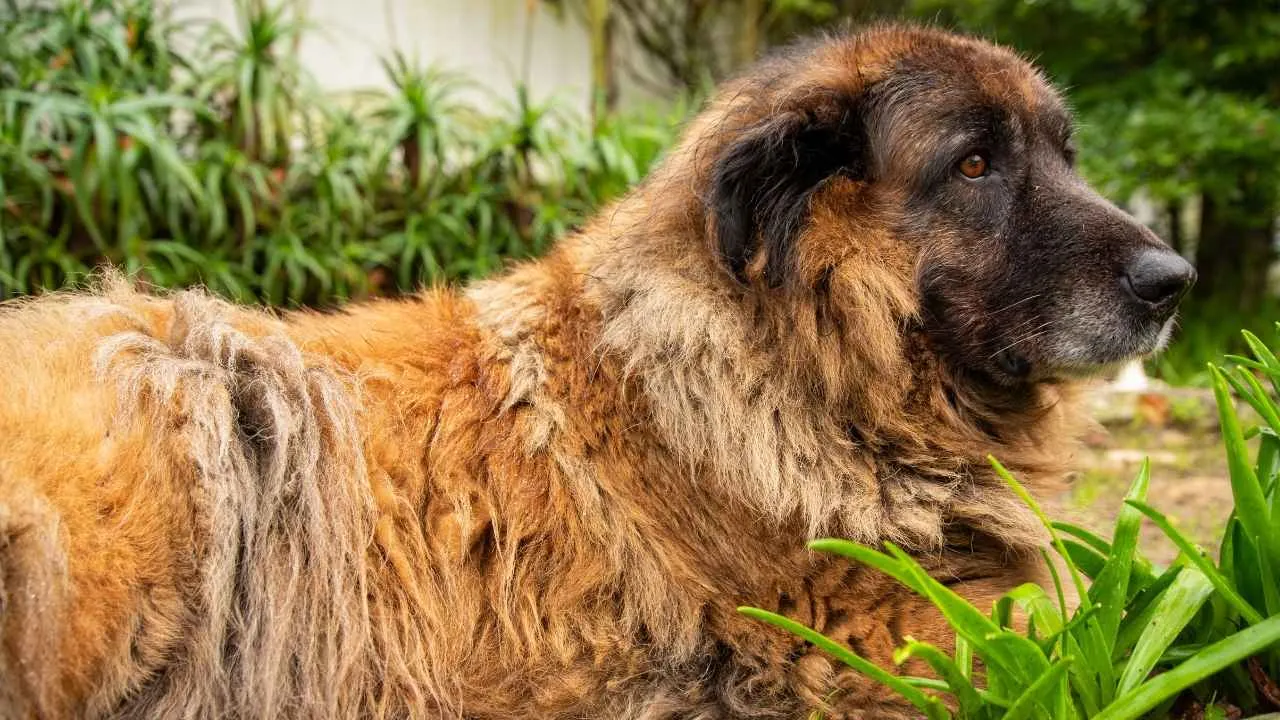
The Estrela Mountain Dogs are one of Portugal’s oldest and most respected guardian breeds. Originally developed in the rugged Estrela Mountains, they spent centuries protecting flocks, farms, and families from predators and thieves.
While they are still uncommon outside Portugal, these loyal dogs are admired for their courage, intelligence, and deep devotion to the people they love.
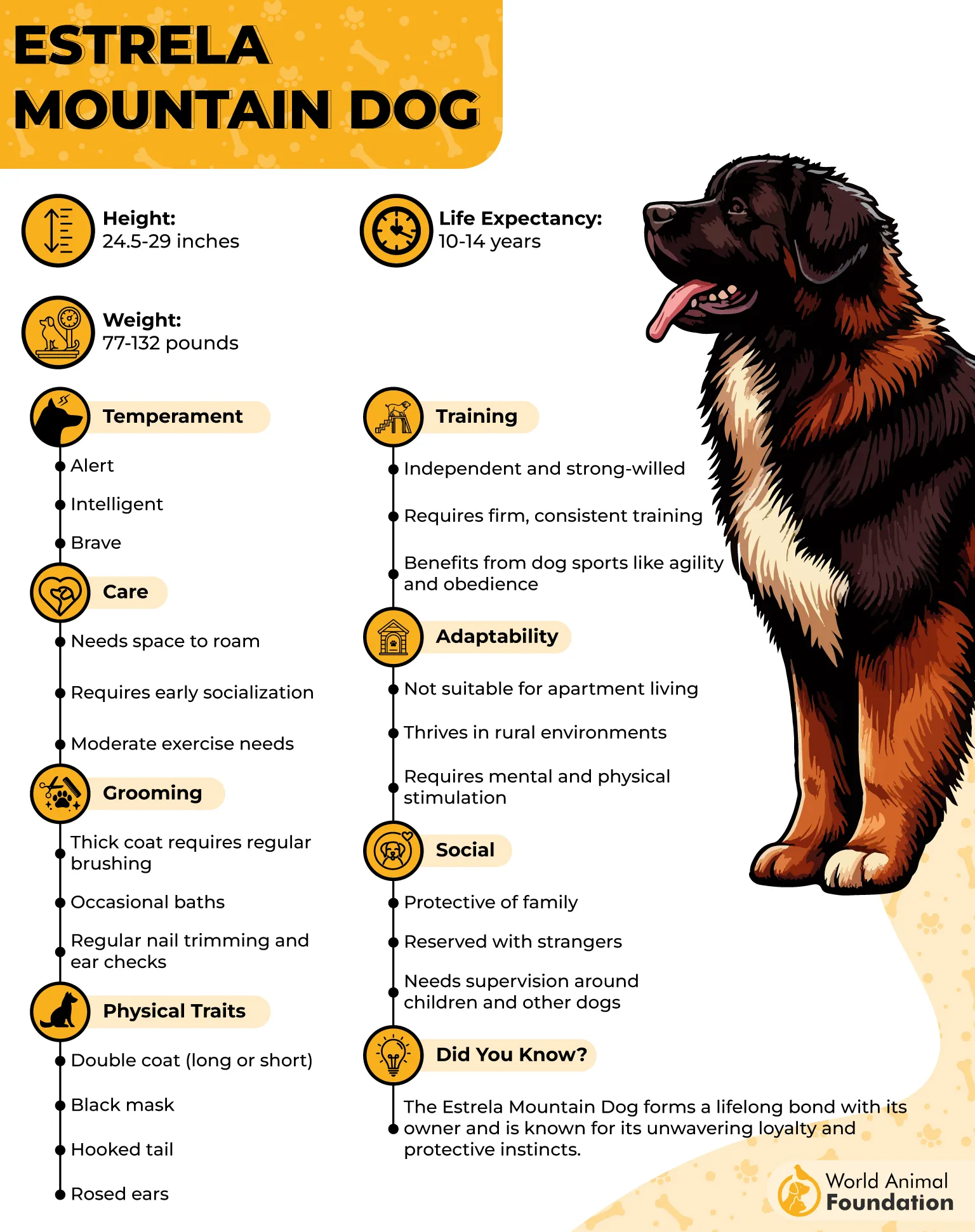
One of the oldest dog breeds from the Iberian Peninsula and a longtime livestock guardian.
Bred to protect sheep and farms in the mountainous regions of Portugal.
Naturally watchful and reserved around strangers but affectionate and gentle with their families, including children.
Known for their distinctive black mask, rose-shaped ears, and hooked tail.
Form especially strong bonds with their owners and are often described as lifelong companions.
Estrela Mountain Dogs have a powerful yet athletic build that allows them to move confidently across rough terrain. Their thick double coat comes in both long- and short-haired varieties and can be fawn, wolf gray, yellow, or brindle.
Although they have a calm temperament, they need regular exercise through walks, hiking, playtime, or dog sports such as agility and obedience. Their independent nature means they respond best to early socialization, patient training, and consistent positive reinforcement.
These affectionate dogs are happiest in homes with plenty of space and a securely fenced yard where they can safely explore.
They are naturally alert and may bark to warn their family of anything they consider suspicious, making them reliable guard dogs. Despite their protective instincts, they are affectionate companions that thrive when included in family life.
5. Pyrenean Mastiff
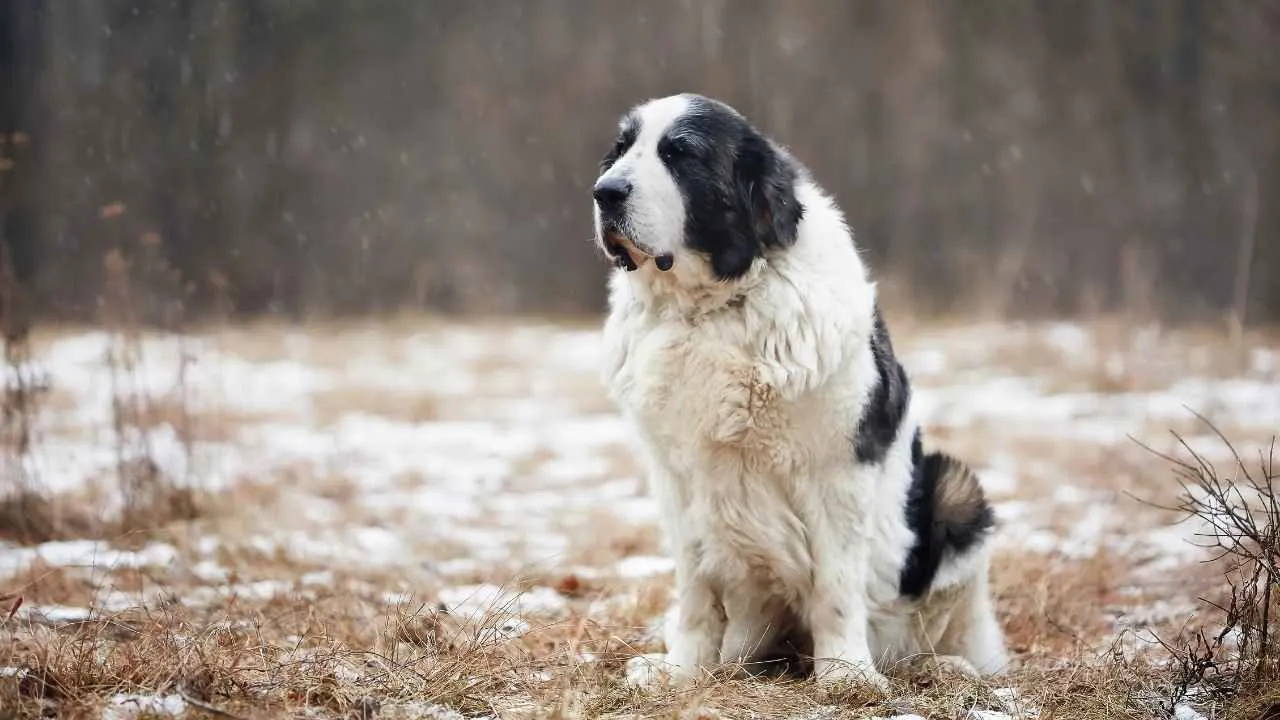
The Pyrenean Mastiffs are rare giant dogs that originated in the Spanish Pyrenees Mountains, where they spent centuries guarding sheep from wolves, bears, and thieves.
Although they were once hardworking livestock guardians, they are now admired for their calm temperament, gentle personality, and unwavering loyalty, as noted by the AKC. Despite their impressive size, they are affectionate family companions that enjoy spending time with the people they love.
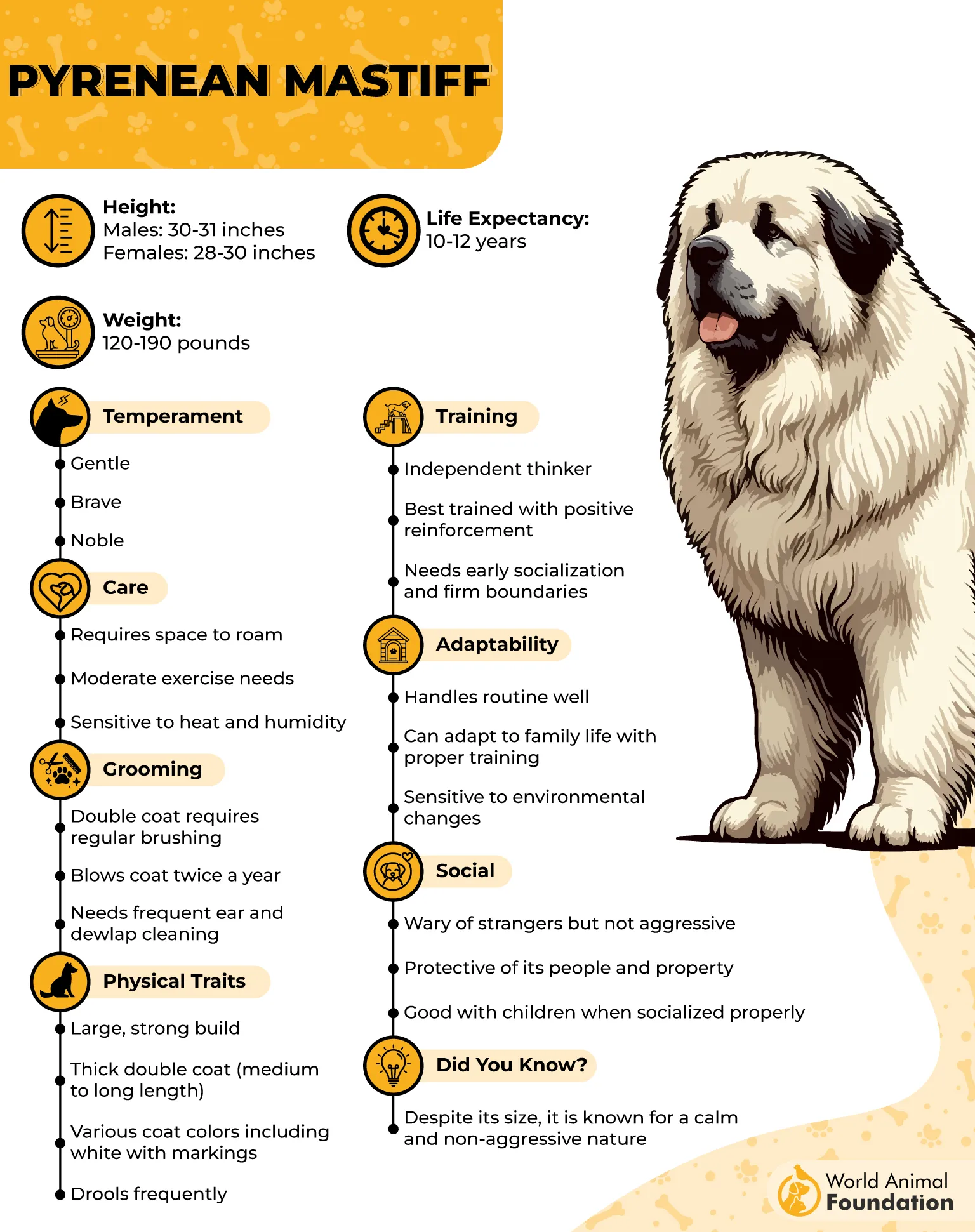
Originally bred to protect livestock during seasonal sheep migrations through the Pyrenees Mountains.
Later became trusted property guardians and devoted family companions.
Naturally calm, intelligent, and gentle, with a strong instinct to protect when a real threat appears.
Alert owners with a bark when something seems unusual, but are not known for excessive barking.
Have a low prey drive and are known for being affectionate with children and other dogs.
Pyrenean Mastiffs have a powerful yet balanced build covered by a medium-length double coat that is white with patches of color. They are independent thinkers but also eager to please, making early socialization and positive reinforcement training especially important.
While they enjoy having a job, they are generally low-energy dogs that are happiest relaxing with their families or joining them for leisurely walks and hikes. They conserve their energy until it is truly needed, a trait that reflects their history as dependable livestock guardians.
Their thick coat is surprisingly easy to maintain with regular brushing, though they shed heavily during seasonal coat changes. Regular grooming, nail trimming, ear cleaning, and occasional baths help keep them healthy and comfortable.
6. Caucasian Shepherd Dog
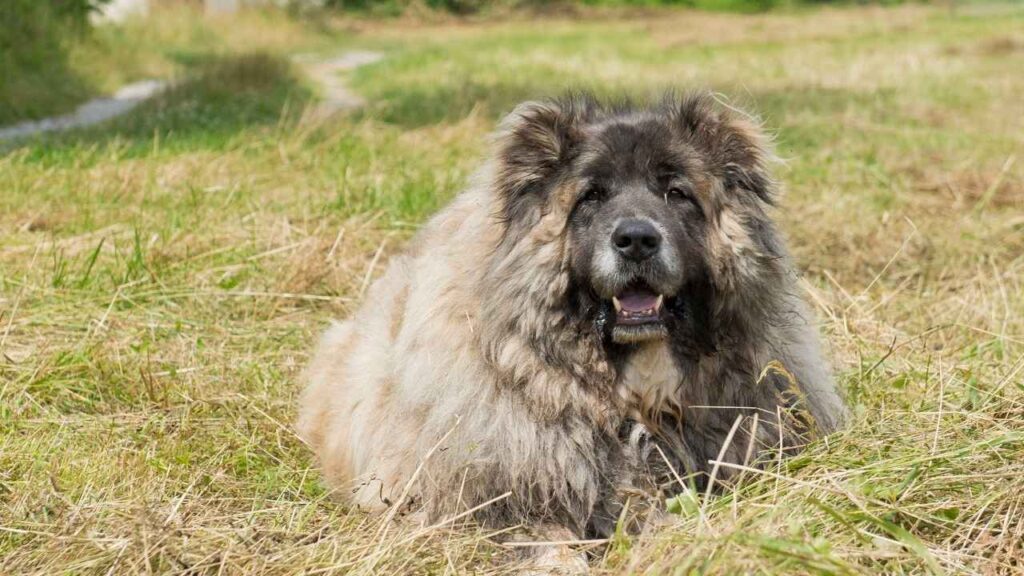
The Caucasian Shepherd Dogs are powerful guardian dogs that originated in the rugged Caucasus Mountains between Europe and Asia. For centuries, they protected livestock, homes, and families from predators such as wolves and bears.
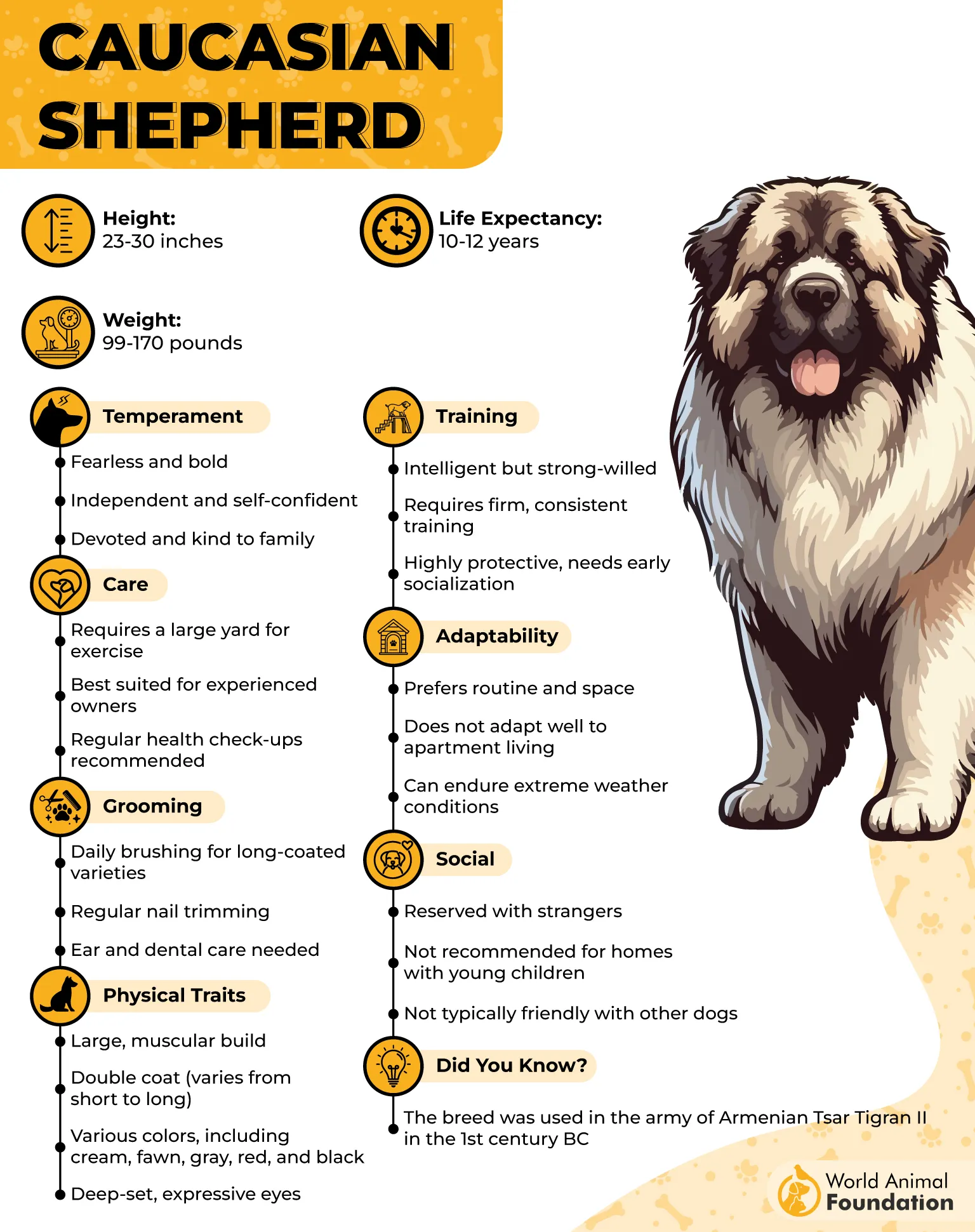
Originally bred to guard livestock and property across the Caucasus region.
Used for centuries to defend against wolves, bears, and other predators.
Became widely recognized in the former Soviet Union during the 1920s for their strength, courage, and excellent guarding abilities.
Naturally protective, confident, and devoted to their families, but cautious around strangers.
Come in two traditional types: the heavier, long-coated Mountain type and the lighter, short-coated Steppe type.
Caucasian Shepherd Dogs have a massive, muscular build with a broad head, oval eyes, triangular ears, and a thick double coat that can be short, medium, or long. Their coat comes in many colors and patterns, except solid black.
Despite their enormous size, they are surprisingly agile and move with excellent balance and coordination. While they are not overly energetic, they enjoy daily walks, hiking, and time outdoors in a securely fenced area.
Purina says these intelligent but independent dogs require experienced owners who can provide early socialization, patient training, and consistent leadership. Their natural guarding instincts are deeply rooted, making them outstanding watchdogs but less suitable for first-time owners or small living spaces.
7. Greater Swiss Mountain Dog
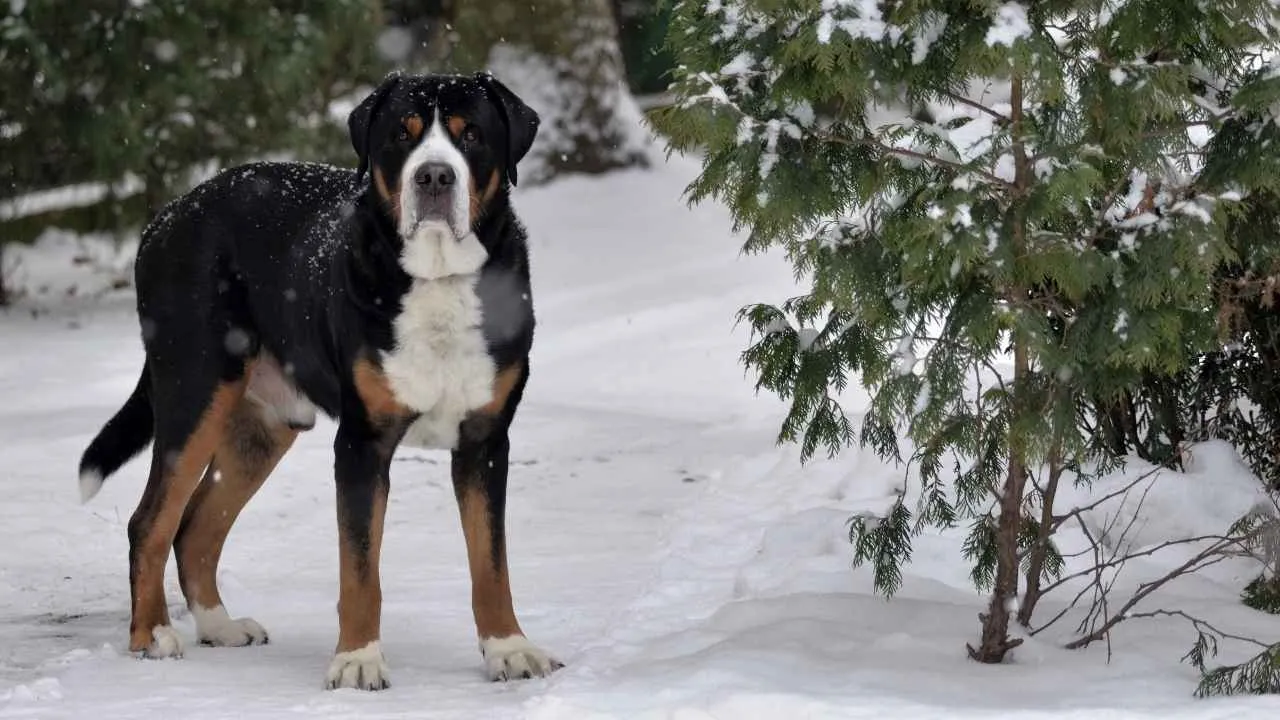
The Greater Swiss Mountain Dogs are powerful working dogs that originated in the Swiss Alps, where they earned a reputation as dependable herders, draft dogs, and farm helpers.
Although they are less common than some other mountain breeds, they are admired for their immense strength, cheerful personality, and unwavering loyalty. Their striking black, red, and white coat makes them instantly recognizable.
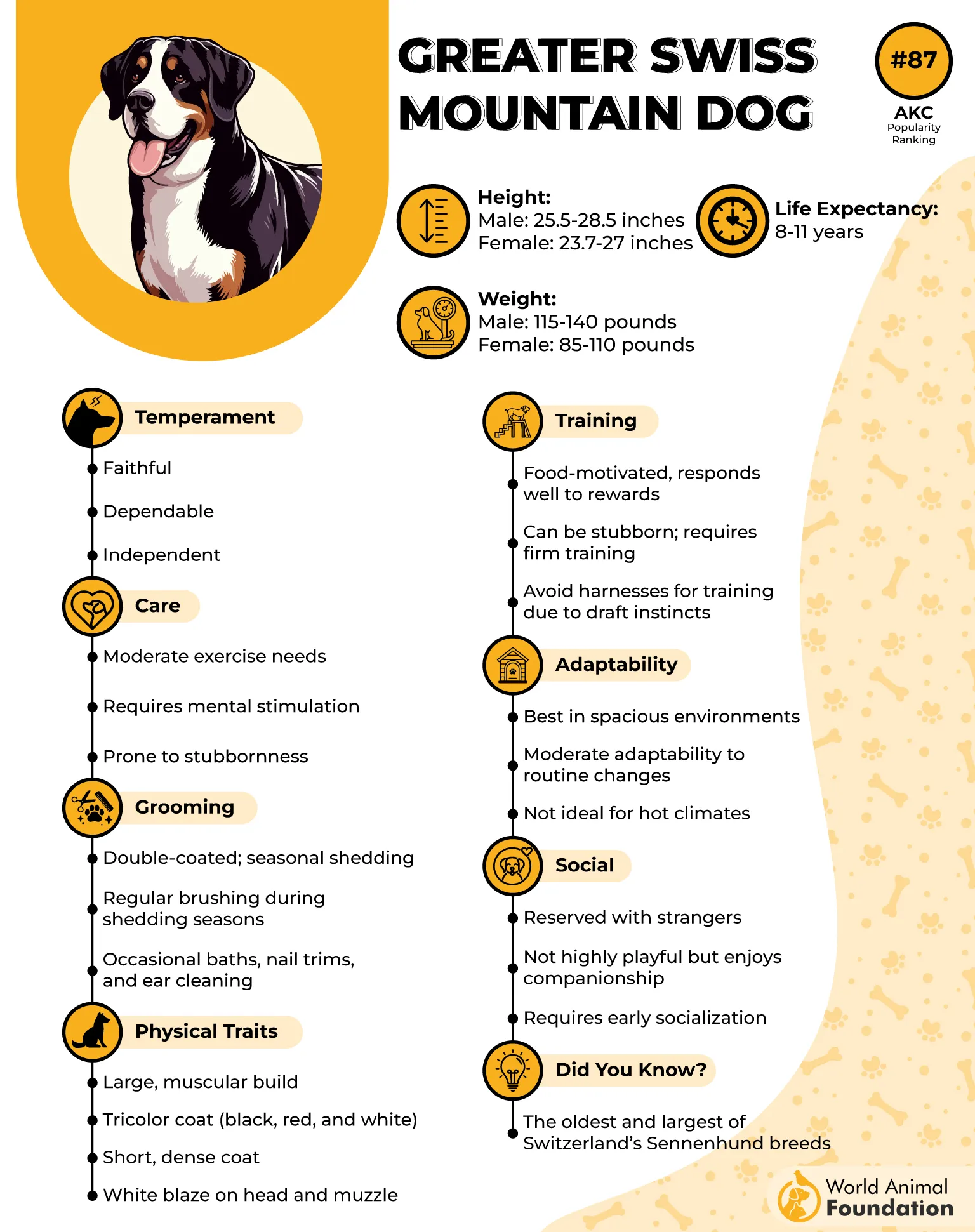
Originally worked as herding, drafting, and all-purpose farm dogs in Switzerland.
Strong enough to pull heavy carts while remaining agile on mountain terrain.
Known for their people-oriented, affectionate nature and gentle attitude toward children.
Naturally alert and will bark to warn their families, but they are generally friendly with new people.
Thrive when they have a job to do and enjoy being involved in everyday family activities.
Greater Swiss Mountain Dogs have a muscular, well-balanced build with a short, dense double coat in a distinctive tricolor pattern. They are intelligent and highly food-motivated, making positive reinforcement training especially effective, though they can also have an independent, stubborn streak.
Daily walks, hiking, drafting, obedience training, and other activities help keep them physically active and mentally engaged. Because they were bred to pull carts, early leash training is important to prevent pulling.
Despite their hardworking background, Swissies enjoy relaxing with their families after exercise and are known for balancing bursts of activity with plenty of downtime. Their “wash-and-wear” coat is relatively easy to maintain, requiring regular brushing, occasional baths, and routine nail, ear, and dental care.
Conclusion
Uncommonly large rare dog breeds may not be as famous as their popular counterparts, but they have remarkable qualities that make them truly unforgettable.
From fearless livestock guardians and hardworking farm dogs to gentle family companions with centuries of history, each breed offers its own unique mix of loyalty, intelligence, strength, and personality.
If one of these impressive breeds has caught your attention, take the time to learn about its history, temperament, and care needs before bringing one home. The right match isn’t just about size or appearance—it’s about finding a dog whose instincts and lifestyle fit your own.
With the right home, consistent training, and commitment, these uncommon gentle giants can become great companions for many years to come.
Looking for more rare dog breeds? You can also check out the Pyrenean Shepherd, Canaan dog, Mexican Hairless Dog, English Foxhound, Bergamasco Sheepdog, and Finnish Spitz.
