




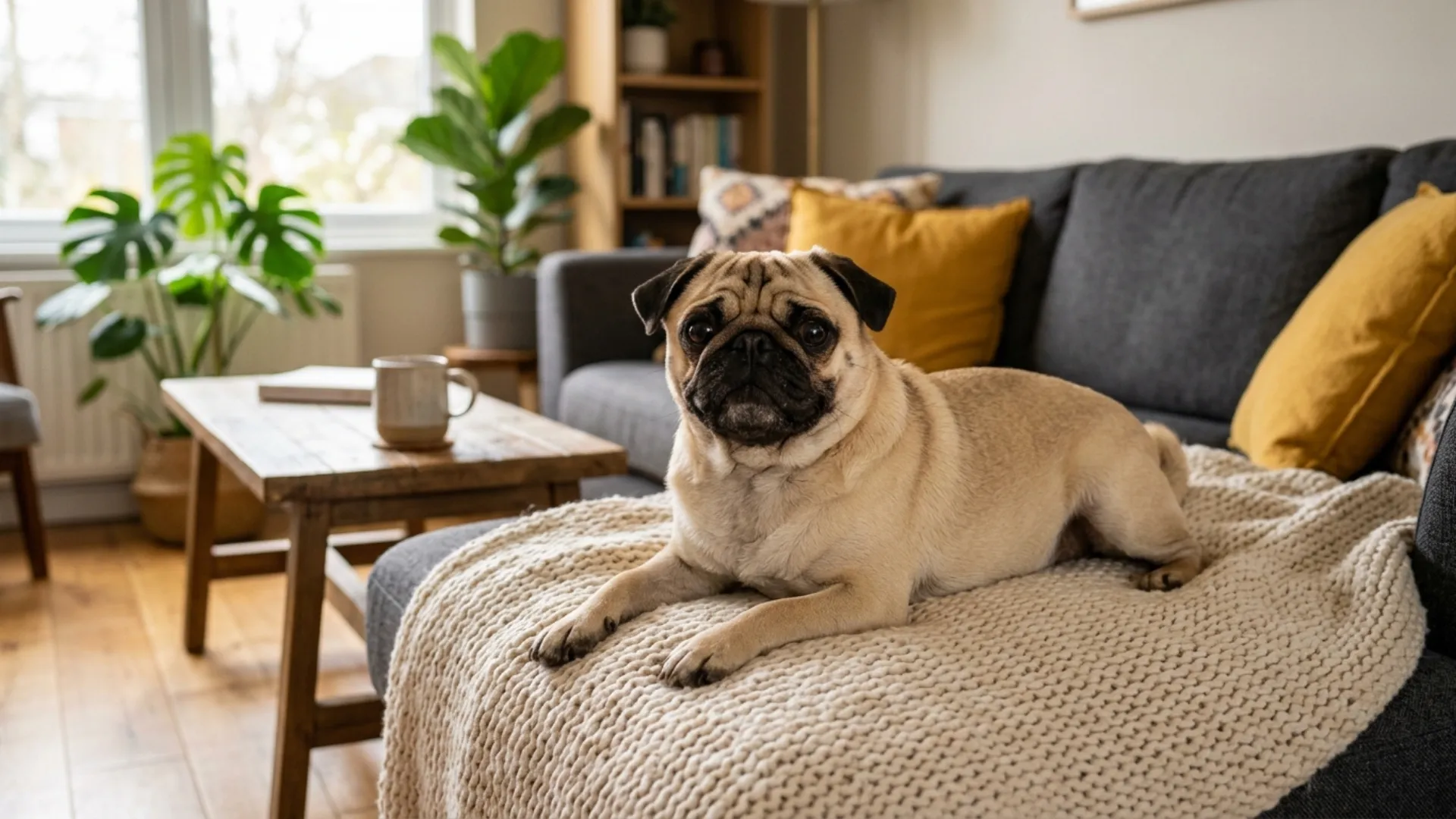
Not everyone dreams of hiking mountains before breakfast or spending hours throwing tennis balls in the backyard. Some of us are perfectly happy with a cozy blanket, a good movie, and a loyal dog curled up beside us. The good news? There are plenty of dog breeds that feel the same way.
While every dog needs care, exercise, and attention, certain breeds are naturally more relaxed than others. According to the American Kennel Club, many companion breeds were specifically developed to spend time close to their owners rather than perform demanding work. That makes them excellent matches for people with quieter lifestyles.
If your idea of a wonderful dog involves more snuggling than sprinting, these seven breeds deserve a spot on your radar.
Undemanding Dog Breeds Perfect for Couch‑Potato Owners
1. Cavalier King Charles Spaniel
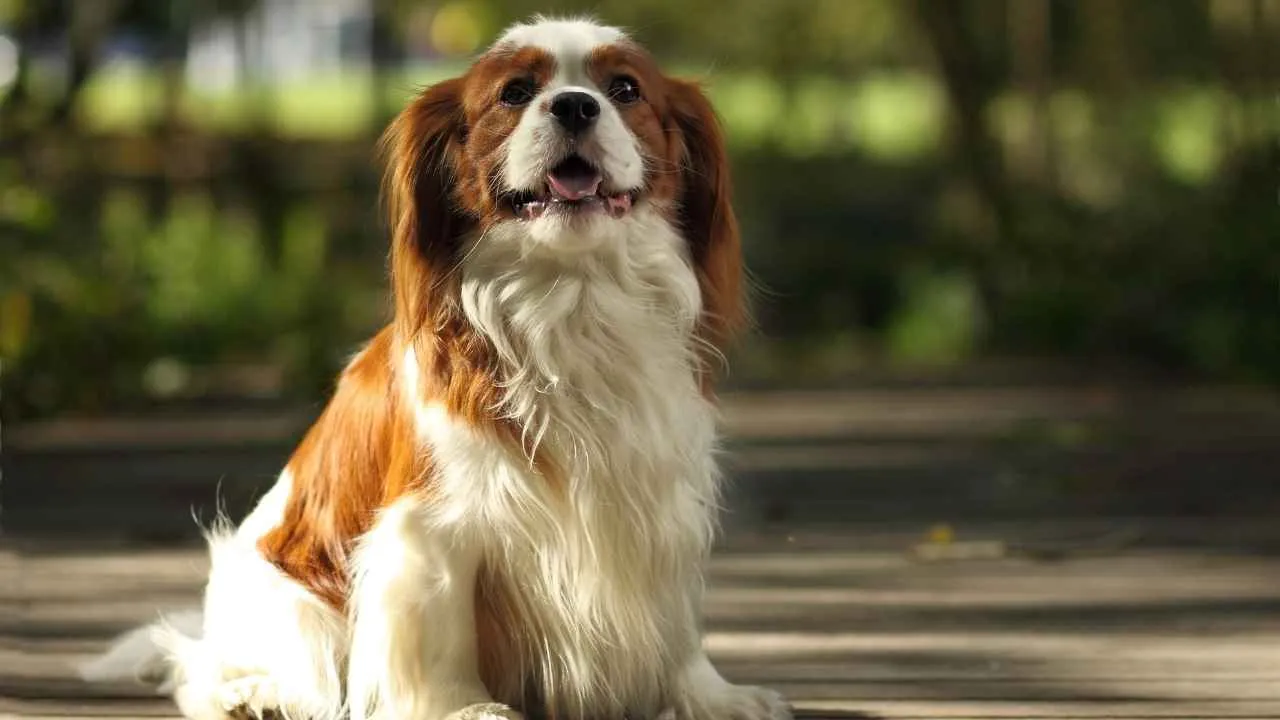
This loving small dog was developed in Great Britain as a companion dog and was named after King Charles I and his son King Charles II because of their affection towards the breed. They even used to carry the breed to the courts and in the carriages, according to PetMD.
This lap dog is brachycephalic in nature (has a flat face, narrowed airways, and compressed upper jaws), making breathing difficult sometimes, especially on a hot summer day. It is prone to the early onset of Mitral Valve Disease (MVD), where heart efficiency is compromised with extensive exercise.
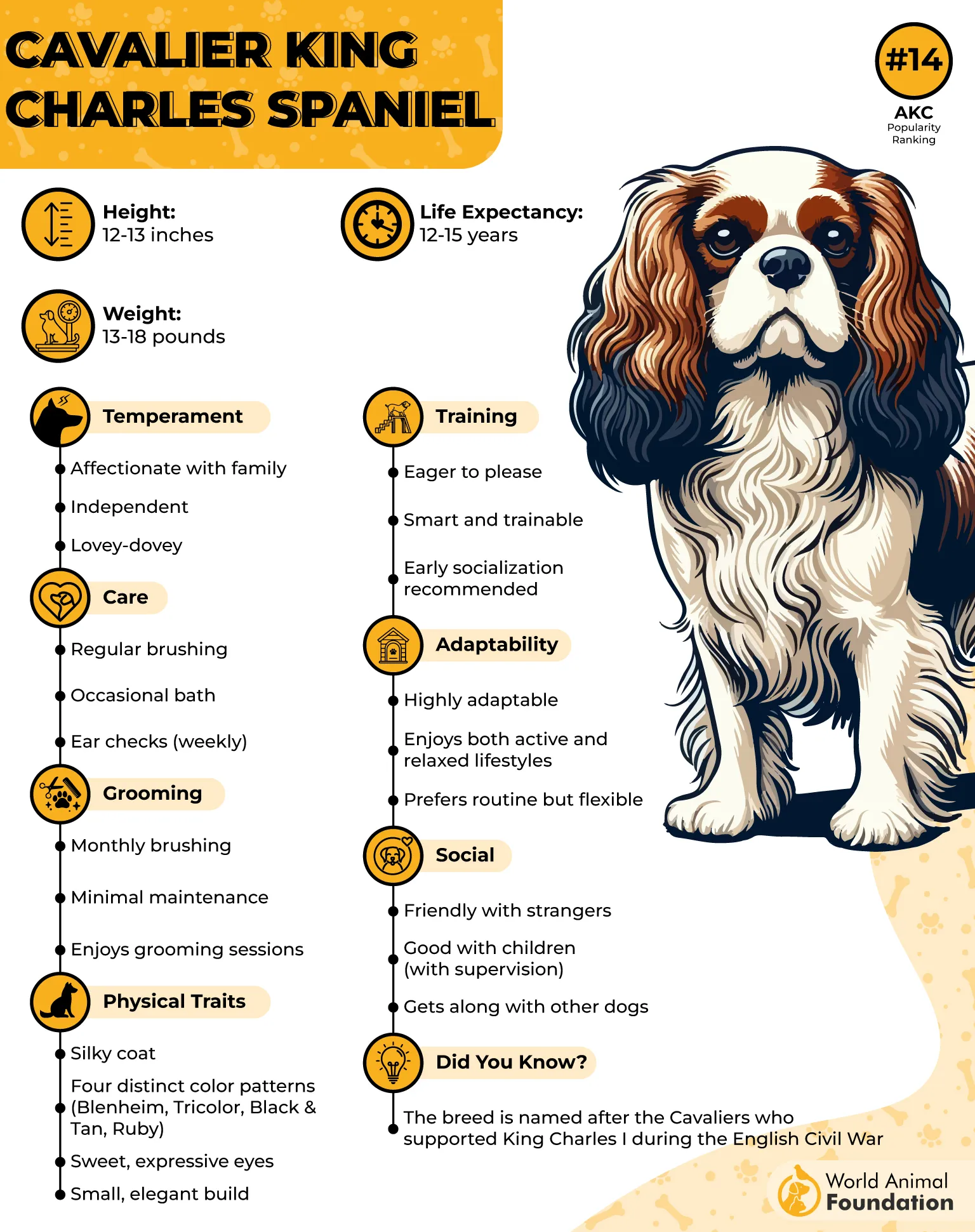
It weighs around 13-18 pounds and tends to stay closer to the owner. It is a great watchdog and loves to watch from the windows and barks to alert the owner. 30-60 minutes of low-to-moderate exercise is recommended: daily walk, fetching, tug-of-war, and problem-solving games.
2. Basset Hound
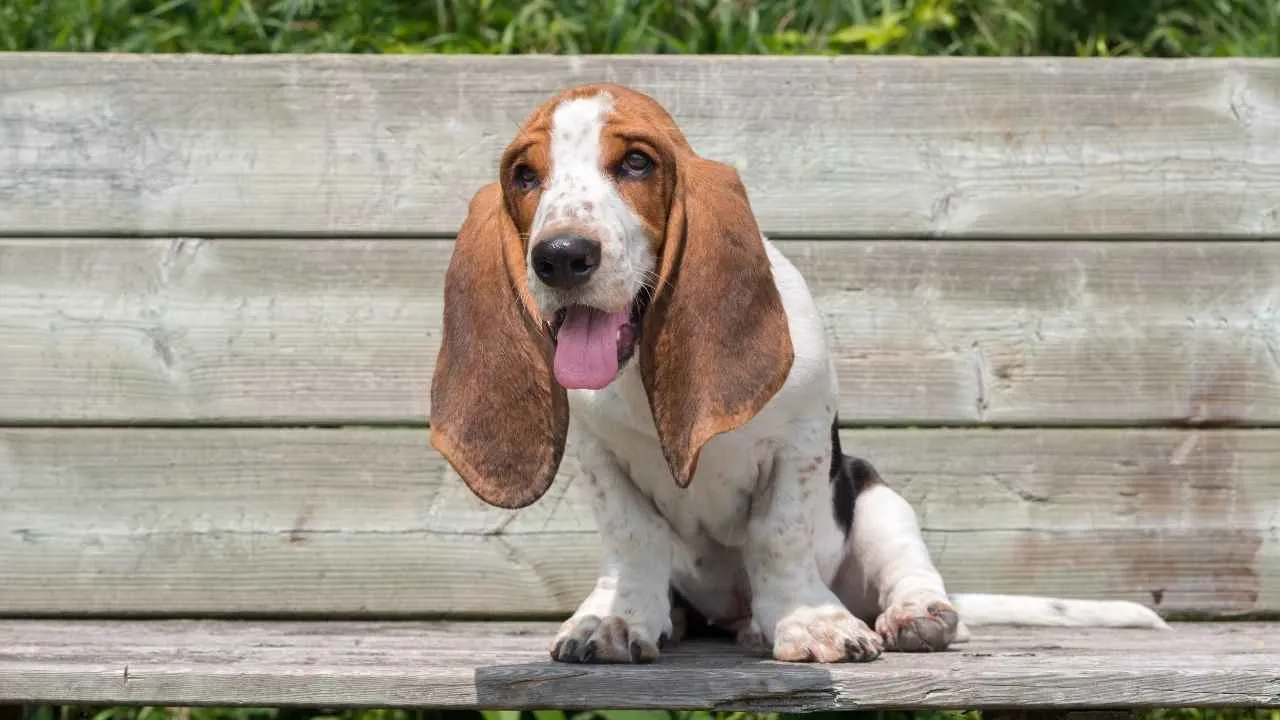
Originally bred in Great Britain, modern day Basset Hound has traces from France. It was developed as a scent hound, with its sense of smell, the second strongest among all dog breeds (only after the Bloodhound). It has an elongated body and short legs, allowing it to navigate through tight spaces, such as a blanket, pillows, and your lap.
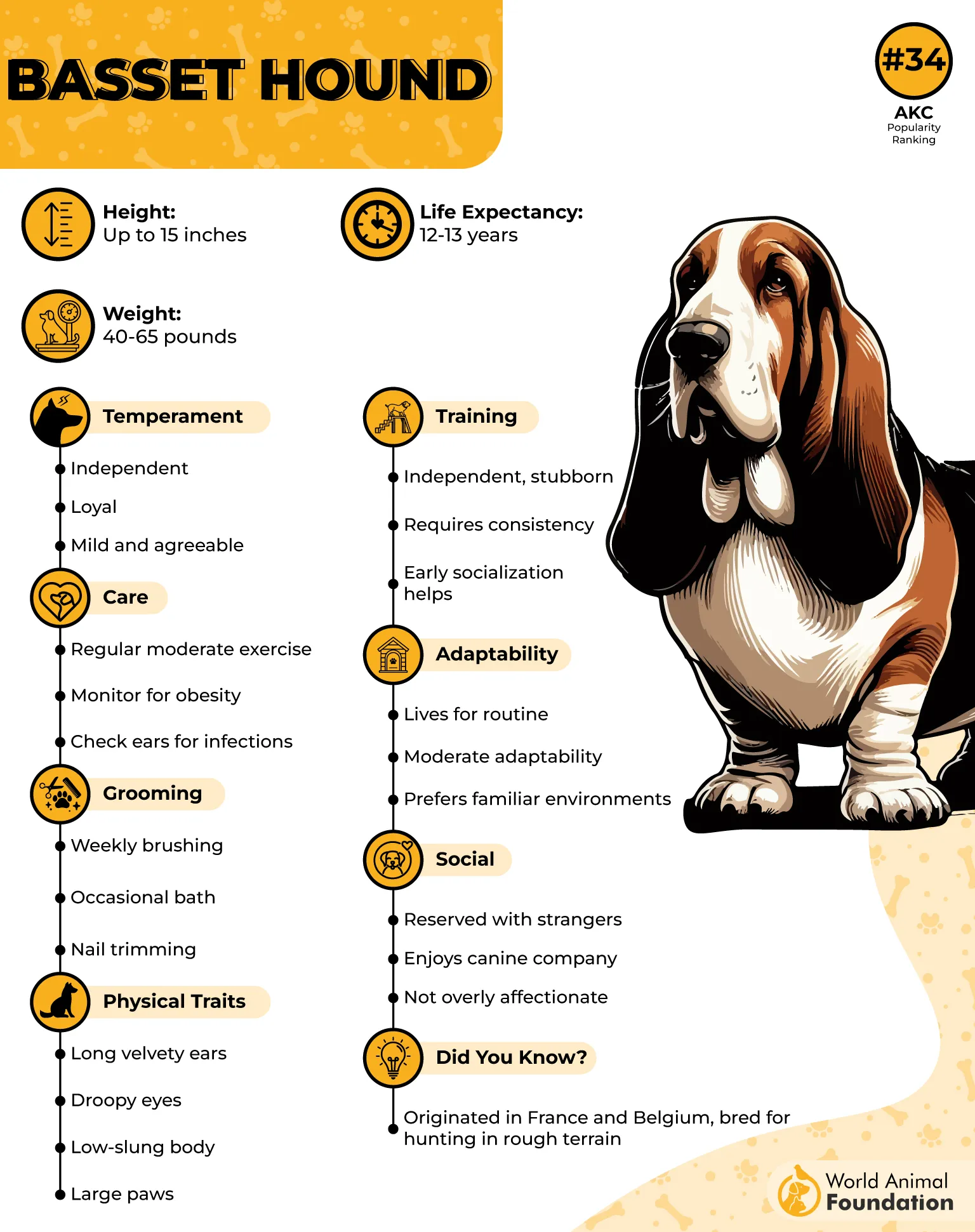
The short bones are not developed for running or jumping. It has short bursts of energy, and it goes back to the sofa after 5-10 minutes of physical activity. Being a scent hound, it tends to conserve energy by not pacing up; slow-paced sniff work is ideal for the breed. The ‘Basset Brakes’ are famous because the lazy dog breed becomes an immovable object when it wants a break from a walk.

It has a long spine that can get injured while stair climbing or jumping, leading to IVDD. Once its exercise needs are met, it will occupy your couch and will sleep for 18+ hours. Small walks, scent games, and leash training are highly recommended for the breed.
3. Pug
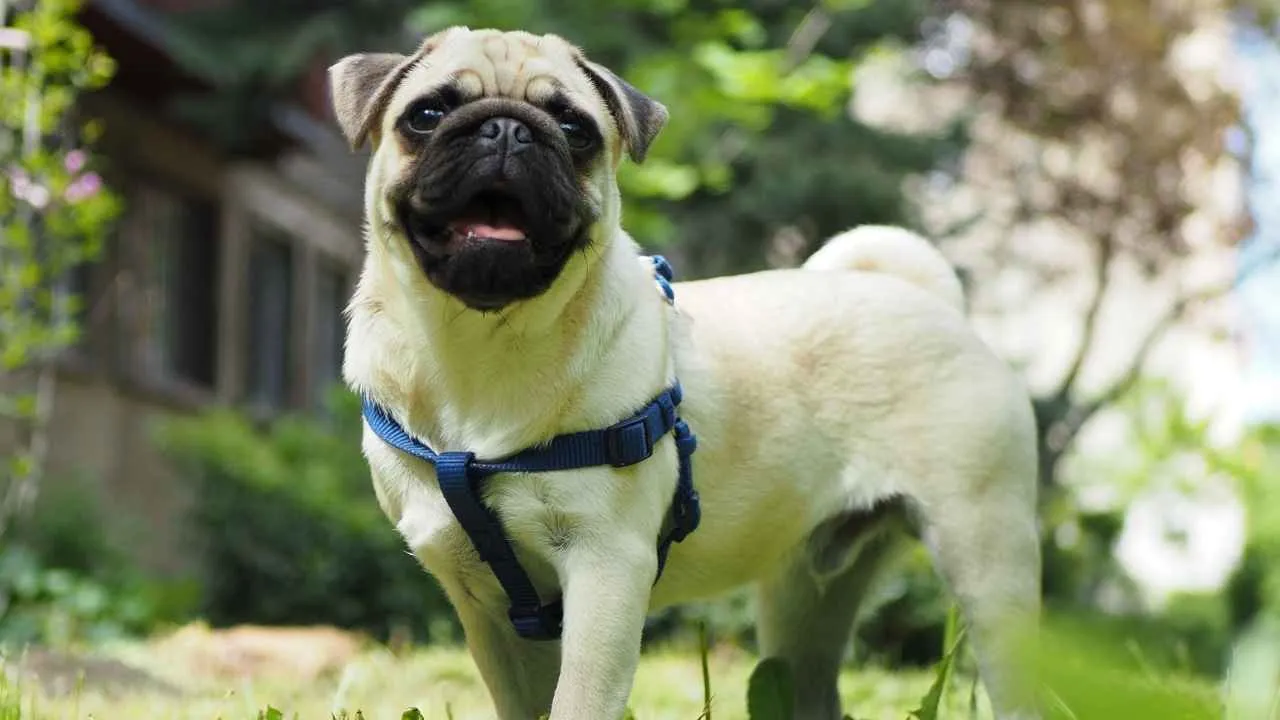
Originating in China, the Pug was brought to Europe in the 16th century as a gentle companion dog. It was adopted by Queen Victoria and was passed on to other family members. It weighs around 14-18 pounds, making it ideal for small spaces, as per Wikipedia.
Due to its short muzzle, the breed is more susceptible to heatstroke, as it cannot pant as efficiently to regulate its body temperature. It has a low metabolic rate, lowering the energy levels. It acts as a comedian indoors, and rolls up in a blanket, followed by growls when it wants to get up.
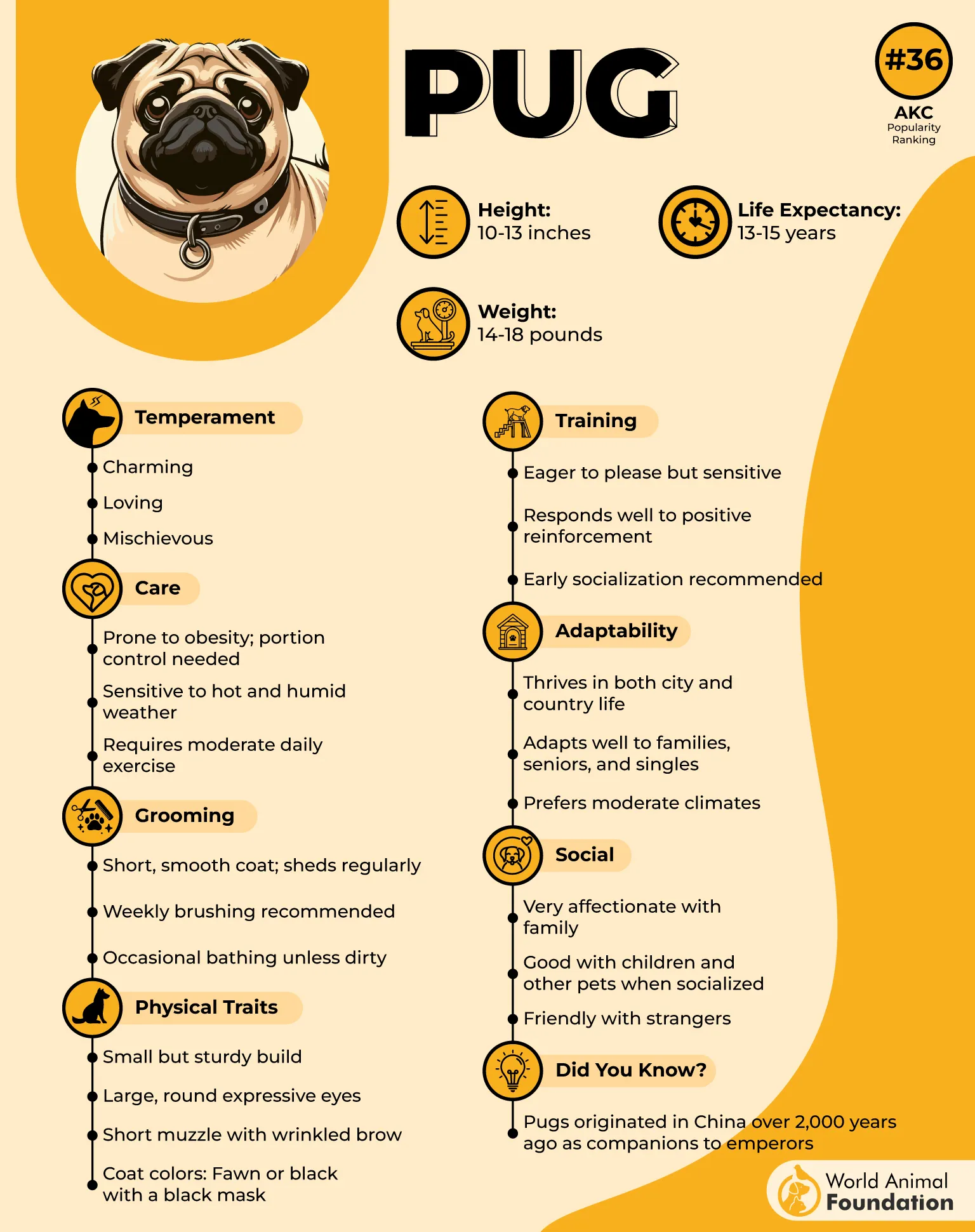
It has moderate exercise needs (30-45 minutes) a day: regular walks, playing with toys, light fetching, and indoor play, etc. Low-impact exercise is suggested for the puppies. The 5-minute rule must be applied for puppy training; increase 5 minutes of training each month since the developing joints are susceptible to injuries.
4. French Bulldog

This toy dog was developed in France in the 19th century by crossing an English Bulldog and local Parisian ratters. Weighing around 15-24 pounds and standing 9.4-14 inches tall, the Frenchie is prone to many health concerns because of the flat face and wrinkled skin.
It has a petite body and a heavily muscled chest, skin folds, and big, round eyes, making it susceptible to many health concerns if not cared for properly. It poses a ‘dead bug’ posture while sleeping, where its back is facing the floor, and all its legs are in the air. It forms a strong bond with owners and barks when a stranger enters the territory.
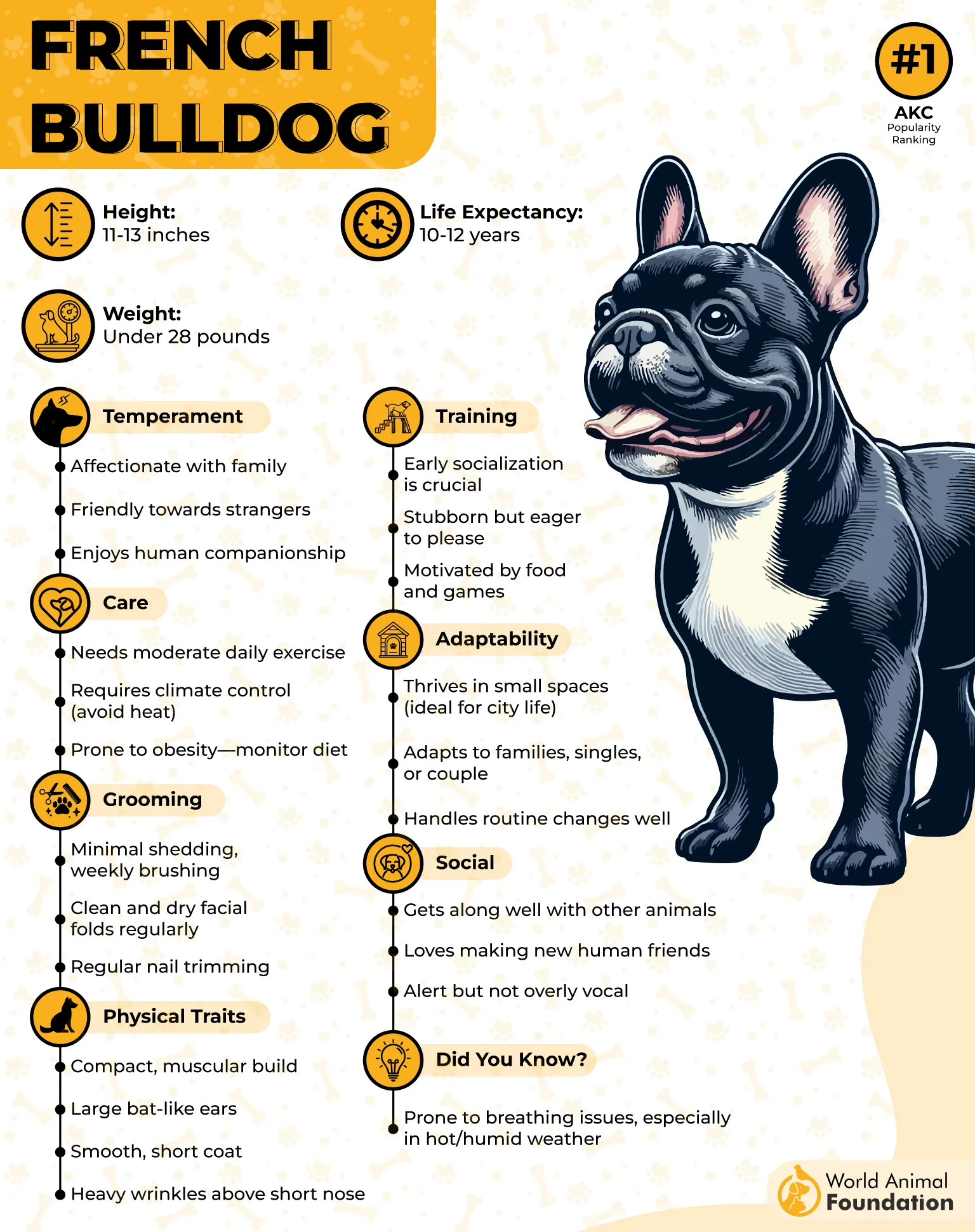
Avoid high-impact exercise, such as swimming and jumping, to prevent any bone-related injury. Since the breed is smart, it can easily get bored with repetitive tasks. Keep the training sessions short and productive. Early socialization and proper training on a leash are highly recommended.
5. Bulldog

Originating from a mastiff-type dog named Bullenbeissers, the Bulldog was originally used as a bull-baiting and blood sport dog. After the Ban Act on this cruel game in England in 1835, this breed was selectively bred again to be an even-tempered and gentle giant for families, says Purina.
It has a low center of gravity because of the dense muscular structure, making strenuous exercise difficult. It is prone to hip dysplasia and luxating patella because of heavy bones and small size; thus, it mostly tends to stay on the couch with the owner.
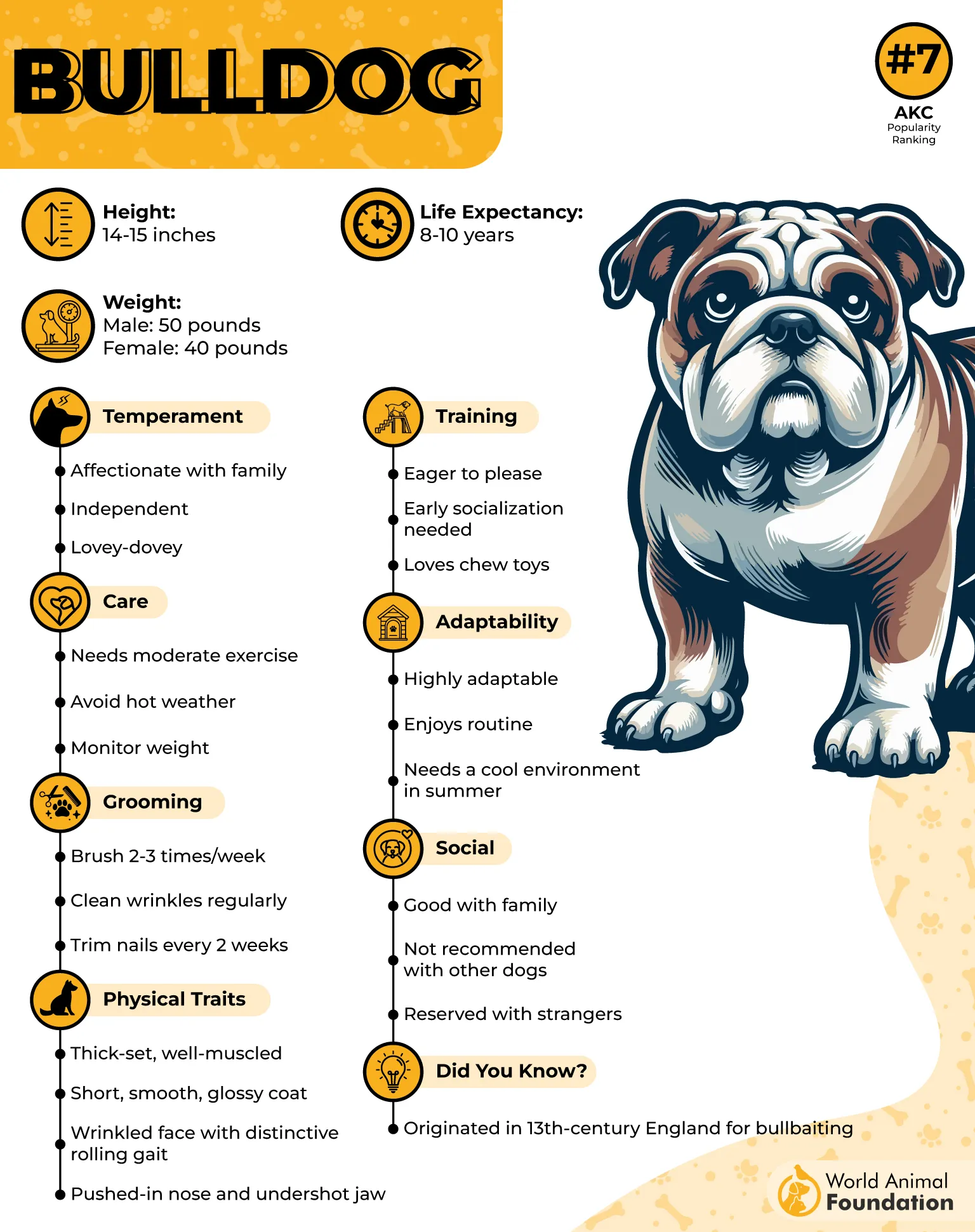
It is a low-energy breed that excels in light activities, such as hide-and-seek and tug-of-war. Since it is a brachycephalic breed, never take the Bulldog out on a hot summer day. Induce reward-based training to clean the skin folds. But keep the food intake controlled to avoid obesity.
6. Whippet
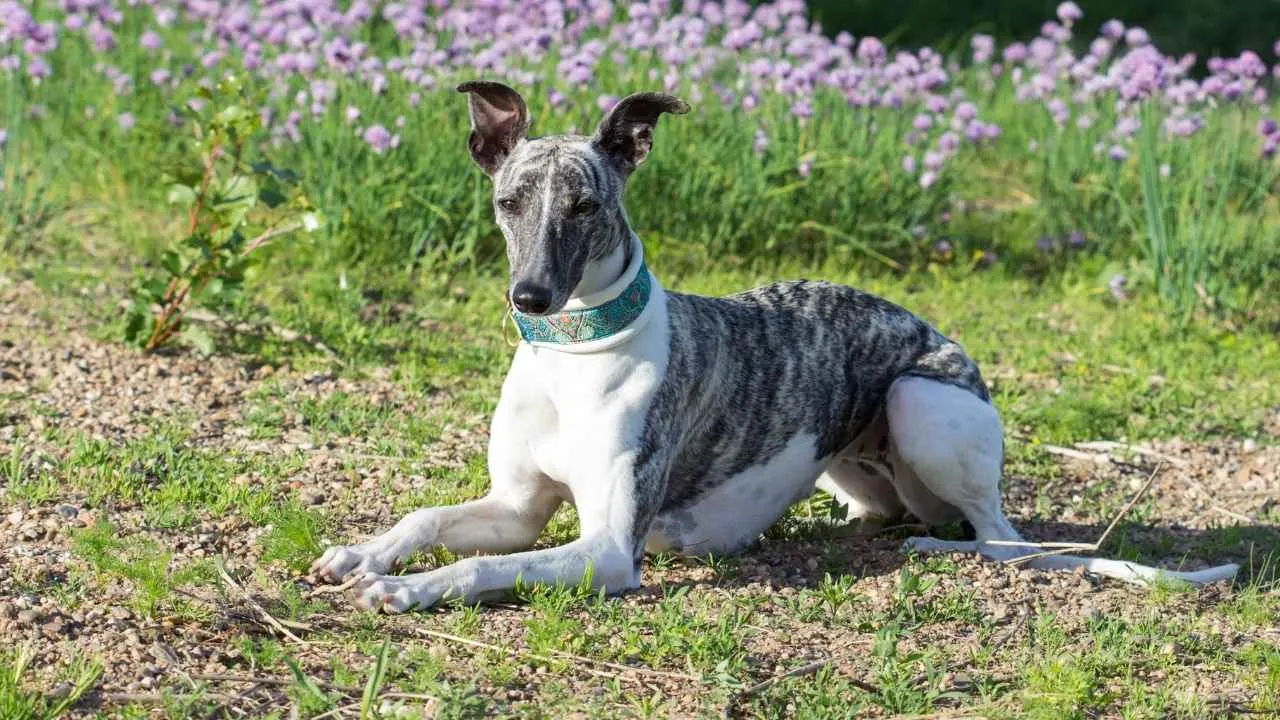
The Whippet’s history traces back to Victorian England, where coal miners in northern regions developed a strong interest in dog sports, particularly those involving Greyhounds. Since the breed was expensive and could not be accommodated in a smaller home, these miners developed a similar breed in a smaller size, the Whippet.
It relies on rapid and brief bursts and then goes back to sleep (14-20 hours a day). Since it lacks fur padding and thick fat, the breed finds it difficult to rest on a hard surface. It is sensitive to cold temperatures because of its single-layered thin coat. Hence, it prefers staying indoors in winter.
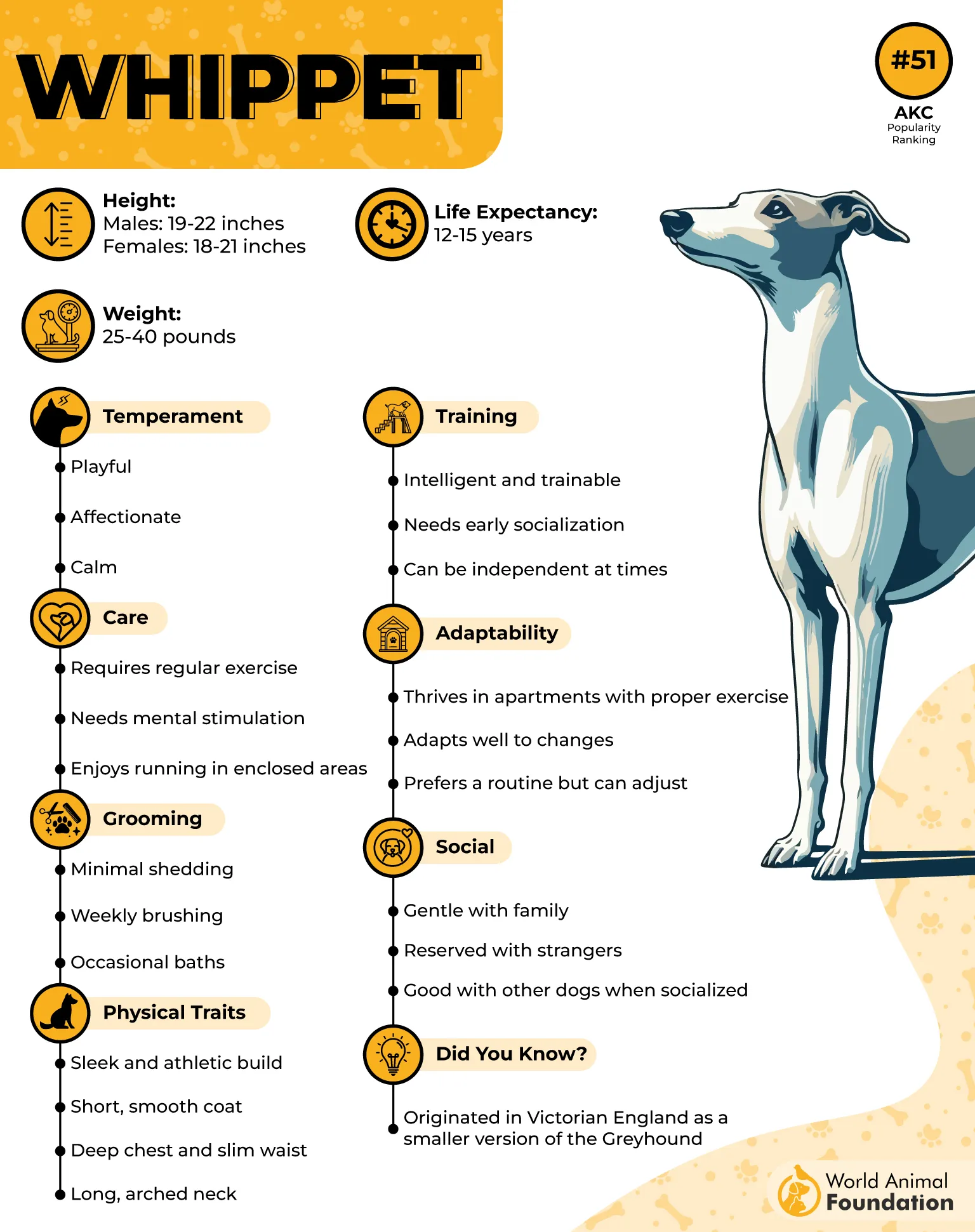
The breed mirrors the owner’s emotions; if you are a couch potato, it will follow your lead. It does not bark unnecessarily and loves to invade your privacy by cuddling you or gently poking you with its nose. It has moderate energy levels and needs daily 45-60 minutes of physical and mental stimulation.
7. Greyhound
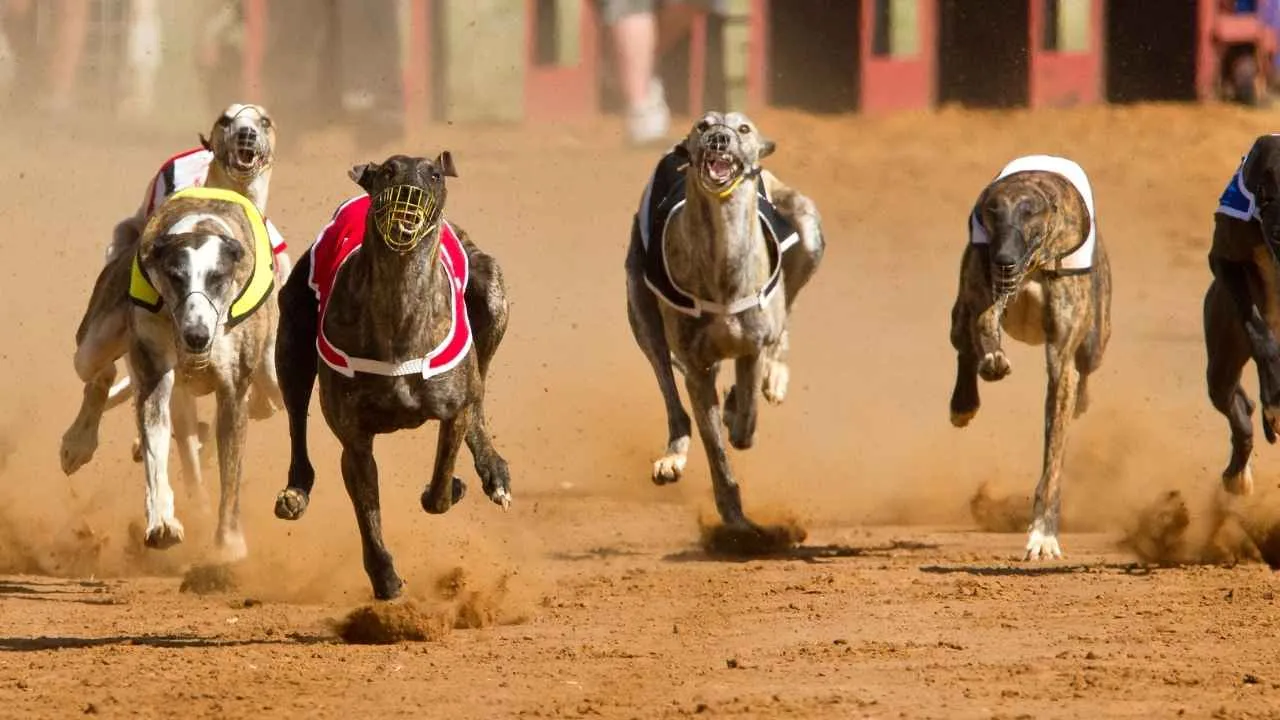
The breed was originally developed as a hunting dog because of its high speed (43 mph) and strong sense of sight. It has also been used as a show dog and a companion dog for centuries. Its flexible spine, a deep chest, long legs, and a slim build make it perfect for sprinting.
The breed has fast-twitch muscles that allow an abrupt increase in energy levels and lacks slow-twitch muscles that ensure endurance. With minimal body fat, it is sensitive to cold temperatures. It is known for its ‘sloppy sit,’ where its legs splayed out because of its long legs.
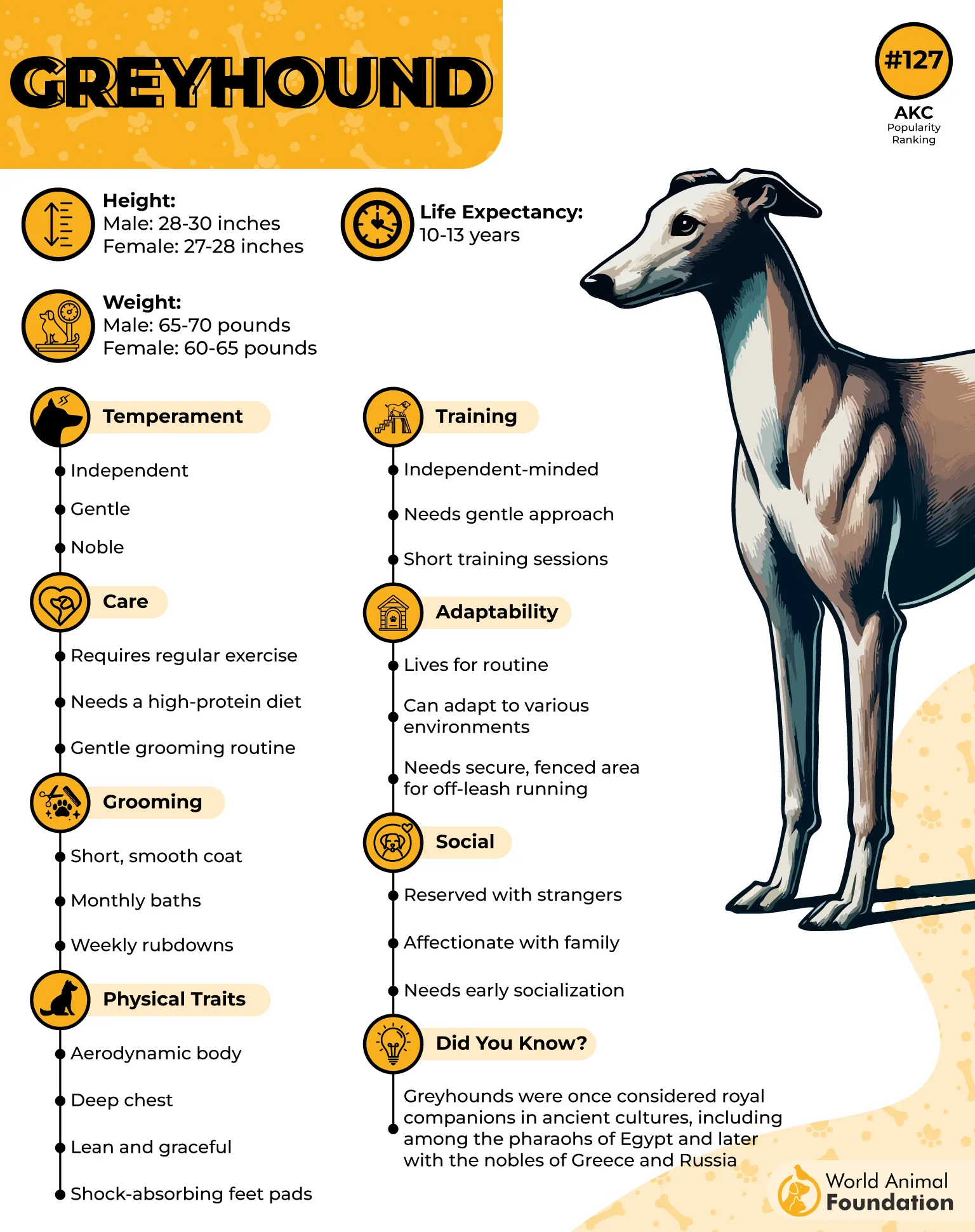
The breed loves to lean its heavy back against the owner’s body as a gesture of affection. It has a cat-like personality, as it tends to make independent decisions without human supervision. This can sometimes lead to stubbornness.
Conclusion
Choosing a dog should always involve matching a breed’s needs with your lifestyle. For people who prefer cozy evenings, leisurely walks, and quiet weekends, these seven breeds offer an excellent balance of companionship and manageable care.
The Cavalier King Charles Spaniel brings endless affection. The Basset Hound offers calm loyalty. Pugs and French Bulldogs add humor and personality. Bulldogs provide steady companionship. Whippets and Greyhounds prove that speed does not always equal endless energy.
Sometimes the perfect day is just a comfortable couch, a loyal dog beside you, and absolutely nowhere else to be.
