




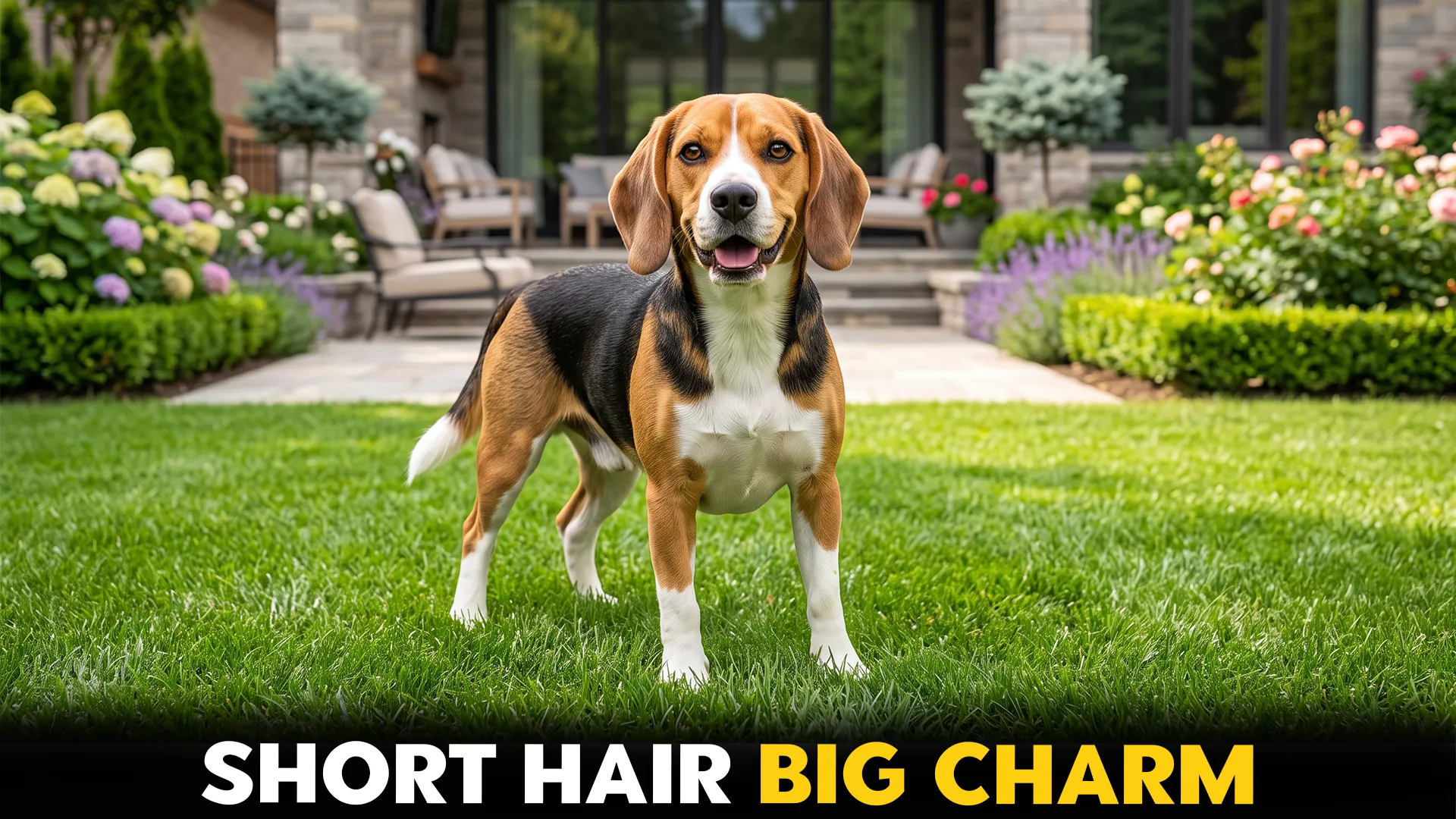
Some people fall in love with fluffy dogs. Others take one look at tumbleweeds of fur rolling across the living room and quietly back away.
If that sounds familiar, a dog with a short, smooth coat might be your perfect match. These breeds are easier to groom, dry faster after a bath, and usually need less brushing, although every dog still sheds to some degree.
According to the American Pet Product Association, about 45% of U.S. households own a dog, among 66% of the total pet ownership, proving that four-legged friends remain America’s favorite companions.
Choosing the right coat type is just as important as choosing the right personality. A famous quote by Roger Caras says, “Dogs are not our whole life, but they make our lives whole.” That could not be more true when you find a breed that fits your daily routine.
Top Dog Breeds Featuring Short and Smooth Fur
1. Boxer
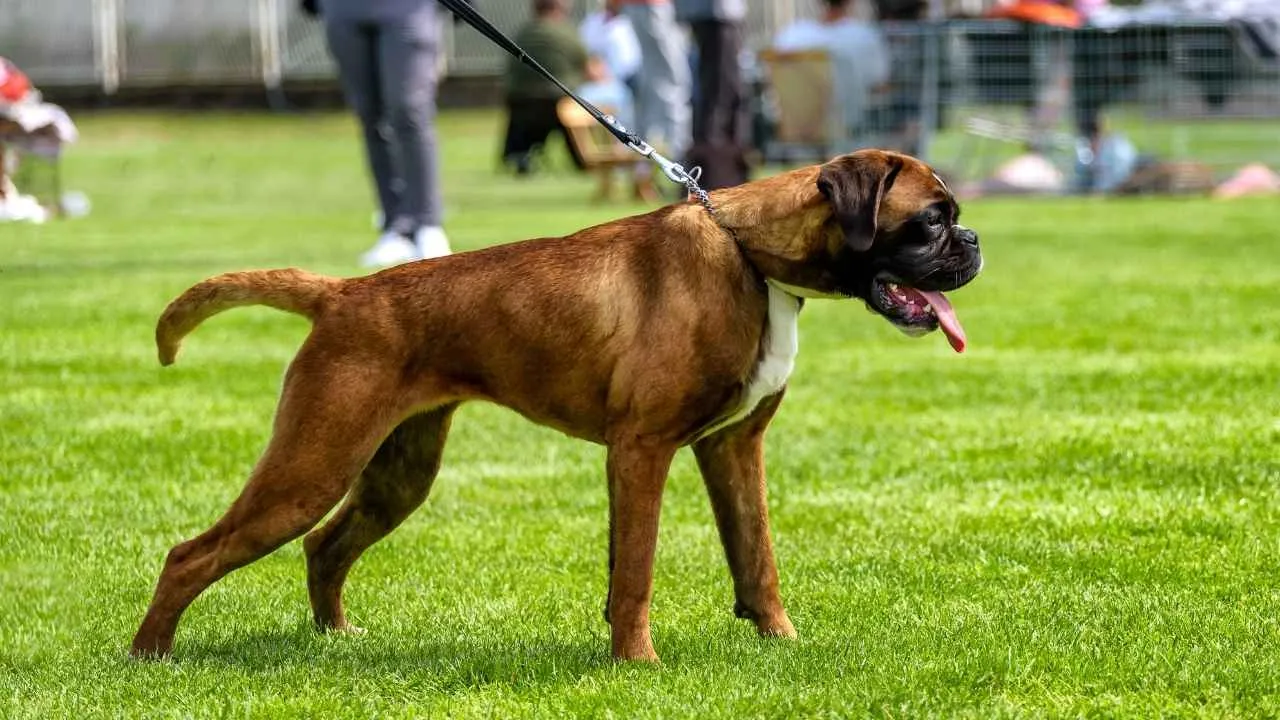
This medium-to-large dog was developed in Germany as a mastiff-type breed. It is a brachycephalic breed (has a flat face and narrowed airways), a short muzzle, mandibular prognathism, a strong jaw, and a powerful bite. It is a cross of an Old English Bulldog and the extinct Bullenbeisser, according to Wikipedia.
It has a short and sleek coat that lies tight to the body. The tight-fitting coat perfectly highlights its well-defined, rippling muscles. It lacks an undercoat; thus, it has a low-shedding coat. It primarily has two accepted colors: fawn and brindle. Almost 20-25% of Boxers are white.
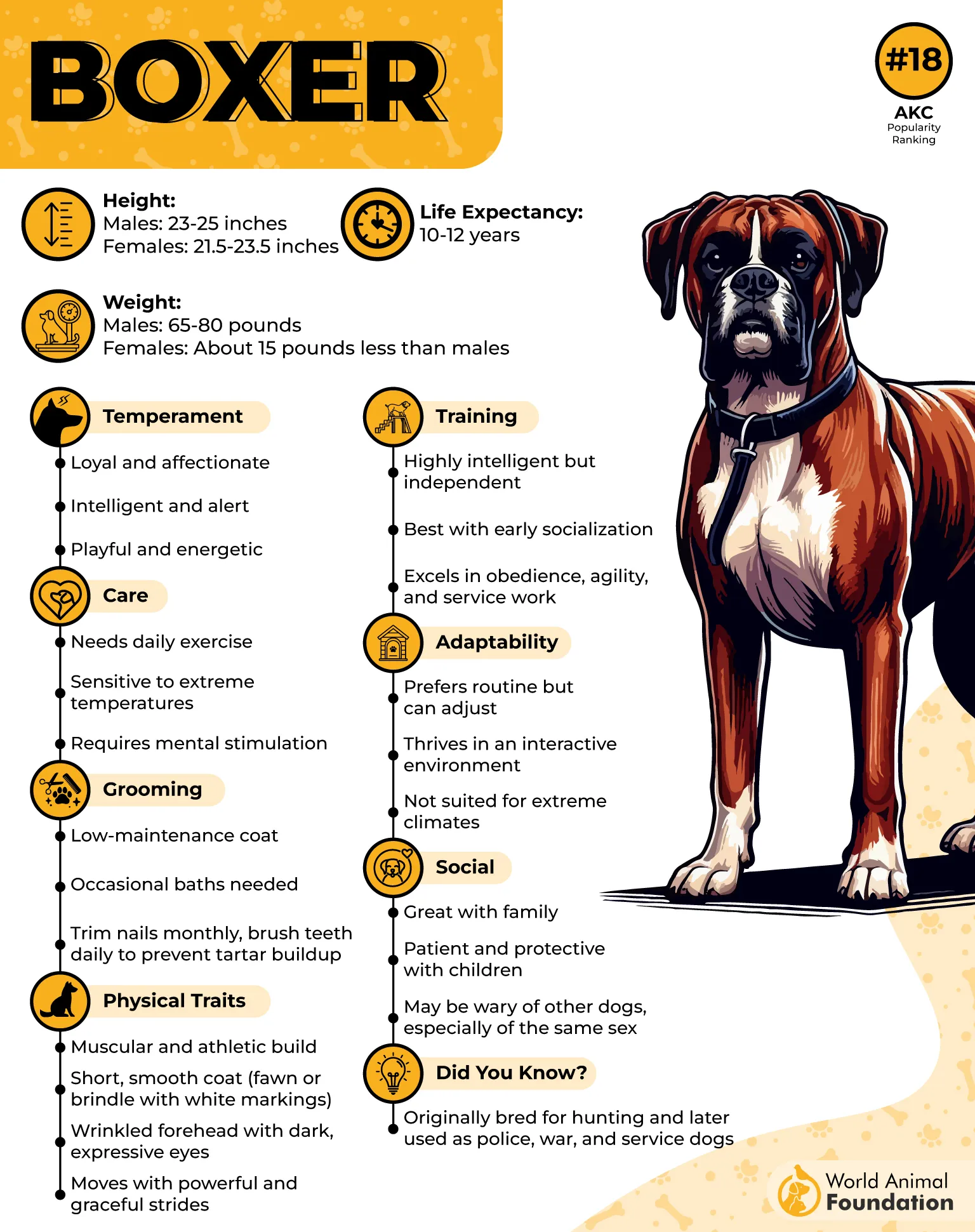
It sometimes has a black mask and dark pigmentation around its muzzle and eyes. Boxers with white markings are called ‘flashy.’ The short coat minimizes air resistance while running and allows body heat to dissipate more efficiently through the skin.
2. Beagle
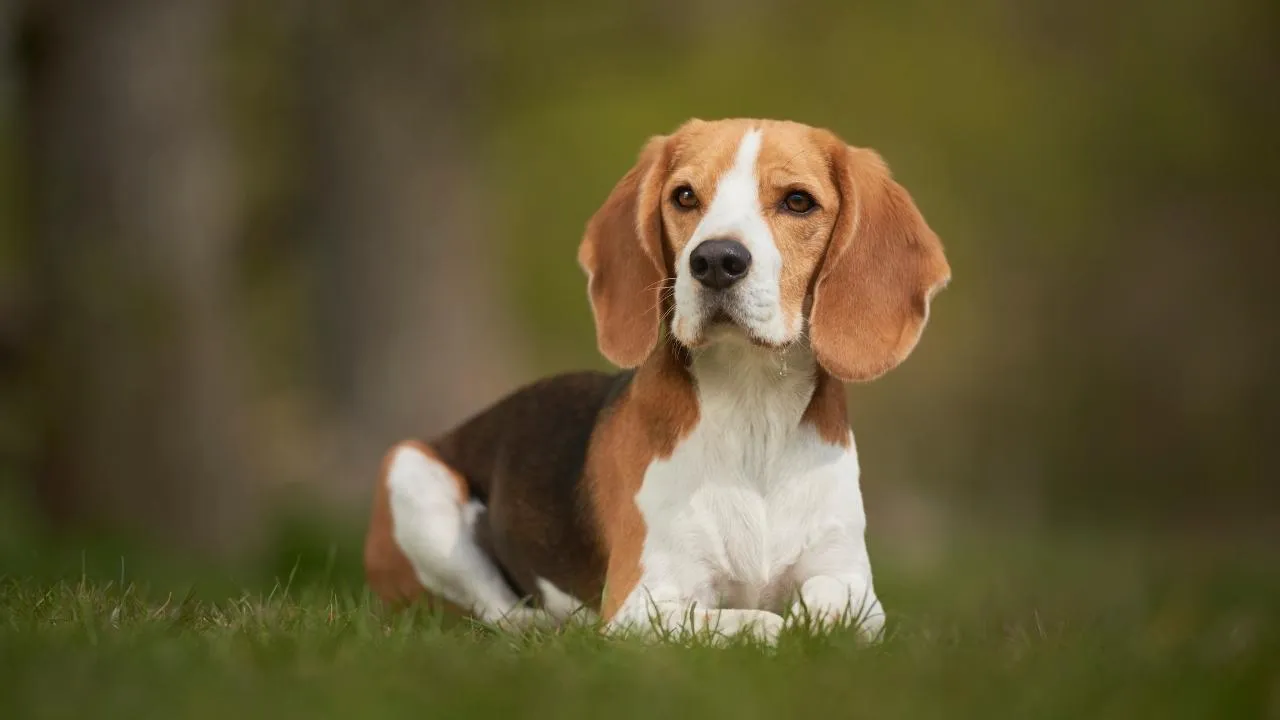
This British breed of the scent hound was developed for hunting small game, such as rabbits and hares, known as ‘Beagling.’ Its tracking instincts and strong sense of smell make it an excellent detection dog. It is also a great companion dog because of its affectionate nature.
The short-haired dog breed has a dense double coat that protects it against the elements during fieldwork. The coat has a longer outer coat designed to repel dirt and water, while the undercoat regulates the internal body temperature. The white-tipped tail, or the ‘lantern,’ was specifically designed so the hunters could easily spot the dog while tracking.
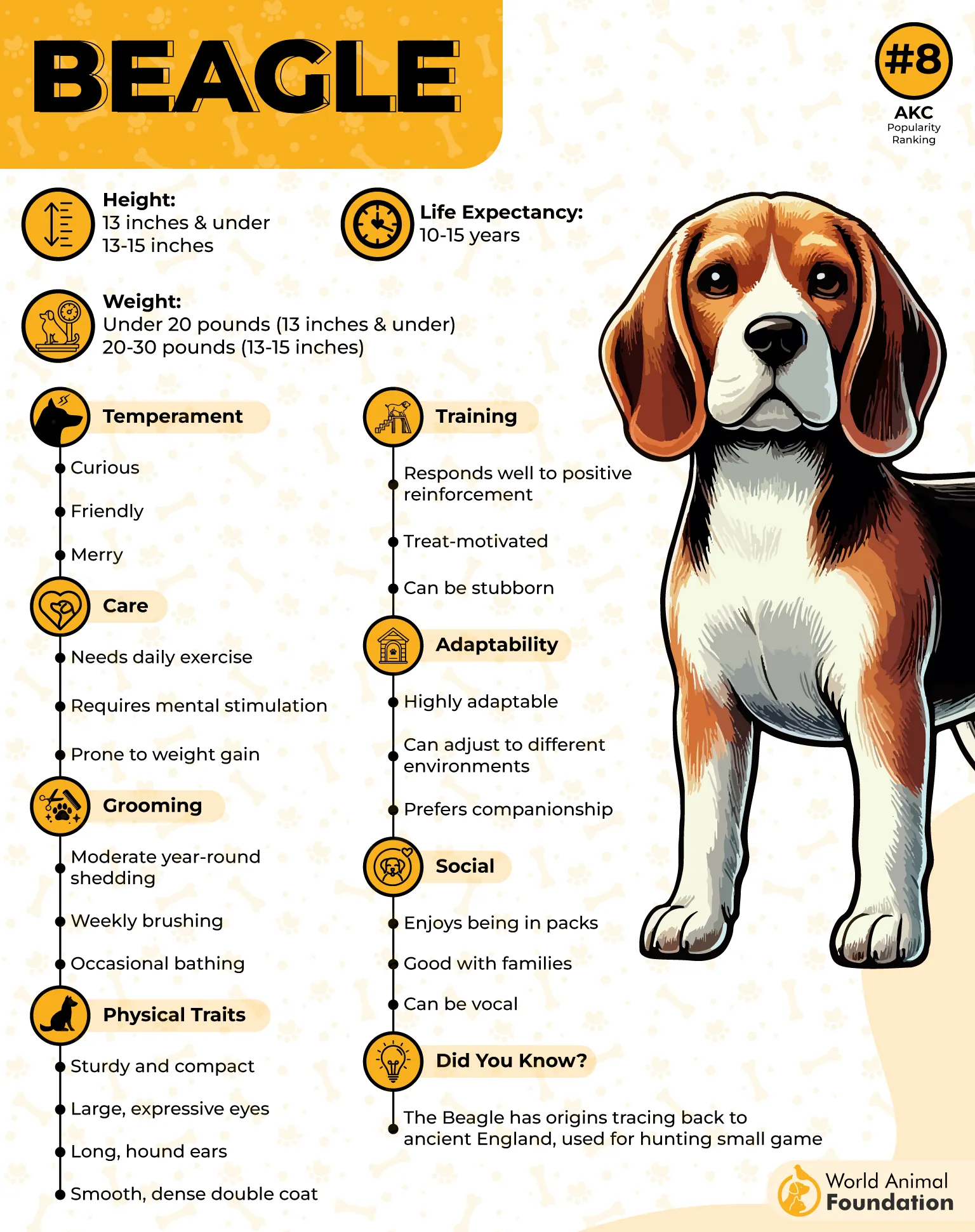
It comes in tri-colors, bi-colors, pied and ticked, and some dilute variations (black, tan, and white, and chocolate tri-colors). The dog has a low-maintenance coat that needs weekly brushing using a rubber grooming mitt or a curry brush to remove loose hair.
3. Dalmatian
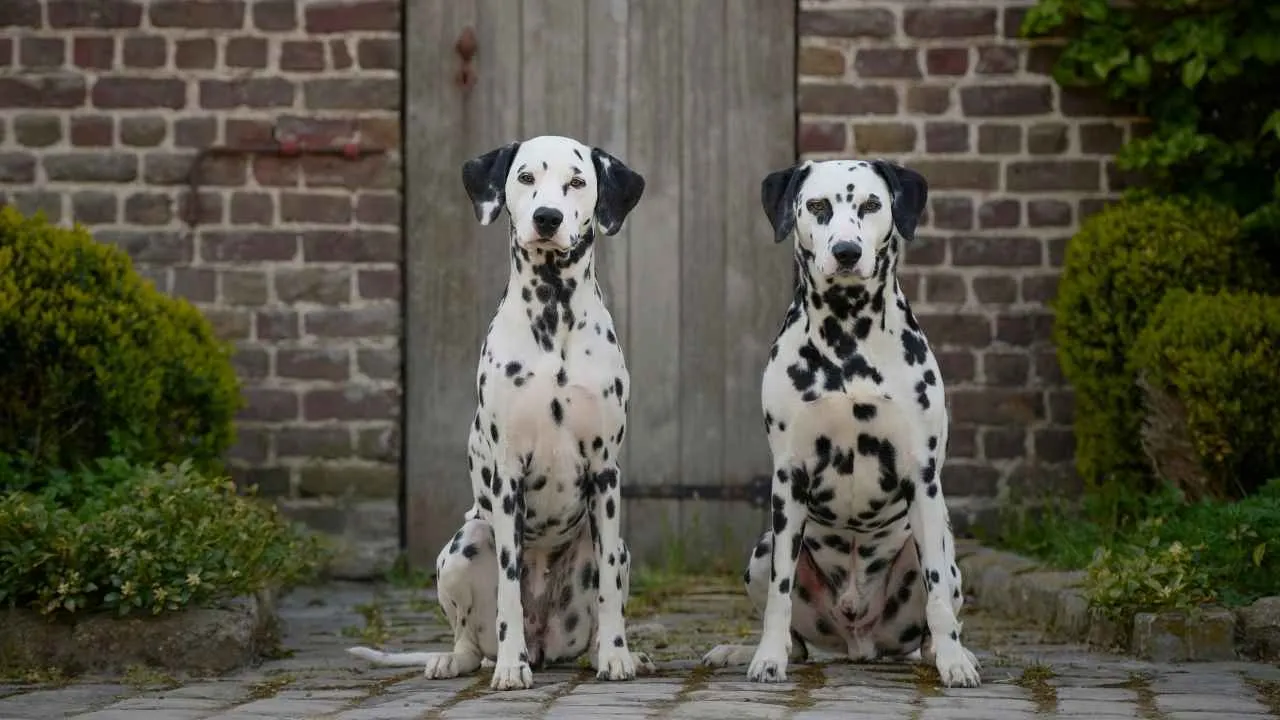
This white breed was originally bred as a hunting dog and was also used as a carriage dog by the firefighters. Its history dates back to Croatia and Dalmatia, where its ancestors (pointers) resided. The modern breed is kept as a companion dog. Puppies are born as a complete white breed, while the adults have well-defined spots of various colors.
It mainly has a short coat, but some have a long-haired variety because of the recessive gene. The pigmented spots are round, well-defined, and not intermingled. It ranges from the size of a dime to a half-dollar coin. Since the coat is smooth and dense, it casts off mud, twigs, and stable debris.
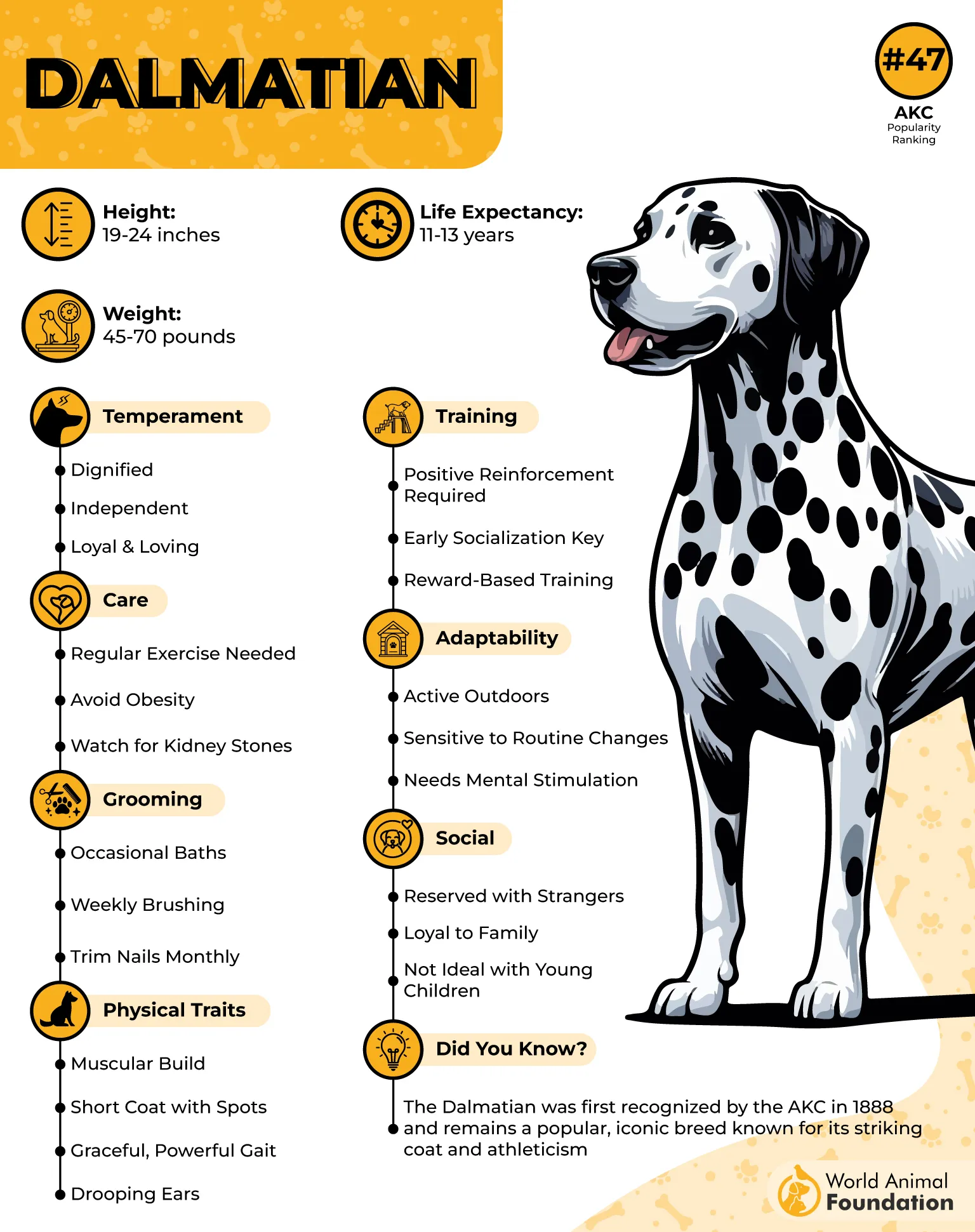
Despite having a low-maintenance coat, it needs consistent deshedding and sensitive skin care. Overbathing will strip natural protective oils. Bath it after 4-6 weeks. Use specialized products to brighten its white coat and safely eliminate yellow stains.
4. Pug
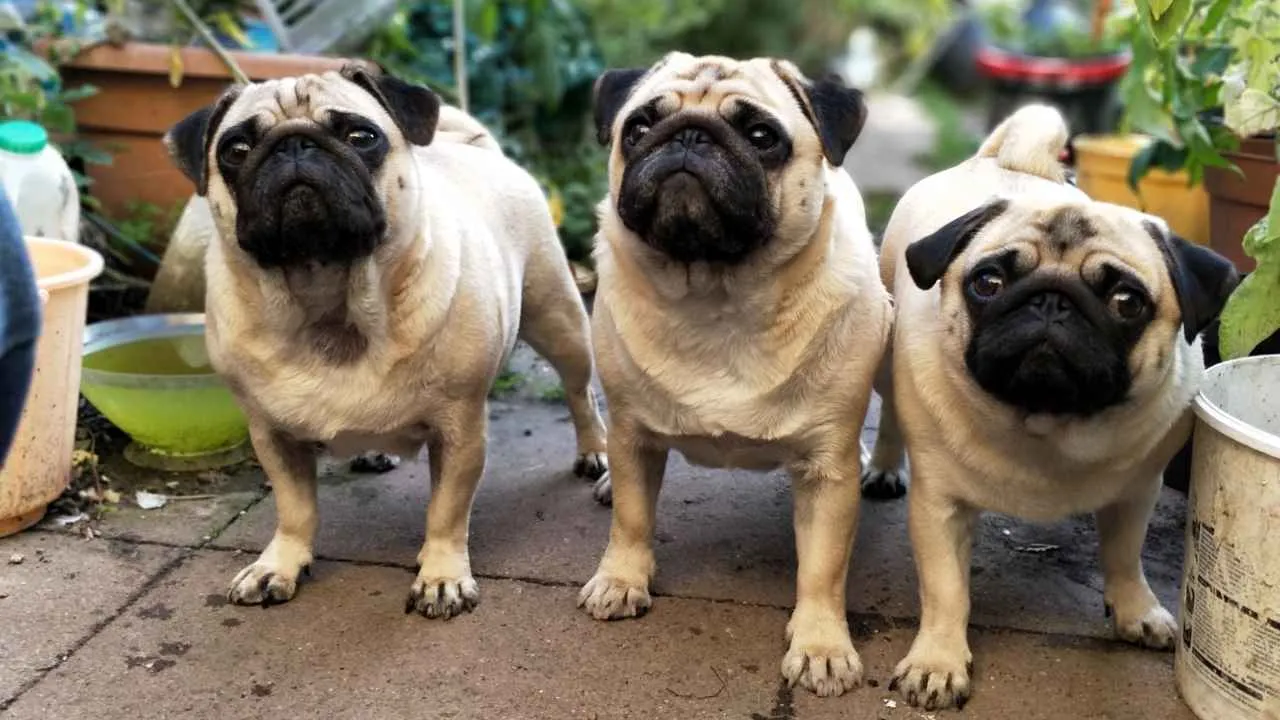
Originally bred in ancient China by the Chinese imperial and Buddhist monks as a watchdog. It was one of the favorite breeds of the royalty, including Marie Antoinette, Josephine, Napoleon Bonaparte’s wife, and Queen Victoria. It has a square snout and a muscular frame, as per Orvis.
The double coat consists of a glossy topcoat and a continuously growing undercoat. The smooth coat is a year-round high-shedder. The fur highlights the iconic wrinkles on the forehead and muzzle. The coat color comes in fawn, black, apricot, and silver fawn.
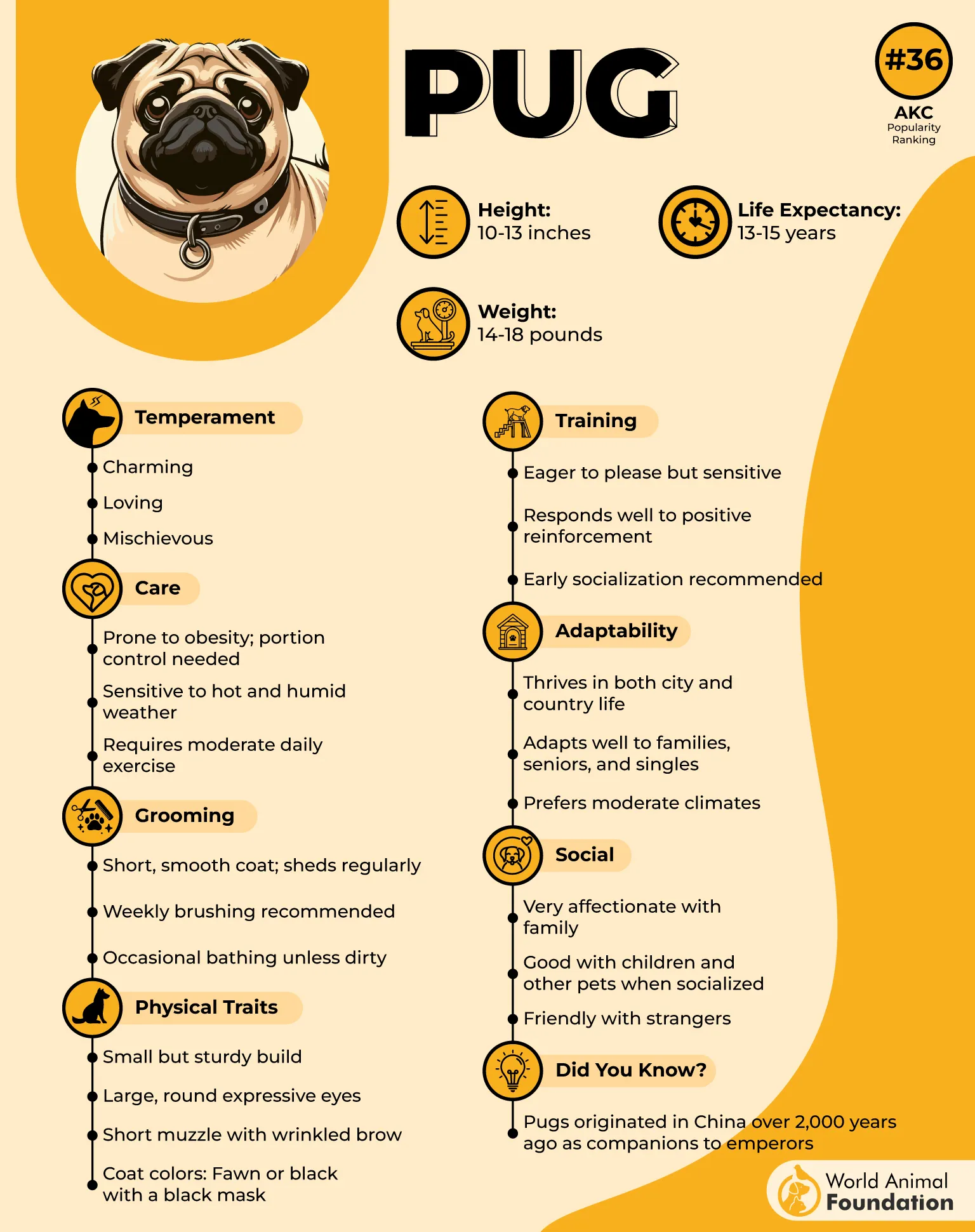
The stiff hair acts as a shield against minor abrasions, brushes, and harmful UV rays. The short-haired breed needs consistent brushing and daily wrinkle cleaning to avoid infections. Brushing is required 2-3 times a week and daily during shedding seasons (summer and spring).
5. Boston Terrier
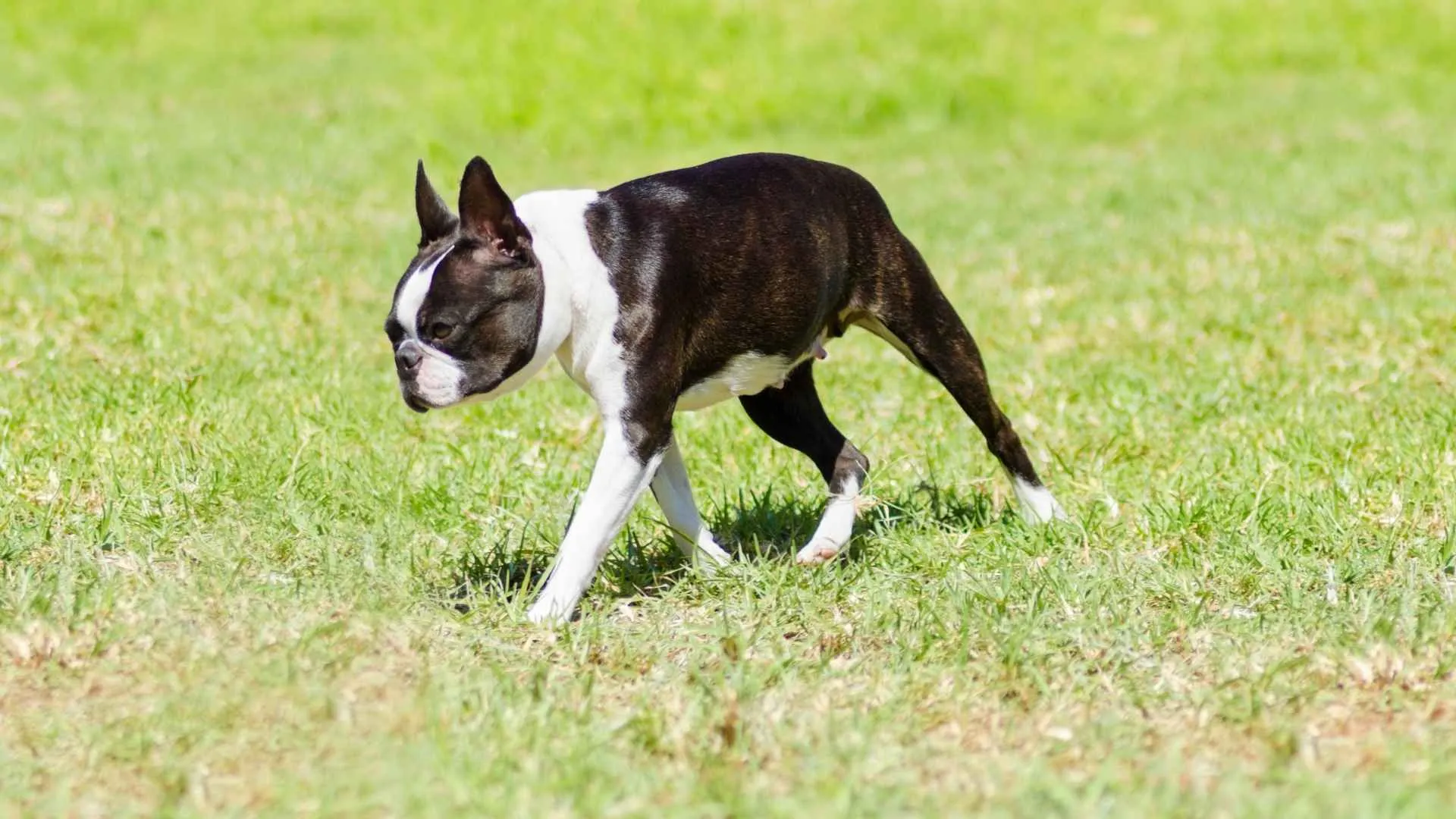
The small dog was developed in the United States and is called the ‘American Gentleman’ because of its tuxedo coat. There is a light marking all along its chest, while the rest of the body has a dark base. It was developed as a non-sporting breed and has erect ears and a short tail.
It has a single-layer coat; thus, sensitive to extreme cold or heat. Only dark base colors are accepted: black, seal, and brindle. It is needed to have a white muzzle band, a white blaze between the eyes, and a white forechest. The evenly distributed natural oils repel water and dust, keeping the dog’s coat clean after outdoor activity.
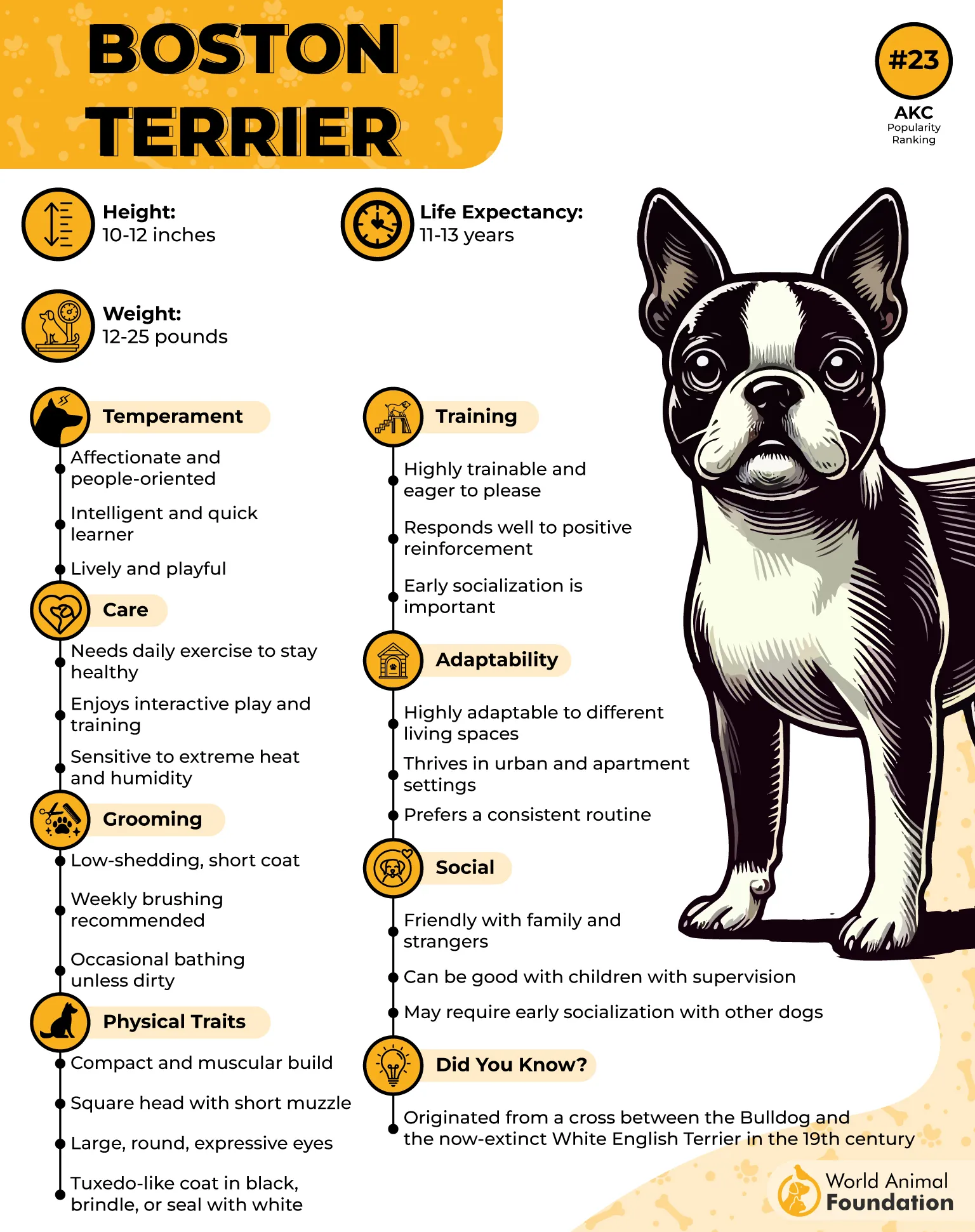
Use a soft bristle brush and a rubber grooming mitt to remove dead hair, distribute natural oils, and keep the coat healthy. Use a moisturizing dog shampoo while bathing (occasional bathing is needed). Keep the nails short to prevent splitting and discomfort.
6. Great Dane
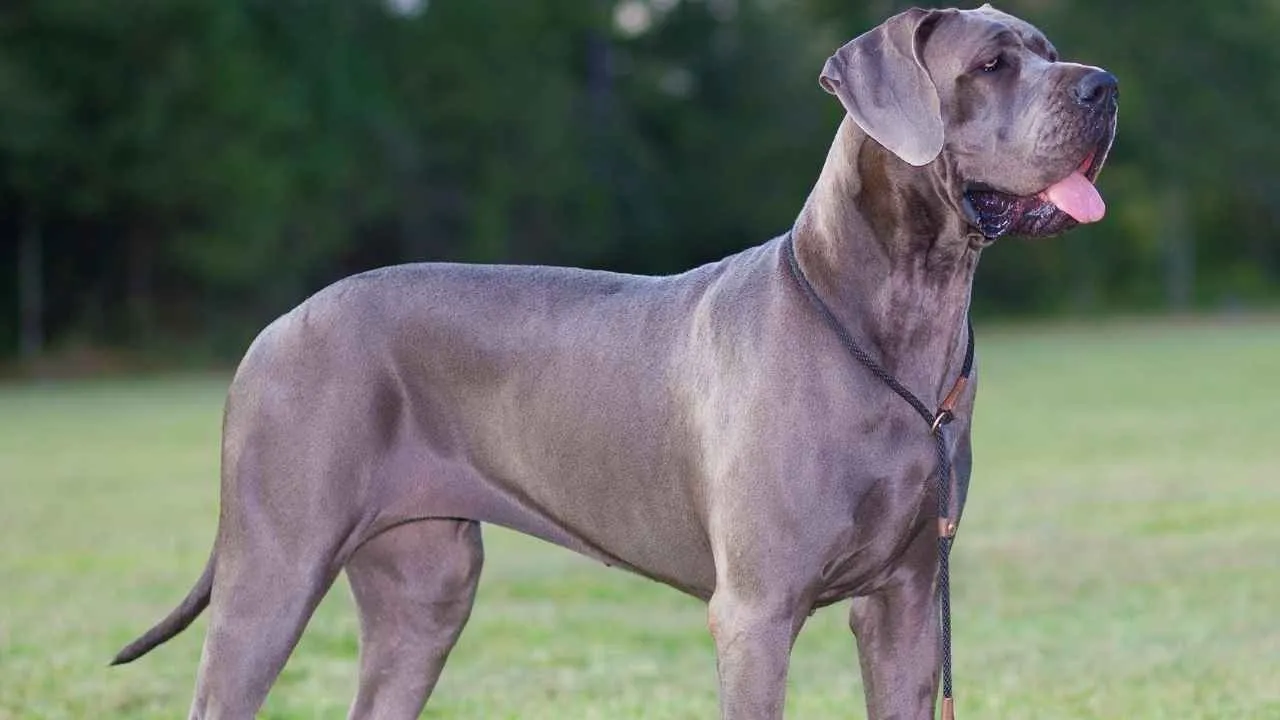
This large mastiff-sighthound is the descendant of the hunting dogs that were bred to hunt large game, such as wild boars, bears, and deer. This specific breed was developed as a guard dog to protect the German nobility. The largest dog in the world, Zeus: 44 inches tall that holds a record belongs to this dog breed.
There are officially 7 show-quality coat colors accepted: fawn, brindle, blue, black, harlequin, mental, and merle. The single-layer coat prevents it from sagging on dense brush while hunting or moving through varied terrain. The coat is thick enough to protect the breed from sunburn.
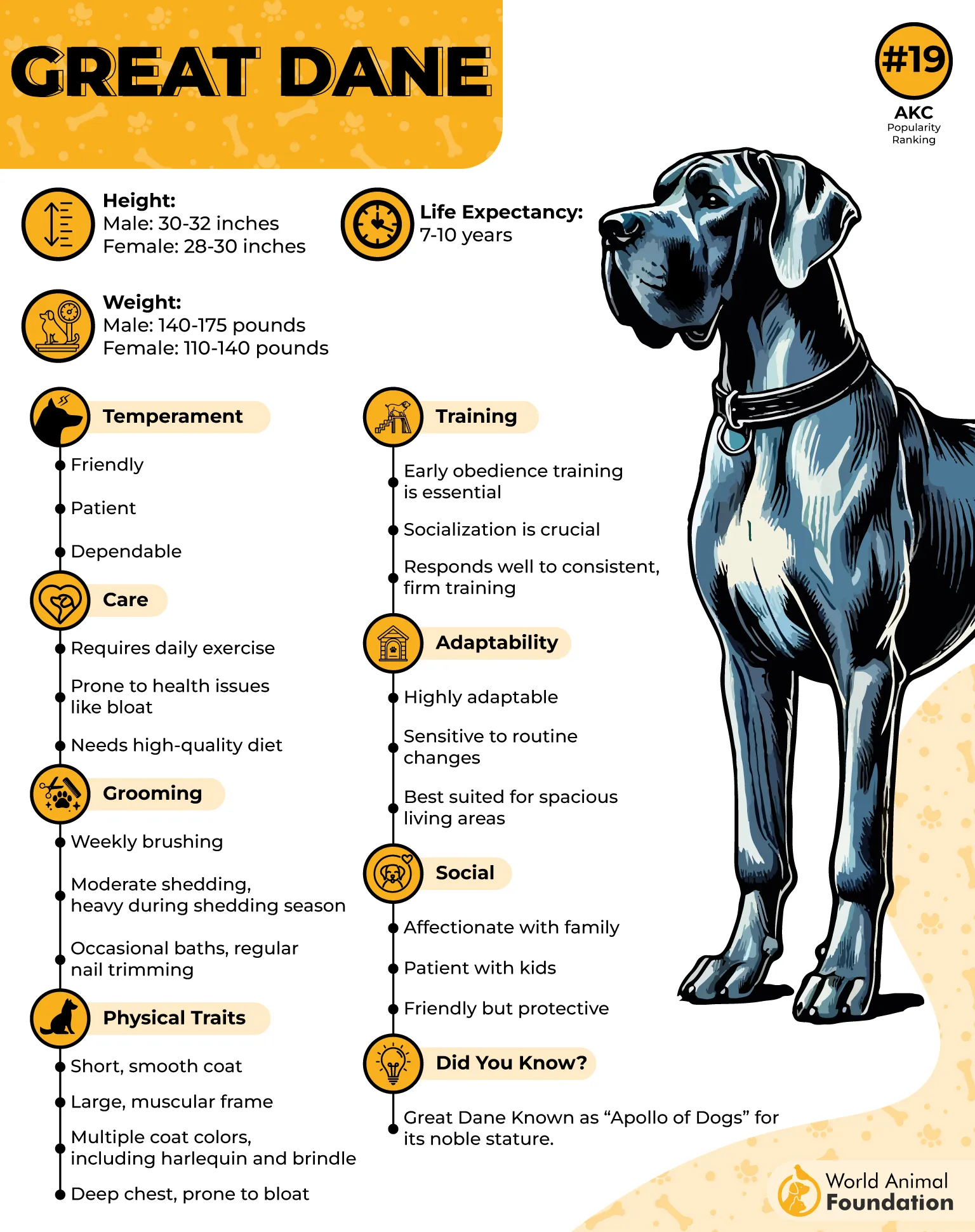
Use a hound glove or a rubber grooming mitt to massage its skin (weekly brushing). You can also use a gentle shedding tool, but avoid pressing down too hard. Bathe the breed once in a while. Prone to drool, wipe its lips, jowls, and any facial wrinkles daily with a damp cloth or pet-safe wipe.
7. French Bulldog

This toy-sized Bulldog was developed by the English lace makers in the 18th century as a lap dog. During the Industrial Revolution, the lace makers moved to northern France, where the dog was interbred with local dogs, resulting in bat ears, says Purina.
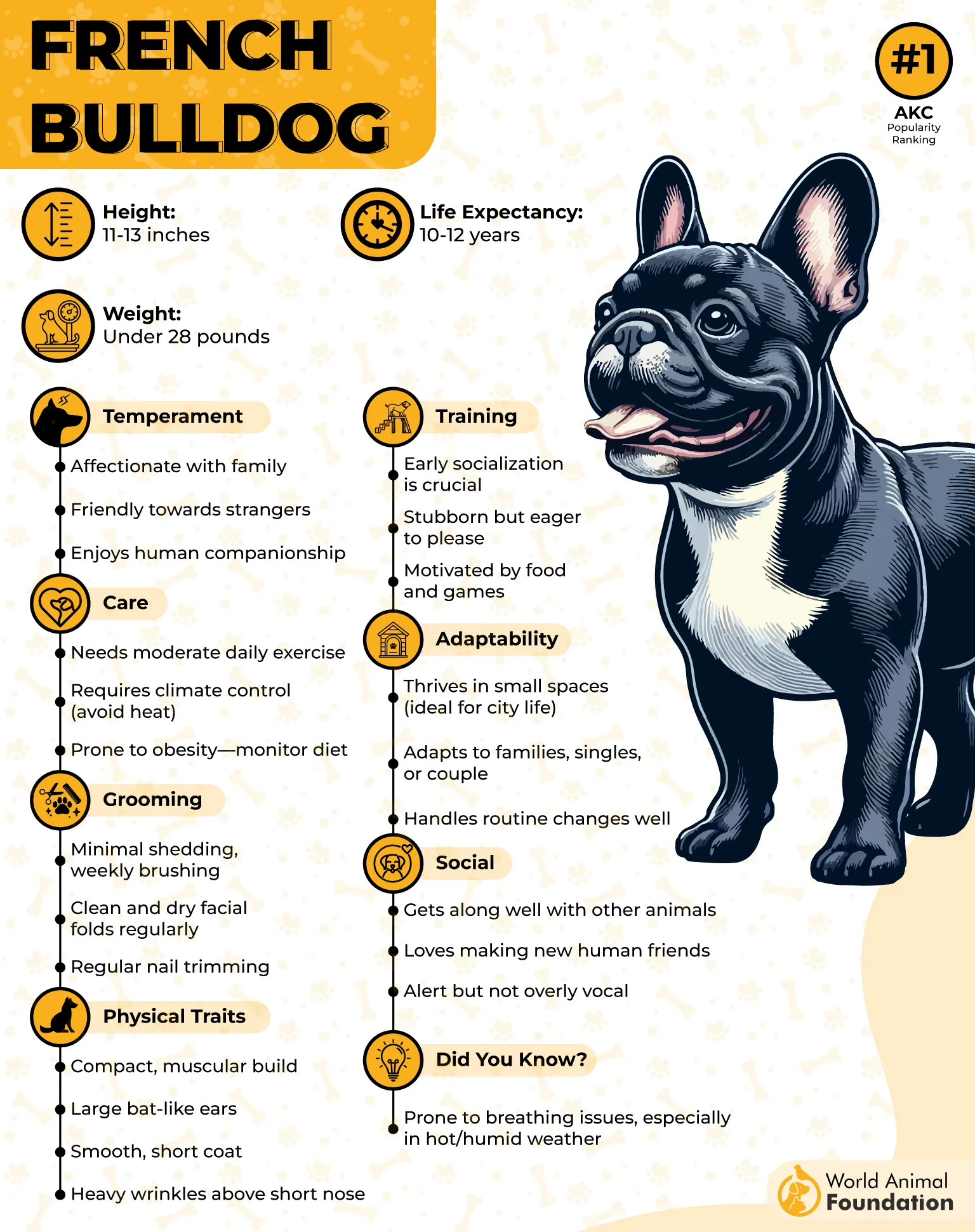
The coat is tight, sleek, and short, which requires minimal grooming. Some rare Frenchies have a recessive gene, resulting in a fluffy, woolly, and long coat. It has moderate shedding all around the year and lacks an undercoat. It comes in 4 recognized colors: brindle, fawn, cream, and pied.
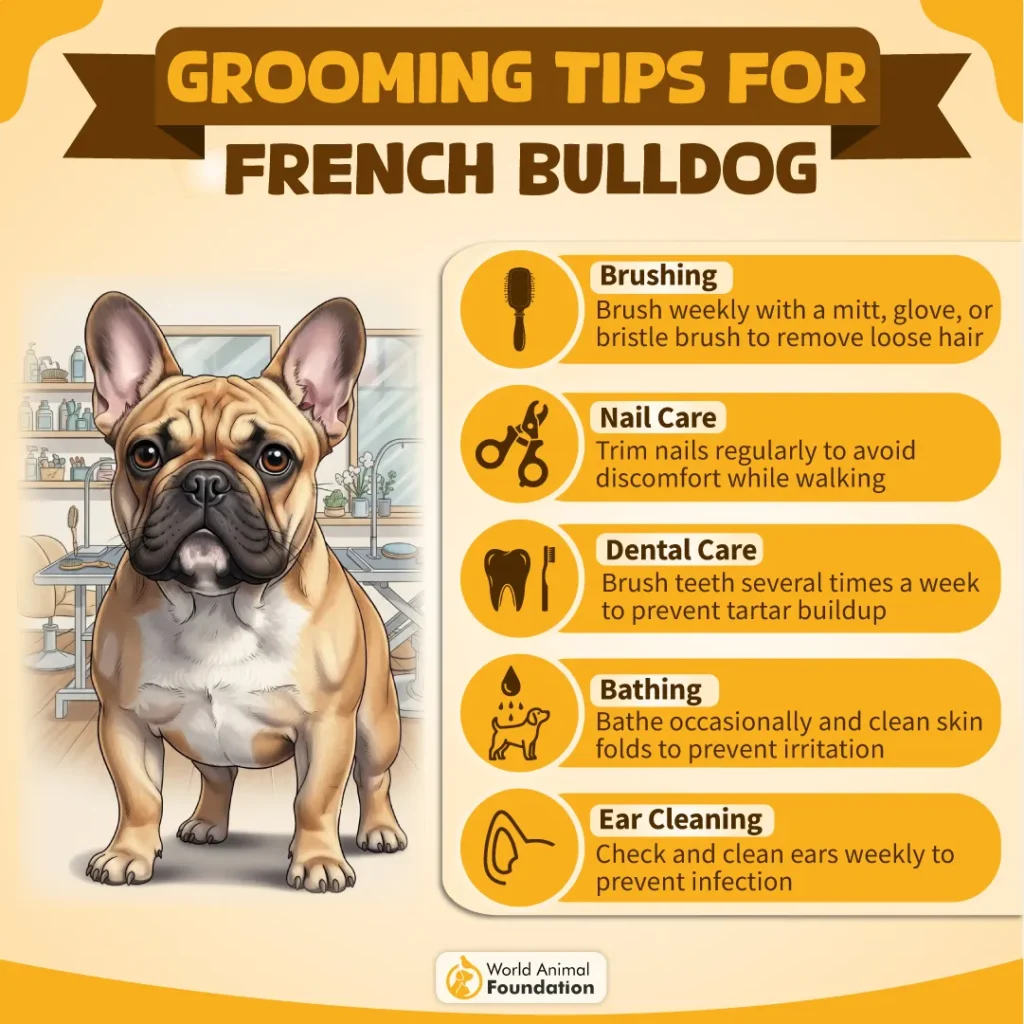
Since it is a brachycephalic breed, the loyal dog is prone to skin-fold dermatitis. Thus, alcohol free wet wipes should be used to clean the folds after 2-3 days. Weekly brushing is recommended. Avoid shaving and clipping entirely. Bathe it every 4-8 weeks.
8. Miniature Pinscher
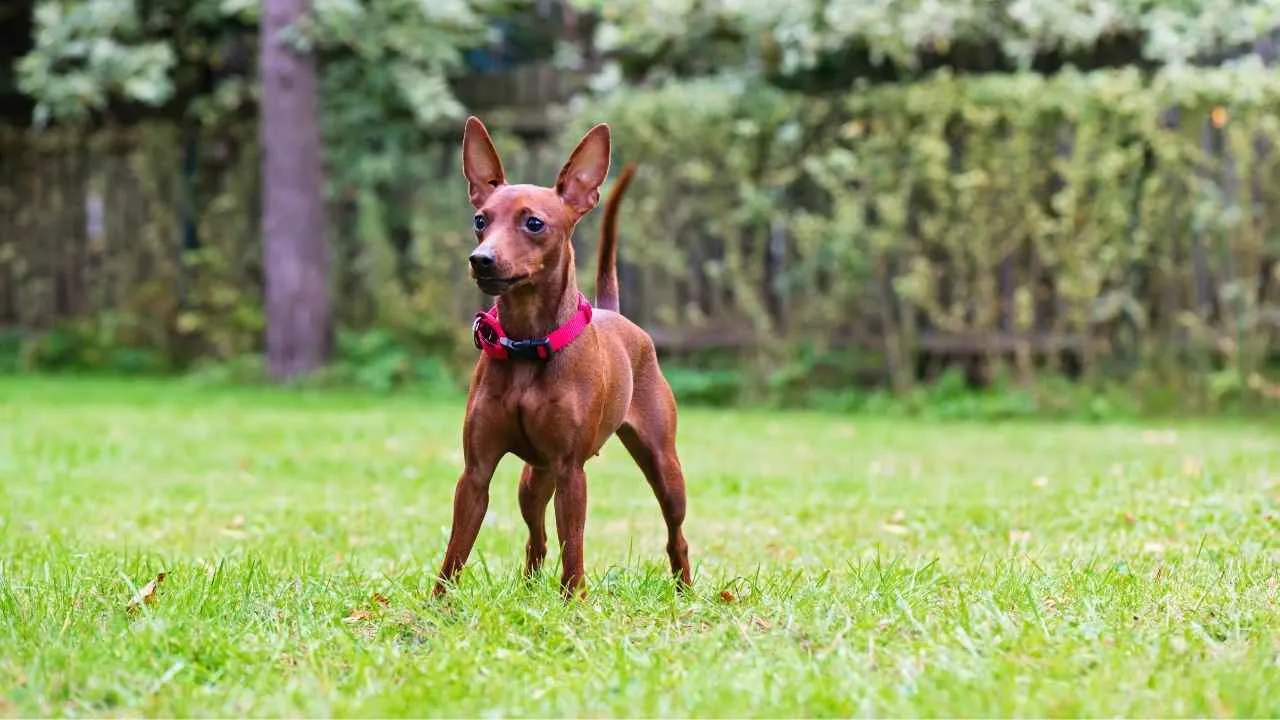
Developed in Germany more than 200 years ago as a ratter. The Min Pin was developed by crossing the Dachshund and the Italian Greyhound. It was first called Reh Pinscher because of its keen similarity with a local deer called ‘Reh.’
This furry friend has a short and uniform coat that covers the body completely, though the belly has a slightly thinner texture. It is a low-maintenance shedder with minimal dog odor. The breed comes in solid colors, marked colors, and other colors.
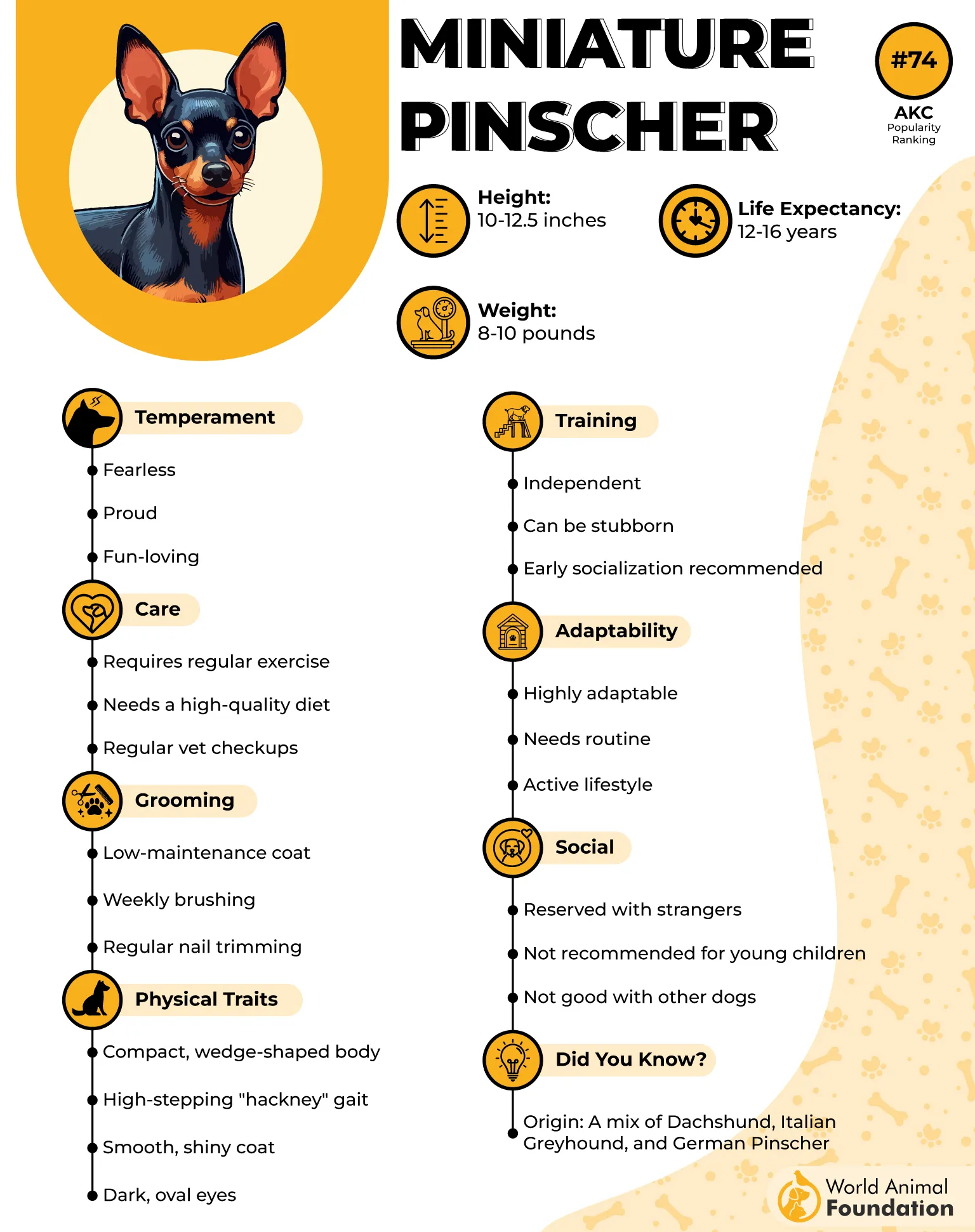
It has regular grooming needs (weekly brushing), using a soft-bristle brush or a grooming mitt. Use a nail clipper or grinder to trim the nails every 2-3 weeks. It needs to get its teeth brushed after 2-3 weeks using a canine-safe toothpaste.
9. Chihuahua
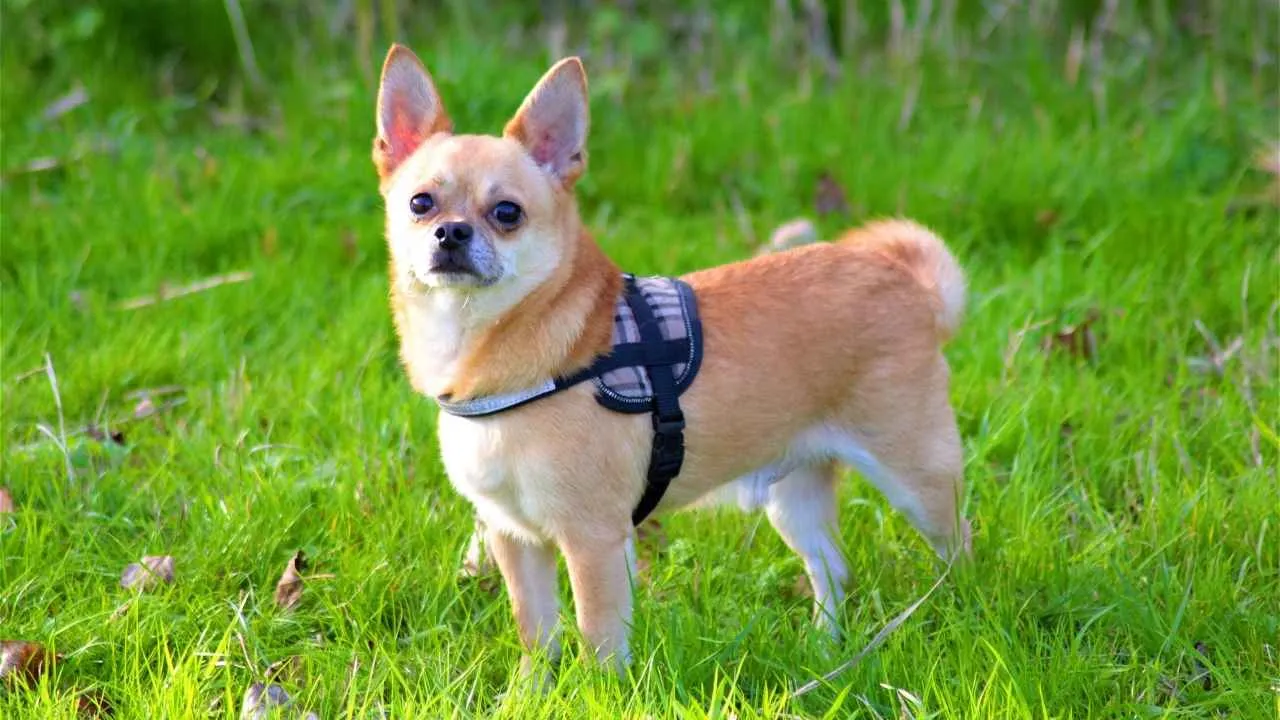
This Mexican toy breed is the smallest dog and is primarily kept as a companion dog. The Chihuahua has erect ears and a round skull. The modern-day breed has a small proportion of pre-Columbian indigenous American dog ancestry.
The coat comes in two distinct varieties: a long-haired coat and a short-haired coat. The short-coated breed has a glossy texture with the hair slightly longer on the neck and the tail. The solid coat has 6 colors: fawn, black, chocolate, white, cream, red, and gold. It may have a single or double coat.
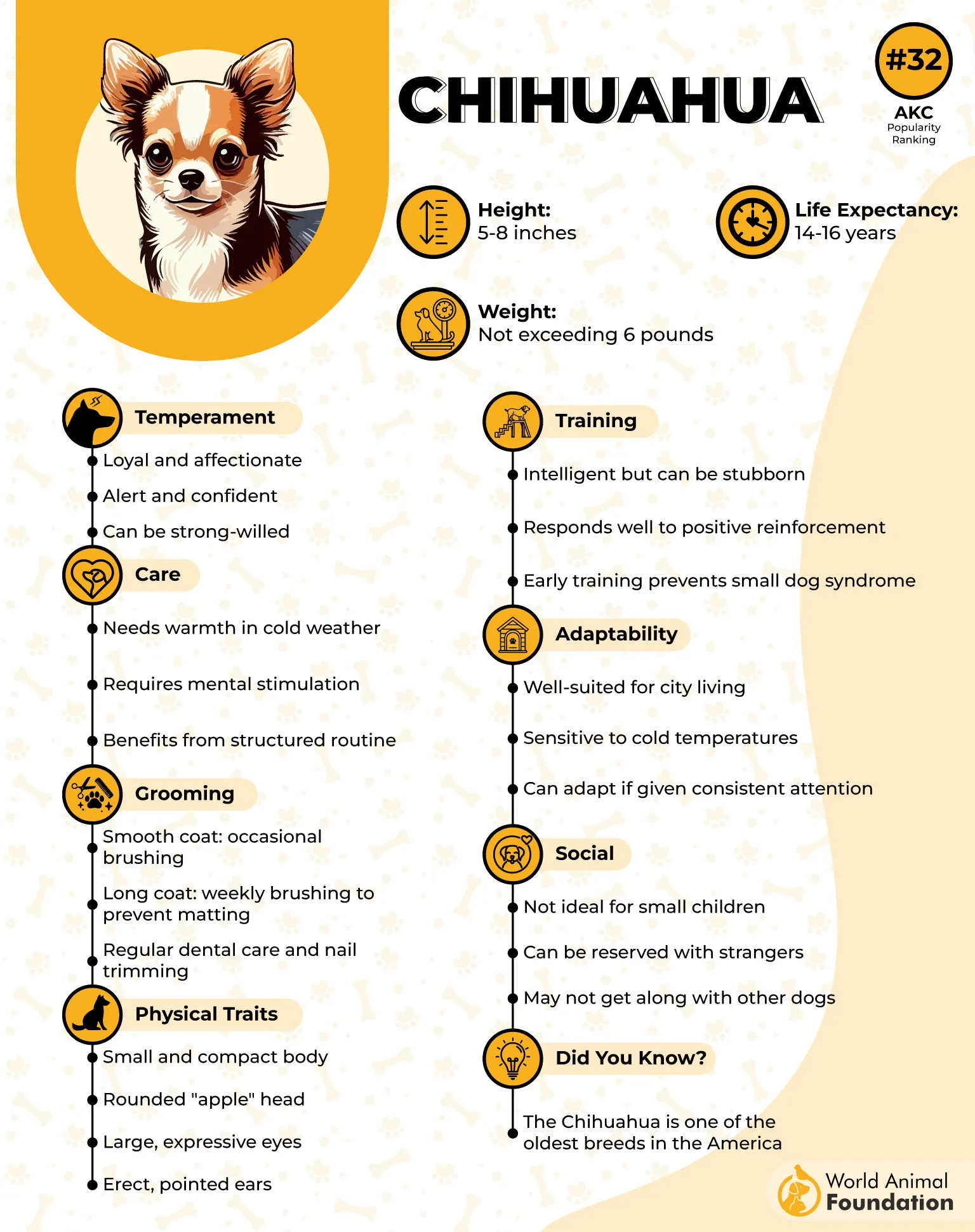
The short coat requires weekly brushing using a soft-bristle brush and a rubber grooming mitt to remove dead hair and reduce shedding. Make sure the water is shallow while bathing (4 inches). Use a non-slip mat in the tub.
Conclusion
Choosing a dog with short and smooth fur does not mean giving up personality, beauty, or intelligence. Every breed on this list offers something unique, whether it is the Boxer’s playful energy, the Beagle’s curious nose, the Dalmatian’s striking spots, or the Great Dane’s gentle heart.
At the end of the day, the biggest dog is not simply the one with the easiest coat. It is the one whose personality matches your lifestyle and fills your home with loyalty, laughter, and memories that last a lifetime.
